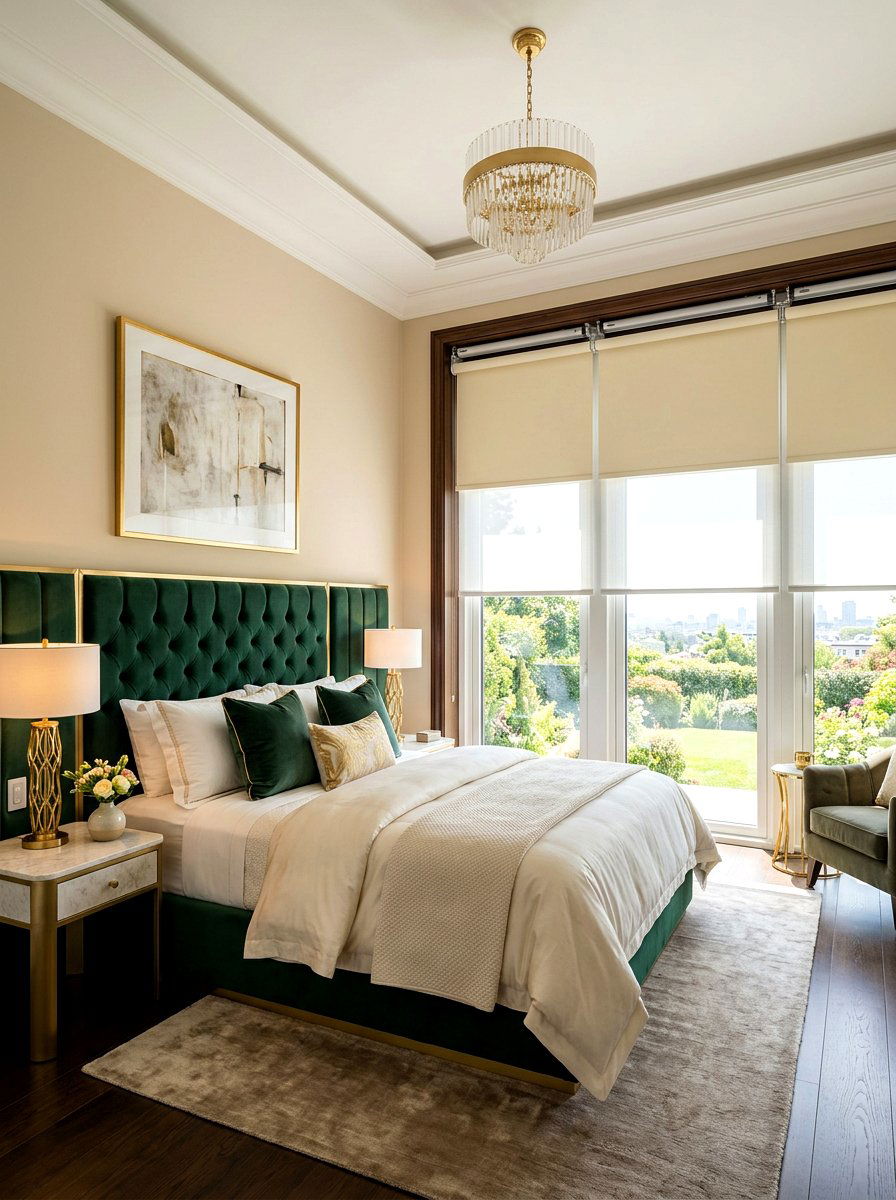
Creating a personal sanctuary is essential for your mental well-being and daily productivity. When you step into your bedroom after a long day, the atmosphere should immediately lower your heart rate and soothe your mind. Achieving a calming aesthetic involves more than just picking a pretty color; it is about harmonizing textures, lighting, and functional layouts to create a cohesive retreat. Whether you prefer the crisp look of a minimalist space or the organic warmth of a nature-filled room, these concepts are designed to inspire a sense of peace. These ideas focus on holistic design to transform your sleeping area into the ultimate relaxation zone you deserve.
1. Soft Blue Bedroom
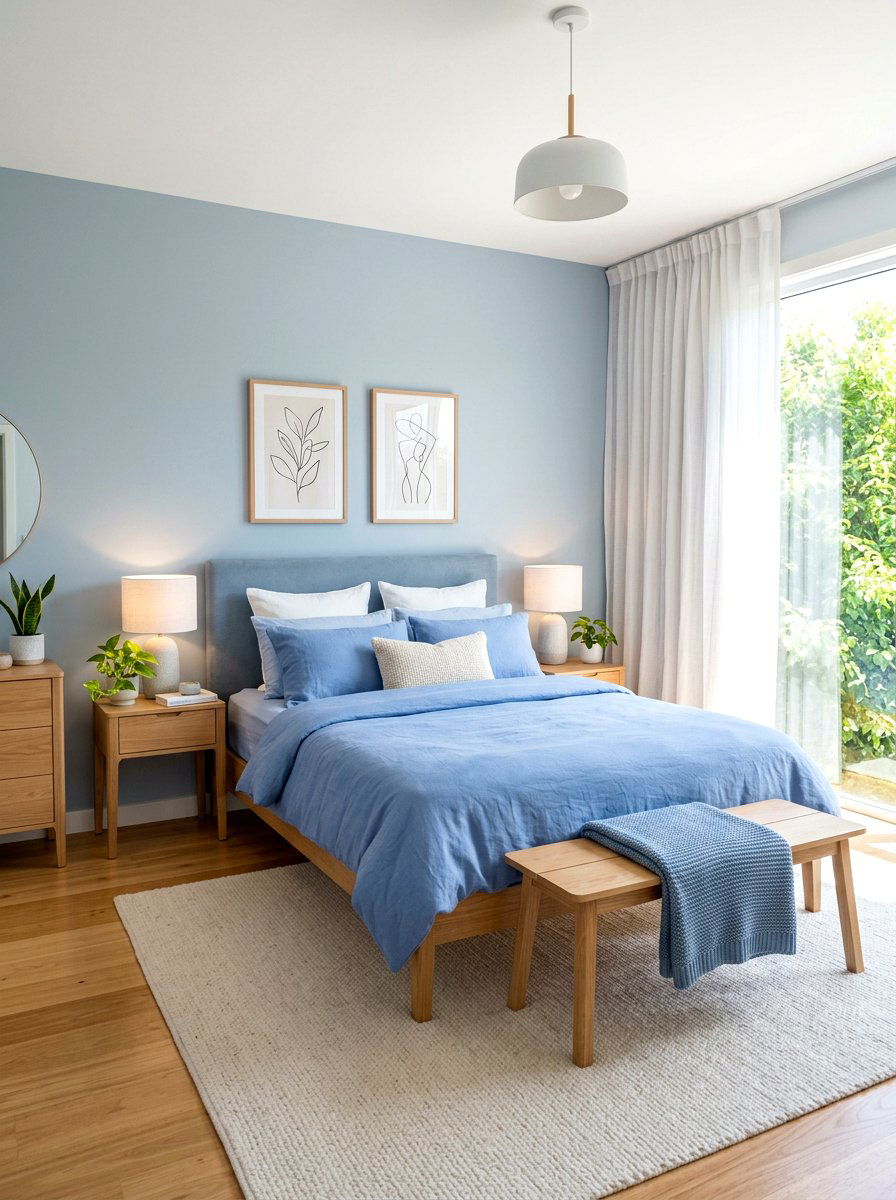
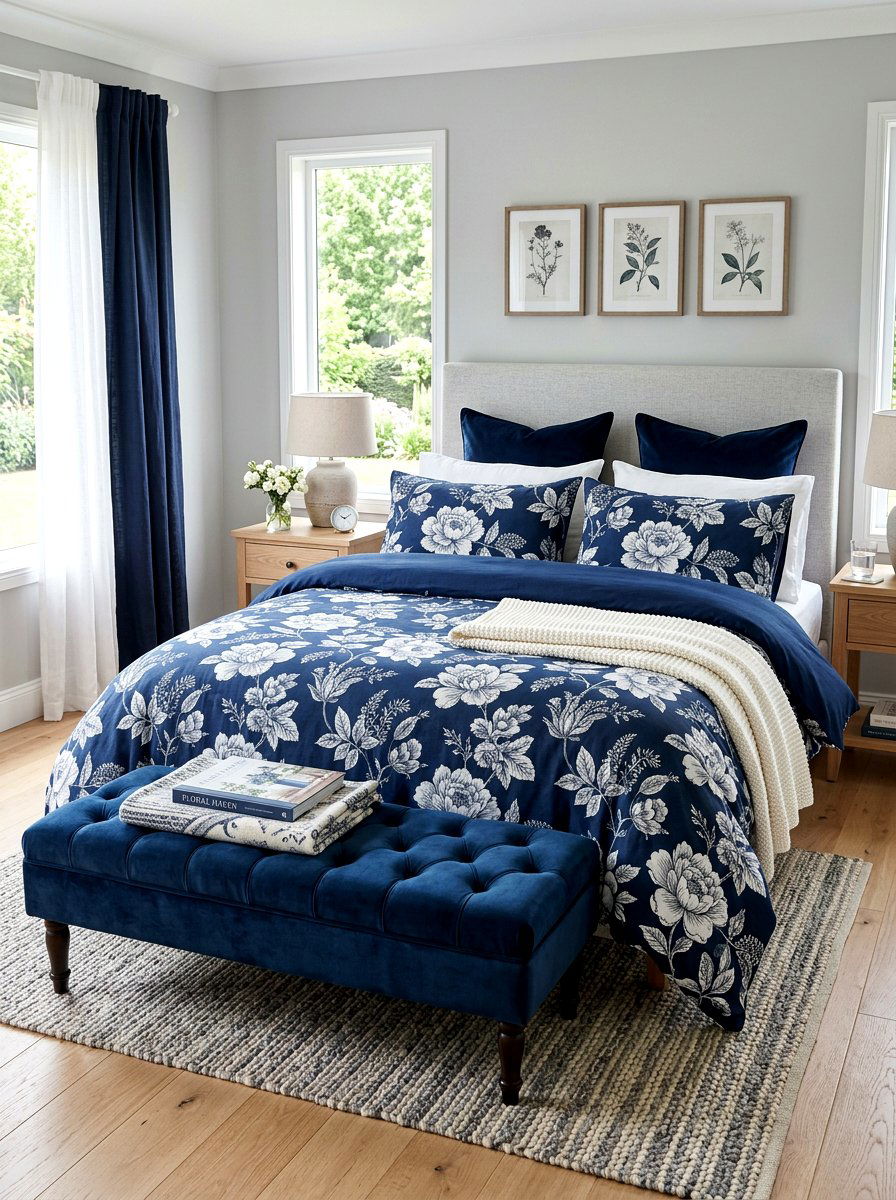
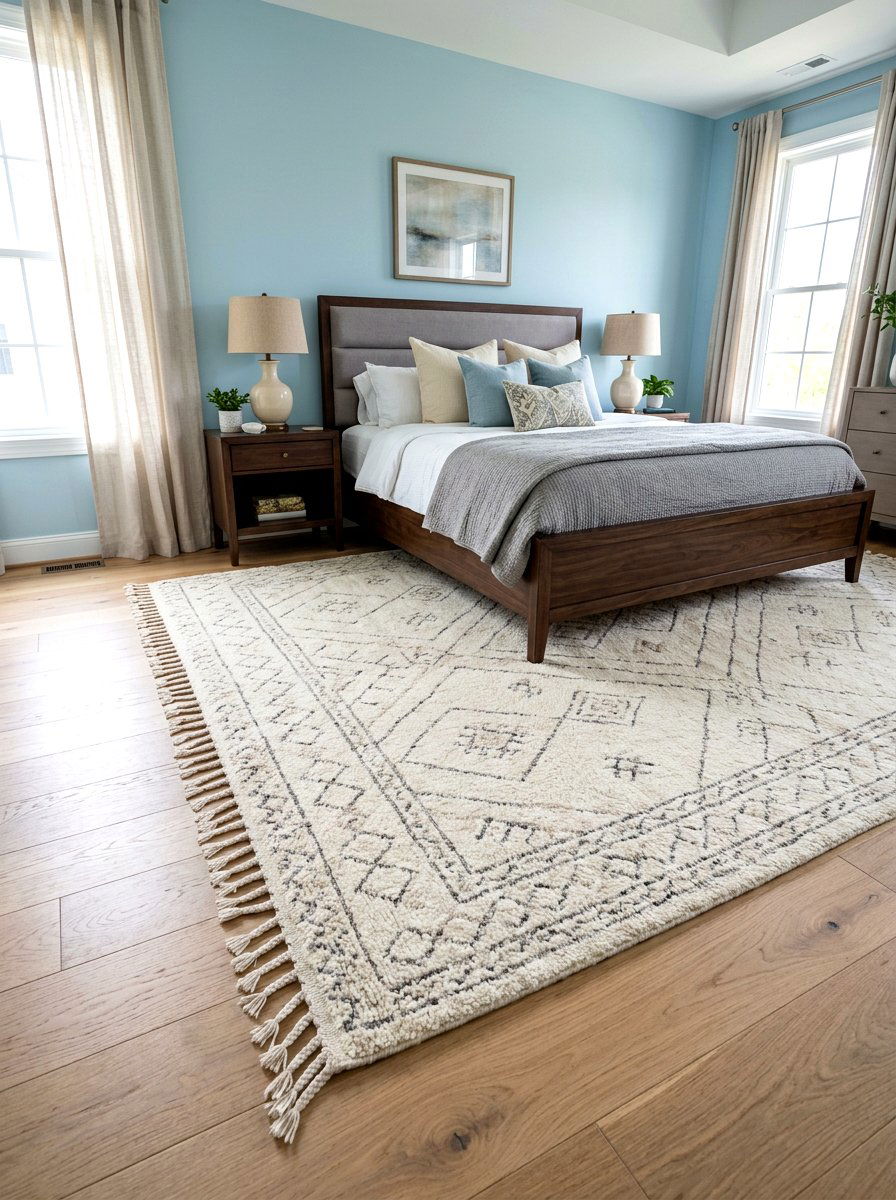
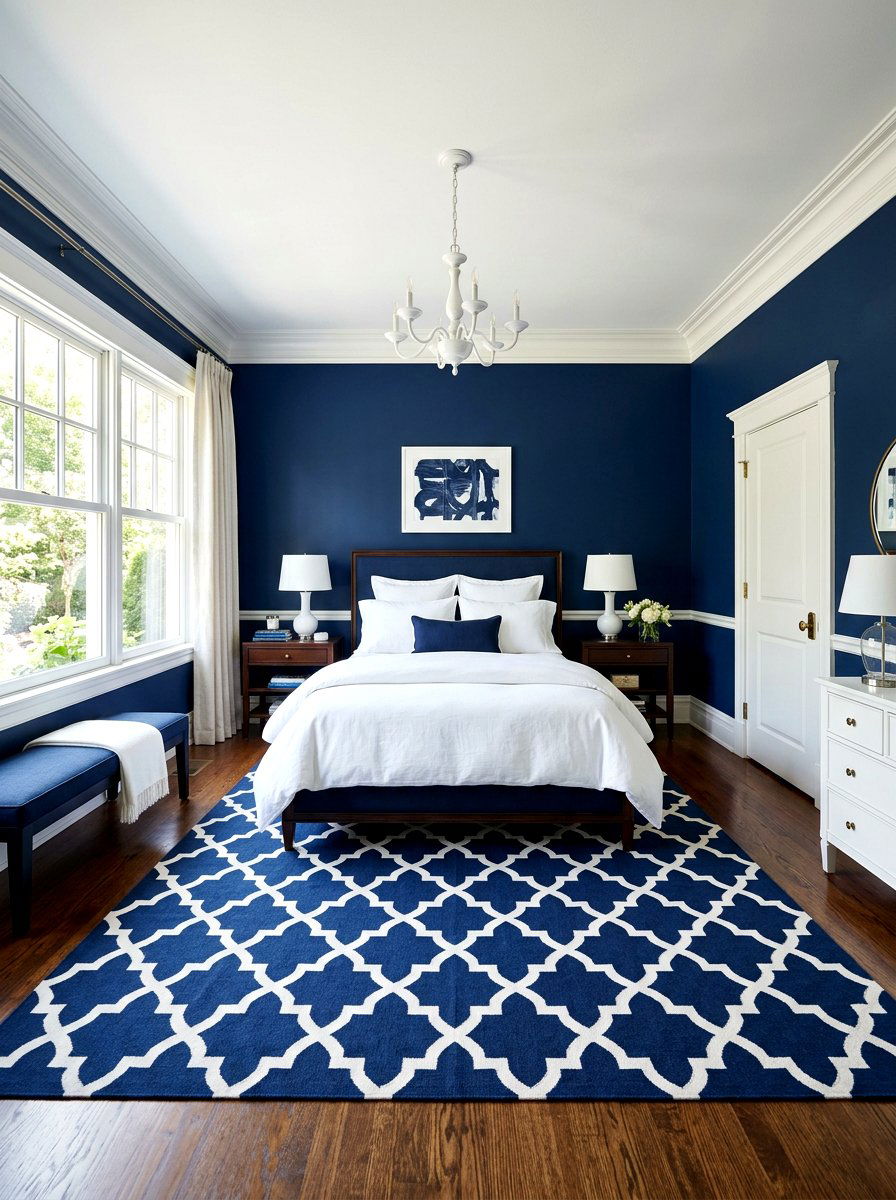
Walking into a room filled with soft blue tones instantly reminds you of a clear sky or a calm ocean. This color palette is scientifically proven to lower blood pressure and reduce anxiety levels. You can start by painting your walls a dusty or pale cornflower blue to set a serene foundation. Incorporating crisp white linens and light oak furniture helps balance the coolness of the blue hues. To add depth, consider using different shades of blue through throw pillows, textured rugs, or a soft wool blanket. This approach creates a cohesive and tranquil environment that feels both refreshing and deeply relaxing for a restful night.
2. Sage Green Bedroom
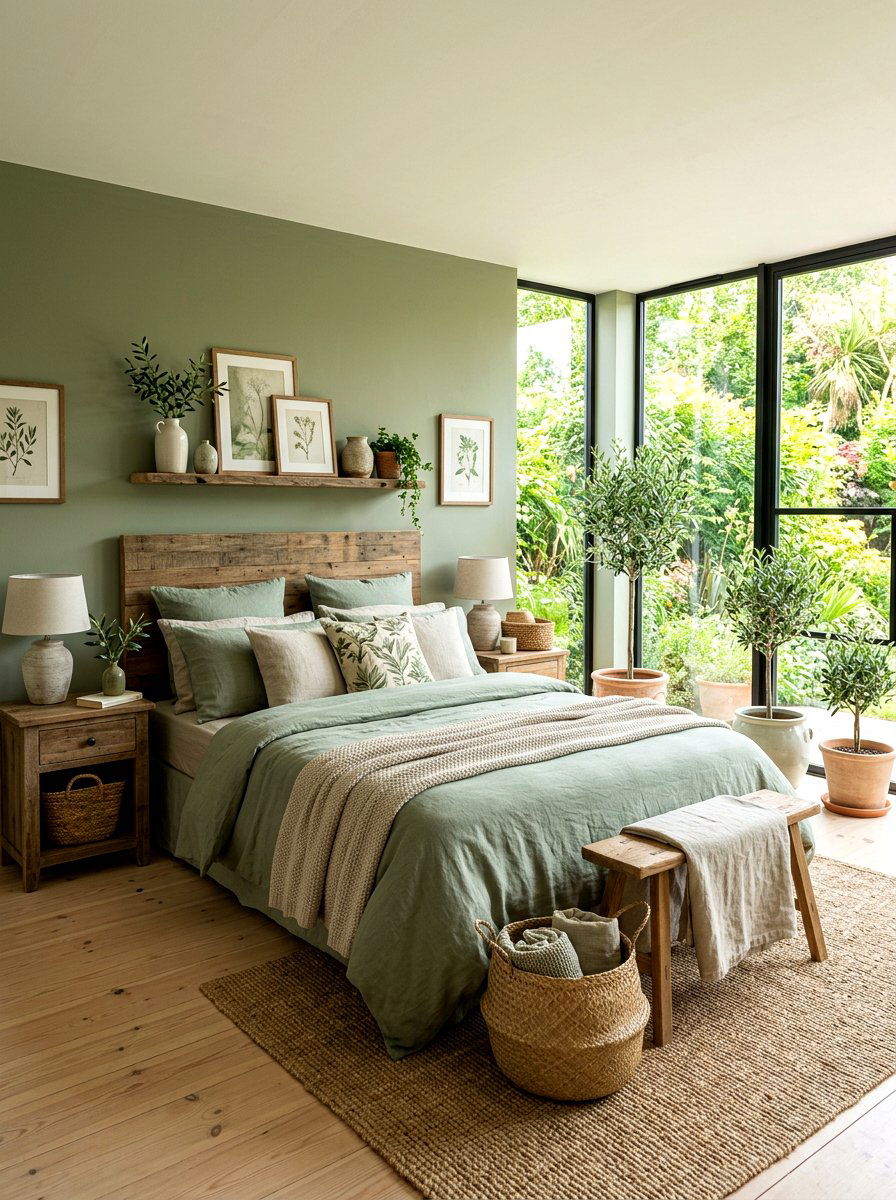
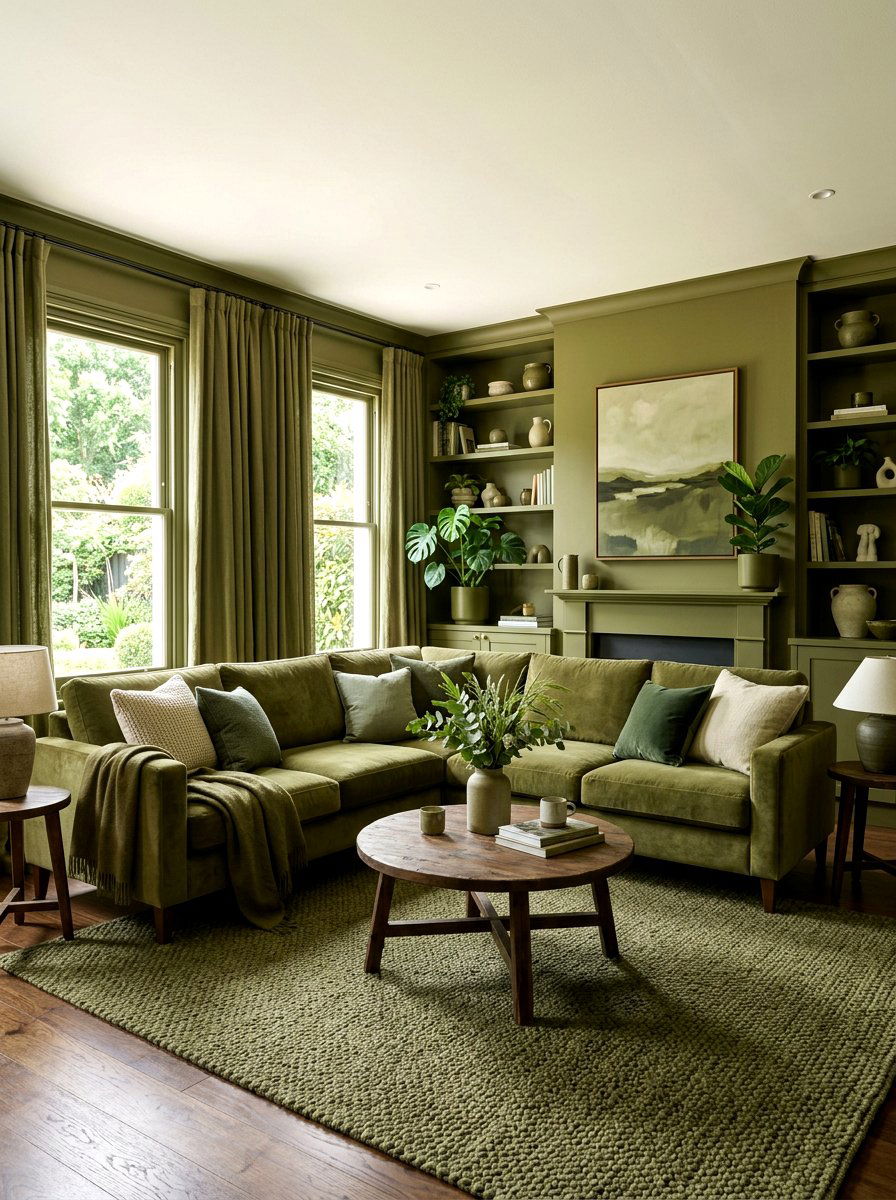
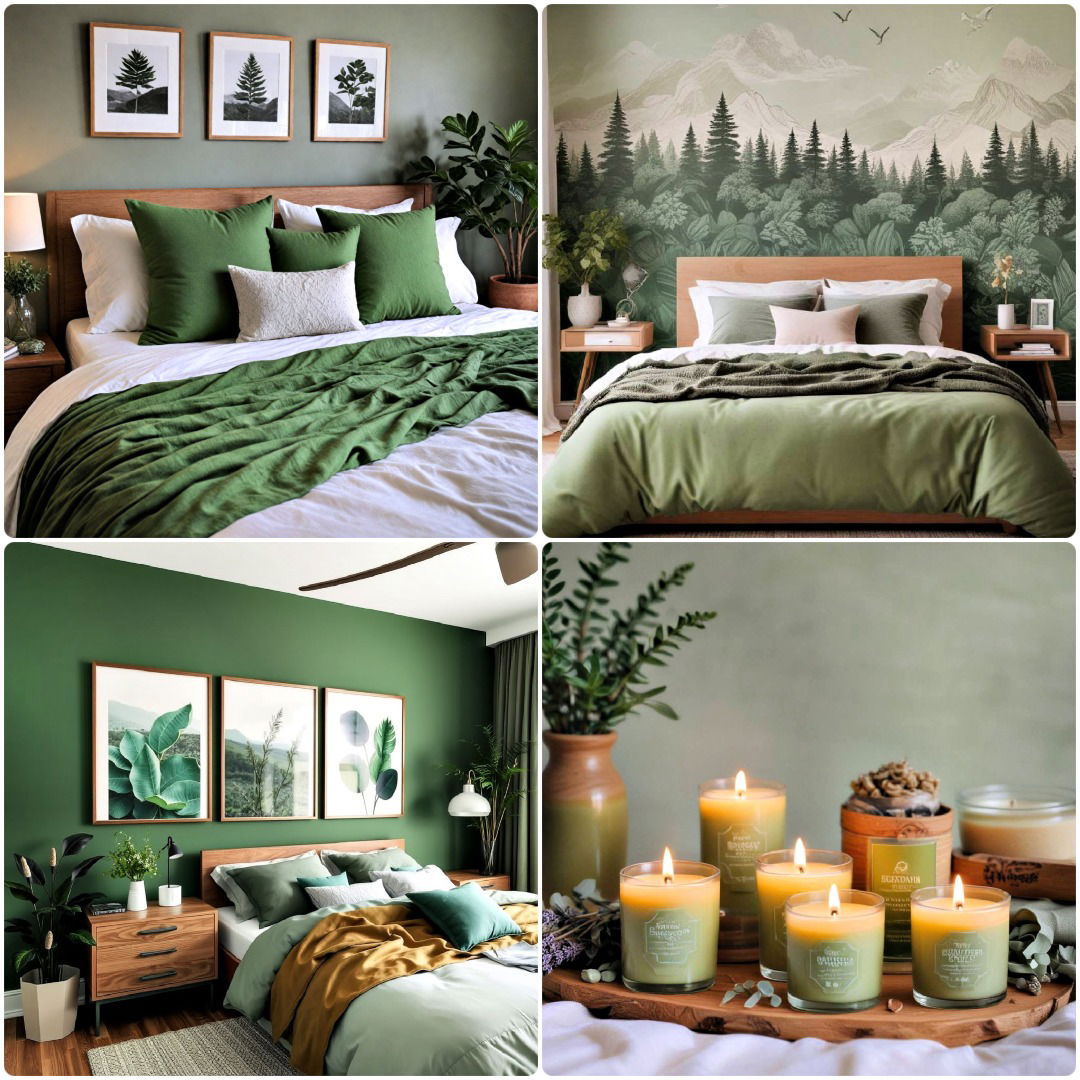
Sage green is a perfect choice for those who want to feel more connected to nature without leaving the house. This earthy, muted green shade acts as a neutral while providing a refreshing pop of color that feels incredibly grounding. Pair these green walls with natural wood elements, such as a reclaimed wood headboard or oak bedside tables, to enhance the organic feel. Adding botanical prints and soft linen bedding in cream or beige will complete the look. The result is a restorative space that mimics the peacefulness of a quiet forest, making it much easier to wind down every evening.
3. Warm Neutral Bedroom
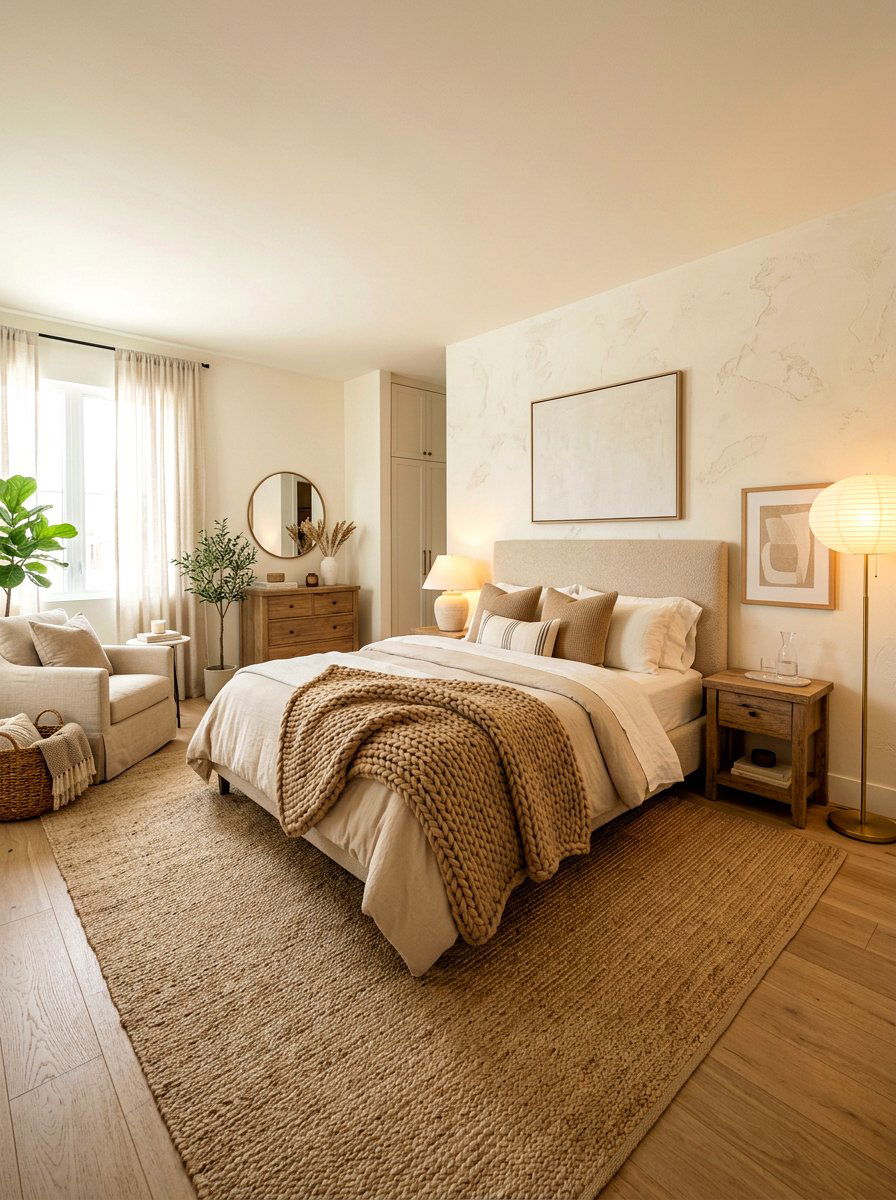
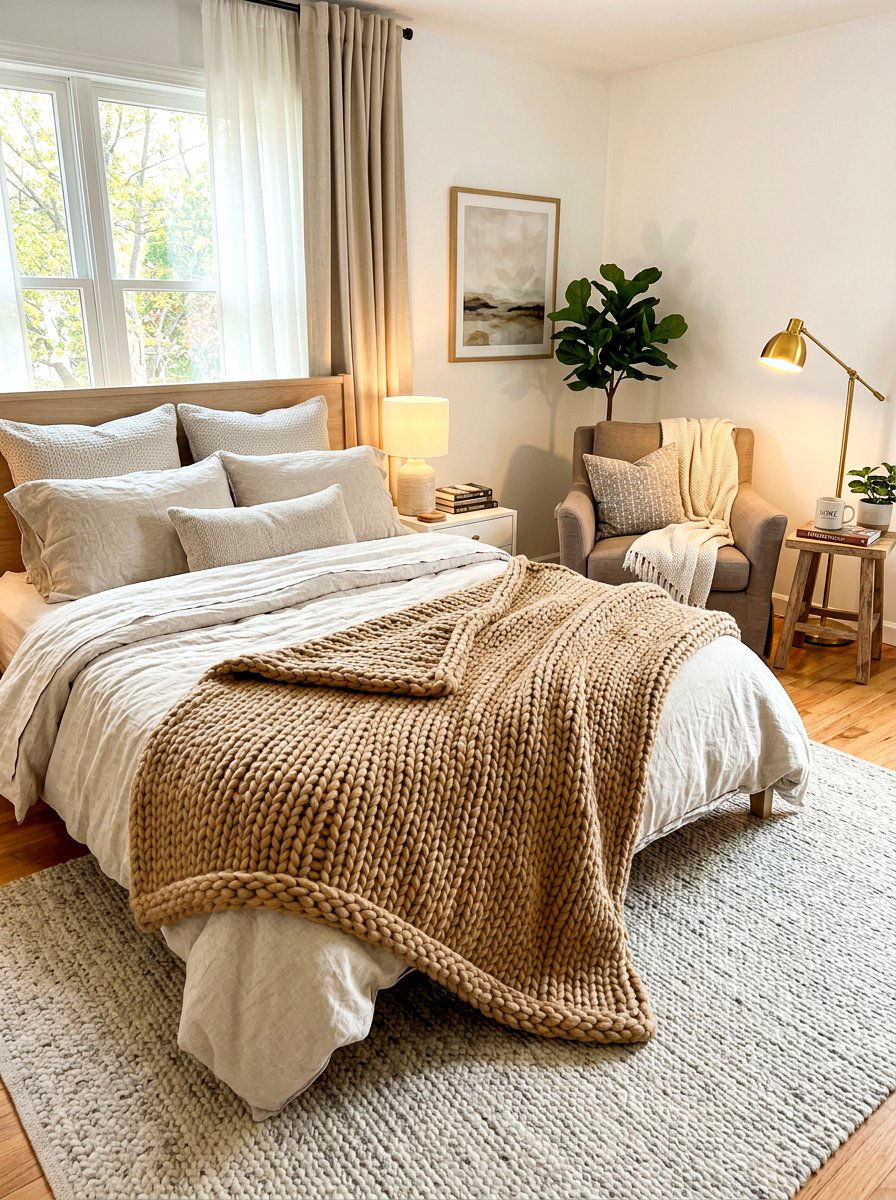
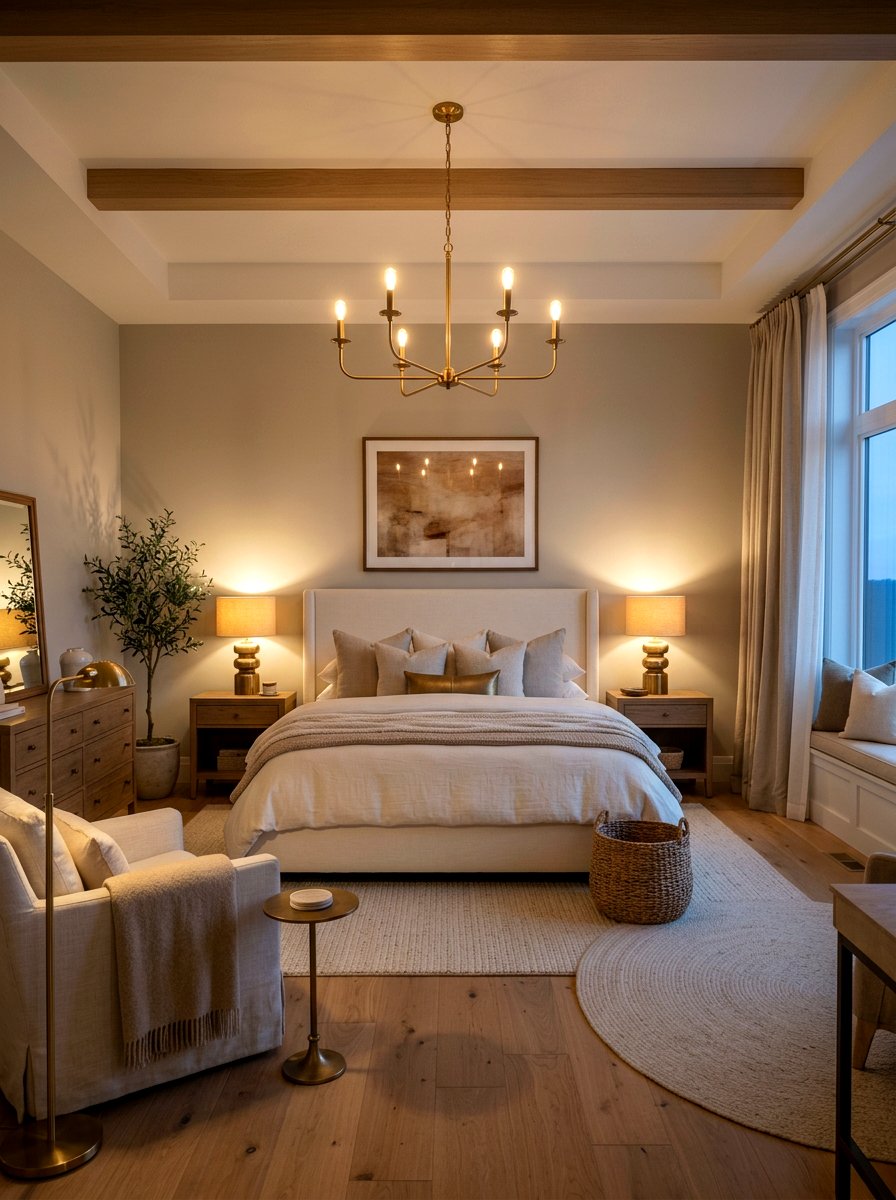
A warm neutral bedroom moves away from stark, cold whites and instead embraces creamy ivories, soft beiges, and sandy tans. This palette creates a cocoon-like effect that feels inviting and safe. To keep the room from looking flat, layer different textures like a chunky knit throw, a jute rug, and linen curtains. The combination of various beige tones adds sophisticated depth while maintaining a monochromatic serenity. Using warm-toned light bulbs further enhances the glow of these colors, making the entire space feel like a soft hug at the end of a very long, stressful day.
4. Minimalist White Bedroom
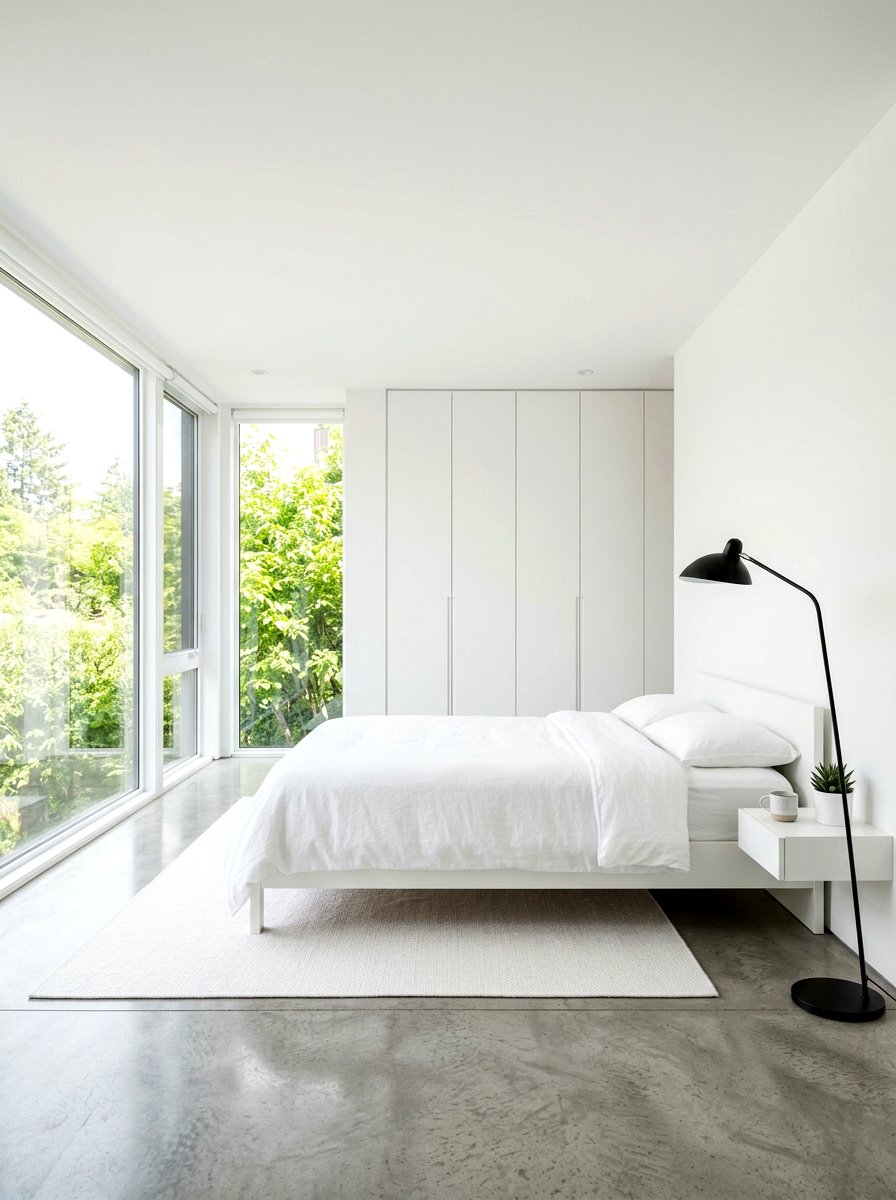
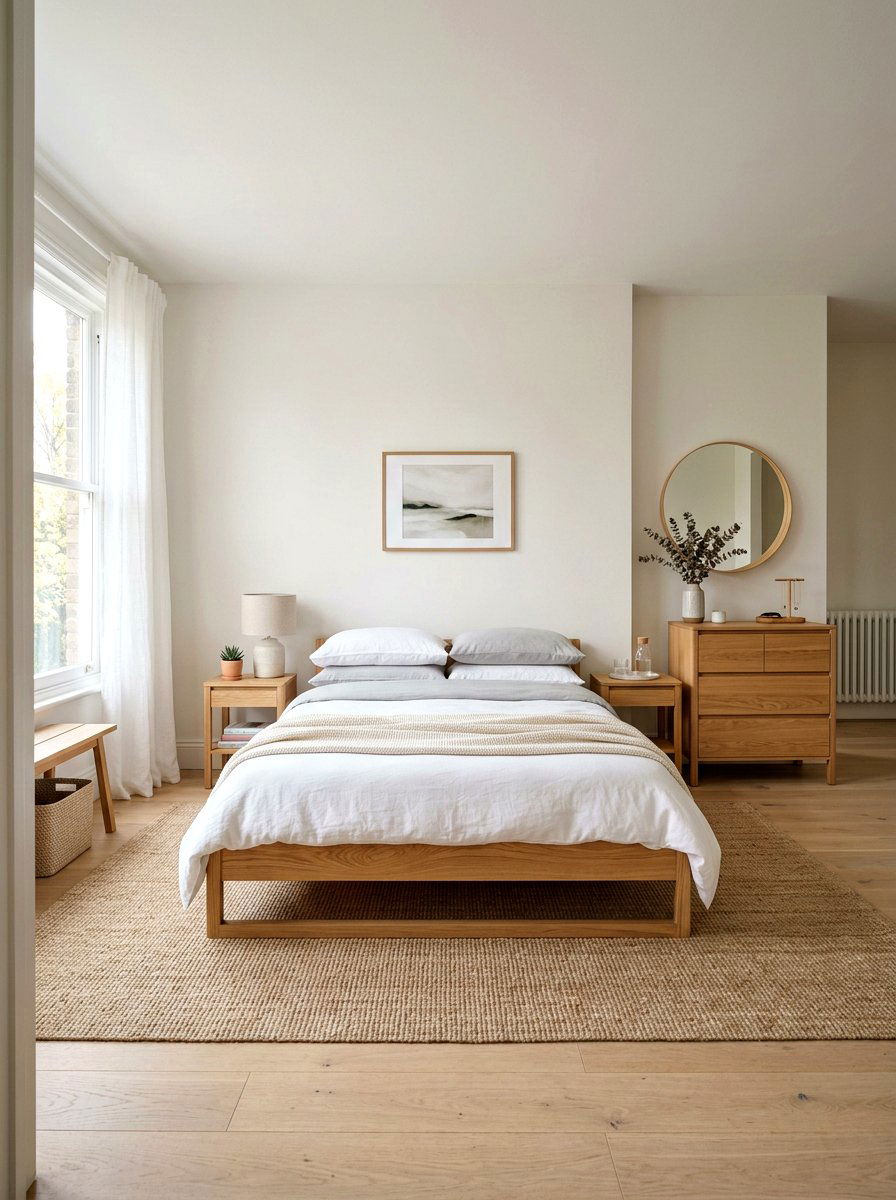
The minimalist white bedroom is all about decluttering the mind by decluttering the physical space around you. By sticking to a primarily white palette, you create an airy and bright atmosphere that feels incredibly open and light. Focus on high-quality basics, such as a simple platform bed and sleek, hidden storage to keep surfaces clear of visual noise. Introduce subtle contrast with a light grey rug or a single black metal floor lamp to ground the space. This design philosophy emphasizes quality over quantity, providing a clean slate that helps you wake up feeling refreshed and focused.
5. Biophilic Nature Bedroom
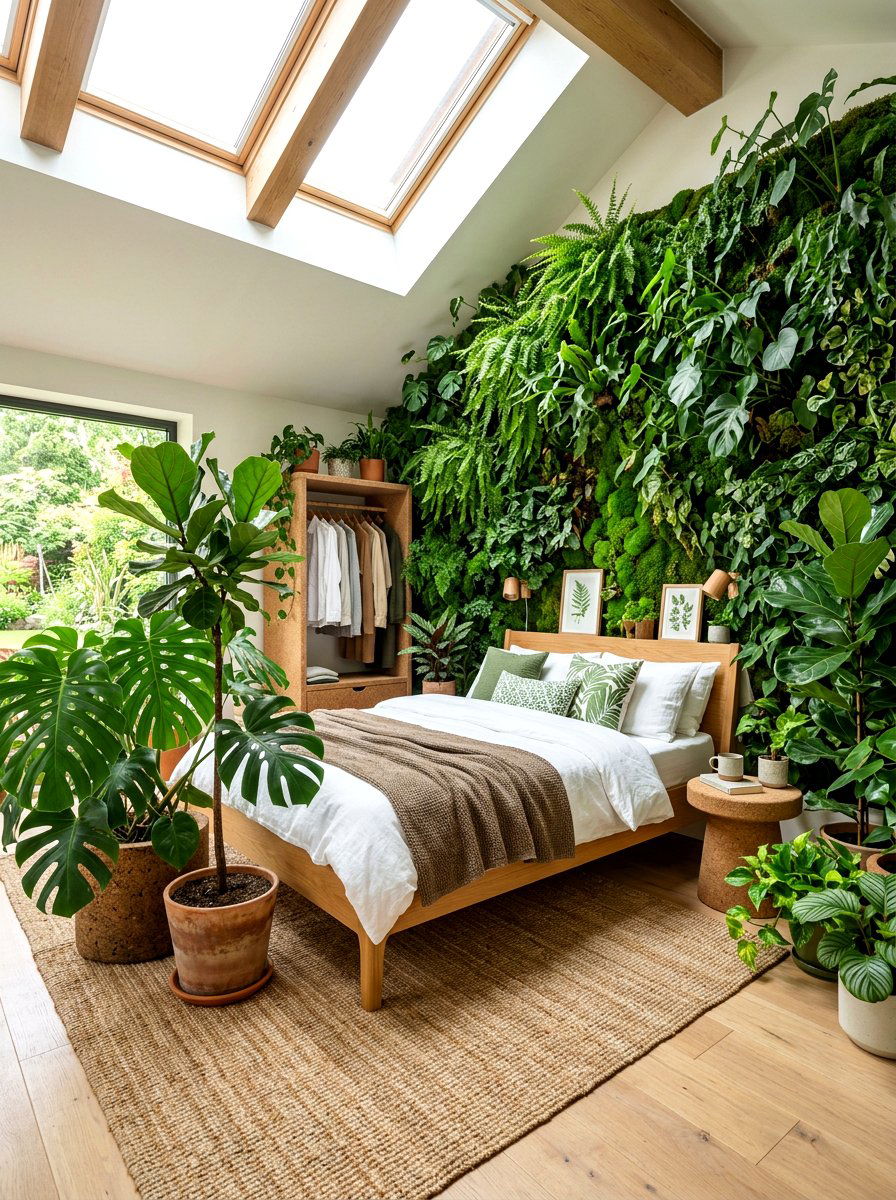
Biophilic design focuses on our innate human connection to the natural world by bringing the outdoors directly into your sleeping space. This involves more than just adding a few plants; it means using organic shapes, natural light, and raw materials like stone or cork. Large windows that offer a view of greenery are essential, but you can also use nature-inspired wallpaper or wood-slat accent walls. Incorporating a variety of indoor plants helps purify the air while adding vibrant, living energy to the room. The overall effect is a lush, healthy environment that promotes deeper sleep and better air quality.
6. Layered Linen Bedding
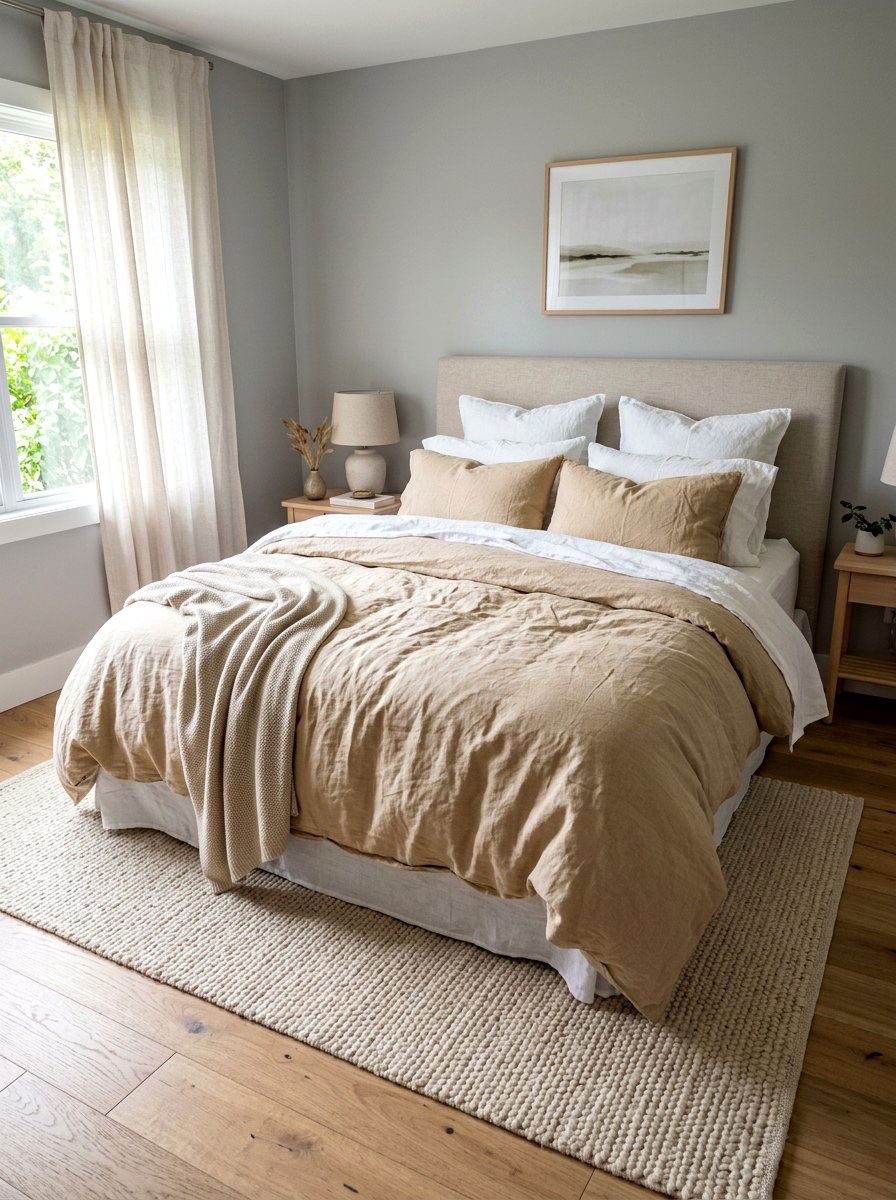
Layering different linen fabrics is a fantastic way to create a bed that looks and feels like a soft, fluffy cloud. Linen is a highly breathable material that regulates temperature, making it ideal for a comfortable night of rest. Start with a base of high-thread-count cotton sheets and then add a linen duvet cover in a complementary soft shade. Top the bed with several large linen pillows and a lightweight quilted coverlet at the foot of the bed. The wrinkled, lived-in texture of linen adds a relaxed charm that encourages you to dive in and forget your worries.
7. Japandi Style Bedroom
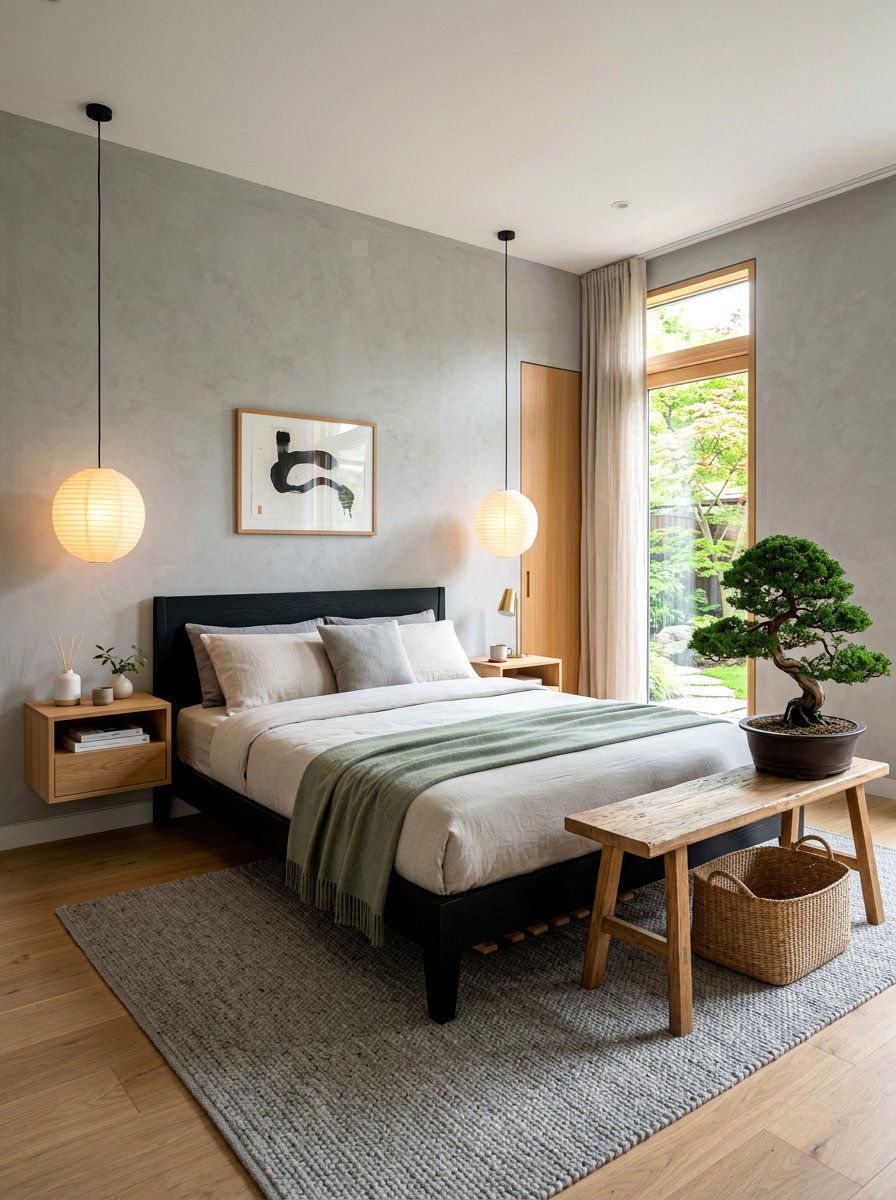
Japandi style is the beautiful marriage of Japanese minimalism and Scandinavian functionality, resulting in a space that is both clean and cozy. This aesthetic relies heavily on low-profile furniture, natural materials, and a palette of muted tones like charcoal, light wood, and stone. Every item in a Japandi bedroom should serve a purpose, which prevents the room from feeling overcrowded or chaotic. Use paper shoji-style lamps to create soft, diffused lighting and incorporate a few high-quality ceramic pieces for a touch of artisan craftsmanship. This balanced approach creates a timeless sanctuary that feels incredibly grounded and orderly.
8. Moody Dark Green Bedroom
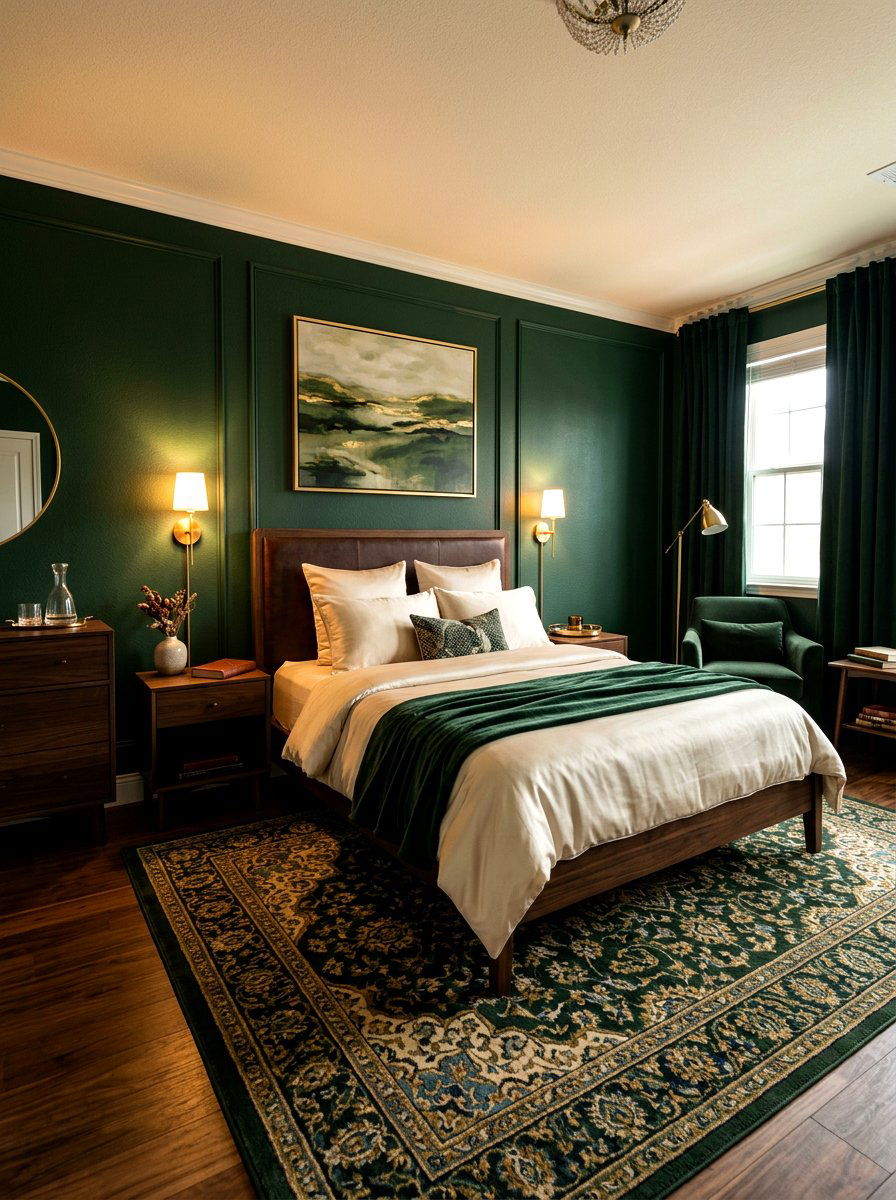
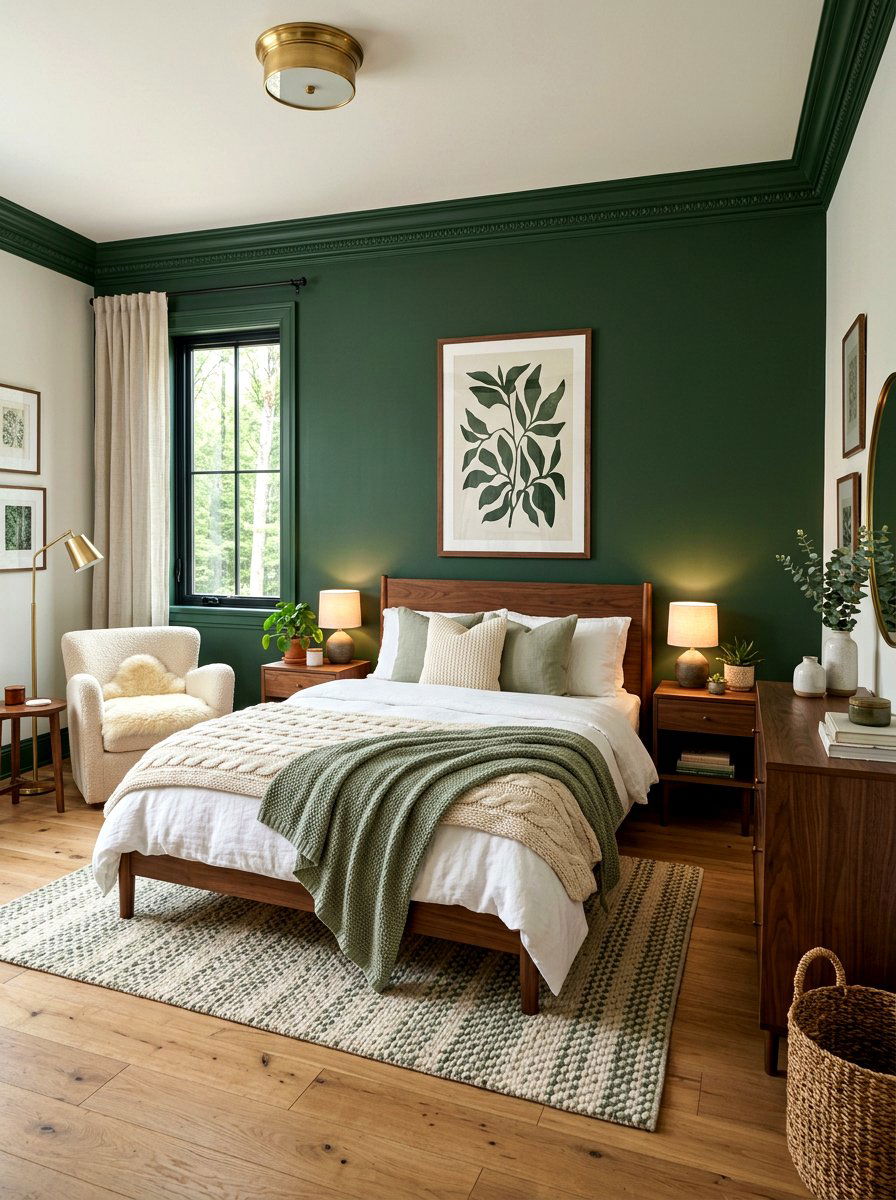
If you find dark environments more relaxing, a moody dark green bedroom can offer a sophisticated and cocooning retreat. Deep forest or hunter green walls create a dramatic backdrop that feels surprisingly intimate and quiet. To keep the space from feeling too heavy, balance the dark walls with warm wood furniture and gold or brass accents. Light-colored bedding in a soft grey or off-white provides a necessary visual break. This style is particularly effective at night, as the dark walls absorb light and help signal to your brain that it is time to sleep and fully recover.
9. Coastal Inspired Bedroom
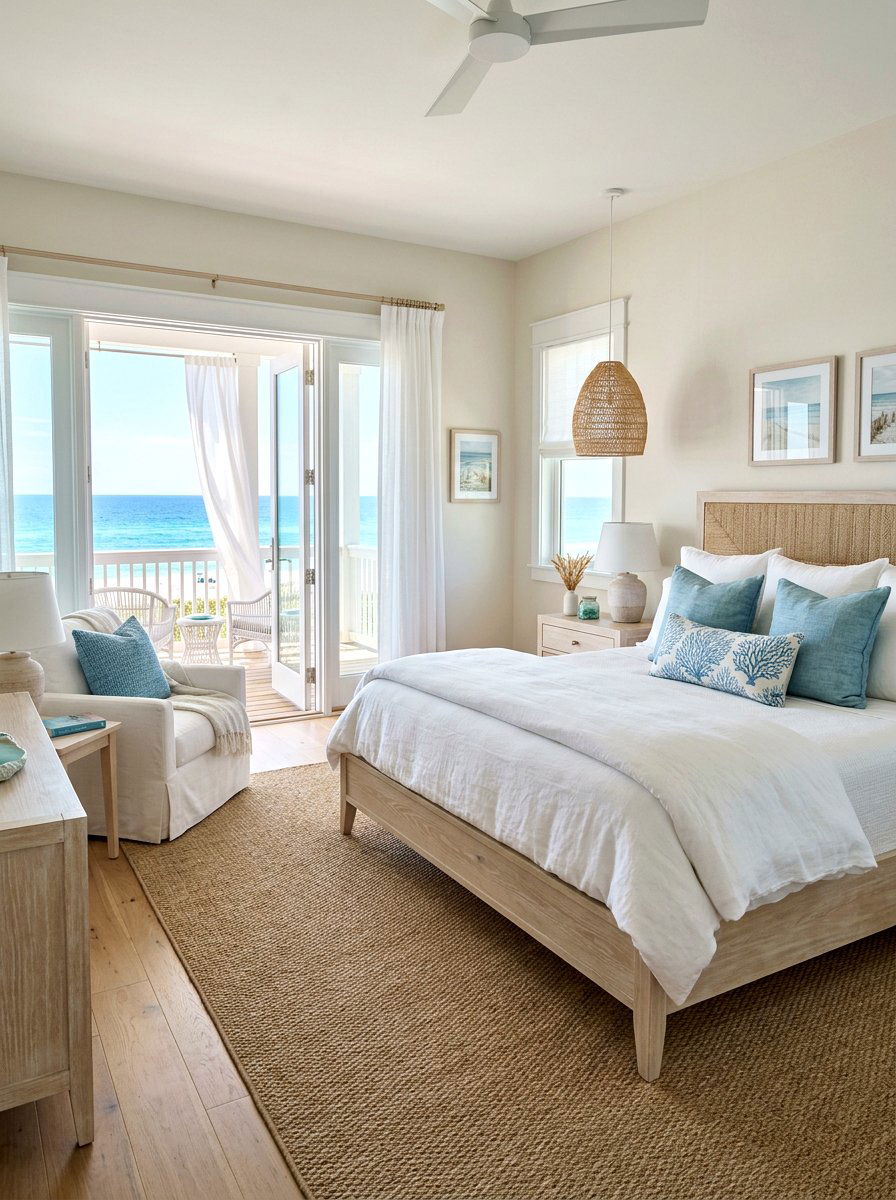
A coastal bedroom captures the effortless and breezy feeling of a beach vacation without using tacky nautical cliches. Instead, focus on a palette of soft sands, watery blues, and crisp whites to evoke a sense of coastal serenity. Use light-washed wood furniture and woven textures like seagrass or rattan to add an organic beachy vibe. Sheer white curtains that catch the breeze and a large, soft rug that feels like sand underfoot enhance the sensory experience. This design is perfect for creating a light-filled, airy room that feels like a peaceful escape from the daily grind.
10. Earthy Terracotta Bedroom
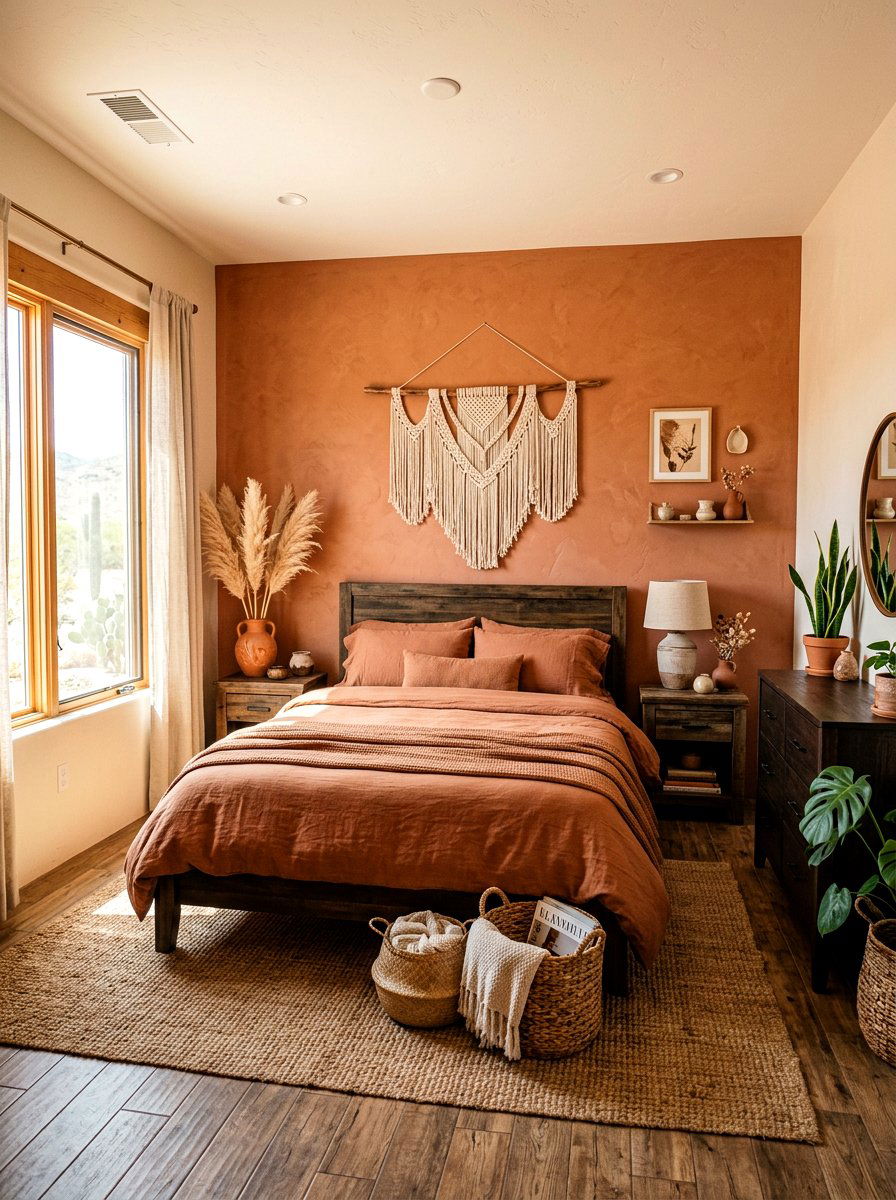
Terracotta tones bring a sense of warmth and ancient earthiness to a bedroom, making it feel incredibly cozy and sun-baked. This rich, reddish-brown hue pairs beautifully with other desert-inspired colors like ochre, sage, and cream. Use clay-colored bedding or a textured terracotta accent wall to anchor the room. Adding handmade pottery and woven wall hangings adds a touch of bohemian charm and tactile interest. The warmth of the terracotta creates a grounding atmosphere that feels particularly comforting during the cooler months, providing a vibrant yet soothing space for relaxation and deep, uninterrupted sleep.
11. Scandinavian Design Bedroom
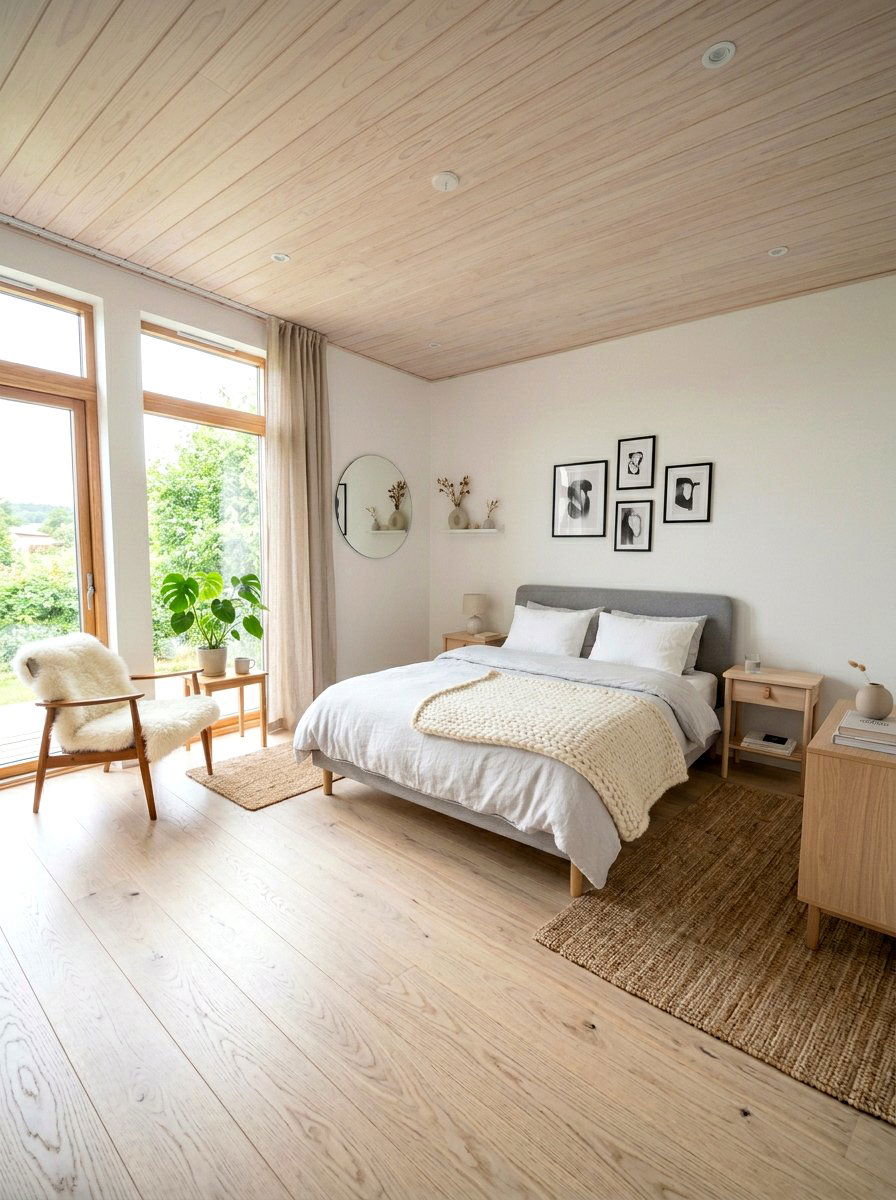
Scandinavian bedroom design is famous for its "hygge" factor, which emphasizes comfort, warmth, and simple pleasures. This look often features light wood floors, white walls, and plenty of cozy textiles like sheepskin rugs or wool throws. Functionality is key, so choose furniture with clean lines and built-in storage to maintain a tidy environment. Large windows are usually left unobstructed to let in as much natural light as possible during the day. This bright and uncluttered aesthetic creates a cheerful and peaceful atmosphere that makes spending time in your bedroom feel like a treat for your mental health.
12. Lavender Hues Bedroom
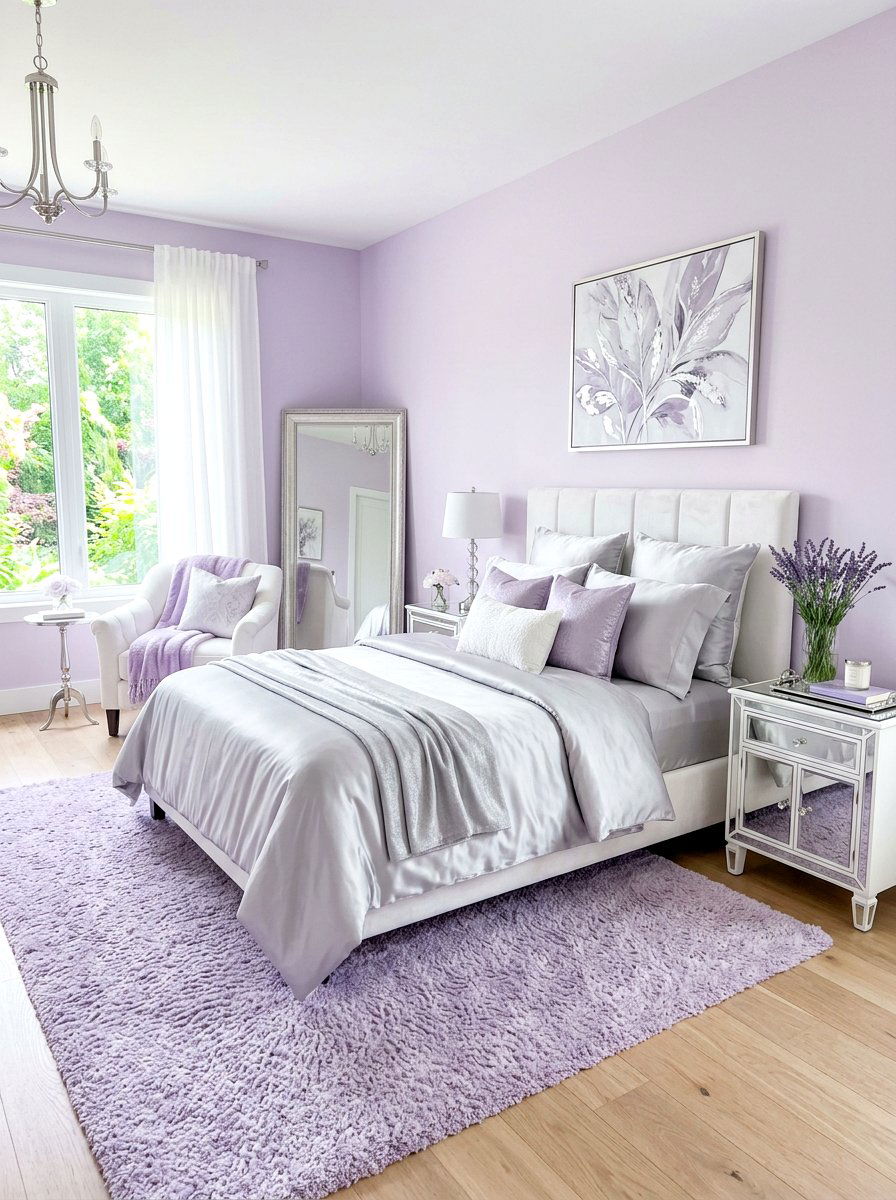
Lavender is widely known for its calming properties, and using it as a primary color in your bedroom can be incredibly effective. Unlike bright purples, soft lavender or lilac shades are gentle on the eyes and create a dreamy, ethereal vibe. You can use lavender-toned bedding or paint a soft accent wall to introduce the color. Combine these hues with metallic silver accents and white furniture for a modern, sophisticated look. To enhance the experience, incorporate actual dried lavender in a vase or use a lavender-scented diffuser. This creates a multi-sensory environment dedicated entirely to tranquility.
13. Textured Plaster Wall
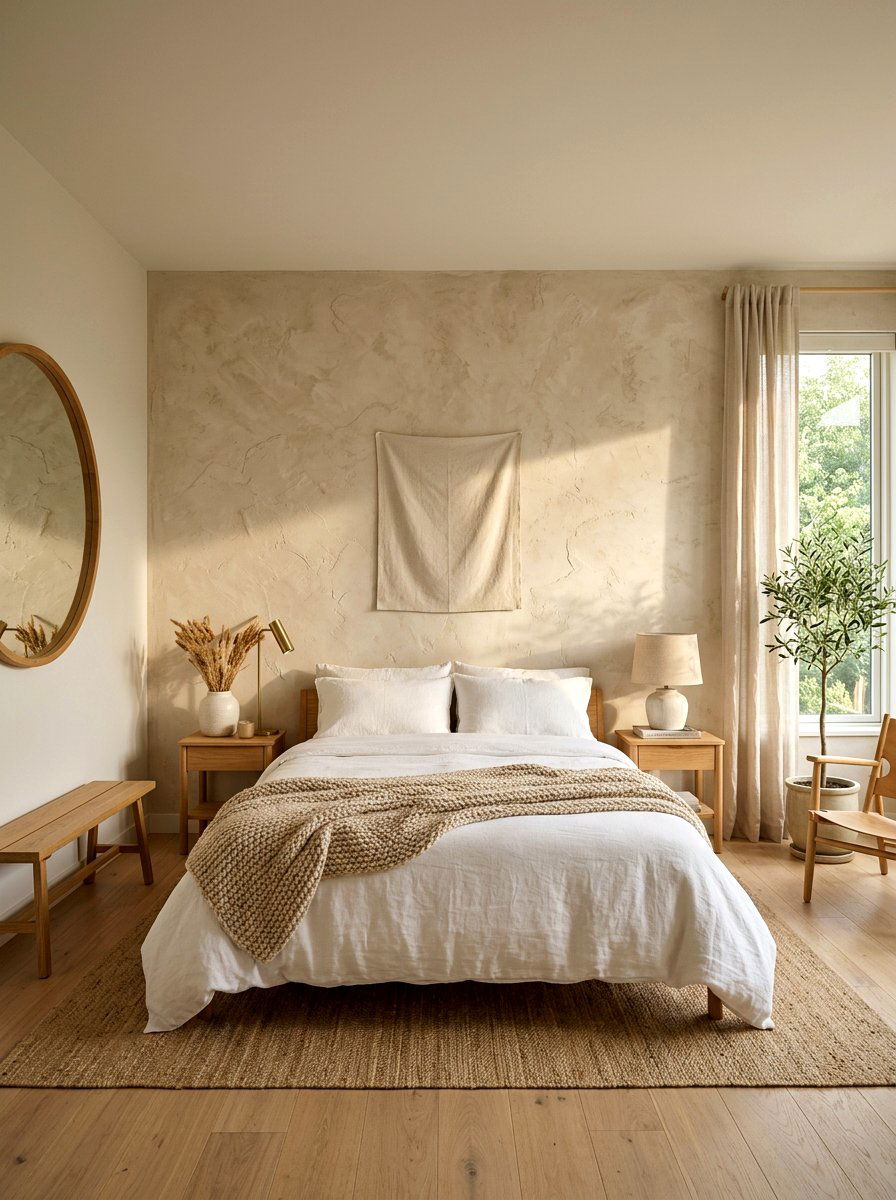
Introducing a textured plaster wall adds a touch of Old World charm and organic depth to a modern bedroom. The uneven, hand-applied finish of plaster creates subtle shadows and highlights that make a room feel more alive and artisanal. Choose a neutral tone like oatmeal or soft grey to keep the look sophisticated and calming. This architectural feature eliminates the need for excessive wall decor, as the wall itself becomes a piece of art. Pair the textured surface with smooth linen fabrics and simple wooden furniture to create a beautiful contrast between the rugged wall and soft interior.
14. Woven Rattan Furniture
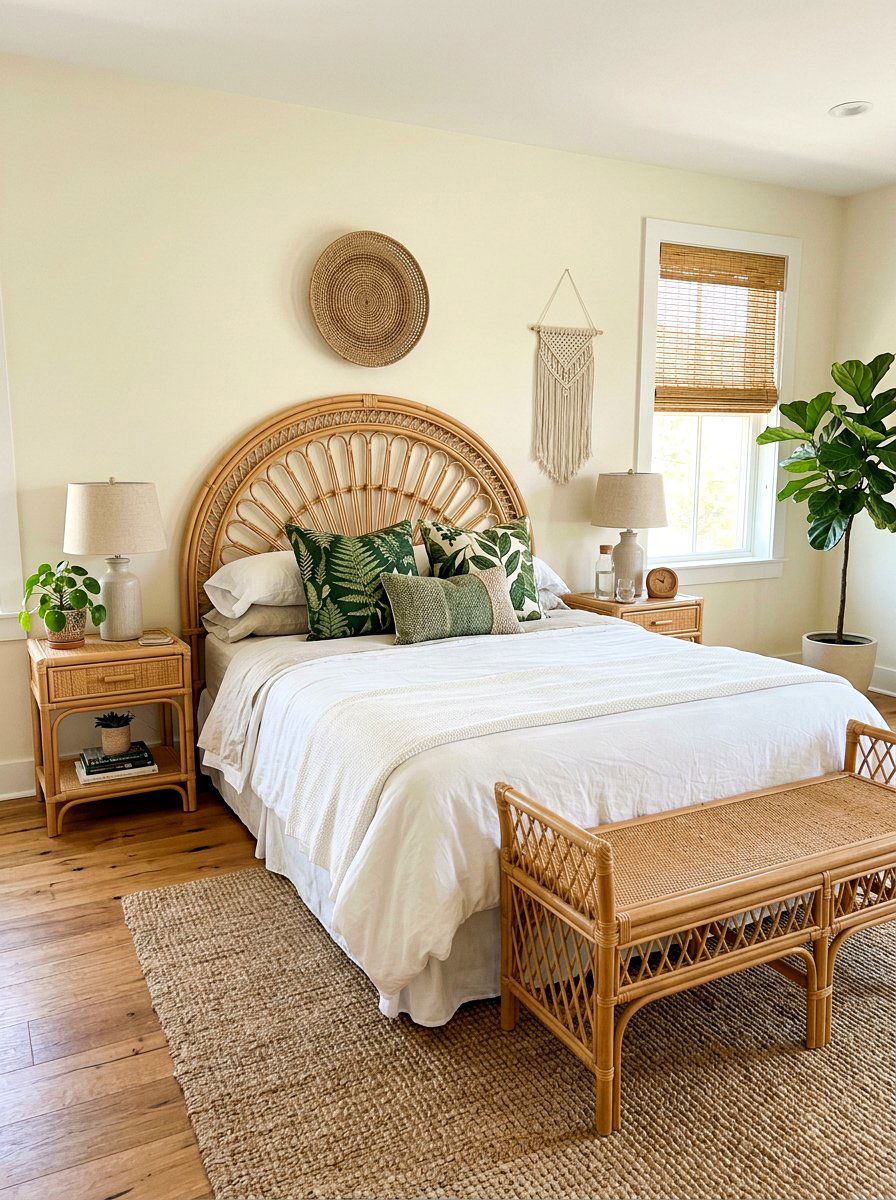
Rattan and wicker furniture bring a natural, lightweight feel to a bedroom that instantly lightens the mood. A rattan headboard or a set of woven bedside tables adds a touch of texture that feels both vintage and contemporary. Because rattan is an organic material, it pairs perfectly with indoor plants and soft cotton textiles. This style works well in small rooms because the open-weave design of rattan furniture allows light to pass through, preventing the space from feeling cramped. The result is a relaxed, bohemian-leaning retreat that feels connected to nature and provides a breezy, peaceful atmosphere.
15. Curved Furniture Bedroom
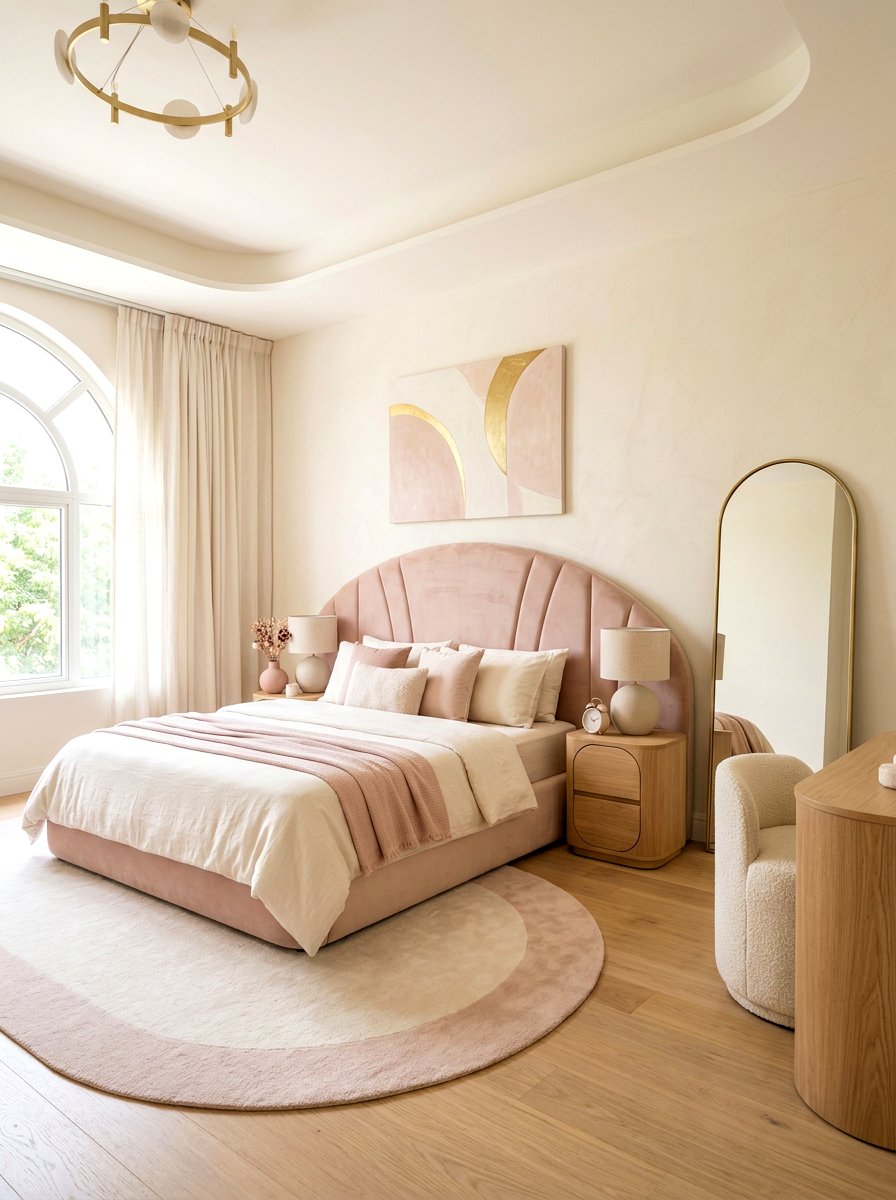
The sharp angles of traditional furniture can sometimes feel harsh or aggressive in a space meant for rest. Replacing these with curved furniture, such as a rounded headboard or an arched mirror, creates a much softer and more fluid aesthetic. Circles and curves are naturally more pleasing to the eye and promote a sense of safety and continuity. Look for bouclé chairs with rounded backs or nightstands with soft, scalloped edges to introduce this trend. This approach helps the energy of the room flow more freely, resulting in a sanctuary that feels gentle, protective, and incredibly modern.
16. Indoor Plant Sanctuary
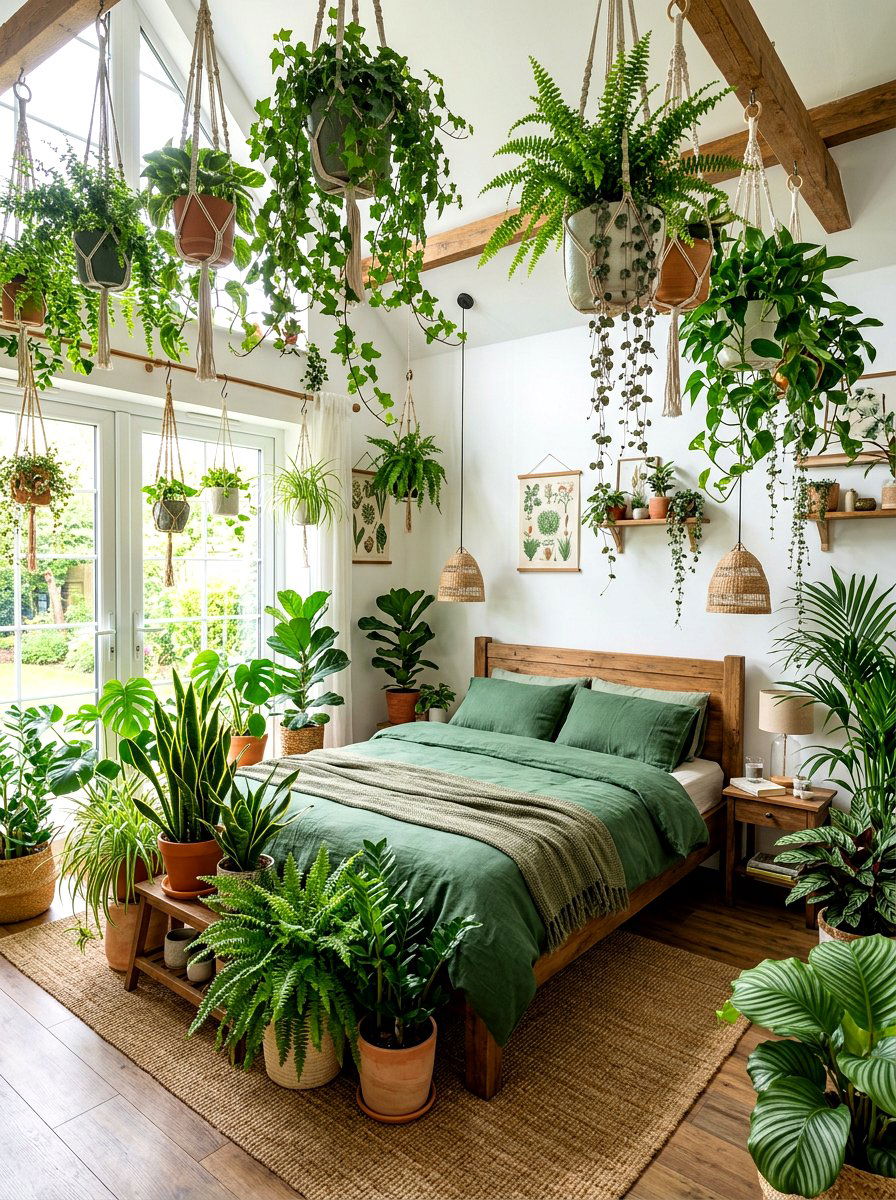
Transforming your bedroom into an indoor plant sanctuary can significantly improve both the air quality and your overall mood. Plants like snake plants, peace lilies, and aloe vera are excellent choices because they release oxygen at night. Arrange plants at varying heights, using hanging macrame planters, tall floor pots, and small succulents on the windowsill. The lush greenery provides a vibrant contrast against neutral walls and creates a living decor that changes over time. Being surrounded by living things fosters a sense of responsibility and peace, making your bedroom feel like a private garden hidden away from the world.
17. Misty Gray Bedroom
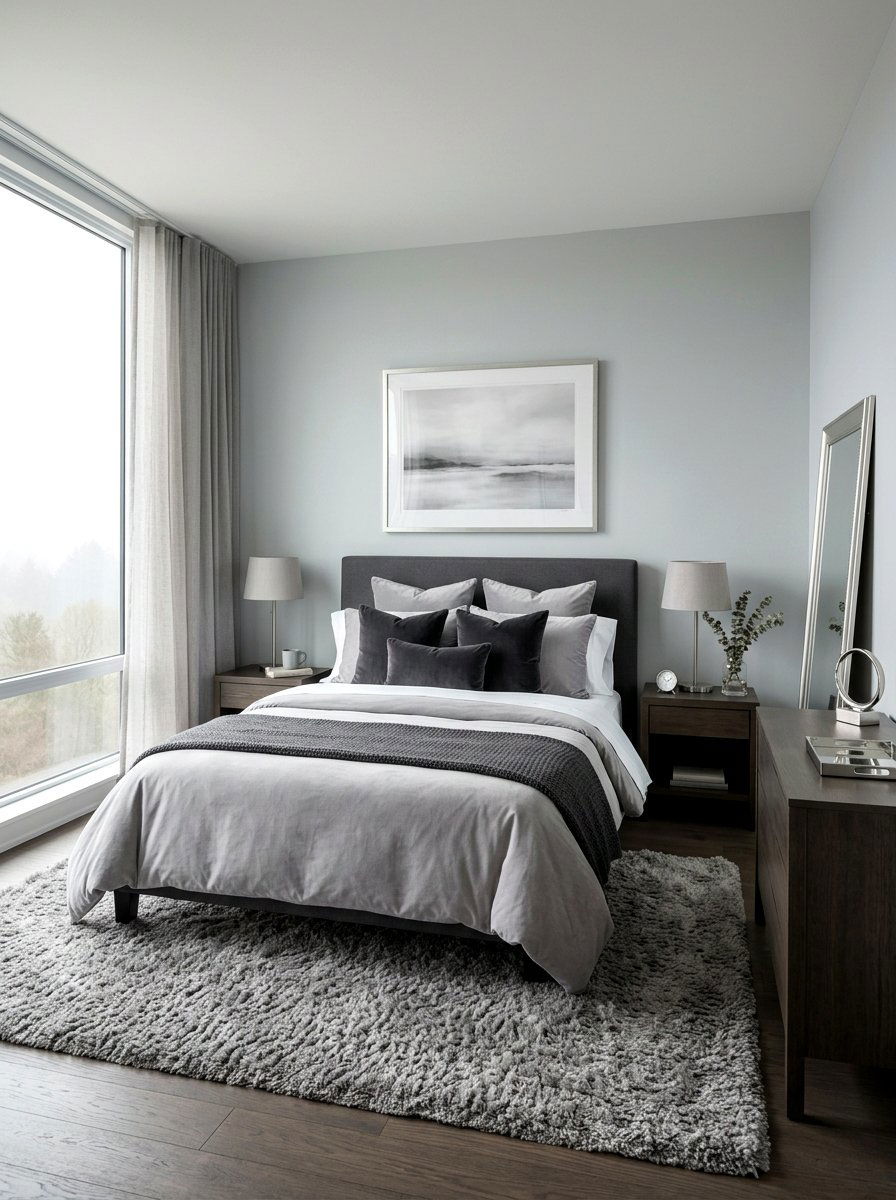
Misty gray is the ultimate "quiet" color, offering a neutral backdrop that is neither too warm nor too cool. It mimics the appearance of a foggy morning, providing a soft and hazy environment that is perfect for sleeping in. Layer different shades of gray, from charcoal to dove, to add visual interest without breaking the monochromatic peace. Use plush textures like velvet pillows or a high-pile rug to keep the room from feeling too sterile. This sophisticated palette works in almost any light condition, ensuring your bedroom always feels like a calm and steady refuge regardless of the weather outside.
18. Warm Wood Accents
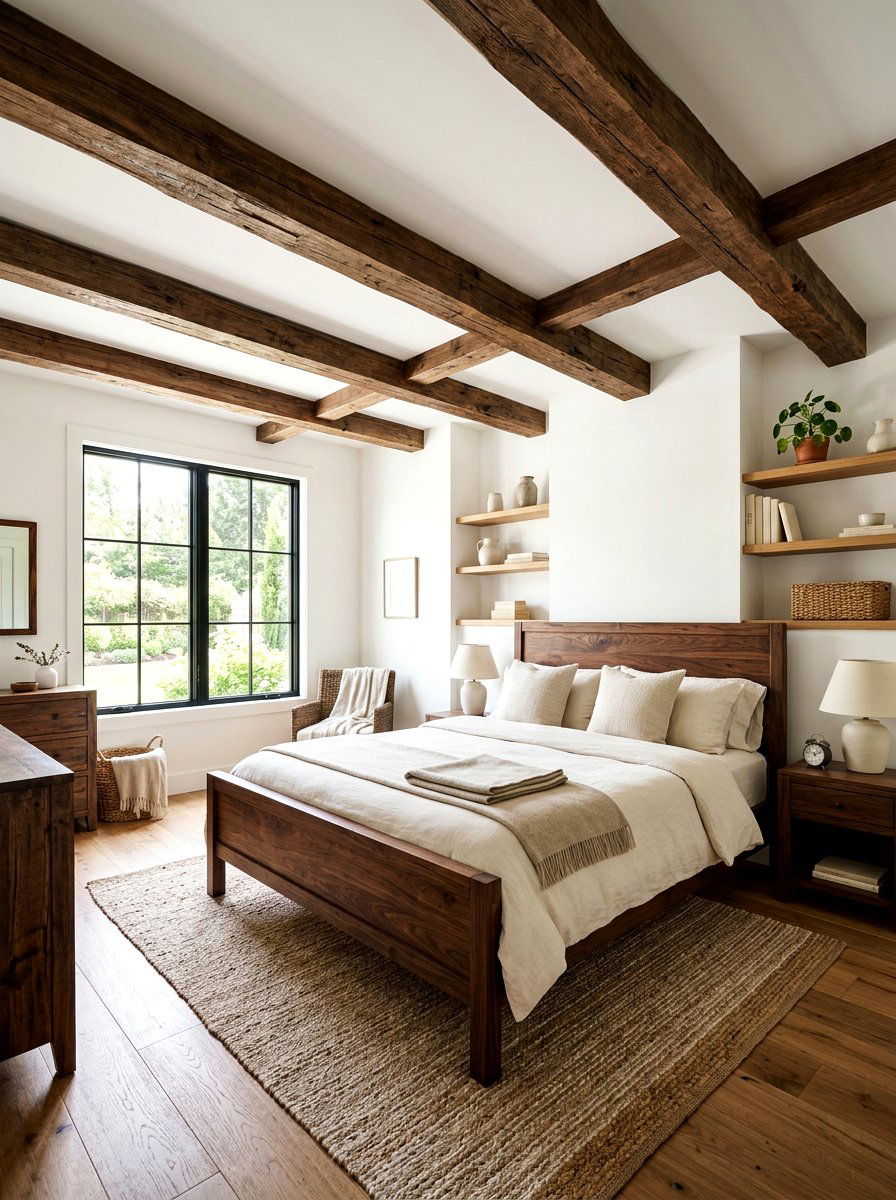
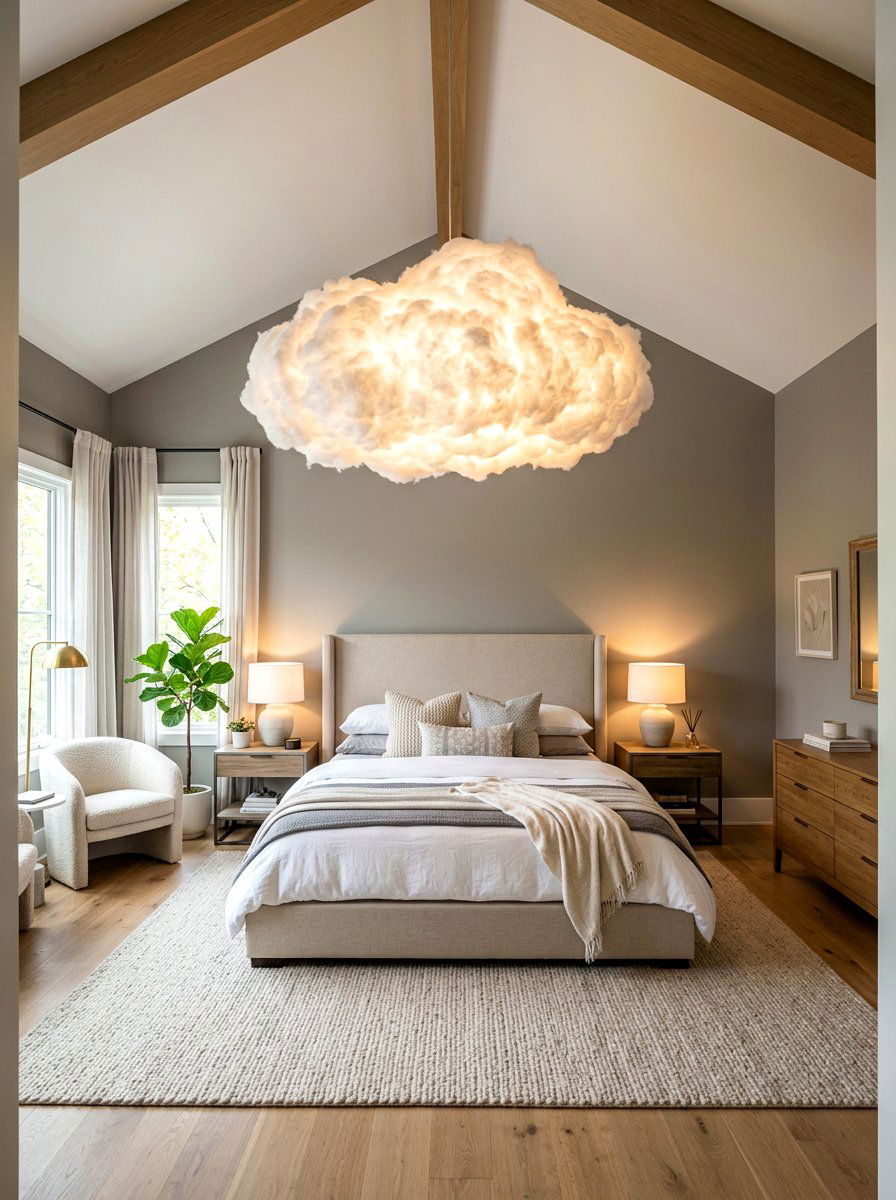
Wood is one of the most grounding materials you can use in interior design, as it brings a sense of the forest indoors. Incorporating warm wood accents through ceiling beams, floating shelves, or a solid walnut bed frame adds instant character and warmth. The natural grain of the wood provides a subtle pattern that is much more relaxing than geometric prints. Combine these wood elements with soft white walls and neutral bedding to let the natural material shine. This combination creates a timeless, rustic elegance that feels sturdy and comforting, providing a solid foundation for a peaceful night's rest.
19. Soft Lighting Ambience
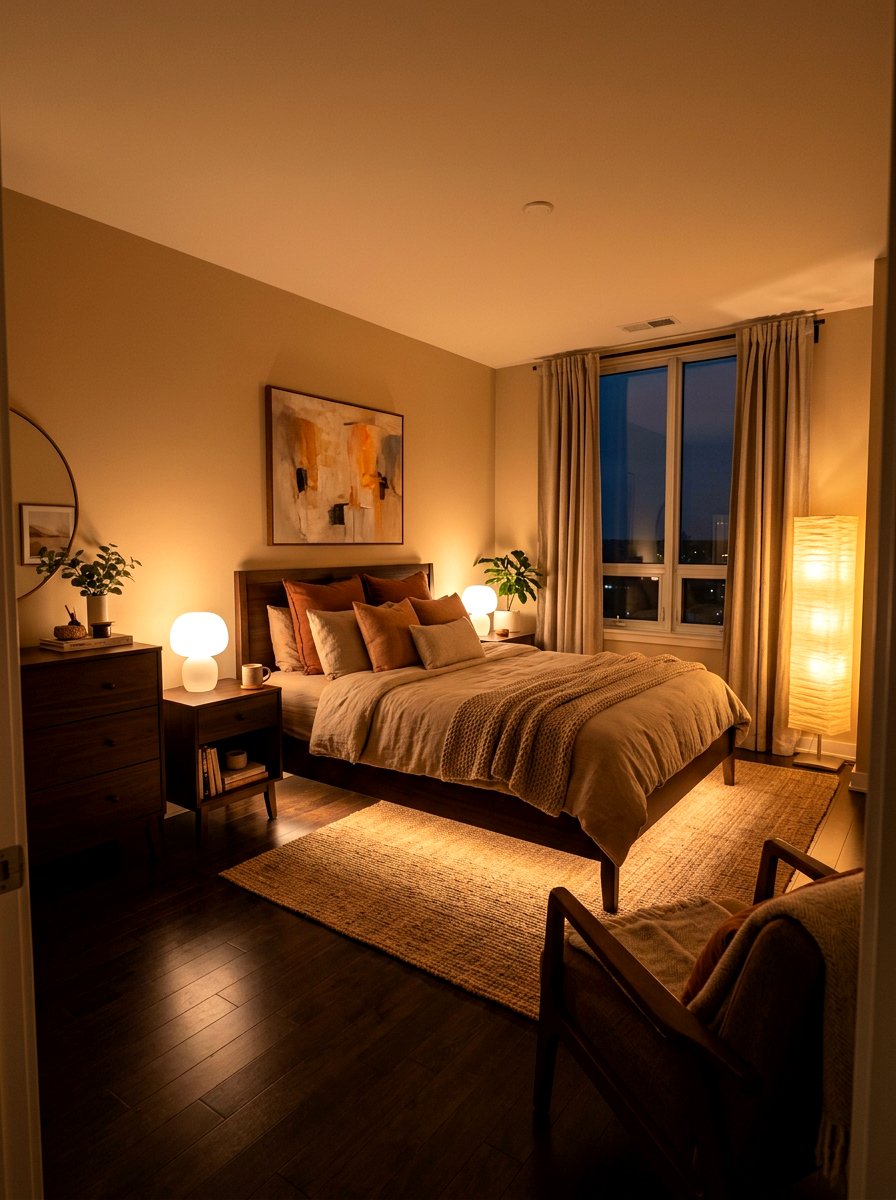
The right lighting can completely change the mood of a room from functional to ethereal in seconds. Instead of using a single harsh overhead light, incorporate multiple sources of soft, warm lighting throughout the bedroom. Use dimmable bedside lamps, a warm-toned floor lamp in the corner, and perhaps some subtle LED strip lighting behind the headboard. Choosing bulbs with a low Kelvin rating ensures the light is amber and soft, mimicking the glow of a sunset. This layered approach helps regulate your circadian rhythm, signaling to your body that it is time to produce melatonin and prepare for sleep.
20. All White Retreat
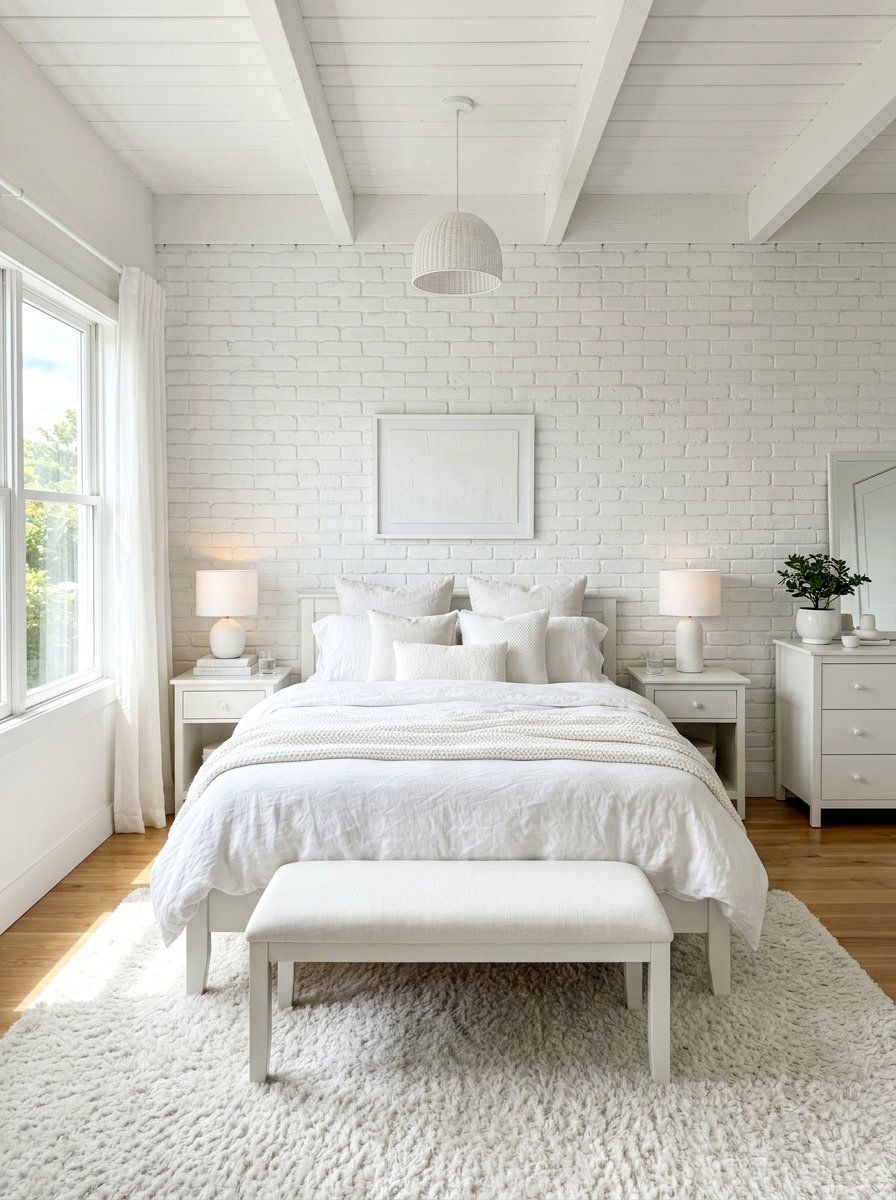
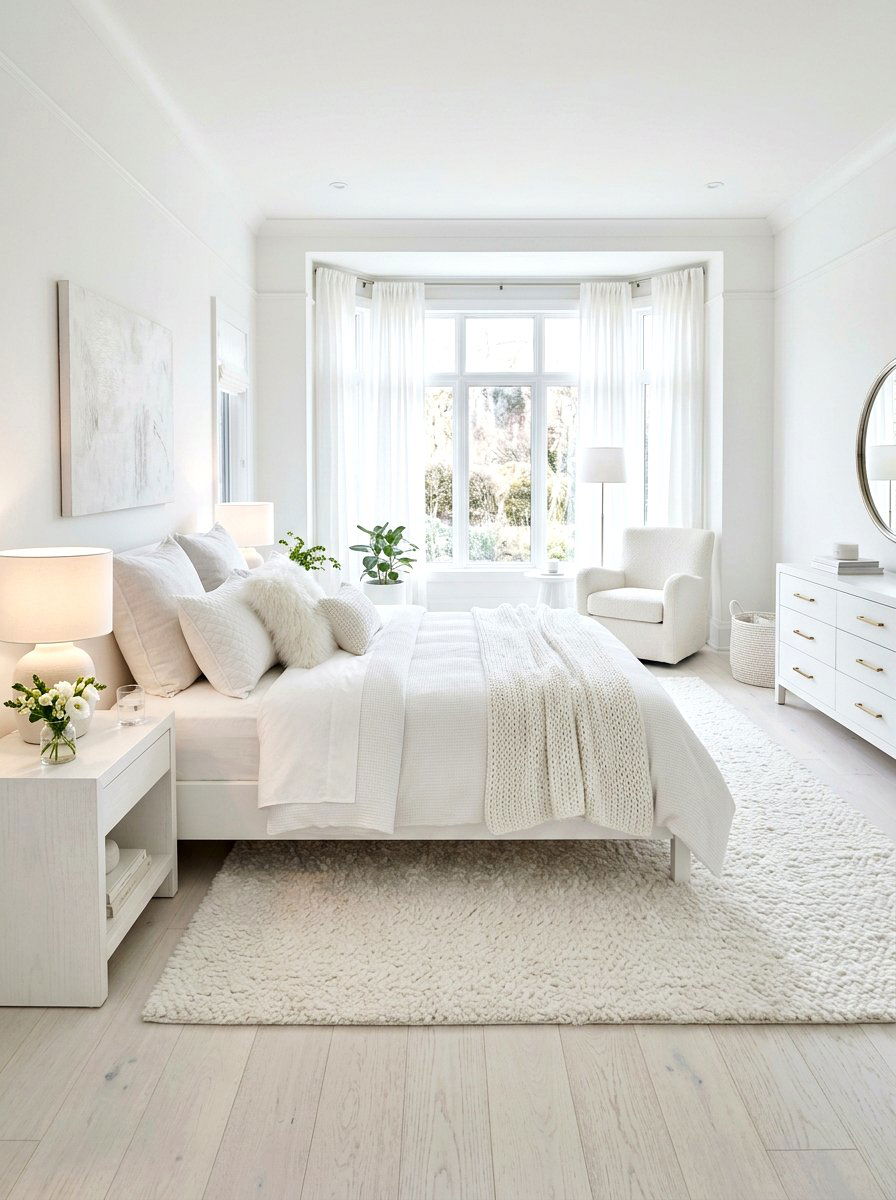
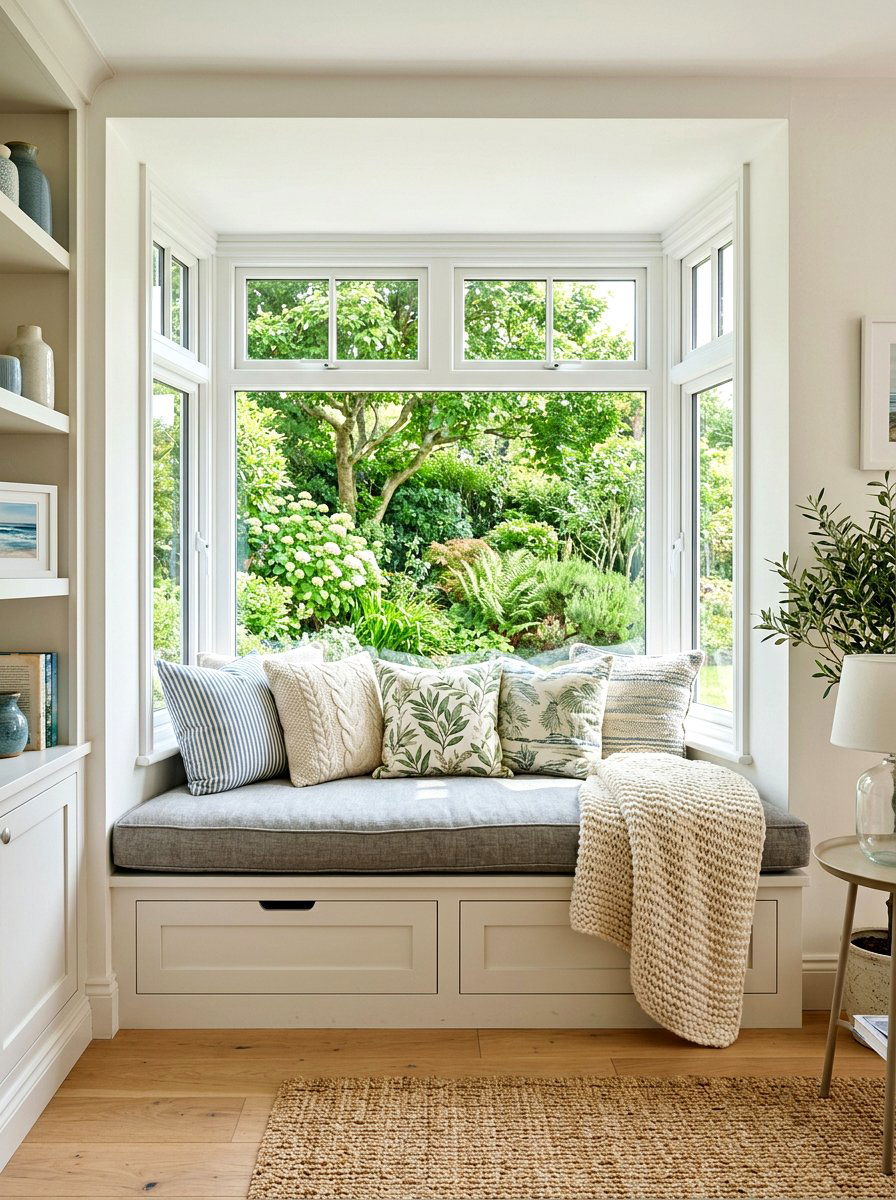
An all-white bedroom is a classic choice for those who want a space that feels pure, bright, and completely uncomplicated. To make an all-white room work, you must focus heavily on mixing different textures so the space doesn't feel like a hospital room. Combine a white shag rug with white linen bedding and a white painted brick wall. Use different shades of white, such as cream, eggshell, and pearl, to create a subtle and sophisticated depth. This monochromatic approach minimizes visual distractions, allowing your brain to fully switch off and focus on relaxation and recovery in a pristine environment.
21. Zen Inspired Bedroom
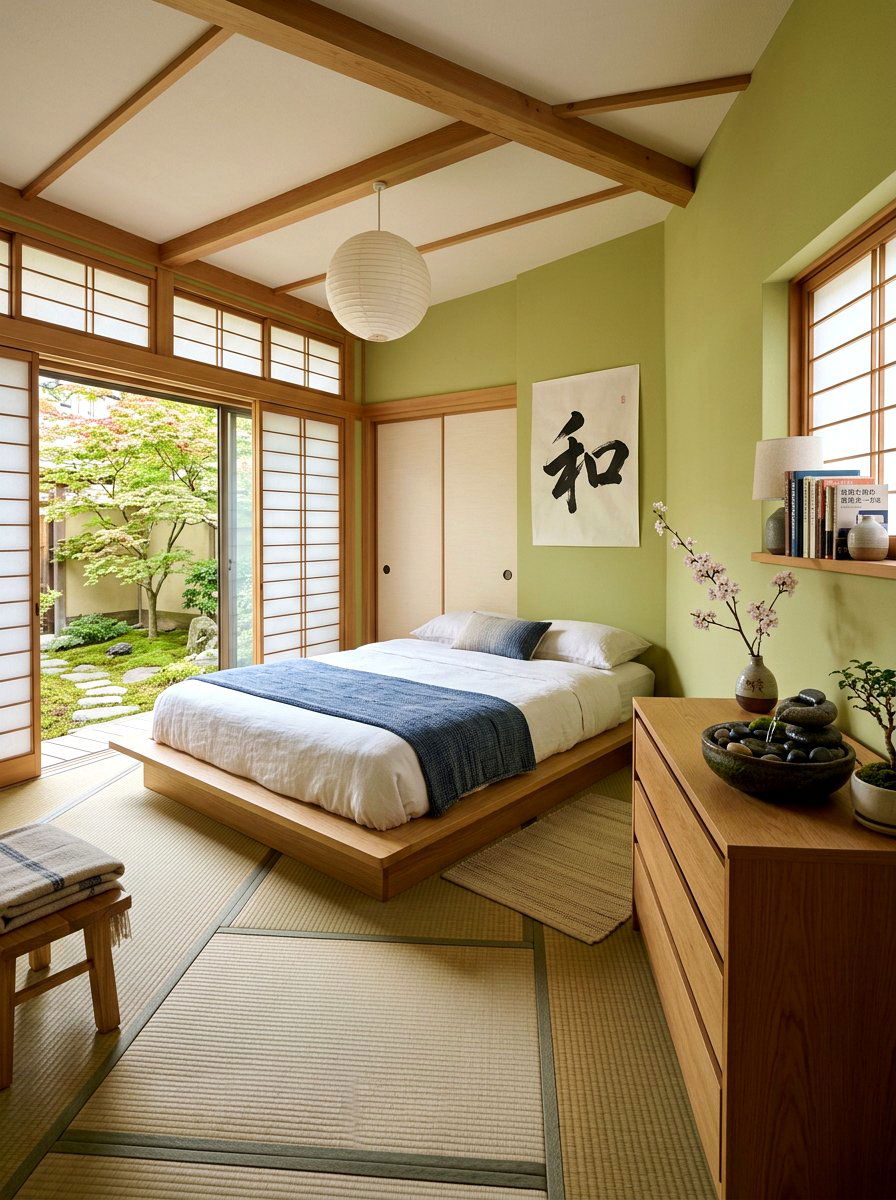
Zen bedroom design is rooted in the principles of balance, harmony, and simplicity. This aesthetic often features low-to-the-ground platform beds and a very limited color palette of earth tones. Incorporate natural materials like bamboo, stone, and rice paper to create a space that feels connected to Eastern philosophy. Keep the floor as clear as possible to allow for "chi" or energy flow, and use hidden storage to remove any clutter. A small tabletop water fountain or a simple rock garden can add a soothing auditory element. This mindful design helps create a meditative space where stress simply cannot survive.
22. Modern Farmhouse Bedroom
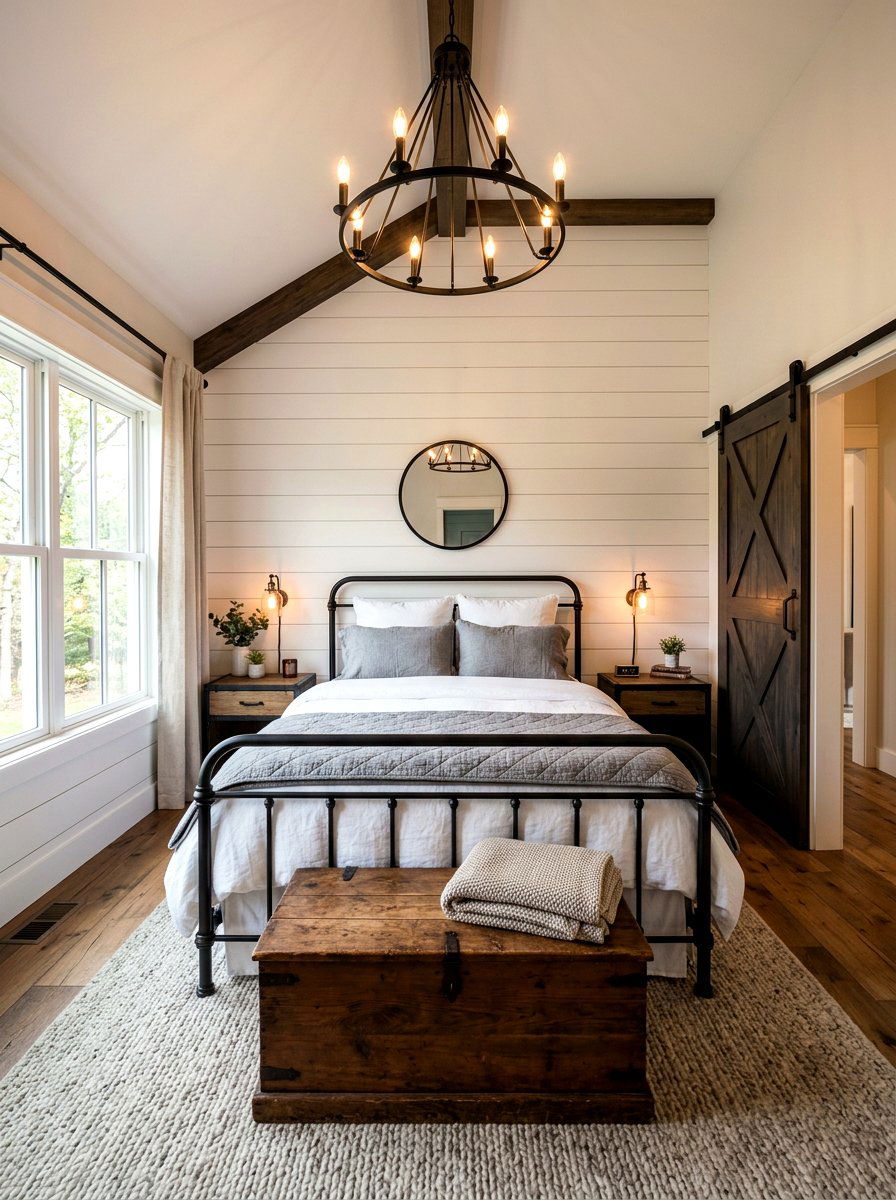
The modern farmhouse style combines the rustic charm of country living with clean, contemporary lines. For a calming bedroom, use a palette of soft whites and grays, accented by black metal hardware for a touch of contrast. A sliding barn door or a shiplap accent wall can add architectural interest without being overwhelming. Layer the bed with cozy quilts and plenty of pillows to create an inviting focal point. This style feels nostalgic and familiar, providing a sense of comfort and stability. It is the perfect balance between high-end design and "down-home" coziness, making it a favorite for many.
23. Sustainable Material Bedroom
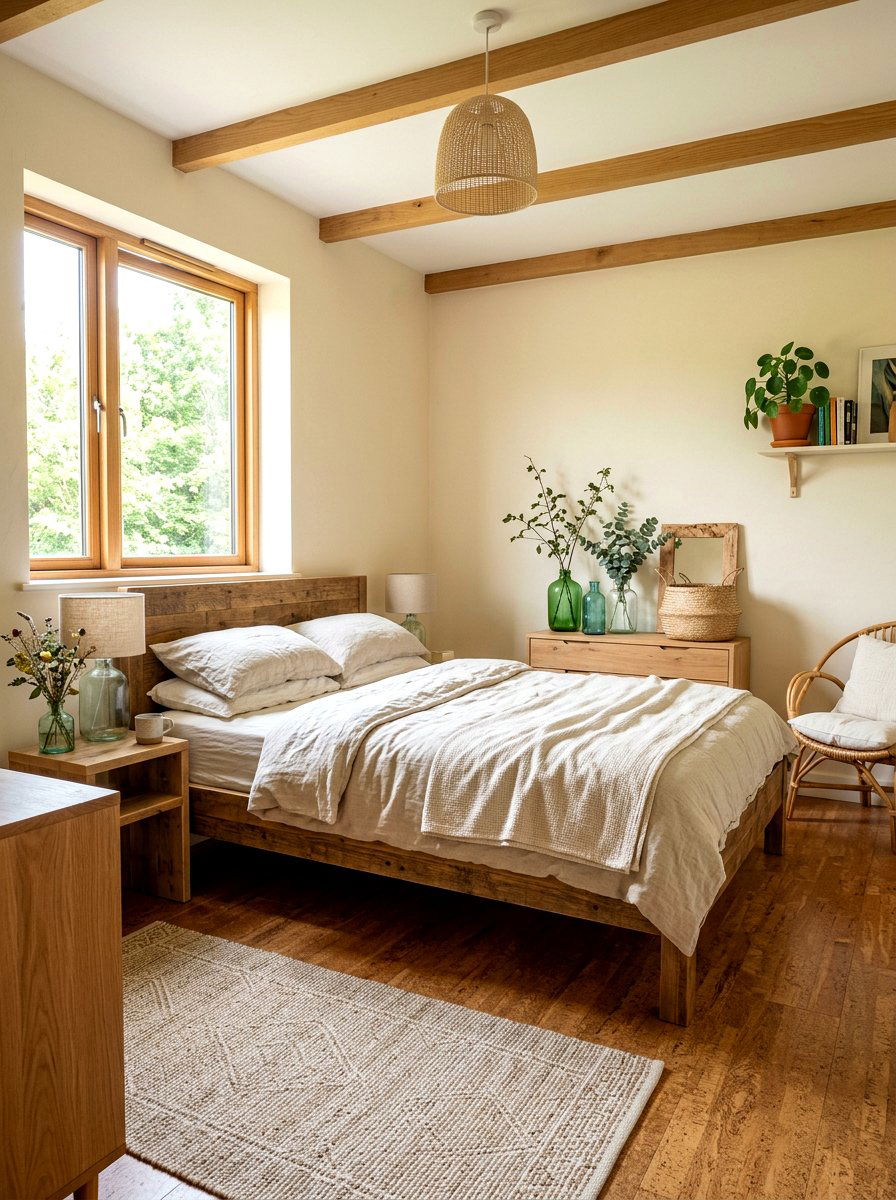
A sustainable bedroom is good for the environment and your health, as it uses non-toxic and eco-friendly materials. Choose a mattress made of organic latex or wool and opt for bedding made from organic cotton or hemp. Furniture made from reclaimed wood or fast-growing bamboo adds a unique, artisanal touch while reducing your carbon footprint. Using low-VOC paints ensures that you aren't breathing in harmful chemicals while you sleep. This intentional way of decorating brings a sense of peace, knowing that your sanctuary is built on ethical choices that support a healthier planet and a healthier you.
24. Luxury Spa Aesthetic
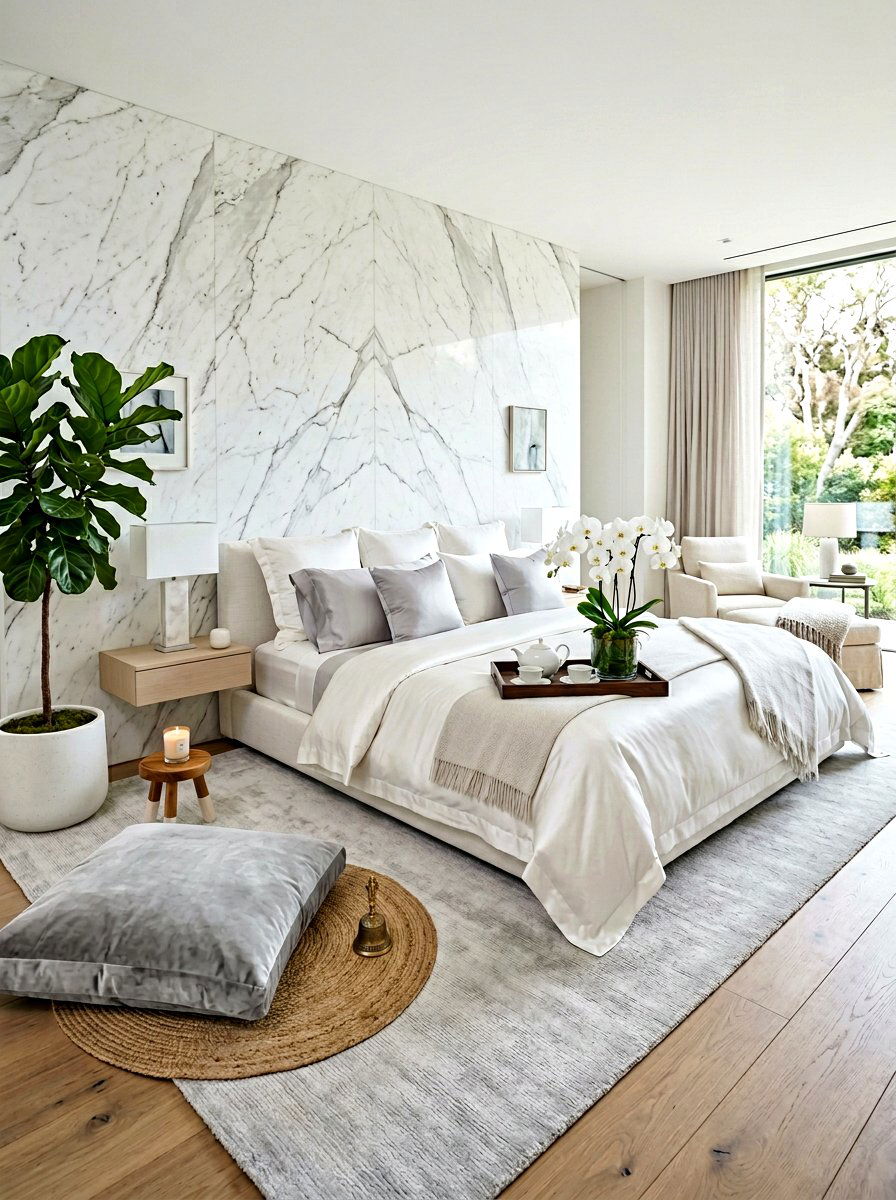
You can bring the feeling of a high-end wellness retreat home by adopting a luxury spa aesthetic in your bedroom. This look relies on high-quality materials like marble, silk, and polished wood. Use a neutral color palette and focus on high-end sensory details, such as plush robes, high-thread-count sheets, and a dedicated tea station. Incorporate a large, comfortable armchair for reading or meditation to create a multi-functional wellness zone. The key is to keep everything pristine and organized, creating an environment that feels expensive, exclusive, and entirely dedicated to your personal pampering and rejuvenation after a long day.
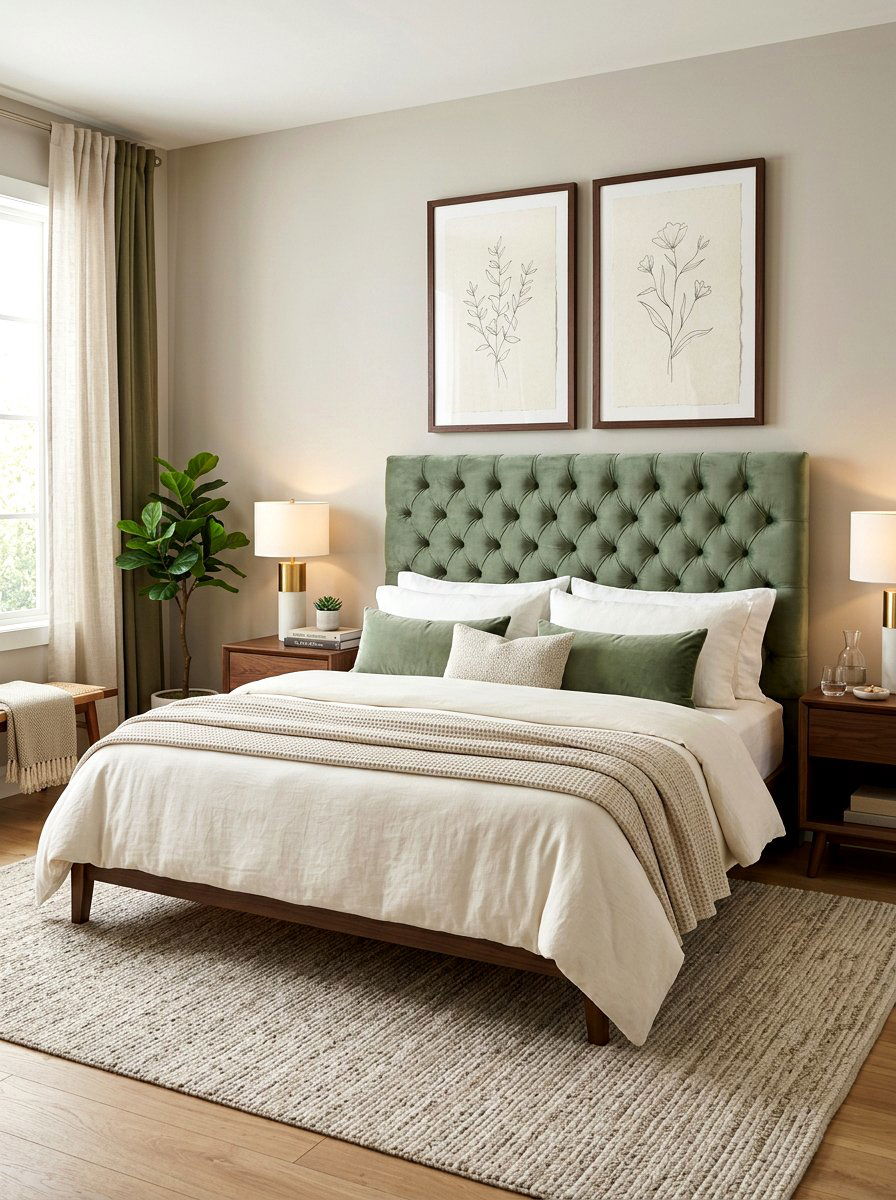
25. Cozy Attic Bedroom
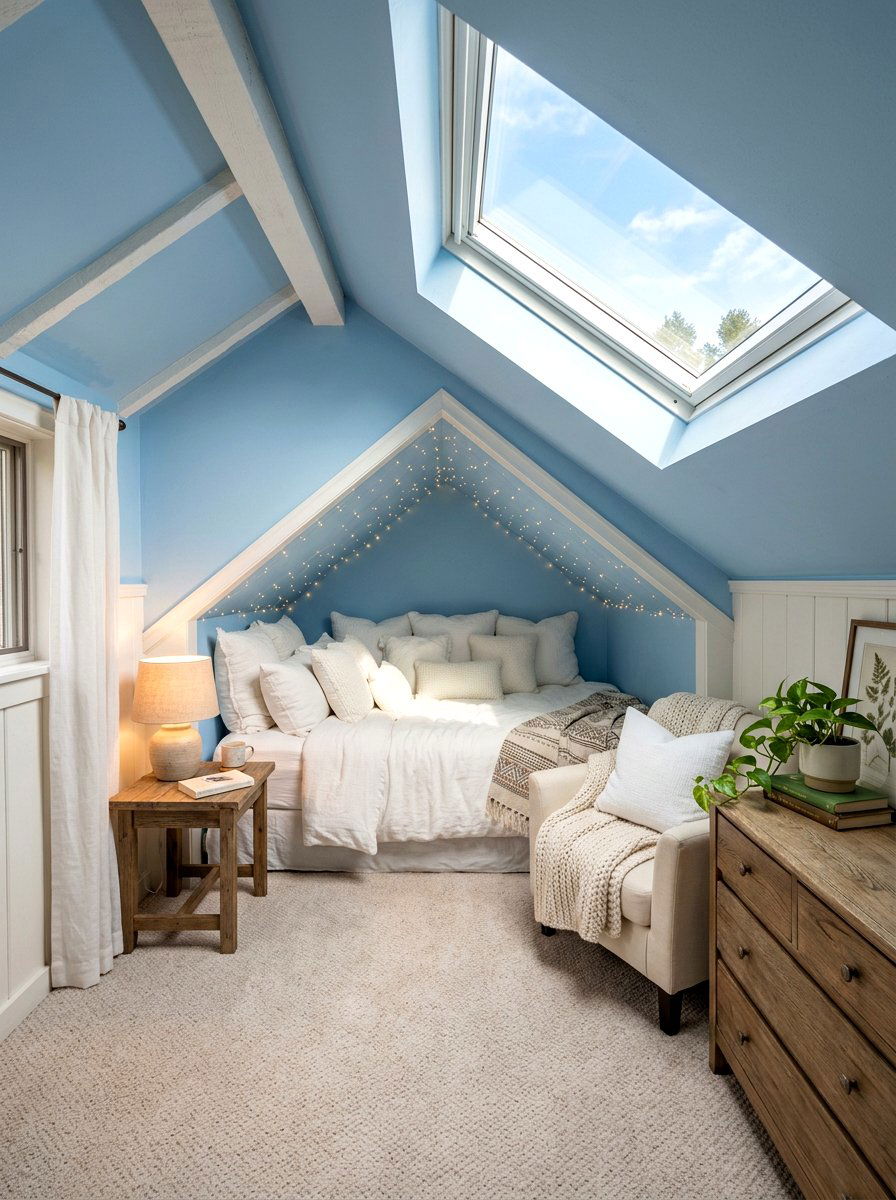
Attic bedrooms have a naturally cozy feel due to their slanted ceilings and tucked-away location. Embrace the unique architecture by painting the ceiling and walls the same soft color to create a seamless, cocoon-like effect. Place the bed under the lowest part of the ceiling to make it feel like a secret nook. Use skylights to bring in natural light during the day and offer a view of the stars at night. Adding soft rugs and plenty of floor cushions enhances the informal, relaxed vibe. This "hidden" room provides a perfect escape from the rest of the house's noise and activity.
26. Sun Drenched Bedroom
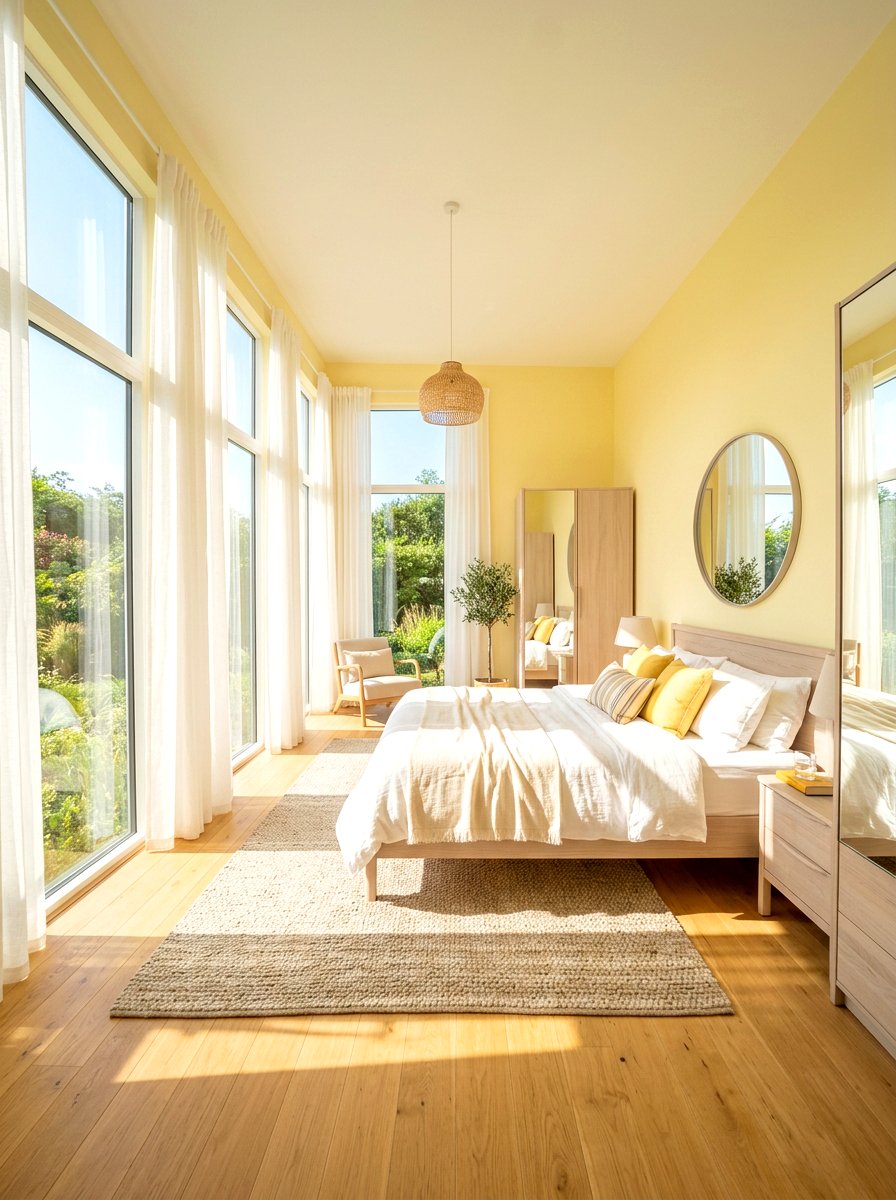
A sun-drenched bedroom uses natural light as its primary design element, creating a space that feels energetic in the morning and peaceful at dusk. Use sheer curtains or light-filtering blinds that allow sunlight to flood the room while maintaining privacy. Mirror placements can help bounce light into darker corners, making the space feel larger and more open. Choose a light-reflective color palette of pale yellows, whites, and light woods to maximize the airy feel. Waking up to natural sunlight helps regulate your internal clock, ensuring you feel more alert during the day and ready for sleep when the sun goes down.
27. Monochromatic Beige Bedroom
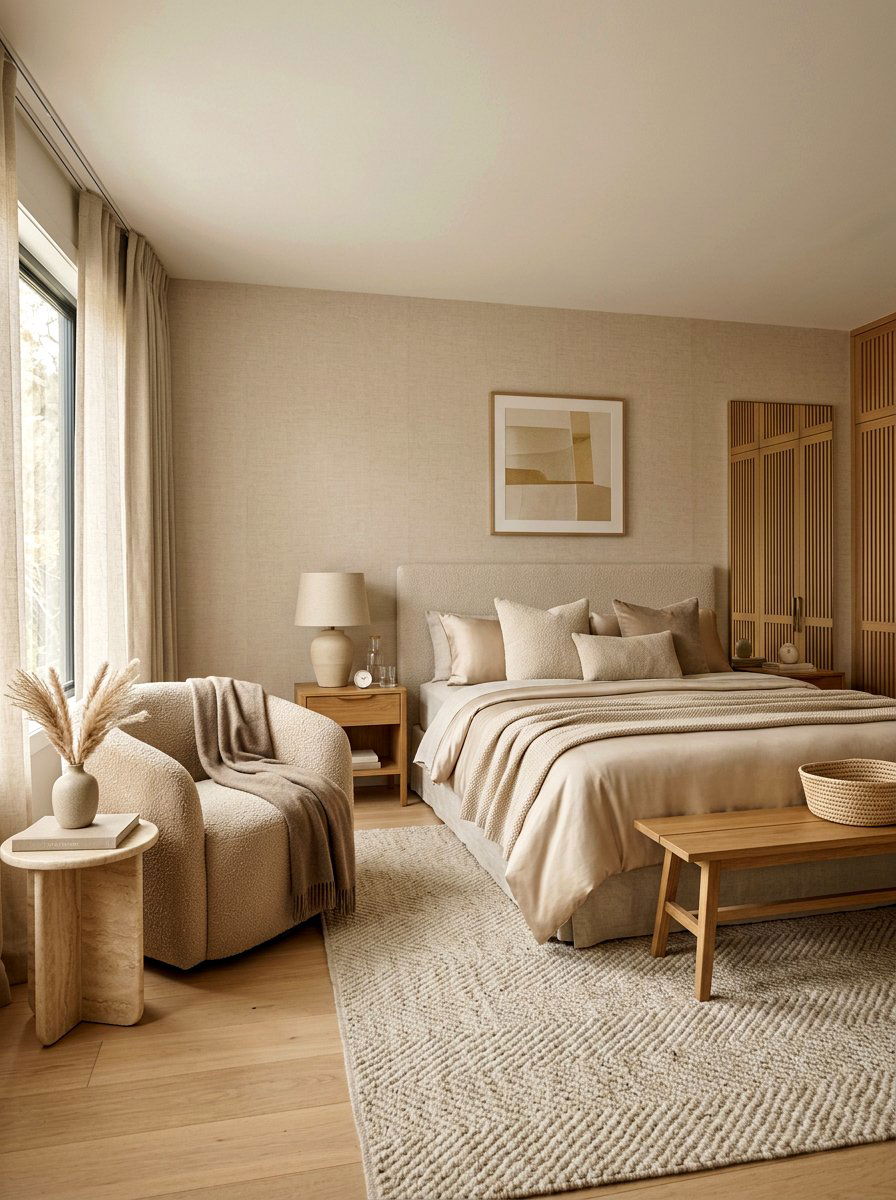
The monochromatic beige bedroom is the height of understated elegance and quiet luxury. By using varying tones of beige — from mushroom to sand — you create a rich, layered look that is incredibly easy on the eyes. This palette is perfect for those who find high-contrast designs too stimulating. Focus on the interplay of light and shadow on different fabrics, such as a bouclé chair against a silk curtain. This design approach creates a soft, hazy atmosphere that feels timeless and sophisticated. It is a foolproof way to ensure your bedroom remains a trend-proof sanctuary that always feels relevant and incredibly relaxing.
28. Velvet Texture Bedroom
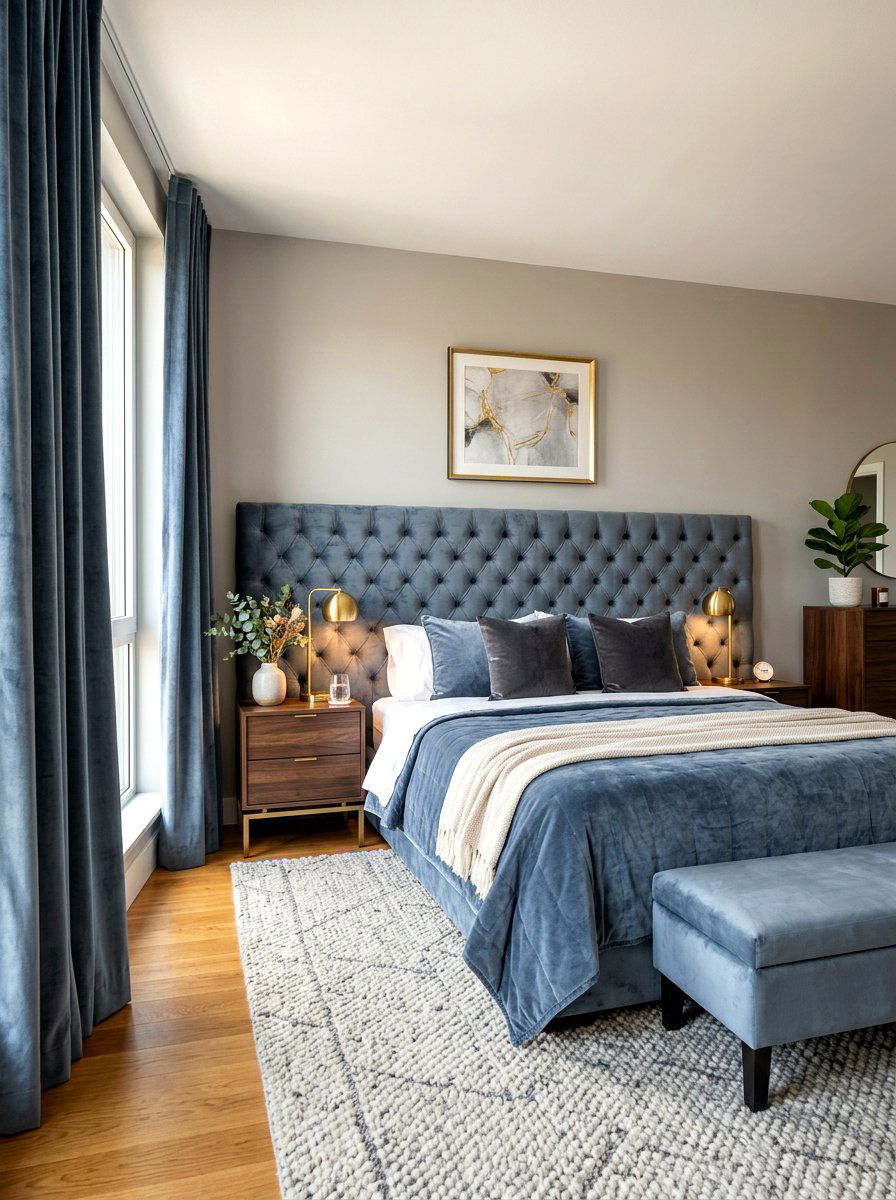
Velvet is a luxurious fabric that adds instant depth and a sense of "heaviness" that can be very comforting in a bedroom. A velvet-upholstered headboard or a thick velvet duvet cover provides a tactile experience that feels soft and expensive. Because velvet absorbs light rather than reflecting it, it helps create a darker, more intimate environment that is perfect for sleeping. Choose velvet in muted tones like sage green, dusty rose, or slate blue to keep the look sophisticated rather than gaudy. This plush material adds a layer of physical warmth and visual richness that makes your bed feel like a royal retreat.
29. Floating Bed Concept
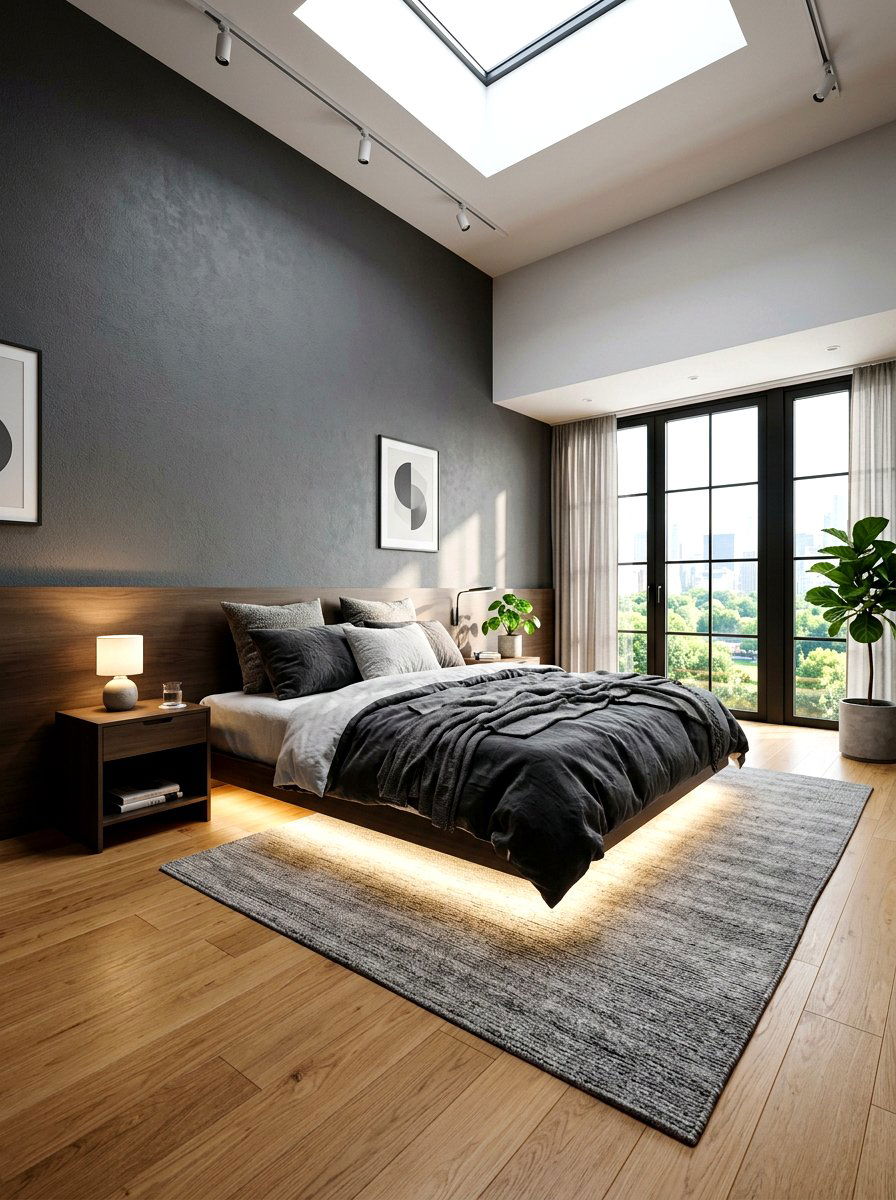
A floating bed concept creates a futuristic and minimalist look that makes the room feel much more spacious. By using a hidden support frame or a wall-mounted design, the bed appears to hover off the floor. This eliminates the visual clutter of bed legs and allows for easy cleaning underneath. You can enhance the effect by adding soft LED strip lighting under the bed frame to create a gentle glow. This design choice feels light and airy, providing a sense of weightlessness that can be psychologically very relaxing. It is a perfect choice for modern homes that prioritize clean lines and innovative design.
30. Tech Free Sanctuary
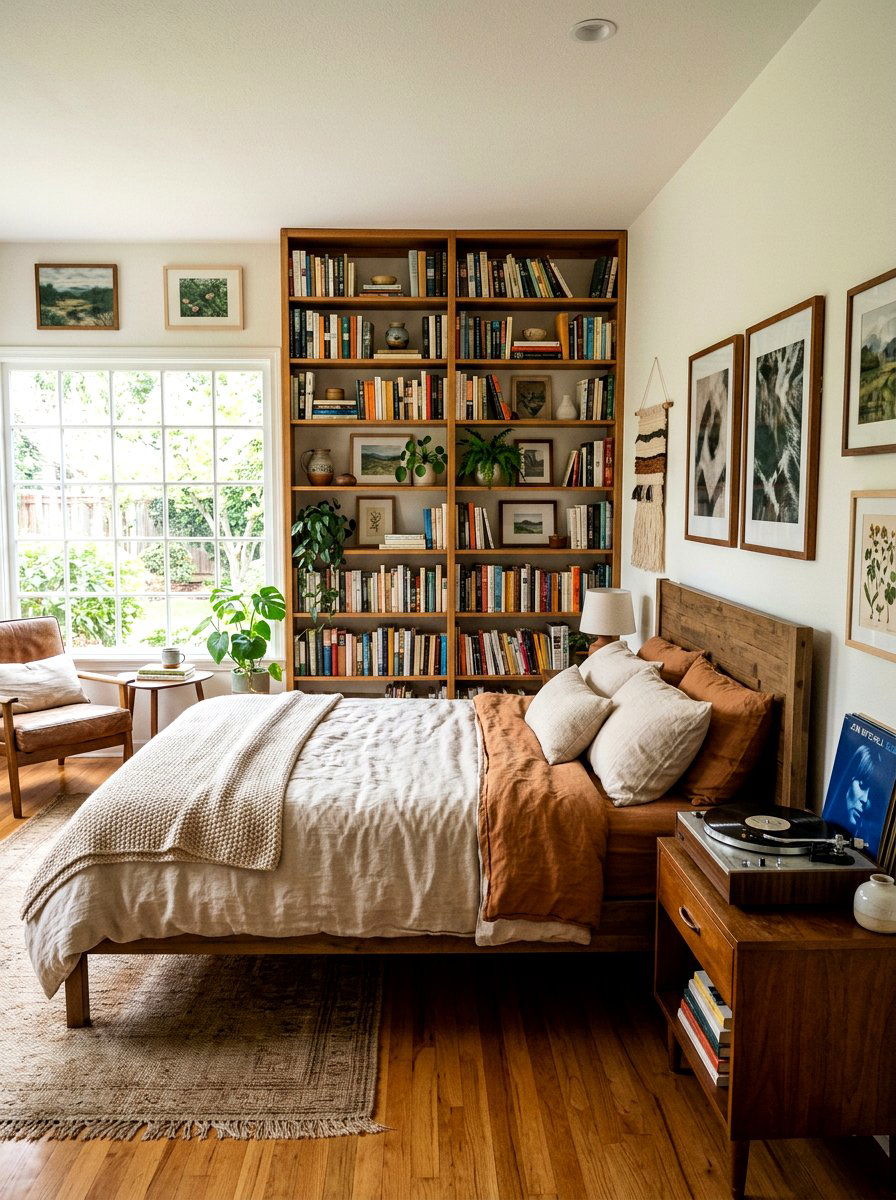
In our hyper-connected world, a tech-free bedroom is perhaps the ultimate luxury for a calming environment. This idea focuses on removing all screens, including televisions, computers, and even smartphones, from the sleeping area. Replace tech with analog comforts like a well-stocked bookshelf, a high-quality record player, or a beautiful journal. By removing the blue light and digital distractions, you allow your brain to naturally wind down in the evening. This design philosophy prioritizes human connection and mental clarity, ensuring your bedroom remains a sacred space for rest, reflection, and true disconnection from the stresses of the modern digital world.
Conclusion:
Designing a calming bedroom is a deeply personal journey that combines aesthetics with the science of relaxation. By carefully selecting your color palette, prioritizing natural materials, and focusing on soft, layered lighting, you can create a sanctuary that supports your mental and physical health. Whether you choose the earthy groundedness of a biophilic room or the pristine simplicity of a minimalist retreat, the goal is to create a space where you feel completely safe and at peace. Investing time and effort into your bedroom design pays off in better sleep, reduced stress, and a much more beautiful way to begin and end each day.

Related posts: