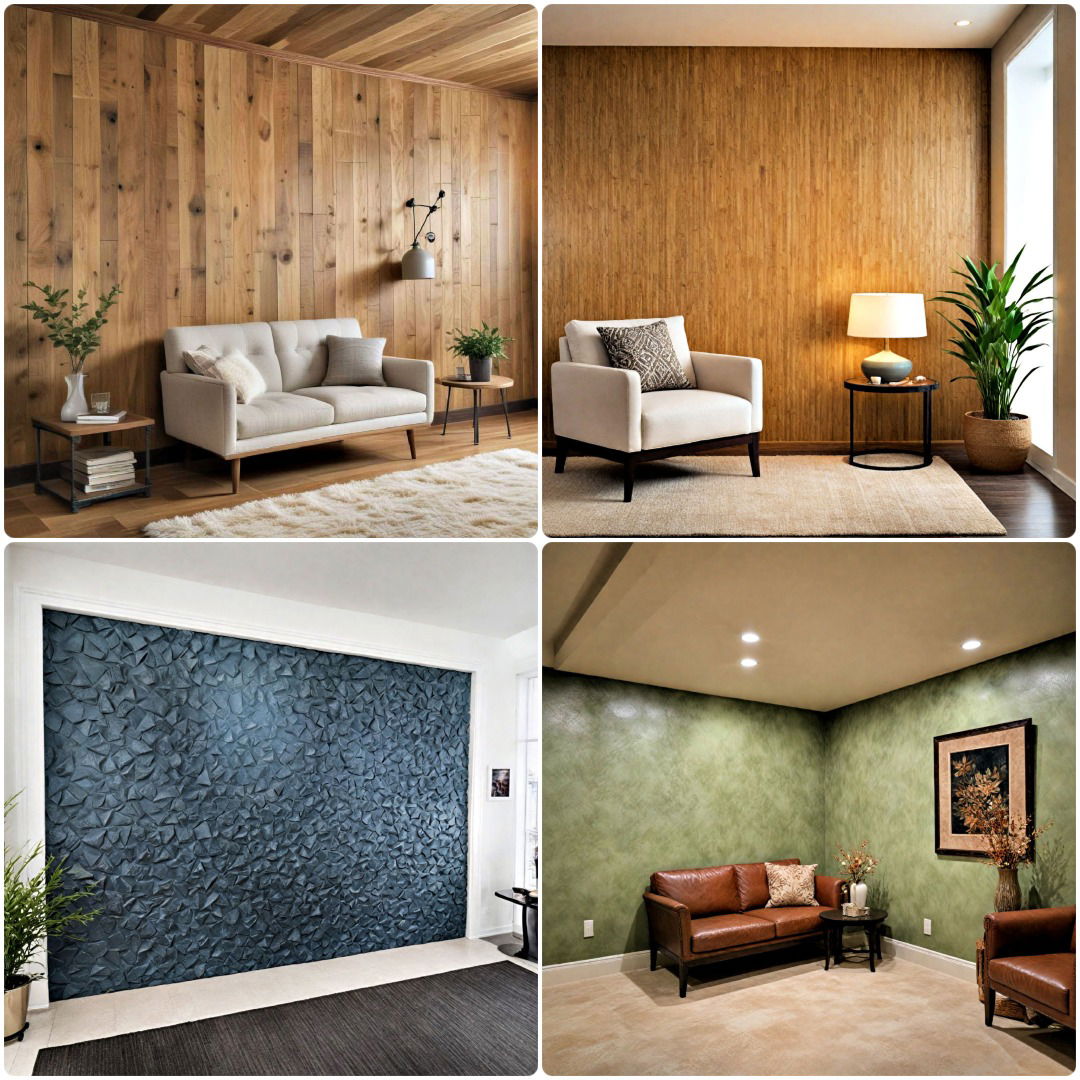
A fluted wood wall is a remarkable architectural element that brings immediate texture and sophisticated depth to any modern living space. These vertical grooves create a rhythmic pattern that plays beautifully with light and shadow, making any flat surface feel like a custom work of art. Whether you are aiming for a minimalist Scandinavian look or a moody contemporary vibe, wood fluting offers a versatile solution for every room in your home. From grand living room statements to subtle bathroom accents, the linear precision of these panels helps to elongate walls and elevate the overall aesthetic. By incorporating natural materials into your decor, you create a timeless and inviting atmosphere that resonates with high-quality interior design.
1. Living Room Fluted Wall
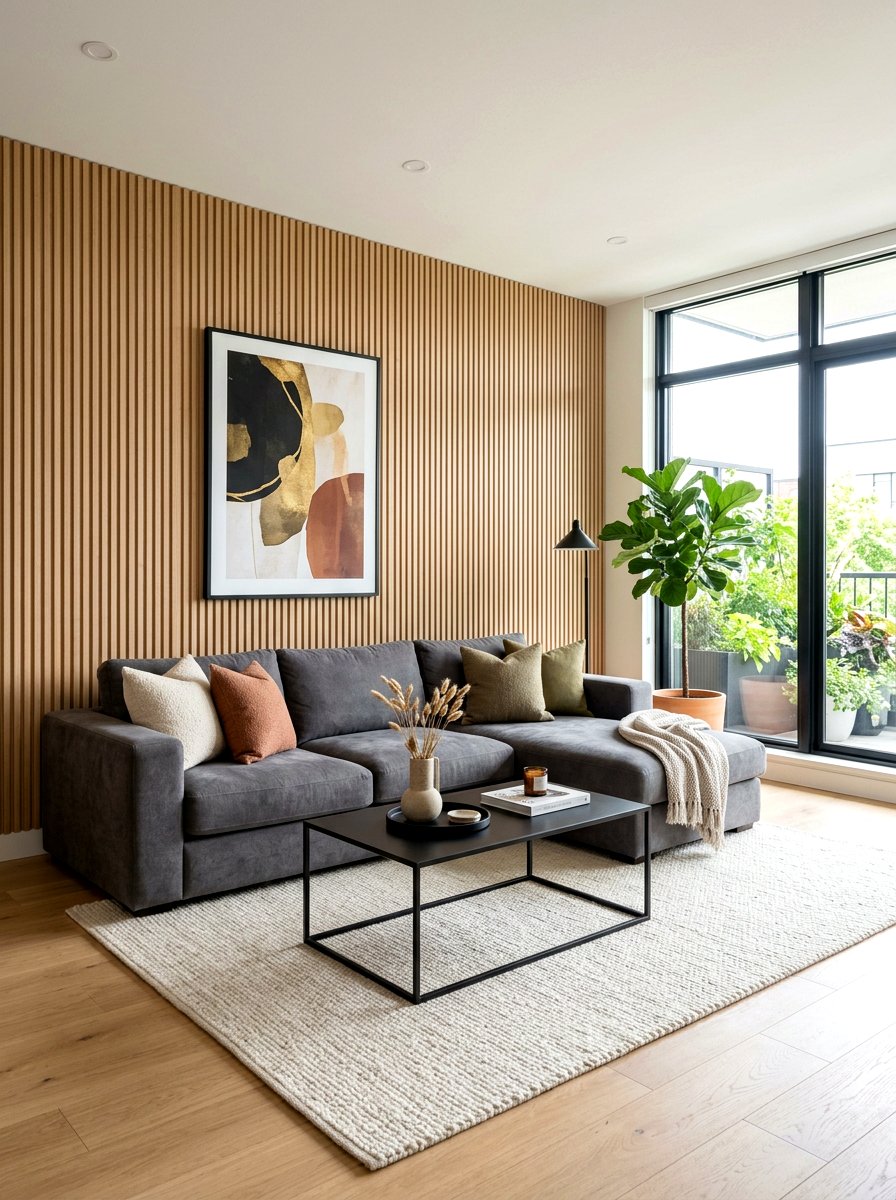
A living room fluted wall serves as a majestic focal point that can completely redefine your main gathering area. By installing these narrow vertical slats behind your primary seating arrangement, you add a layer of tactile interest that feels both cozy and luxurious. The repetitive lines of the wood naturally draw the eye upward, which makes your ceilings appear much higher than they actually are. This design choice works exceptionally well when paired with soft, neutral-colored furniture and a mix of metal or glass accents. It provides a structured yet organic backdrop that grounds the room while offering excellent acoustic benefits by dampening echoes in large, open-concept spaces.
2. Bedroom Fluted Headboard
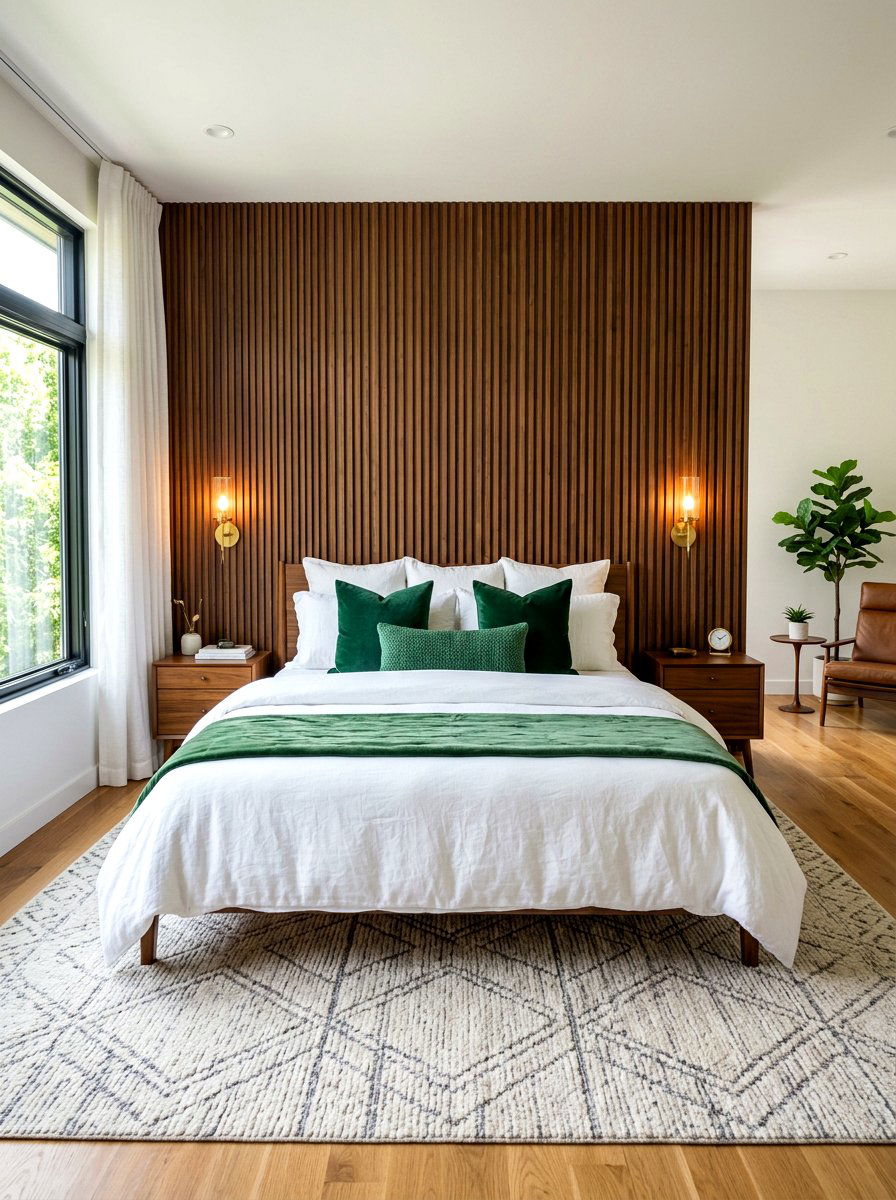
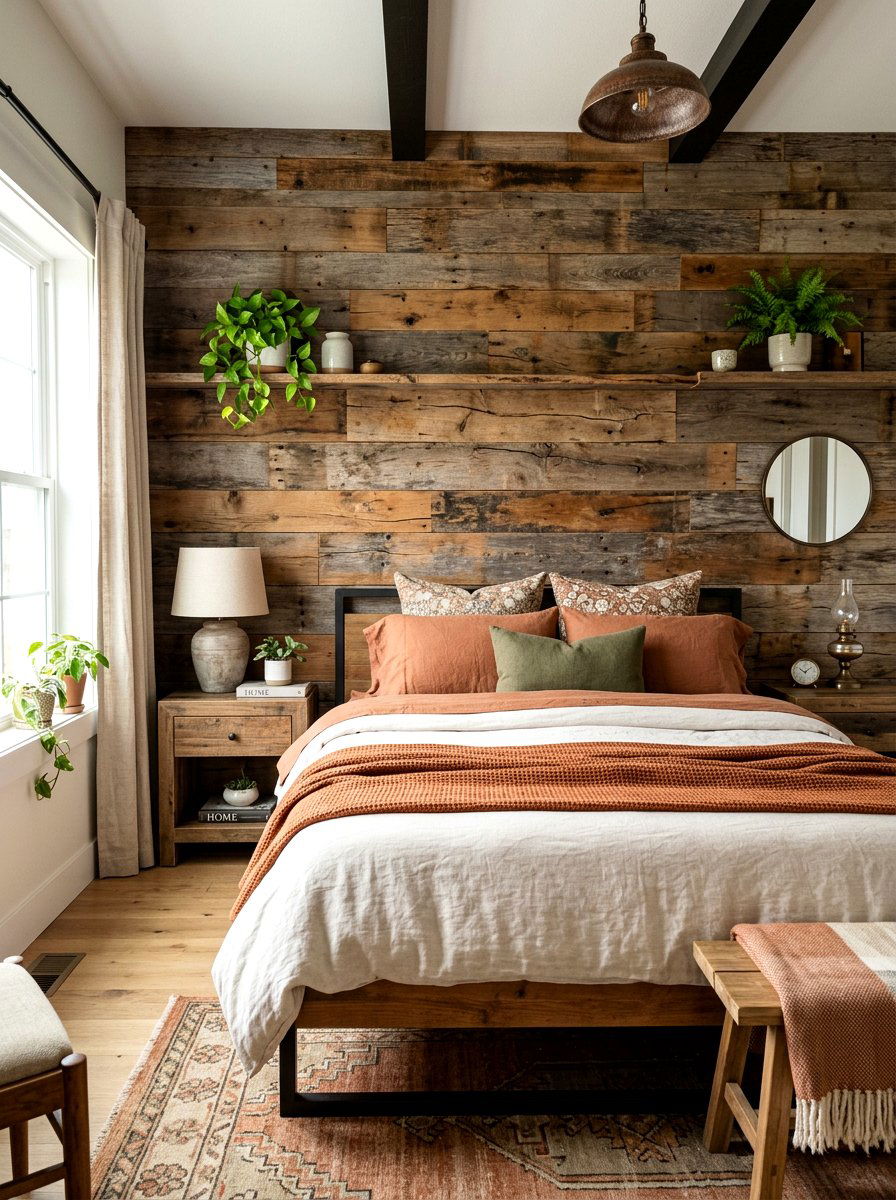
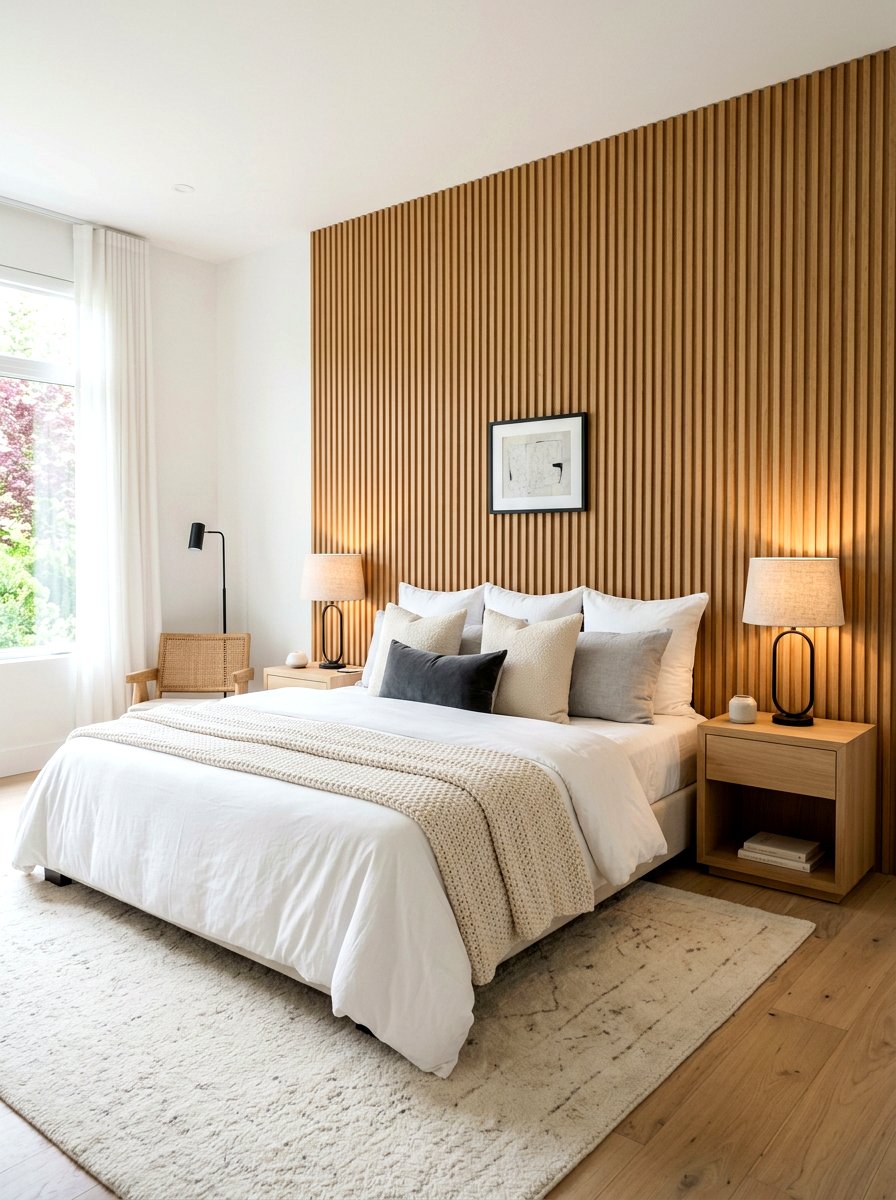
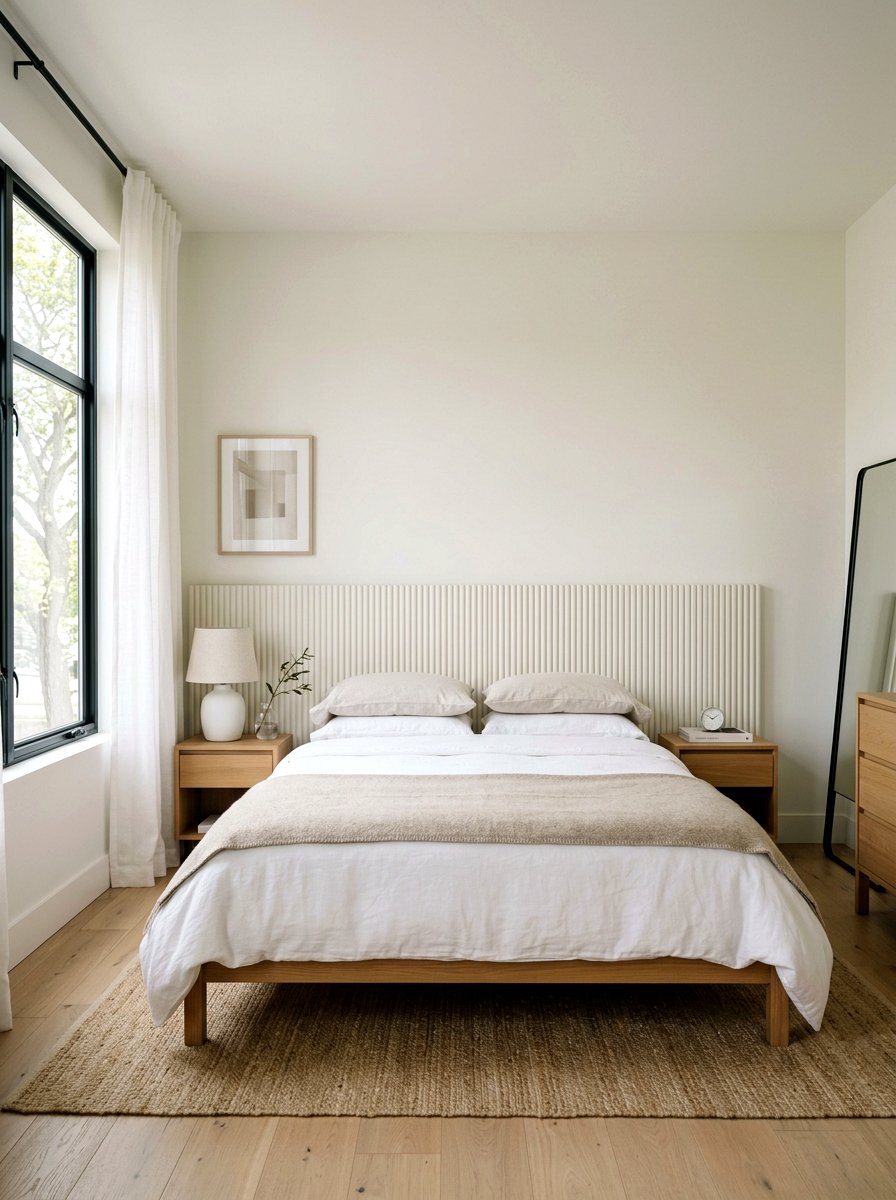
Integrating a bedroom fluted headboard into your sleeping quarters is a fantastic way to create a high-end hotel ambiance at home. Instead of a traditional standalone headboard, you can run the fluted panels across the entire width of the wall behind your bed. This seamless look adds a sense of continuity and architectural purpose to the room without needing extra decor. The natural warmth of the wood provides a beautiful contrast to soft linen bedding and plush rugs. Many designers recommend using a warm oak or walnut finish to maintain a serene environment that feels both grounded and incredibly sophisticated for your private retreat.
3. Kitchen Island Fluted Panel
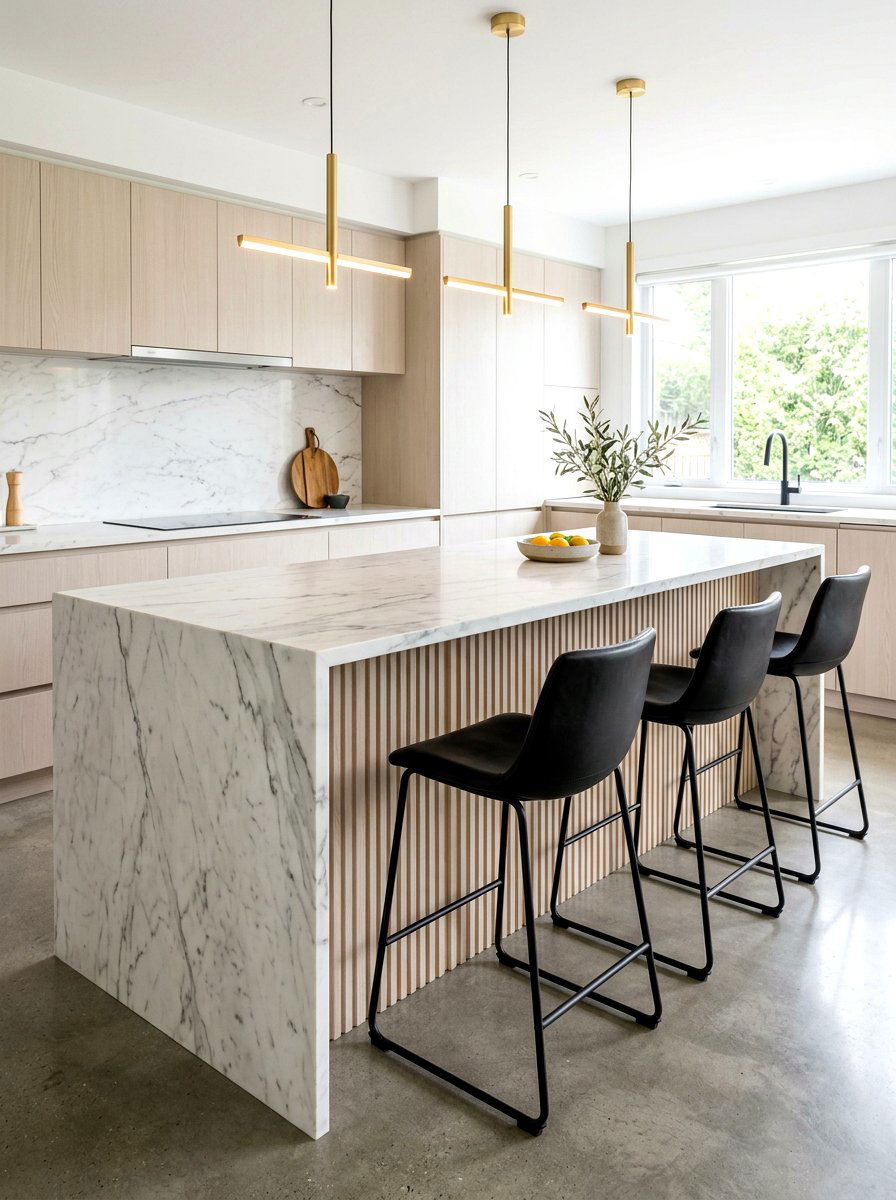
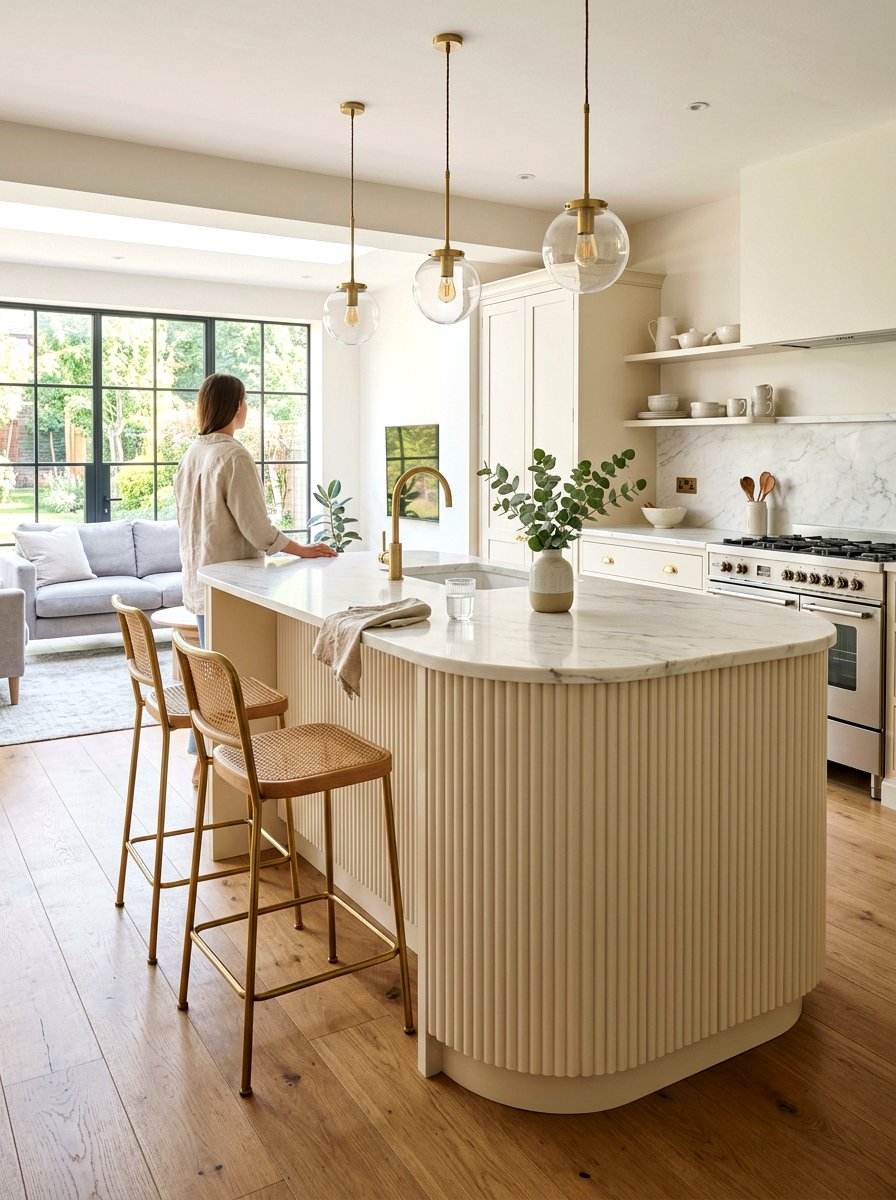
Wrapping a kitchen island fluted panel around the base of your breakfast bar is a clever way to introduce texture into a culinary space. Typically, kitchens are filled with smooth surfaces like stone countertops and flat cabinets, so the addition of vertical grooves offers a refreshing visual break. This design detail makes the island feel more like a piece of custom furniture rather than just a functional worktop. It is important to use a durable finish that can withstand the occasional kick or scuff from bar stools. The fluting adds a layer of craftsmanship that feels bespoke, making your kitchen stand out as a designer-led space.
4. Bathroom Fluted Vanity Wall
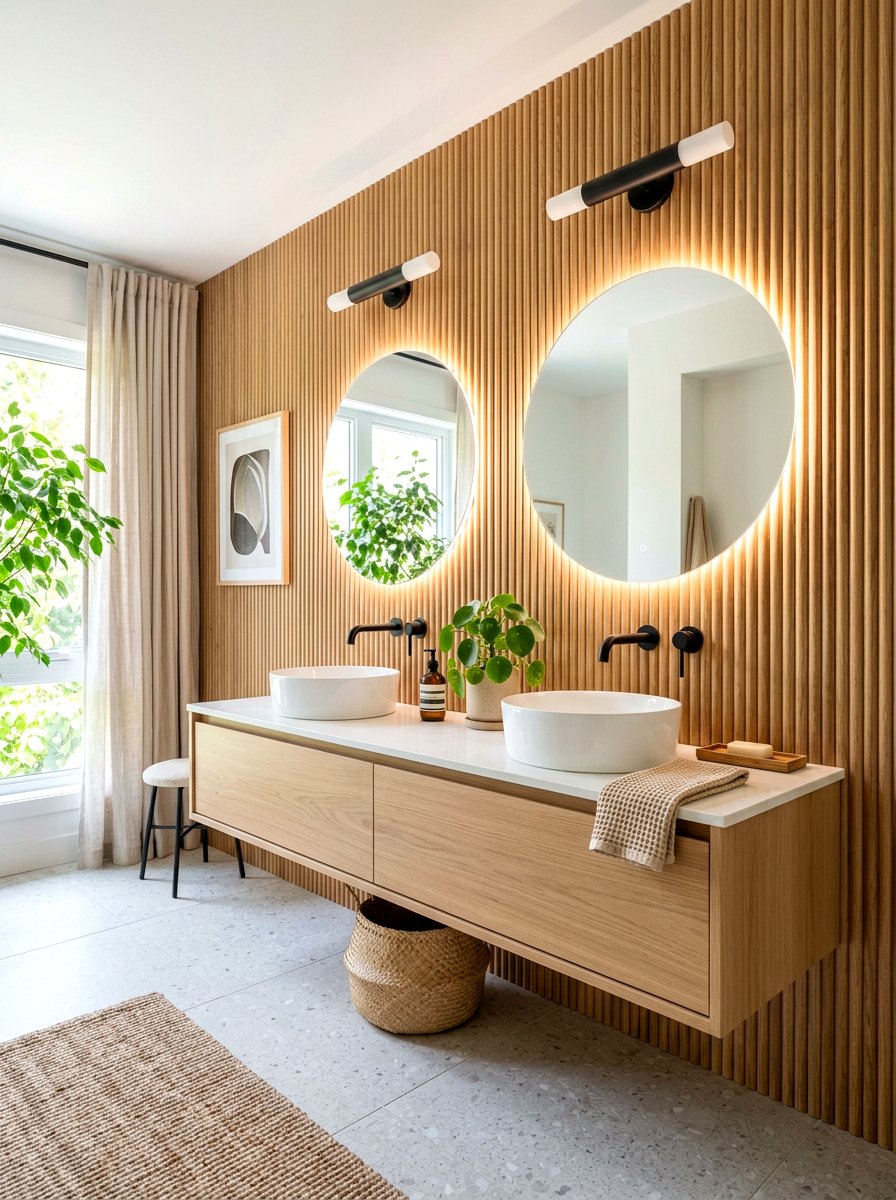
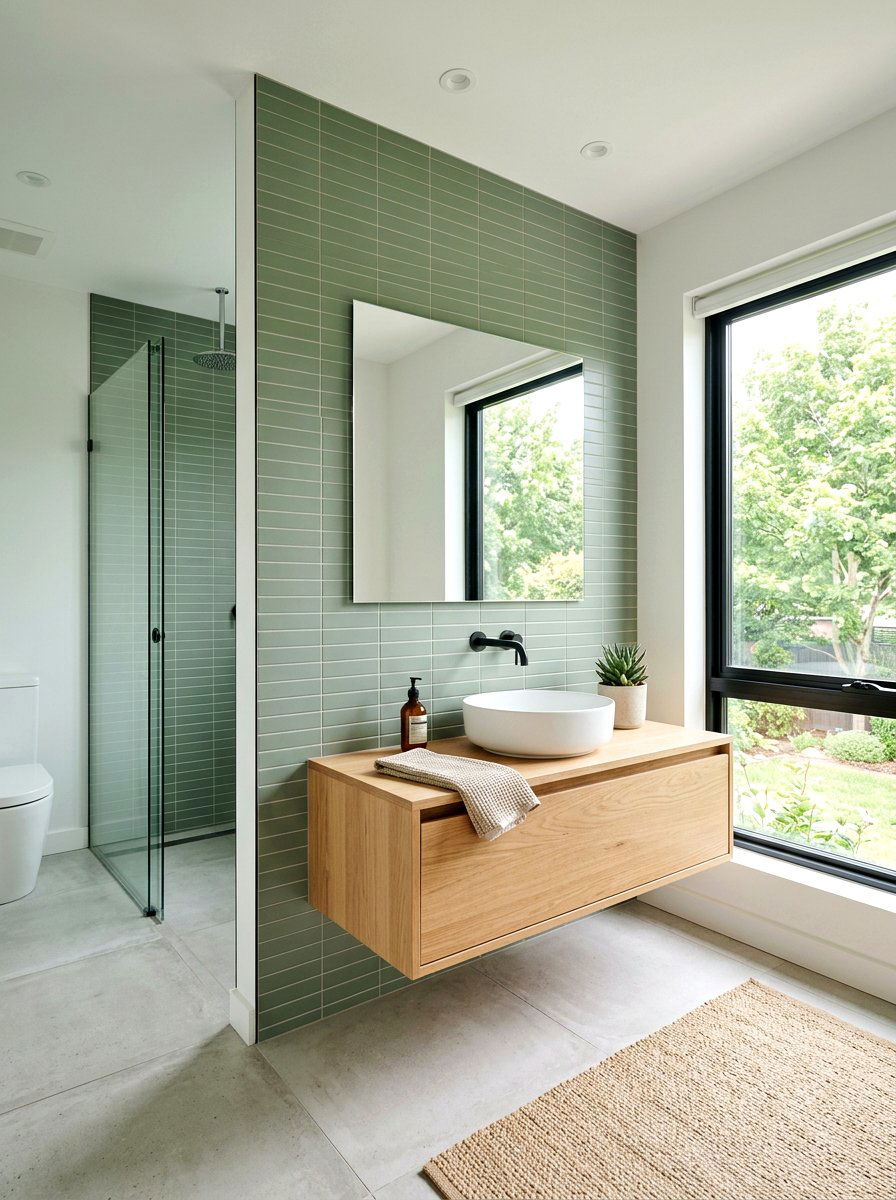
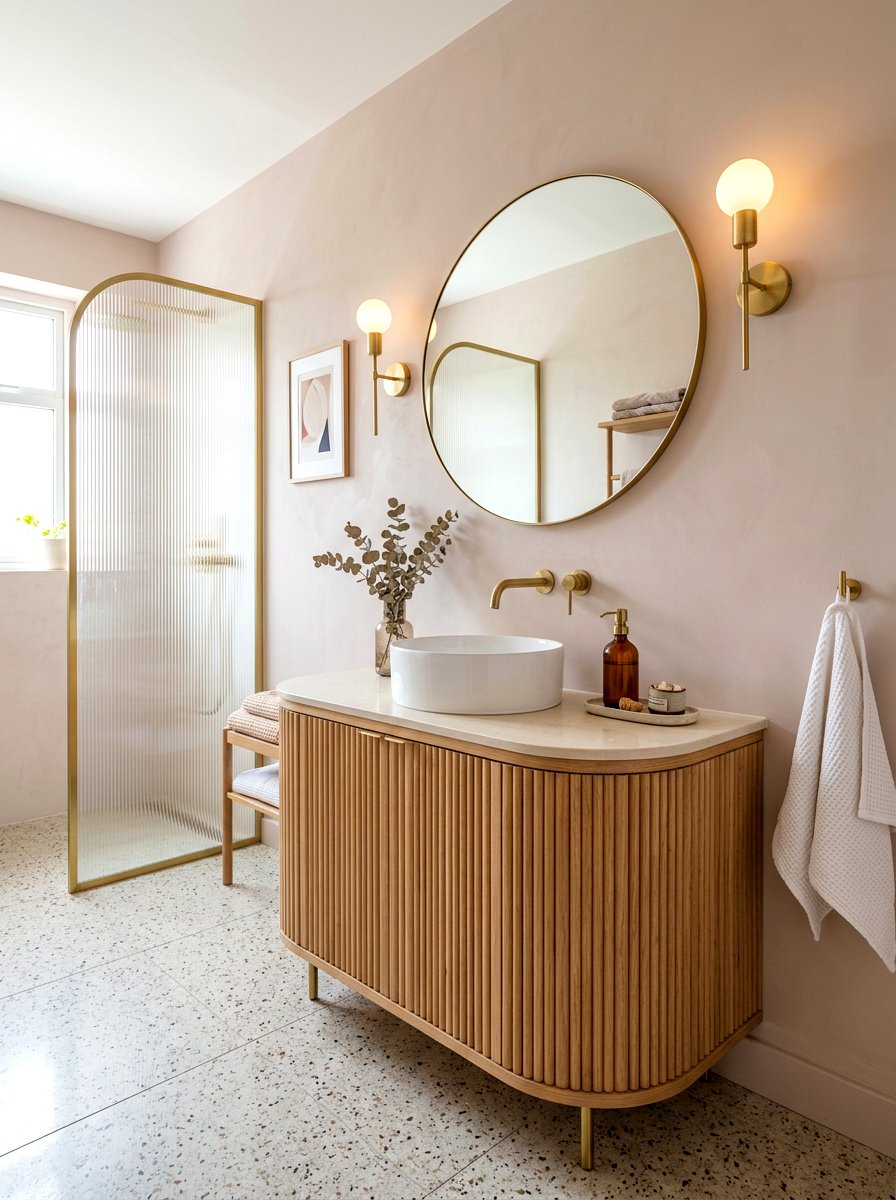
Adding a bathroom fluted vanity wall is a brilliant method for bringing a spa-like tranquility to your morning routine. When placed behind a floating vanity or a modern mirror, these moisture-resistant wood panels create a rich, layered look that standard tiles often lack. The linear texture provides a beautiful contrast to smooth porcelain sinks and sleek matte black or gold plumbing fixtures. To ensure longevity in a damp environment, many homeowners opt for composite materials or well-sealed hardwoods that mimic the natural grain. This treatment turns a purely functional area into a stylish sanctuary that feels warm, inviting, and meticulously planned for ultimate relaxation.
5. Entryway Fluted Accent Wall
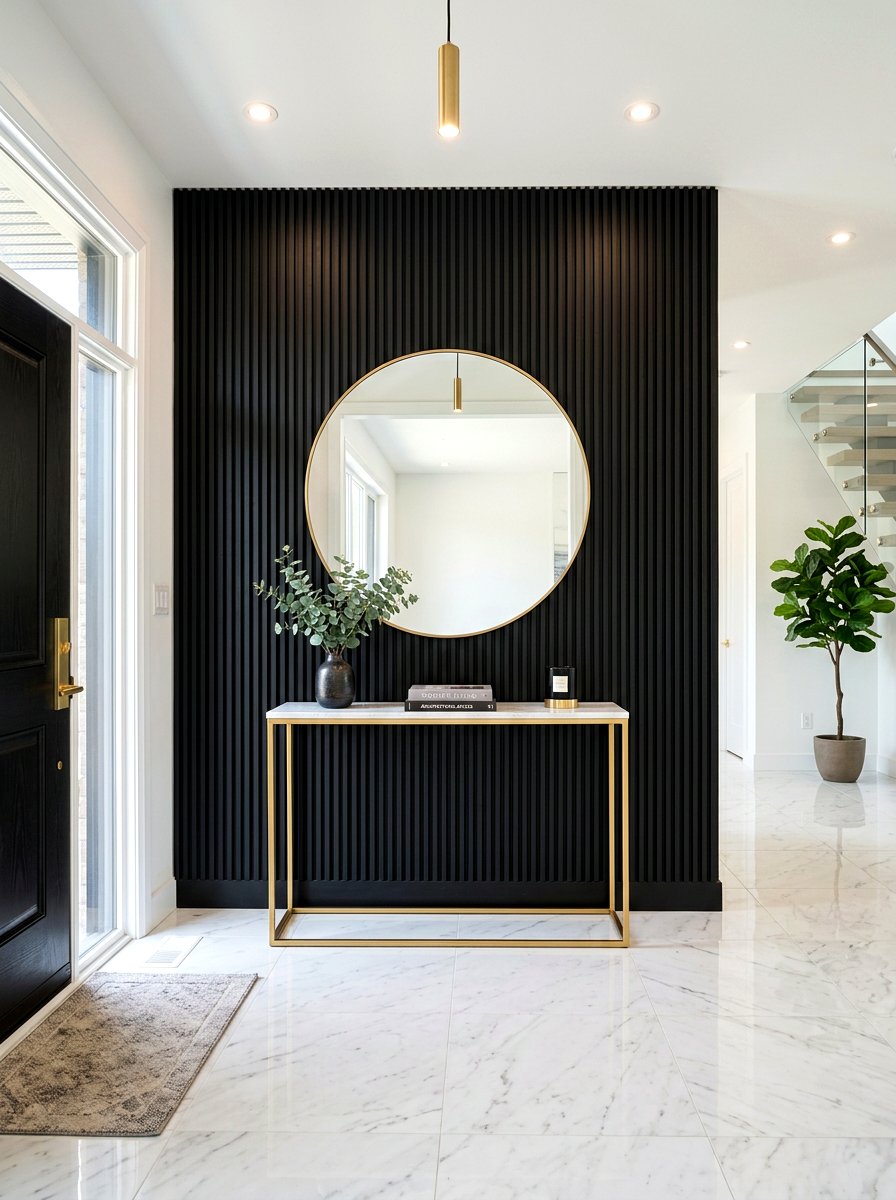
An entryway fluted accent wall makes a powerful first impression the moment guests step into your home. This transitional space often lacks character, but a textured wood wall adds instant architectural depth and a sense of luxury. You can style this area with a sleek console table and a large circular mirror to balance the sharp vertical lines of the fluting. The wood slats help to define the entrance and can even be used to cleverly hide coat closet doors for a seamless appearance. It creates a welcoming vibe that sets the tone for the rest of your home’s modern and thoughtful interior design.
6. Home Office Fluted Backdrop
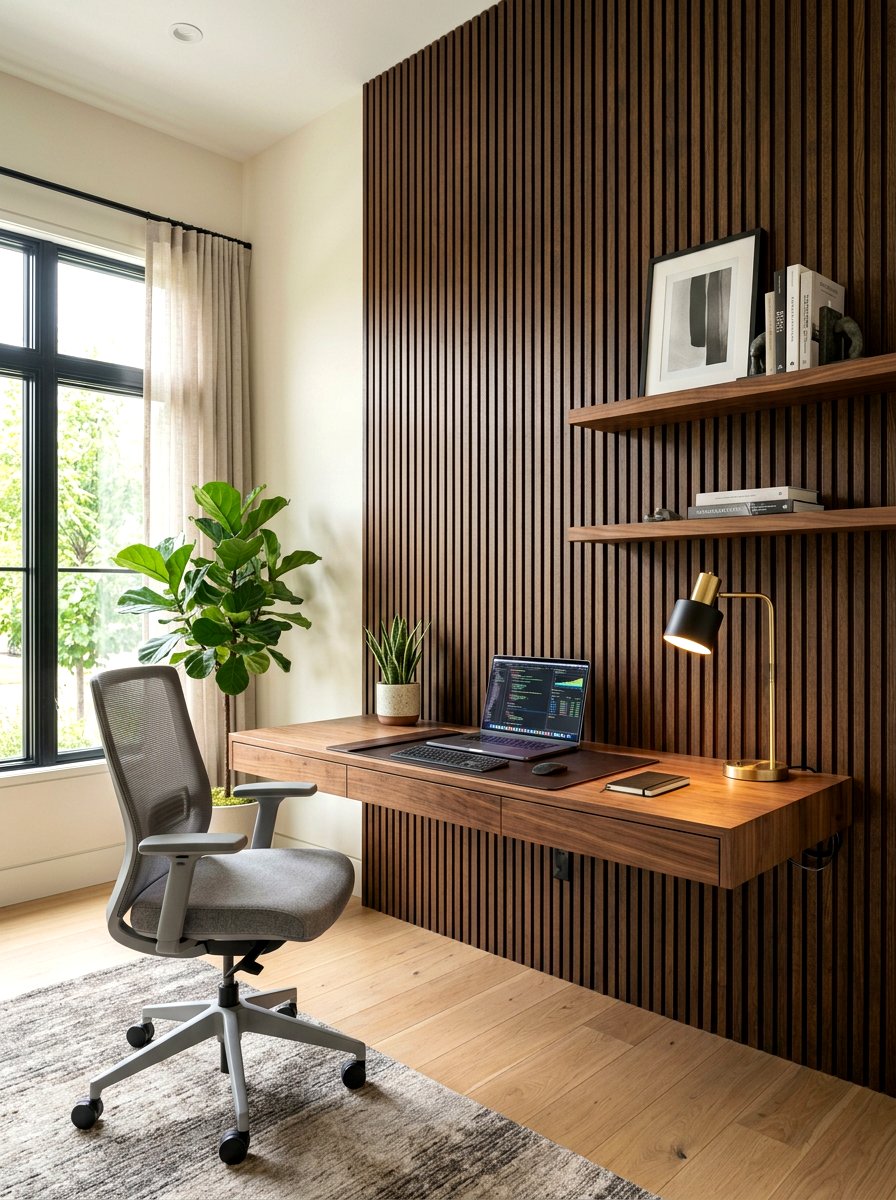
Designing a home office fluted backdrop is an excellent way to create a professional and inspiring environment for your workday. Positioning the panels behind your desk or computer setup provides a clean, textured surface that looks fantastic during video calls. The vertical lines help to reduce visual clutter and provide a sense of order that can improve focus and productivity. Wood fluting also offers subtle sound-dampening properties, which is highly beneficial for quiet concentration or recording audio. Pairing the natural wood texture with a modern ergonomic chair and minimalist desk creates a workspace that is both highly functional and visually stunning for any professional.
7. Dining Room Fluted Wainscoting
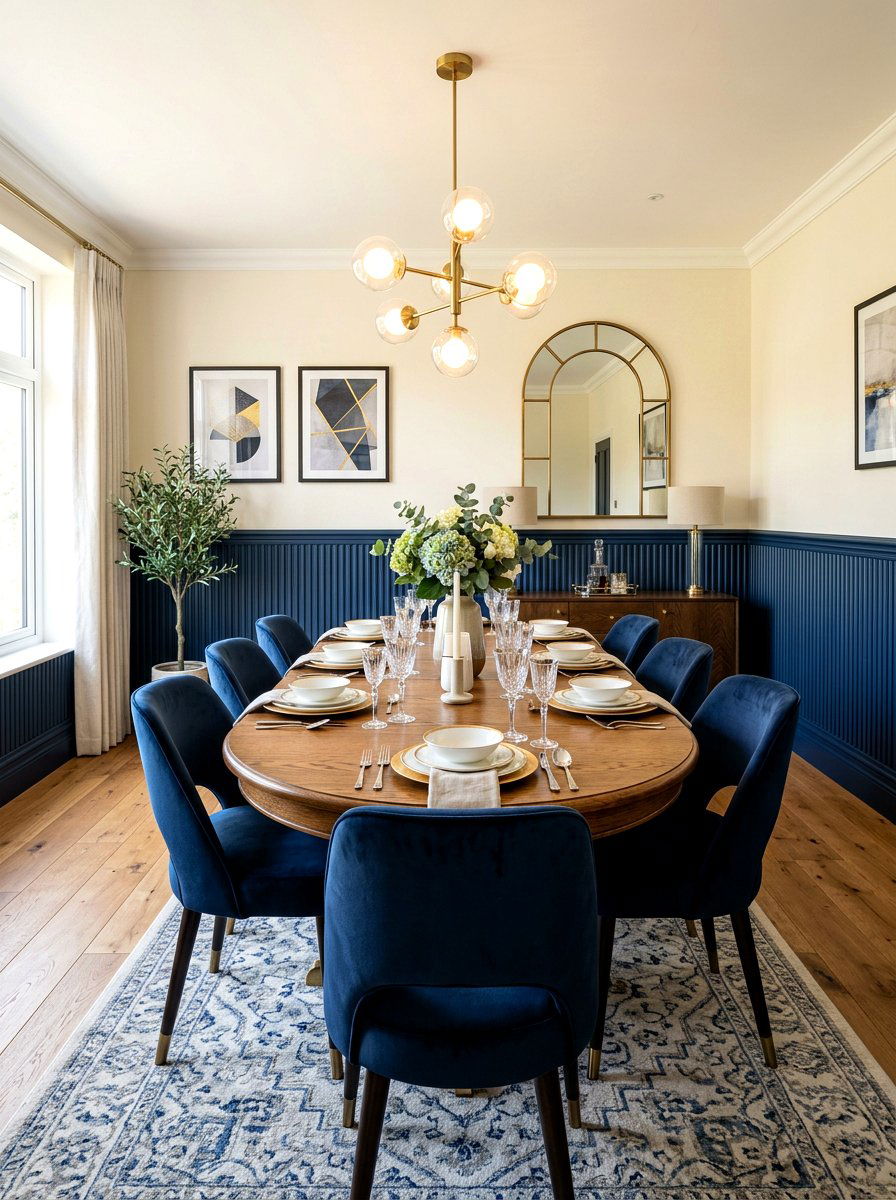
Applying dining room fluted wainscoting to the lower half of your walls is a fresh take on a classic interior design technique. This approach adds a protective and decorative layer to the space where chairs might otherwise scuff the paint. The vertical grooves provide a sophisticated texture that complements a large dining table and elegant lighting fixtures. By painting the fluted panels in a bold, contrasting color or leaving them in a natural wood finish, you create a distinct visual boundary that grounds the room. It is a perfect way to introduce architectural detail that feels intentional and upscale without overwhelming the entire dining area with wood.
8. Modern TV Fluted Wall
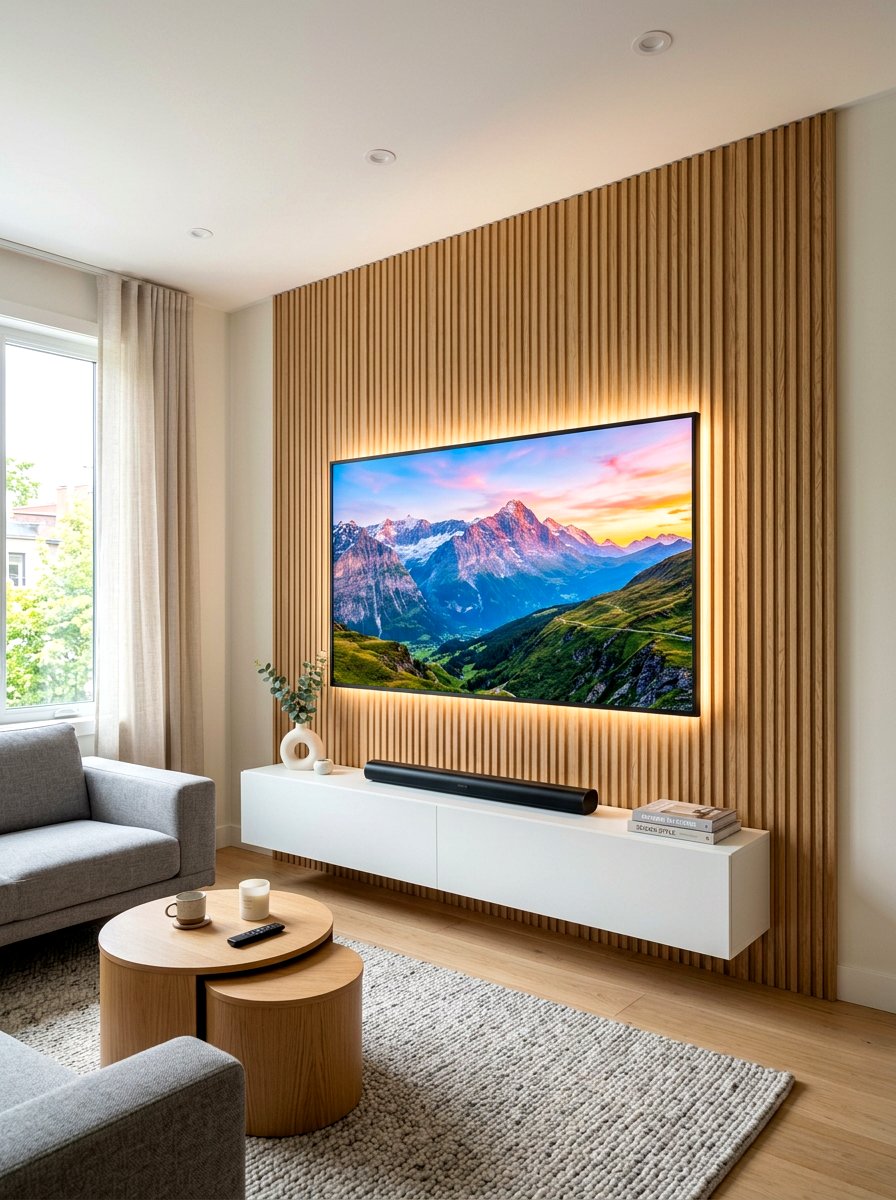
A modern TV fluted wall is one of the most popular ways to create a built-in look for your entertainment center. By mounting your television directly onto the fluted panels, you can easily hide messy cables and wires behind the slats for a clutter-free appearance. The texture of the wood softens the harsh, flat surface of a large screen and adds warmth to the overall media setup. You can even integrate open shelving or a floating media console into the design to further enhance its functionality. This setup transforms your living room into a sophisticated cinema space that feels organized, modern, and very well-designed.
9. Hidden Door Fluted Panel
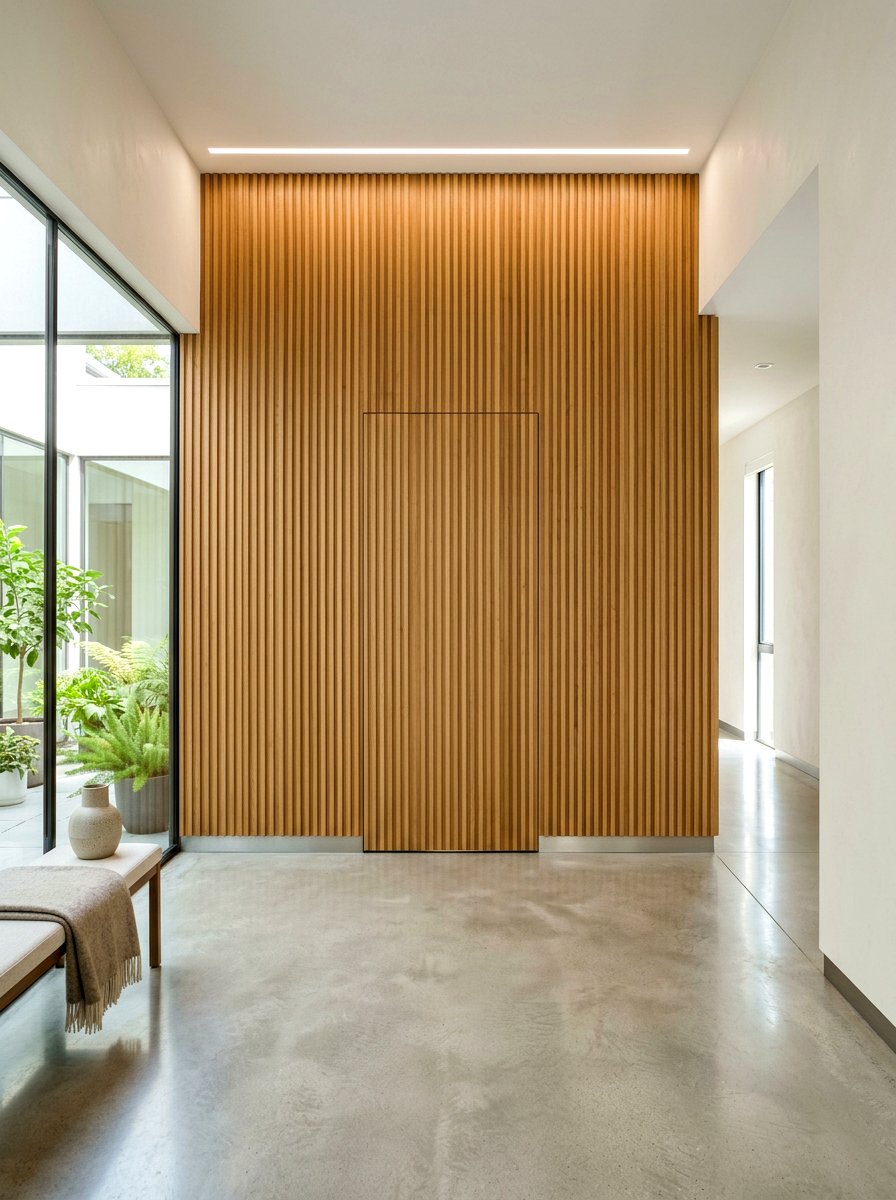
Using a hidden door fluted panel is a creative and practical way to maintain a clean visual flow in your home. Because the vertical grooves of the fluting naturally hide the seams and hinges of a door, you can create a secret entrance to a pantry, laundry room, or closet. This seamless look is perfect for minimalist interiors where you want to minimize the number of visible openings on a long wall. When the door is closed, it completely disappears into the surrounding paneling, creating a continuous and uninterrupted texture. This clever architectural trick adds an element of surprise and luxury that truly showcases expert-level home planning.
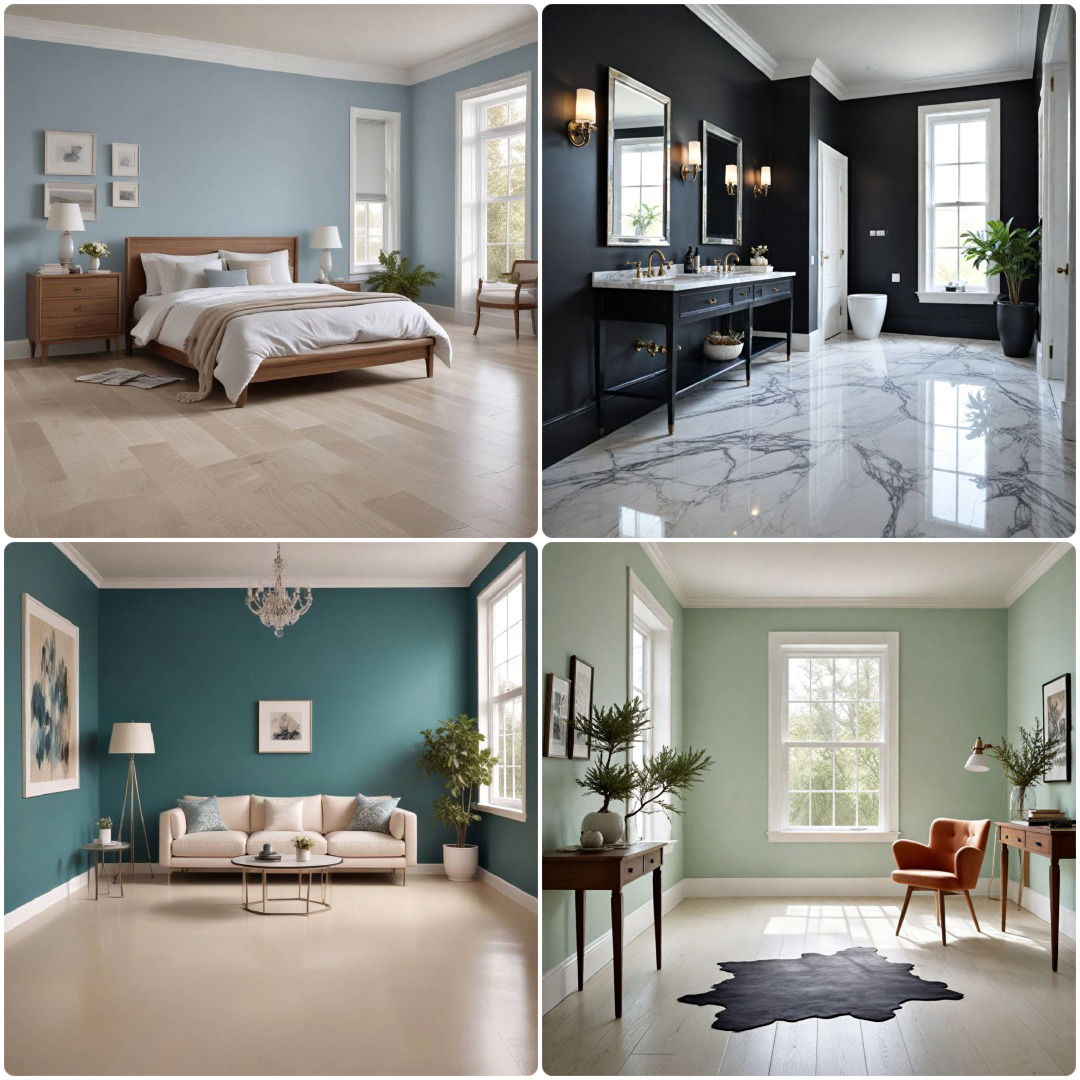
10. Curved Fluted Wood Wall
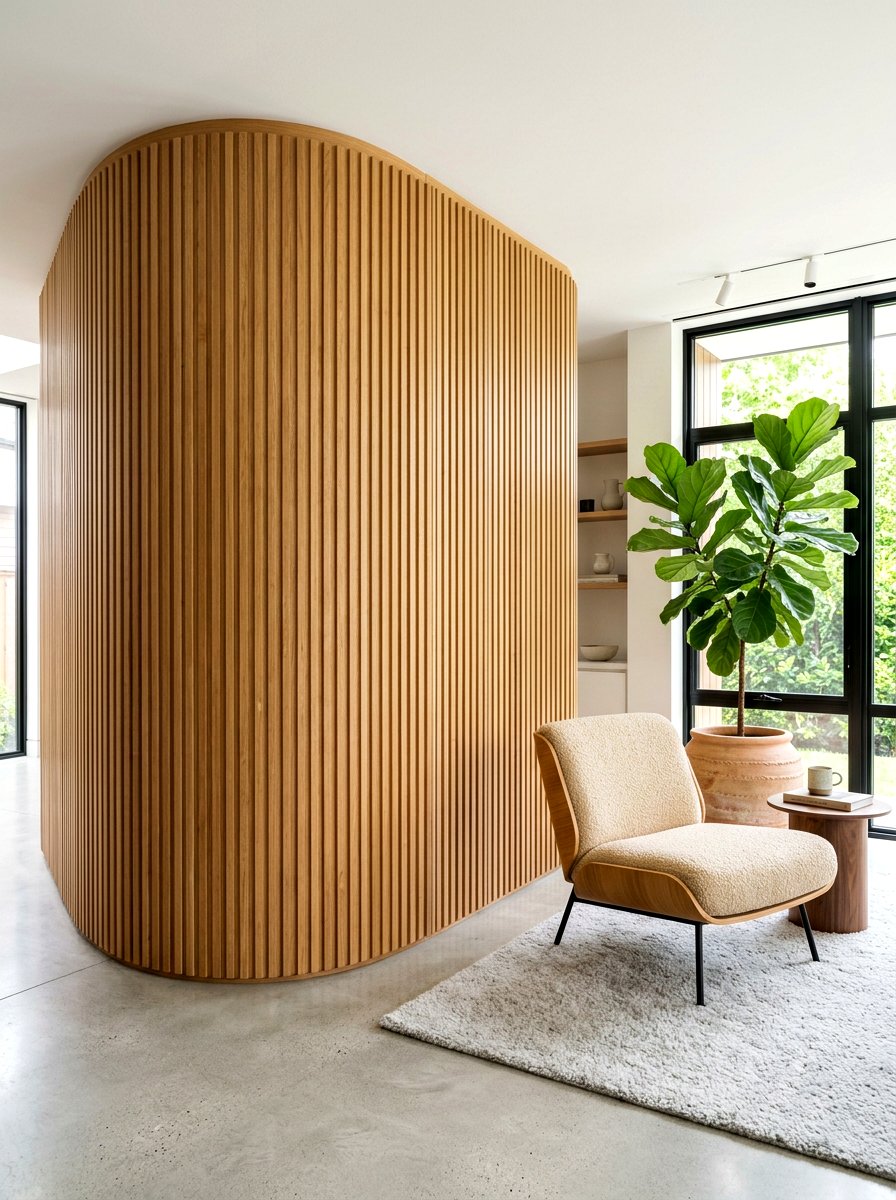
A curved fluted wood wall is a breathtaking design feature that breaks away from the rigid lines usually found in modern architecture. Because many fluted panels are flexible or can be custom-made for rounded surfaces, they are ideal for wrapping around pillars or curved walls. The way the light hits the individual slats as they bend around a corner creates a dynamic and ever-changing visual effect throughout the day. This soft, organic shape helps to improve the flow of a room and adds a high-end, custom-built feel. It is a sophisticated way to introduce movement and softness into a space while maintaining a strong linear texture.
11. Arched Fluted Wall Recess
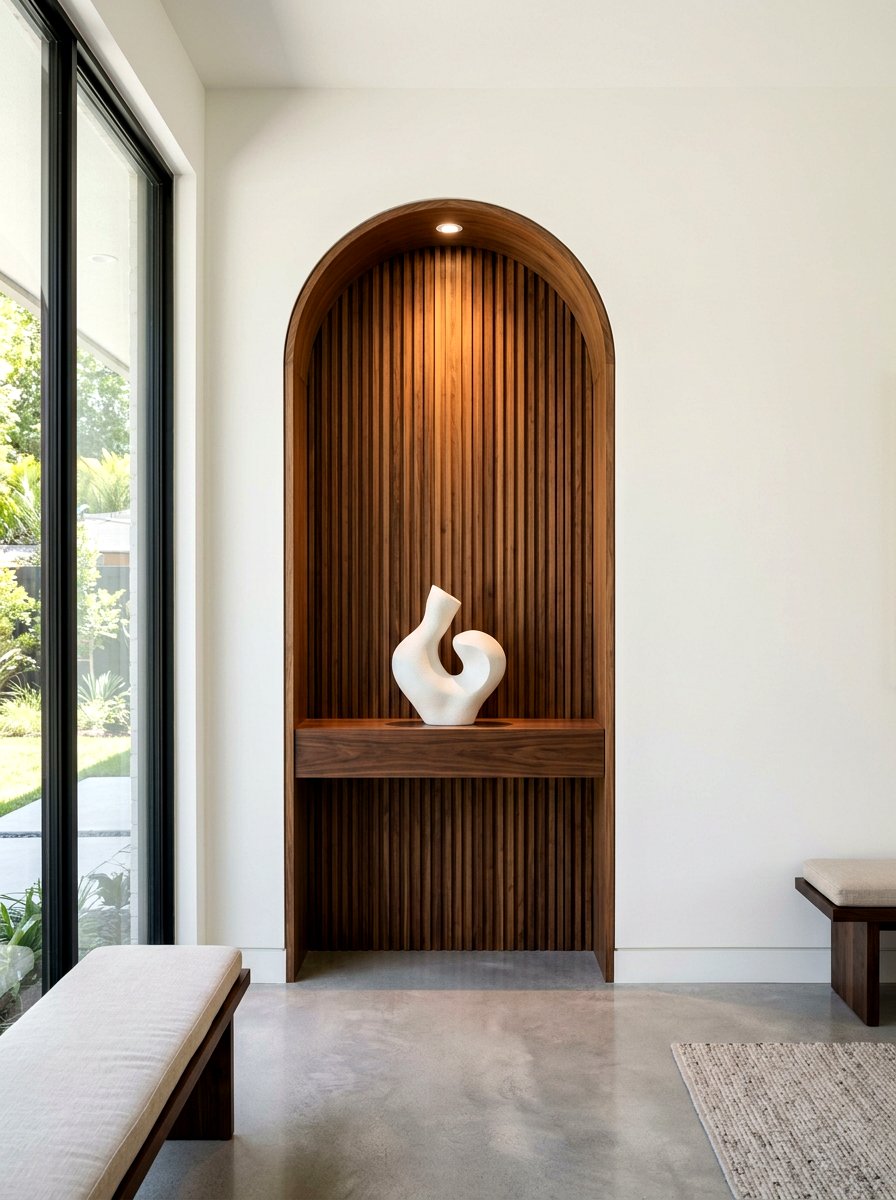
An arched fluted wall recess provides a beautiful and unique way to display art, plants, or decorative objects. By lining the interior of a wall niche with fluted wood, you create a textured backdrop that draws the eye to whatever is placed inside. The contrast between the smooth outer wall and the grooved inner surface adds a layer of sophistication that feels very intentional. This design element works particularly well in hallways, living rooms, or bedrooms as a soft architectural feature. The arch adds a classic touch, while the fluting keeps the look firmly modern, creating a perfect balance between traditional and contemporary design styles.
12. Natural Oak Fluted Wall
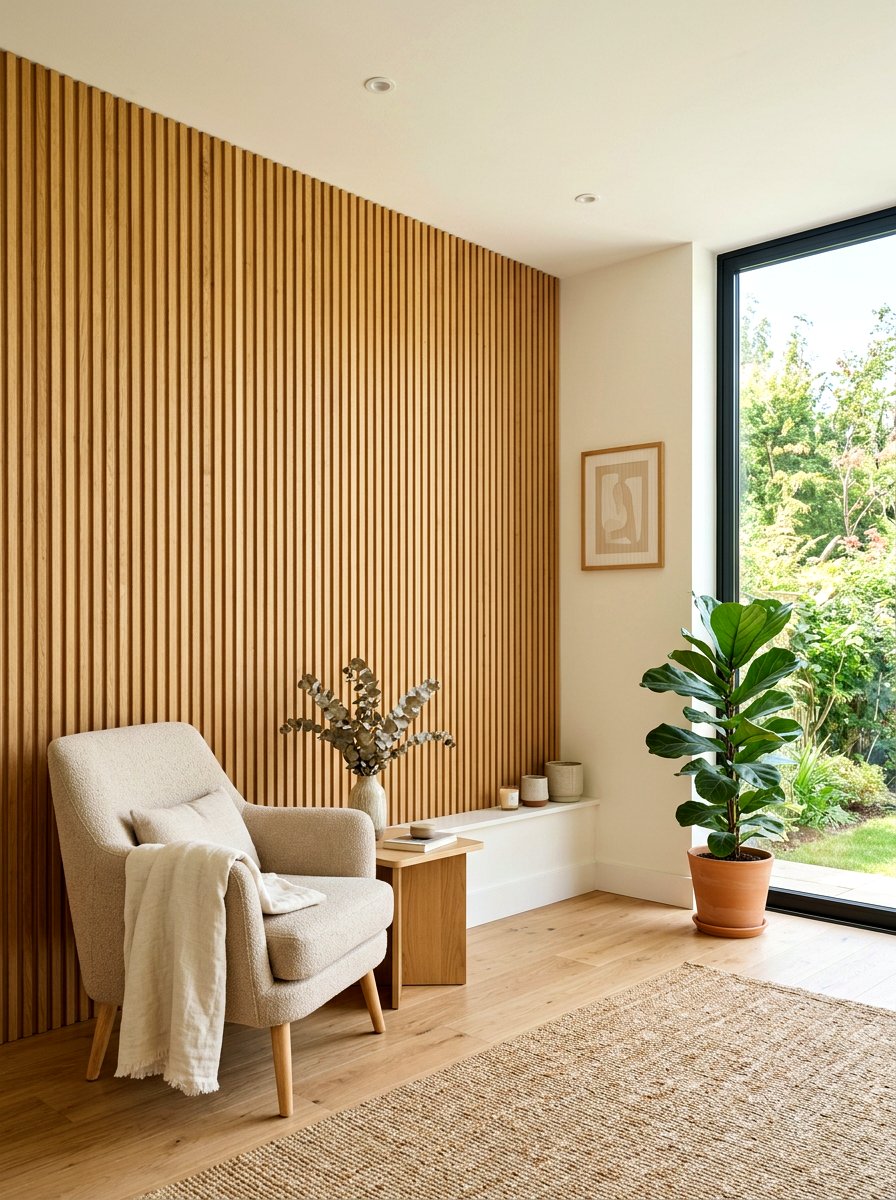
Choosing a natural oak fluted wall is a timeless investment that brings warmth and organic beauty into any interior space. Oak is known for its beautiful grain patterns and light, airy tones, which make it perfect for Scandinavian or modern farmhouse aesthetics. The fluted texture highlights the natural variations in the wood, making the wall feel rich and full of character. This finish works beautifully in sunny rooms where natural light can emphasize the depth of the grooves and the golden hues of the timber. It is a versatile choice that coordinates effortlessly with almost any color palette, from soft whites to deep, moody charcoals.
13. Dark Walnut Fluted Wall
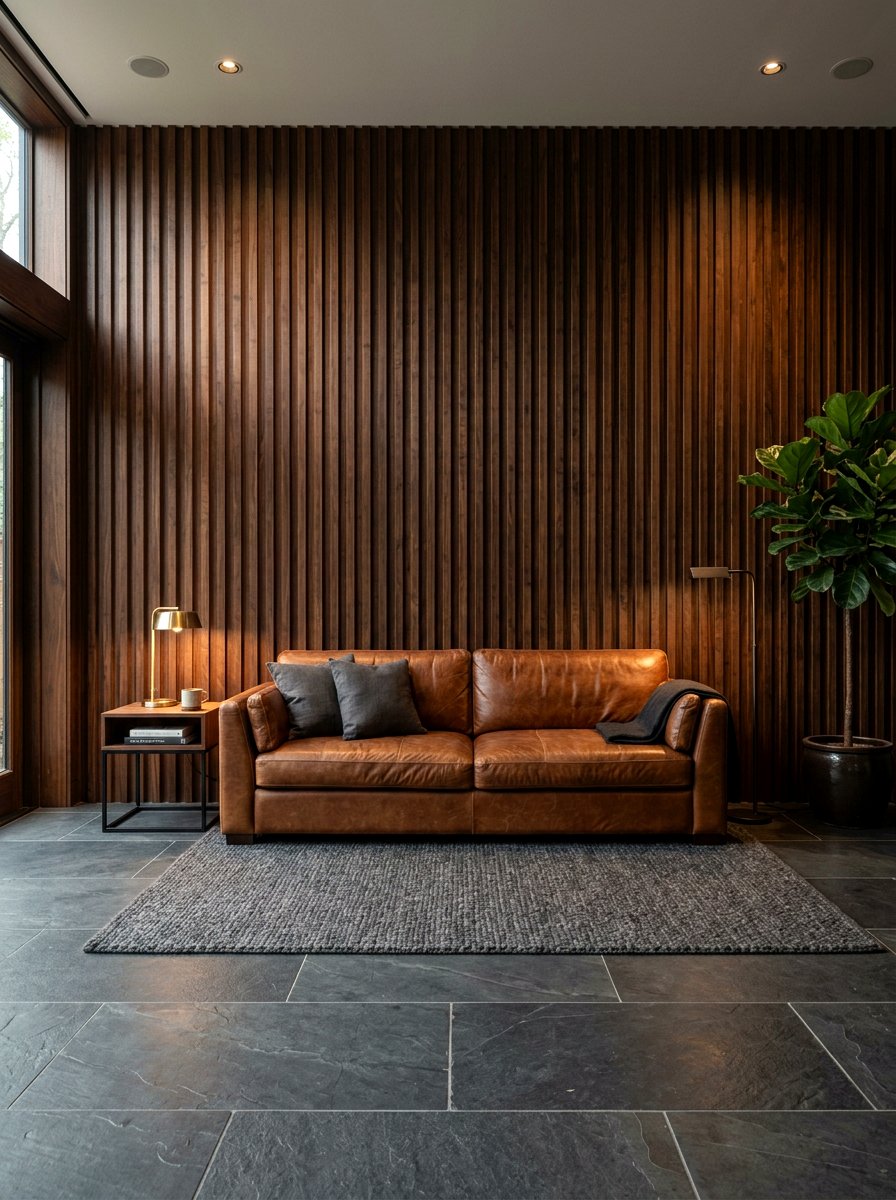
A dark walnut fluted wall offers a sense of drama and refined luxury that is hard to match with other materials. The deep, chocolatey tones of walnut provide a moody backdrop that feels incredibly sophisticated in a formal living room or a master bedroom suite. When the wood is fluted, the shadows in the grooves become even more pronounced, adding to the architectural mystery of the space. Walnut is a premium material that signifies high-quality craftsmanship and a keen eye for detail. Pairing this dark finish with brass accents or marble surfaces creates a classic look that feels both opulent and thoroughly modern for today’s homes.
14. Black Fluted Accent Wall
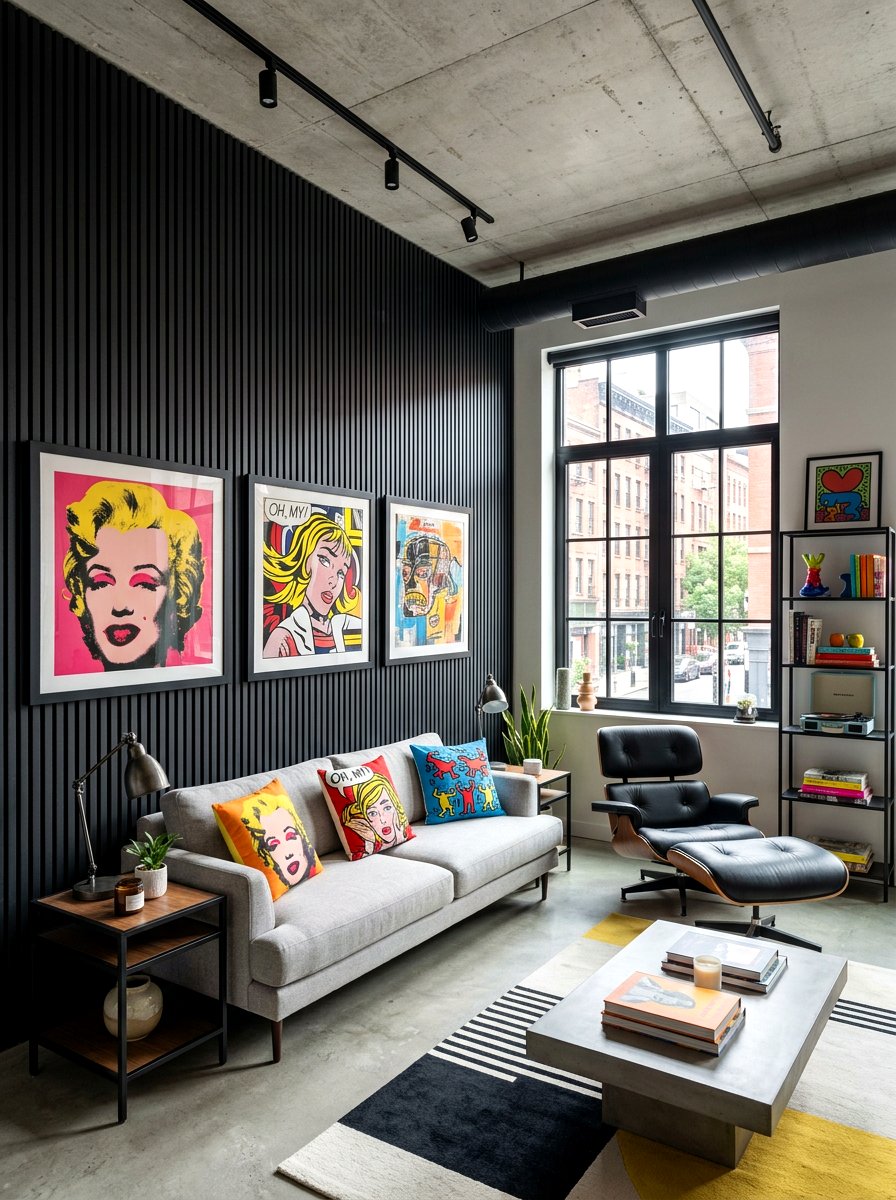
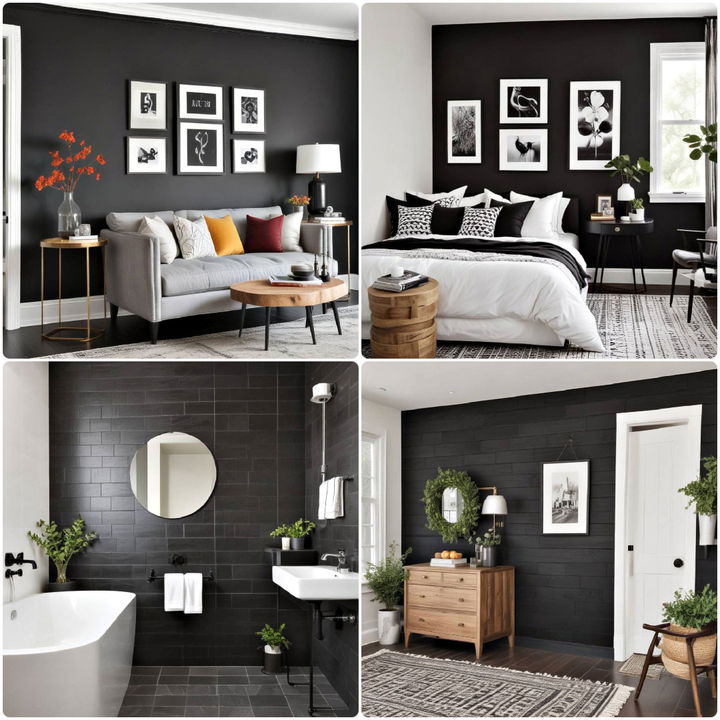
Creating a black fluted accent wall is a bold design move that brings an instant edge and modern sophistication to your home. The dark color absorbs light, while the vertical grooves create a subtle play of shadows that prevents the wall from feeling too heavy or flat. This look is incredibly popular in contemporary media rooms or as a backdrop for a light-colored sofa. The black finish provides a sharp contrast to natural wood floors or colorful artwork, making it a powerful tool for defining a space. It is a chic and daring choice that demonstrates a confident and well-researched approach to current interior design trends.
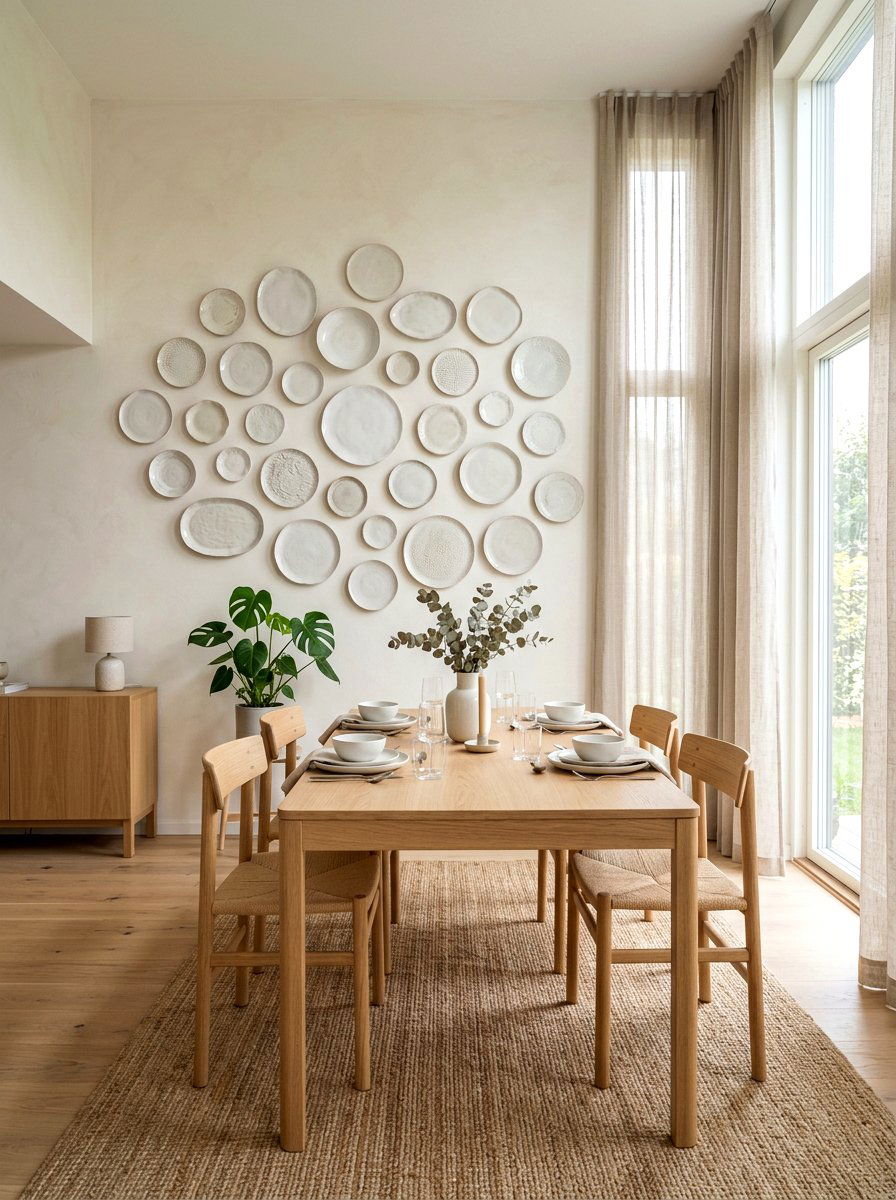
15. White Fluted Texture Wall
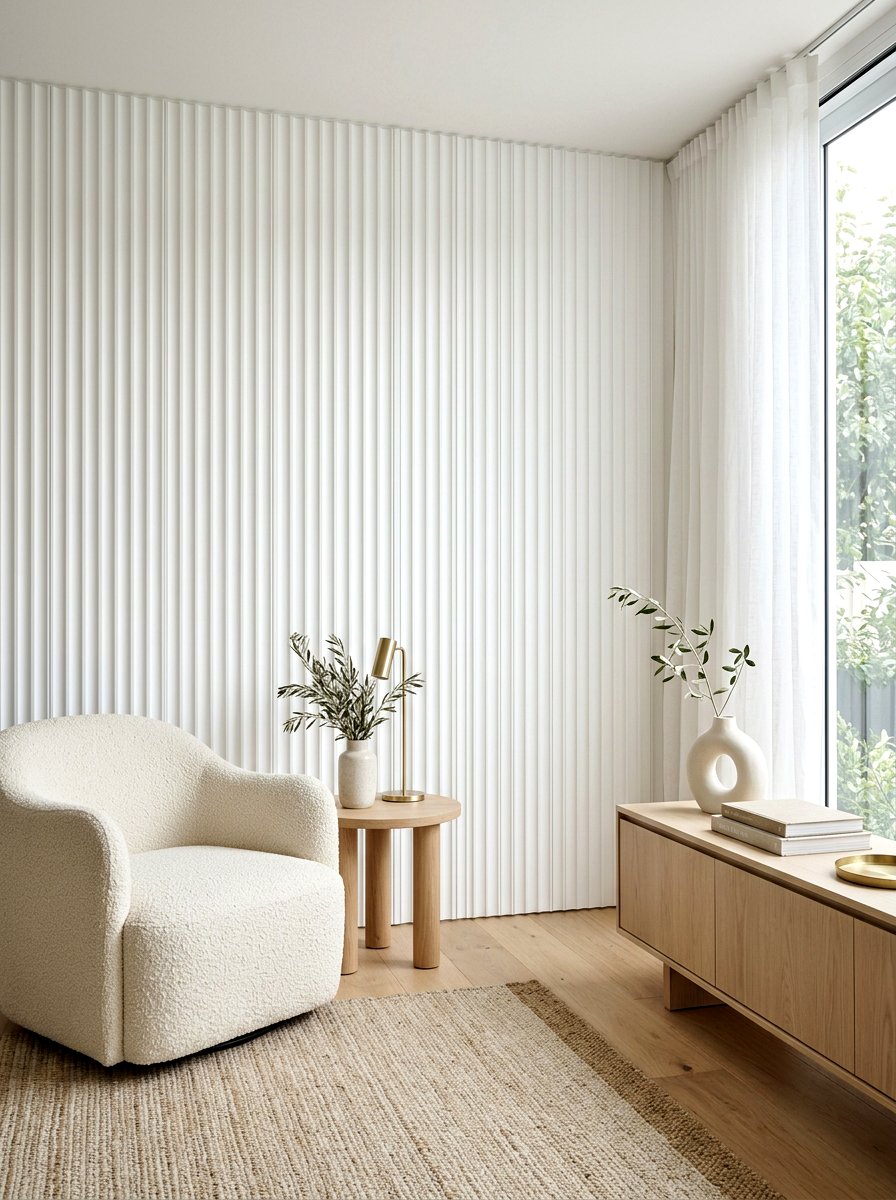
A white fluted texture wall is the ultimate choice for those who love a bright, airy, and minimalist aesthetic. By using white-painted fluting, you gain all the architectural benefits of the vertical lines without the visual weight of natural wood. This look adds a sophisticated "quiet luxury" to a room, where the texture provides interest only when the light hits it at a certain angle. It is a fantastic way to add depth to an all-white room without introducing new colors. This treatment feels fresh, clean, and incredibly modern, making it a perfect solution for small spaces that need a bit of extra character and dimension.
16. Vertical Fluted Wood Wall
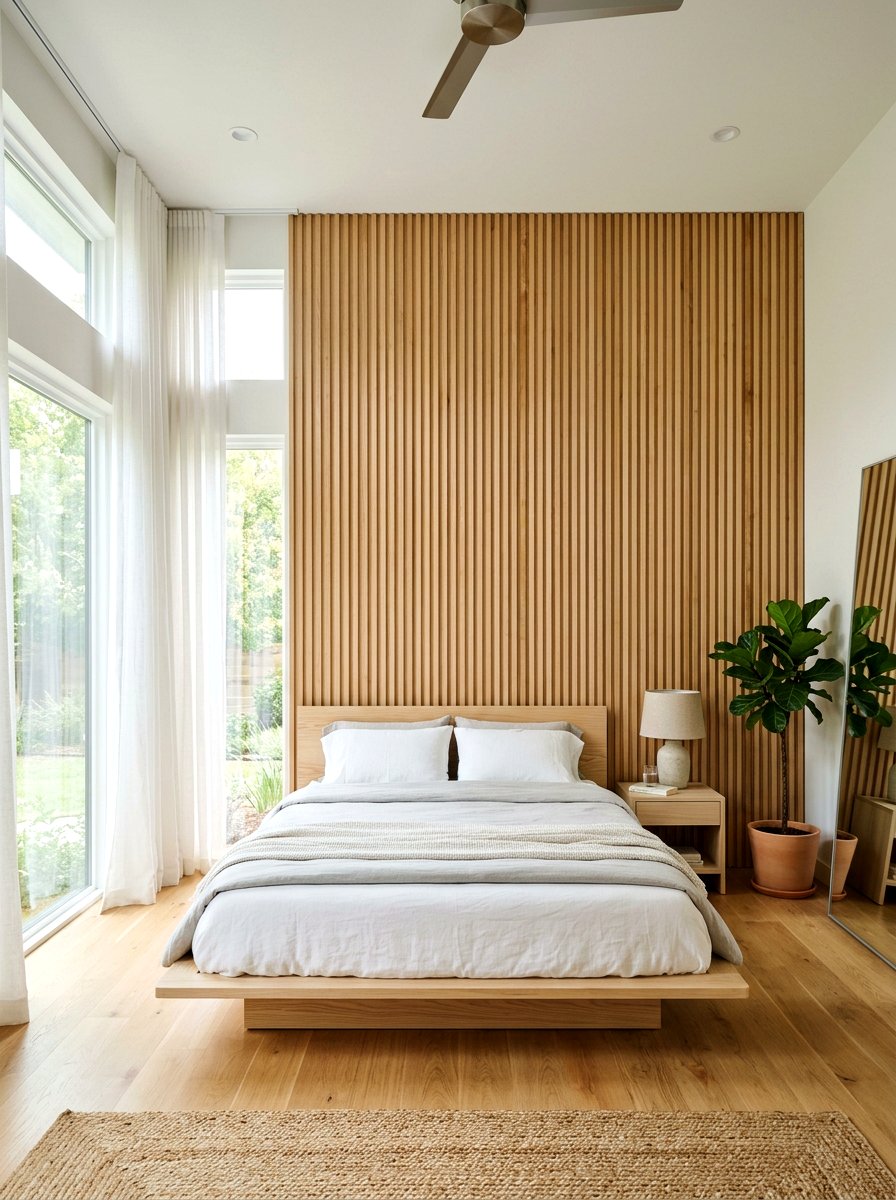
A vertical fluted wood wall is the most traditional and popular orientation for this decorative element. By running the slats from the floor to the ceiling, you create a strong vertical rhythm that naturally guides the eye upward. This technique is particularly effective in rooms with low ceilings, as it creates an optical illusion of greater height. The vertical lines provide a sense of order and structure that feels very balanced and harmonious. Whether used on a single accent wall or throughout a whole room, the vertical orientation remains a versatile and timeless choice that works across a wide variety of architectural and interior design styles.
17. Horizontal Fluted Wood Panel
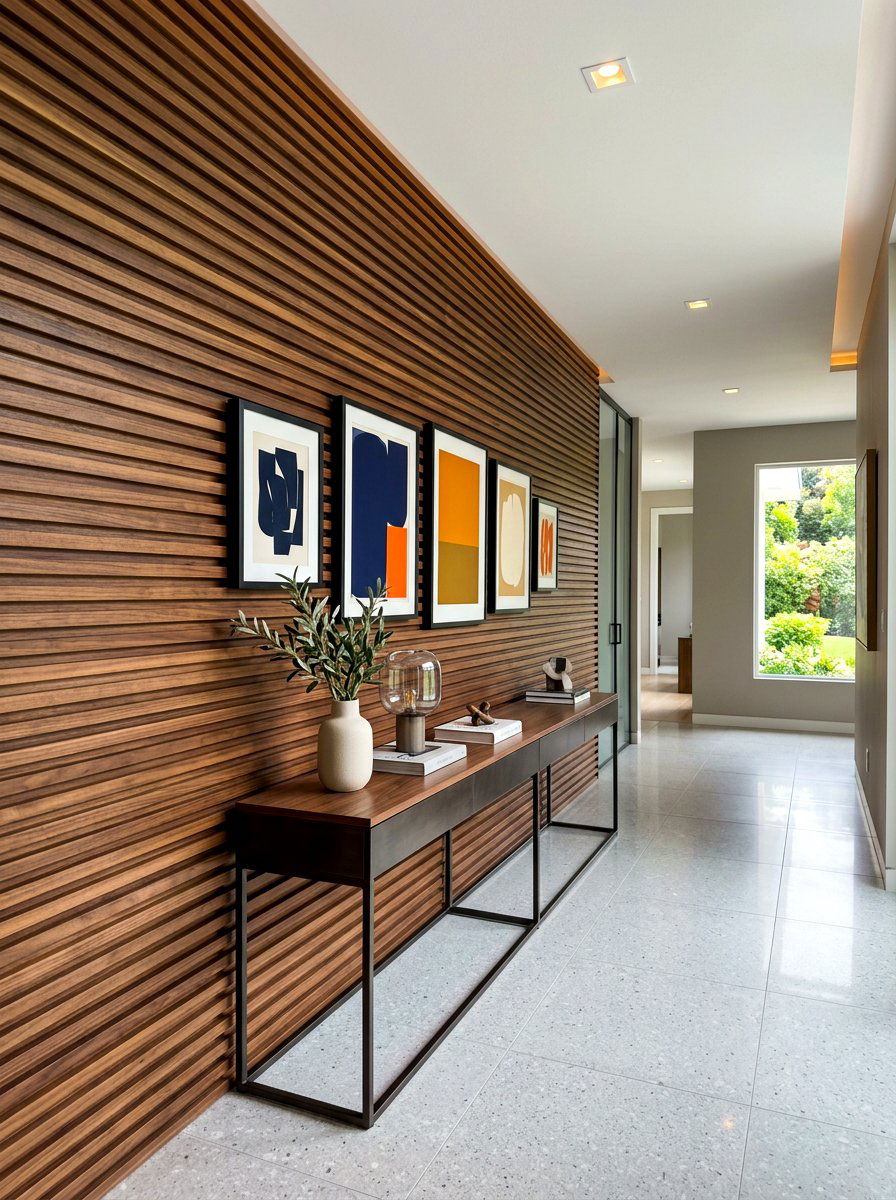
Installing a horizontal fluted wood panel is a clever way to make a narrow room feel wider and more expansive. While vertical lines add height, horizontal grooves draw the eye across the space, creating a sense of breadth and openness. This orientation feels a bit more modern and unconventional, making it a great choice for a unique feature wall in a bedroom or a home office. Horizontal fluting can also be used as a textured backsplash in a kitchen or on the front of a long media console. It is a smart design trick that allows you to manipulate the perceived dimensions of your home effectively.
18. Painted Fluted Wood Wall
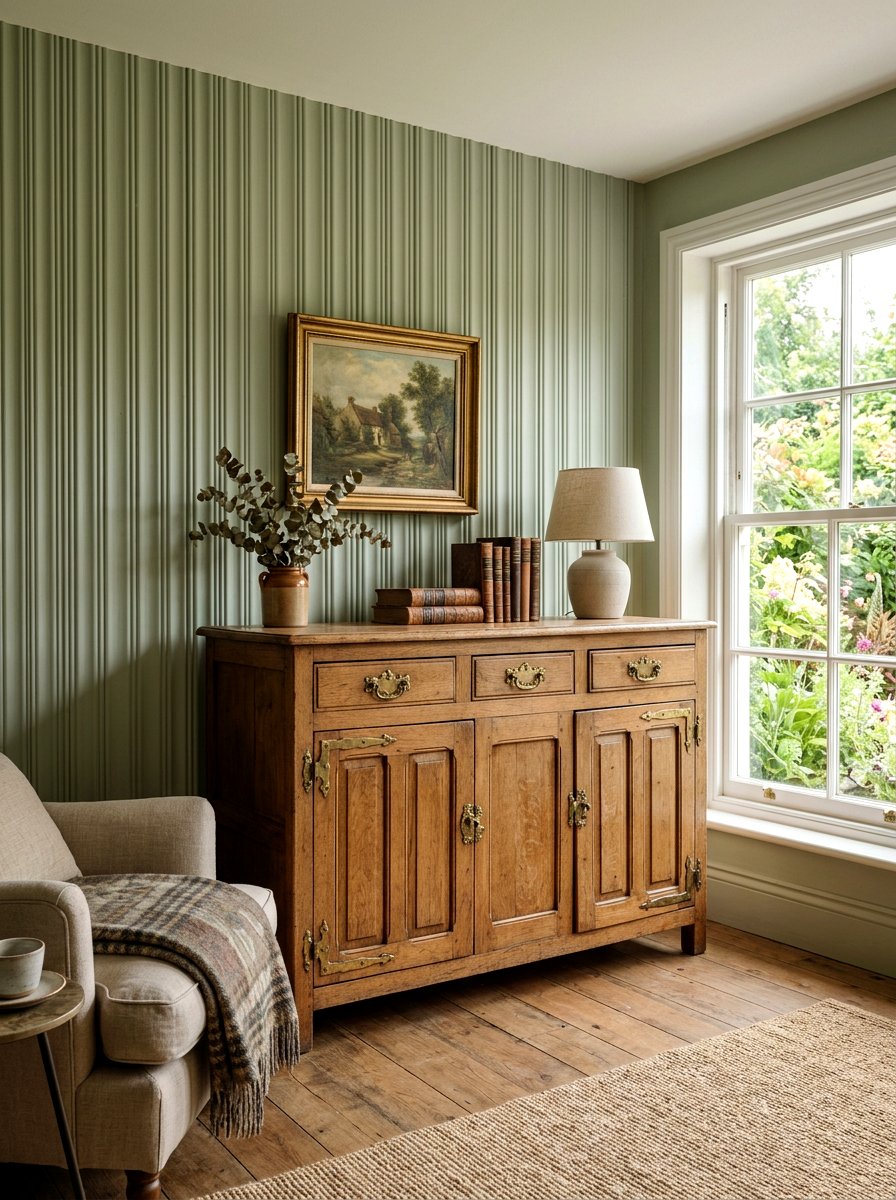
A painted fluted wood wall allows you to perfectly customize the texture to fit your specific color scheme. While natural wood is beautiful, painting the fluting in a soft sage green, deep navy, or warm terracotta can create a completely different mood. The paint fills the grooves and creates a more uniform look that emphasizes the shadows rather than the wood grain. This is a budget-friendly way to use MDF fluted panels while still achieving a high-end, custom-built appearance. It offers the flexibility to update the look of your room easily in the future while still enjoying the rich architectural depth of the fluted texture.
19. Fireplace Fluted Wall Surround
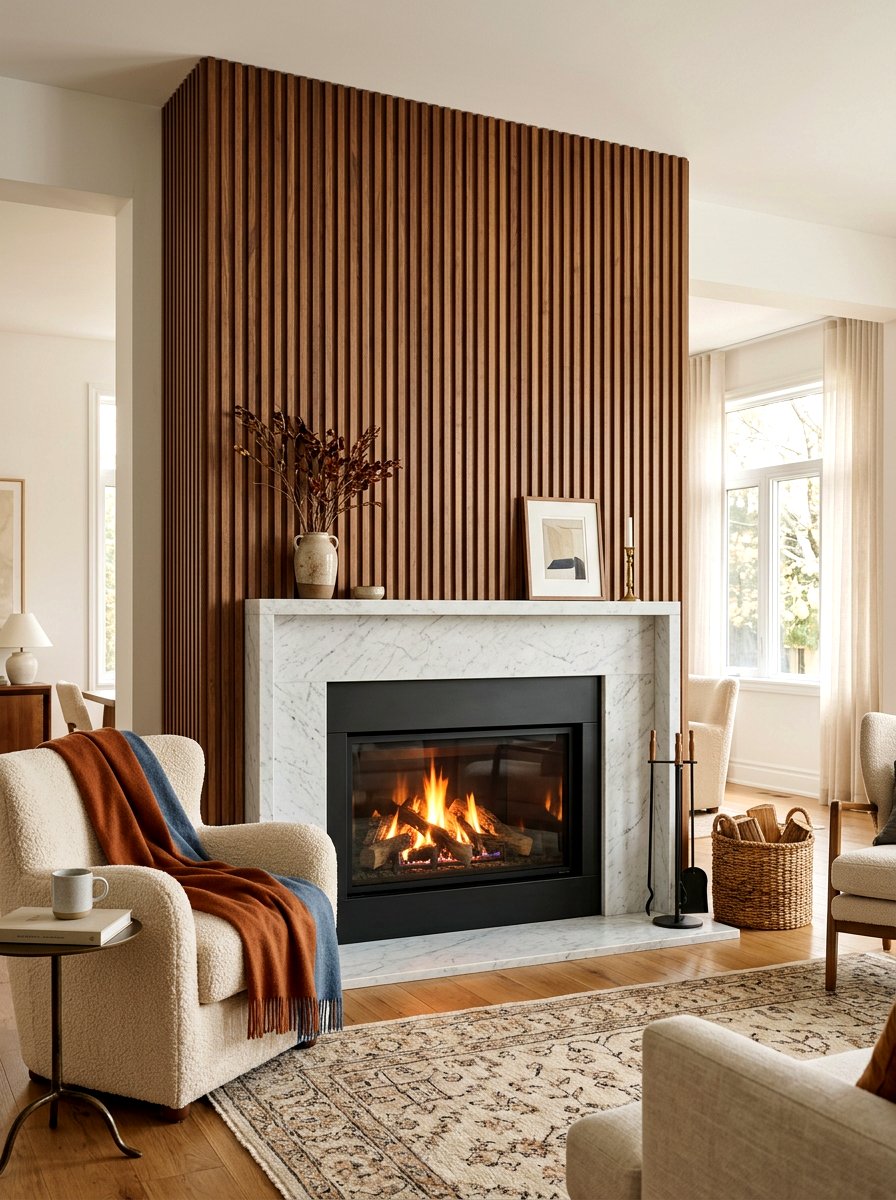
Adding a fireplace fluted wall surround is a sophisticated way to modernize your home’s hearth and create a warm focal point. Many modern fireplaces are sleek and minimal, and a fluted wood backdrop adds the perfect amount of organic texture to balance the heat and stone. The vertical lines help to integrate the fireplace into the wall, making it feel like a seamless part of the architecture rather than an afterthought. Using a fire-rated or well-spaced installation ensures safety while delivering a high-end look. This design choice makes the living room feel cozy and curated, providing a beautiful surface for the firelight to dance upon.
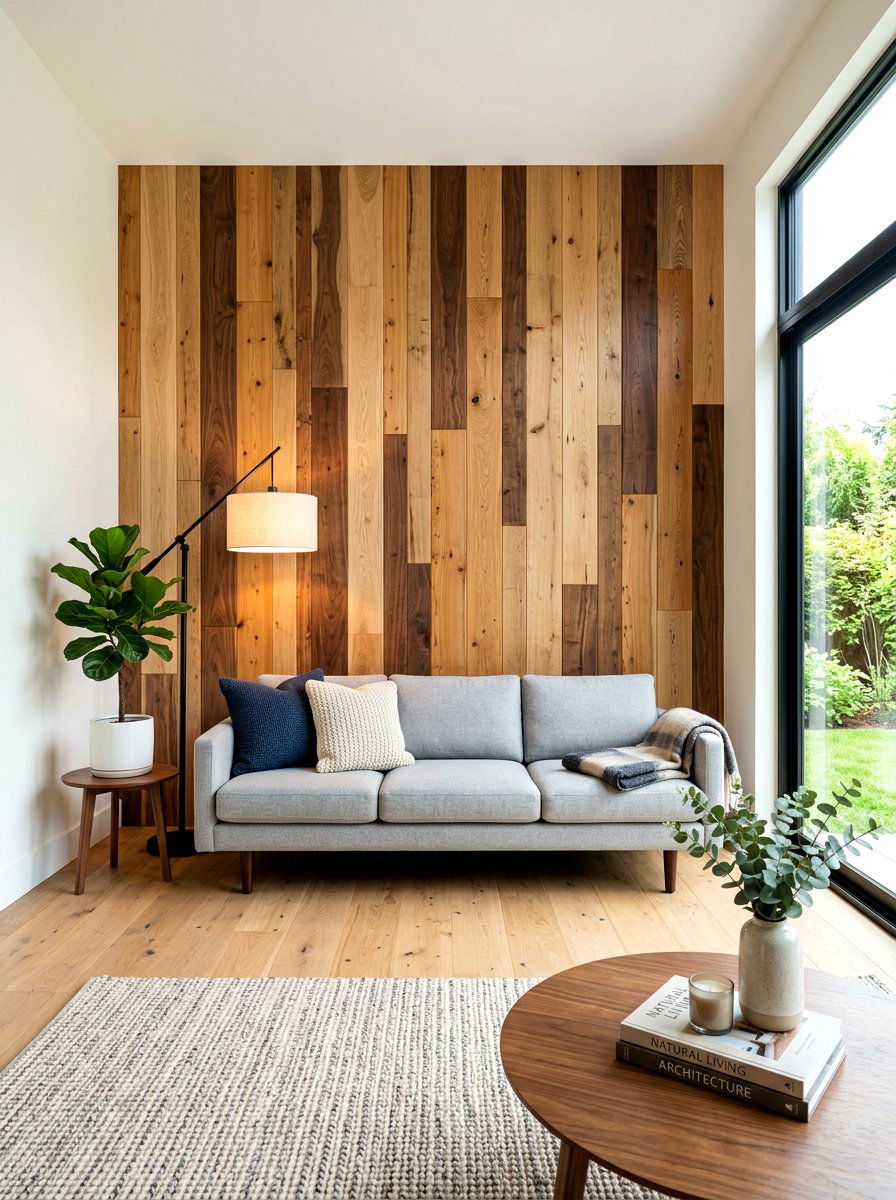
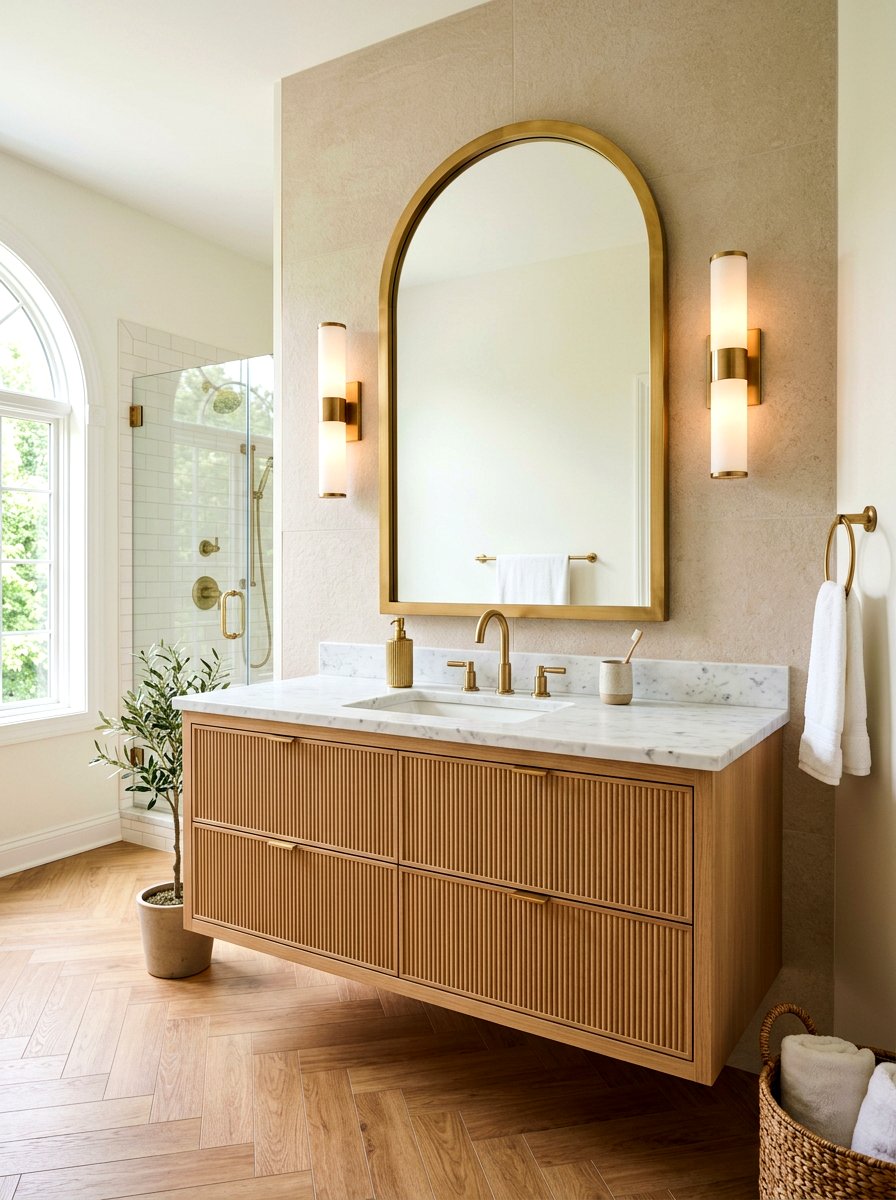
20. Hallway Fluted Wall Treatment
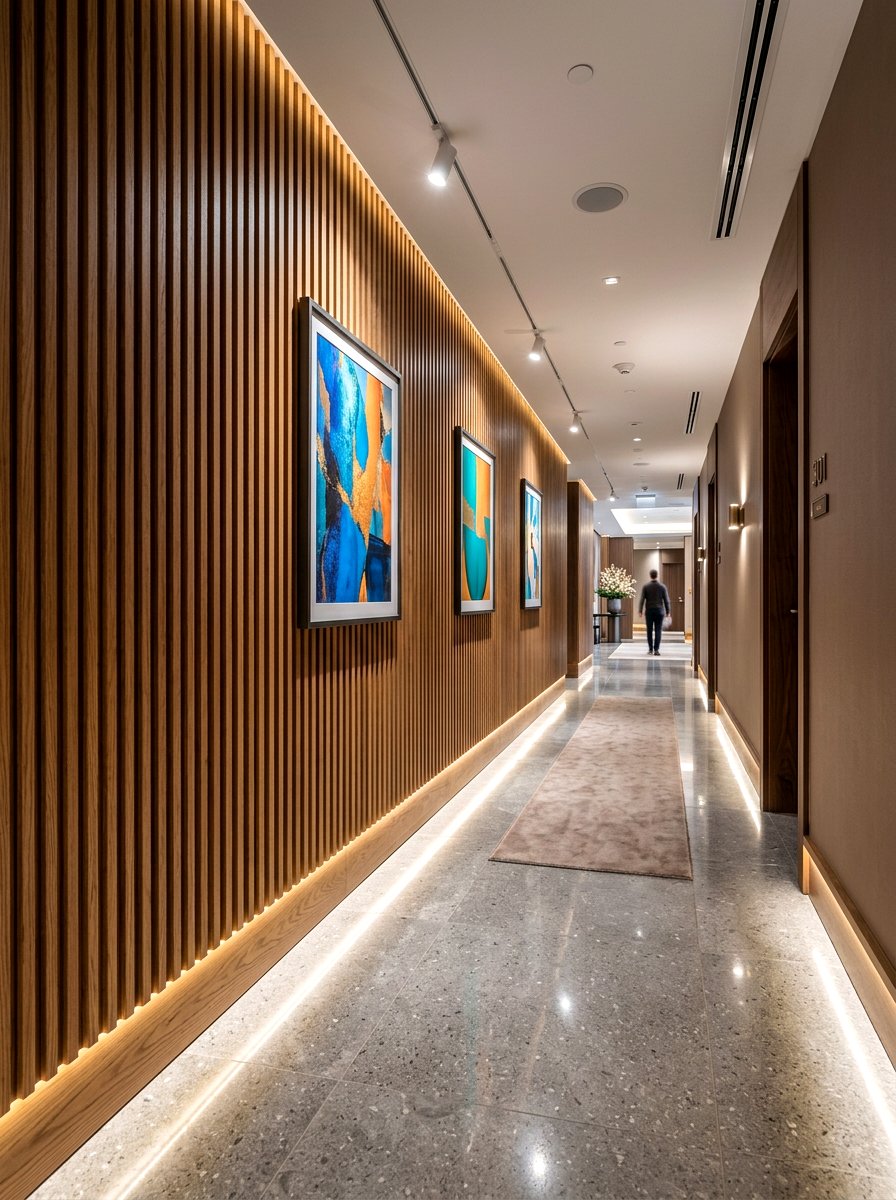
A hallway fluted wall treatment turns a boring transitional area into a stunning gallery-like space. Hallways are often narrow and lack natural light, but the vertical grooves of fluting add visual interest that prevents the walls from feeling closing in. By installing the panels along one side of the corridor, you create a sense of movement that leads you through the home. This treatment is also very practical for high-traffic areas, as the wood is more durable than standard drywall and can better hide minor bumps or scratches. It is a simple yet effective way to add a touch of luxury to every corner of your house.
21. Staircase Fluted Wall Detail
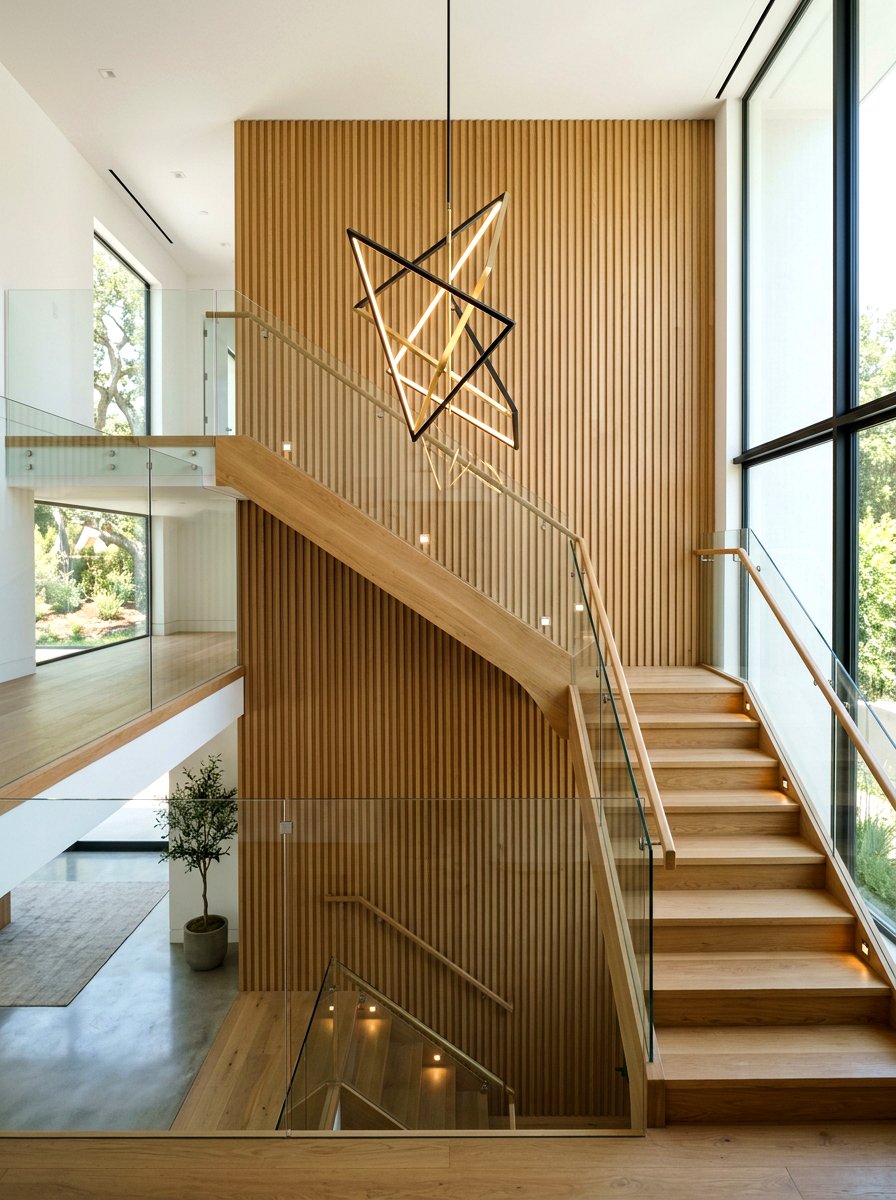
Incorporating a staircase fluted wall detail is a brilliant way to accentuate the verticality and architectural flow of your home. As you move up the stairs, the changing perspective allows you to see the depth of the grooves in different ways, creating a dynamic visual experience. The fluting can follow the angle of the stairs or run vertically to provide a strong contrast to the diagonal lines of the steps. This design choice feels very intentional and high-end, transforming a functional staircase into a beautiful design feature. It provides a rich, textured backdrop that works perfectly with modern glass or metal handrails for a contemporary look.
22. Mudroom Fluted Bench Backing
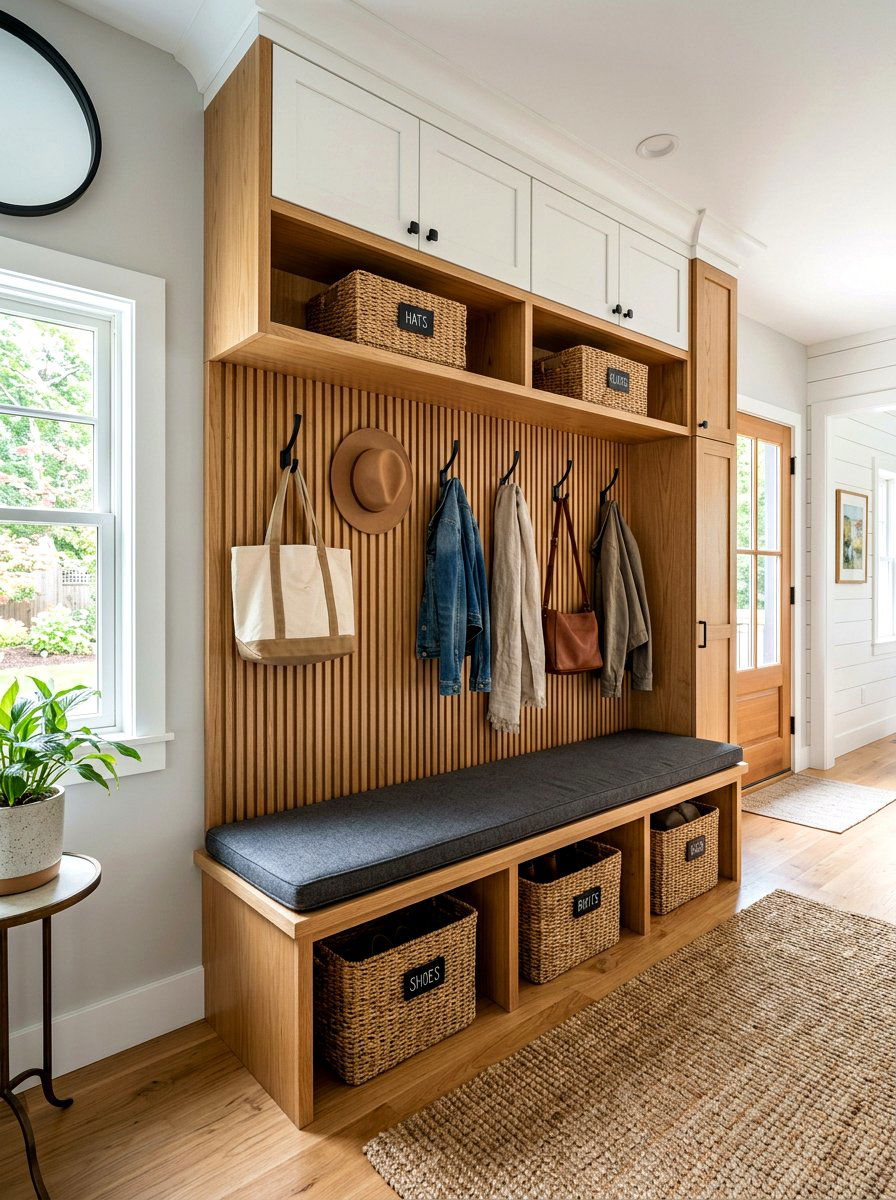
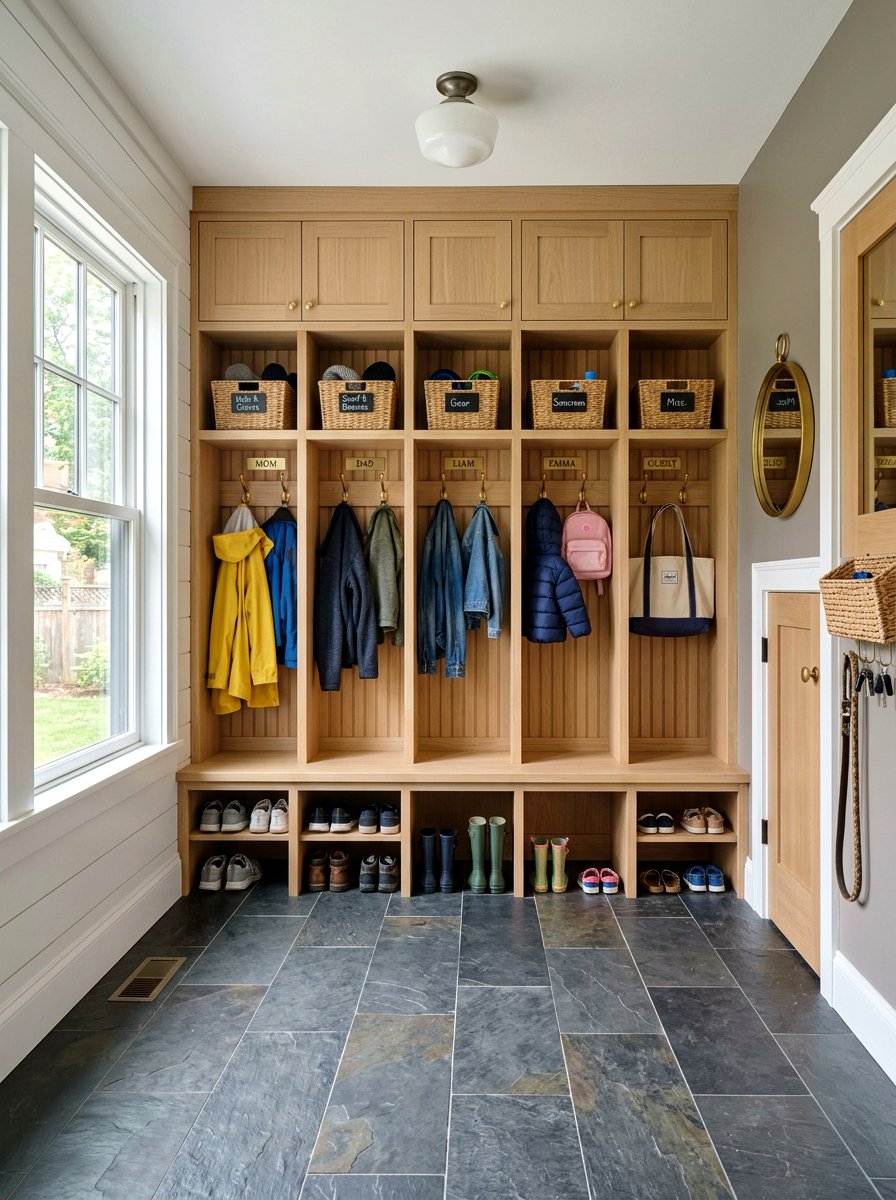
A mudroom fluted bench backing adds a touch of sophistication to one of the most hardworking rooms in the house. Mudrooms are often cluttered with shoes and coats, but a textured wood wall behind the seating area brings a sense of order and style. The fluted panels provide a durable surface that can handle the daily wear and tear of a busy family while looking incredibly chic. You can even integrate hooks directly into the slats for a seamless storage solution. This design detail proves that even the most functional spaces in your home can benefit from high-quality architectural elements and a bit of custom wood craftsmanship.
23. Reading Nook Fluted Wall
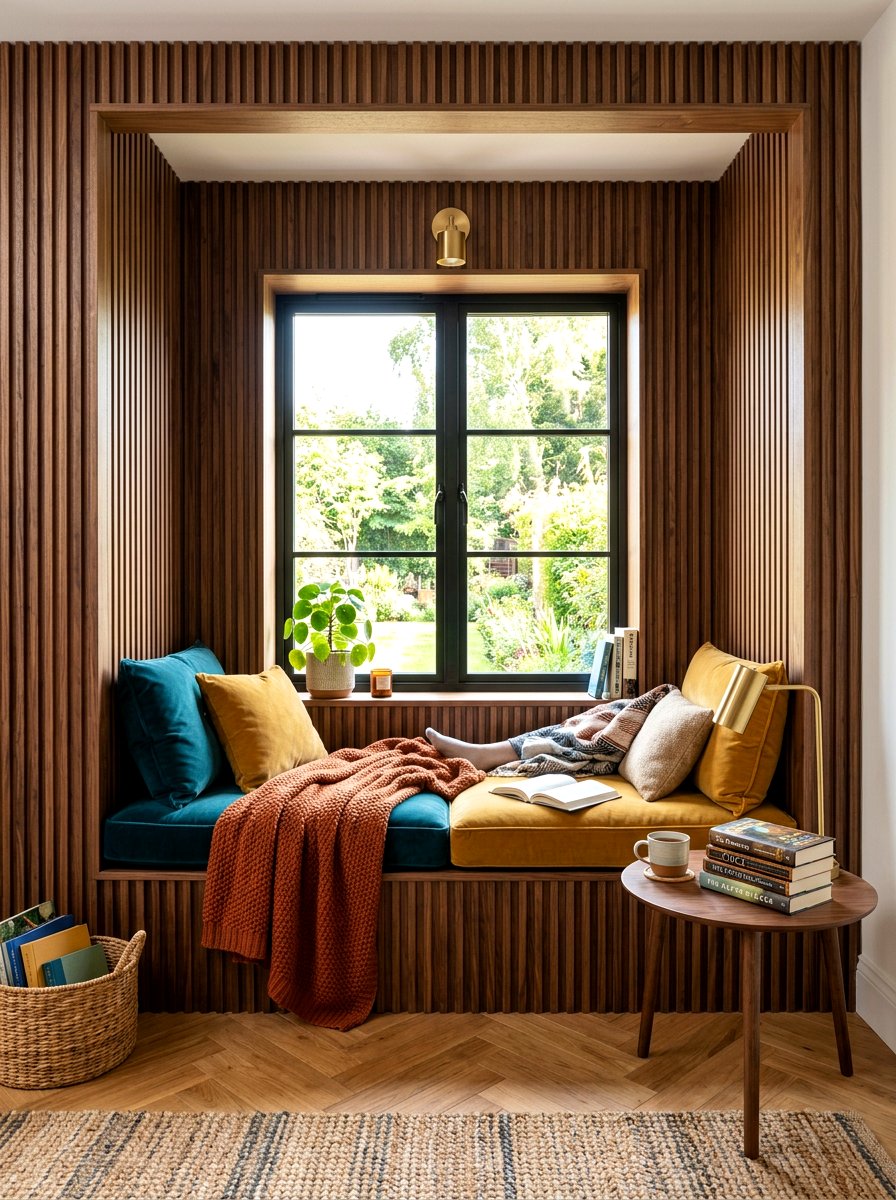
Creating a reading nook fluted wall is a wonderful way to carve out a cozy and private sanctuary within a larger room. By lining a small corner or a built-in bench area with fluted wood, you define the space as a separate zone for relaxation. The warmth of the wood and the tactile nature of the grooves create a soothing environment that is perfect for getting lost in a book. You can pair the fluting with soft cushions, warm lighting, and a few floating shelves to create a perfectly curated escape. This small but impactful design choice adds a lot of personality and charm to your home’s interior layout.
24. Ceiling To Floor Fluting
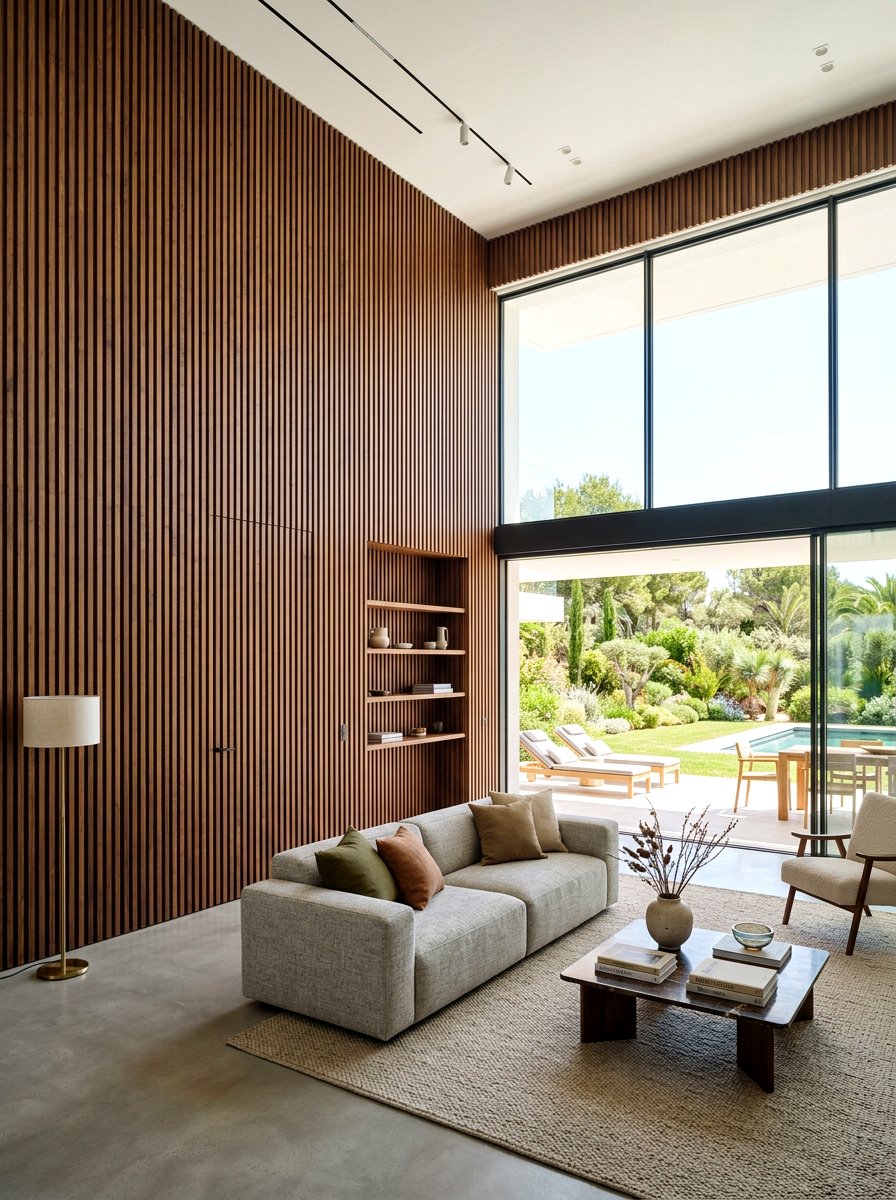
A ceiling to floor fluting installation is a bold and dramatic choice that creates a seamless, high-end look for your main living areas. By eliminating any horizontal breaks like baseboards or crown molding, the vertical grooves flow uninterrupted from the ground to the top of the wall. This creates a clean, architectural aesthetic that feels very modern and expensive. It is a great way to hide imperfections in the wall while providing a consistent texture that grounds the entire room. This full-scale application works best on a single feature wall where it can serve as a powerful backdrop for your most important furniture and decor pieces.
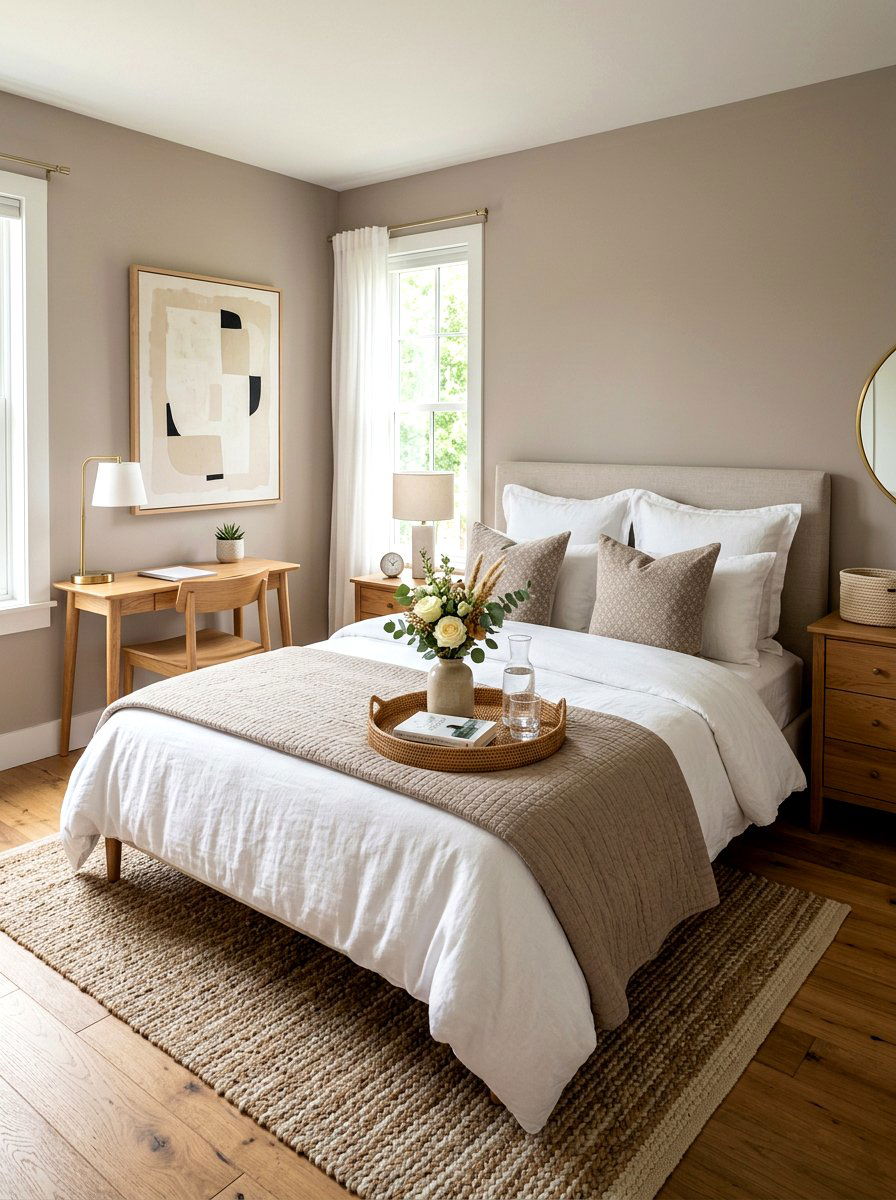
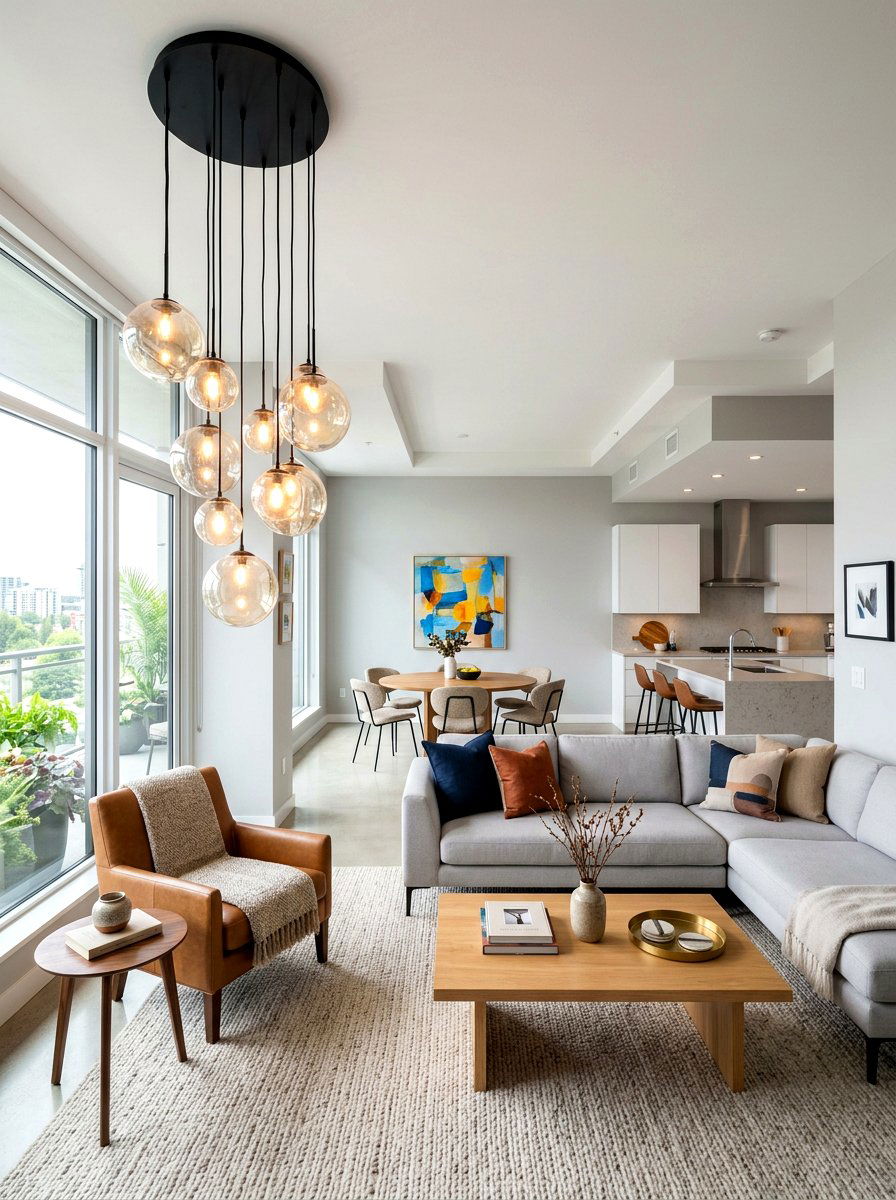
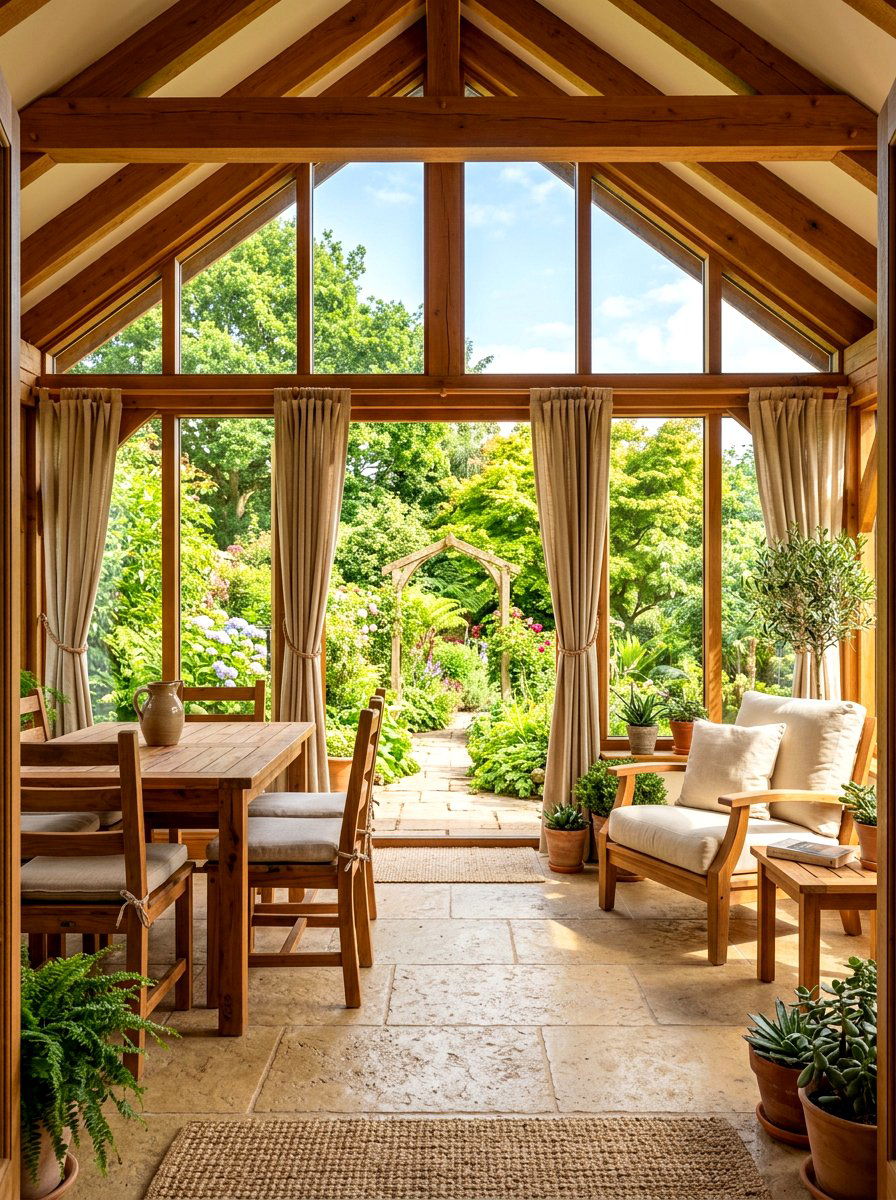
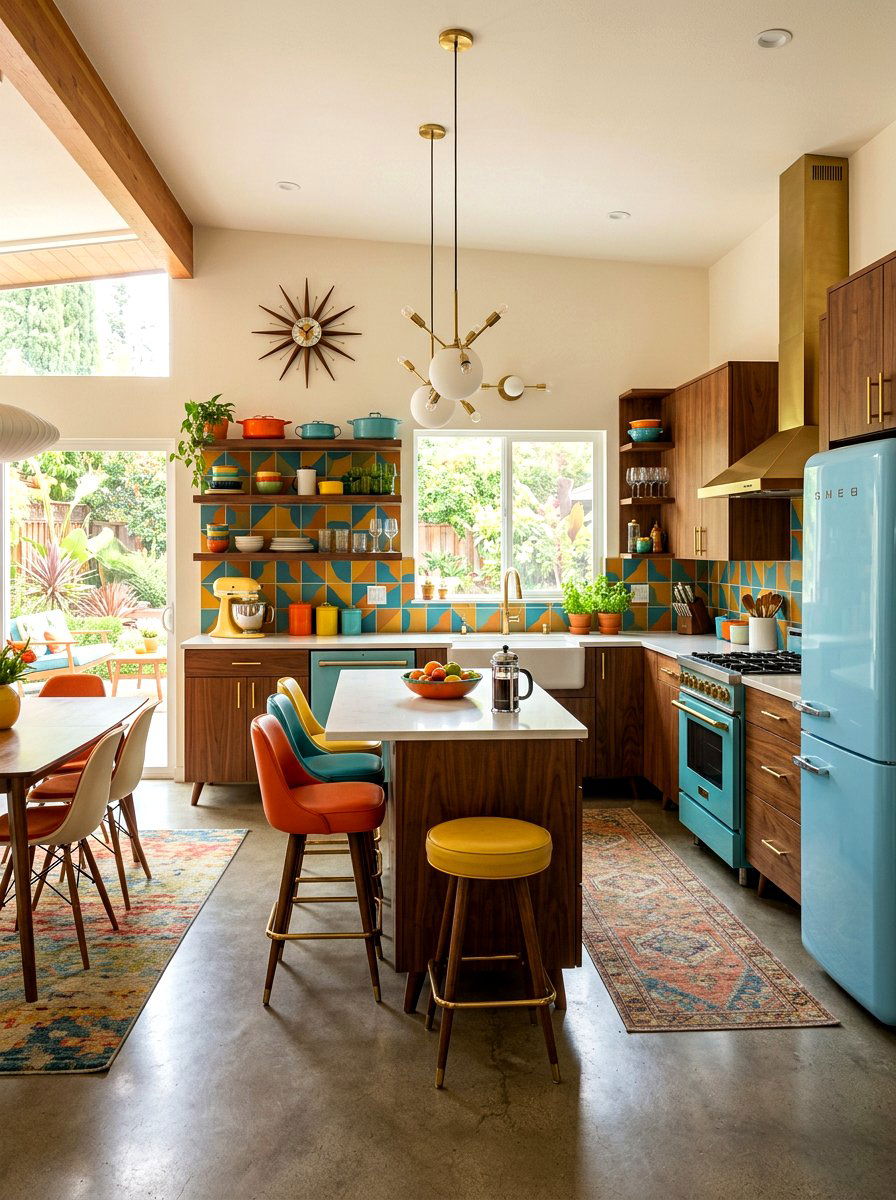
25. Half Height Fluted Wall
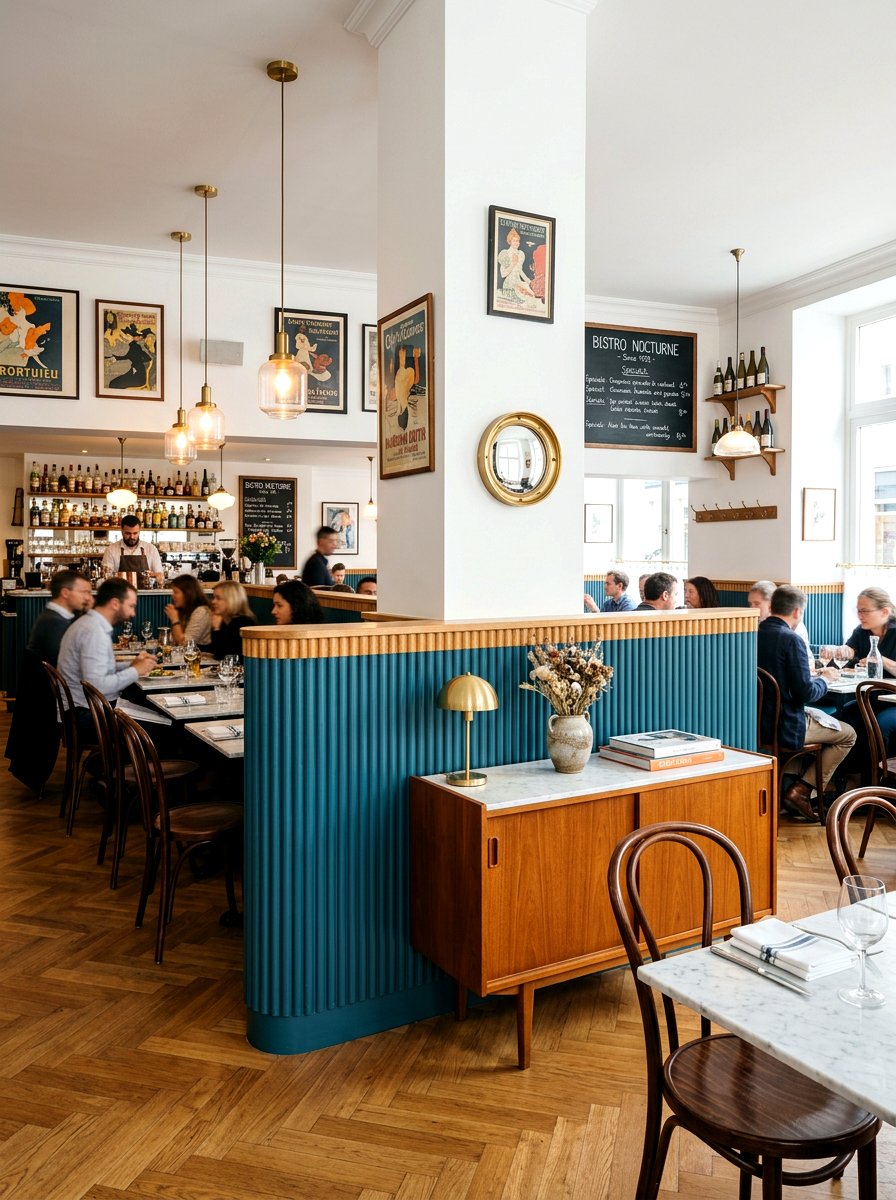
A half height fluted wall is a stylish and practical alternative to full-wall paneling that works beautifully in dining rooms or bedrooms. By covering only the lower portion of the wall, you introduce texture and protection while leaving the top half open for paint, wallpaper, or art. This approach creates a strong horizontal line that can help to anchor furniture like a bed or a sideboard. It is a more subtle way to use fluting that still provides plenty of visual interest and architectural character. Finishing the top with a slim wooden ledge creates a perfect spot for displaying small decorative items or framed photos.
26. Minimalist Fluted Wall Panel
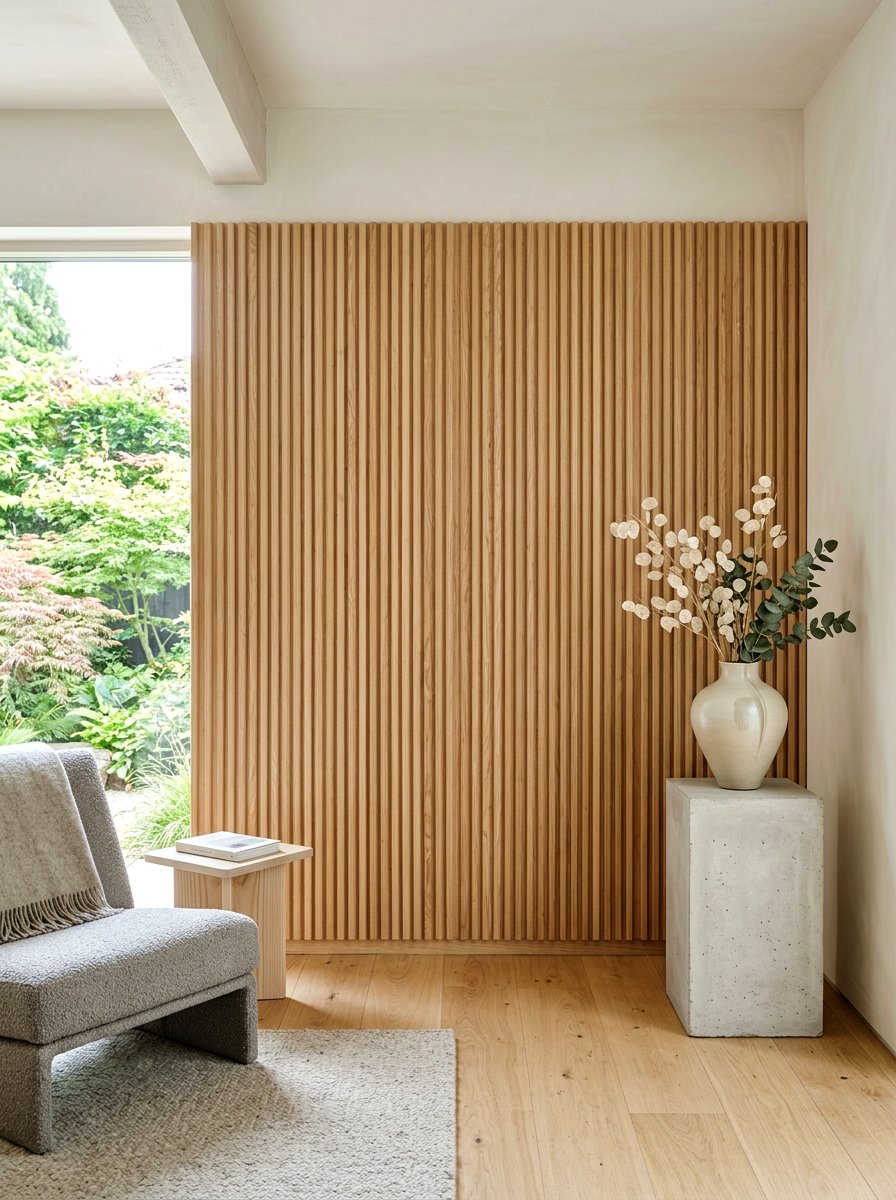
A minimalist fluted wall panel focuses on clean lines and a simple, monochromatic palette to create a serene environment. In a minimalist home, every detail matters, and the subtle shadow play of fluted wood provides just enough interest without feeling cluttered or overwhelming. Designers often choose light-colored woods like ash or maple, or even paint the panels in a soft matte grey to keep the look understated. This design approach values quality over quantity, using the texture of the wood to provide all the necessary decoration for the space. It is a perfect example of how a single well-chosen element can transform an entire room beautifully.
27. Mid Century Modern Fluting
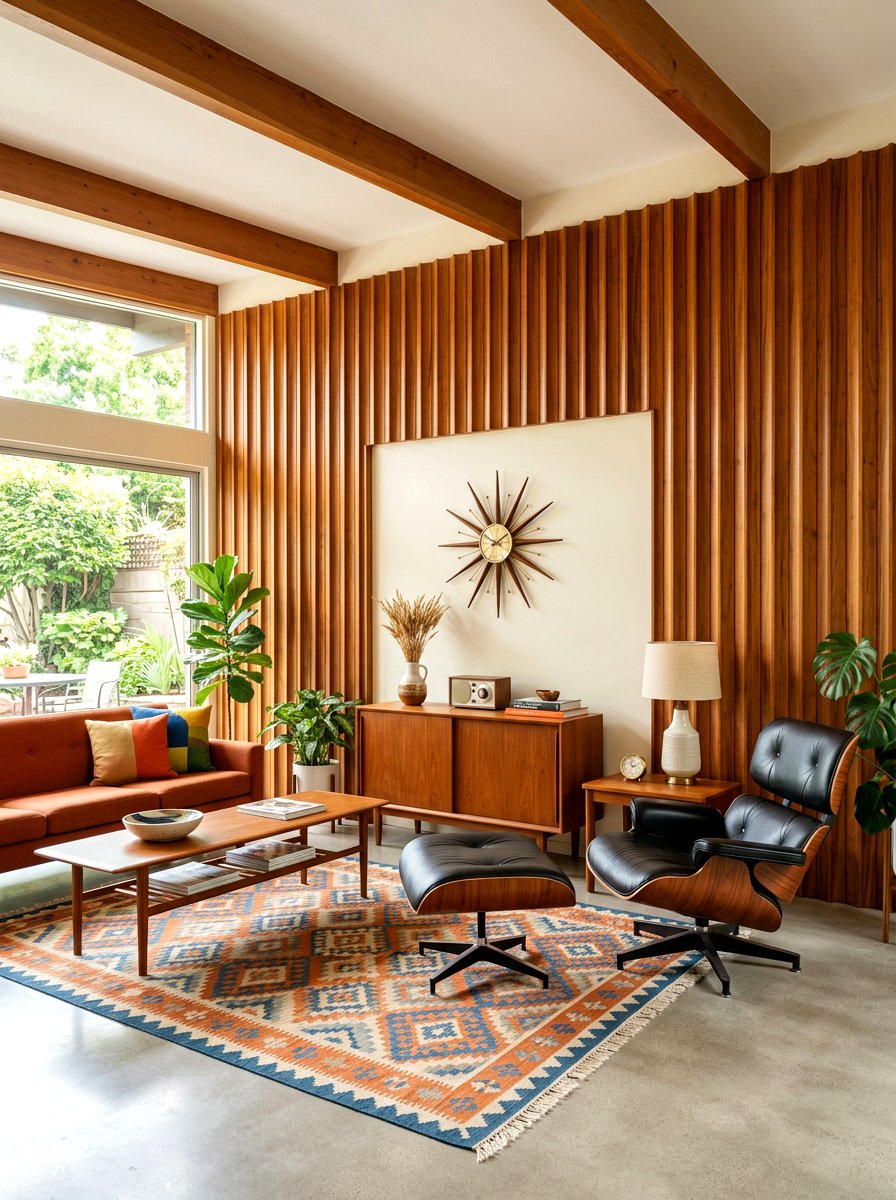
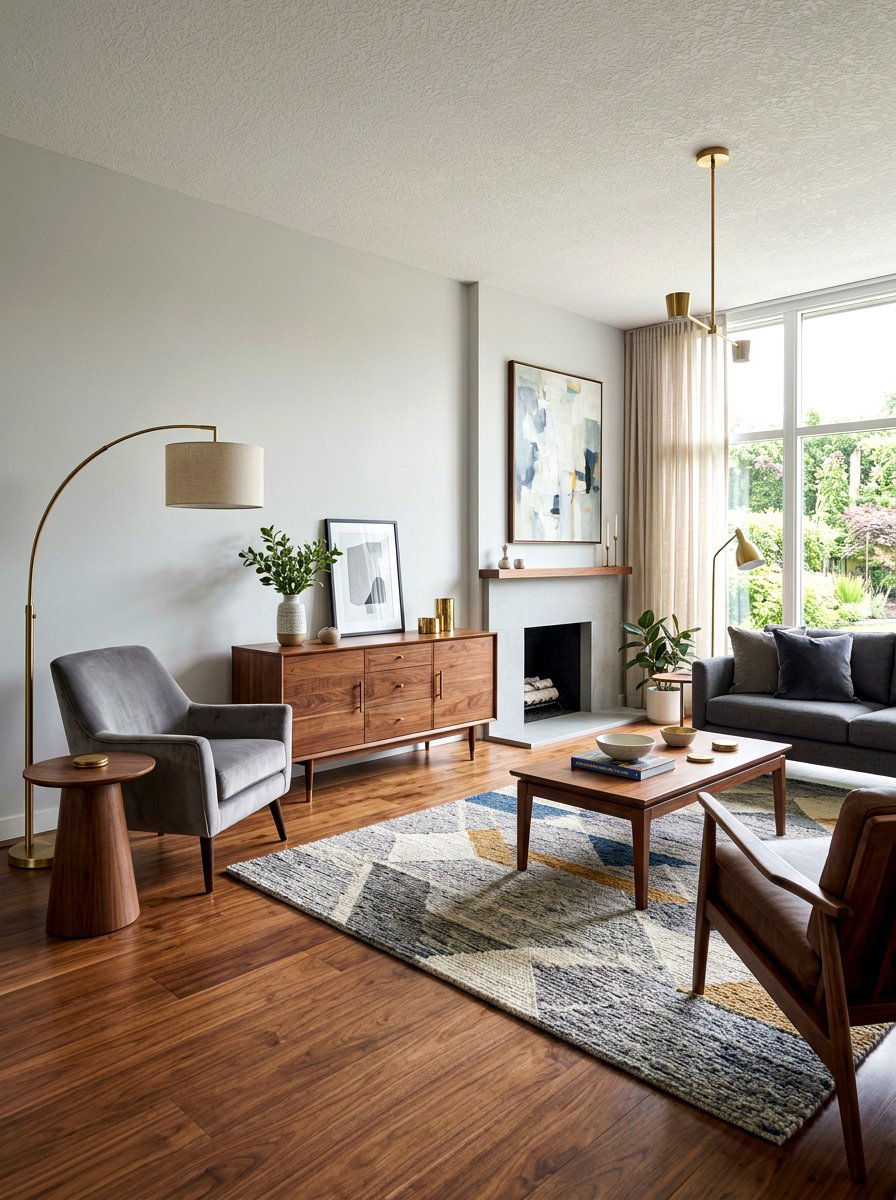
Mid century modern fluting brings a nostalgic yet fresh feel to contemporary interiors by echoing the classic wood-paneled walls of the 1950s and 60s. Using warm teak or medium-toned walnut finishes, you can create a look that feels both retro and sophisticated. The vertical grooves provide a structured backdrop that perfectly complements iconic furniture pieces like leather lounge chairs or tapered-leg sideboards. This application often includes built-in elements like floating cabinets or integrated lighting to enhance the period-correct aesthetic. It is a fantastic way to celebrate a classic design era while keeping your home feeling updated and relevant to today’s high-end interior trends and styles.
28. Scandinavian Fluted Wood Wall
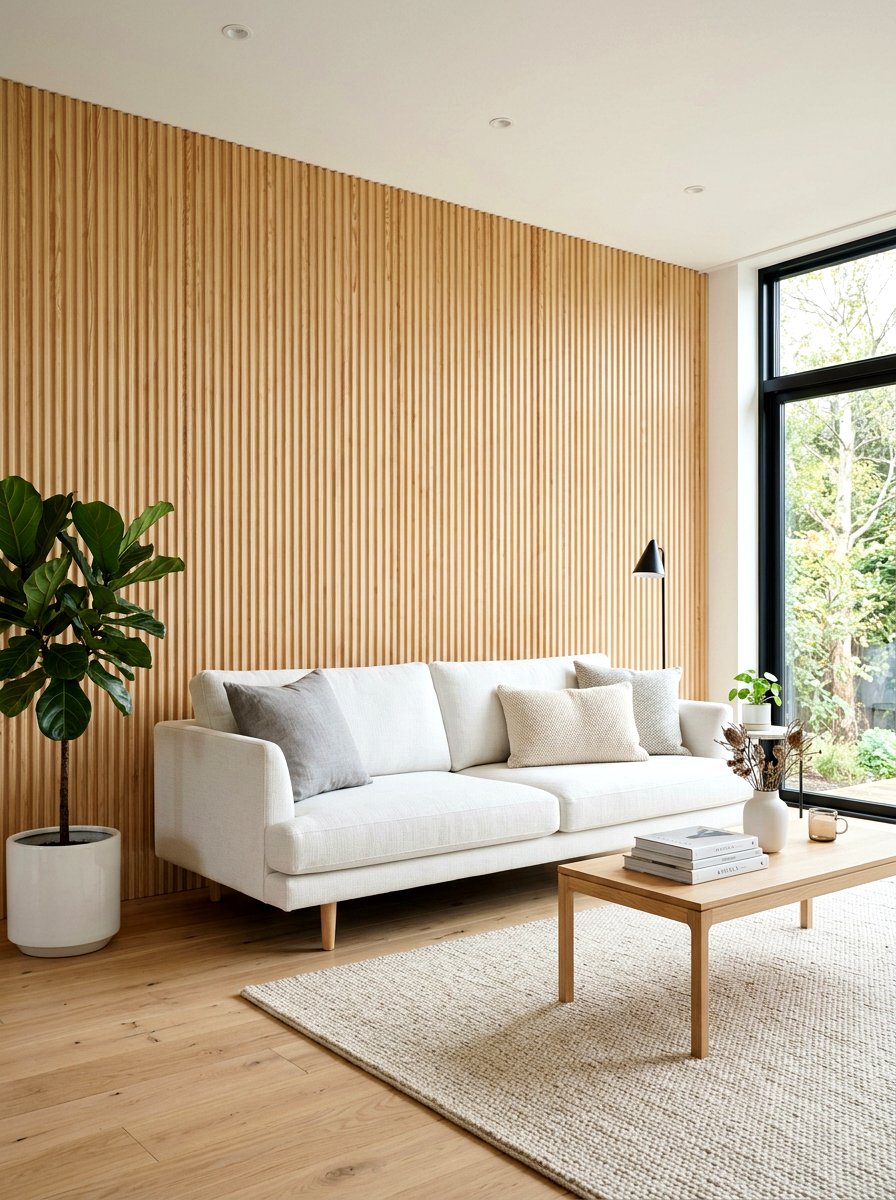
A Scandinavian fluted wood wall is all about light, natural materials, and effortless functionality. This style typically uses pale woods like pine, birch, or light oak to keep the room feeling bright and airy even on cloudy days. The fluted texture adds a layer of "hygge" or coziness that makes a minimalist room feel much warmer and more inviting. Pairing the wood slats with white walls, cozy wool textiles, and plenty of green plants creates a harmonious and peaceful living environment. This look is very popular because it feels timeless and provides a perfect balance between modern architectural precision and a comfortable, lived-in home vibe.
29. Integrated Lighting Fluted Wall
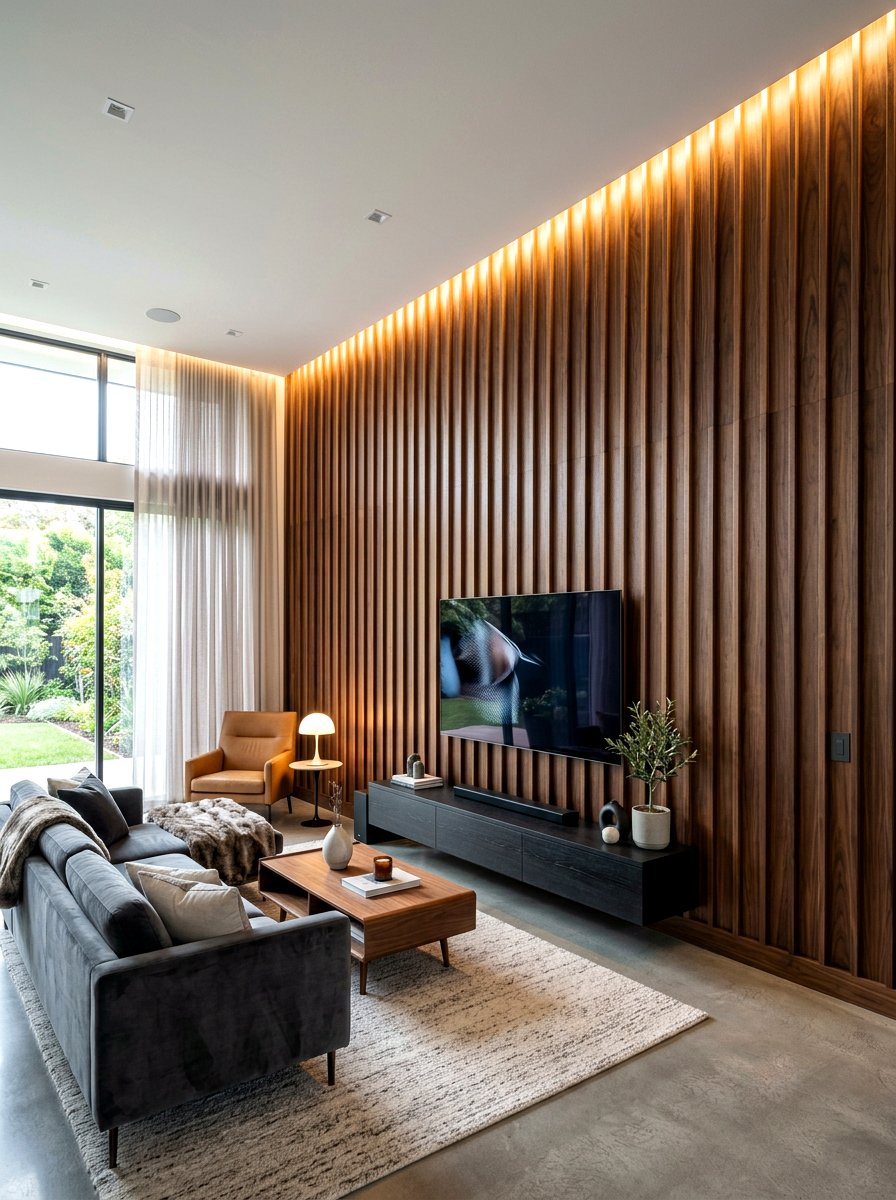
An integrated lighting fluted wall is a high-tech and visually stunning way to highlight the texture of your wood panels. By hiding LED strip lights at the top or bottom of the fluted wall, you can cast a soft glow that emphasizes every groove and shadow. This creates a dramatic and moody atmosphere that is perfect for evenings in the living room or as a soft nightlight in a hallway. The light travels down the vertical slats, creating a beautiful gradient effect that makes the wall feel like a sculptural installation. It is a sophisticated lighting solution that adds a layer of luxury and modern technology to your home.
30. Mirror Framed Fluted Wall
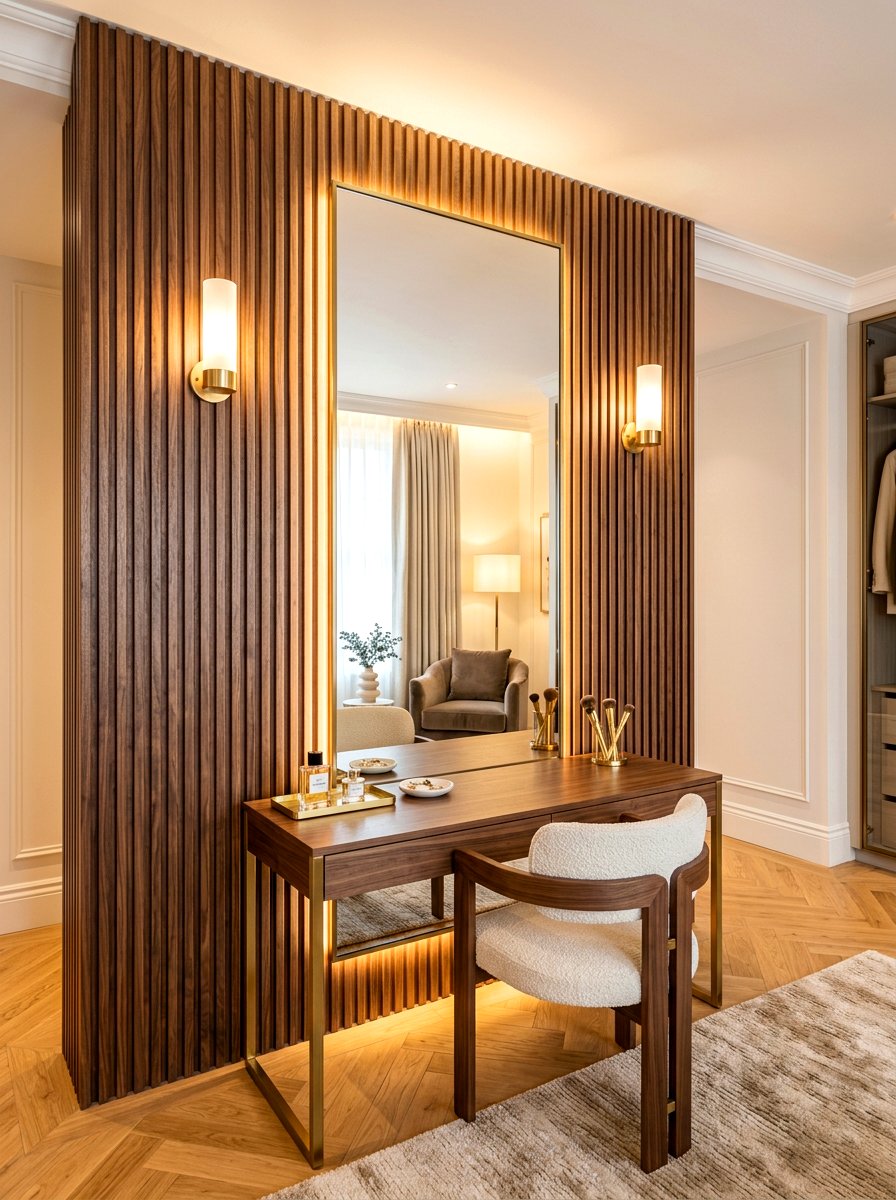
A mirror framed fluted wall is a clever design combination that adds depth, light, and texture to smaller spaces like entryways or bathrooms. By placing a large mirror directly onto a fluted wood backdrop, you create a rich, layered effect that feels very custom and high-end. The reflection in the mirror shows the fluted texture from different angles, doubling the visual impact of the wood. This setup is perfect for vanity areas where you want to combine a functional mirror with a stylish, textured wall. It creates a sense of luxury and meticulous planning that makes any small area feel much more grand and thoughtfully designed for everyday living.
Conclusion:
A fluted wood wall is a transformative design element that brings a unique blend of architectural structure and organic warmth to any modern home. Throughout this exploration of thirty different ideas, we have seen how these vertical grooves can enhance every room, from the entryway to the master bedroom. Whether you choose natural oak for its light and airy feel or a bold black finish for a dramatic statement, the tactile nature of fluted panels remains consistently impressive. By focusing on full design schemes rather than just small accents, you can create a home that feels cohesive, sophisticated, and deeply rooted in high-quality craftsmanship. We hope these detailed concepts inspire you to integrate the rhythmic beauty of wood fluting into your own unique interior design journey today.

Related posts: