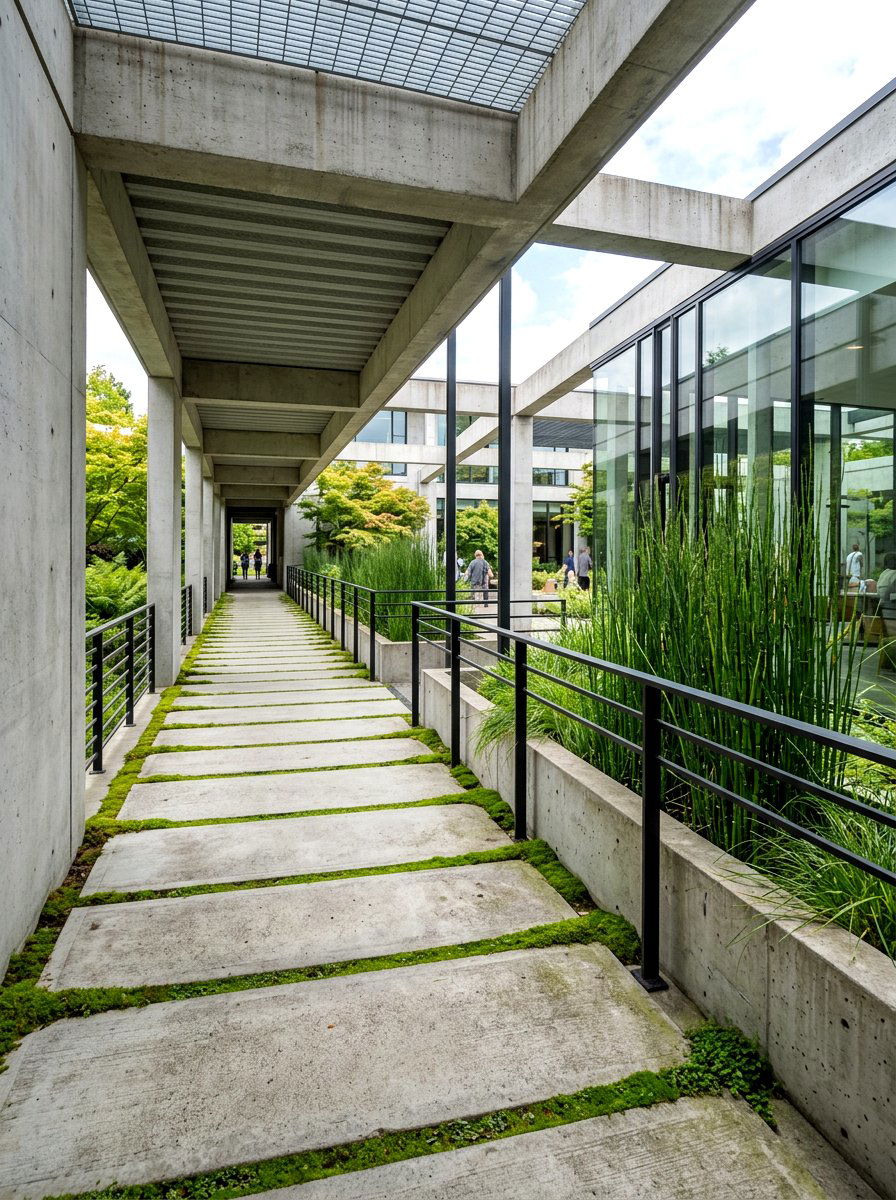
Creating a formal garden is like bringing a sense of timeless elegance and structured order to your outdoor living space. These landscapes are celebrated for their clean lines, symmetrical patterns, and sophisticated plant choices that look beautiful throughout every season of the year. Whether you have a sprawling estate or a small backyard, incorporating these classic elements can transform a wild patch of grass into a polished sanctuary. Many homeowners find that the organized nature of a formal layout provides a calming atmosphere that feels both luxurious and intentional. By focusing on balance and architectural details, you can curate a stunning garden that serves as a perfect backdrop for relaxing afternoons and outdoor gatherings with friends.
1. Boxwood Parterre
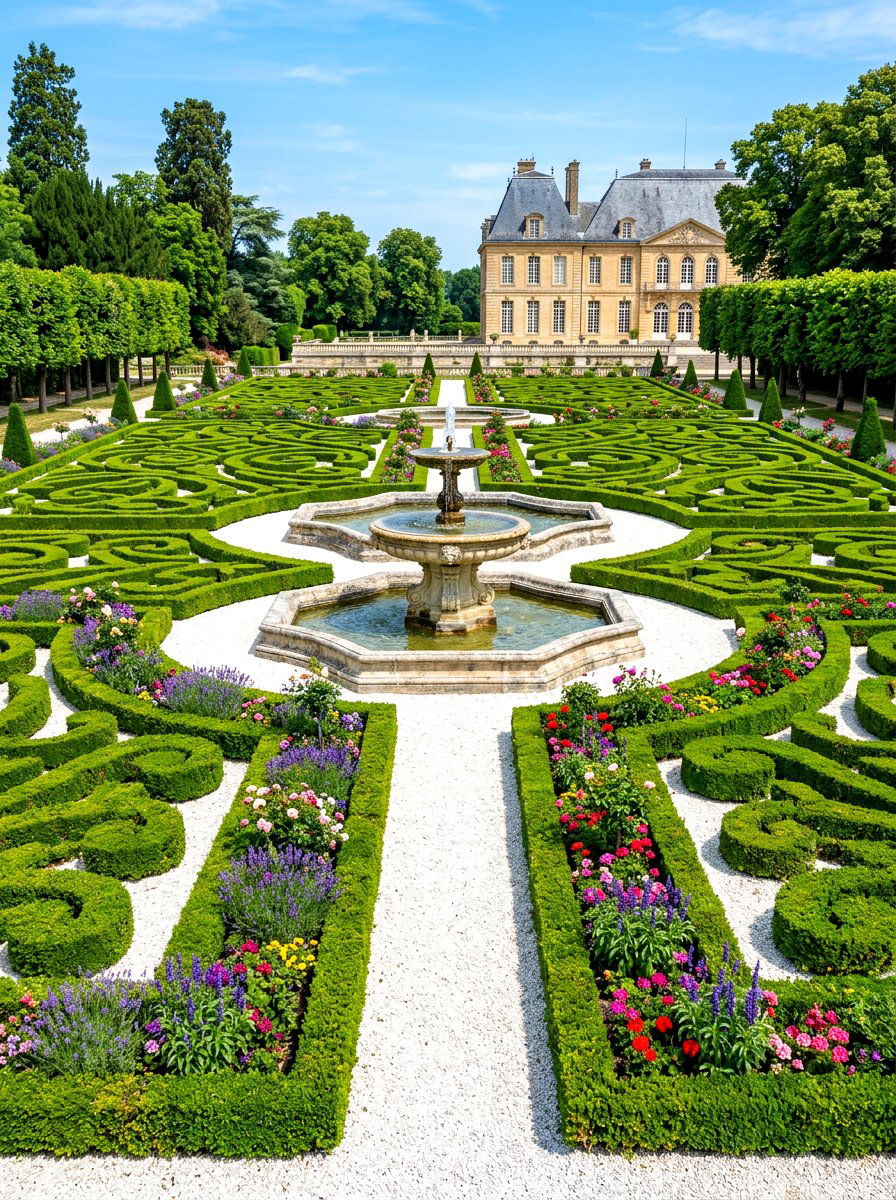
Have you ever admired those intricate, low-growing hedges that form beautiful geometric shapes in classic European estates? A boxwood parterre is the ultimate way to establish structure and visual interest in a formal landscape. These evergreen shrubs are clipped into tight patterns, such as squares, circles, or scrolls, creating a living tapestry on the ground. To make this look work, ensure the lines are perfectly straight and the symmetry is exact. You can fill the center of these shapes with colorful annuals or simple gravel to add contrast. This setup provides year-round greenery, ensuring your garden looks neat and expensive even during the cold winter months when other plants fade.
2. Gravel Garden Path
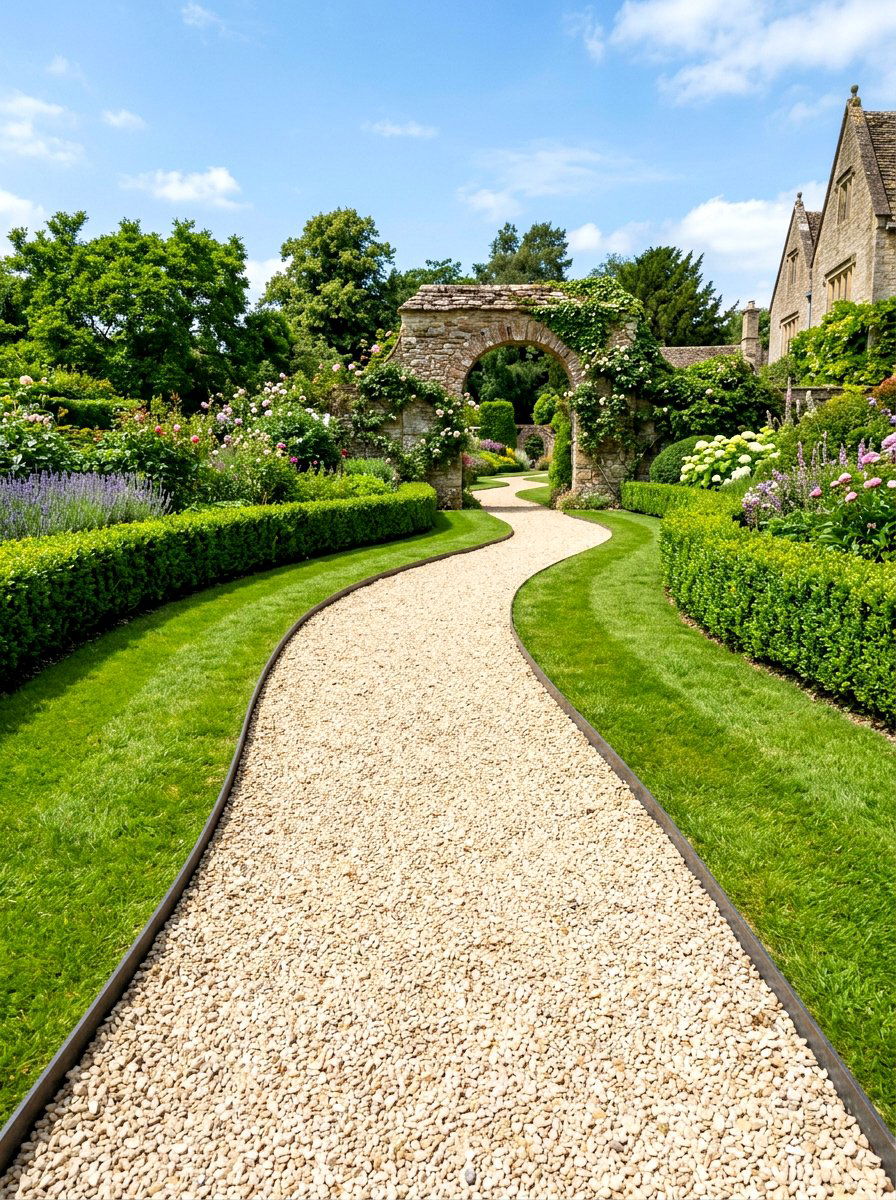
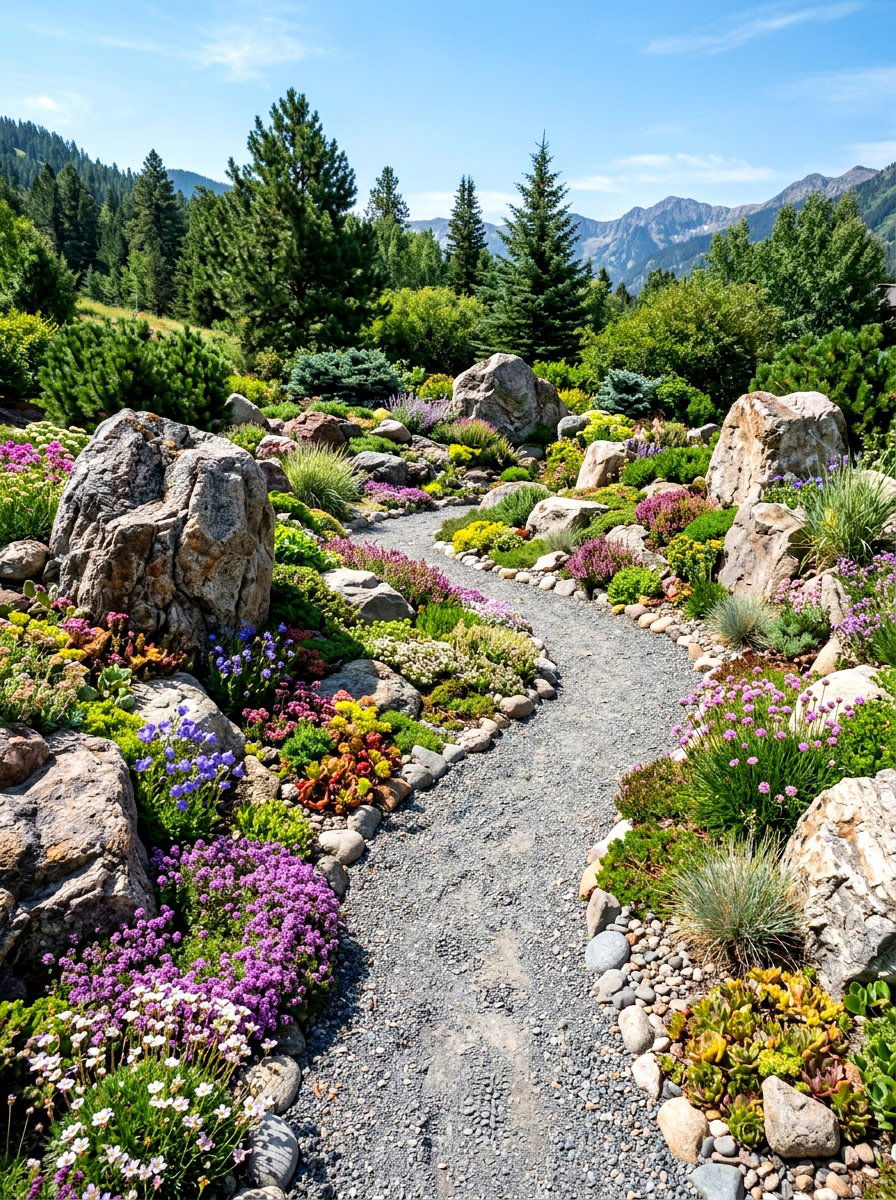
Walking along a crisp gravel path provides a satisfying crunch underfoot that immediately signals a well-maintained formal space. Using fine pea gravel or crushed limestone helps define the walkways and guides visitors through different zones of your outdoor area. For a high-end look, use metal or stone edging to keep the stones perfectly contained and prevent them from spilling into your flower beds. Light-colored gravel, such as cream or pale gray, reflects light and makes the garden feel brighter and more open. This practical feature not only looks sharp but also helps with drainage and reduces the need for heavy lawn maintenance in high-traffic walking areas.
3. Classic Garden Fountain
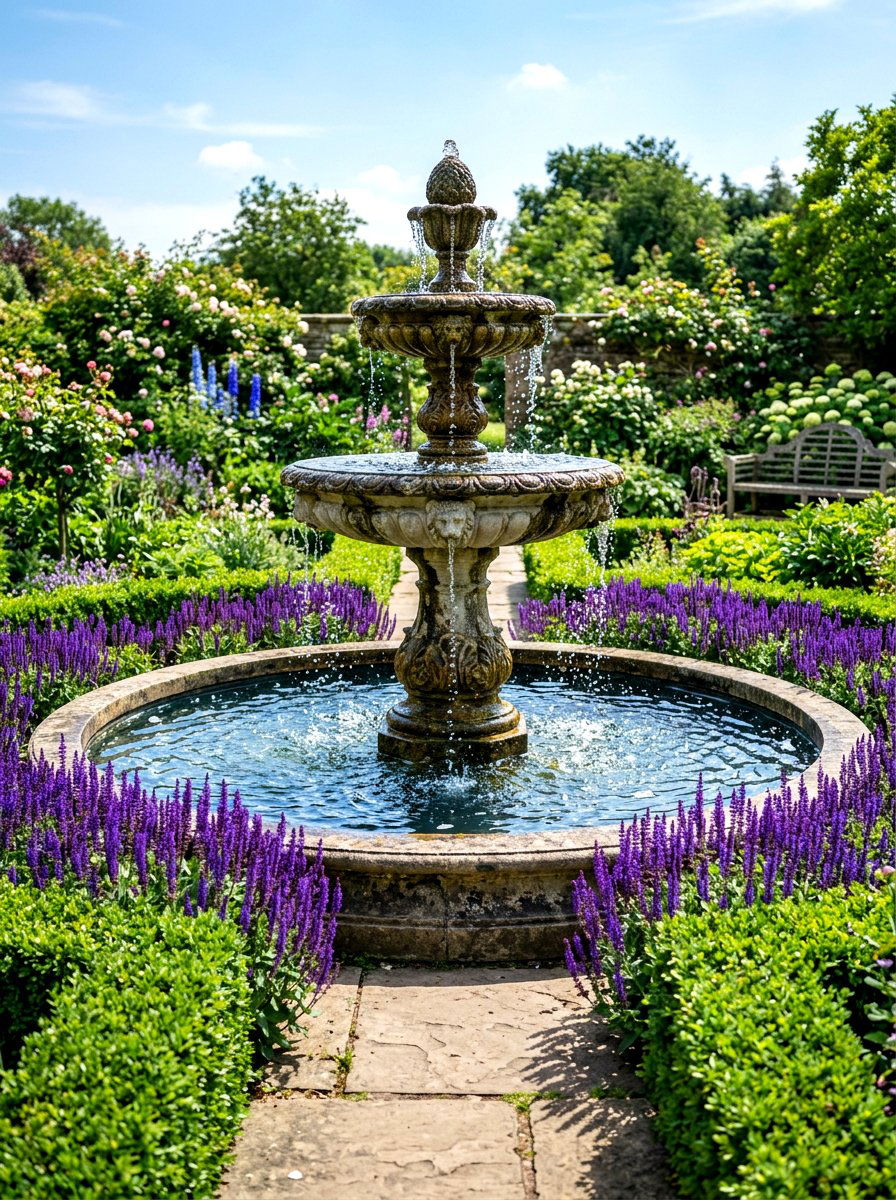
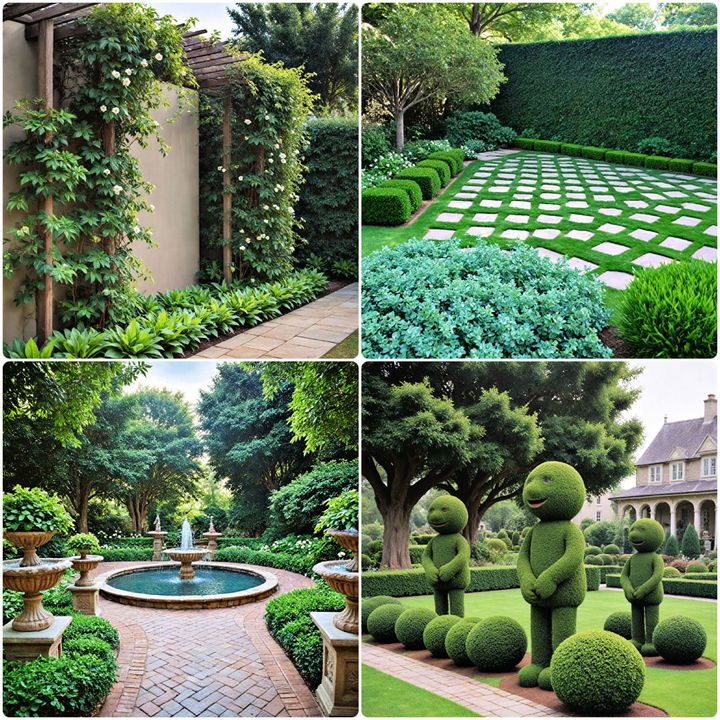
What could be more relaxing than the gentle sound of trickling water echoing through a quiet, symmetrical courtyard? A classic stone fountain serves as a majestic focal point that draws the eye and anchors the entire garden design. In a formal setting, central placement is key to maintaining the balance and harmony of the surrounding landscape elements. Choose a tiered design or a simple basin to suit your personal style and the scale of your yard. Surrounding the base with low-growing greenery or a circular path emphasizes its importance. This water feature adds a layer of sensory beauty, making your outdoor space feel like a private and peaceful retreat.
4. Symmetrical Topiary
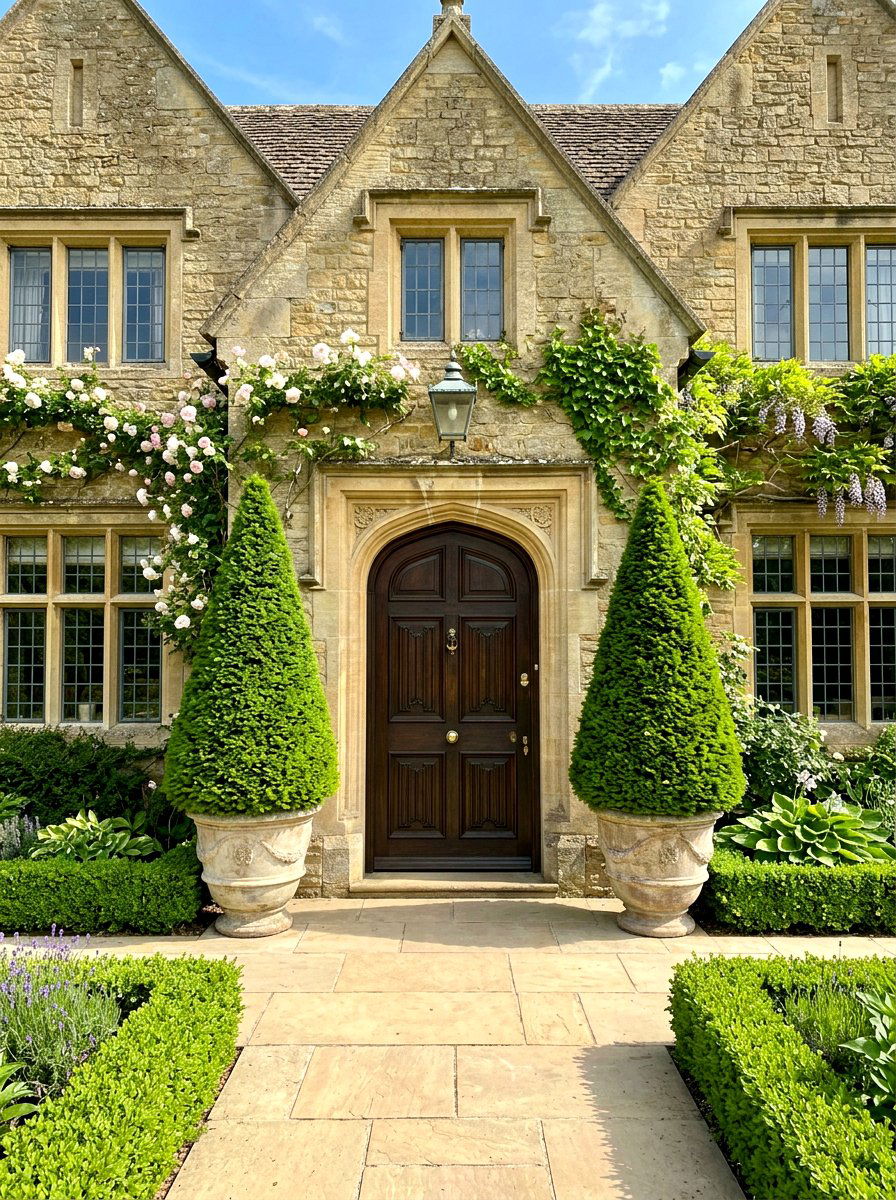
Do you want to add a touch of artistic flair and vertical height to your outdoor beds? Symmetrical topiaries are essential for creating a sense of rhythm and repetition in a formal garden layout. You can use shrubs like yew or privet, pruning them into spheres, cones, or spirals to flank an entrance or a pathway. Placing matching pairs on either side of a gate or a bench creates an instant sense of balance that feels intentional and grand. These living sculptures require regular trimming to stay sharp, but the architectural impact they provide is well worth the effort. They provide a structural backbone that keeps the garden looking tidy.
5. White Rose Garden
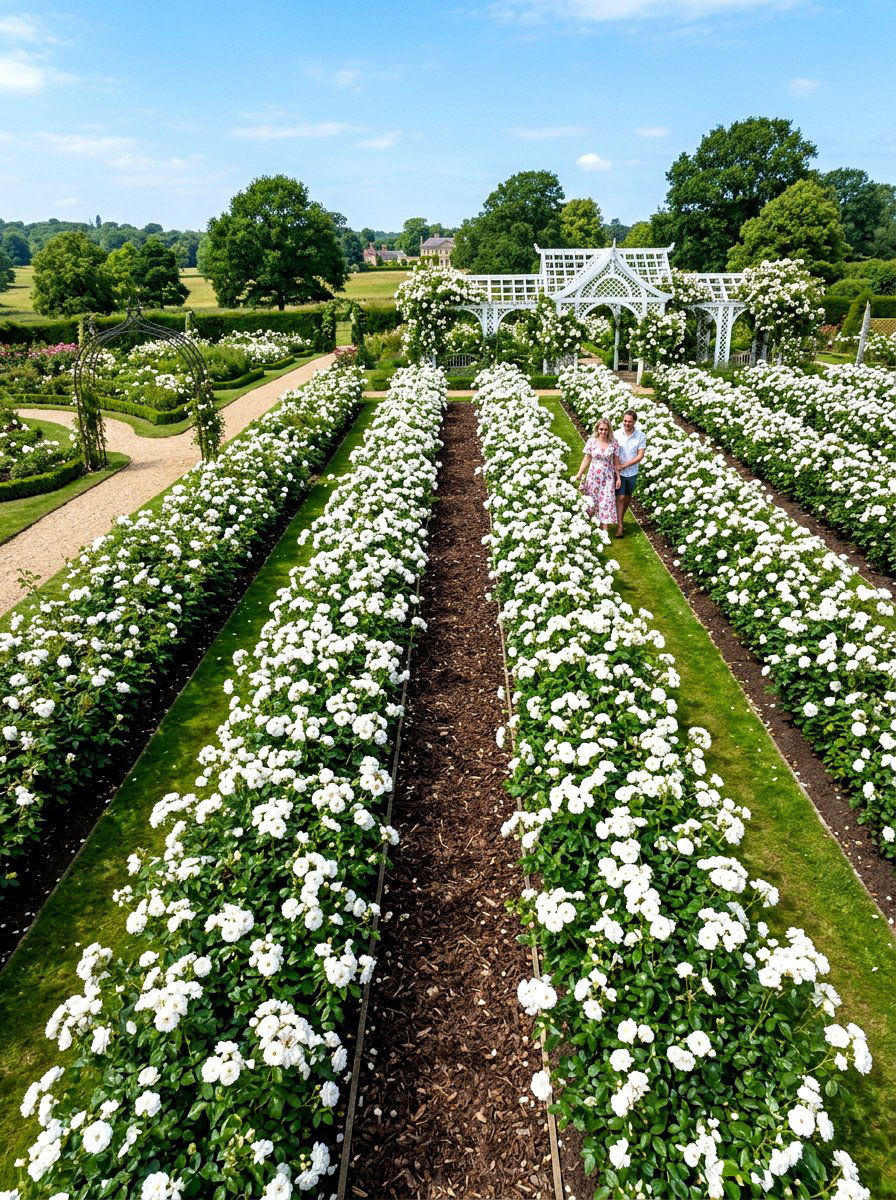
Imagine the romantic scent of fresh blooms filling the air as you stroll through a dedicated section of white roses. In formal design, a monochromatic color palette often looks more sophisticated and cohesive than a mix of many different bright shades. Planting white roses in organized rows or clusters creates a luminous effect, especially during the twilight hours of the evening. You can use climbing varieties on trellises or shrub roses tucked behind low boxwood hedges for a layered look. The crisp white petals against dark green foliage offer a clean aesthetic that never goes out of style and fits perfectly with any architectural home design.
6. Stone Garden Bench
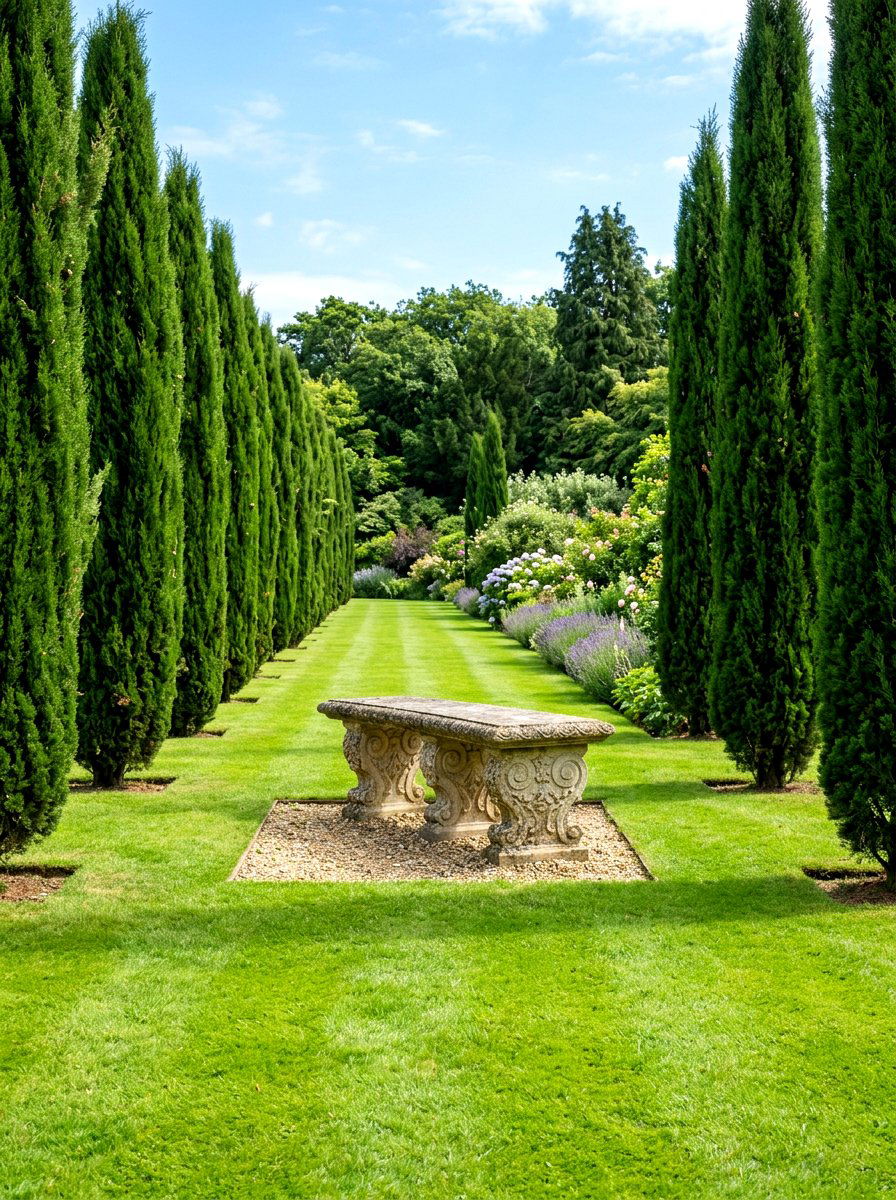
Finding a quiet spot to sit and enjoy the view is a vital part of any successful landscape plan. A heavy stone bench placed at the end of a long vista or tucked into a green alcove offers both function and beauty. In formal gardens, these benches are usually made from materials like limestone, granite, or cast stone to ensure longevity and a timeless feel. Position the bench so it aligns perfectly with the center of a path or a fountain to reinforce the symmetrical theme. Adding a few decorative stone urns nearby can complete the look, creating an inviting "outdoor room" where you can sit and reflect.
7. Lavender Border
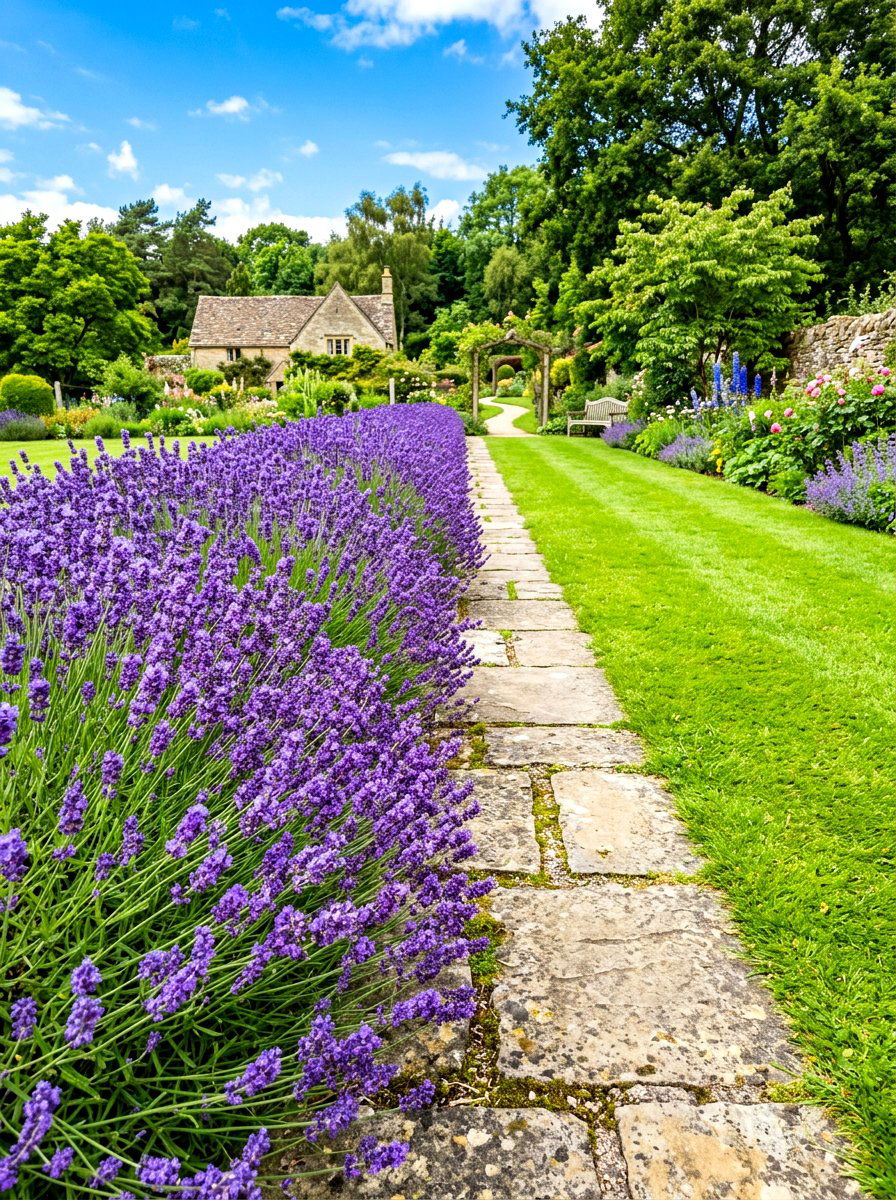
Can you picture a sea of purple blooms swaying gently along the edges of your perfectly manicured stone walkways? A lavender border is a fantastic way to soften the hard lines of a formal garden while adding incredible fragrance and color. When planted in long, straight rows, lavender creates a soft, hazy edge that contrasts beautifully with the rigid structure of clipped hedges. This hardy herb thrives in sunny spots and attracts pollinators, bringing life and movement to your structured landscape. The silver-green foliage persists even when the flowers aren't in bloom, providing a consistent texture that complements the overall neatness of a classic garden.
8. Garden Obelisk
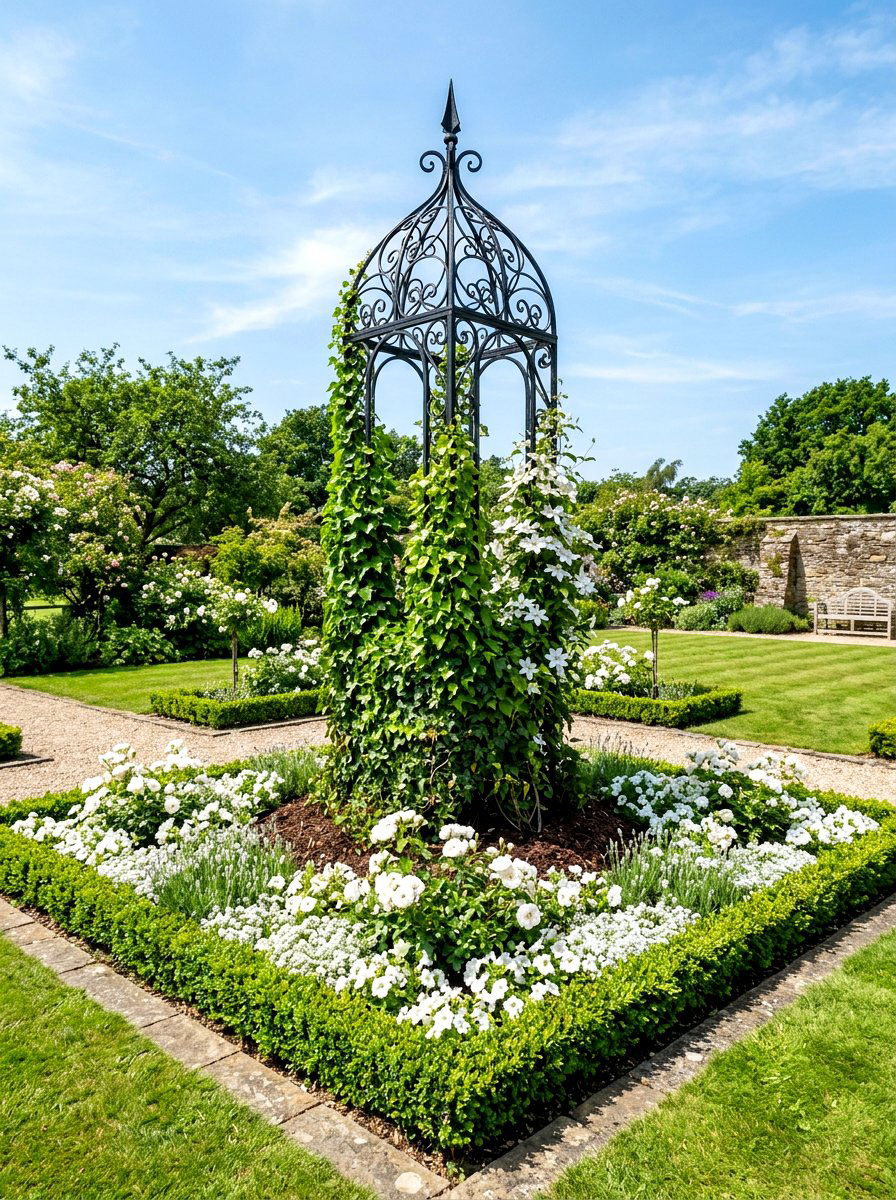
Adding vertical interest is a smart way to break up the flat planes of a lawn or a large flower bed. A garden obelisk made of wood or wrought iron serves as a striking architectural element that guides the eye upward. These structures are often used to support climbing plants like clematis or ivy, adding a "green pillar" effect to the space. In a formal setting, placing obelisks in matching pairs or at the four corners of a square plot enhances the geometric feel of the design. They provide height without taking up much ground space, making them ideal for adding drama to both large and small gardens.
9. Sunken Garden Terrace
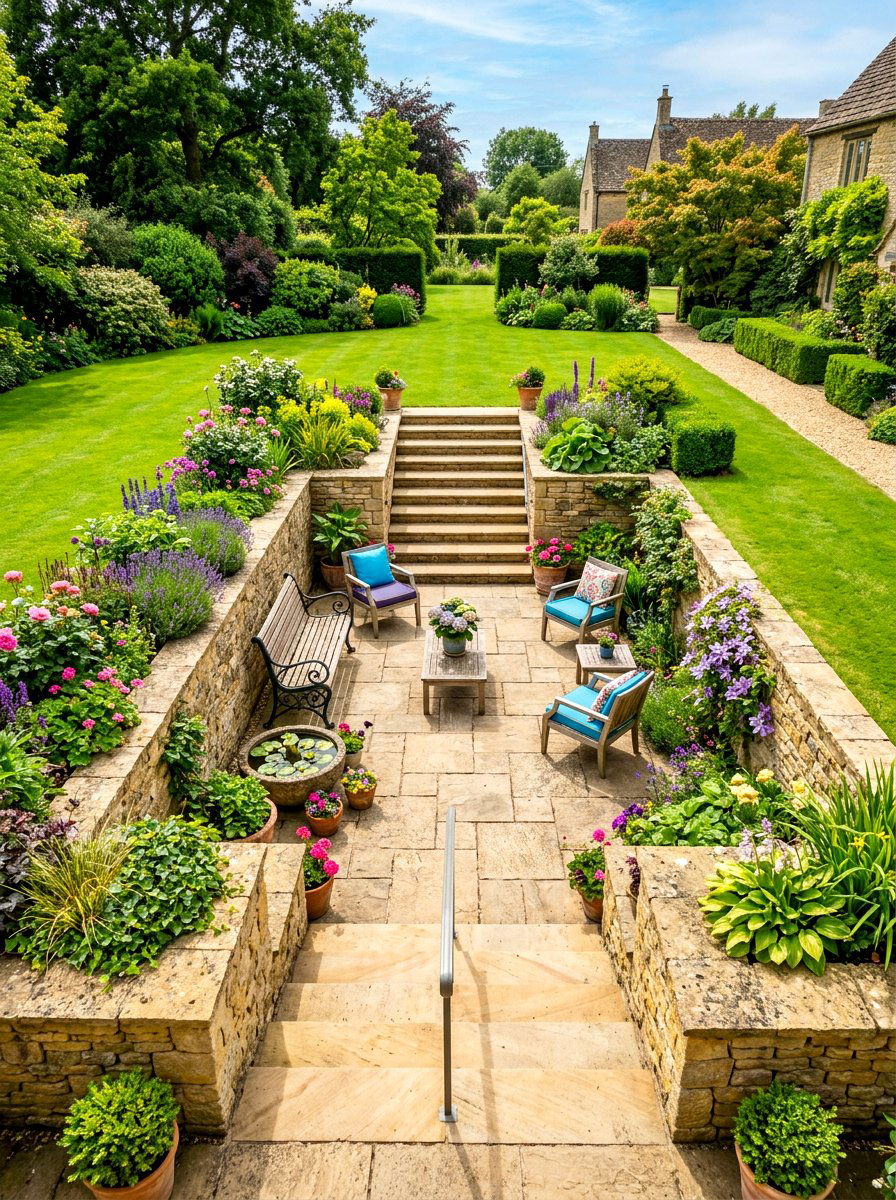
Does your backyard have a slight slope that you aren't quite sure how to handle effectively? A sunken garden terrace is a brilliant way to create a secluded, multi-level experience that feels intimate and high-end. By excavating a central area and surrounding it with low stone walls or steps, you create a natural theater for plants and seating. This design technique adds architectural depth and allows you to look down onto beautiful patterns or flower beds from above. A sunken area often feels cooler and more private, making it the perfect spot for a dining table or a group of comfortable chairs for entertaining your guests.
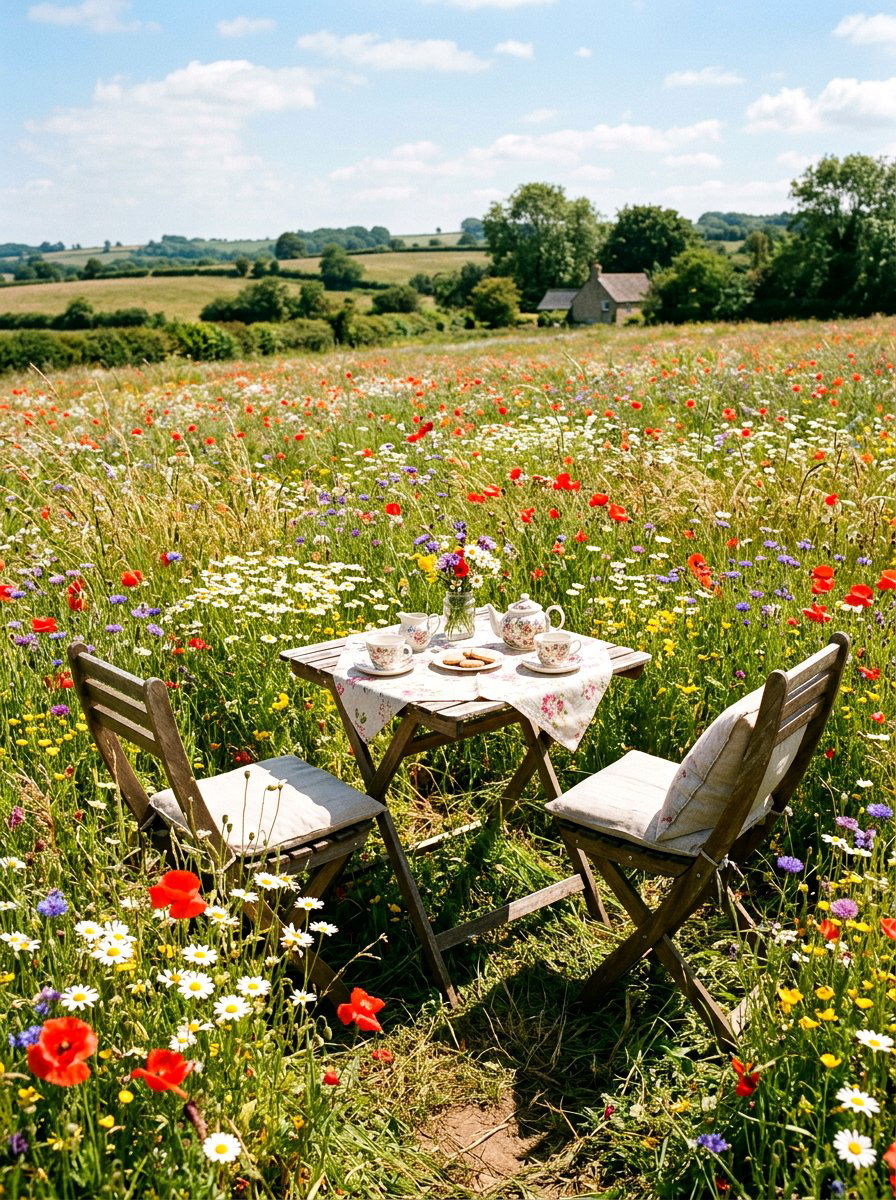
10. Wrought Iron Gate
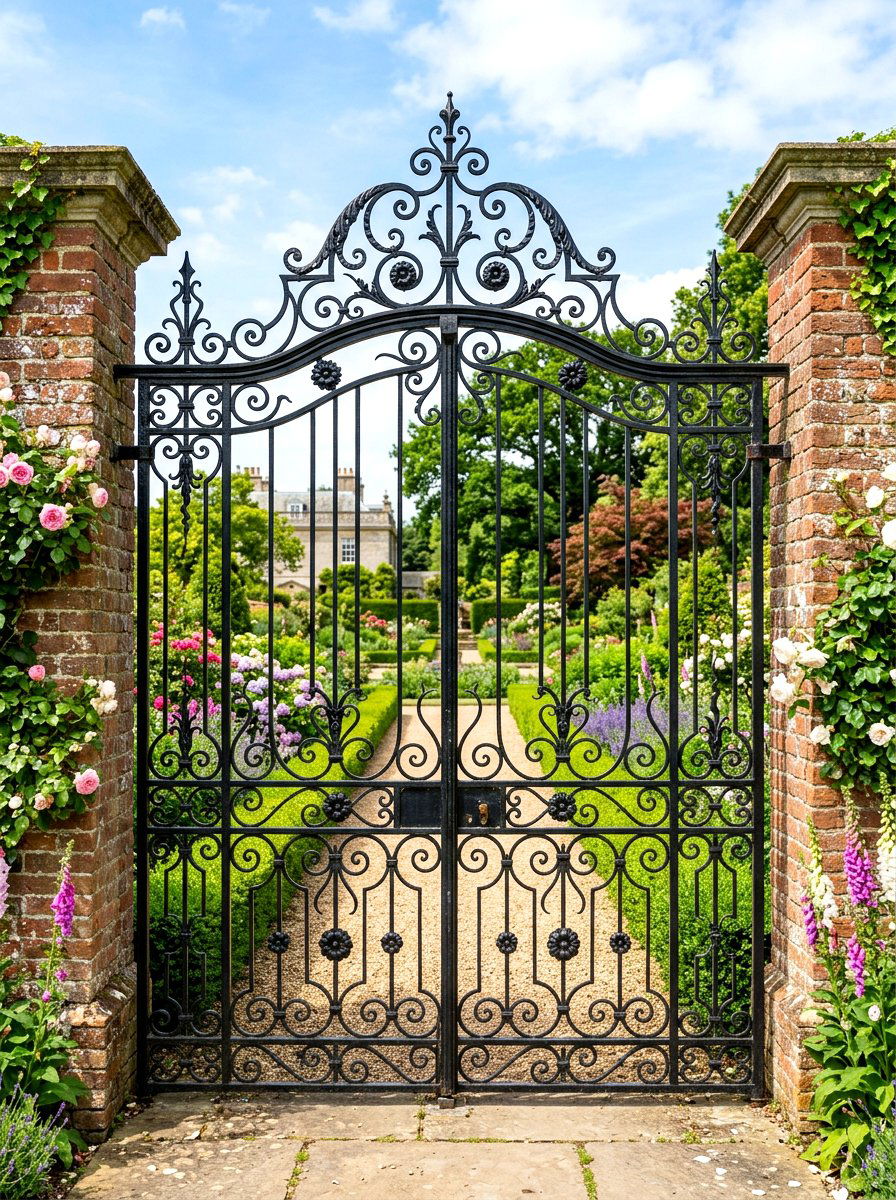
First impressions matter, and a classic wrought iron gate provides a grand entrance that sets the tone for your entire property. These gates offer a glimpse into the beauty of the garden beyond while maintaining a sense of boundary and security. Choose a design with clean, vertical bars or subtle scrollwork to match the formal aesthetic of your landscape. Painting the iron a traditional matte black or deep bronze ensures it looks elegant against the green backdrop of your hedges and trees. Whether it leads into a secret garden or a side courtyard, a well-crafted gate adds a layer of historic charm and structural permanence.
11. Italian Cypress Row
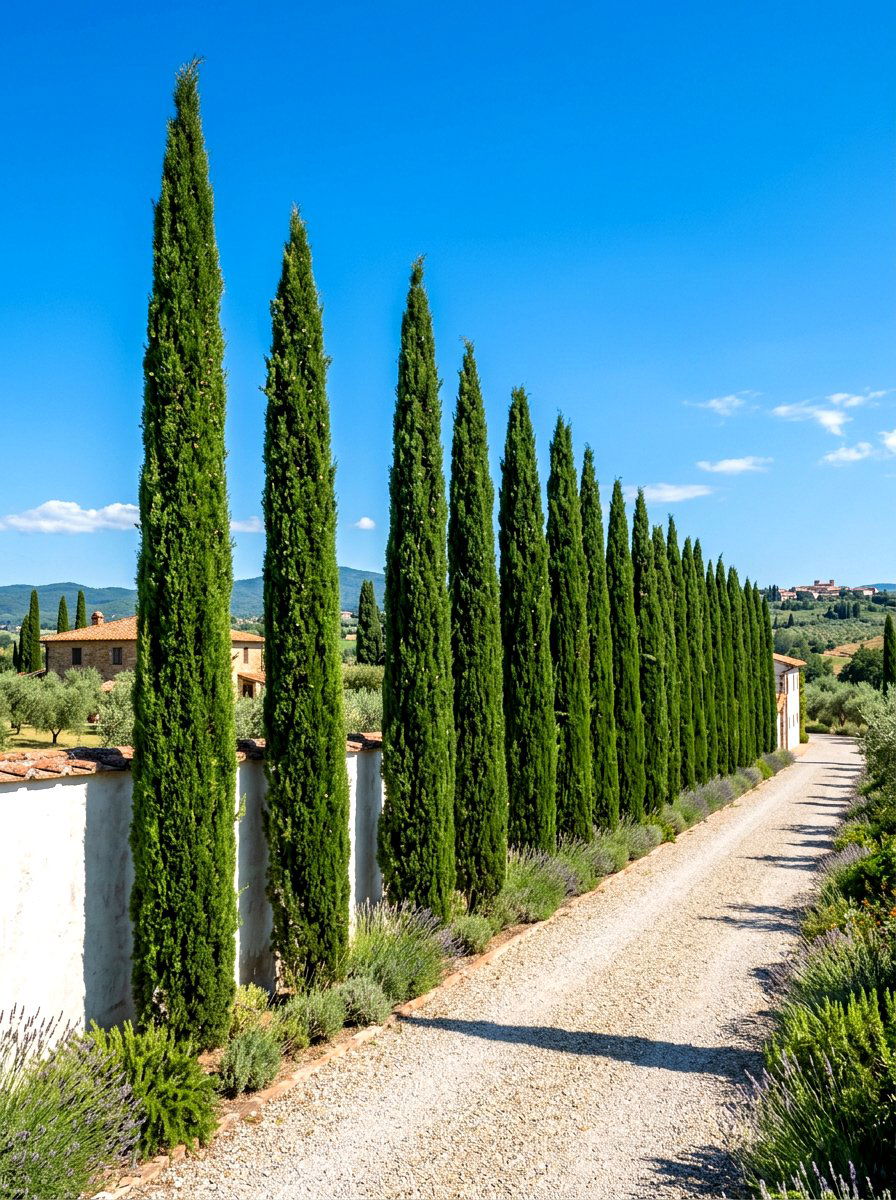
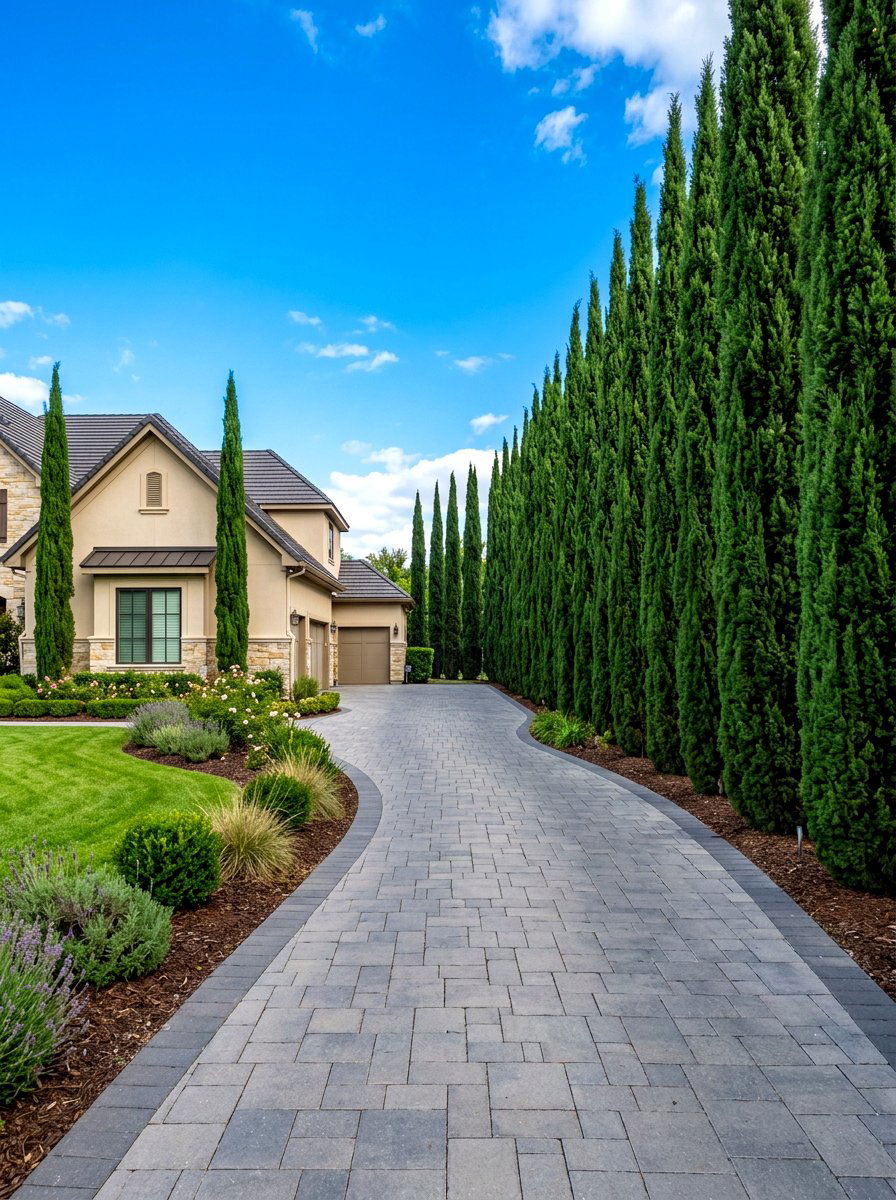
Have you ever wanted to bring a touch of the Mediterranean to your own backyard landscape? Italian cypress trees are famous for their tall, slender, and columnar shape, making them perfect for formal garden designs. When planted in a straight row along a fence or a driveway, they create a dramatic "living wall" that offers privacy and height. Their dark evergreen needles provide a consistent backdrop for shorter plants and flowers throughout the year. Because they grow vertically rather than spreading wide, they are excellent for framing views or lining long walkways without encroaching on the path, giving your space a very regal and organized appearance.
12. Garden Statue Focal Point
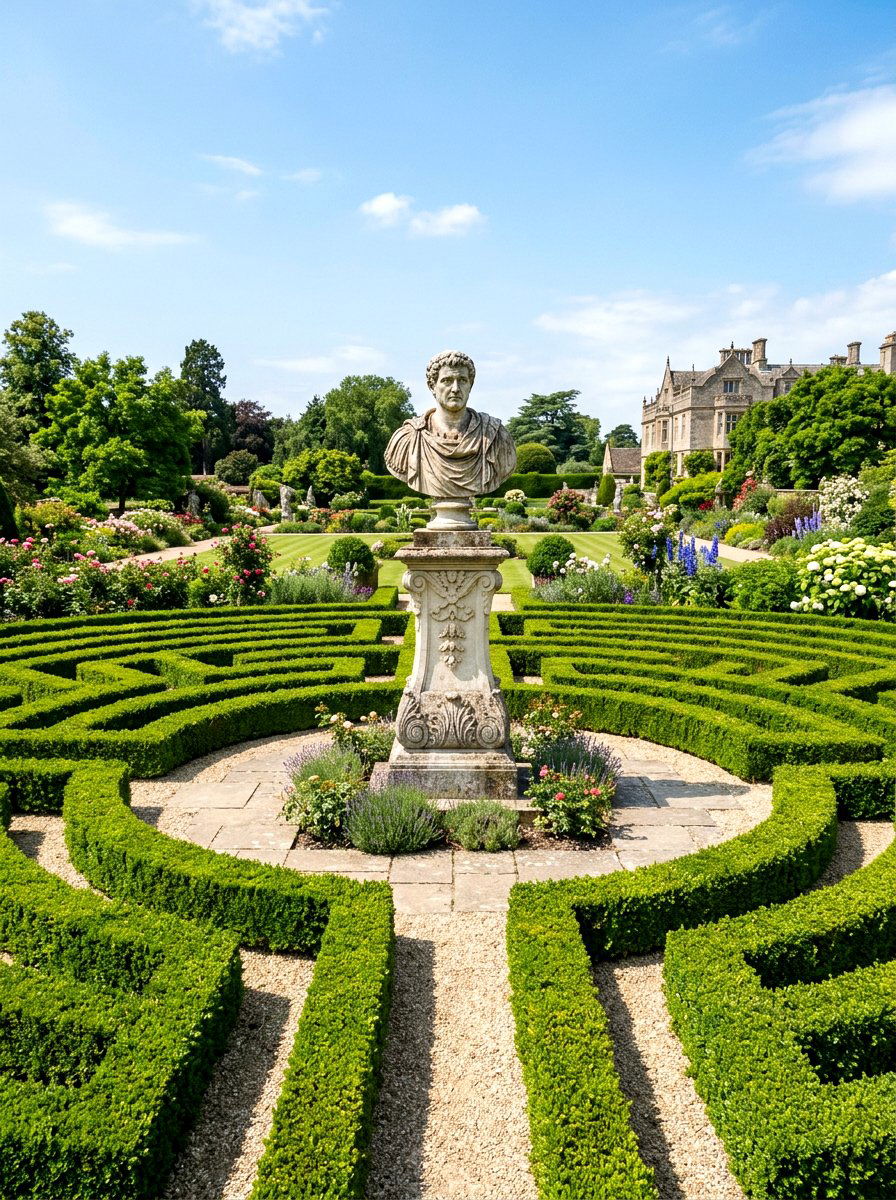
Integrating art into your landscape is a wonderful way to showcase your personal style and create a sense of history. A garden statue, whether it depicts a classical figure or a simple geometric shape, acts as a powerful focal point in a formal layout. Placing a statue at the end of a long path or in the center of a circular bed gives the eye a place to rest and admire. Choose materials like weathered stone or bronze to ensure the piece blends naturally with the outdoor environment. The presence of a statue adds a sophisticated, museum-like quality to your garden that feels cultured and very intentional.
13. Knot Garden
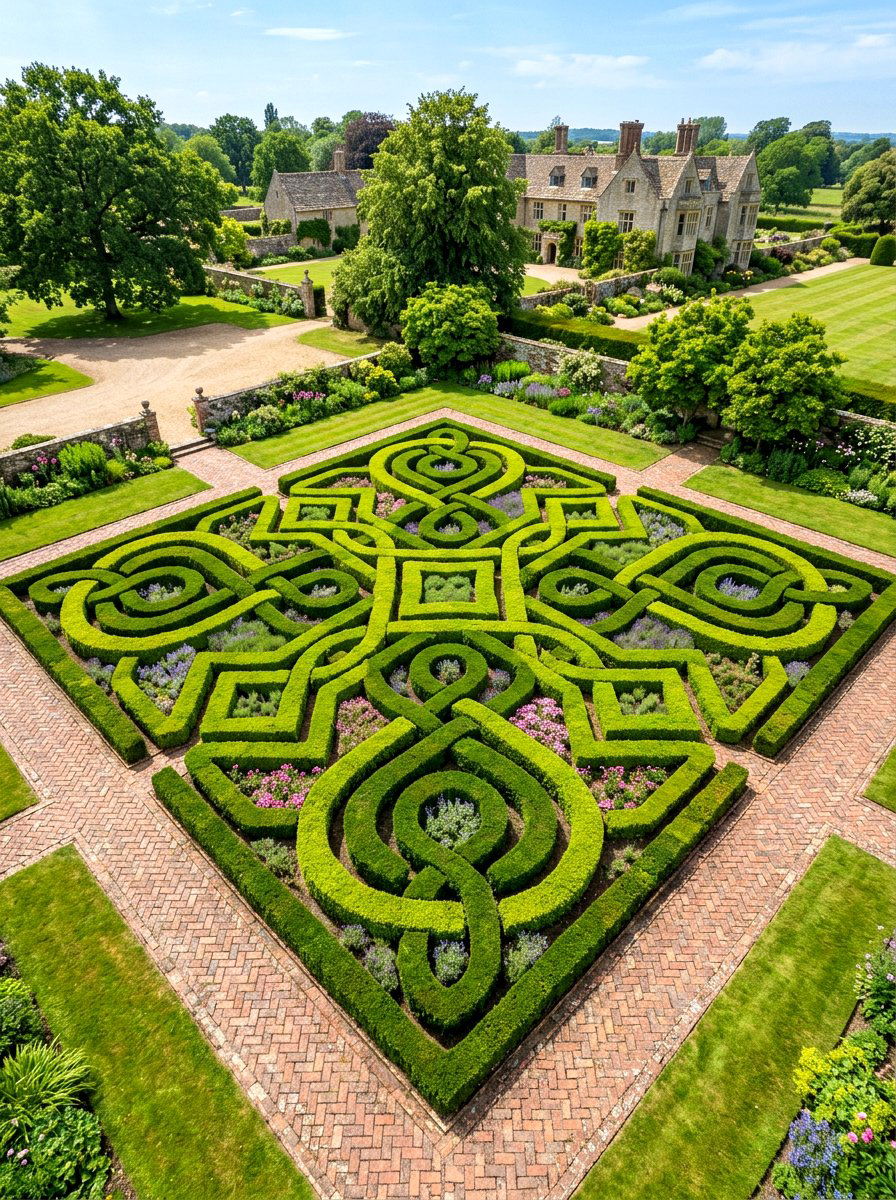
Are you looking for a unique way to display different textures and shades of green in a compact area? A knot garden is a traditional formal design where various types of low-clipped hedges are planted to overlap and "interweave" like a piece of rope. This creates a fascinating visual puzzle that looks best when viewed from an elevated position, such as a porch or balcony. You can use different species of boxwood or herbs like rosemary and thyme to achieve color variations within the knot. This intricate style requires precise maintenance but results in a stunning piece of living art that will surely impress every visitor.
14. Reflecting Pool
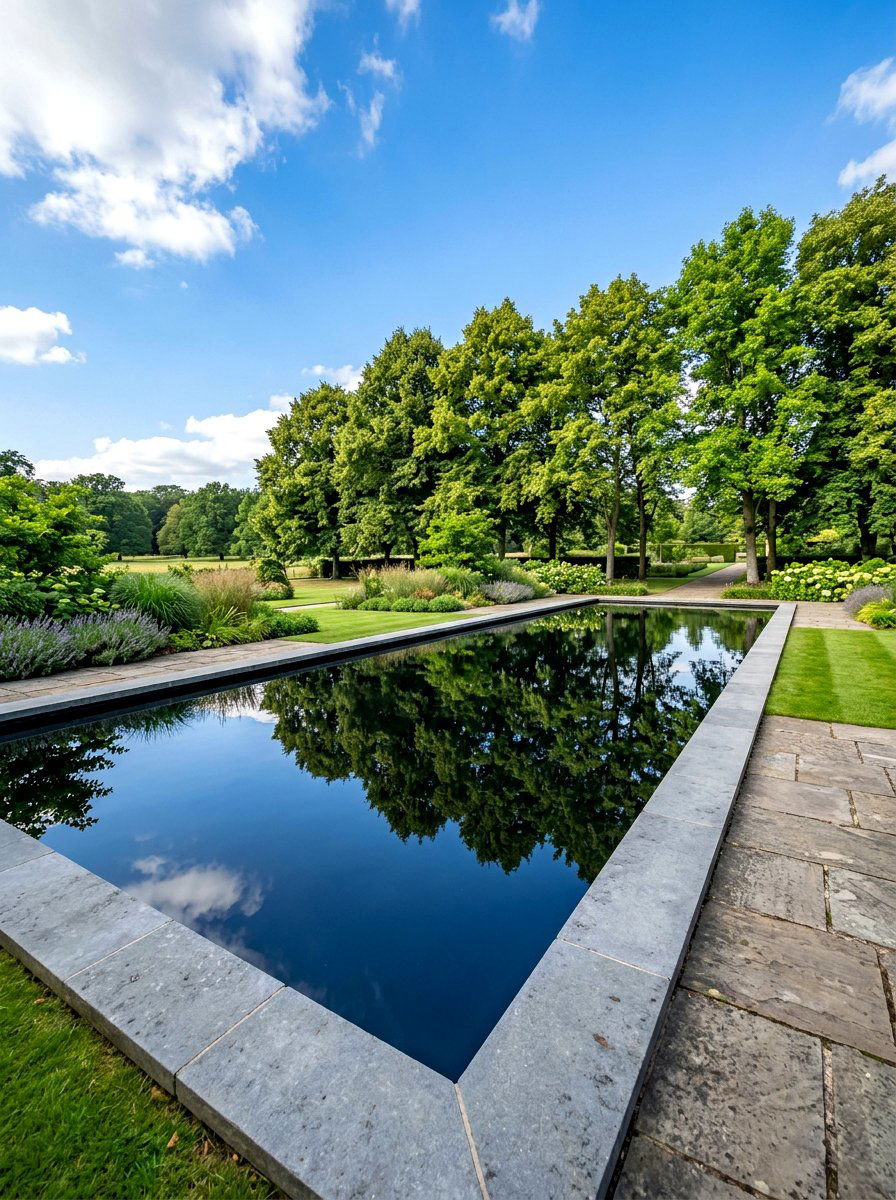
There is something incredibly mesmerizing about a still body of water reflecting the sky and the surrounding greenery. A reflecting pool is a classic formal feature that emphasizes symmetry and brings a sense of profound stillness to the landscape. Unlike a fountain, a reflecting pool is typically dark and quiet, designed to act as a mirror for the trees and architectural features around it. Keep the edges clean with stone coping or a narrow grass border to maintain a sharp, geometric look. This feature is particularly effective in large spaces where it can stretch out and create a feeling of immense peace and luxury.
15. Brick Garden Edging
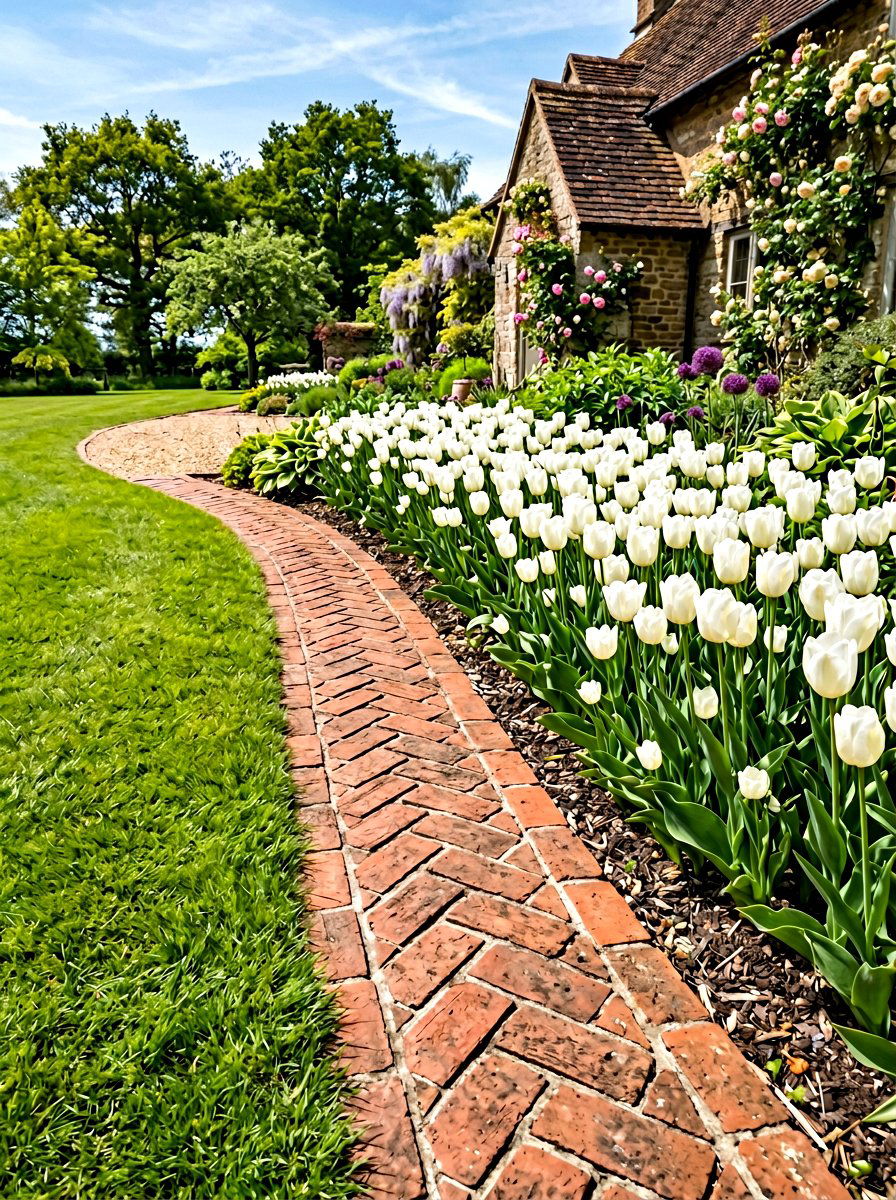
Using brick for your garden borders is a timeless choice that adds warmth and a sense of permanence to the landscape. In a formal garden, laying bricks in a neat header or soldier course keeps soil and mulch contained while defining the exact shape of your beds. The red or orange tones of traditional bricks provide a lovely contrast to the vibrant green of lawns and hedges. You can also use bricks to create mow strips, making it easier to maintain a crisp edge with your lawnmower. This simple detail elevates the overall look of the yard, making it appear professionally designed and meticulously cared for.
16. Garden Pergola
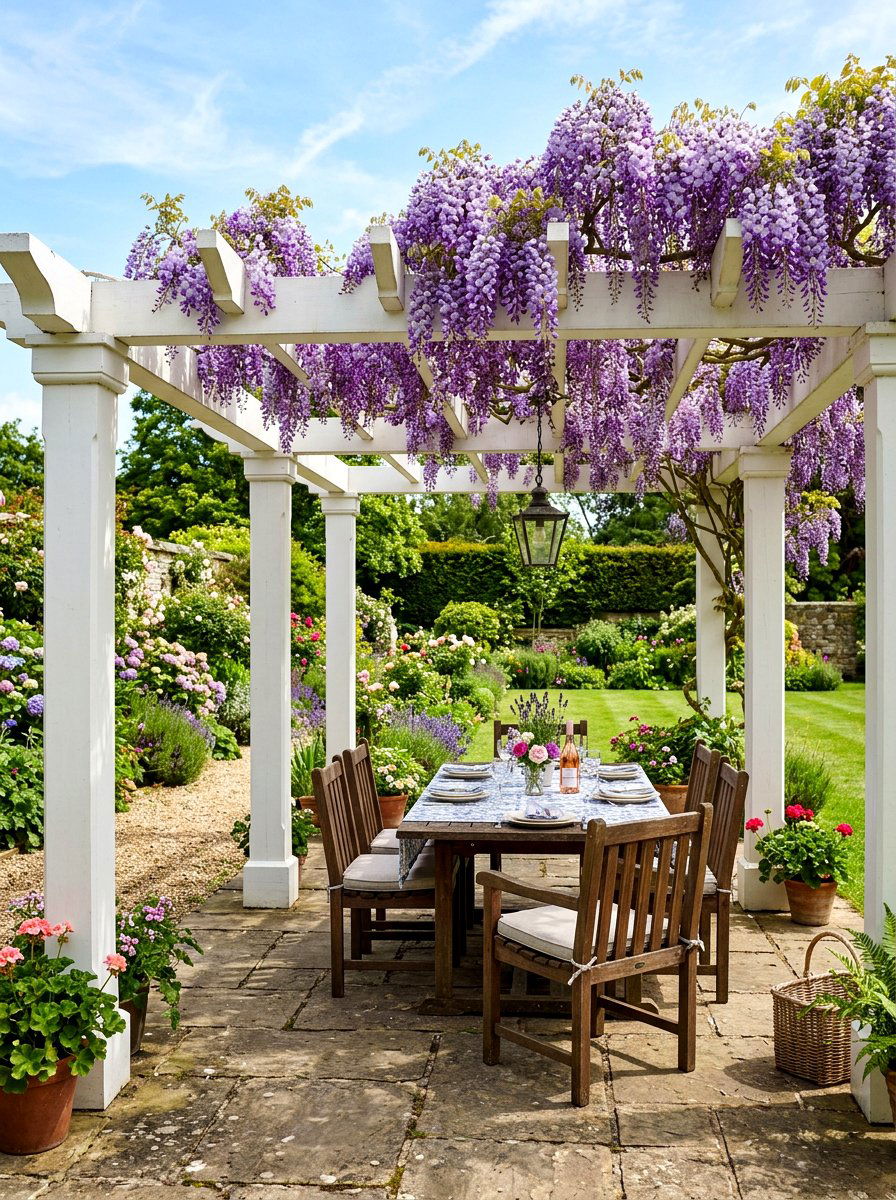
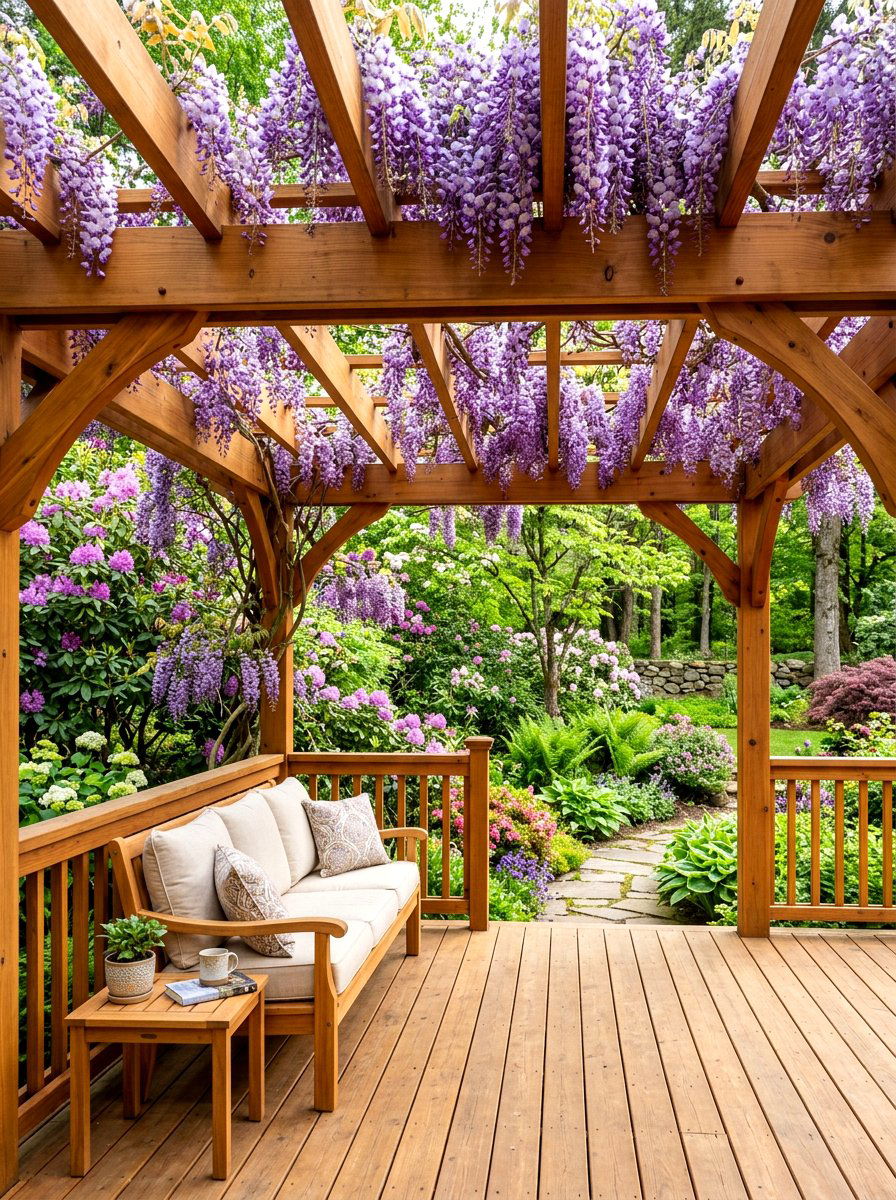
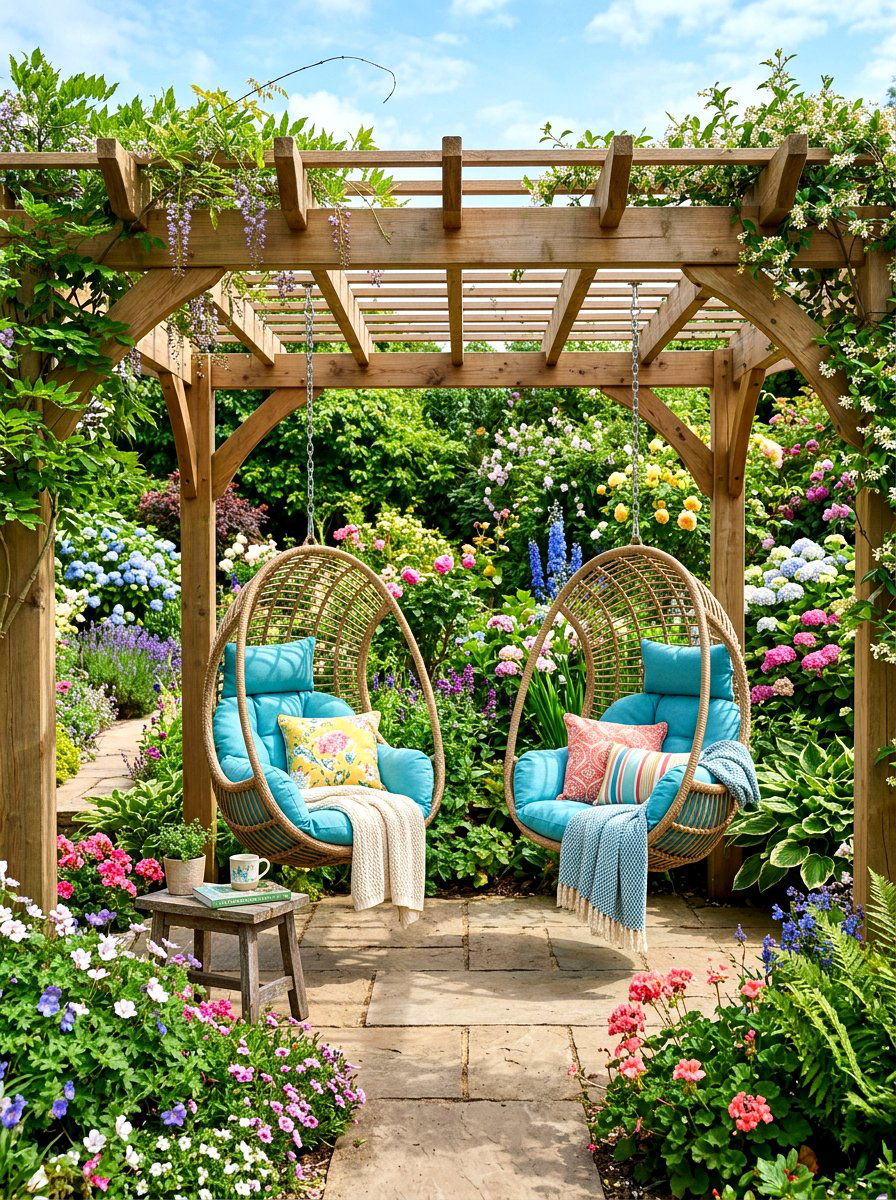
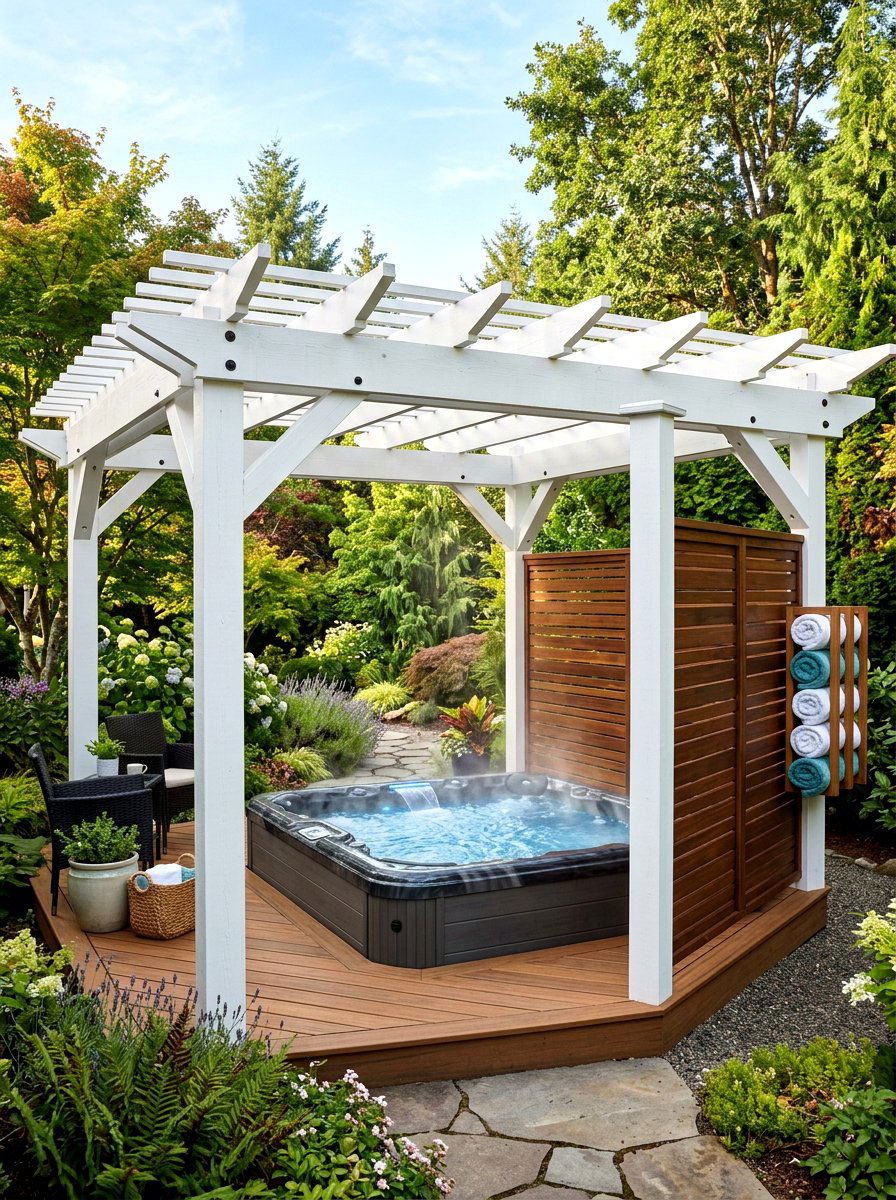
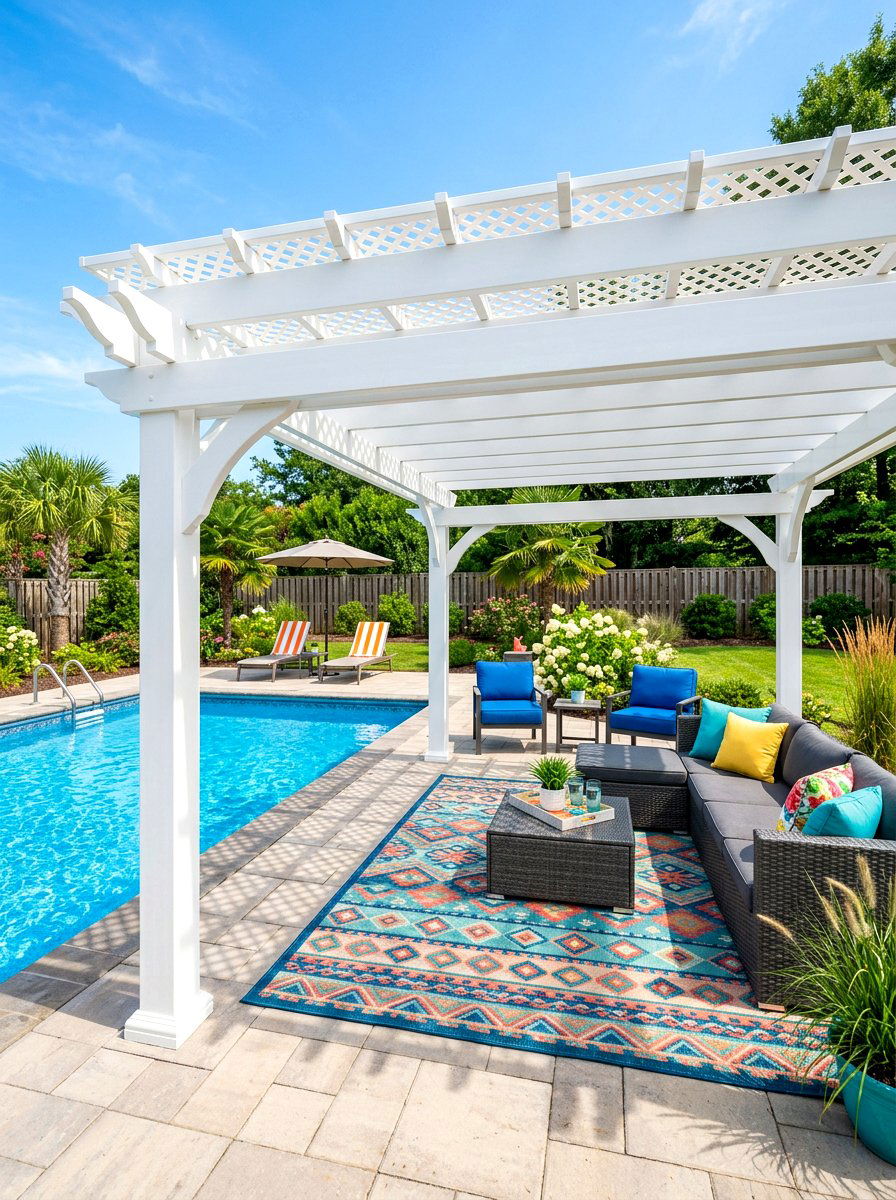
Imagine sitting under a canopy of climbing vines while enjoying a cool breeze on a warm summer afternoon. A garden pergola provides a structural "ceiling" for your outdoor space, defining a specific area for relaxation or dining. In formal designs, pergolas are often painted white or left in natural wood with clean, classic lines and sturdy pillars. Positioning a pergola at the intersection of two paths or at the back of the garden creates a destination that draws people through the landscape. When covered with roses, wisteria, or ivy, it becomes a lush, fragrant retreat that blends architecture with the natural beauty of the plant world.
17. Tiered Lawn
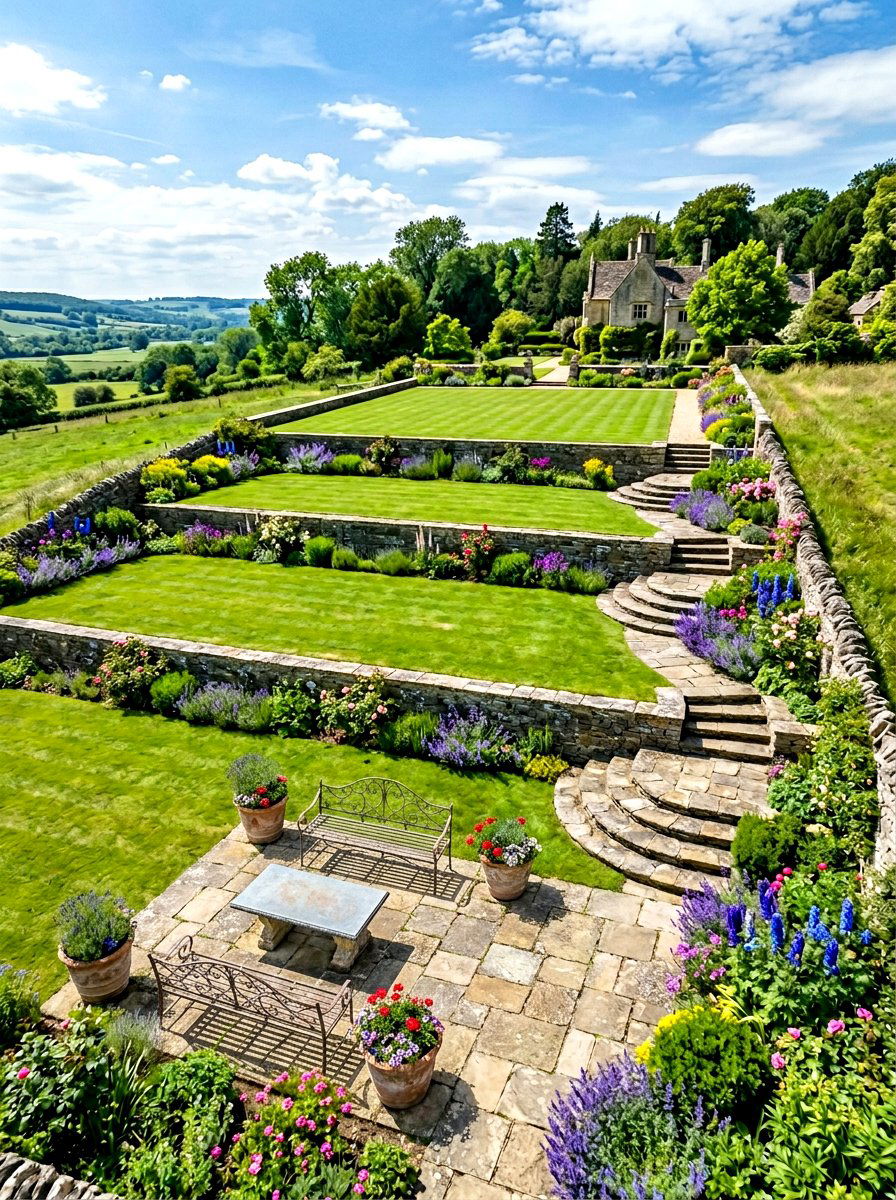
If you have a yard with significant elevation changes, a tiered lawn can turn a difficult slope into a grand design feature. By creating flat "steps" of grass supported by low stone or brick retaining walls, you achieve a very organized and majestic look. This style mimics the gardens of historic estates and provides multiple levels for planting or seating. Each level can be framed with small hedges or flower borders to emphasize the horizontal lines. A tiered lawn not only prevents erosion but also makes your garden feel much larger and more dynamic, offering different perspectives and views from every single level.
18. Hydrangea Hedge
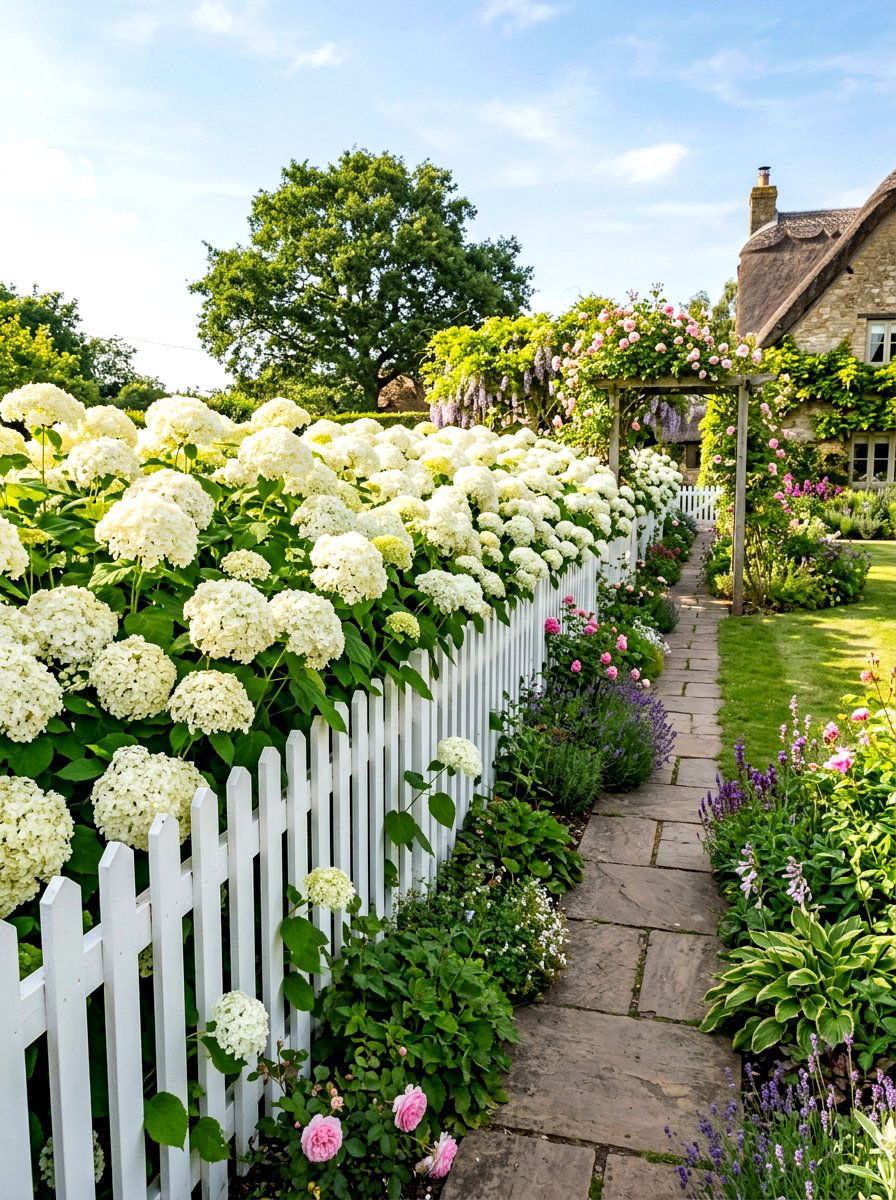
Who doesn't love the sight of giant, pillowy blooms lining a garden path in the middle of summer? A hydrangea hedge is a softer alternative to traditional evergreen walls, offering a burst of color and a romantic feel. To keep it formal, plant the same variety in a straight, dense row so they grow together into a consistent mass of flowers and foliage. White hydrangeas, like the "Annabelle" or "Limelight" varieties, are particularly popular for formal themes because of their clean and bright appearance. These plants provide a lush, full look that fills space quickly and adds a touch of cottage-style charm to a structured plan.
19. Garden Urn Planter
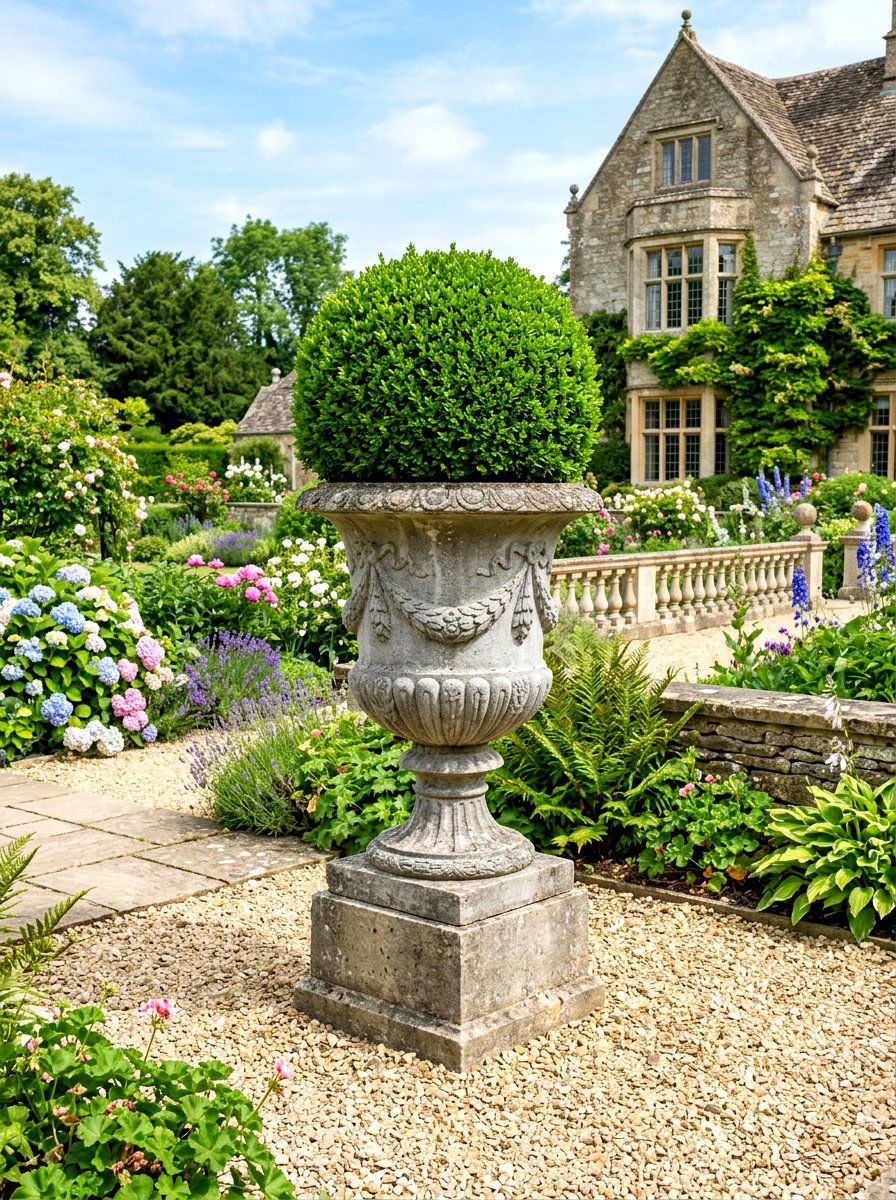
Using large decorative urns is a quick and effective way to add architectural detail and height to any part of your yard. These classic containers look best when placed on stone plinths or at the ends of walls and steps. In a formal garden, you might fill them with perfectly shaped boxwood balls, flowing ivy, or a single type of seasonal flower. Placing a matching pair of urns at the start of a path or flanking a front door creates a sense of arrival and balance. Because they are elevated, they catch the eye easily and allow you to showcase specific plants as if they were sculptures.


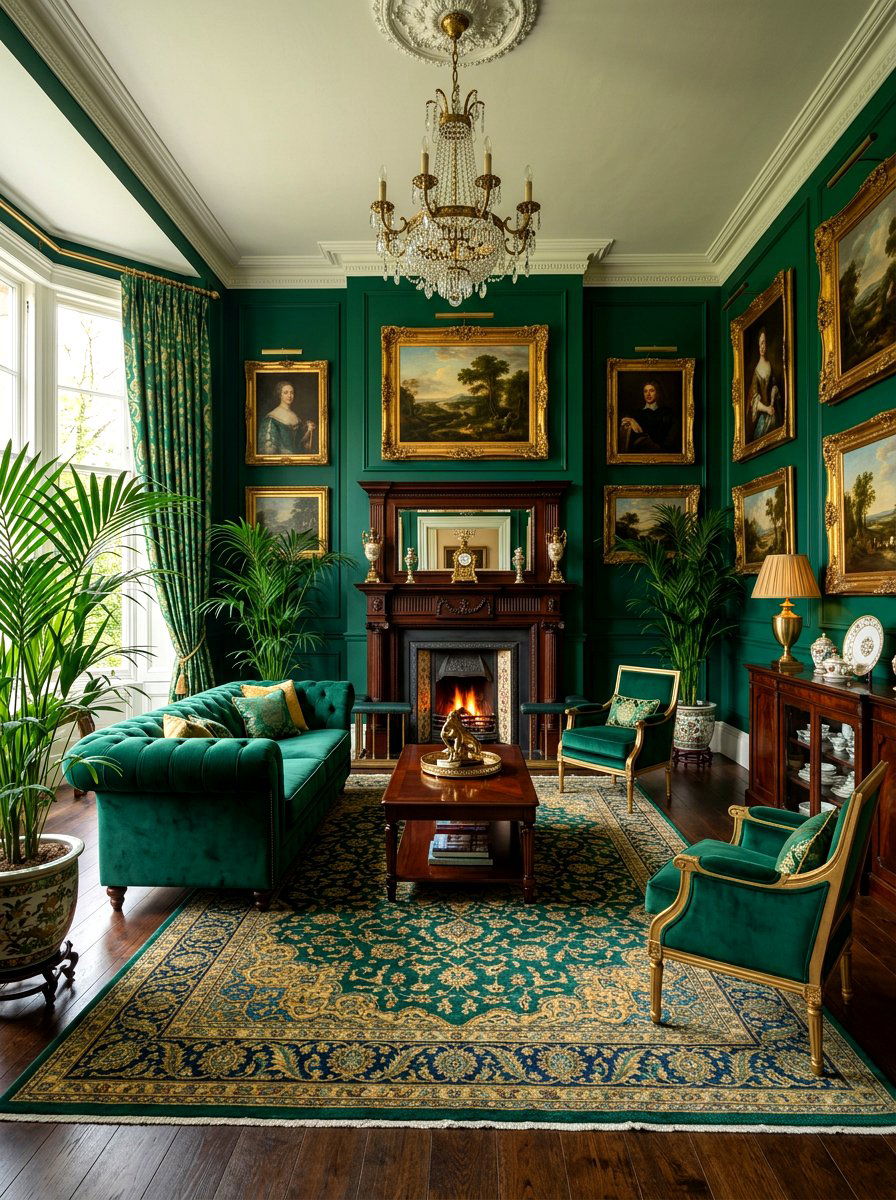
20. Clipped Yew Hedge
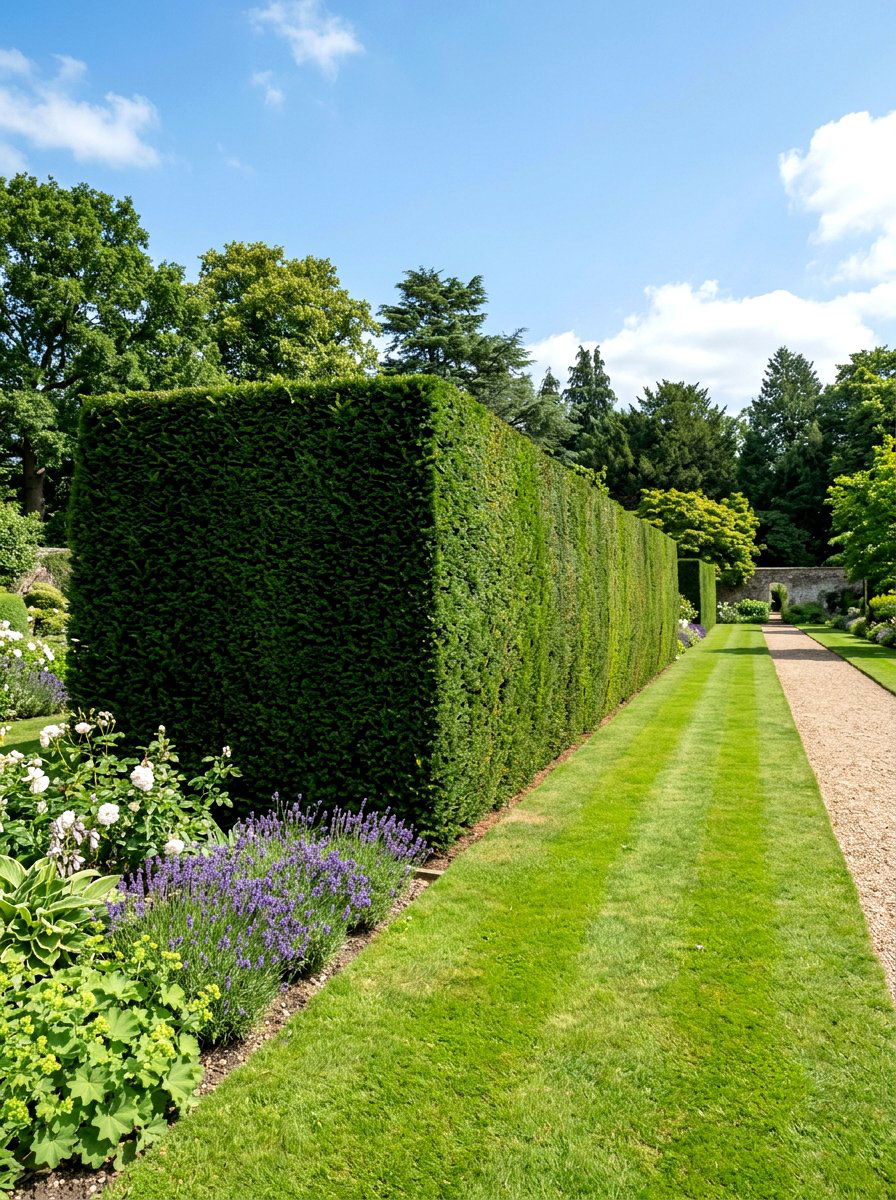
When it comes to creating solid green walls that provide total privacy and a perfect backdrop, the yew hedge is a top choice. Yews have very dense needles and can be pruned into incredibly sharp, flat surfaces that look like architectural masonry made of plants. They grow slowly, which means they hold their shape for a long time after a trim, making them easier to manage than some faster-growing species. A tall yew hedge can act as a "room divider" in your garden, hiding utility areas or creating separate "secret" sections. Their dark, moody green color makes every other flower color pop with intensity.
21. Allée Of Trees
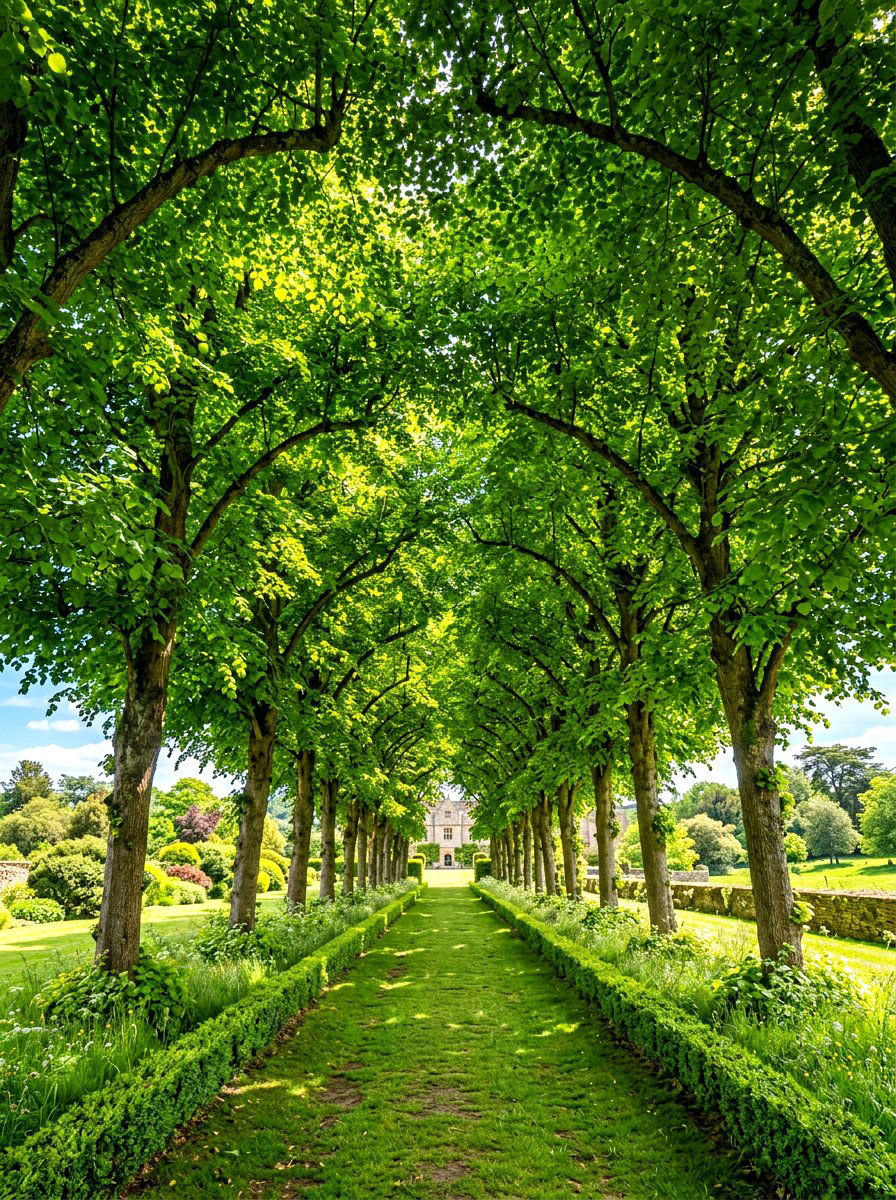
An allée is a grand formal feature consisting of a long walkway lined on both sides with evenly spaced trees. This creates a beautiful "tunnel" effect that leads the eye toward a specific focal point, like a statue or a distant view. Trees with uniform growth habits, such as hornbeams or linden trees, are ideal for this purpose. As the trees grow and their canopies begin to touch, they create a shaded, atmospheric path that feels very regal and expansive. Even in smaller gardens, a mini-allée of crabapples or smaller ornamental trees can provide the same sense of rhythm and impressive perspective.
22. Geometric Flower Bed
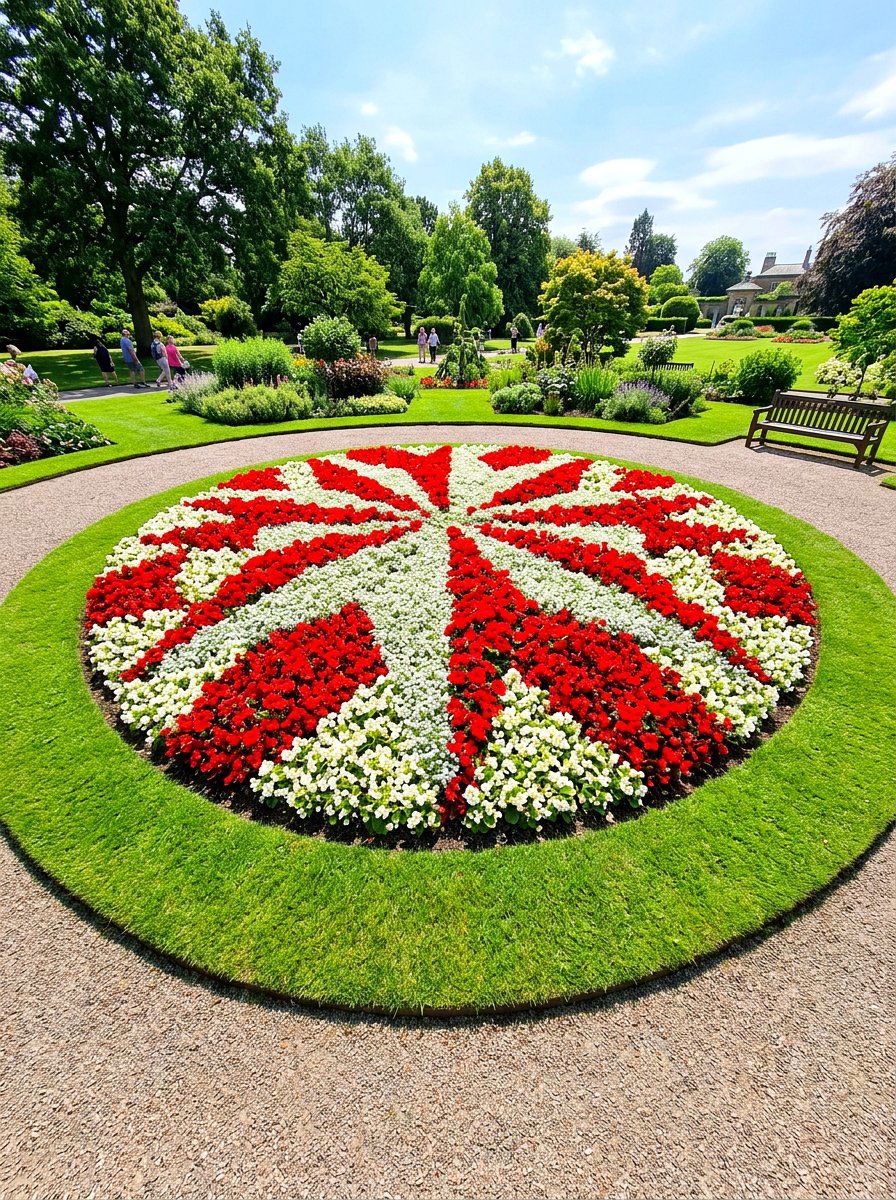
Why settle for messy, irregular borders when you can have the precision and impact of a geometric flower bed? In formal design, flower beds are often laid out in clear shapes like circles, ovals, or long rectangles to maintain order. Within these shapes, plants are typically arranged in organized rows or patterns rather than a random mix. This approach ensures that the garden looks tidy and allows the unique colors and textures of each plant to be clearly seen. Using a limited color palette of two or three shades helps keep the look sophisticated and prevents the space from feeling too busy or overwhelming.
23. Espalier Fruit Tree
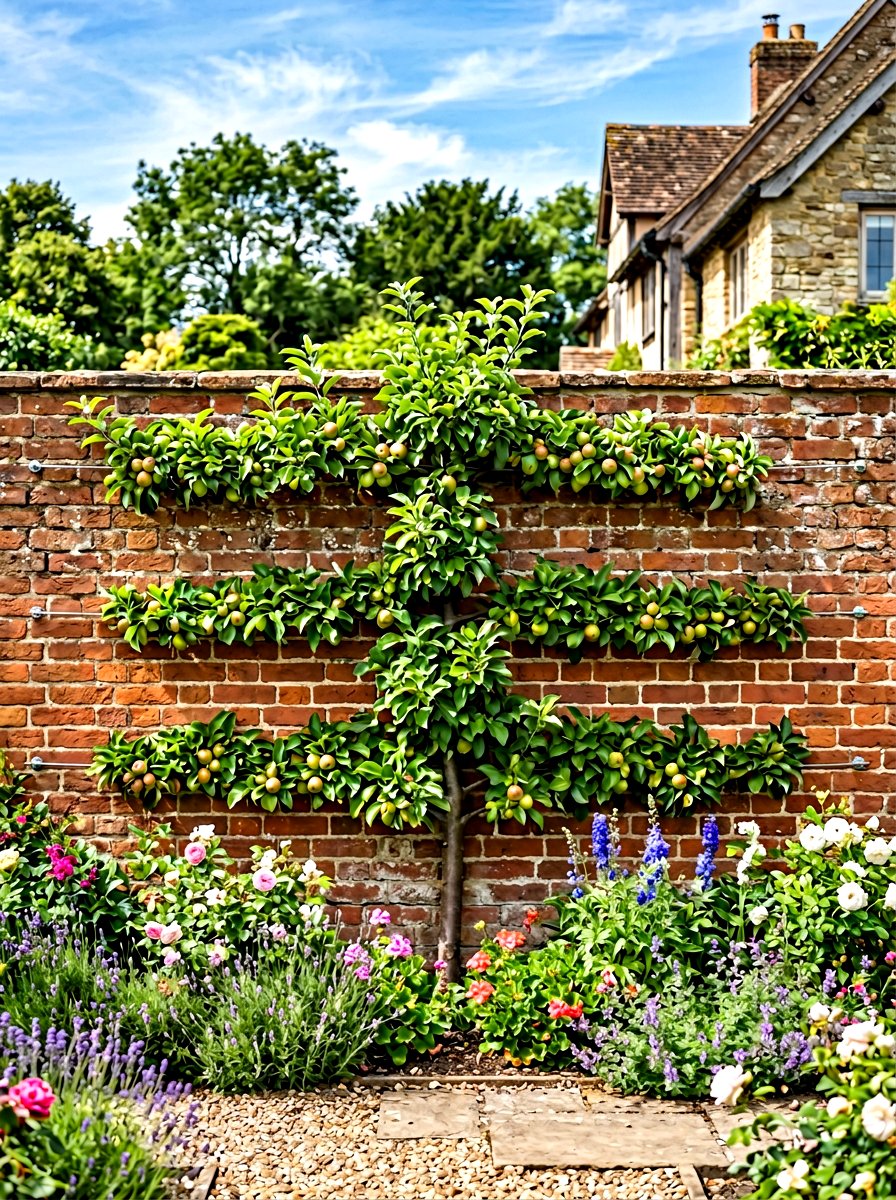
Have you ever seen fruit trees that are trained to grow flat against a wall or a wooden trellis? This ancient technique, known as espalier, is a perfect solution for adding greenery and food production to a formal garden with limited space. By pruning the branches into horizontal or diamond patterns, you create a living piece of wall art that looks beautiful in every season. In spring, the trees are covered in blossoms, and in summer, the ripening fruit adds a decorative touch. This method keeps the trees compact and organized, fitting perfectly within the structured lines and tidy aesthetic of a formal landscape.
24. Climbing Ivy Wall
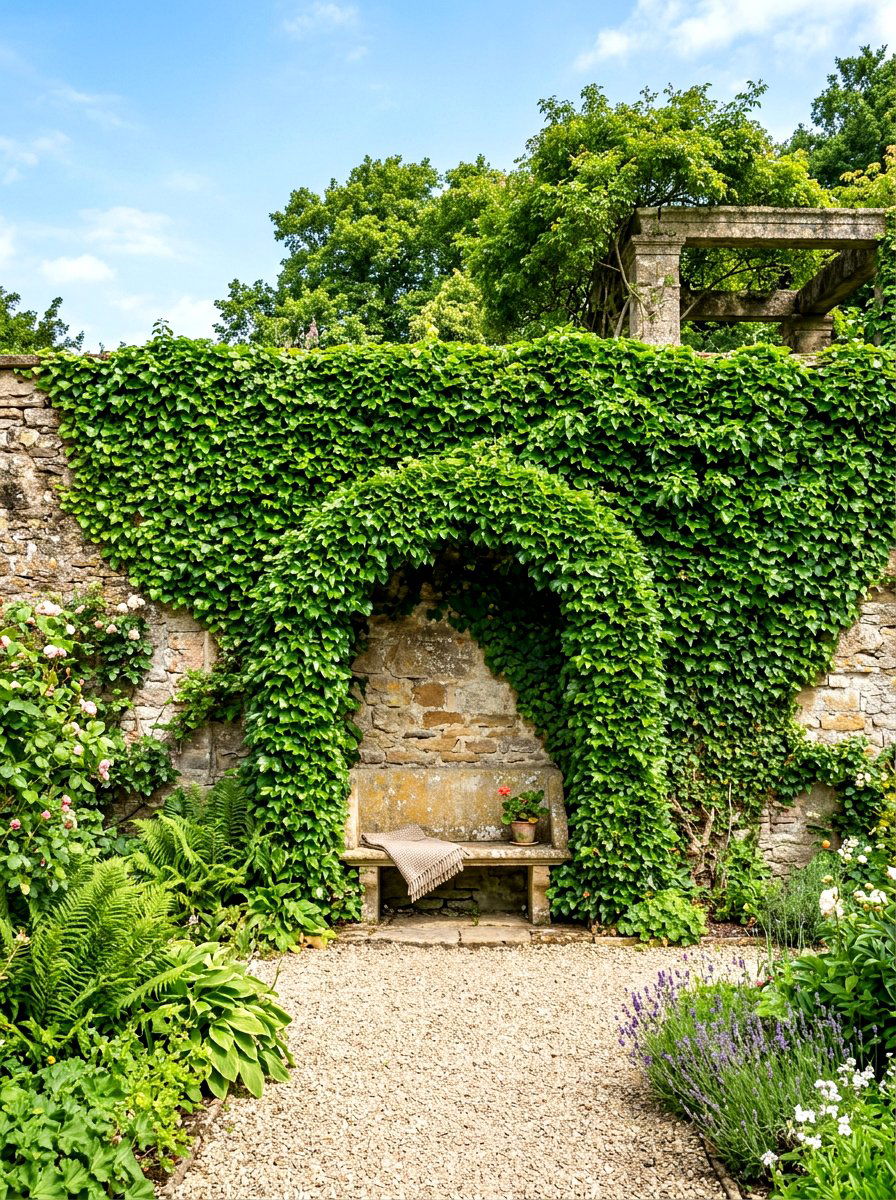
There is an undeniable sense of old-world charm that comes with a stone or brick wall covered in lush green ivy. To keep it within a formal theme, ensure the ivy is neatly trimmed around windows, doors, and architectural details to prevent it from looking overgrown. Ivy provides a consistent texture and a deep green color that makes a garden feel established and mature. It can also be used to hide unattractive fences or garden sheds, turning them into beautiful green features. This evergreen climber stays vibrant all year long, ensuring that your garden "walls" remain beautiful even when the flowers have finished blooming.
25. Stone Balustrade
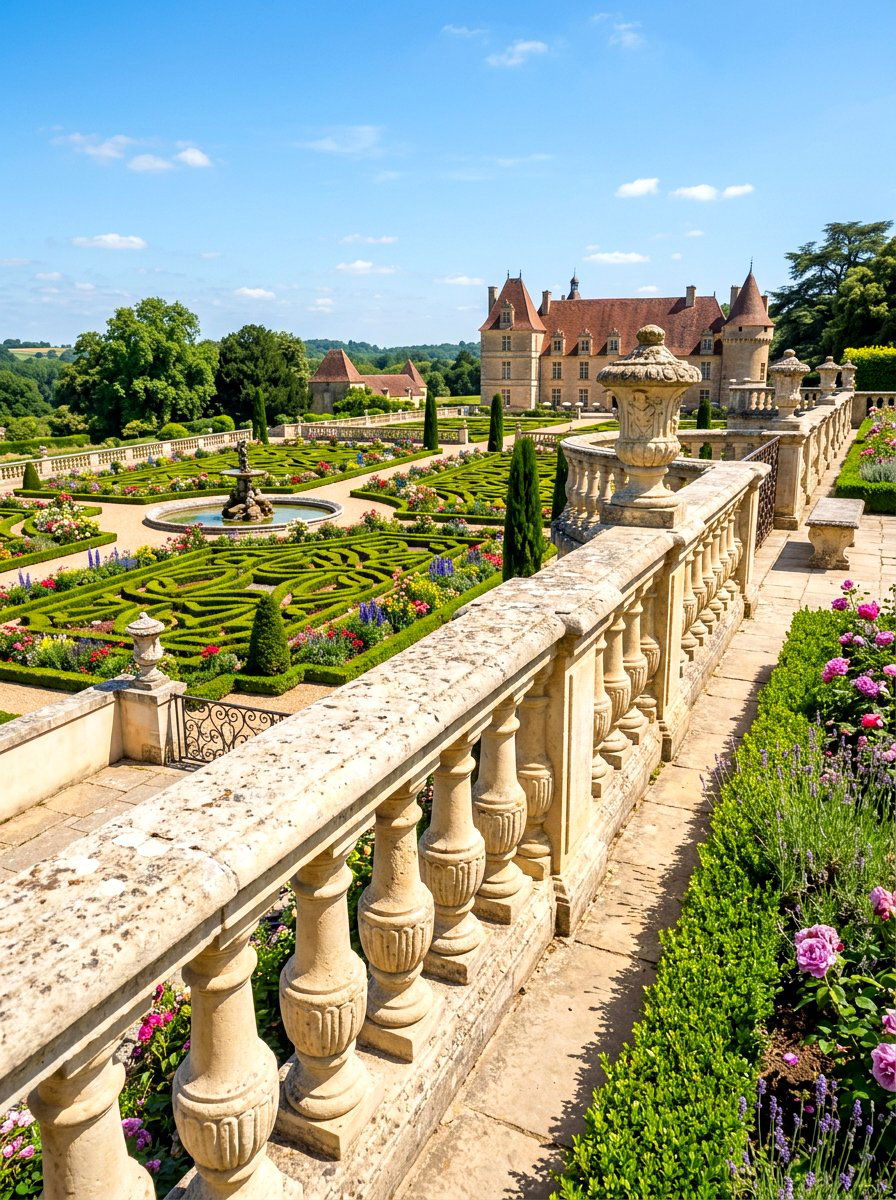
A stone balustrade is a series of small pillars topped by a rail, often seen on terraces, balconies, or along garden stairs. This architectural feature adds a significant sense of weight and luxury to any outdoor space, making it feel like a classic European villa. Use a balustrade to define the edge of a patio or to separate a raised lawn from a lower path. The repeating pattern of the stone pillars creates a rhythm that reinforces the formal structure of the garden. Made from durable materials, it provides a permanent boundary that ages beautifully over time, developing a lovely patina that adds to the garden's character.
26. Checkerboard Grass Paver
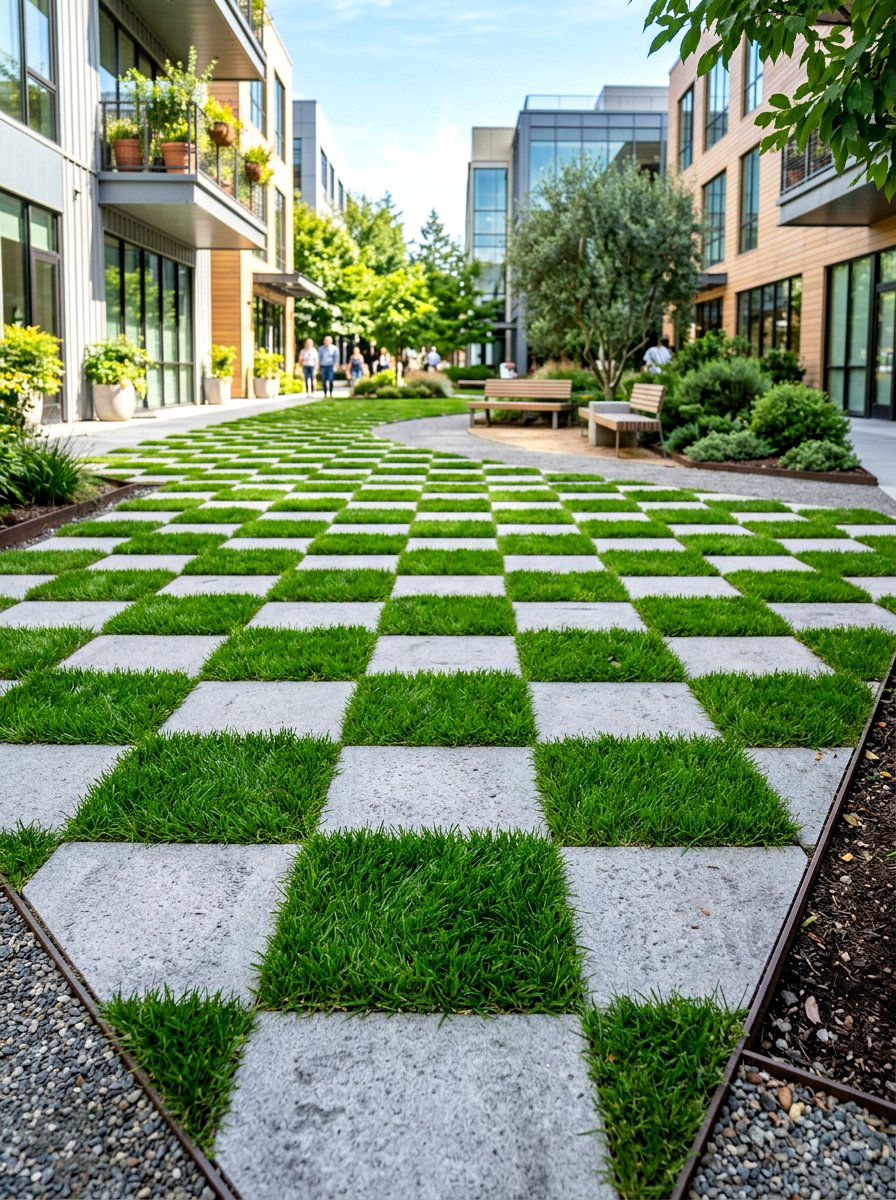
Looking for a creative way to blend hardscaping with greenery in your driveway or patio area? A checkerboard pattern using square stone pavers and sections of lush green grass is a stunning formal design choice. This geometric layout provides a flat, stable surface for walking while maintaining a soft, garden-like feel. It is an excellent way to break up a large expanse of stone and add visual interest to a courtyard. To keep it looking sharp, the grass needs to be trimmed regularly to the same height as the pavers. This high-contrast look is modern yet classic, fitting perfectly into a very structured landscape plan.
27. Formal Rose Arch
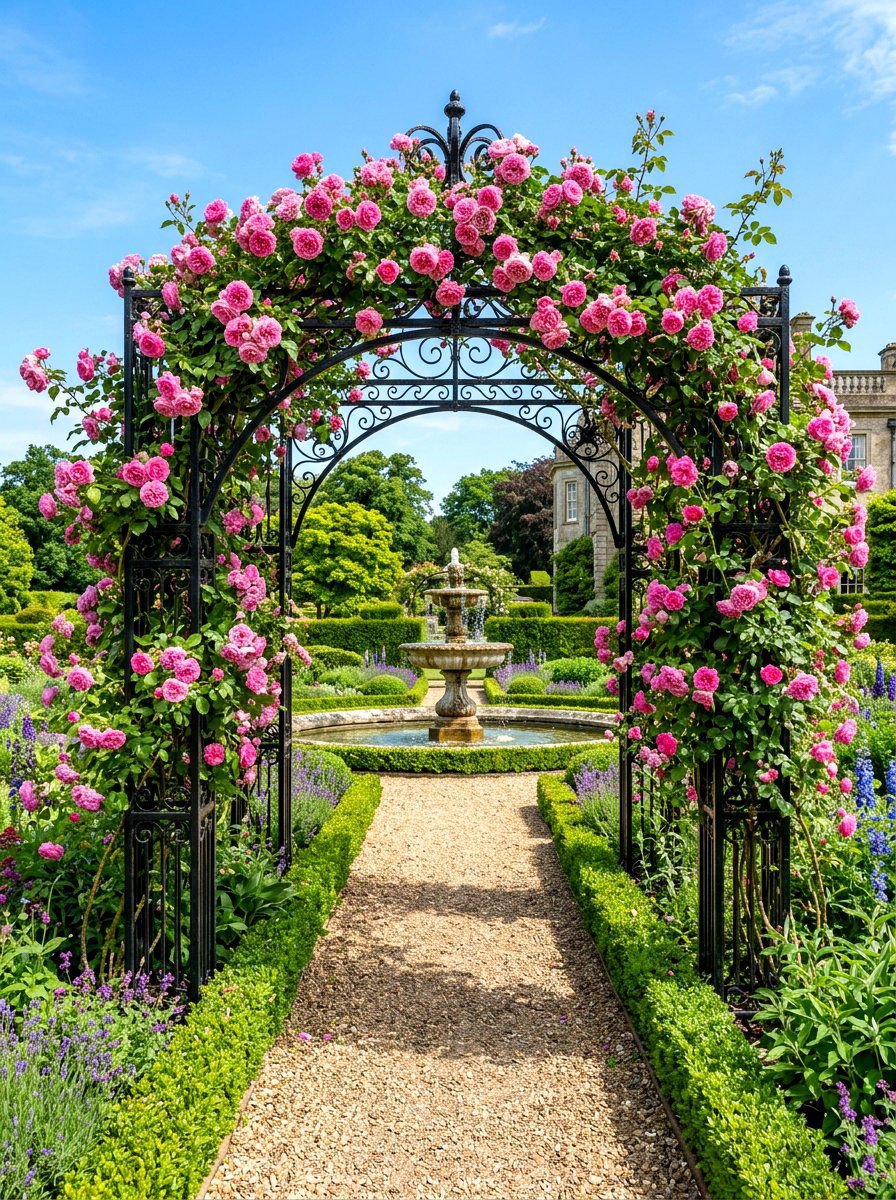
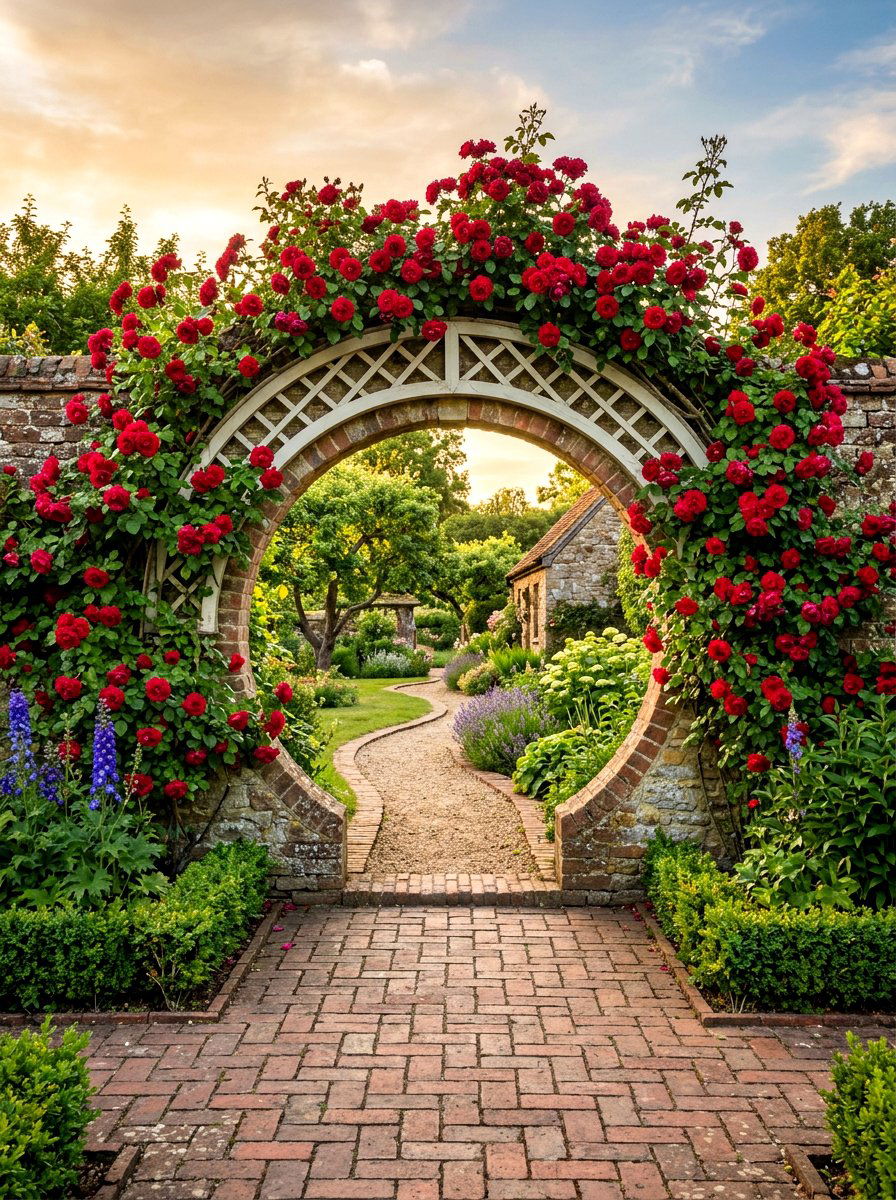
Walking through an archway covered in blooming roses is a quintessential garden experience that feels incredibly special and romantic. To maintain a formal look, choose a sturdy metal or wooden arch with clean lines and place it at a transition point between different garden areas. Training the roses to grow evenly over the structure creates a fragrant gateway that delights the senses. Using a single variety of rose on the arch ensures a uniform look and a more powerful visual impact. This vertical feature adds height and a touch of softness to the garden, acting as a beautiful frame for the view that lies ahead.
28. Central Sundial
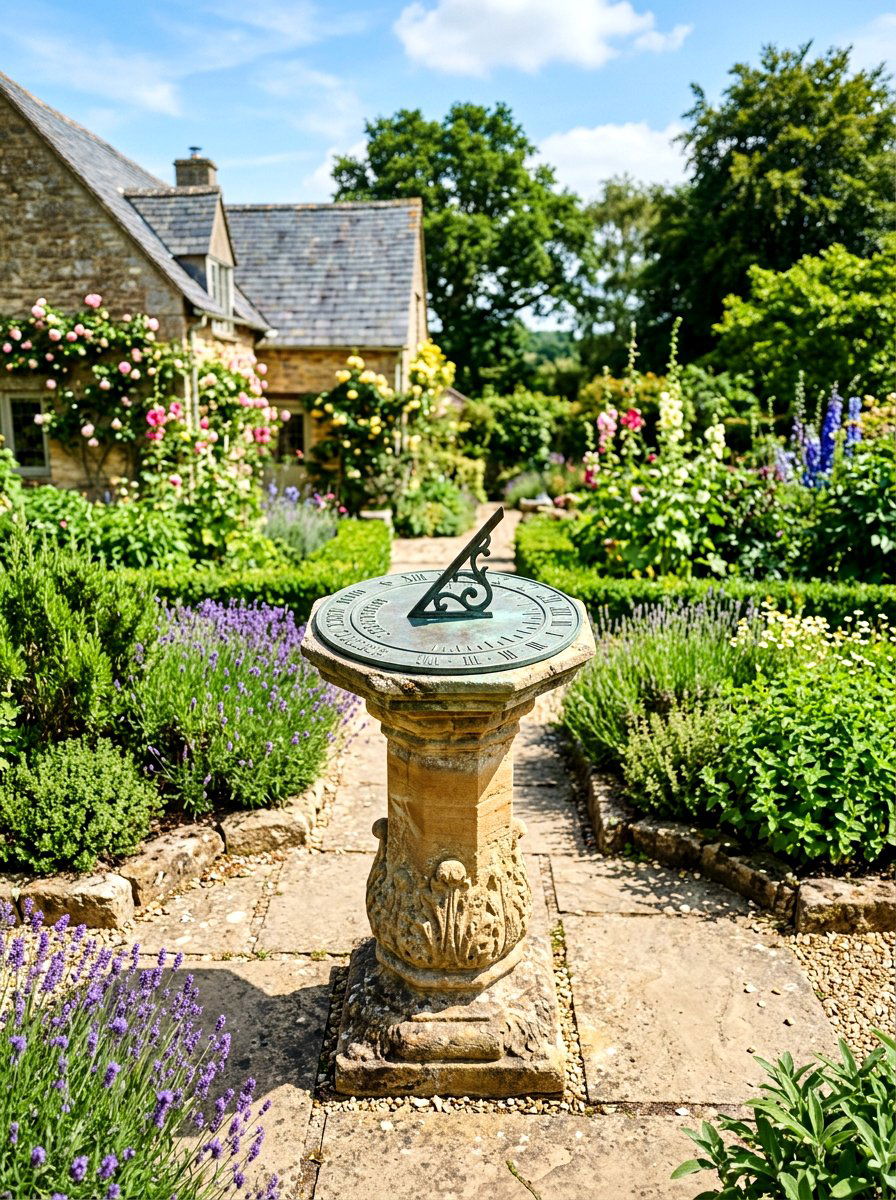
Before clocks were common, sundials were essential tools, but today they serve as charming and meaningful ornaments for a formal garden. A bronze or stone sundial placed on a decorative pedestal makes for an excellent central focal point for a small circular bed or a courtyard. Because they are relatively small, they offer a delicate detail that draws people in for a closer look. Surround the base with low flowers or a ring of lavender to emphasize its position in the design. A sundial adds a sense of history and "timelessness" to your garden, reminding you to slow down and enjoy the passing day.
29. Pleached Tree Screen
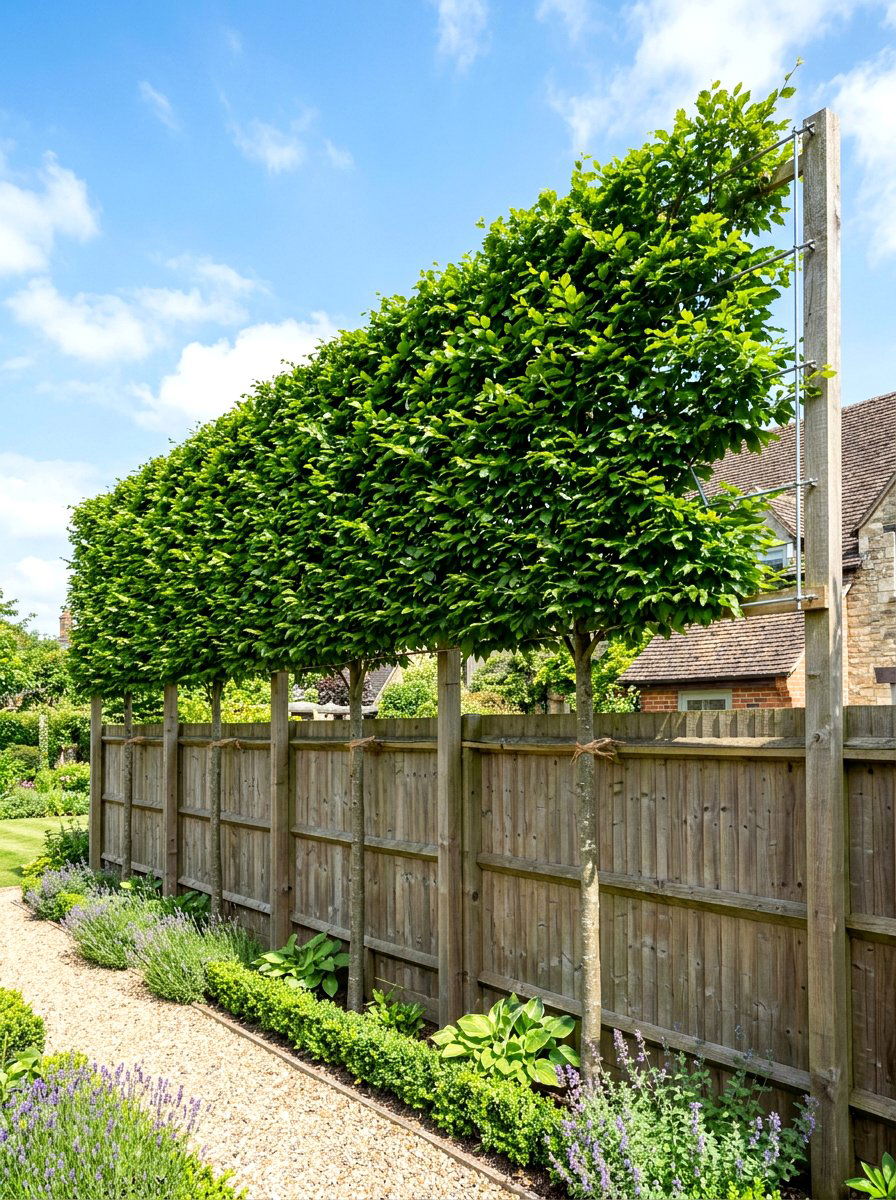
Pleaching is a specialized pruning technique where trees are trained to grow on a high trellis, creating a "hedge on stilts. " This is a fantastic formal solution for adding privacy above a fence line without taking up a lot of horizontal garden space. The trunks remain clear, while the leafy tops are woven together into a flat, elevated green screen. This look is very popular in contemporary formal gardens because it provides a clean, architectural line that looks incredibly neat and professional. It allows for planting underneath the trees, such as hydrangea or boxwood, creating a beautiful layered effect in your outdoor landscape.
30. Garden Gazebo
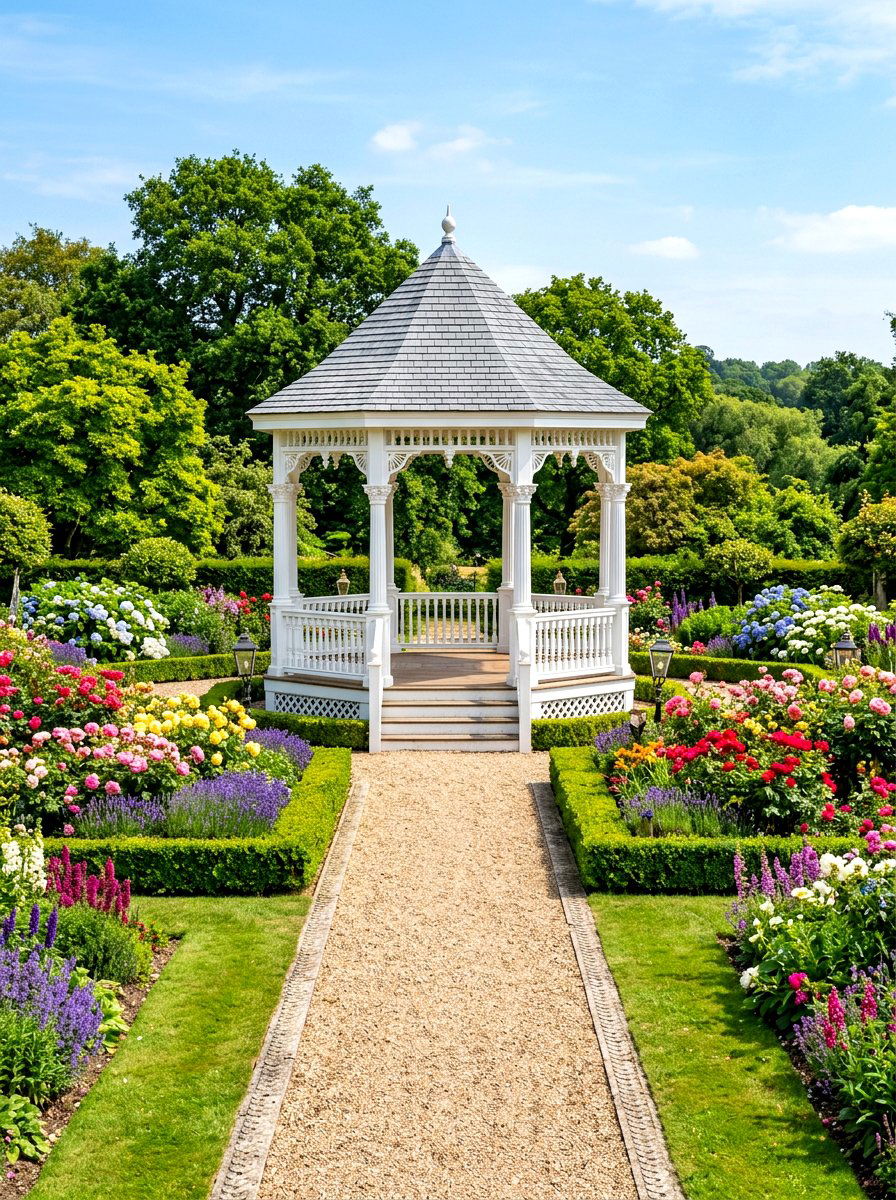
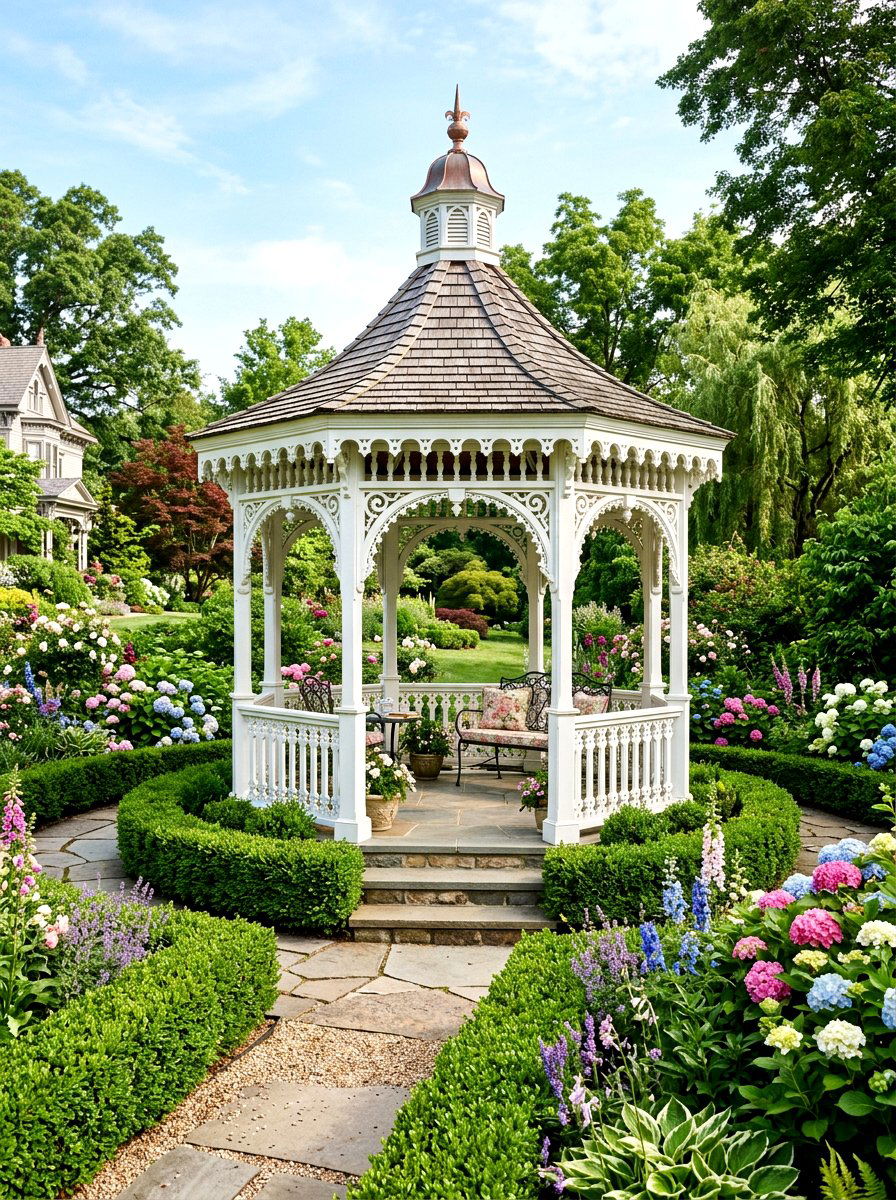
A garden gazebo provides a grand destination at the end of a path, offering a covered place to sit and enjoy the surrounding beauty. In a formal setting, a gazebo usually features a symmetrical design with classic columns and a tiered roof. Painting it a crisp white or a sophisticated dark green helps it blend with the formal aesthetic. Placing it in a central spot or at the highest point of the yard gives it a commanding presence. It serves as an "outdoor room" where you can host tea, read a book, or simply admire the geometric patterns and lush greenery of your carefully planned formal garden.
Conclusion:
Designing a formal garden is a rewarding journey that brings a sense of order, beauty, and peace to your home’s exterior. By focusing on symmetry, structure, and a curated selection of plants, you can create a landscape that feels both historic and fresh. These thirty ideas provide a versatile toolkit for anyone looking to elevate their outdoor space with timeless design elements that never go out of style. Whether you start with a small parterre or a grand allée of trees, the result will be a sophisticated sanctuary you can enjoy for years. Remember that consistency and maintenance are the secrets to keeping a formal garden looking its very best.

Related posts: