Creating a home archive room is about more than just storing old papers or books in a dusty corner. It is a dedicated effort to preserve your personal history, collections, and professional documents in a way that feels both functional and beautiful. Many homeowners are now looking for ways to elevate their organization systems into a sophisticated retreat that reflects their personality. Whether you are a dedicated researcher, a genealogist, or a collector of rare artifacts, the right design can transform a simple storage area into a sanctuary of knowledge. These spaces prioritize long-term preservation while ensuring that every item remains accessible and visually organized for daily enjoyment.
1. Floor to ceiling built in shelving
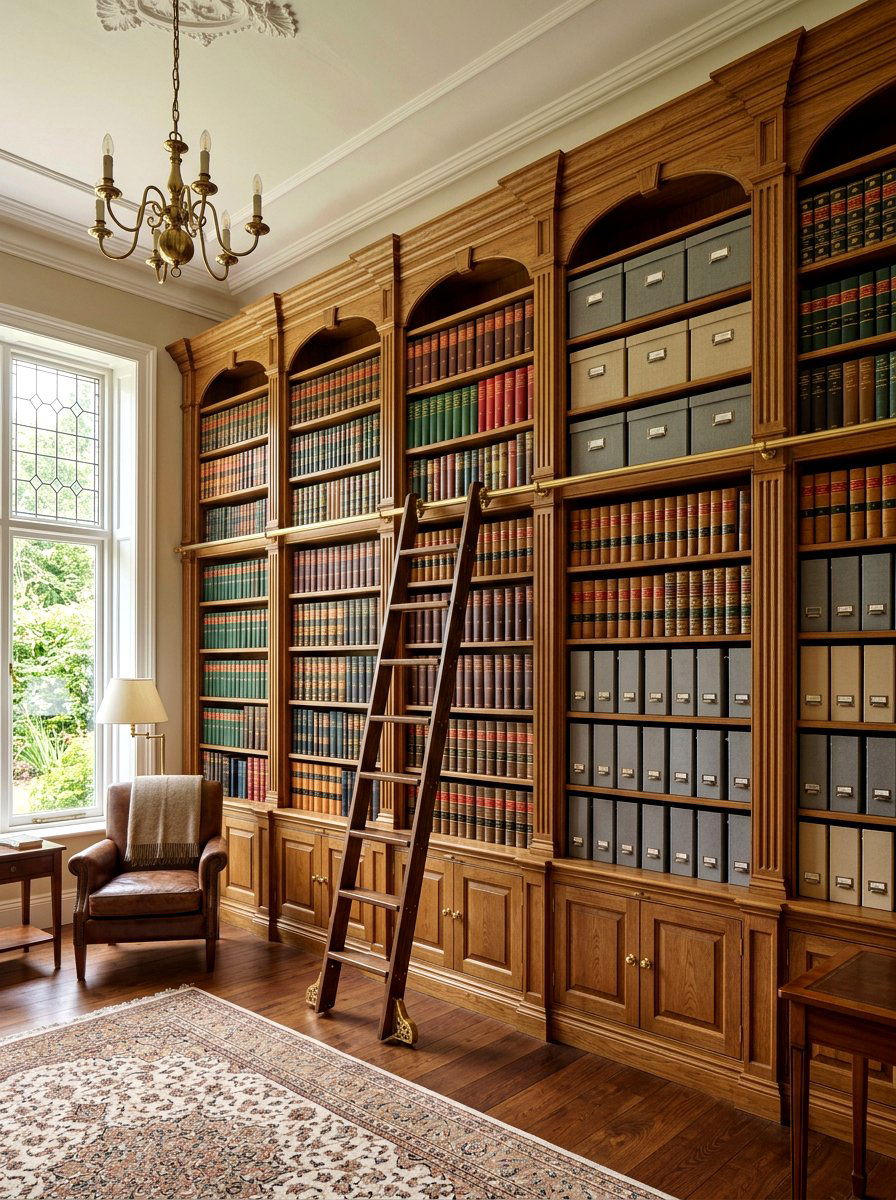
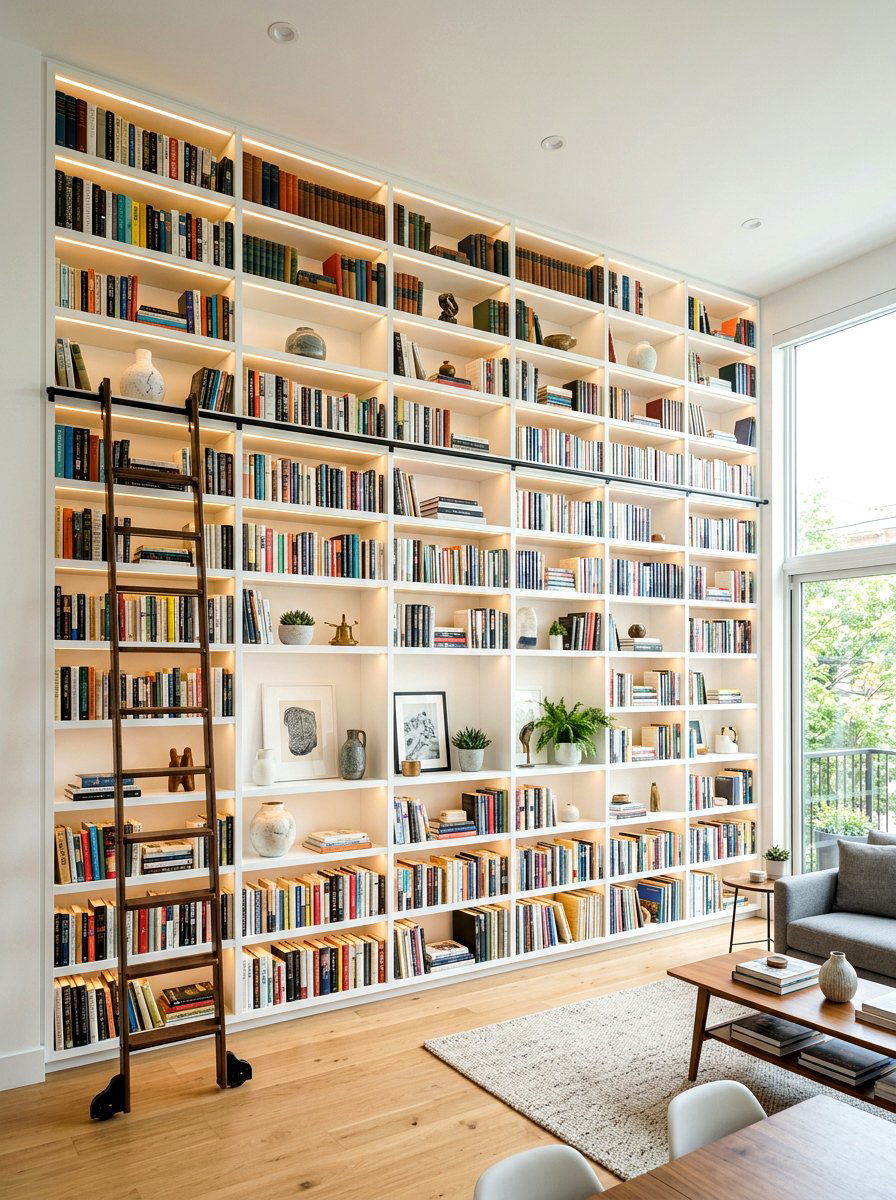
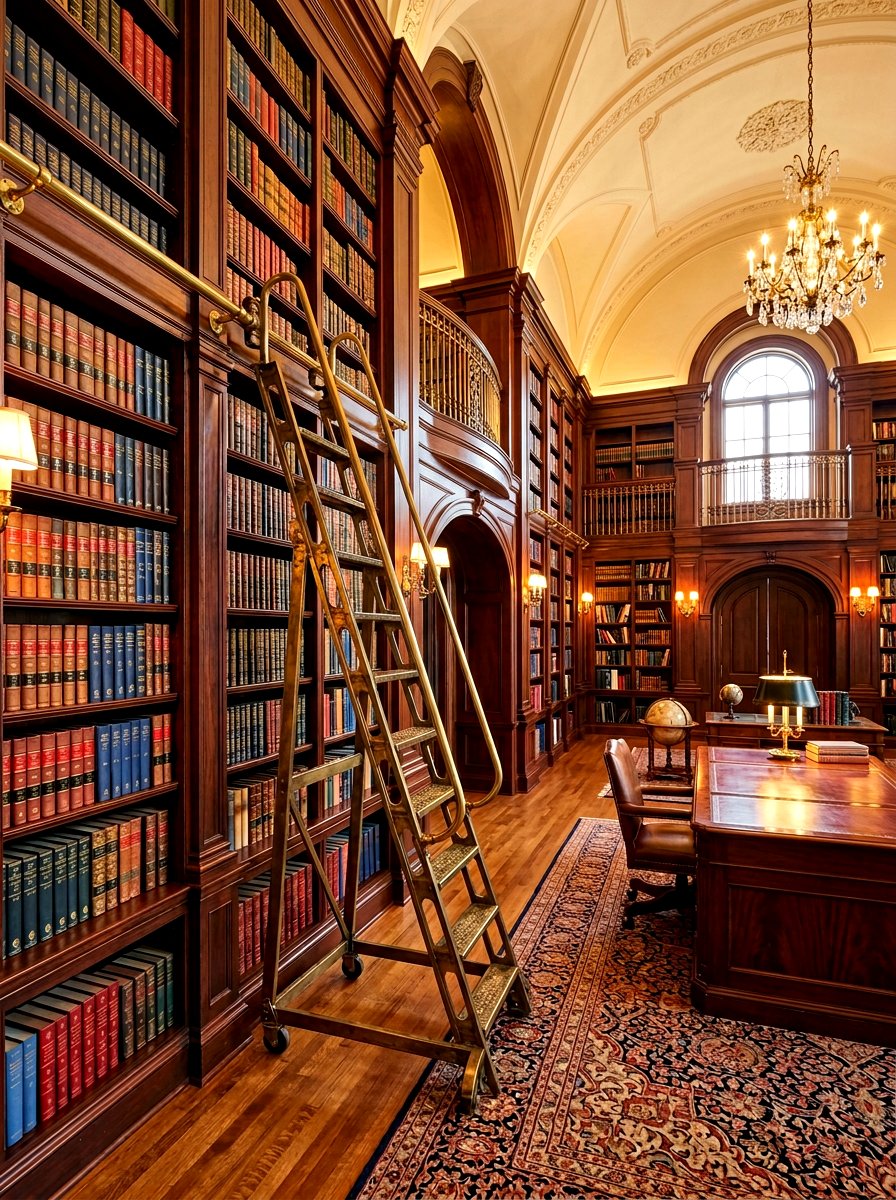
If you have a large collection of records or books, floor to ceiling built in shelving is the ultimate solution. This design utilizes every square inch of vertical space to create a grand, library-like atmosphere. By wrapping the walls in custom woodwork, the room feels cohesive and deeply intentional. You can include adjustable shelves to accommodate different sizes of archival boxes and binders. The visual impact of a wall filled with organized history is undeniable and adds significant value to your home. Adding integrated LED strip lighting along the shelves can highlight your most prized possessions. This setup ensures that your archive is not just storage but a stunning architectural feature.
2. Rolling library ladder
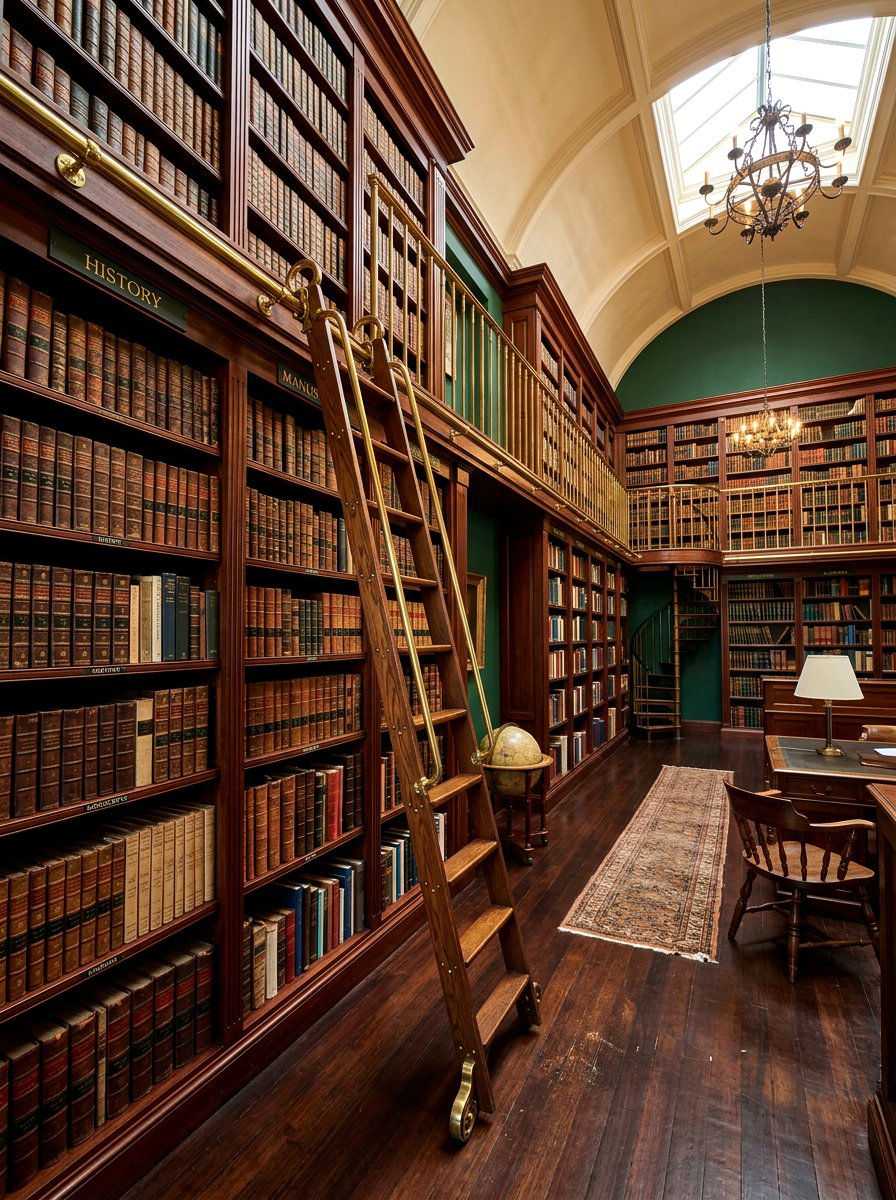
Adding a rolling library ladder is a classic way to make a high-ceiling archive room more functional. This feature allows you to reach the very top shelves without needing a shaky step stool. It brings a sense of old-world charm and professional elegance to the space. Most homeowners choose a metal or wood track that matches the existing cabinetry for a seamless look. The ladder itself becomes a focal point and an interactive element of the room. It encourages you to use the full height of your walls for document preservation. This design works perfectly in traditional studies or modern minimalist archives where verticality is a key design element.
3. Climate controlled preservation room
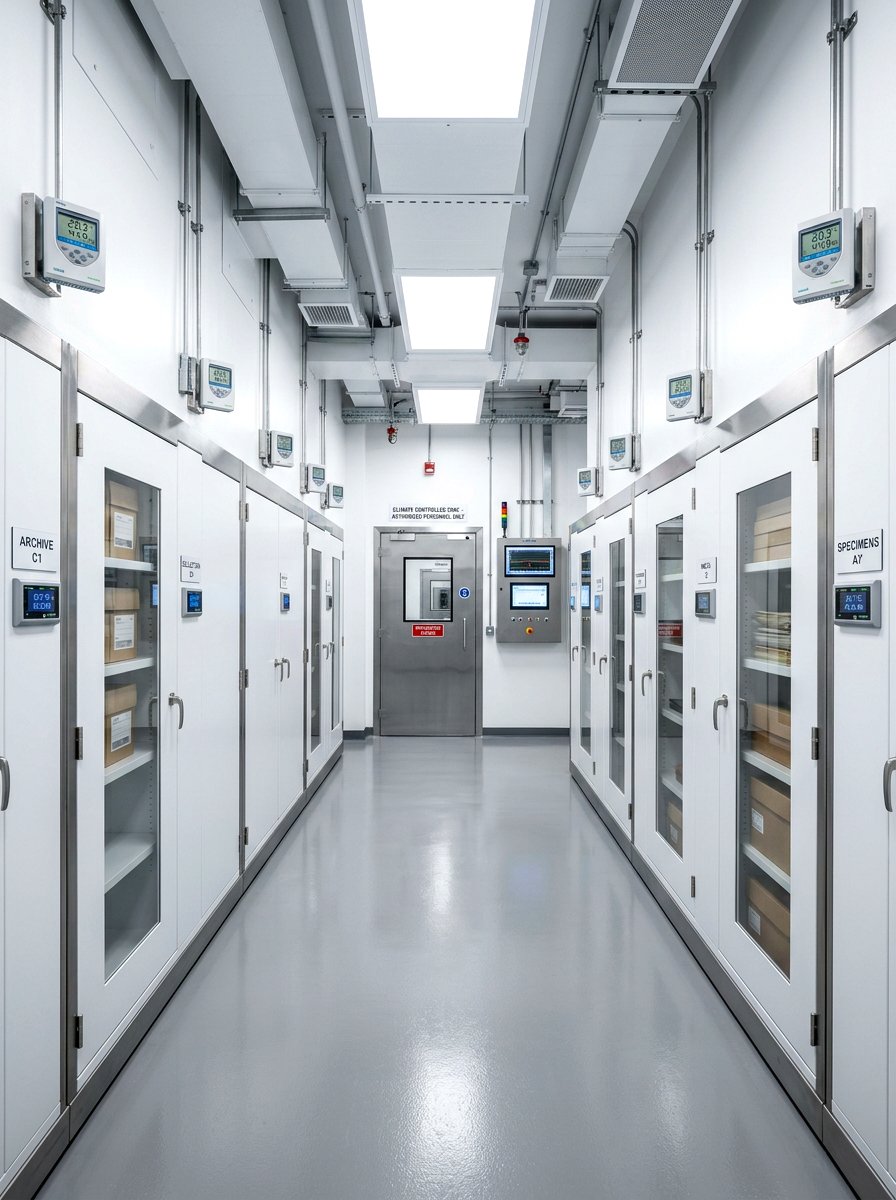
For those with sensitive documents or vintage photographs, a climate controlled preservation room is essential. This specialized space maintains consistent temperature and humidity levels to prevent aging and decay. The design often includes high-quality insulation and a dedicated HVAC system tailored for archival needs. Visually, these rooms often feature clean lines and sealed cabinetry to protect items from dust and light. You can incorporate specialized sensors that alert you to any environmental changes on your smartphone. It provides peace of mind knowing your family heirlooms are safe from the elements. This setup is the gold standard for serious collectors who value the longevity of their physical media.
4. Minimalist monochrome archive
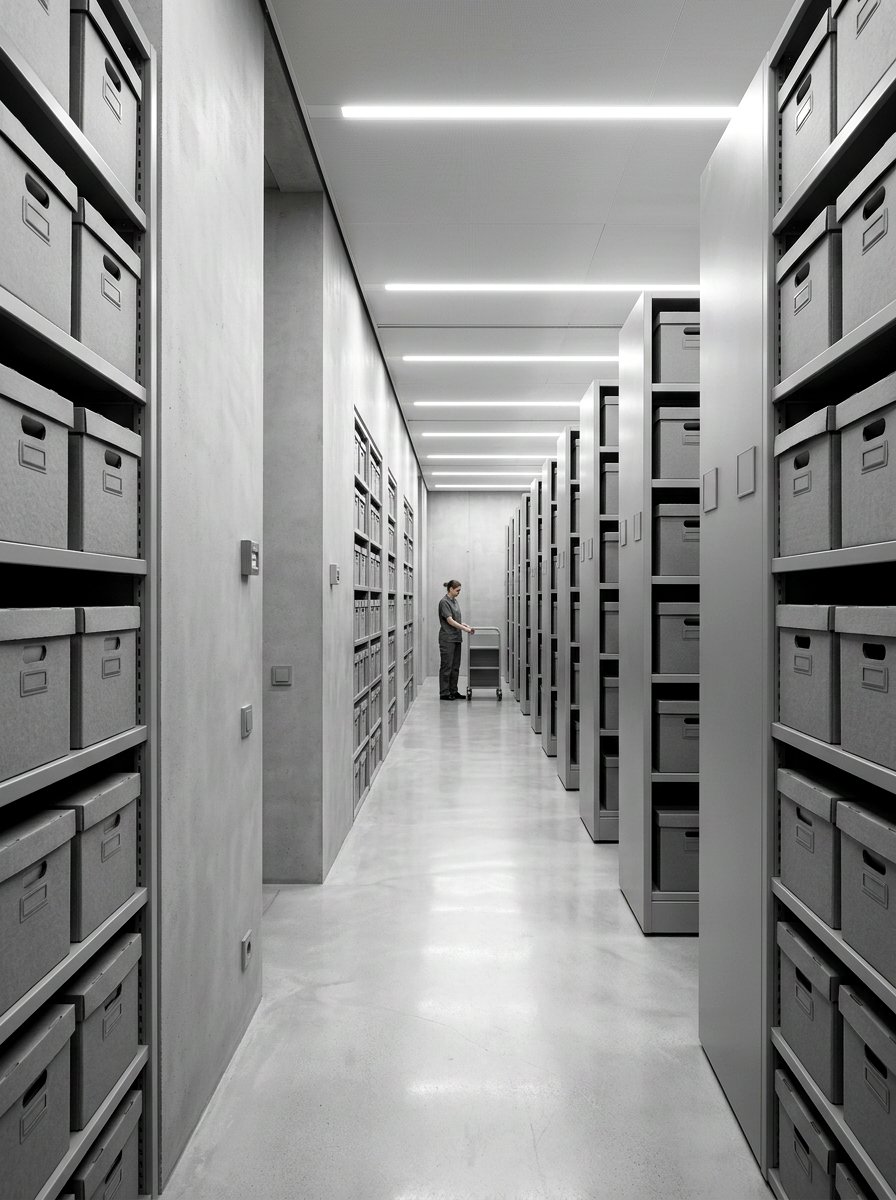
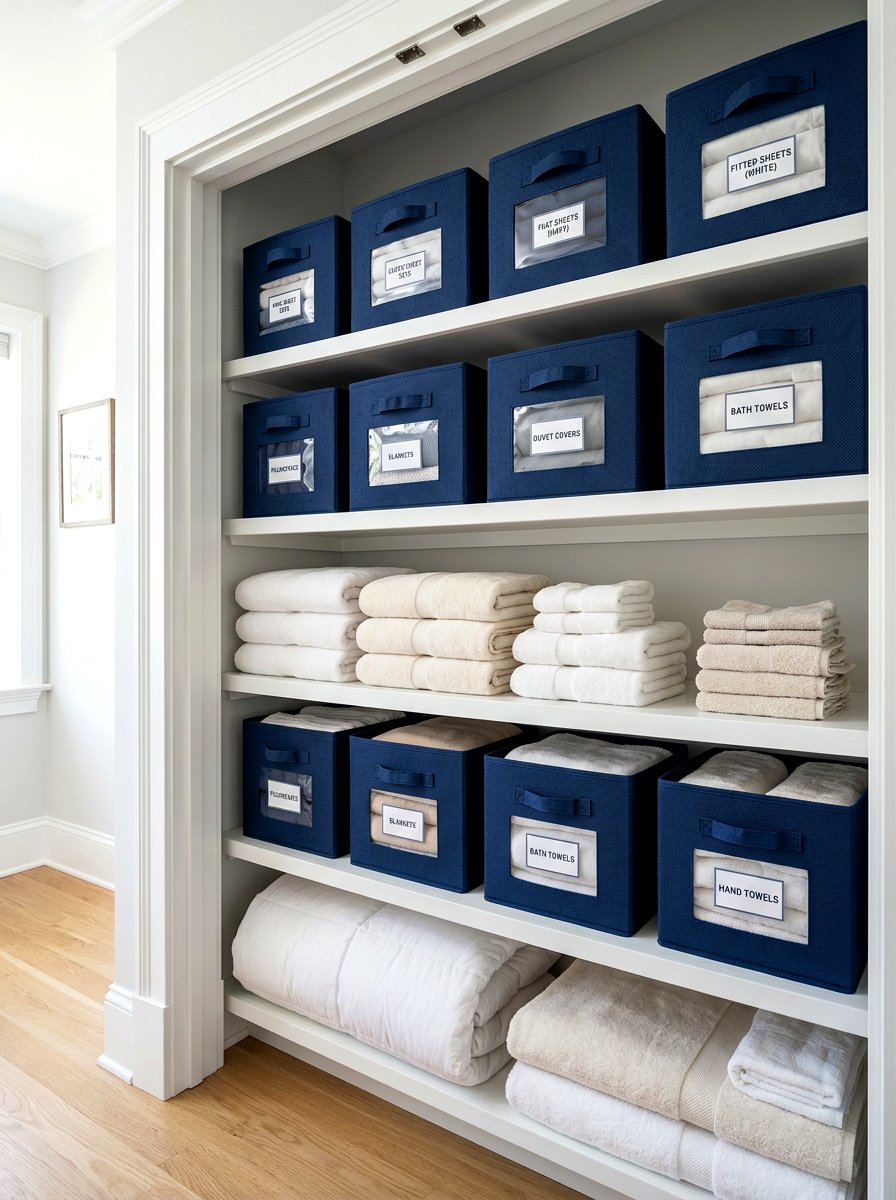
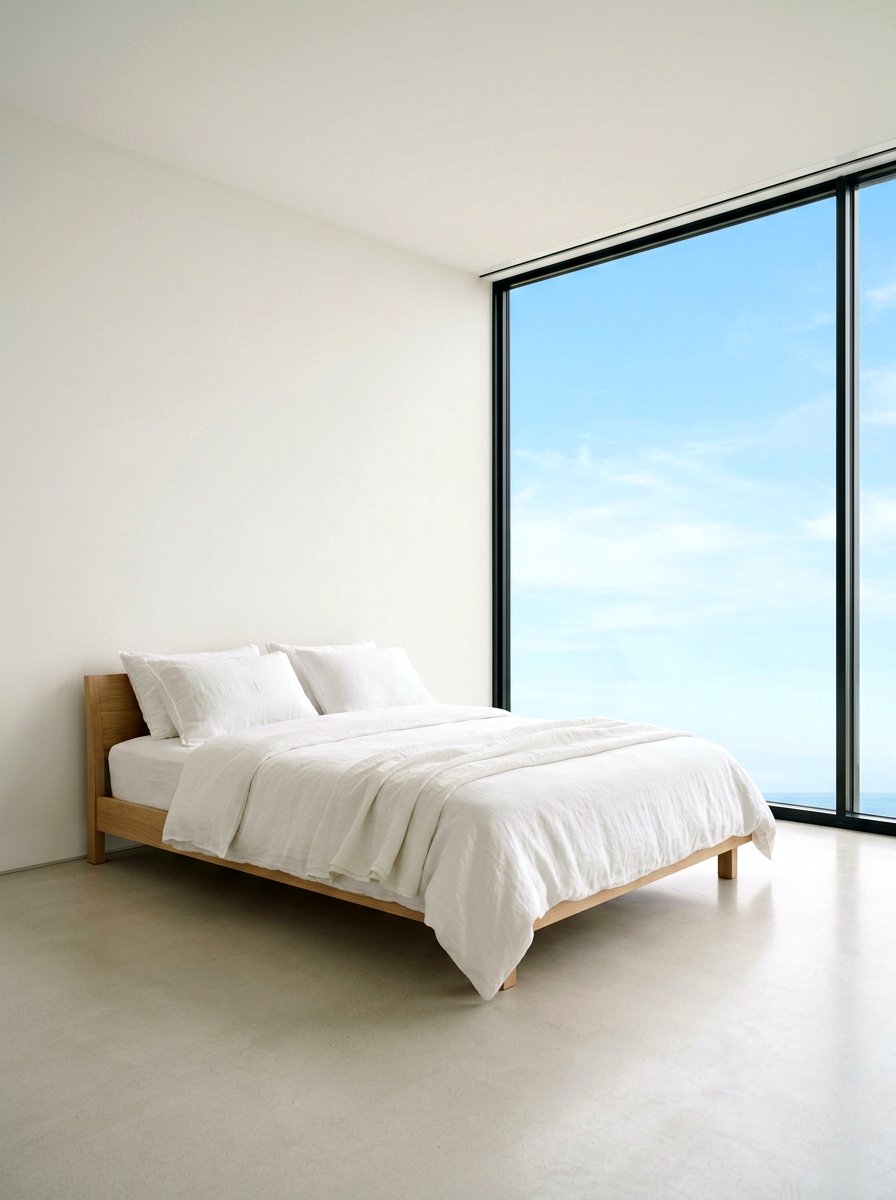
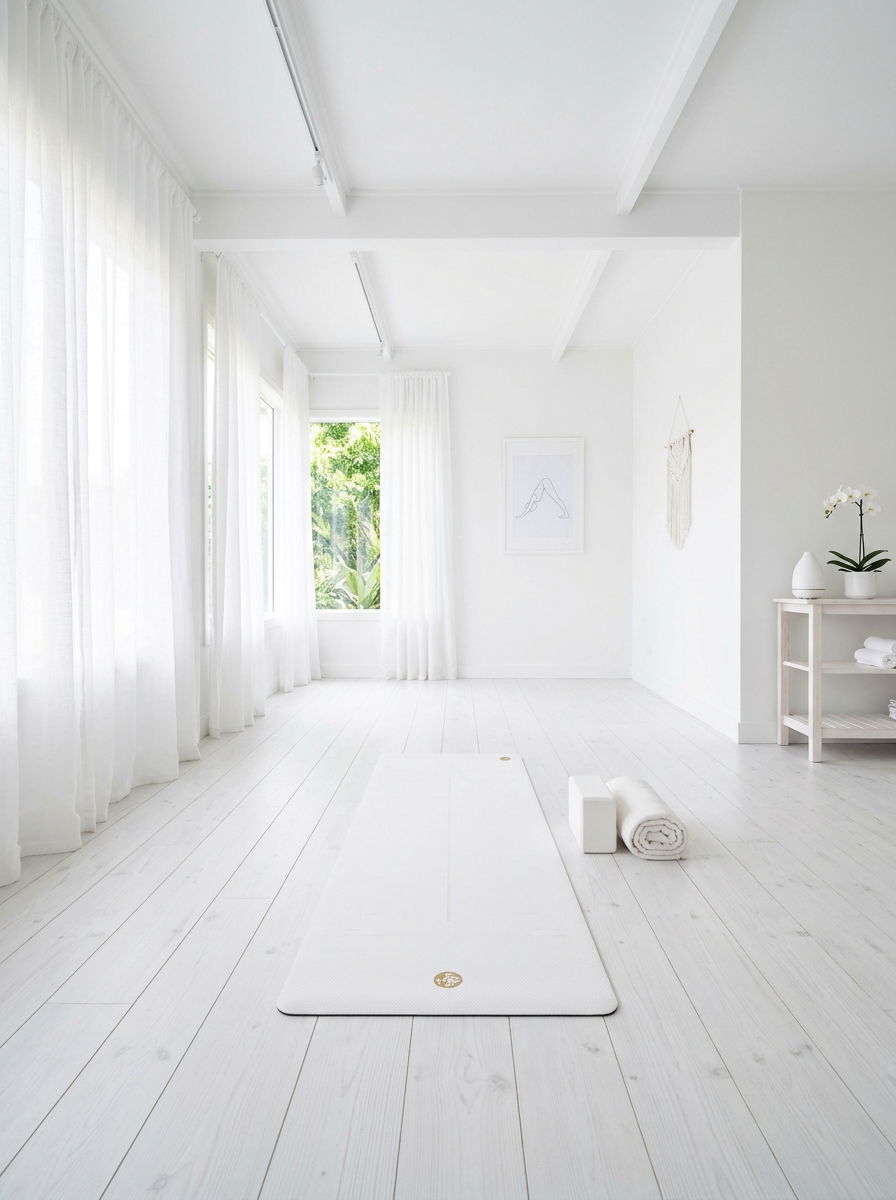
A minimalist monochrome archive focuses on simplicity and a clean aesthetic to reduce visual clutter. By using a single color for the walls, shelves, and storage containers, the room feels incredibly calm. This approach is perfect for people who find busy patterns or too many colors distracting. You can use shades of soft gray, warm white, or deep charcoal to create a sophisticated vibe. Labels should be uniform and discreet to maintain the streamlined look of the space. Metal or plastic bins in matching tones help keep everything in its place. This design proves that an archive can be modern, sleek, and highly organized without feeling like a warehouse.
5. Dark wood academic study
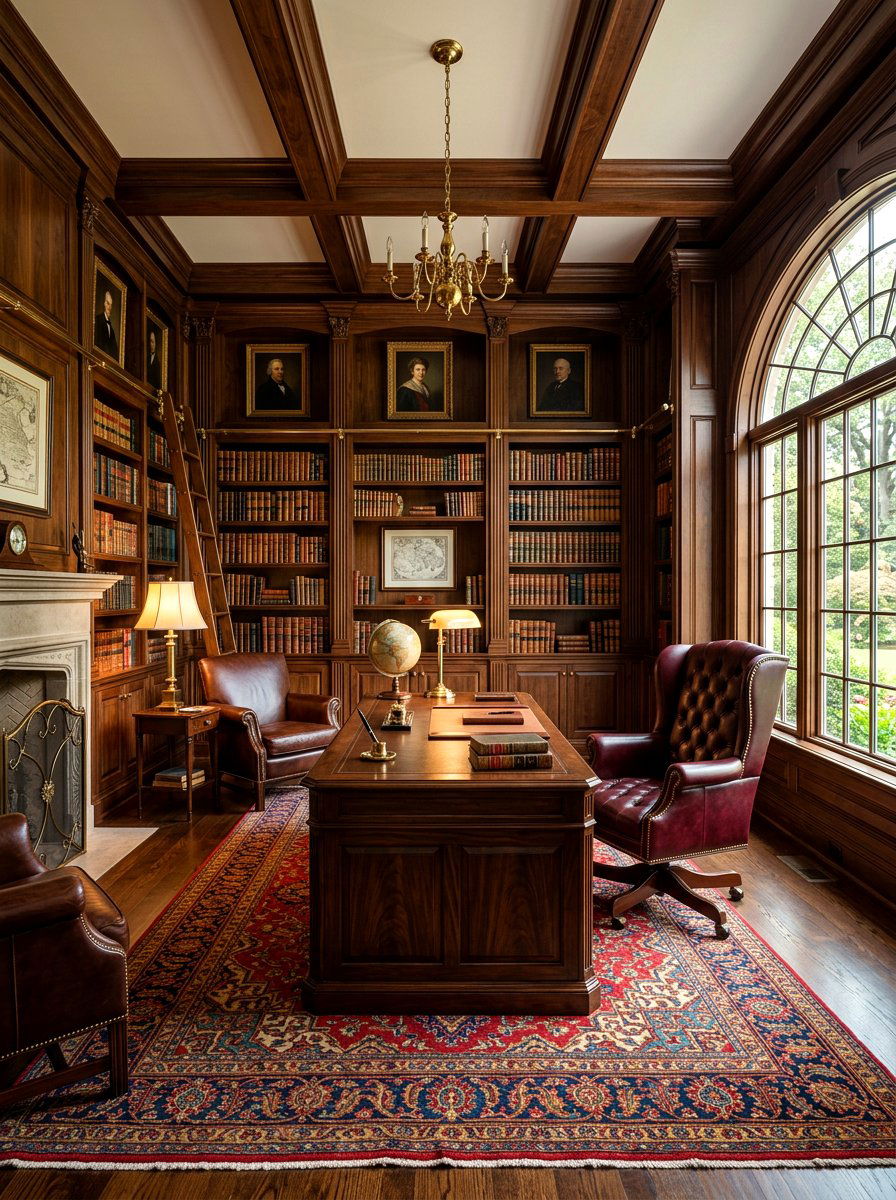
Creating a dark wood academic study brings a sense of history and seriousness to your home archive. This theme often uses rich mahoganies or deep walnuts to wrap the room in warmth. It is the perfect setting for someone who enjoys spending hours researching or writing. You can pair the heavy woodwork with leather-bound chairs and brass light fixtures. The mood is intentionally quiet and contemplative, reminiscent of an old university library. Heavy curtains and a plush rug can help with soundproofing, making it a true retreat. This design style values tradition and provides a sturdy, timeless environment for housing your most important paper records.
6. Industrial metal shelving
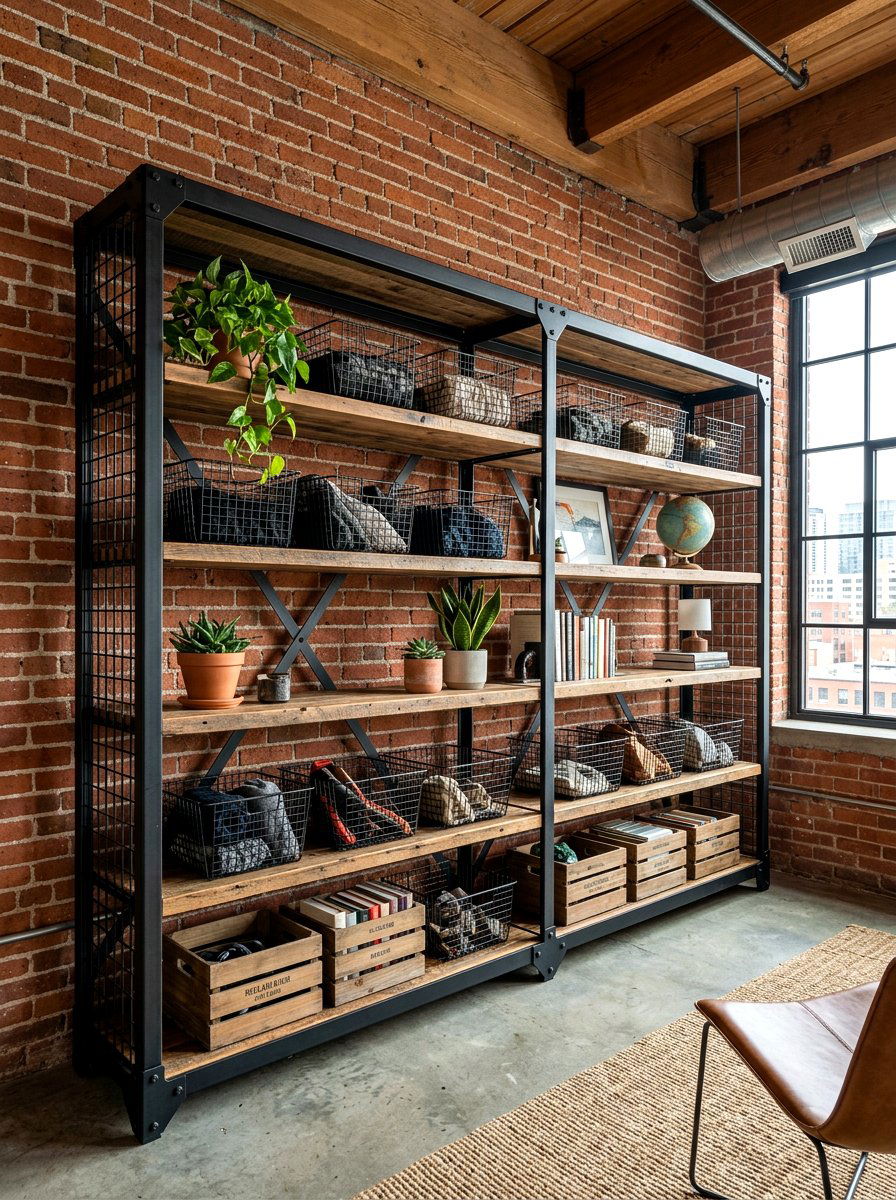
Industrial metal shelving offers a rugged and durable alternative to traditional wood cabinetry for your archive. This style works exceptionally well in lofts or modern homes with exposed brick or concrete. The open-frame design of the shelves allows for excellent airflow around your documents. You can use galvanized steel or matte black finishes to achieve a professional, utilitarian look. Labeling systems can be magnetic, making it easy to reorganize your collection as it grows over time. Large wire baskets and sturdy crates fit perfectly on these wide shelves for bulk storage. It is a cost-effective way to achieve a high-capacity archive with a very trendy, edgy aesthetic.
7. Home office archive layout
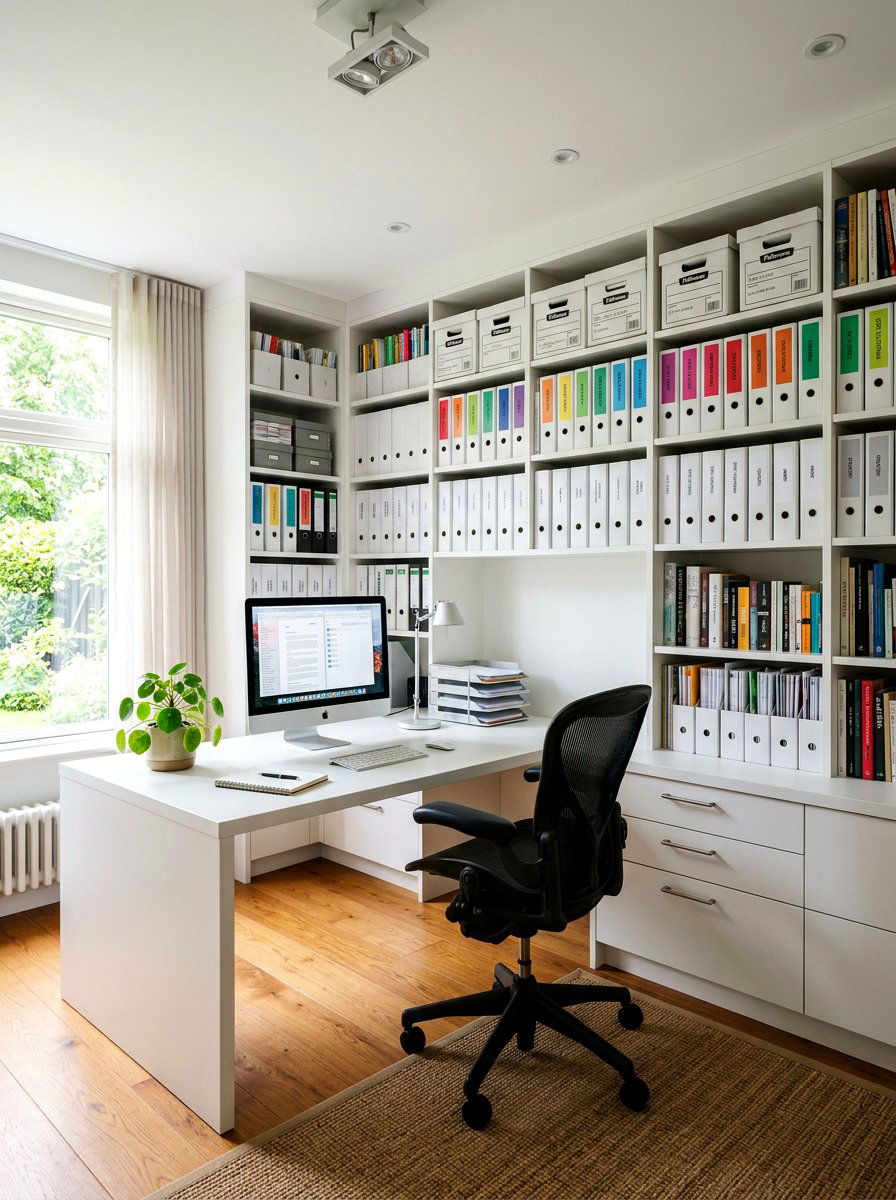
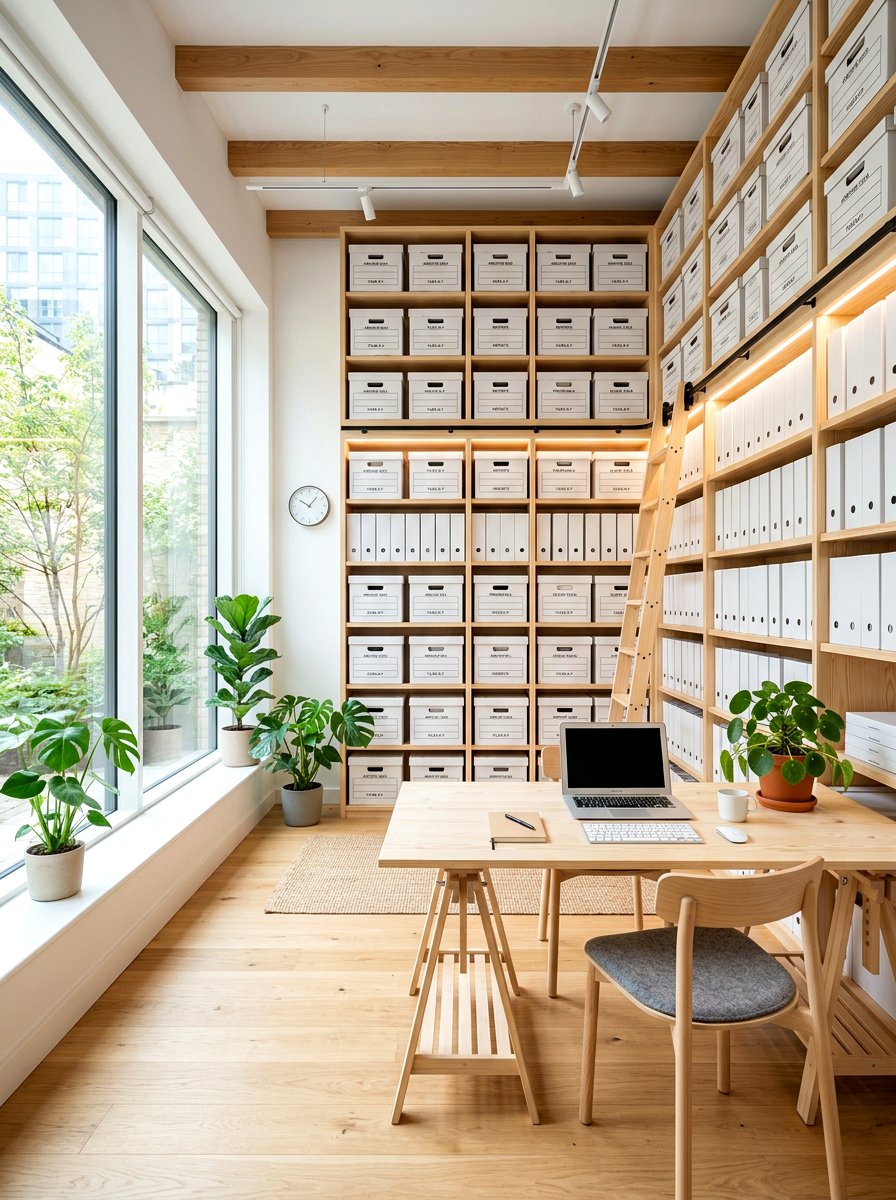
A home office archive layout is the perfect way to blend your daily workspace with your long-term records. This design typically features a large desk positioned centrally or against a window, surrounded by archival storage. By keeping your files within arm's reach, you increase your productivity and stay better organized. You can use matching cabinetry to hide printer equipment and bulky scanners. The room should feel like a professional command center where work and history coexist. Integrated cable management keeps the space looking sharp and clutter-free. This approach is ideal for entrepreneurs or remote workers who need to maintain a detailed paper trail for their business.
8. Glass front display cabinet
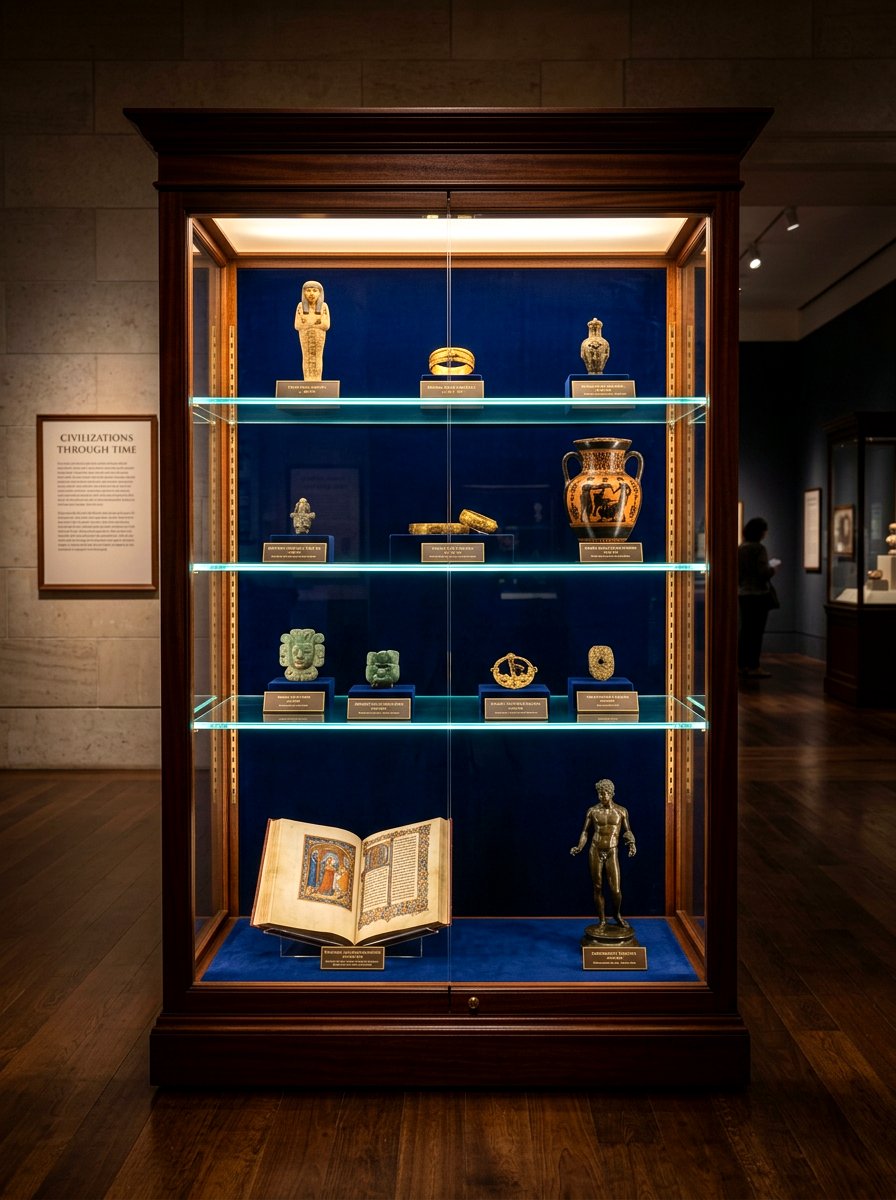
If you have items that are as beautiful as they are important, glass front display cabinets are a great choice. These cabinets allow you to see your collection while protecting it from dust and curious hands. You can showcase rare books, vintage maps, or historical artifacts behind tempered glass doors. The interior of the cabinets can be fitted with accent lighting to create a museum-quality display. This design turns your archive into an exhibition space that you can share with guests. It encourages you to curate your collection more carefully. Combining glass sections with solid doors below allows for a mix of display and hidden storage.
9. Architectural flat file cabinet
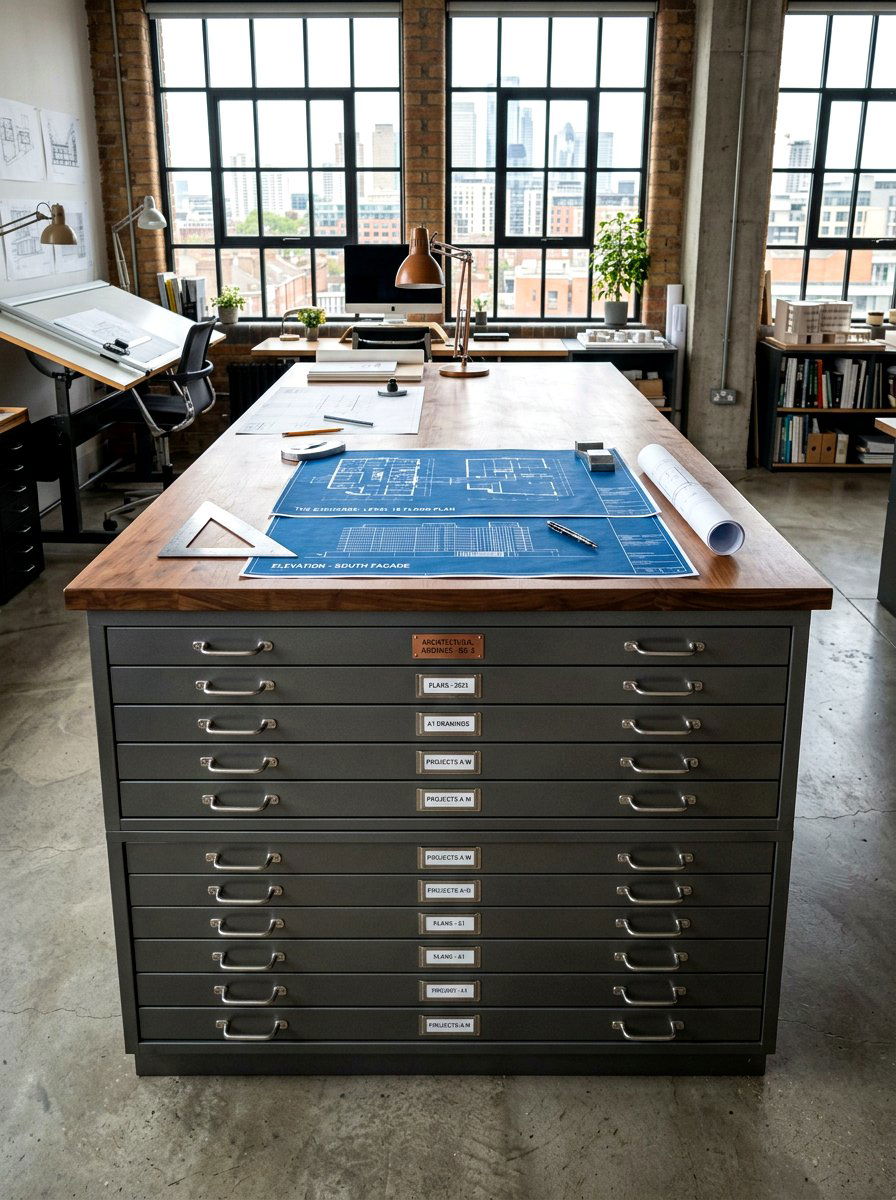
Specialized storage is required for oversized items, and an architectural flat file cabinet is the perfect solution. These units feature wide, shallow drawers that keep maps, blueprints, and large posters perfectly flat. Stacking these items prevents the creasing and tearing that happens in vertical folders. The cabinets themselves have a very cool, technical aesthetic that fits well in creative homes. You can use the top surface of the cabinet as a secondary workspace for reviewing large documents. This design is a must-have for artists, architects, or collectors of antique cartography. It ensures that even your largest treasures have a safe and professional home within your archive.
10. Cozy reading nook archive
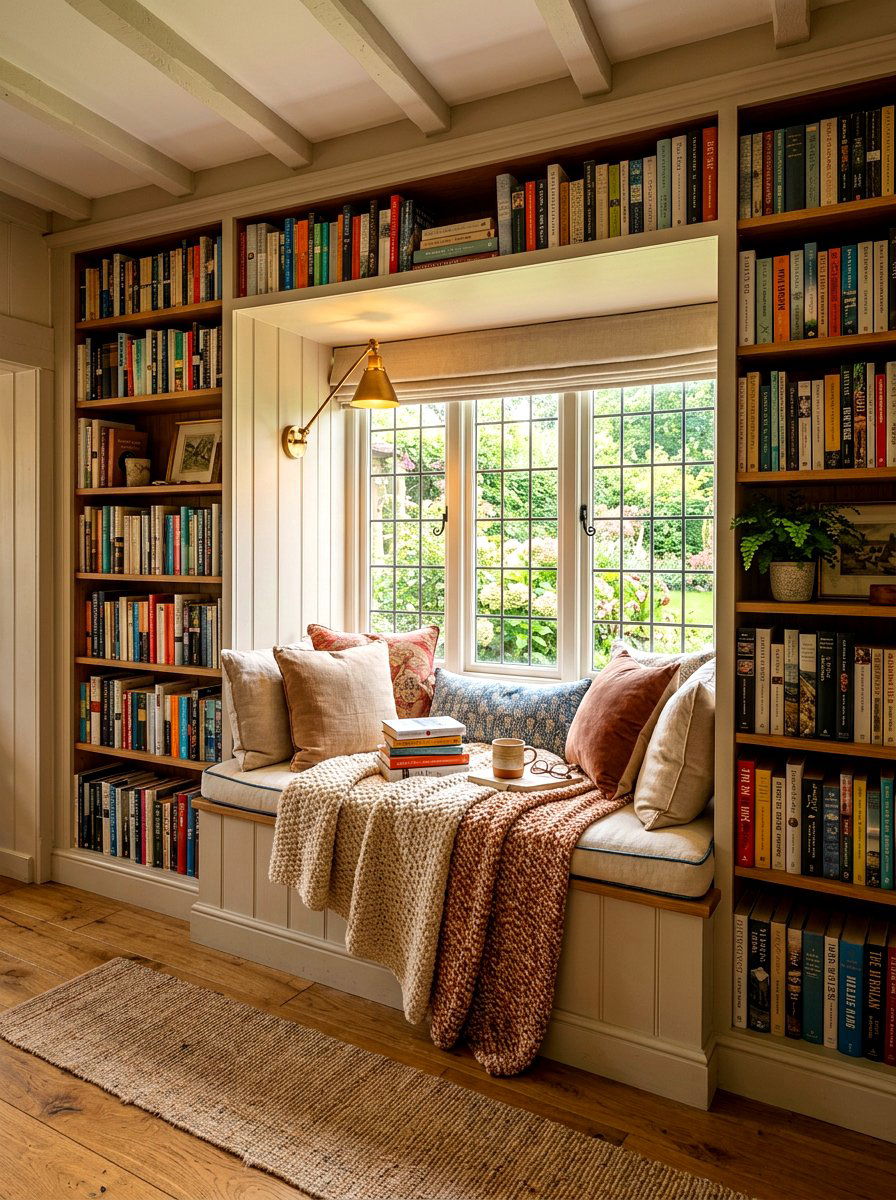
A cozy reading nook archive combines the function of a library with the comfort of a lounge. This design often features a built-in bench or a soft armchair tucked between two bookshelves. It creates a dedicated spot where you can immediately enjoy the documents or books you have stored. Use soft textiles, like velvet pillows and wool throws, to make the space feel inviting. Small side tables provide a place for a lamp or a cup of coffee. The atmosphere should be intimate and relaxed, making research feel like a leisure activity. This is an excellent way to make an archive room feel more like a living space.
11. Vintage apothecary storage
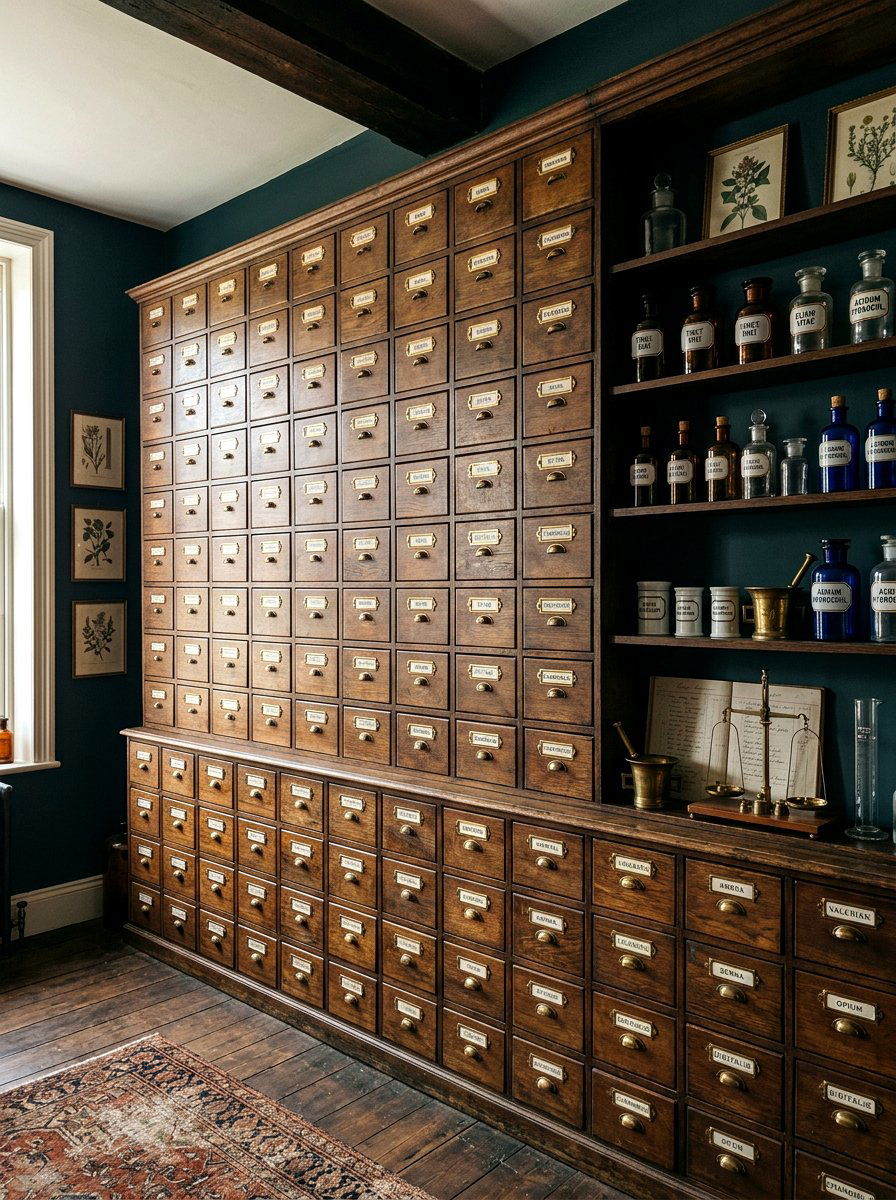
Using vintage apothecary storage adds a unique, curated look to your home archive room. These units feature many small drawers that are perfect for organizing tiny items like slides, stamps, or small artifacts. The many labels on the drawer fronts create a beautiful, busy pattern that feels very nostalgic. You can find authentic antique pieces or modern reproductions that capture the same charm. This design style encourages meticulous categorization and a sense of discovery. It works well as a focal piece in a larger room or as the primary storage for a specialized collection. The rich wood tones and brass hardware provide a very tactile, classic experience.
12. Mid century modern archive
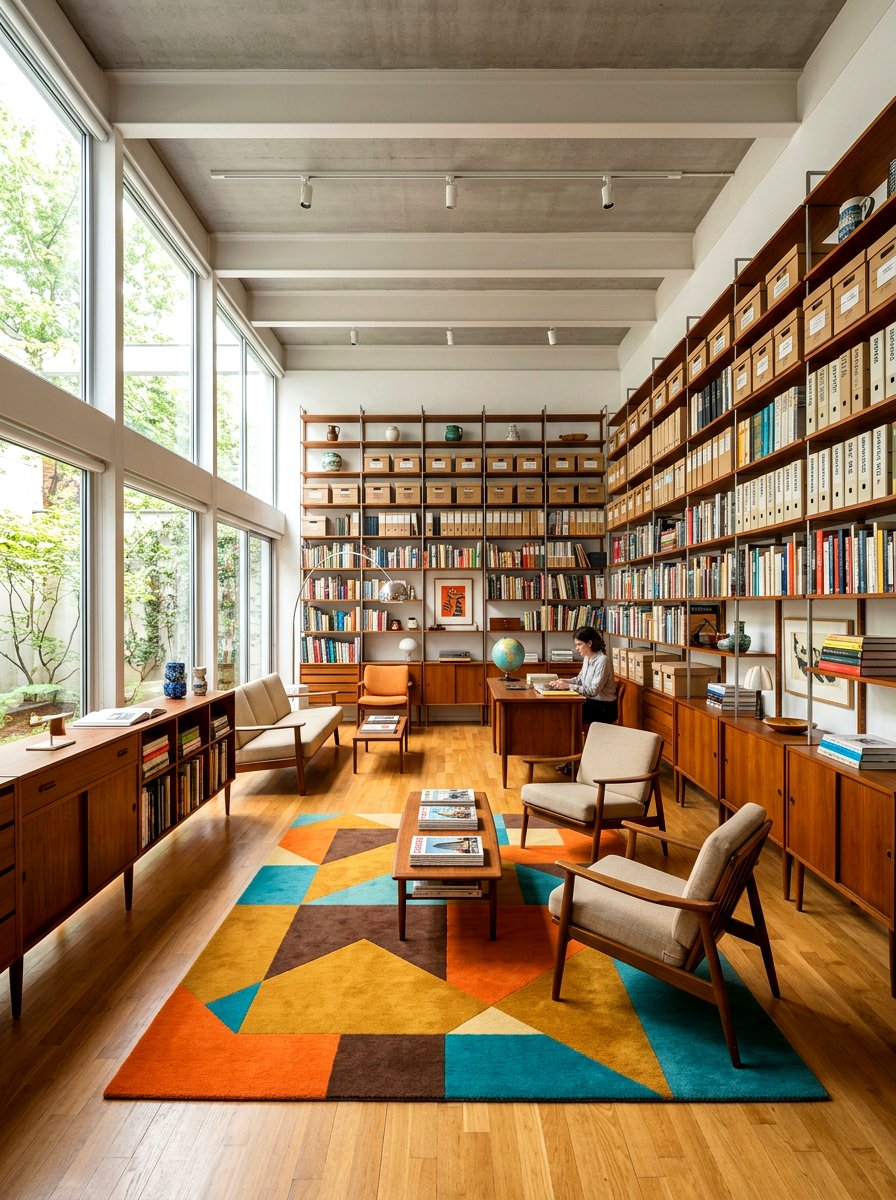
A mid century modern archive focuses on clean lines, tapered legs, and warm wood tones like teak or oak. This design style is perfect for those who want a retro feel that still looks current. You can use modular shelving units that can be configured to fit your specific wall space. The furniture is often lower to the ground, which can make a small room feel much larger. Add a few iconic chairs and some geometric art to complete the look of the era. This archive style is both functional and highly stylish, blending seamlessly with contemporary home decor. It creates a space that feels sophisticated, airy, and very well-organized.
13. Basement vault archive
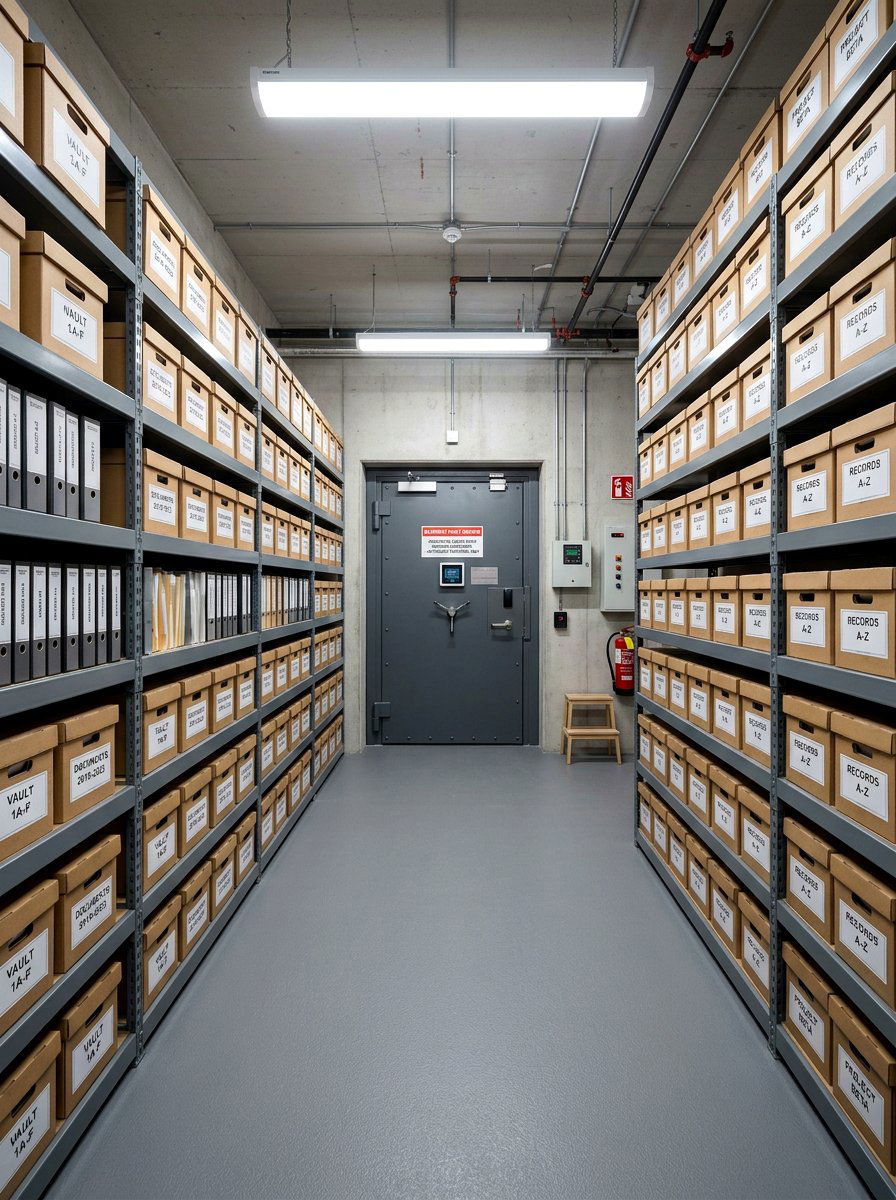
Converting a lower level into a basement vault archive is a smart move for maximizing unused space. Since basements are naturally darker, they provide a great environment for light-sensitive materials. You can install high-end humidity controls to ensure the air stays dry and safe for paper. The design often features heavy-duty shelving and perhaps even a reinforced door for added security. You can use bright, white lighting to keep the space from feeling too subterranean. Many people choose to use waterproof flooring and elevated shelving as a precaution against any moisture issues. It creates a private, secure sanctuary for your most valuable family or professional records.
14. Attic skylight archive
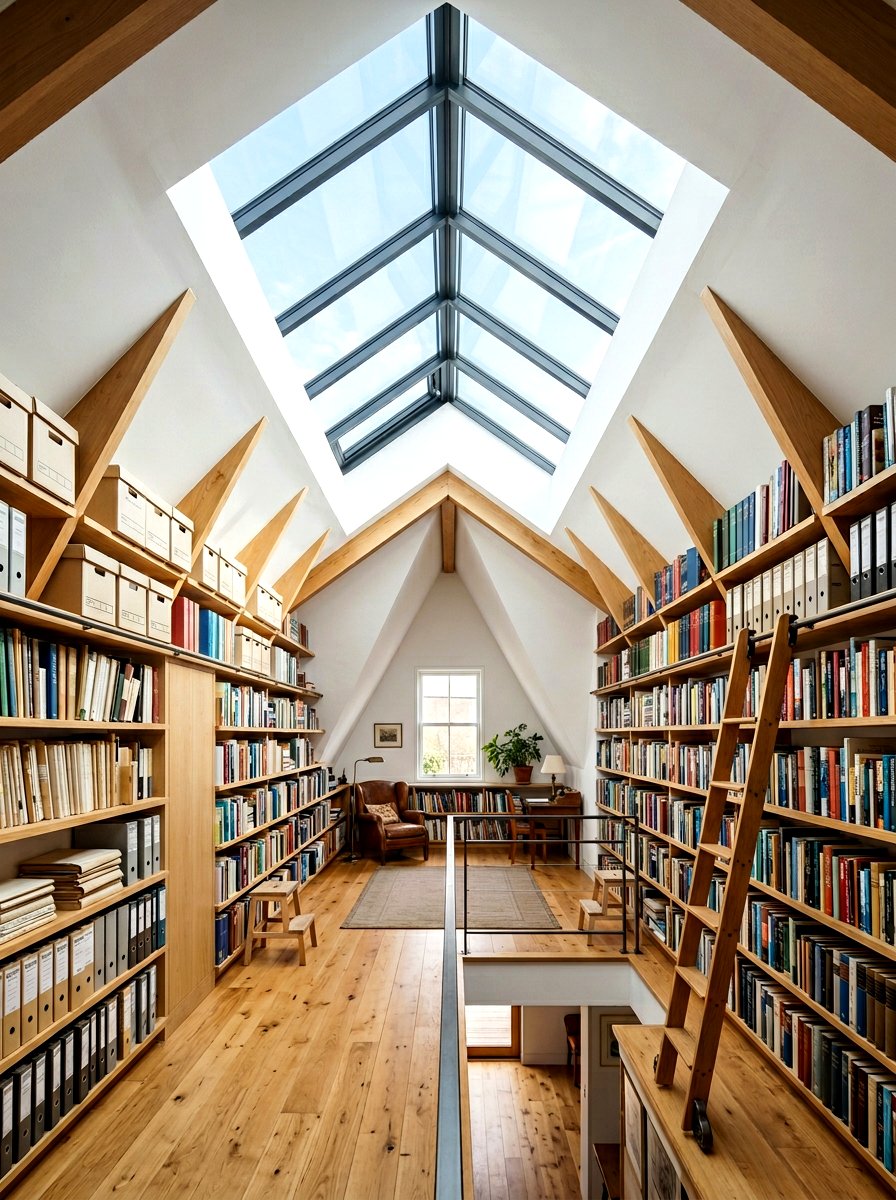
An attic skylight archive takes advantage of the quietest part of the house to create a peaceful study. The sloped ceilings offer a unique opportunity for custom, angled shelving that follows the roofline. By adding a skylight, you bring in plenty of natural light, which makes the small space feel bright and open. You can use UV-filtered glass on the window to protect your documents from sun damage. The remote location ensures that you will not be interrupted during deep research sessions. This design turns a forgotten attic into a charming, secret hideaway for your collections. It is an efficient use of space that adds character to your home.
15. Secret hidden library
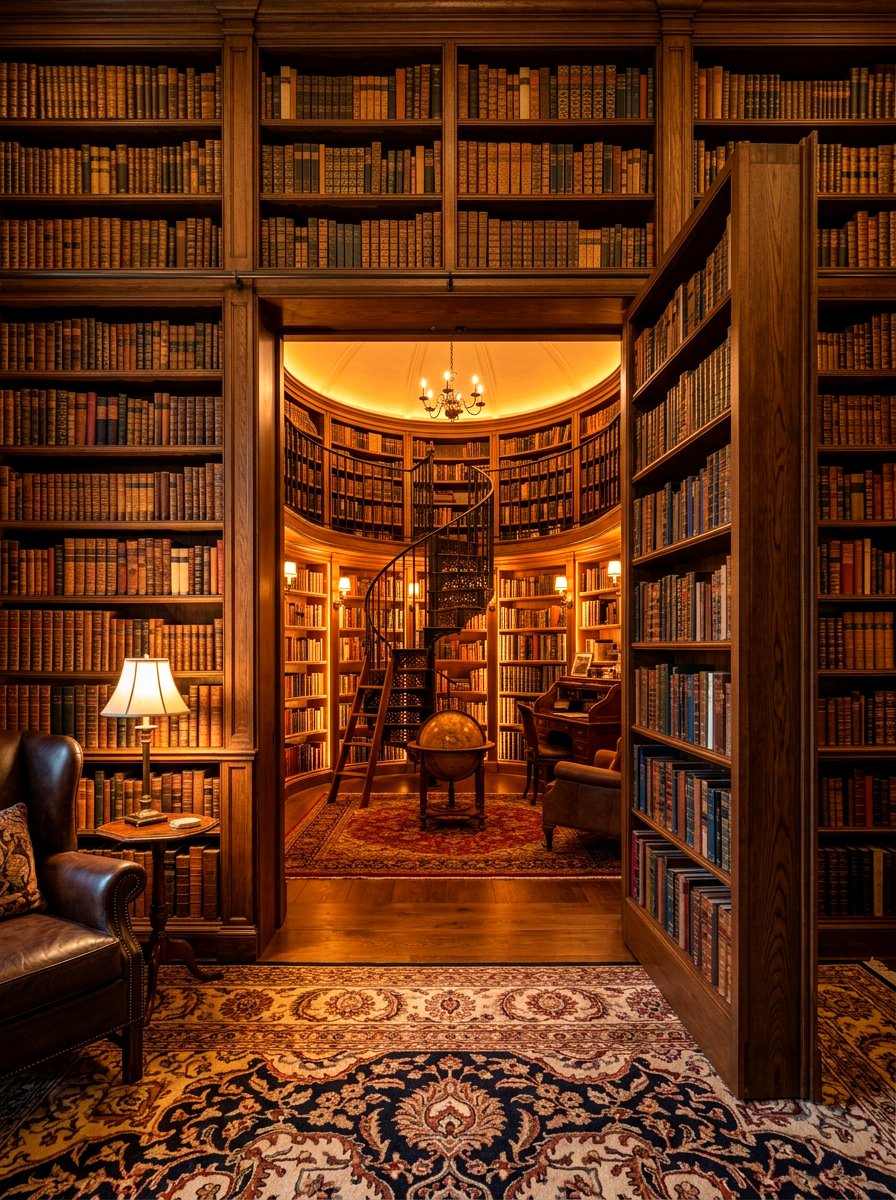
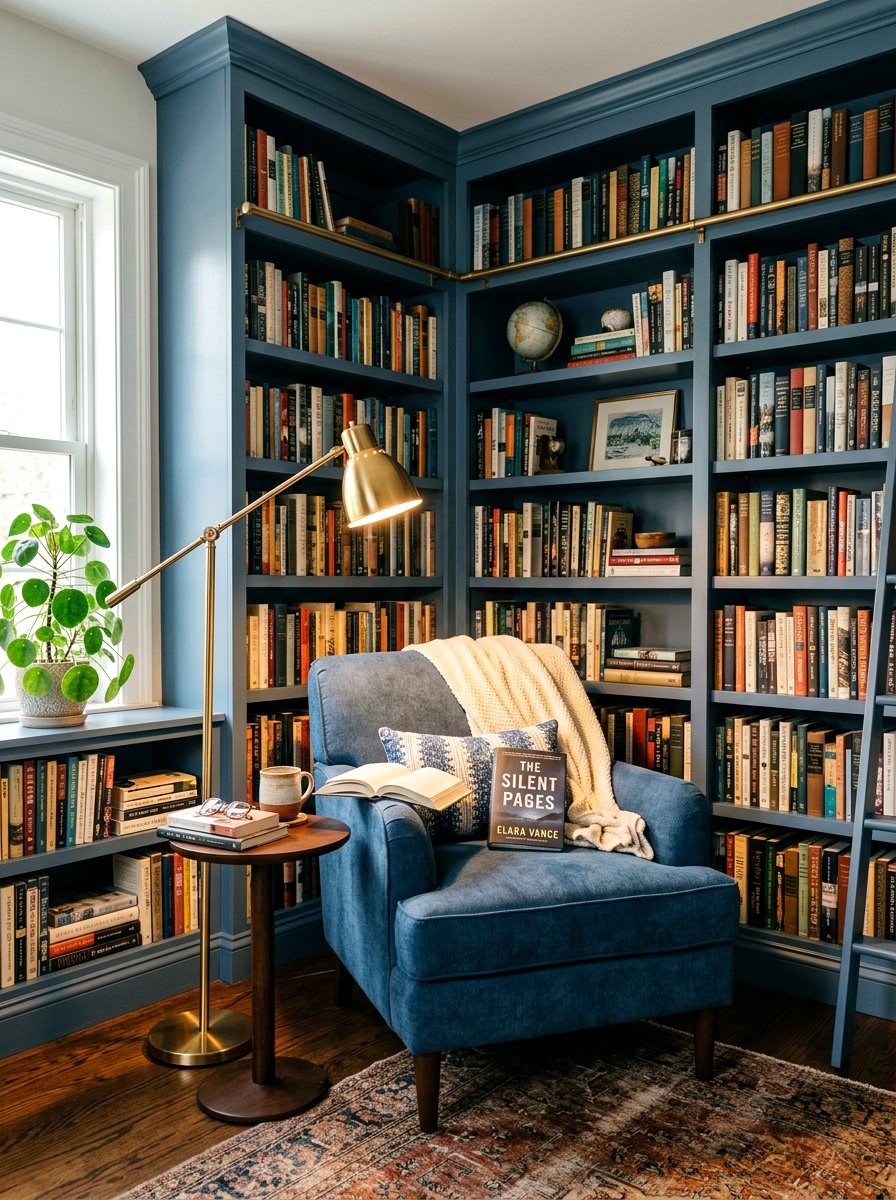
A secret hidden library adds a touch of mystery and whimsy to your archive room design. You can use a "bookcase door" that looks like a standard shelf but swings open to reveal a private room. This is a great way to keep sensitive documents or high-value collections completely out of sight. The interior can be designed with floor-to-ceiling shelves and a comfortable chair for private reading. It feels like a true sanctuary where you can escape the noise of the rest of the house. This design is always a conversation starter and provides an extra layer of security. It turns your archive into a magical, private world of your own.
16. Central work table layout
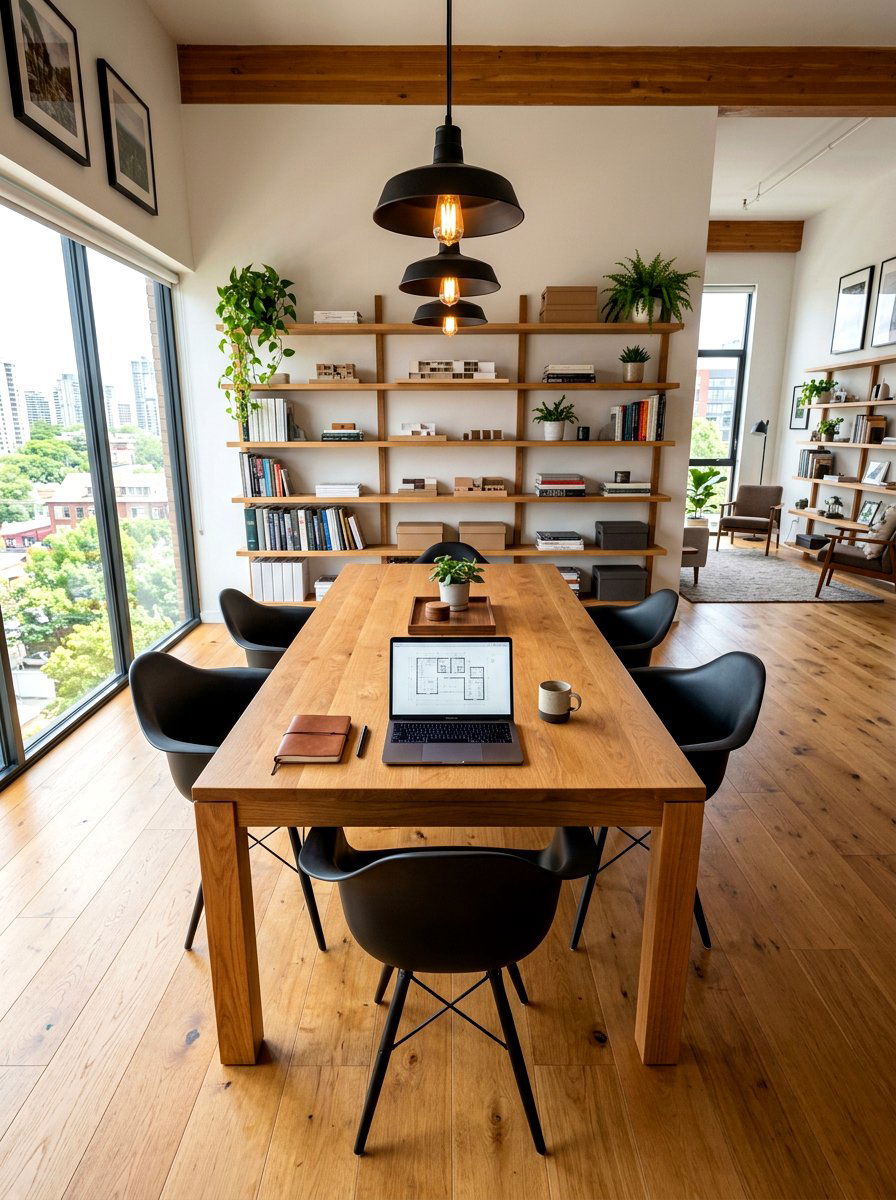
A central work table layout is perfect for people who need a lot of surface area for sorting and organizing. Instead of pushing all the furniture against the walls, you place a large, sturdy table in the middle of the room. This allows you to walk around the entire workspace and access different parts of your collection easily. The walls can still be lined with shelving for storage, but the table remains the functional heart. It is ideal for collaborative projects or for laying out large family trees. You can add overhead pendant lighting to ensure the work surface is perfectly illuminated. This design prioritizes the "active" part of archiving.
17. Vinyl record collection room
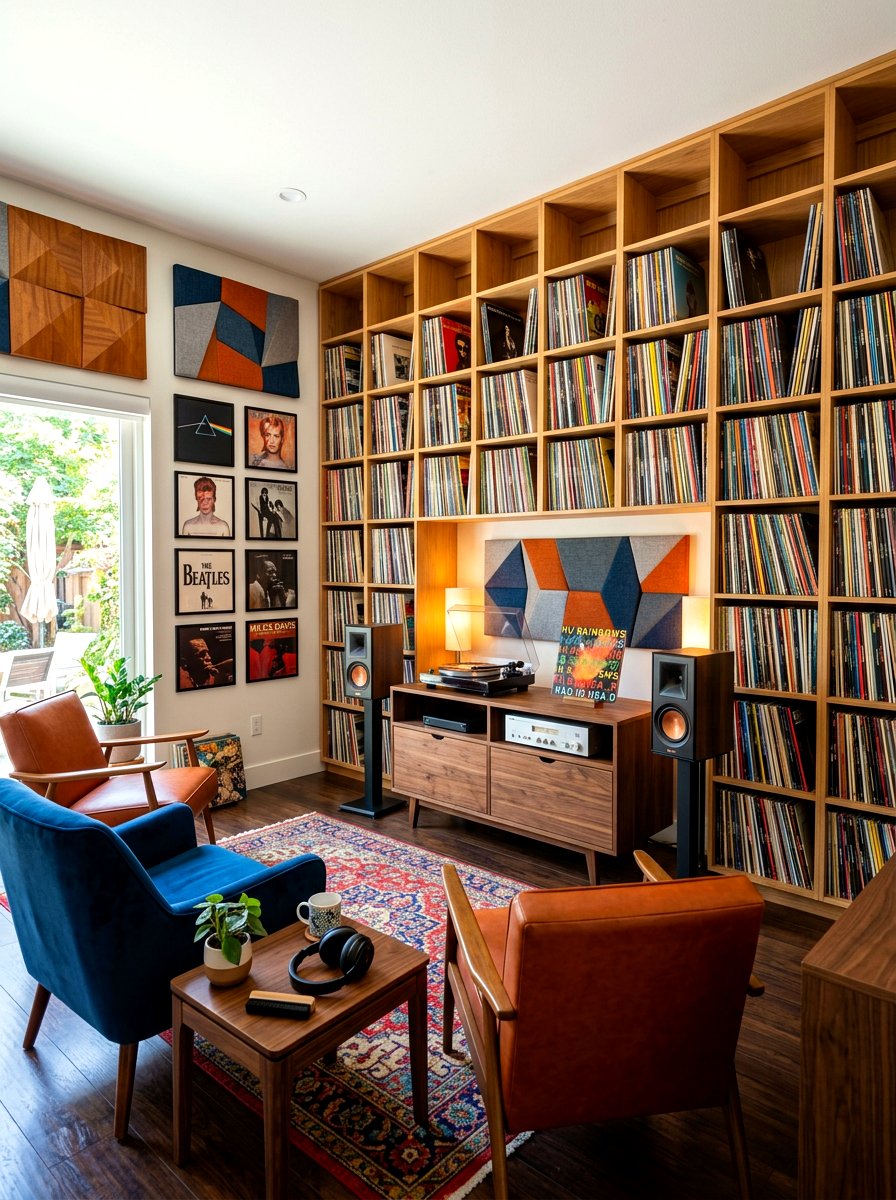
For music lovers, a vinyl record collection room is a specialized type of archive that requires specific storage. You need sturdy, square cubbies that can handle the weight of hundreds of records without bowing. The design can include a dedicated station for your turntable and high-quality speakers. You can display your favorite album covers on the walls as a form of rotating art. The room should be acoustically treated with rugs or wall panels to improve the sound quality. It creates a sensory experience where you can both store and enjoy your musical history. This archive is as much about entertainment as it is about careful preservation.
18. Genealogy and family history room
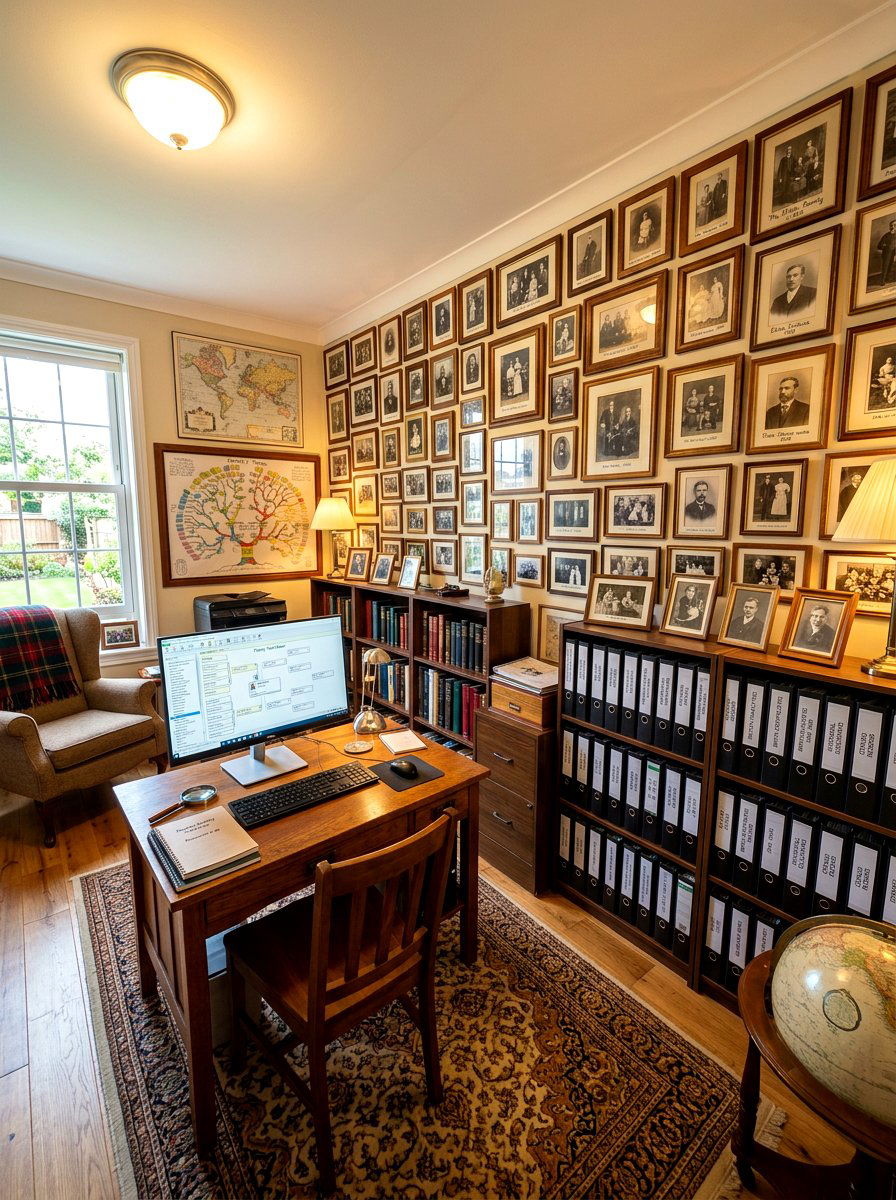
A genealogy and family history room is a deeply personal space dedicated to tracing your roots. The design can feature a large gallery wall for framed family photos and framed historical documents. You can include a specialized desk with a dual-monitor setup for digital research. Storage should include acid-free binders and boxes to keep fragile birth certificates and letters safe. A comfortable sofa allows you to sit with relatives and look through old albums together. This room serves as a bridge between the past and the future, keeping family stories alive. It is a warm, emotional space that celebrates your unique heritage and connections.
19. Art studio archive
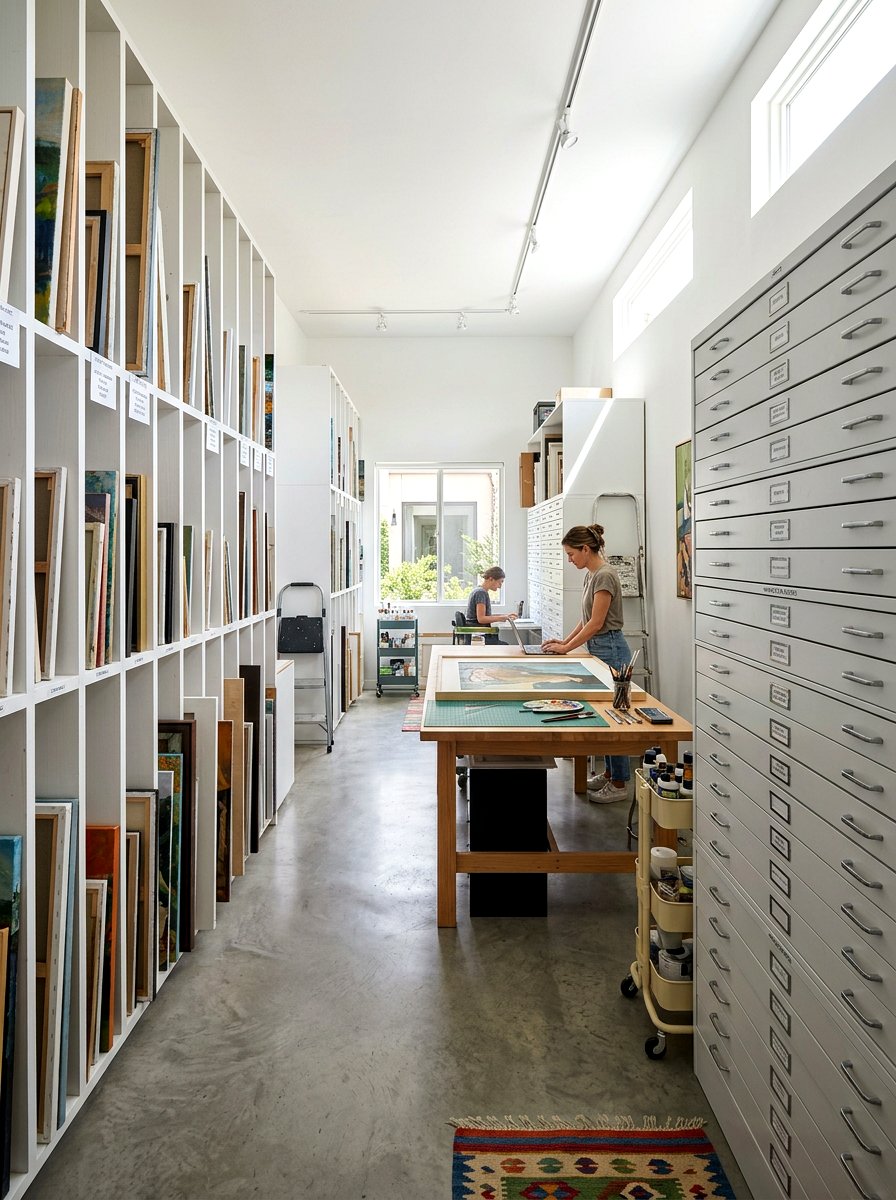
An art studio archive is designed for the creative professional who needs to store both supplies and finished work. This room often includes vertical slots for paintings and flat files for sketches and prints. The design should prioritize easy-to-clean surfaces and plenty of bright, color-accurate lighting. You can use open shelving to keep frequently used materials visible and within reach. Archiving your own artistic journey helps you track your progress and keep your portfolio organized. The space should feel inspiring and orderly, allowing your creativity to flow without the distraction of clutter. It is a functional workspace that doubles as a museum of your personal art.

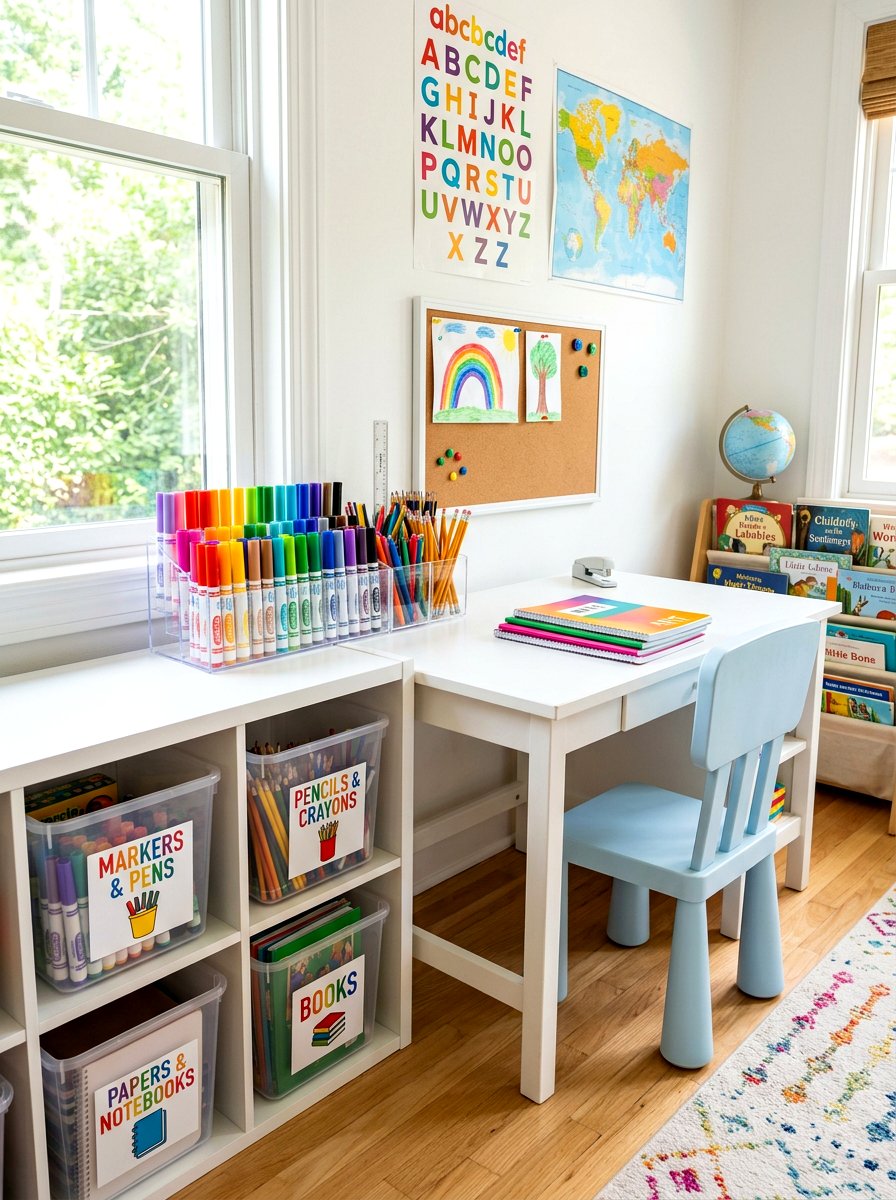
20. High density mobile shelving
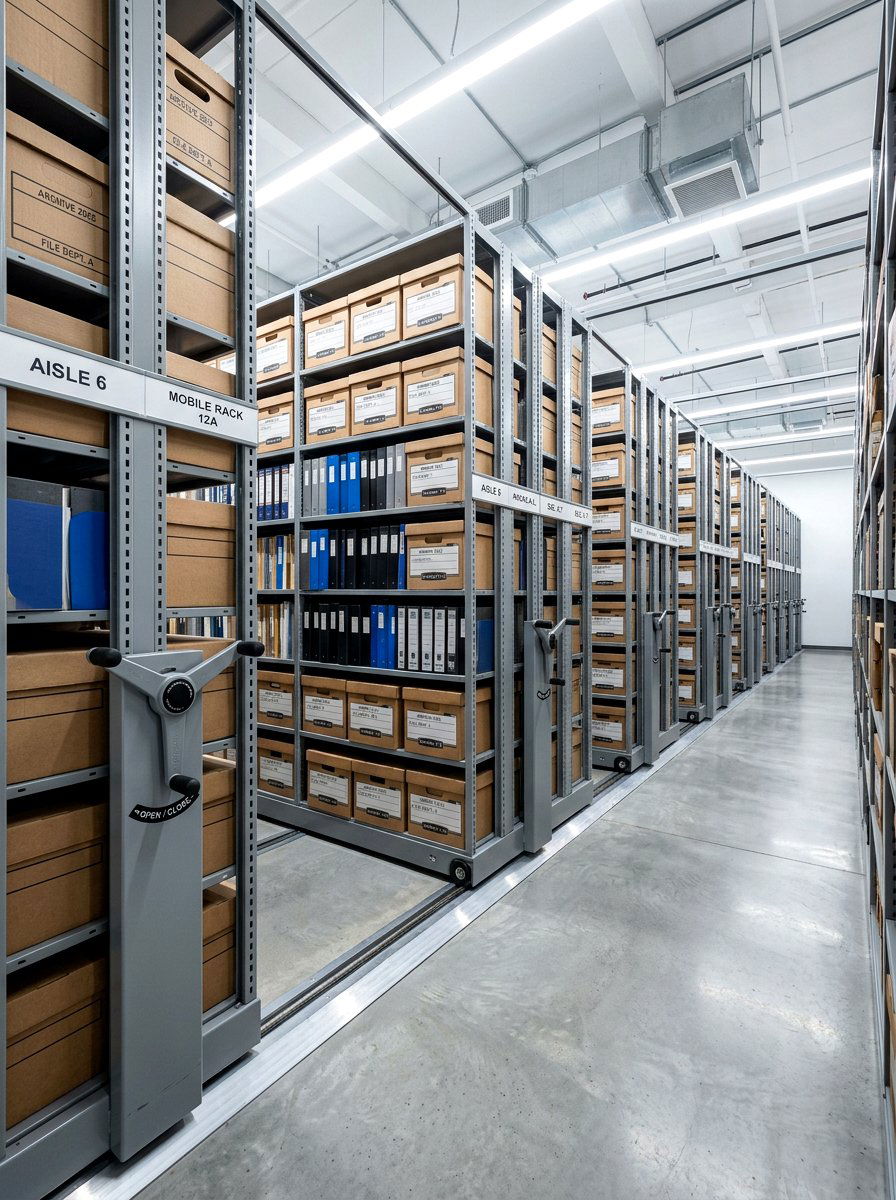
High density mobile shelving is a high-tech solution for people with massive collections in a small space. These shelves are mounted on tracks and can be rolled together, eliminating the need for permanent aisles. You simply move the shelves apart when you need to access a specific section. This design can double your storage capacity in the same footprint. It has a very professional, industrial feel that is perfect for serious archivists. Many of these systems can be locked for added security and protection. It is a smart investment for anyone who needs to store a lifetime of documents without taking over the entire house.
21. Botanical biophilic archive
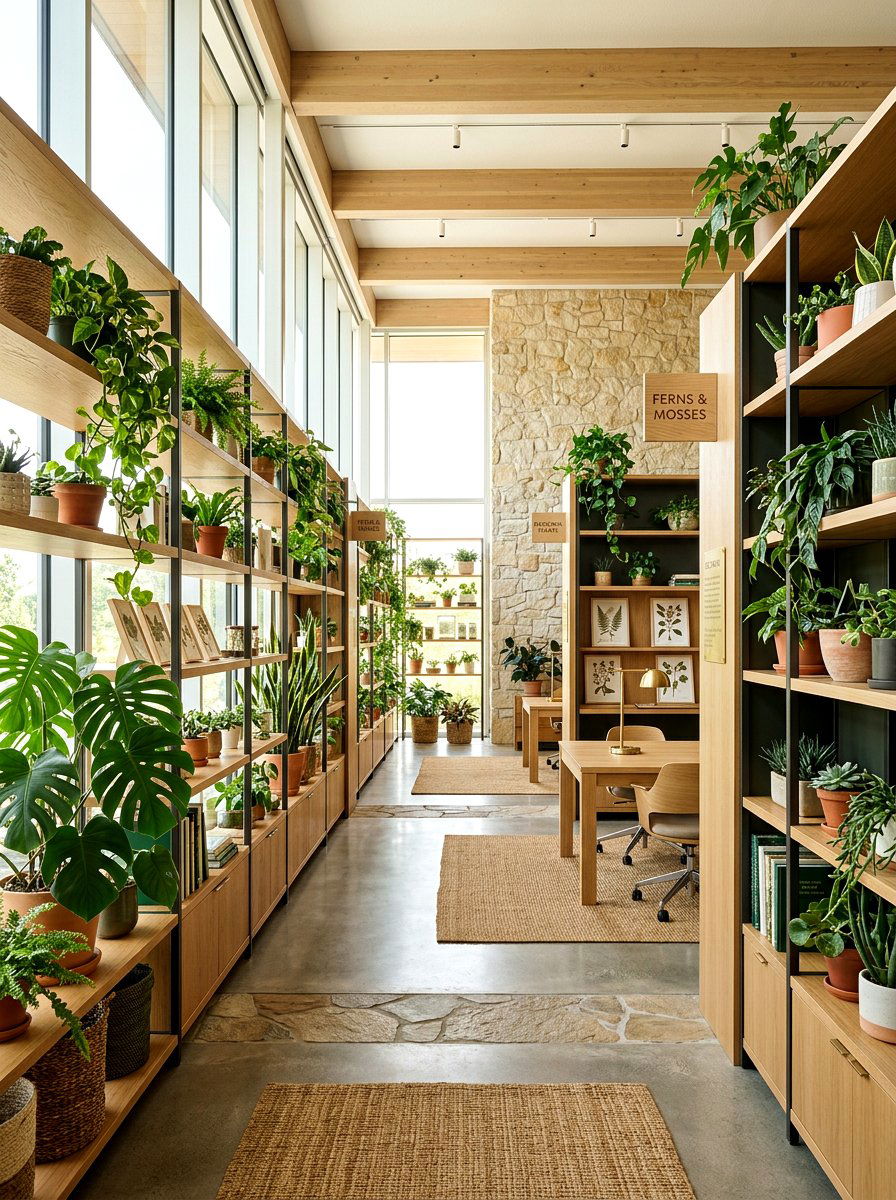
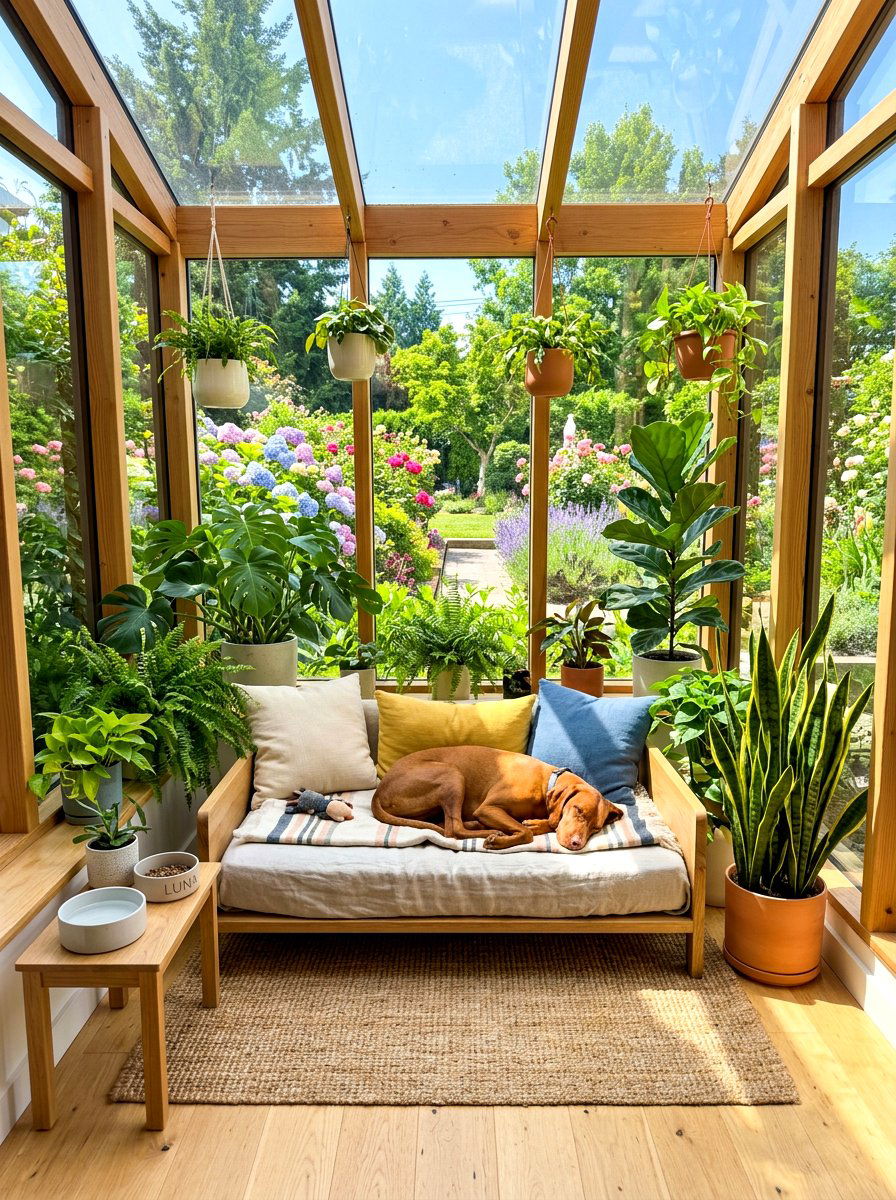
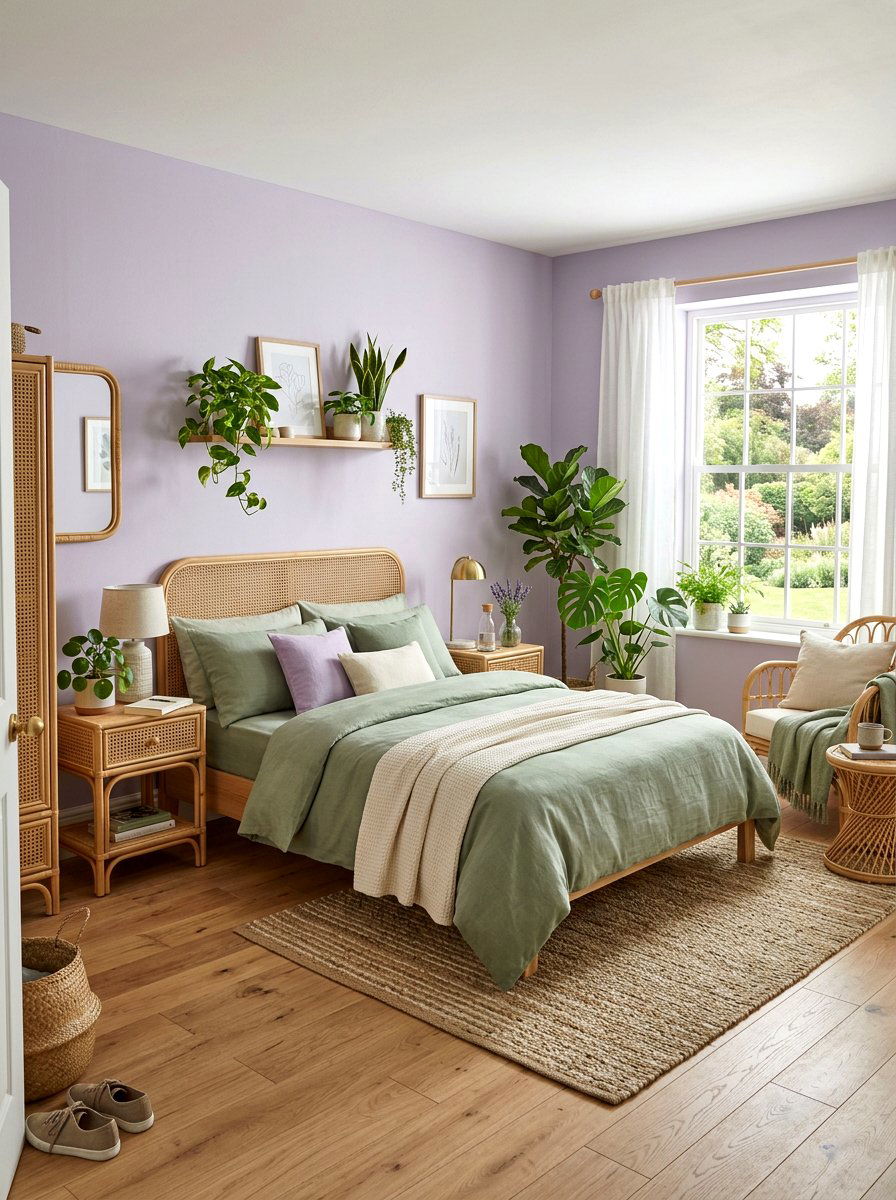
A botanical biophilic archive integrates the beauty of nature into your document storage room. This design uses plenty of indoor plants and natural materials like stone and light-colored wood. The greenery helps to purify the air and creates a calming, stress-reducing atmosphere for work. You can place shelves near large windows to give the plants plenty of light while keeping documents in the shaded areas. Use botanical prints and earthy color palettes to tie the room together. This approach makes the archive feel alive and fresh rather than stagnant. It is a perfect choice for those who want a workspace that feels connected to the outdoors.
22. Scandinavian light wood storage
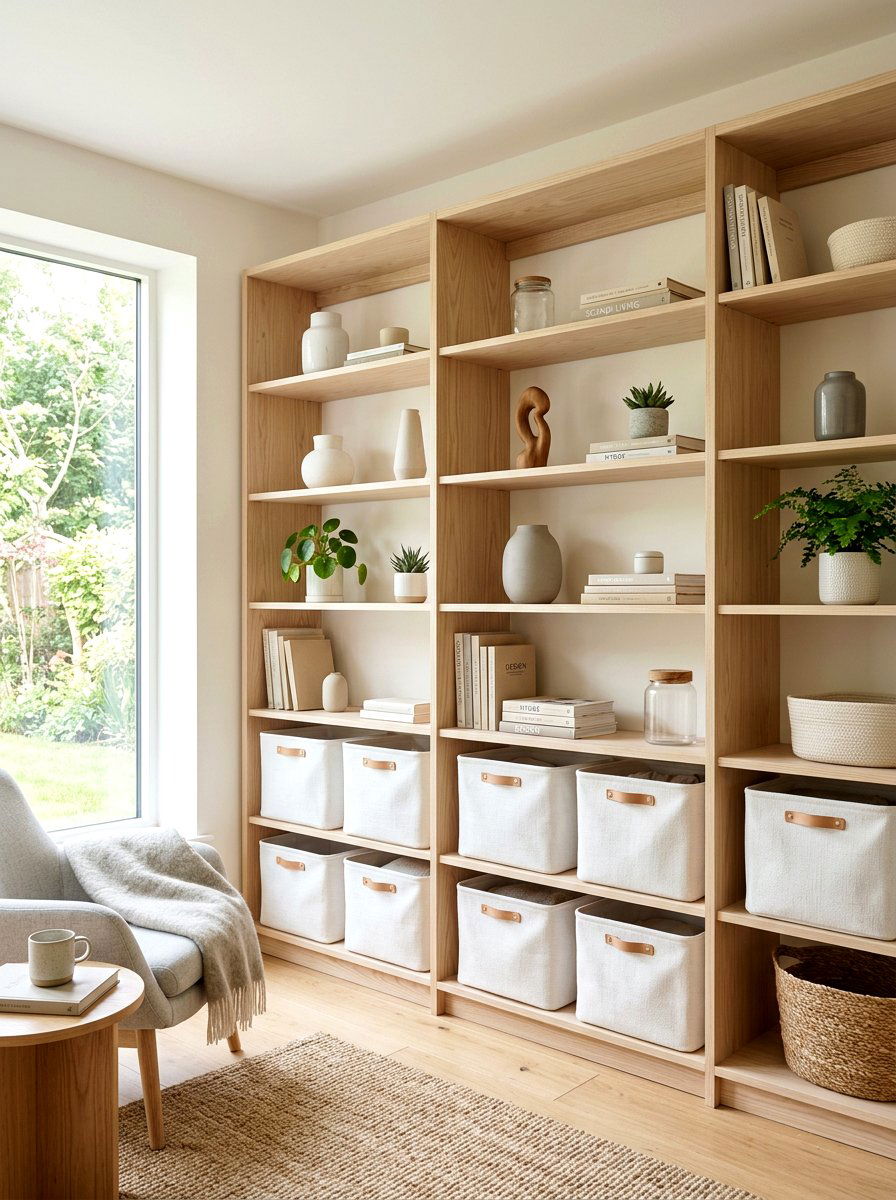
Scandinavian light wood storage focuses on functionality, light, and a sense of "hygge" or coziness. This design uses pale woods like ash or birch to keep the room feeling bright and airy. The shelving is usually simple and modular, emphasizing a clutter-free environment. You can use woven baskets and fabric bins to soften the look of the hard surfaces. The aesthetic is clean and modern, making it easy to find what you need quickly. This style is excellent for smaller rooms where you want to avoid a heavy or dark feeling. It provides a peaceful and organized backdrop for all of your archiving needs.
23. Gallery wall document display
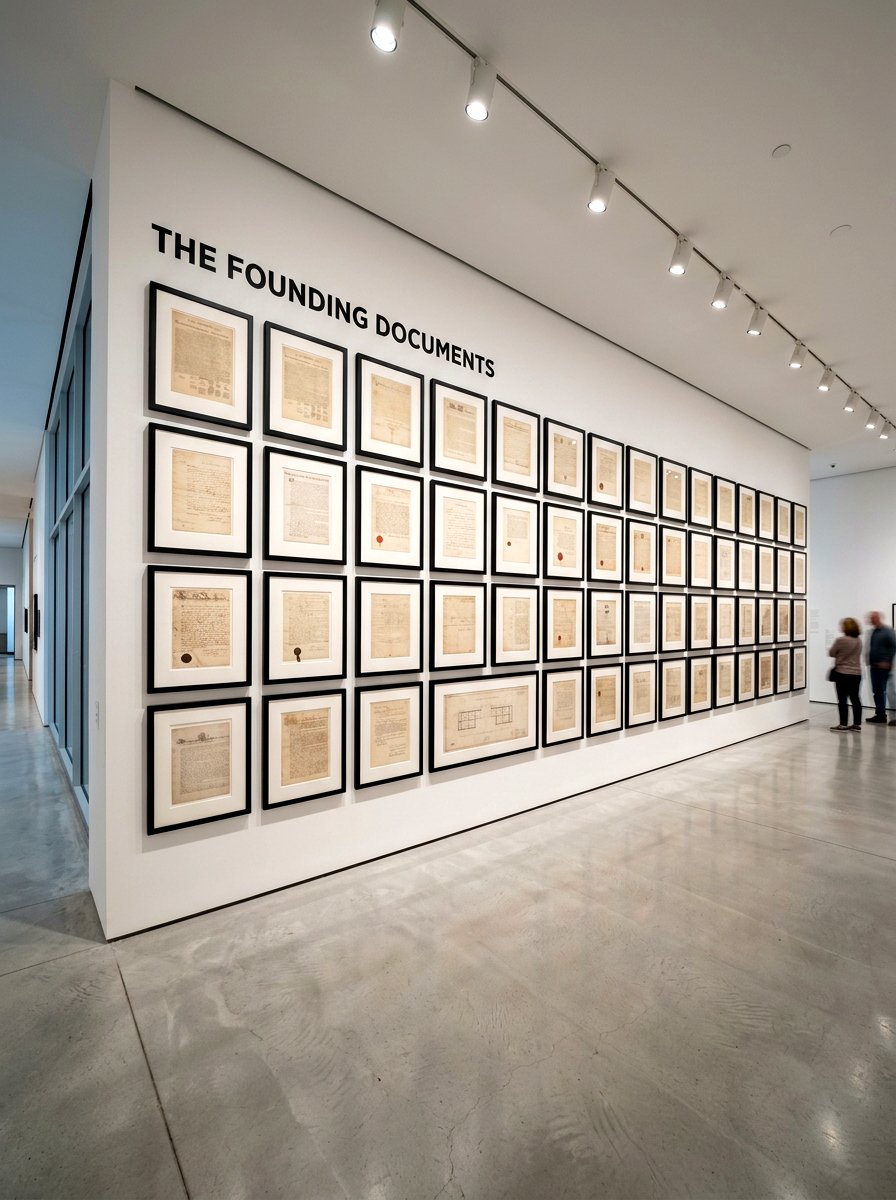
A gallery wall document display turns your important papers into a beautiful visual installation. Instead of hiding everything in boxes, you frame your most interesting or historical documents and hang them on the wall. This might include old maps, handwritten letters, or professional certificates. You should use UV-protective glass and acid-free mats to ensure the items are not damaged by the light. The rest of the room can feature sleek, hidden storage for the items that don't need to be displayed. This design makes your history a part of your daily life. It tells a story to anyone who enters the archive room.
24. Digital archive station
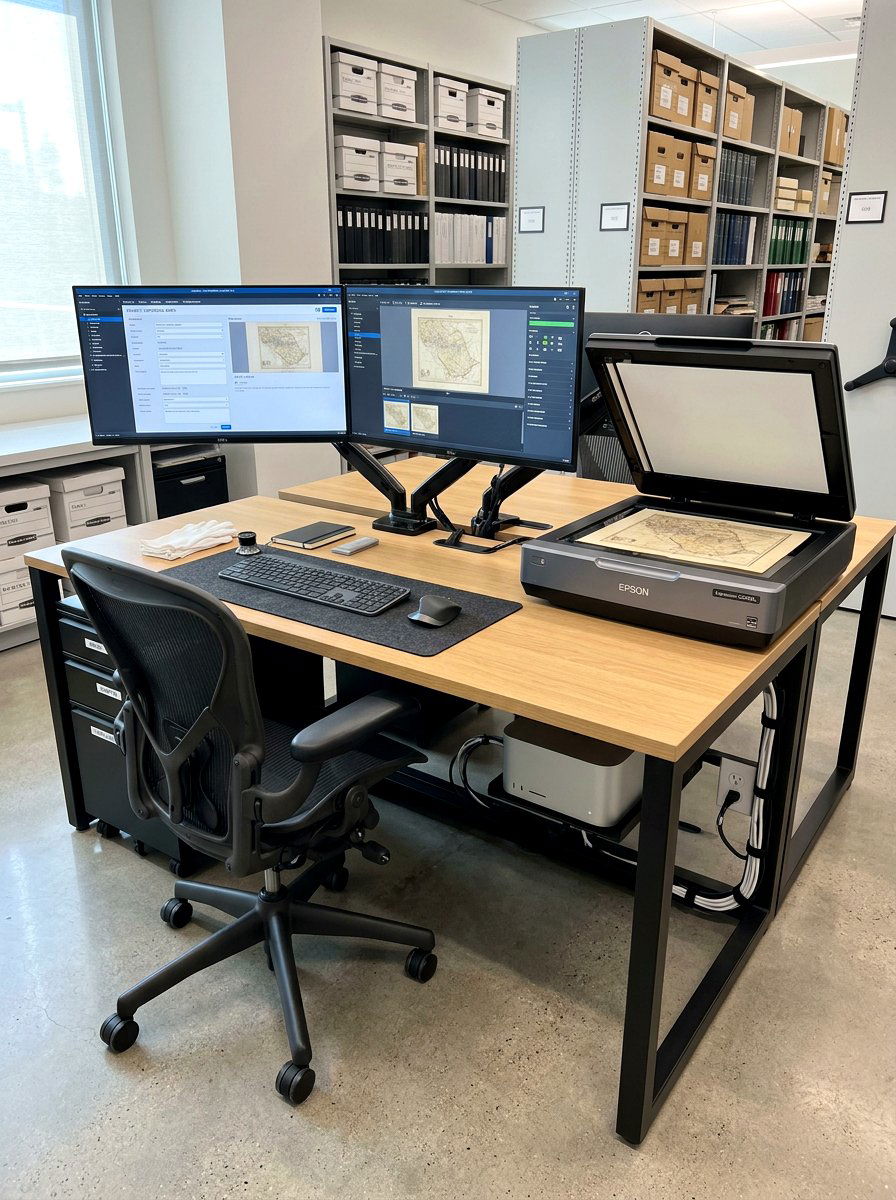
A digital archive station is a modern necessity for anyone looking to digitize their physical records. This room centers around a high-quality computer, a large flatbed scanner, and multiple backup drives. The furniture should be ergonomic to support long hours of scanning and editing. You can include a comfortable chair and a small table for sorting through photos before they go into the machine. While the focus is on technology, you still need organized shelving for the physical originals. The design should be sleek and cable-free to maintain a professional look. This setup ensures that your history is safe in both the physical and digital worlds.
25. Masculine leather den
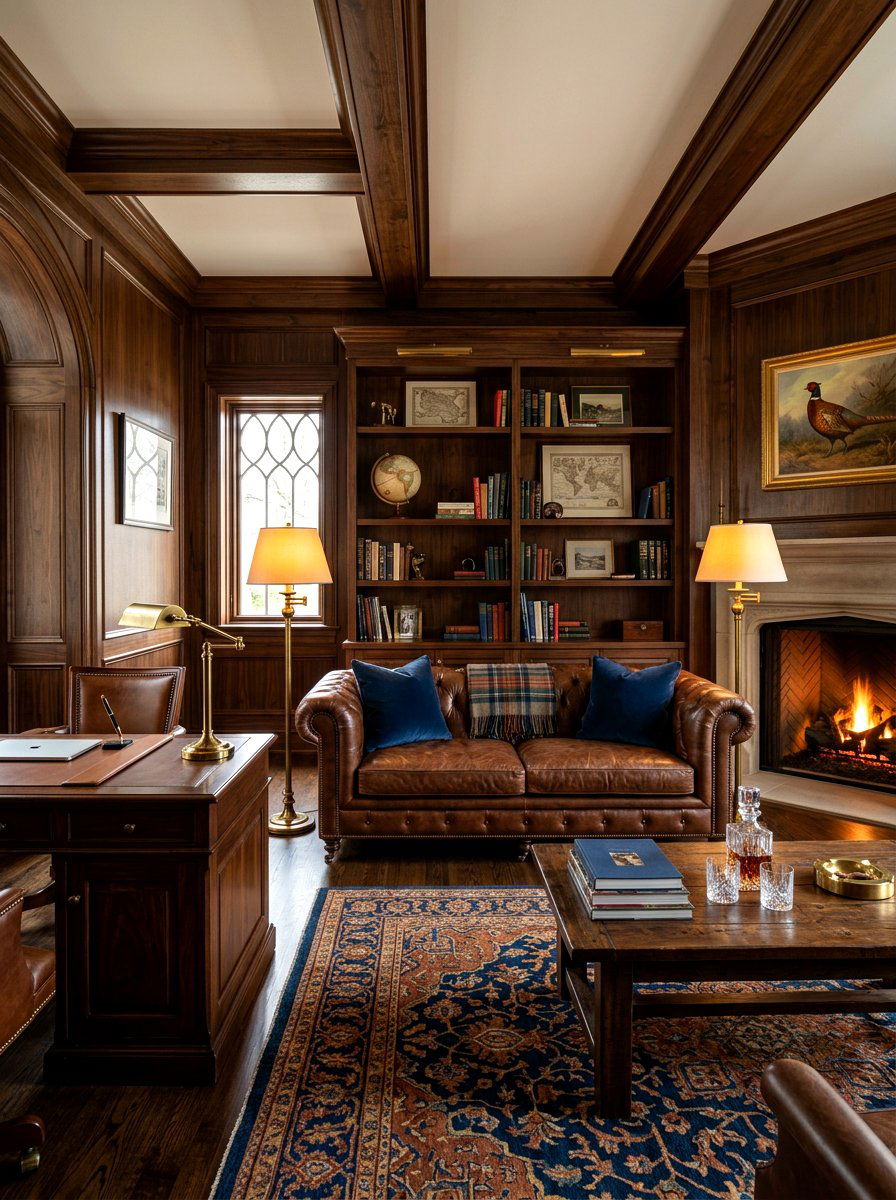
A masculine leather den archive creates a moody, high-end environment for your document collection. This design often features deep-seated leather armchairs, dark paneled walls, and brass accents. The shelving is typically heavy and dark, filled with leather-bound books and professional-looking boxes. It feels like a private club where you can retreat to handle important business or quiet research. You can add a small bar cart and a traditional desk lamp to complete the sophisticated vibe. The room is designed for comfort and prestige, providing a powerful atmosphere for your home archive. It is a timeless look that never goes out of style for a study.
26. Feminine archive lounge
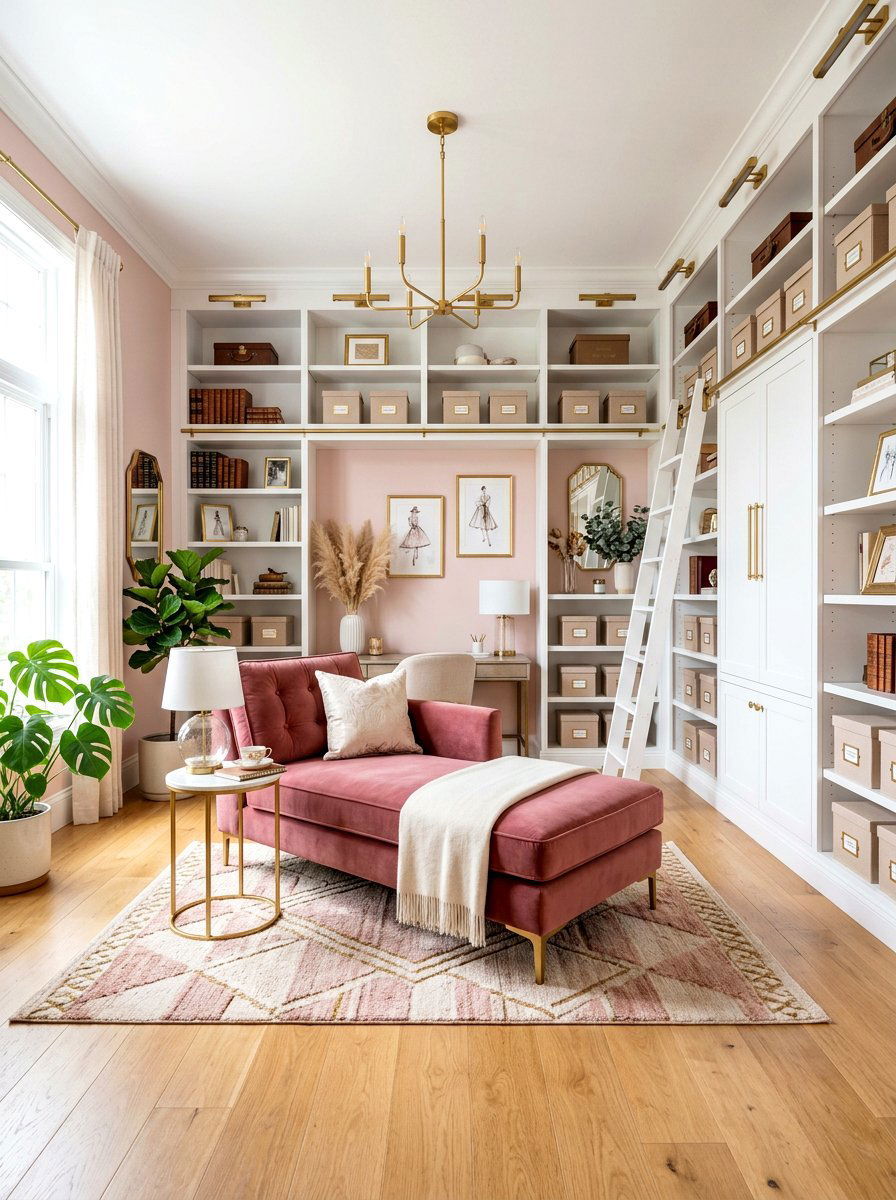
A feminine archive lounge uses soft colors, plush textures, and elegant furniture to create a beautiful storage space. You can use shades of blush, cream, or soft gold to make the room feel bright and inviting. The shelving can be painted white or a light pastel to match the decor. Use decorative storage boxes with floral or geometric patterns to add a touch of personality. A comfortable chaise lounge or a velvet sofa provides a perfect spot for reviewing files. This design proves that an archive room can be a stylish and enjoyable place to spend time. It feels more like a boutique than a traditional storage area.
27. Color drenched archive
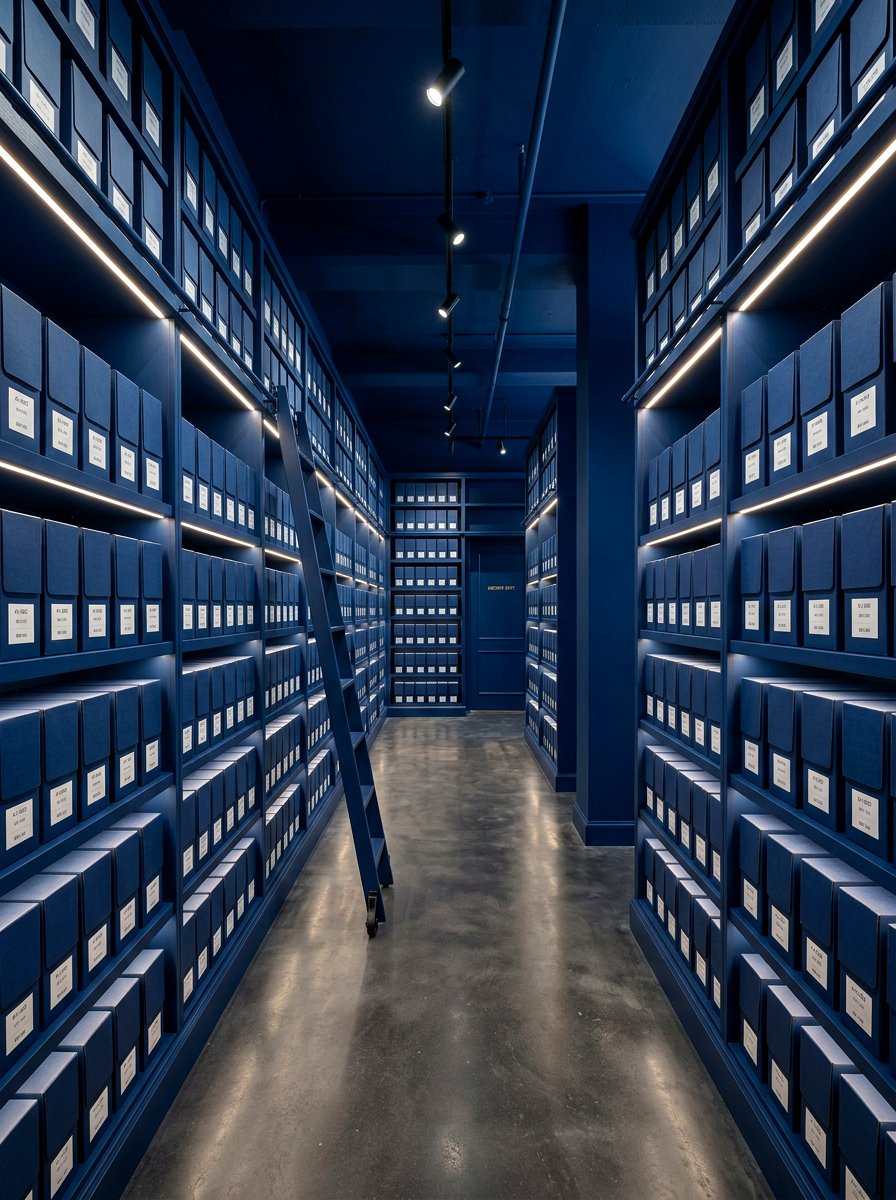
Color drenching is a bold design trend where you paint the walls, shelving, and even the ceiling in the same color. This creates a deeply immersive and cohesive environment that feels very modern. For an archive, you could choose a deep forest green, a rich navy, or a warm terracotta. This technique makes the room feel cozy and wraps you in your collection. It also makes the items on the shelves stand out against the unified background. You can use different finishes, like matte on the walls and gloss on the shelves, to add subtle depth. This design is perfect for making a small archive room feel incredibly high-end.
28. Under stair archive storage
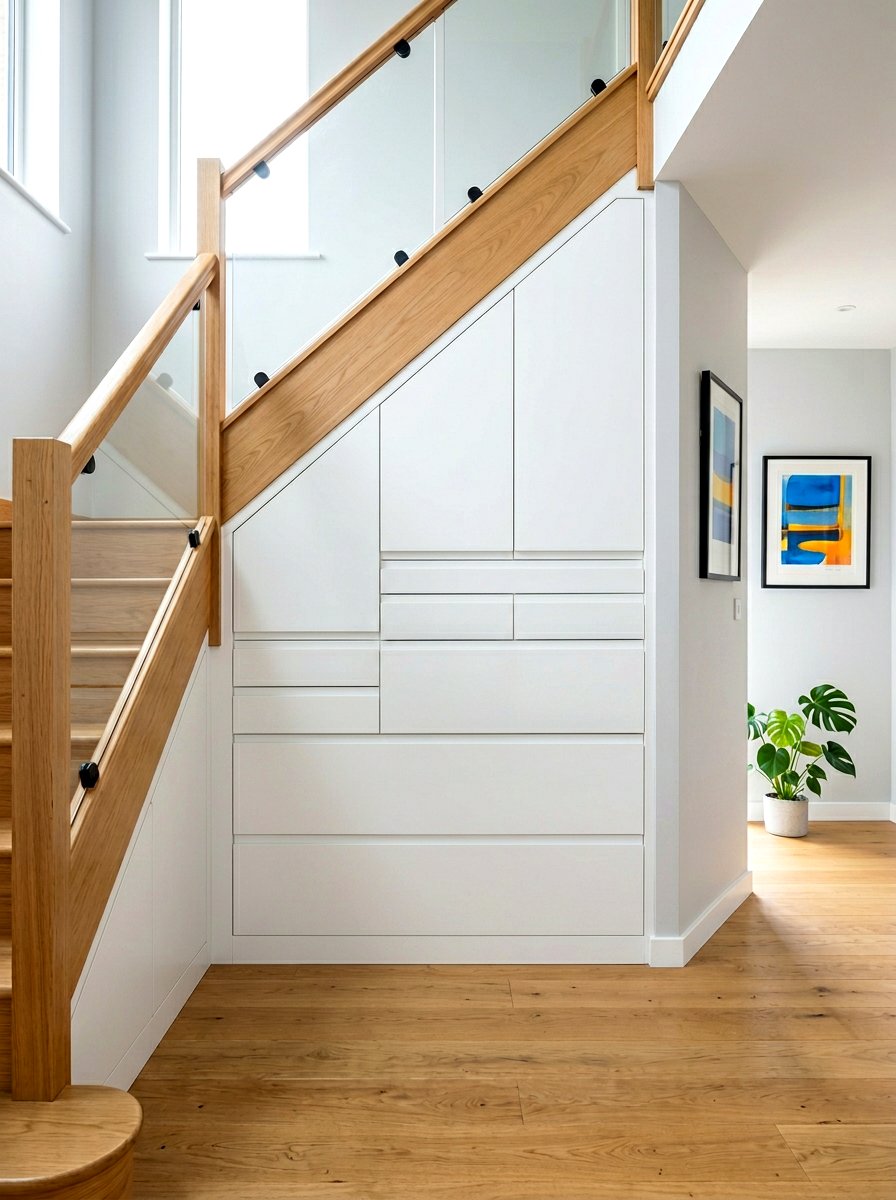
If you are short on space, under stair archive storage is a brilliant way to use every inch of your home. You can install custom-built drawers or cabinets that follow the diagonal line of the staircase. This area can house a surprising amount of documents and books without taking up a separate room. You can use pull-out shelves to make it easy to reach items stored in the deeper sections. This design is discreet and keeps your archive hidden from the main living areas. It is a great example of smart, small-space engineering. When the doors are closed, it looks like a seamless part of your hallway or living room.
29. Professional archival box room
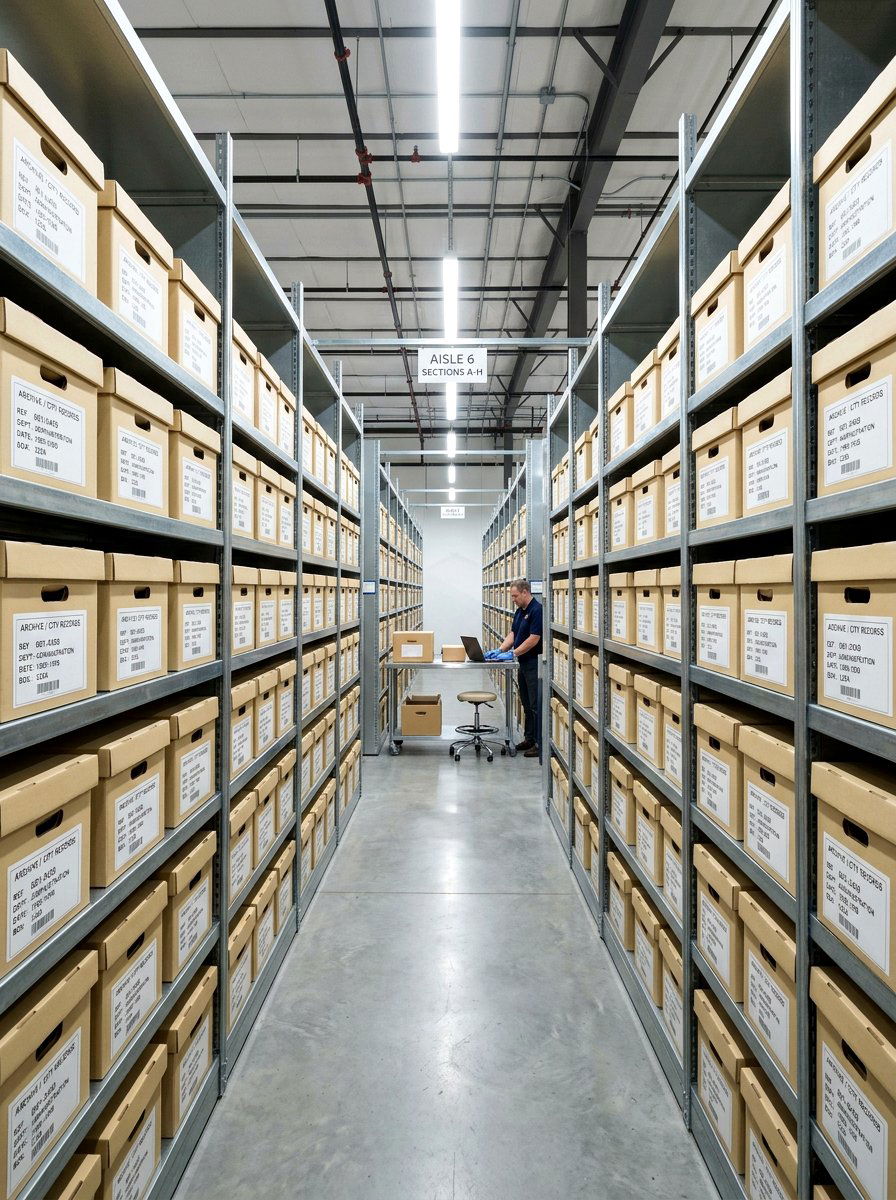
A professional archival box room focuses on the most efficient and safe storage methods available. This design uses uniform, acid-free archival boxes stacked neatly on high-quality metal or wood shelving. The look is very orderly and resembles a professional museum storage facility. You can use a detailed labeling and indexing system so you can find any document in seconds. This approach is best for those who have a very large volume of papers and need to prioritize preservation above all else. The room remains clutter-free because everything is tucked away in its designated box. It is a highly functional and satisfyingly organized space for serious archivists.
30. Traveler themed archive
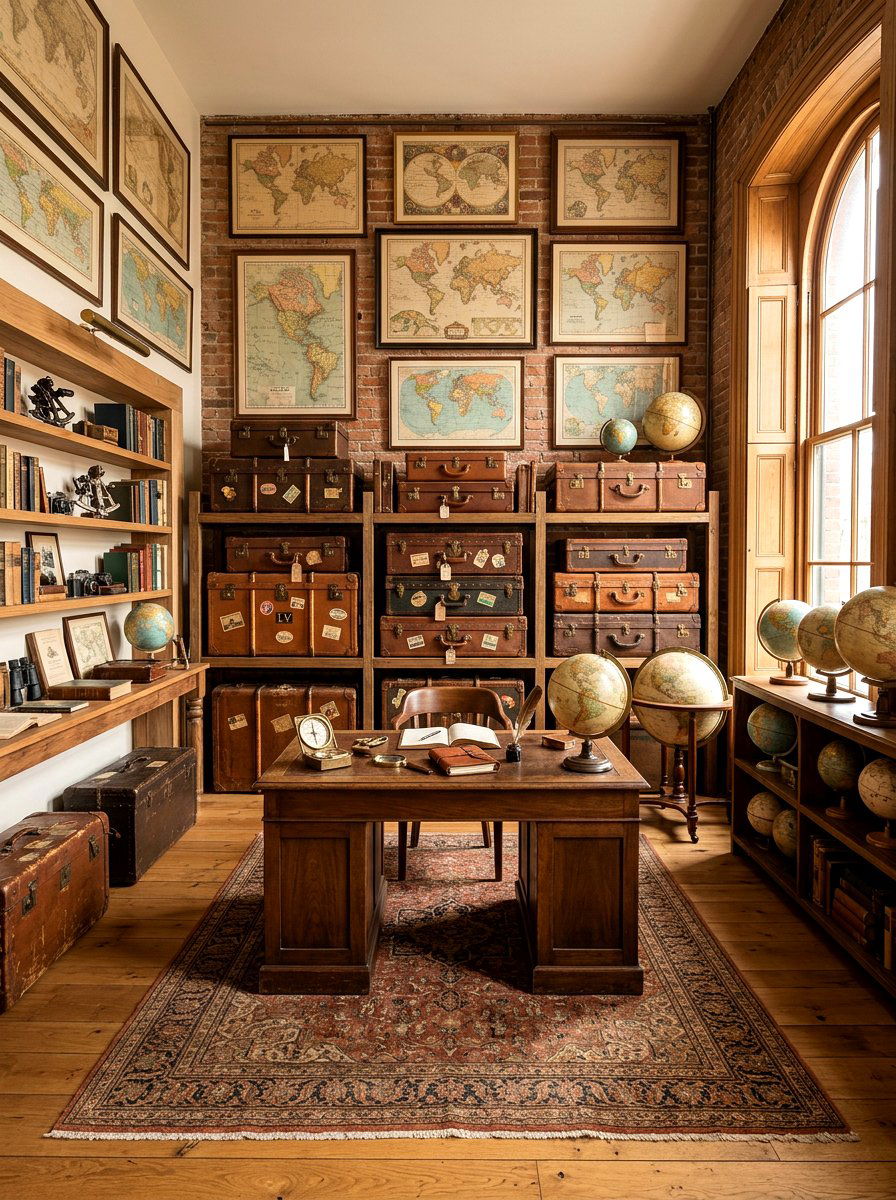
A traveler themed archive is a fun and inspiring way to store your maps, journals, and souvenirs. The design can include vintage trunks for bulk storage and globe accents throughout the room. You can use old-fashioned suitcases as unique shelving units or as decorative elements. Frame your best travel photos and display them alongside your collection of international artifacts. Use a large wall-mounted map to track the places you have been and the places you want to go. The color palette can include warm leathers, compass-inspired hardware, and earthy tones. This room feels like a launchpad for adventure and a beautiful record of your global experiences.
Conclusion:
Designing a home archive room is a rewarding project that combines organization with personal expression. By choosing a theme that fits your lifestyle, you create a space that encourages the preservation of what matters most. Whether you prefer the grandeur of floor-to-ceiling shelves or the modern efficiency of a digital station, the key is consistency. A well-designed archive not only protects your valuable items from damage but also makes them a source of daily inspiration. Investing in high-quality materials and thoughtful layouts ensures that your collection will remain in excellent condition for many years to come. Your history deserves a beautiful, dedicated home within your house.

Related posts: