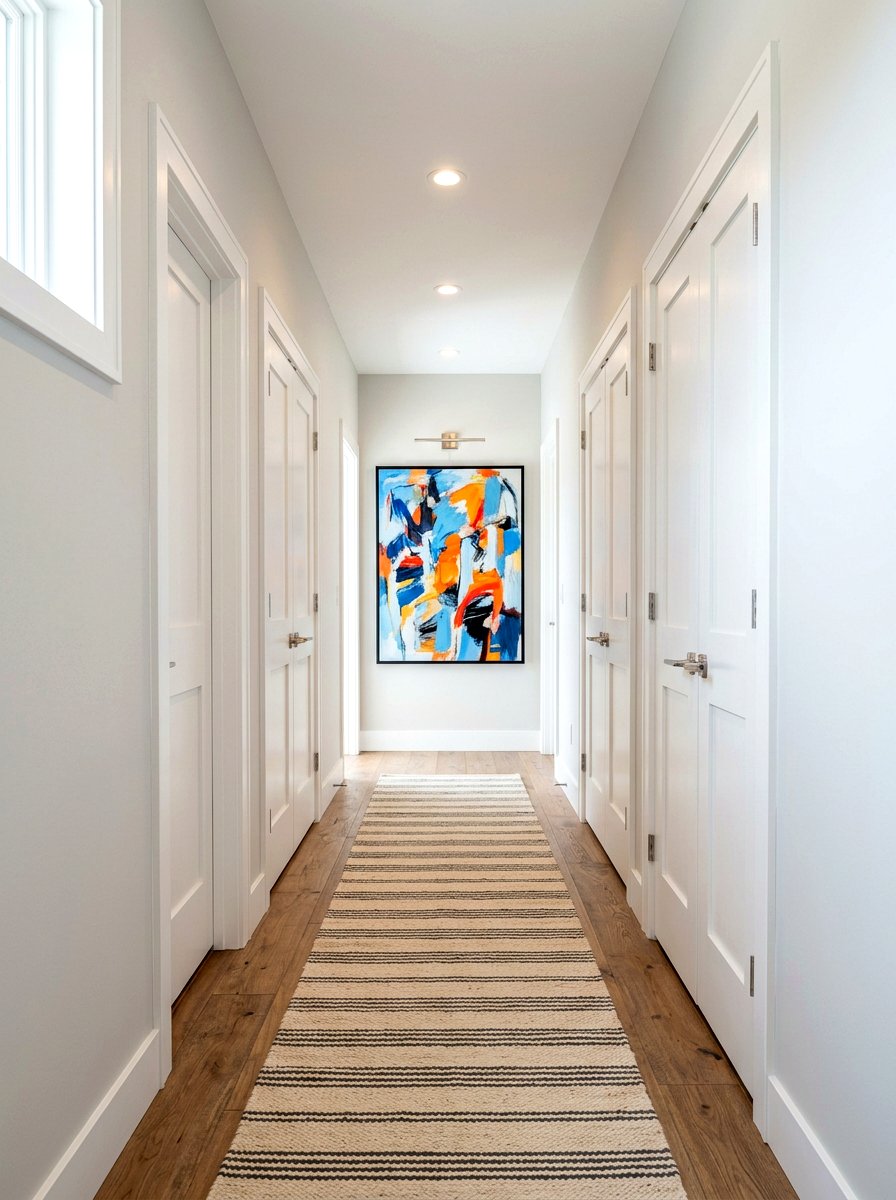
Narrow hallways often feel like forgotten tunnels in a home, yet they hold incredible potential to set a stylish tone for your entire living space. These tight transitions connect your rooms and provide a unique canvas for creativity if you know how to handle the limited square footage. Whether you are dealing with a dark corridor or a cramped entry, the right design choices can transform a functional path into a stunning visual journey. By focusing on light, texture, and smart furniture, you can make any small area feel twice as large and significantly more inviting. This guide explores creative ways to maximize every inch of your home, turning your corridor into a masterpiece.
1. White Hallway Paint
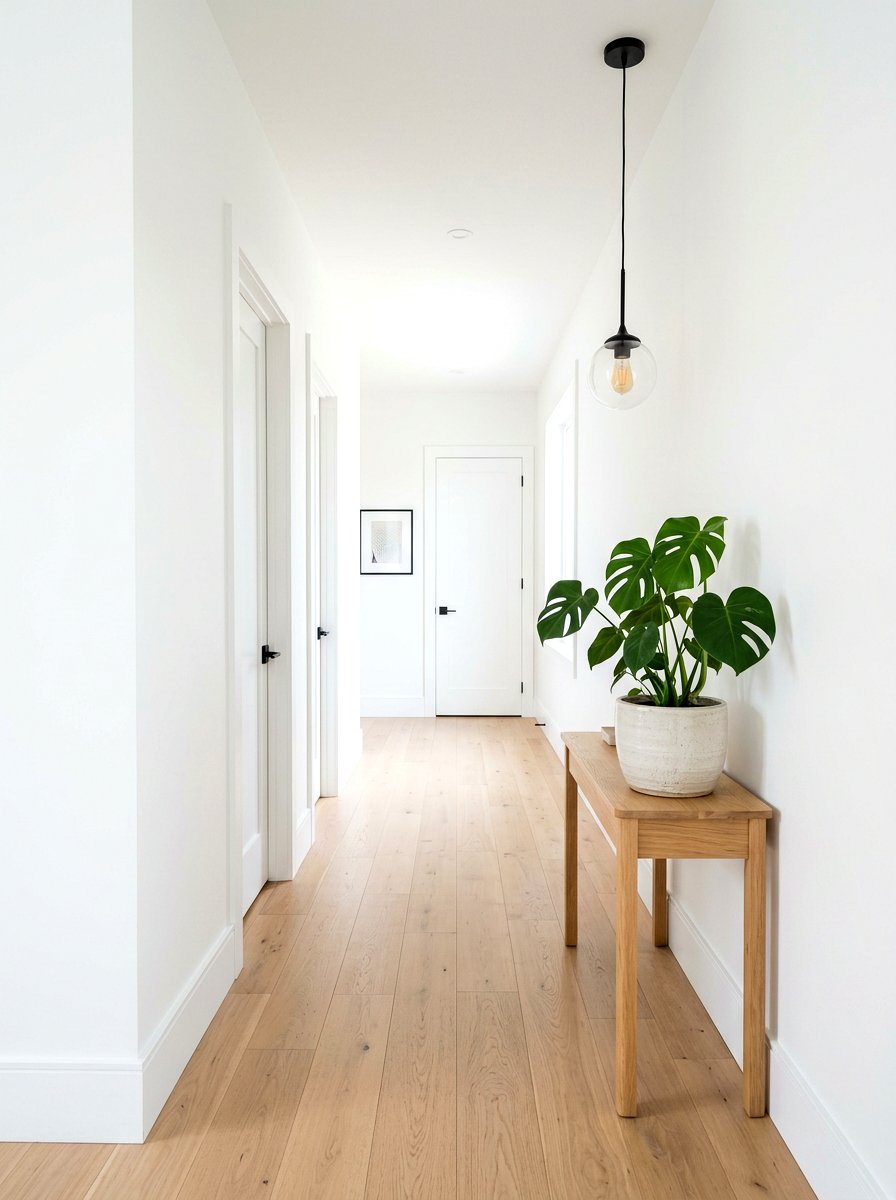
Have you ever noticed how a fresh coat of bright white paint can instantly breathe new life into a cramped corridor? Opting for a crisp, reflective white is one of the most effective ways to make a narrow hallway feel more open and airy. This classic choice bounces natural light from adjacent rooms, effectively erasing the shadows that often make tight spaces feel oppressive. You should consider using a semi-gloss finish on the trim to add a subtle contrast against matte walls. This simple strategy creates a clean, cohesive look that serves as a perfect backdrop for any decorative accents or wall art you plan to add later.
2. Long Hallway Runner
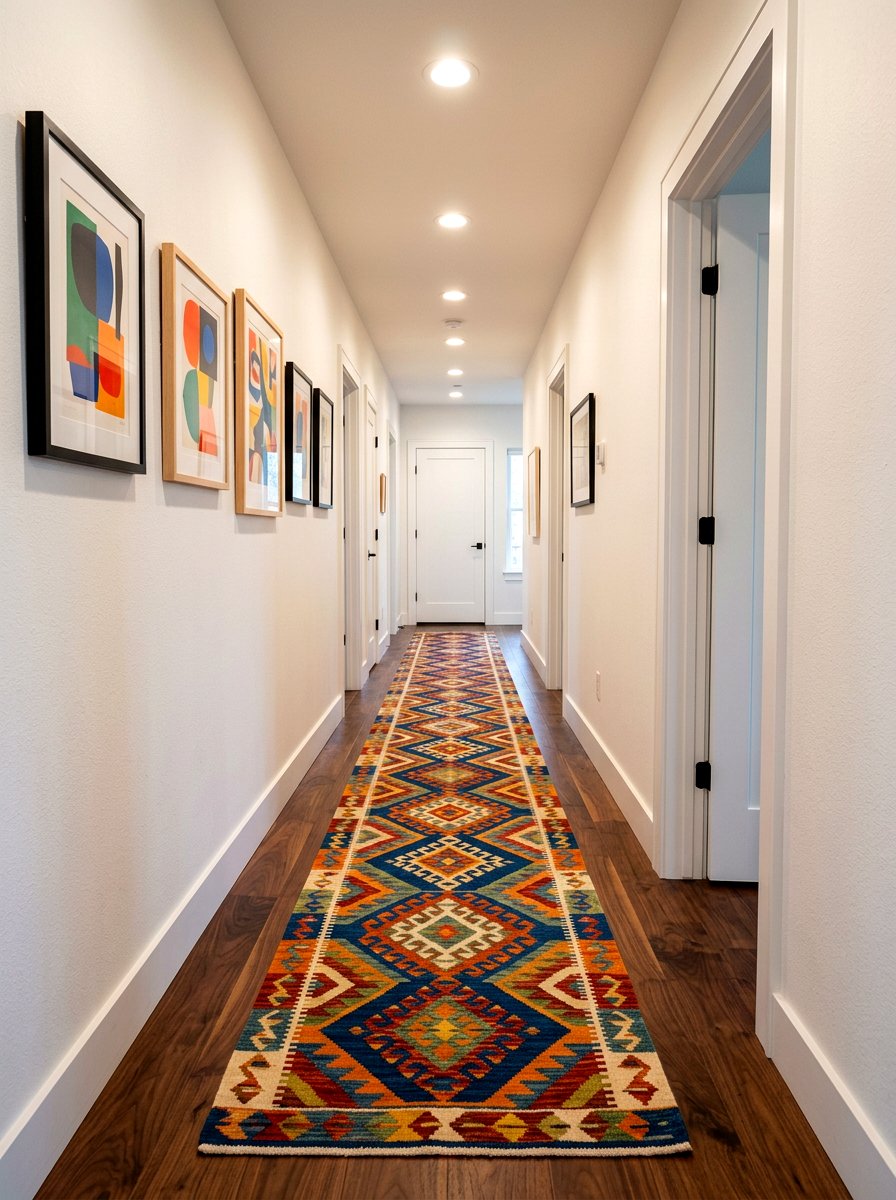
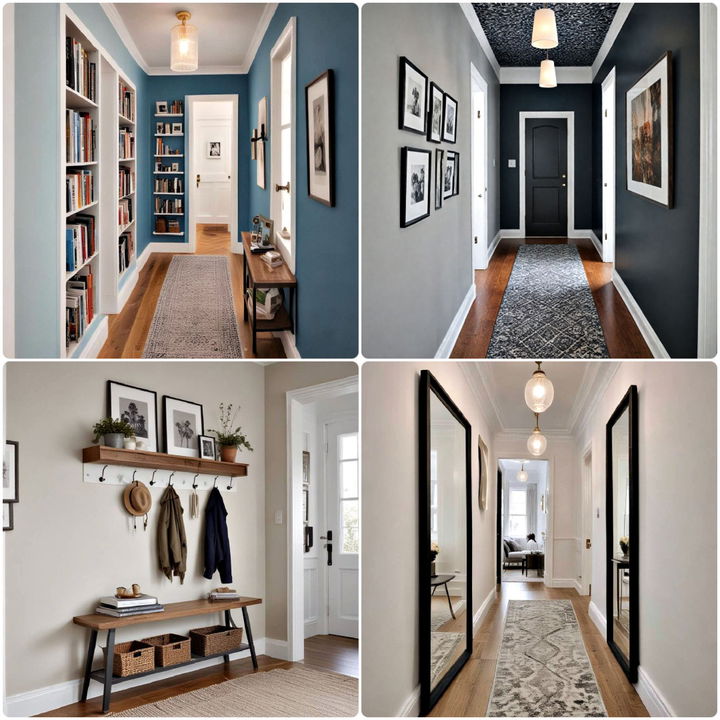
Walking down a long, narrow passage can feel repetitive unless you introduce some visual texture underfoot. A long hallway runner acts as a guide for the eyes, drawing them toward the end of the space and creating a sense of movement. Choosing a rug with a bold pattern or a vibrant color can break up the monotony of the flooring. Additionally, a soft rug provides a layer of comfort and sound dampening in high-traffic areas. Make sure the runner is narrow enough to show a bit of the floor on either side, which helps the space appear wider rather than completely covered and cramped.
3. Large Hallway Mirror
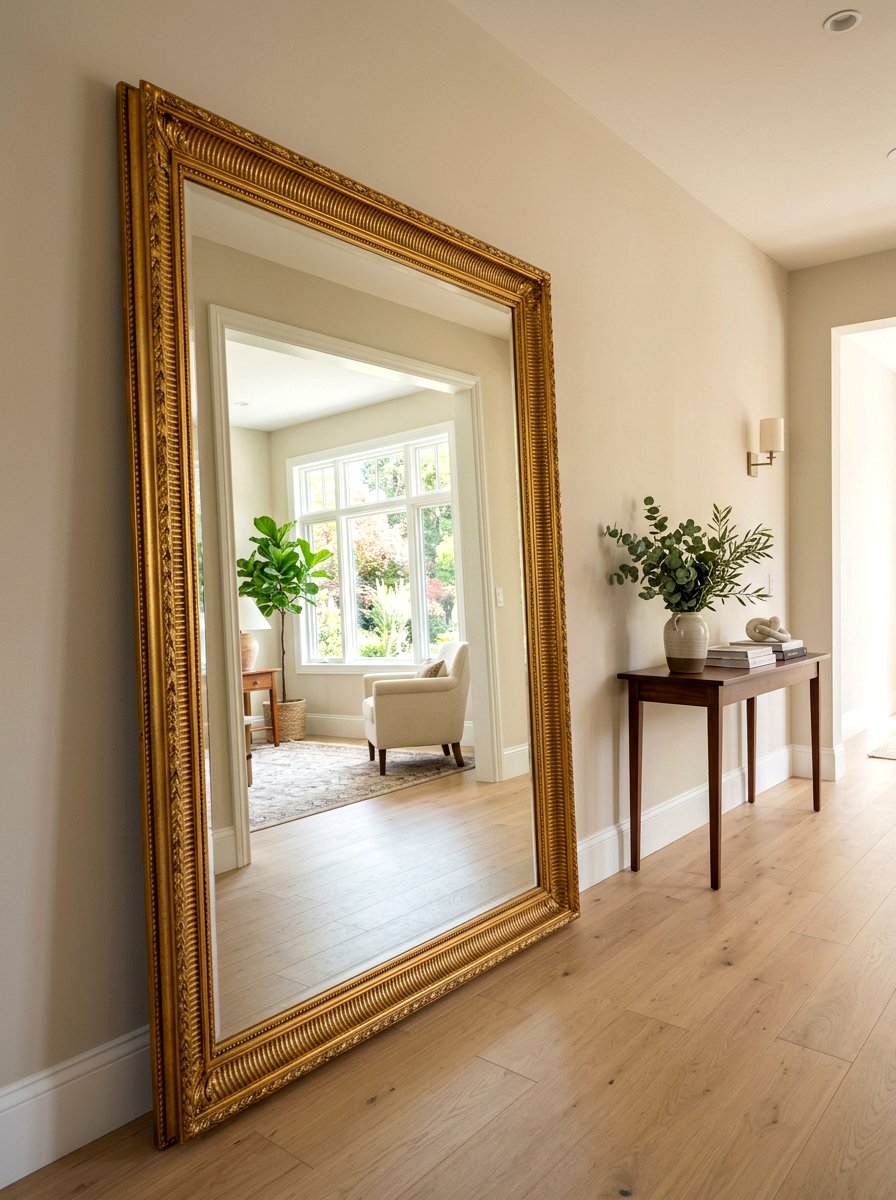
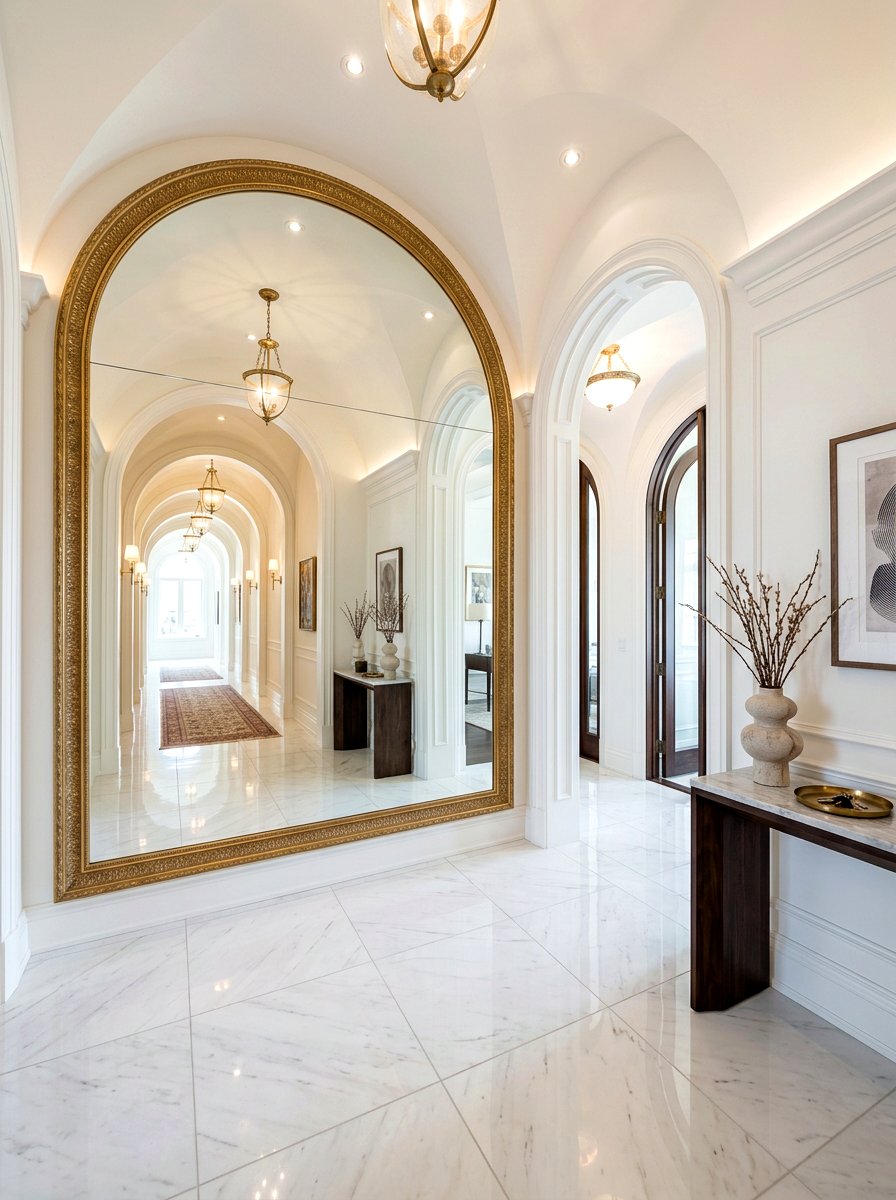
One of the oldest tricks in the interior design book is using mirrors to double the perceived size of a room. In a narrow hallway, hanging a large, oversized mirror on one side can create the illusion of a much wider opening. The glass reflects the opposite wall and any available light, making the entire passage feel significantly brighter. If you want a more modern look, consider a series of smaller mirrors arranged in a grid pattern. This not only adds a decorative element but also keeps the walls from feeling too heavy or closed in while providing a functional spot for last-minute checks.
4. Hallway Gallery Wall
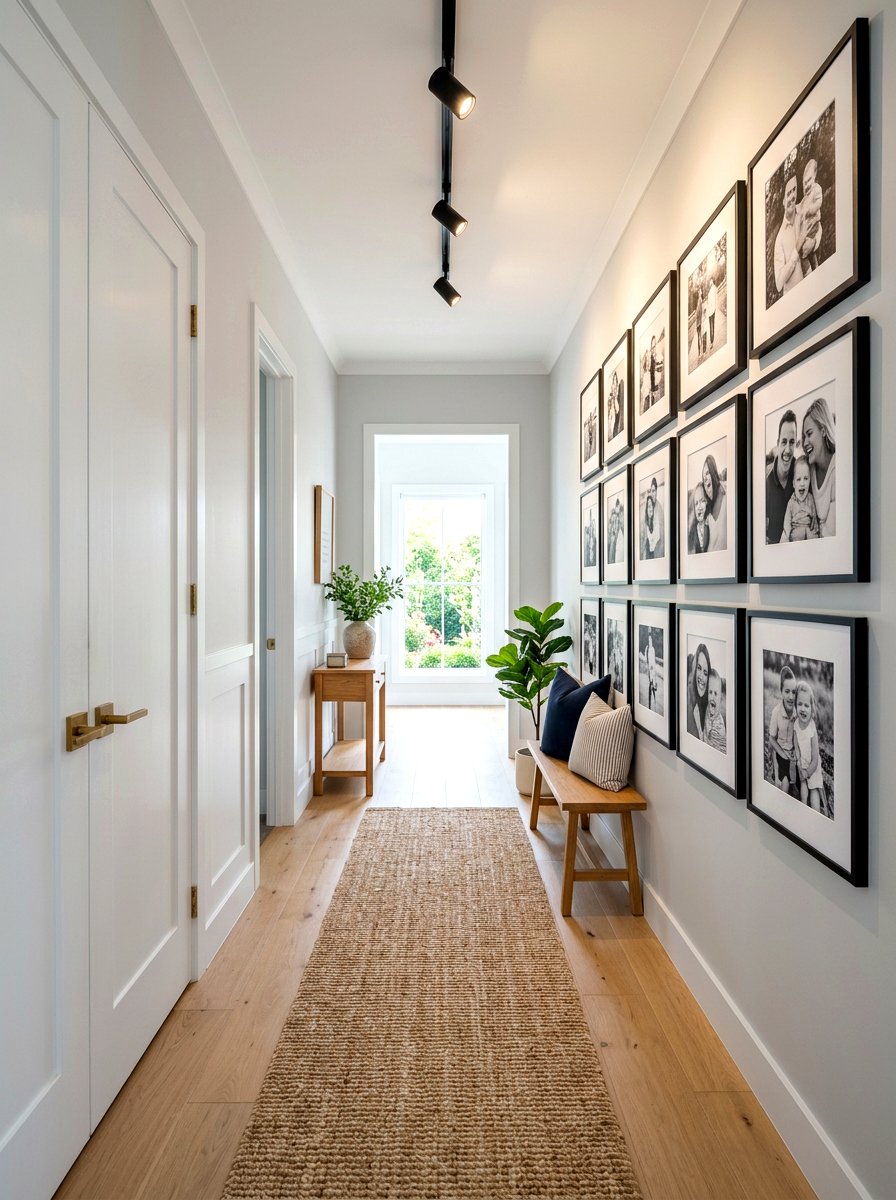
Why not turn your transition space into a personal art gallery by displaying your favorite photos and prints? A gallery wall is an excellent way to add personality and character to a narrow hallway without taking up valuable floor space. To keep the look organized and prevent it from feeling cluttered, try using matching frames or a consistent color palette for your artwork. Hanging the frames at eye level ensures that guests can enjoy the details as they pass through. This design choice transforms a boring walk into an engaging experience that tells the story of your family or your unique travels and artistic tastes.
5. Floating Hallway Shelves
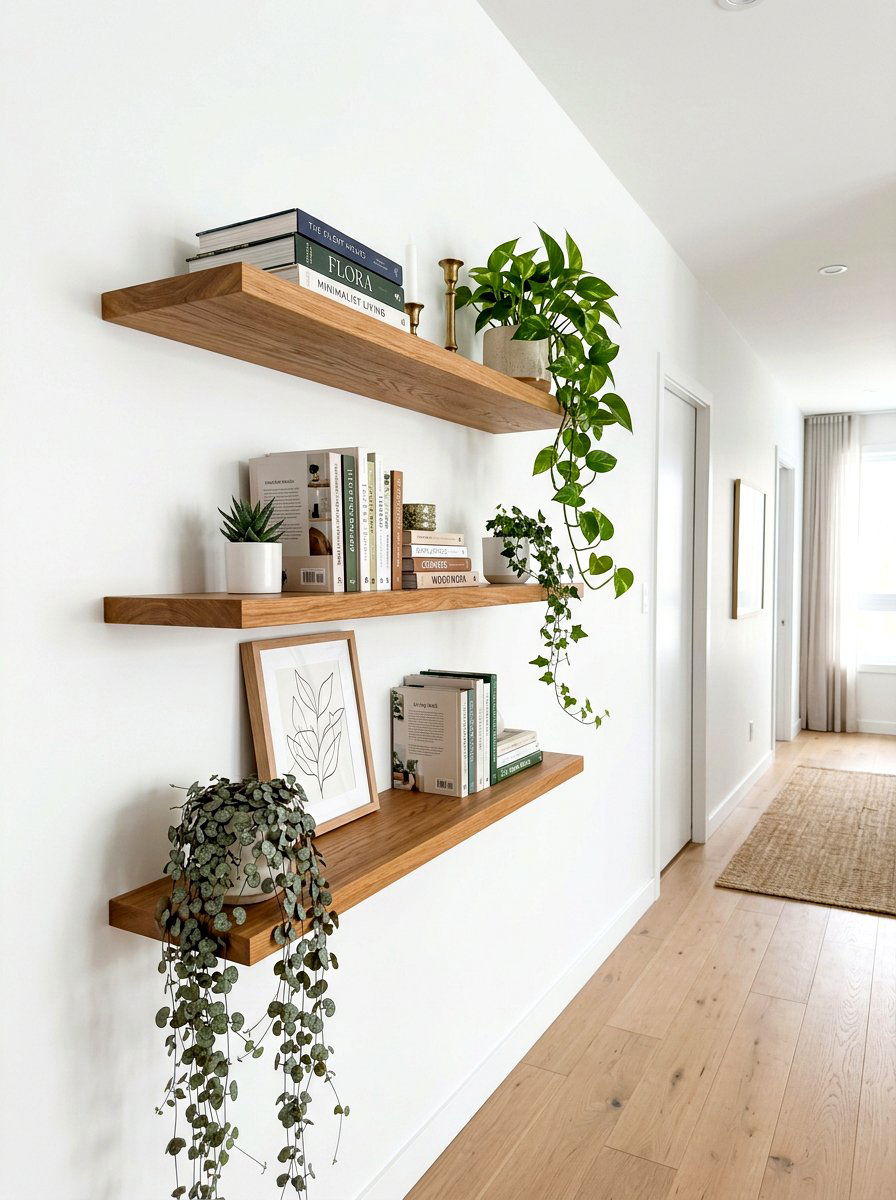
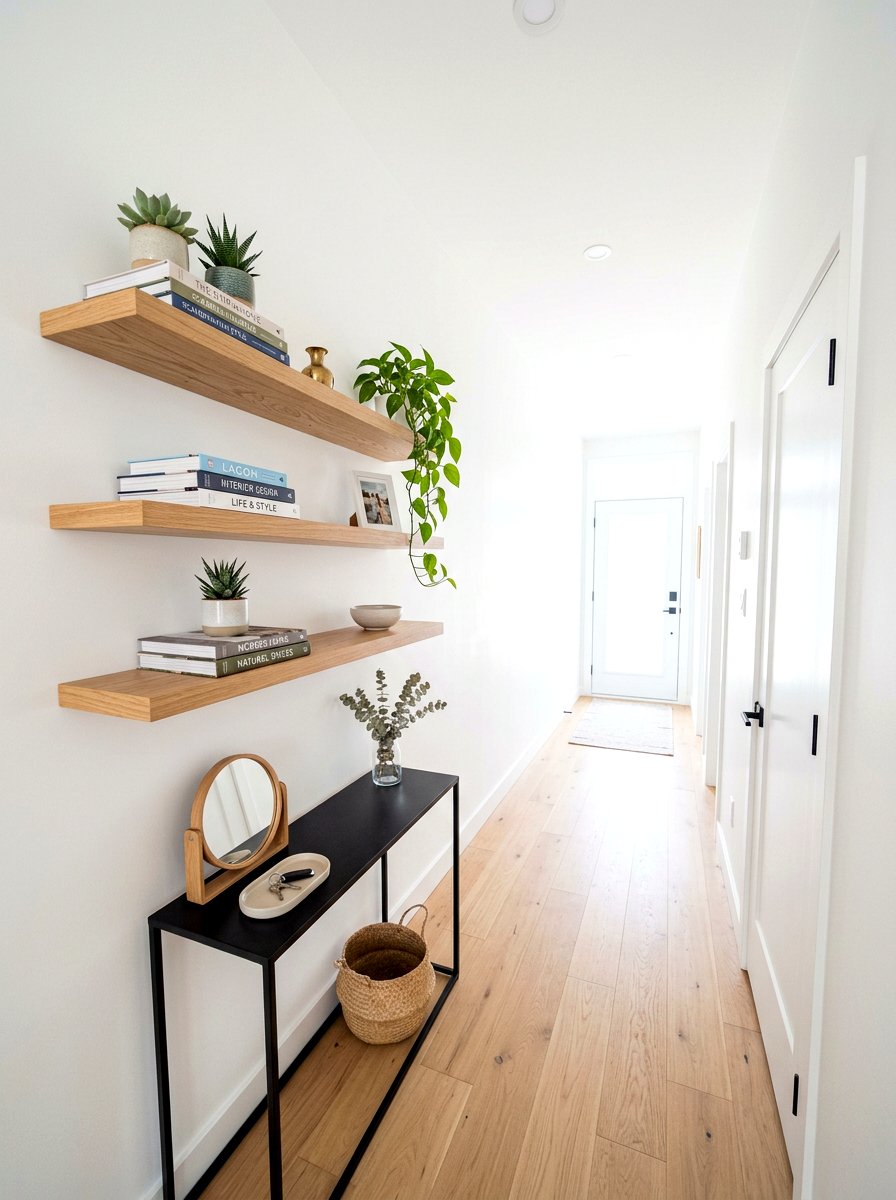
When floor space is at a premium, looking toward your walls for storage and display is a smart move. Floating shelves provide a sleek, minimalist way to showcase small decorative items, books, or indoor plants without obstructing the walking path. By mounting these shelves at different heights, you can create a dynamic visual rhythm that draws the eye upward. This vertical storage solution keeps the floor clear, which is essential for maintaining an open feel in a narrow corridor. Choose finishes that match your wall color for a seamless look, or go with natural wood to add a touch of organic warmth.
6. Built In Hallway Cabinets
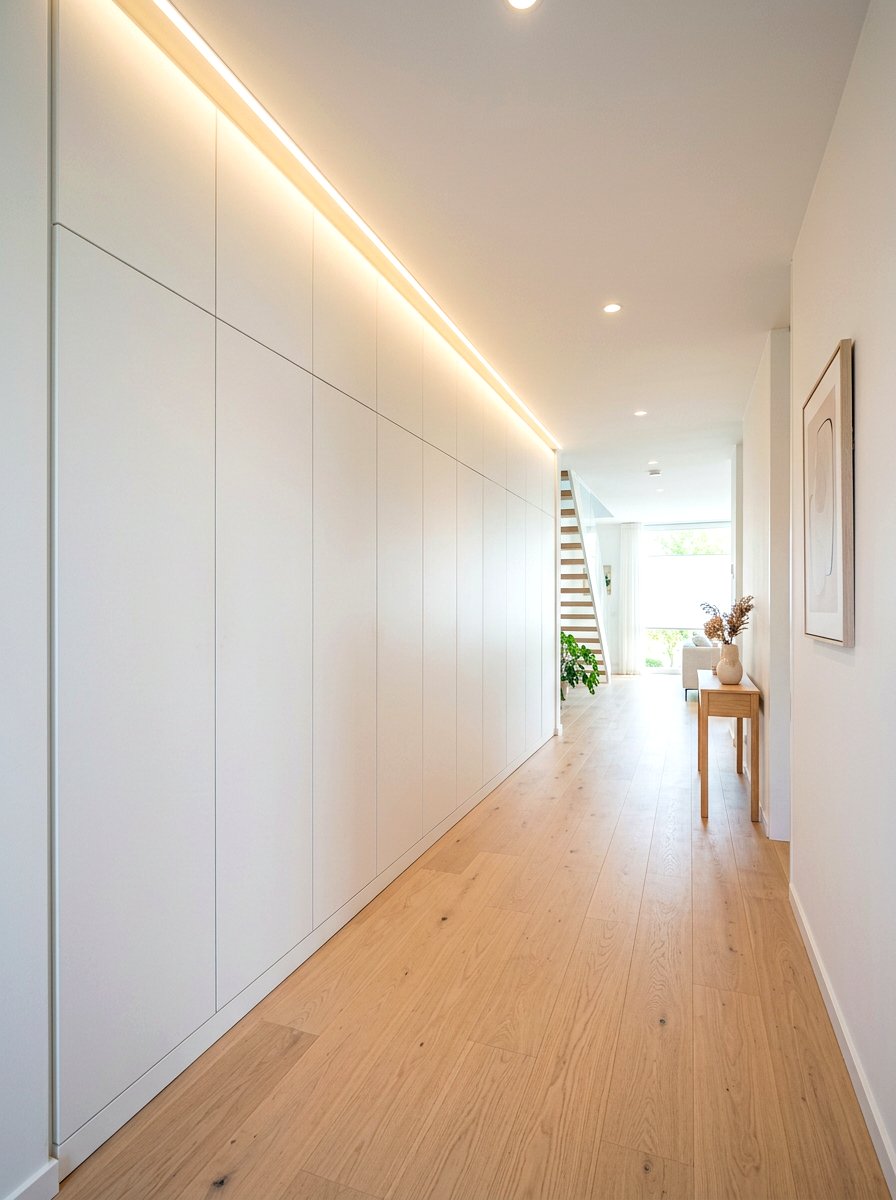
Integrating storage directly into your walls can maximize functionality without sacrificing the slim profile of your hallway. Built-in cabinets offer a streamlined way to hide away shoes, coats, and seasonal gear while maintaining a flush, clean surface. Customizing these units allows you to utilize every available inch, including awkward nooks or spaces under the stairs. To keep the hallway from feeling too enclosed, consider using flat-panel doors with hidden handles or paint them the same color as the surrounding walls. This "hidden" storage approach provides a high-end, custom feel that keeps your home organized and looking its very best.
7. Hallway Wainscoting
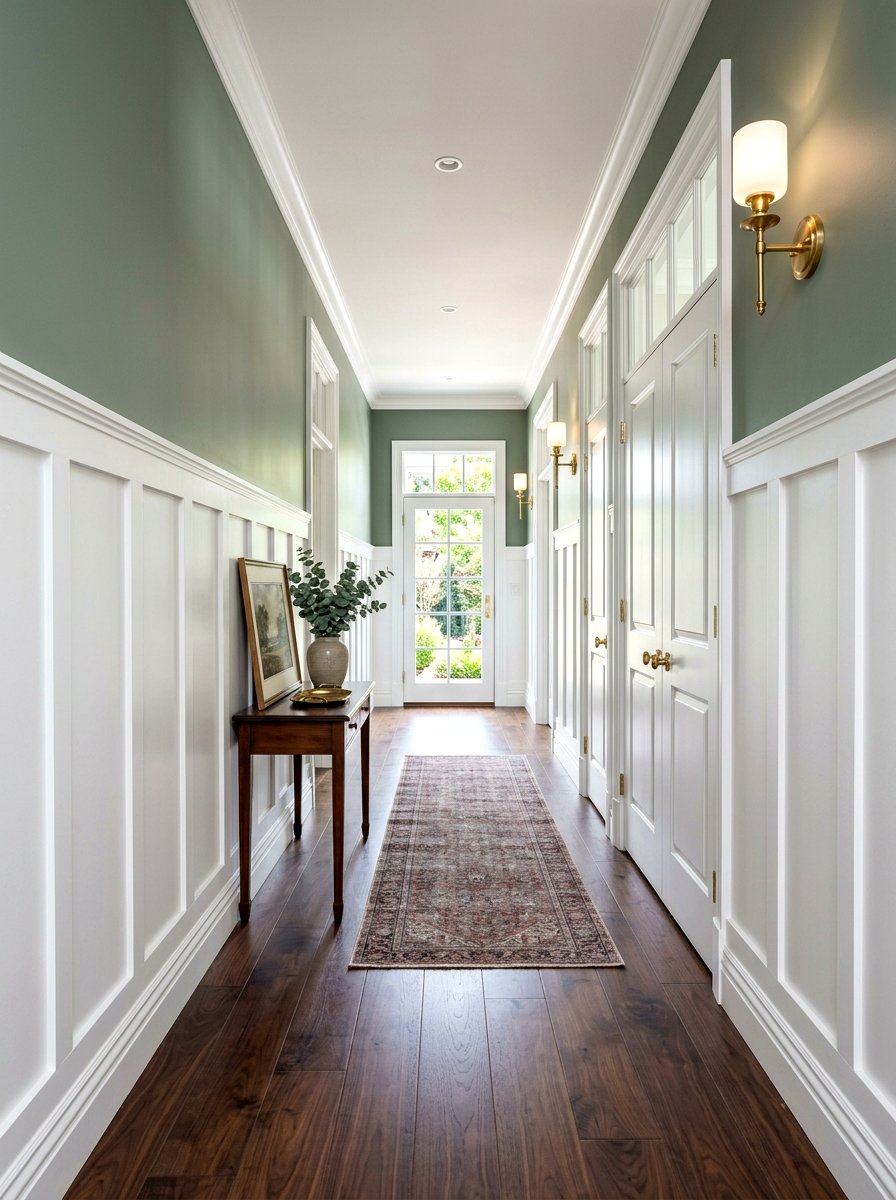
Adding wainscoting or wall paneling is a fantastic way to introduce architectural detail and visual interest to a plain hallway. This traditional design element covers the lower half of the wall, protecting it from scuffs and providing a sense of structure. In a narrow space, painting the wainscoting a light color while using a slightly darker shade above can create a sophisticated, layered effect. The horizontal lines of the paneling can also make the hallway feel longer and more substantial. This classic look works well in both modern farmhouse and traditional homes, adding a durable and stylish touch to your high-traffic corridors.
8. Vertical Stripe Wallpaper
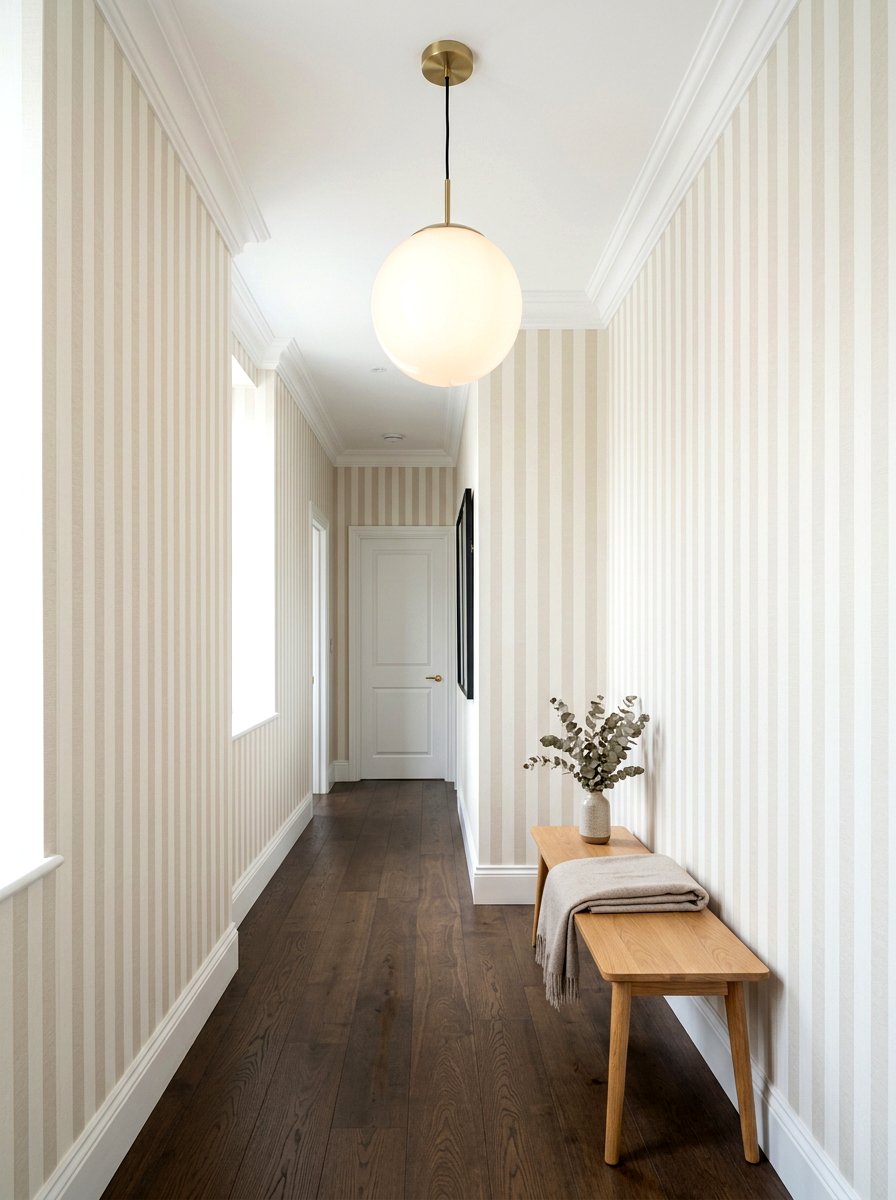
If you want to trick the eye into seeing more height and space, vertical stripe wallpaper is a perfect solution. The upward lines pull the gaze toward the ceiling, making a low or narrow hallway feel much more expansive and grand. You don't have to choose high-contrast colors; even a subtle, tonal stripe can make a huge difference in the overall ambiance. This pattern adds a touch of classic elegance and can be found in various textures and materials. Using wallpaper in a small area like a hallway is a great way to experiment with bold patterns without overwhelming the larger living rooms.
9. Recessed Hallway Lighting
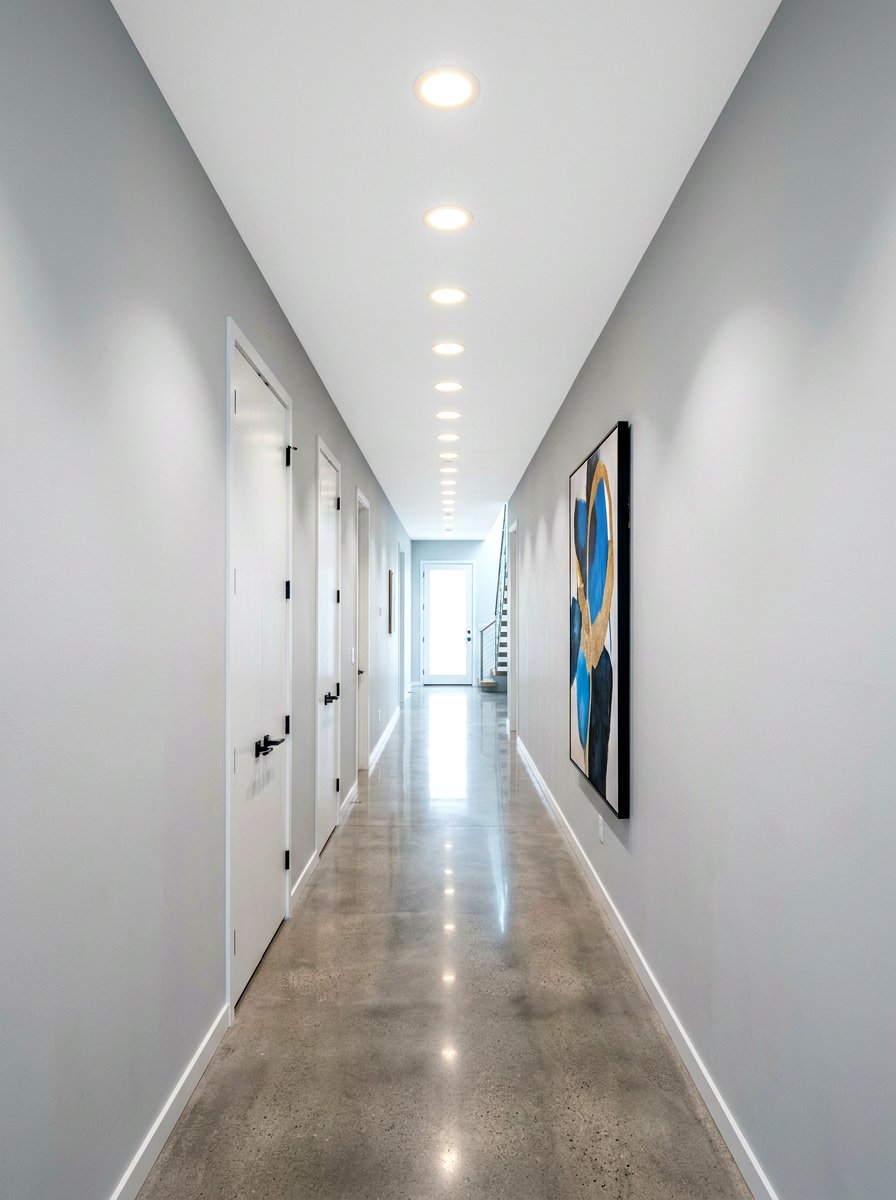
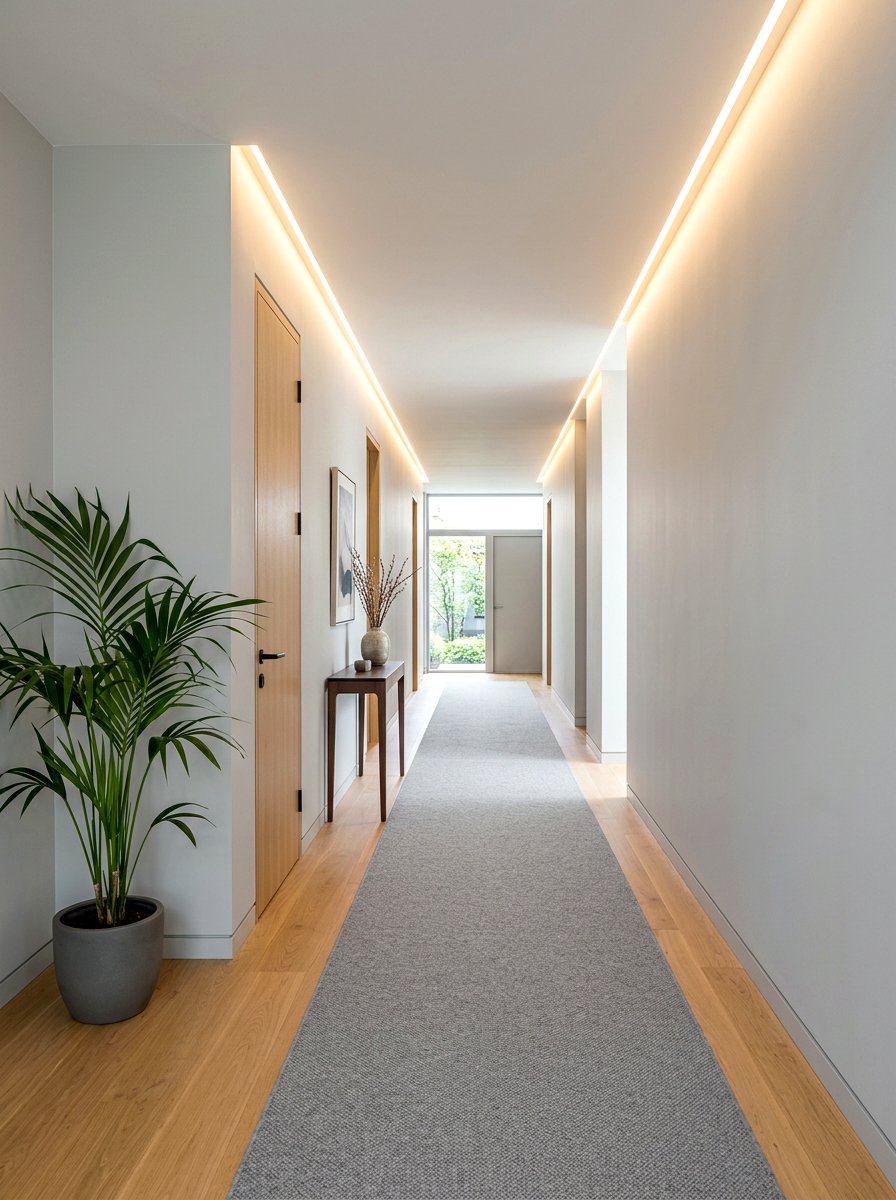
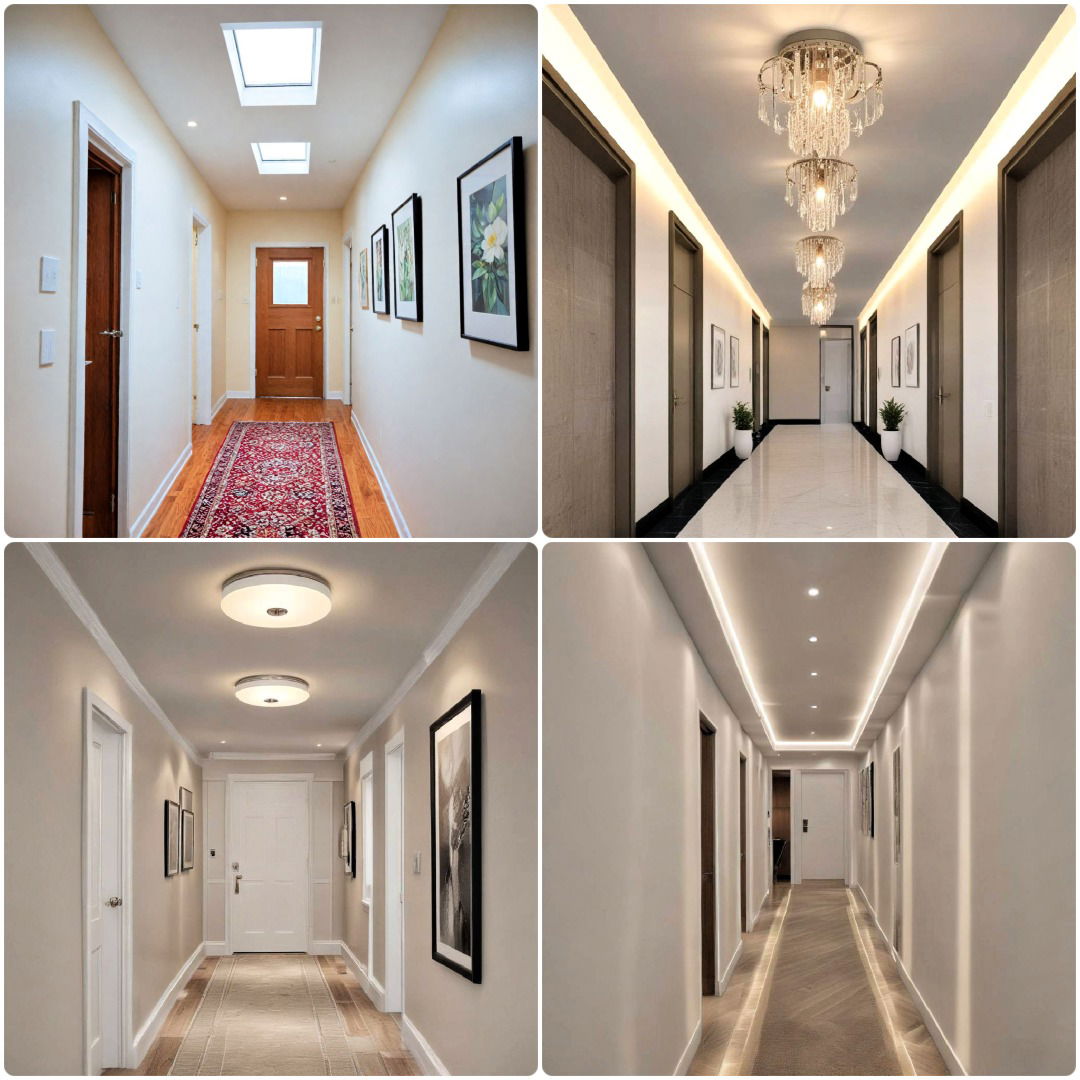
Proper lighting is crucial in narrow spaces that often lack windows and natural light sources. Recessed lighting, or pot lights, provides a clean and unobtrusive way to illuminate the entire length of your hallway. By installing these fixtures in a straight line along the ceiling, you ensure an even distribution of light that eliminates dark corners. This type of lighting keeps the ceiling looking high and uncluttered, which helps the space feel more open. Consider adding a dimmer switch so you can adjust the brightness to create a warm, inviting glow in the evening or a bright, functional path during the day.
10. Hallway Wall Sconces
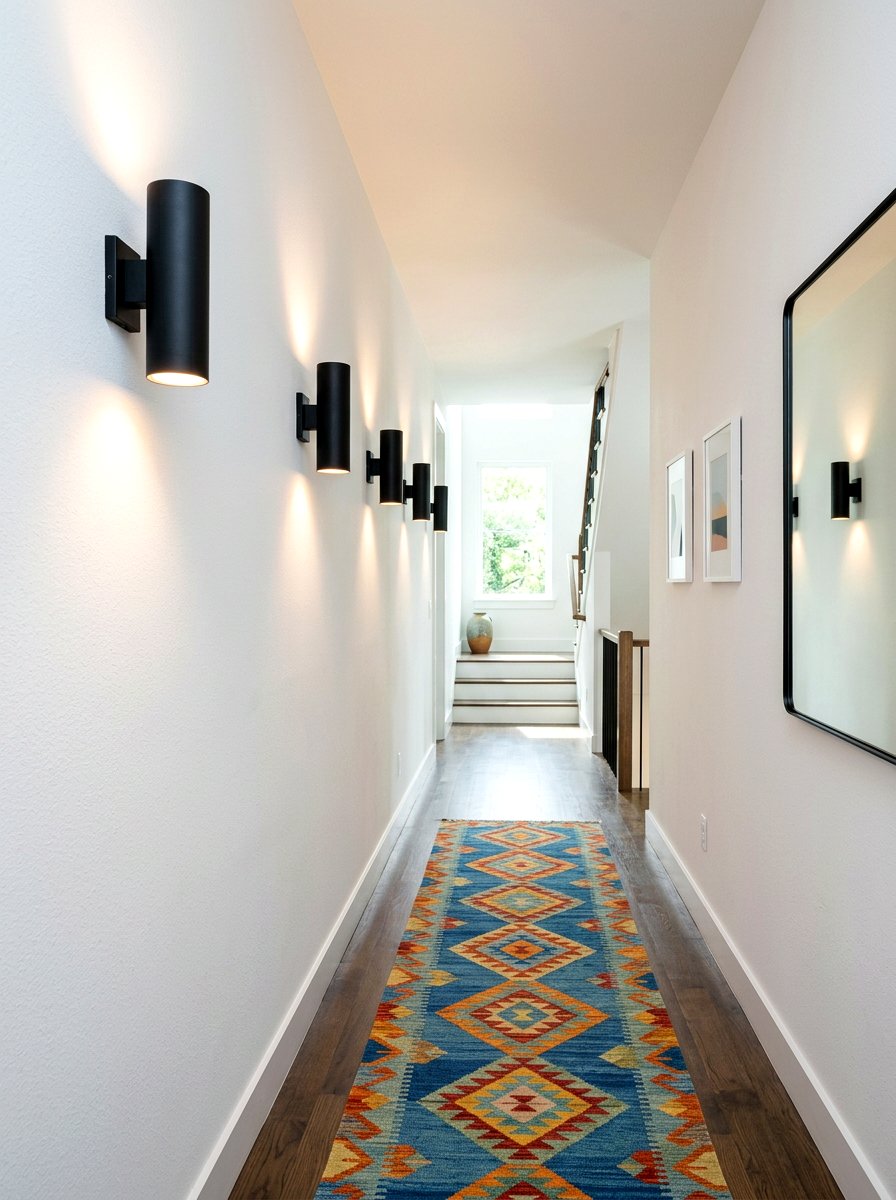
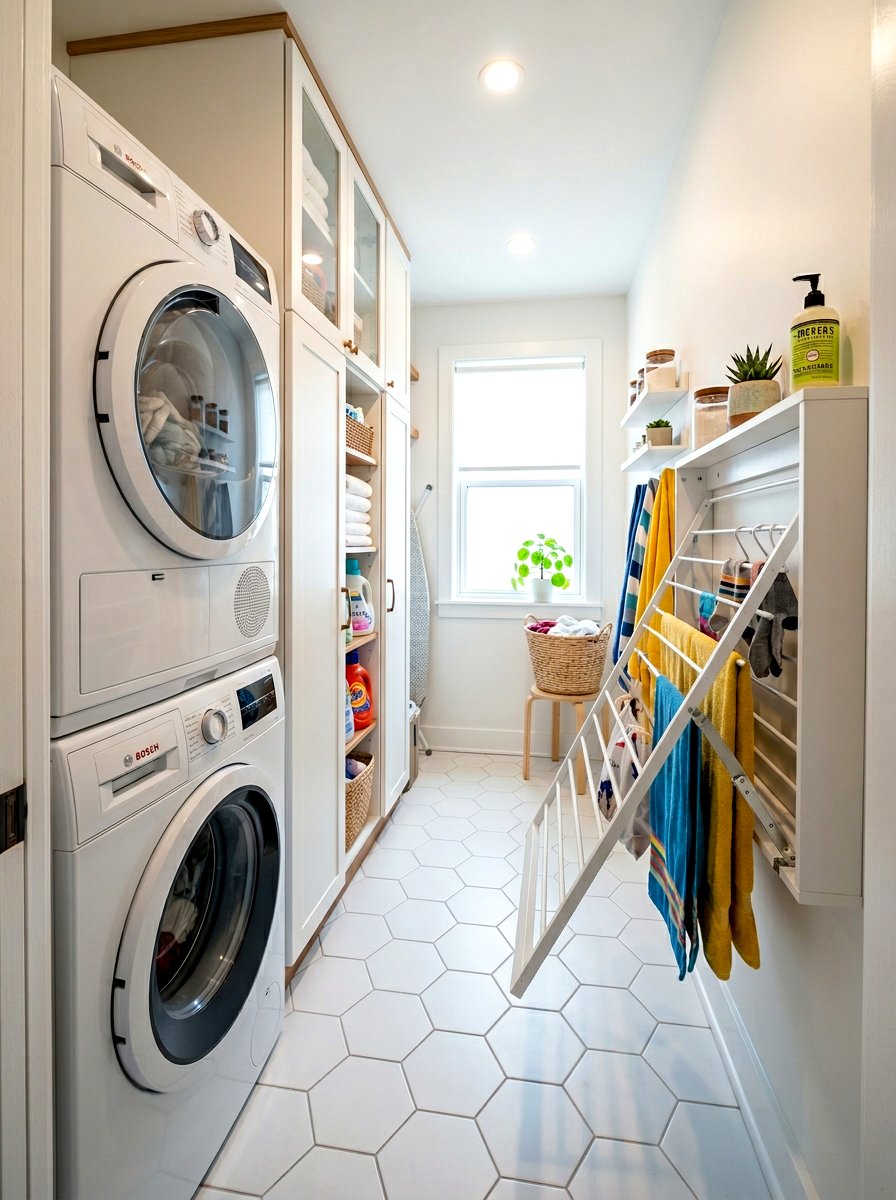
Wall sconces are a stylish alternative to overhead lighting, adding both illumination and a decorative element to your hallway. These fixtures provide soft, ambient light that can make a narrow corridor feel much cozier and more intentional. Placing sconces at regular intervals along the wall creates a beautiful rhythm and draws the eye forward. Since they don't hang down from the ceiling, they are perfect for homes with lower head clearance. Look for slim profiles and designs that cast light both upward and downward to maximize the brightness on your walls and floor, creating a sophisticated and well-lit transition area.
11. Slim Hallway Console
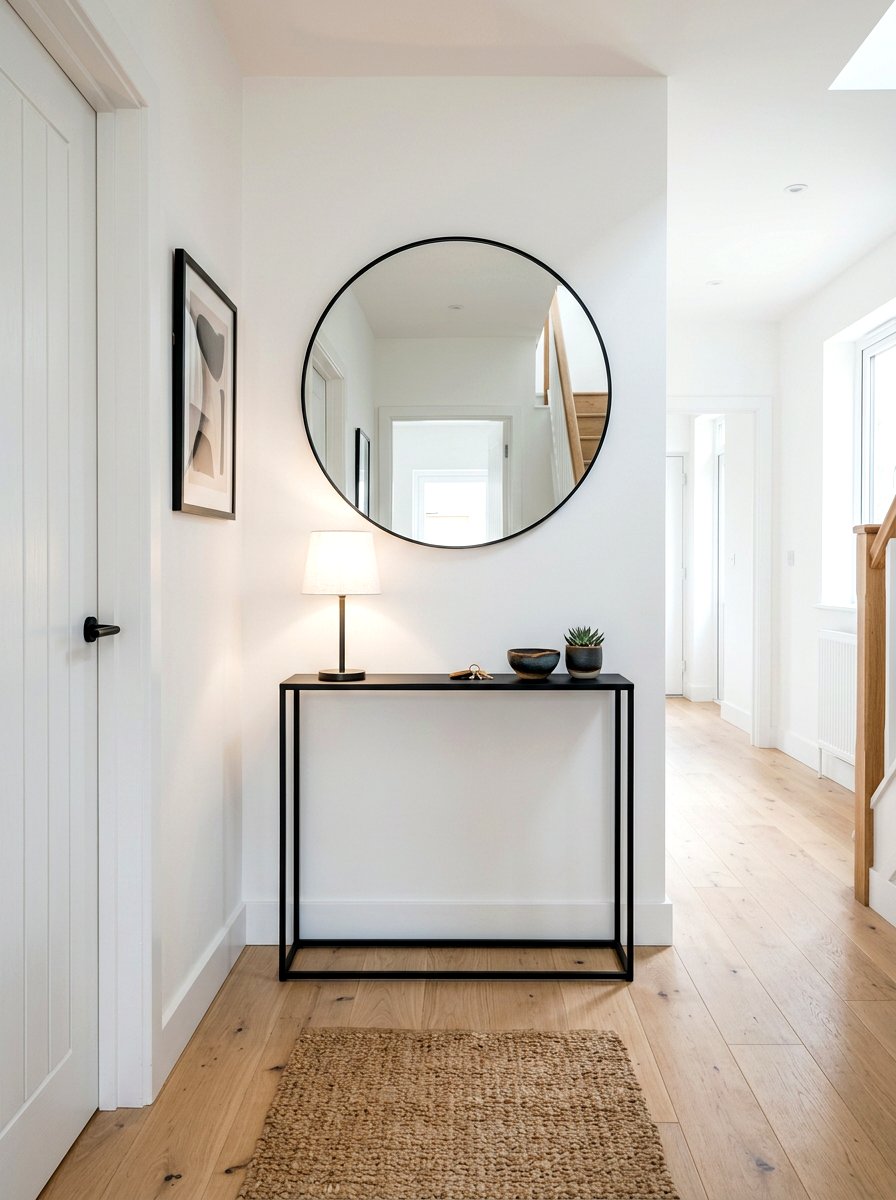
Finding furniture that fits a narrow space can be a challenge, but a slim console table is a game-changer. These narrow tables are designed specifically for tight areas, providing a surface for keys, mail, or a beautiful table lamp. Choosing a console with thin legs or a floating design keeps the floor visible, which helps maintain the illusion of more space. Decorating the table with a few well-chosen items like a decorative bowl or a small vase of flowers adds a welcoming touch to your entryway. It’s a functional and stylish way to anchor your hallway design without blocking the natural flow.
12. Oversized Hallway Art
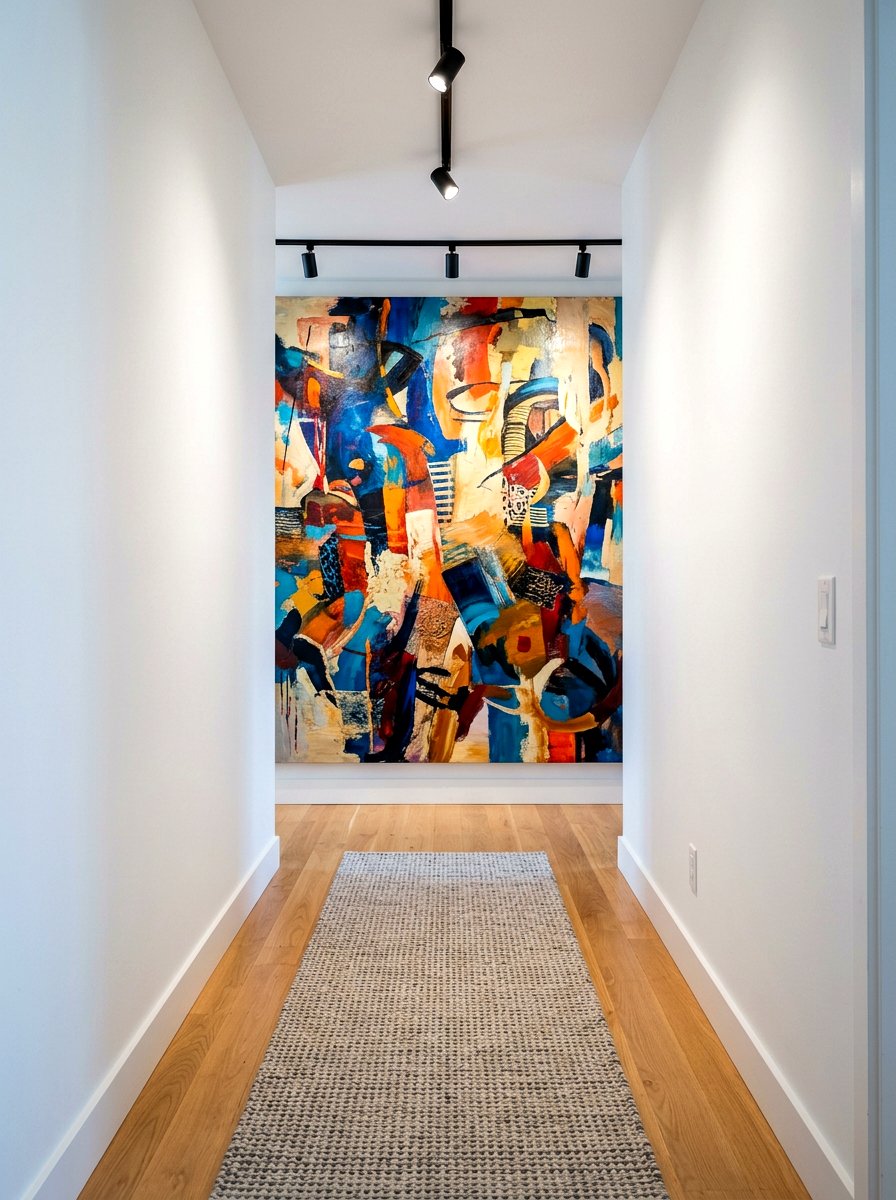
Instead of a cluttered gallery wall, consider making a bold statement with one oversized piece of art at the end of the hall. A large painting or a vibrant tapestry acts as a focal point that draws guests into the space. This design choice creates a sense of destination and purpose for the hallway, making it feel like more than just a path between rooms. Large art can also help to set the color palette for the entire area. By choosing a piece that fills most of the wall width, you emphasize the height of the space and add a touch of sophisticated luxury.
13. Tall Hallway Plants
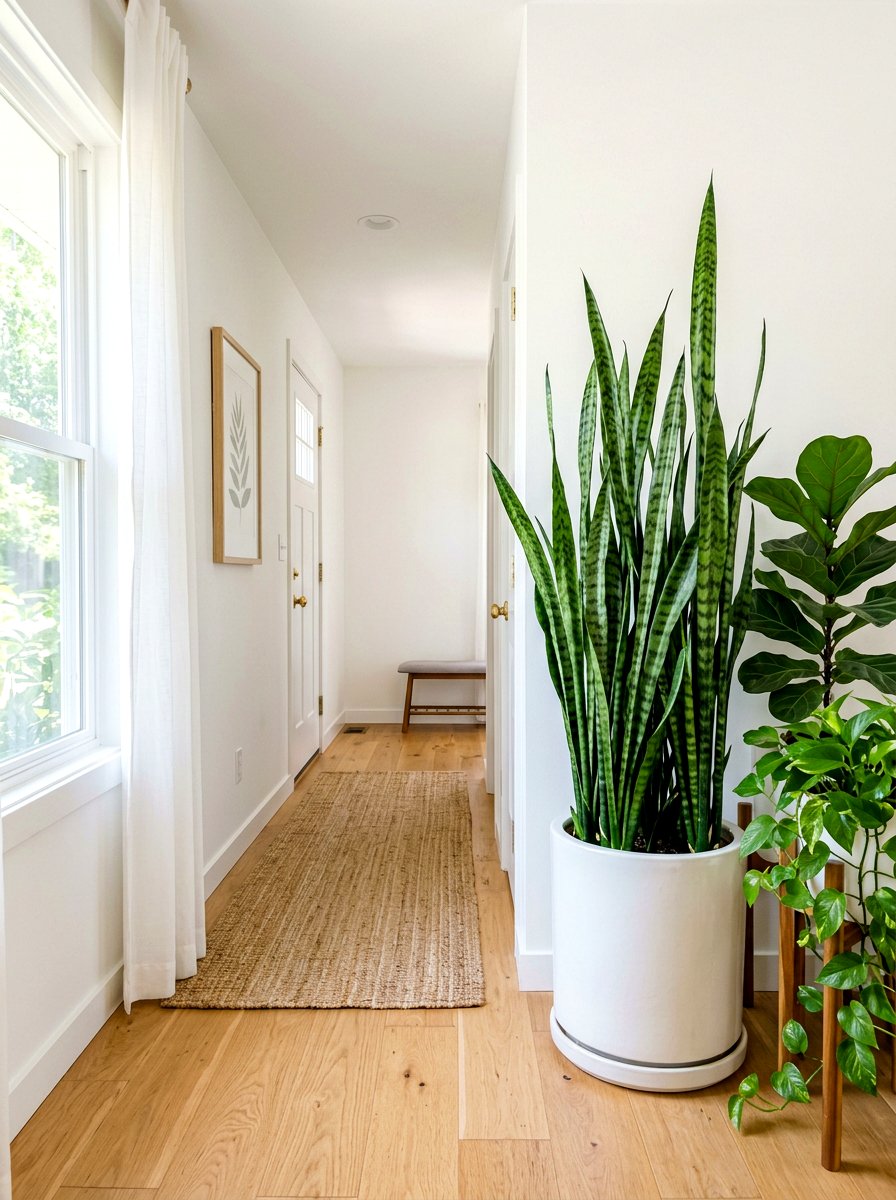
Bringing the outdoors inside is a wonderful way to liven up a narrow corridor. Tall, slender plants like a snake plant or a fiddle leaf fig can fit into tight corners and add a vibrant pop of green. These living elements introduce texture and organic shapes that soften the hard lines of a hallway. If your hallway lacks natural light, you can opt for high-quality artificial plants or varieties that thrive in low-light conditions. Placing a plant at the end of the hall or near a doorway creates a fresh and welcoming atmosphere that makes the transition between rooms feel more natural and peaceful.
14. Narrow Hallway Bench
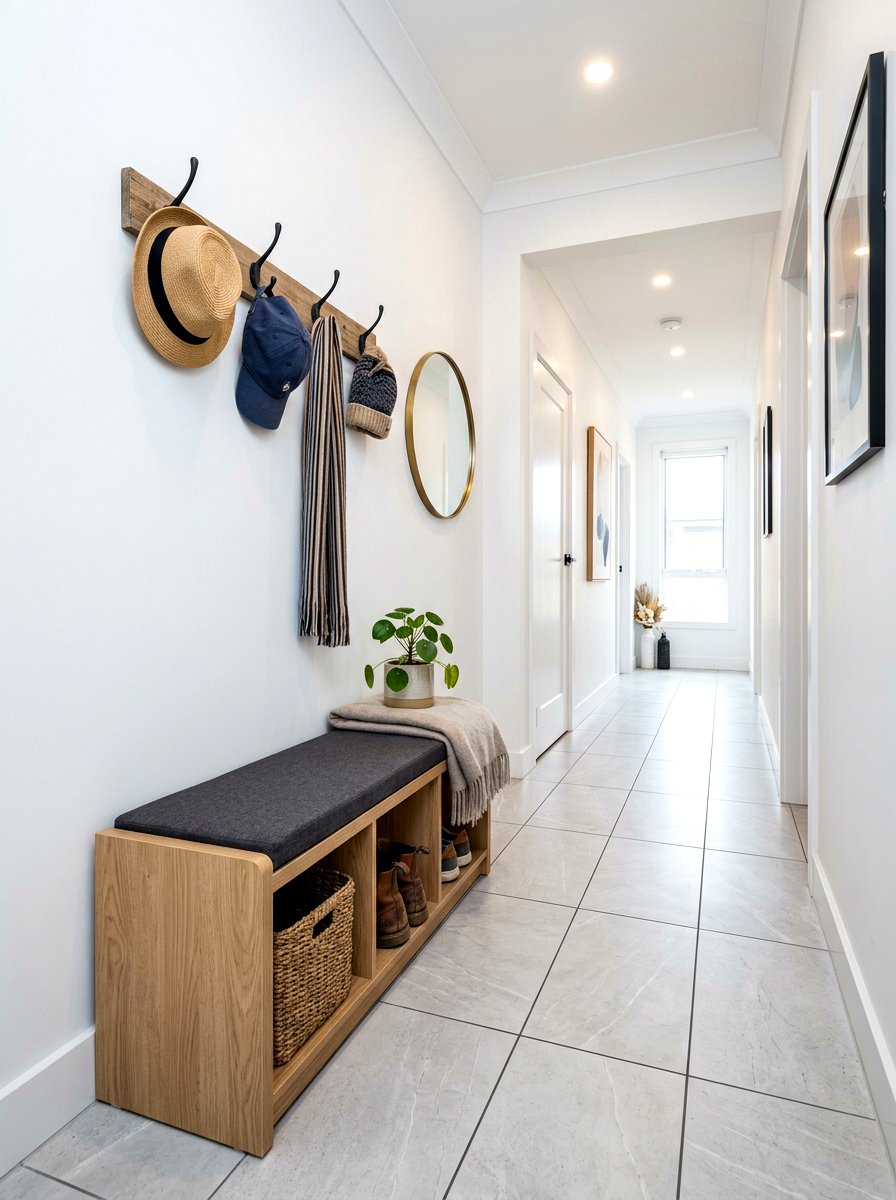
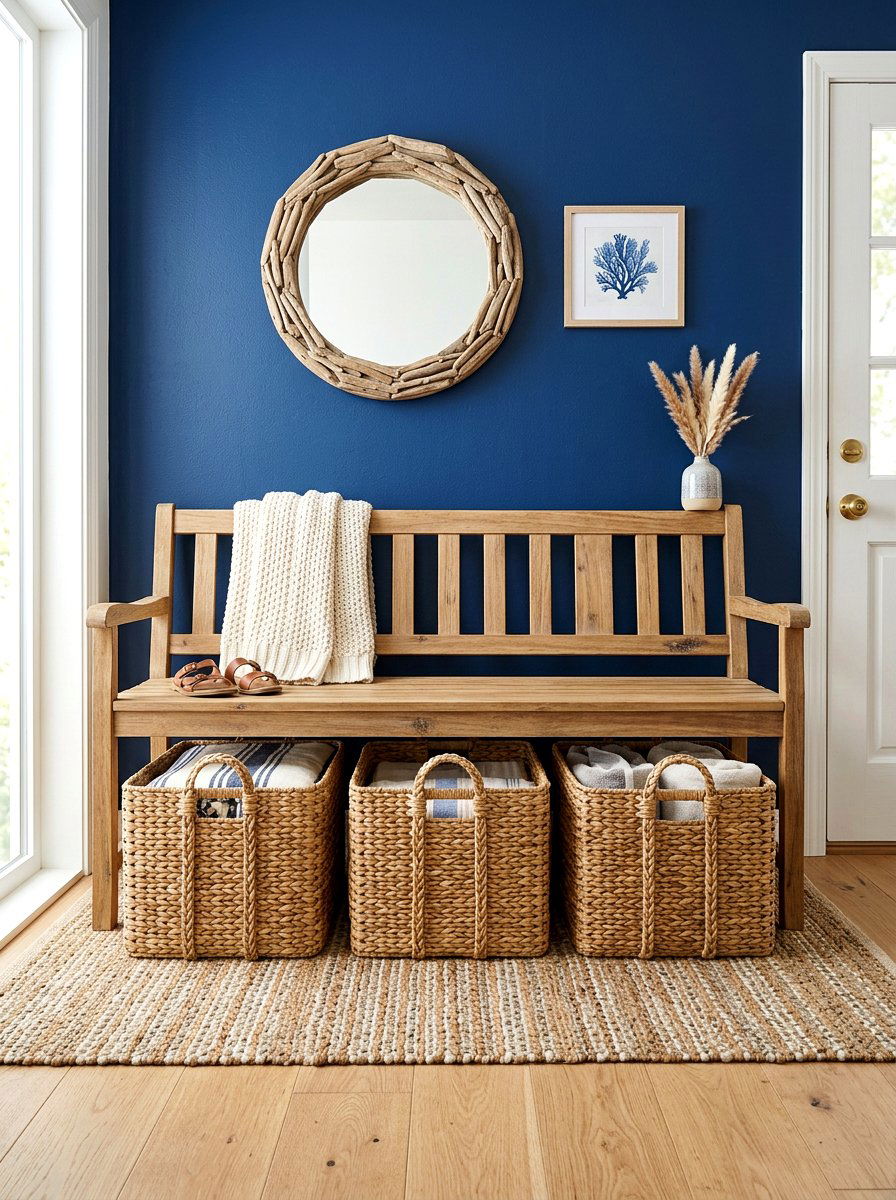
Adding a small bench to your hallway provides a practical spot to sit while putting on shoes or a place to set down grocery bags. In a narrow space, look for a low-profile bench with a slim depth to ensure it doesn't obstruct the walkway. Many narrow benches also feature built-in storage underneath, such as cubbies or a flip-top seat, which is perfect for organizing shoes and outdoor accessories. Choosing a bench with a beautiful wood finish or a comfortable upholstered top adds a layer of warmth and hospitality, turning a simple passage into a functional and inviting part of your home.
15. Patterned Hallway Tile
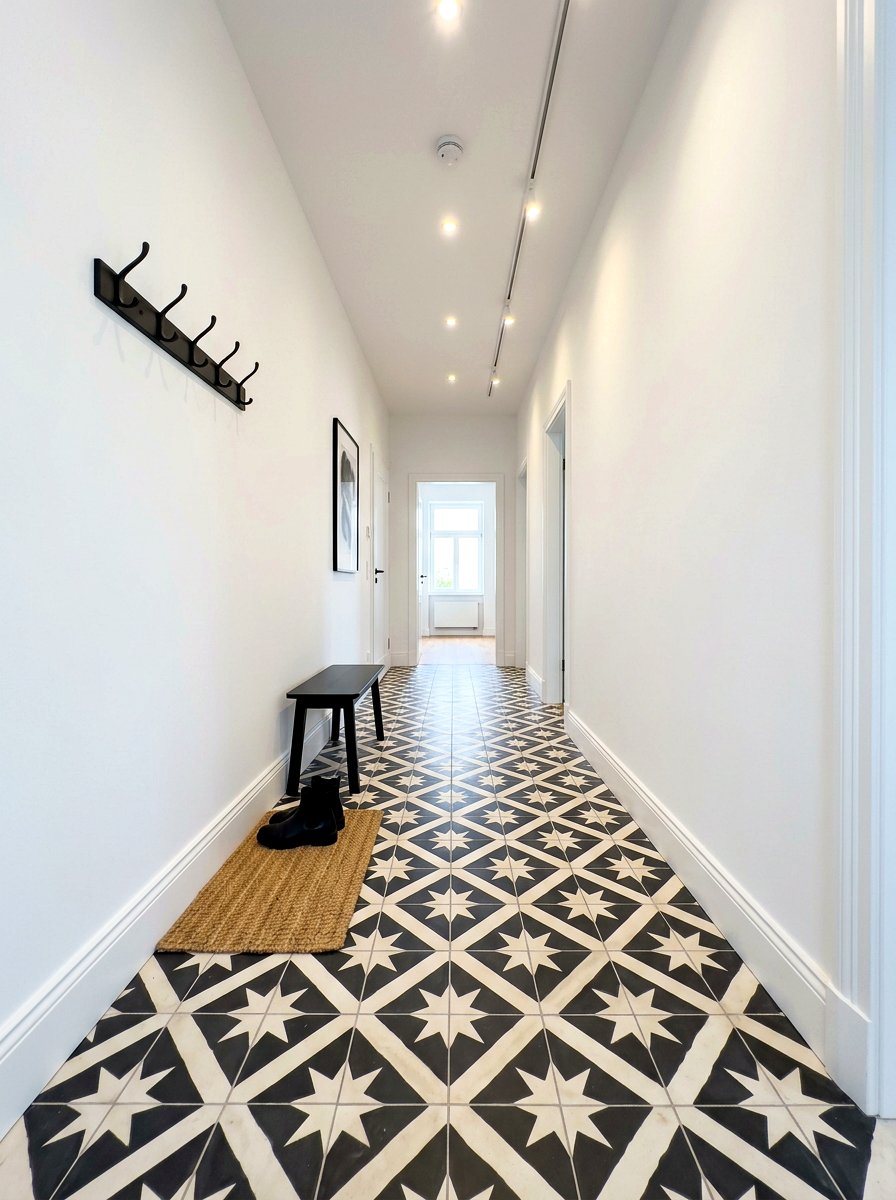
The floor is often overlooked, but installing patterned tile can completely transform the look of a narrow hallway. Bold geometric patterns or classic encaustic designs draw the eye downward and create a stunning visual foundation. Tiling is also a very durable and easy-to-clean option for the high-traffic area of an entry hall. If you want to make the space feel wider, look for patterns that run horizontally across the width of the floor. This design choice adds a sense of luxury and deliberate style, ensuring that your hallway makes a great first impression on anyone who walks through your front door.
16. Glass Hallway Doors
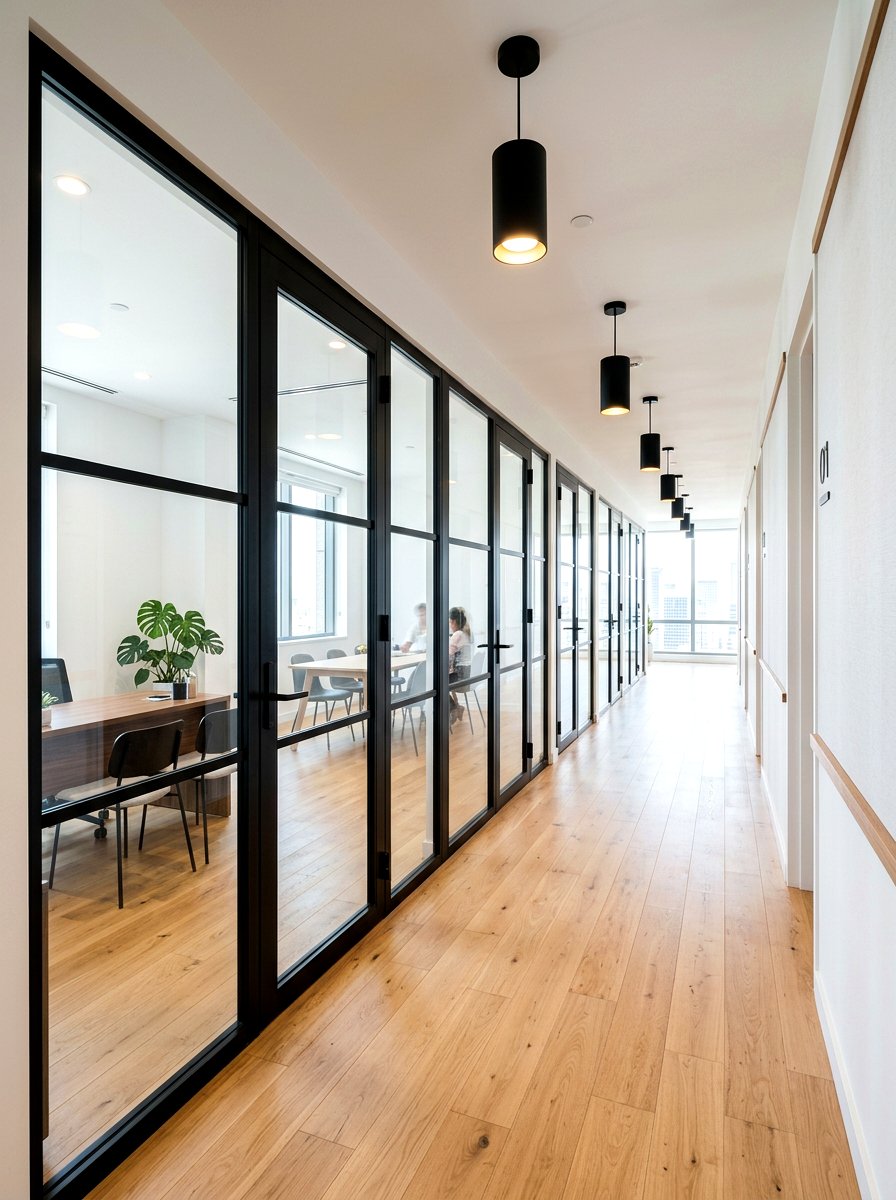
If your hallway feels like a dark tunnel, replacing solid doors with glass-paneled versions can let in a significant amount of light. Glass doors allow natural light from adjacent rooms to spill into the corridor, making the entire space feel much more open and connected. You can choose frosted or reeded glass if you want to maintain privacy while still benefiting from the added brightness. This architectural update modernizes the look of your home and creates a sense of flow between different areas. It is an excellent way to make a narrow hallway feel like a bright and intentional part of the floor plan.
17. Painted Hallway Ceiling
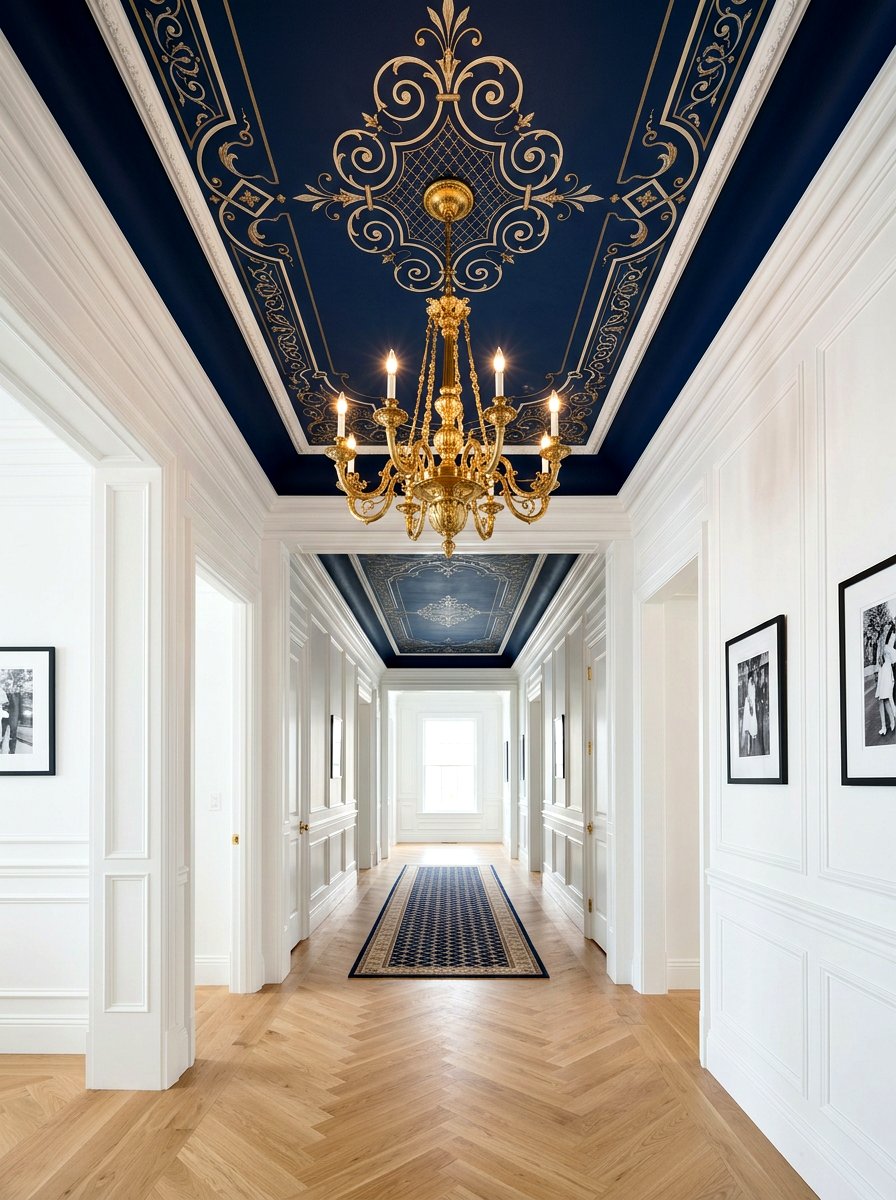
Drawing the eye upward is a clever way to distract from the narrowness of a hallway. Painting the ceiling a bold color or a soft, contrasting shade can add an unexpected element of drama and height. For example, a light blue ceiling can mimic the sky and feel airy, while a dark charcoal can create a cozy and sophisticated "jewelry box" effect. This design trick works best when paired with neutral walls to keep the space from feeling too enclosed. It’s a simple DIY project that can give your hallway a custom, designer look without the need for expensive furniture or structural changes.
18. Hidden Hallway Storage
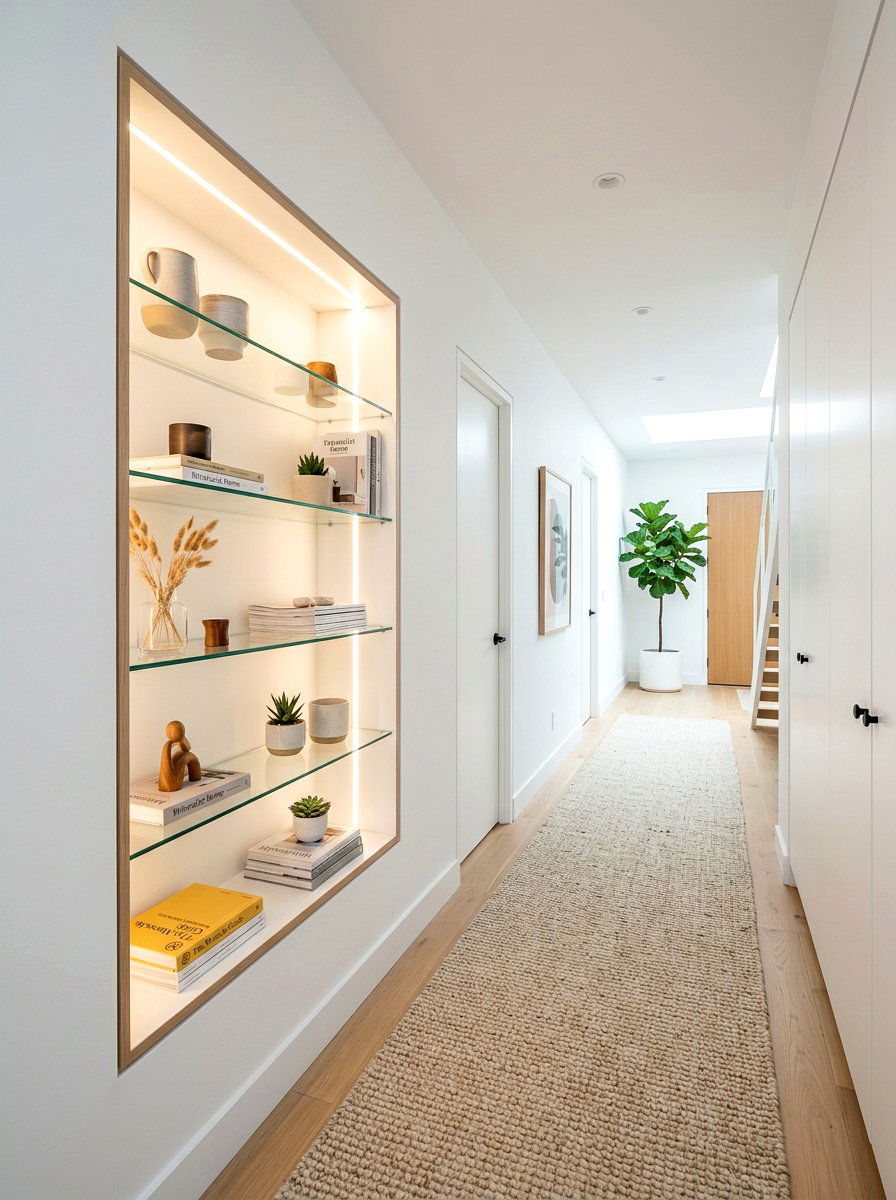
Maximizing every square inch is vital in a narrow home, and hidden storage solutions are your best friend. Look for opportunities to create "between the studs" shelving or recessed wall niches that sit flush with the surface. These small cubbies are perfect for holding keys, phones, or decorative items without protruding into the walkway. You can even install a full-length mirror on hinges that opens up to reveal a shallow cabinet for organization. This clever use of the wall cavity provides extra function while keeping the hallway completely clear of clutter, which is essential for maintaining a spacious and organized feel.
19. Minimalist Hallway Decor
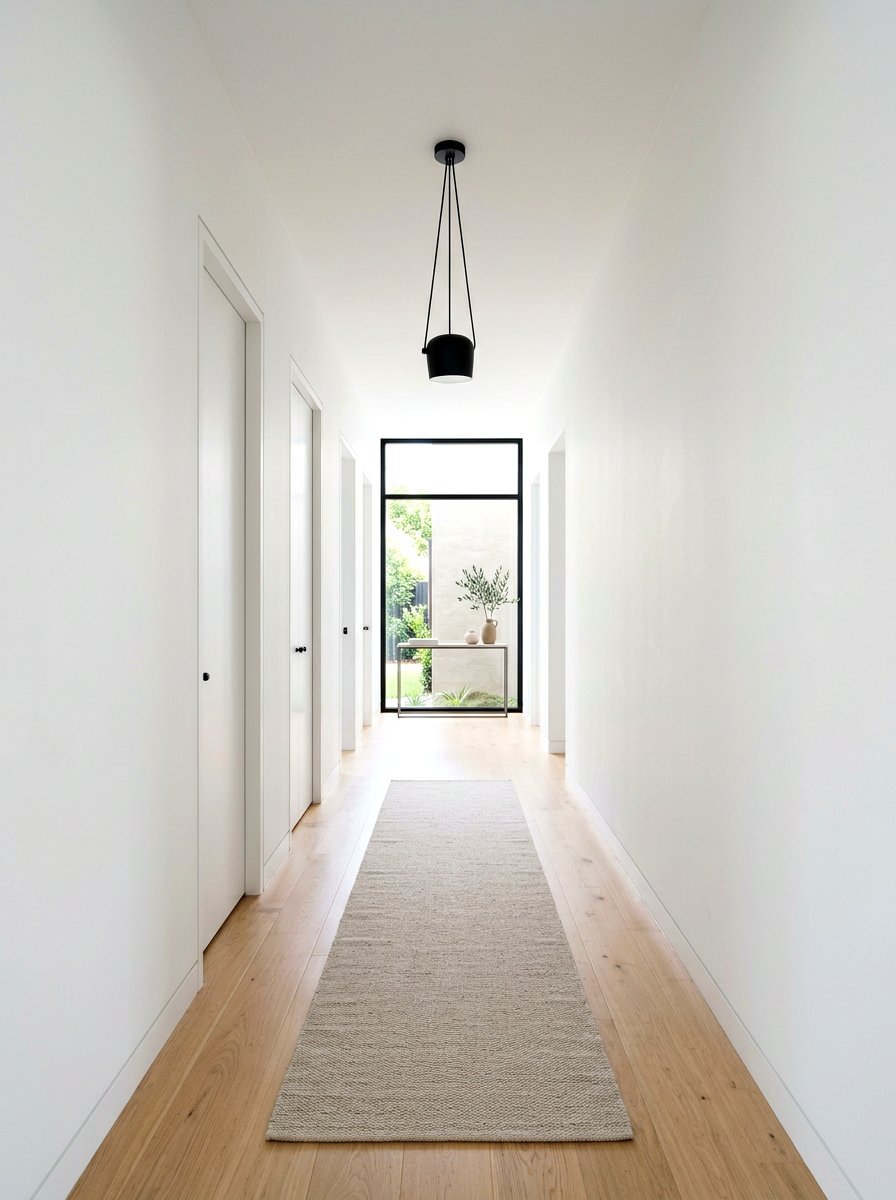
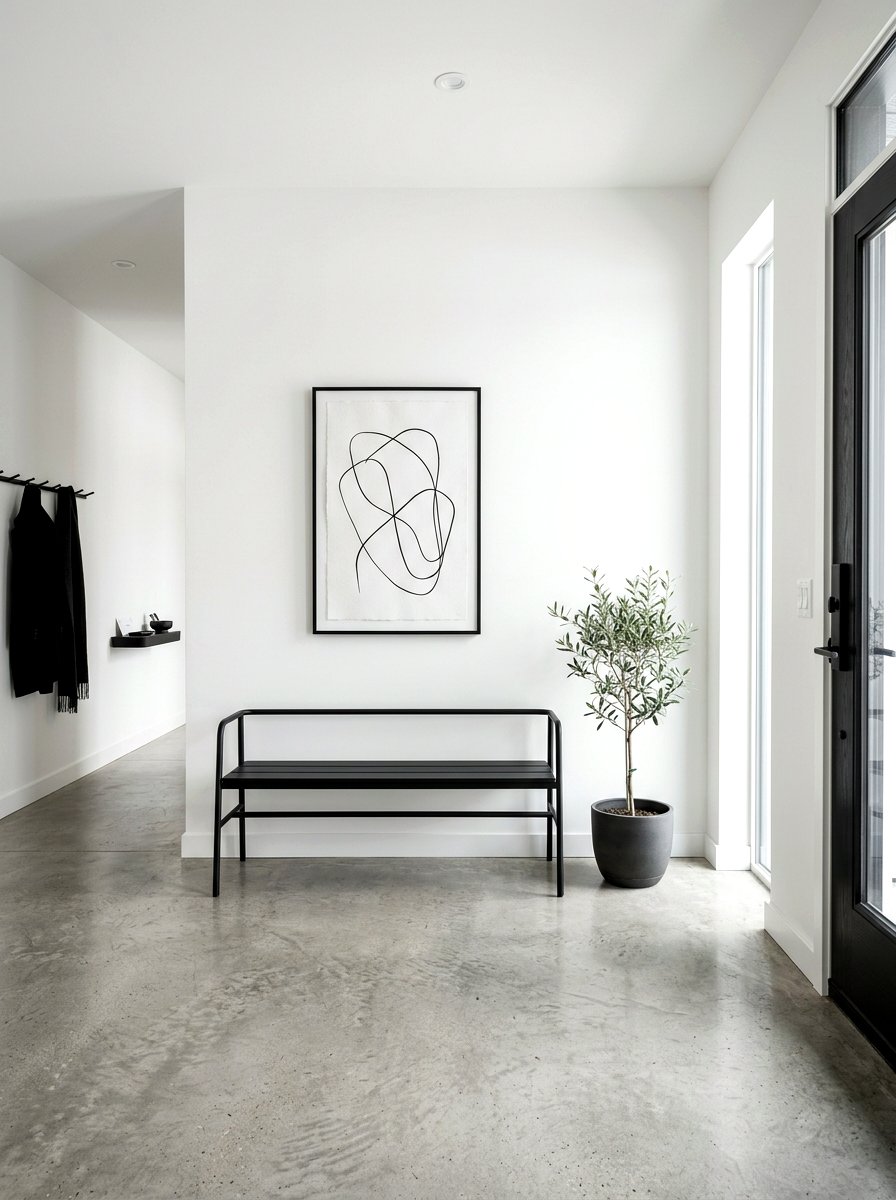
Sometimes, less truly is more when you are working with a very narrow space. Embracing a minimalist aesthetic helps to keep the hallway feeling calm and uncluttered. Focus on high-quality materials and a few impactful pieces rather than filling every corner with small trinkets. A single sleek pendant light, a neutral rug, and one piece of art can be enough to create a stylish and functional area. By keeping the walls and floors mostly clear, you allow the architecture of the home to speak for itself. This clean approach ensures that the hallway remains easy to navigate and feels open and airy.
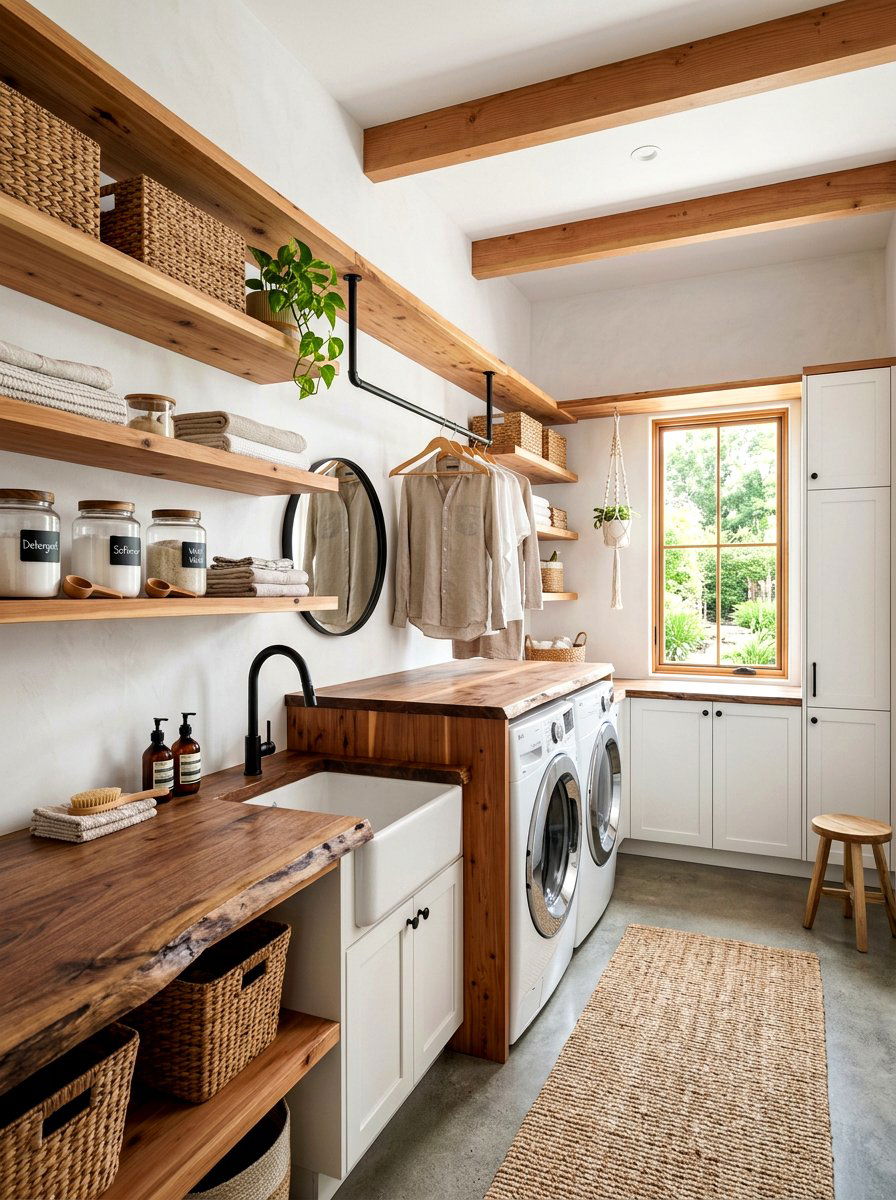
20. Hallway Bookshelf
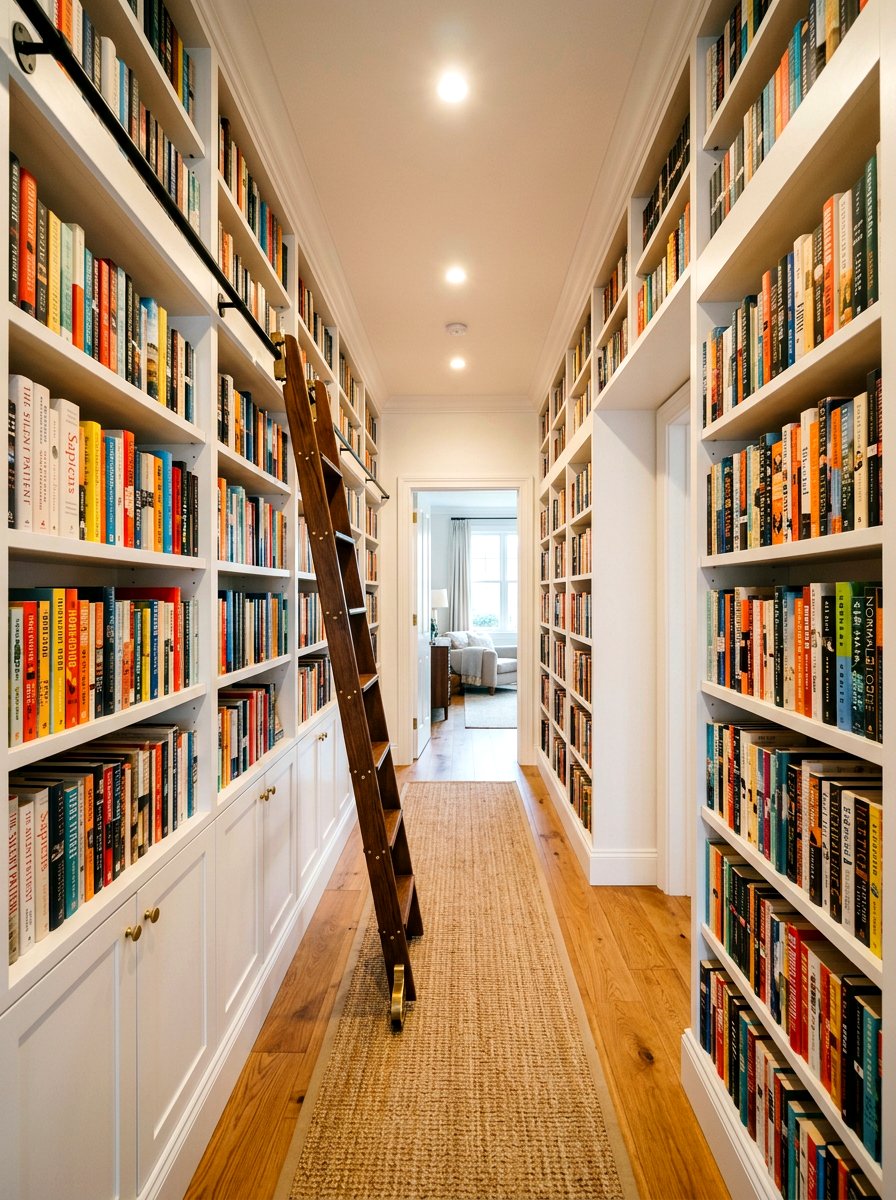
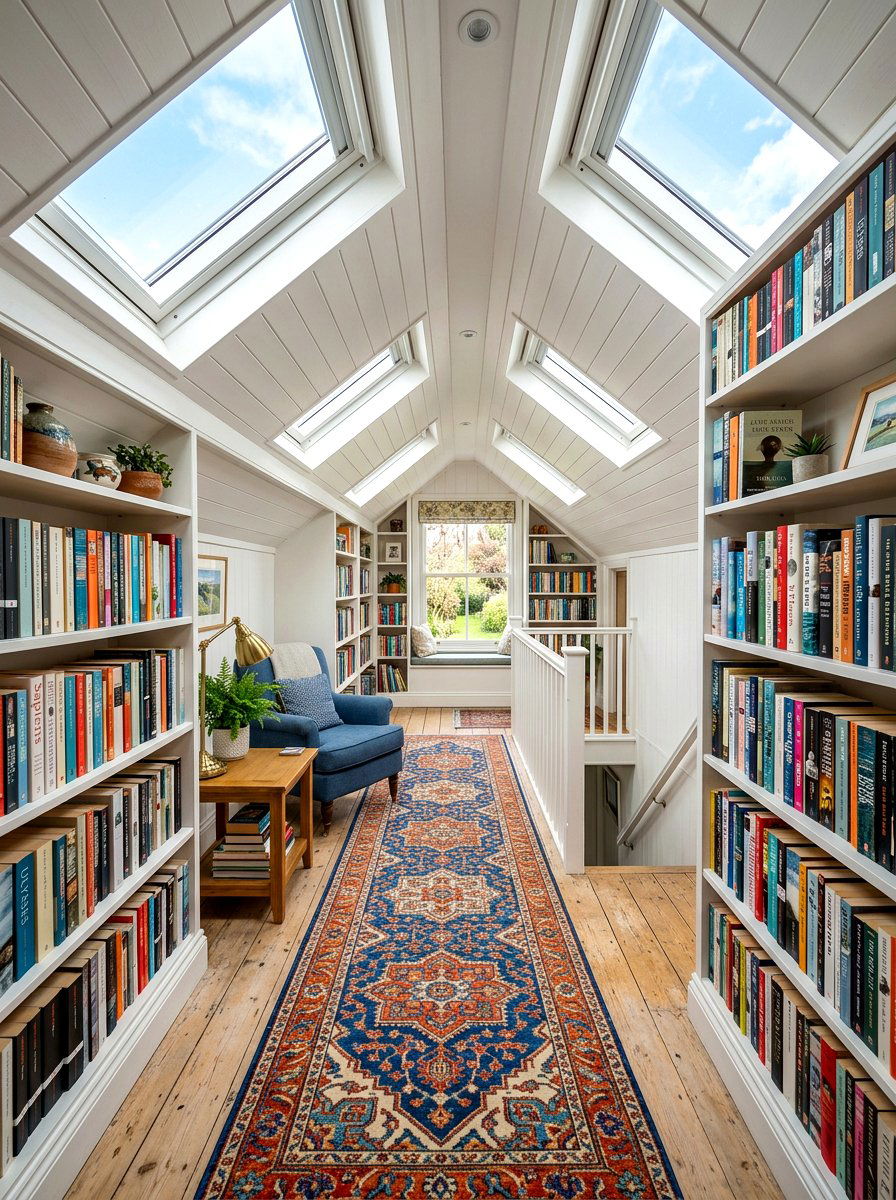
For book lovers, a narrow hallway is the perfect spot to create a home library. Shallow, wall-mounted bookshelves can hold hundreds of volumes without taking up more than a few inches of width. Seeing rows of colorful book spines adds warmth, texture, and a sense of history to the transition space. To keep it from feeling overwhelming, you can organize books by color or mix in some decorative objects and photos. A hallway library turns a functional path into a cozy destination where you can stop and browse your favorite titles. It’s a smart way to add massive storage to a small footprint.
21. Hallway Wall Hooks
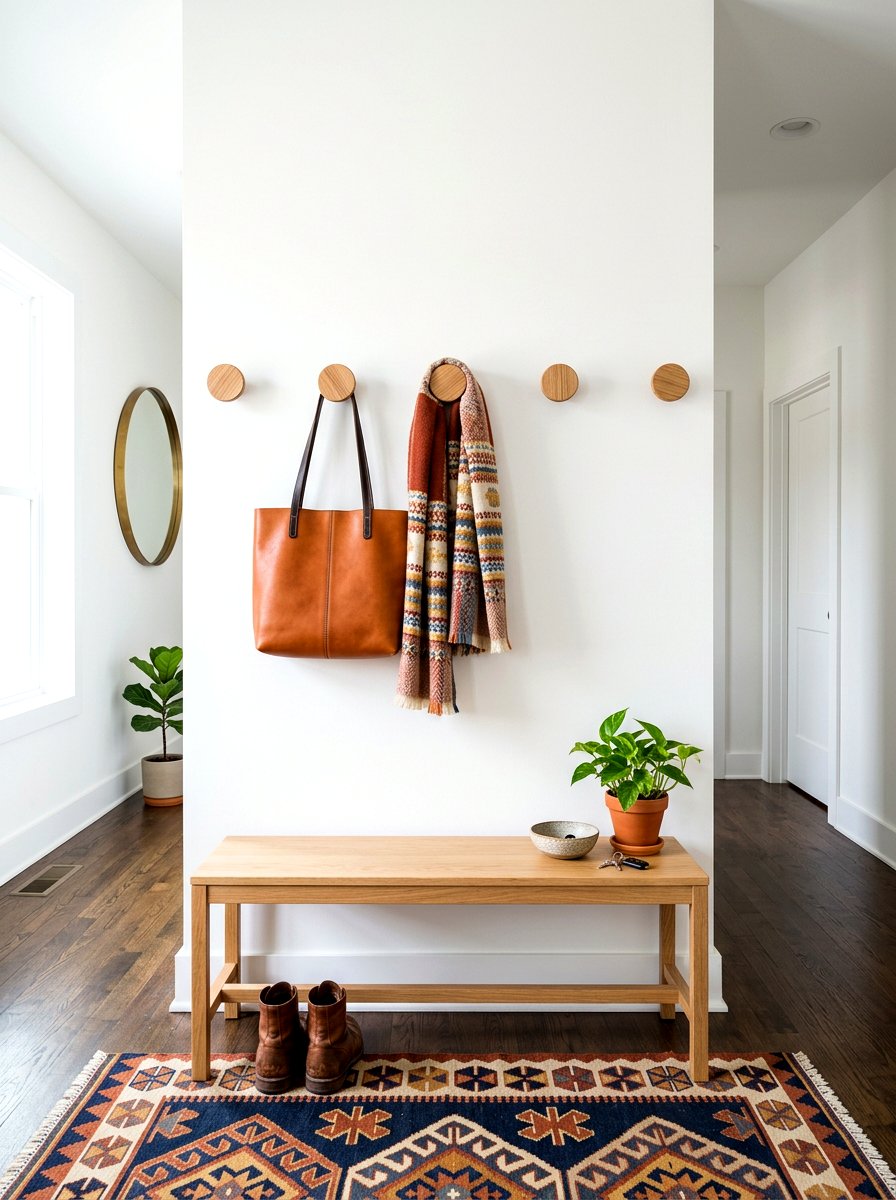
Installing a row of stylish wall hooks is one of the simplest and most effective ways to organize a narrow entryway. These functional accessories provide a place for coats, bags, and hats without the need for a bulky wardrobe or coat rack. To keep the look modern, consider using individual wooden pegs or a sleek metal rail with multiple hooks. Mounting them at different heights can also make it easier for children to reach their own gear. This solution keeps your floor clear and makes the morning routine much smoother by having everything you need for the day ready and within easy reach.
22. Hallway Skylight
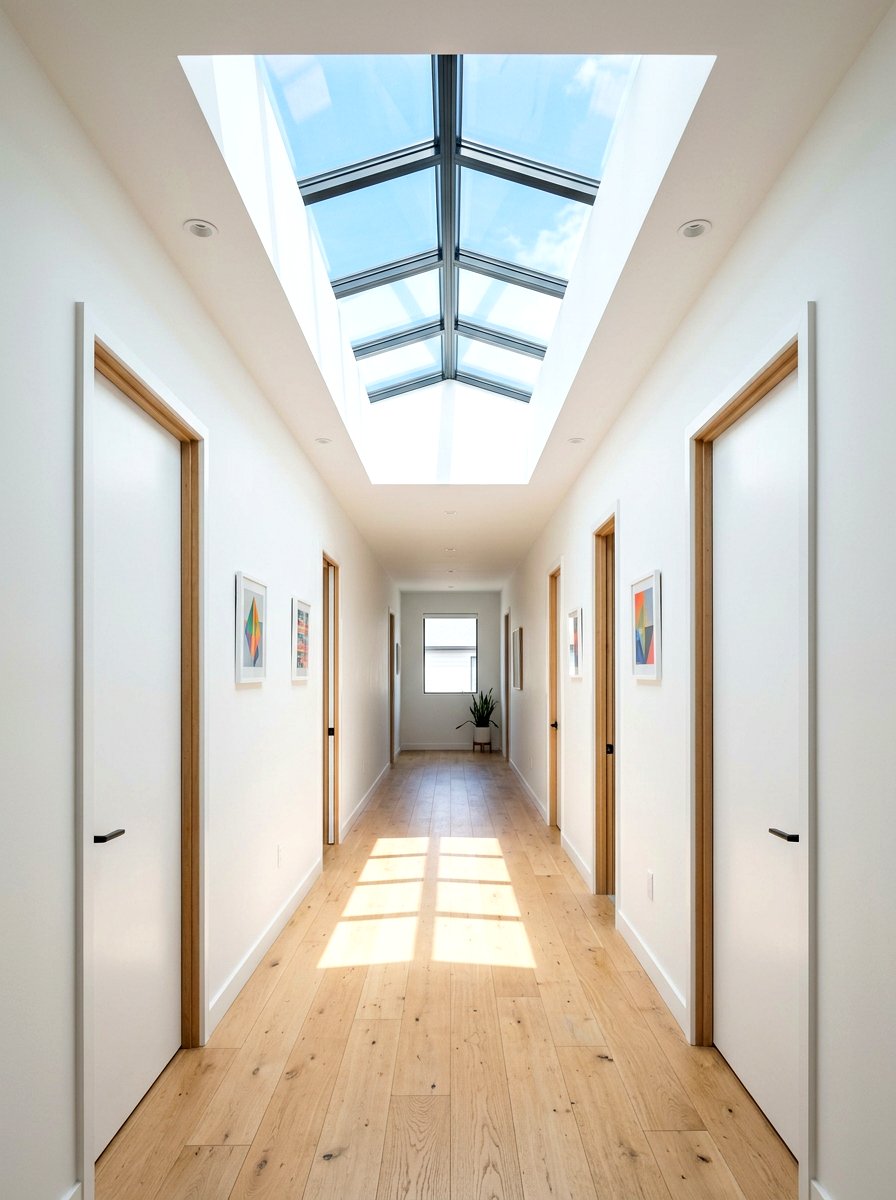
Natural light is the ultimate tool for making a small space feel larger. If your narrow hallway is on the top floor, installing a skylight can completely transform the atmosphere. The bright, direct light from above washes over the walls and floor, eliminating any cave-like feel and making the corridor feel bright and welcoming. Even a small "sun tunnel" can provide a surprising amount of light if a full skylight isn't an option. This structural change adds a sense of luxury and architectural interest that increases the value of your home while making your daily walk through the hallway much more pleasant.
23. Shiplap Hallway Walls
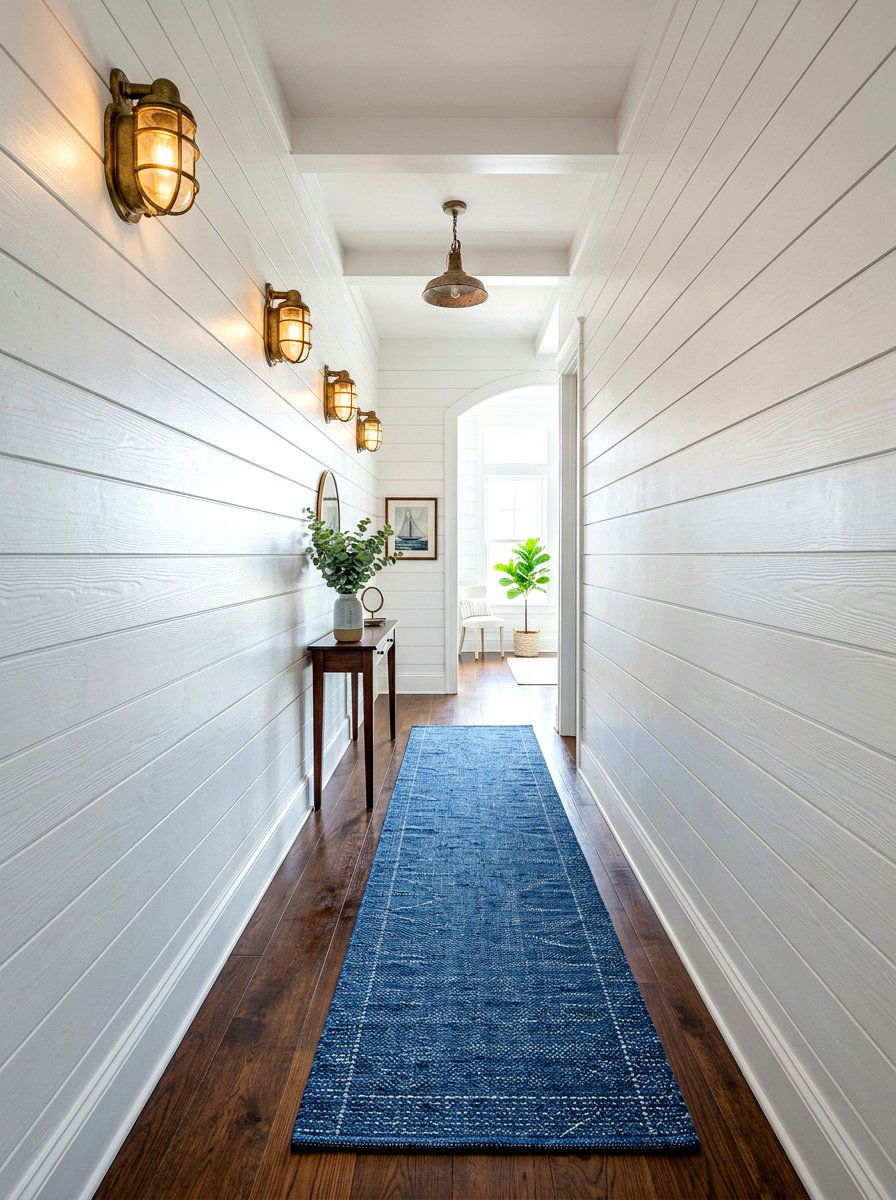
Shiplap is a popular choice for adding texture and a bit of a rustic or coastal vibe to a hallway. Installing the wooden planks horizontally can help the narrow space feel wider by leading the eye along the walls. The subtle lines created by the gaps between the boards add a layer of visual depth that plain drywall lacks. You can paint the shiplap in a crisp white for a classic look or try a moody navy for a more modern and dramatic feel. This durable wall treatment is also great for protecting your walls from the inevitable bumps and scuffs of a busy household.
24. Checkerboard Hallway Floor
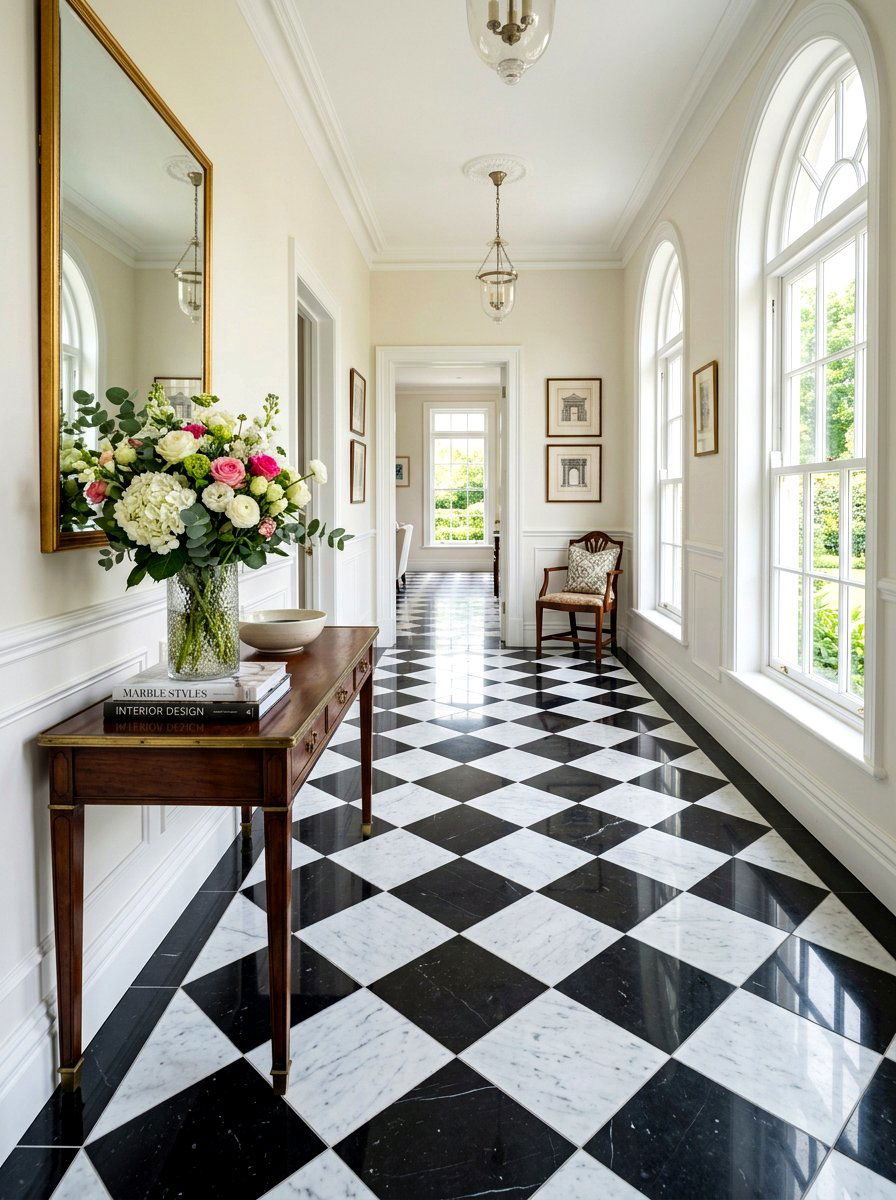
A checkerboard floor is a timeless design choice that adds a touch of classic elegance to any narrow hallway. The alternating colors create a strong visual pattern that makes the floor feel more expansive. While traditional black and white is a stunning choice, you can also try softer combinations like light gray and white for a more subtle look. This pattern works beautifully with both tile and painted wood floors. A checkerboard design provides an instant focal point and makes the hallway feel like a deliberate and stylish part of your home’s overall design, rather than just an afterthought or a simple path.
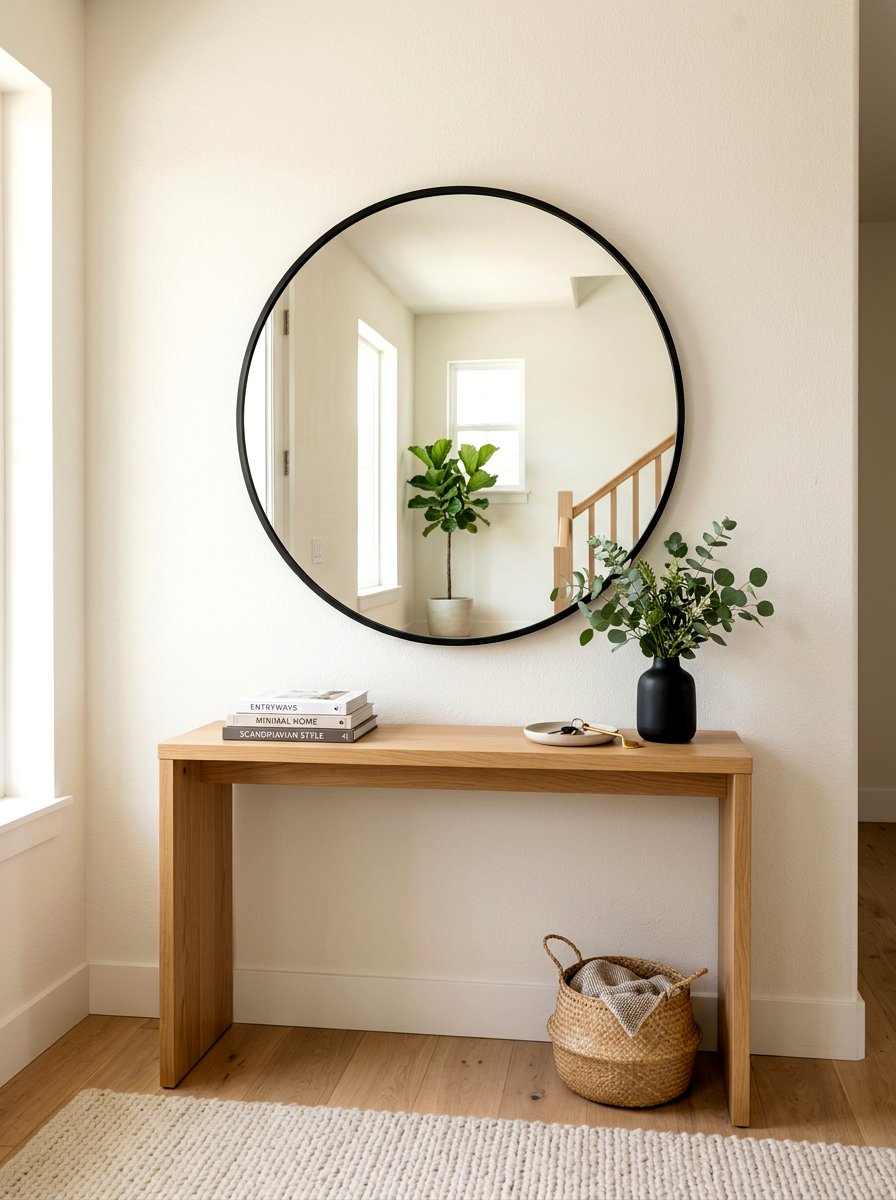
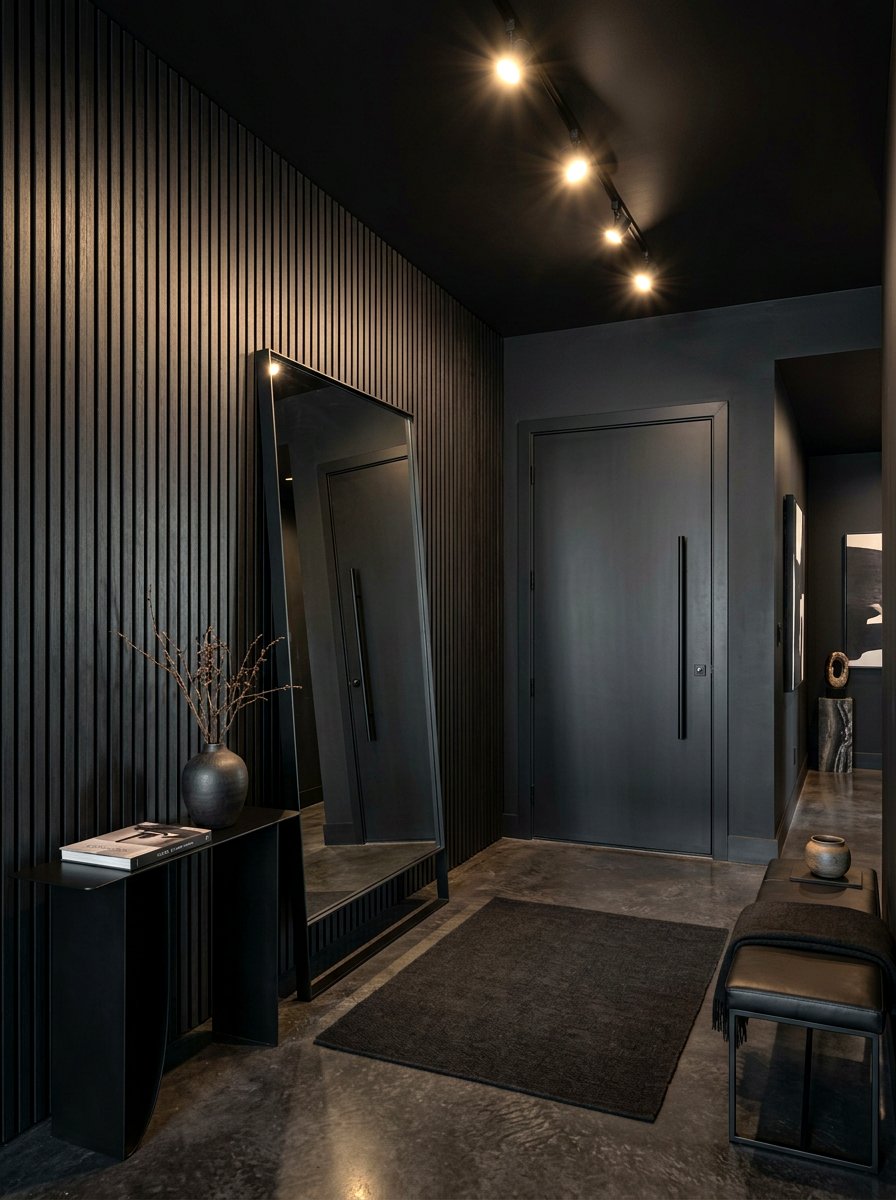
25. Wood Wall Paneling
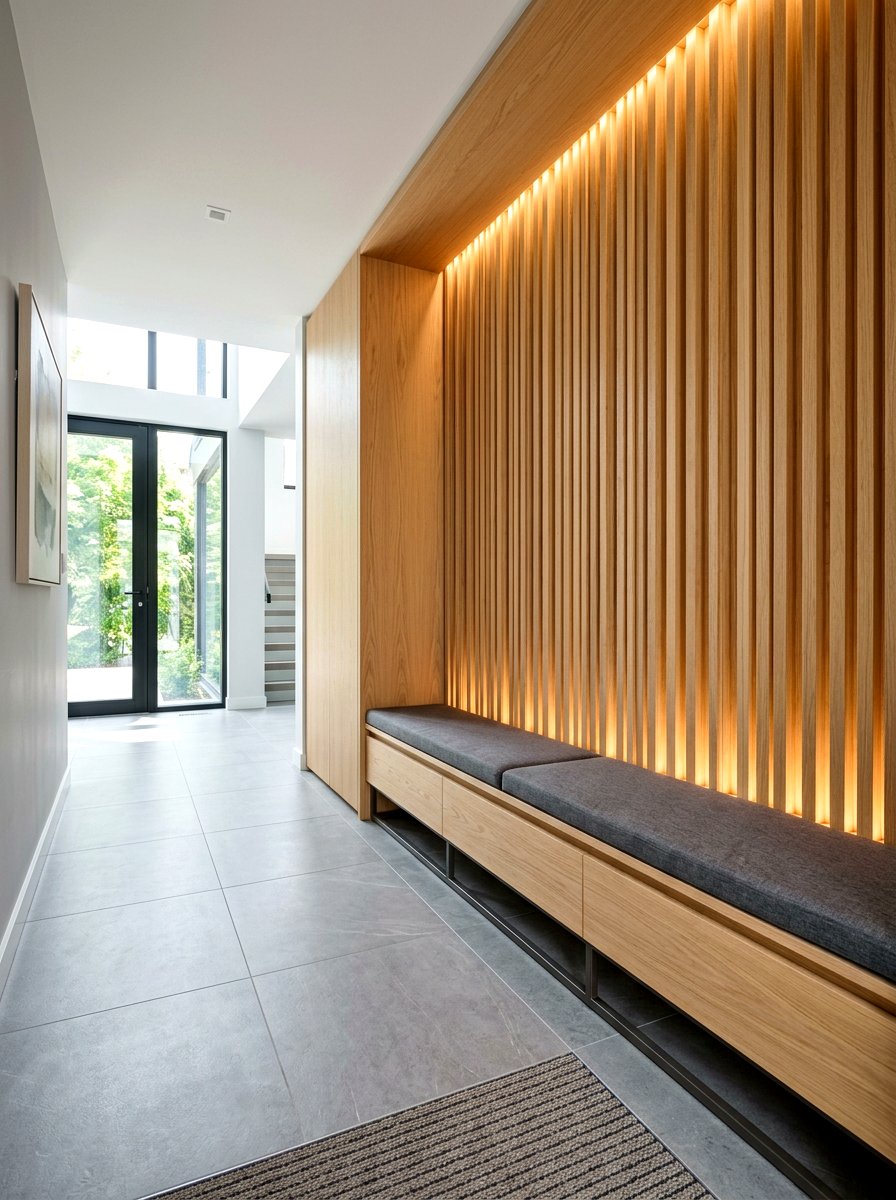
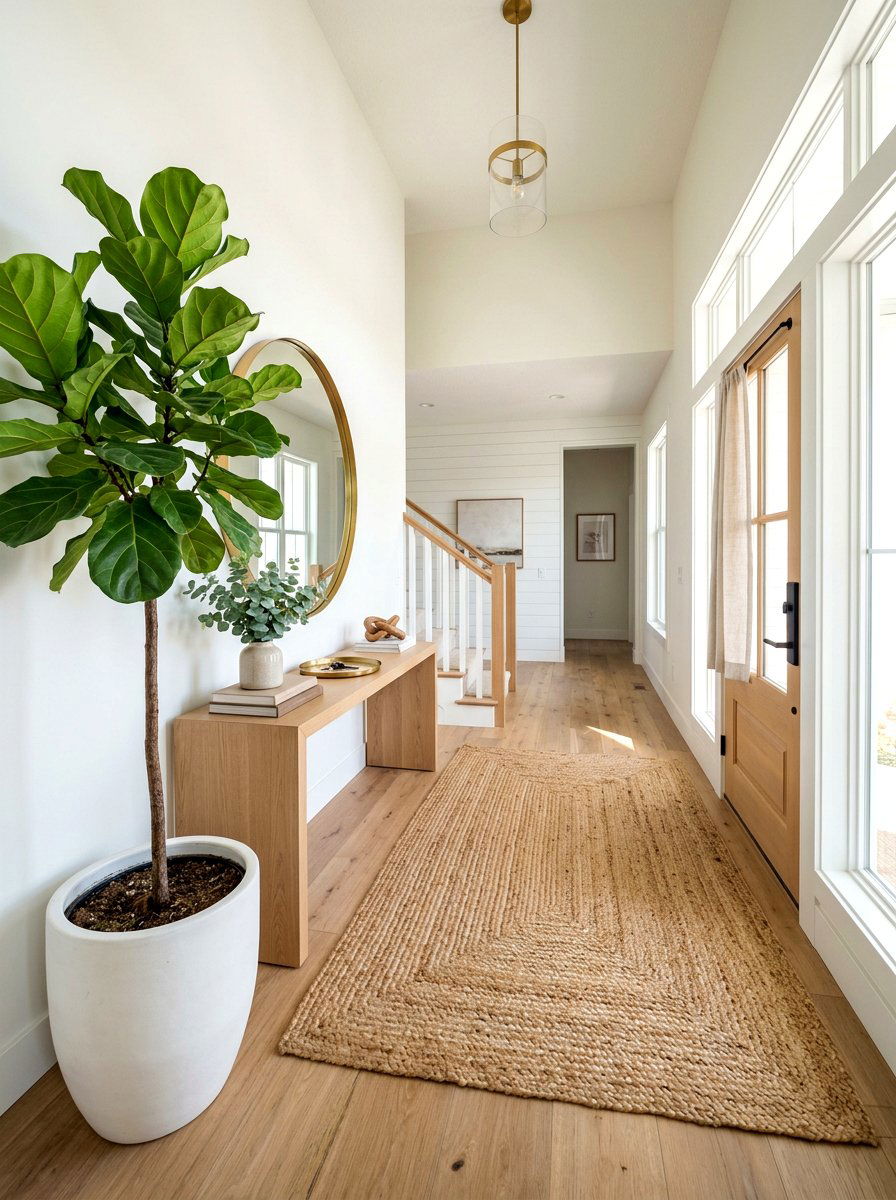
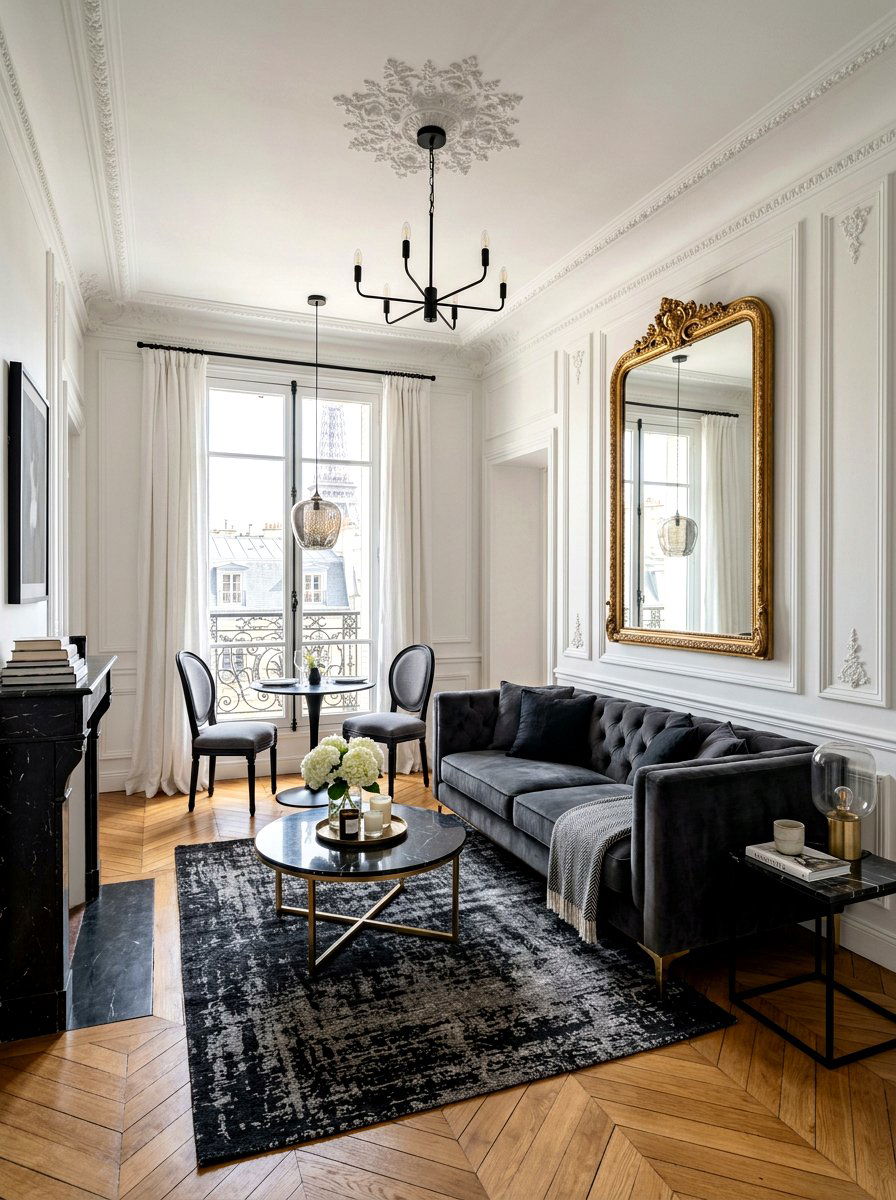
Rich wood paneling can turn a sterile hallway into a warm and inviting space. Whether you choose full-height panels or a more modern slatted design, the natural grain of the wood adds incredible texture and a sense of luxury. In a narrow hallway, using light-colored wood like oak or maple can prevent the space from feeling too dark or heavy. Wood paneling also provides excellent durability in high-traffic areas where walls often get touched or bumped. This design choice brings an organic element to your home and creates a cozy, high-end atmosphere that makes every transition through the house feel more special.
26. Hallway Window Nook
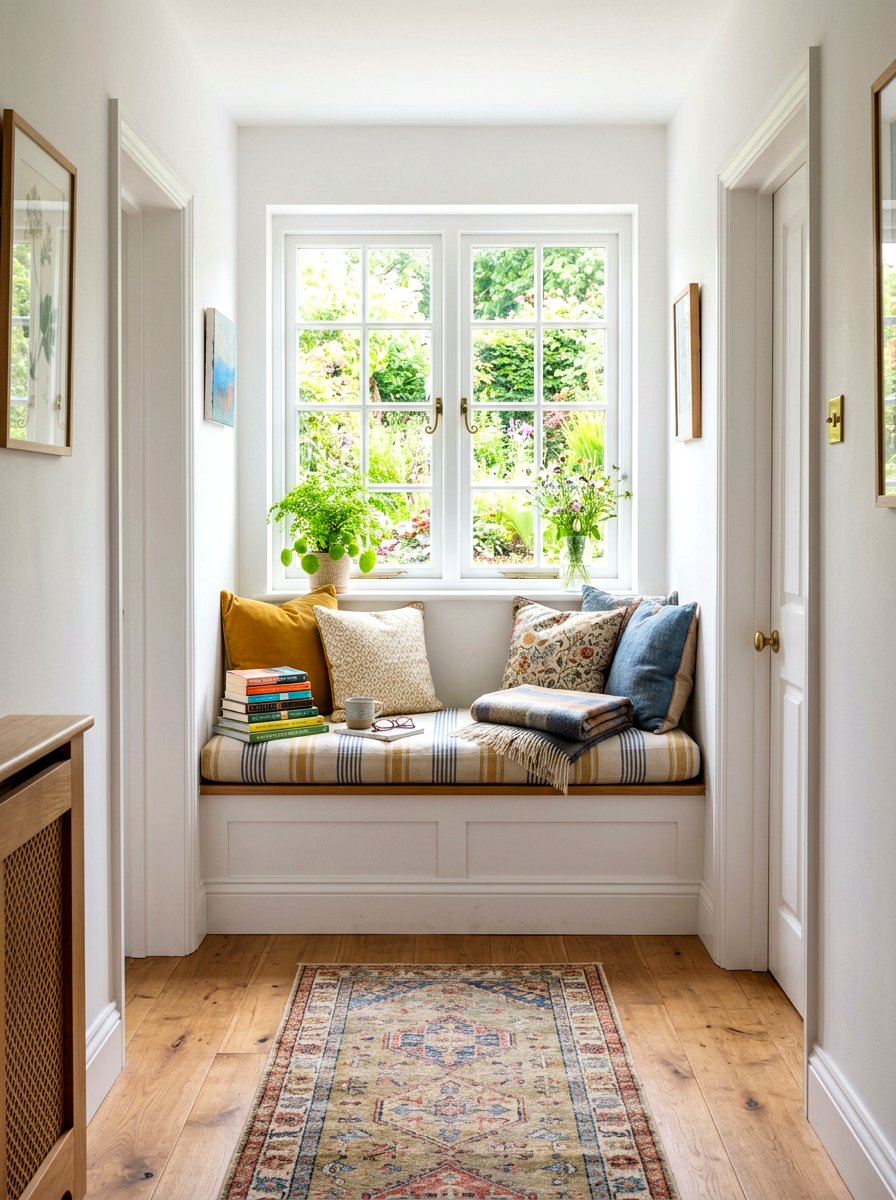
If you are lucky enough to have a window in your narrow hallway, make the most of it by creating a cozy nook. A built-in bench under the window provides a peaceful spot to sit and enjoy the view or read a book. You can add storage drawers beneath the seat to maximize the functionality of the space. Even if you don’t have room for a bench, framing the window with simple curtains or a beautiful plant can draw the eye to the natural light. This design element breaks up the long walls and adds a sense of destination and charm to an otherwise plain corridor.
27. Arched Hallway Opening
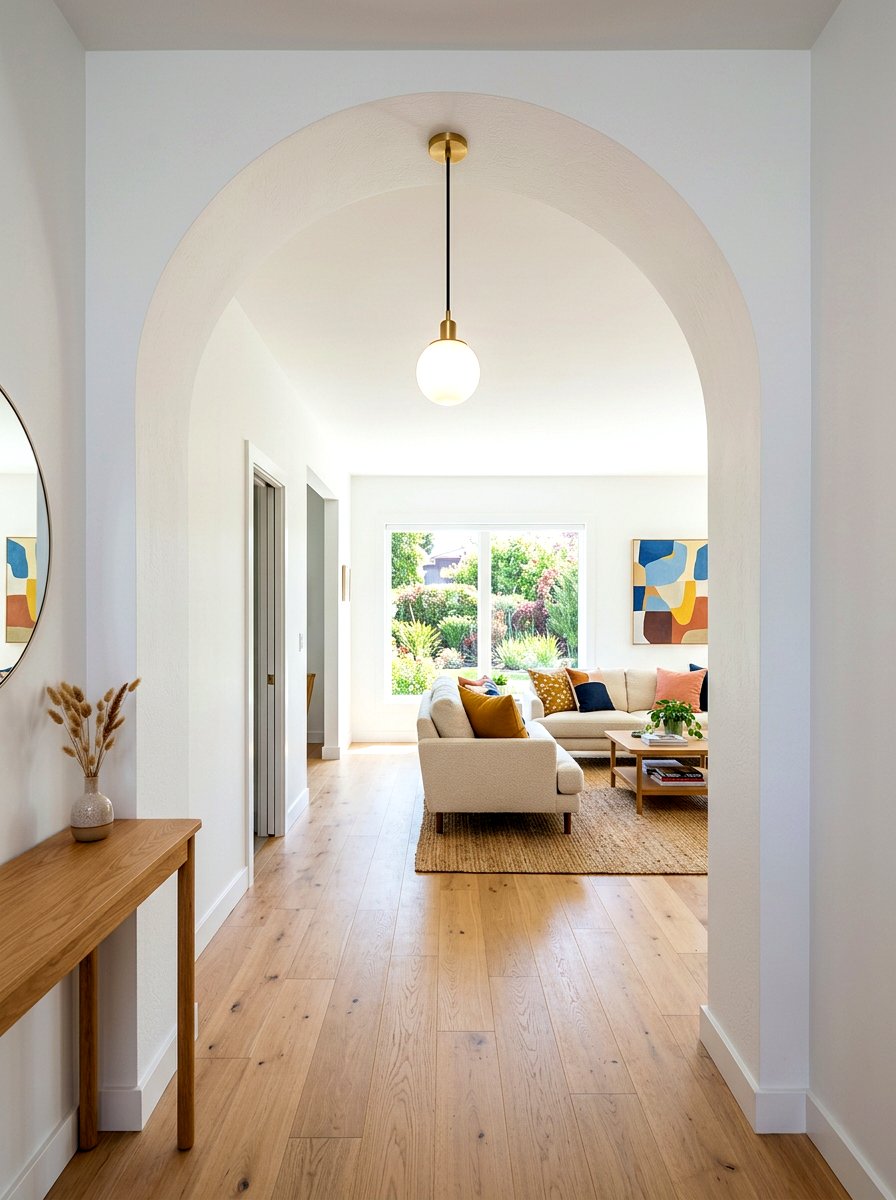
Architectural details like an arched opening can add a sense of softness and grace to a narrow hallway. Replacing a standard rectangular doorway with a curved arch makes the transition between rooms feel more elegant and expensive. This shape helps to break up the harsh straight lines that are common in hallways and can make the ceiling feel slightly higher. Arches are a classic feature that work well in many home styles, from Mediterranean to modern. It’s a subtle structural change that has a big impact on the overall flow and aesthetic of your living space, making it feel more cohesive.
28. Brass Hallway Hardware
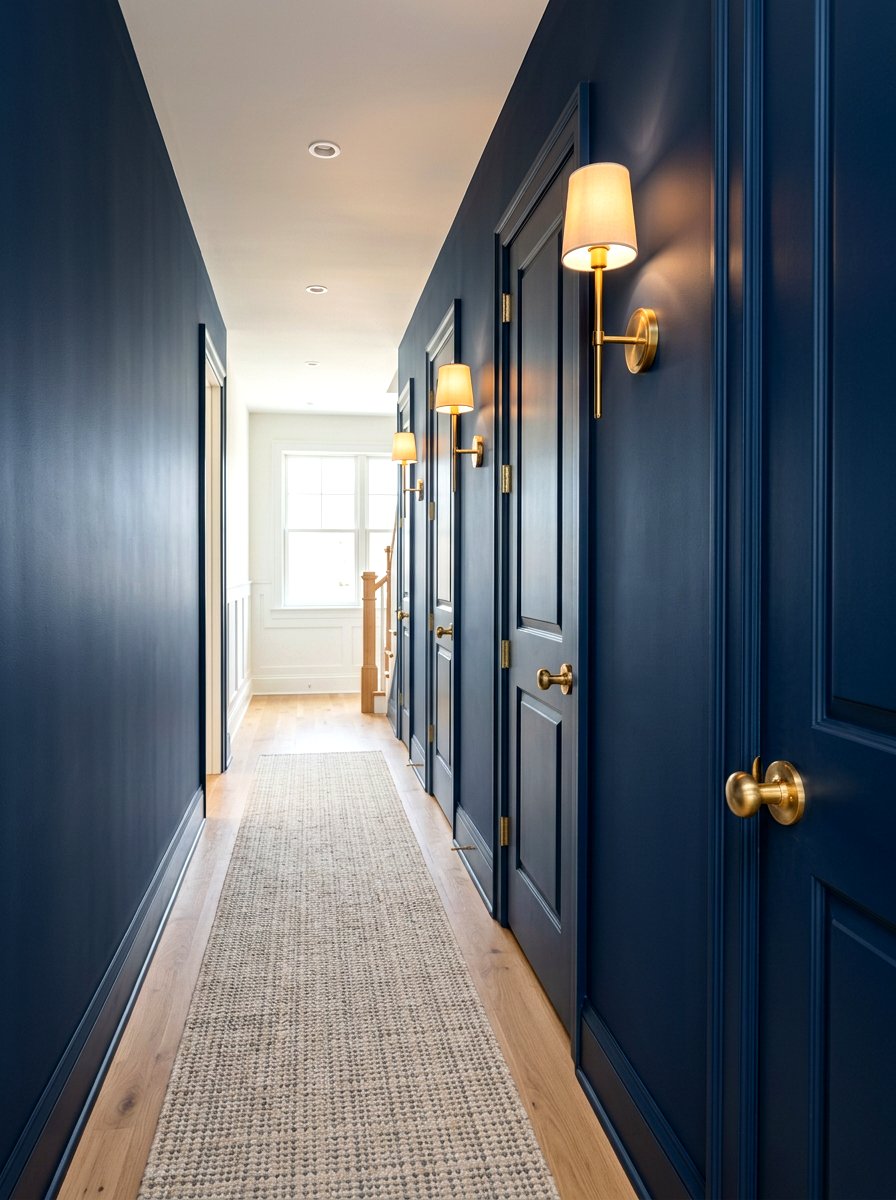
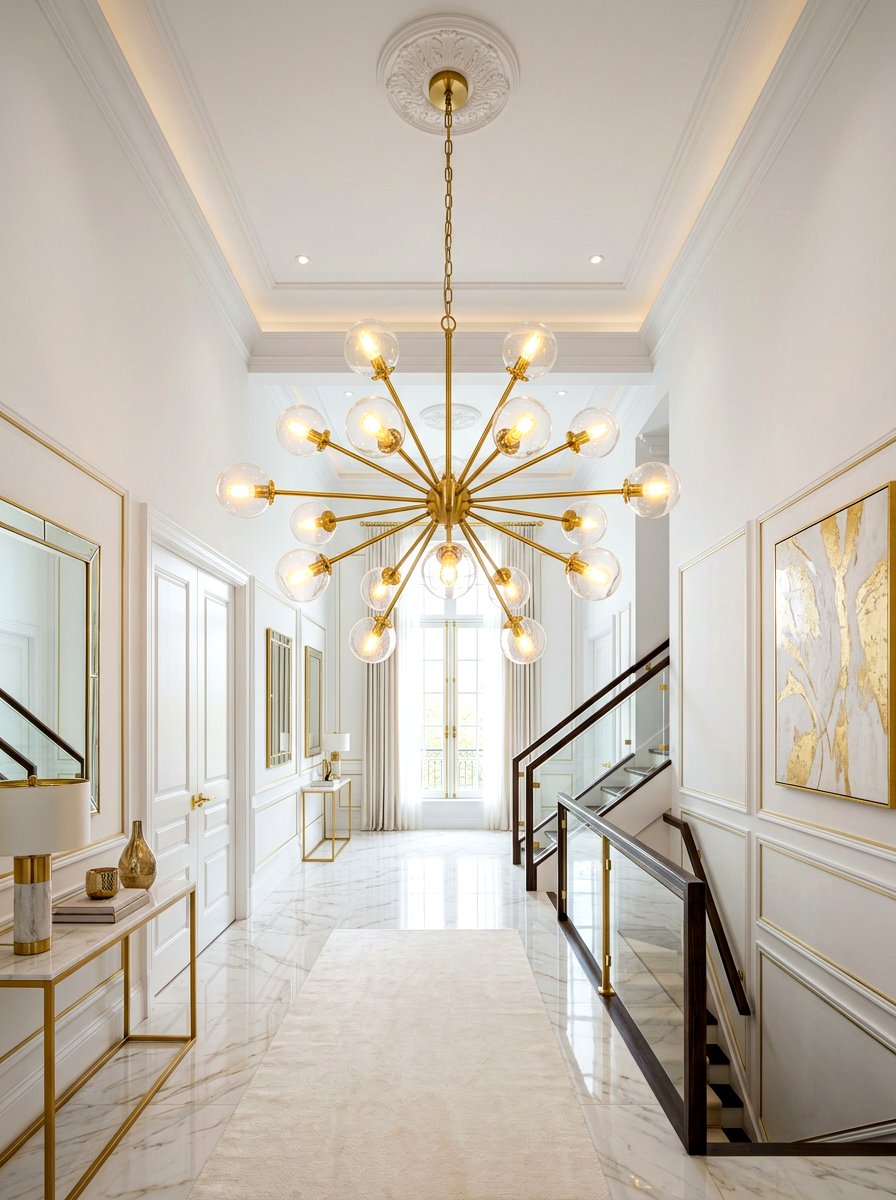
Updating the hardware in your hallway is a small change that can make a huge difference in the overall style. Swapping out old doorknobs, hinges, and light fixtures for modern brass versions adds a touch of warmth and sophistication. Brass has a beautiful, reflective quality that catches the light and adds a subtle glow to the space. It pairs wonderfully with almost any wall color, from deep greens to classic whites. This high-end detail makes your hallway feel finished and well-considered. It is a quick and affordable way to elevate the look of your home without the need for a major renovation.
29. Hallway Pocket Door
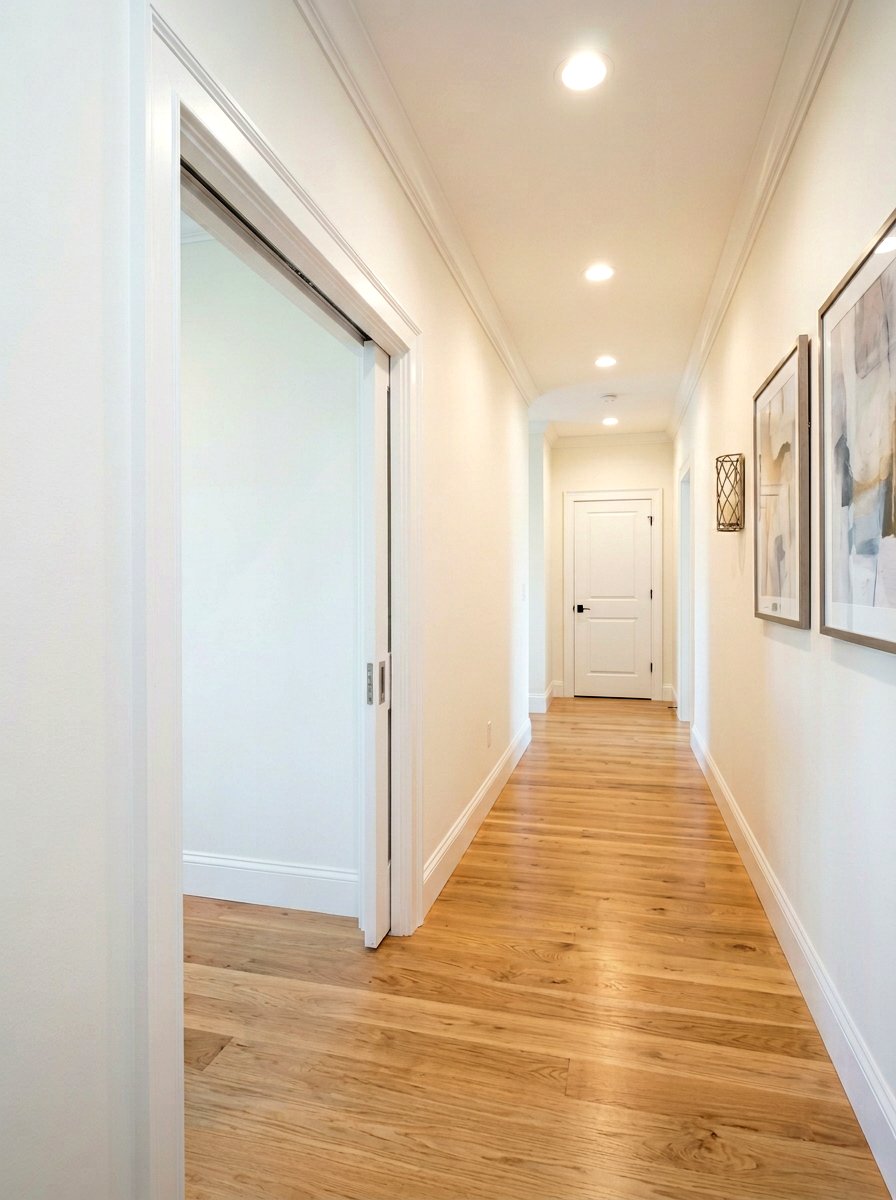
In a narrow hallway, a swinging door can often block the entire path when it’s open. Installing a pocket door is a brilliant solution that saves valuable floor and wall space. These doors slide directly into the wall cavity, staying completely out of the way when they are not in use. This architectural update makes the hallway feel much more spacious and allows for better flow between rooms. You can choose a door with glass panels to maintain the light flow or a solid wood version for maximum privacy. It’s a practical and sleek choice that modernizes your home’s layout and functionality.
30. Neutral Hallway Color
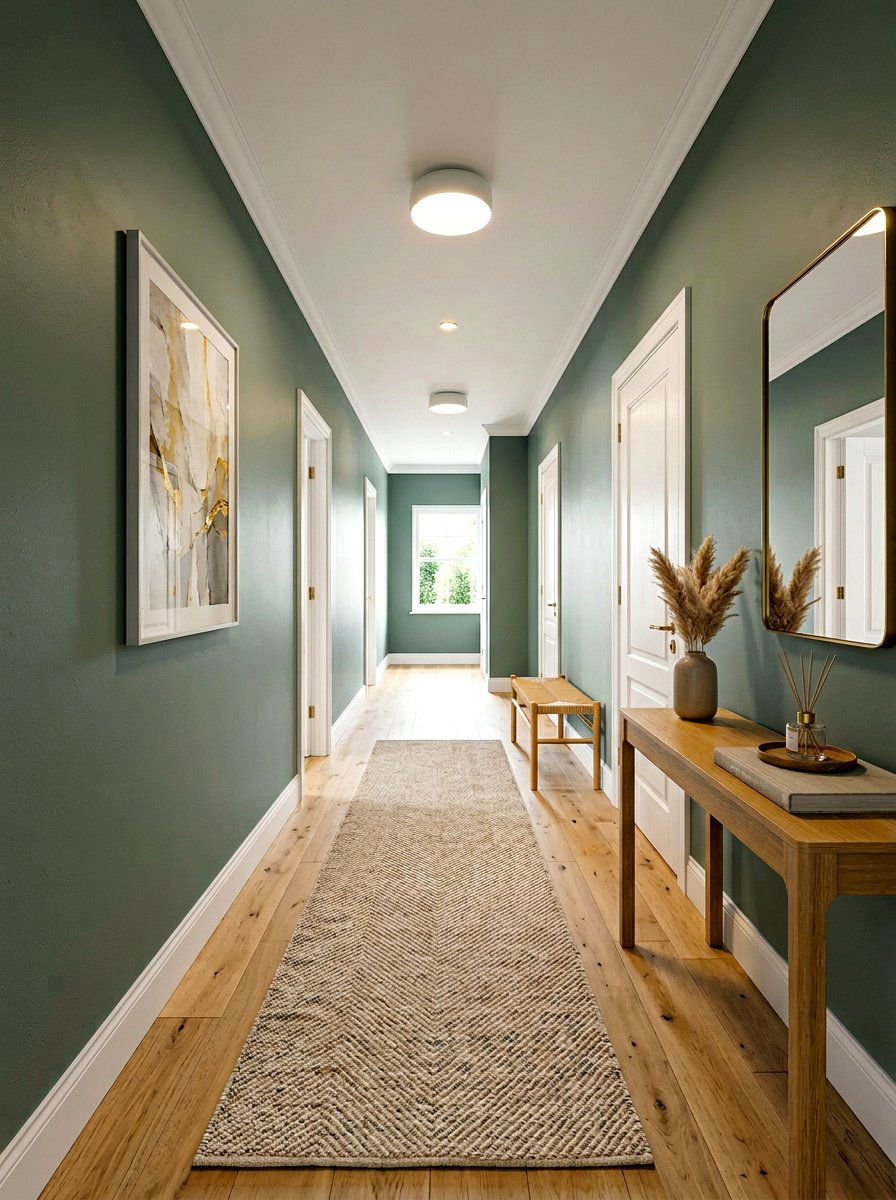
A neutral color palette is a failsafe way to ensure your narrow hallway feels sophisticated and timeless. Shades of beige, greige, and soft tan create a calming atmosphere that flows easily into other rooms of the house. Using various tones of the same neutral color can add depth and interest without the need for bold patterns. For example, try a slightly darker shade on the trim and a lighter version on the walls. This approach makes the space feel cohesive and intentional. Neutrals also provide a perfect canvas for rotating seasonal decor or colorful artwork, allowing your style to evolve over time.
Conclusion:
Transforming a narrow hallway is all about balancing functionality with creative design choices that maximize space and light. By implementing these thirty ideas, you can turn a cramped and overlooked part of your home into a stylish and welcoming passage that reflects your personal taste. Whether you choose to add a vibrant runner, install smart built-in storage, or simply refresh the walls with a bright coat of paint, every small change contributes to a more open and inviting atmosphere. Remember that the hallway is the first thing guests see and the path you walk every day, so it deserves just as much design attention as your main living areas.

Related posts: