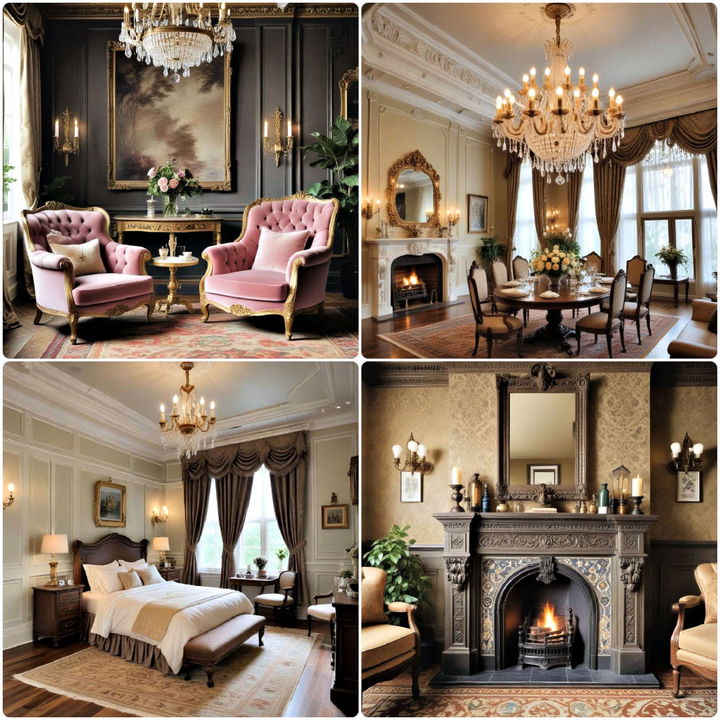
Ceiling trim is often referred to as the "fifth wall" by top interior designers because it provides a unique opportunity to elevate the entire aesthetic of a home. Many homeowners overlook the ceiling, yet adding architectural details like crown molding or coffered grids can completely change the perception of height and luxury in a room. Whether you are aiming for a traditional look with ornate plaster or a sleek modern vibe with minimalist flat trim, these details bridge the gap between walls and ceilings. Choosing the right style adds instant value and character to your living space while hiding imperfections and creating a polished, professional finish throughout your home.
1. White crown molding
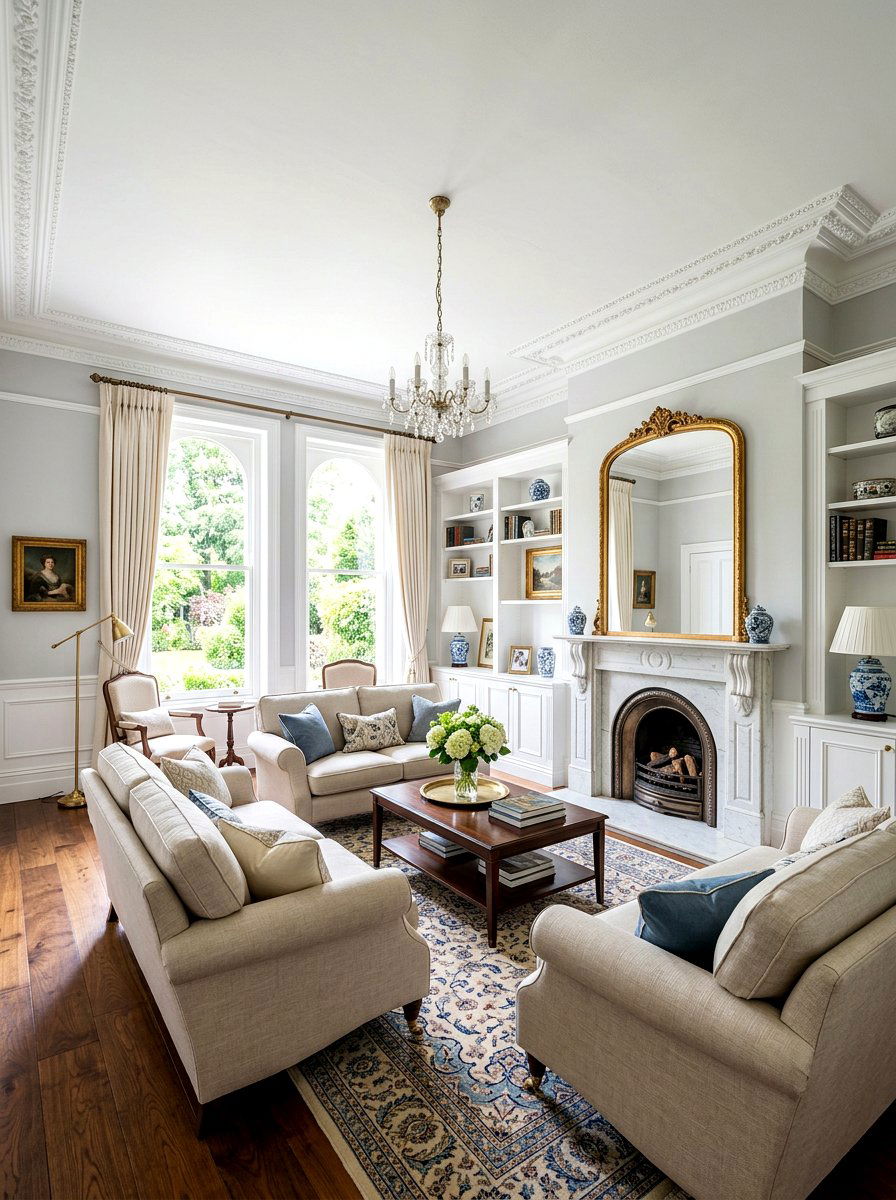
A classic white crown molding is a timeless choice that works beautifully in almost any traditional or transitional living room. This specific design bridges the gap between the wall and the ceiling, creating a seamless flow that makes the room feel finished and high-end. When paired with neutral walls, the crisp white trim pops, drawing the eye upward and emphasizing the height of the space. It is particularly effective in formal dining areas where elegance is the primary goal. You can choose different widths depending on your ceiling height, ensuring the proportions look balanced and intentional for a truly sophisticated interior layout that feels complete and polished.
2. Deep coffered ceiling
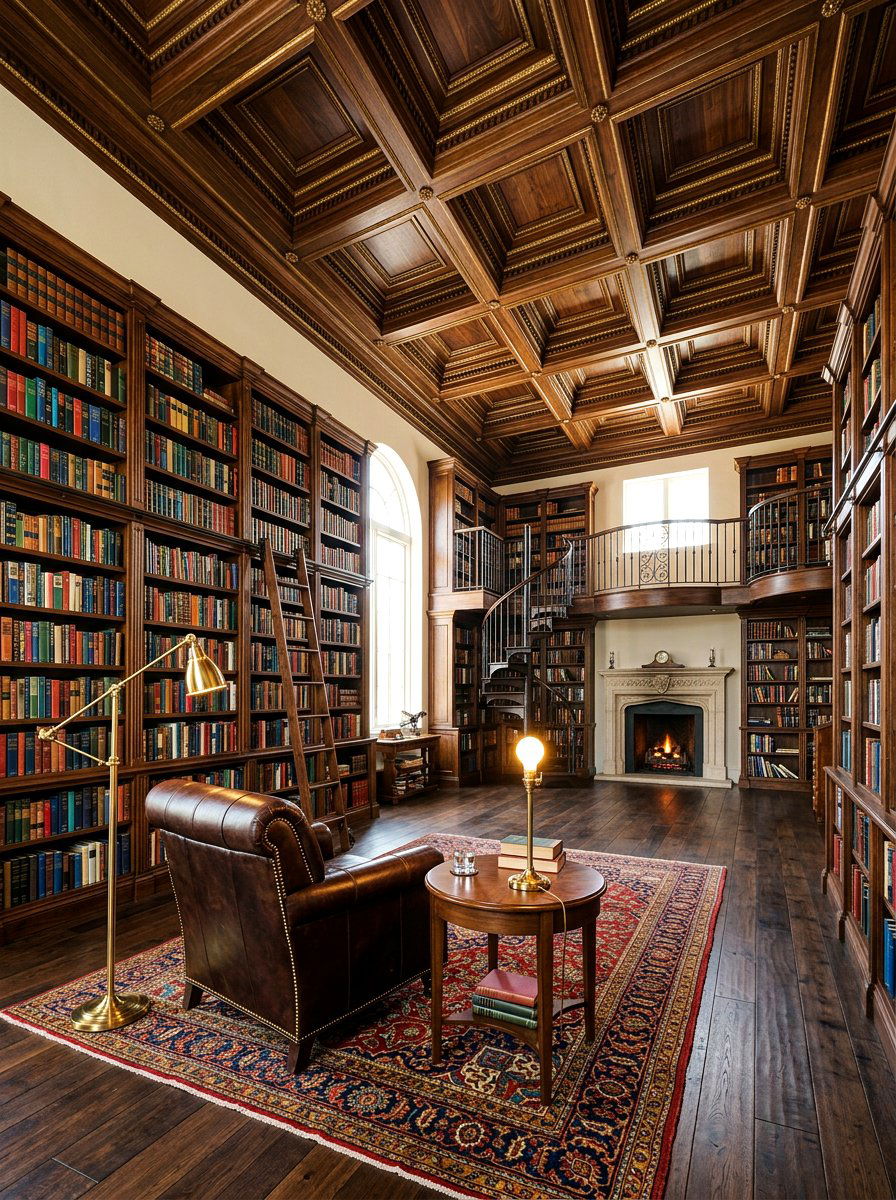
Walking into a grand library or a formal office featuring a deep coffered ceiling immediately conveys a sense of luxury. This architectural design uses a grid of recessed panels to add incredible depth and structural interest to the room. Each box in the grid is typically framed with thick molding, creating a sense of history and craftsmanship often found in luxury estates. By using a deep coffered style, you can introduce a sense of rhythm and symmetry that grounds the furniture below. It works exceptionally well in large rooms with high ceilings, preventing the space from feeling too empty or cavernous while providing excellent acoustics.
3. Multi level tray
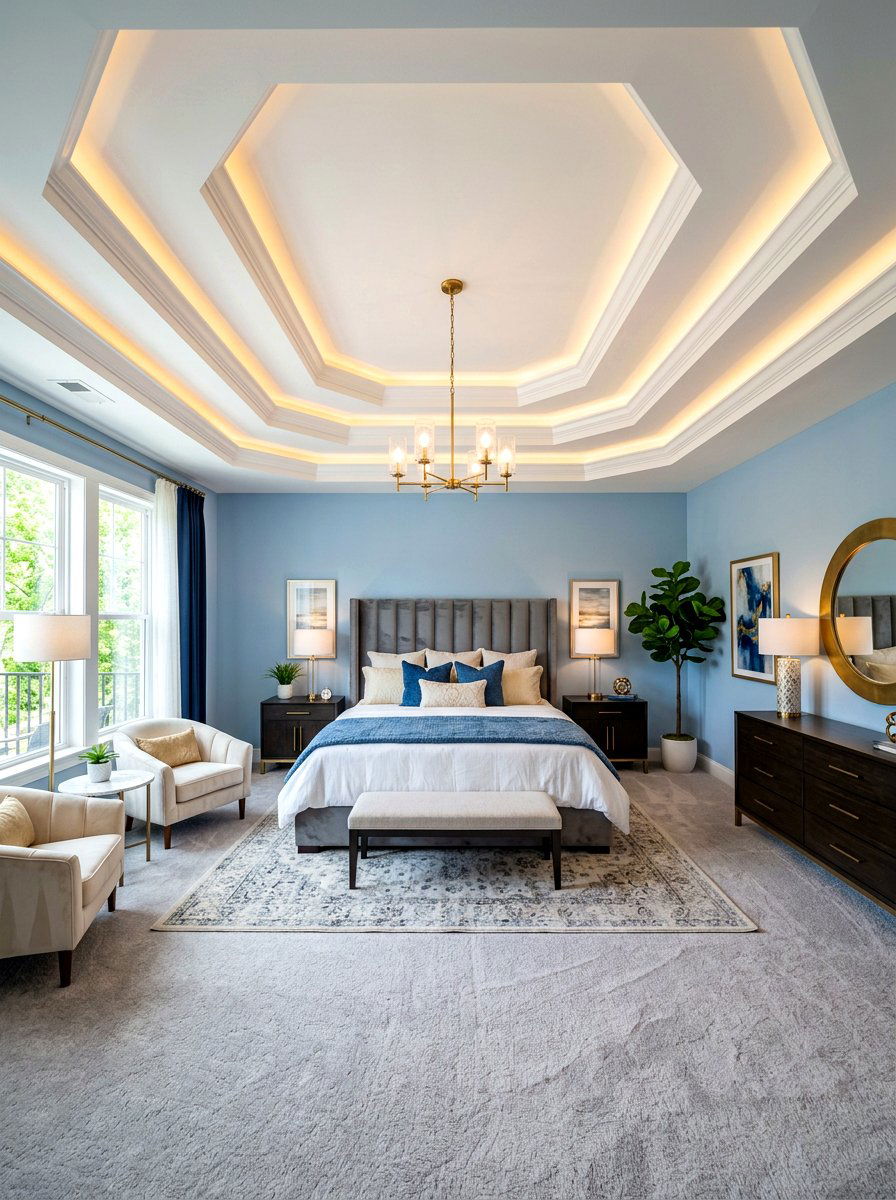
A multi-layer tray ceiling is a fantastic way to create a focal point in a primary bedroom or a large master suite. This design involves stepping the ceiling up in sections, creating a "tray" effect that adds instant architectural drama. You can use different layers of trim on each step to define the transition and provide a place for hidden accent lighting. The layered approach allows for a sophisticated interplay of shadows and light, which makes the room feel cozy yet expansive. It is a popular choice for modern luxury homes where owners want to highlight the center of the room, often above a bed.
4. Rough hewn beam
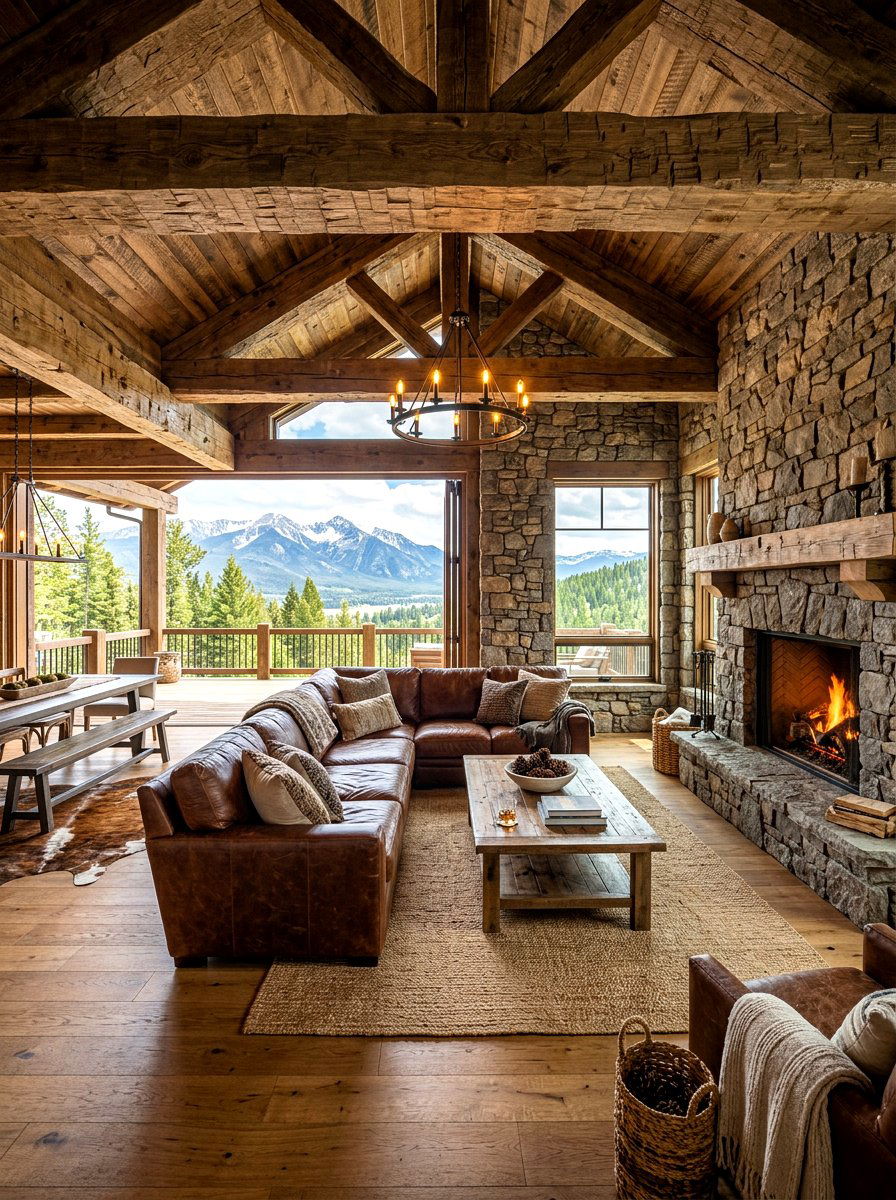
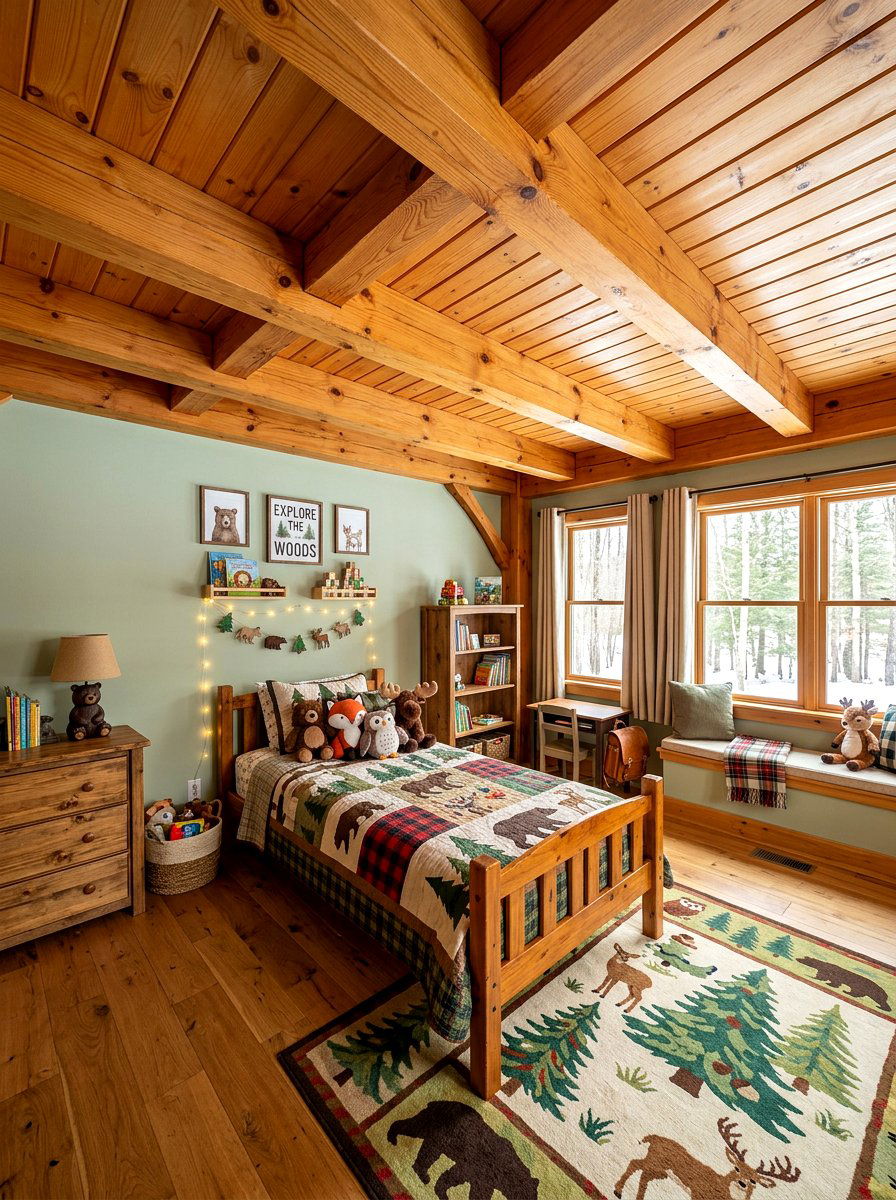
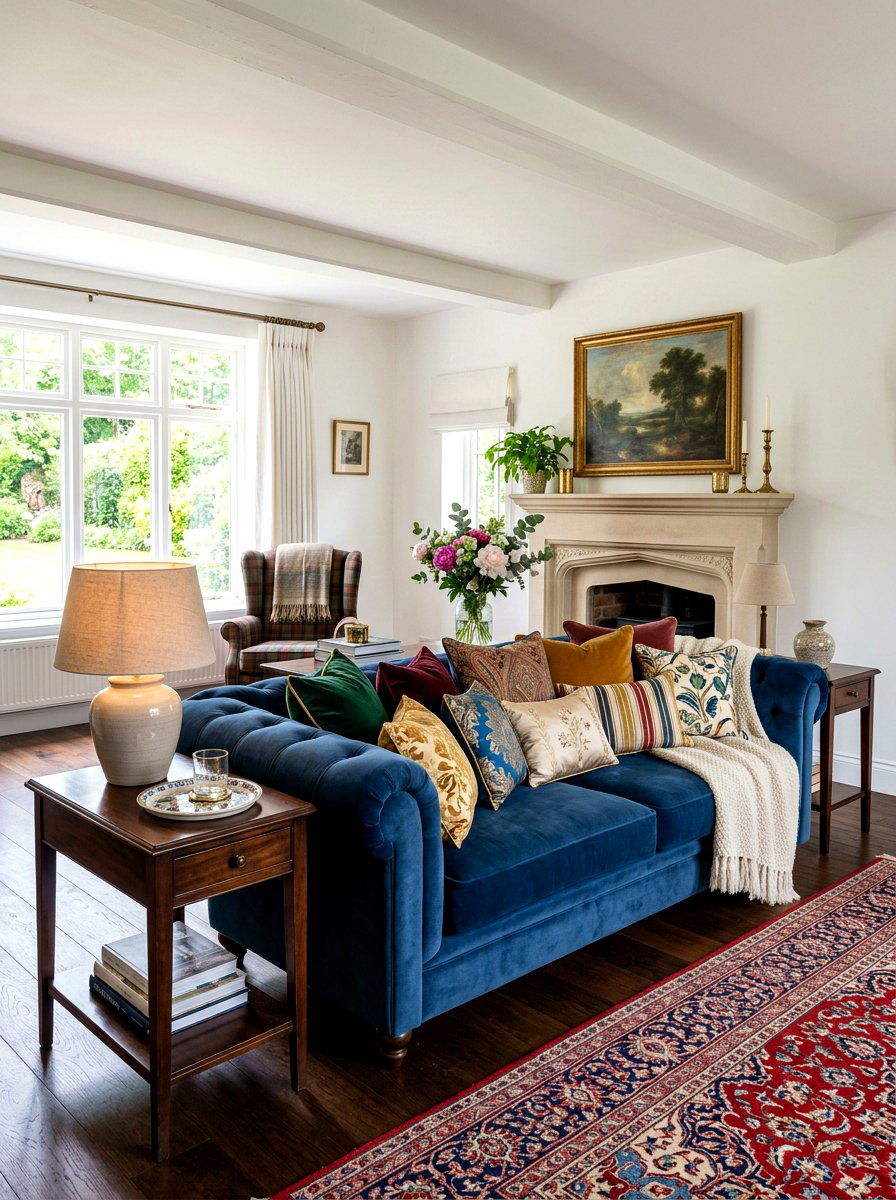
For a cozy farmhouse or a rustic lodge aesthetic, adding rough-hewn beams to the ceiling provides warmth and structural character. These heavy timber elements look best in large, open-concept living rooms where they can span the entire width of the space. Whether they are functional or purely decorative, the natural texture of the wood adds a grounded, earthy feel to the interior. You can leave them in their natural state or apply a dark stain to contrast against a white ceiling. This look is perfect for creating an inviting atmosphere that feels both historic and sturdy, making any large room feel much more intimate.
5. Shiplap ceiling board
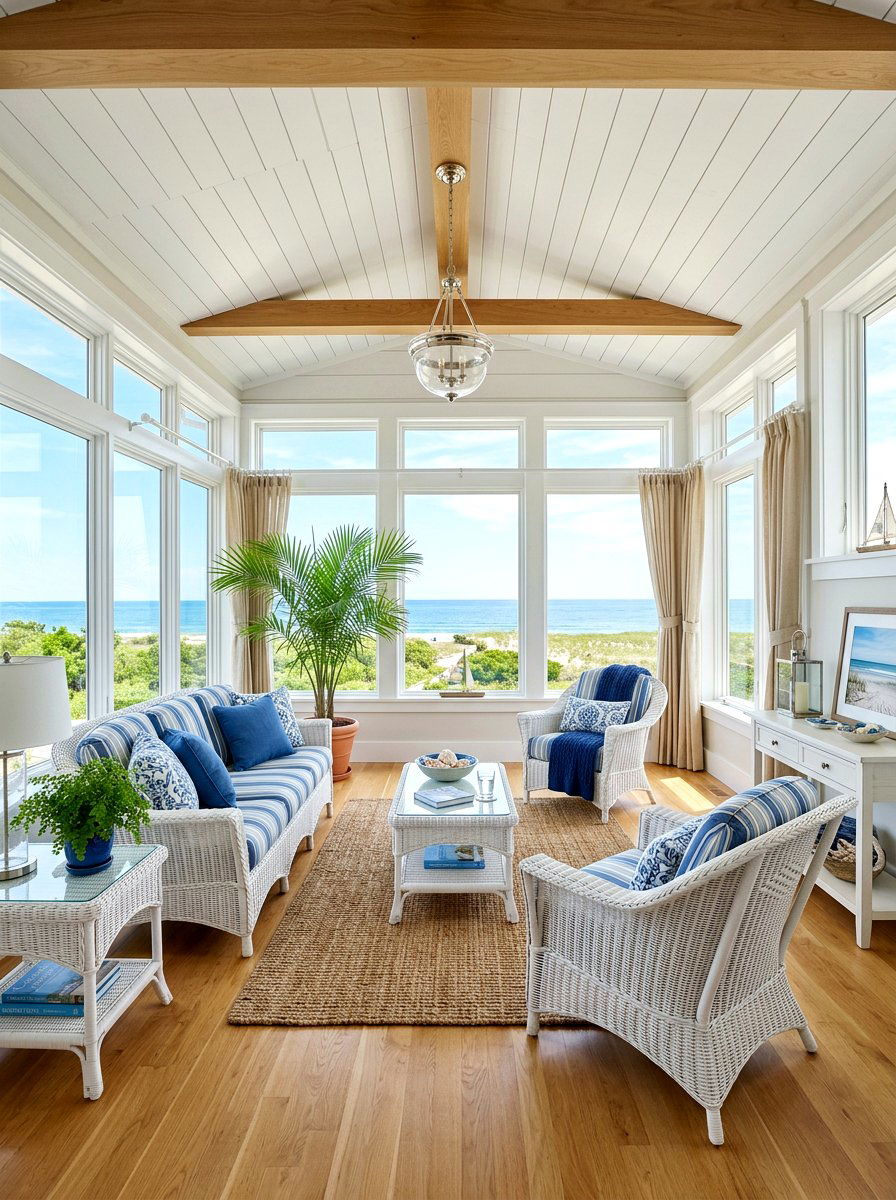
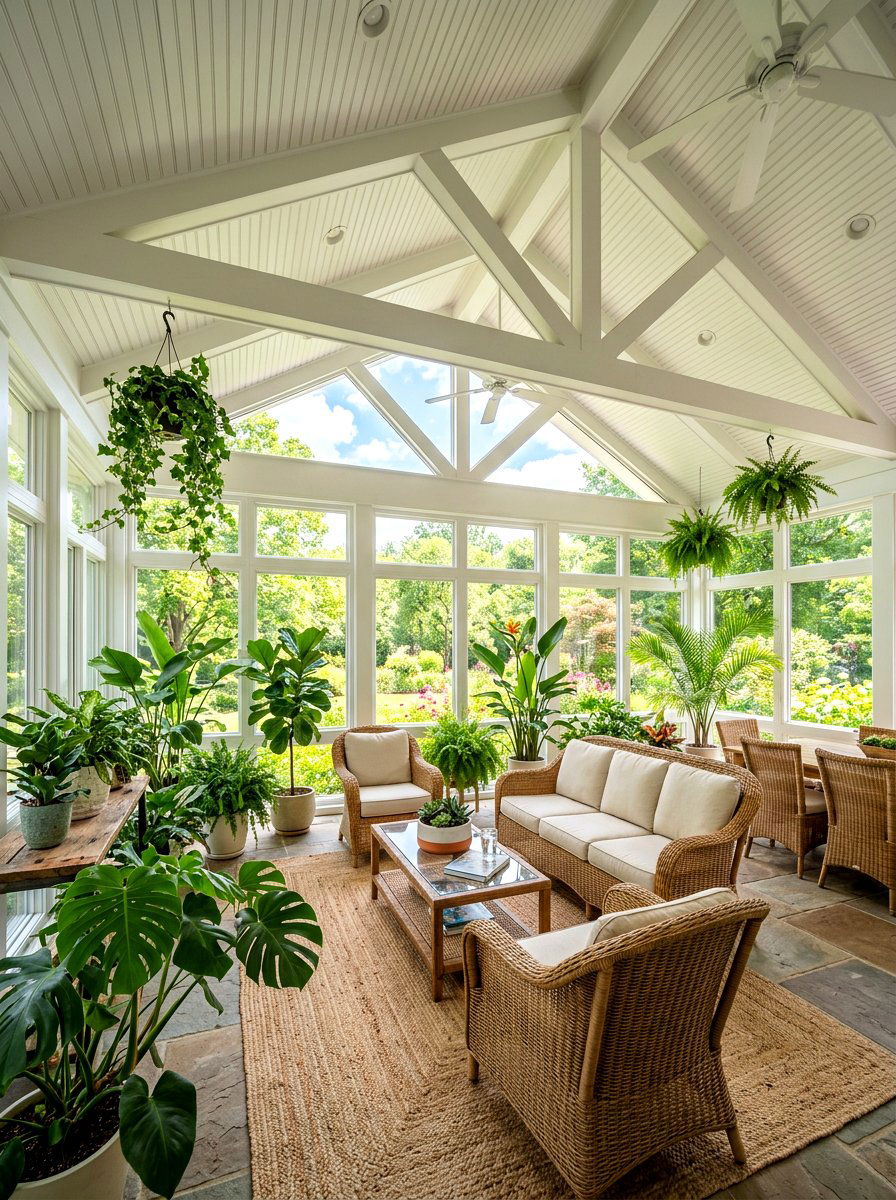
Shiplap is no longer just for walls; installing it on the ceiling adds a beautiful coastal or cottage charm to any room. When used as a ceiling treatment, the horizontal lines of the shiplap boards draw the eye across the space, making the room feel wider and more relaxed. This look is frequently seen in sunrooms, kitchens, or laundry rooms where a touch of texture is desired without being overwhelming. Painting the shiplap a bright white keeps the space airy and bright, while the subtle gaps between the boards provide just enough detail to break up a flat, boring drywall surface efficiently.
6. Hidden cove lighting
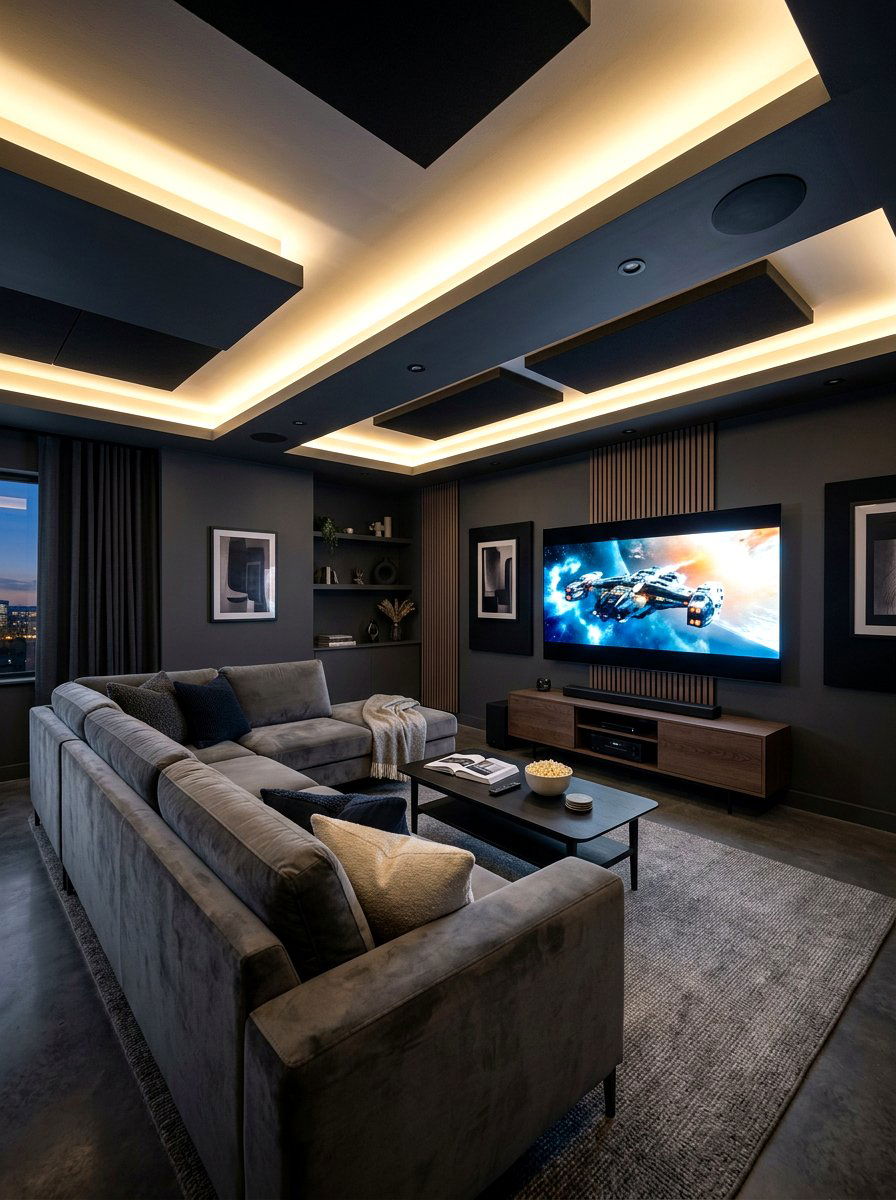
Integrating hidden cove lighting into your ceiling trim is a modern way to add ambiance and sophisticated glow to a living area. This design involves installing a molding that sits slightly away from the ceiling, creating a small ledge where LED strips can be tucked away. The light reflects off the ceiling, providing a soft, indirect illumination that eliminates harsh shadows. It is an excellent choice for home theaters or modern bedrooms where you want to control the mood with dimmable lighting. This trim style effectively hides the light source while making the ceiling appear to float, adding a futuristic touch.
7. Tongue and groove pine
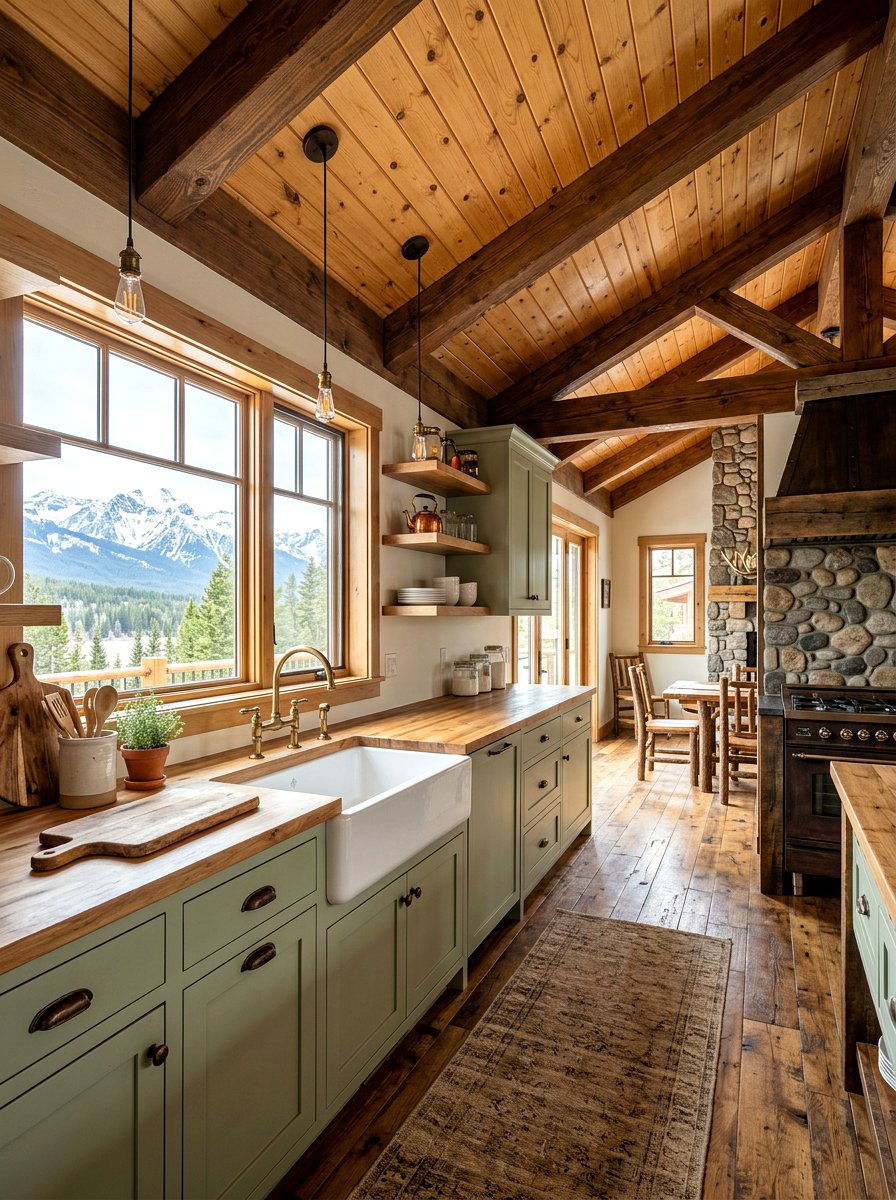
Tongue and groove pine planks offer a warm and organic look that is perfect for a mountain cabin or a rustic kitchen. This trim style involves interlocking boards that cover the entire ceiling surface, showing off the natural grain and knots of the wood. The tight fit between the boards creates a clean, finished appearance that is more refined than rough beams but more textured than flat drywall. It is often finished with a clear coat to preserve the light color of the pine or a warm honey stain to enhance the natural beauty of the wood throughout the room.
8. Ornate plaster cornice
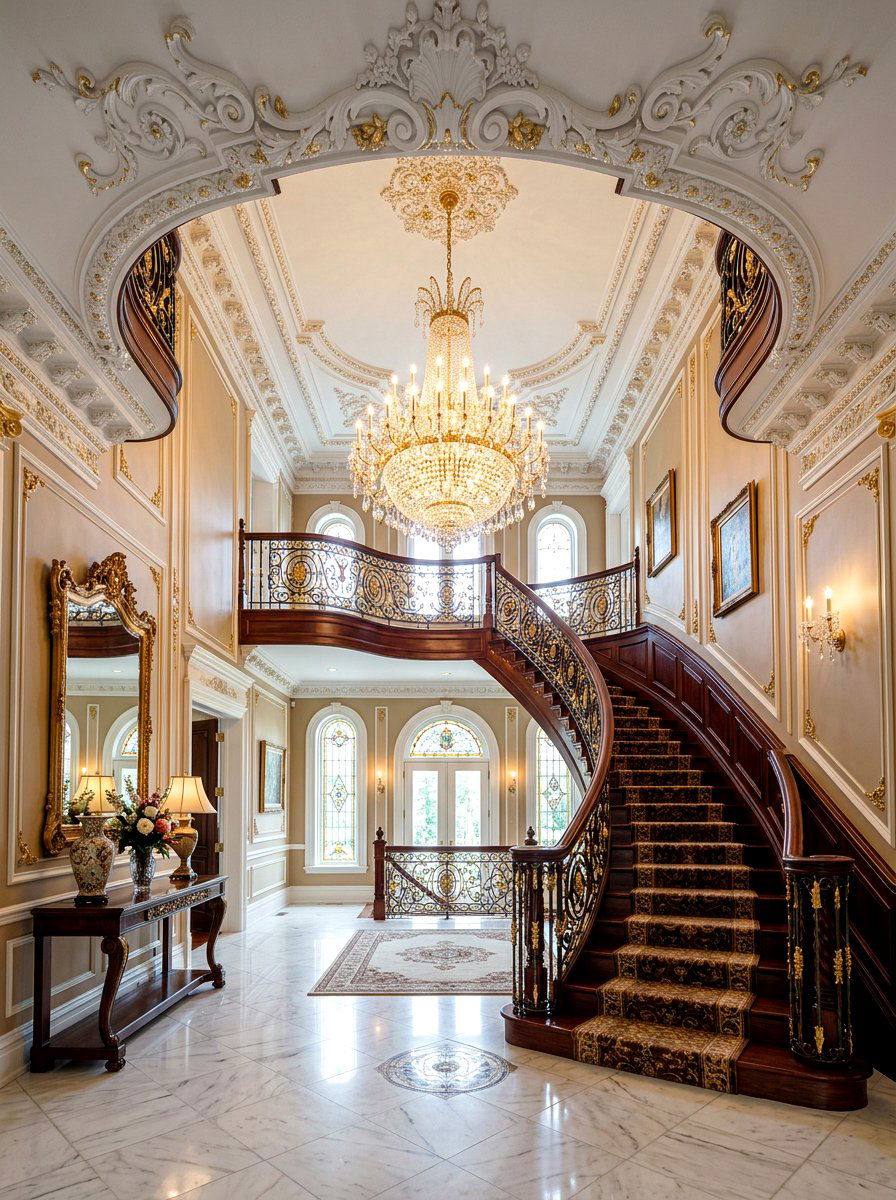
If you live in a historic home or want to replicate the grandeur of the Victorian era, an ornate plaster cornice is the ultimate choice. These moldings feature intricate scrolls, floral patterns, or classical motifs that add a high level of artistic detail to the room. Plaster allows for much more complexity than wood or foam trim, making it a favorite for formal parlors and entryways. Because the designs are so detailed, they often serve as the primary decorative element in the space. This style reflects a commitment to traditional craftsmanship and creates a majestic atmosphere that feels truly one-of-a-kind.
9. Square edge trim
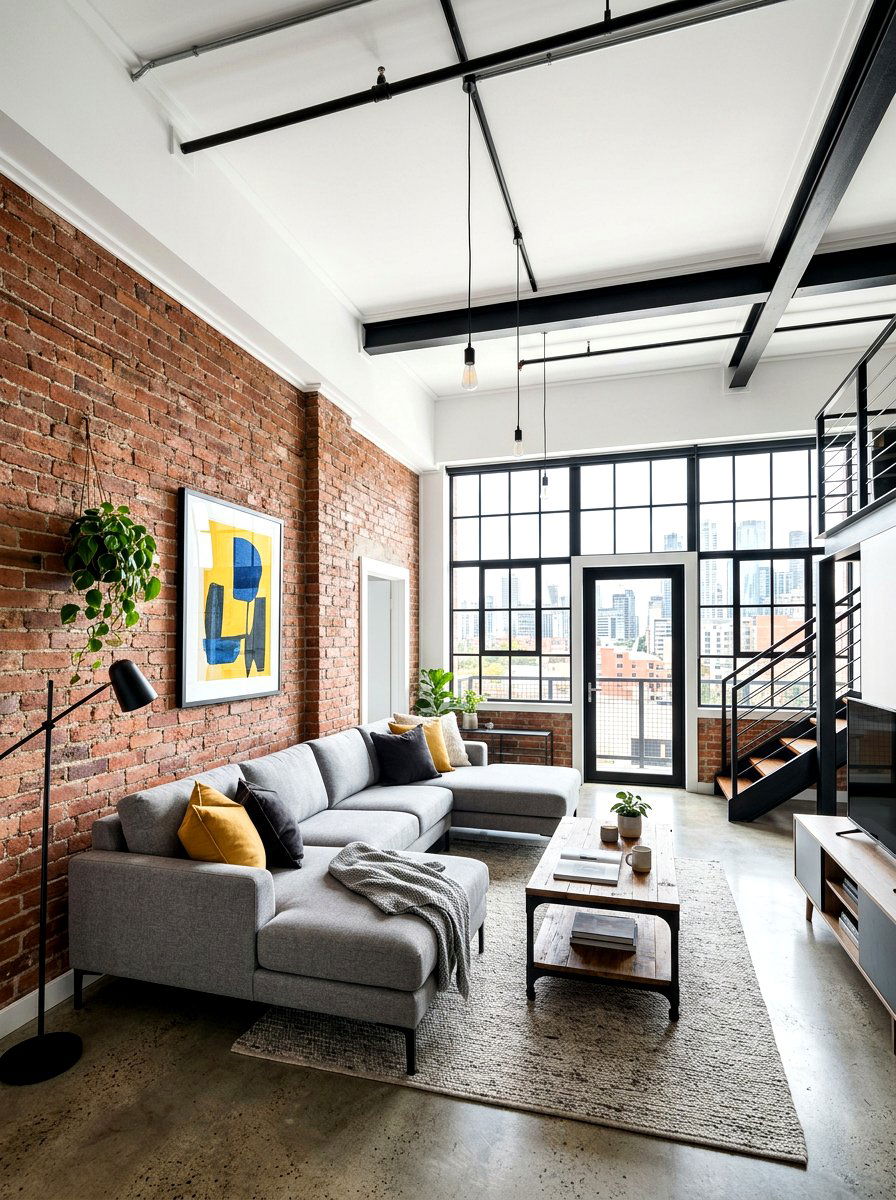
Modern minimalist homes often benefit from square edge trim, which provides a clean and sharp transition between the walls and the ceiling. Unlike traditional curved crown molding, this style uses flat, rectangular profiles to maintain a sleek and contemporary look. It is often painted the same color as the walls to create a seamless, monolithic appearance that emphasizes the room 's geometry. This approach is perfect for urban lofts or minimalist apartments where the goal is to have architectural detail that doesn' t distract from the overall design. It offers a subtle "finished" feel that aligns perfectly with a modern, clutter-free lifestyle.

10. Matte black molding
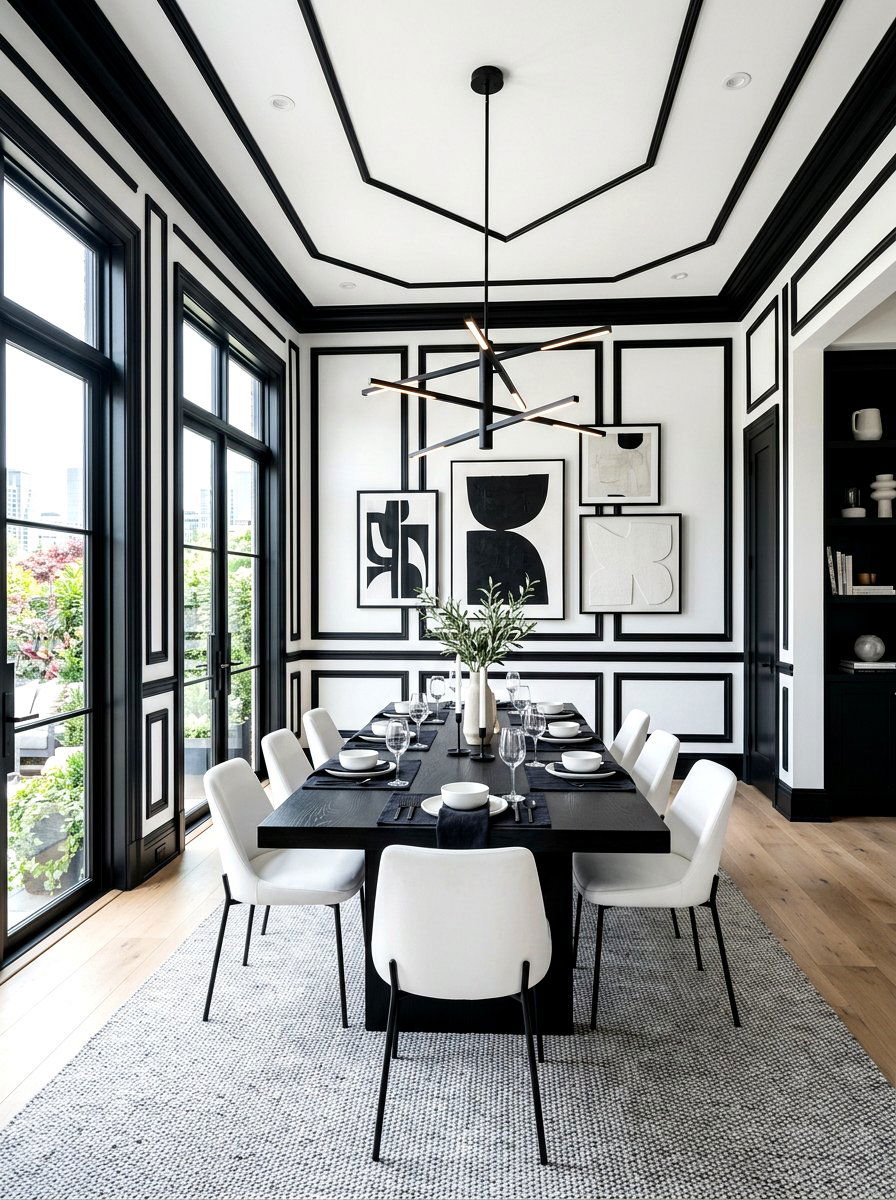
Using matte black molding is a bold design choice that adds a striking graphic element to a modern or industrial space. When paired with white walls and a white ceiling, the black trim creates a high-contrast frame that defines the boundaries of the room with authority. This style works exceptionally well in home offices or contemporary dining rooms where you want to make a statement. The dark trim can also help to visually lower a ceiling that feels too high, making a large room feel more grounded and cozy. It is a sophisticated way to introduce a modern, edgy vibe to your home.
11. Stacked double crown
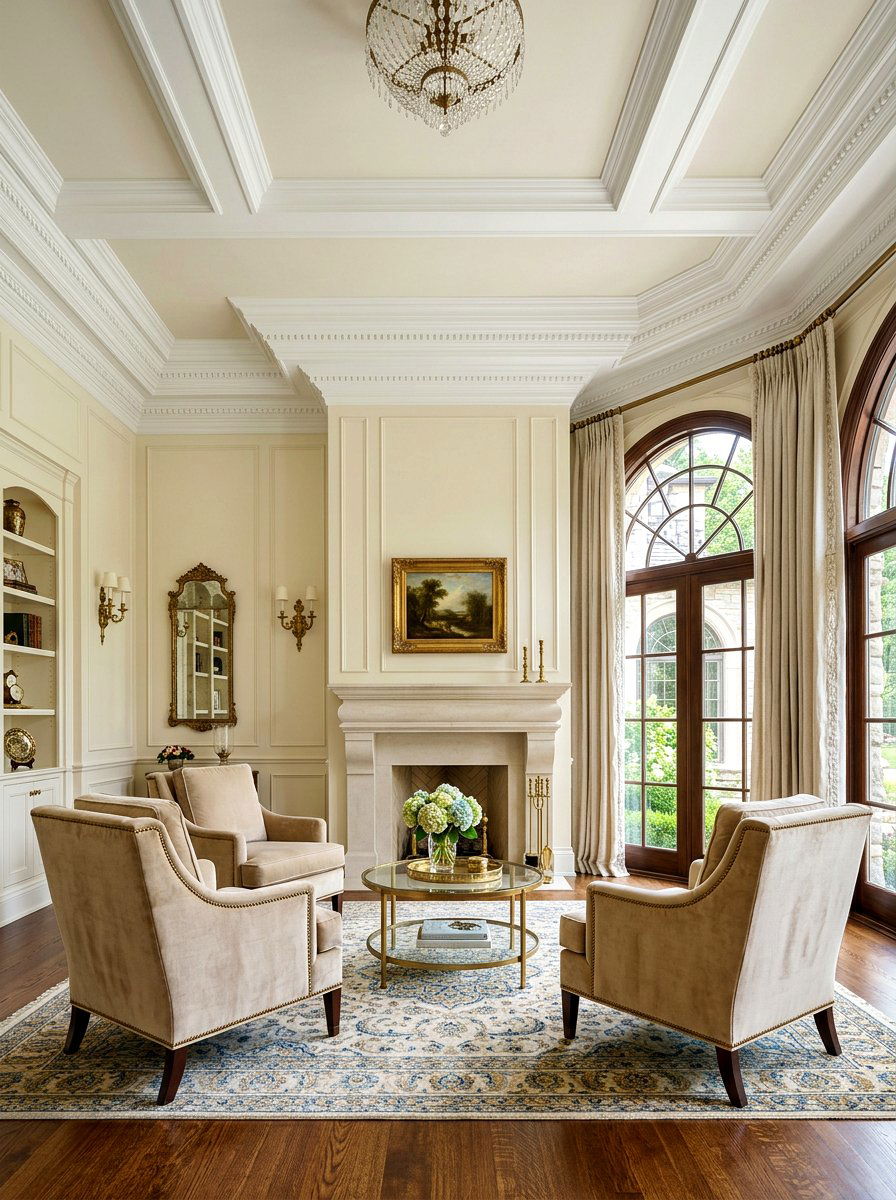
For homeowners who want a more substantial and luxurious look, stacked double crown molding is a popular technique. This involves installing two separate pieces of molding — one on the wall and one on the ceiling — to create a much wider and more complex profile. This "built-up" look mimics the high-end millwork found in historic mansions and provides a significant boost to the room's architectural presence. It is best suited for rooms with high ceilings, as the larger scale of the trim could overwhelm a smaller space. The result is a deeply recessed, three-dimensional effect that adds immense value and elegance.
12. Vaulted ceiling timber
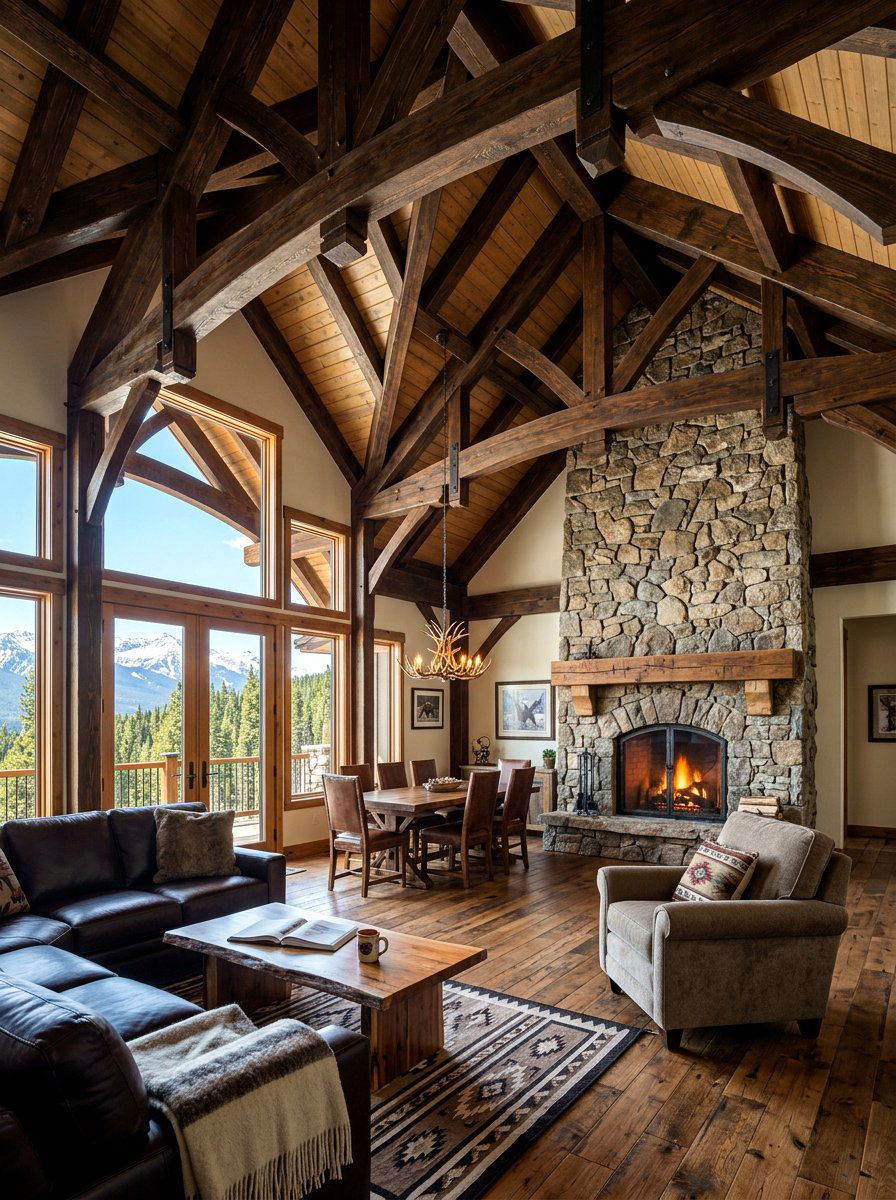
A vaulted ceiling offers a grand sense of space, and adding timber trim along the peaks and valleys enhances that verticality. By installing wood trim along the structural lines of the vault, you emphasize the height and the unique angles of the architecture. This look is common in "great rooms" where the ceiling is a major design feature. You can use dark wood to create a dramatic contrast or light wood for a more airy, Scandinavian feel. The trim helps to define the different planes of the ceiling, making the vast space feel more organized, intentional, and architecturally sound for visitors.
13. Cottage beadboard ceiling
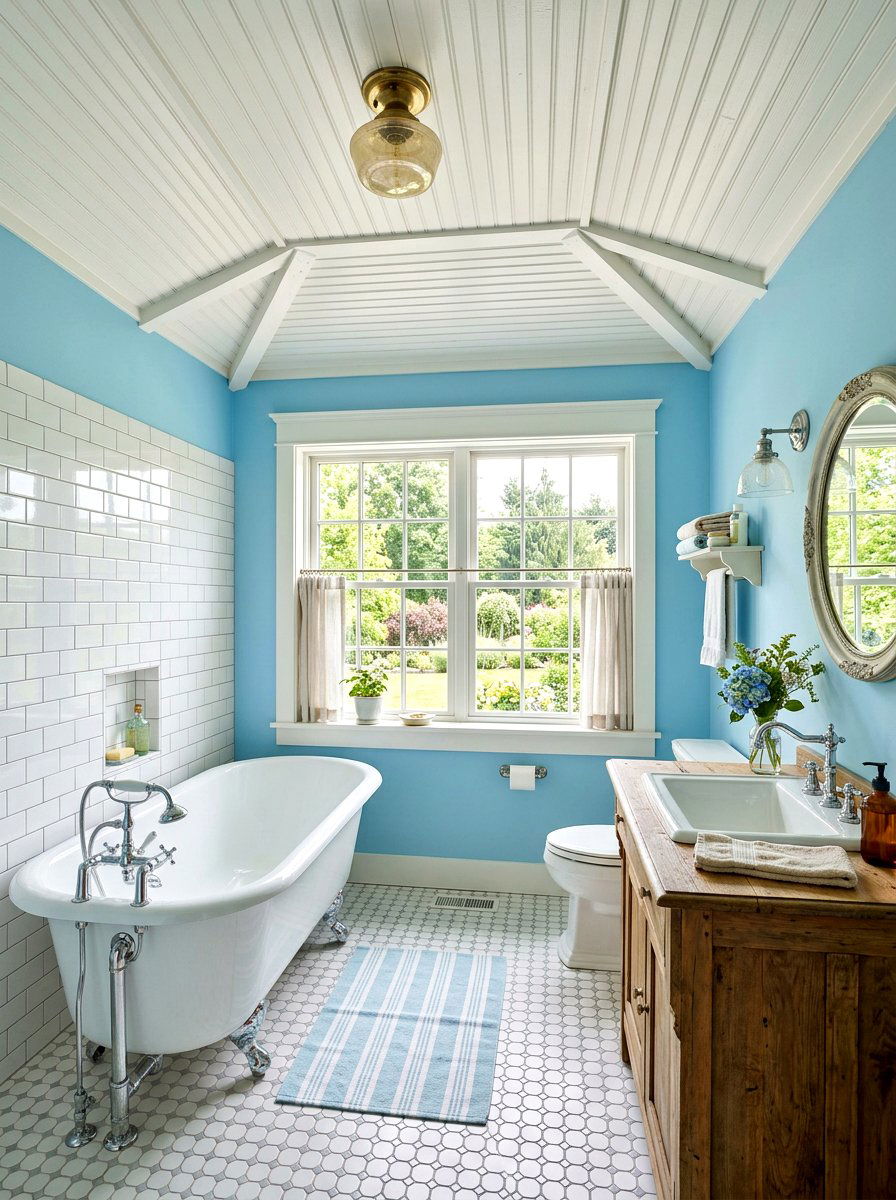
Beadboard is a classic choice for adding texture and a sense of history to smaller spaces like bathrooms or cozy kitchens. The narrow, vertical grooves of the beadboard panels provide a delicate pattern that breaks up the flat surface of the ceiling. This style is often associated with coastal or farmhouse designs and looks best when finished with a high-gloss white paint. The gloss helps to reflect light, which is especially useful in rooms that may not have large windows. It is a budget-friendly way to add a layer of charm and character that feels handcrafted and very welcoming.
14. Metallic gold trim
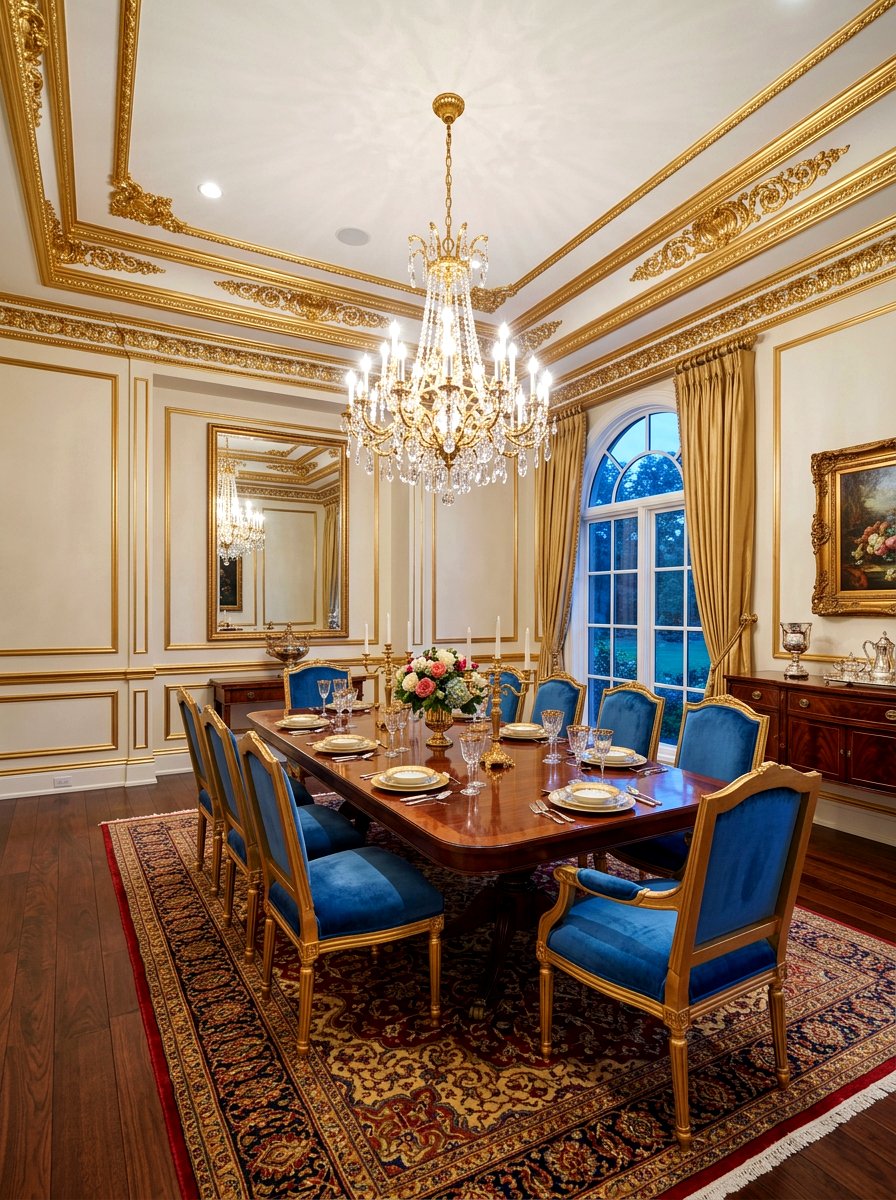
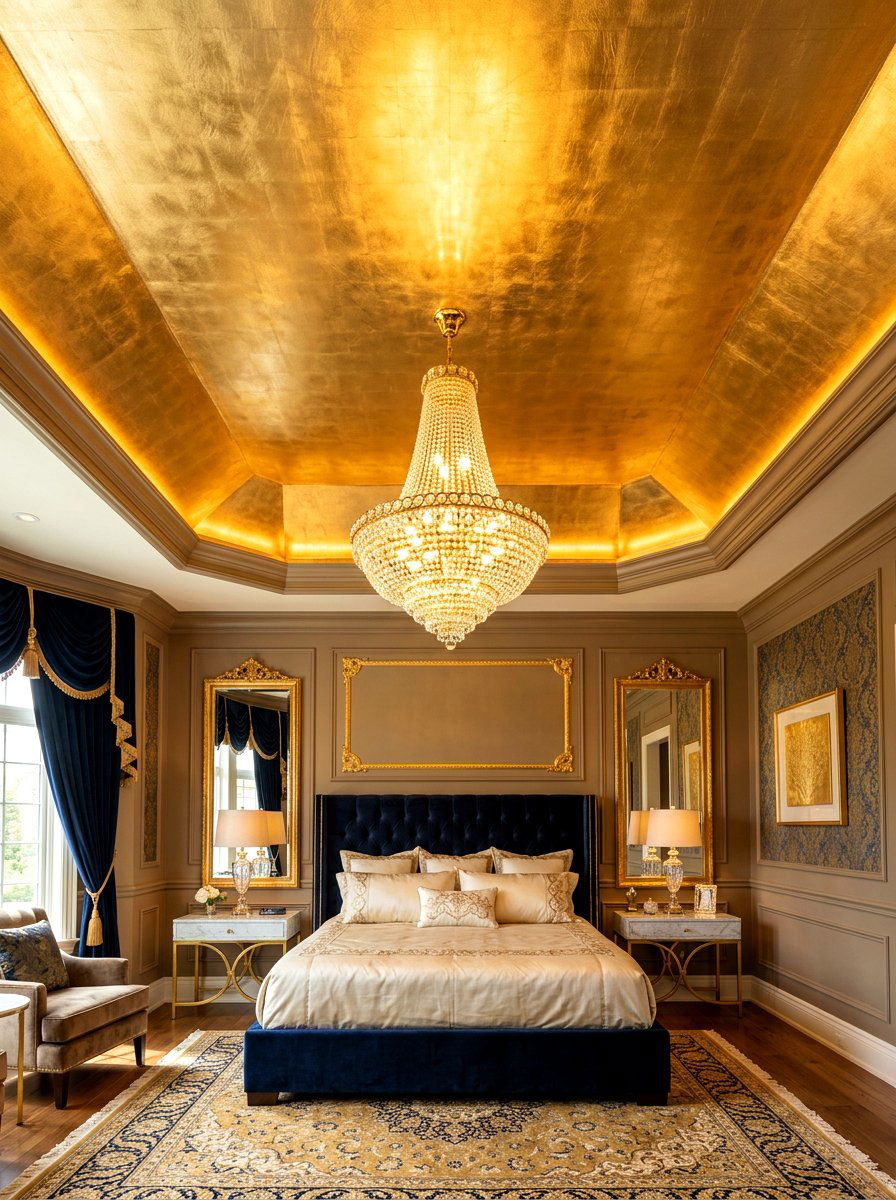
For a touch of Hollywood Regency or opulent classicism, metallic gold trim can be applied to the edges of your ceiling molding. This look is achieved by using gold leaf or high-quality metallic paint on the raised details of a crown molding. The gold catches the light from chandeliers or sconces, adding a warm, shimmering glow to the top of the room. It is a highly decorative choice that works best in formal dining rooms or luxurious entryways. This detail adds a sense of grandeur and old-world glamour that makes the ceiling feel like a piece of jewelry for the entire room.
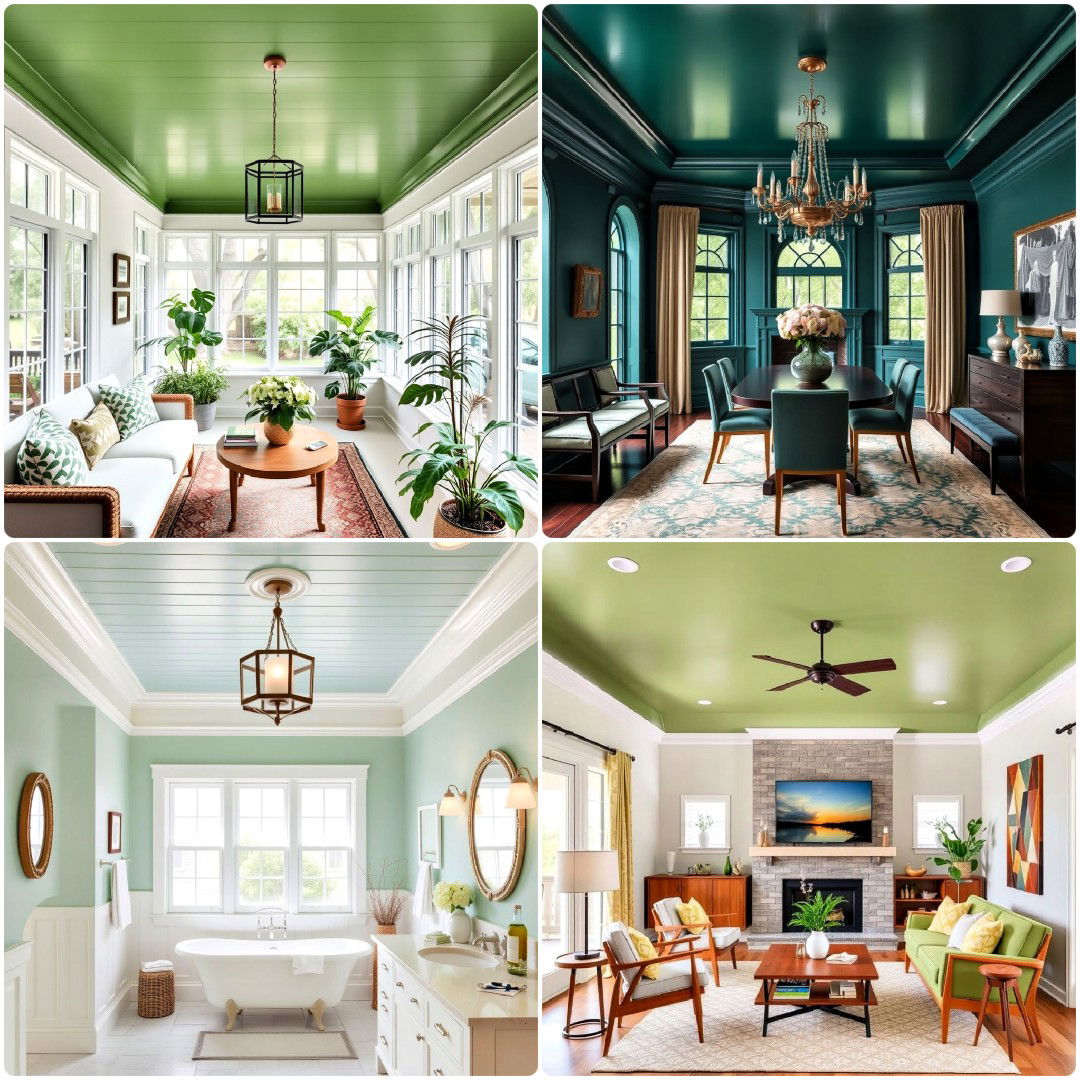
15. Grid pattern molding
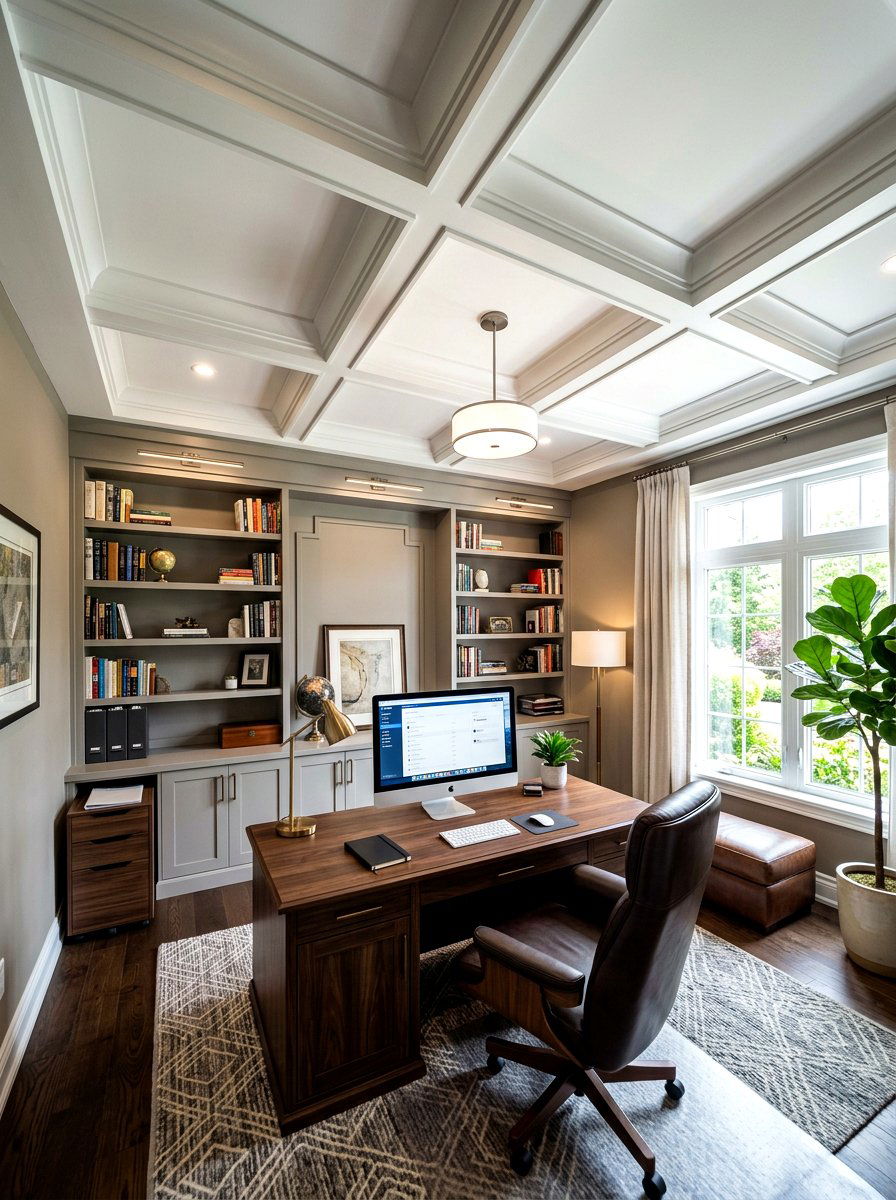
Grid pattern molding involves creating a series of squares or rectangles across the entire ceiling using flat trim pieces. This "shadow box" effect is a more modern and affordable alternative to a traditional coffered ceiling. It adds a subtle layer of geometry and architectural interest without the heavy depth of deep beams. This style is incredibly versatile and can be painted in a single color for a minimalist look or in two tones to make the grid pop. It is an excellent way to add character to a standard-height ceiling in a living room or a dedicated home office space.
16. Large ceiling medallion
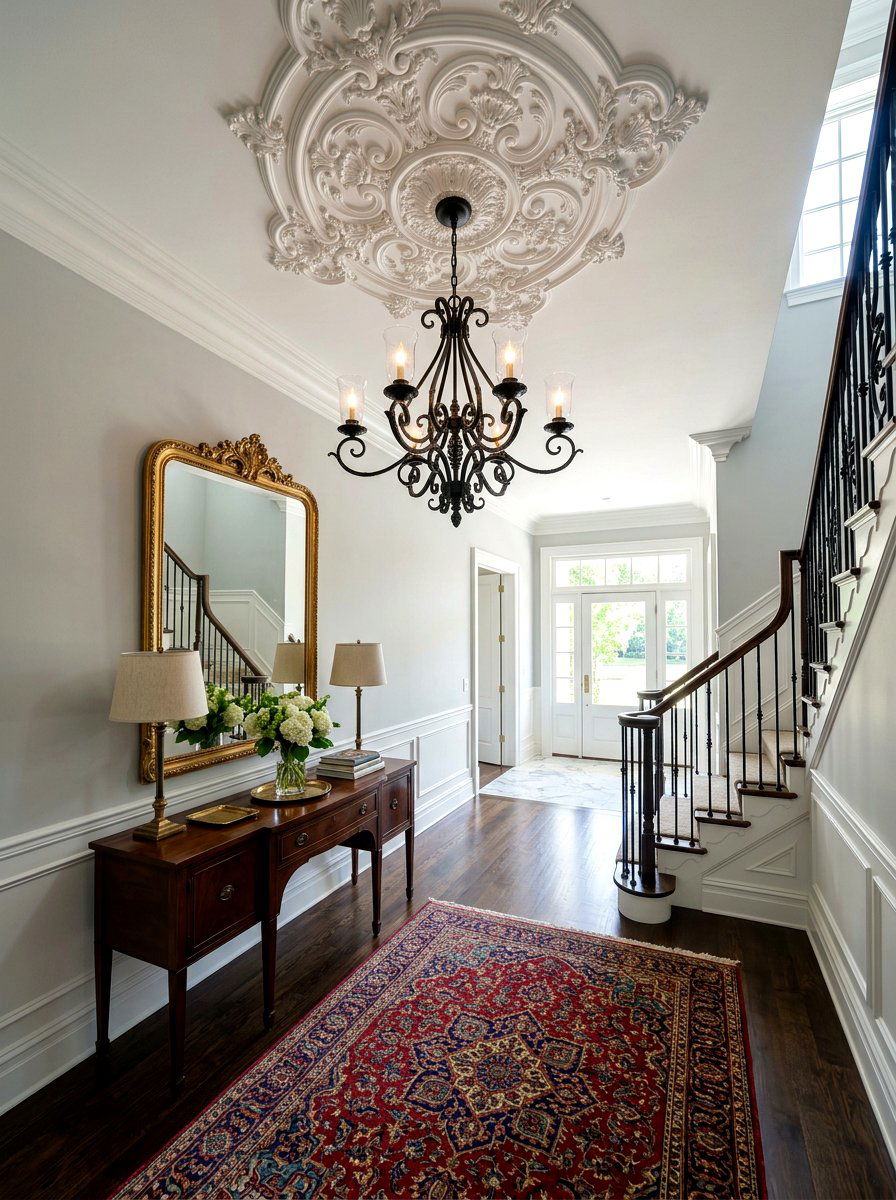
A large ceiling medallion is a beautiful way to anchor a light fixture while adding a decorative element to the center of the room. These circular or oval trim pieces are installed directly above a chandelier, featuring intricate carvings or smooth, modern lines. While traditionally found in historic homes, modern versions are available to suit any design style. A medallion prevents a light fixture from looking like it is just "floating" on a flat ceiling, providing a sense of purpose and scale. It is an easy way to add architectural interest and a touch of luxury to any dining room or entryway.
17. Hollow faux beam
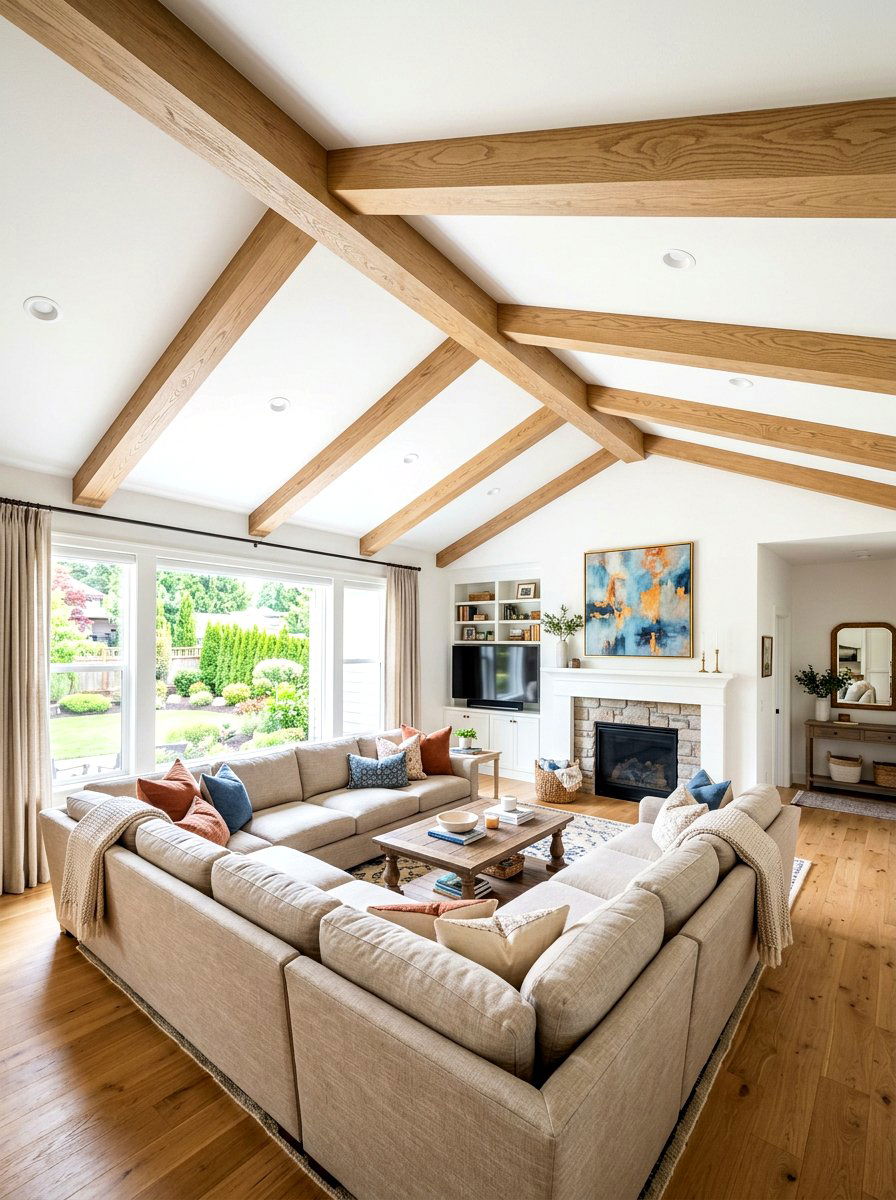
If you love the look of heavy wood beams but want an easier installation, a hollow faux beam is the perfect solution. These beams are made from lightweight materials like polyurethane or thin wood veneers and are designed to slip over a mounting bracket on the ceiling. Because they are hollow, they are much lighter than solid timber, making them safe for standard residential ceilings. They also provide a convenient way to hide unsightly wires or pipes. This trim style offers the same aesthetic warmth and rustic appeal as real wood without the structural weight or high cost involved.
18. Traditional dentil trim
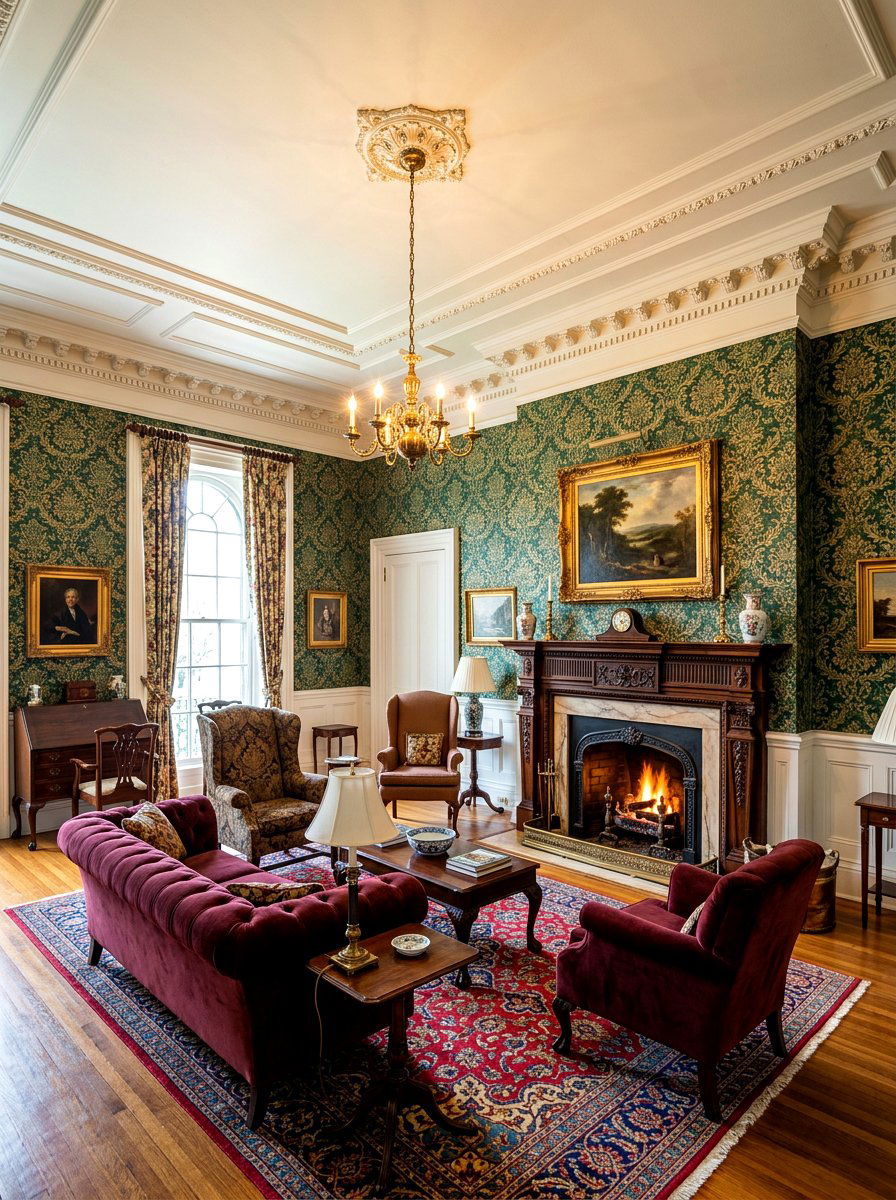
Traditional dentil trim is characterized by a series of small, rectangular blocks that resemble a row of teeth. This classical architectural detail has been used for centuries to add rhythm and a sense of permanence to a room. It is often incorporated into a larger crown molding profile to provide extra texture and detail. Dentil molding is a hallmark of Colonial and Federal-style architecture, making it a perfect fit for homeowners who appreciate historical accuracy. It adds a sophisticated, academic feel to a home library or a formal parlor, showcasing a commitment to timeless, high-quality design and craftsmanship.
19. Diamond wood pattern
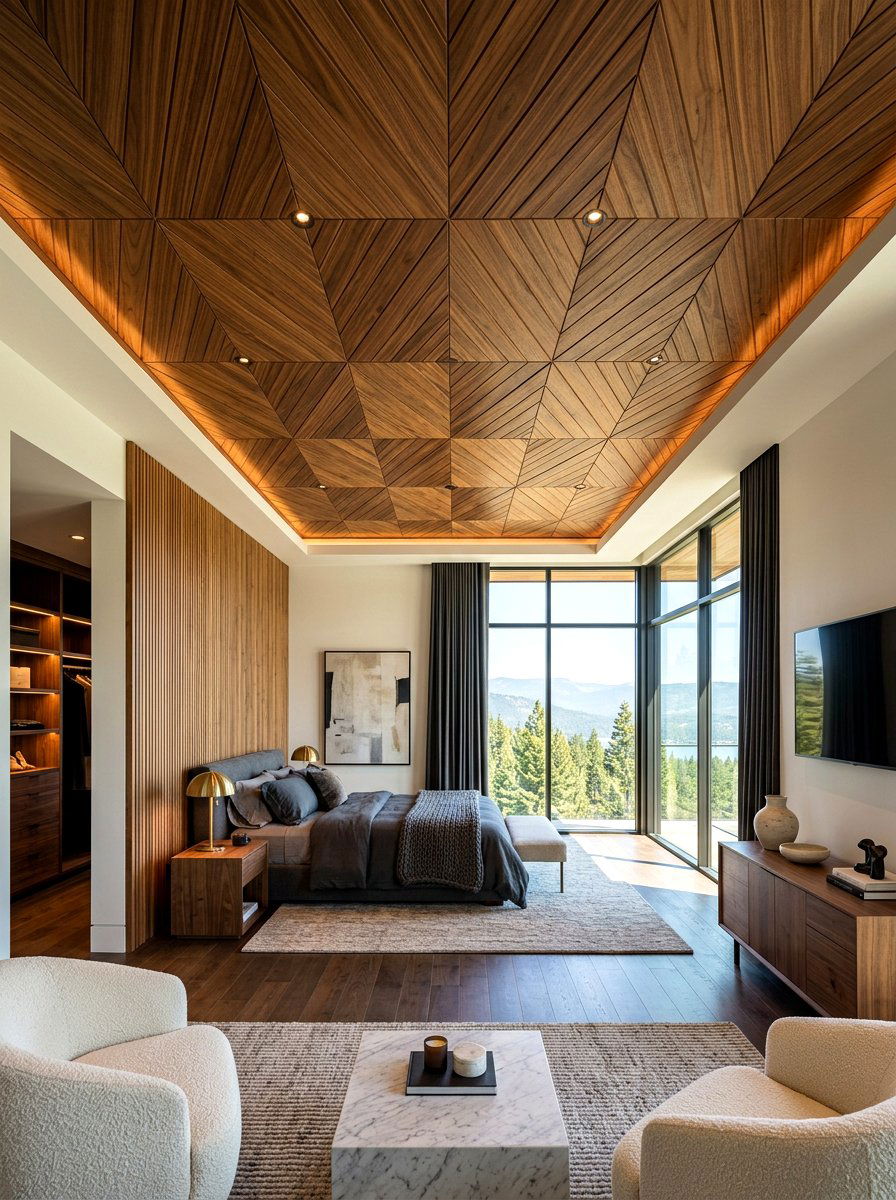
A diamond wood pattern on the ceiling is a truly custom trim idea that turns the ceiling into a work of art. By using thin wood strips to create a repeating diamond or chevron pattern, you add a dynamic sense of movement to the room. This style is often used in modern high-end homes to provide a unique focal point that guests will certainly notice. The natural wood grain adds warmth, while the geometric pattern keeps the design feeling fresh and contemporary. It is a labor-intensive choice, but the result is a breathtaking architectural feature that defines the entire room's design language.
20. Bold painted trim
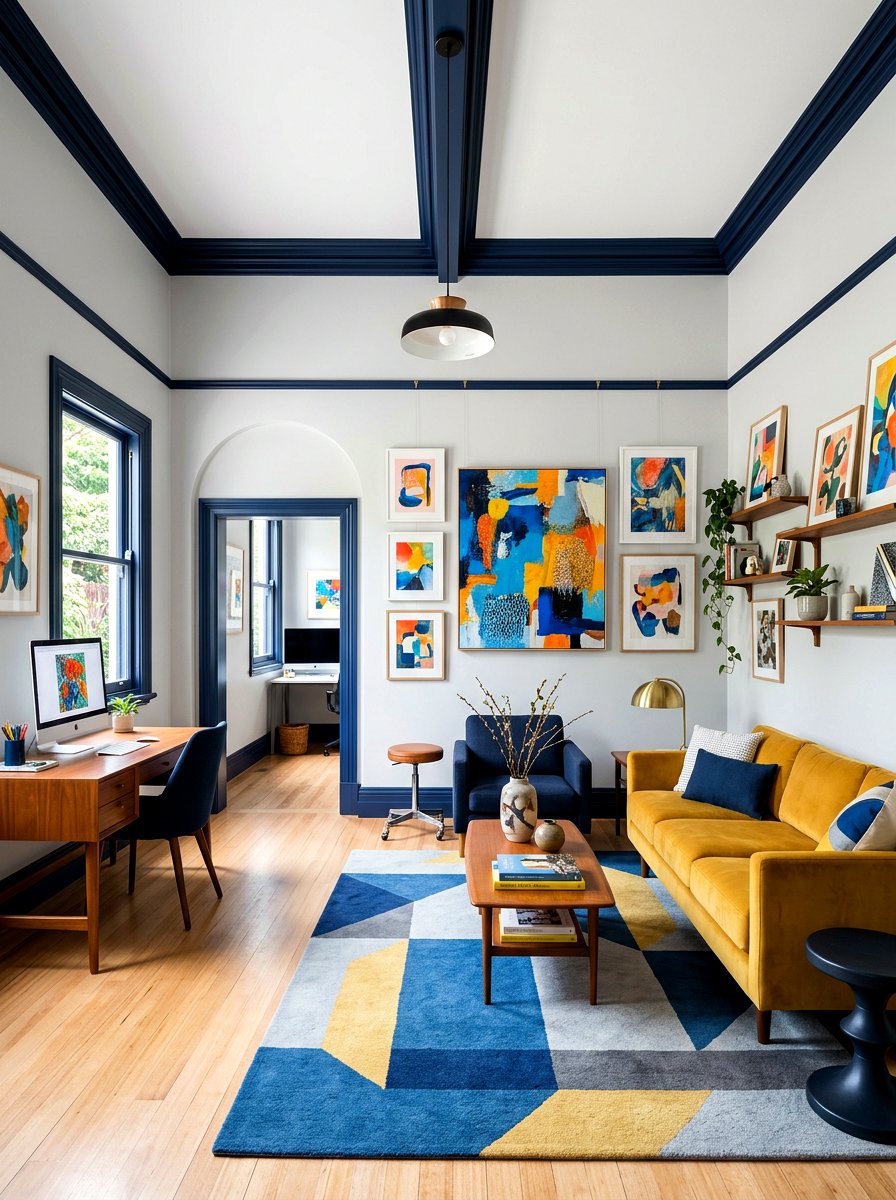
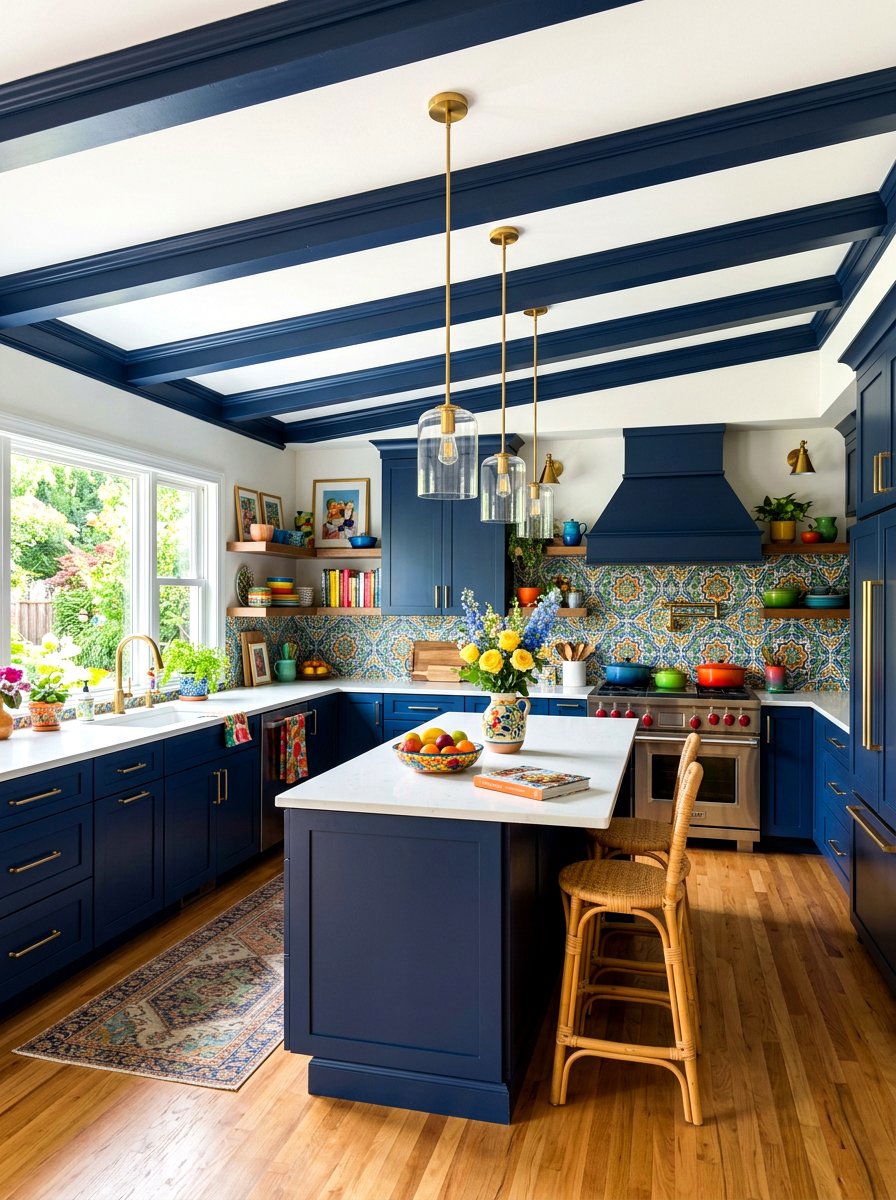
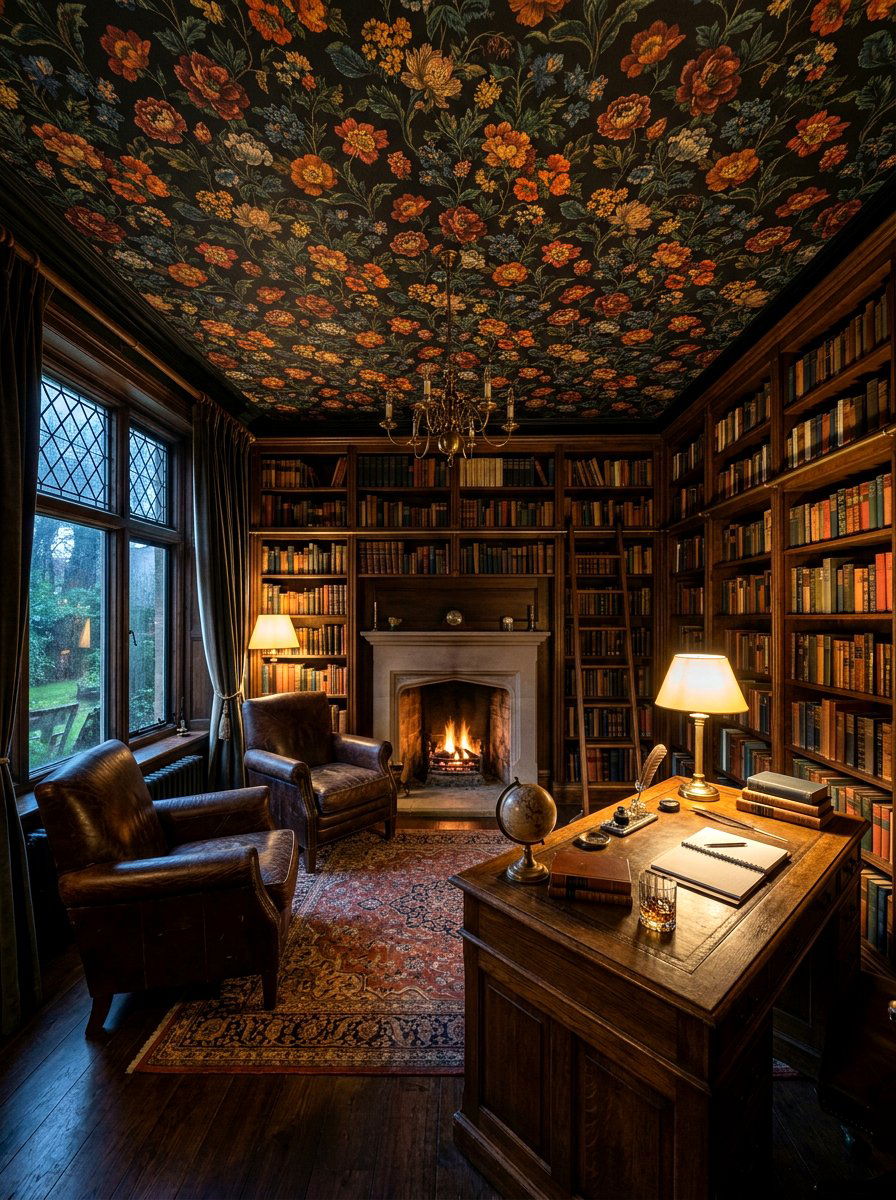
Painting your ceiling trim in a bold, contrasting color is a modern trend that breaks away from traditional white-on-white schemes. For example, a dark navy or forest green crown molding against a light grey ceiling can create a sophisticated and moody atmosphere. This approach highlights the architectural lines of the room and makes the trim the star of the show. It is an excellent way to experiment with color without committing to painting an entire wall. Bold painted trim works well in eccentric living rooms or creative home offices where personality and unique design choices are celebrated and encouraged.
21. Modern shadowline gap
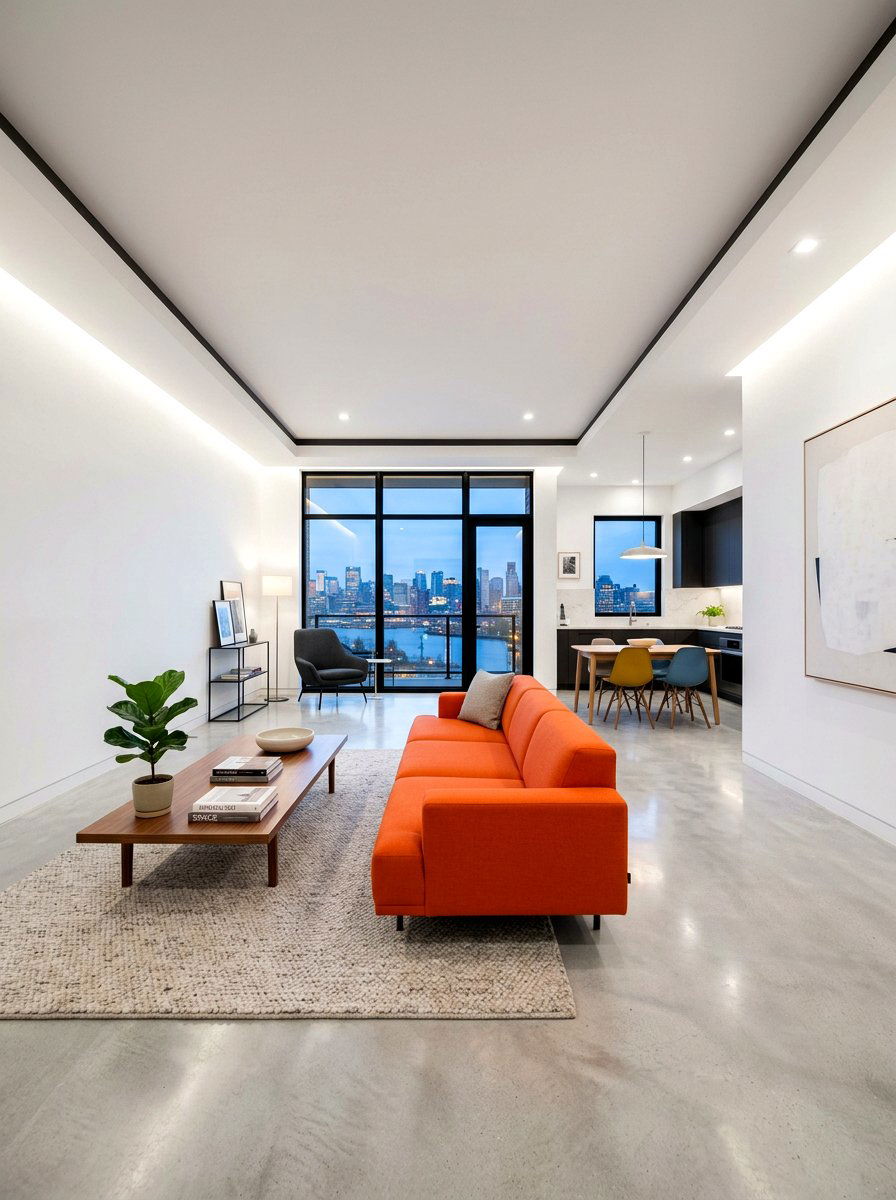
The shadowline gap is a favorite among minimalist architects because it creates a subtle "reveal" between the wall and the ceiling. Instead of using a traditional molding that covers the joint, this design features a small, intentional gap that looks like a dark line. This creates the illusion that the ceiling is floating independently from the walls. It requires a very high level of precision during the drywall phase, but the result is incredibly sleek and sophisticated. This look is perfect for art galleries or ultra-modern homes where the focus is on clean lines, pure forms, and subtle architectural details.
22. Reclaimed wood plank
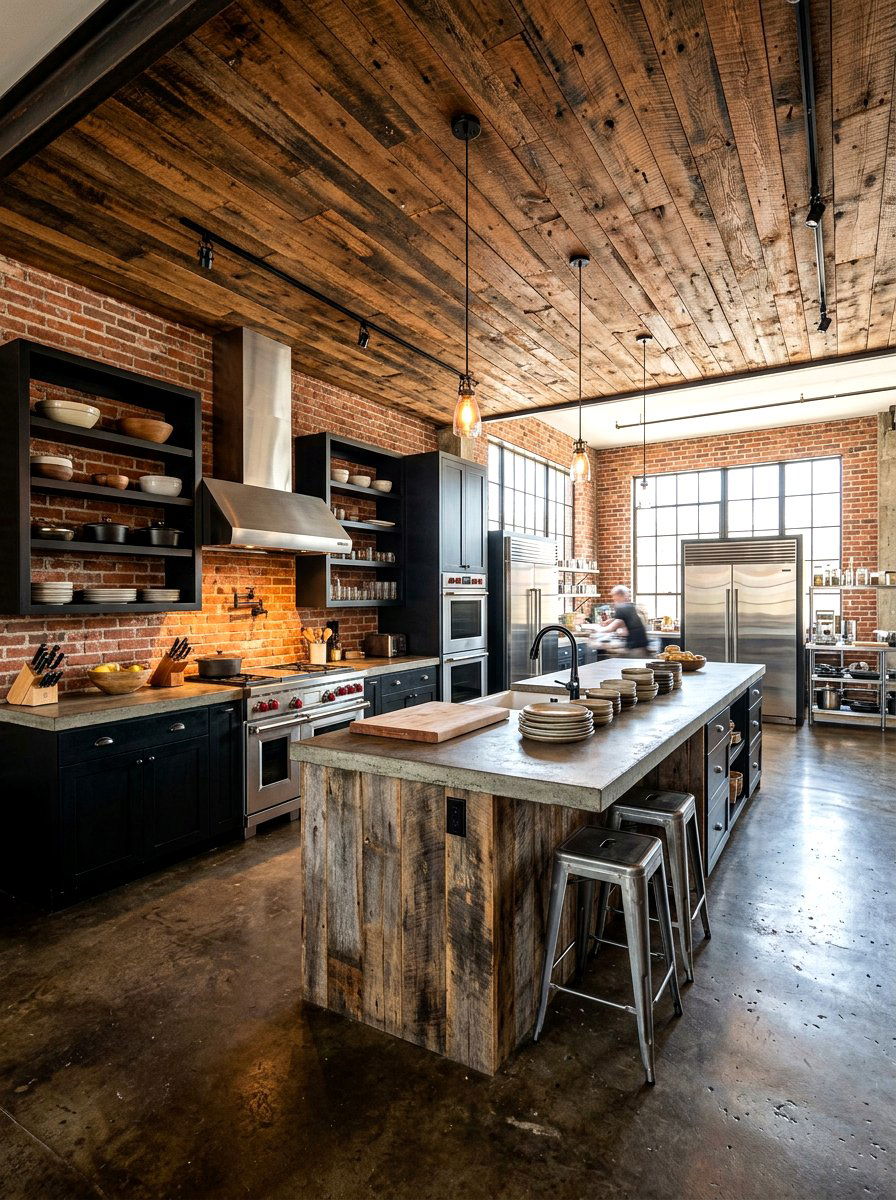
Using reclaimed wood planks for your ceiling trim adds a layer of history and sustainability to your interior design. These boards often come with original saw marks, nail holes, and a weathered patina that cannot be replicated with new wood. This style is perfect for an industrial loft or a rustic modern kitchen where you want to introduce a touch of "perfect imperfection. " The variety of tones in reclaimed wood adds visual interest and a sense of warmth to the space. It is a great way to tell a story through your home’s architecture while being eco-friendly and stylish.
23. Black steel trim
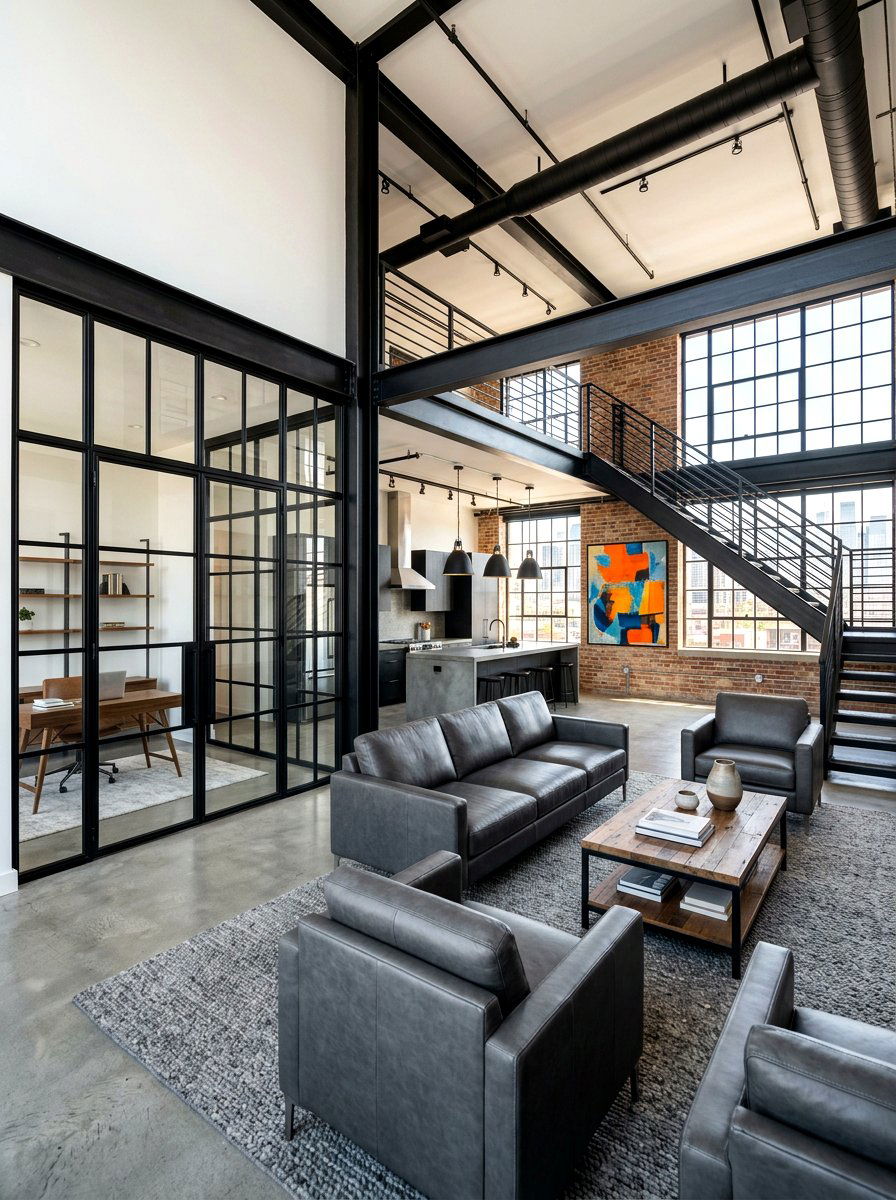
For an edgy, industrial aesthetic, black steel trim can be used to frame the ceiling or outline structural beams. This look mimics the appearance of a factory or a converted warehouse, making it ideal for urban apartments. The thin, sharp lines of the metal provide a strong contrast against softer materials like brick or wood. Steel trim is incredibly durable and adds a masculine, structural feel to the room. It works particularly well in open-plan spaces where you want to define different zones while maintaining a sense of transparency and raw, industrial beauty throughout the entire home.
24. Victorian corner detail
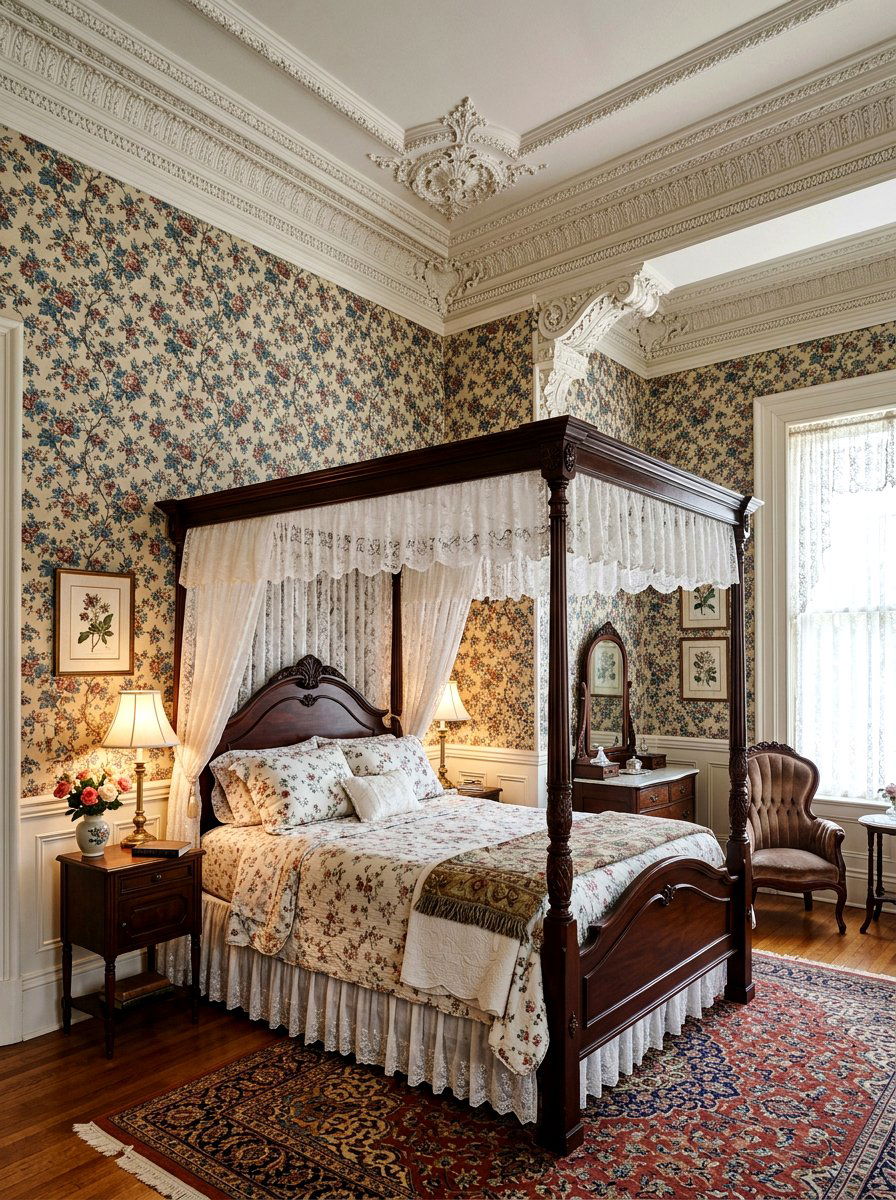
Victorian-style ceiling trim often features elaborate corner blocks that add an extra layer of decoration to the crown molding. Instead of a simple mitered corner, these blocks can feature rosettes, lion heads, or intricate leaf patterns. These details were traditionally used to save time on complex cuts, but today they are chosen for their purely decorative appeal. They add a vintage, romantic feel to a bedroom or a formal sitting room. This choice is perfect for anyone looking to embrace maximalism or wanting to add a touch of historical charm to a newer home with very little effort.
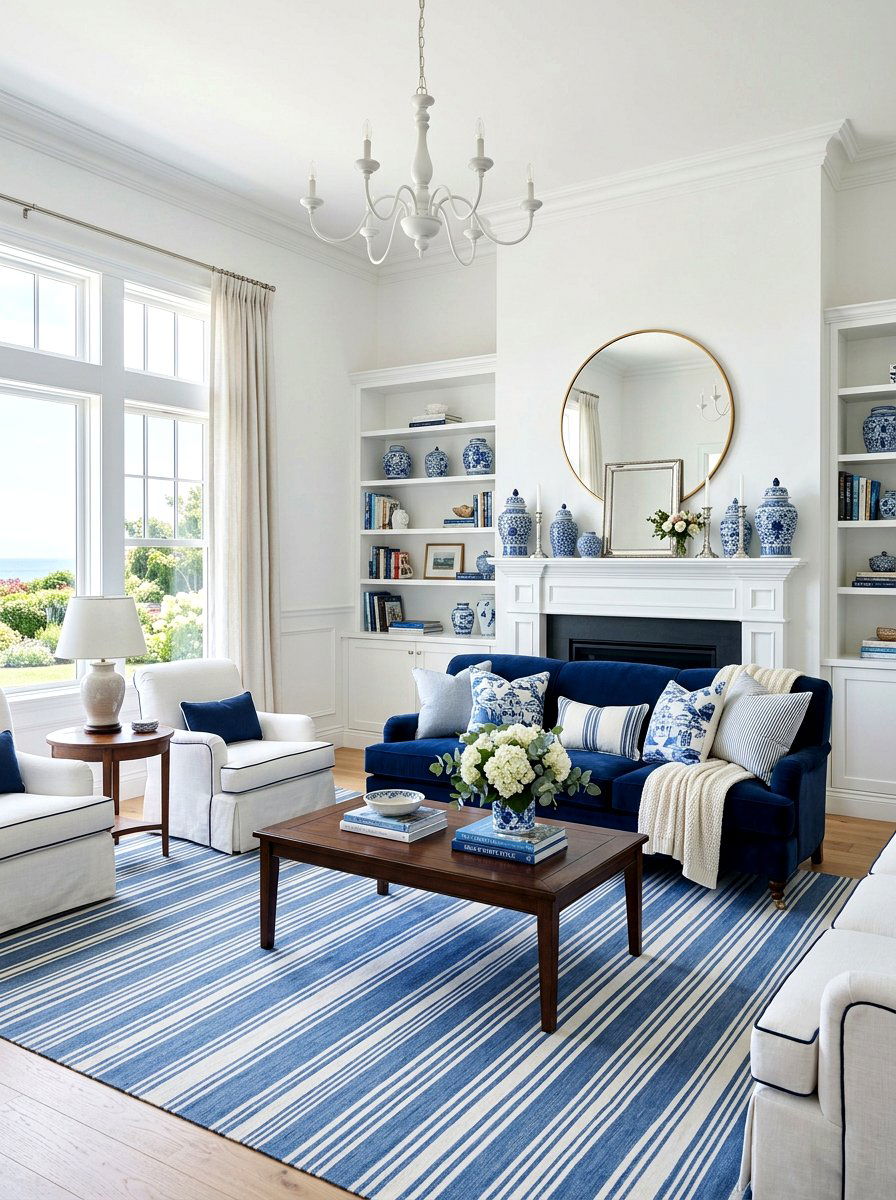
25. Transitional layered molding
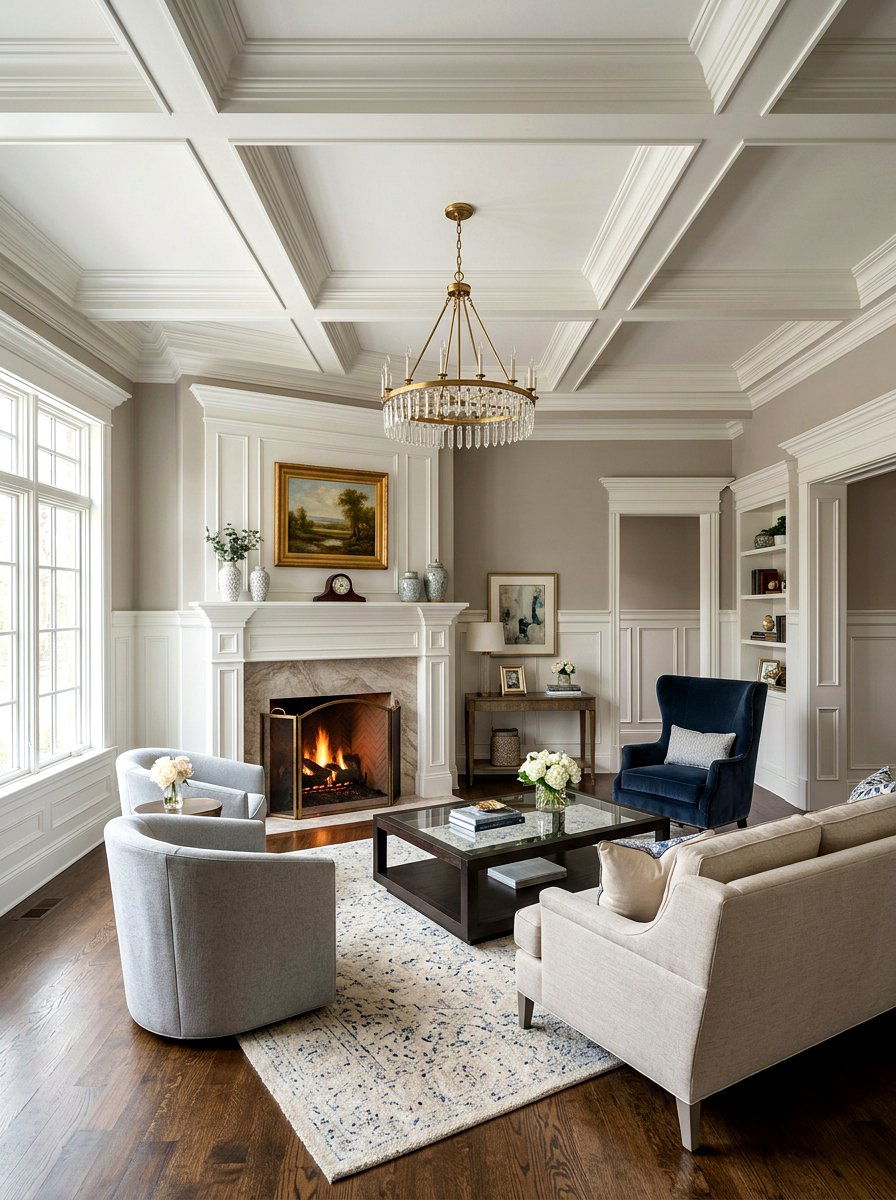
Transitional layered molding is the perfect middle ground for those who want detail without the heaviness of traditional styles. This design typically uses multiple flat or slightly curved profiles stacked together to create a stepped appearance. It feels more updated than classic crown molding but is more interesting than a simple flat strip. This style works well in modern-traditional homes where the goal is to create a space that feels both current and rooted in classic design principles. It provides a crisp, clean finish that looks excellent in any room, from the hallway to the master bedroom.
26. Dark walnut trim
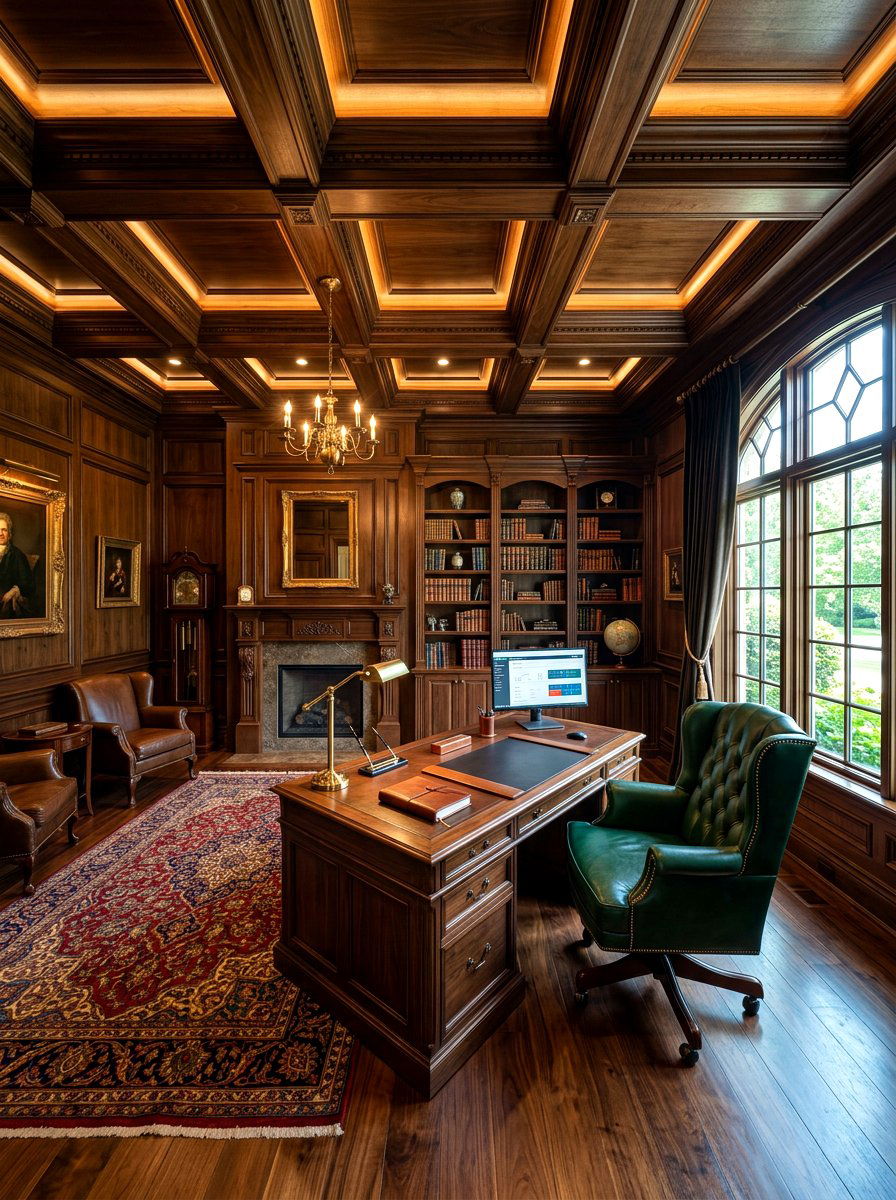
Dark walnut is a premium wood choice that brings a sense of executive luxury and warmth to a room's ceiling. The rich, deep brown tones and straight grain of walnut make it an ideal material for box beams or perimeter trim. It looks particularly stunning in a home office or a gentleman’s lounge, where it can be paired with leather furniture and brass accents. Because walnut is a naturally dark wood, it provides a sophisticated contrast to light-colored ceilings. This trim style is an investment in quality that adds a permanent sense of elegance and refined taste to your living environment.
27. Rounded bullnose edge

A rounded bullnose edge is a subtle trim detail that softens the transition between the wall and the ceiling. This style is often used in Mediterranean or Southwestern-style homes where sharp corners are avoided in favor of soft, organic curves. The bullnose trim can be made from plaster or specialized drywall beads and then painted to match the rest of the room. It creates a gentle shadow line that is much less intrusive than traditional molding. This look is perfect for creating a relaxed, calm atmosphere in a bedroom or a spa-like bathroom where comfort is the main priority.
28. Suspended wood cloud
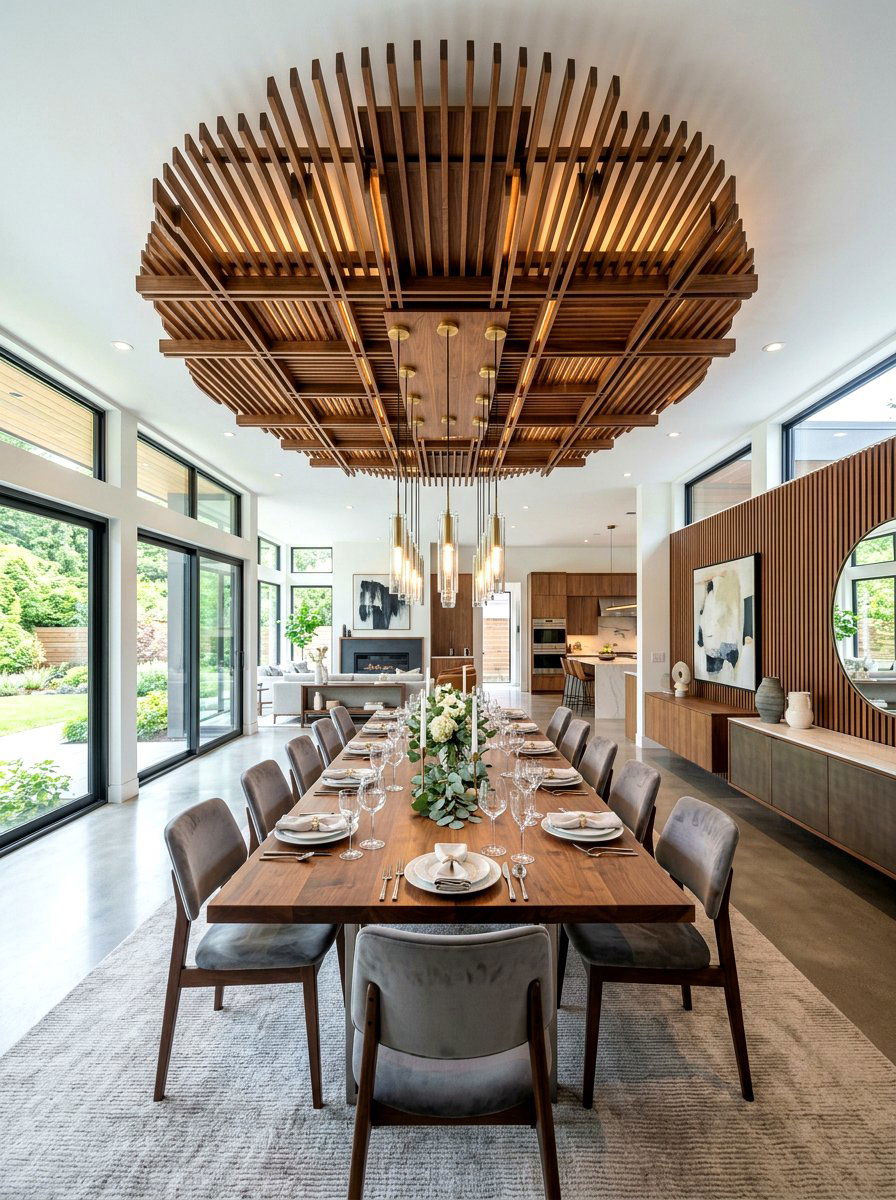
A suspended wood cloud is a modern ceiling trim concept that involves hanging a large, finished wood panel a few inches below the main ceiling. This "cloud" is usually framed with sleek trim and often features integrated recessed lighting or a beautiful chandelier. It is a fantastic way to define a specific area within a large open-concept room, such as a dining table or a seating group. The gap between the cloud and the ceiling can also be used for hidden acoustic panels or ambient LED glow, making it a functional and highly stylish architectural centerpiece for any home.
29. Cased opening trim
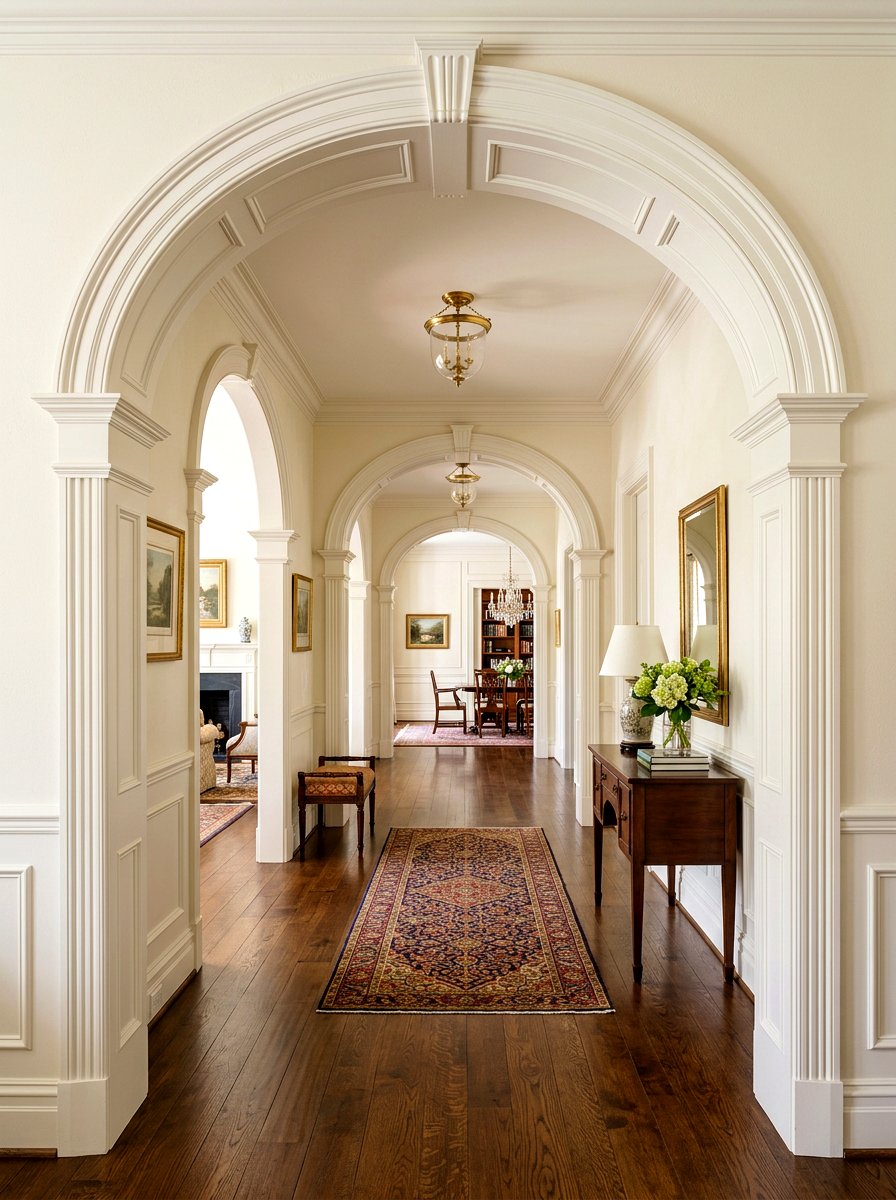
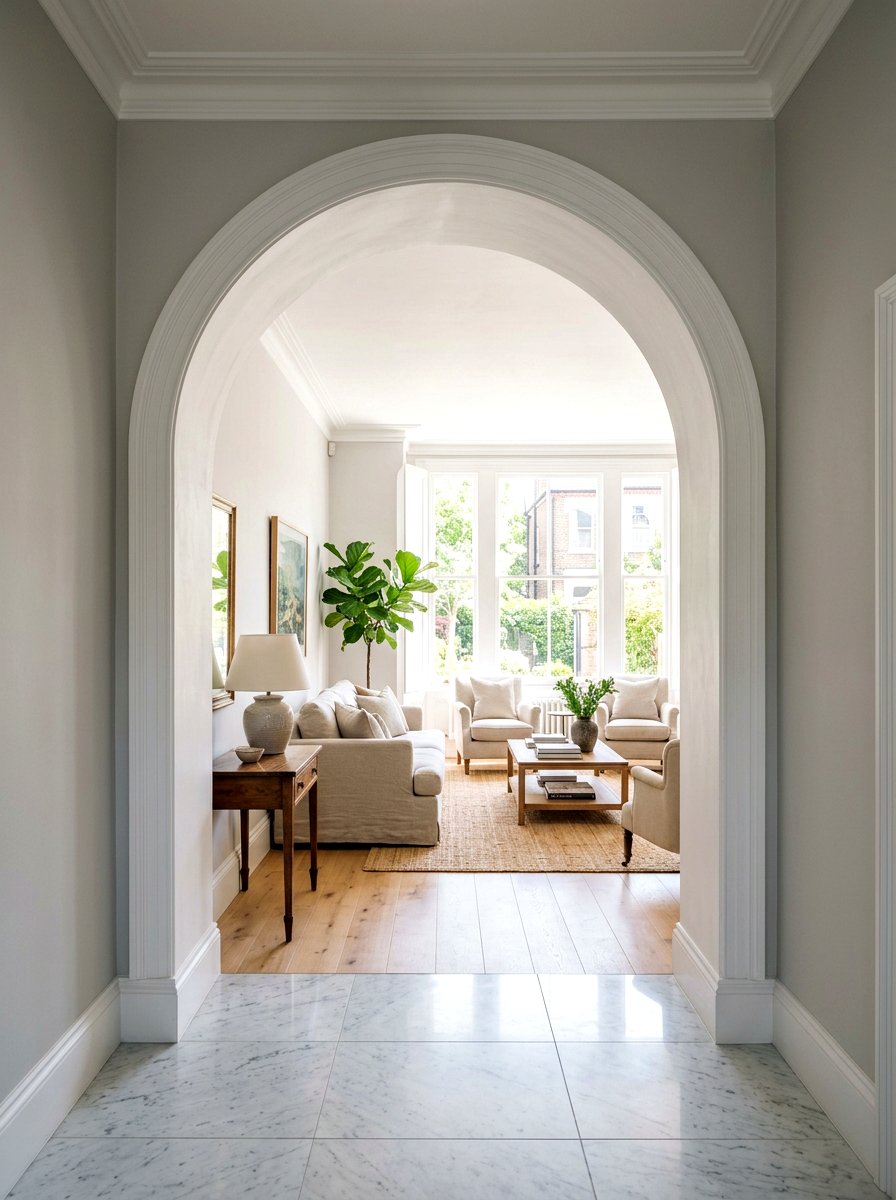
Cased opening trim is used to finish the transition between rooms where there is no door, extending the wall trim up and across the ceiling of the archway. This creates a framed look that makes the passage from one room to another feel more intentional and grand. By using wide, detailed casings, you can turn a standard doorway into a significant architectural feature. This is especially effective in traditional homes with a central hall, where the repetitive framed openings create a sense of rhythm and elegance. It unifies the design of the house, ensuring every transition feels considered and high-quality.
30. Curved archway molding
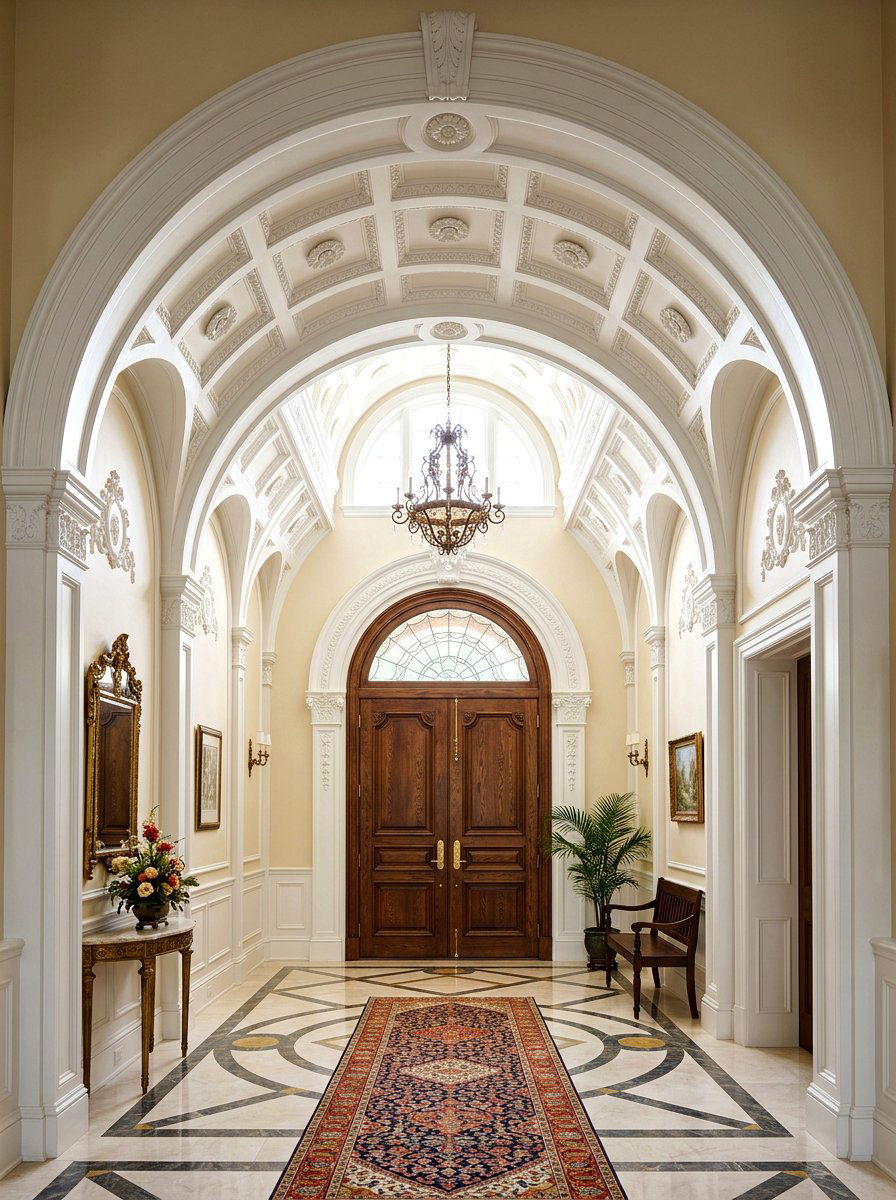
Curved archway molding is a specialized trim that follows the contour of a rounded ceiling or a barrel vault. This requires flexible materials or custom-carved wood to ensure a perfect fit along the curve. Adding trim to an archway emphasizes the graceful lines of the architecture and adds a level of sophistication that is hard to achieve with flat surfaces. It is a beautiful choice for entryways or hallways where you want to create a sense of movement and flow. This detail adds a high-end, custom-built feel to the home that immediately impresses guests with its unique craftsmanship.
Conclusion:
Ceiling trim is a powerful design tool that can transform any room from a basic box into a sophisticated architectural masterpiece. Whether you choose the timeless elegance of white crown molding or the bold statement of dark wood beams, these details add a finished look that is often missing in modern construction. By paying attention to the "fifth wall, " you increase your home's value and create a more immersive and intentional living environment. There is a trim style for every taste, from minimalist to ornate. Start exploring these options today to give your home the professional, polished finish it truly deserves.

Related posts: