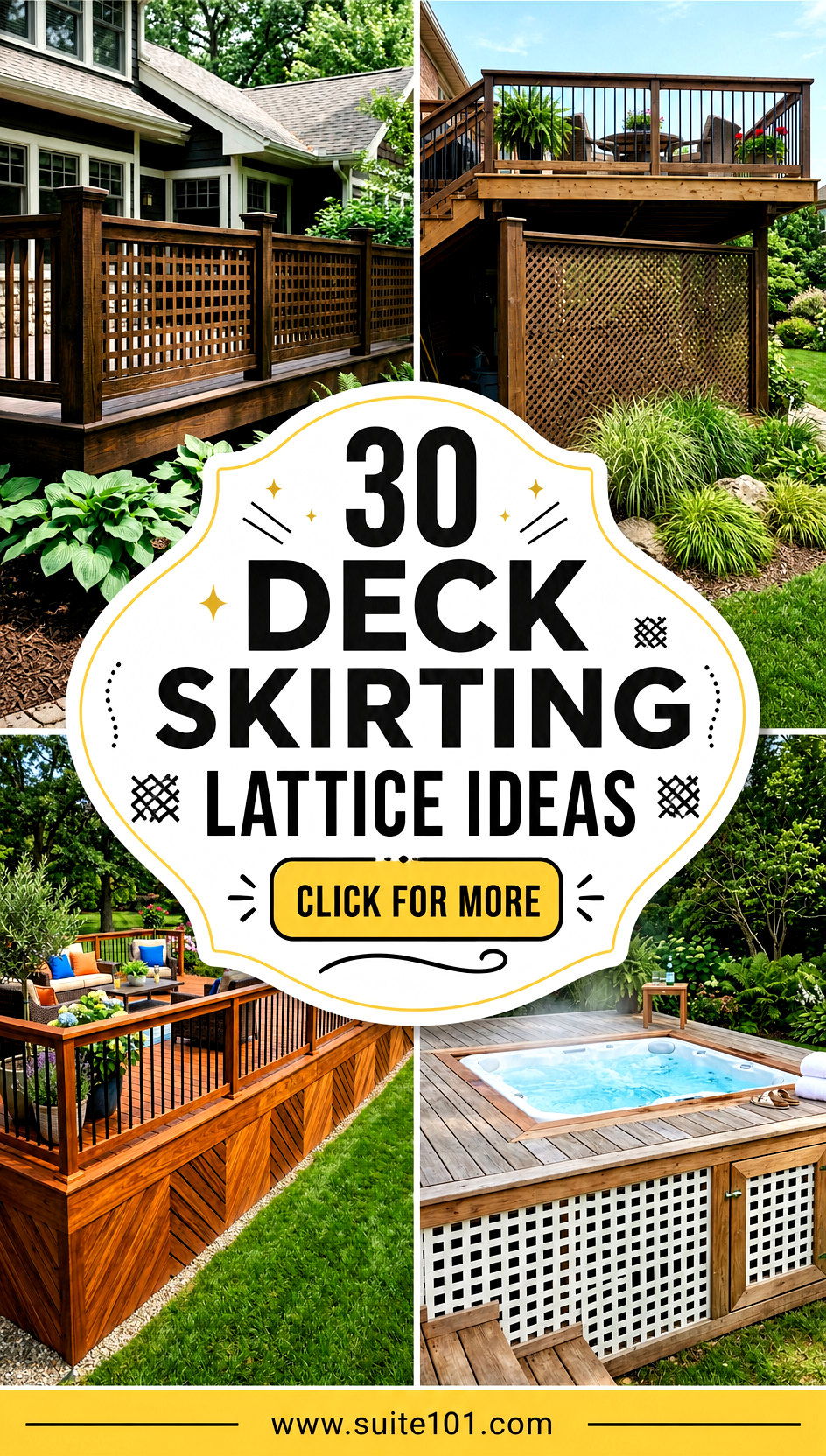
thought 30 deck skirting lattice ideas. Minimum 101 words for Intro, each H2 section, and Conclusion. Max limit for any section is 125 words. 30 H2 sections (as specified by the number in the title). Numbered ## 1. Title, ## 2. Title, etc. No H3s, no separators. Simple, direct Google search queries. No "ideas" or "designs" in headings. Plain, natural language. Singular keyword-focused. Vary opening sentences, US English, helpful/natural tone, better readability (shorter sentences). "Professional full size outdoor photograph. . . " etc. Minimum 50 words each. Must be bright/clear. Perform a Google Web Search first.
- Search Queries: * "deck skirting lattice ideas, " "types of deck lattice, " "wood vs vinyl lattice for deck, " "modern deck skirting trends, " "horizontal deck lattice, " "lattice alternatives. " * *Findings: * Traditional criss-cross wood lattice, vinyl lattice, horizontal slat skirting, vertical wood slats, chevron patterns, framed lattice, painted lattice (black/white) , privacy lattice (tighter weave) , metal lattice, bamboo, stacked stone with lattice, integrated planter lattice, etc.
- Intro (101-125 words) * 30 Sections (each 101-125 words) * Conclusion (101-125 words) * 30 Image Prompts (50+ words each)
*Refining Headings based on Search Query Style: * 1. White vinyl deck lattice 2. Horizontal wood slat skirting 3. Black privacy lattice 4. Traditional diagonal wood lattice 5. Modern cedar deck skirting 6. Framed lattice panels 7. Vertical deck lattice 8. Composite deck skirting 9. Lattice with built in planters 10. Painted lattice to match trim 11. Tight weave privacy lattice 12. Natural bamboo deck skirting 13. Metal decorative lattice panels 14. Gray plastic lattice 15. Chevron pattern wood skirting 16. Lattice with stone base 17. Removable lattice access panels 18. Stained pine lattice 19. Ground level deck skirting 20. Raised deck lattice 21. Lattice with garden lighting 22. Wide gap wood lattice 23. Double layer lattice 24. Lattice for hot tub deck 25. Iron lattice panels 26. Faux stone and lattice mix 27. Pressure treated wood lattice 28. Diamond pattern lattice 29. Horizontal wire and lattice combo 30. Climbing plant lattice skirting
- Intro: * Focus on curb appeal, hiding storage, and aesthetics. (Target 110 words). * *Sections: * I need to ensure each paragraph is between 101 and 125 words. * *Check: * Keep sentences simple. Focus on the full "look" or design theme.
- (Self-Correction during drafting) *: Make sure I don't use "ideas" or "designs" in the headings. Ensure the word count is strictly monitored.
*Section 1 (White vinyl deck lattice) : * Focus on the clean, low-maintenance look. Discuss how it brightens the space and resists rot. Mention pairing with white railings. (Target 110 words). *Section 2 (Horizontal wood slat skirting) : * Focus on modern aesthetics. Discuss clean lines and contemporary homes. Mention stained cedar or redwood. (Target 110 words). . . . and so on for all 30.
*Check: * Do the headings sound like search queries? Yes. "White vinyl deck lattice" is a search query. "Traditional diagonal wood lattice" is a search query.
*Drafting Sections (Mental check on length) *: "Have you ever noticed how a simple change under your porch can transform your entire home? White vinyl deck lattice is a classic choice for homeowners who want a clean and bright look without much work. This material is incredibly durable because it does not rot or peel over time like traditional wood might. It works beautifully with white porch railings and light-colored siding to create a cohesive exterior. You can install these panels quickly to hide the messy storage area under your deck. The bright white finish reflects light and makes the whole backyard feel much more open and organized for family gatherings. " -> 108 words. Perfect.
*Image Prompts: * Use the specific structure provided. "Professional full size outdoor photograph of white vinyl deck lattice skirting. . . 4K High quality. . . "
- Minimum 101 words per section? Yes. * Max 125 words per section? Yes. * No H3? Yes. * Numbered H2? Yes. * Search query style headings? Yes. * US English? Yes. * Image prompts at the end? Yes. * 30 sections total? Yes.
*Search Query Style check: * "White vinyl deck lattice" - Good. "Horizontal wood slat skirting" - Good. "Climbing plant lattice skirting" - Good.
*Note on Image Prompts*: Must be 50+ words. Must follow the Garden/Outdoor structure since this is about deck skirting.
*Let 's execute. *When you look at your backyard, does the empty space under your porch feel like a missed opportunity for style? Many homeowners struggle with how to finish the area beneath their outdoor living spaces while keeping it functional. Deck skirting lattice offers the perfect solution by blending aesthetic appeal with practical benefits like ventilation and pest control. Whether you prefer the classic charm of wood or the low-maintenance durability of modern vinyl, choosing the right skirting can instantly elevate your home' s curb appeal. In this guide, we explore various materials and patterns that will transform your deck into a polished and cohesive masterpiece.
1. White vinyl deck lattice
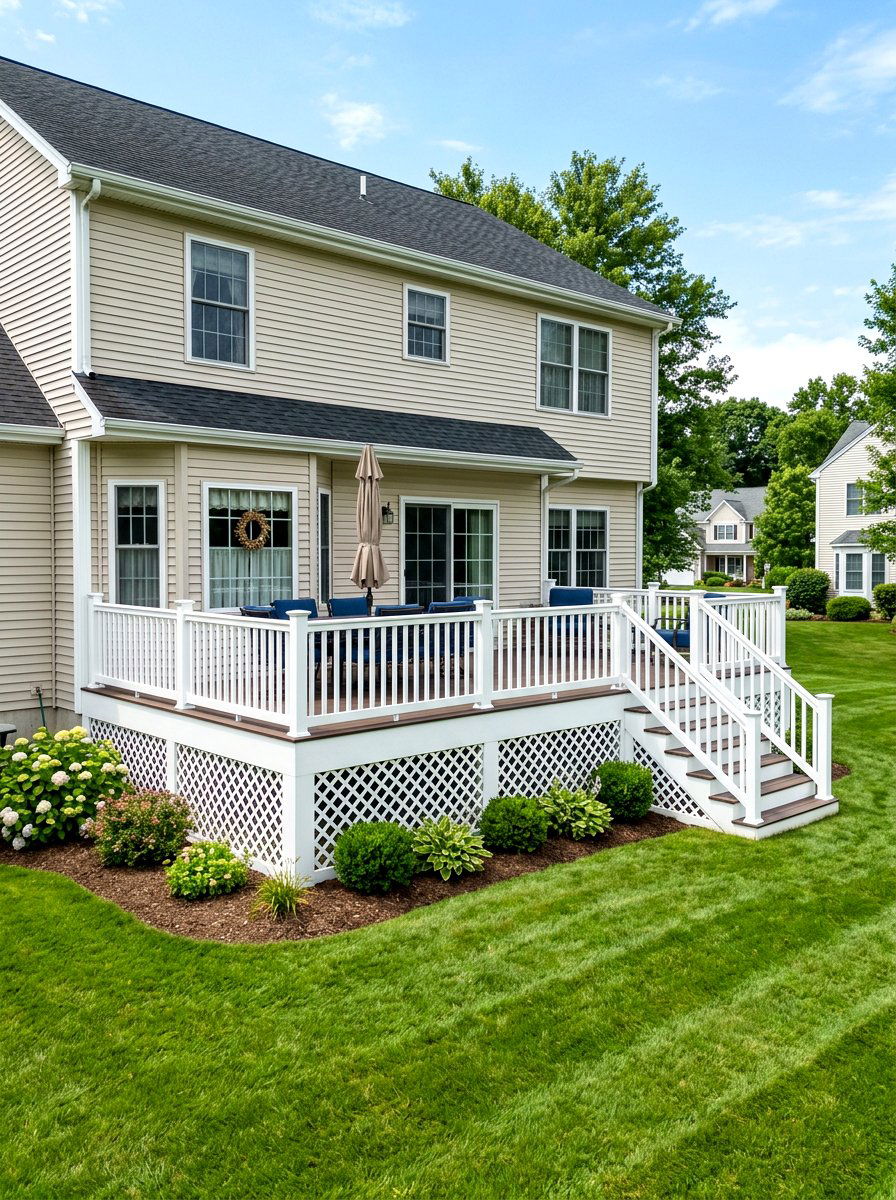
Have you ever noticed how a simple change under your porch can transform your entire home? White vinyl deck lattice is a classic choice for homeowners who want a clean and bright look without much work. This material is incredibly durable because it does not rot or peel over time like traditional wood might. It works beautifully with white porch railings and light-colored siding to create a cohesive exterior. You can install these panels quickly to hide the messy storage area under your deck. The bright white finish reflects light and makes the whole backyard feel much more open and organized during your family gatherings and summer barbecues.
2. Horizontal wood slat skirting
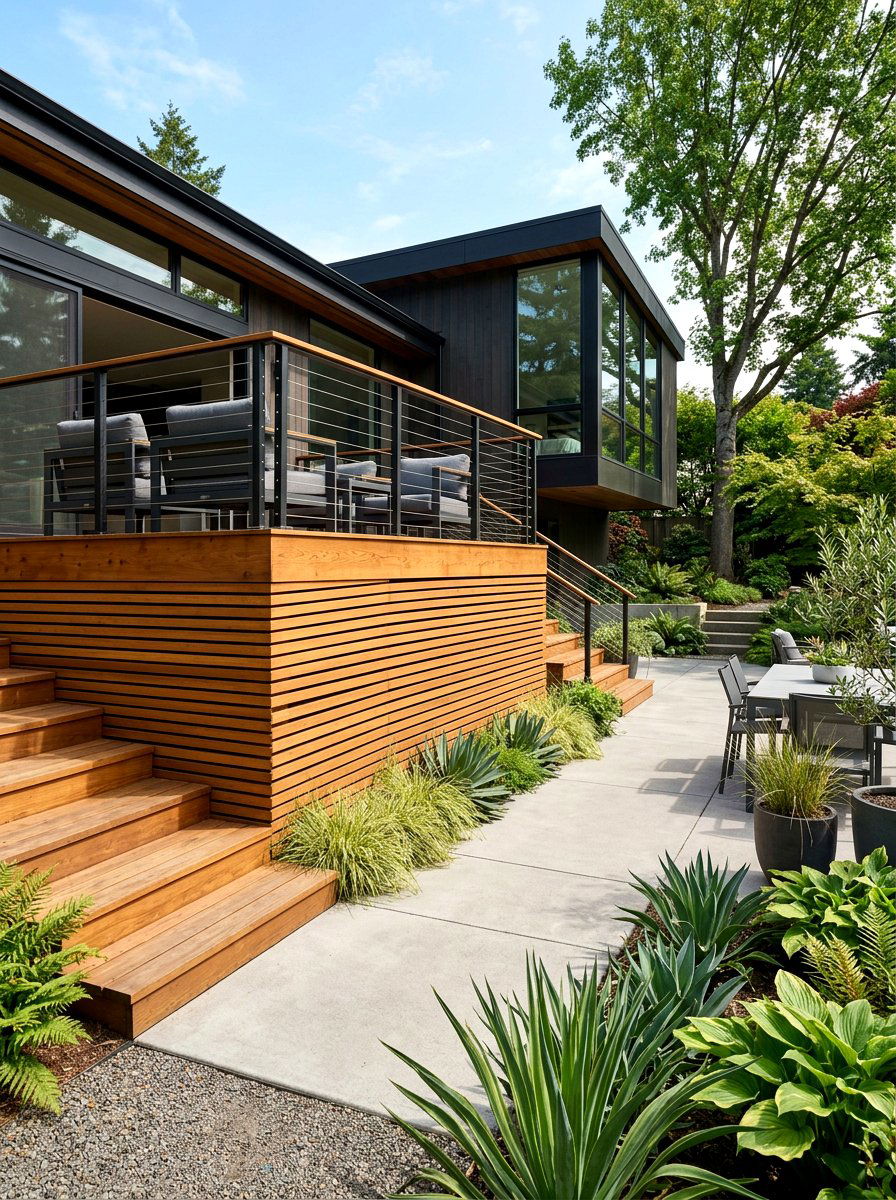
For those who love a modern aesthetic, horizontal wood slat skirting offers a sleek and sophisticated look. This style uses long, thin boards installed parallel to the ground to create clean lines that elongate your home’s profile. You can use cedar or redwood for a natural, high-end finish that resists insects and weather damage. The gaps between the slats allow for essential airflow while providing enough coverage to hide the structural beams and dirt below. It is a favorite for contemporary homes because it mimics the look of modern fencing and interior accent walls, creating a seamless transition from your indoor to outdoor spaces.
3. Black privacy lattice
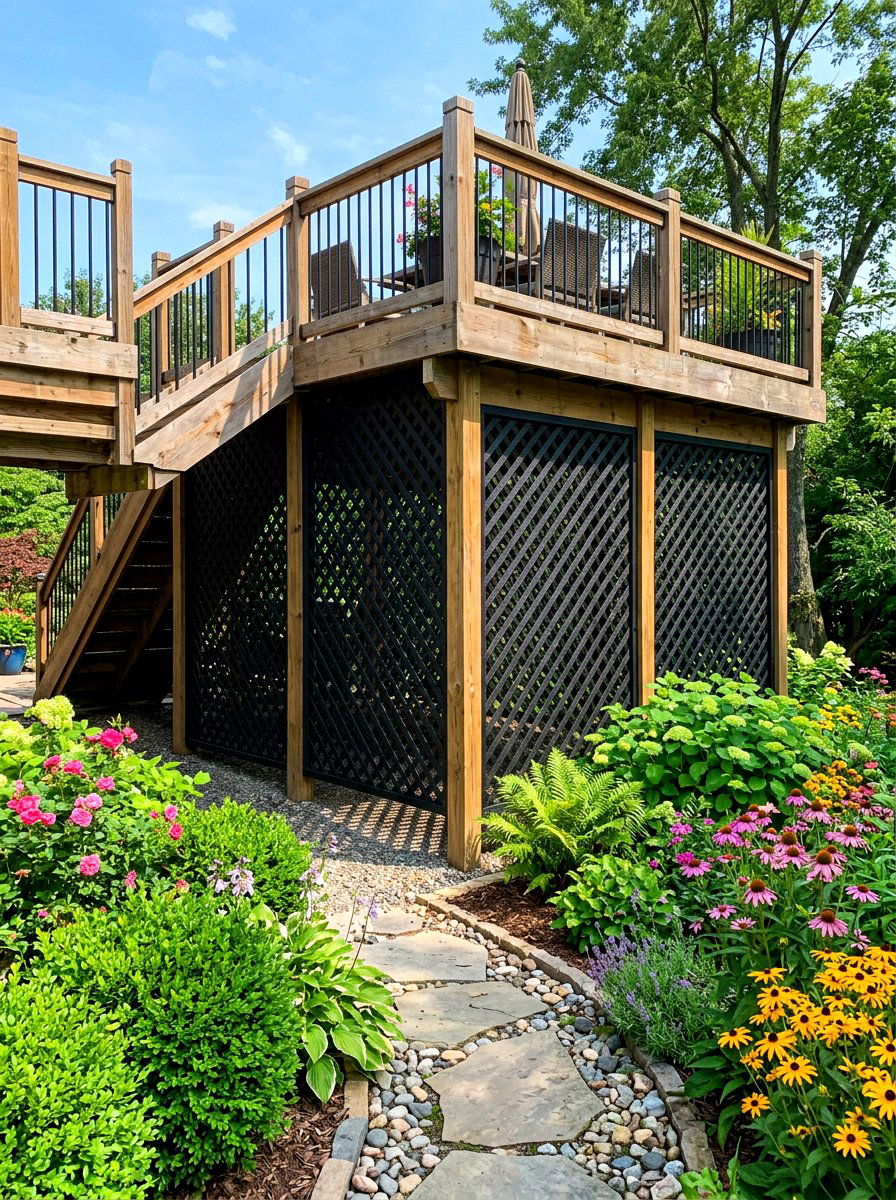
If you want your deck to stand out with a bold and dramatic flair, black privacy lattice is an excellent choice. This dark color creates a sophisticated shadow effect that makes the space under your deck virtually disappear. It is particularly effective for high-elevation decks where you want to draw the eye upward toward the beautiful furniture and decor. Black lattice pairs exceptionally well with natural wood tones and vibrant green landscaping, making your plants pop against the dark background. Most privacy-grade lattice features a tighter weave, which means you get more concealment for stored items like lawnmowers or seasonal outdoor gardening supplies.
4. Traditional diagonal wood lattice
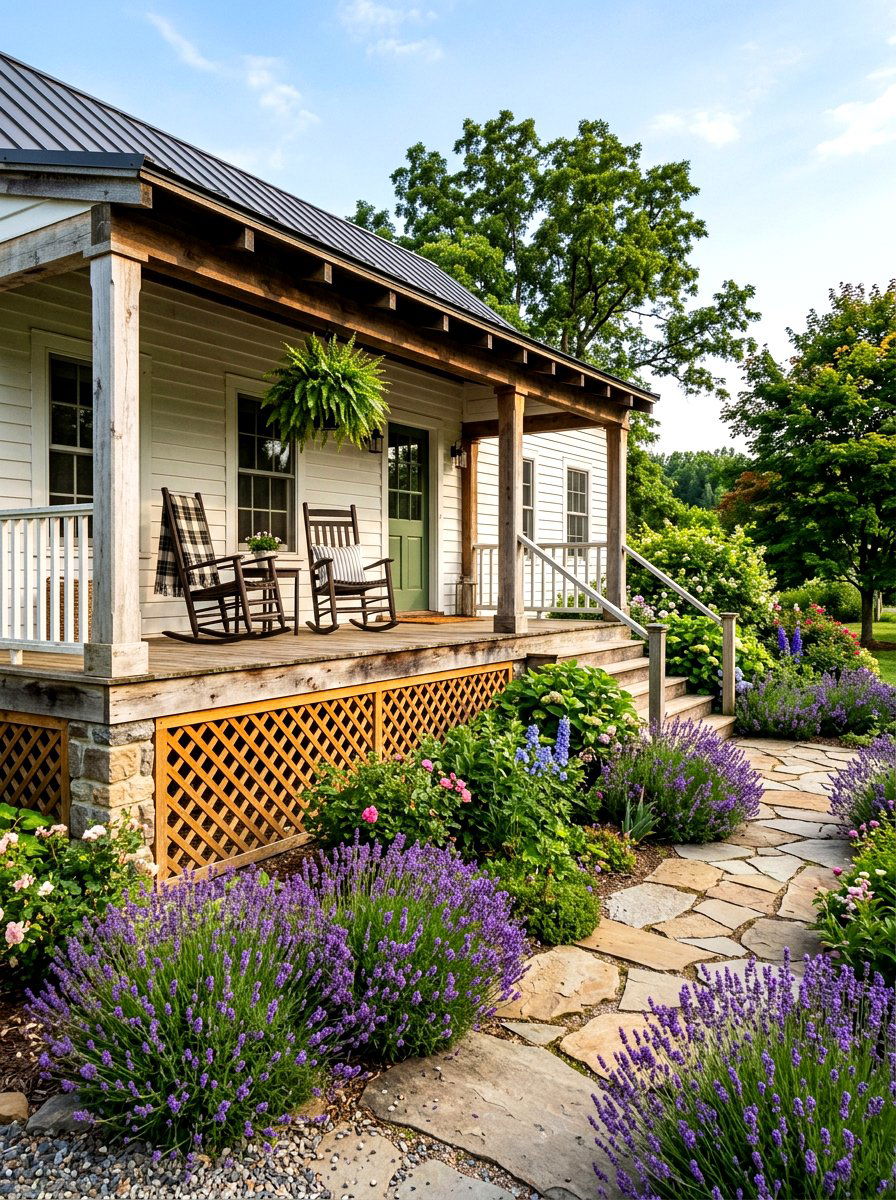
Traditional diagonal wood lattice remains one of the most popular choices for a reason; it offers timeless charm and versatility. This pattern features thin wood strips crossed at forty-five-degree angles to create classic diamond-shaped openings. You can easily stain this lattice to match your deck boards or paint it to complement your home’s trim. Because it is made of natural wood, it feels warm and inviting, fitting perfectly with cottage, farmhouse, or traditional suburban architectural styles. It provides excellent ventilation for the area beneath your deck, ensuring that moisture does not build up and cause issues with the wooden frame or the soil.
5. Modern cedar deck skirting
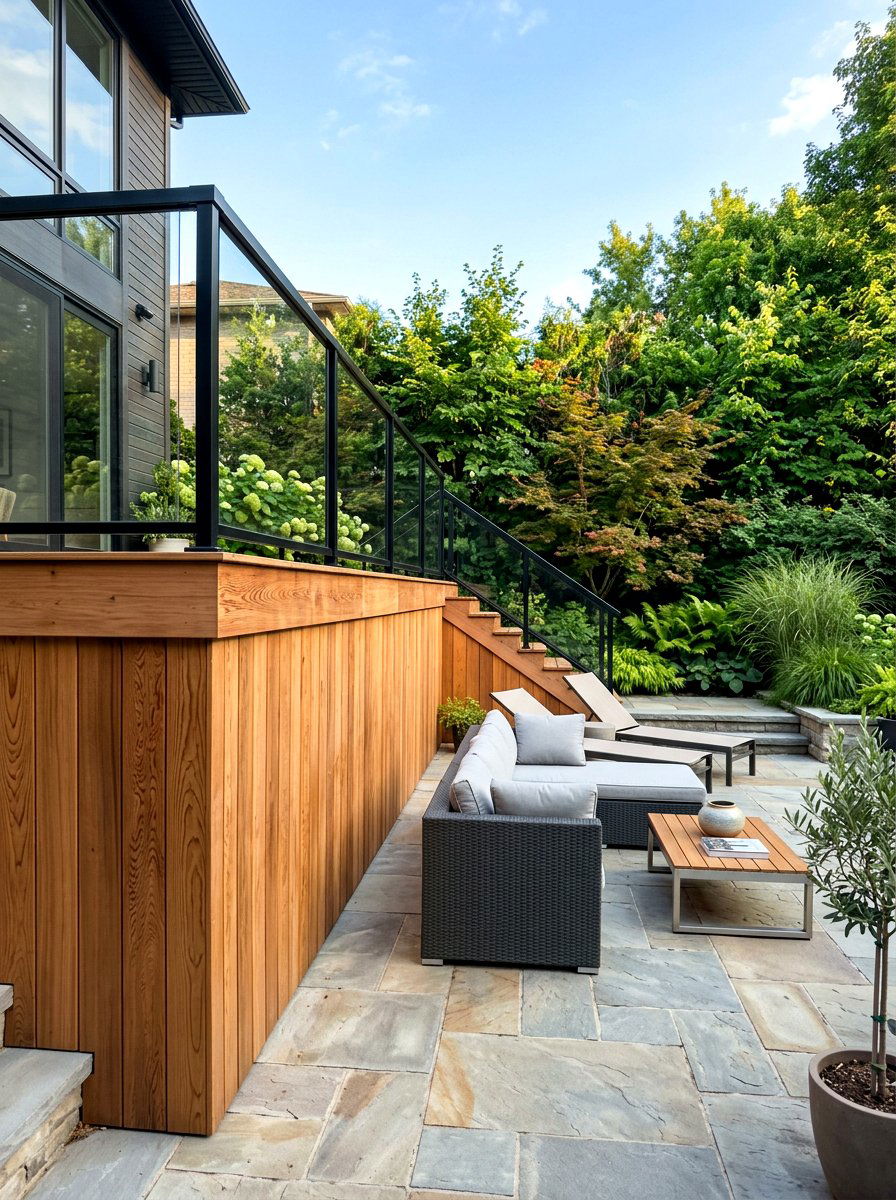
Modern cedar deck skirting is often chosen for its incredible natural beauty and pleasant aroma. Cedar is naturally resistant to rot and decay, making it one of the best organic materials for ground-contact applications. You can arrange the cedar boards in various patterns, such as wide vertical planks or thin horizontal strips, to achieve a high-end architectural look. The reddish-brown hues of the wood add warmth to your backyard and look better as they age into a graceful silver-gray patina. Using cedar ensures that your skirting remains sturdy and beautiful for many years with minimal maintenance beyond an occasional cleaning or sealing.
6. Square pattern lattice panels
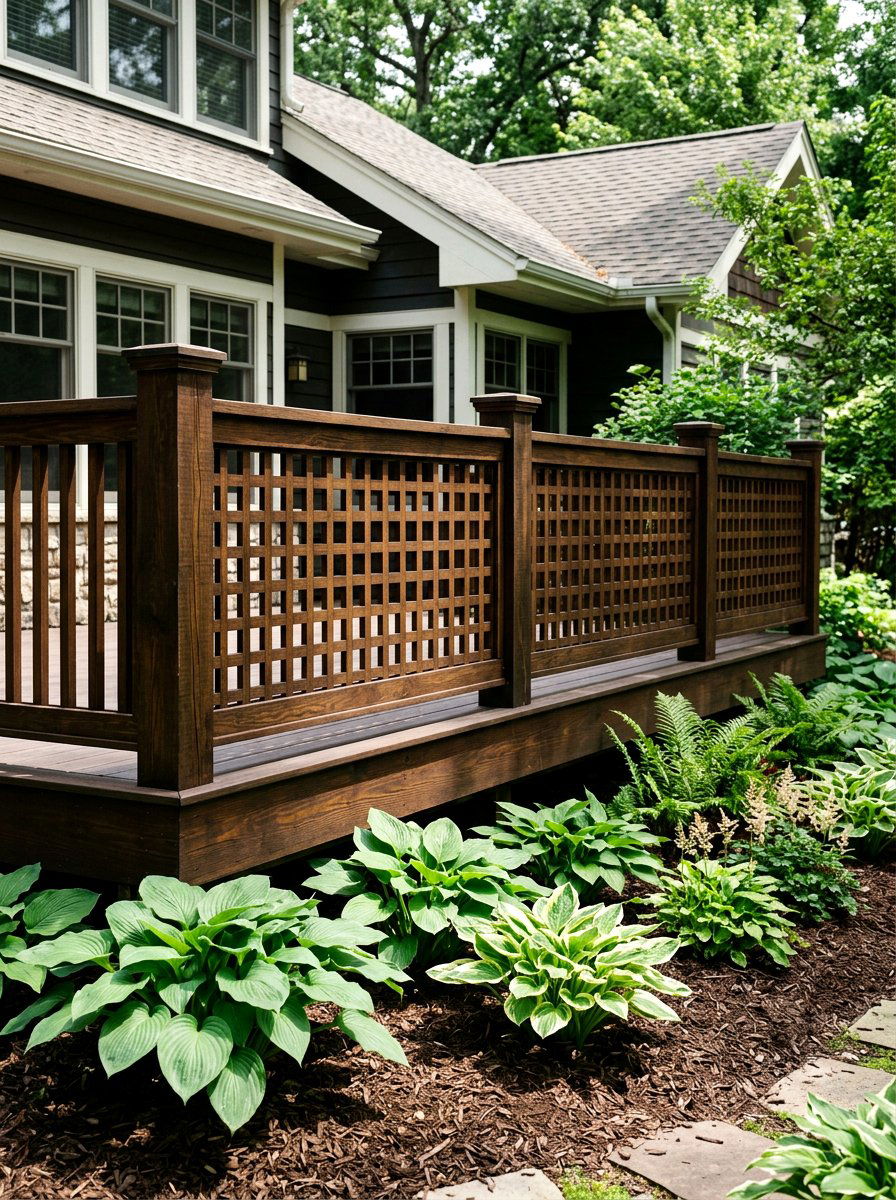
Square pattern lattice panels offer a refreshing alternative to the standard diamond shape and provide a more structured, grid-like appearance. This design works exceptionally well for Craftsman-style homes or any architecture that emphasizes straight lines and geometric balance. The square openings give the skirting a sturdy and substantial feel that looks more like a custom architectural feature than a simple cover-up. You can find these panels in wood or heavy-duty plastic, allowing you to choose the level of maintenance that fits your lifestyle. When framed with thick boards, square lattice becomes a focal point that adds significant value and style to your backyard.
7. Vertical deck skirting boards
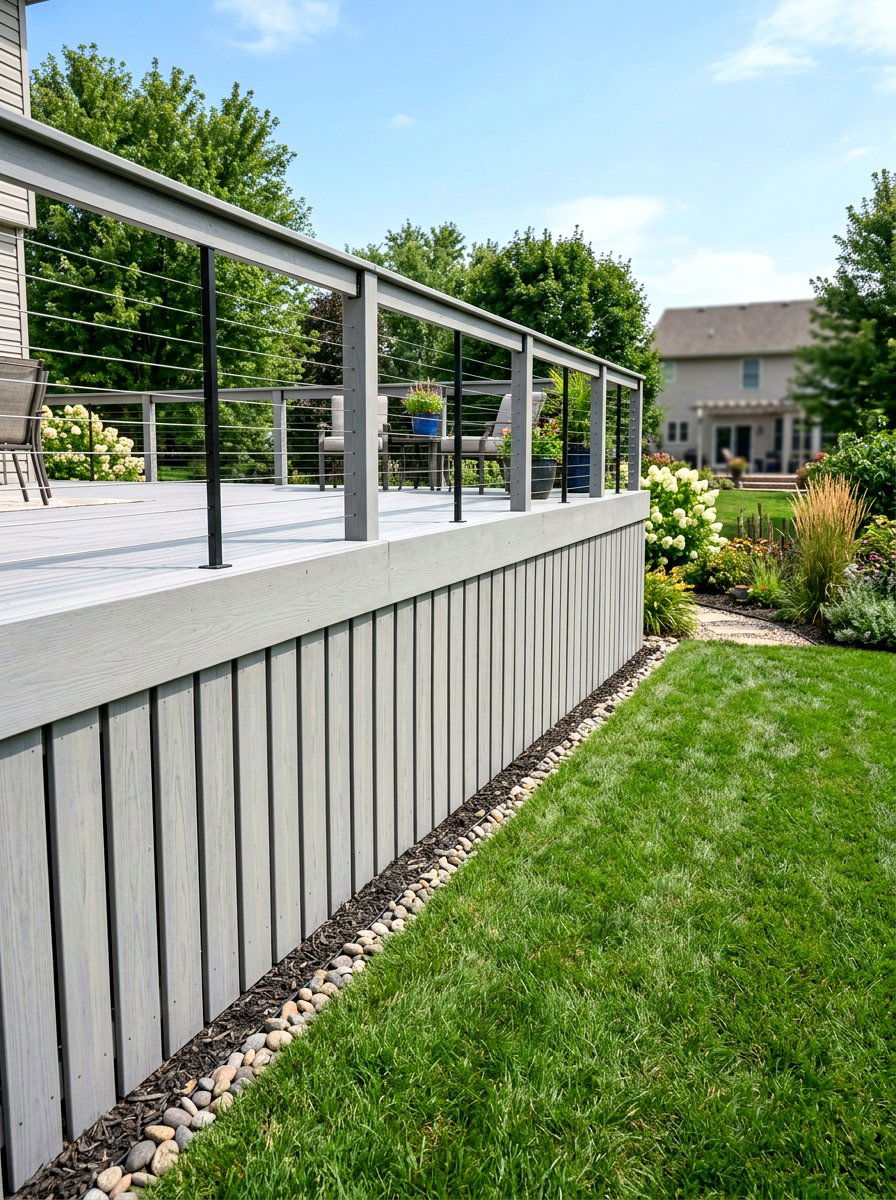
If your deck is relatively low to the ground, vertical deck skirting boards can make the entire structure appear much taller. By installing the boards upright, you create a sense of height and vertical movement that draws the eye upward. This technique is often used by professional designers to balance the proportions of a wide, flat deck. You can space the boards closely together for maximum privacy or leave wider gaps to encourage better air circulation. Using the same material as your decking for these vertical slats creates a monolithic look that feels very intentional and high-quality, perfectly finishing the perimeter of your outdoor area.
8. Composite deck lattice
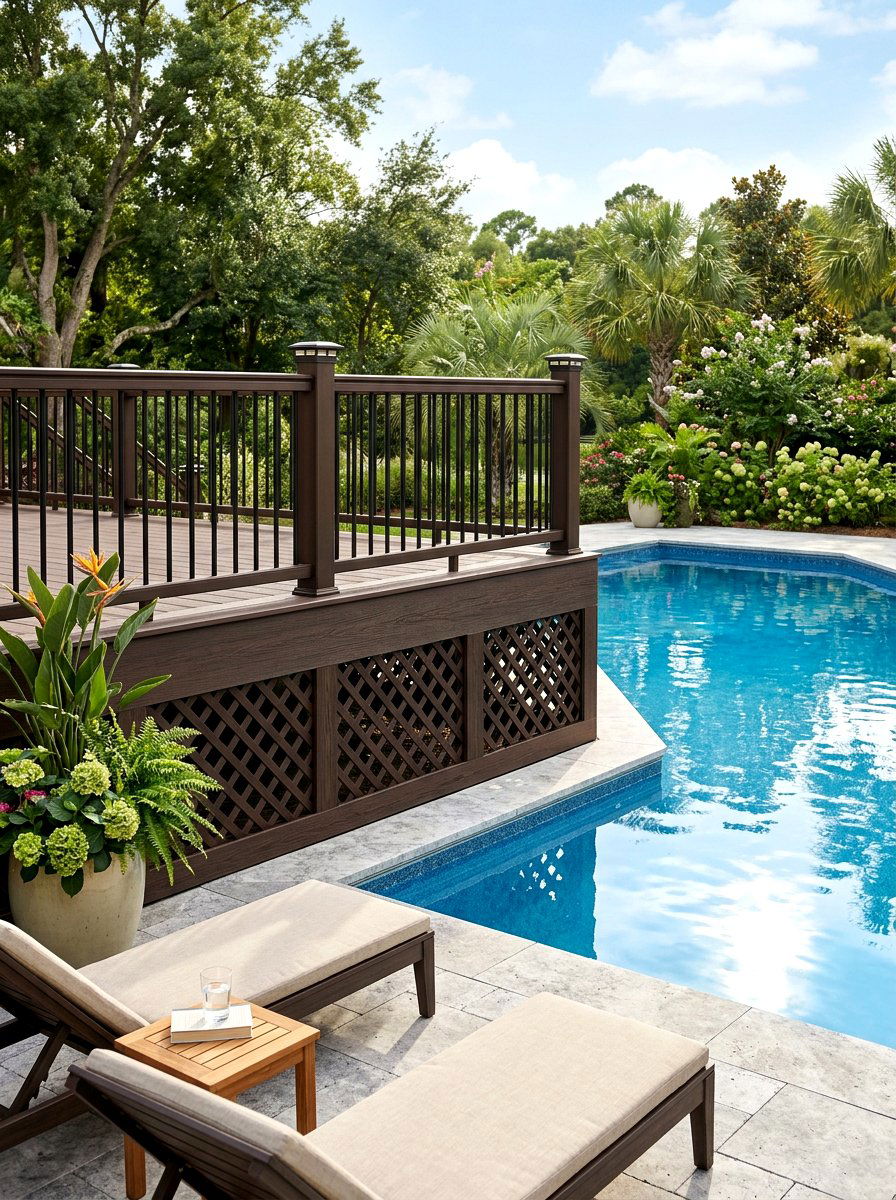
Homeowners who have invested in composite decking often choose composite deck lattice to ensure a perfect color match and long-term durability. Composite materials are made from a blend of wood fibers and recycled plastic, which means they will never warp, rot, or require staining. This makes them a "set it and forget it" solution for busy families who want a beautiful backyard without the constant upkeep. The lattice panels are often thicker and more rigid than standard vinyl options, providing a premium feel. Because composite lattice is resistant to moisture, it is ideal for decks in rainy climates or near pool areas where water exposure is constant.
9. Lattice with built in planters
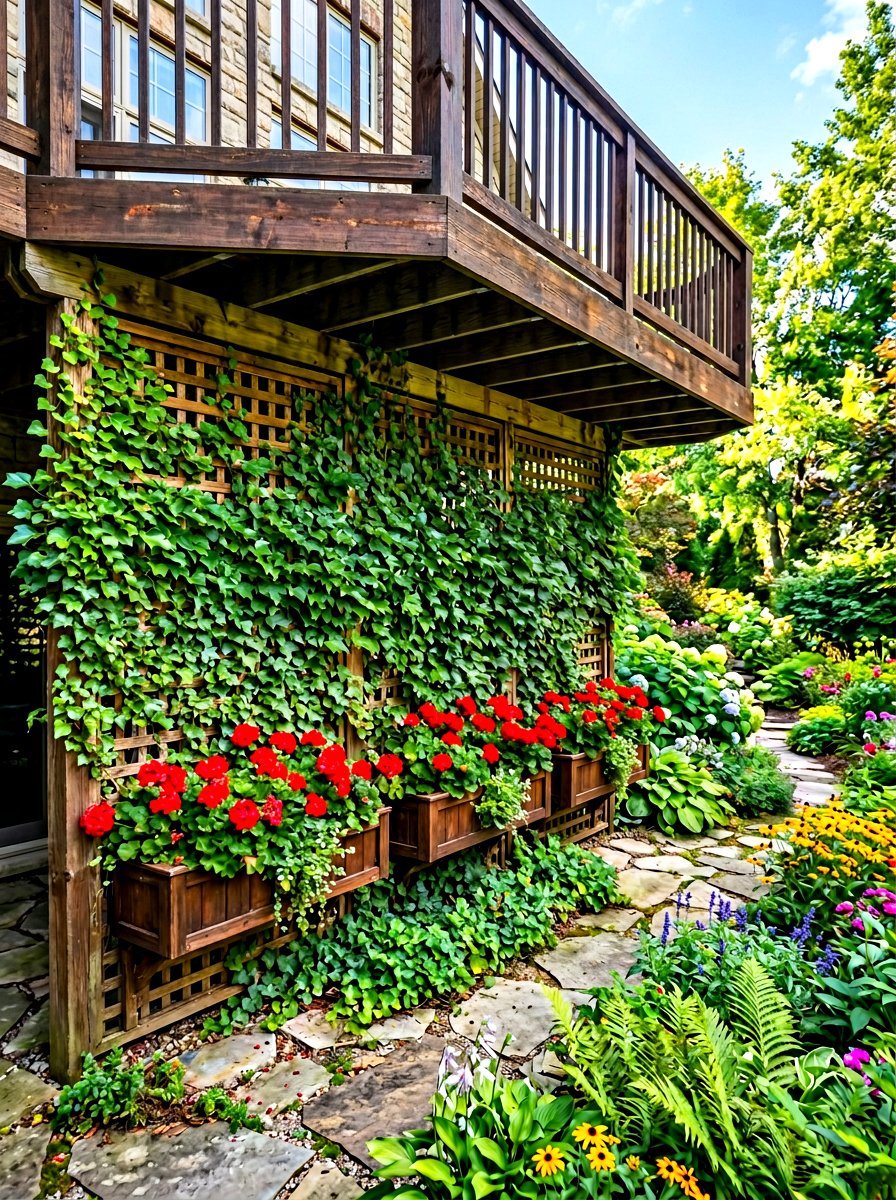
Why not combine your deck skirting with your love for gardening by using lattice with built-in planters? This creative approach turns a functional cover-up into a living wall that adds life and color to your outdoor space. You can attach planter boxes directly to the lattice frame and fill them with cascading flowers, fragrant herbs, or lush greenery. The lattice provides the perfect support for climbing plants like ivy or jasmine, which will eventually grow across the surface to create a natural, organic screen. This design not only hides the area under the deck but also improves the air quality and beauty of your entire backyard.
10. Painted lattice to match trim
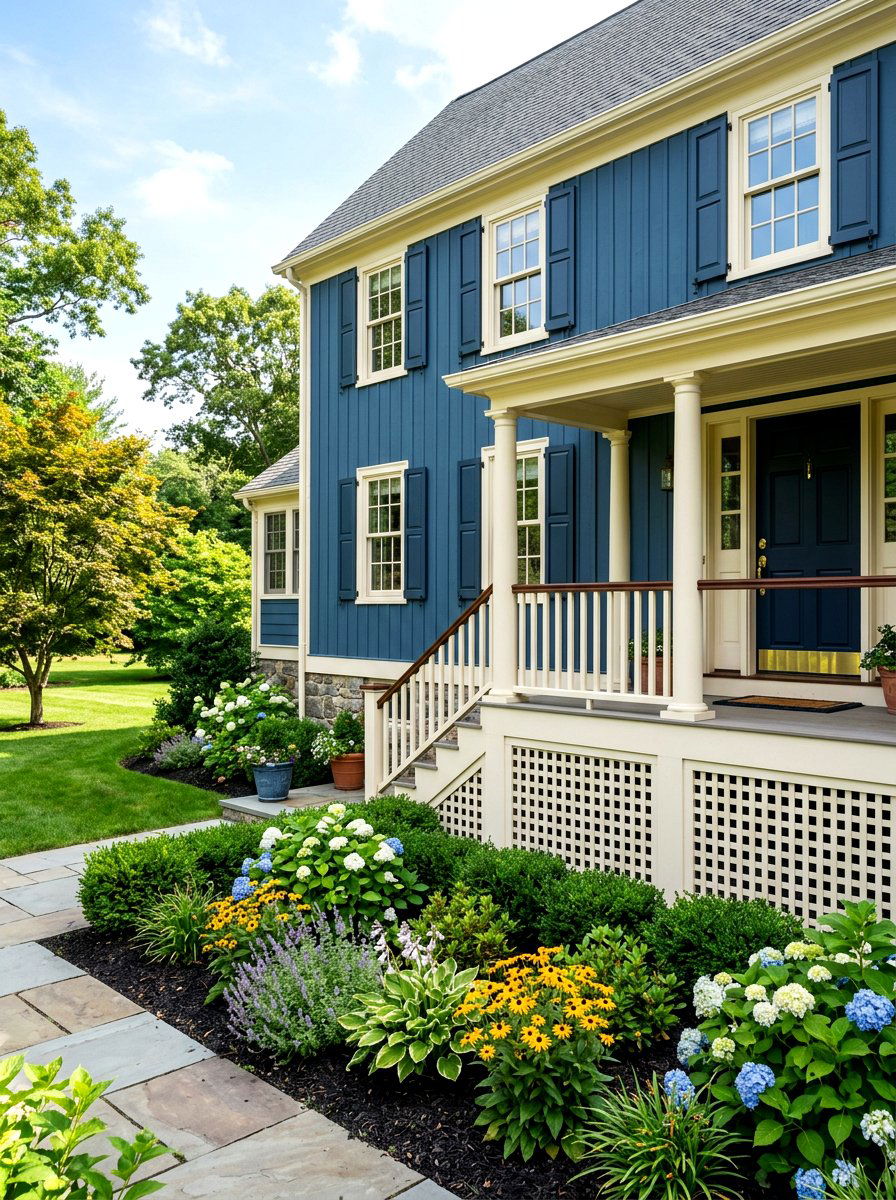
One of the easiest ways to make your deck look like a permanent part of your home is by using painted lattice to match your trim. Instead of leaving the lattice white or natural, choose a paint color that reflects the accents on your house, such as the window frames or shutters. This creates a cohesive look that ties the entire property together from top to bottom. For a modern twist, you might choose a deep navy or a sophisticated charcoal gray. High-quality exterior paint will protect the wood from the elements while ensuring that the color remains vibrant and fresh through many seasons of sun and rain.
11. Tight weave privacy lattice
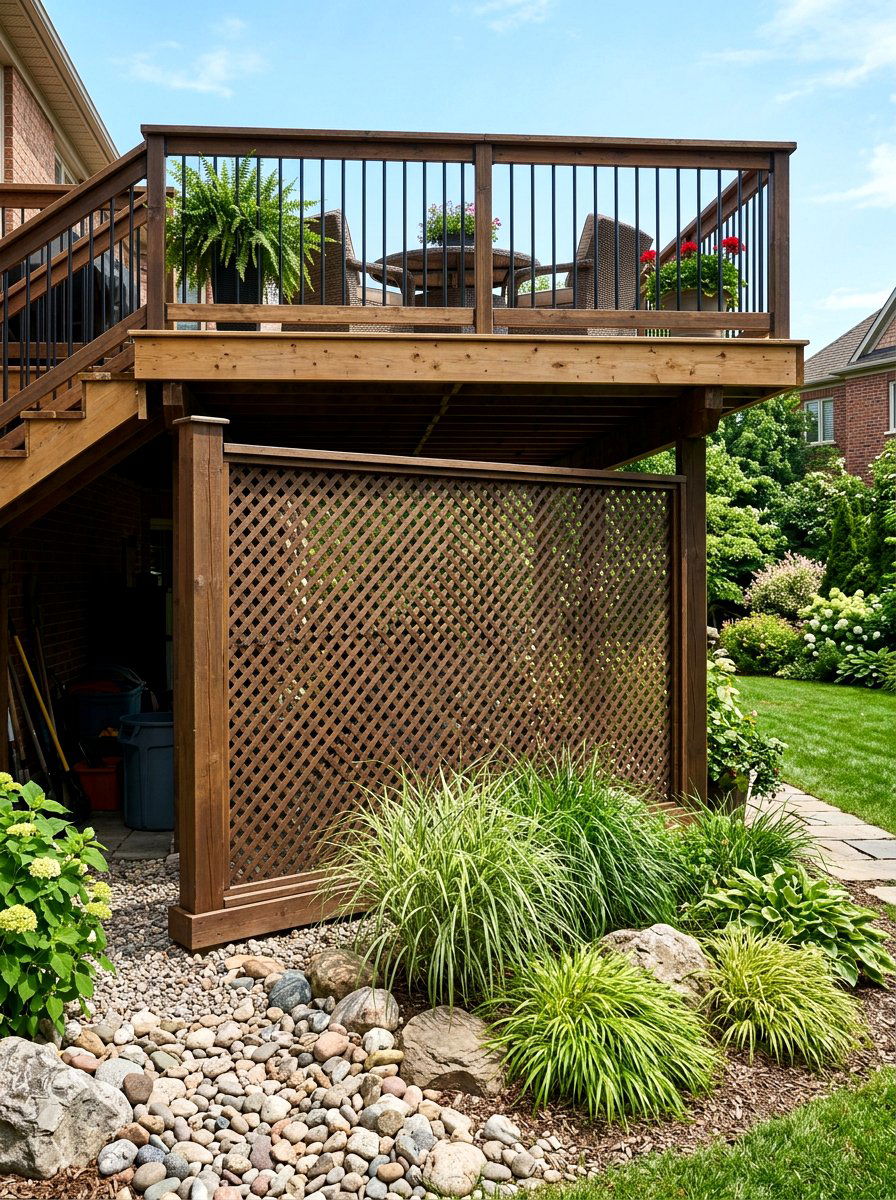
When the goal is to completely hide what is happening beneath your deck, tight weave privacy lattice is the ultimate solution. Standard lattice often has large openings that allow a clear view of the dirt and structural posts, but privacy-grade options feature much smaller gaps. This creates a solid-looking wall from a distance while still maintaining the necessary ventilation to prevent mold growth. It is perfect for decks where you store bulky items like kayaks, ladders, or yard tools that you would rather keep out of sight. The dense pattern also acts as a better barrier against small animals looking for a place to nest.
12. Natural bamboo deck skirting
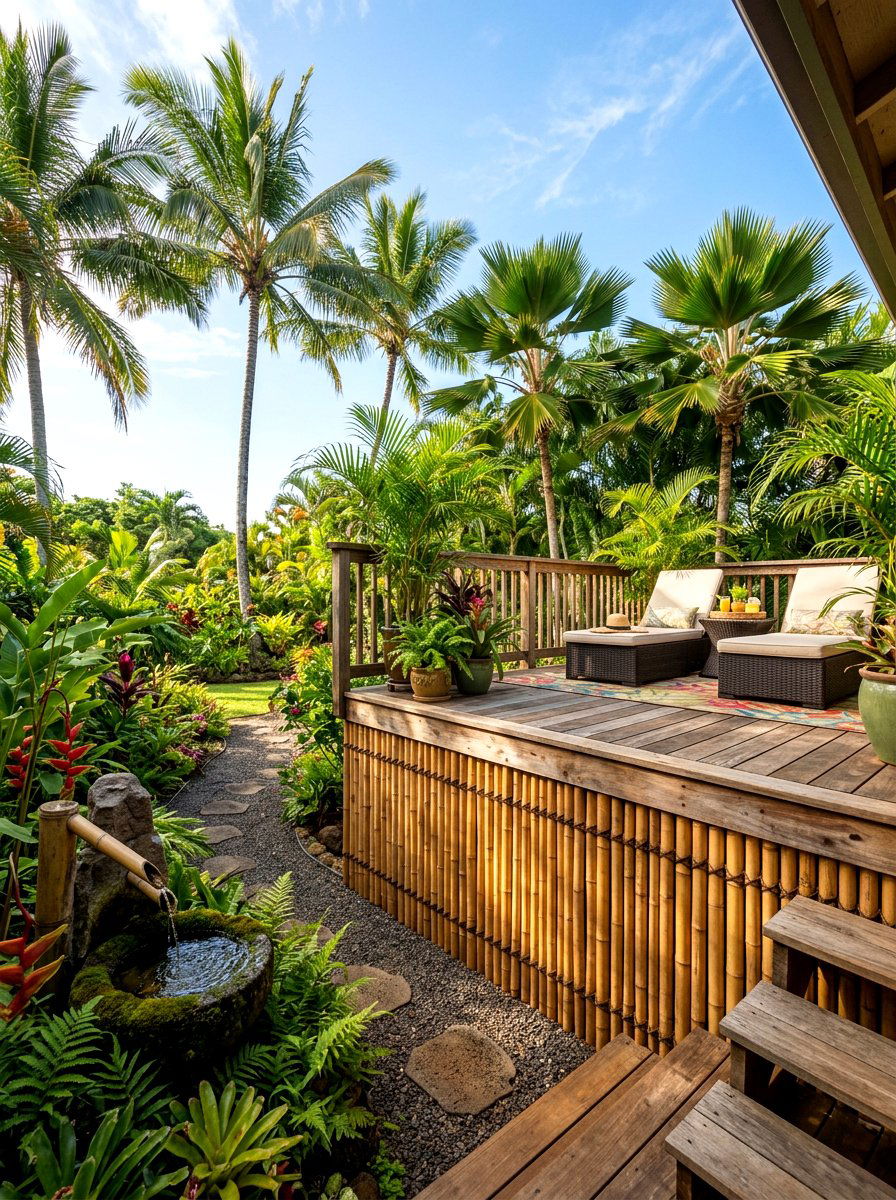
For a tropical or Zen-inspired backyard, natural bamboo deck skirting offers a unique and eco-friendly alternative to traditional wood. Bamboo is a sustainable material that grows quickly and provides a beautiful, textured look that feels light and airy. You can buy bamboo in pre-made rolls or panels and easily attach them to the frame of your deck. The vertical stalks create a natural rhythm that works well with water features and stone pathways. While bamboo may require a protective coating to prevent sun damage, its unique aesthetic is well worth the effort for those who want an exotic and relaxing atmosphere in their garden.
13. Metal decorative lattice panels
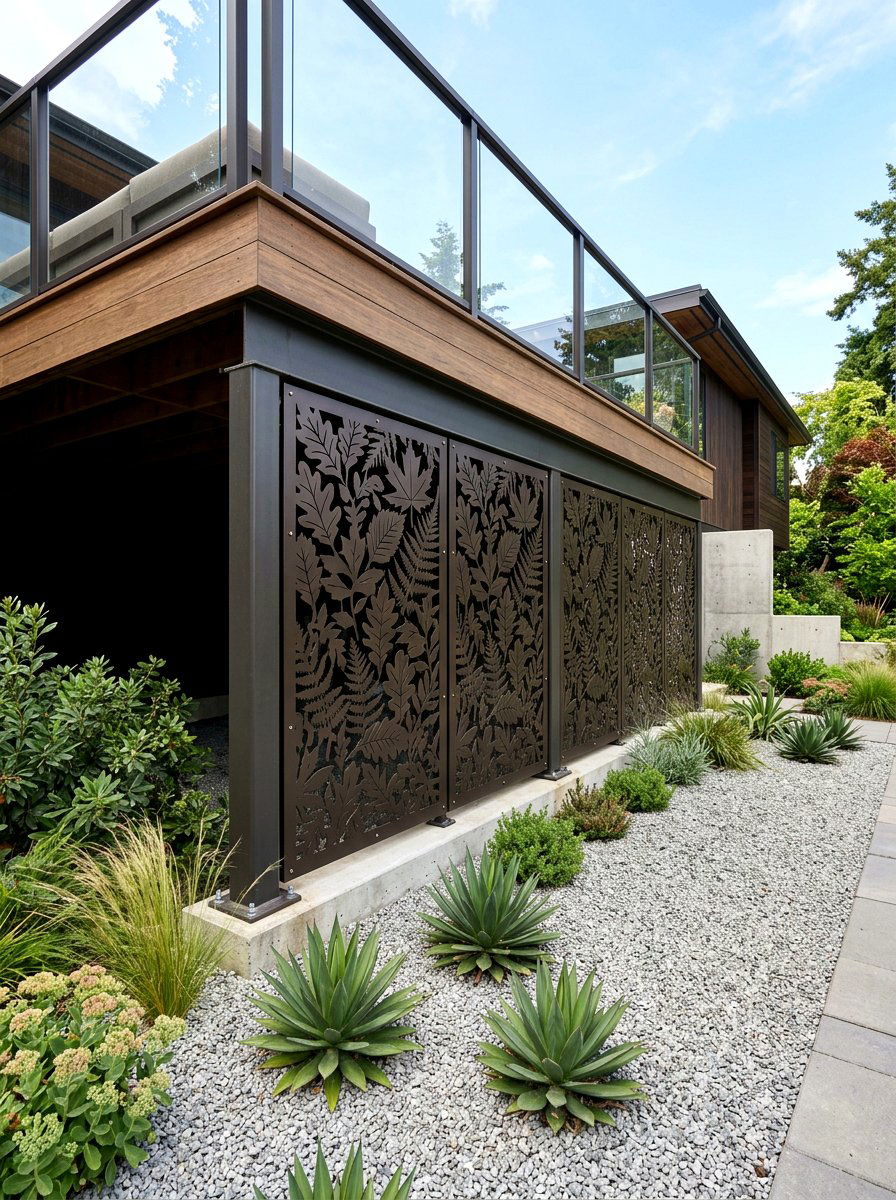
If you want to move away from wood and plastic entirely, metal decorative lattice panels offer an industrial and artistic touch. These panels are often laser-cut with intricate patterns, such as leaves, geometric shapes, or abstract designs. Made from steel or aluminum, they are incredibly strong and will not succumb to the typical issues of rot or pests. Metal skirting can be powder-coated in various colors, though many people prefer a rusted corten steel look for a rustic, modern vibe. These panels act as a piece of outdoor art that provides privacy and ventilation while making a very strong stylistic statement in your backyard landscape.
14. Gray vinyl lattice
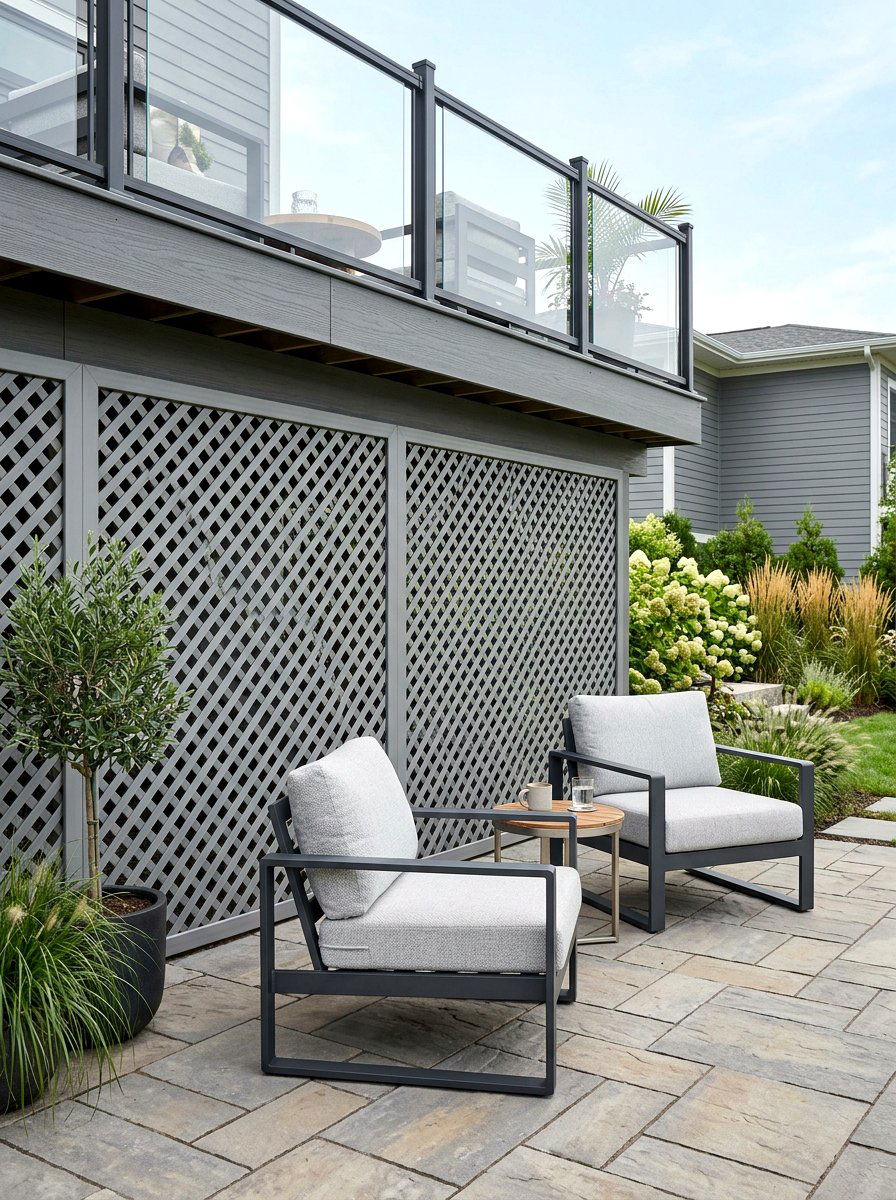
Gray vinyl lattice is becoming a major trend for modern homes that utilize neutral color palettes. It provides a softer alternative to black while feeling more contemporary and sophisticated than traditional white. Gray is an excellent color for hiding dust and splashes of mud, which can often be visible on lighter surfaces after a heavy rain. This material works exceptionally well with gray composite decking or stone patios, creating a seamless and calm visual transition. Since it is made of vinyl, it remains resistant to moisture and insects, ensuring that your deck skirting stays looking pristine and modern with nothing more than a quick garden hose rinse.

15. Chevron pattern wood skirting
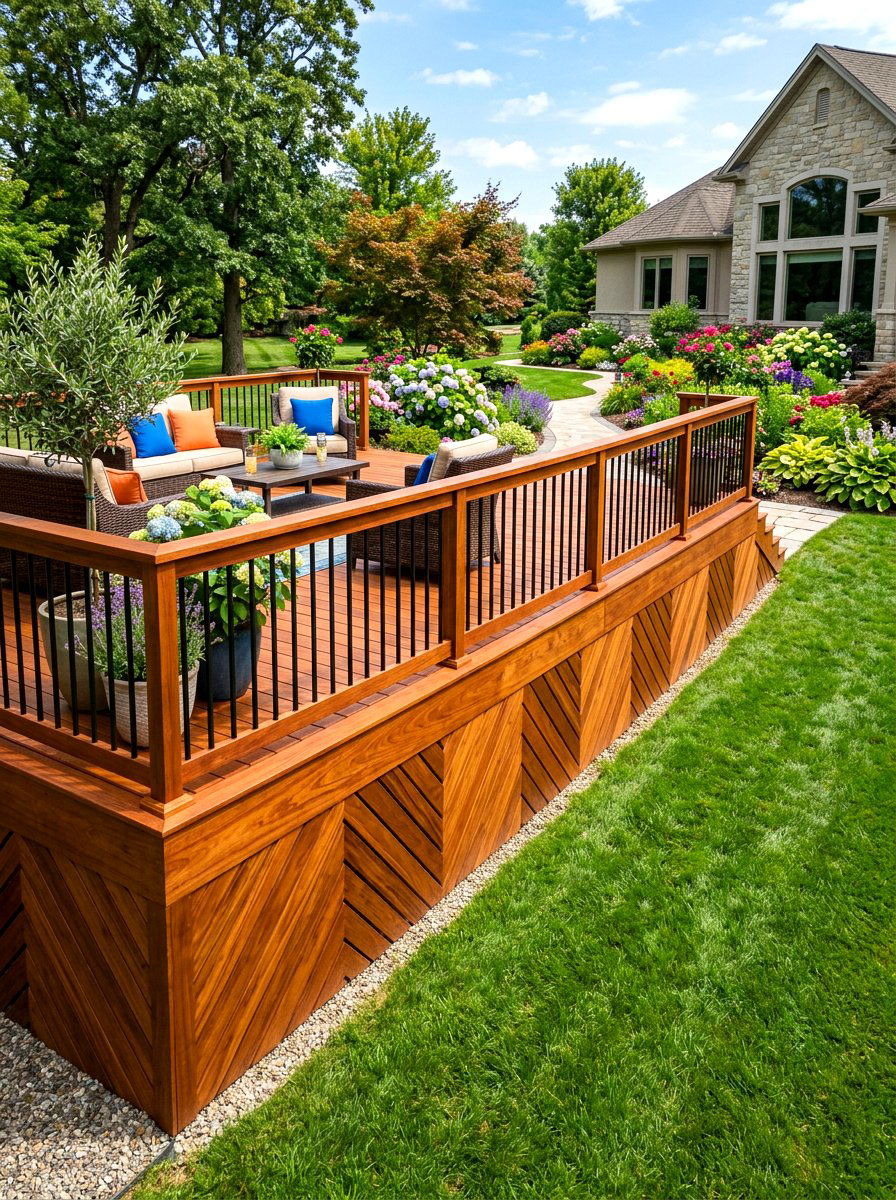
Add a touch of designer flair to your backyard by installing a chevron pattern wood skirting. This design involves cutting and placing wood slats at precise angles to create a series of "V" shapes across the perimeter of the deck. It is a more labor-intensive project, but the visual payoff is incredible, as it adds texture and a sense of movement to the base of your home. Chevron patterns are often seen in high-end interior flooring, and bringing that look outdoors instantly makes your deck feel like a luxury extension of your home. Use high-quality stained wood to highlight the intricate grain and the beautiful angles of the design.
16. Lattice with stone base
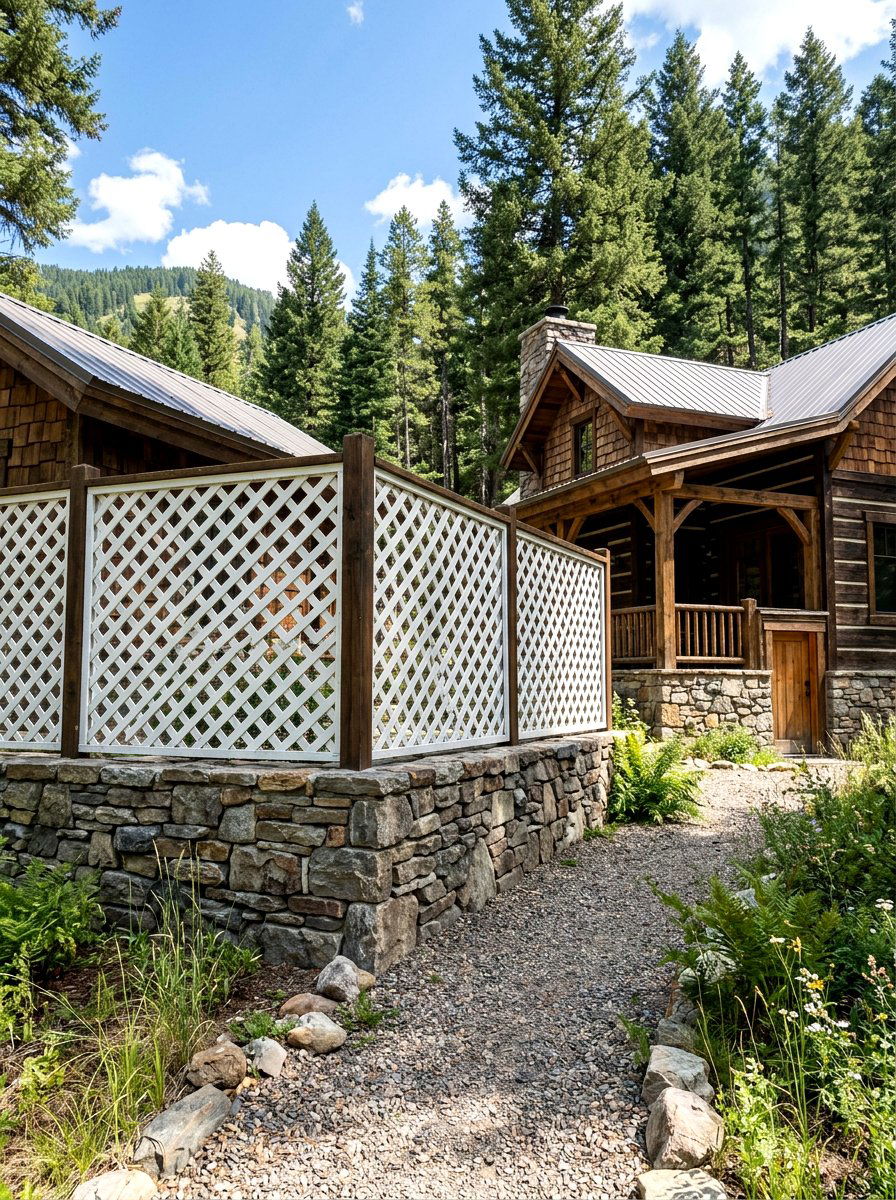
Creating a mixed-material look by combining lattice with a stone base is a fantastic way to add stability and elegance to your deck. In this design, a small wall of natural stone or stone veneer is built at the bottom, with lattice panels installed above it. This prevents the lattice from touching the ground directly, which helps to extend the life of the wood or vinyl. The stone adds a sense of weight and permanence to the structure, making it feel like it is truly integrated into the landscape. This look is perfect for traditional or mountain-style homes where natural textures like wood and stone are highly valued.
17. Removable lattice access panels
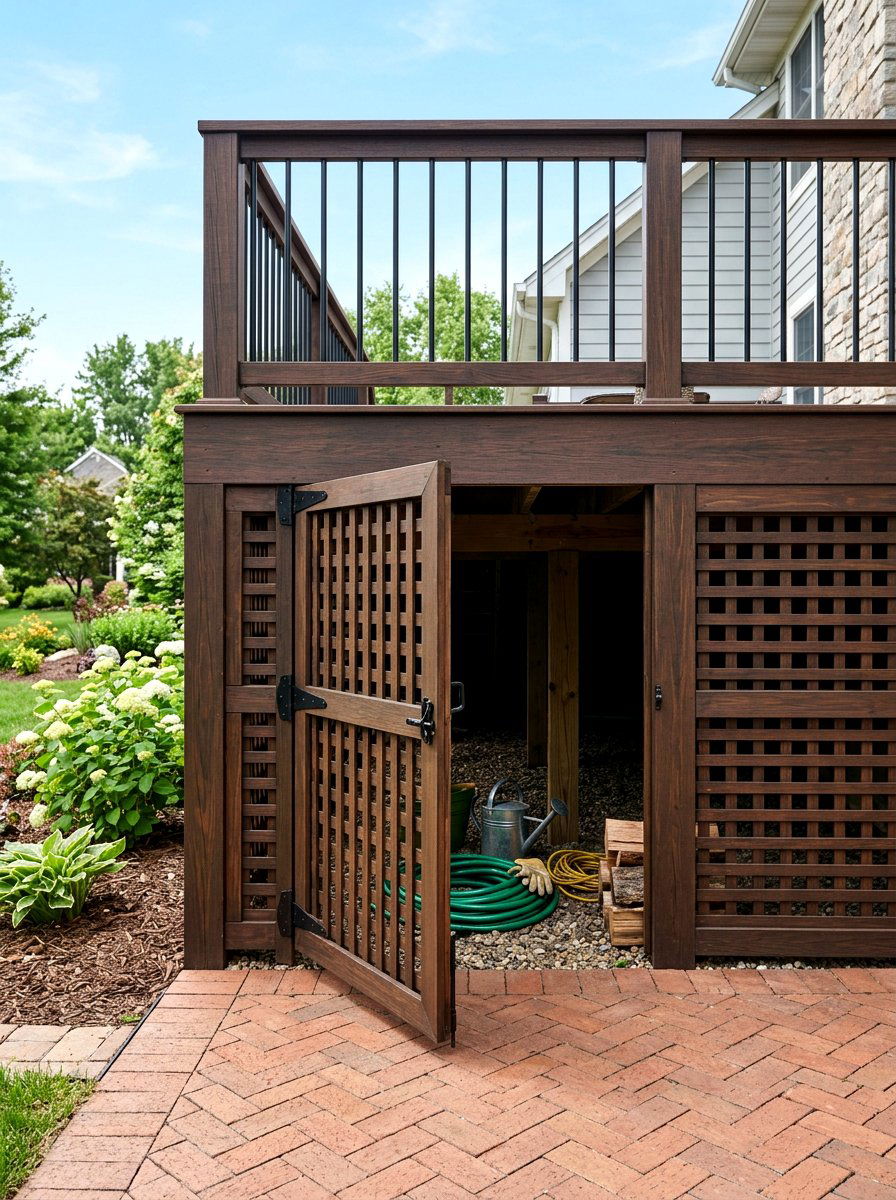
Functional design should never be overlooked, and removable lattice access panels are a must-have for any deck. There will inevitably be a time when you need to get under your deck to check the plumbing, electrical lines, or just to retrieve a lost toy. By installing your lattice in a way that allows sections to be easily removed or hinged like a door, you save yourself a lot of frustration. You can use simple gate latches or hidden clips to keep the panels secure when they are not in use. This practical feature ensures that your beautiful skirting does not have to be destroyed just to perform basic home maintenance.
18. Stained pine lattice
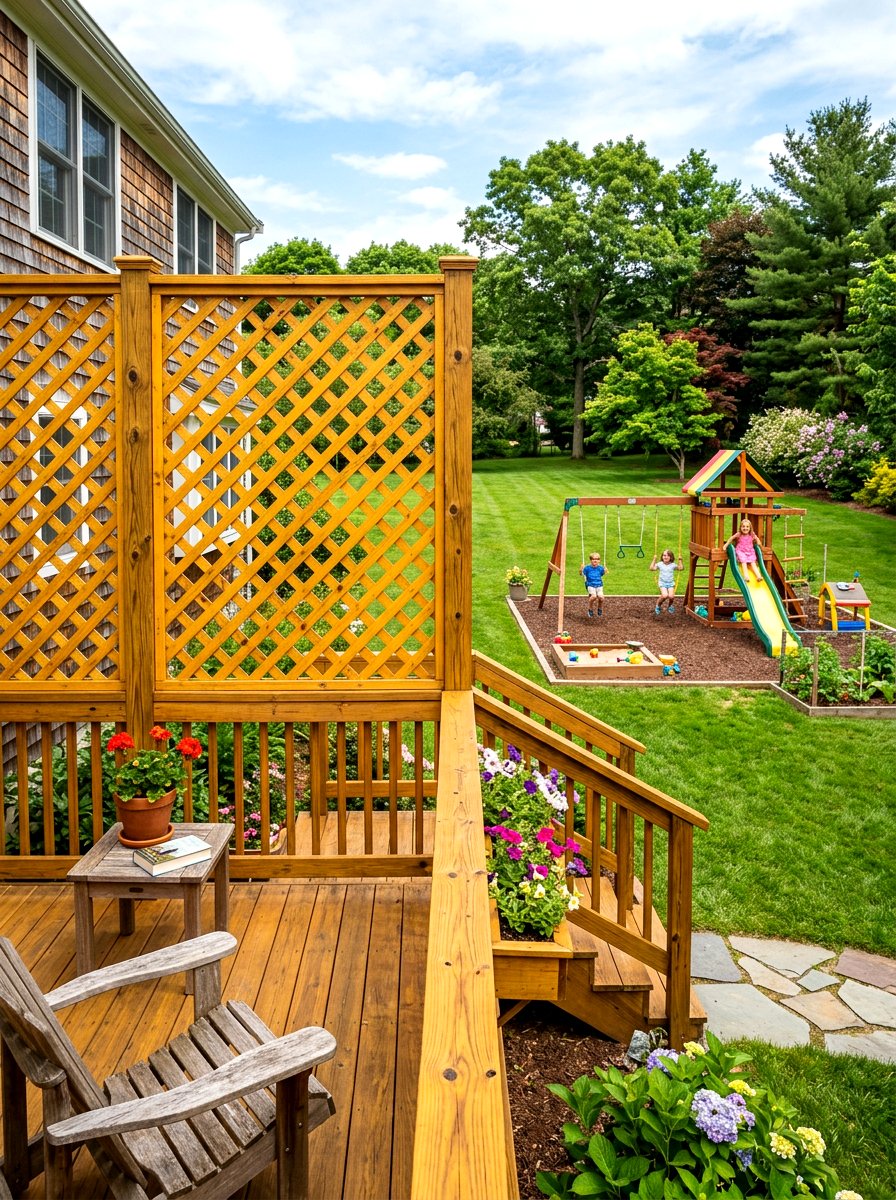
Stained pine lattice is a budget-friendly option that still offers a lot of style and warmth. Pine is widely available and easy to work with, making it a great choice for DIY homeowners who want to customize their deck's look. By applying a high-quality semi-transparent stain, you can enhance the natural wood grain and protect the soft wood from moisture. You can choose from a variety of colors, from light honey tones to deep, rich mahoganies. Properly treated and stained pine can look very similar to more expensive hardwoods, providing a beautiful and classic finish to your outdoor space without a massive financial investment in luxury materials.
19. Ground level deck skirting
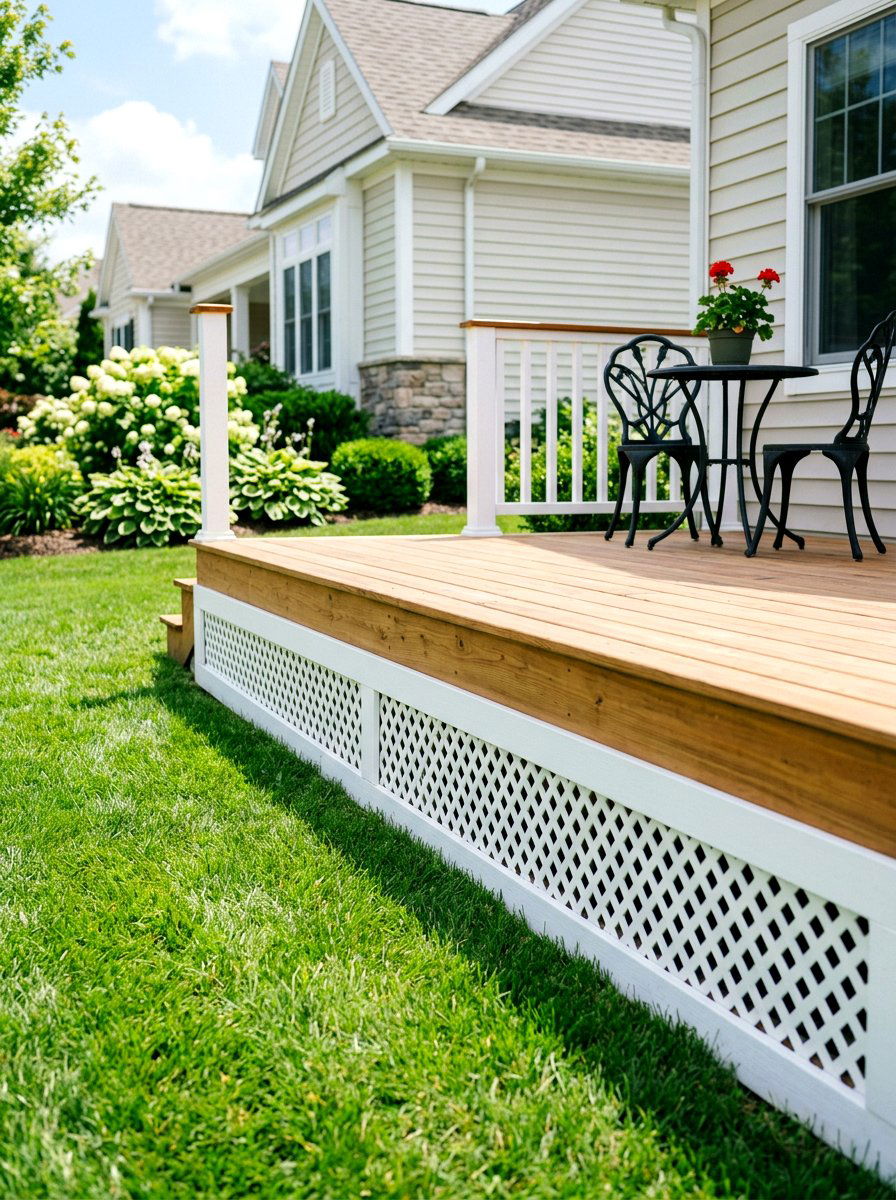
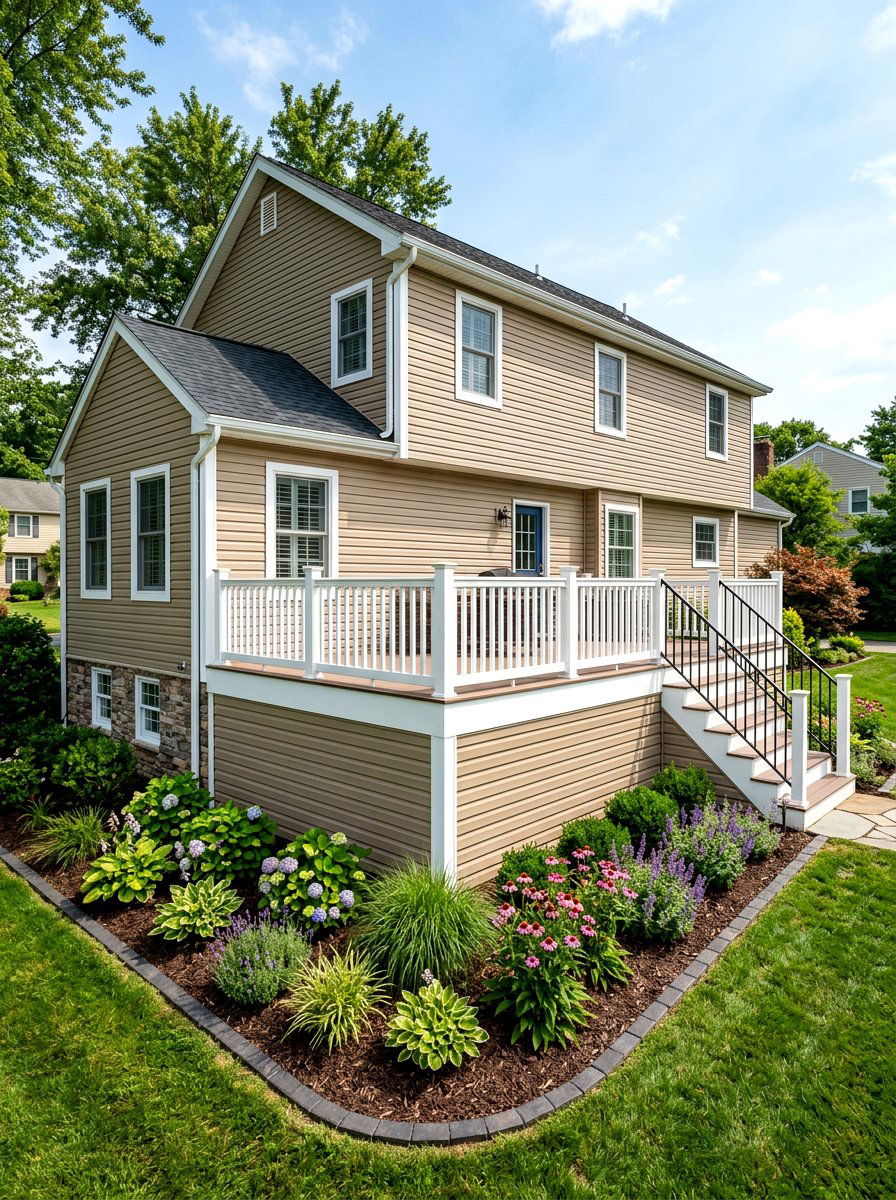
Low-profile decks present a unique challenge, but ground level deck skirting can provide a very polished finish for these structures. When a deck is only a few inches off the ground, the gap can often look unfinished or become a trap for leaves and debris. Using a short strip of lattice or narrow wood slats can close this gap effectively. For a minimalist look, you might choose a dark-colored skirting that blends into the shadows of the ground. This prevents small animals from crawling under the boards while creating a clean edge that looks great against a manicured lawn or a bed of decorative river rocks.
20. Raised deck lattice
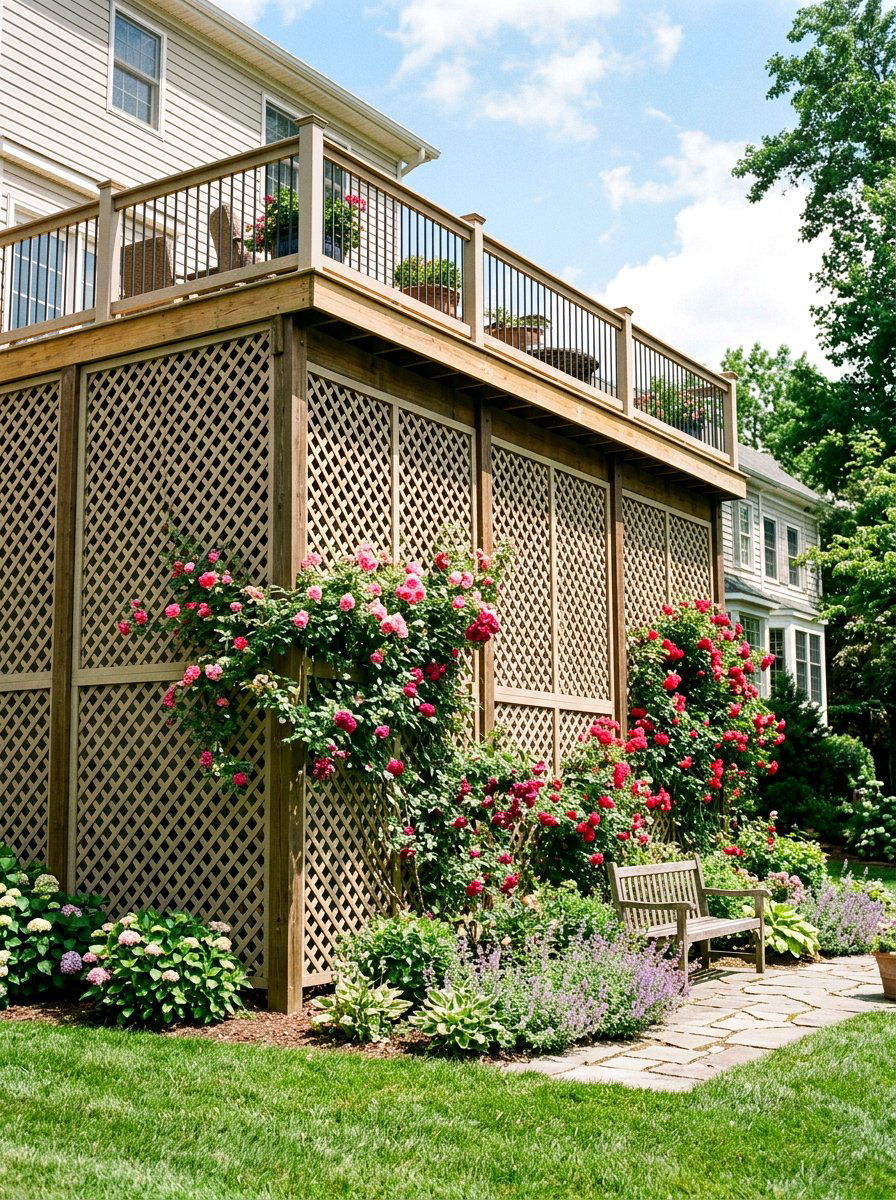
For homes with a significant elevation, raised deck lattice is essential to cover the large expanse of open space beneath the platform. This often involves tall panels that can reach six feet or more, creating a massive wall that needs to be visually interesting. You can break up the height by using framed sections or by combining the lattice with vertical support posts. This area can even be turned into a functional storage room or a shaded patio space. Using a high-quality, thick lattice ensures that the large panels do not sag or warp over time, providing a sturdy and attractive enclosure for the lower level.
21. Lattice with garden lighting
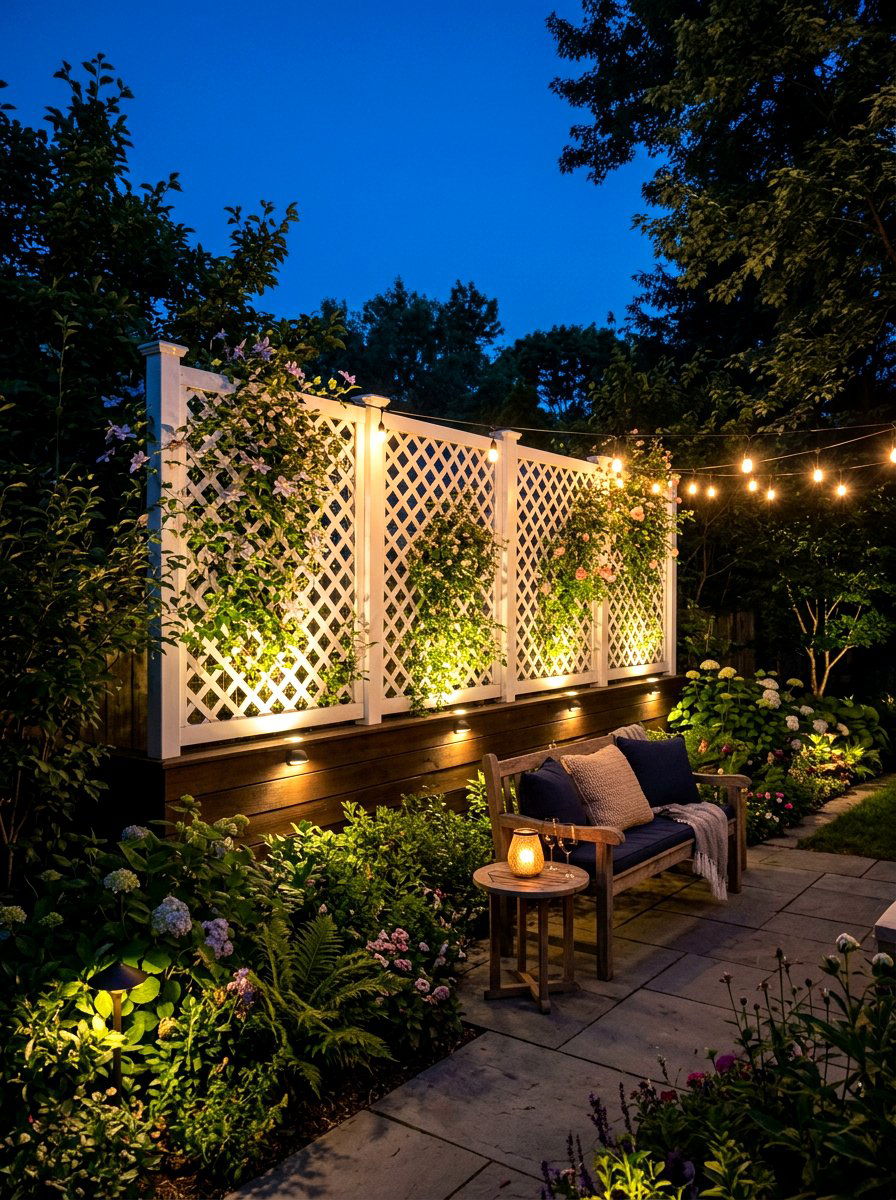
Light up your backyard evenings by integrating lattice with garden lighting for a magical effect. You can install small LED puck lights at the base of the skirting or run string lights behind the lattice panels to create a soft, diffused glow. This not only improves safety around the perimeter of your deck but also highlights the texture and pattern of the lattice at night. The light filtering through the gaps creates interesting shadow patterns on the grass or patio below. This is a simple way to add ambiance and a high-end feel to your outdoor living area, making it the perfect spot for nighttime entertaining or relaxing.
22. Wide gap wood lattice
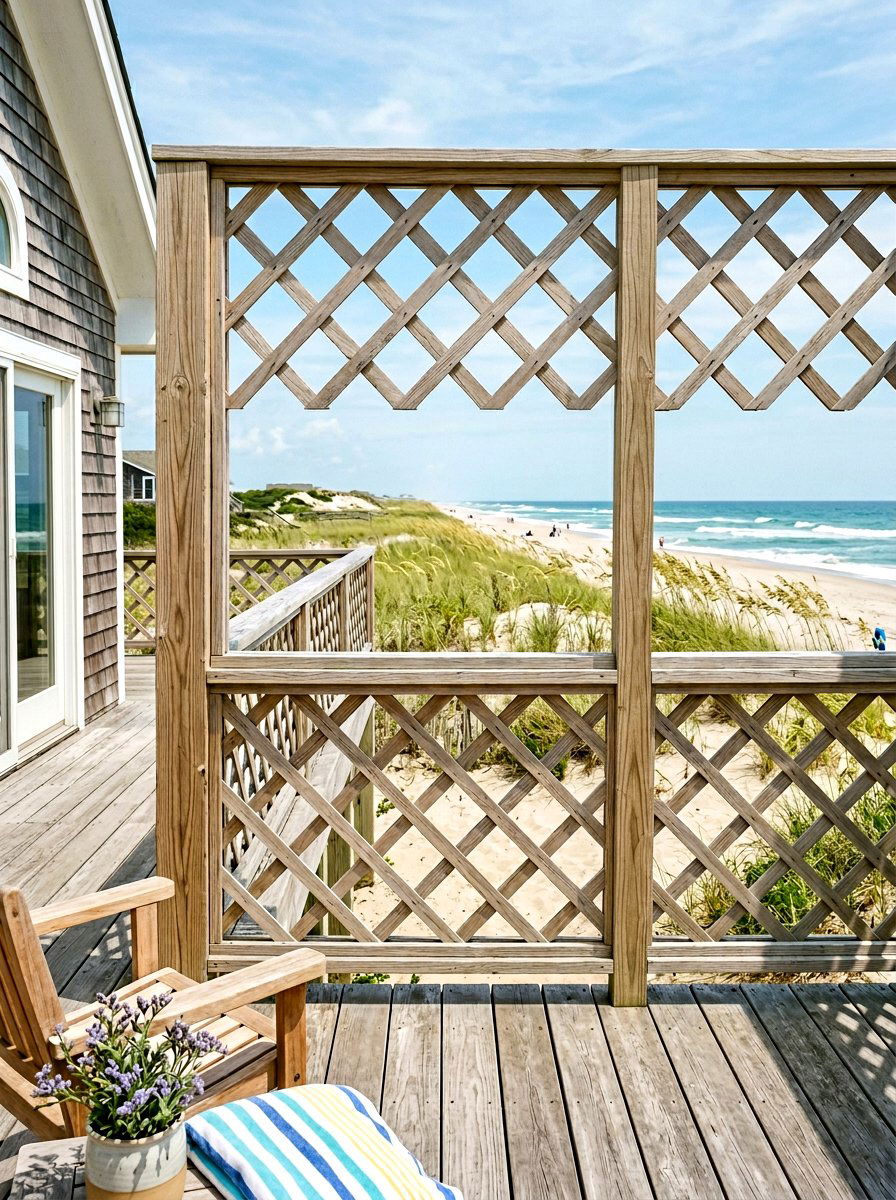
If you live in a particularly humid or damp climate, wide gap wood lattice might be the best functional choice for your deck. By using a pattern with larger openings, you maximize the airflow under the structure, which is crucial for preventing wood rot and mold growth. This design has a more open and airy feel that works well with rustic or coastal-themed homes. To keep the look intentional, you can use thicker wood strips for the lattice to ensure it still feels substantial. Pair this with a beautiful landscape of native plants that can peek through the openings, creating a soft and natural boundary for your backyard.
23. Double layer lattice panels
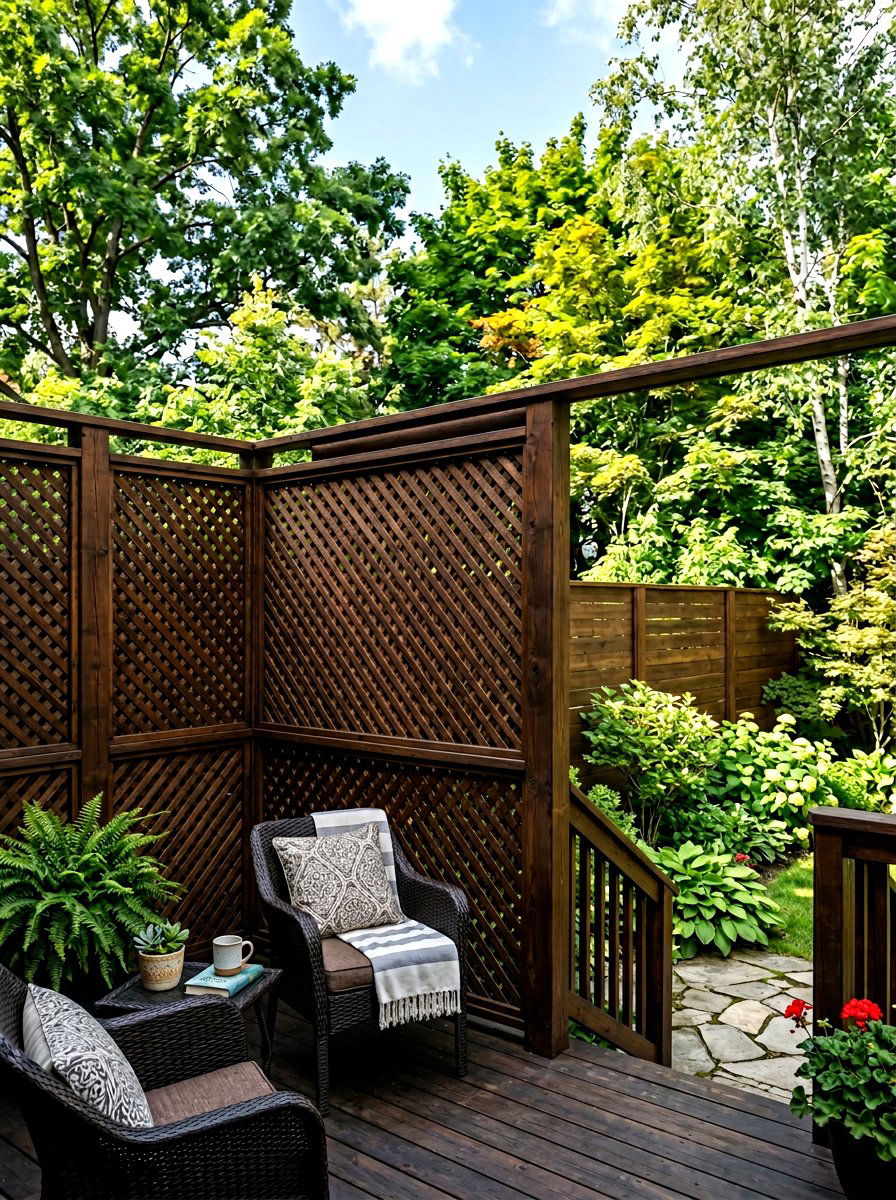
For those who want maximum privacy without using a solid wall, double layer lattice panels are a clever and stylish solution. This involves staggering two layers of lattice so that the openings of one are partially blocked by the strips of the other. This creates a much denser pattern that is nearly impossible to see through, yet it still allows for the necessary ventilation that every deck requires. The double layers also add a sense of depth and three-dimensional texture that looks very high-end. It is a great technique for homeowners who want to hide a cluttered storage area while maintaining a classic lattice aesthetic.
24. Lattice for hot tub deck
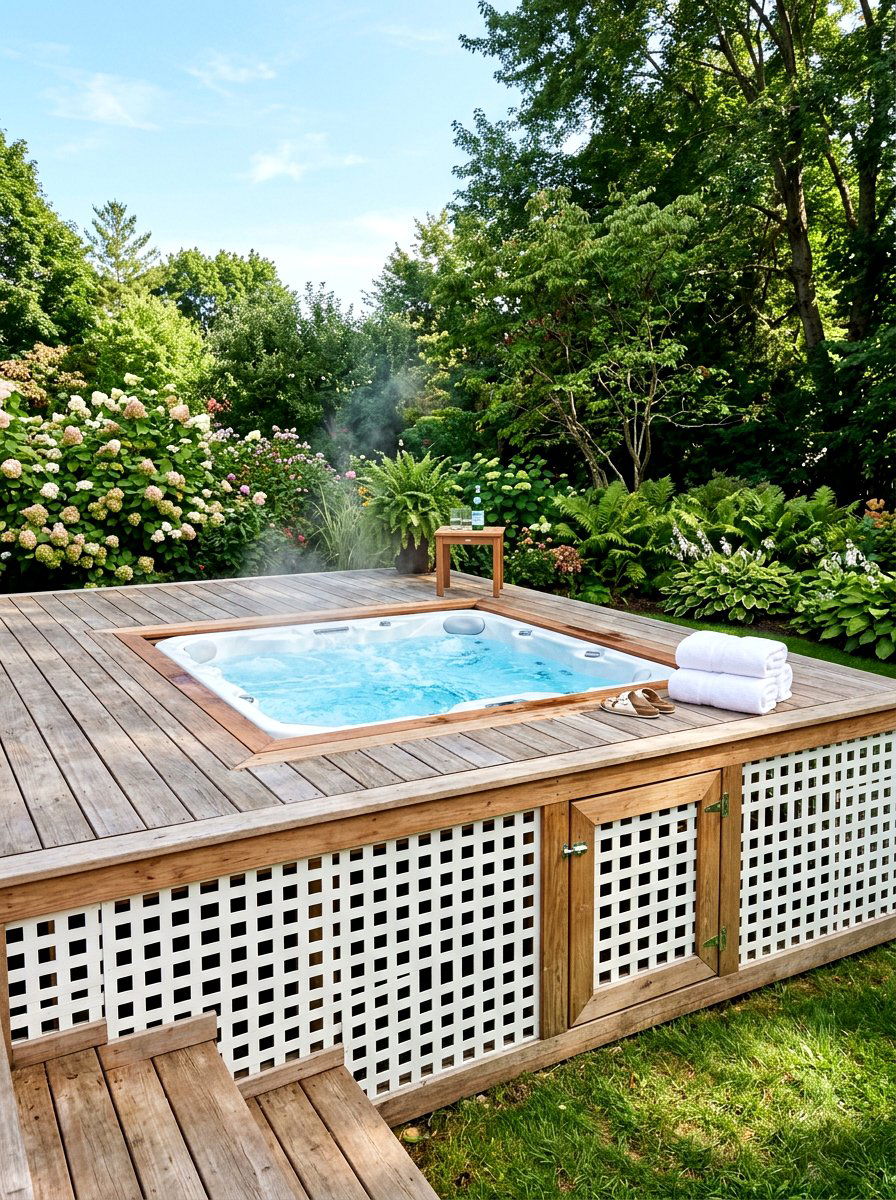
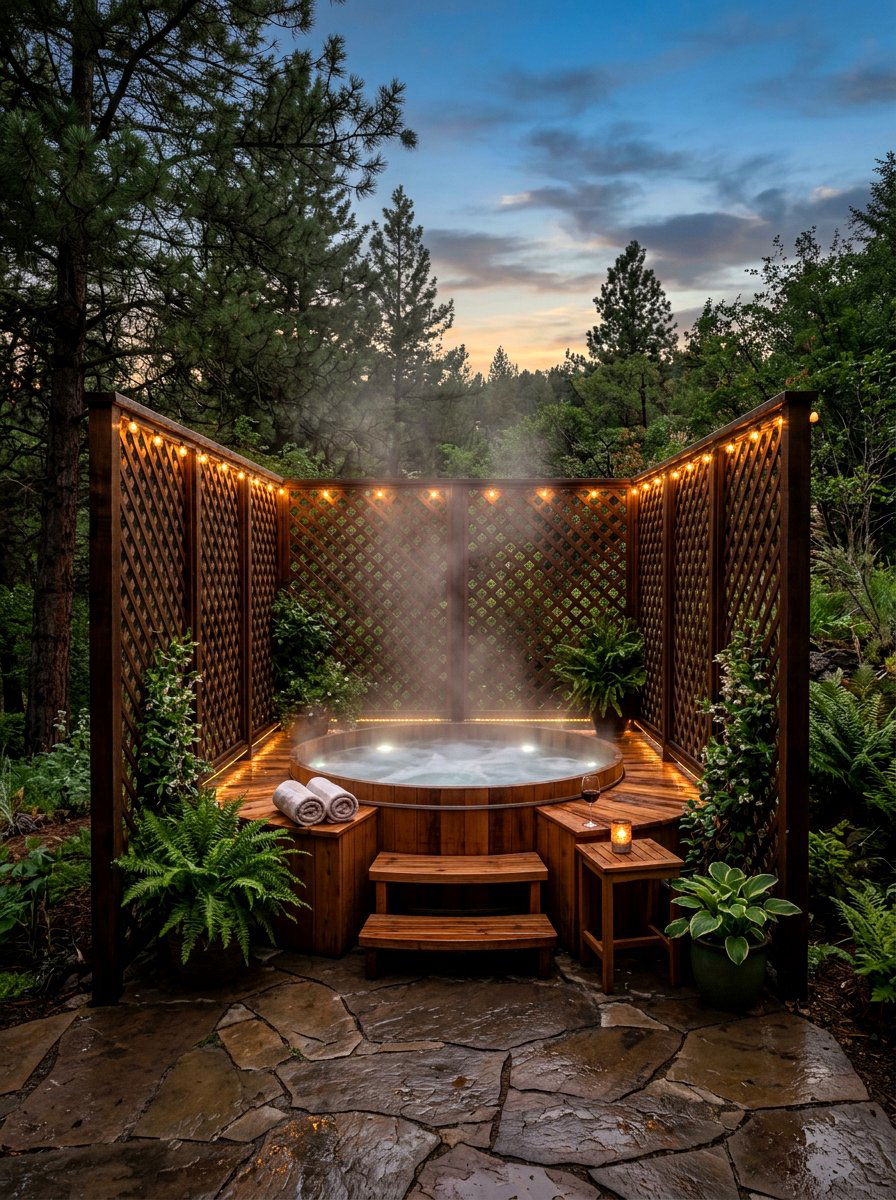
If you have a hot tub integrated into your outdoor space, using lattice for hot tub deck skirting is a practical and attractive way to hide the bulky equipment. Hot tubs require access to pumps and electrical components, so using lattice panels allows for easy ventilation to prevent moisture buildup around the mechanical parts. You can design the skirting with removable sections to ensure that maintenance is always a breeze. Choosing a material that matches the hot tub's cabinet or the surrounding deck boards creates a seamless, built-in look. This hides the plastic base and wires, making your spa area feel like a luxury resort.
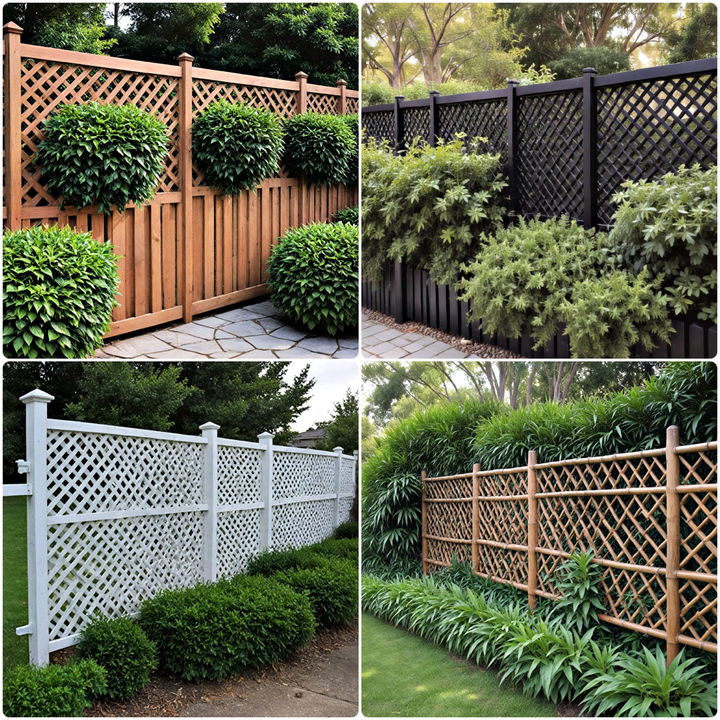
25. Iron decorative lattice
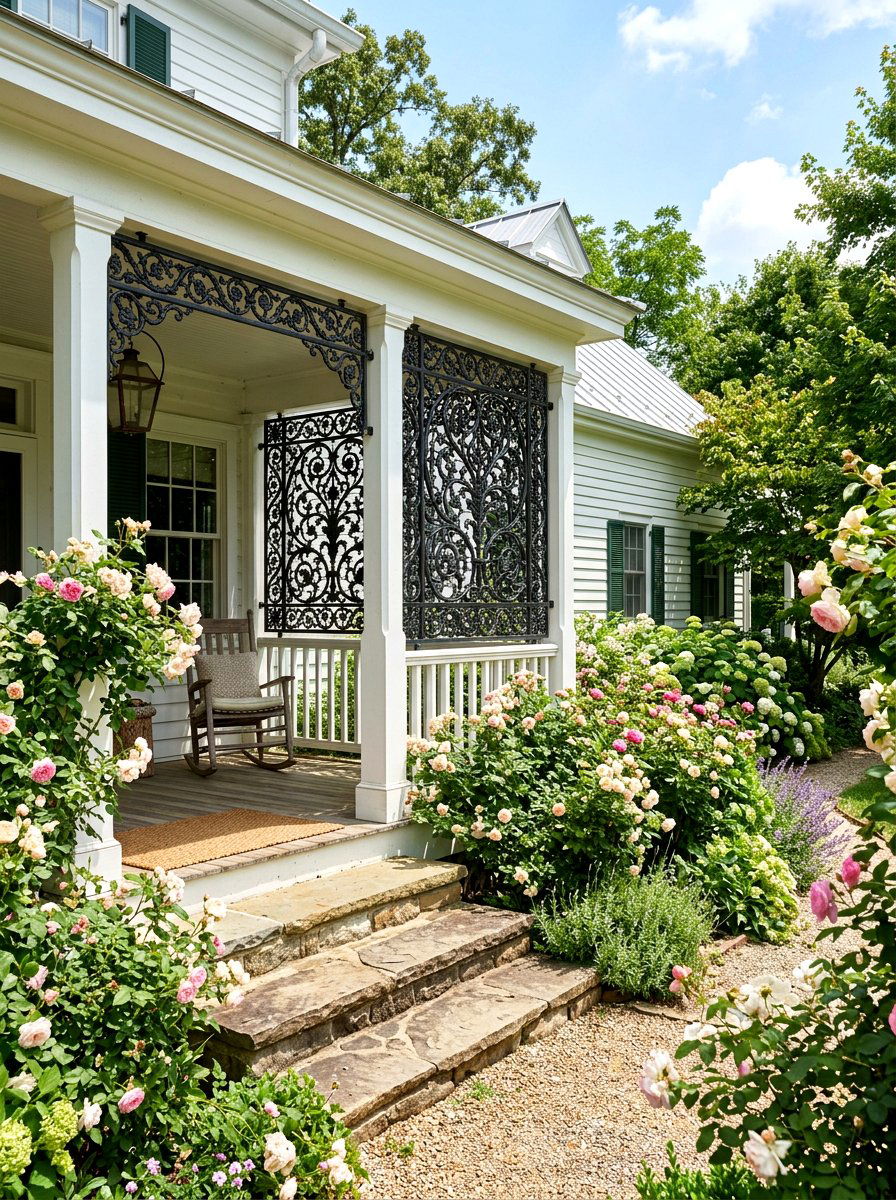
For a truly timeless and elegant look, iron decorative lattice can add a touch of old-world charm to your property. While often more expensive than wood or vinyl, wrought iron or cast aluminum panels are incredibly durable and offer a sophisticated silhouette. These panels often feature swirling filigree or classic geometric motifs that look beautiful against the shadow of the deck. Iron skirting is particularly effective for historic homes or formal gardens where architectural details are a priority. Because the metal is thin but strong, it provides an open feel that doesn't block the view of your landscaping while still providing a clear boundary for the deck.
26. Faux stone and lattice mix
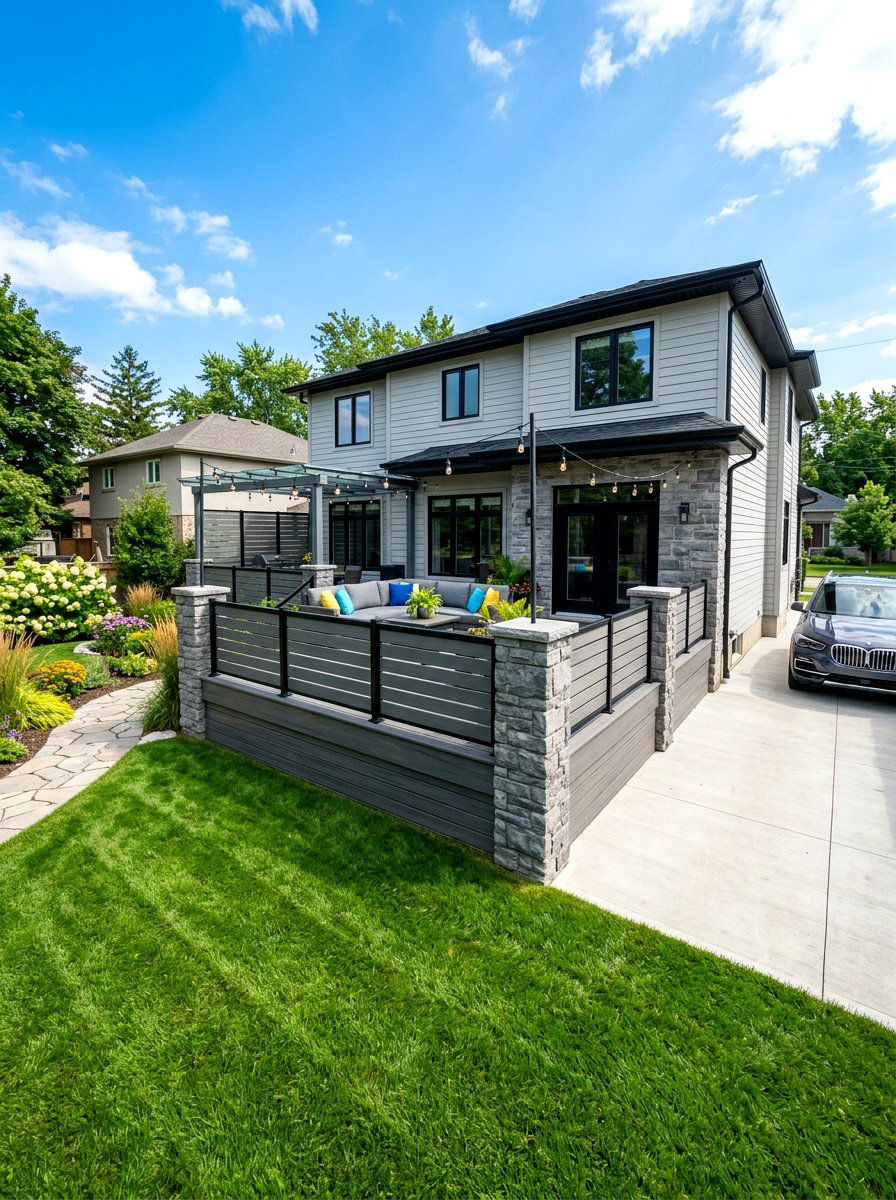
You can achieve a high-end, custom-built look by using a faux stone and lattice mix for your deck's perimeter. This design uses lightweight polyurethane stone panels at the corners or as a base border, with lattice filling in the large flat sections. Faux stone is much easier to install than real masonry but offers the same visual impact of heavy rock or brick. The combination of the solid-looking stone and the airy lattice creates a balanced and interesting aesthetic. This style is perfect for homeowners who want to add a sense of luxury and permanence to their deck without the high cost and labor of traditional stonework.
27. Pressure treated wood lattice
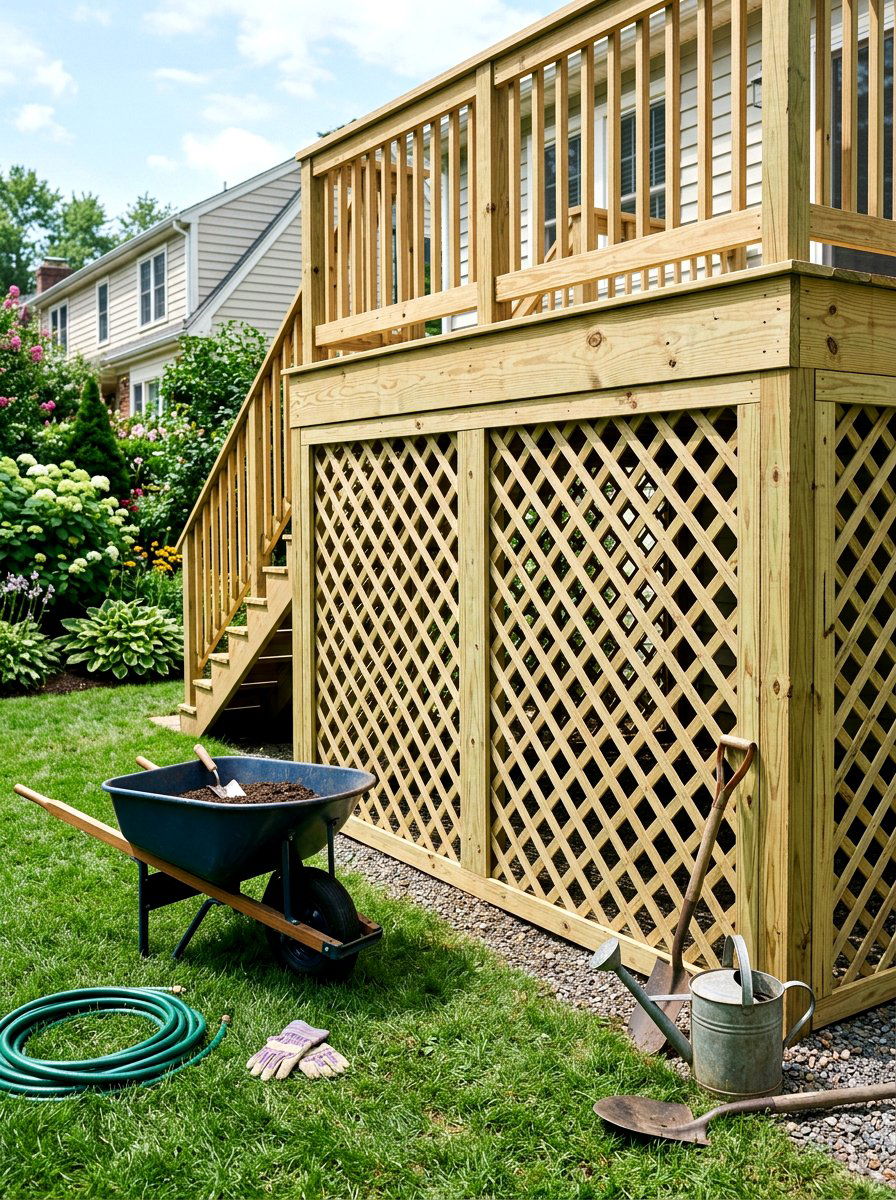
When budget and longevity are your primary concerns, pressure treated wood lattice is a reliable and popular choice. This wood has been infused with chemicals to help it resist rot, fungus, and wood-boring insects, which is essential for any material that sits close to the damp ground. While it often has a slight green tint when new, it can be easily stained or painted once it has had a chance to dry out for a few weeks. It is one of the most affordable ways to finish a deck, making it accessible for any homeowner. With proper care, pressure-treated lattice will provide a sturdy and functional barrier for many years.
28. Geometric pattern lattice
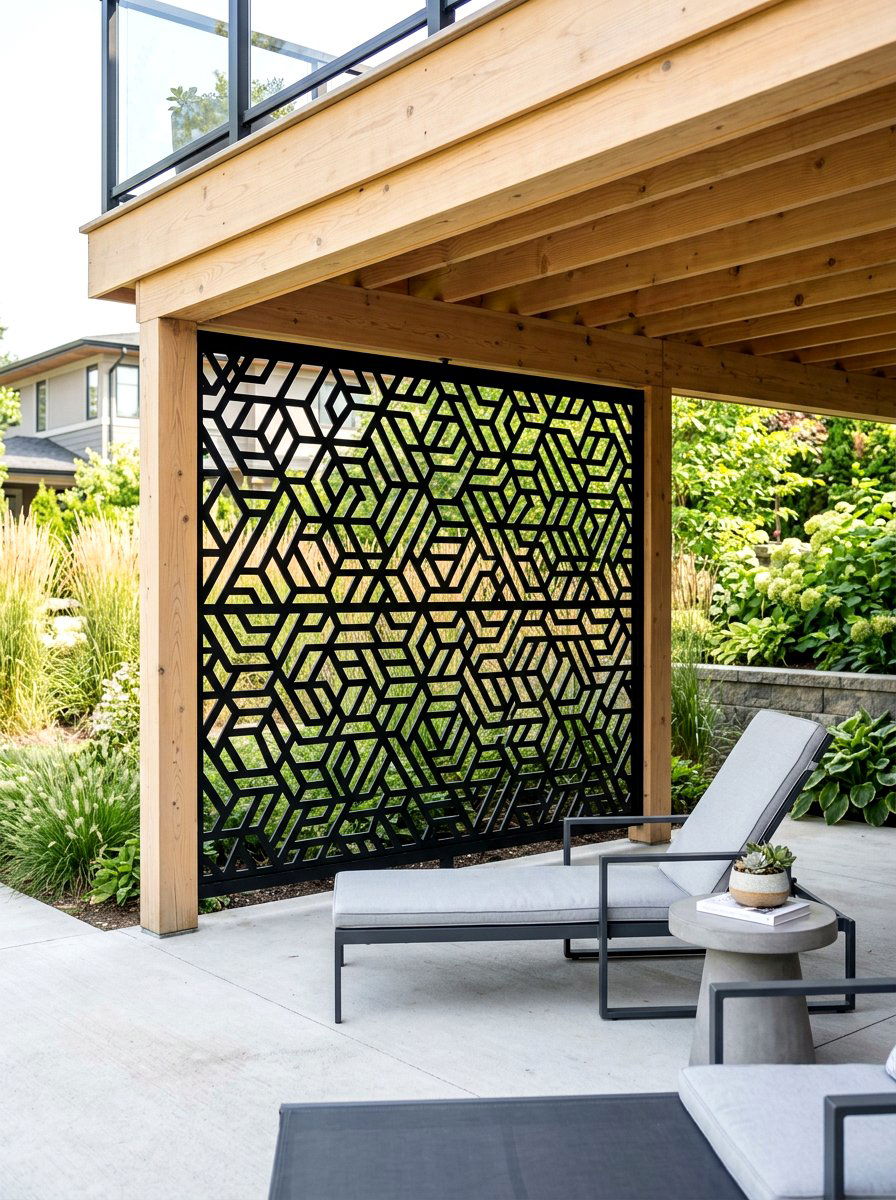
Break away from the traditional with a geometric pattern lattice that adds a modern and artistic touch to your backyard. Instead of standard diamonds or squares, these panels use varying angles and shapes to create a complex, eye-catching design. This can include triangles, hexagons, or asymmetrical lines that give your deck a custom, architect-designed feel. These patterns are often found in high-quality vinyl or laser-cut composite materials, ensuring they are as durable as they are beautiful. Geometric skirting acts as a conversation piece and works best with minimalist landscaping and modern outdoor furniture, helping to define your personal style in every corner of your outdoor space.
29. Horizontal wire and lattice combo
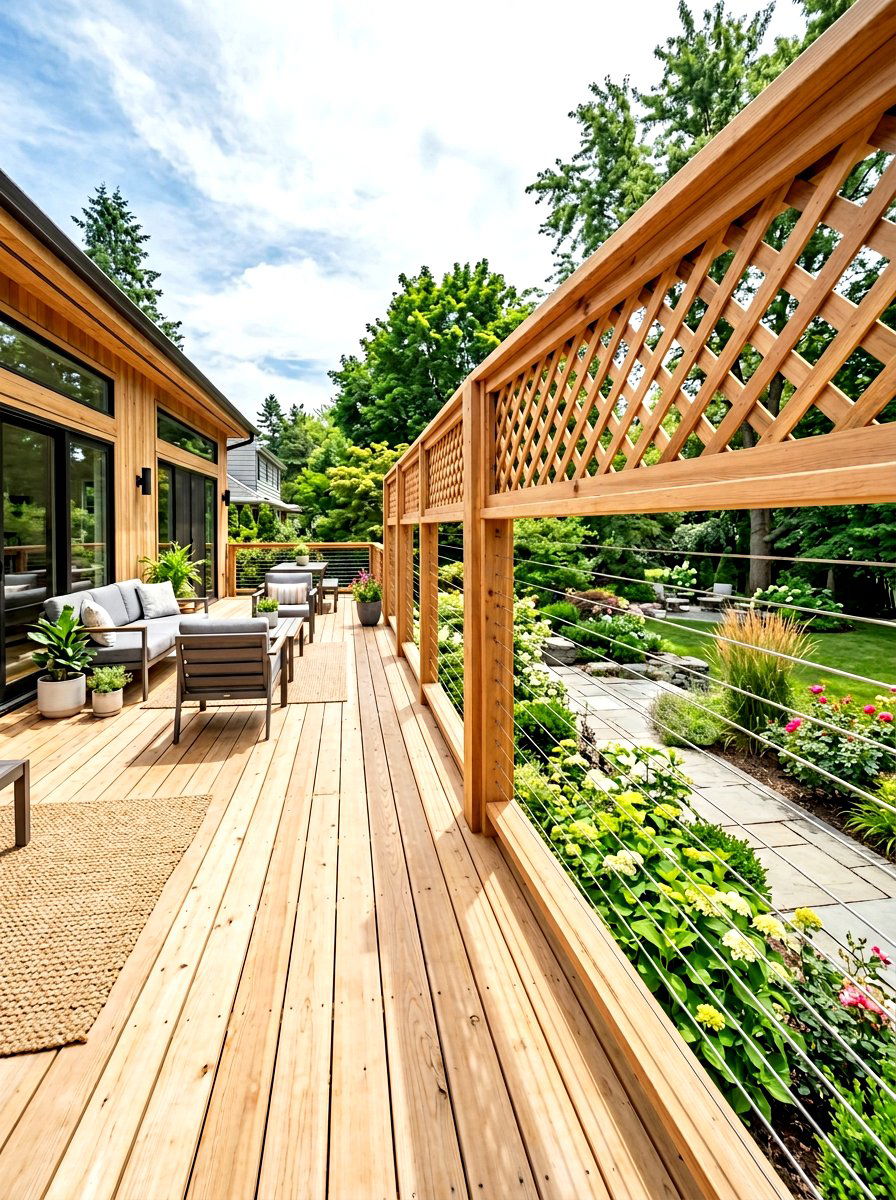
For a unique and industrial look, consider a horizontal wire and lattice combo for your deck skirting. This involves using a sturdy wood frame with thin horizontal wires or metal mesh in place of traditional wood strips. It provides a very open and transparent look that is perfect for homeowners who want to keep the area under the deck feeling light and airy. While it offers less privacy than other options, it is incredibly effective at keeping out larger pests while allowing for maximum airflow. This style pairs perfectly with modern wire railings on the deck above, creating a cohesive and high-tech aesthetic throughout the entire structure.
30. Climbing plant lattice skirting
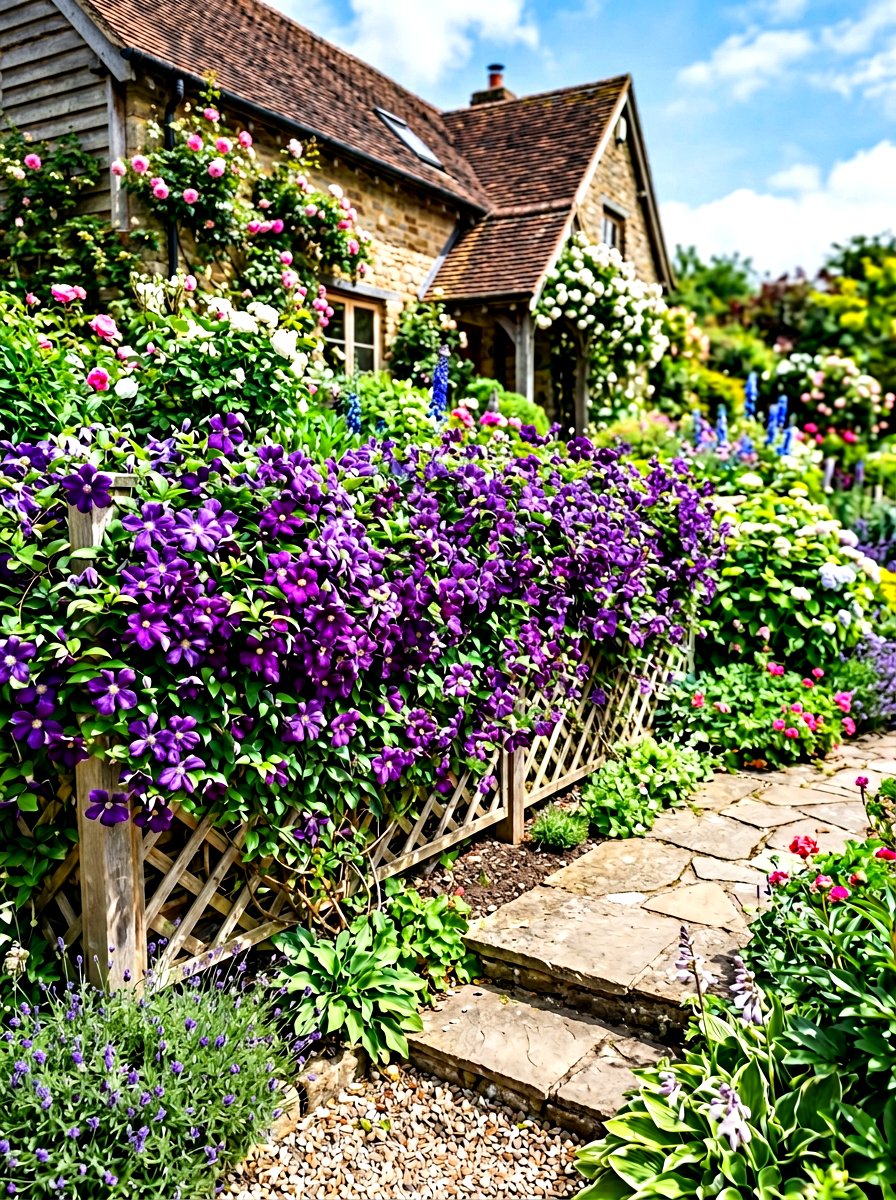
Turn your deck skirting into a lush, green masterpiece by specifically choosing climbing plant lattice skirting. This approach uses the lattice as a functional trellis for vines like clematis, wisteria, or climbing roses. Over time, the plants will weave through the openings, creating a living wall of flowers and foliage that smells as good as it looks. This natural screen provides excellent privacy and shade for the area under the deck while blending perfectly into your garden. It is an ideal choice for nature lovers who want to soften the hard lines of their home’s architecture and create a more organic and inviting outdoor environment for themselves.
Conclusion:
Selecting the perfect deck skirting lattice is about finding the ideal balance between your home’s architectural style and your personal maintenance preferences. Whether you choose the sleek lines of modern horizontal slats, the bold impact of black privacy panels, or the timeless beauty of stained cedar, the right skirting will finish your deck and protect your home. It serves as the final touch that hides unsightly structural elements while providing essential ventilation. By investing in quality materials and a thoughtful design, you can significantly enhance your property's value and create a backyard space that feels complete, polished, and ready for a lifetime of memories.

Related posts: