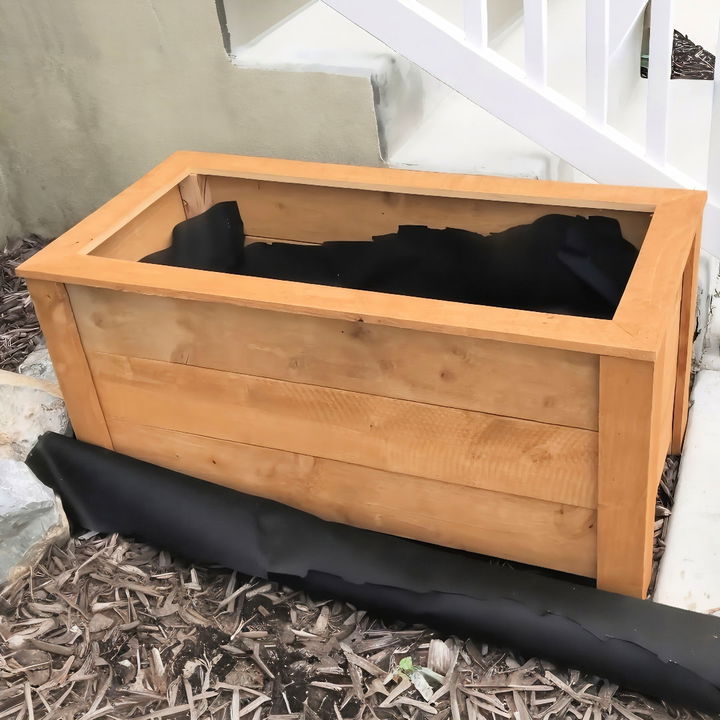
Transforming your living space with personalized greenery often begins with the perfect vessel to house your favorite botanicals and floral arrangements. Custom DIY planters offer a unique opportunity to infuse your personality into your home decor while remaining incredibly budget-friendly for any seasonal refresh. Whether you are looking to brighten up a sun-drenched windowsill or create a dramatic focal point on your backyard patio, these creative projects provide endless inspiration. From upcycling everyday household items to building sleek modern structures from scratch, the possibilities for enhancing your environment are truly limitless. Dive into these curated concepts to discover how simple materials can elevate your indoor and outdoor areas into lush, vibrant sanctuaries today.
1. Painted Terracotta Pots
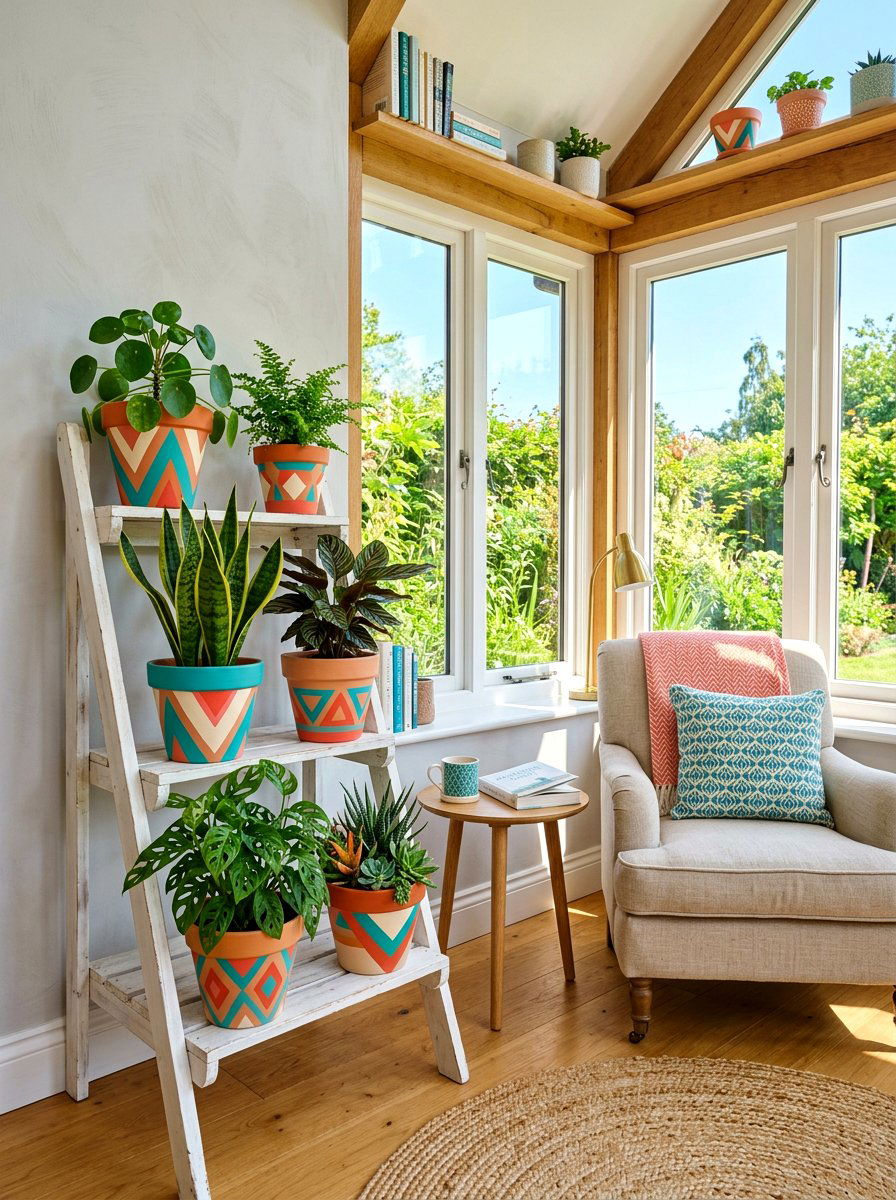
Revitalizing standard clay vessels with vibrant patterns can instantly transform a dull corner into a colorful Mediterranean-inspired sanctuary. You can use painters 'tape to create sharp geometric lines or try freehand floral motifs for a more organic and whimsical aesthetic. These customized pots look stunning when grouped together on a tiered plant stand or scattered along a bright kitchen windowsill. By choosing a cohesive color palette that complements your existing furniture, you anchor the room' s design while adding a touch of artisanal charm. This simple project is perfect for beginners who want to experiment with bold hues and textures without committing to a full room renovation or expensive new decor pieces.
2. DIY Concrete Planters
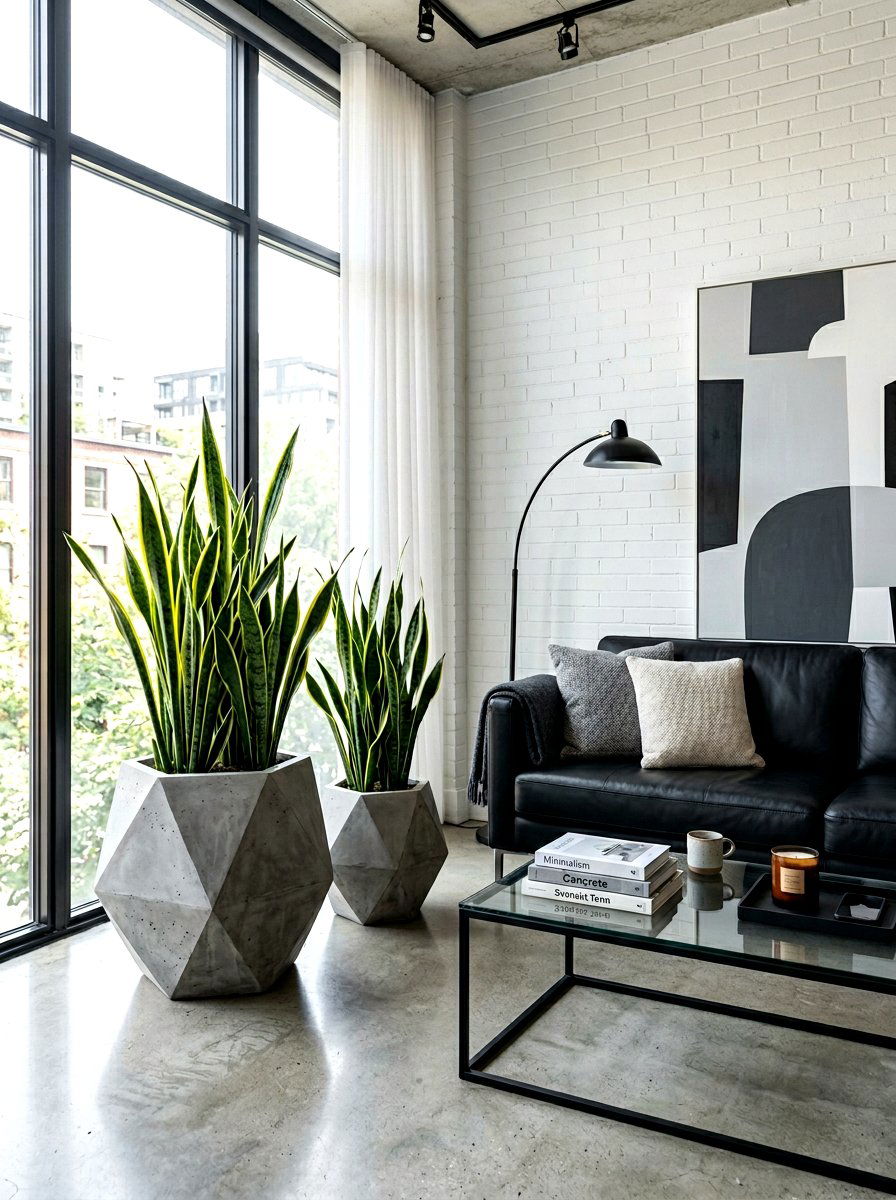
Industrial-style concrete containers bring a sophisticated and modern edge to any minimalist interior or contemporary outdoor patio setting. Creating these heavy-duty vessels involves using simple molds like plastic tubs or cardboard boxes to achieve clean, architectural lines and smooth surfaces. These planters look exceptionally elegant when paired with architectural foliage such as snake plants or succulents, which highlight their raw, textured finish. Positioning a large concrete pot next to a sleek leather sofa or on a gravel garden path creates a striking visual contrast between nature and man-made materials. Their neutral gray tone acts as a versatile backdrop that allows the vibrant green of your plants to truly pop.
3. Wood Crate Garden
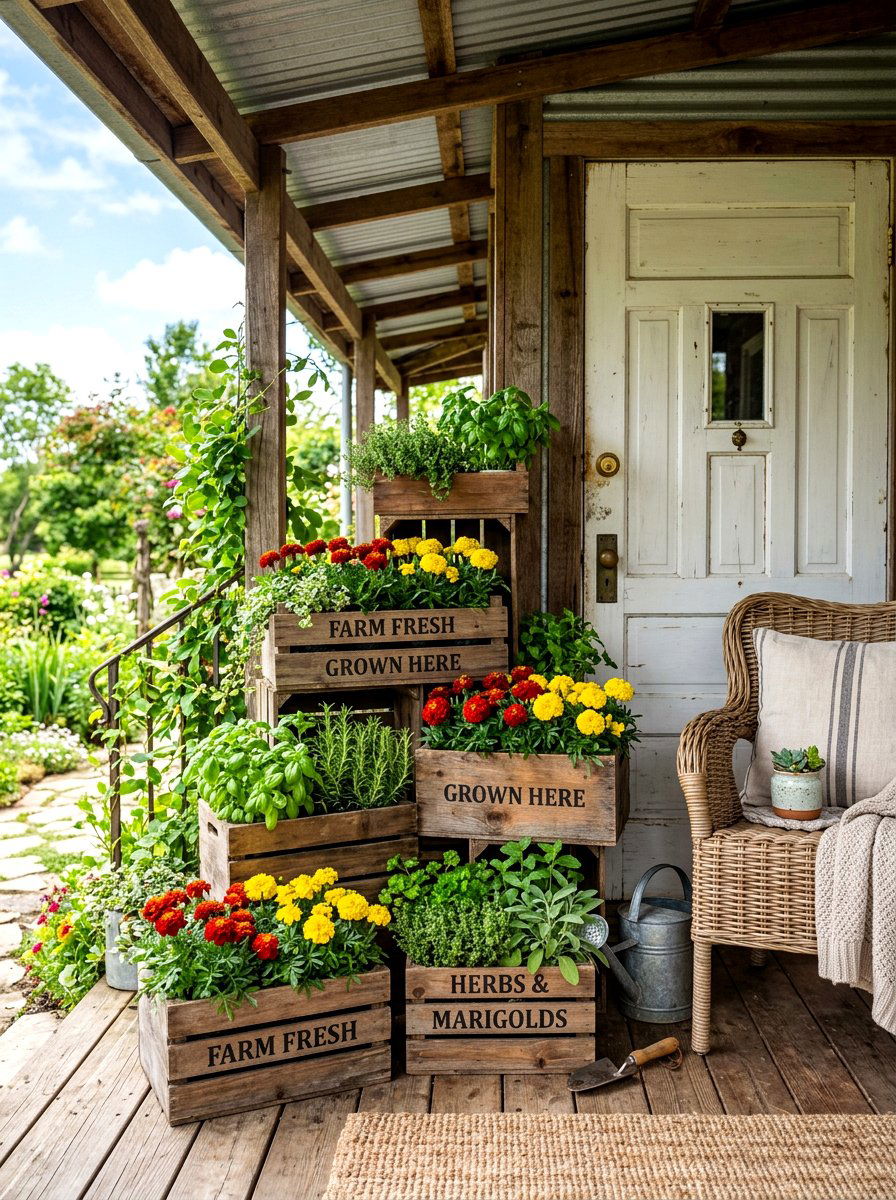
Utilizing reclaimed wooden crates is a fantastic way to achieve a rustic farmhouse aesthetic that feels both nostalgic and highly functional. These sturdy containers can be stacked vertically to create a dynamic multi-level herb garden or used individually to flank a cozy front porch. To enhance the weathered look, you might apply a light oak stain or a distressed white paint finish that reveals the natural grain. These crates work beautifully in outdoor spaces where they can hold sprawling vines or clusters of seasonal flowers like marigolds and pansies. This design approach not only recycles old materials but also adds a warm, lived-in feel to your exterior landscaping or entryway.
4. Macrame Hanging Plants
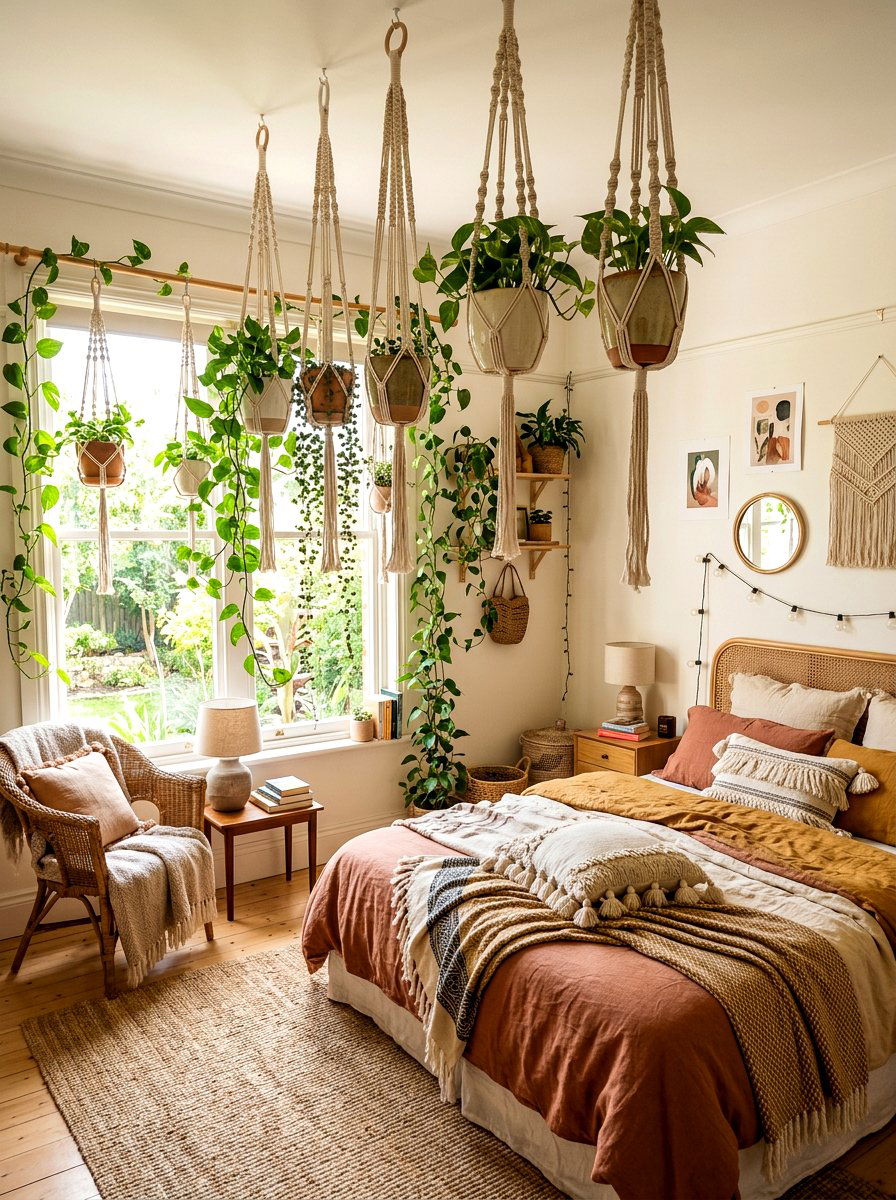
Bohemian-style macrame hangers are the ultimate solution for adding vertical interest and a sense of airy lightness to small living apartments. By knotting simple cotton cords, you can create intricate webs that securely cradle ceramic or glass bowls at varying heights near a window. This setup looks breathtaking in a sunroom or a bedroom corner, where the flowing textures of the rope complement soft textiles and natural light. Hanging your greenery also frees up valuable floor and table space, making your room feel more open and organized. Pairing these handcrafted hangers with trailing plants like pothos or string of pearls creates a lush, cascading effect that feels like an indoor jungle.
5. Upcycled Tire Garden
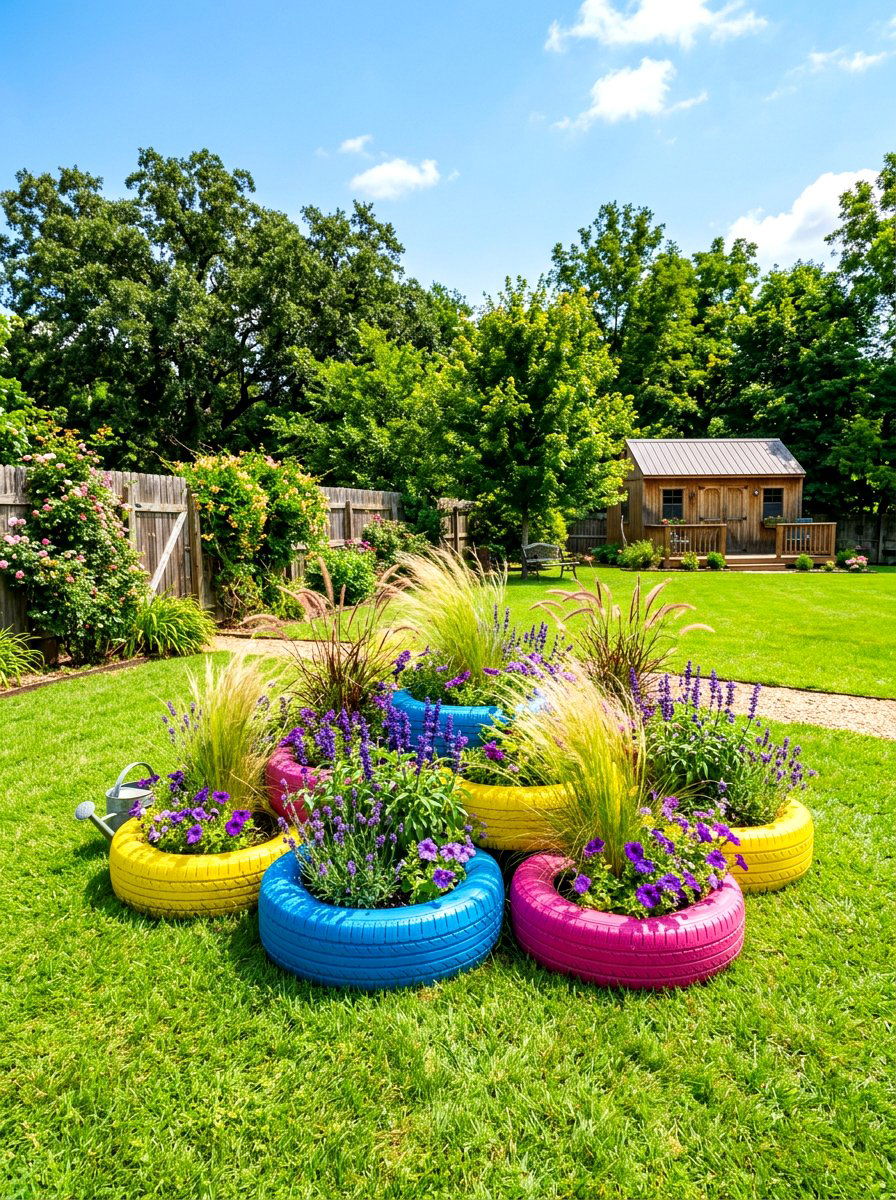
Repurposing old tires into colorful outdoor containers is a playful and eco-friendly way to add bold structure to a large backyard. By painting the rubber in bright neon shades or soft pastels, you can create a whimsical focal point that delights both children and guests alike. These durable planters are ideal for holding hardy perennials or ornamental grasses that require a deeper soil base to thrive throughout the changing seasons. Arranging them in a staggered pattern on a lawn or mounting them to a sturdy wooden fence adds a unique architectural element to your garden design. It is a brilliant example of turning industrial waste into a vibrant, functional landscape feature.
6. Vertical Pallet Planter
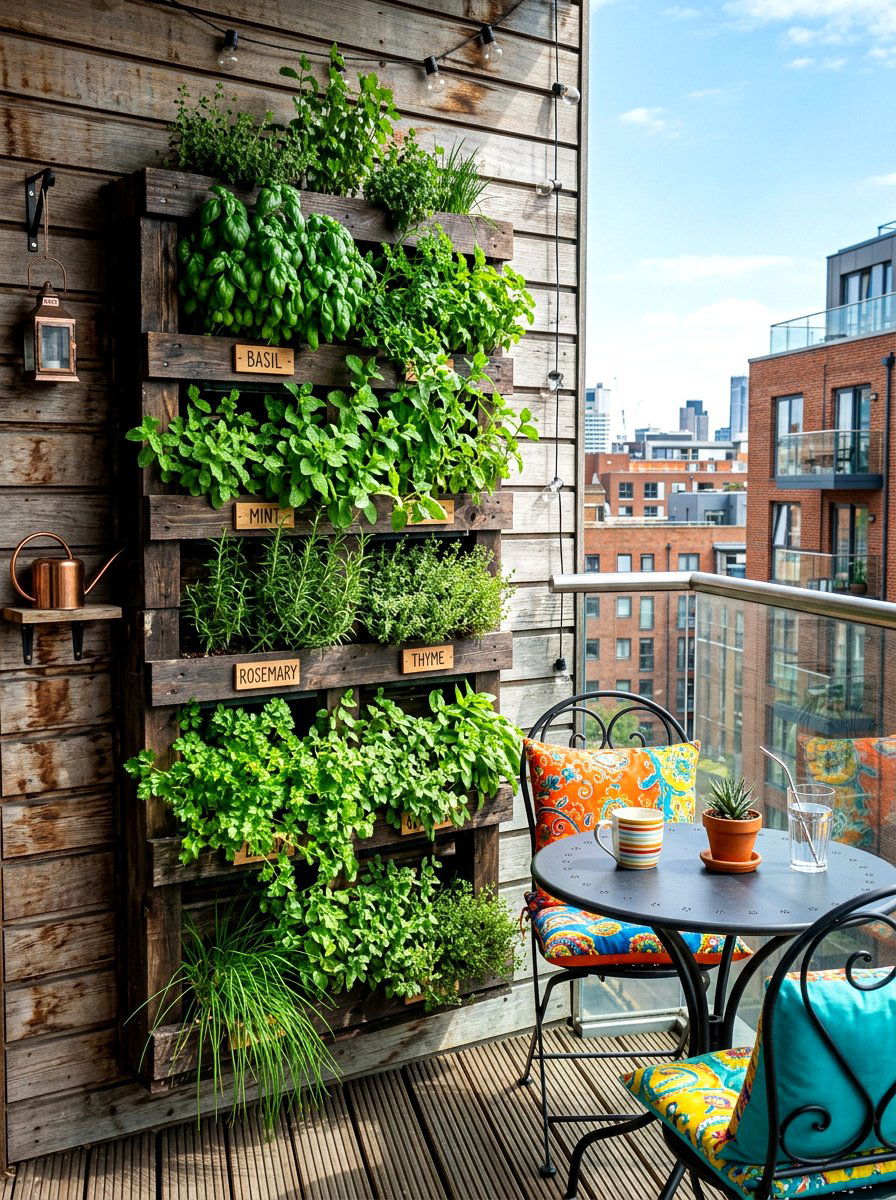
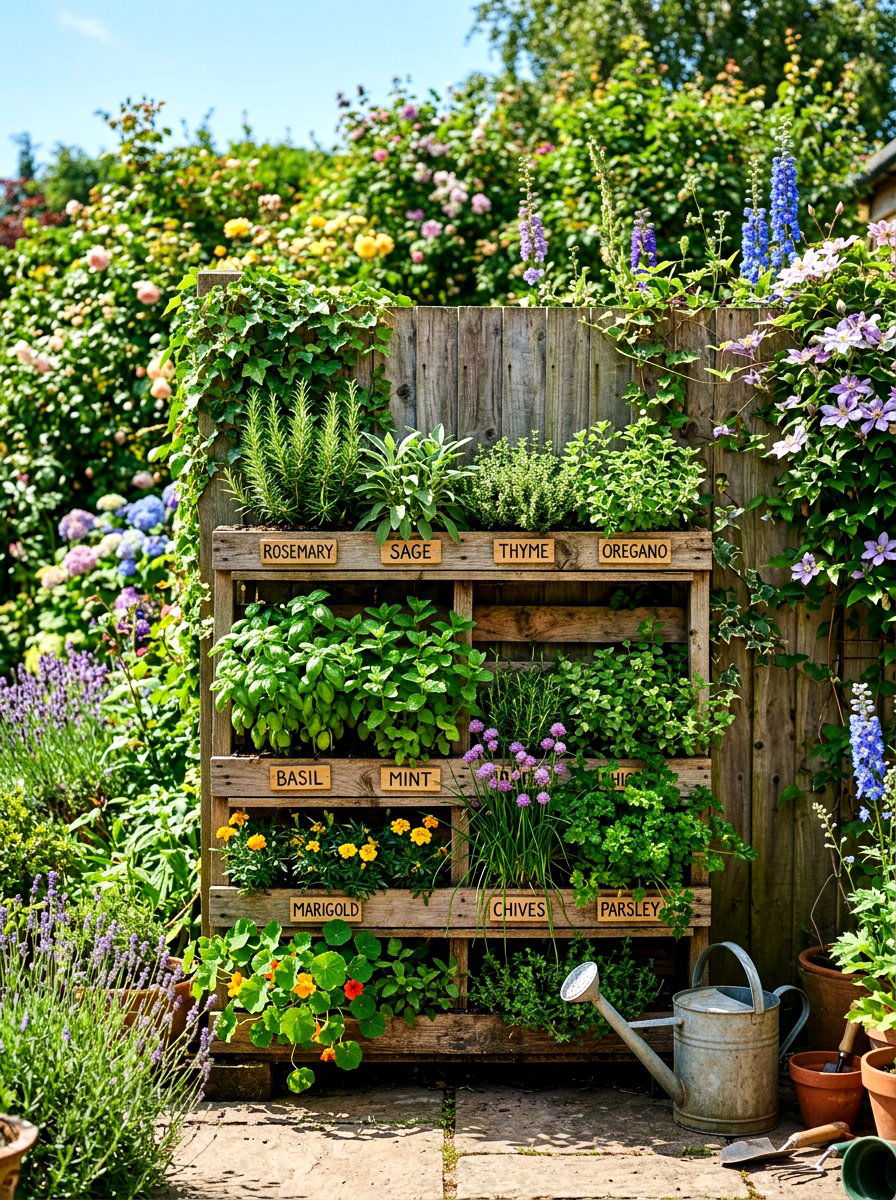
Transforming a standard wooden pallet into a vertical garden is a brilliant space-saving technique for narrow balconies or compact urban patios. By securing landscape fabric to the back and bottom of the slats, you create deep pockets perfect for growing a variety of kitchen herbs. This living wall serves as a stunning organic backdrop for outdoor dining areas, providing fresh scents and a lush green texture to the space. You can leave the wood in its natural state for a rugged look or paint it to match your patio furniture for a more polished appearance. This design encourages sustainable living while maximizing every square inch of your available outdoor environment.
7. Woven Basket Planters
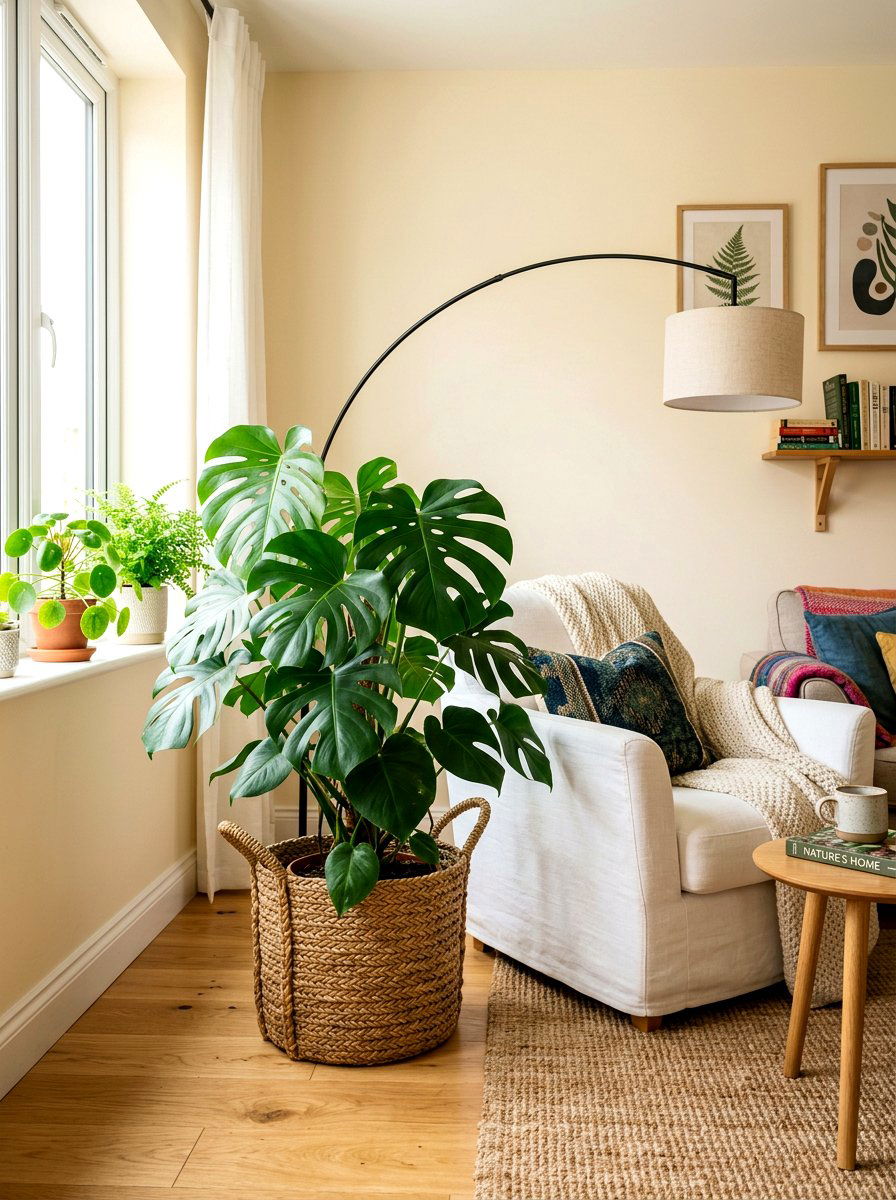
Integrating natural woven baskets as outer covers for your plastic nursery pots adds an instant layer of warmth and coastal texture. These versatile containers look right at home in a bright living room or a cozy reading nook, softening the overall look of the space. To prevent water damage, you should always place a plastic saucer inside the bottom of the basket before inserting your leafy green plants. The organic fibers of seagrass or wicker provide a beautiful contrast to smooth leaves and modern furniture, creating a balanced and inviting atmosphere. Using baskets of different sizes and shapes helps to build a curated, collected look that feels effortless yet professionally styled.
8. Modern Wood Planters
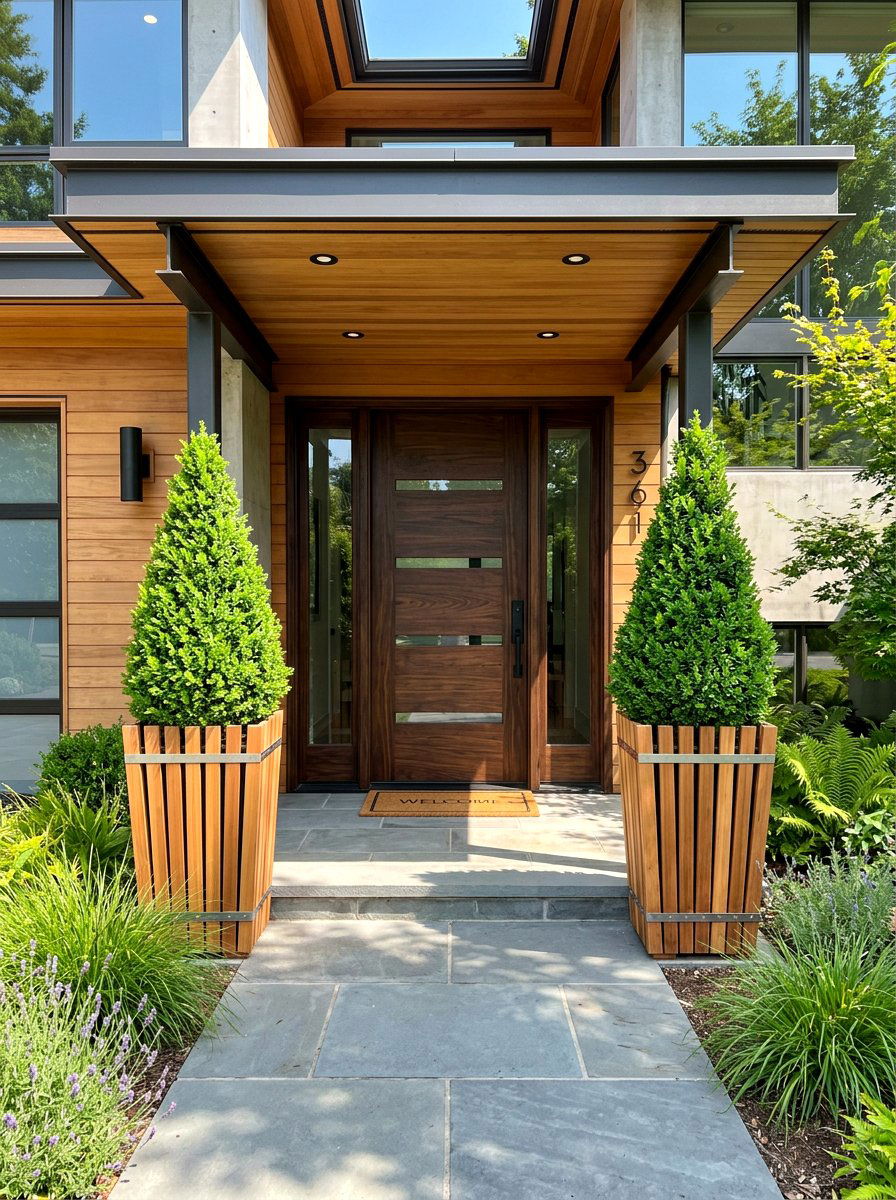
Constructing sleek, boxy planters from cedar or redwood planks can give your front entrance a high-end, contemporary facelift without a massive price tag. These tall, slender structures look best when placed symmetrically on either side of a modern doorway, housing elegant topiary trees or bright ornamental shrubs. The clean lines and rich wood tones provide a sophisticated frame for your home’s architecture, enhancing its curb appeal and welcoming guests with style. You can add small hidden feet to the bottom of the boxes to elevate them slightly, creating a light and floating effect. This project is ideal for those who love the "mid-century modern" or "scandinavian" design aesthetic for their exteriors.
9. Tin Can Herbs
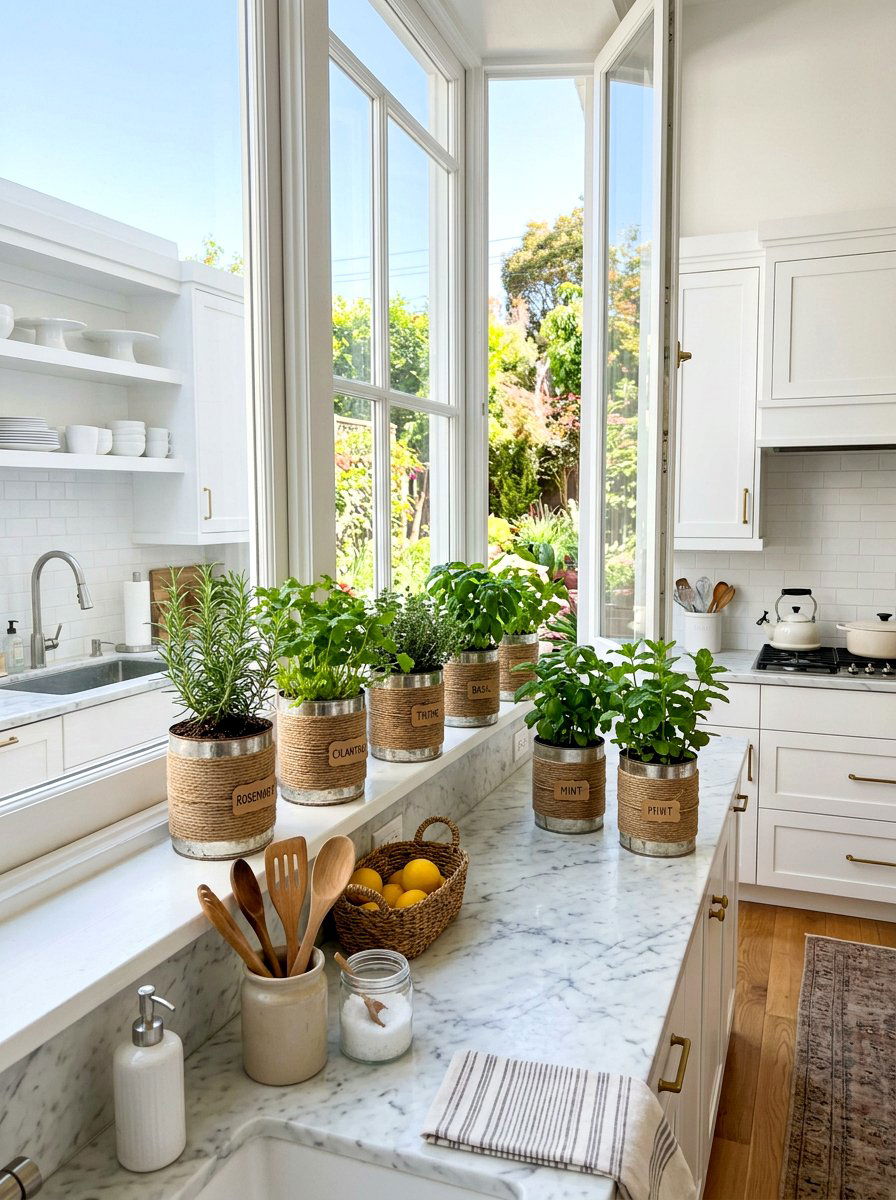
Repurposing empty tin cans into a charming kitchen herb station is an easy and effective way to organize your culinary workspace. After cleaning the cans and smoothing any sharp edges, you can wrap them in rustic twine or paint them with matte chalk finishes. These small vessels look adorable when lined up on a sunny windowsill or mounted to a wooden board for a wall-mounted garden display. Growing basil, mint, and cilantro in these recycled containers ensures you always have fresh ingredients within arm’s reach while cooking your favorite meals. It is a budget-friendly project that combines practical utility with a delightful, vintage-inspired look for your modern kitchen interior.
10. Ladder Plant Display
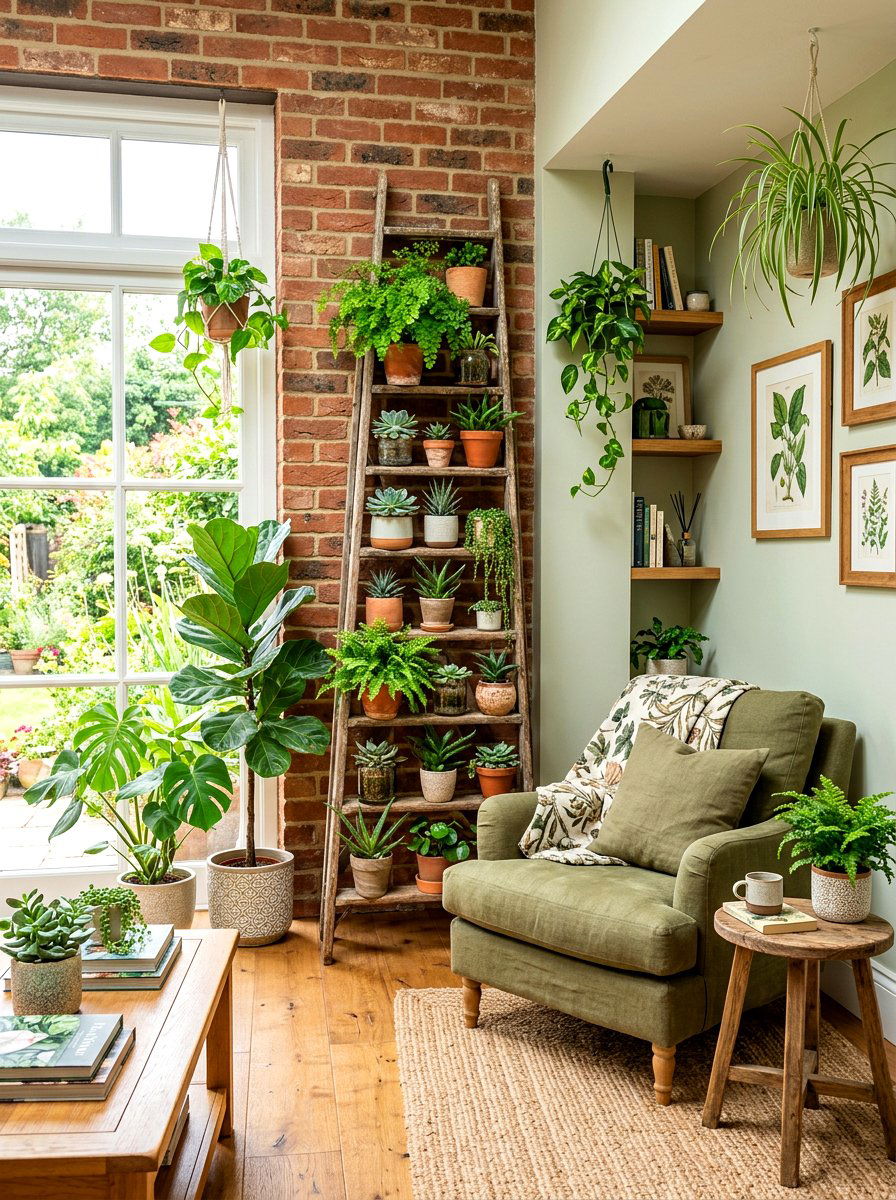
Repurposing an old wooden stepladder as a multi-tiered plant stand creates a captivating vertical display that serves as a sculptural piece. This arrangement allows you to showcase a diverse collection of flora, from tiny succulents on the top rungs to larger ferns below. Placing the ladder against a neutral wall in a living room or on a sheltered patio helps to draw the eye upward, making the space feel taller. You can maintain the original chipped paint for a "shabby chic" vibe or sand it down for a clean, natural wood finish that feels modern. This design effectively organizes your botanical collection while turning a mundane tool into a beautiful home focal point.
11. Leather Hanging Planter
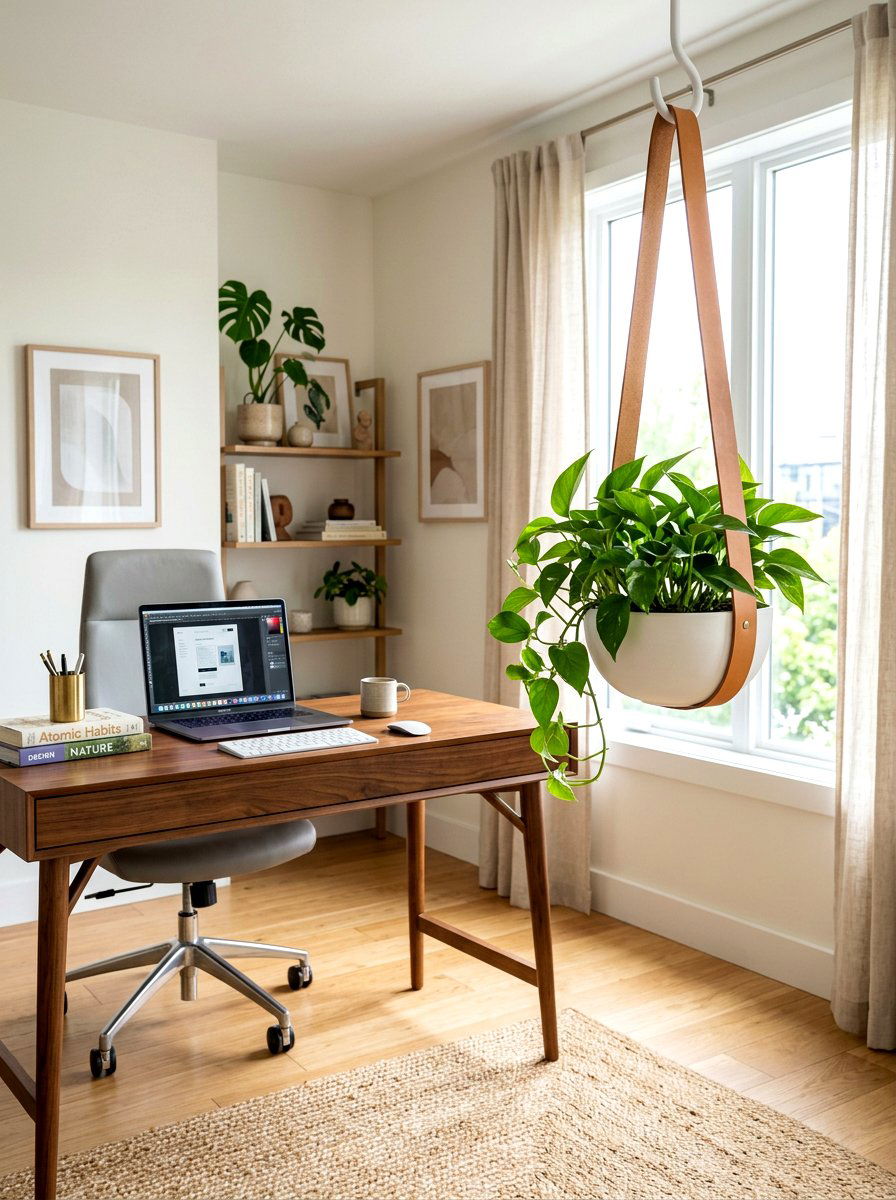
For a sophisticated and masculine twist on the traditional hanging basket, consider using sturdy leather straps to support simple ceramic bowls. This design looks exceptionally polished in a modern home office or a minimalist entryway, where the rich texture of the leather stands out. The combination of tan or black leather with crisp white porcelain creates a high-contrast look that feels both expensive and artisanal in its execution. These hangers are perfect for small, slow-growing plants like air plants or hoyas that don't require heavy watering or frequent soil changes. It is a subtle way to introduce high-quality materials and unique craftsmanship into your personal interior design scheme this year.
12. Mid Century Planter Stand
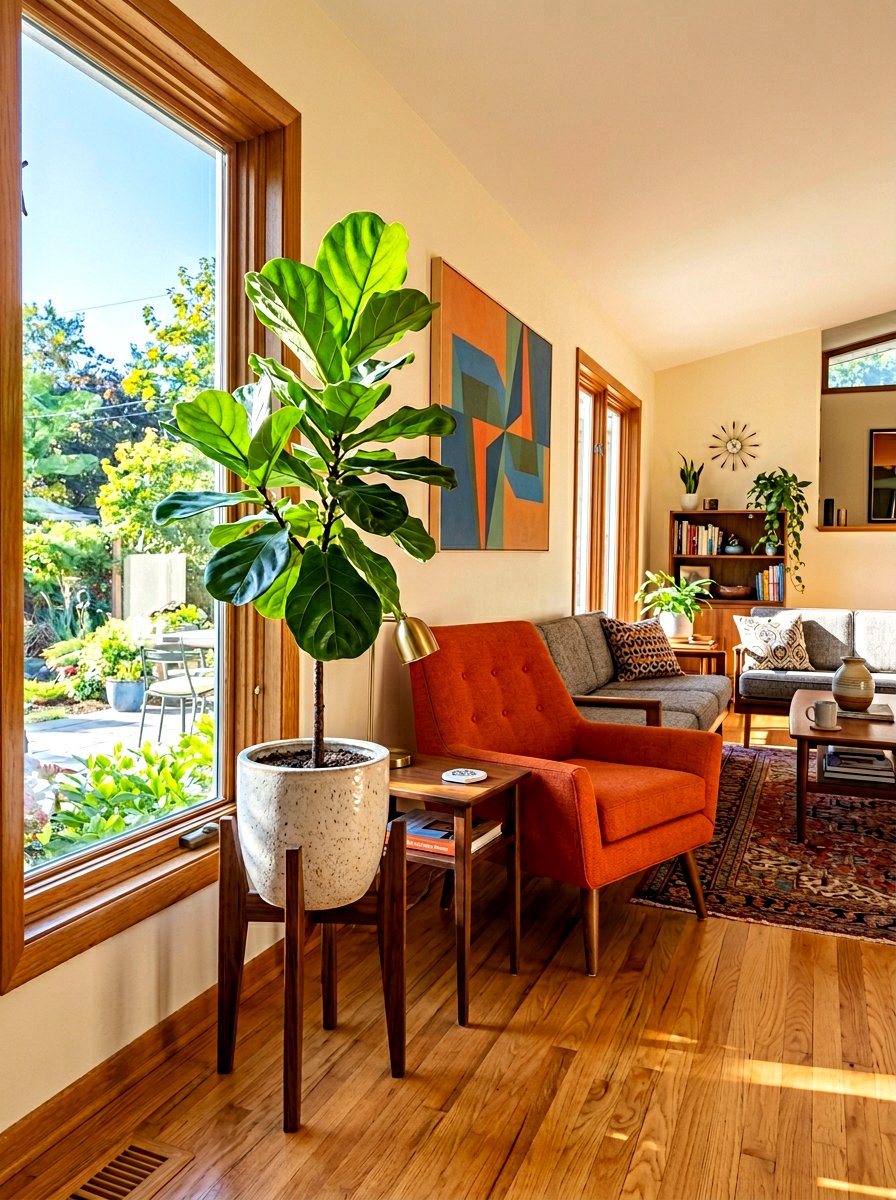
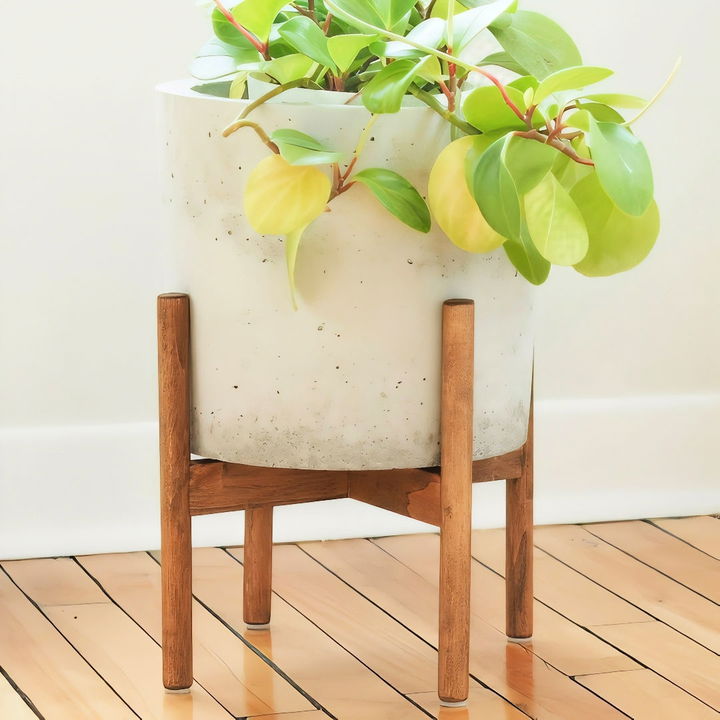
Elevating your greenery with a DIY wooden stand inspired by mid-century aesthetics adds a touch of retro sophistication to your lounge area. These stands typically feature tapered legs and a simple cross-base that holds a round ceramic pot securely at eye level for better visibility. Positioning a large Monstera or Fiddle Leaf Fig in one of these stands creates a dramatic architectural statement in an empty corner. The elevated height not only improves air circulation around the plant but also allows light to reach the lower leaves more effectively throughout the day. This classic design choice bridges the gap between functional furniture and botanical art, making your home feel curated and stylish.
13. Chalkboard Herb Pots
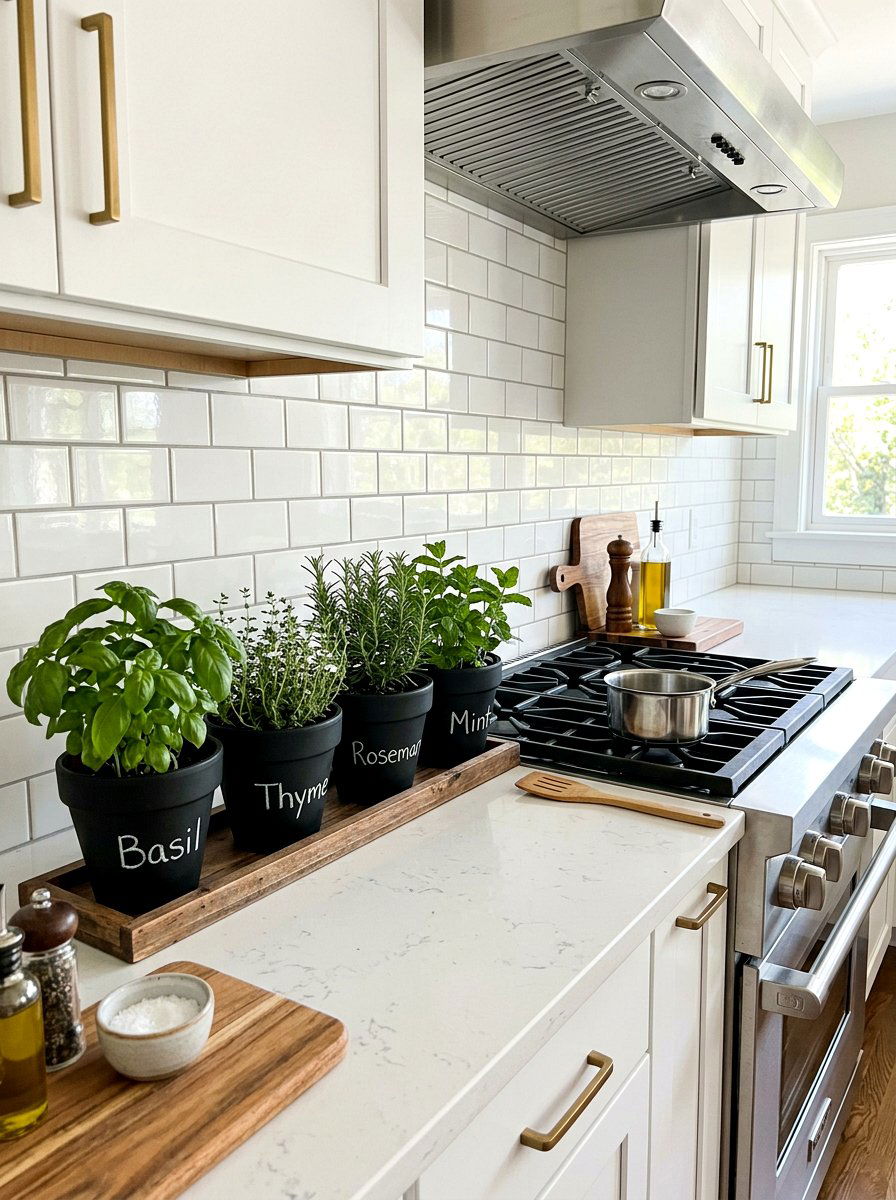
Applying chalkboard paint to the rim or the entire surface of your clay pots allows for easy and creative labeling. This functional design is particularly useful in a busy family kitchen where different herbs are grown together in a shared sunny spot. You can use colorful chalk to write the names of the plants or draw cute illustrations that add a personalized touch to your countertop. If you decide to change the plants, simply wipe away the old name with a damp cloth and start again with a fresh label. This interactive approach makes gardening more accessible for children and ensures you never confuse your parsley with your cilantro during meal prep.
14. Embroidery Hoop Planter
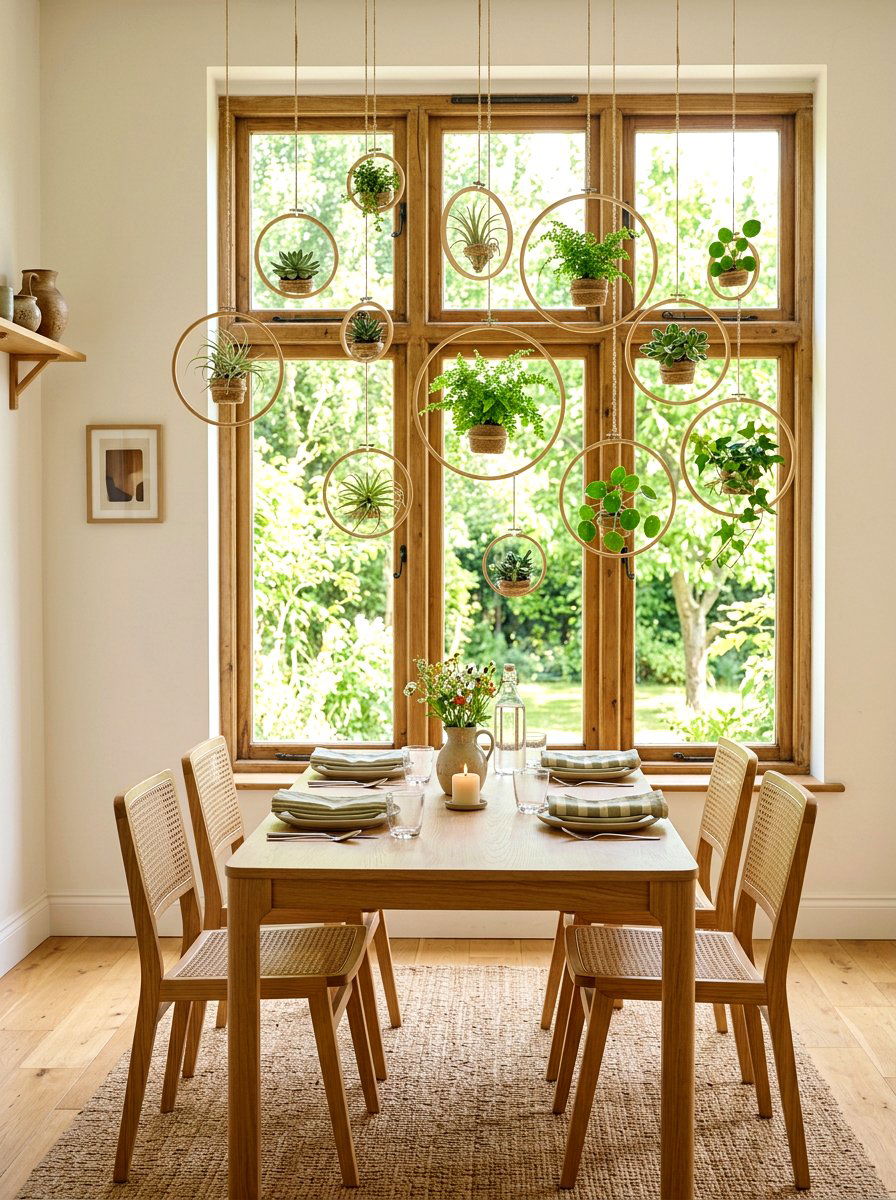
Using wooden embroidery hoops to create a circular frame for your hanging plants offers a unique, geometric look that feels very artistic. By sandwiching a small pot between two hoops and securing it with twine, you create a lightweight and modern hanging sculpture for any room. These hoops look beautiful when hung in groups of three at different lengths in a large window or above a side table. The natural wood of the hoops complements a wide range of decor styles, from minimalist scandinavian to eclectic bohemian interiors. It is a clever way to repurpose traditional craft supplies into a contemporary design element that showcases your greenery from every angle.
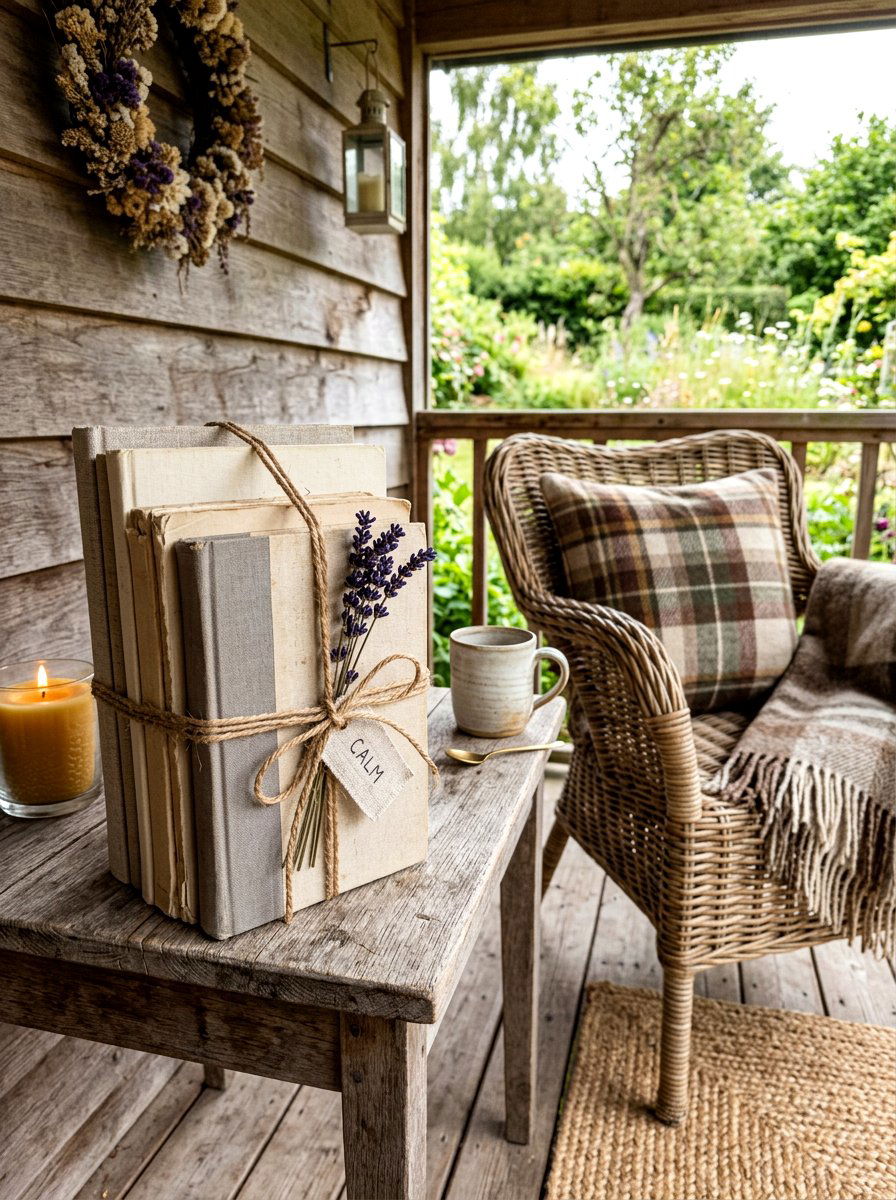
15. Vintage Tea Tins
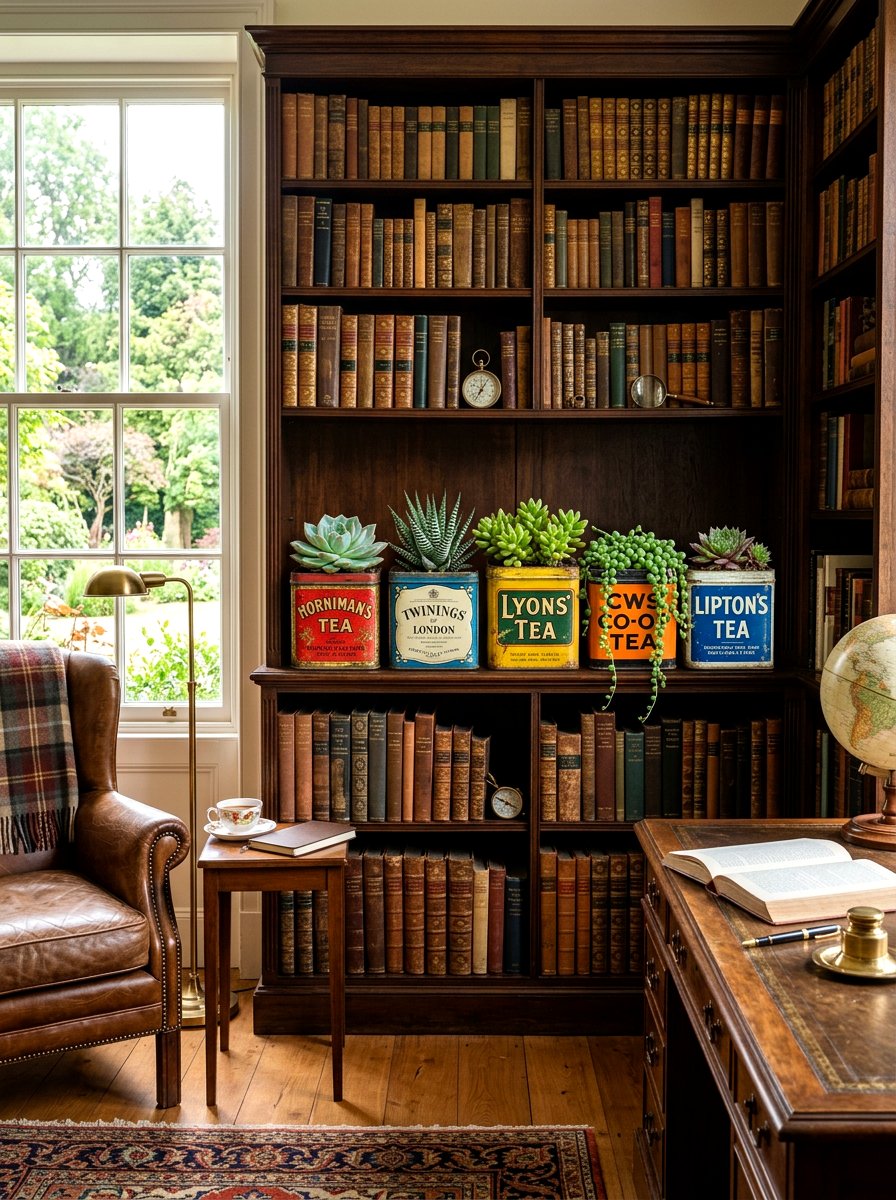
Transforming antique metal tea tins into small succulent planters is a wonderful way to add a touch of history to your decor. These colorful containers often feature intricate illustrations and vintage typography that provide instant character to a shelf, desk, or mantlepiece. Because succulents have shallow root systems and require very little water, they thrive in these compact vessels as long as drainage holes are added. Placing a row of these tins along a bookshelf adds a pop of color and a whimsical sense of nostalgia to your study. It is a perfect project for collectors who want to display their thrift store finds in a living and functional way.
16. Copper Pipe Stand
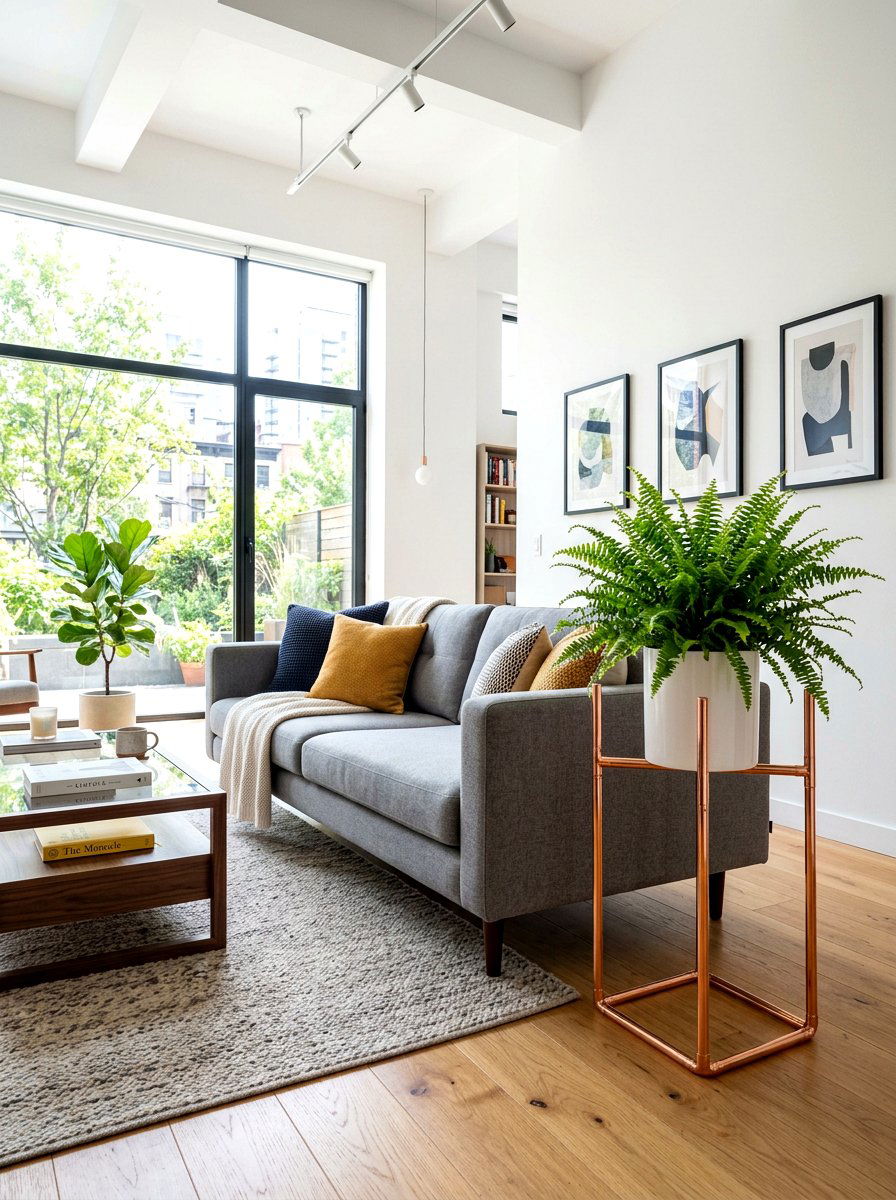
Building a minimalist plant stand from shiny copper pipes and pressure fittings creates a stunning industrial look that catches the light beautifully. This metallic structure provides a warm, rosy glow that complements both dark leafy greens and vibrant floral blooms in any modern living room. The sleek, thin profile of the copper tubing makes it an excellent choice for small spaces where a bulky wooden stand might feel too heavy. You can easily customize the height and width to fit your favorite pots, making it a versatile addition to your home decor collection. Over time, the copper will develop a unique patina, adding even more character and depth to the overall design.
17. Cinder Block Garden
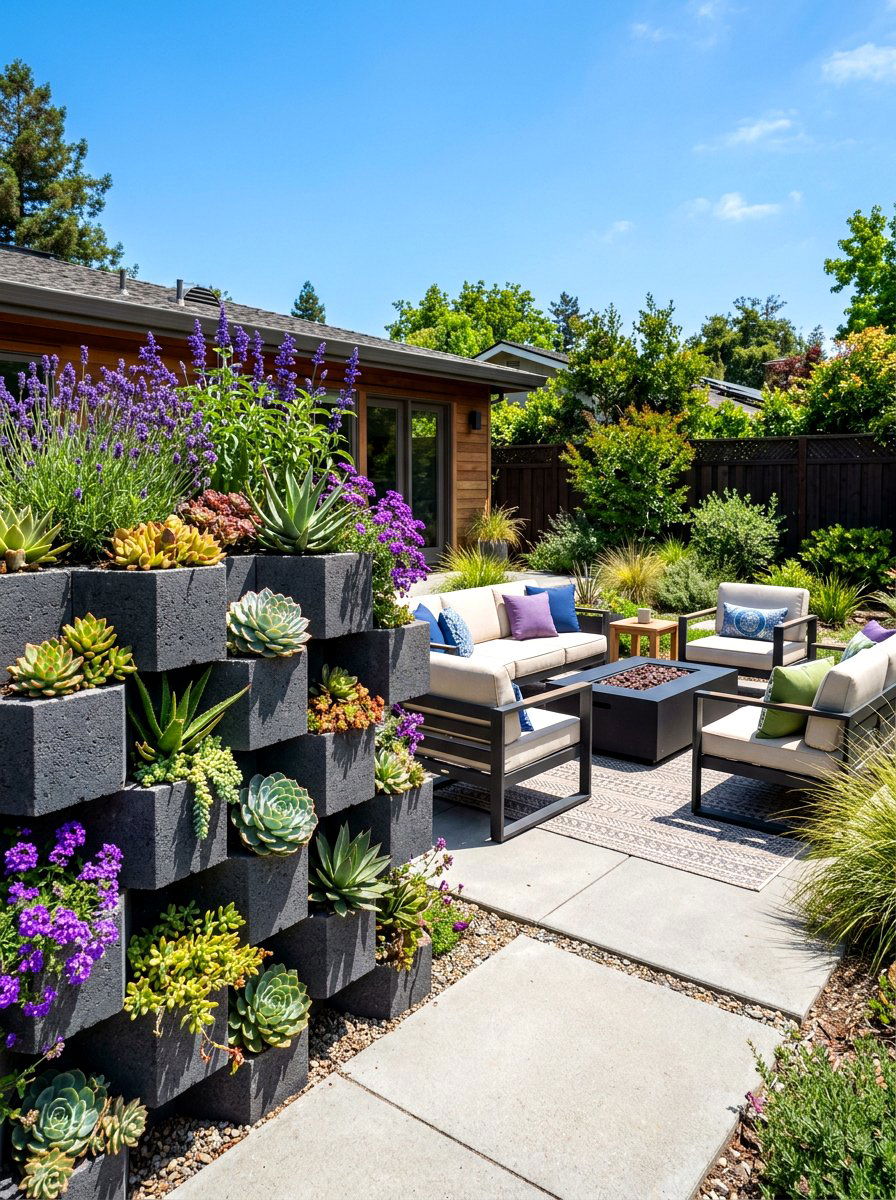
Arranging standard gray cinder blocks into a modular outdoor planter wall is a fast and affordable way to define your garden's boundaries. By stacking the blocks in a staggered fashion, you create multiple openings that can be filled with soil and a variety of hardy plants. This project looks great on a contemporary patio or alongside a modern driveway, offering a clean and structured look that is very durable. You can even paint the exterior of the blocks in contrasting colors to create a bold, artistic mural that doubles as a functional garden. This design is incredibly flexible, allowing you to expand or reconfigure your vertical garden whenever your needs change.
18. Log Succulent Planter
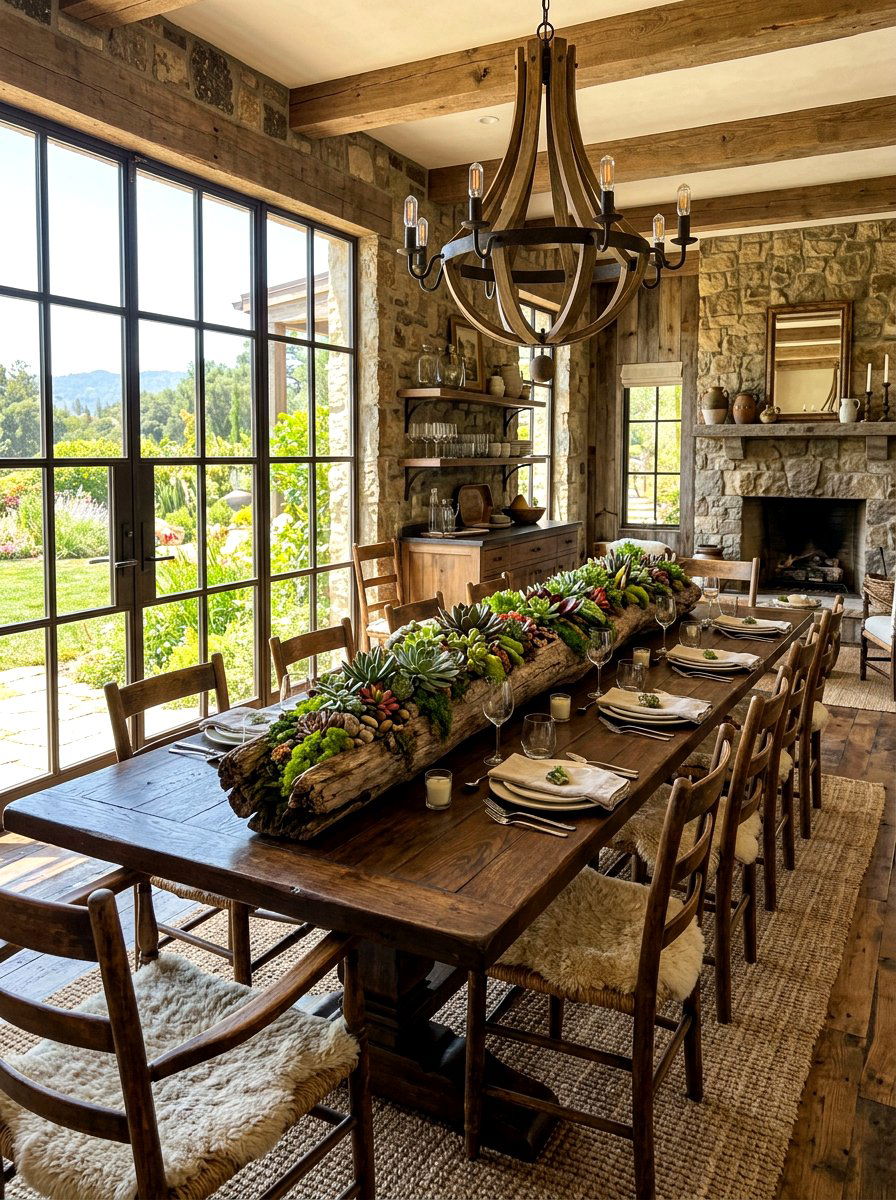
Carving a hollow space into a fallen log or a thick tree branch creates a stunningly natural and organic home for small succulents. This rustic design looks best as a centerpiece on a long wooden dining table or as a decorative accent on a garden bench. The rough texture of the bark provides a beautiful contrast to the soft, fleshy leaves of the plants, emphasizing a forest-inspired aesthetic. Filling the crevices with moss and small pebbles helps to secure the plants and adds another layer of visual interest to the arrangement. It is a fantastic way to bring the beauty of the woods indoors while practicing sustainable and natural decorating techniques.
19. Mason Jar Herbs
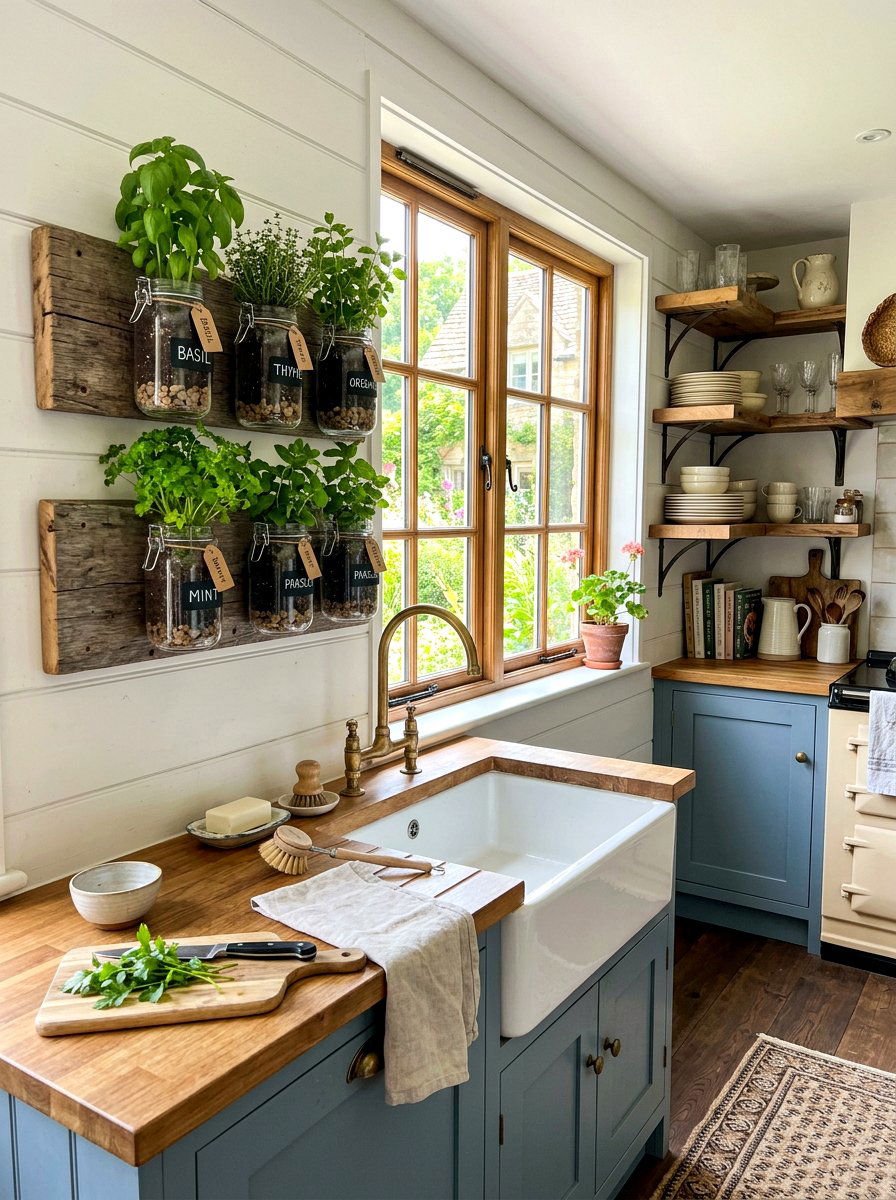
Mounting classic glass mason jars to a reclaimed wood board creates a beautiful and functional vertical herb garden for your kitchen wall. This design uses metal hose clamps to hold the jars securely in place, allowing you to see the roots and soil levels through the clear glass. Positioning this display near a window ensures your herbs get plenty of sunlight while keeping your countertops clear of clutter and soil spills. The combination of glass, metal, and wood gives the project a timeless "industrial farmhouse" look that suits many home styles. Adding a layer of small rocks at the bottom of each jar helps with drainage and prevents overwatering.
20. Seagrass Plant Basket
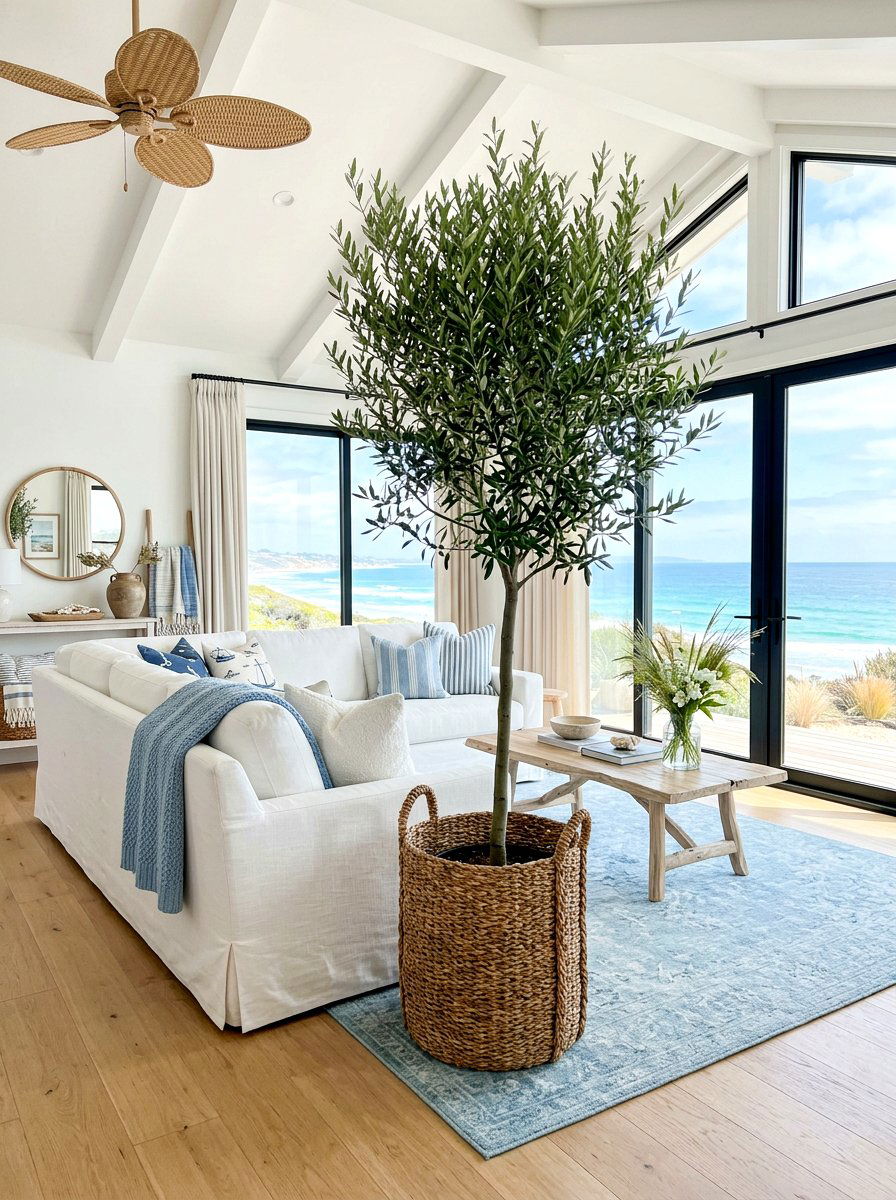
Placing large indoor trees like palms or olive trees inside oversized seagrass baskets provides a relaxed, coastal vibe that feels like a permanent vacation. These lightweight baskets are easy to move around, making it simple to find the perfect lighting for your plants throughout the different seasons. The natural golden tones of the seagrass add warmth to a neutral room and pair beautifully with light-colored rugs and linen upholstery. To maintain the integrity of the basket, ensure your plant is housed in a waterproof liner or a plastic pot with a sturdy saucer underneath. This simple styling choice instantly elevates a basic houseplant into a professional-looking piece of high-end interior design.
21. PVC Vertical Garden
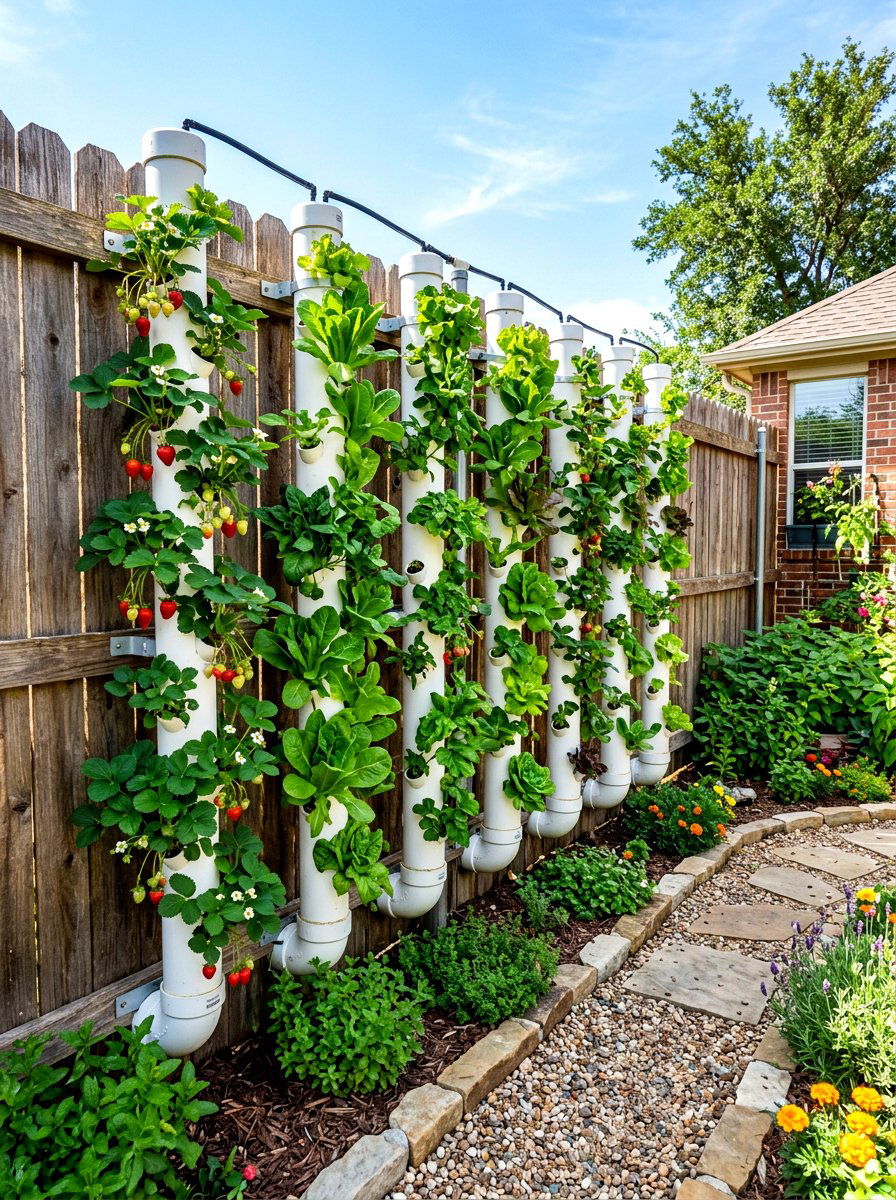
Using large PVC pipes to create a vertical growing system is a highly efficient way to produce a large amount of greens in a small space. By drilling holes along the length of the pipe and filling it with a nutrient-rich growing medium, you can grow dozens of strawberry plants or leafy lettuces. This tower-like structure looks great on a sunny balcony or tucked into a corner of a vegetable garden, maximizing your vertical real estate. Painting the pipes with a UV-resistant outdoor paint helps to protect the plastic and allows the system to blend in with your exterior decor. It is a modern, high-tech approach to traditional gardening that is both productive and visually interesting.
22. Metal Bucket Planters
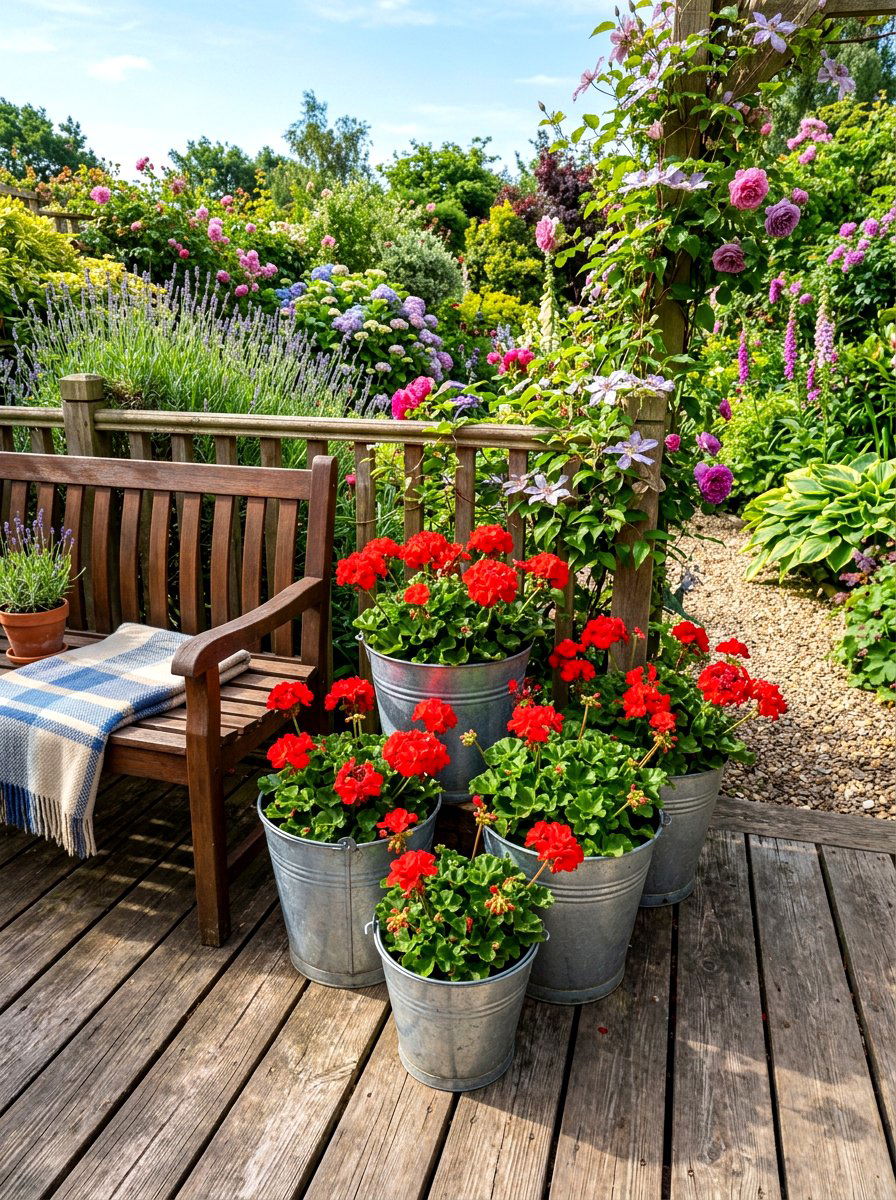
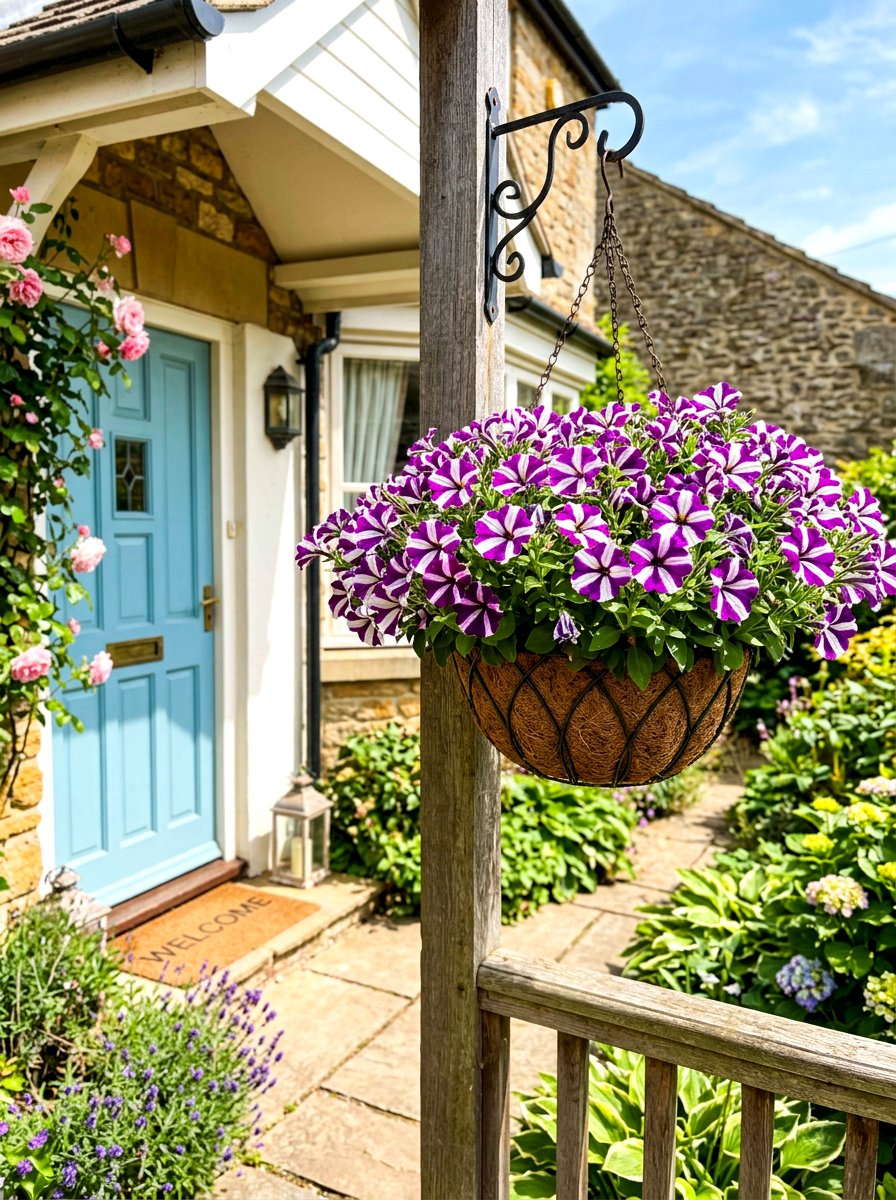
Galvanized metal buckets bring a classic, utilitarian charm to your outdoor spaces, serving as durable and weather-resistant containers for all types of plants. These silver vessels look especially beautiful when filled with bright red geraniums or cascading purple petunias on a sun-drenched garden deck. The reflective surface of the metal helps to brighten up shaded areas, while the sturdy handles make them easy to transport when redecorating your patio layout. For a more aged look, you can apply a simple vinegar wash to create a faux-vintage patina that looks like a treasured antique find. These buckets are a staple of traditional cottage-style gardens and provide a clean, cohesive look when used in groups.
23. Hanging Shoe Planter
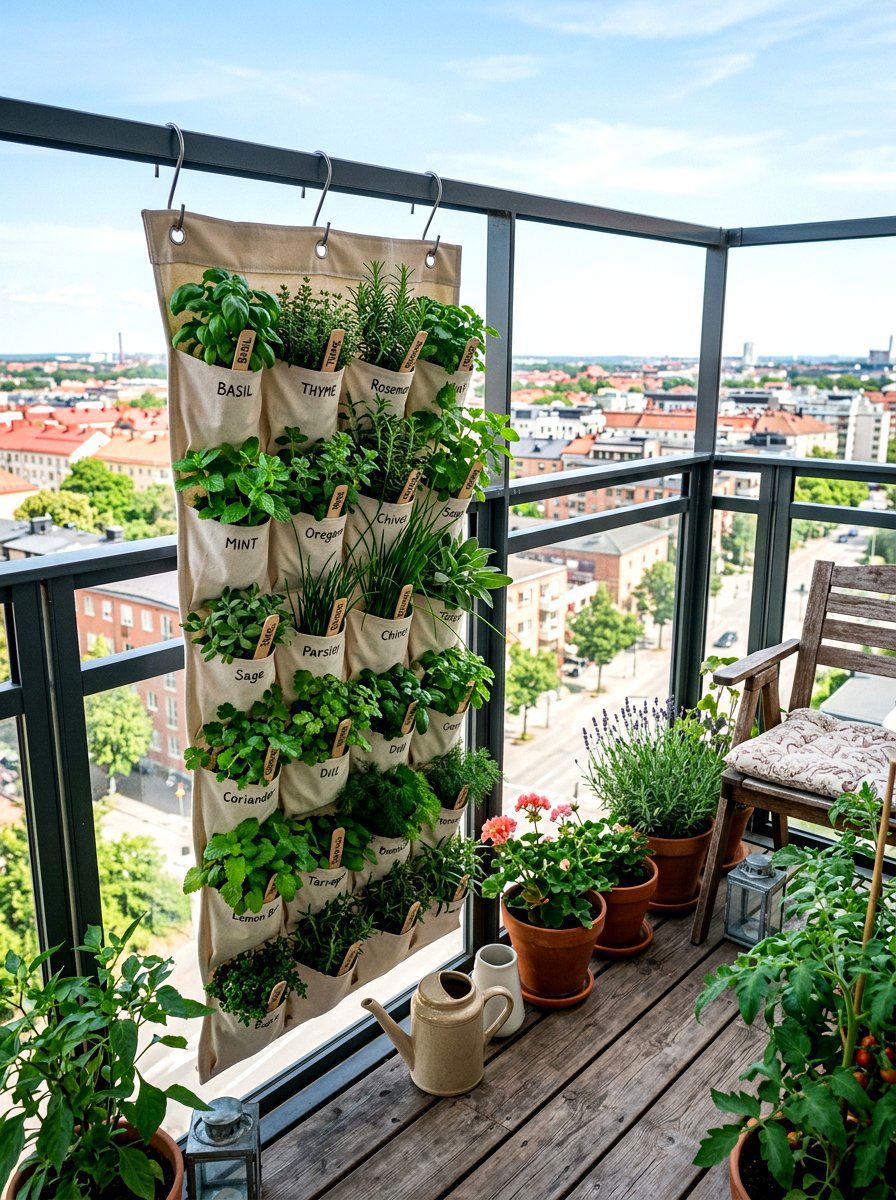
Repurposing a fabric or plastic over-the-door shoe organizer into a vertical planter is an ingenious way to create a lush wall of herbs or flowers. Each pocket provides an individual home for a small plant, allowing you to grow a diverse variety of species in a very compact footprint. This project is perfect for hanging on a garden fence or the back of a balcony door where space is at a premium for traditional pots. The flexible nature of the organizer makes it easy to water, and the fabric pockets allow for excellent air circulation around the root systems. It is a fun, unexpected way to add a vertical green element to your outdoor living area.
24. Suitcase Flower Box
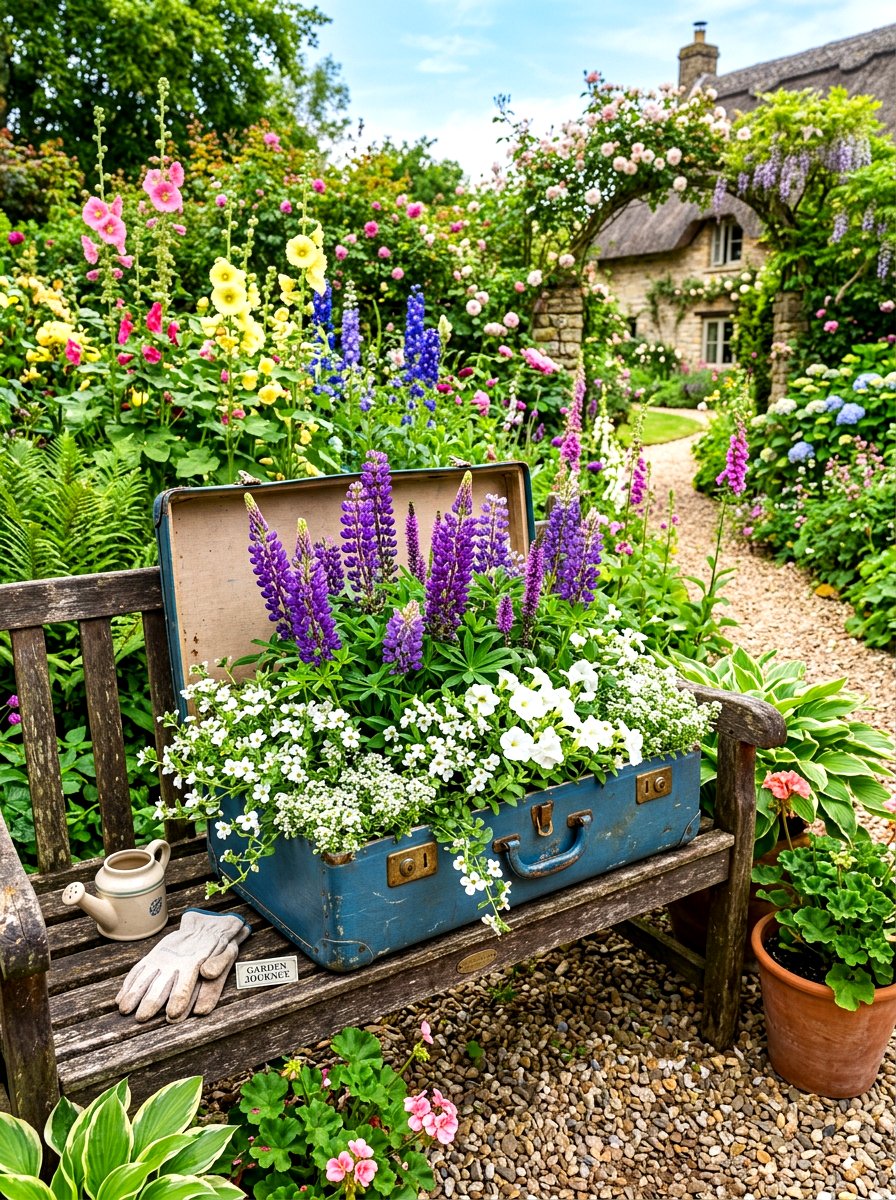
Transforming a vintage hard-shell suitcase into a whimsical flower box adds a unique and adventurous spirit to your garden or entryway decor. By lining the interior with heavy plastic and adding drainage holes, you create a spacious and deep container perfect for a mix of tall "thriller" plants and trailing vines. This nostalgic piece looks amazing when propped open on a garden bench or placed near a front door to welcome travelers and guests alike. Choosing a suitcase with a vibrant color or interesting hardware adds to the overall charm and story of the design. It is a creative conversation starter that turns a piece of travel history into a living garden.
25. Disco Ball Planter
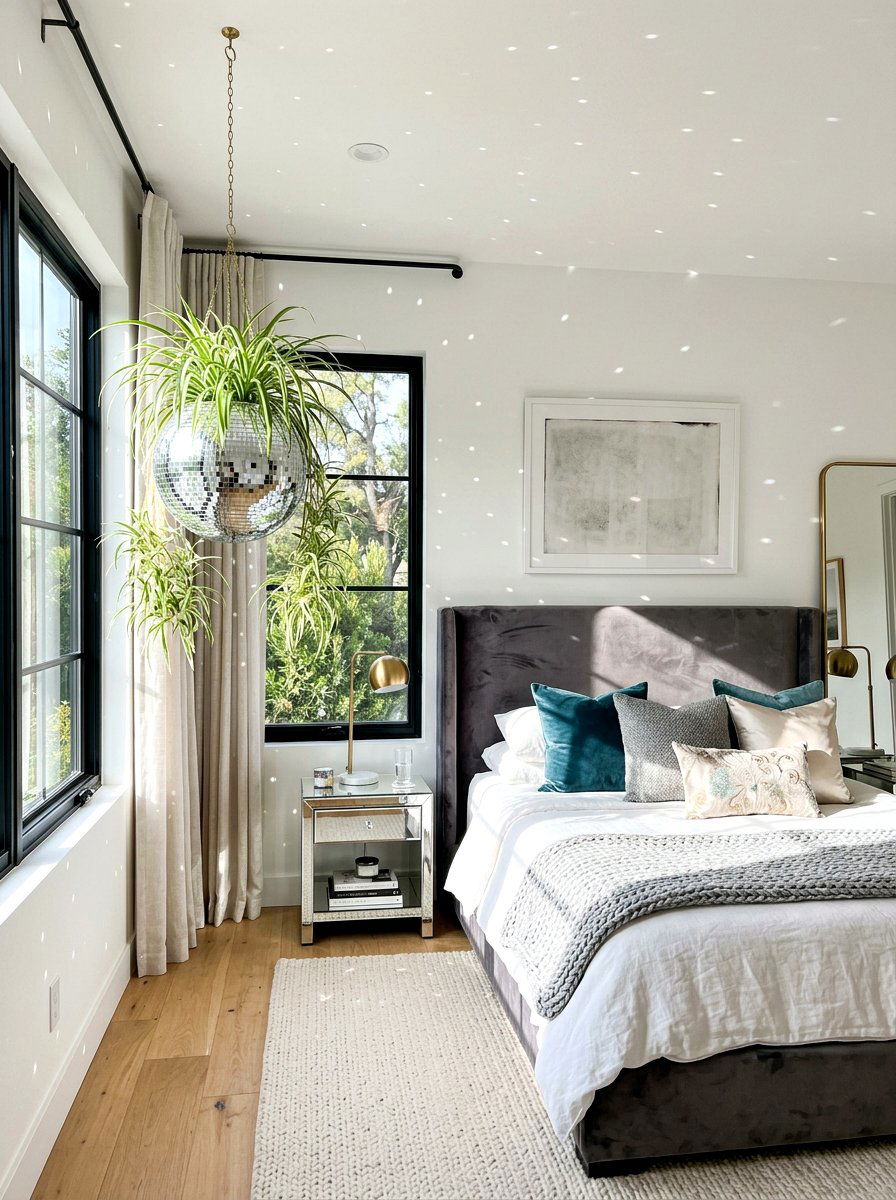
For those who love a bit of glamour and light, turning a classic mirrored disco ball into a hanging planter is a must-try project. By carefully removing the top section and adding a sturdy hanging chain, you create a dazzling vessel that reflects sunlight across your walls. This sparkly planter looks best in a sunny living room or bedroom where the spinning mirrors can create a playful light show throughout the day. Pairing the shimmering silver surface with a lush green fern or a spider plant creates a stunning contrast between disco-era fun and natural beauty. It is a bold, "maximalist" design choice that brings a sense of joy and celebration to your home.
26. Fabric Covered Pots
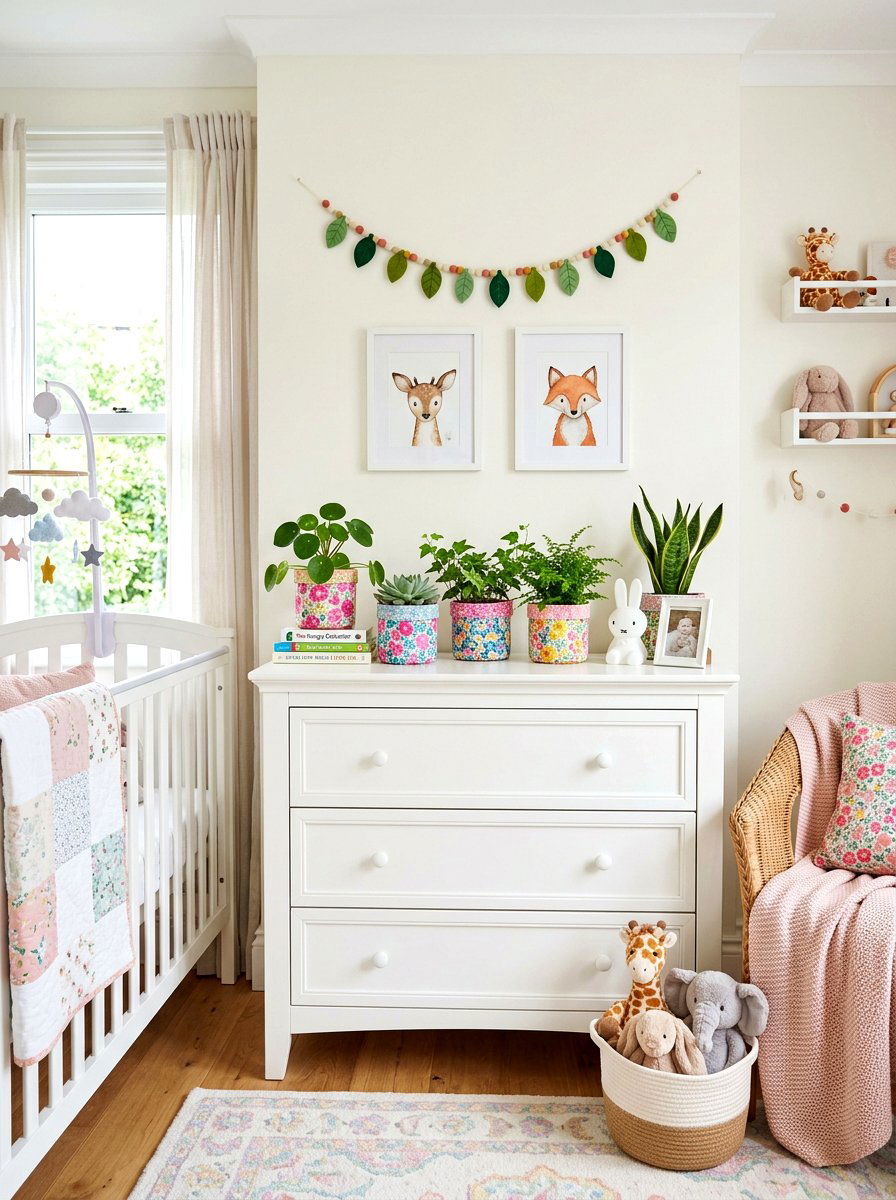
Wrapping your plain plastic or ceramic pots in beautiful remnant fabrics is a quick way to coordinate your greenery with your existing curtains or upholstery. Using a simple decoupage technique or a little hot glue, you can apply intricate patterns and textures to the exterior of any container. This project is ideal for adding a soft, tactile element to a nursery or a bohemian-themed bedroom where cozy textiles are a priority. To ensure the fabric stays clean and dry, it is best to use these pots as decorative outer covers rather than planting directly into them. It is a wonderful way to use up leftover craft supplies while creating a truly custom look for your plants.
27. Colander Hanging Basket
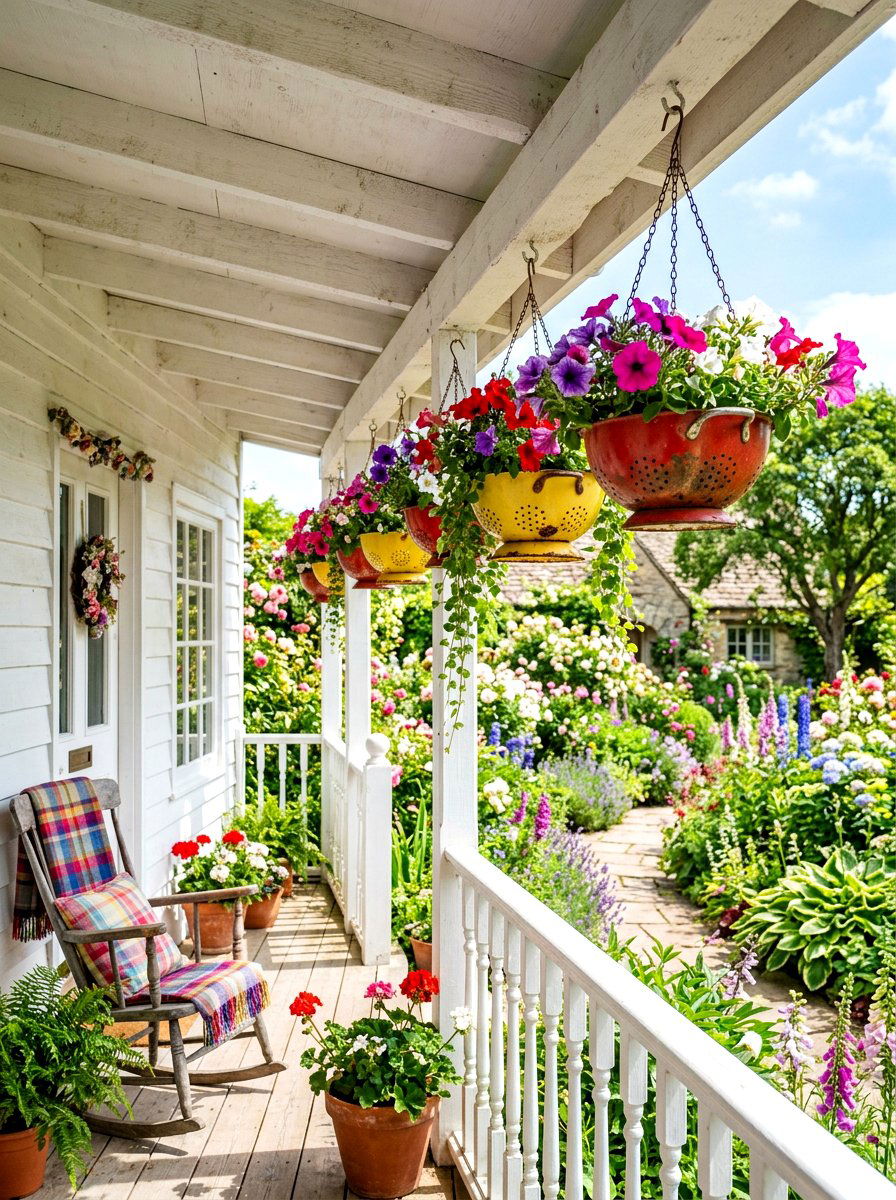
Using a vintage metal colander as a hanging basket is a clever and functional way to repurpose a common kitchen tool for your garden. The built-in drainage holes are already perfectly placed for healthy plant growth, preventing water from pooling at the bottom and causing root rot. These colorful strainers look adorable when hung with sturdy chains from a porch ceiling or a low-hanging tree branch in the backyard. They are particularly well-suited for holding vibrant annuals or trailing succulents that benefit from the excellent drainage and air circulation. The handles of the colander provide easy attachment points for hooks, making it one of the simplest DIY planter projects you can complete.
28. Floating Plant Shelves
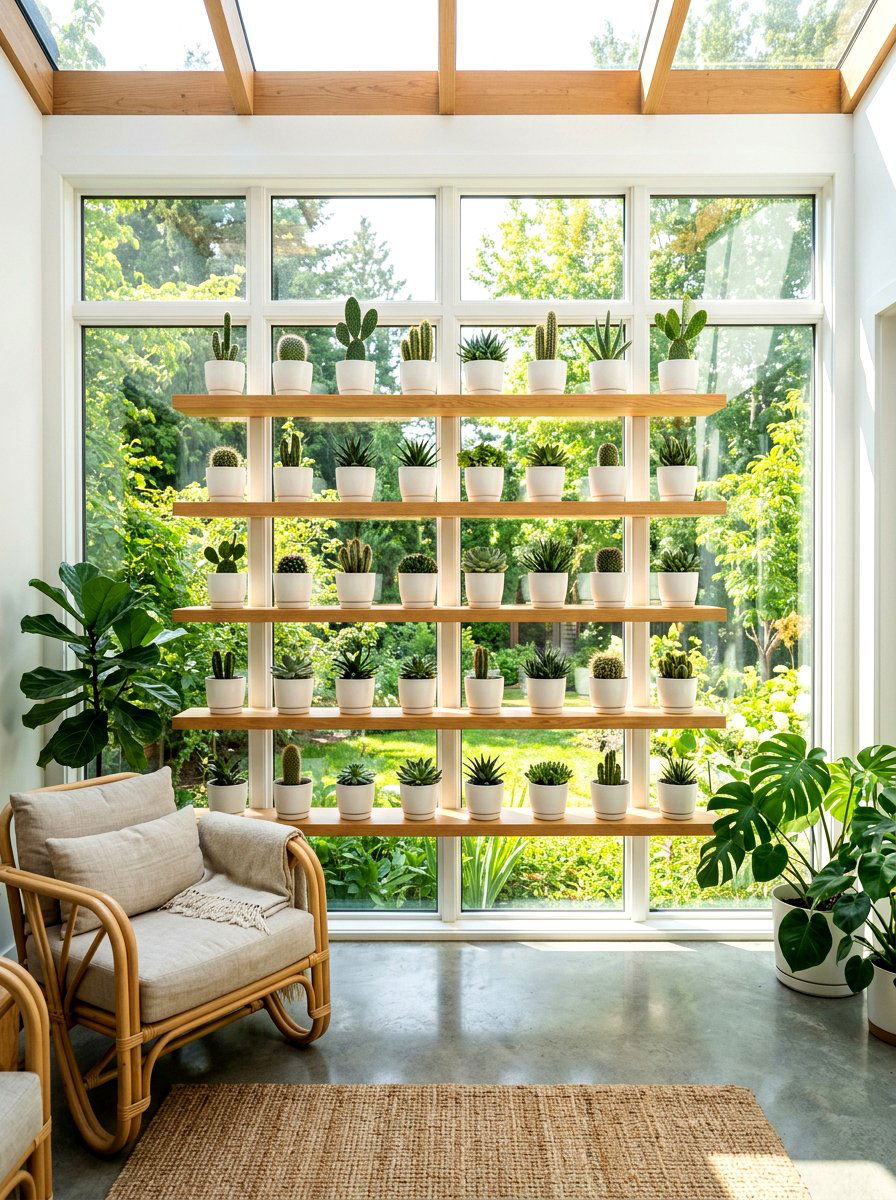
Installing simple wooden "floating" shelves across a bright window allows you to create a stunning living curtain that maximizes natural light for your plants. This design organizes your greenery into a clean, vertical grid that turns a plain window into a dynamic focal point of the room. By placing identical pots in a row, you achieve a sophisticated and modern look that feels intentional and well-designed. This setup is perfect for small-scale plants like cacti, succulents, or African violets that thrive in consistent sunlight throughout the day. It is an elegant way to incorporate more nature into your home without sacrificing valuable floor space or blocking the view of the outdoors.
29. Clay Pot Tower
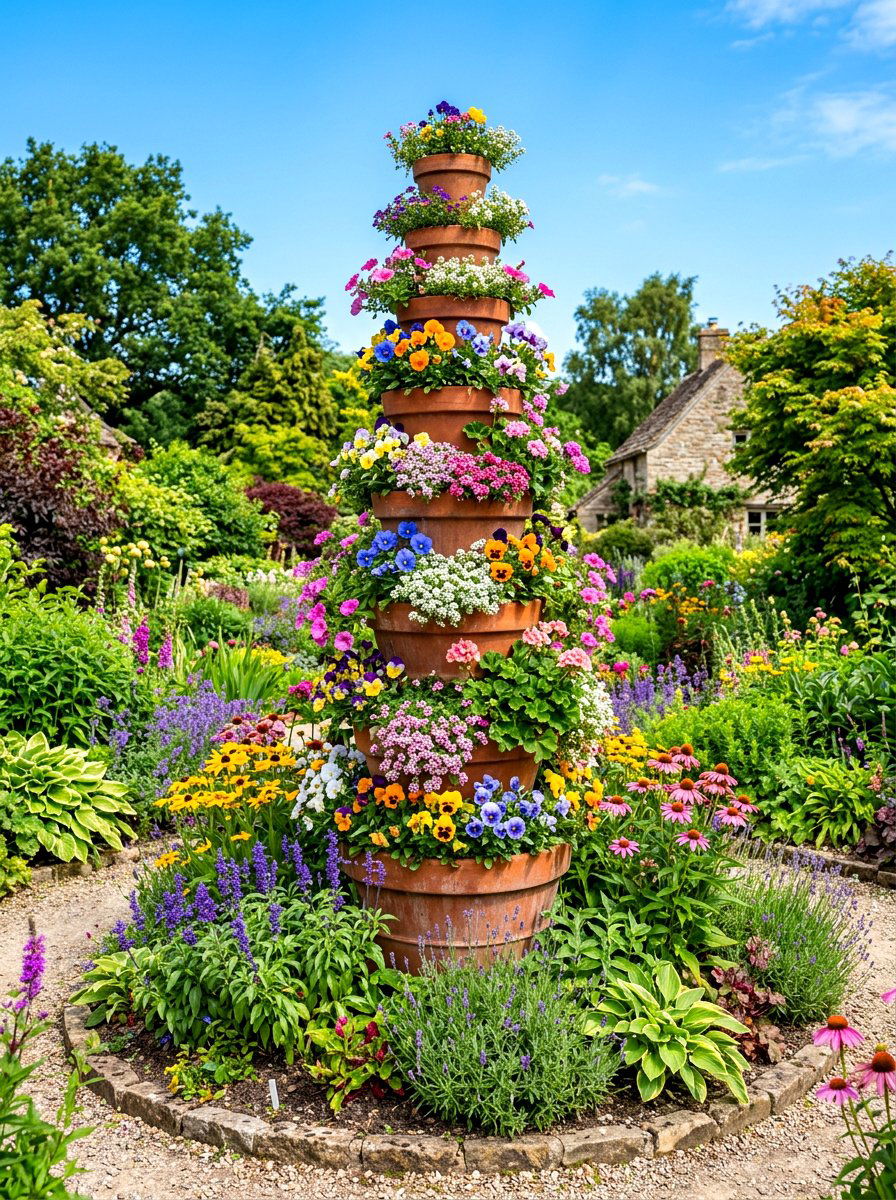
Stacking terracotta pots of decreasing sizes on a central dowel creates a dramatic "tower" effect that adds height and structural interest to your garden. This vertical arrangement allows you to plant different varieties in each tier, creating a cascading waterfall of colors and textures from top to bottom. It works beautifully as a focal point in a large flower bed or as a standalone piece on a sunny patio corner. The stability of the central rod ensures the tower remains upright even during windy weather, making it a reliable and attractive garden feature. This project is a great way to use a large collection of pots to create a single, impactful design statement.
30. Driftwood Plant Decor
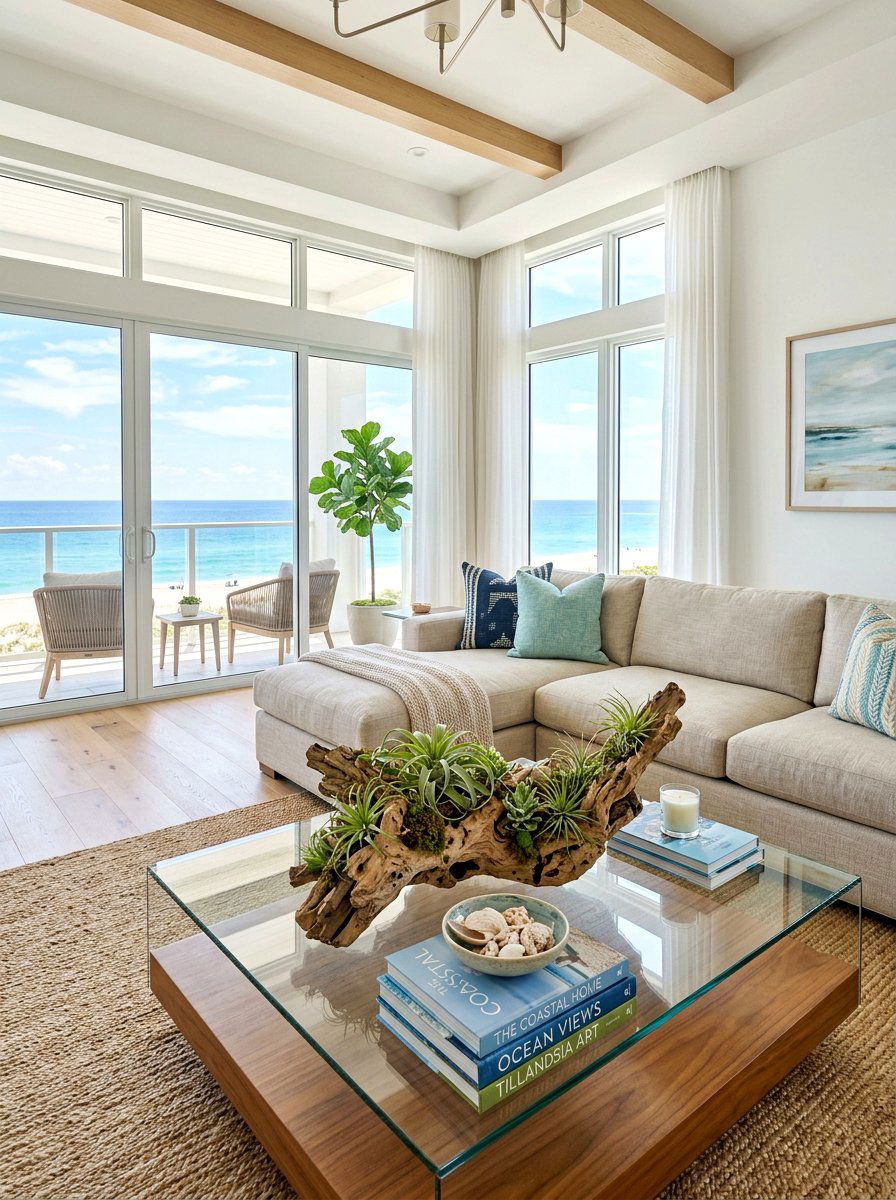
Attaching small air plants or bromeliads to a sculptural piece of weathered driftwood creates a stunning, beach-inspired display that requires no soil at all. The gnarled branches and silvered wood provide a perfect natural anchor for these unique plants, mimicking how they grow in their native habitats. This organic arrangement looks beautiful on a fireplace mantle or as a centerpiece on a glass coffee table in a modern coastal home. Because air plants only need an occasional misting or soaking, they are very easy to maintain in this artistic and soil-free environment. It is a sophisticated way to bring the raw beauty of the shoreline into your personal living space with very little effort.
Conclusion:
Building your own customized plant containers is an incredibly rewarding journey that blends the art of gardening with personal interior design. These thirty diverse projects demonstrate that you do not need a large budget to create a stunning, professional-looking environment for your beloved botanicals and floral displays. By looking at everyday objects with a creative eye, you can transform your home into a lush and inviting sanctuary that reflects your unique style and values. Whether you prefer the clean lines of modern concrete or the rustic charm of reclaimed wood, these ideas empower you to cultivate beauty in every corner of your life. Start your next DIY adventure today and watch your living spaces flourish with newfound energy and personality.

Related posts: