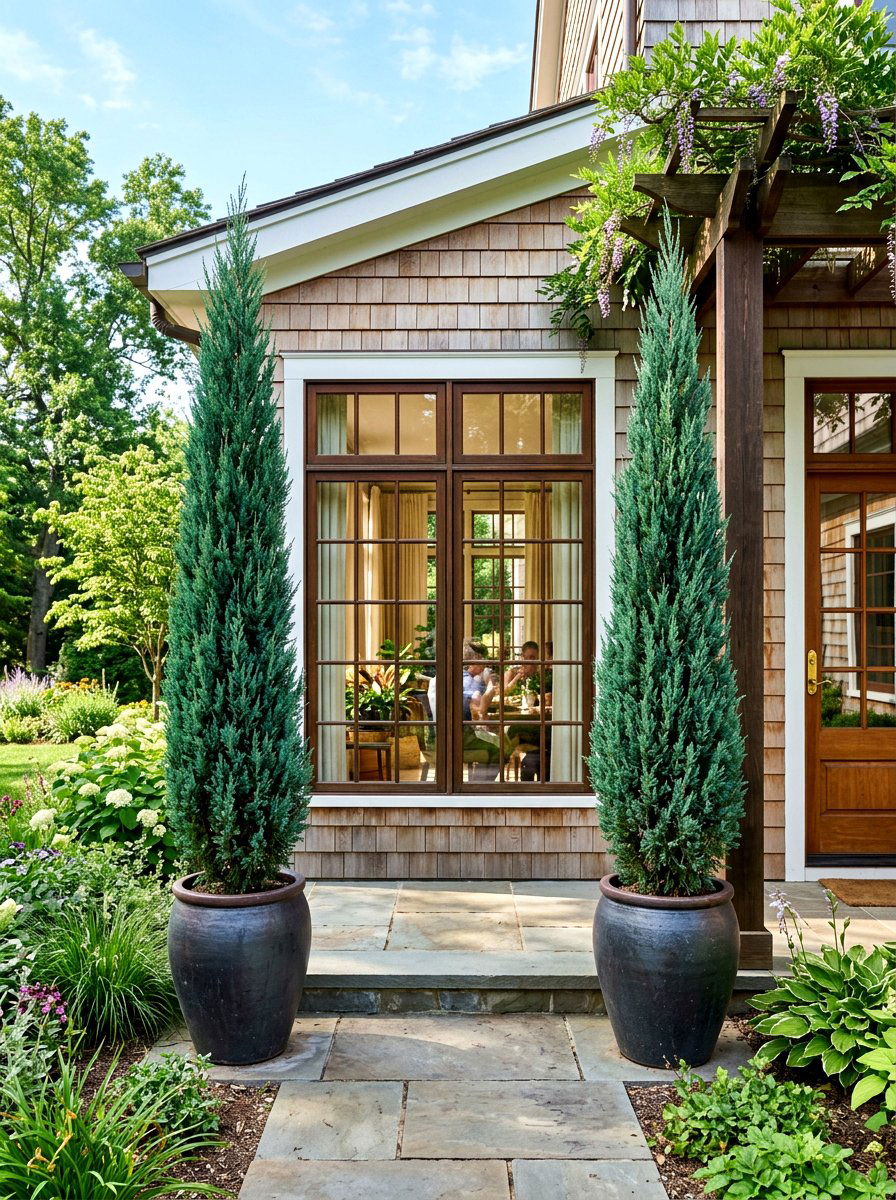
Enhancing your home's exterior starts right at the front door where first impressions are made instantly. Topiaries offer a timeless and sophisticated way to frame your entrance while adding a touch of curated nature to your porch. Whether you prefer the classic look of symmetrical boxwoods or the whimsical charm of tiered spheres, these living sculptures bring structure and life to any architectural style. They serve as year-round anchors for your decor, looking just as beautiful in the bright summer sun as they do under a light dusting of snow. This guide explores a variety of shapes, sizes, and plant types to help you find the perfect greenery for your home. You will discover how different textures and containers can transform a simple shrub into a stunning piece of outdoor art that reflects your personal style.
1. Boxwood Ball Topiary
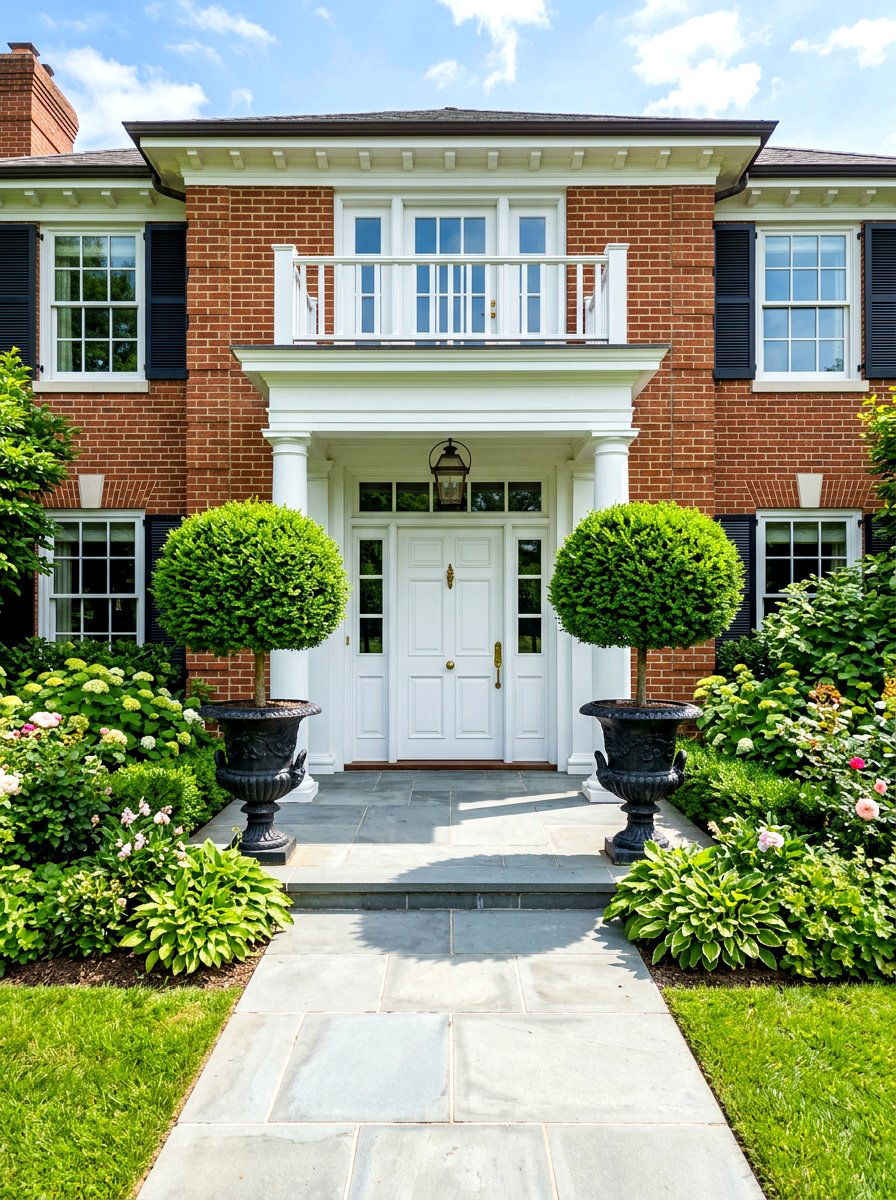
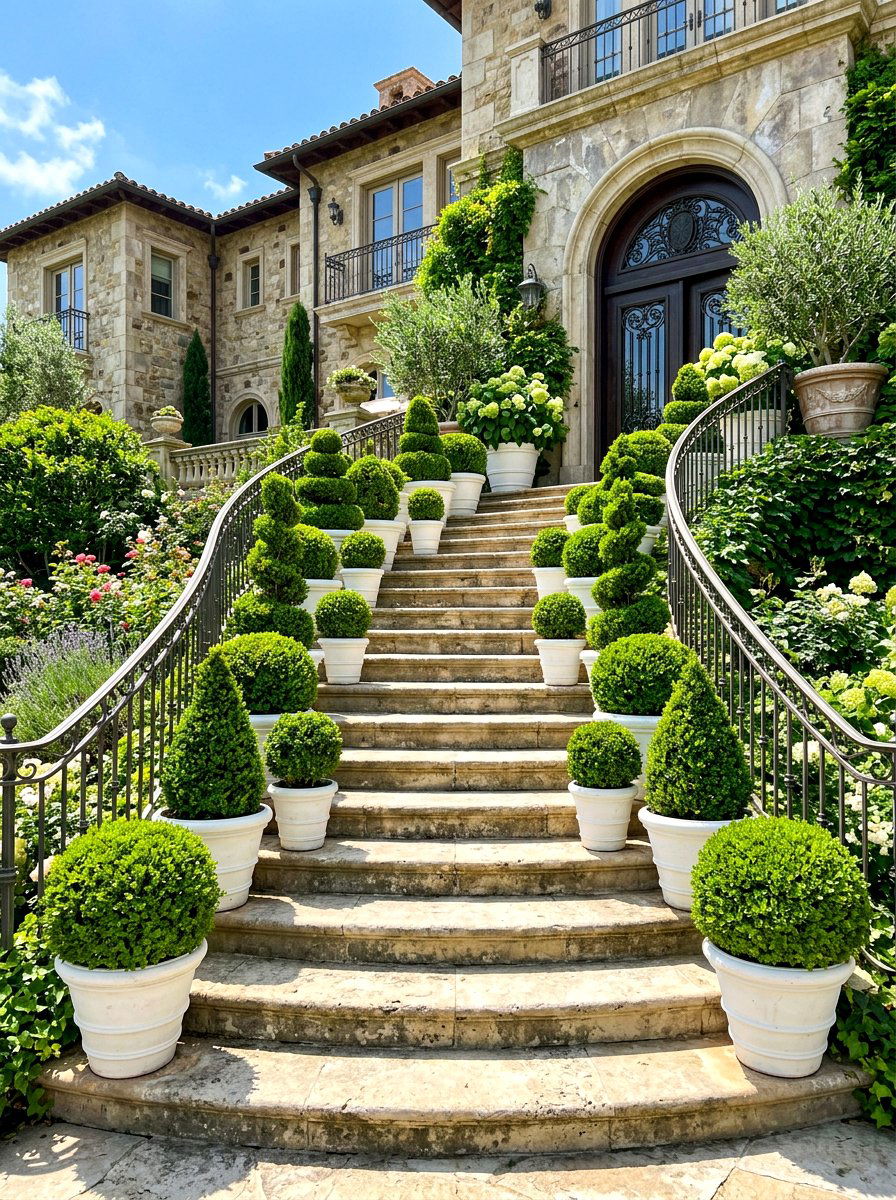
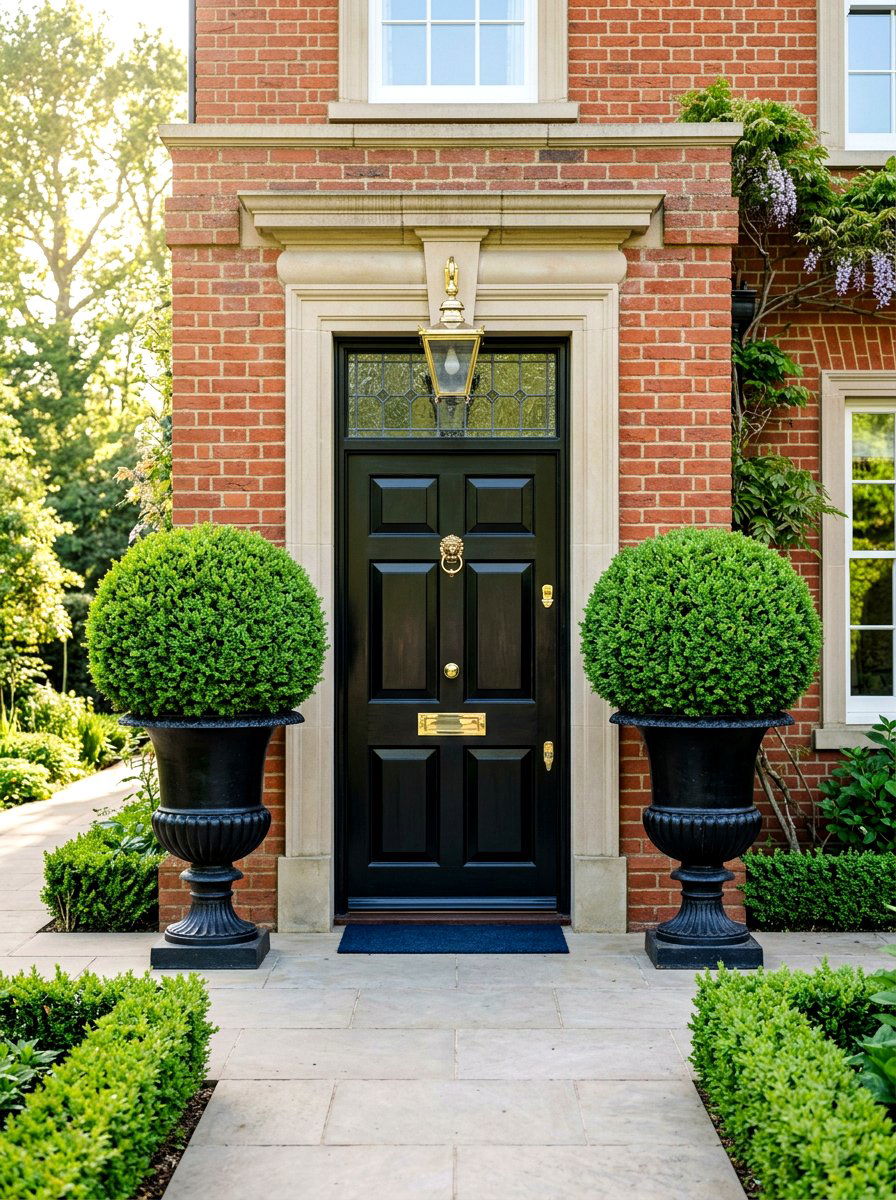
A classic boxwood ball topiary remains one of the most popular choices for homeowners looking to create a clean and polished look. These rounded shrubs offer a sense of order and symmetry that immediately elevates the curb appeal of any residence. When placed in matching pots on either side of the front door, they create a formal greeting that feels both welcoming and upscale. You can find them in various sizes to suit your specific porch dimensions, ensuring they don't overwhelm the space. Their dense evergreen foliage provides consistent color throughout every season, making them a low-maintenance yet high-impact addition to your exterior styling. They work beautifully in traditional black urns or contemporary concrete planters alike.
2. Spiral Boxwood Topiary
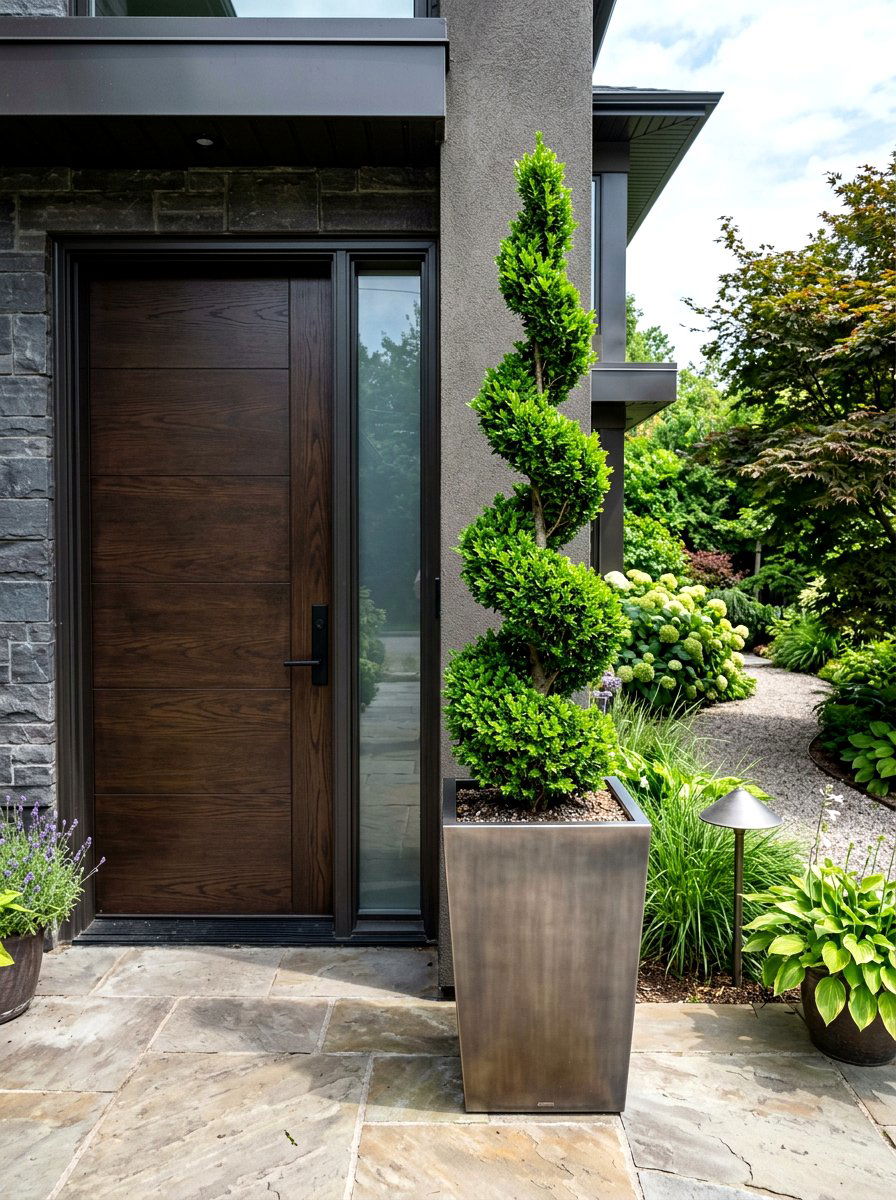
If you want to add some vertical drama to your entryway, a spiral boxwood topiary is an excellent choice. The intricate twisting shape draws the eye upward, making it a perfect companion for tall doorways or homes with high ceilings. These sculpted plants are often viewed as a symbol of elegance and are frequently found in formal gardens. On a porch, they act as living art pieces that break up the straight lines of siding and door frames. You can pair them with ornate stone urns to lean into a traditional aesthetic or choose sleek metal containers for a more contemporary vibe. Regular trimming helps maintain the sharp edges of the spiral, keeping the look crisp and intentional.
3. Double Ball Topiary
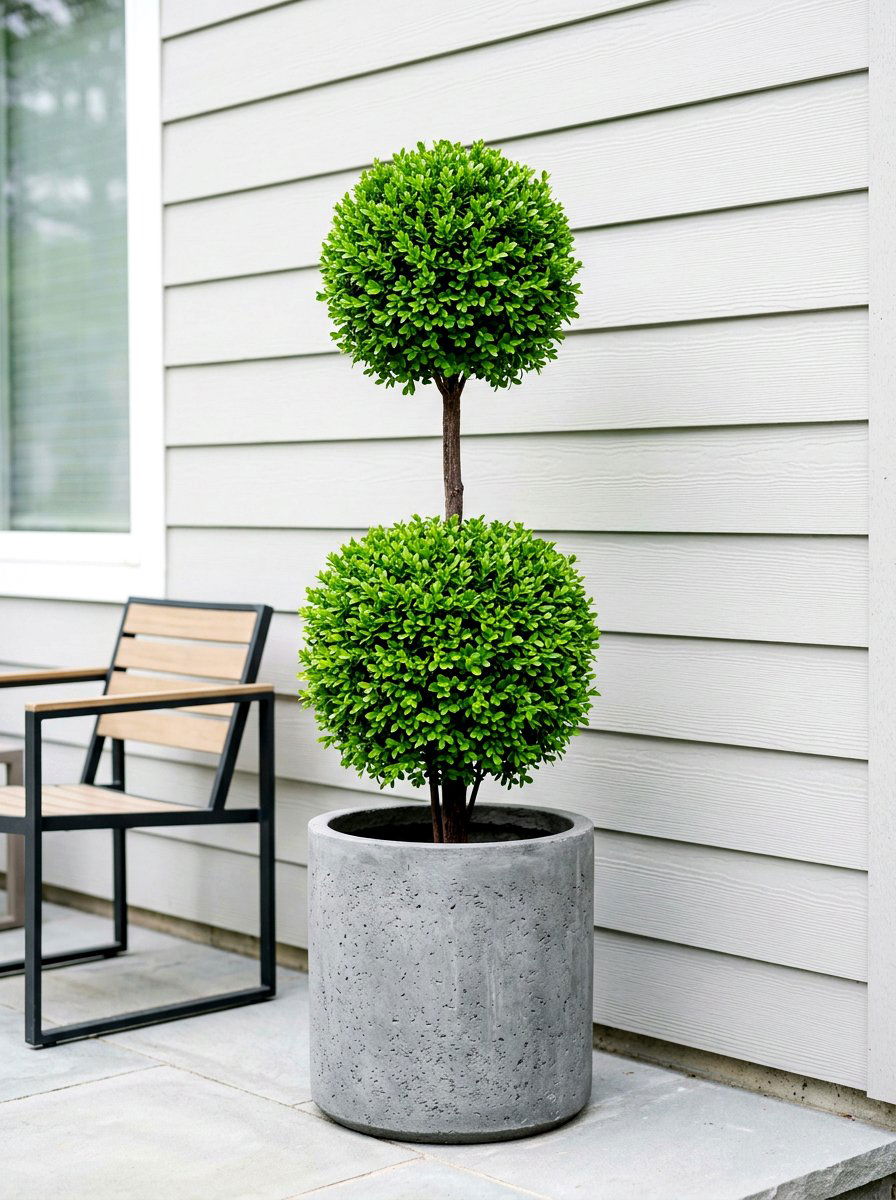
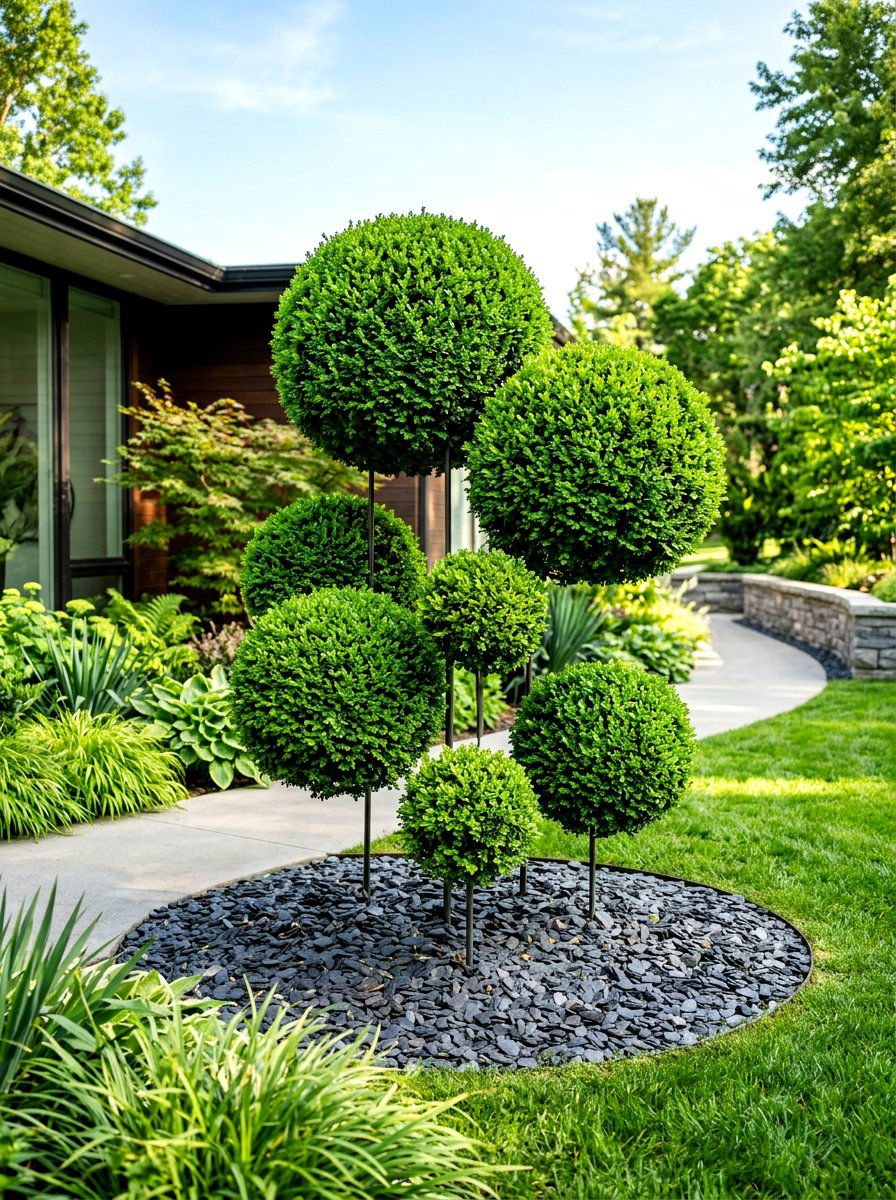
A double ball topiary features two perfectly manicured spheres stacked on a single slender trunk, offering a unique and playful silhouette. This specific style provides more height than a single sphere without the bulk of a full-sized shrub. It works exceptionally well in smaller porch areas where floor space is limited but you still want a significant green presence. The negative space between the two leafy globes adds a layer of visual lightness that keeps the entrance feeling airy. By choosing a stylish planter that complements your home’s trim color, you can create a cohesive and highly intentional look. These look particularly striking when placed against a neutral-colored wall where their shape can truly stand out.
4. Tall Cone Topiary
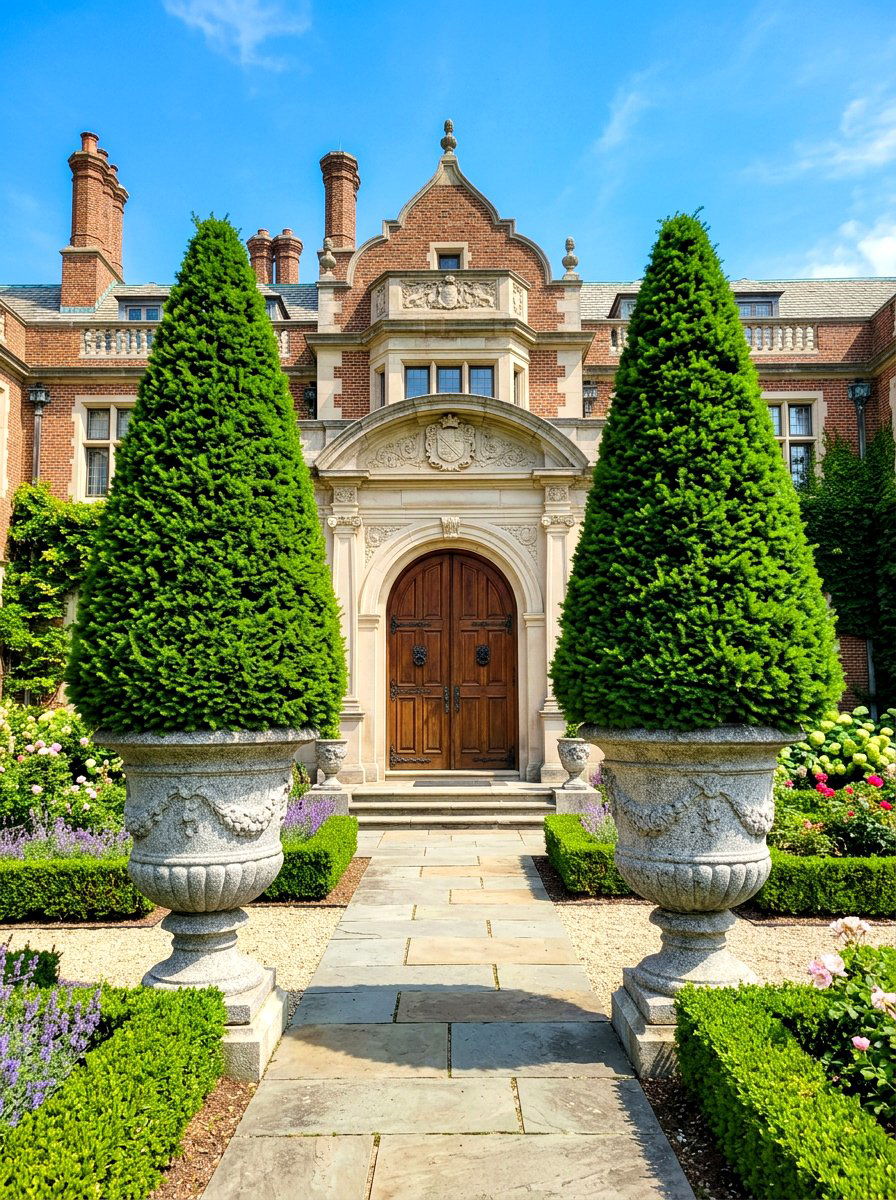
Tall cone topiaries are ideal for adding a sense of grandeur and architectural structure to your front porch. Their pointed tips and sloping sides create a formal appearance that mirrors the peak of a roof or the lines of a grand staircase. Often crafted from dense evergreens like yew or arborvitae, these shapes are sturdy enough to withstand various weather conditions while maintaining their form. They serve as excellent anchors for a larger porch arrangement, providing a steady backdrop for smaller seasonal pots or floral displays. Whether you choose a single large cone or a symmetrical pair, they command attention and suggest a well-cared-for home. These are often used to flank large, heavy wooden doors.
5. Faux Boxwood Topiary
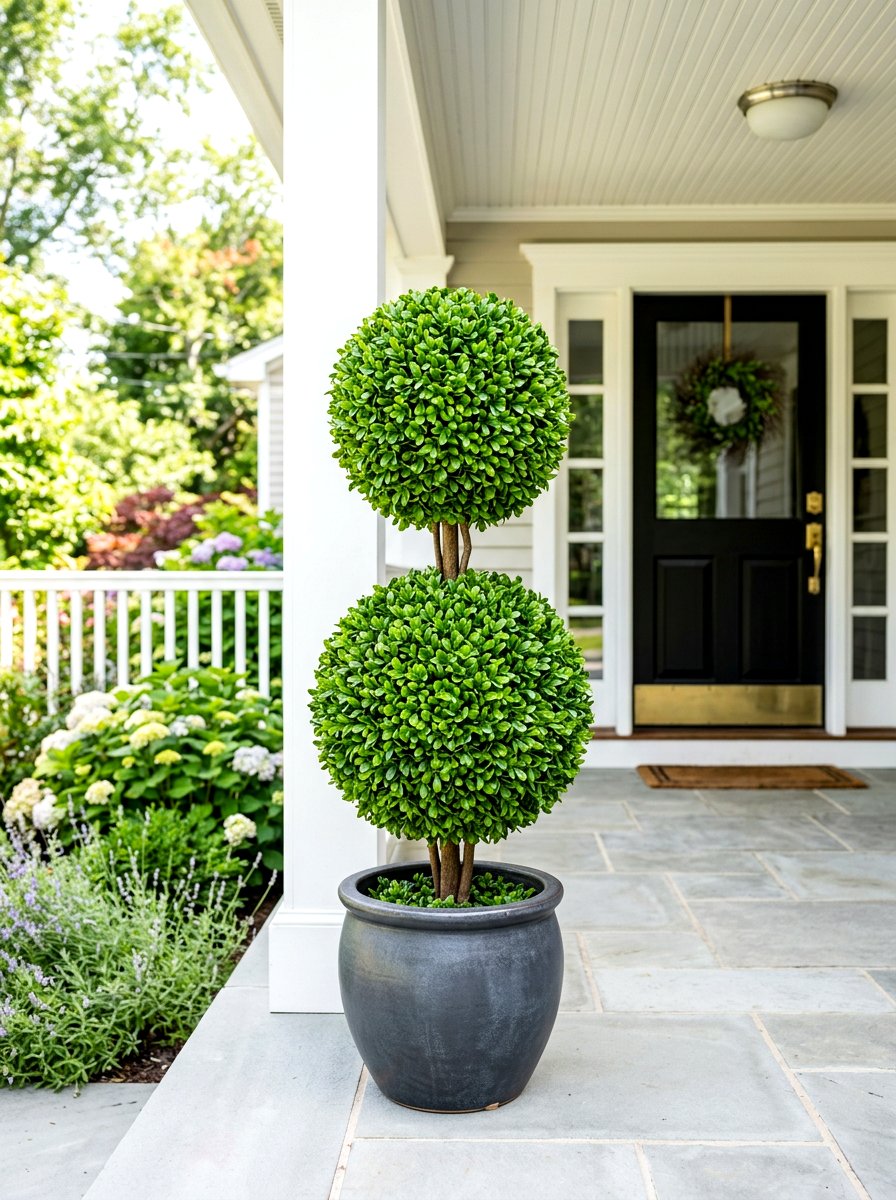
For homeowners who want the aesthetic of perfectly trimmed greenery without the hassle of pruning or watering, a faux boxwood topiary is the perfect solution. Modern artificial versions are incredibly realistic, featuring UV-resistant leaves that stay vibrant even in direct sunlight. These are particularly useful for porches that receive very little light or for people who travel frequently and cannot tend to live plants. You can easily switch them between different decorative containers to update your porch’s look for different seasons. Since they don't grow, you never have to worry about them becoming lopsided or losing their shape. They offer the ultimate convenience while maintaining a high-end appearance that looks indistinguishable from the real thing.
6. Potted Cedar Topiary
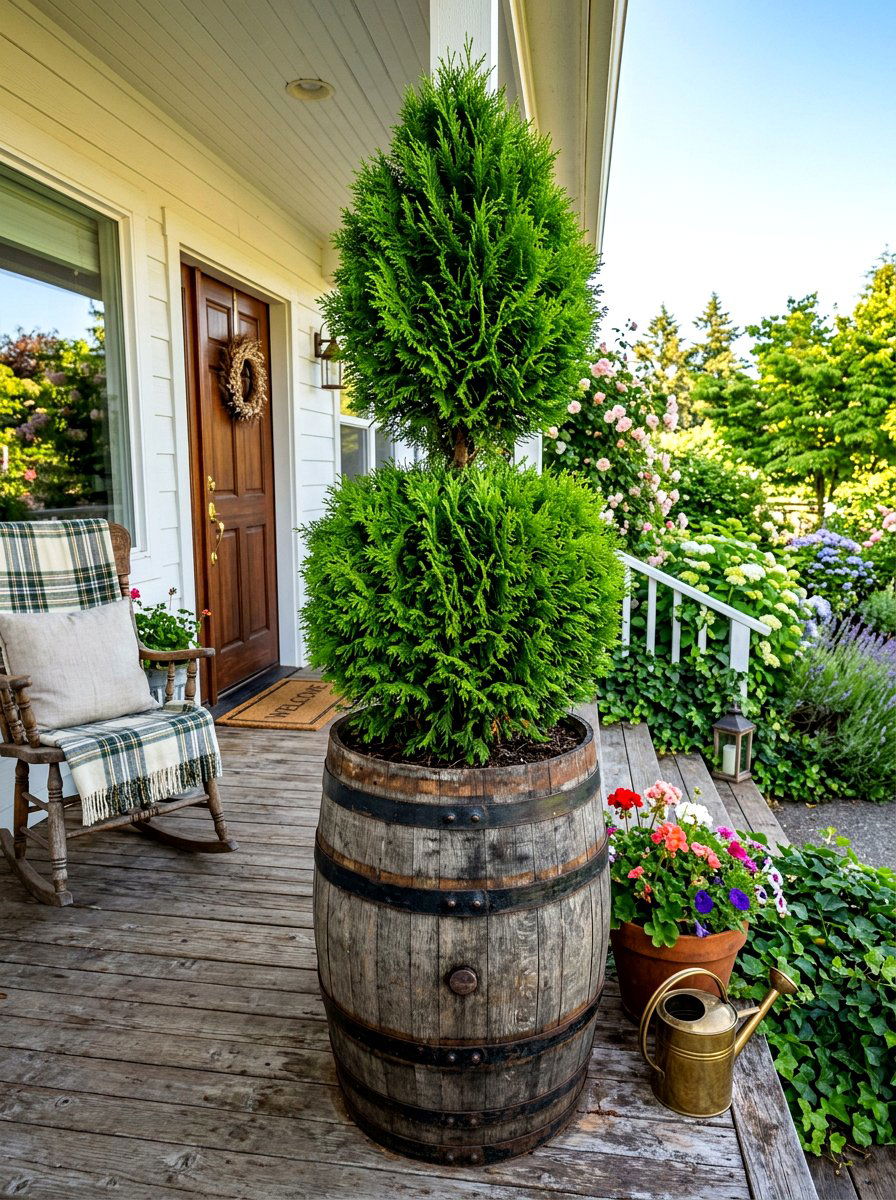
Potted cedar topiaries bring a rugged yet refined natural element to your front entrance. Known for their feathery texture and deep green hue, cedars provide a different visual weight compared to the small, shiny leaves of a boxwood. These are often shaped into soft cones or tiered columns, offering a more relaxed take on the traditional topiary. They are exceptionally hardy and can tolerate colder climates, making them a great year-round option for northern regions. The scent of fresh cedar also adds a pleasant sensory experience for anyone walking up to your door. Placing them in rustic wooden barrels or textured ceramic pots enhances their natural, earthy charm while keeping the porch looking neat.
7. Lavender Topiary Tree
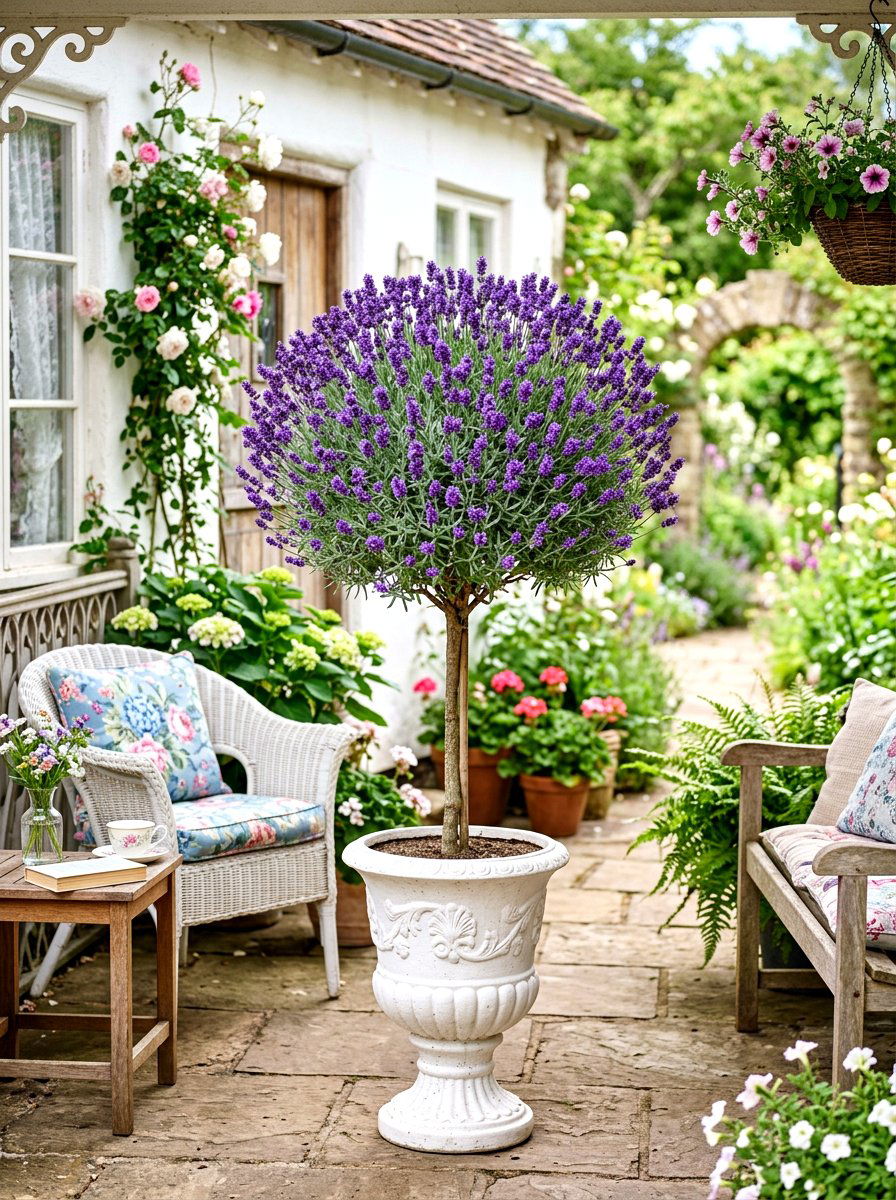
A lavender topiary tree is a delightful way to introduce both color and fragrance to your front porch. Unlike traditional evergreens, these topiaries bloom with soft purple flowers during the warmer months, creating a romantic and whimsical atmosphere. They are typically trained into a "standard" shape, which looks like a lollipop with a bushy top on a thin stem. This allows you to plant smaller flowers or herbs at the base of the same pot for a layered look. Lavender thrives in sunny spots, so this is an ideal choice for south-facing porches. The silvery-green foliage remains attractive even when the plant is not in bloom, providing a soft contrast to darker porch materials.
8. Rosemary Topiary Plant
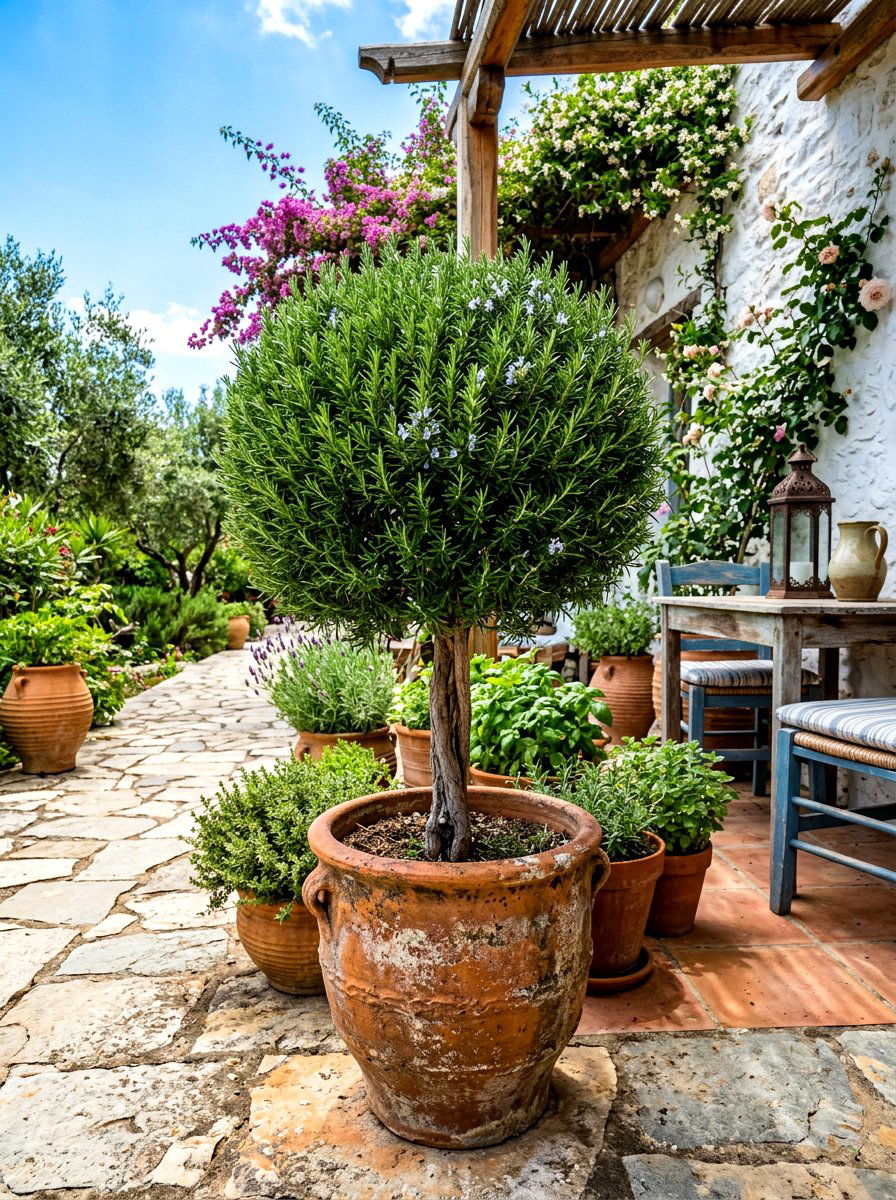
Choosing a rosemary topiary plant for your porch combines beauty with practical utility. These herbs are easily trained into spheres or cones and possess a wonderful, savory aroma that greets guests as they arrive. The needle-like leaves offer a fine texture that looks sophisticated in a variety of planter styles, from aged terracotta to modern zinc. Rosemary is quite resilient and can handle a bit of wind, which is often a factor on open porches. Since it is an edible herb, you can also snip off a few sprigs for your cooking while you are out enjoying the fresh air. It is a multitasking plant that adds a Mediterranean touch to your home’s exterior.
9. Triple Ball Topiary
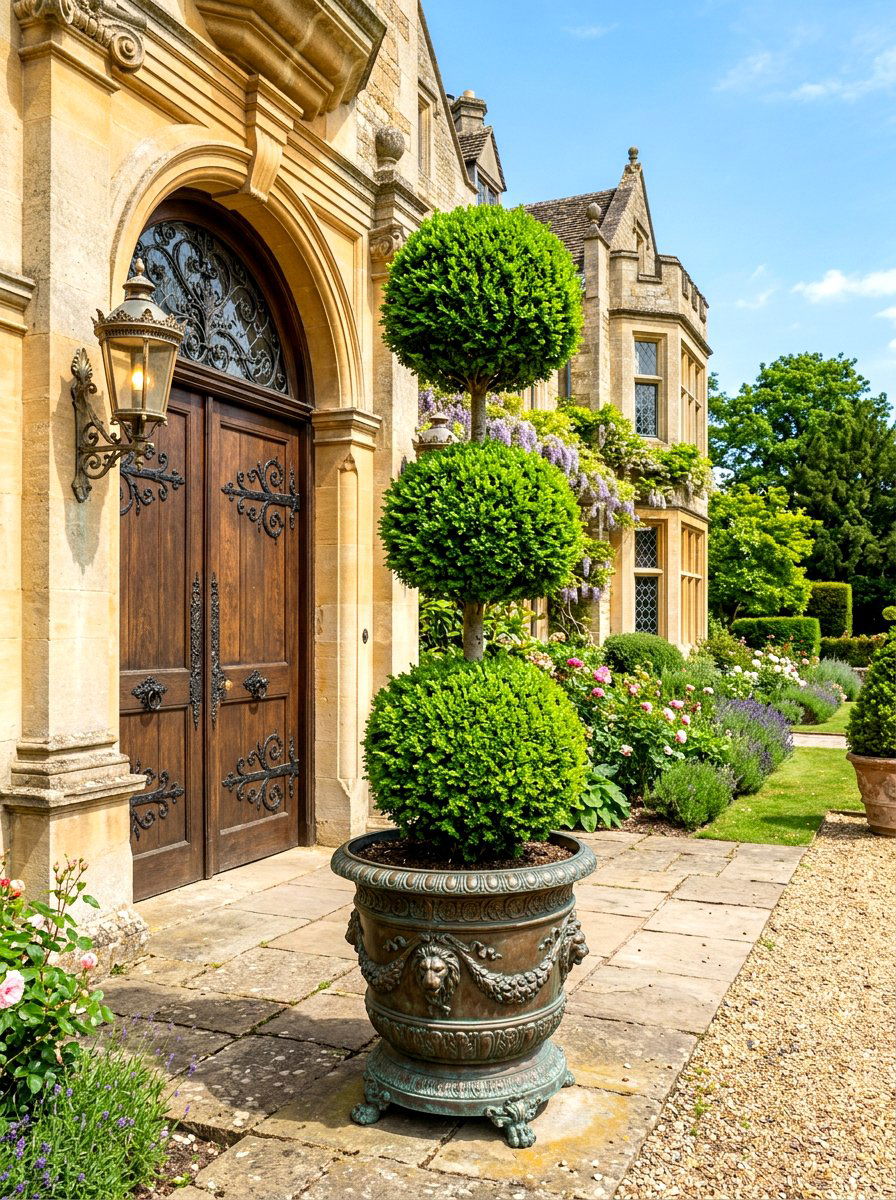
The triple ball topiary is a true statement piece that adds significant vertical interest and a touch of whimsy. With three spheres of varying or equal sizes stacked atop one another, it creates a rhythmic and sculptural effect. This style is perfect for flanking a wide entryway where you need a bit more visual "heft" to balance the architectural elements. Because they are quite tall, they help bridge the gap between the ground and the porch ceiling, making the space feel more enclosed and cozy. These are often seen in high-end estates and luxury hotels because of their complex and impressive appearance. They look best when kept in heavy, stable planters to prevent tipping in the wind.
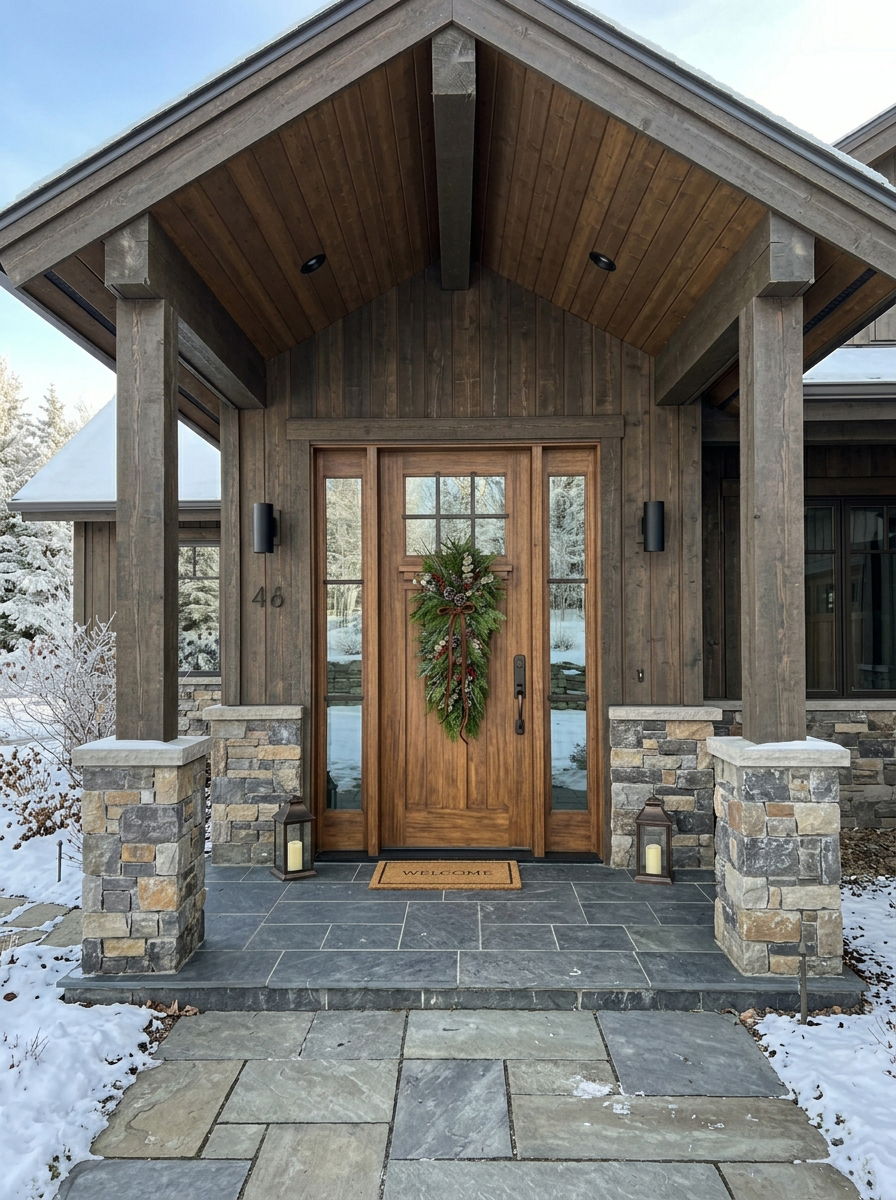
10. Pyramid Boxwood Topiary
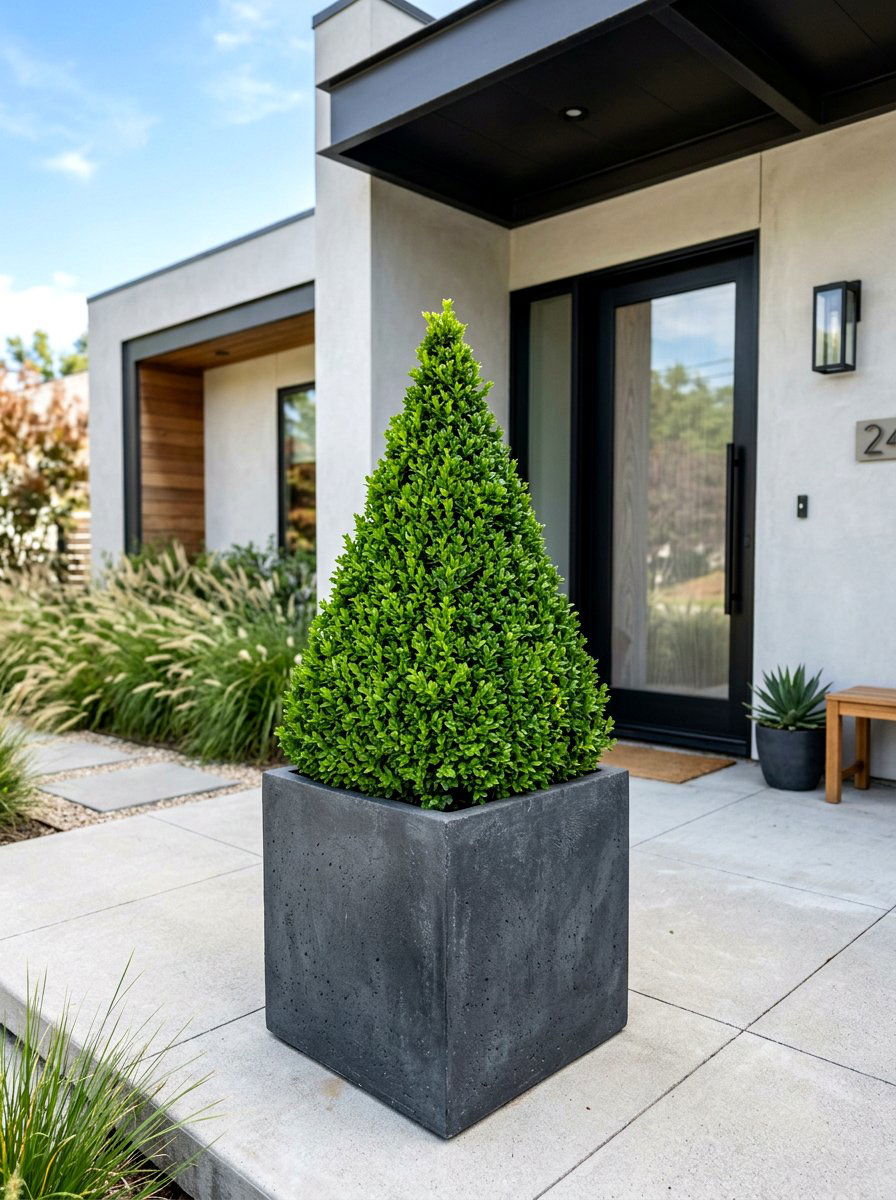
A pyramid boxwood topiary offers a sharp, geometric look that is slightly more modern than the traditional cone. The flat sides and clear edges give it a very architectural feel, making it a great match for contemporary or mid-century modern home designs. This shape is incredibly satisfying to look at because of its precision and balance. When used in a minimalist porch setting, a pair of these can act as the sole decorative element, proving that less is often more. They are especially effective when placed in square or rectangular planters that mirror their sharp lines. Keeping them tightly clipped is key to preserving the striking silhouette that makes this design so unique and appealing.
11. Square Topiary Planter
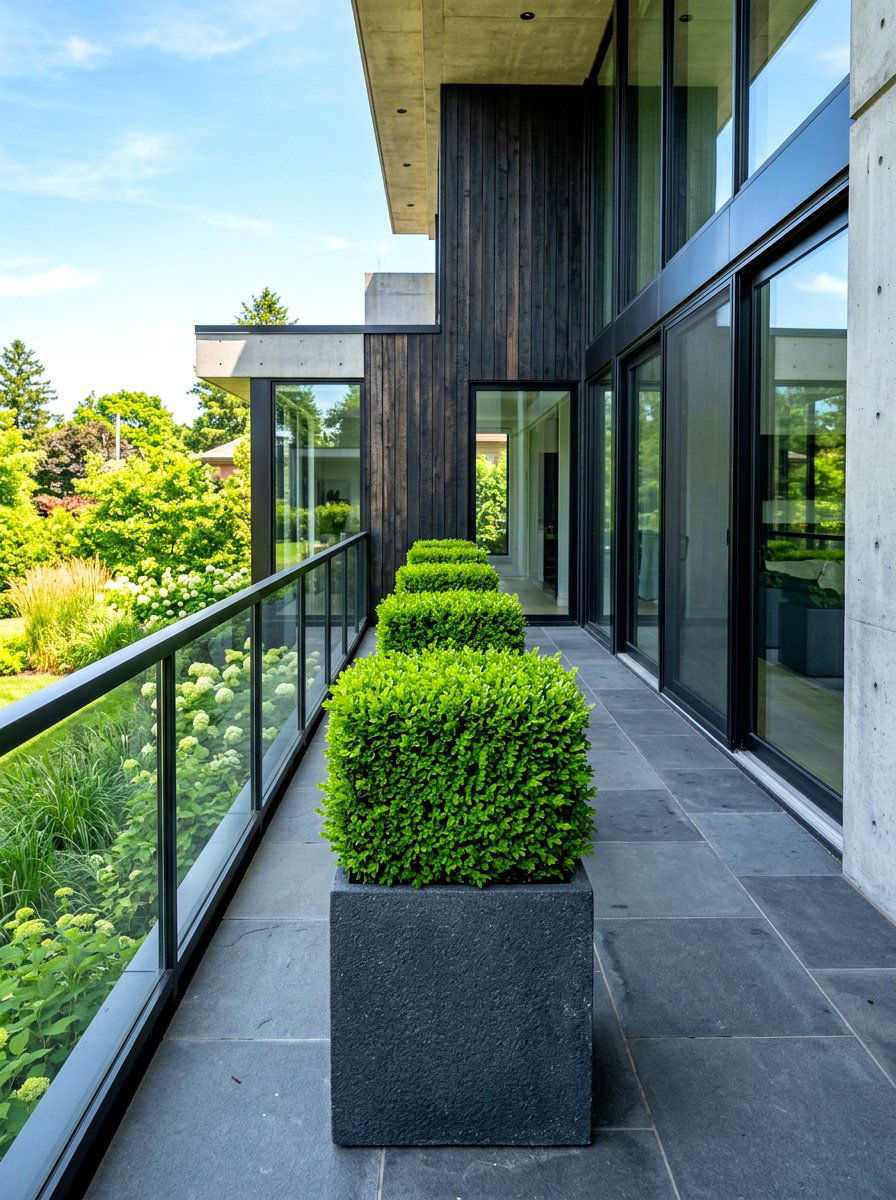
Focusing on a square topiary planter approach allows you to emphasize geometric precision and modern style. Instead of the typical rounded shapes, these topiaries are pruned into perfect cubes or rectangular blocks. This look is very popular in urban settings or with homes that feature clean, straight lines and industrial materials. Cubed topiaries look fantastic when lined up in a row along the edge of a porch or used as "bookends" for a bench. The flat surfaces catch the light differently than rounded forms, highlighting the dense texture of the leaves. Pairing these with minimalist black or charcoal pots creates a sophisticated, high-contrast look that feels very current and expertly designed.
12. Artificial Topiary With Lights
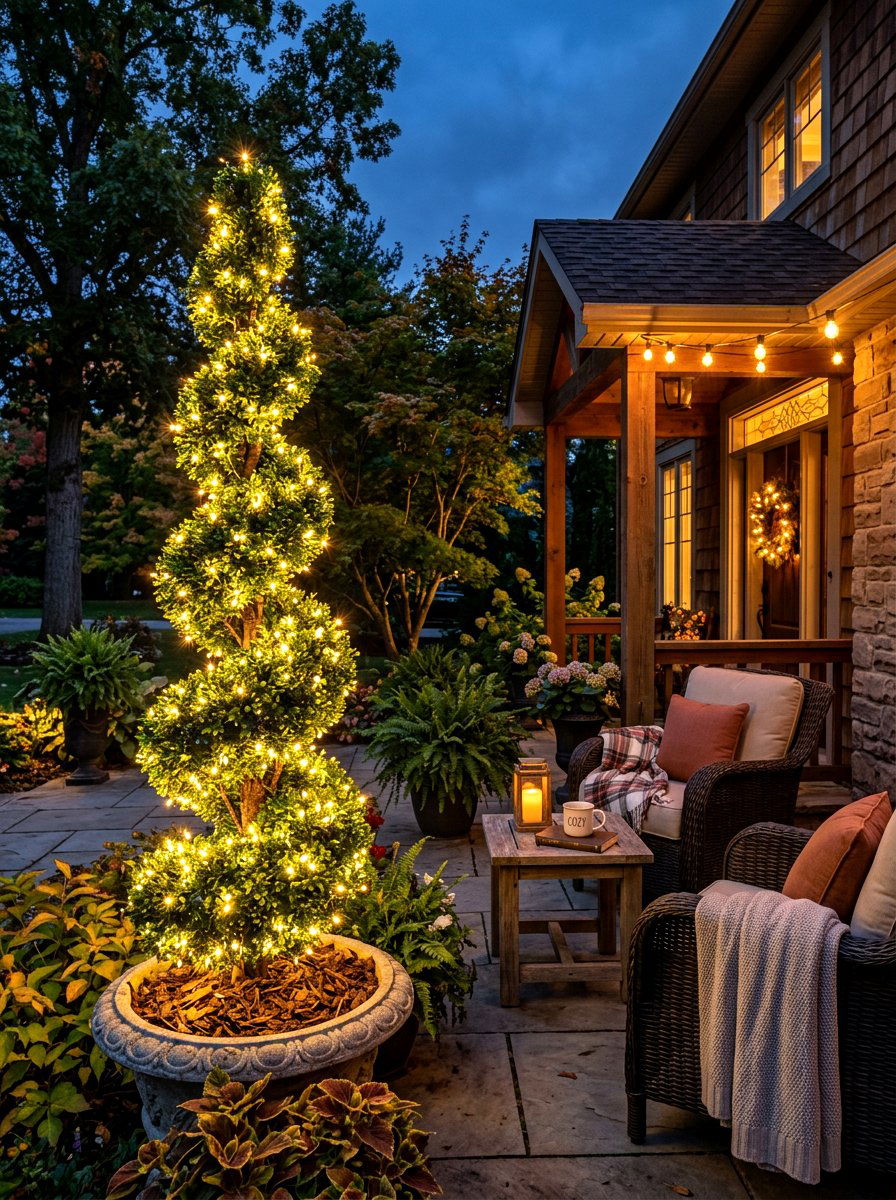
An artificial topiary with lights is a brilliant way to ensure your front porch looks inviting even after the sun goes down. Many high-quality faux topiaries come pre-lit with small, sparkling LED lights nestled among the branches. This adds a magical glow to your entrance and enhances the security of your home by providing extra illumination. During the winter months, these can serve as festive holiday decor, but they are subtle enough to be used year-round for a cozy ambiance. Since they are artificial, you don't have to worry about the lights affecting the health of the plant or dealing with messy wires during watering. They offer a "set it and forget it" solution for beautiful nighttime curb appeal.
13. Large Outdoor Topiary
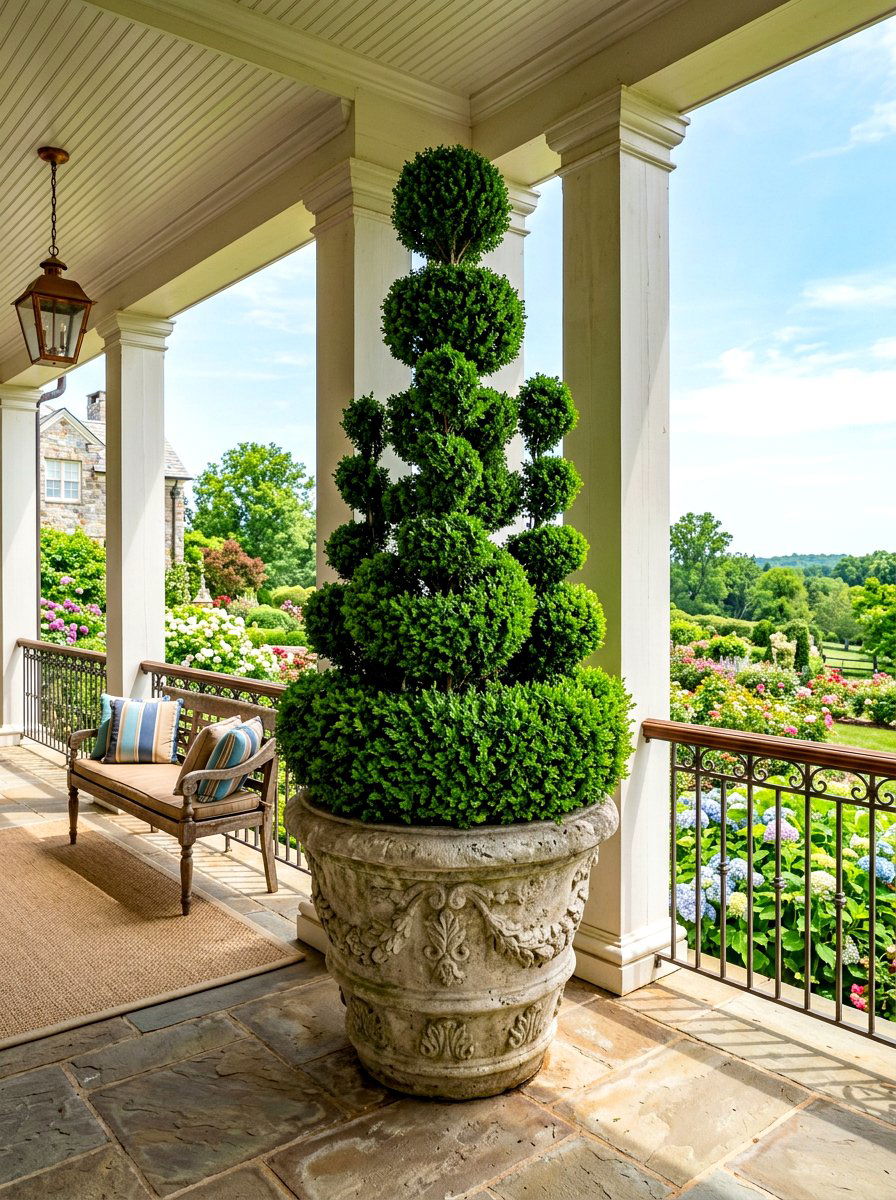
When you have a spacious porch or a grand entryway, a large outdoor topiary can serve as a magnificent focal point. These oversized plants, often standing five feet or taller, command attention and create a sense of established luxury. They are effective at filling empty corners that might otherwise look barren or unfinished. Choosing a large-scale topiary allows you to play with more complex shapes, such as massive tiers or wide spirals, that wouldn't be possible on a smaller scale. Because of their size, they require substantial planters that provide both aesthetic weight and physical stability. A single large topiary can often do the work of several smaller plants, creating a more impactful and less cluttered look.
14. Small Porch Topiary
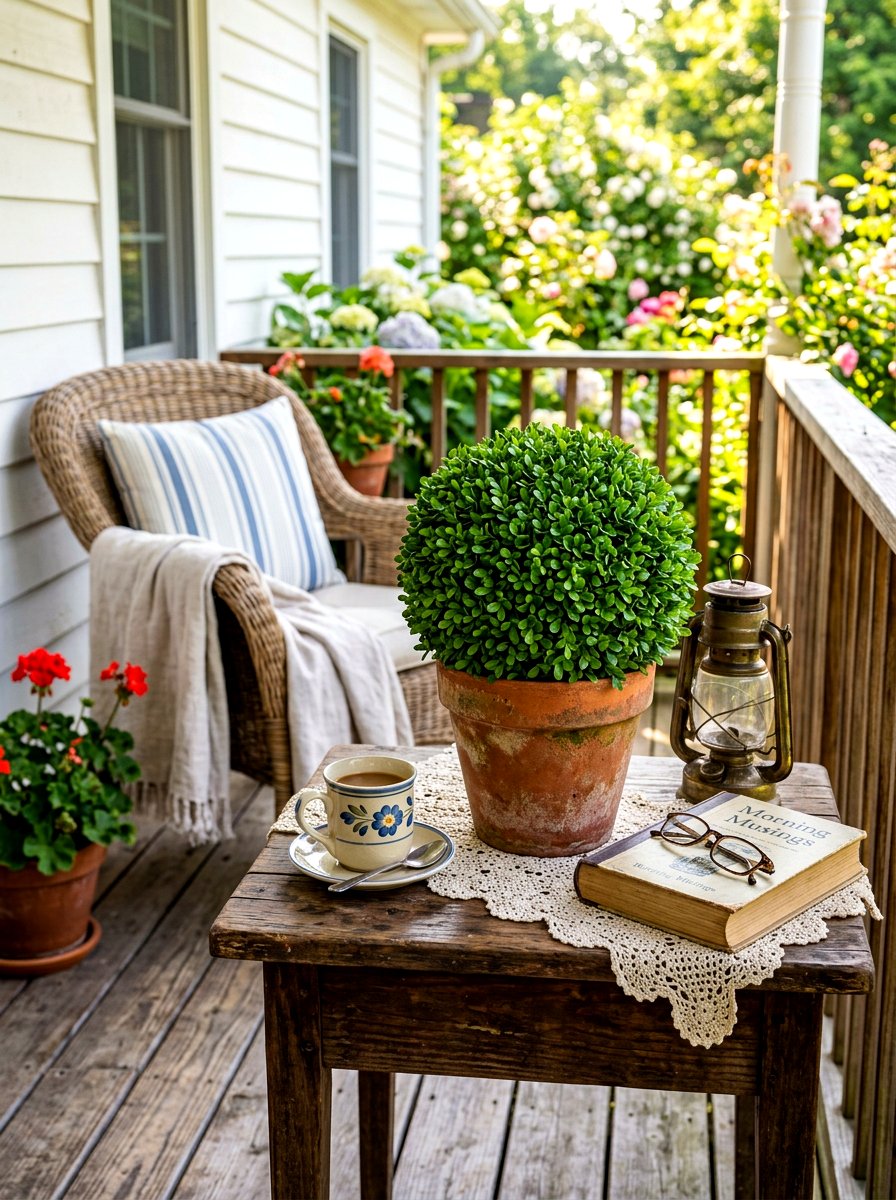
For those with limited space, a small porch topiary provides all the charm and sophistication of the larger versions without cramping the area. These miniature trees or shrubs are perfect for sitting on a side table, a windowsill, or flanking a small door. You can choose from tiny boxwood globes, dwarf spruce cones, or small ivy-covered wire frames. Their compact size makes them very easy to move around, allowing you to refresh your porch layout whenever you like. Despite their small stature, they still provide a punch of green and a sense of deliberate design. They also make wonderful gifts for neighbors or friends who want to start their own collection of curated porch greenery.
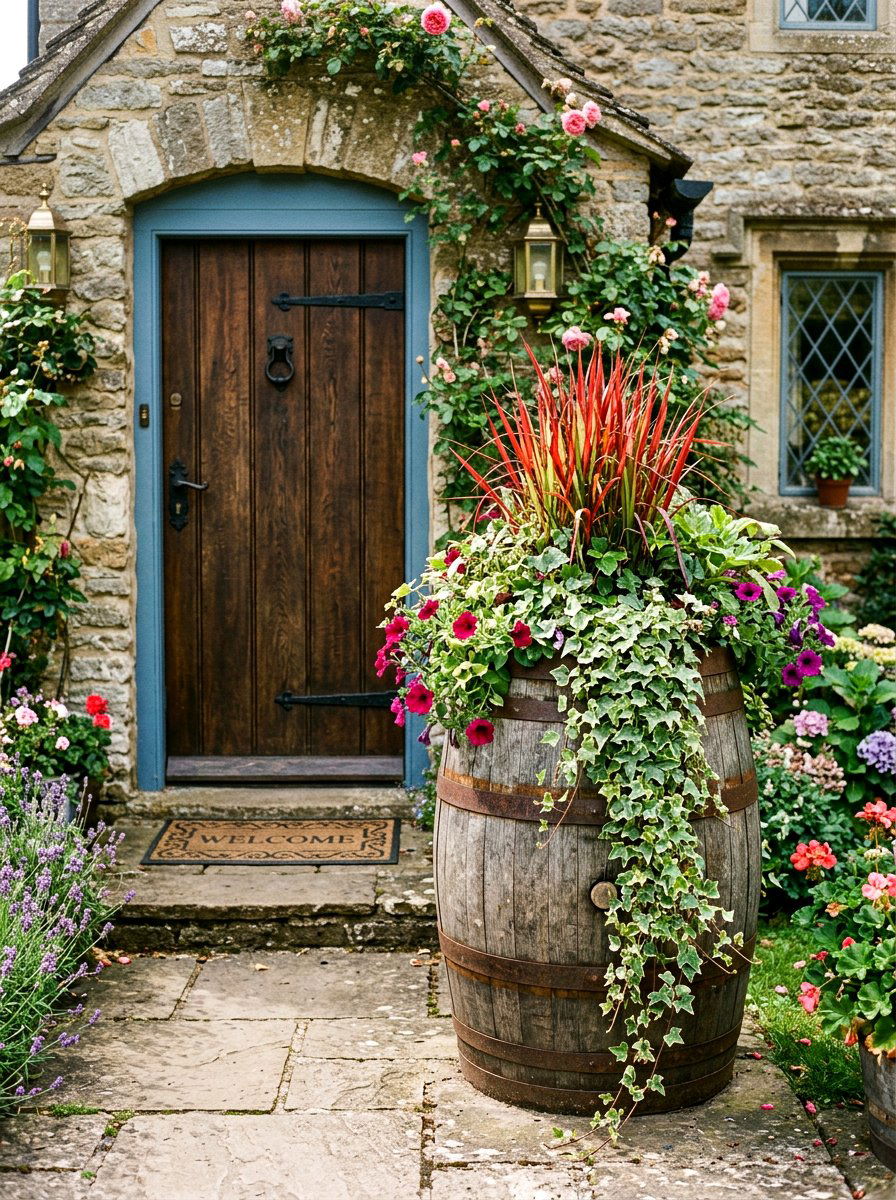
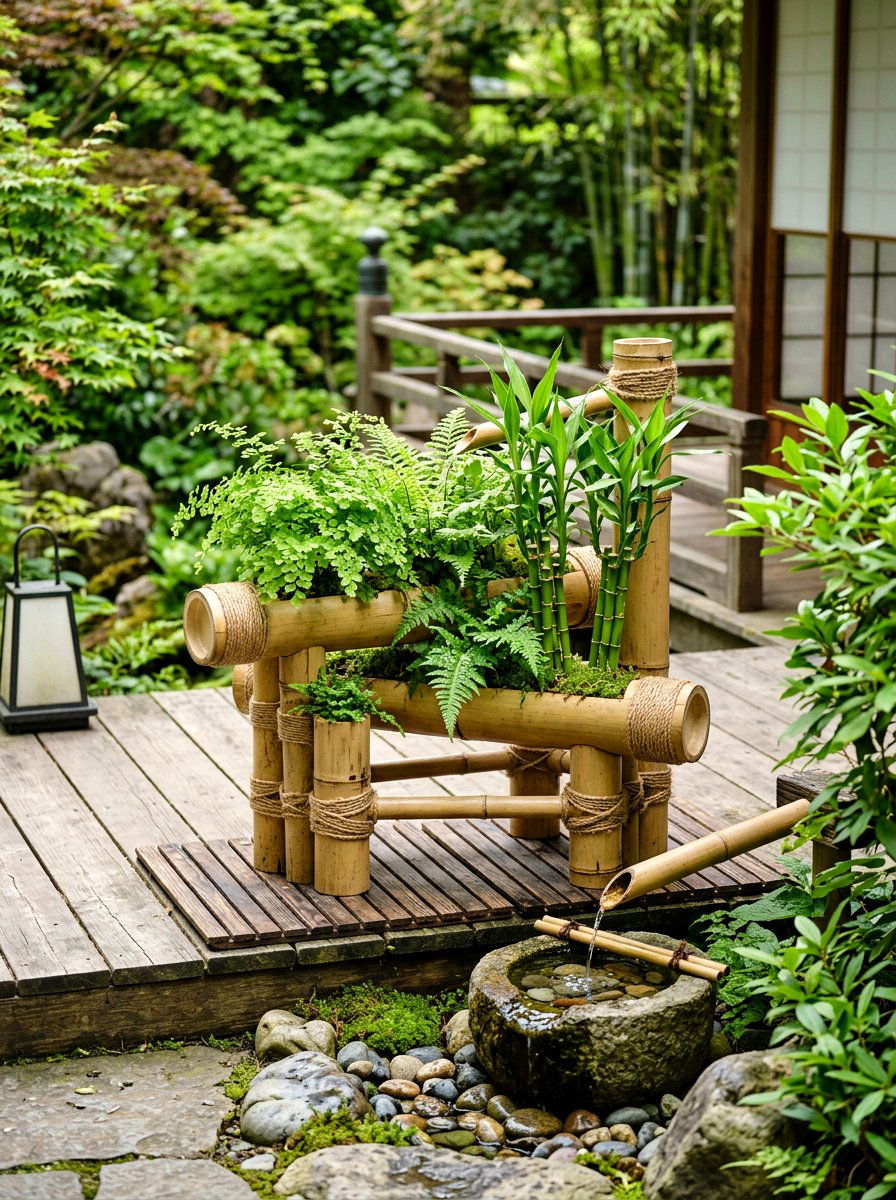
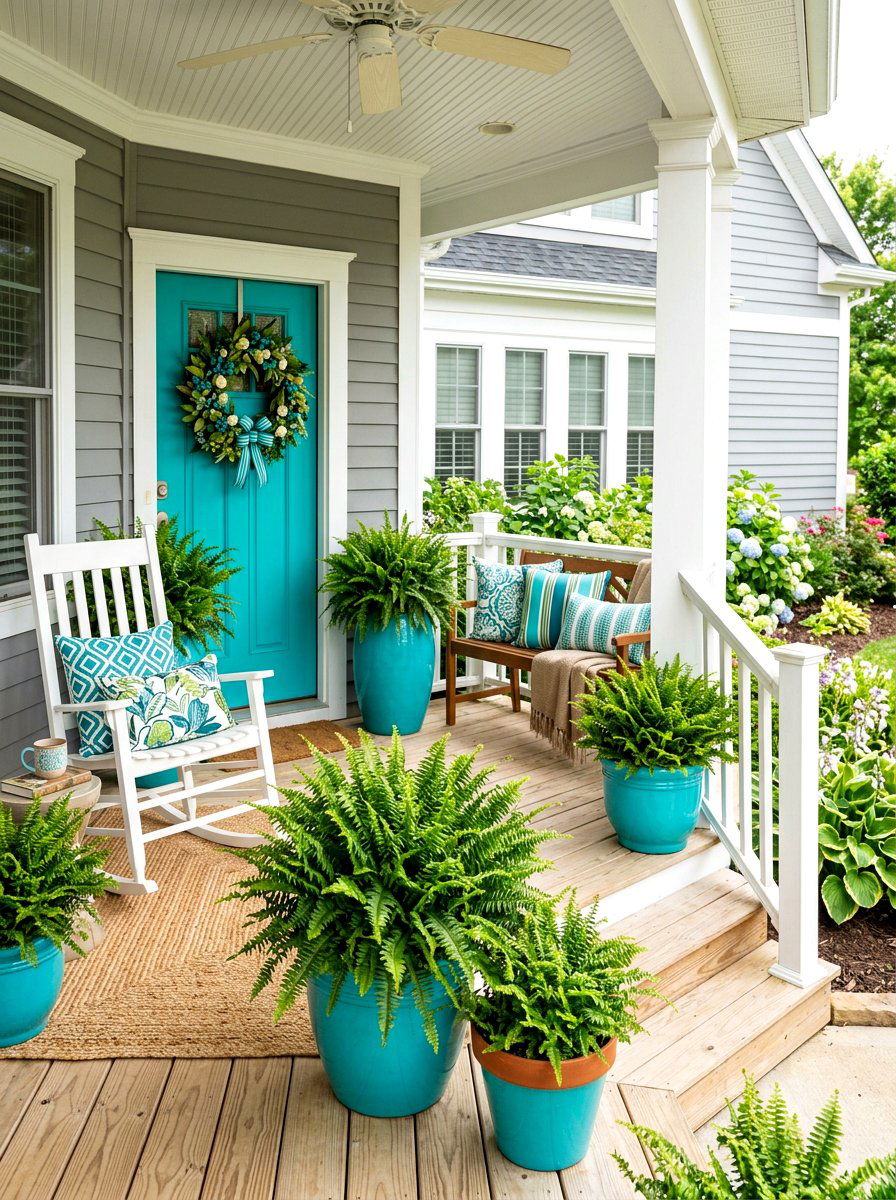
15. Symmetrical Entrance Topiary
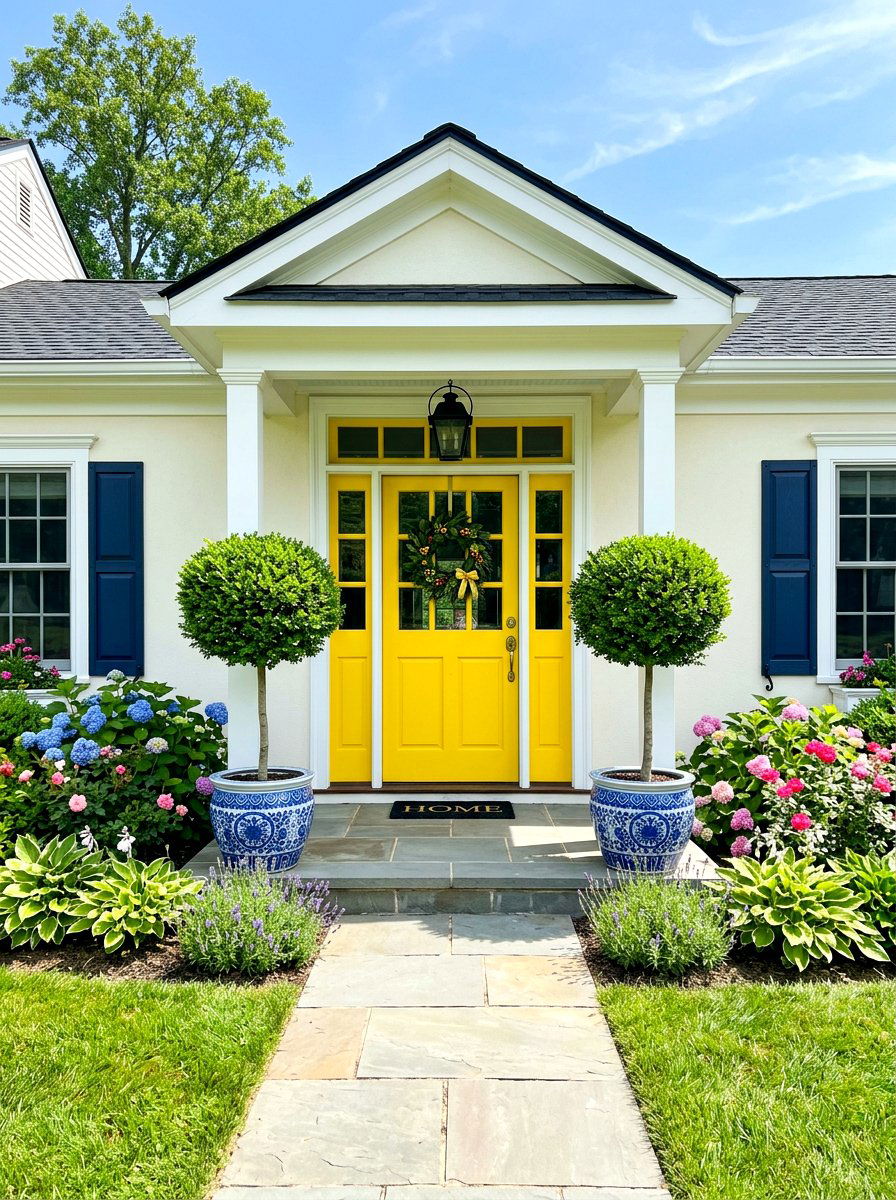
Creating a symmetrical entrance topiary arrangement is the ultimate way to achieve a formal and balanced look. By placing identical topiaries in matching pots on either side of your door, you create a visual frame that leads the eye directly to the entrance. This classic design technique has been used for centuries to create a sense of harmony and prestige. It suggests an attention to detail and a love for traditional aesthetics. To keep the symmetry perfect, ensure both plants receive the same amount of light and water so they grow at the same rate. This simple yet effective strategy works with almost any topiary shape, from simple balls to complex spirals, and instantly boosts your home's professional look.
16. Modern Minimalist Topiary
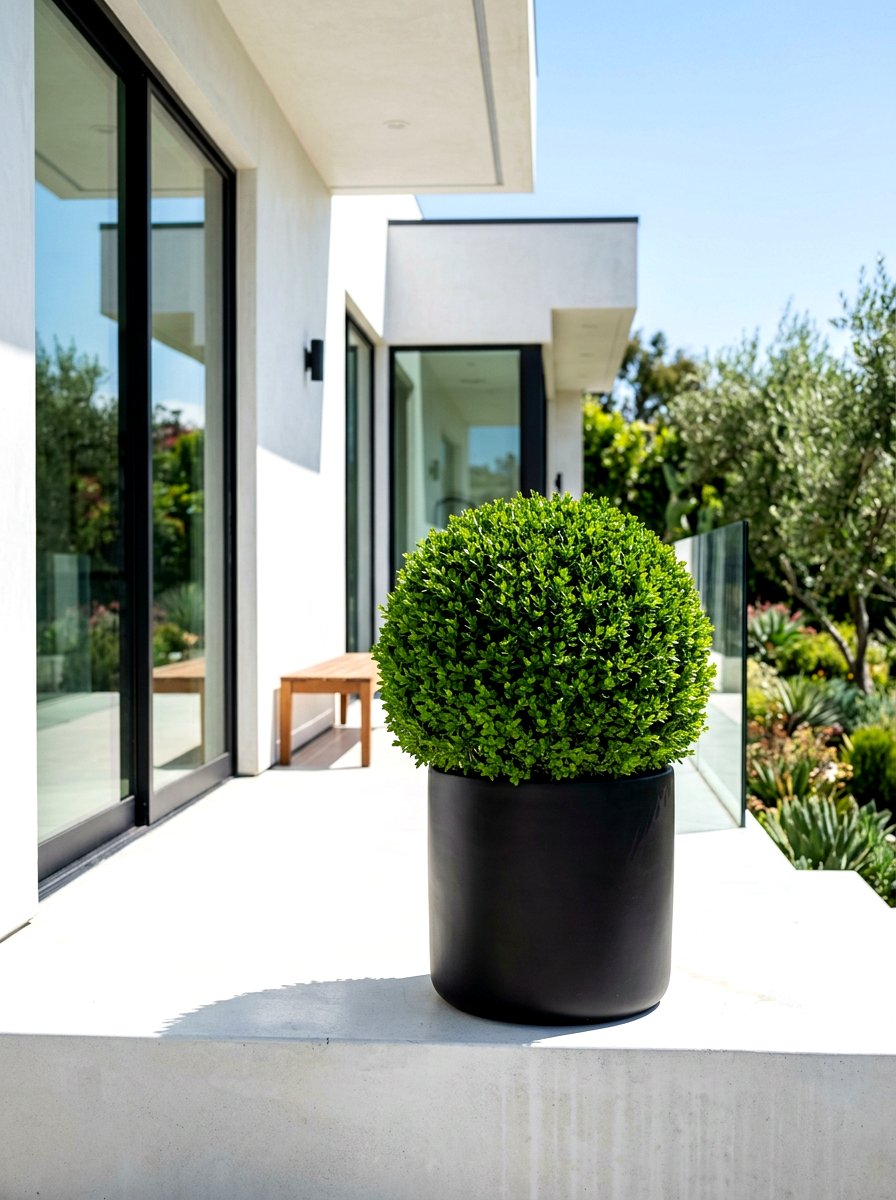
A modern minimalist topiary focuses on stark shapes and clean lines to create a high-fashion outdoor look. This style often utilizes unconventional plants or extremely sharp pruning to achieve a look that feels more like a sculpture than a traditional garden element. You might see a single, perfectly smooth sphere in a sleek, monochromatic pot with no other decorations. The key to this aesthetic is the quality of the plant and the container, as there are no other distractions. It works beautifully with modern architecture featuring glass, steel, or smooth concrete. By limiting the color palette to greens, blacks, and grays, you create a sophisticated and calm atmosphere that feels very intentional and contemporary.
17. Classic Stone Urn Topiary
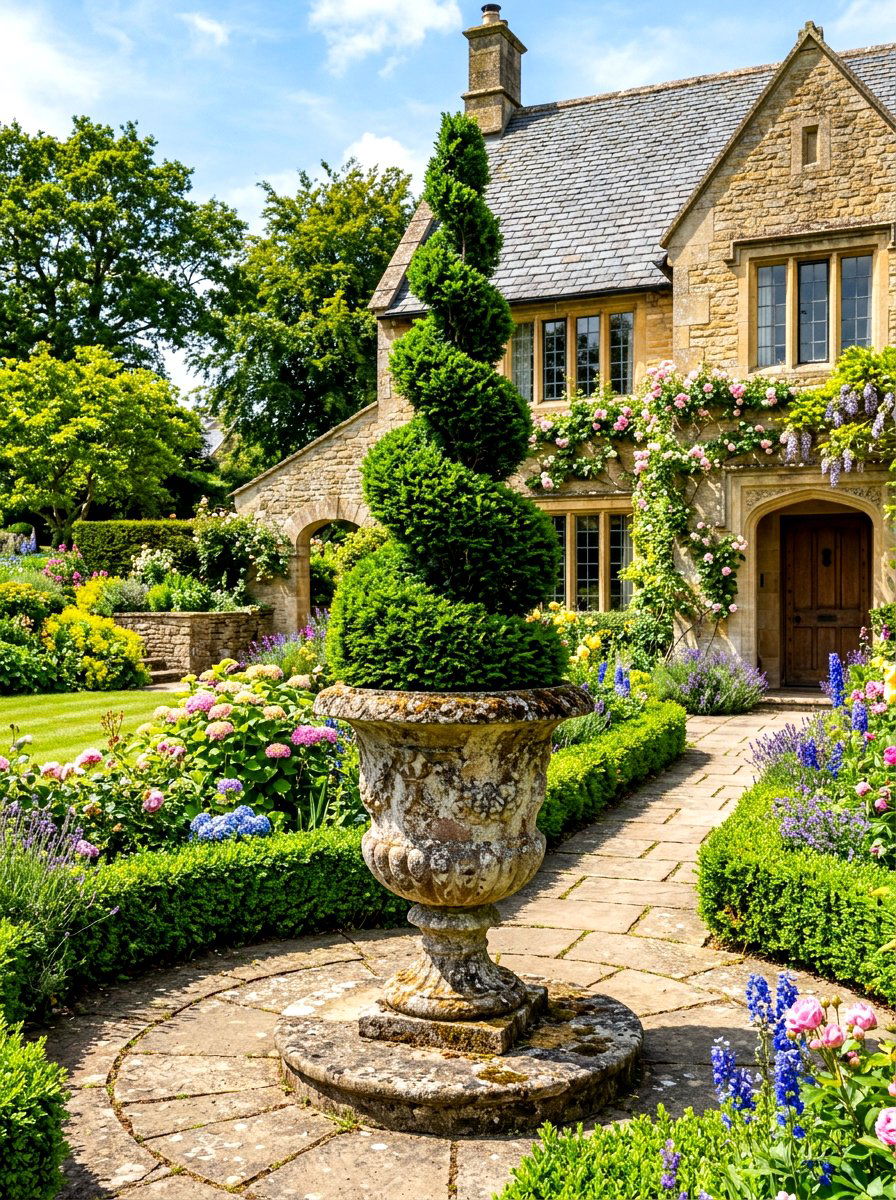
Pairing a topiary with a classic stone urn is a design choice that never goes out of style. The weight and texture of the stone provide a perfect pedestal for a manicured plant, evoking the feeling of an old European estate. Whether the urn is made of real limestone, cast concrete, or a high-quality resin that mimics stone, it adds an air of permanence and history to your porch. Spirals and tiered balls look particularly good in these containers, as the flowing lines of the urn complement the sculpted greenery. Over time, stone containers can develop a beautiful patina or mossy growth, which only adds to the character and charm of your front entrance display.
18. Farmhouse Wooden Box Topiary
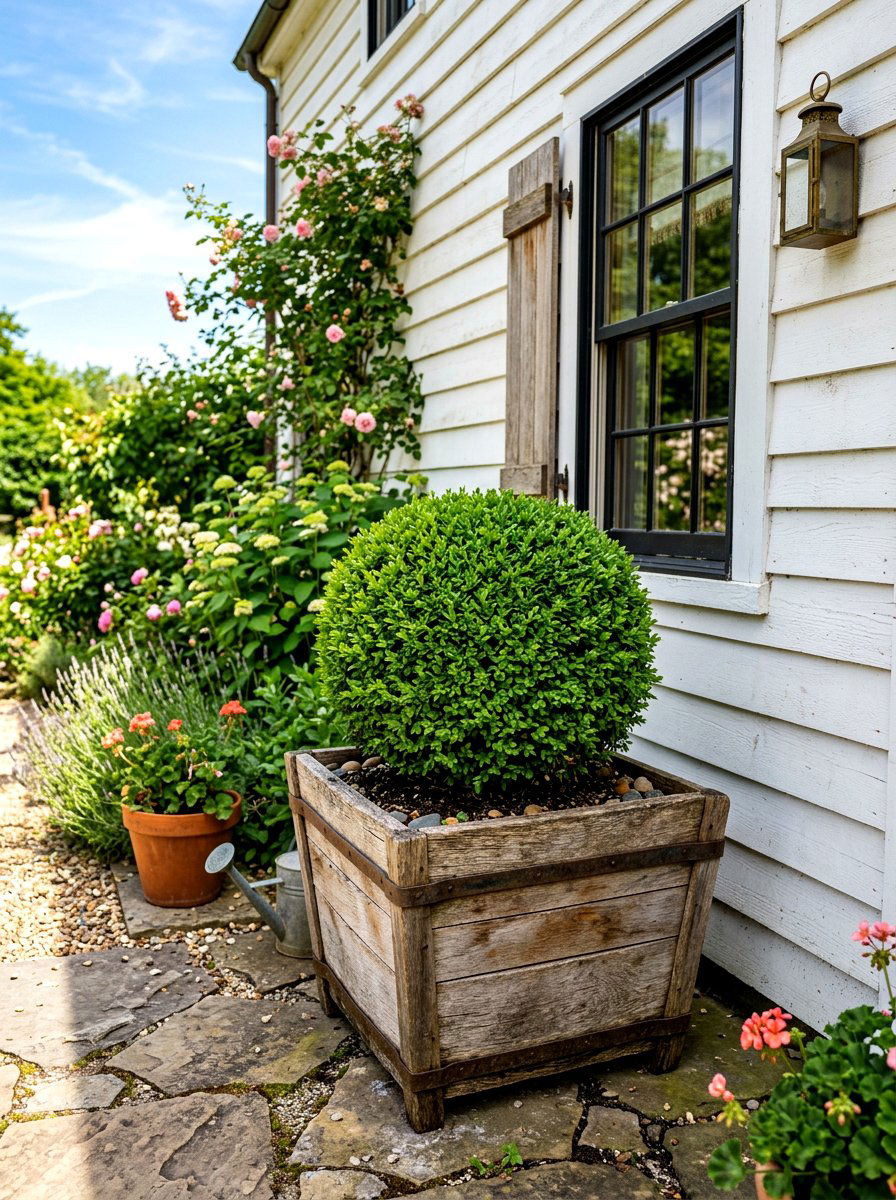
For a more relaxed and cozy vibe, a farmhouse wooden box topiary is the way to go. These planters, often made from reclaimed wood or cedar planks, provide a warm, organic feel that contrasts beautifully with the precise shape of the topiary. This look is perfect for homes with a rustic or "modern farmhouse" aesthetic. You can leave the wood natural for a weathered look or paint it white or black to match your home's trim. A simple boxwood ball or a conical spruce fits perfectly inside these square containers. The combination of the rigid wooden box and the soft, leafy topiary creates a balanced and welcoming look that feels both curated and comfortable for guests.
19. Colorful Flower Topiary
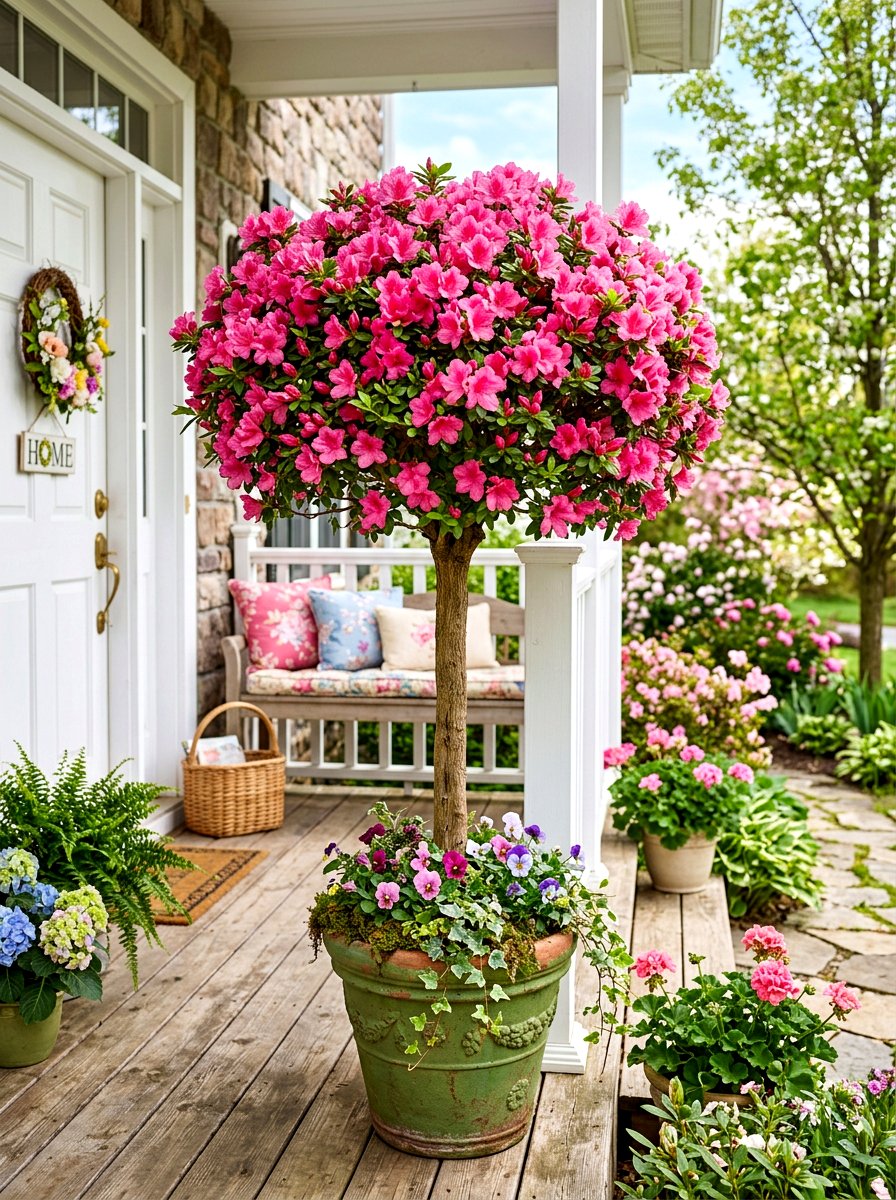
A colorful flower topiary breaks the tradition of all-greenery displays by incorporating vibrant blooms into the sculpted form. This can be achieved by using flowering shrubs like azaleas or camellias that are trained into a standard tree shape. Alternatively, you can use a wire frame covered in moss and plant colorful annuals like petunias or pansies all over its surface. This results in a living sculpture of solid color that looks absolutely stunning during the peak of the growing season. It adds a cheerful and energetic touch to your front porch, making it stand out in the neighborhood. These require a bit more maintenance in terms of deadheading and watering, but the visual payoff is well worth the extra effort.
20. Ivy Ball Topiary
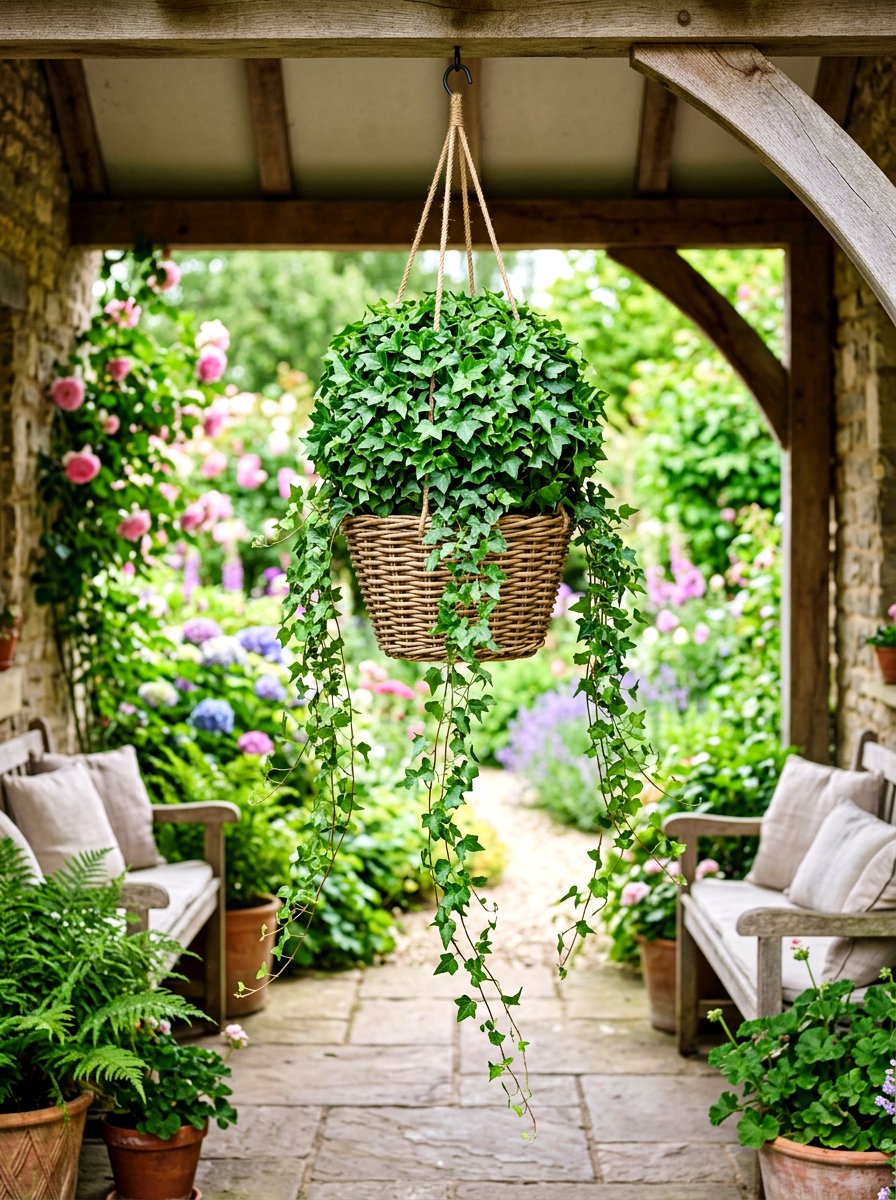
An ivy ball topiary offers a softer, more textured appearance compared to the dense foliage of a boxwood. These are often created by training fast-growing ivy vines over a spherical wire frame. The result is a lush, leafy globe with trailing pieces that add a bit of movement and romantic charm. Ivy is very versatile and can handle different light conditions, making it a reliable choice for various porch types. You can even find variegated varieties with white or yellow edges on the leaves for extra visual interest. Because ivy grows quickly, you can easily maintain the shape with a pair of scissors, and the vines will quickly fill in any gaps for a full, healthy look.
21. Myrtle Topiary Tree
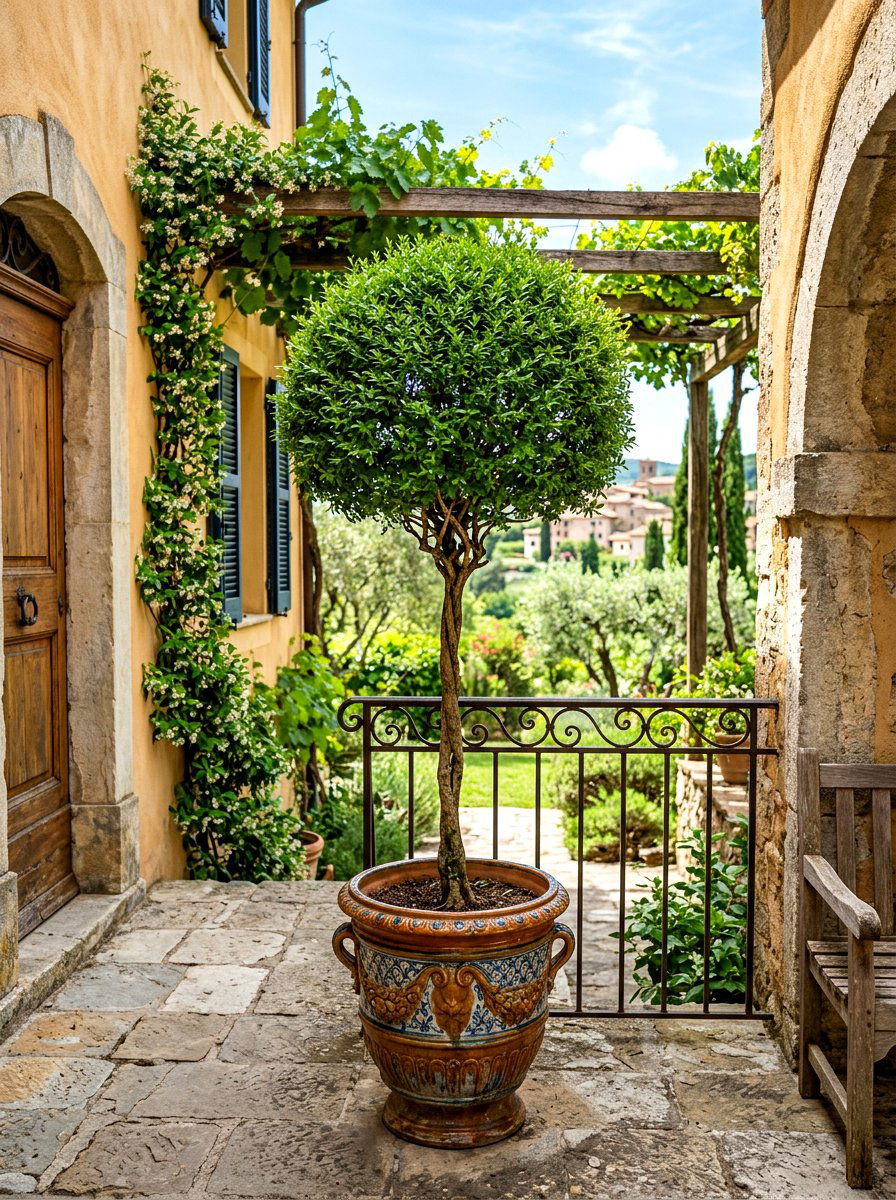
Myrtle topiary trees have been a staple of elegant gardening since ancient times and bring a delicate, fine-textured look to your porch. These plants feature small, aromatic leaves and can produce tiny white flowers, adding a layer of subtle beauty. They are typically grown as "standards" with a bushy round head and a clean, straight trunk. Myrtle topiaries feel very sophisticated and are often associated with Mediterranean or classic European design. They prefer a bit of protection from harsh winds and extreme cold, so they are best suited for covered porches or milder climates. Their refined appearance makes them a perfect choice for homeowners who appreciate the smaller details and a sense of horticultural history.
22. Cypress Spiral Topiary
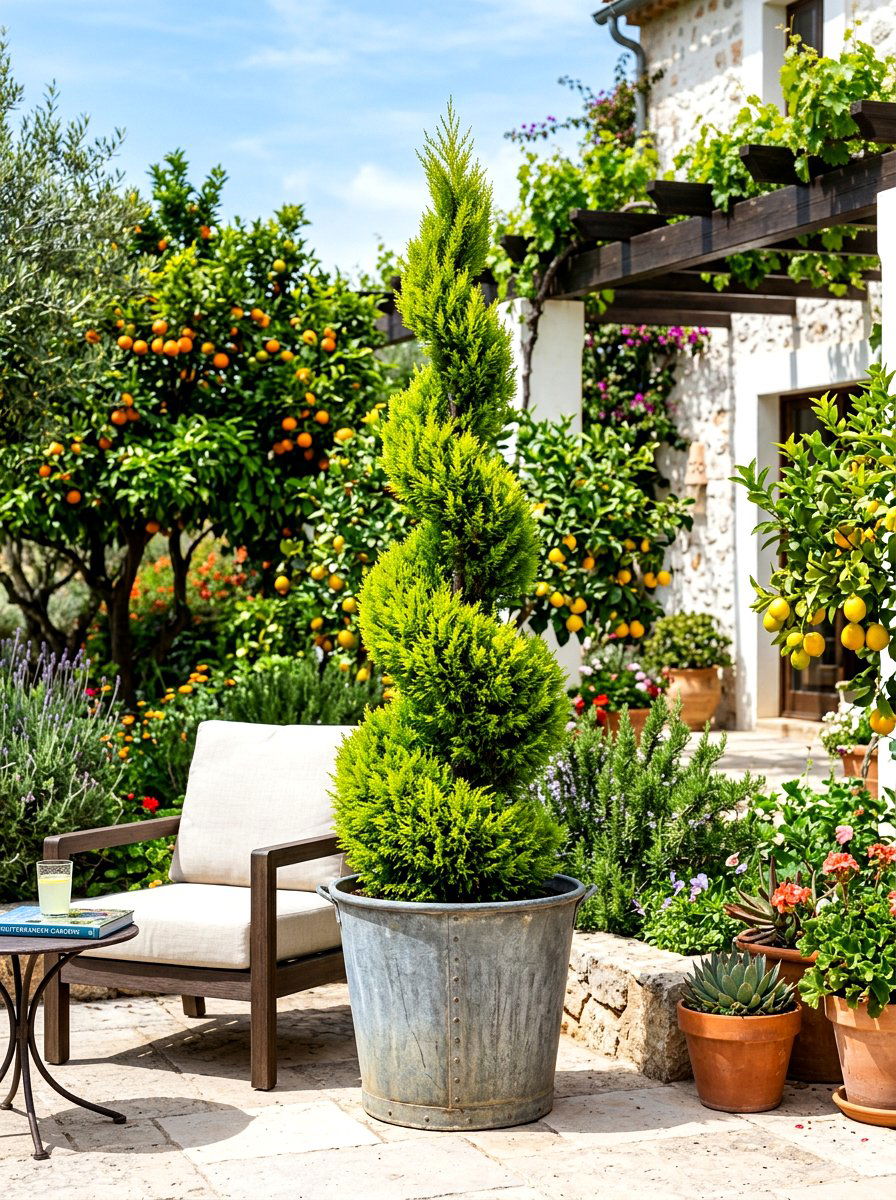
A cypress spiral topiary offers a unique, feathery texture and a vibrant lime-green color that can brighten up a dark porch. Species like the "Lemon Thread" cypress are popular for this because of their naturally golden hue and wonderful citrus scent. The spiral shape is achieved through careful pruning, highlighting the plant's flexible branches and dense growth habit. Unlike the dark, heavy look of some evergreens, a cypress topiary feels light and energetic. It pairs wonderfully with blue or gray house colors, providing a pop of contrast that is very eye-catching. These are relatively low-maintenance once the spiral is established, requiring only a light trim a few times a year to keep the shape defined.
23. Miniature Fruit Tree Topiary
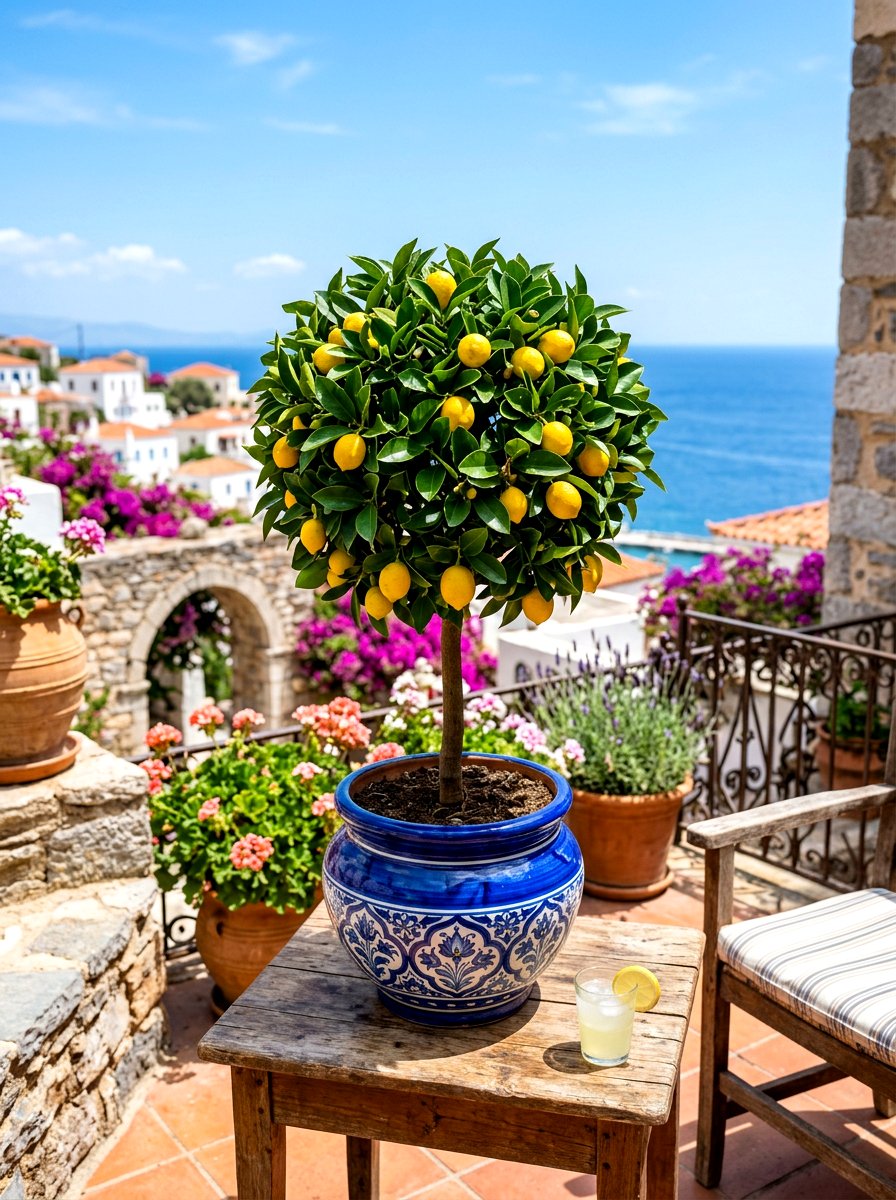
Using a miniature fruit tree as a topiary is a creative and rewarding way to decorate your entrance. Dwarf citrus trees, such as Meyer lemons or calamondins, can be pruned into beautiful globes or pyramids that look stunning on a sunny porch. Not only do you get the glossy green leaves and fragrant white blossoms, but you also get the added bonus of bright, colorful fruit hanging from the branches. This adds a "living harvest" feel to your decor that is both beautiful and functional. These topiaries do best in pots that can be moved indoors during very cold weather, making them a great flexible option for various climates. They bring a touch of the orchard to your front door.
24. Sculptural Animal Topiary
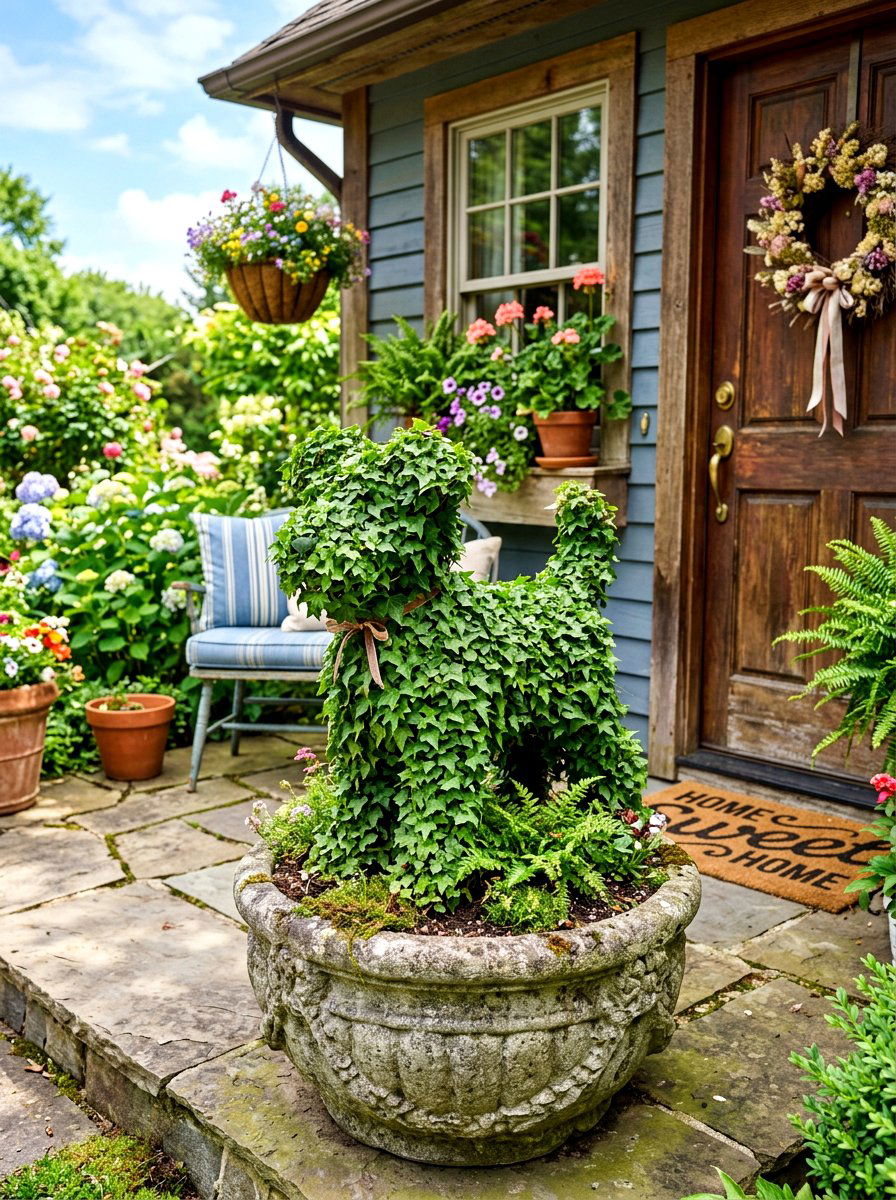
A sculptural animal topiary is a fantastic way to show off your personality and add a touch of whimsy to your home. These are usually made by growing plants like ivy or boxwood over a wire frame shaped like a dog, a bird, or even a rabbit. They serve as an instant conversation starter and are especially popular for families with children or pet lovers. An animal topiary can act as a "guardian" of your front door, sitting faithfully on the porch to greet everyone who arrives. While they require a bit more patience to fill in the frame completely, the end result is a unique and charming piece of living art that makes your home feel truly one-of-a-kind.
25. Winter Evergreen Topiary
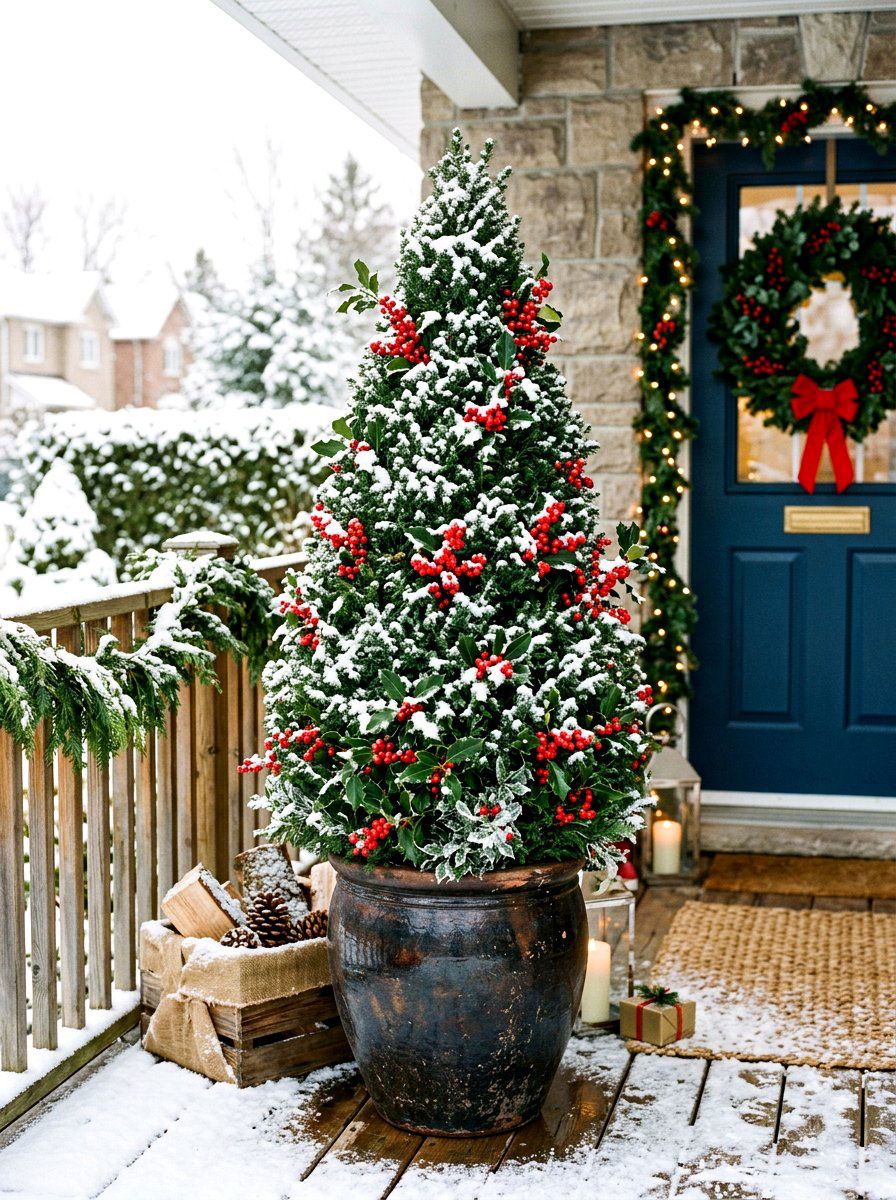
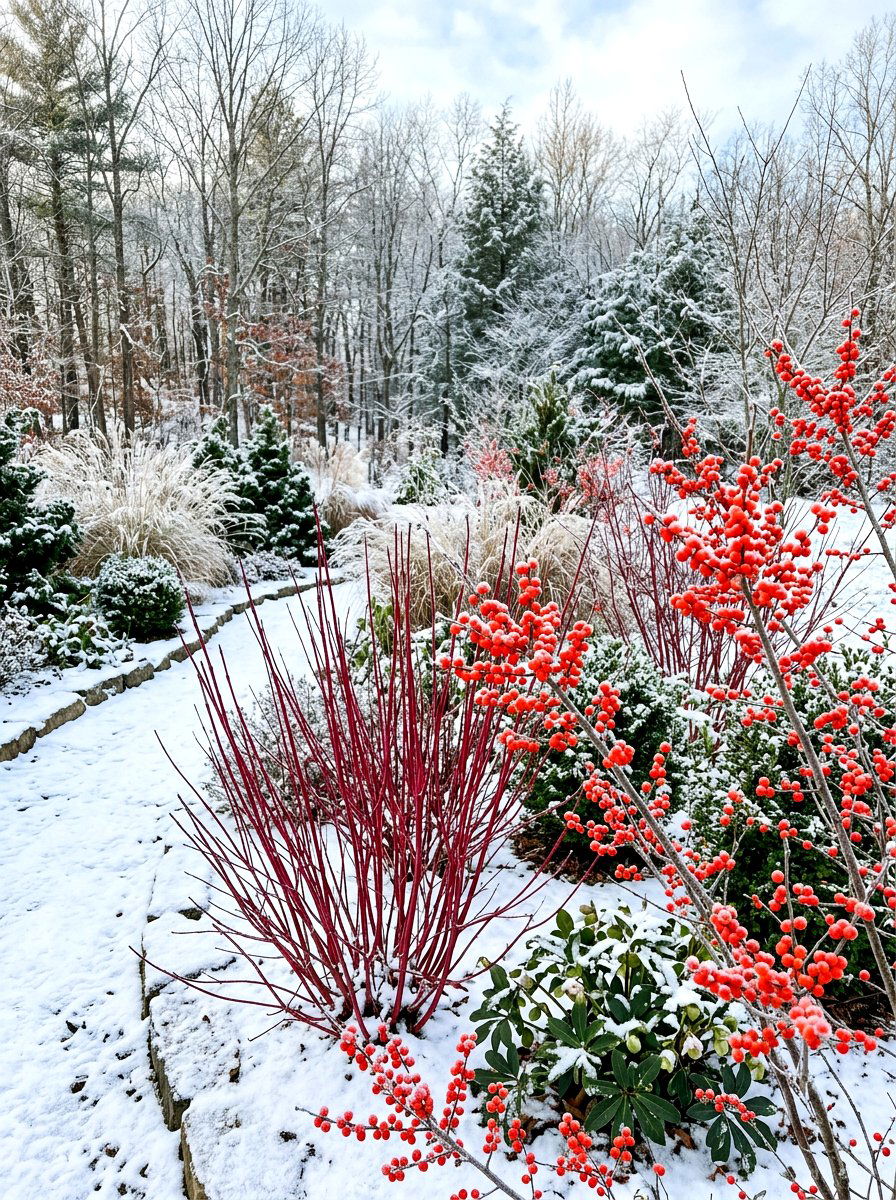
A winter evergreen topiary is designed to look its best during the coldest months of the year when other plants have gone dormant. Species like holly, with its shiny leaves and bright red berries, or hardy junipers are perfect for this. These topiaries provide essential structure and color when the rest of the landscape is gray or brown. You can enhance their winter look by adding a few sprigs of silver-painted branches or some waterproof ornaments. They look particularly beautiful when framed by a light dusting of snow, proving that a front porch can be stylish all year round. Their resilience to frost and wind makes them a dependable "backbone" for your exterior winter decorating theme.
26. Ribbon Wrapped Topiary

Adding a ribbon wrapped topiary element is a simple way to update your porch decor for holidays or special events. By tying a large, high-quality outdoor ribbon around the trunk of a topiary or weaving a smaller ribbon through its branches, you can instantly change its look. For example, a red velvet ribbon works perfectly for Christmas, while a yellow burlap one feels right for spring. This allows your permanent topiaries to act as a versatile base for seasonal updates without needing to buy new plants. The ribbon adds a touch of softness and a pop of color that draws the eye and makes the porch feel festive and professionally styled for any occasion.
27. Mixed Greenery Topiary
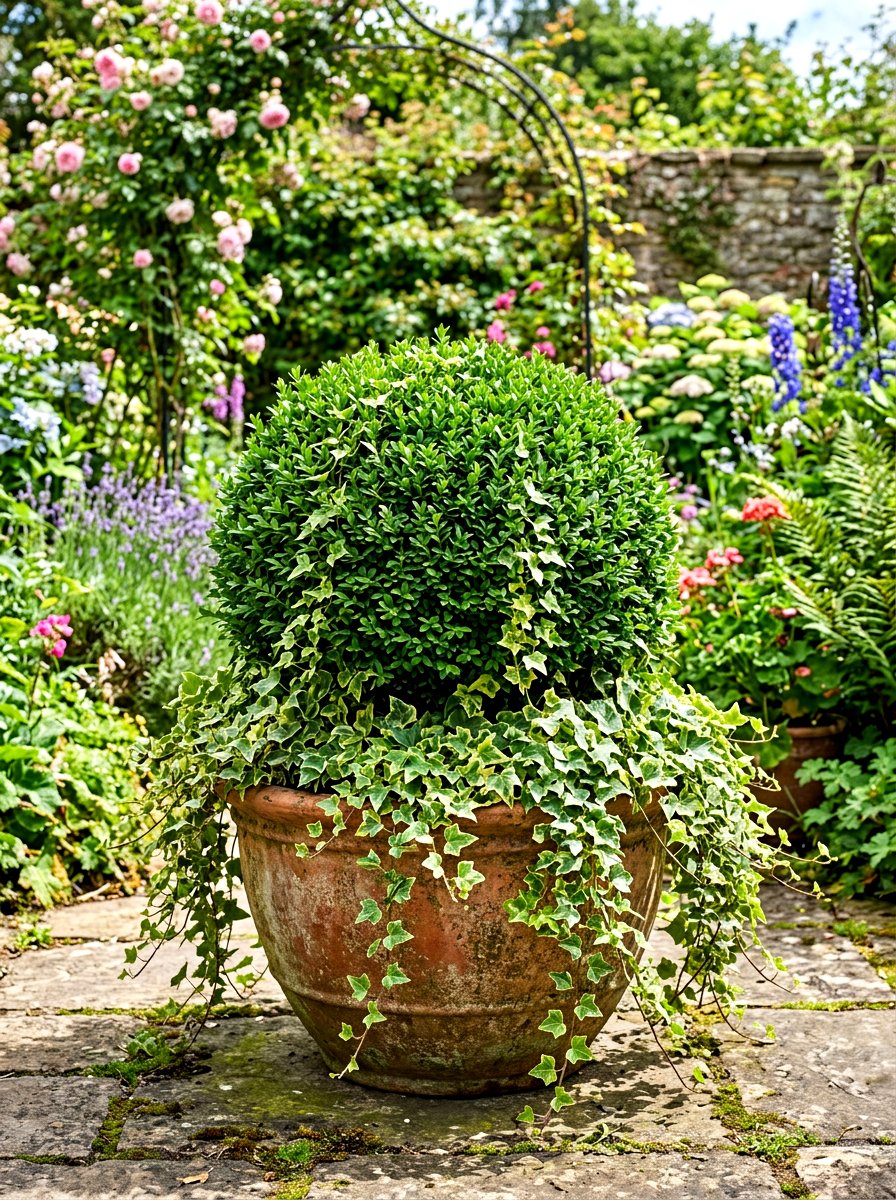
A mixed greenery topiary involves using different types of plants within the same form to create a layered and textured effect. You might have a central boxwood ball surrounded by a base of trailing ivy or creeping jenny that spills over the edge of the pot. Alternatively, some growers weave different colored evergreens together into a single spiral or globe. This approach adds depth and visual complexity that a single-species plant cannot provide. It feels more organic and "garden-like" while still maintaining the controlled shape of a topiary. These mixed arrangements are great for larger planters where you want to create a miniature ecosystem that offers something interesting to look at from every angle.
28. Tall Slender Topiary
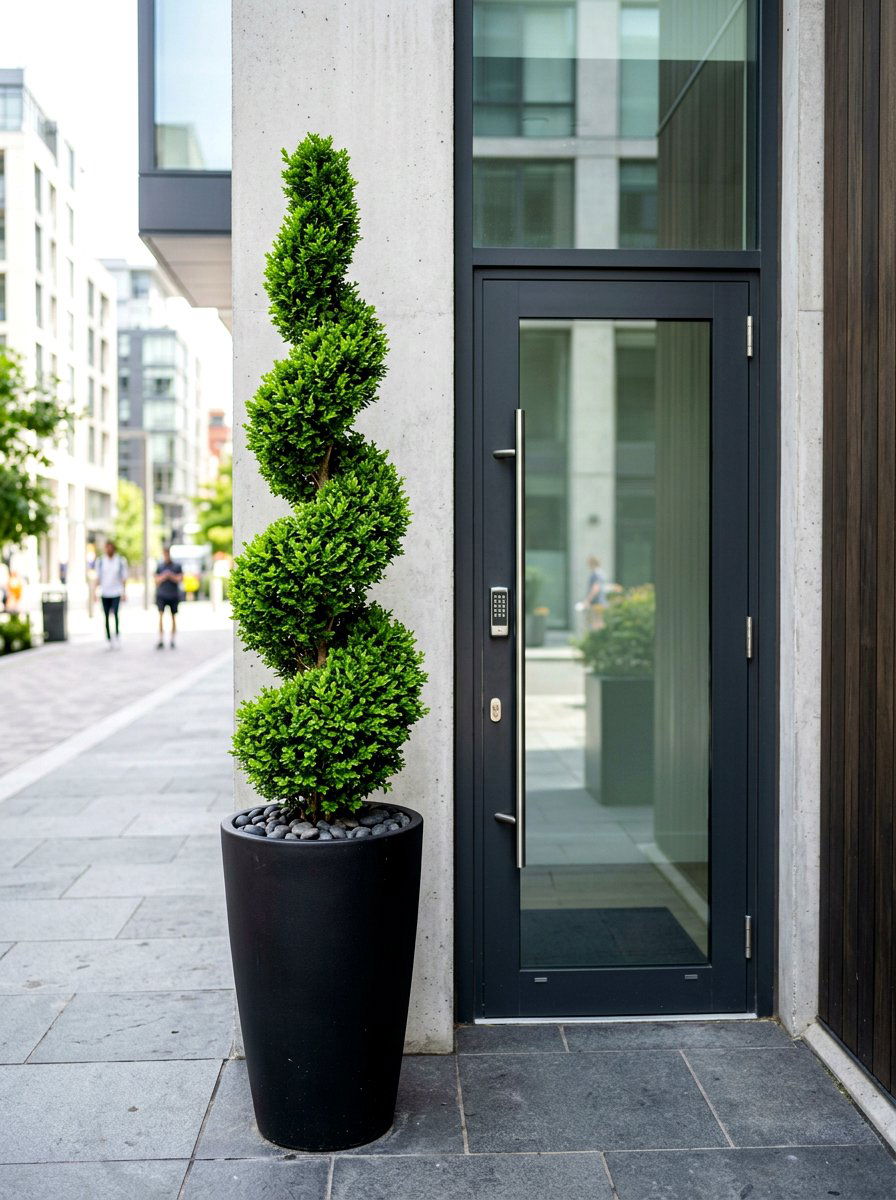
A tall slender topiary, often referred to as a "pencil" or "columnar" shape, is perfect for very narrow spaces. If you have a skinny porch or a small area between your door and a window, these vertical plants provide height without taking up much floor space. They act like green pillars, adding a sense of strength and verticality to your home’s facade. Arborvitae or certain types of juniper are naturally inclined to this shape, requiring very little pruning to stay narrow. They look excellent when used in tall, thin pots that emphasize their height. This is a very smart solution for urban homes or townhouses where every square inch of porch space is valuable.
29. Wicker Basket Topiary
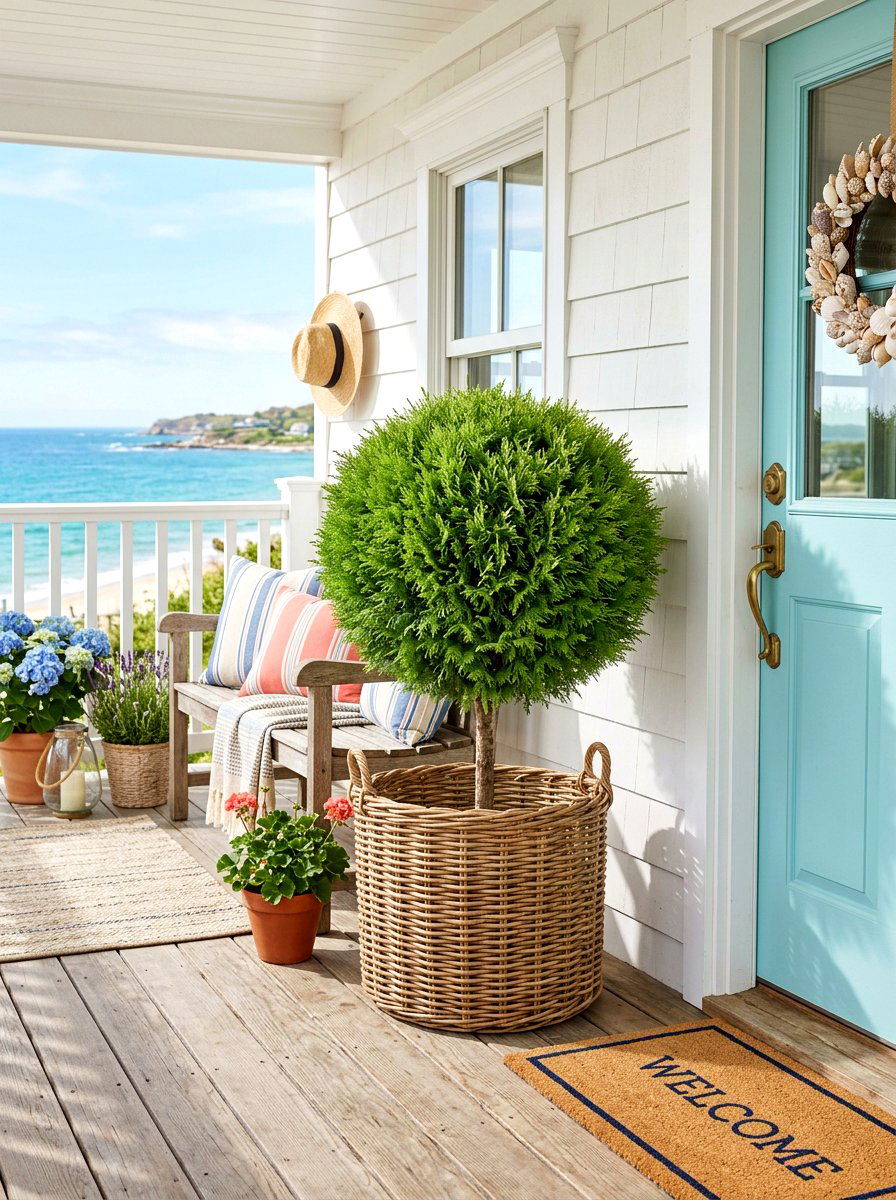
Placing a topiary in a wicker basket creates a textured, coastal, or cottage-style look that feels very breezy and relaxed. The natural woven material of the basket provides a beautiful contrast to the smooth, manicured leaves of the plant. This is a great choice for a summer porch refresh or for a vacation home. To ensure the basket lasts, it’s best to keep the plant in a plastic liner inside the wicker. A simple round boxwood or a fluffy cedar cone looks wonderful in this setting. The combination of green foliage and tan wicker evokes a sense of natural beauty and comfort, making your front entrance feel like a peaceful retreat from the busy world.
30. Mediterranean Style Topiary
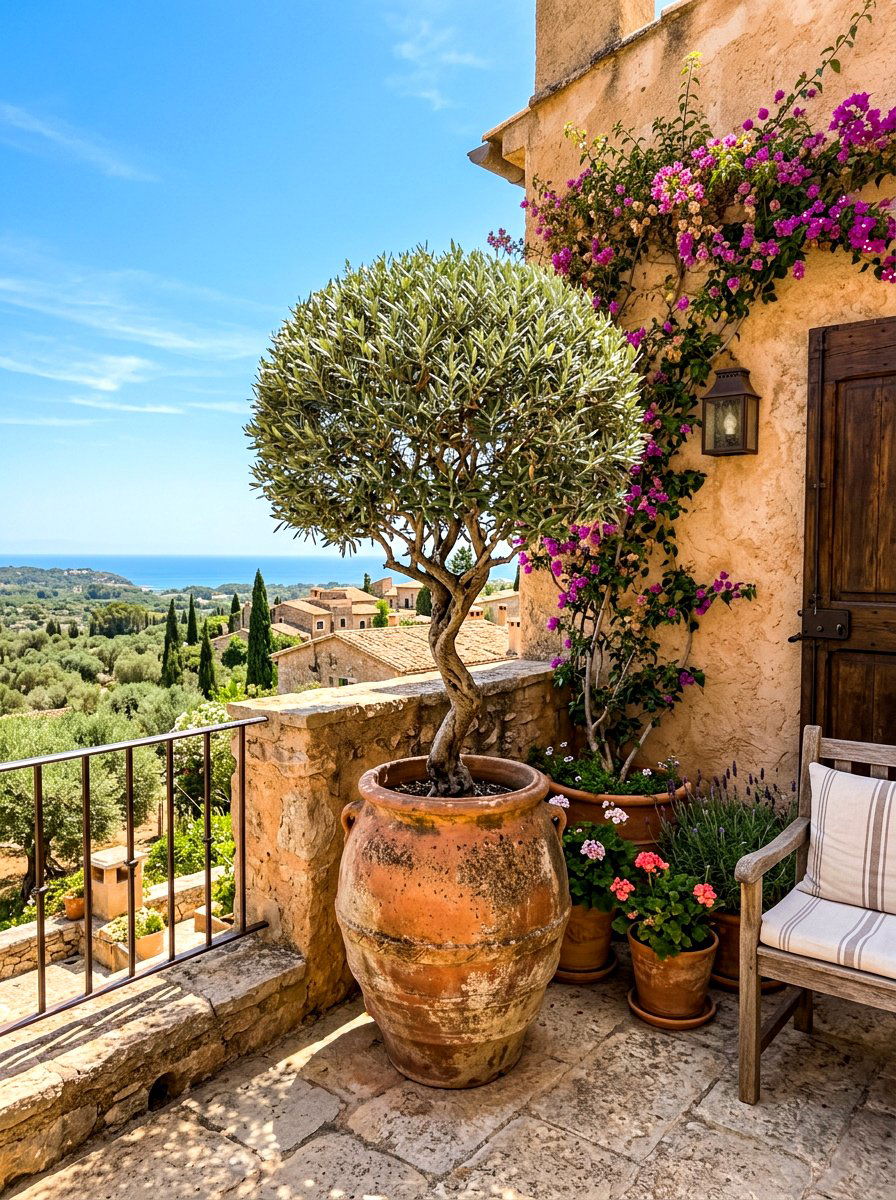
A Mediterranean style topiary often features plants like olive trees, bay laurels, or citrus, which are synonymous with warm, sunny climates. These are typically kept in weathered terracotta pots that look like they’ve been sitting in an Italian courtyard for years. The look is characterized by a "relaxed formality" — the plants are shaped, but not so tightly pruned that they lose their natural character. An olive tree with its silvery-green leaves or a bay laurel with its dark, sturdy foliage brings an air of timeless sophistication to your porch. This style works exceptionally well with stucco exteriors, tile roofs, or any home where you want to evoke a sense of European charm and sunny, open-air living.
Conclusion:
Adding topiaries to your front porch is one of the most effective ways to instantly improve your home’s curb appeal and create a welcoming atmosphere. From the classic elegance of a boxwood ball to the whimsical charm of a sculptural animal, there is a topiary style to suit every architectural design and personal preference. These living sculptures provide year-round structure, color, and a sense of sophisticated order that elevates the entire look of your entrance. By carefully selecting the right plant, shape, and container, you can turn a simple porch into a curated outdoor gallery. Whether you choose live plants for their natural beauty or high-quality artificial versions for their convenience, topiaries are a timeless investment in your home’s exterior style. We hope these thirty ideas have inspired you to find the perfect greenery to frame your front door and greet your guests with style.

Related posts: