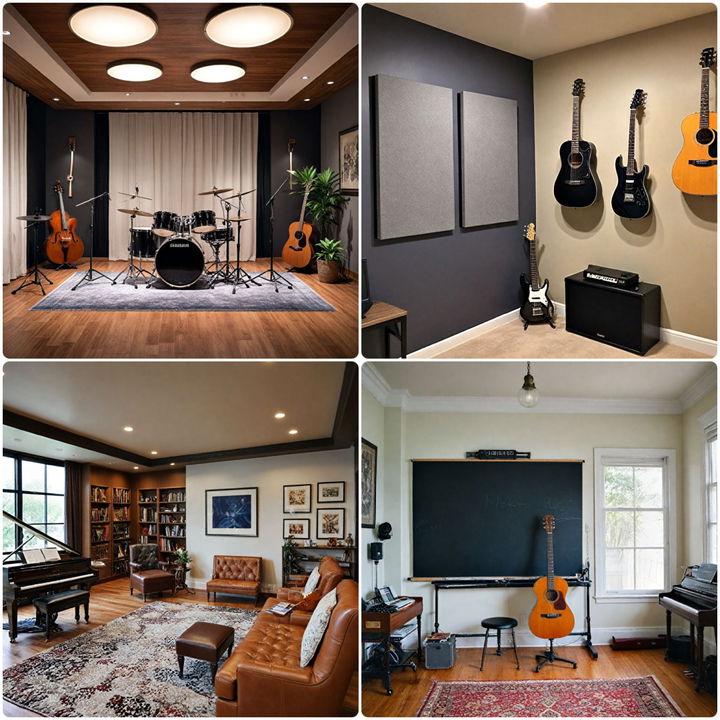
Creating a dedicated space for music within your home offers a profound sanctuary for both creativity and relaxation. Whether you are a professional producer or a casual listener, the right environment can significantly enhance your auditory experience and artistic output. A well-designed music room balances technical requirements like acoustics with personal aesthetic choices to create a truly immersive atmosphere. From soundproofing walls to selecting the perfect seating, every detail contributes to a harmonious vibe that invites you to stay and play. In this guide, we explore thirty diverse concepts that turn ordinary rooms into extraordinary melodic retreats, ensuring your home remains a constant source of inspiration and joy.

1. Home recording studio
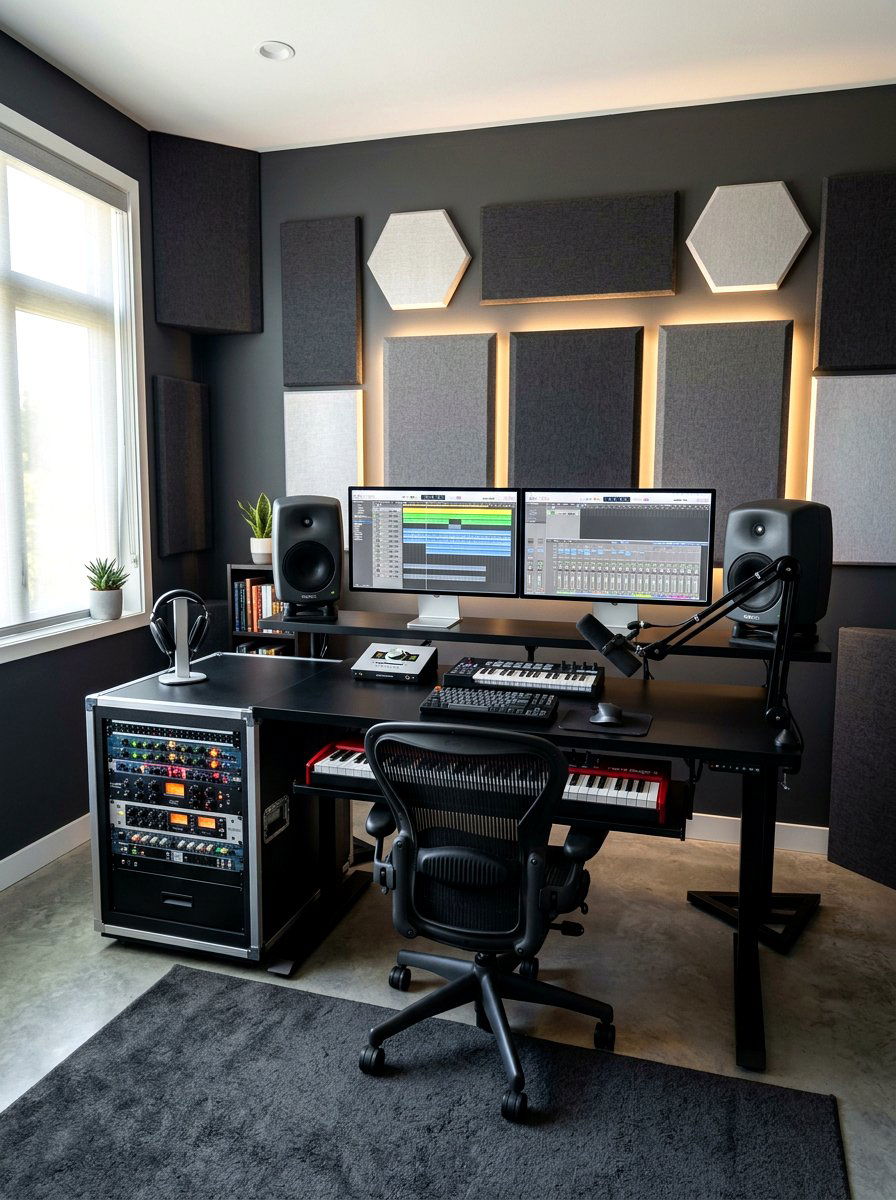
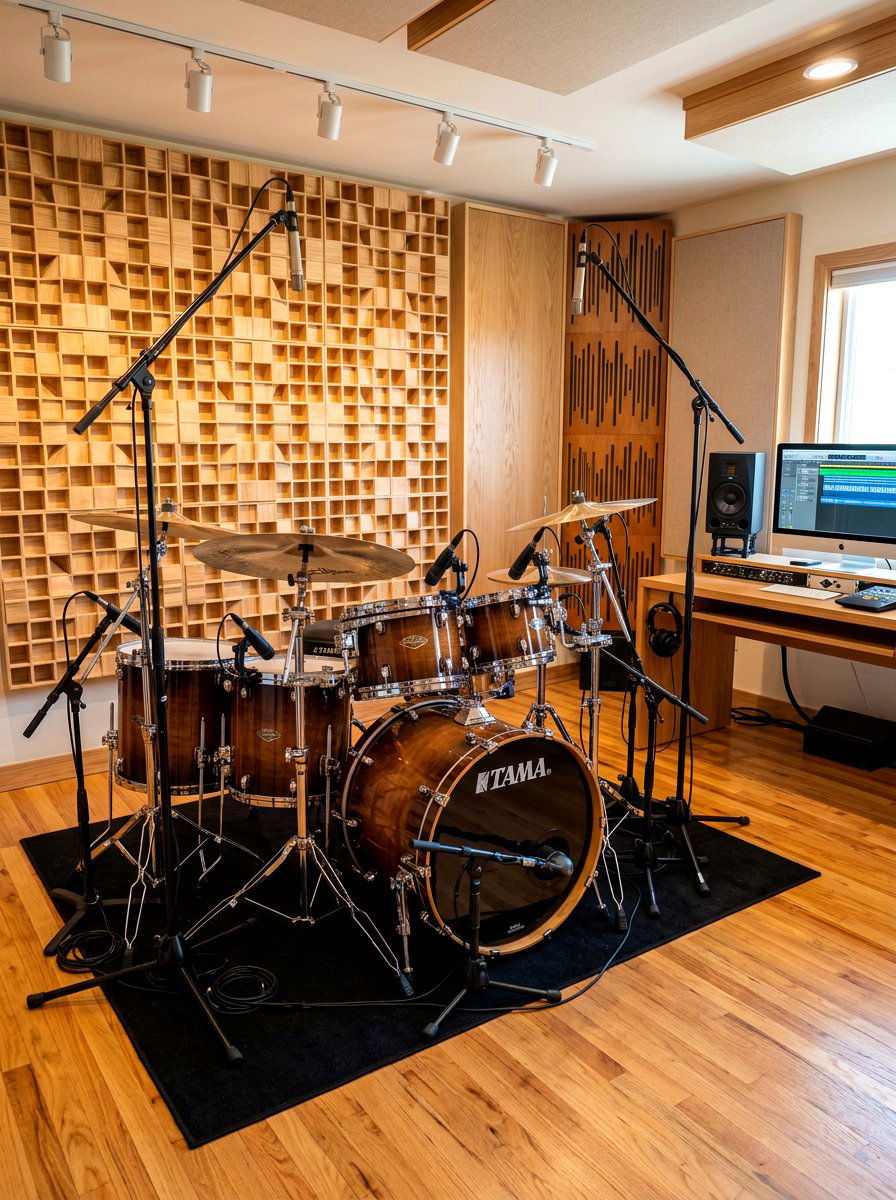
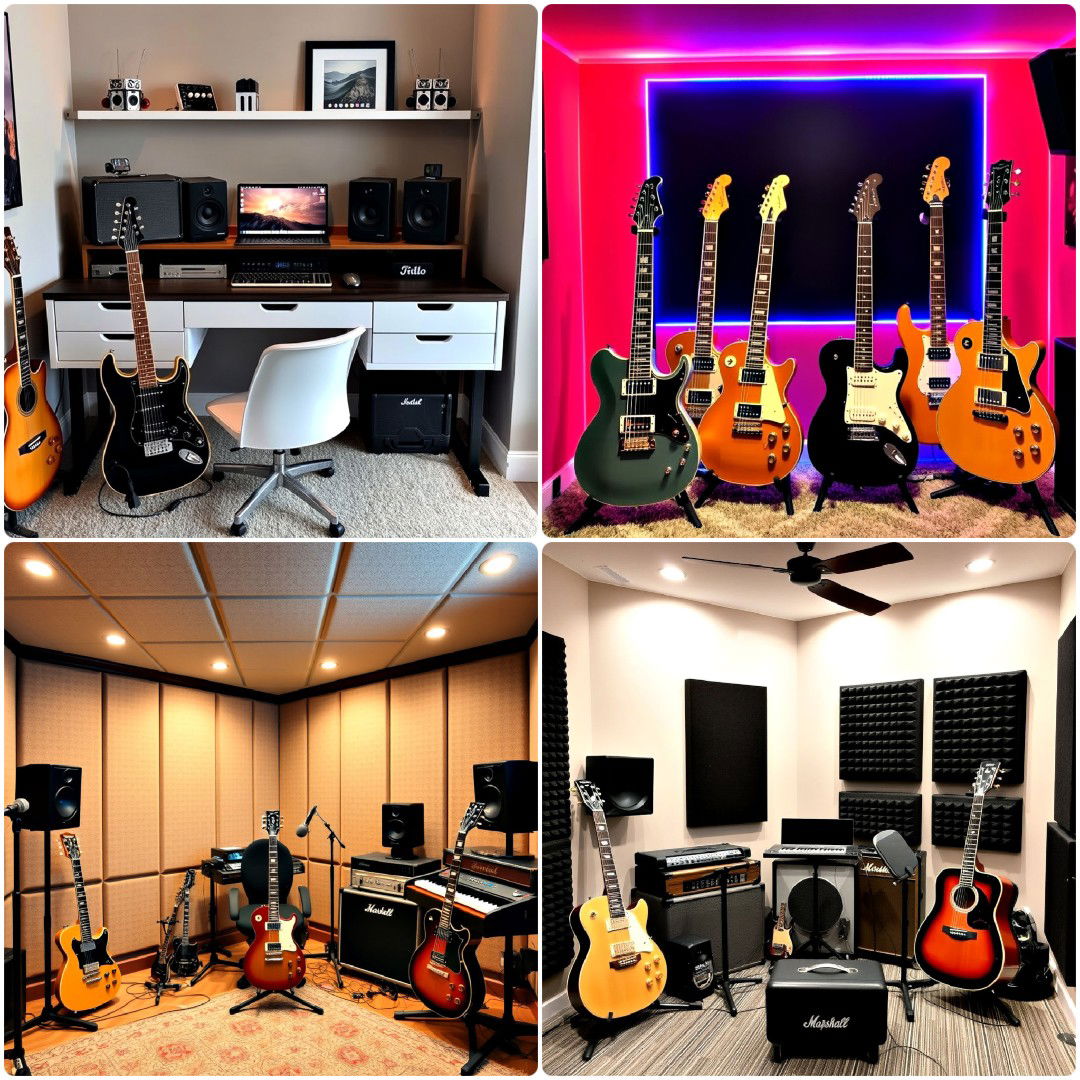
Designing a professional-grade home recording studio requires a careful balance between high-end technology and comfortable ergonomics. You should start by placing a large, sturdy desk at the center to hold your monitors, audio interface, and computer. Positioning your studio monitors at ear level ensures accurate sound reproduction during the mixing process. To improve the room’s acoustics, install thick fabric-wrapped panels at the primary reflection points on the side walls. A comfortable, adjustable task chair is essential for long sessions, while integrated cable management keeps the workspace clutter-free and organized. Bright, white-balanced lighting helps maintain focus, creating a sleek environment where technical precision meets creative energy for every recording project.
2. Traditional piano room
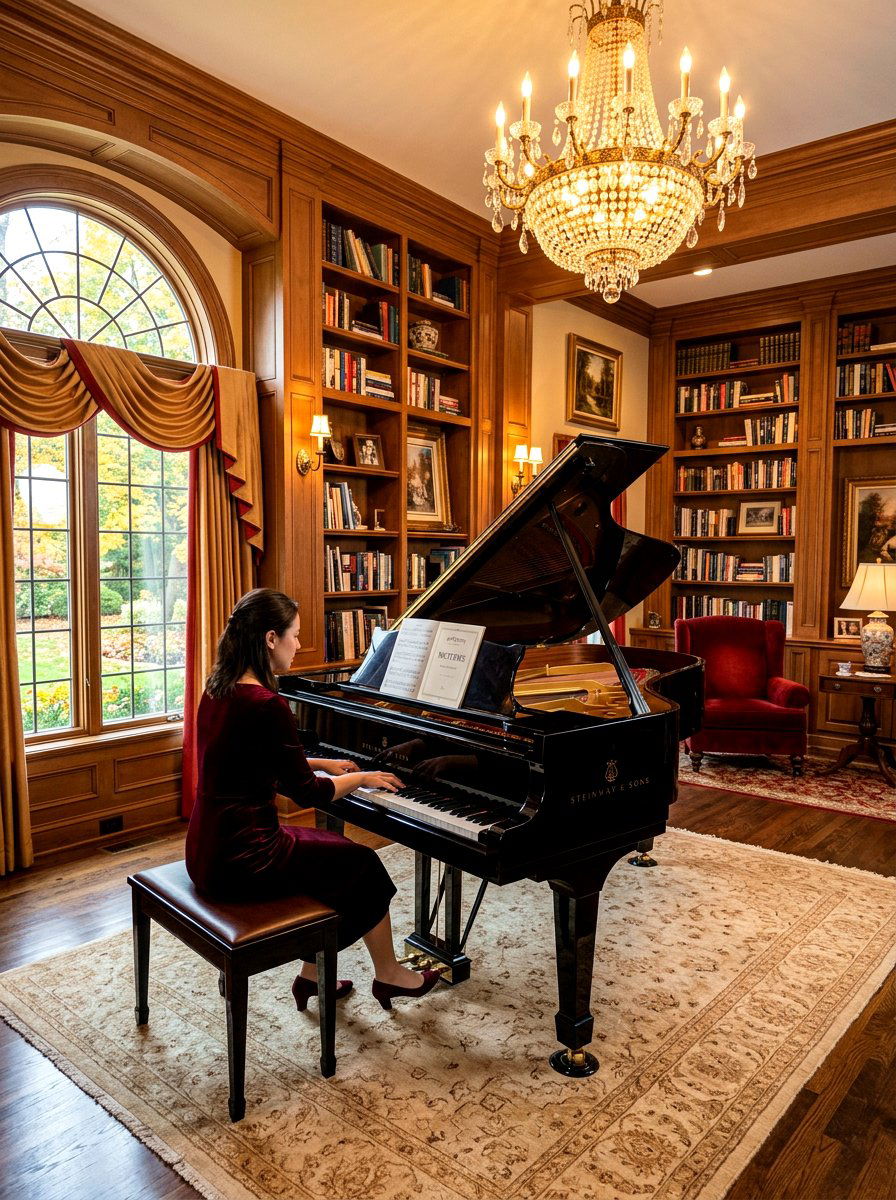
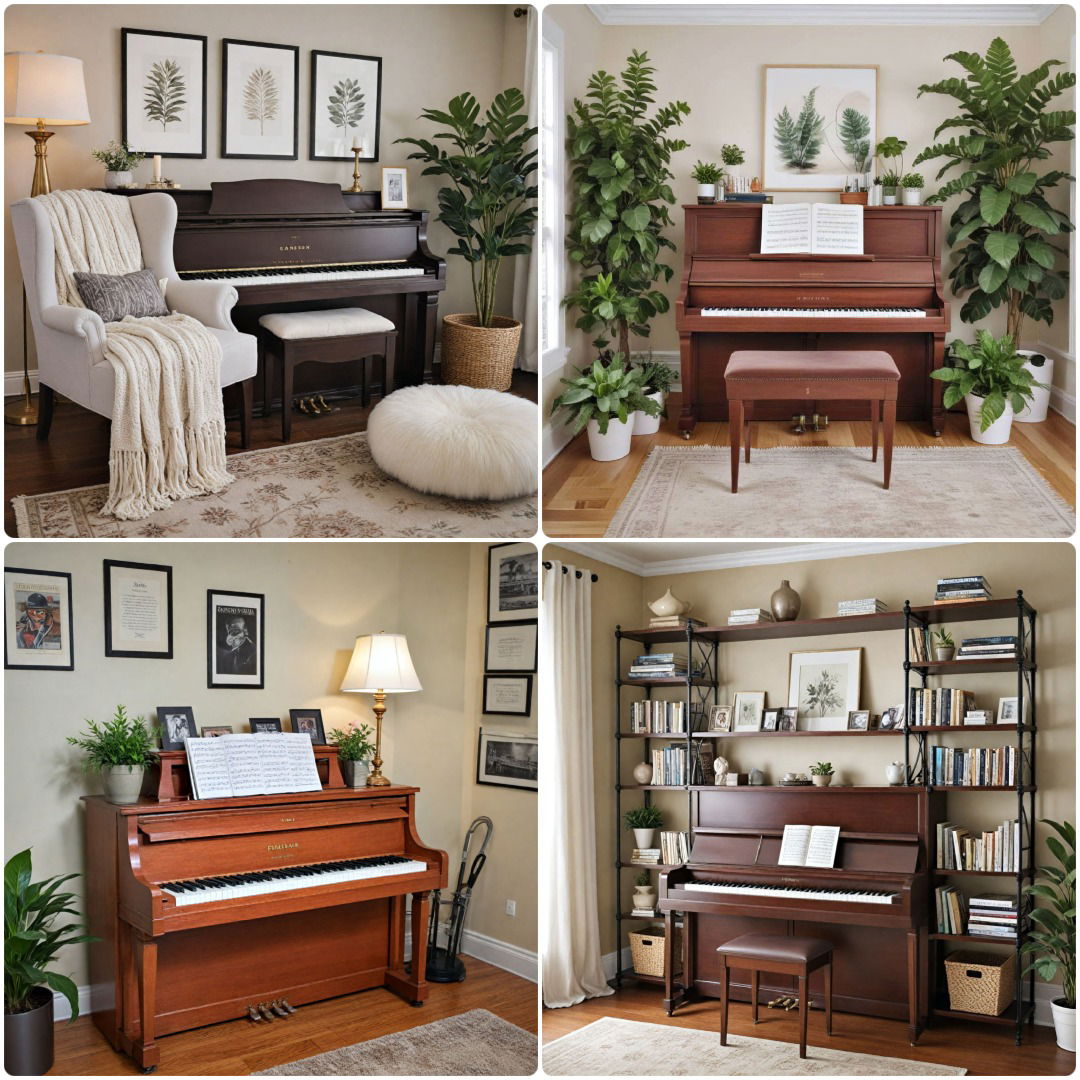
A traditional piano room serves as an elegant focal point that celebrates classical craftsmanship and timeless design. Placing a grand or upright piano against a neutral-colored wall allows the instrument's silhouette to stand out beautifully. You can enhance the acoustics of the space by adding a large, plush area rug beneath the piano to dampen unwanted vibrations. Soft, layered lighting from a nearby floor lamp or a classic chandelier creates a warm, inviting glow for evening practice sessions. Incorporate comfortable armchairs and floor-to-ceiling bookshelves filled with sheet music to encourage guests to linger and listen. This design approach creates a sophisticated atmosphere that honors the rich history of keyboard performance.
3. Vinyl listening corner
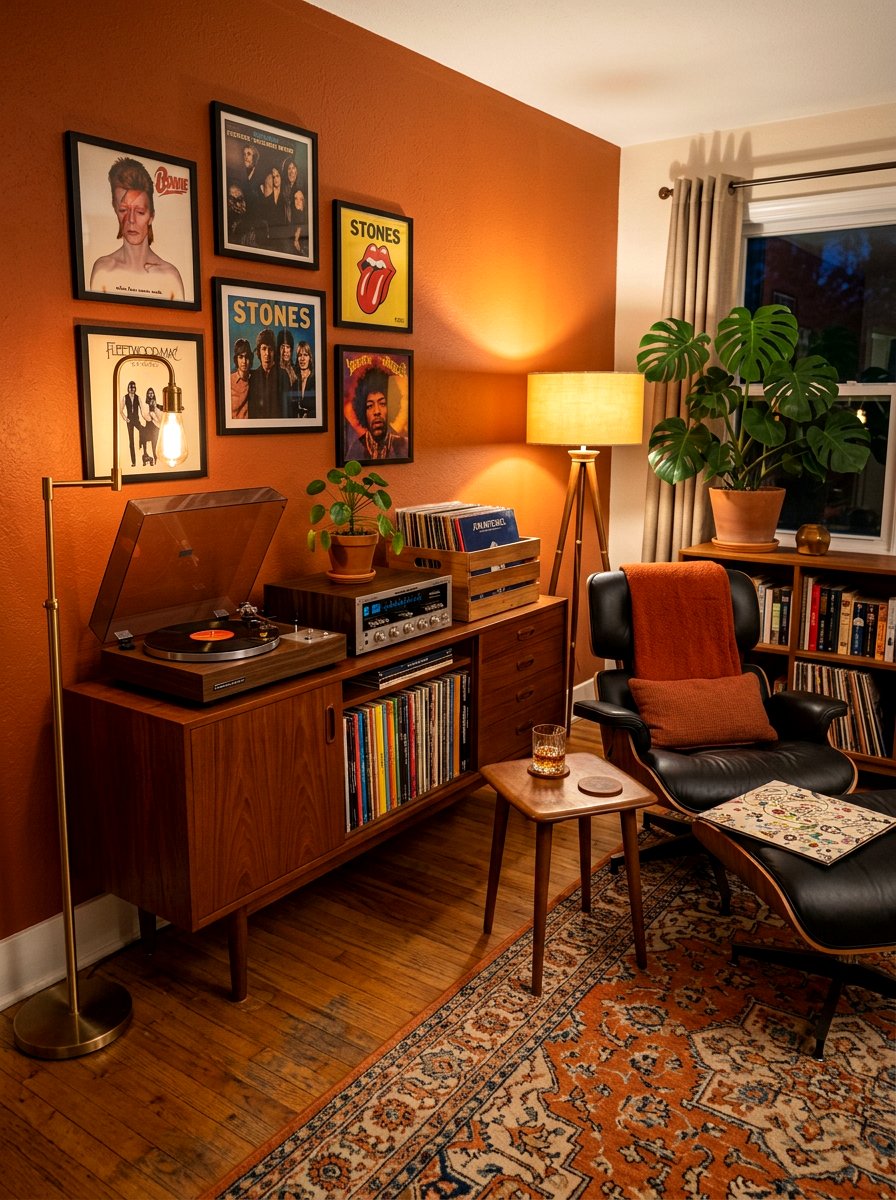
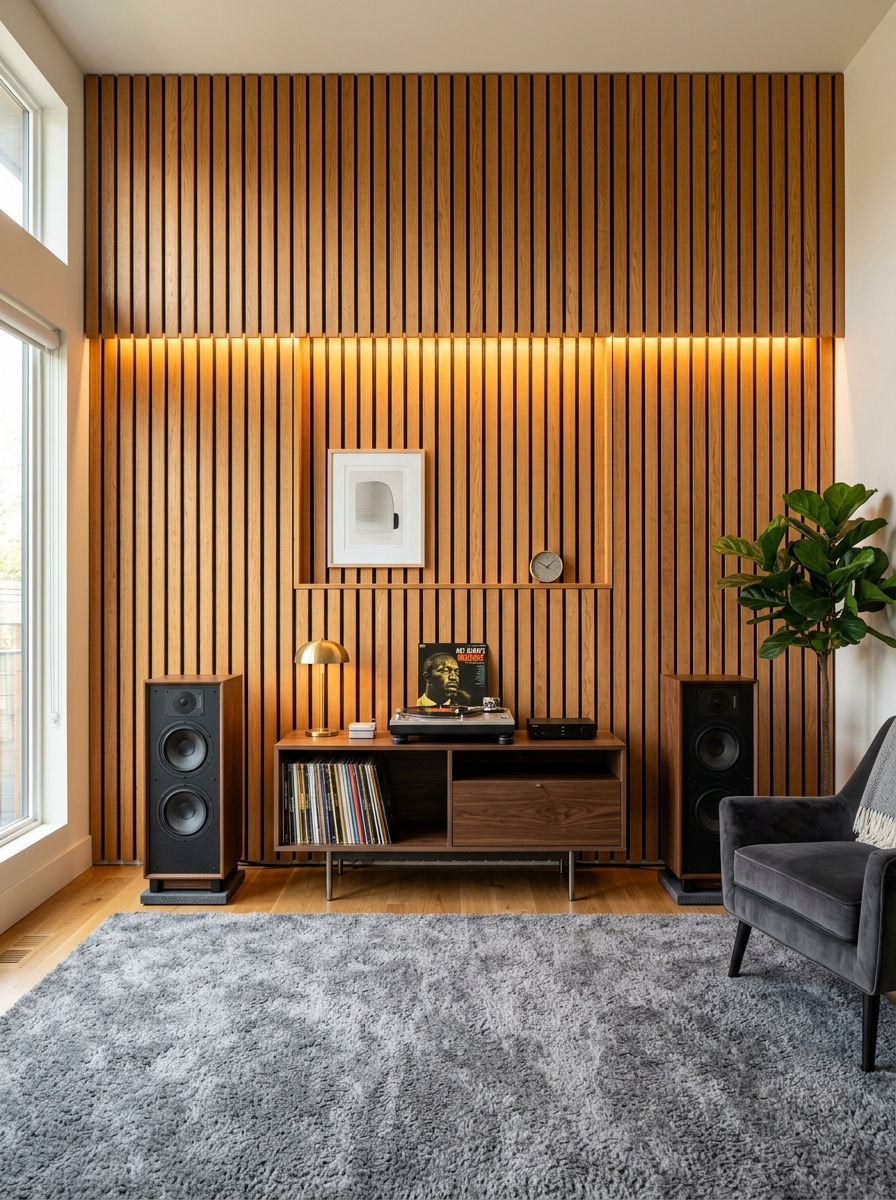
Creating a dedicated vinyl listening corner allows you to enjoy the warm, analog sound of records in a stylish setting. You should begin by selecting a mid-century modern credenza to house your turntable and amplifier while providing ample storage for your record collection. A comfortable lounge chair, perhaps in a rich leather or soft velvet, should be positioned nearby to create a cozy spot for deep listening. Incorporate adjustable floor lamps with warm bulbs to set a relaxed mood that complements the nostalgic feel of vinyl. Adding a small side table for your favorite drink ensures that your listening sessions are as comfortable as they are sonically pleasing.
4. Guitar wall display
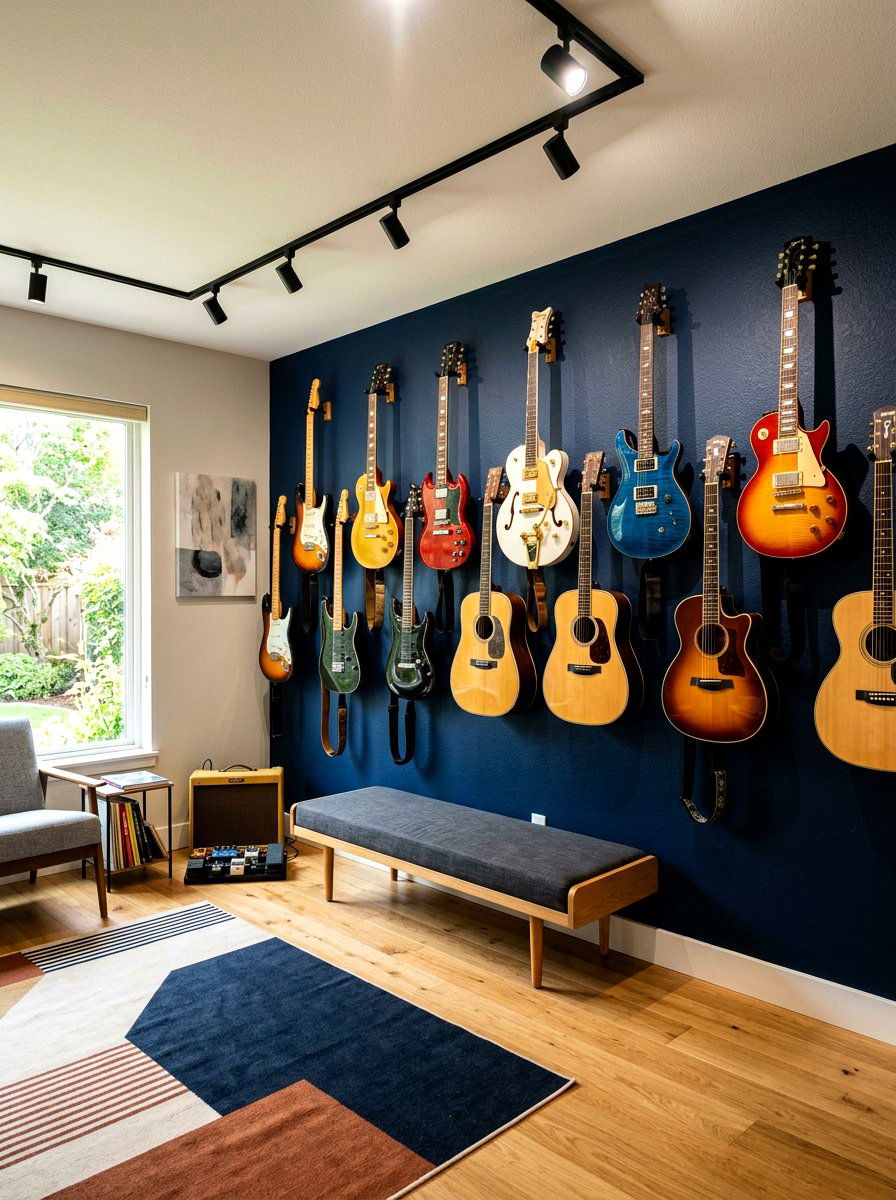
A guitar wall display transforms your instrument collection into a stunning piece of vertical art that saves valuable floor space. You should use sturdy, padded wall hangers to securely mount your electric and acoustic guitars in a symmetrical or staggered arrangement. Choosing a dark accent wall, such as deep charcoal or navy, makes the wood grains and metallic finishes of the guitars pop visually. Install focused track lighting or recessed spotlights above the display to highlight the unique curves and details of each instrument. This setup not only protects your gear from accidental knocks but also keeps your favorite guitars within easy reach for spontaneous practice sessions or jam opportunities.
5. Basement band rehearsal
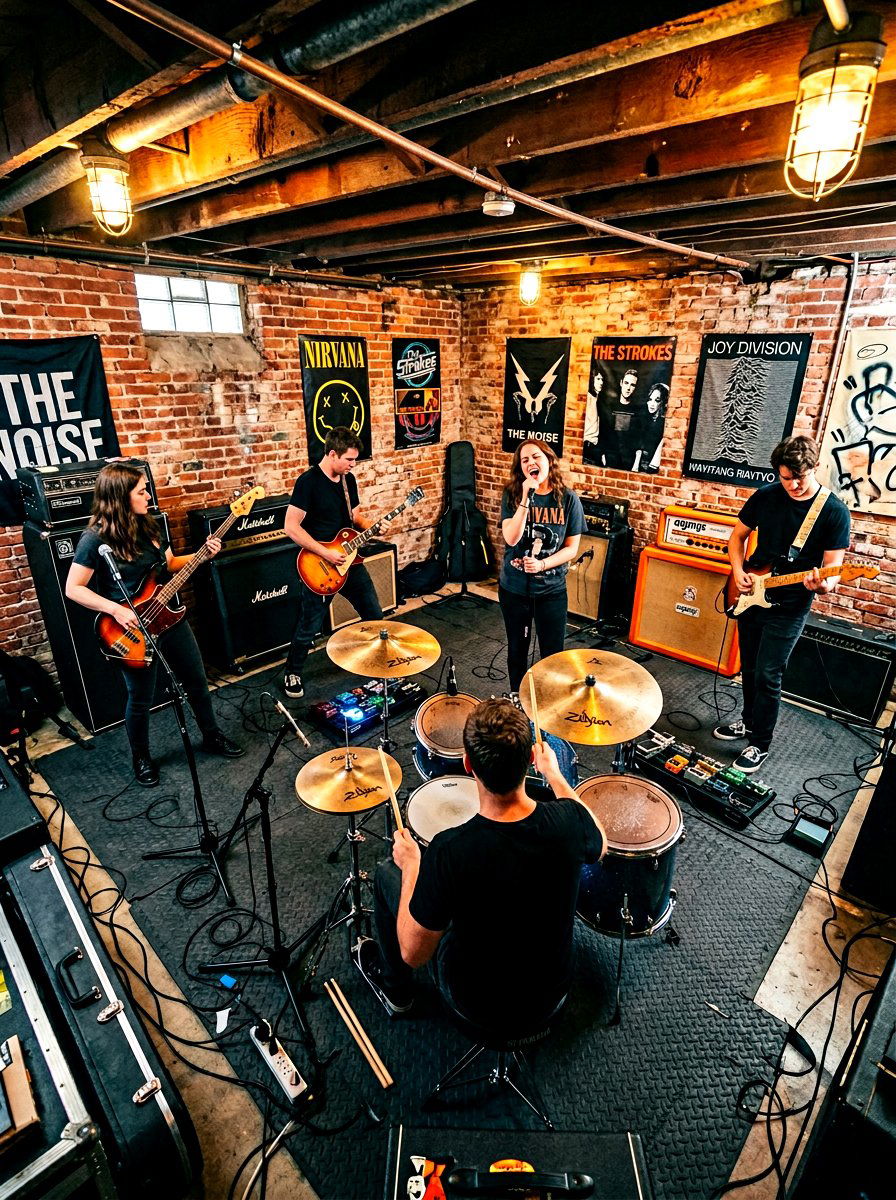
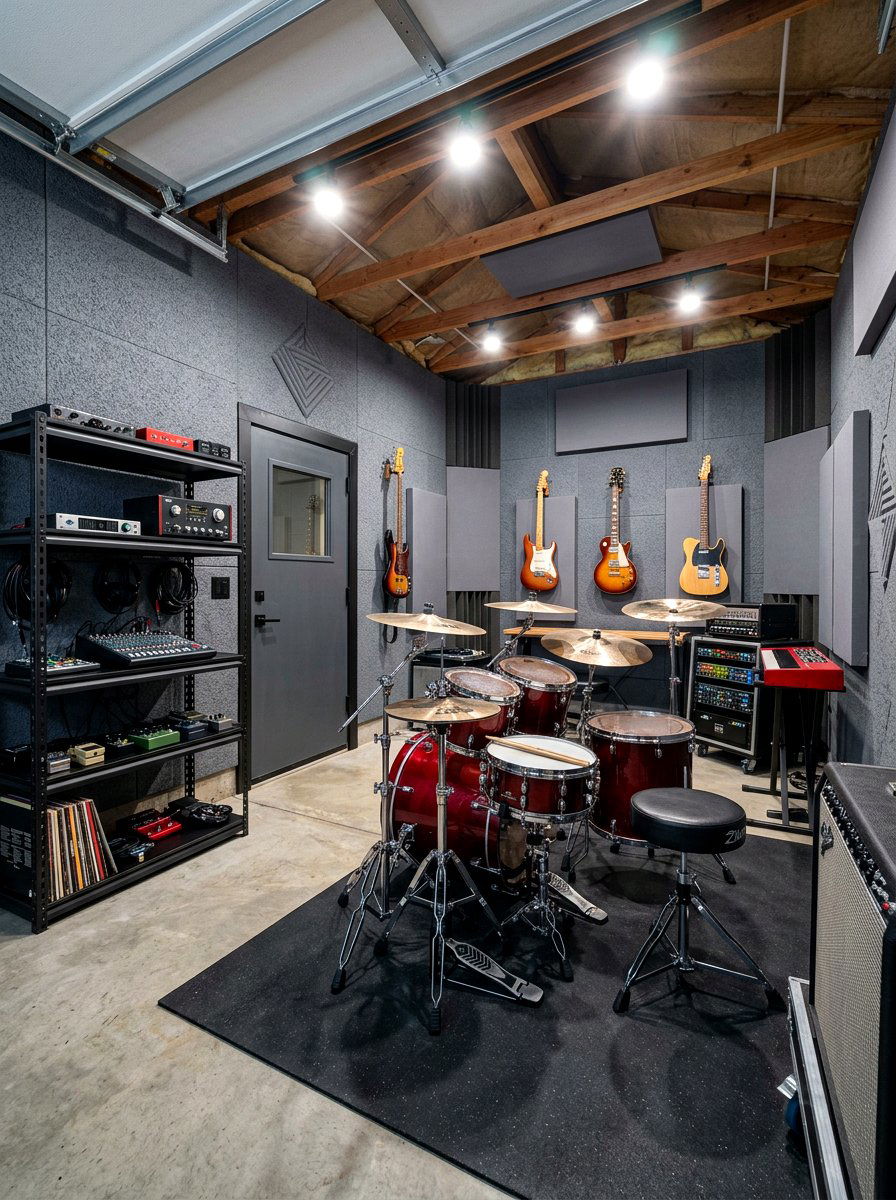
Converting a basement into a band rehearsal space requires durable materials and effective sound management for high-volume sessions. You should prioritize installing heavy-duty soundproofing panels and thick rubber floor mats to prevent noise from leaking into the upper floors. Arrange the drum kit, amplifiers, and microphones in a circular layout to facilitate better communication and eye contact between band members during practice. Industrial-style lighting and exposed brick walls can give the space a raw, energetic vibe that fits the spirit of a rock or indie band. Adding a small refrigerator and a comfortable sofa ensures the room remains a functional and welcoming headquarters for your musical group.
6. Attic music studio
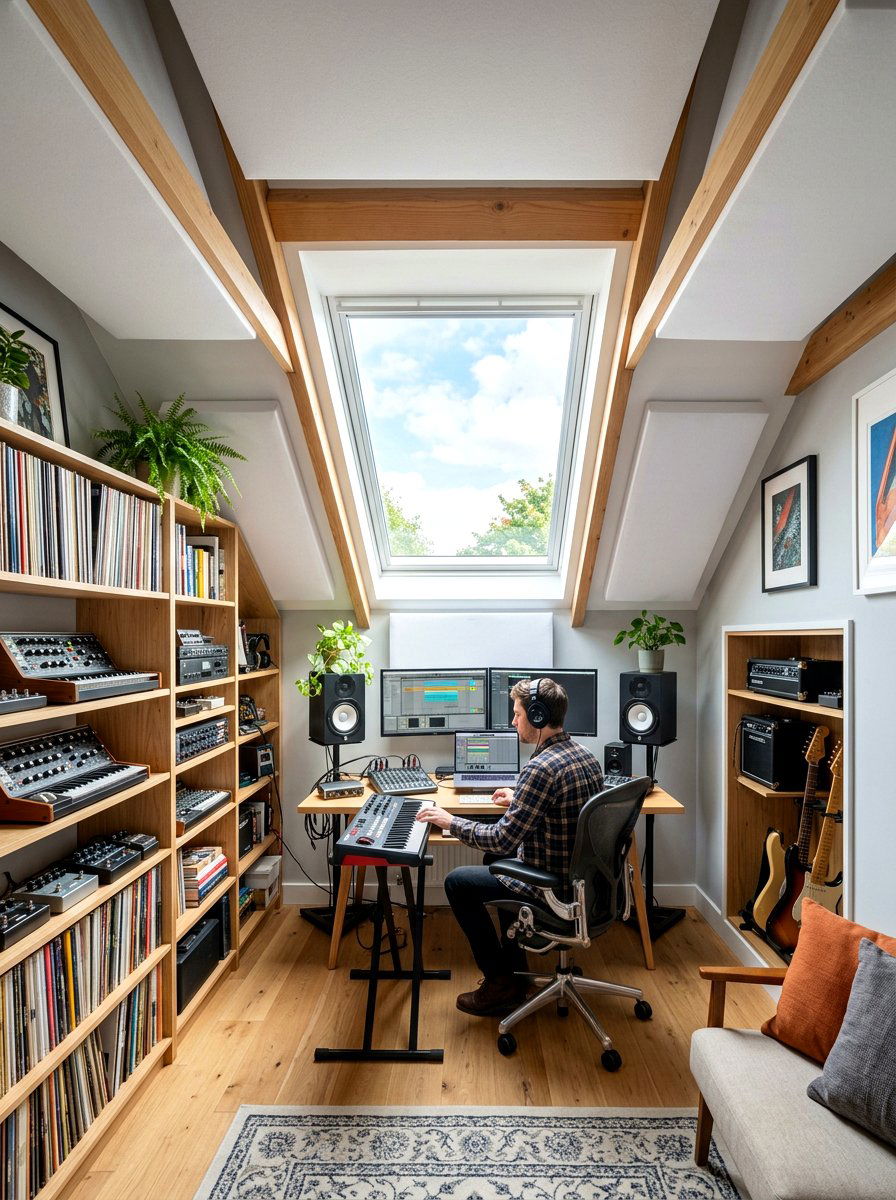
An attic music studio offers a secluded retreat away from the main living areas, making it ideal for focused composition. You can take advantage of the unique sloped ceilings by installing acoustic foam or fabric clouds to manage sound reflections in the narrow space. Placing your workstation near a skylight provides plenty of natural light during the day, which can boost your mood and creative energy. Use low-profile furniture and built-in shelving to maximize the limited square footage while keeping the layout open and airy. This cozy, tucked-away environment provides the perfect quiet sanctuary for songwriters and producers to experiment with new sounds and melodies without any distractions.
7. Jazz lounge interior
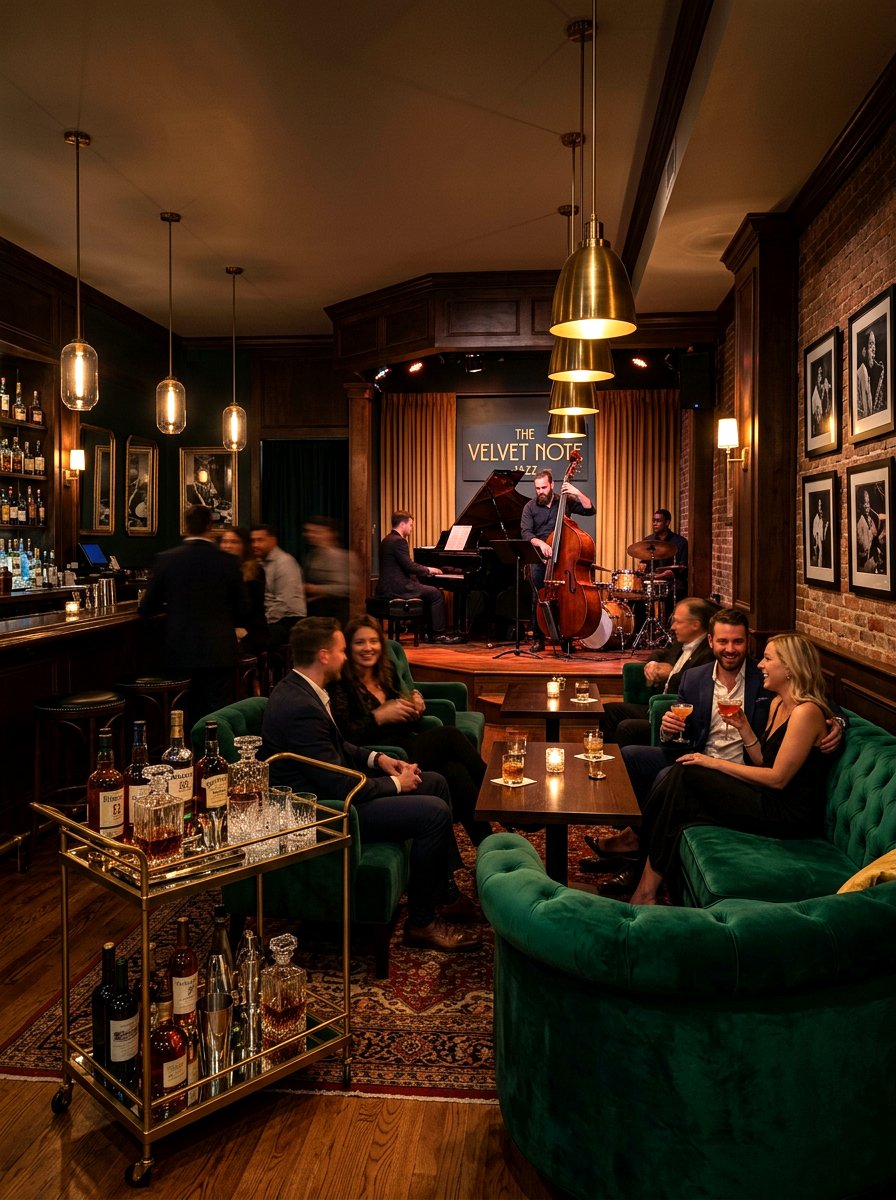
Designing a jazz lounge interior involves using rich textures and moody colors to evoke the sophisticated atmosphere of a classic club. You should choose a palette of deep blues, purples, or emerald greens and incorporate plush velvet seating to provide ultimate comfort. A small stage area for a double bass or a saxophone stand adds an authentic touch to the room's layout. Use dimmable pendant lights and vintage-style floor lamps to create a smoky, intimate ambiance that enhances the smooth sounds of jazz music. Adding a small bar cart and framed black-and-white photos of legendary musicians completes the look, making your home the ultimate destination for evening entertainment.
8. Kids music playroom
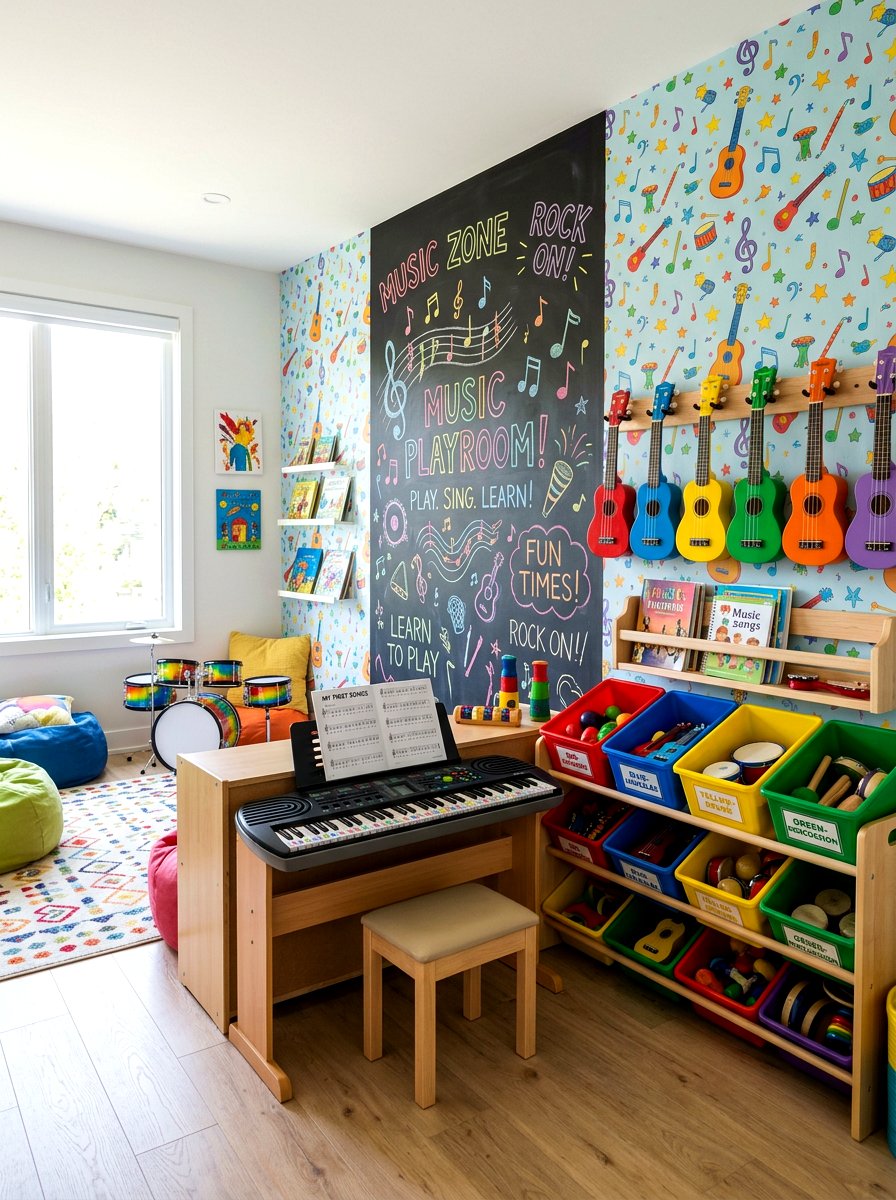
A kids music playroom should be a vibrant and durable space that encourages children to explore different sounds and instruments. You can use bright, cheerful colors on the walls and include whimsical furniture like small benches or floor cushions for seating. Displaying pint-sized keyboards, colorful ukuleles, and percussion toys on low, accessible shelves ensures that everything is within reach for little hands. Installing a chalkboard wall allows children to draw their own musical notes or lyrics, fostering a sense of creative ownership over the space. Using easy-to-clean rugs and sturdy storage bins keeps the area organized while providing a safe, fun environment for early musical education.
9. Minimalist practice space
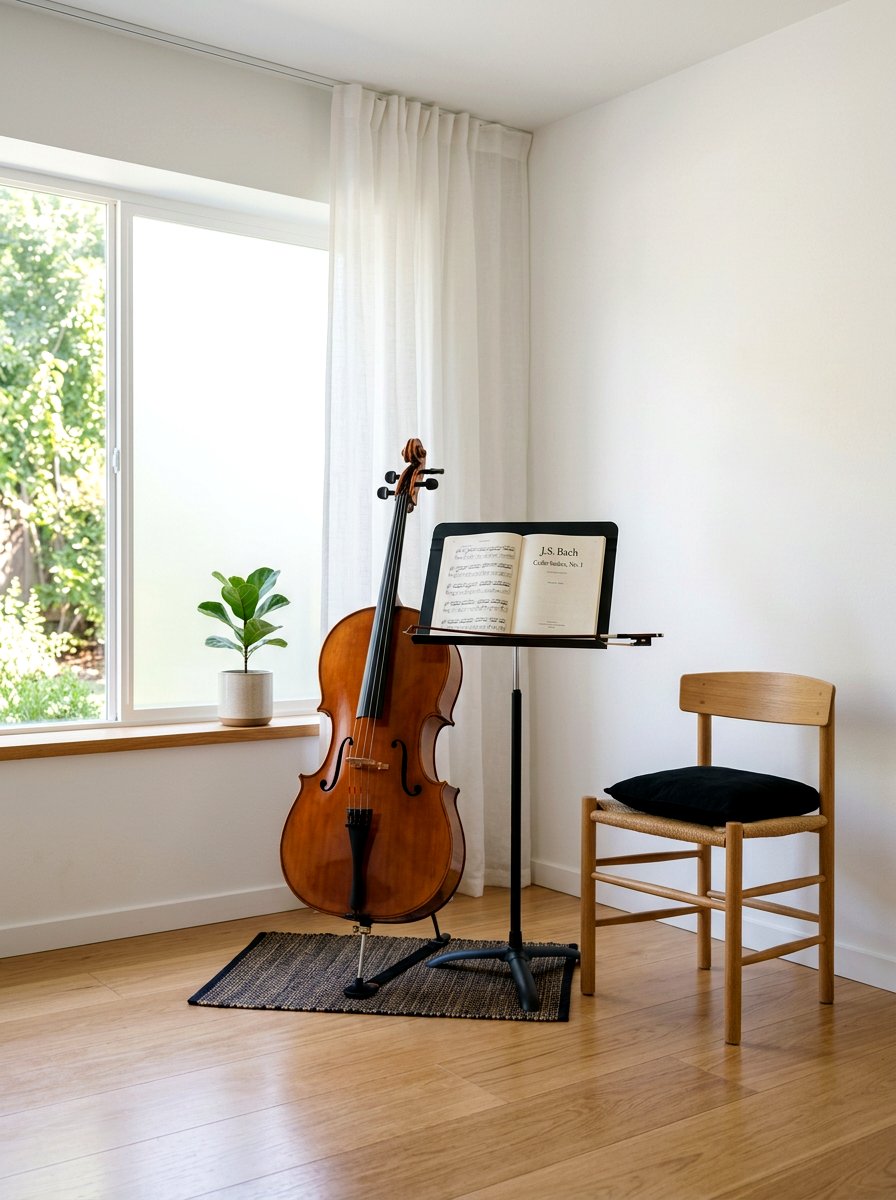
A minimalist practice space focuses on simplicity and functionality to help musicians concentrate entirely on their performance. You should keep the room clutter-free by including only the essential items, such as a single instrument, a music stand, and a high-quality chair. Neutral wall colors like soft white or light gray create a calm, meditative atmosphere that reduces visual distractions during intense practice. Large windows that allow for plenty of natural light can make the small space feel more open and refreshing throughout the day. This stripped-back approach ensures that the music remains the primary focus, providing a clean slate for technical mastery and artistic growth.
10. Industrial music loft
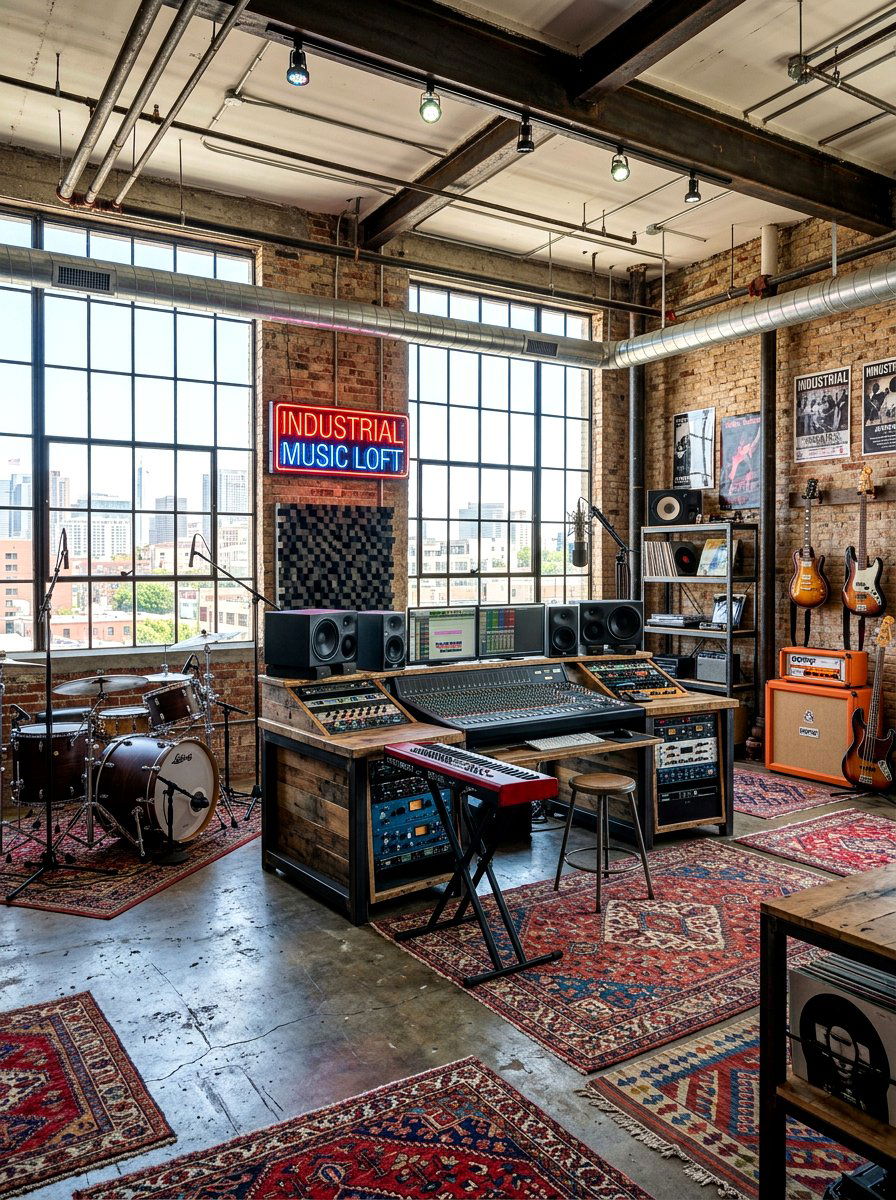
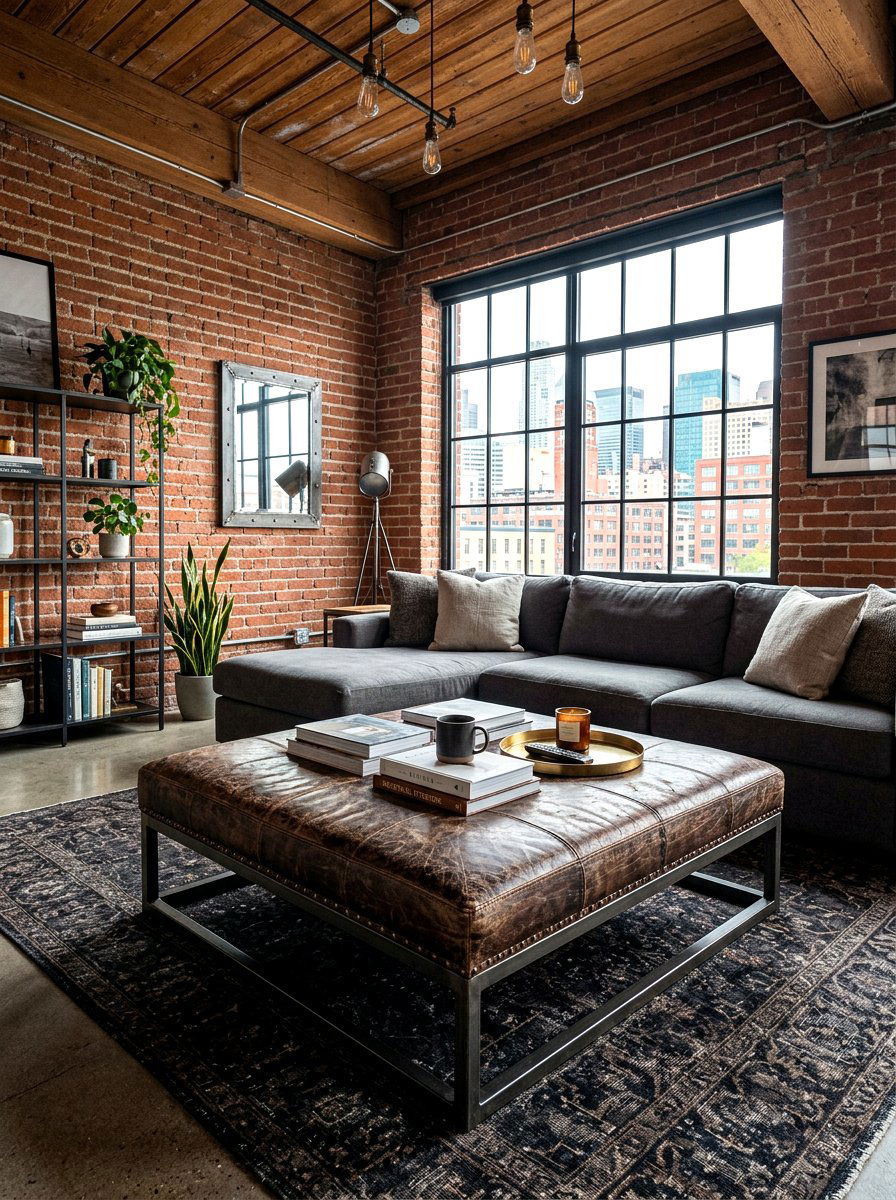
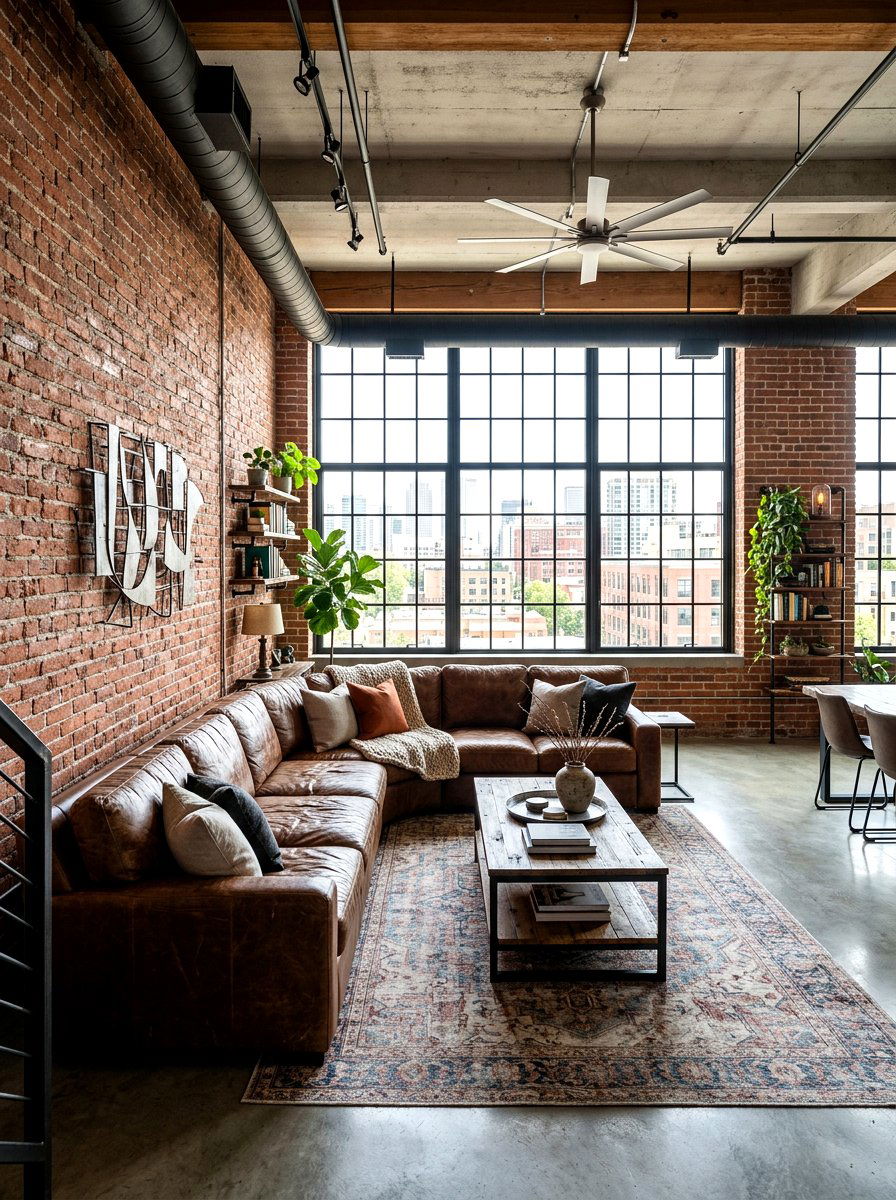
An industrial music loft combines raw architectural elements with modern audio technology for a gritty and creative aesthetic. You can highlight features like exposed pipes, concrete floors, and large metal-framed windows to create a sense of urban scale. Incorporate rugged furniture made from reclaimed wood and steel to complement the architectural style while providing functional workspaces for gear. Large, colorful rugs and heavy curtains can be added to soften the acoustics of the hard surfaces and prevent unwanted echoes. This spacious, open-concept layout is perfect for musicians who need room to move and enjoy a bold, edgy environment that reflects their unique musical identity.
11. Retro listening room
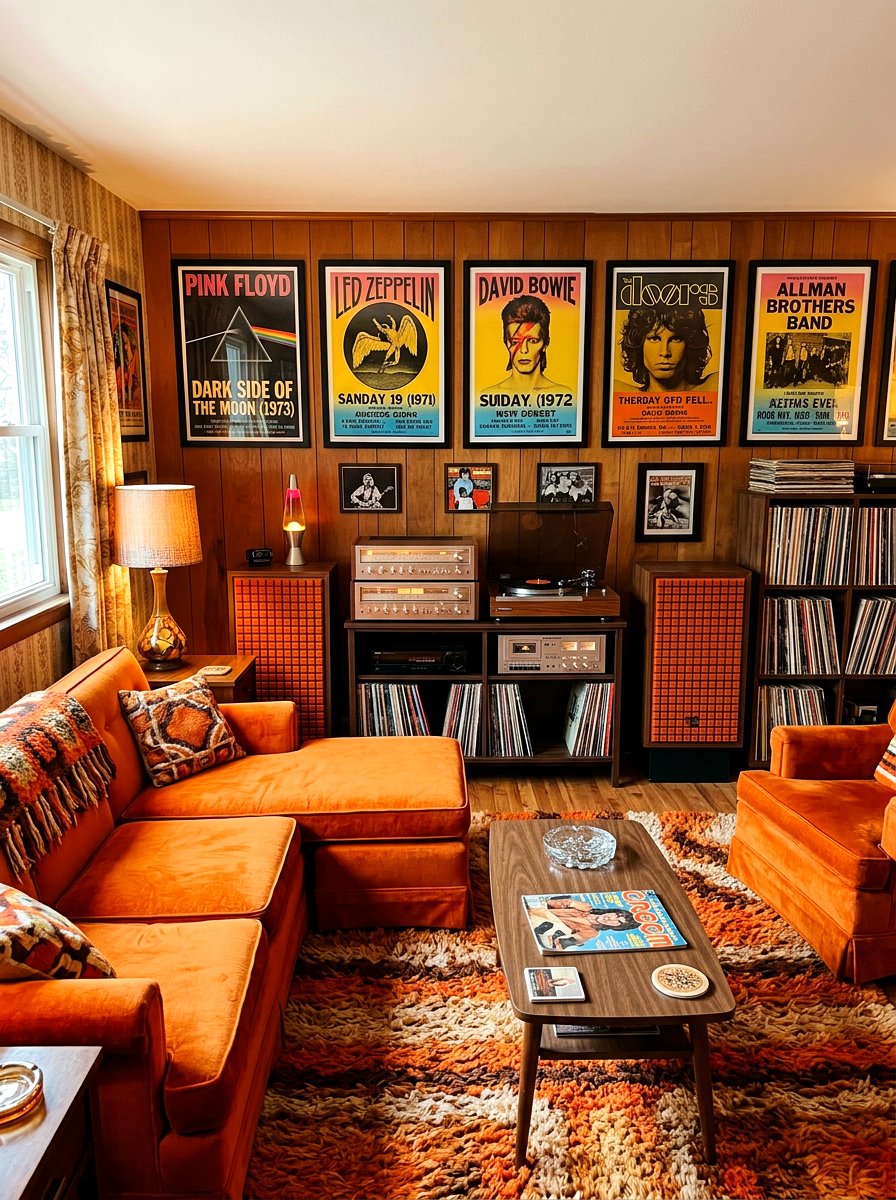
A retro listening room brings the charm of the past into the present by using vintage-inspired decor and classic audio equipment. You should look for 1970s-style furniture, such as low-slung orange sofas and wooden cabinets with tapered legs, to anchor the design. Displaying old concert posters and neon signs on the walls adds a playful, nostalgic energy to the space. Using a classic silver-faced receiver and large floor-standing speakers ensures that the audio quality matches the vintage aesthetic of the room. This fun and vibrant environment provides a perfect getaway for those who appreciate the history of music and want to celebrate it in their daily life.
12. Modern vocal booth
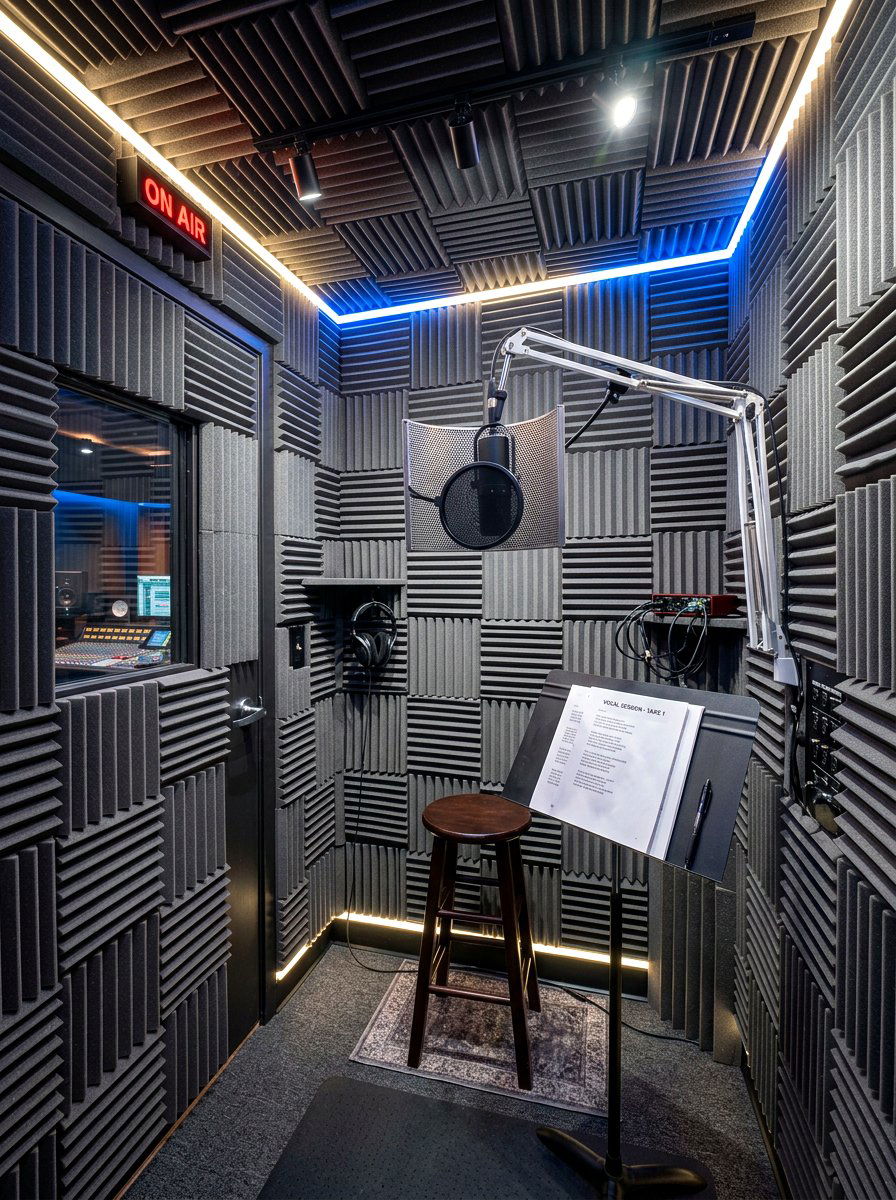
Creating a modern vocal booth requires a compact and highly controlled acoustic environment to capture the cleanest possible recordings. You should line the interior of a small closet or a corner of a room with high-density acoustic foam or thick moving blankets to eliminate reverb. Mounting a professional condenser microphone on a sturdy boom arm ensures stability and flexibility during long recording sessions. Use bright, adjustable LED lighting inside the booth to help the vocalist see their lyrics clearly without generating excess heat. This dedicated space provides the isolation needed for professional-quality voiceovers and vocal tracks, making it a vital component of any serious home recording setup.
13. Keyboard workstation setup
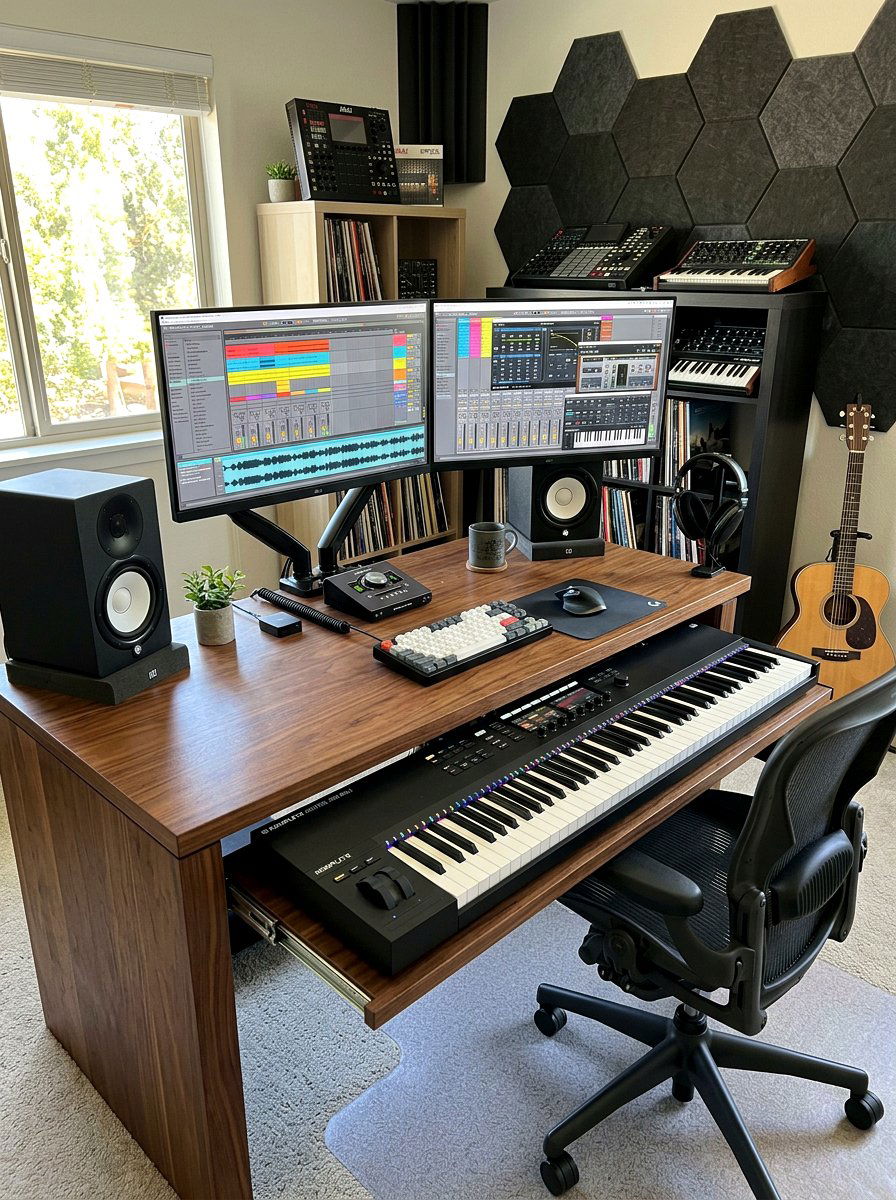
A keyboard workstation setup should be designed for maximum efficiency and comfort for digital composers and pianists alike. You should choose a desk with a slide-out tray that can accommodate a full-sized MIDI controller, keeping the main surface free for your computer. Positioning studio monitors at the correct angle ensures that you can hear the nuances of your virtual instruments while playing. Use ergonomic cable trays to hide the numerous wires required for pedals, power supplies, and USB connections. Incorporating a comfortable, armless chair allows for unrestricted arm movement while playing complex passages, creating a streamlined environment that supports your digital workflow and creative musical production.
14. Garage studio conversion
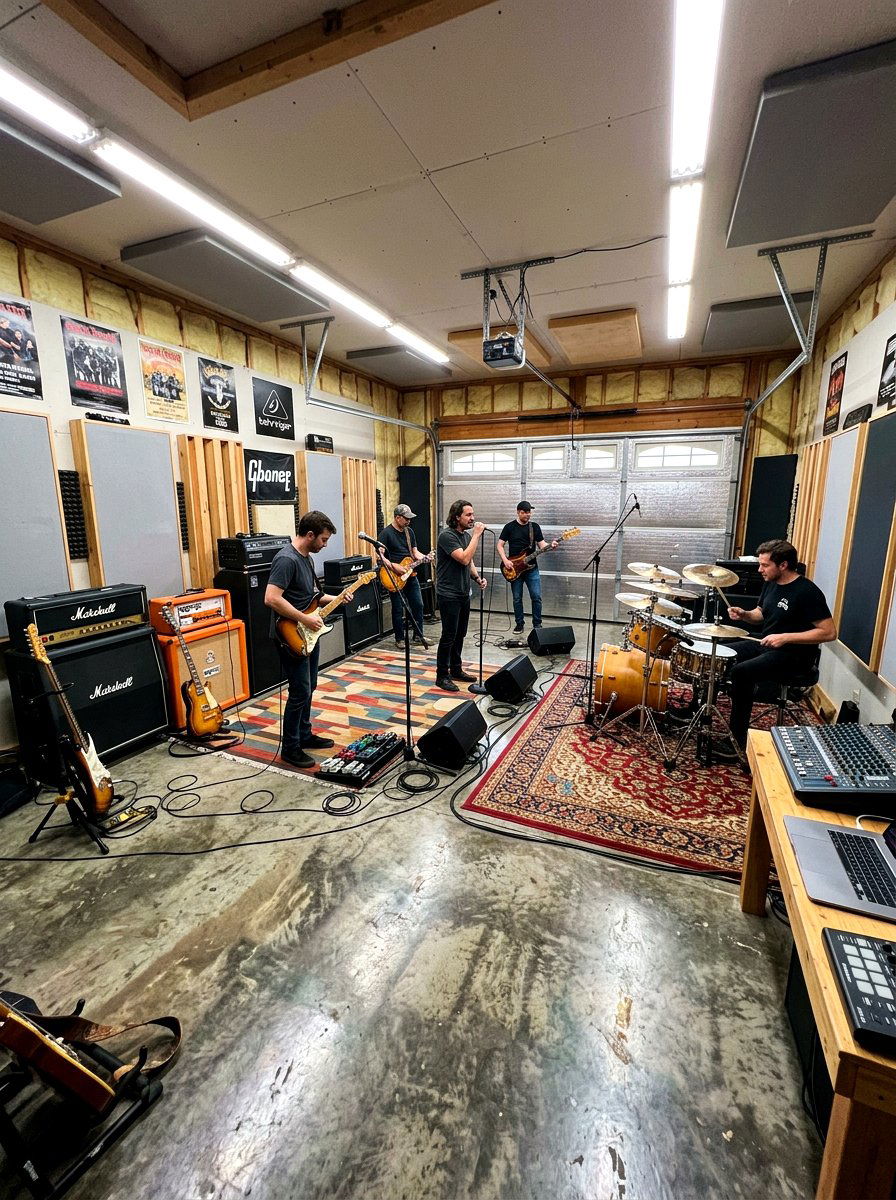
A garage studio conversion offers a unique opportunity to create a large, isolated space for loud instruments like drums and electric guitars. You should begin by insulating the walls and ceiling to regulate temperature and provide necessary sound dampening for the neighborhood. Polished concrete floors paired with large, heavy-duty rugs create a professional and durable surface that can handle heavy gear and frequent movement. Installing bright overhead shop lights combined with focused floor lamps provides versatile illumination for both technical work and creative sessions. This expansive area is ideal for full band rehearsals or large-scale recording projects, giving you the freedom to make noise without disturbing the main house.
15. Acoustic guitar nook
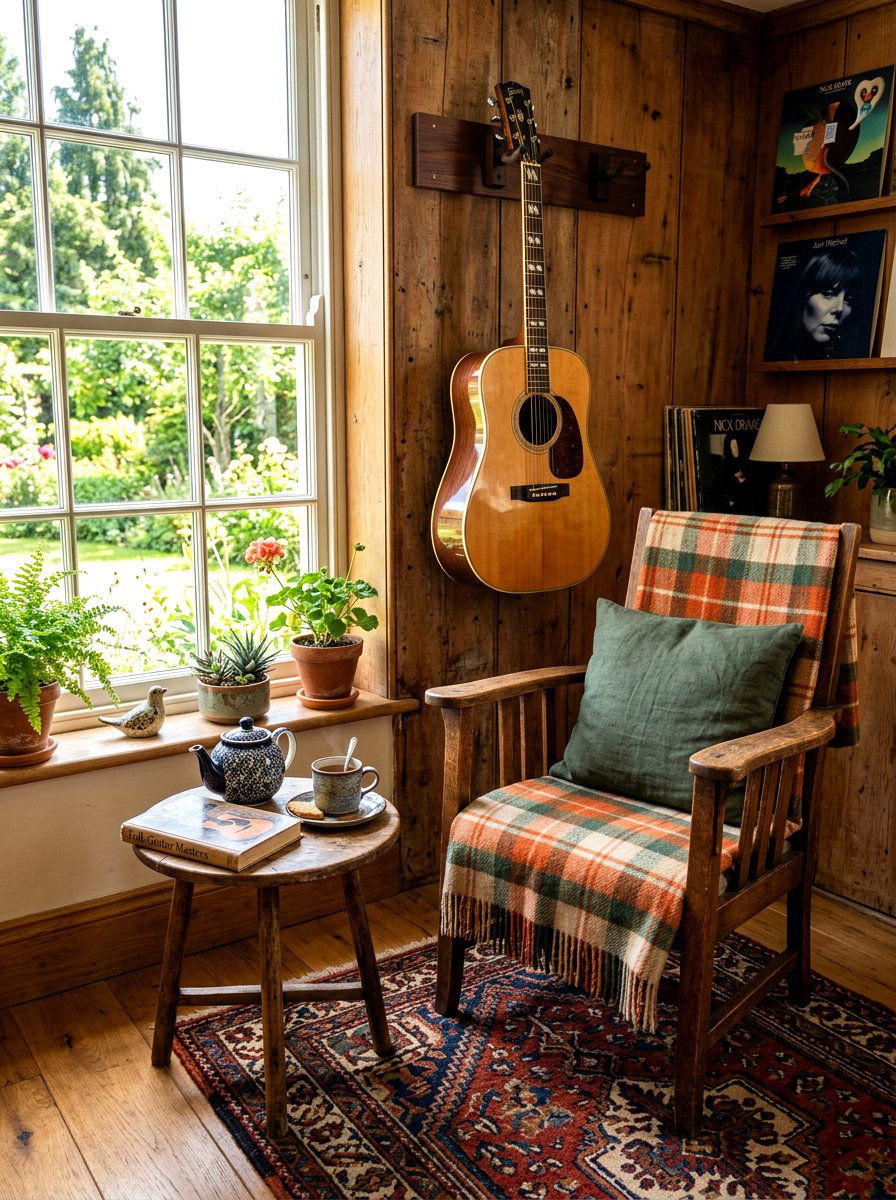
An acoustic guitar nook provides a quiet, cozy corner of a living room or bedroom dedicated to unplugged playing. You can create this space by placing a comfortable wooden chair or a small bench near a window for plenty of natural light. Wall-mounting your acoustic guitar nearby ensures it is always ready for a quick session, while also acting as a decorative element. A small side table for a tuner, picks, and a cup of tea adds a touch of convenience and relaxation to the area. This simple yet inviting setup encourages daily practice and provides a peaceful retreat for enjoying the natural tones of your favorite acoustic instrument.
16. Electronic music room
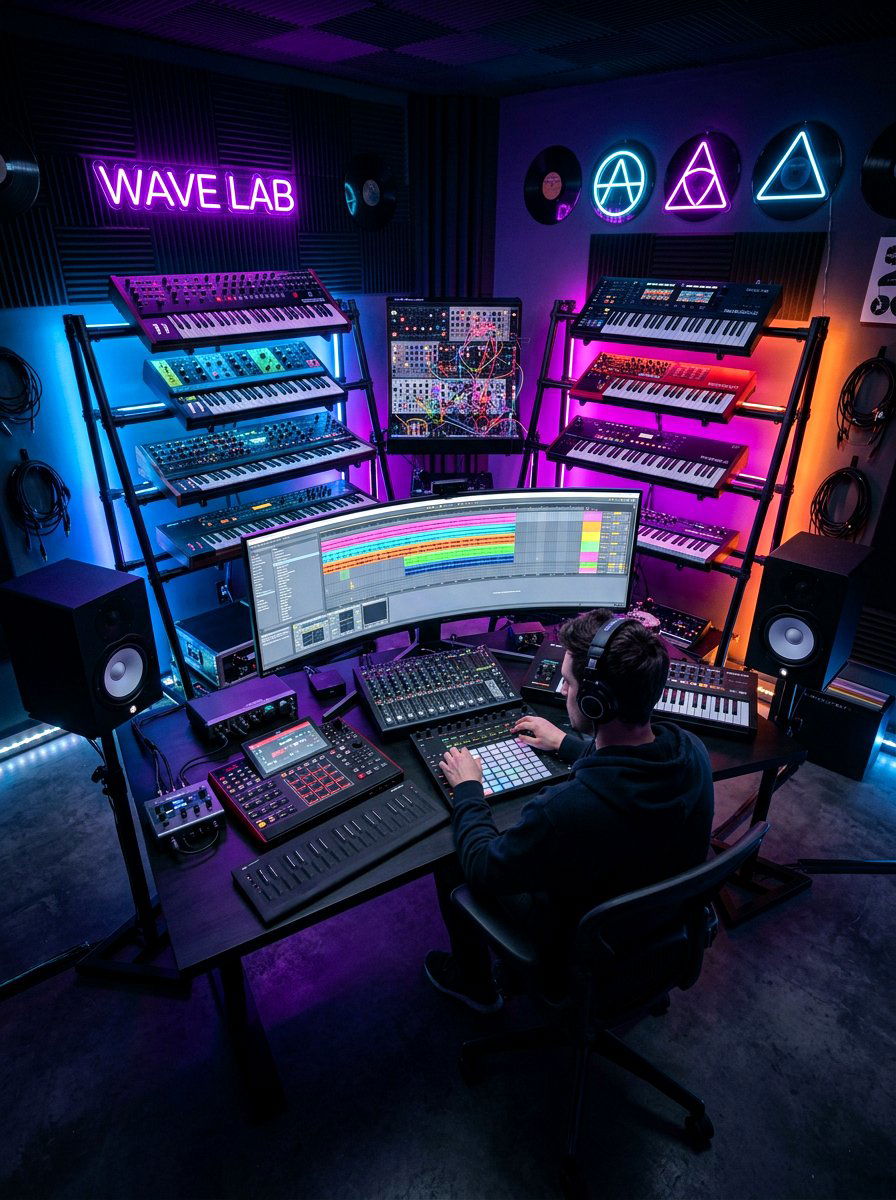
An electronic music room should be a high-tech environment that facilitates the use of synthesizers, drum machines, and complex routing systems. You should use tiered shelving or specialized synth stands to keep all your hardware within arm's reach for tactile performance. Incorporating vibrant LED strip lighting that can sync with your music adds a futuristic and energetic vibe to the space during late-night sessions. Large desk surfaces provide plenty of room for multiple controllers and a wide-screen monitor for your digital audio workstation. This focused, tech-heavy layout is perfect for producers who rely on a hands-on approach to sound design and electronic music composition.
17. Dark academia music library
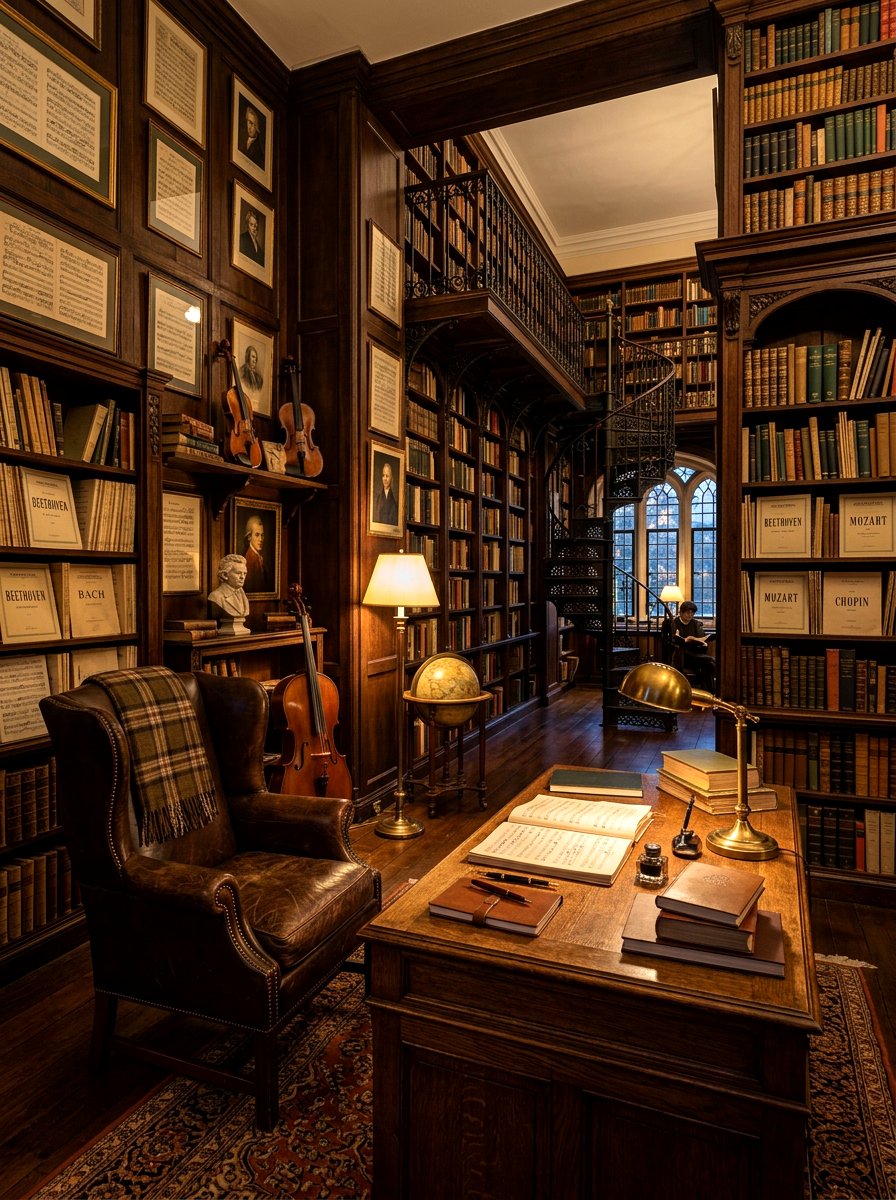
A dark academia music library blends the love of classical music with a scholarly and vintage aesthetic for a truly intellectual atmosphere. You should use dark wood bookshelves to line the walls, filling them with bound music scores, biographies of composers, and antique metronomes. A deep leather wingback chair provides the perfect spot for studying complex compositions or listening to orchestral recordings. Use brass floor lamps and green-shaded desk lights to provide a warm, focused glow that enhances the room's studious and moody character. This elegant space serves as both a research hub and a quiet sanctuary for those who appreciate the deeper history and theory of music.
18. Neon music studio
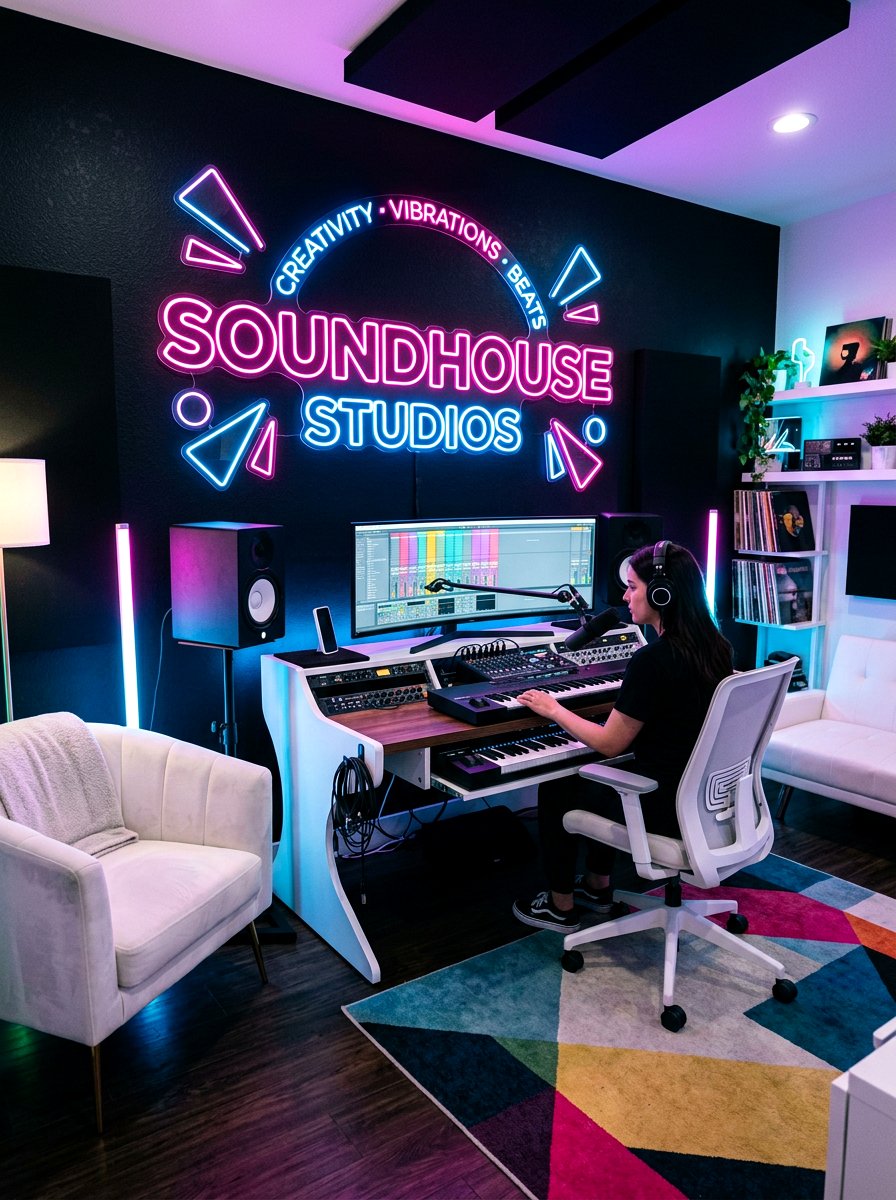
A neon music studio uses bold lighting and contemporary design to create a high-energy environment inspired by modern music videos. You can install custom neon signs featuring your favorite lyrics or musical symbols to serve as the room's primary focal point. Using a dark color palette for the walls allows the vibrant pink, blue, or purple lights to glow more intensely and reflect off glossy surfaces. Minimalist furniture with clean lines ensures the tech gear remains the star of the show while maintaining a sleek, professional appearance. This visually striking setup is perfect for content creators and musicians who want a space that looks as good as it sounds.
19. Luxury music salon
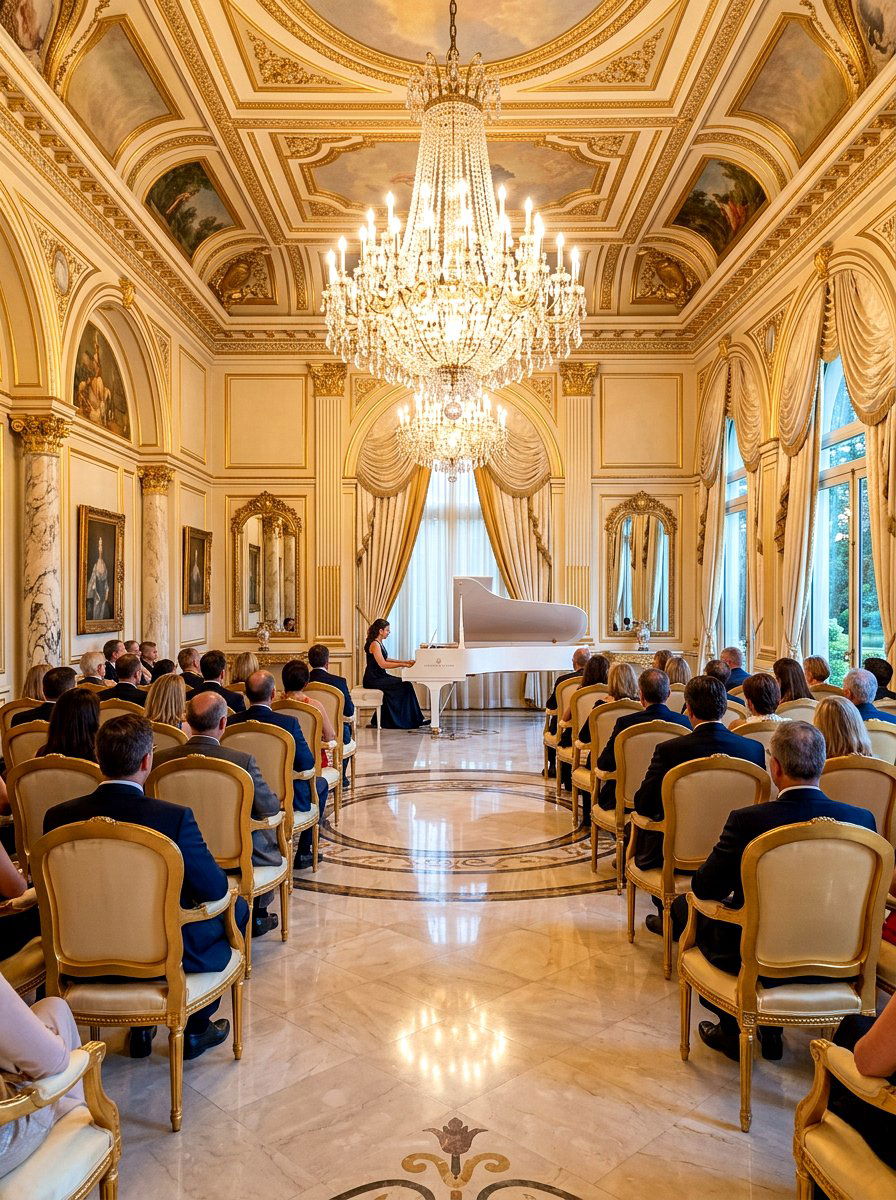
A luxury music salon is designed for high-end entertaining and the appreciation of fine instruments in a sophisticated setting. You should choose premium materials like marble, silk, and polished hardwoods to create a sense of opulence throughout the room. A concert grand piano or a rare harp should be positioned as the centerpiece, surrounded by elegant, formal seating for guests. Large crystal chandeliers and ornate wall sconces provide a regal level of illumination that highlights the architectural details of the space. This grand environment is perfect for hosting private recitals or enjoying a glass of fine wine while listening to exquisite live or recorded musical performances.
20. Small apartment studio
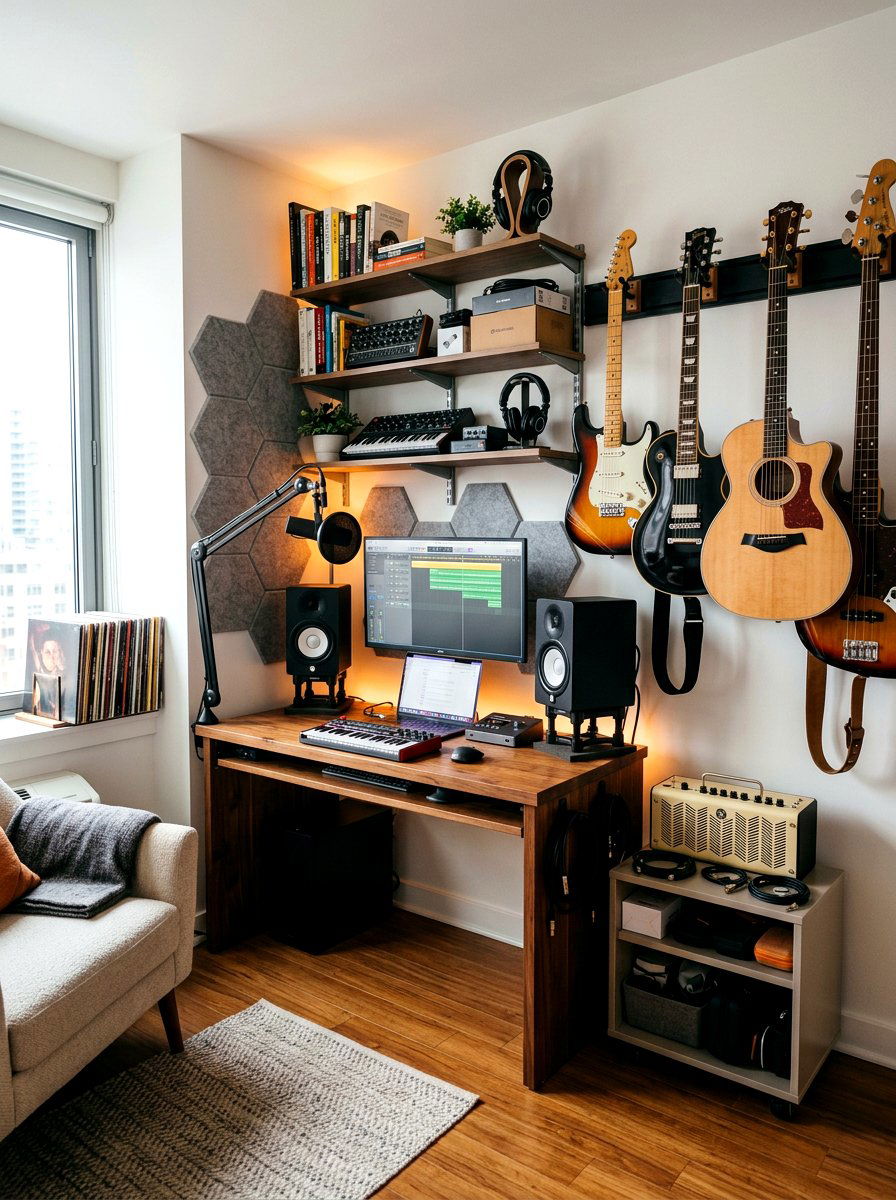
A small apartment studio maximizes limited square footage by using multifunctional furniture and smart storage solutions for essential music gear. You should look for a compact desk that can double as a workspace for both music production and daily office tasks. Utilizing vertical space with wall-mounted shelves and instrument hooks keeps the floor clear and the room feeling more spacious. Using high-quality headphones instead of large monitors allows you to mix and produce music without disturbing neighbors in close proximity. This efficient and organized approach ensures that you can pursue your musical passions even in the most modest living spaces without sacrificing style or functionality.
21. Sunroom music space
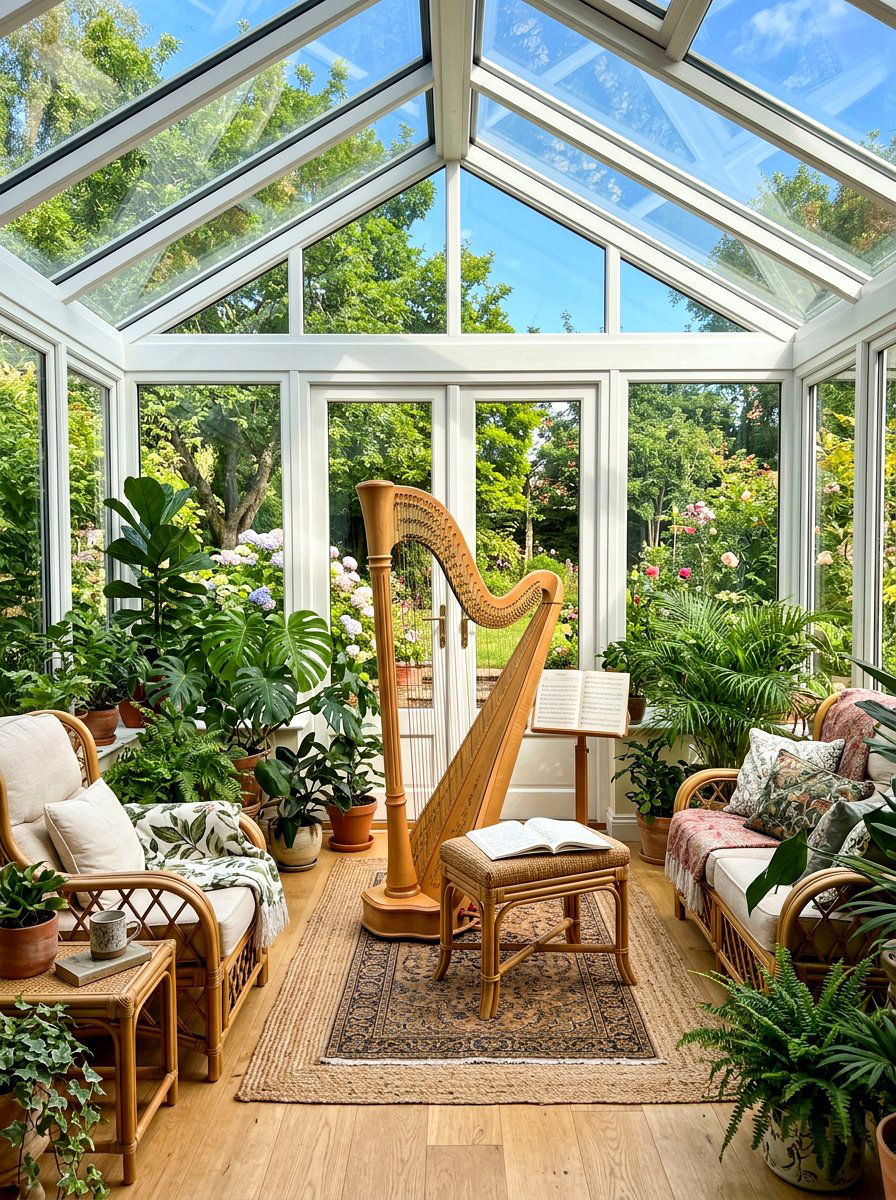
A sunroom music space offers a bright and airy environment that connects your creative practice with the natural beauty of the outdoors. You can take advantage of the floor-to-ceiling windows by placing your instrument in a spot where you can enjoy the view while playing. Use light, natural materials like rattan or light-colored woods for furniture to complement the sunny and open atmosphere of the room. Adding several indoor plants can improve air quality and create a lush, tranquil vibe that inspires organic and peaceful compositions. This refreshing setting is ideal for morning practice sessions or composing music that feels light, airy, and deeply connected to nature.
22. Rustic music cabin
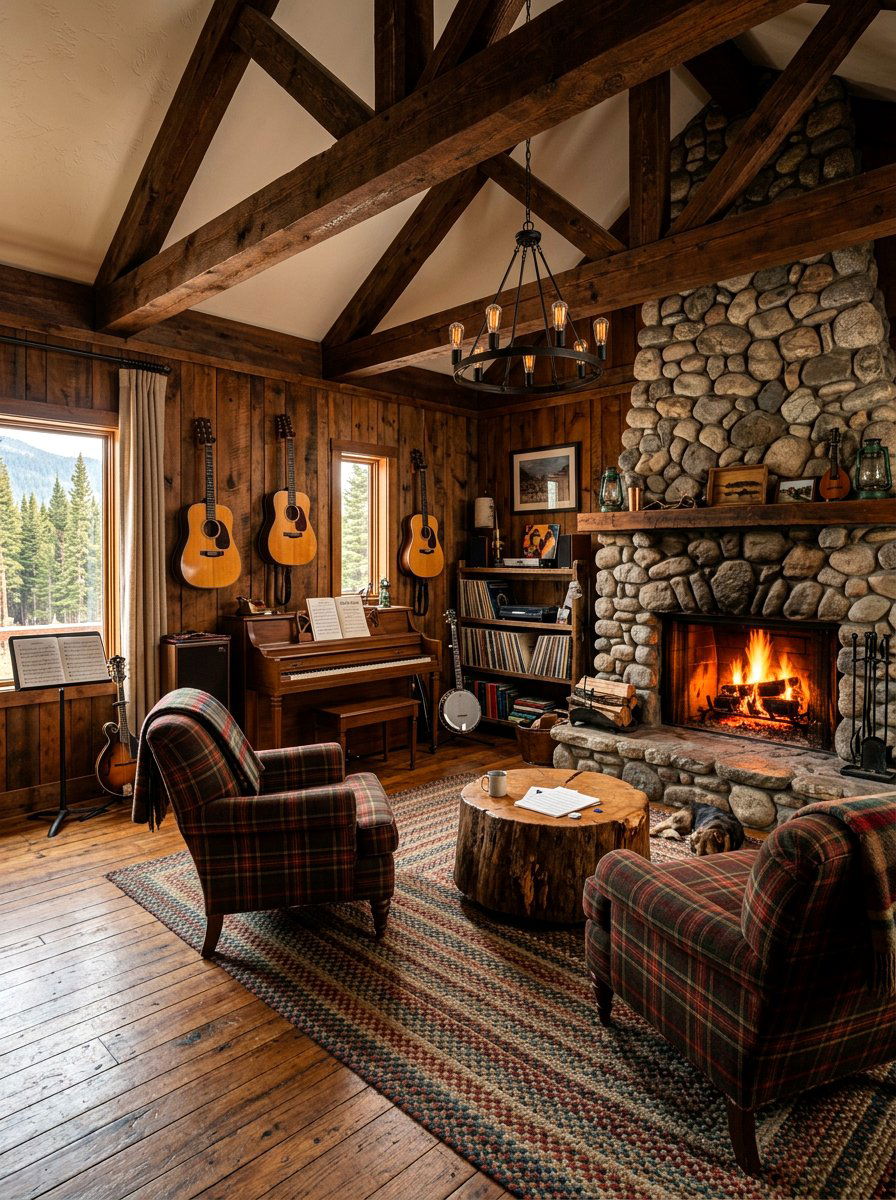
A rustic music cabin uses natural wood and cozy textures to create a warm, lodge-like environment that feels grounded and authentic. You should feature wood-paneled walls and exposed ceiling beams to enhance the room's natural acoustic warmth and visual charm. A stone fireplace or a wood-burning stove can provide a cozy focal point and a sense of comfort during cold winter recording sessions. Incorporate thick wool rugs and plaid upholstery to add layers of texture and sound dampening to the rugged space. This inviting and earthy setting is perfect for folk singers, acoustic performers, and anyone who wants a retreat that feels far away from the city.
23. Music office hybrid
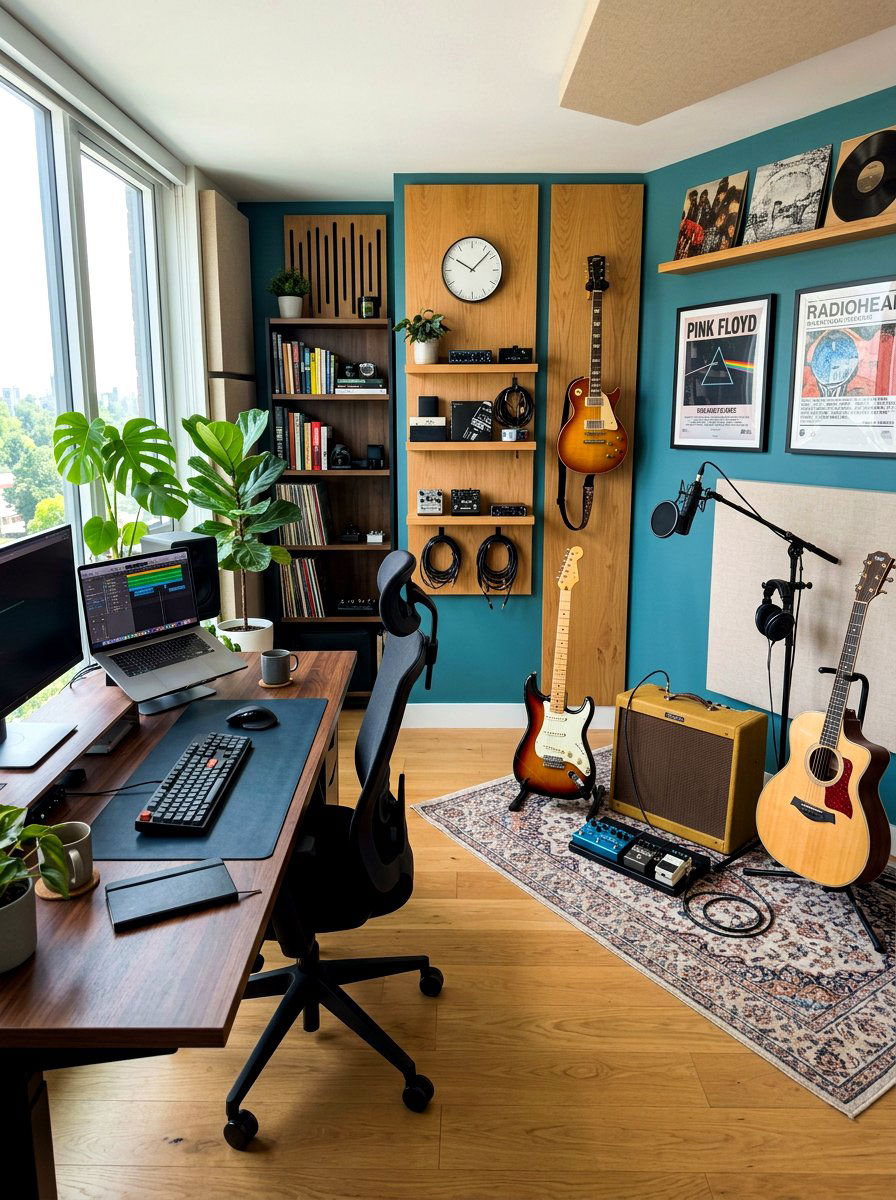
A music office hybrid is a versatile room that balances a professional workspace with a creative studio for ultimate daily productivity. You can divide the room into zones, with one area dedicated to a traditional desk and computer for work tasks. The other zone can house your instruments and recording gear, making it easy to transition from a business call to a songwriting session. Use a cohesive color scheme and modern shelving to tie the two areas together visually while keeping everything organized and tidy. This functional layout is perfect for freelancers and remote workers who want to integrate their love of music into their daily professional routine.
24. Professional mixing suite
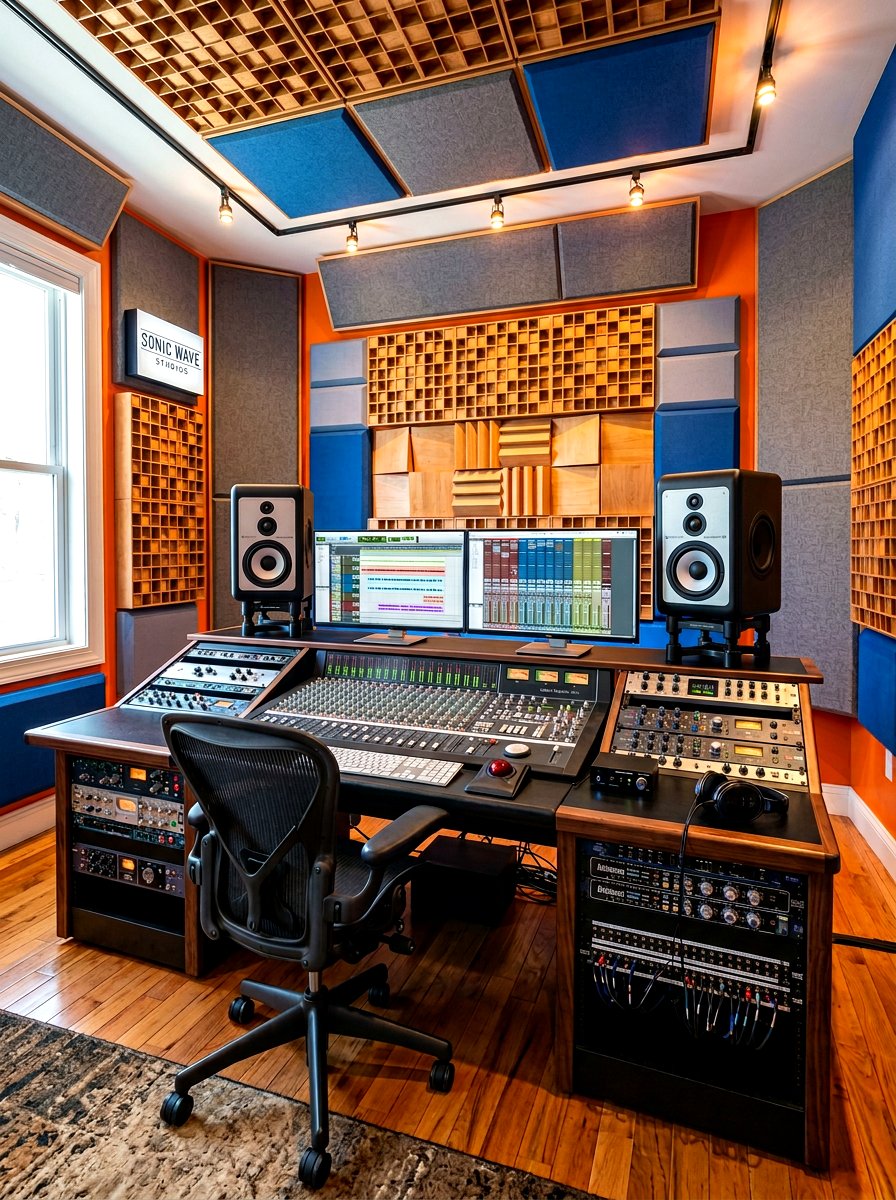
A professional mixing suite is a highly specialized environment designed for the most accurate sound reproduction and critical listening. You should invest in high-end studio monitors and position them on heavy-duty stands at the precise distance and angle for a perfect stereo image. Extensive acoustic treatment, including bass traps in the corners and diffusers on the back wall, is essential for a flat frequency response. Use a dedicated mixing desk with built-in rack space for compressors, equalizers, and other essential outboard gear. This technical sanctuary provides the precision needed for professional audio engineering, ensuring that every mix translates perfectly across different playback systems and environments.
25. Bohemian music lounge

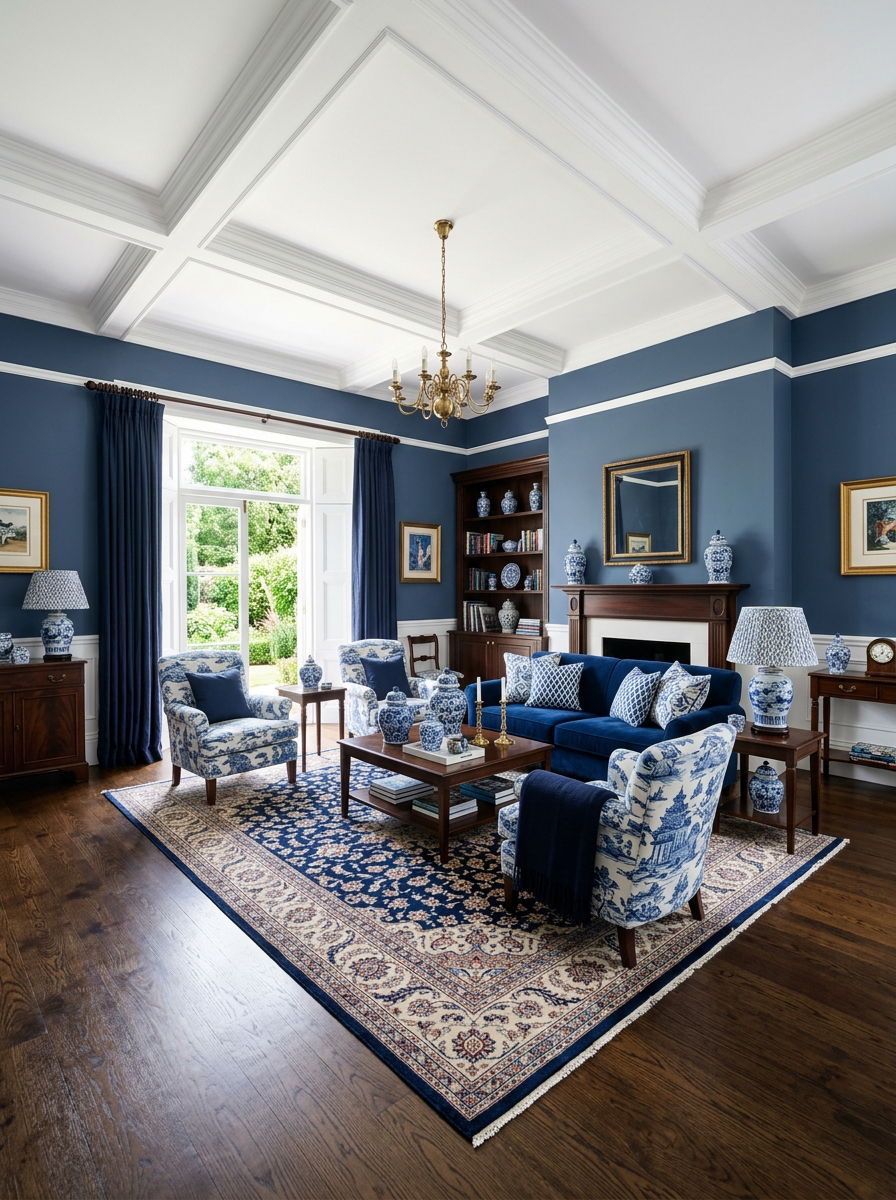
A bohemian music lounge embraces an eclectic and free-spirited design that prioritizes comfort and personal expression above all else. You can layer colorful Persian rugs and floor cushions to create a relaxed, communal atmosphere for jam sessions with friends. Hanging tapestries and macramé wall art can help soften the acoustics while adding a touch of artistic flair to the walls. Displaying a variety of unique instruments from around the world adds character and encourages experimental play and cross-cultural musical exploration. This warm and inviting space is perfect for those who want a music room that feels lived-in, soulful, and deeply reflective of their own creative journey.
26. Drum room setup
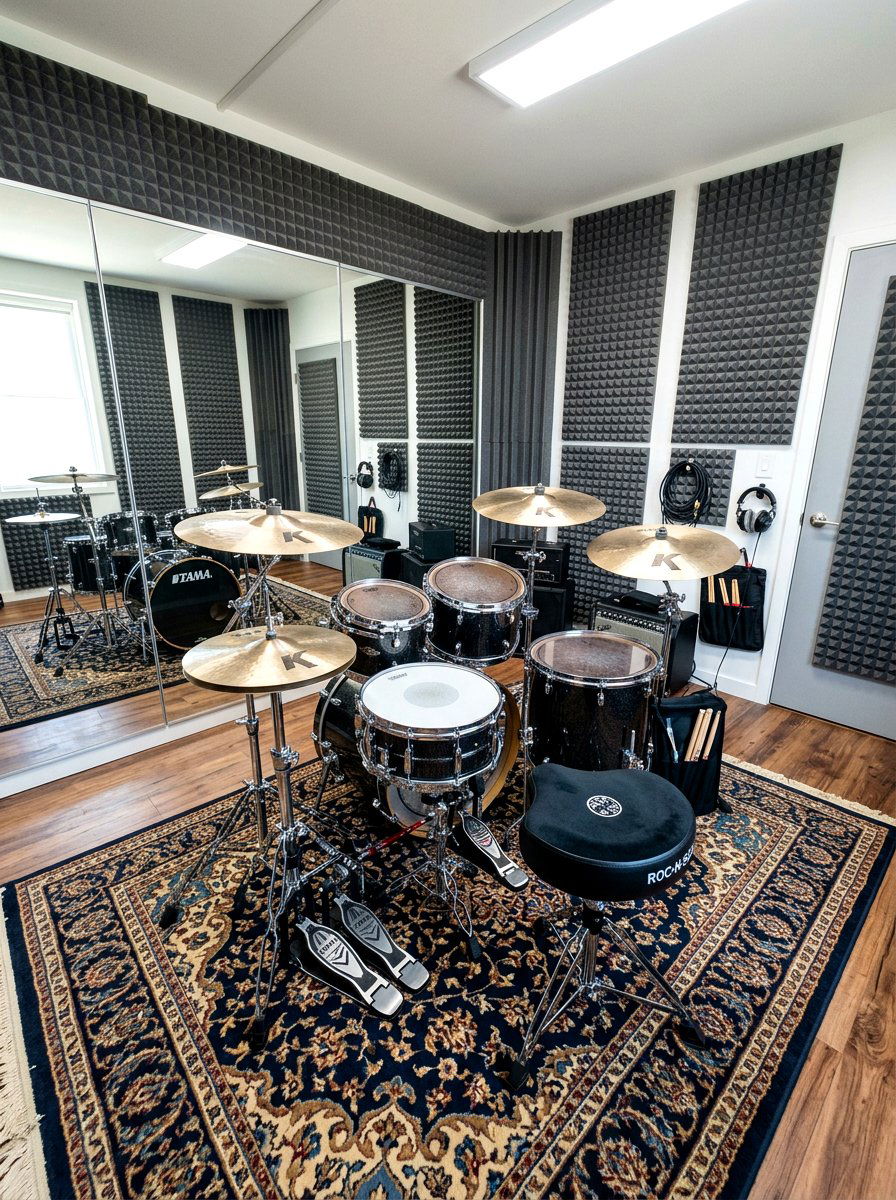
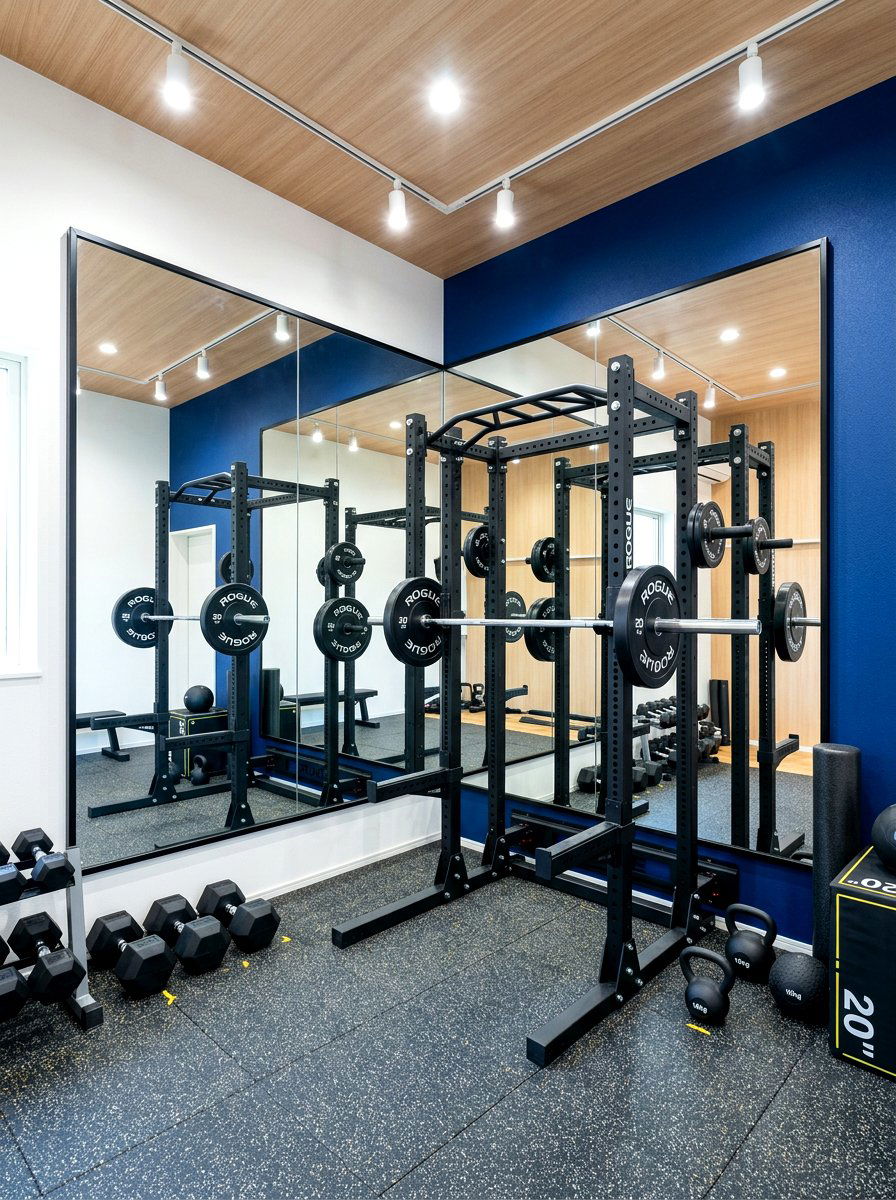
A dedicated drum room setup focuses on containing high-volume sound while providing the drummer with a functional and inspiring workspace. You should use heavy-duty soundproofing materials on the walls and thick rubber mats under the kit to reduce vibrations and noise leakage. Installing a large mirror can help drummers monitor their form and technique during practice sessions, which is essential for professional growth. Bright, even overhead lighting ensures that every part of the kit is visible, while adjustable spot lights can add a more dramatic feel for filmed performances. This robust and energetic environment allows for intense practice without worrying about the acoustic impact on the rest of the home.
27. Mid century music room
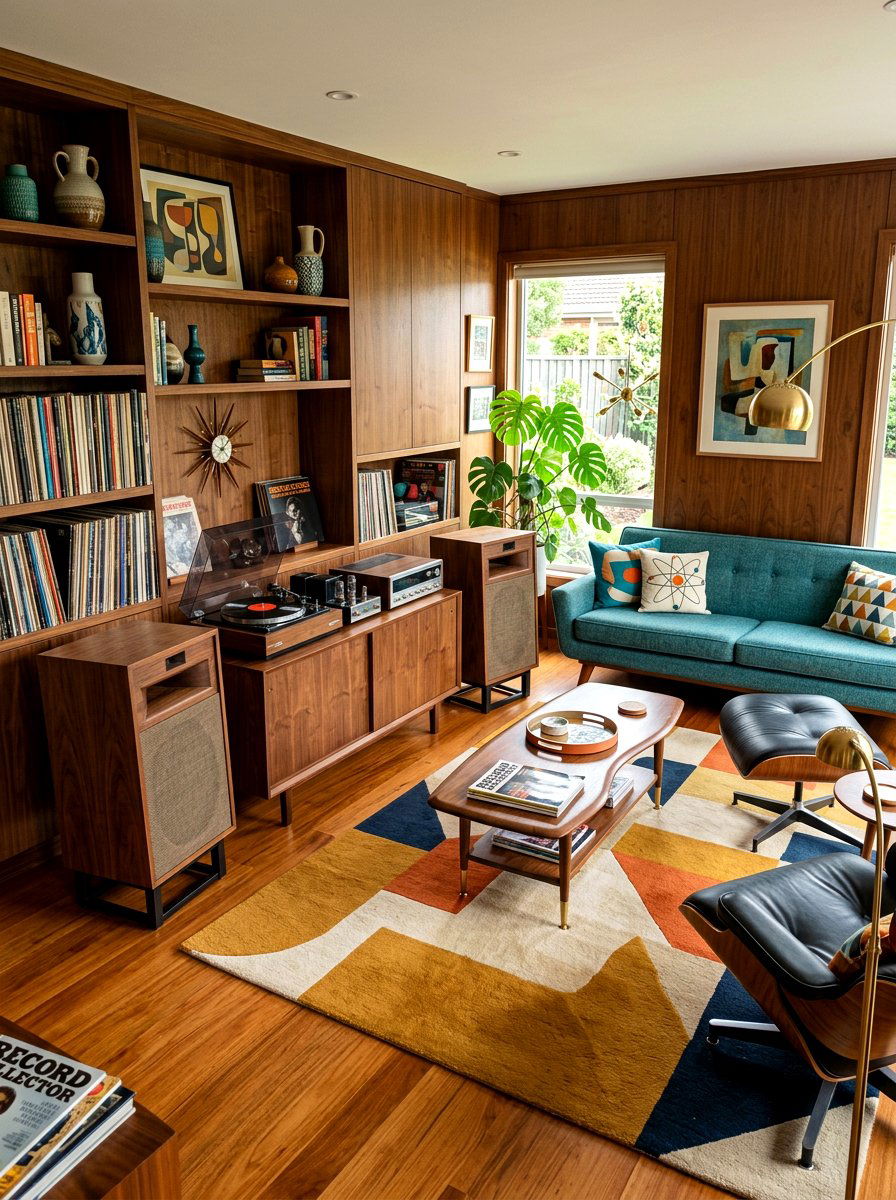
A mid century music room celebrates the iconic design era of the 1950s and 60s with sleek furniture and vintage audio gear. You should look for walnut or teak cabinets to house your hi-fi system and a curated collection of classic jazz or rock records. Use bold, geometric patterns in rugs and window treatments to add a touch of period-accurate visual interest to the space. Iconic seating, such as an Eames lounge chair, provides a stylish and comfortable spot for long listening sessions or reading music biographies. This sophisticated and nostalgic environment provides a timeless backdrop for enjoying the classic sounds and styles of a legendary era in music history.
28. High tech music lab
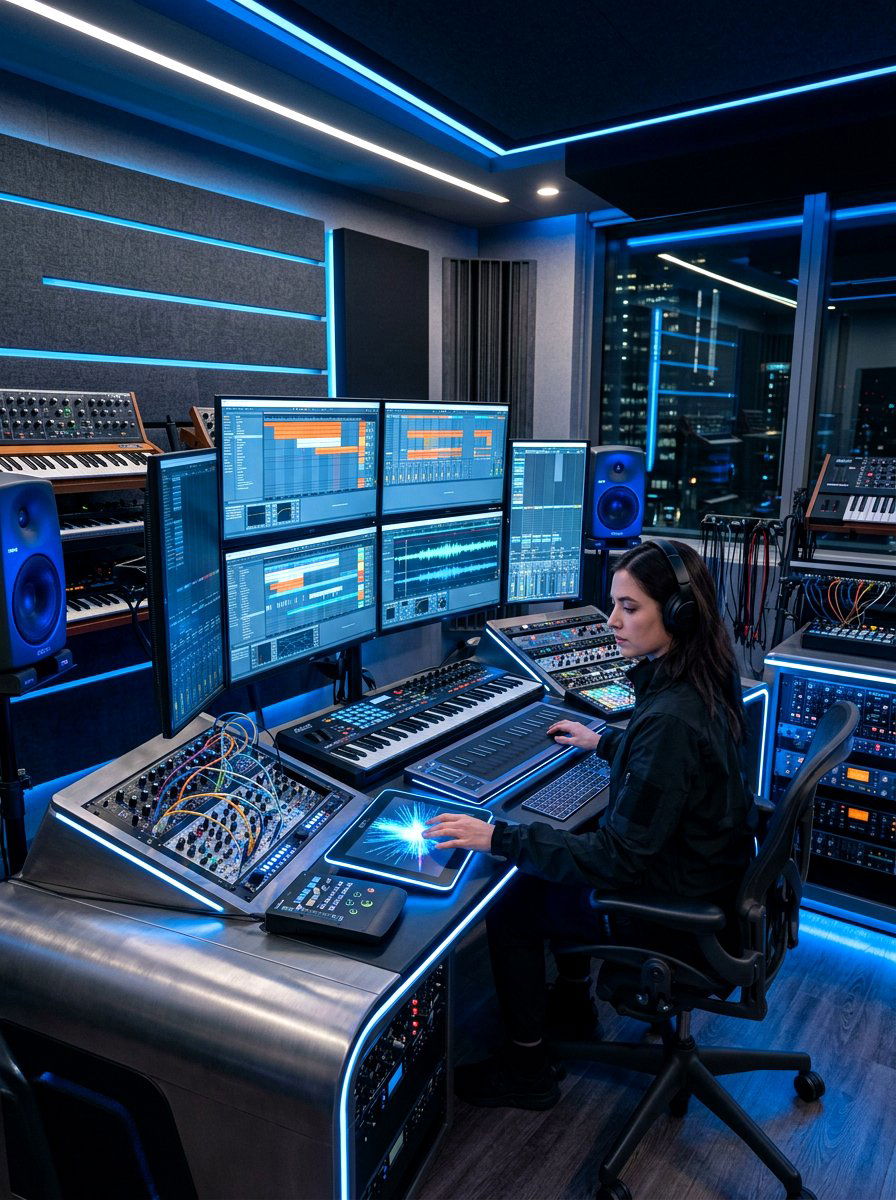
A high tech music lab is a futuristic space designed for digital innovation, sound design, and the use of cutting-edge musical software. You should install multiple large-screen monitors and high-speed computers to handle complex virtual instruments and large recording projects with ease. Incorporating touch-sensitive controllers and gesture-based MIDI devices adds a modern and interactive element to your creative process. Use sleek, metallic finishes and integrated LED lighting to create a clean and professional environment that feels like a command center for sound. This advanced setup is perfect for film composers and electronic artists who need the latest technology to push the boundaries of modern music production.
29. Classical music parlor
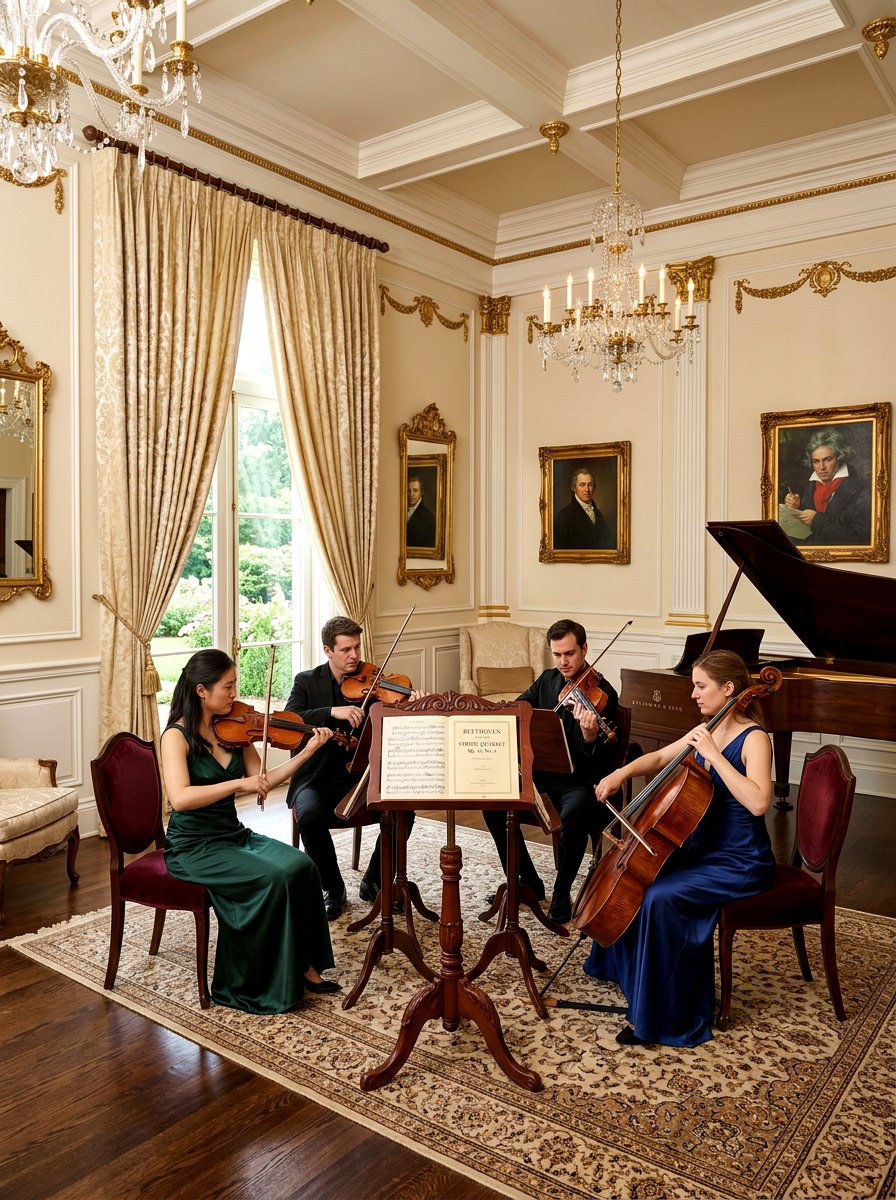
A classical music parlor is a refined space that echoes the elegance of 19th-century salons, perfect for chamber music and formal practice. You should choose a palette of soft neutrals and gold accents, incorporating traditional furniture like velvet-upholstered benches and mahogany music stands. Hanging heavy silk curtains can help manage the room's acoustics while adding a layer of sophisticated texture and luxury to the windows. A large, ornate mirror can make the space feel bigger and more formal, reflecting the beauty of the instruments and the decor. This graceful environment provides a serene and respectful setting for the study and performance of timeless classical works and acoustic melodies.
30. Zen music sanctuary
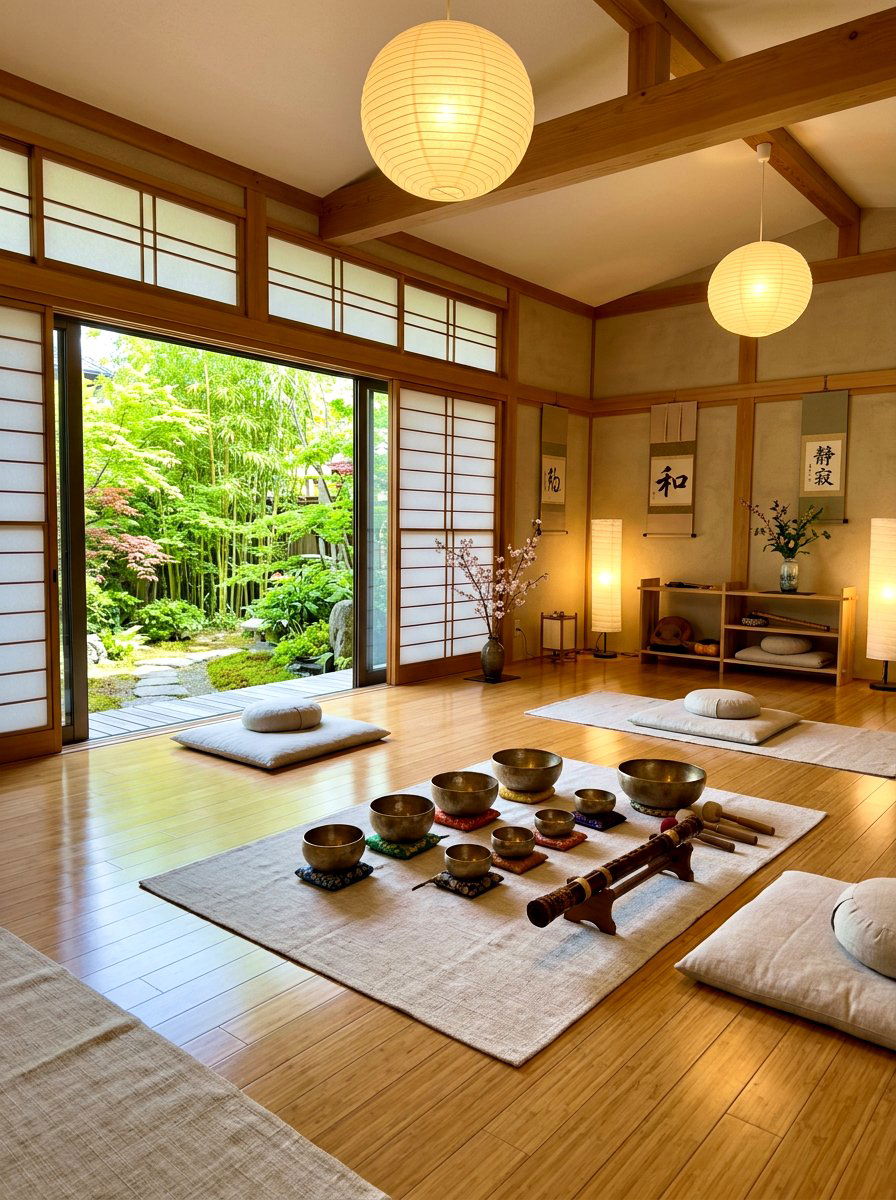
A zen music sanctuary focuses on creating a peaceful, meditative environment that fosters deep focus and spiritual connection through sound. You should use a minimalist design with natural materials like bamboo, stone, and light-colored linens to create a calming and grounded atmosphere. Incorporate low-profile seating or floor mats to encourage a relaxed posture while playing instruments like a flute, singing bowls, or a classical guitar. Soft, warm lighting from paper lamps or candles creates a gentle glow that helps reduce stress and promotes a creative flow state. This tranquil retreat is perfect for those who use music as a form of meditation and want a space that supports their inner peace.
Conclusion:
Designing a music room is an exciting journey that allows you to tailor your environment to your specific artistic needs and personal style. Whether you prefer the high-tech precision of a modern recording studio or the cozy charm of a rustic cabin, the key is to create a space that inspires you to pick up your instrument every day. By considering factors like acoustics, lighting, and comfortable seating, you can transform any room into a professional-quality sanctuary for sound. We hope these thirty ideas have sparked your imagination and provided the practical guidance needed to begin your own home music project. May your new space be filled with endless harmony, creativity, and the joy of making music.

Related posts: