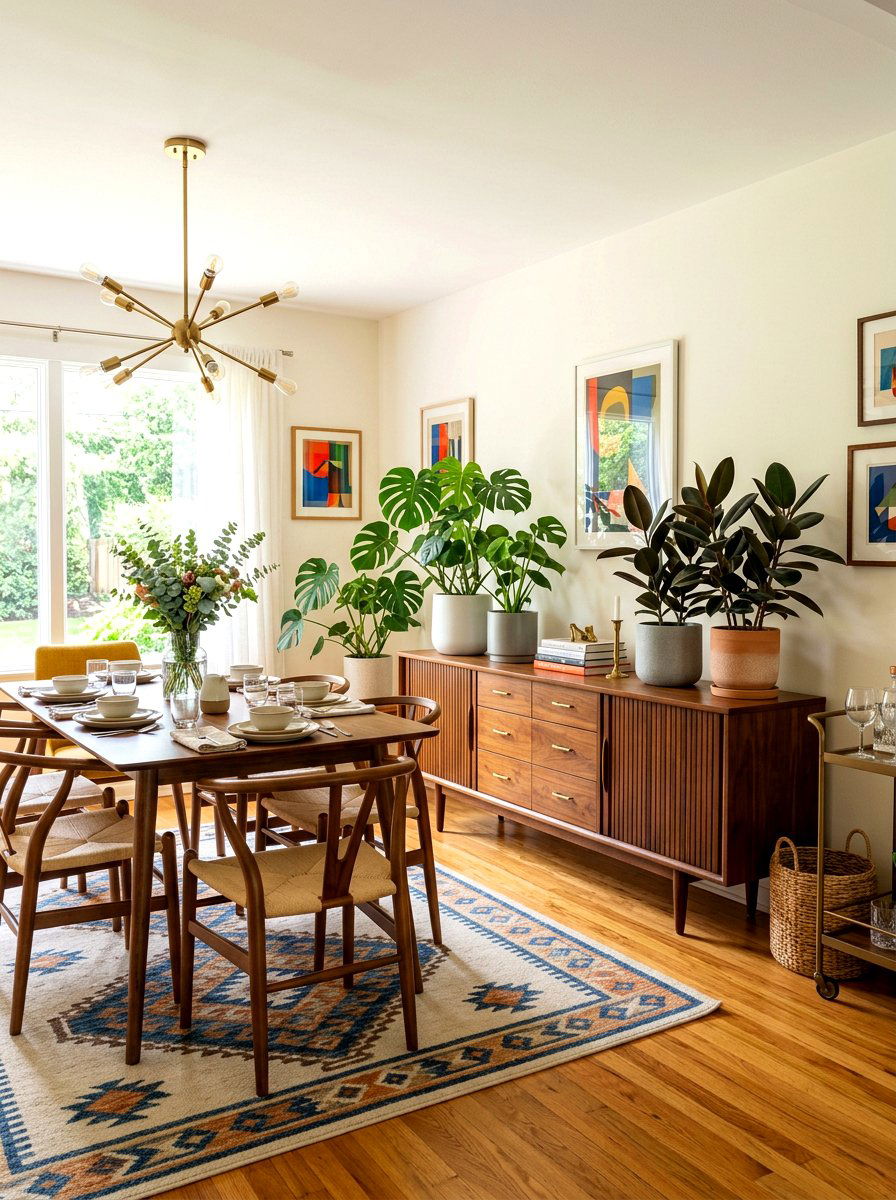
Transforming that often-overlooked empty space near your stairs can completely revitalize the atmosphere of your home. Incorporating lush greenery into your staircase design creates a beautiful bridge between different floors while simultaneously purifying the air and adding a vibrant pop of organic color. Many homeowners struggle with these small nooks, often leaving them dusty or cluttered with random household items. However, by strategically placing various plant species, you can create a mini indoor sanctuary or a refined botanical gallery. Whether you have a modern glass staircase or a classic wooden spiral, adding life to these corners elevates the entire architectural feel of your dwelling effortlessly.
1. Tall Fiddle Leaf Fig Corner
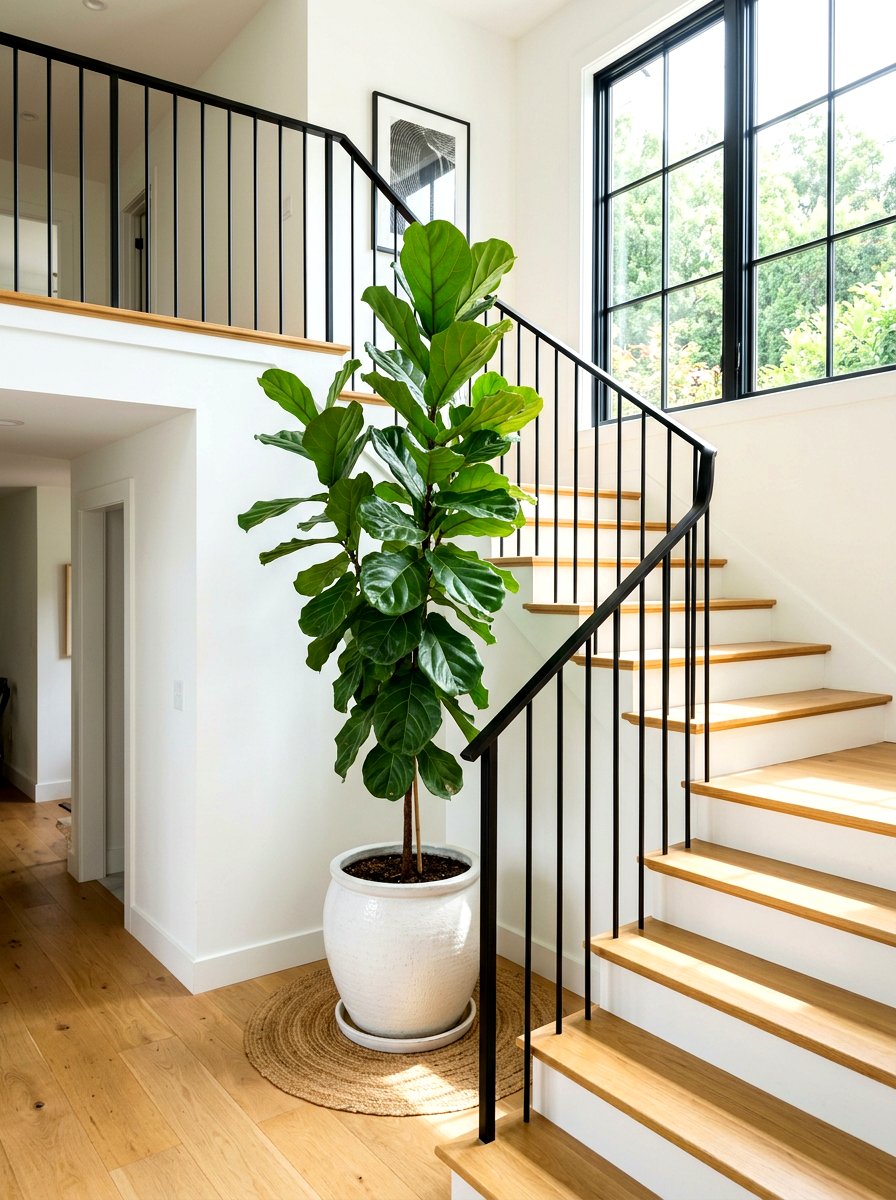
Placing a tall fiddle leaf fig in a sunny staircase corner instantly creates a dramatic architectural statement that draws the eye upward. These plants are beloved for their large, violin-shaped leaves and their ability to fill vertical space with vibrant green texture. To ensure it thrives, choose a spot with plenty of bright, indirect light, which is common in stairwells with large windows. A simple white or terra cotta pot keeps the focus on the plant's stunning silhouette. Regularly dusting the leaves helps the plant breathe and maintain its glossy appearance. This single, large element eliminates the need for smaller, cluttered decorations in the transition area.
2. Hanging Pothos Railing
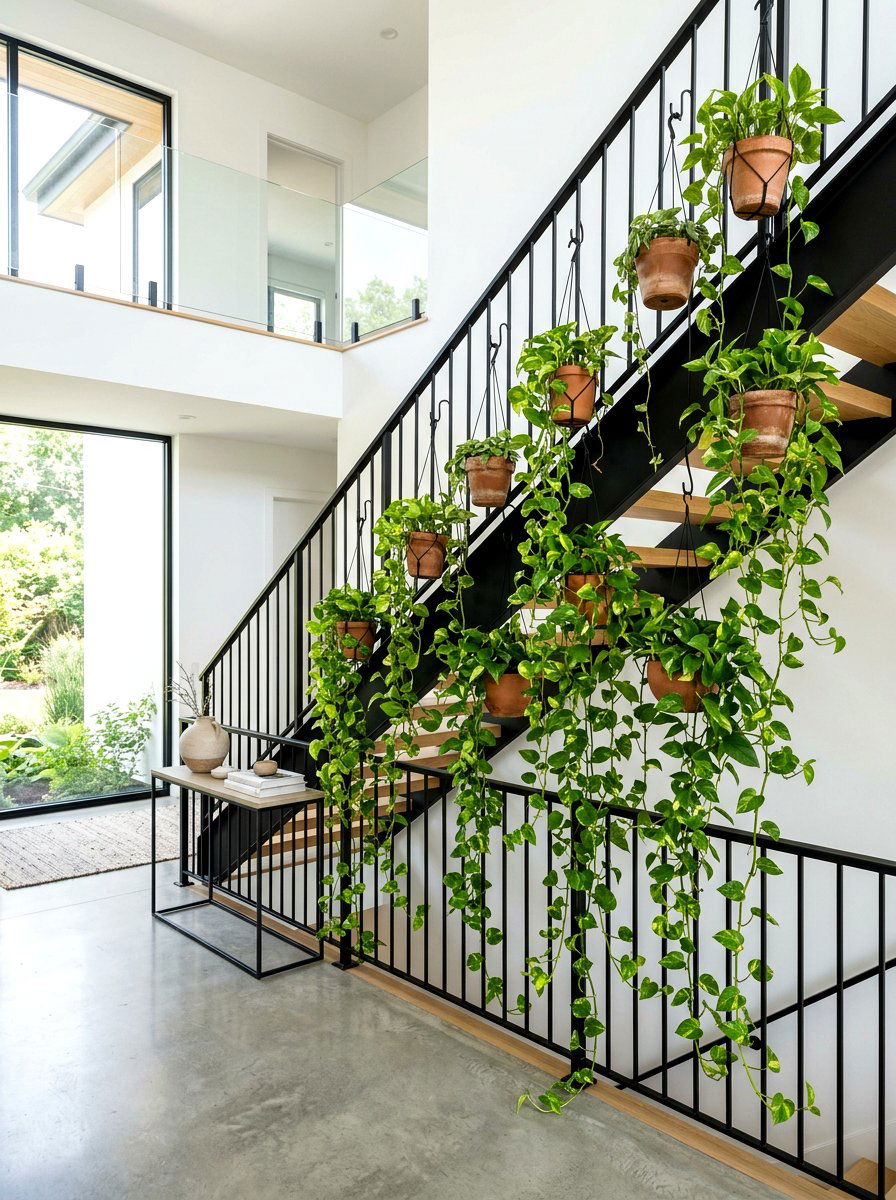
Utilizing the vertical height of your staircase by hanging trailing pothos from the railing creates a cascading waterfall effect of lush greenery. Pothos is an incredibly resilient plant that handles lower light conditions well, making it perfect for interiors that lack direct sun. You can use minimalist hooks or stylish macrame hangers to secure the pots safely along the banister. As the vines grow, they can be gently guided to wrap around the spindles, blurring the lines between structural architecture and nature. This approach saves valuable floor space on narrow landings while adding a soft, organic feel to hard wooden or metal stair surfaces.
3. Under Stairs Garden
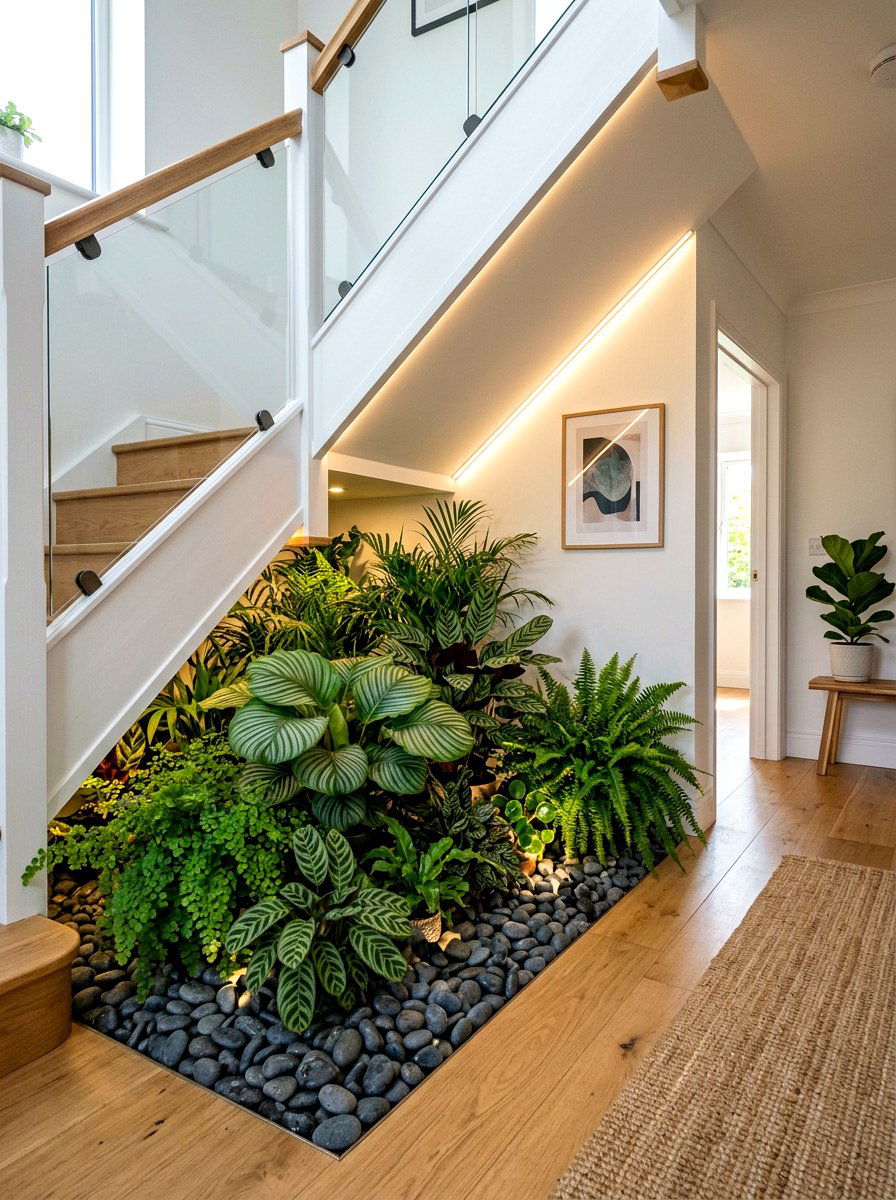
Creating a dedicated indoor garden in the recessed area under your stairs is a fantastic way to utilize what is often considered dead space. You can fill this zone with a variety of shade-tolerant plants like ferns, calatheas, and ZZ plants to build a multi-layered mini jungle. To enhance the look, consider adding a base of smooth river stones or decorative bark chips to define the garden bed. Installing a small, low-voltage spotlight can highlight the textures of the foliage and provide necessary light for growth. This intentional landscaping turns a dark corner into a breathtaking focal point that guests will certainly notice and admire.
4. Large Snake Plant Corner
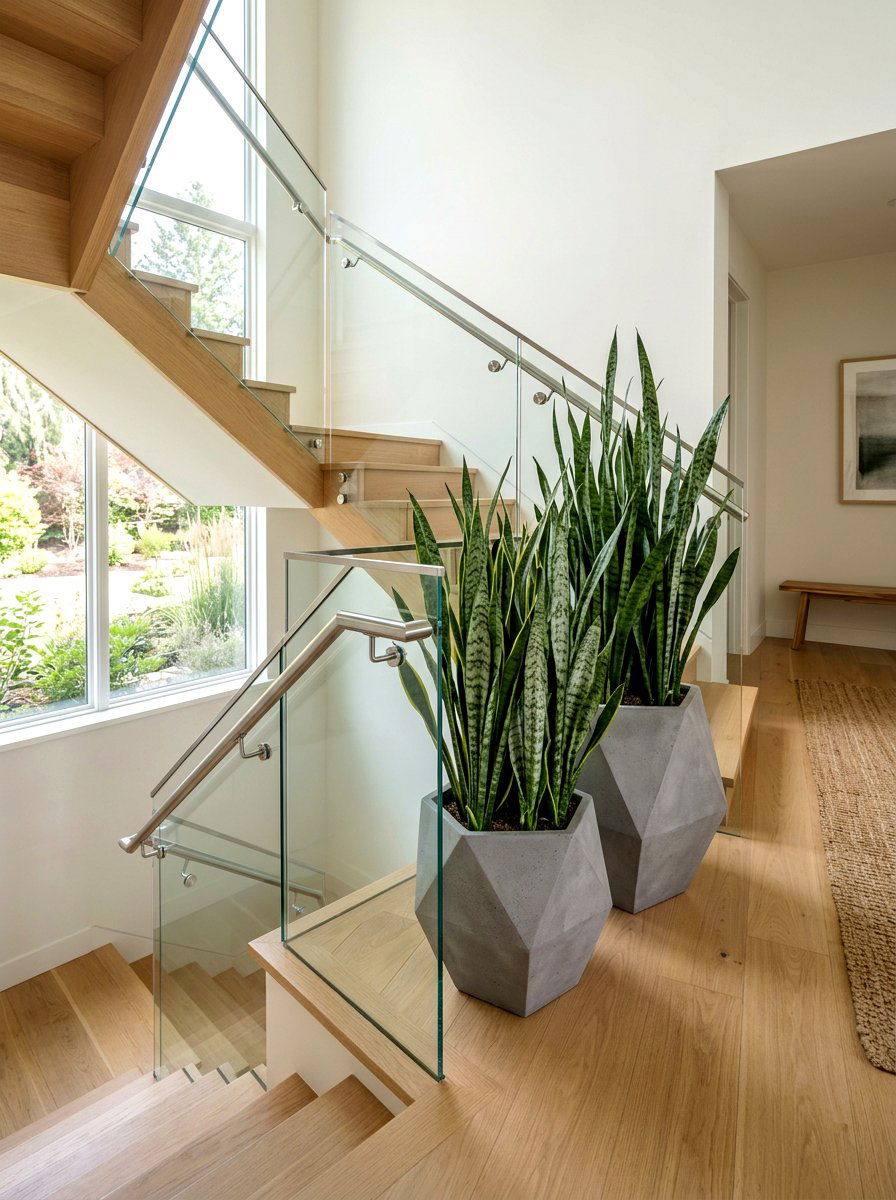
For a modern and sculptural look, a grouping of tall snake plants in a staircase corner offers clean lines and very low maintenance requirements. These hardy plants are famous for their upright, sword-like leaves that add a sense of height without taking up much horizontal width. They are particularly well-suited for stair landings because they can survive in almost any lighting condition, including the dimmer spots often found between floors. Placing them in sleek, geometric ceramic pots enhances their contemporary aesthetic. Because they are efficient air purifiers, having them in high-traffic transition areas helps keep the air in your home feeling fresh.
5. Woven Basket Floor Plant
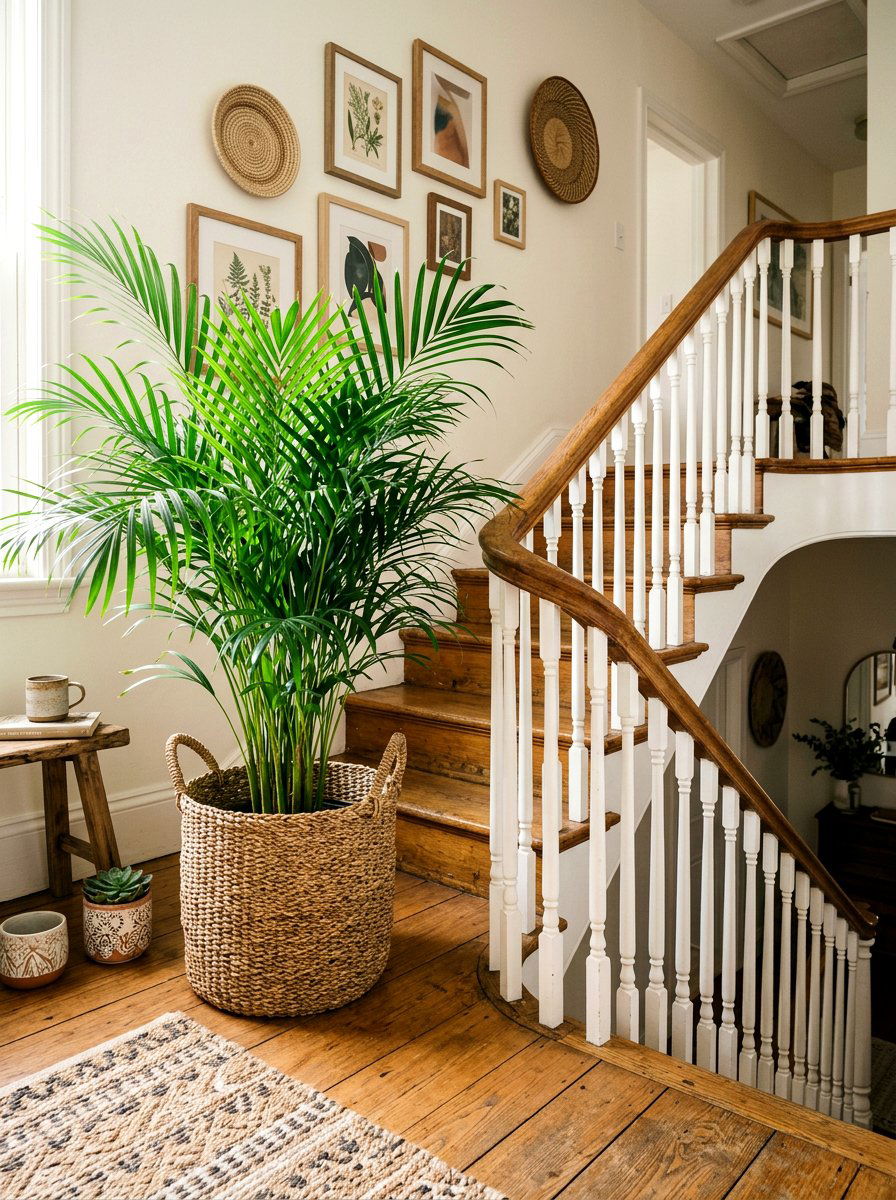
Softening the transition of a wooden or tiled staircase is easily achieved by placing a large leafy plant inside a textured woven basket. This styling choice brings a bohemian or coastal vibe to the space, adding warmth and a tactile element to the decor. Plants with soft, arching fronds like the parlor palm or a large fern work beautifully with the organic weave of the basket. Ensure you use a waterproof liner inside the basket to protect the natural fibers from moisture during watering. This simple addition creates a cozy, lived-in feel that makes the climb up the stairs feel much more inviting and serene.
6. Wall Mounted Stair Planter
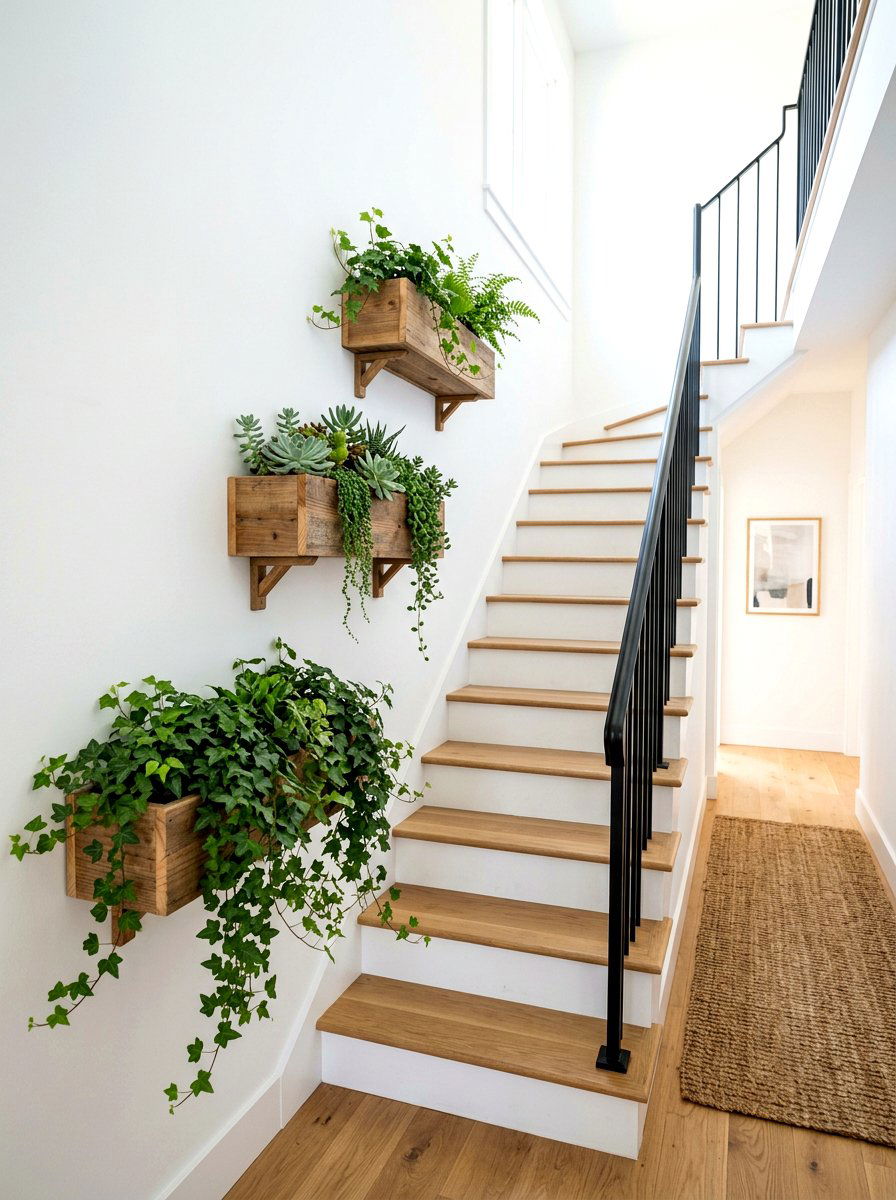
When floor space is limited on a narrow staircase, wall-mounted planters provide a clever way to introduce greenery without creating a tripping hazard. These vertical solutions allow you to create a living art gallery along the wall adjacent to your steps. You can choose from modern metallic pockets, rustic wooden boxes, or minimalist ceramic cones to match your home's interior style. Filling these with smaller trailing plants or upright succulents creates a dynamic visual rhythm as you move between levels. This design trick draws the eye along the staircase’s path, making the transit between floors feel like an immersive experience through a private garden.
7. Tiered Plant Stand Landing
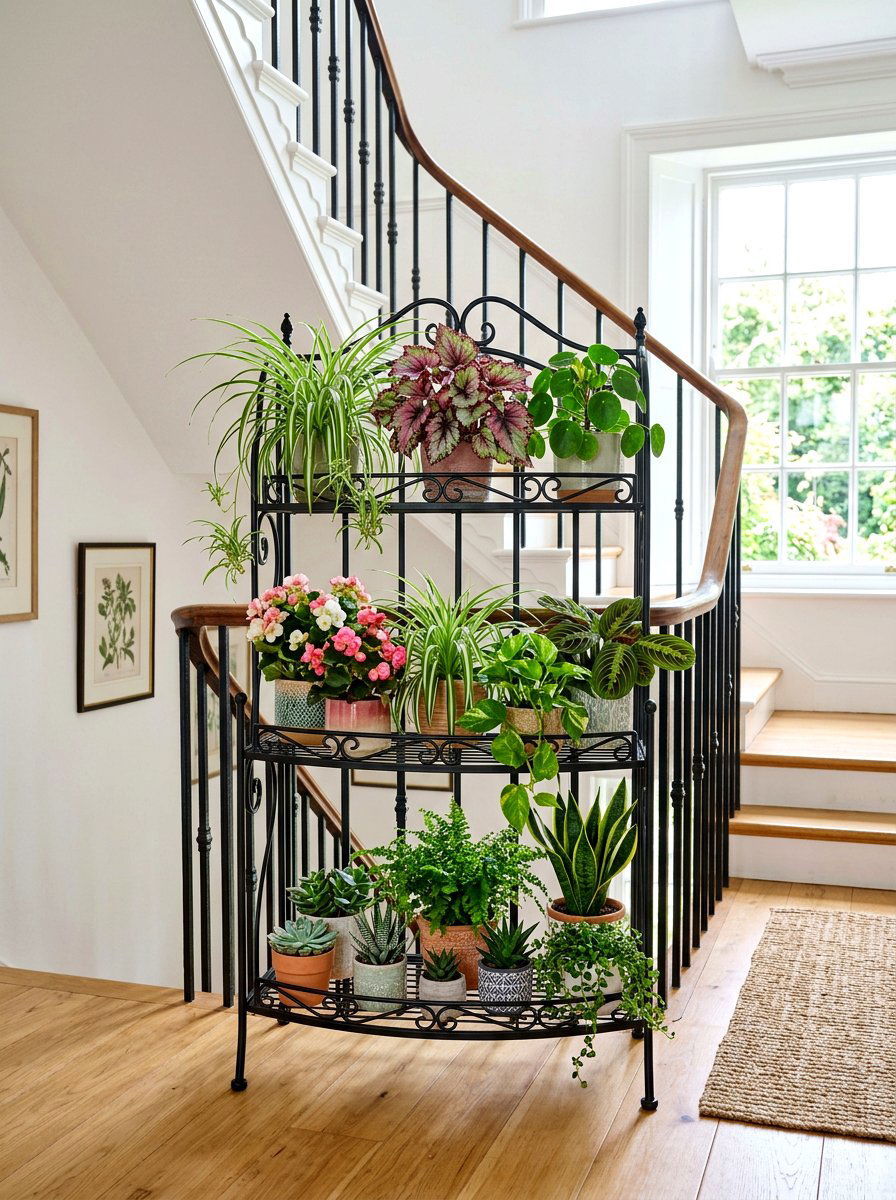
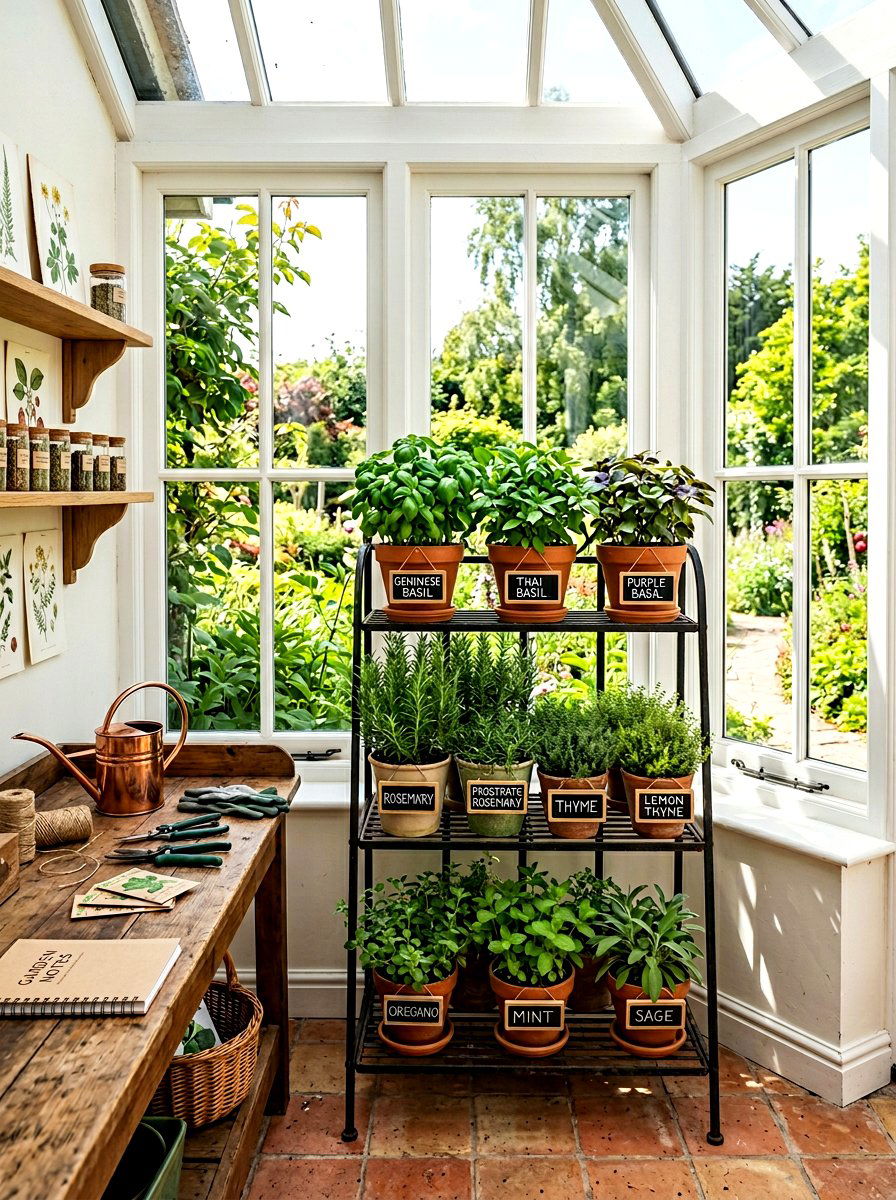
A tiered plant stand is an excellent organizational tool for a staircase landing, allowing you to display a diverse collection of smaller botanical treasures. By utilizing different heights, you can showcase everything from tiny succulents and air plants to medium-sized spider plants or colorful begonias. This arrangement creates a dense, lush look that mimics a natural hillside or a well-curated greenhouse. Choosing a stand made of natural wood or wrought iron can complement your existing staircase materials. This setup is particularly effective for collectors who want to enjoy various textures and leaf patterns without overwhelming the floor area with individual pots.
8. Monstera Deliciosa Nook
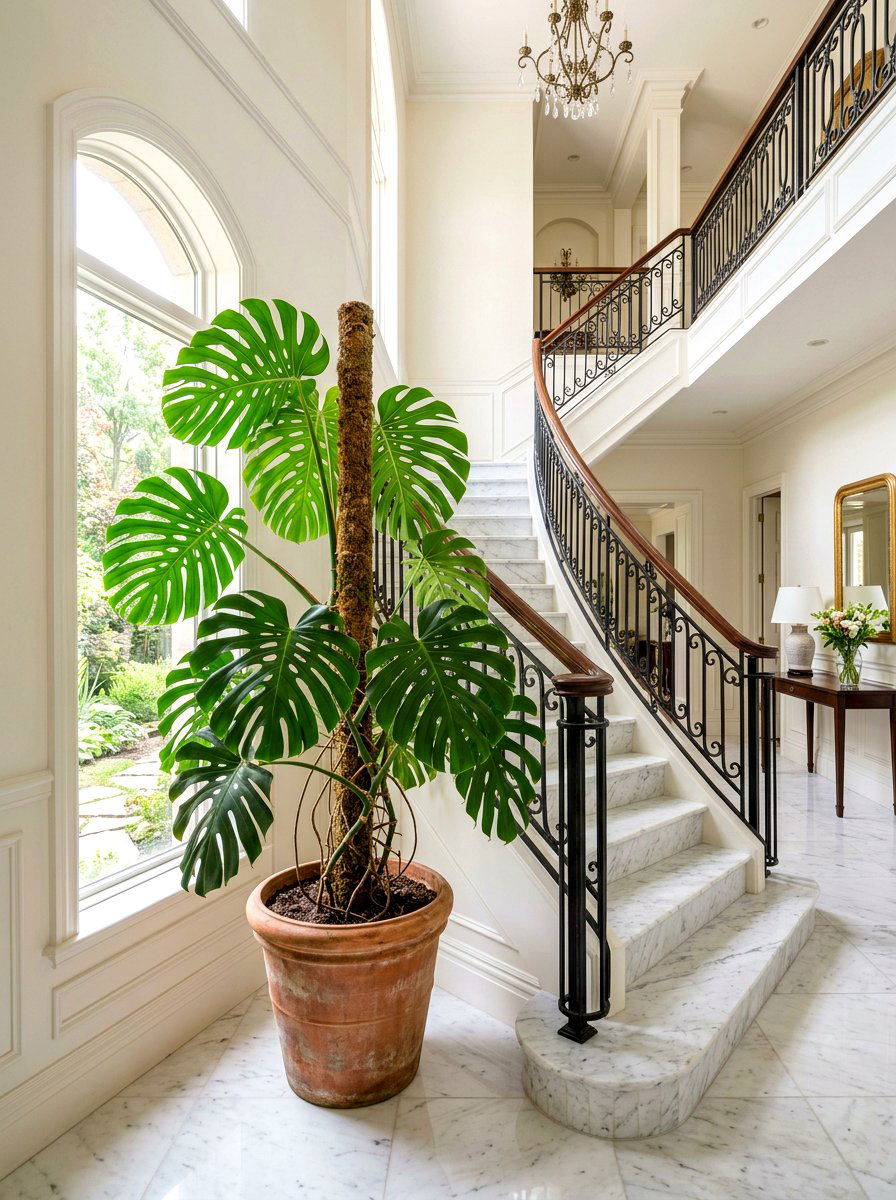
The iconic split leaves of a Monstera Deliciosa can turn a boring staircase corner into a tropical oasis with very little effort. These plants grow quite large and have a sprawling habit, making them ideal for filling wide corners or areas at the base of a grand staircase. As the plant matures, it may require a moss pole for support, which adds another layer of natural texture to the display. The deep green, glossy leaves provide a stunning contrast against light-colored walls or white railings. Providing this "Swiss Cheese Plant" with bright, filtered light will encourage it to produce those famous, beautiful leaf perforations.
9. Trailing Ivy Steps
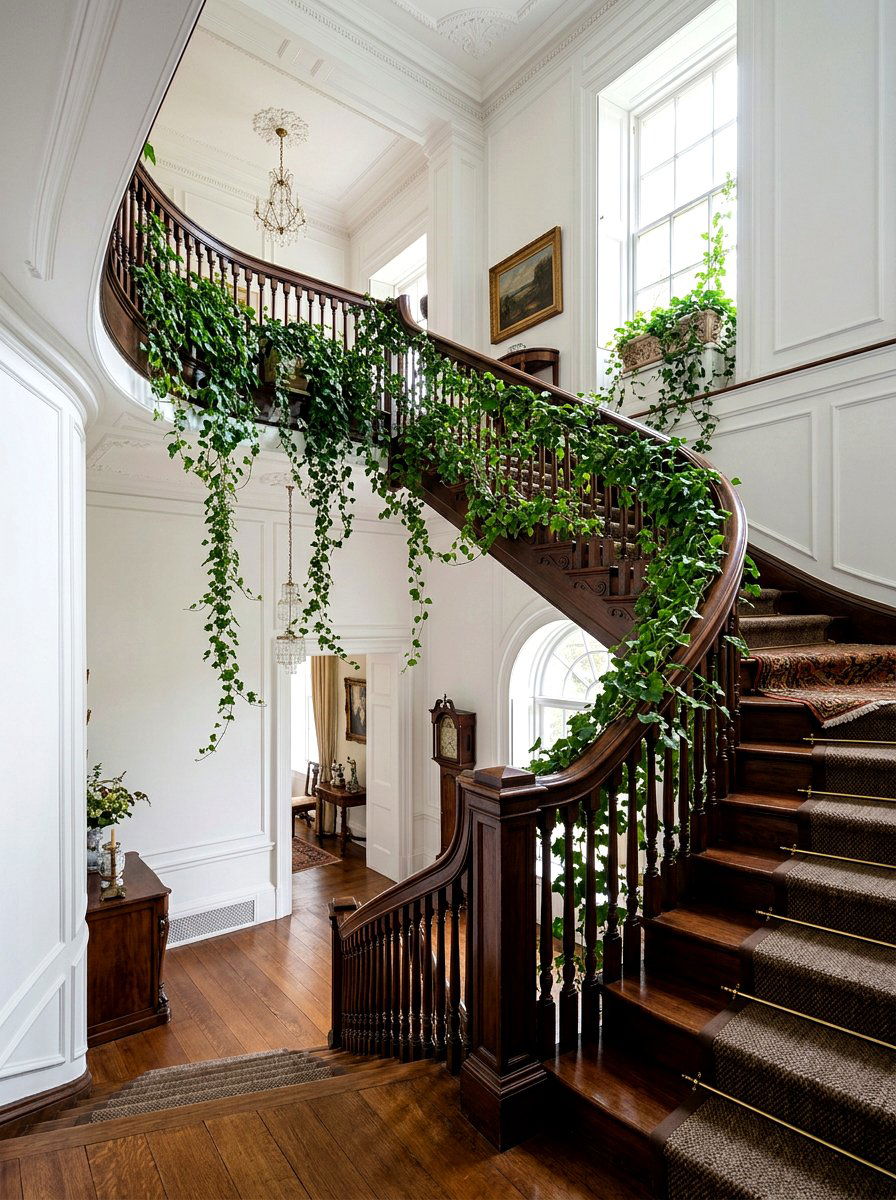
Allowing English ivy to trail gracefully along the edges of your steps or down from a high landing adds a classic, timeless elegance to your home. This plant is known for its ability to climb and drape, making it perfect for softening the hard angles of a staircase. You can place the main pot on a high shelf or the top landing and let the vines cascade downwards like a living curtain. Ivy is generally quite hardy and thrives in the cooler temperatures often found in stairwells. Regularly trimming the vines keeps the growth looking tidy and prevents it from interfering with safe footing on the stairs.
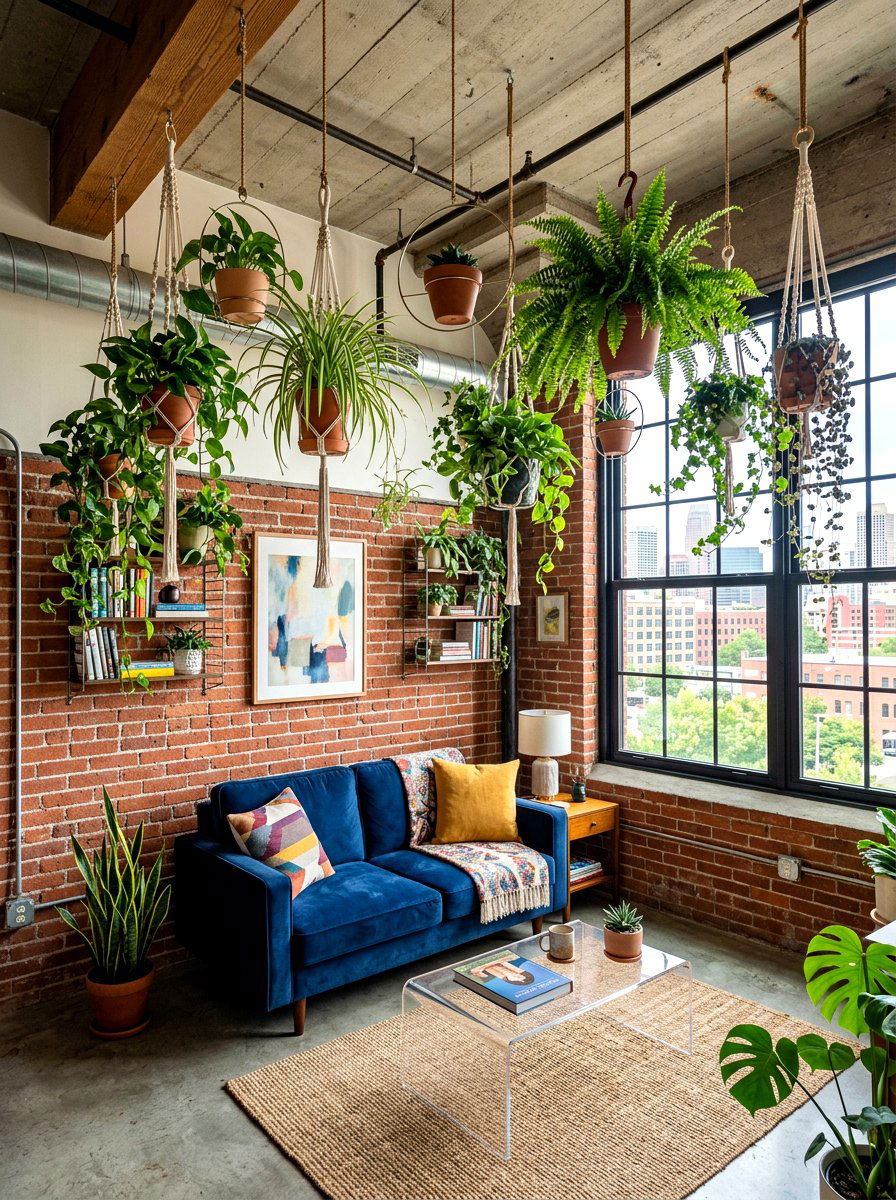
10. Indoor Succulent Garden
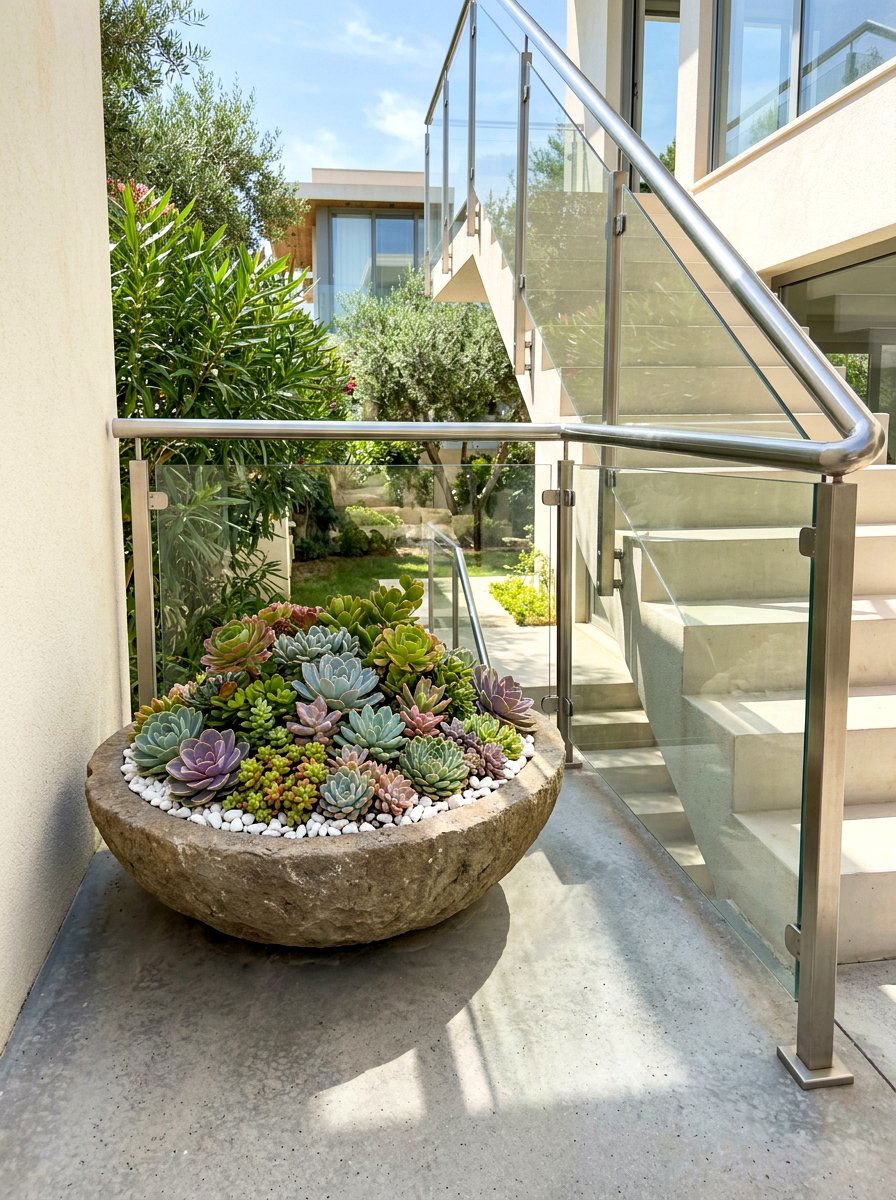
If your staircase receives a lot of direct sunlight through a nearby window, an indoor succulent garden on the landing can be a stunning addition. Succulents come in an incredible array of colors, from dusty blues and purples to vibrant greens and pinks, providing a rich palette for your corner. You can arrange them in a large, shallow bowl filled with specialized gritty soil and topped with decorative white pebbles for a clean finish. These plants are perfect for busy homeowners because they require very infrequent watering. Their unique, fleshy shapes provide a fascinating miniature landscape that adds character and charm to the transition zone.
11. Ceramic Pot Stair Decor
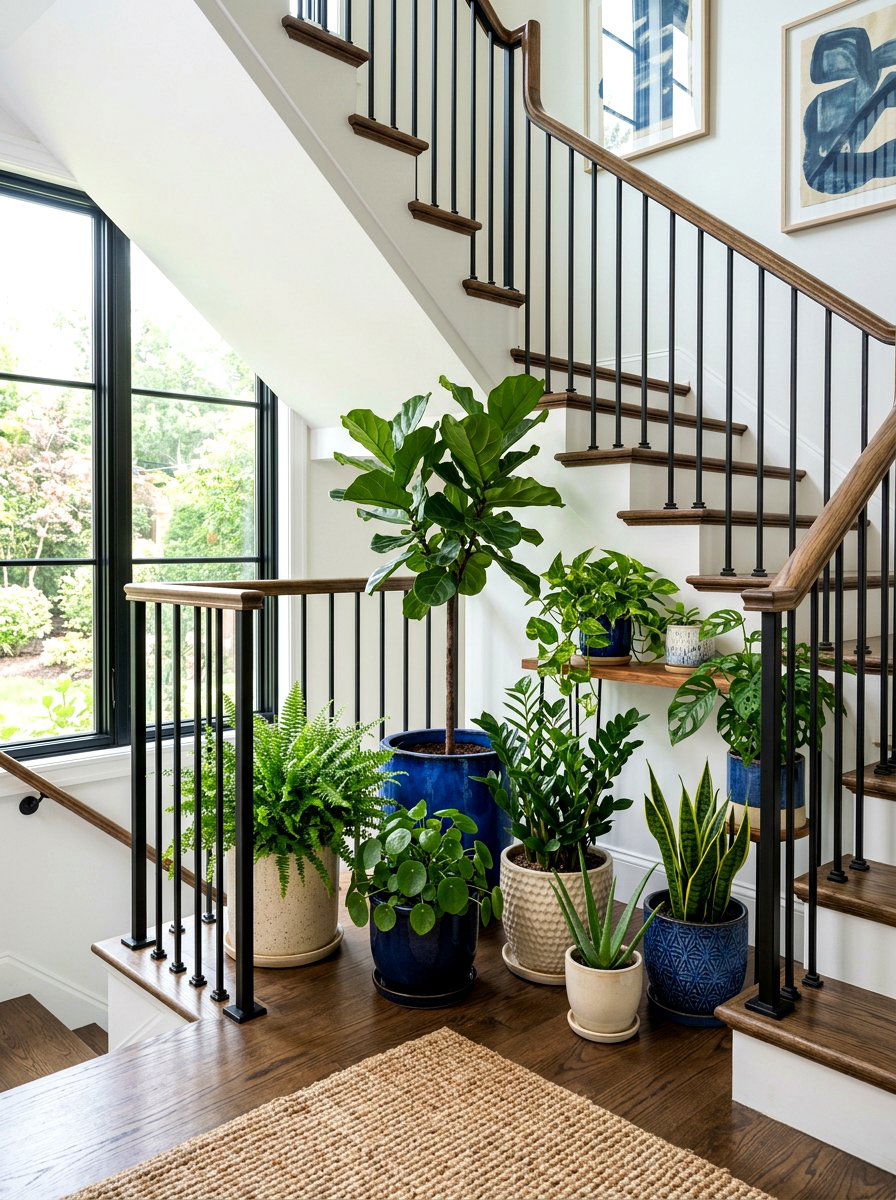
Using high-quality ceramic pots in varying sizes and colors is a simple yet effective way to style a staircase corner with plants. By choosing pots that coordinate with your home’s color scheme, you create a cohesive look that feels like an intentional part of the interior design. Placing a larger pot in the back with a medium and small one in front creates a pleasing triangular composition that feels balanced. You can mix plant types, such as an upright dracaena with a bushy fern and a small trailing hoya, for maximum visual interest. This arrangement is easy to update seasonally by simply swapping out a few plants.
12. Wood Bench Greenery
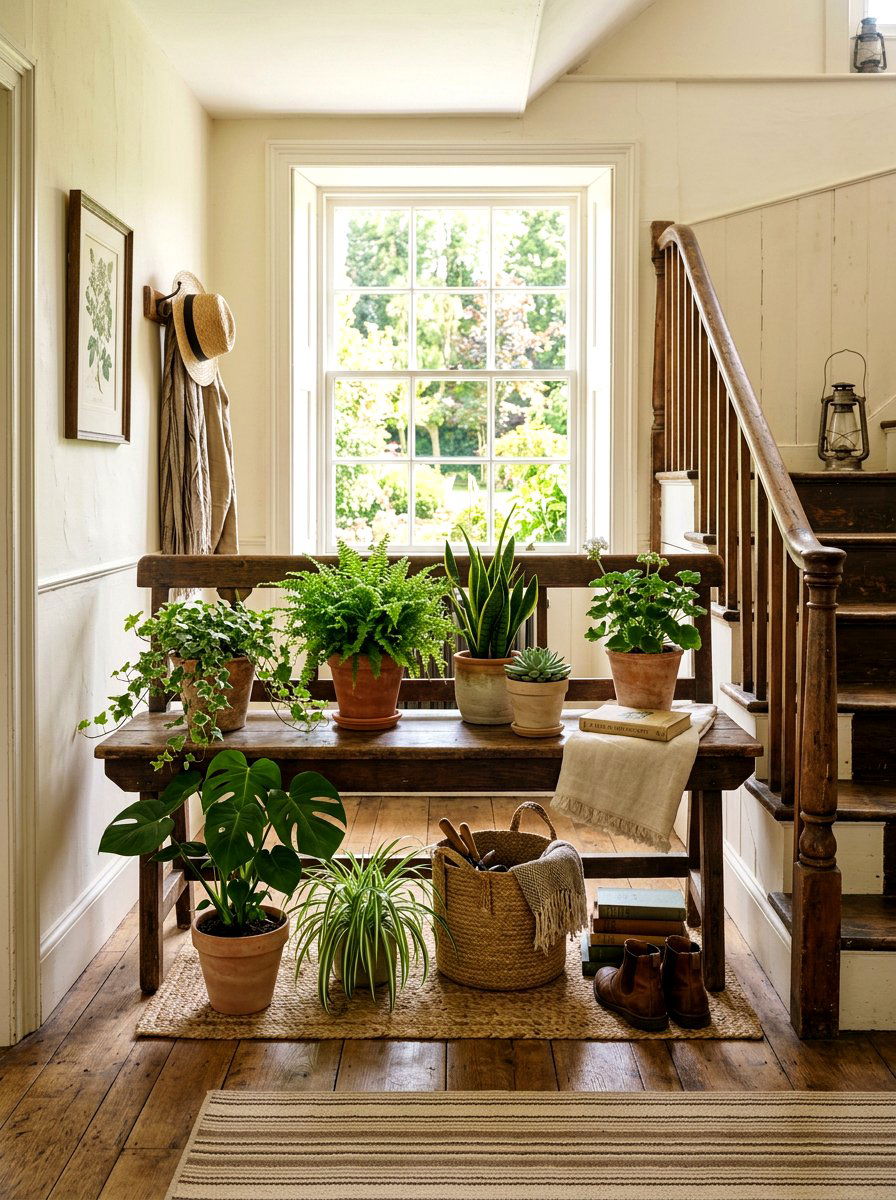
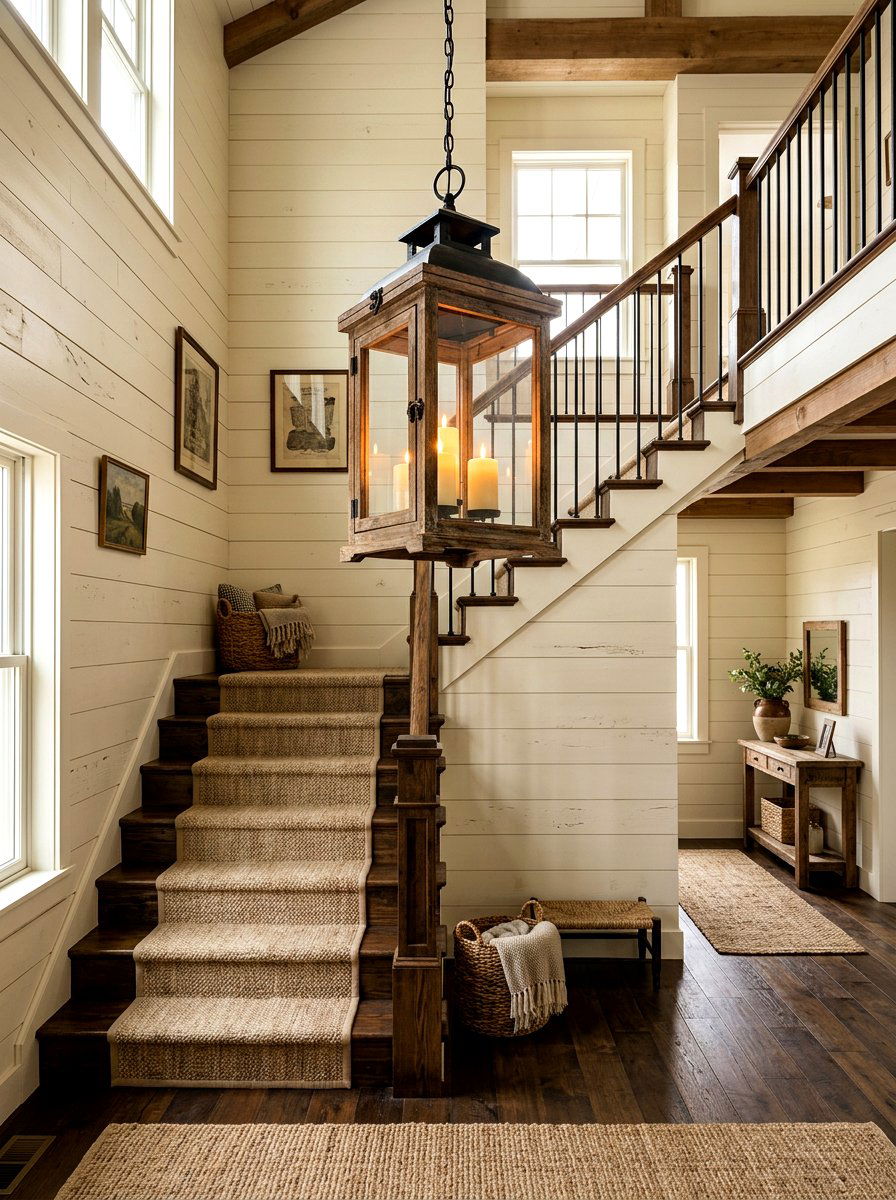
Placing a small, rustic wooden bench in a staircase corner provides a perfect platform for displaying a collection of indoor plants. The bench adds a functional, furniture-like feel to the space while elevating the plants off the floor for better visibility and airflow. You can tuck larger pots underneath the bench and place smaller, more delicate varieties on top to create a layered effect. This setup works particularly well in farmhouse or traditional style homes where natural materials are emphasized. Adding a couple of decorative books or a small lantern alongside the plants can further enhance the curated, cozy aesthetic of the landing area.
13. Floating Shelf Plant Corner
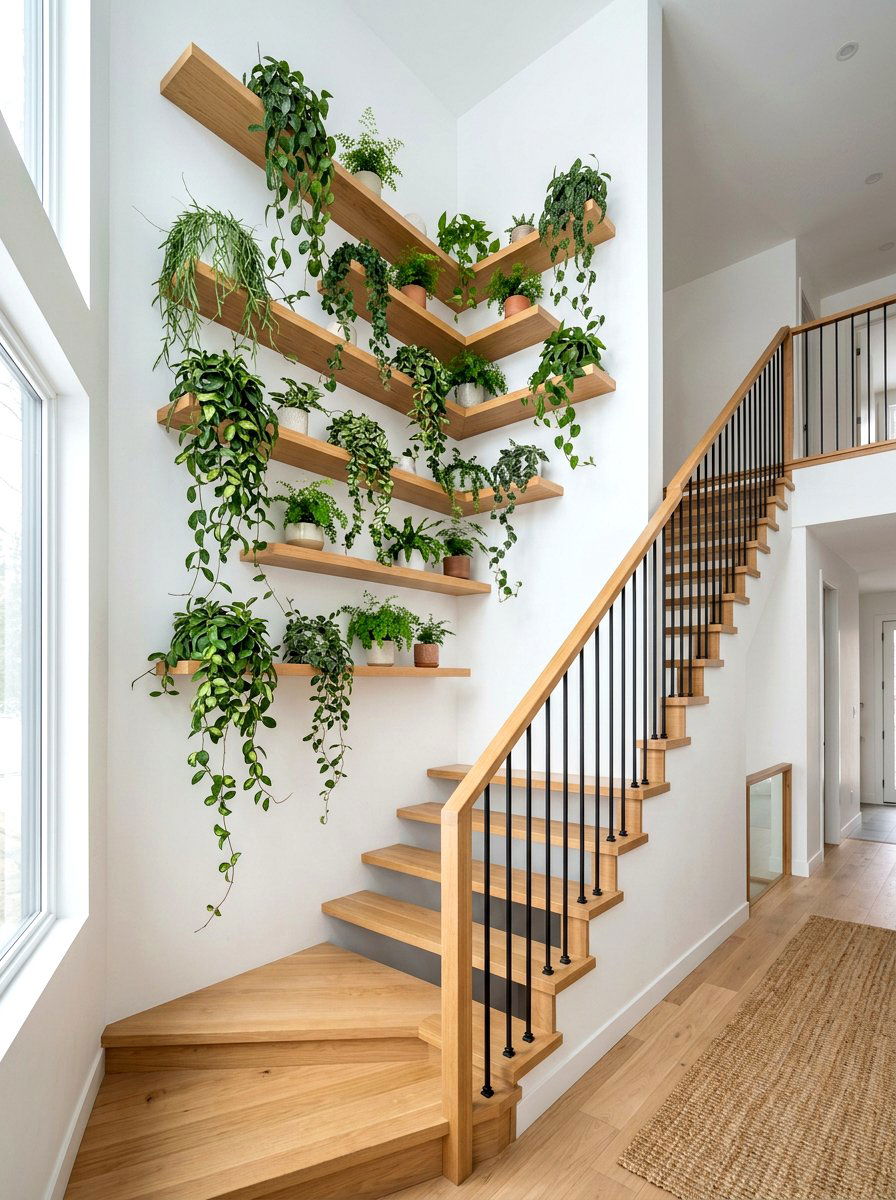
Installing floating shelves in the corner of a stair landing allows you to create a vertical garden that keeps the floor completely clear. This is an ideal solution for small homes or modern apartments where every square foot of floor space is valuable. You can stagger the shelves at different heights to accommodate plants of various sizes and growth habits. Placing trailing plants on the higher shelves allows their vines to drape down, connecting the levels visually. Using shelves that match your stair treads or railing color helps the installation blend seamlessly into the architecture. This clean, organized look is both functional and highly decorative.
14. Zen Pebble Rock Garden
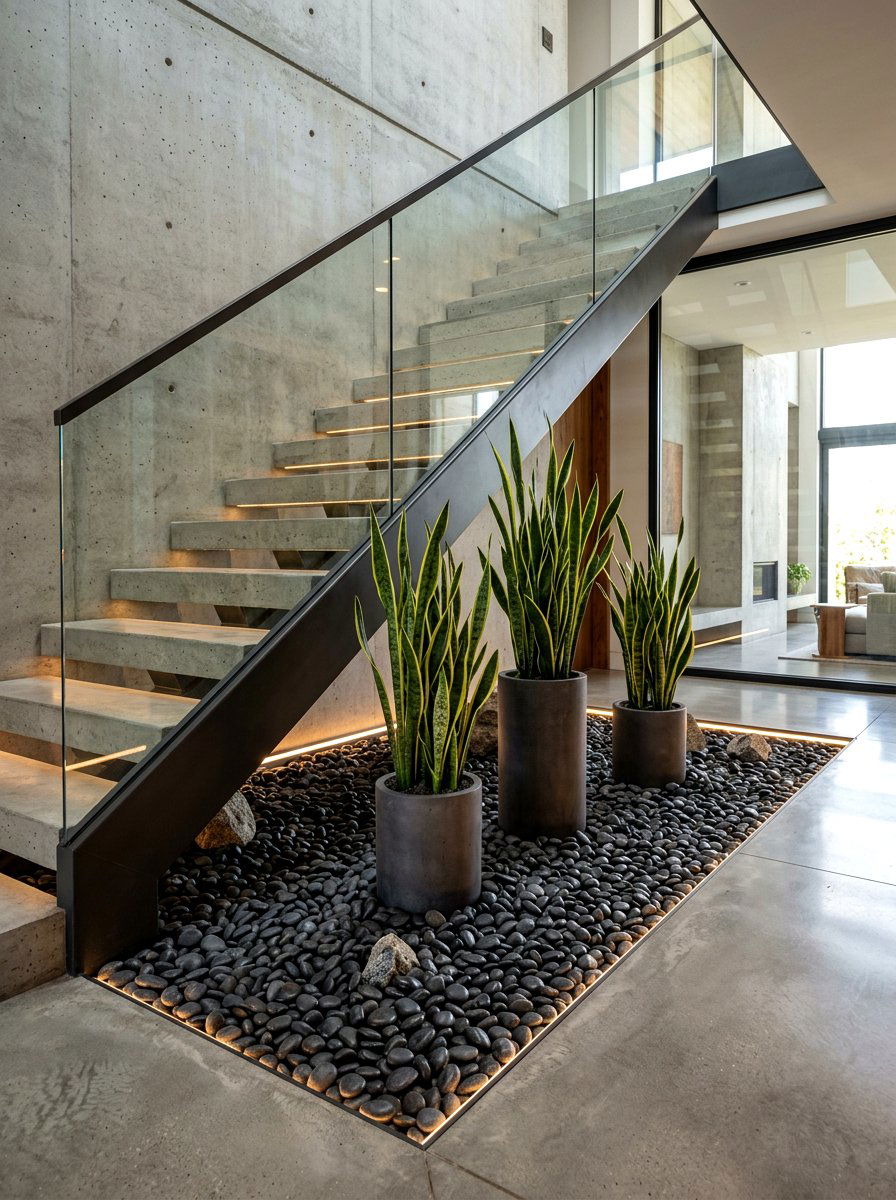
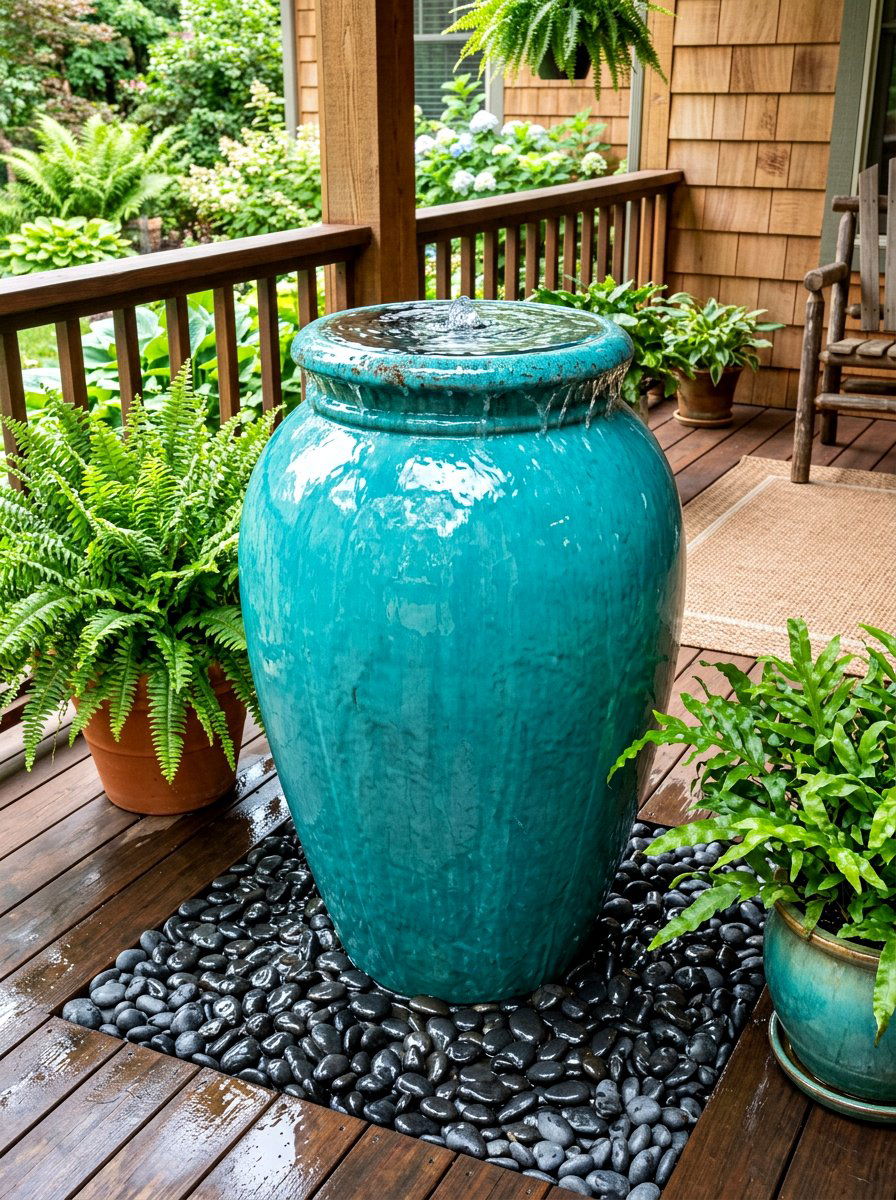
For those who prefer a more minimalist and serene atmosphere, a Zen-inspired pebble garden under the stairs offers a peaceful retreat. You can fill the area with smooth, dark river stones and place a few carefully chosen, sculptural plants like a single bonsai or a cluster of snake plants. This design emphasizes negative space and natural textures, creating a calming focal point that reduces visual clutter. The contrast between the hard stones and the soft greenery provides a sophisticated look that works beautifully in contemporary homes. This type of garden is exceptionally low maintenance and remains looking pristine with very little regular effort.

15. Large Rubber Tree Corner
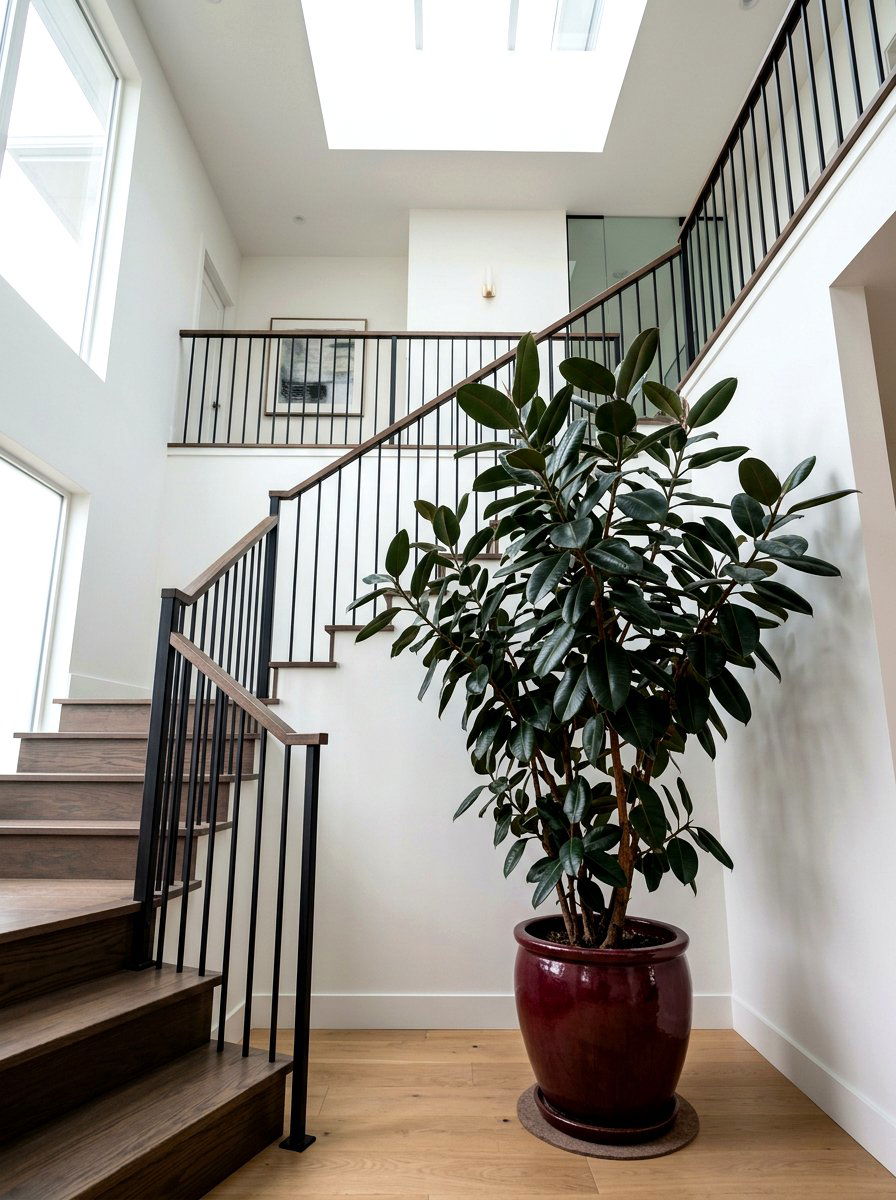
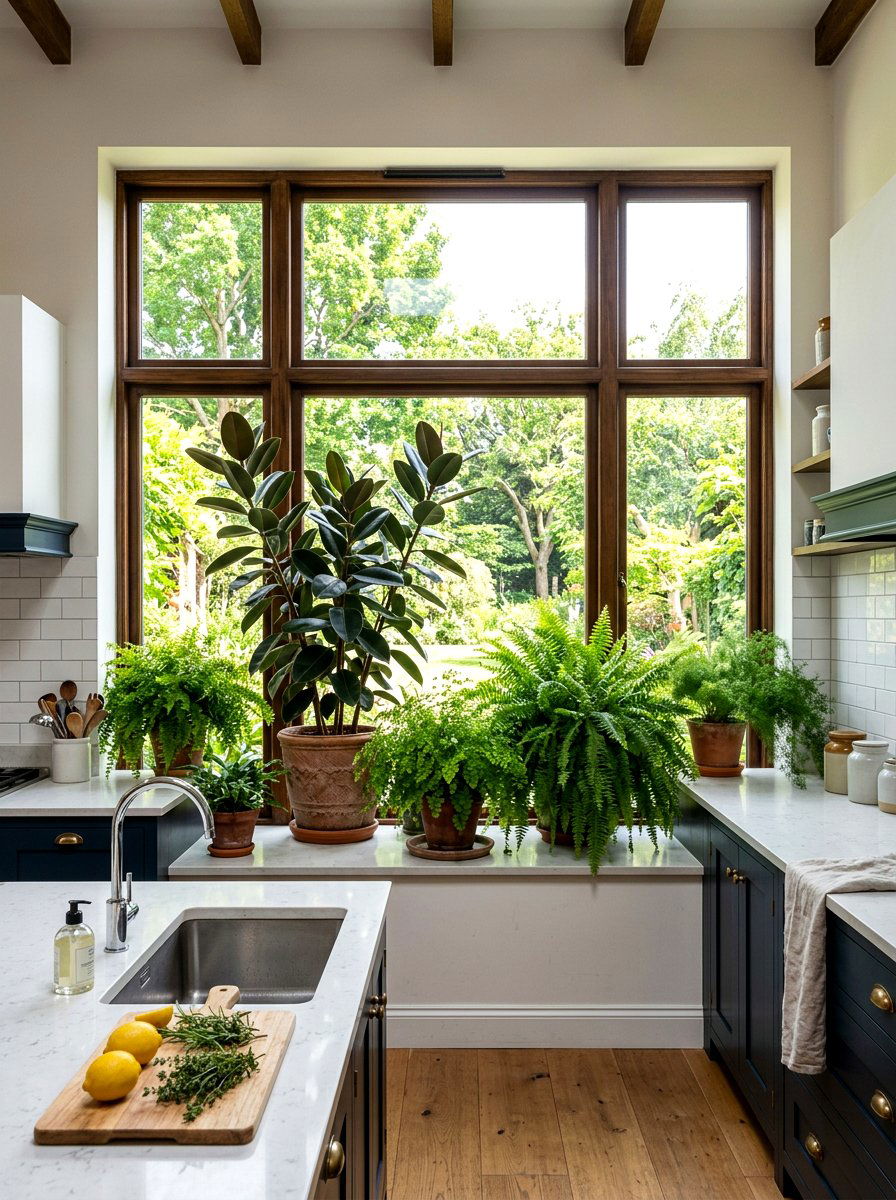
A large rubber tree with its thick, waxy, deep-maroon or dark-green leaves makes a bold and sophisticated statement in a staircase corner. These trees are known for their sturdy growth and ability to reach impressive heights, making them perfect for filling the tall voids often found in two-story entryways. Their dark foliage provides a striking contrast against neutral walls and adds a touch of moody elegance to the space. Rubber plants are relatively easy to care for and can tolerate moderate light levels. Placing one in a large, high-end pot ensures it looks like a permanent, upscale fixture in your home’s overall design scheme.
16. Macrame Hanging Plant
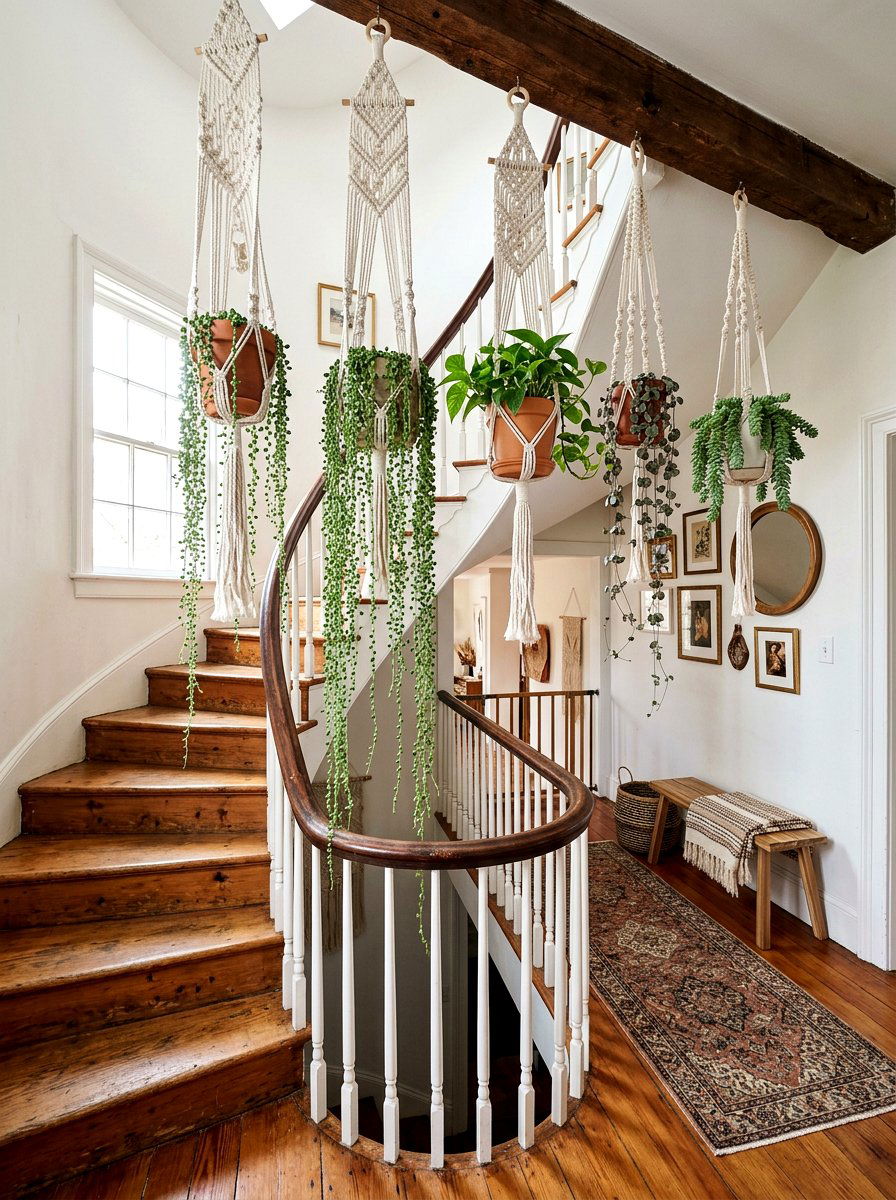
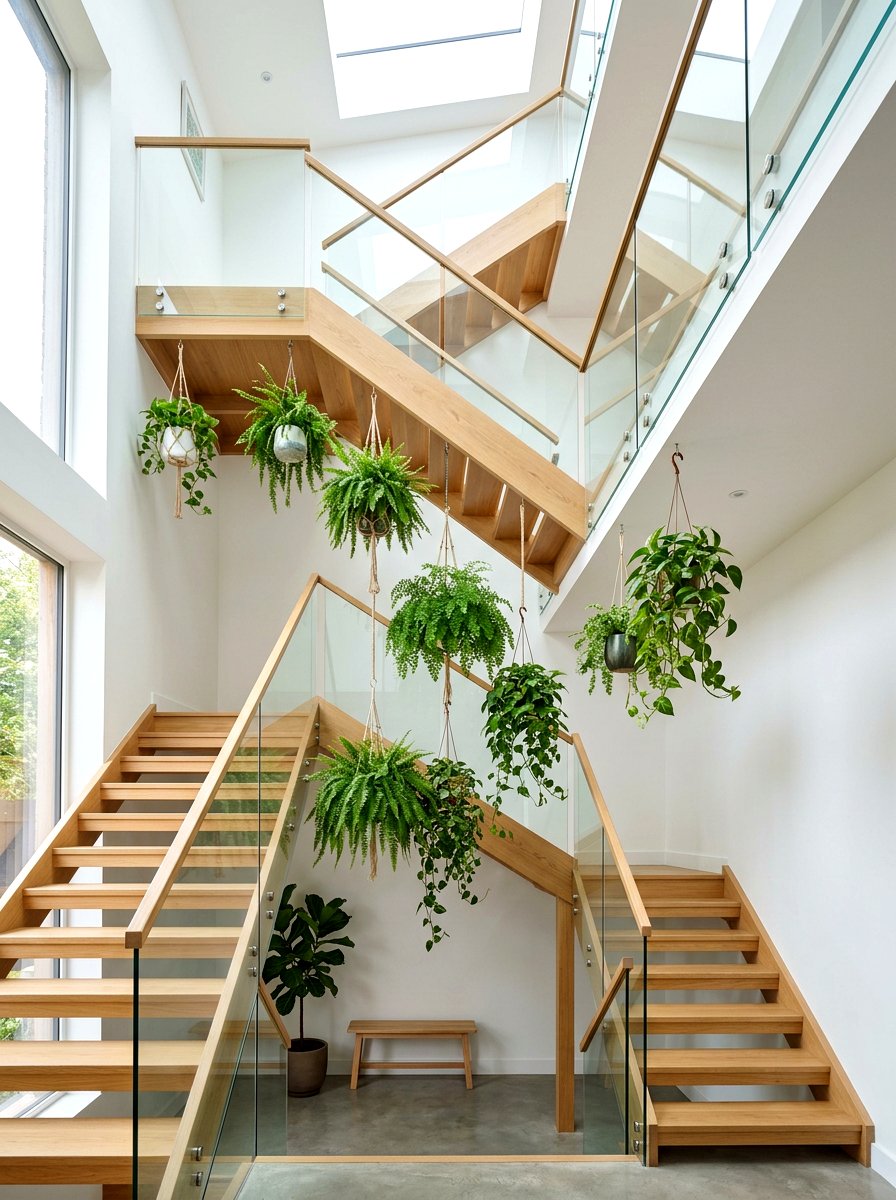
Bringing back a touch of vintage charm, macrame hanging plants are perfect for adding texture and a relaxed vibe to a staircase area. You can hang these from the ceiling above a landing or attach them to the wall using decorative brackets. The intricate knot work of the macrame adds a handmade, artistic element that complements the organic shapes of the plants. Choosing trailing varieties like string of pearls or spider plants allows the greenery to interact beautifully with the woven cords. This approach is excellent for drawing the eye upward and making a small landing feel much taller and more spacious than it actually is.
17. Bird Of Paradise Statement
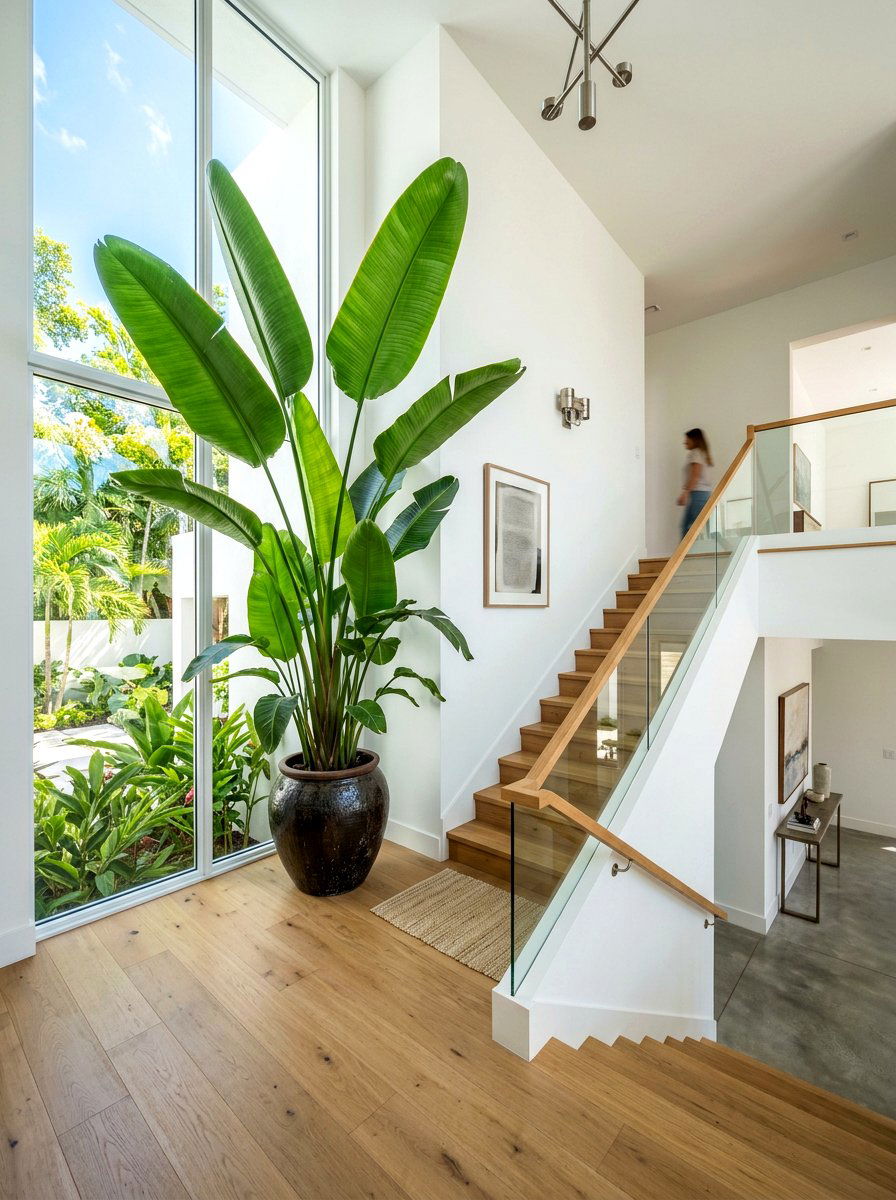
If you have a wide staircase landing with plenty of bright light, a Bird of Paradise plant can bring a dramatic, tropical flair to your home. Known for its massive, paddle-shaped leaves that resemble those of a banana tree, this plant creates an instant vacation-at-home feeling. It grows quite large and needs space to spread its impressive foliage, so it is best suited for corners that aren't too cramped. The architectural height of the plant makes it a perfect anchor for a large transition space. When given enough light, it may even reward you with its famous, vibrant orange and blue bird-like flowers.
18. String Of Pearls Display
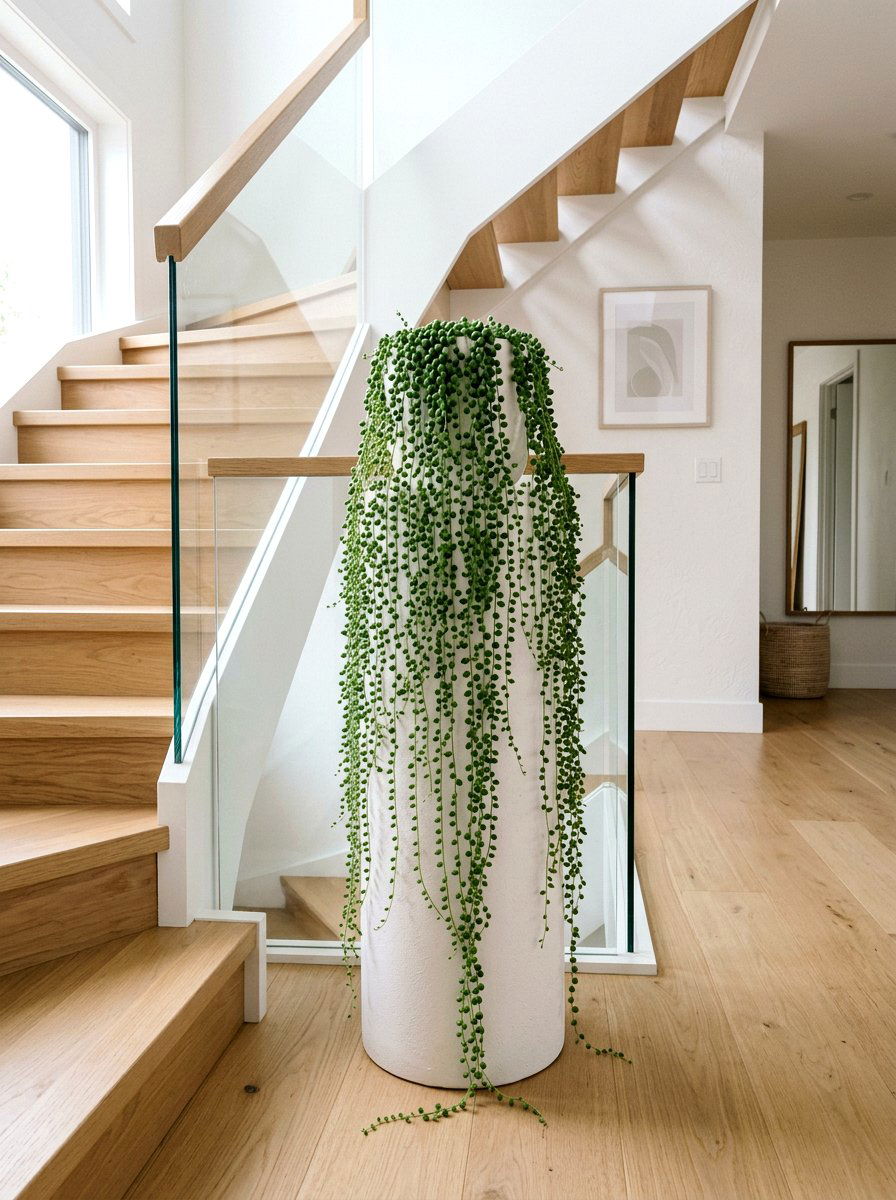
For a delicate and whimsical touch, displaying a string of pearls plant on a high staircase shelf or a decorative pedestal is a wonderful idea. These unique succulents feature long, thin stems covered in tiny, pea-shaped leaves that drape downwards like a living beaded curtain. They look most impressive when allowed to hang freely, making them perfect for landings where they can be seen from both above and below. Because they are succulents, they prefer bright light and very careful watering. Their unusual appearance always serves as a great conversation starter and adds a touch of intricate detail to the staircase decor.
19. Colorful Patterned Pots
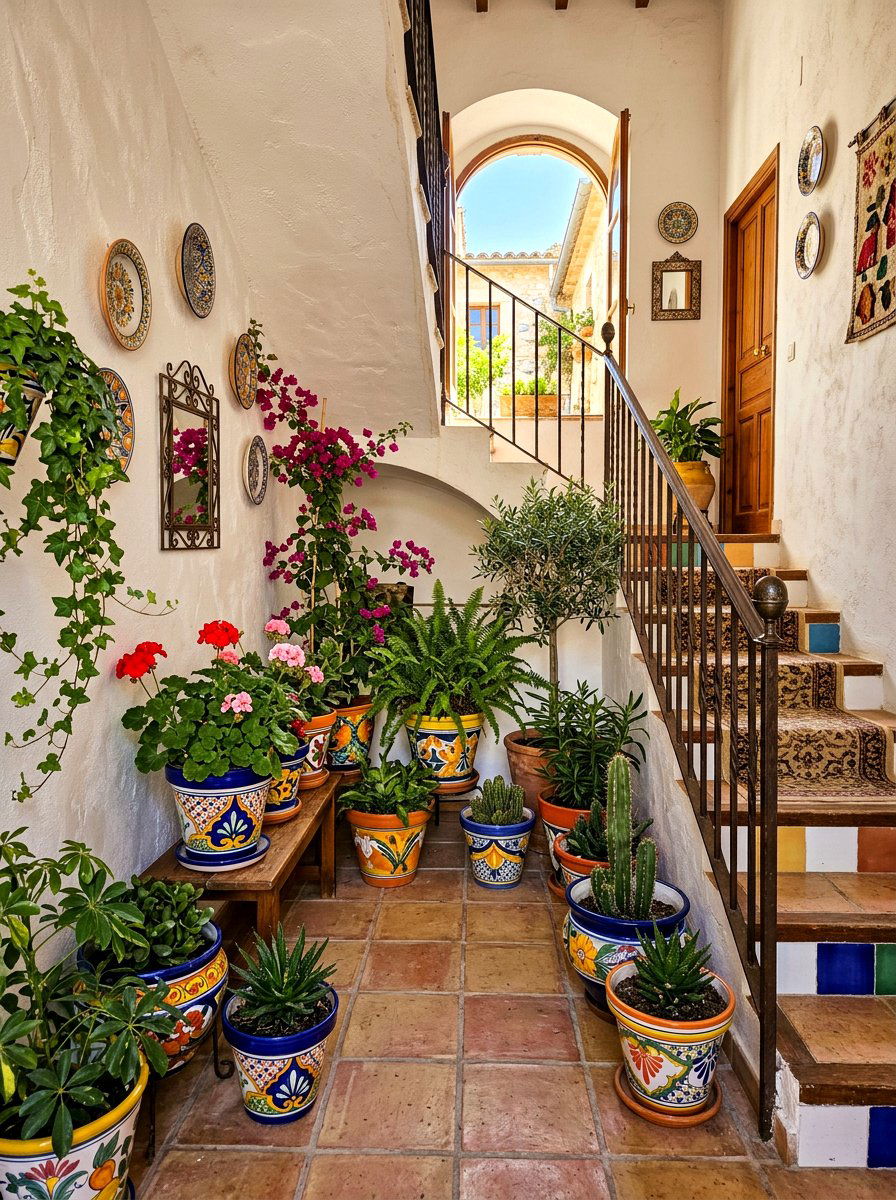
Injecting personality into a staircase corner is easy when you use a collection of plants in colorful, patterned ceramic pots. This approach allows you to experiment with different styles, from Mediterranean tiles to modern geometric prints, creating a vibrant and eclectic look. You can group several smaller plants together on a landing to create a cheerful "plant party" that brightens up the walk between floors. Choosing plants with simple green foliage, like ZZ plants or jade, allows the decorative pots to take center stage. This styling choice is perfect for homeowners who want to express their creativity and add a playful touch to their interior.
20. Mid Century Modern Planter
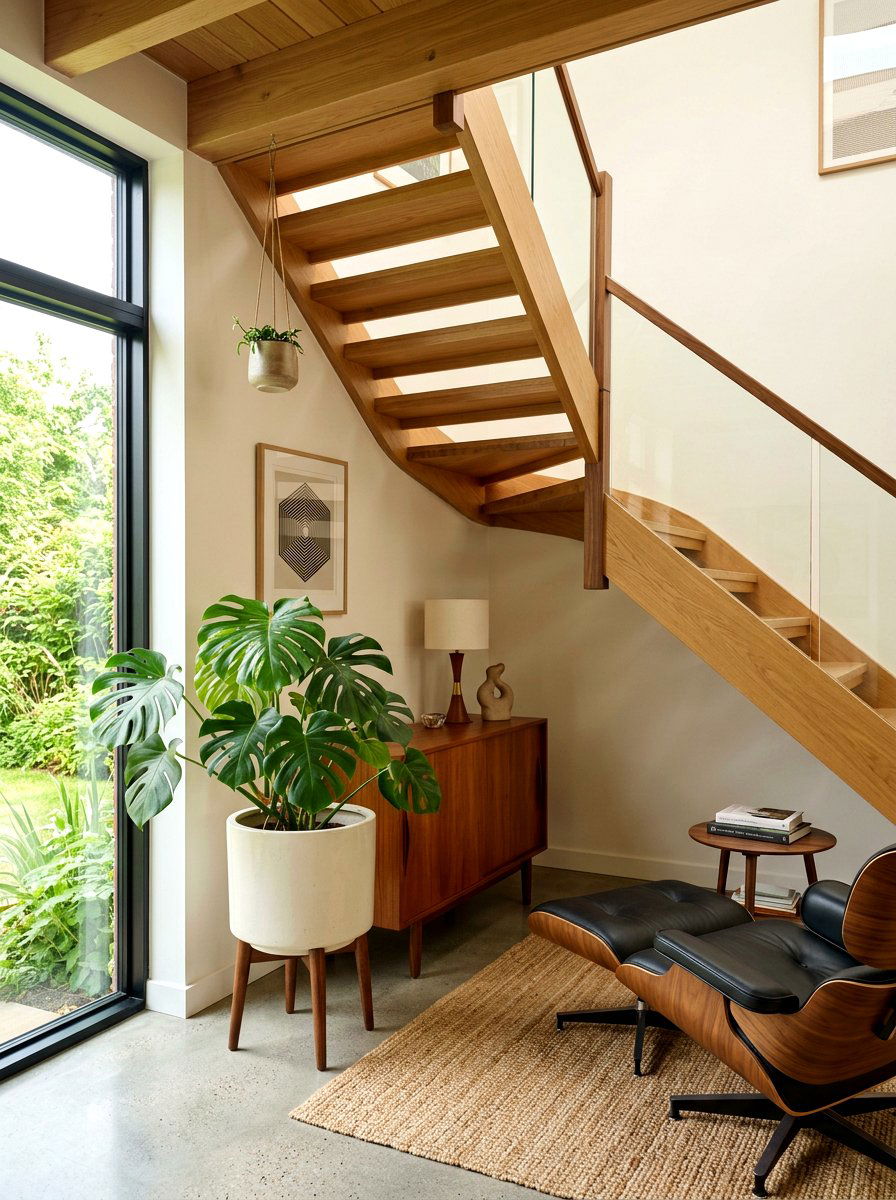
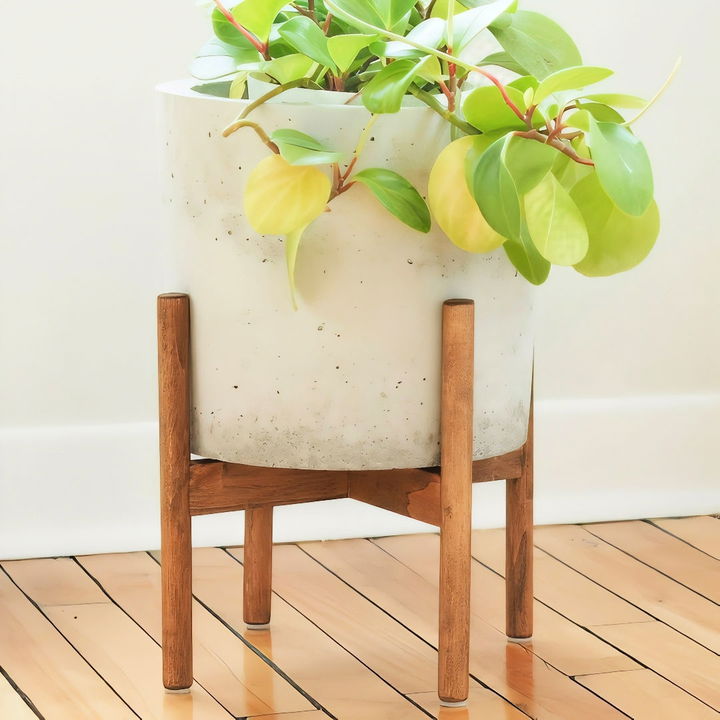
A plant housed in a classic mid-century modern planter with tapered wooden legs adds an instant touch of retro sophistication to any staircase landing. This style of planter is designed to elevate the plant, making it a more prominent feature and allowing for better light exposure. A large-leafed plant like a fiddle leaf fig or a monstera looks particularly at home in these stylish containers. The clean lines and natural wood accents of the planter stand coordinate beautifully with modern architectural details. This single, well-chosen piece can serve as the primary decorative element in a corner, proving that sometimes less is indeed much more.
21. Indoor Bamboo Corner
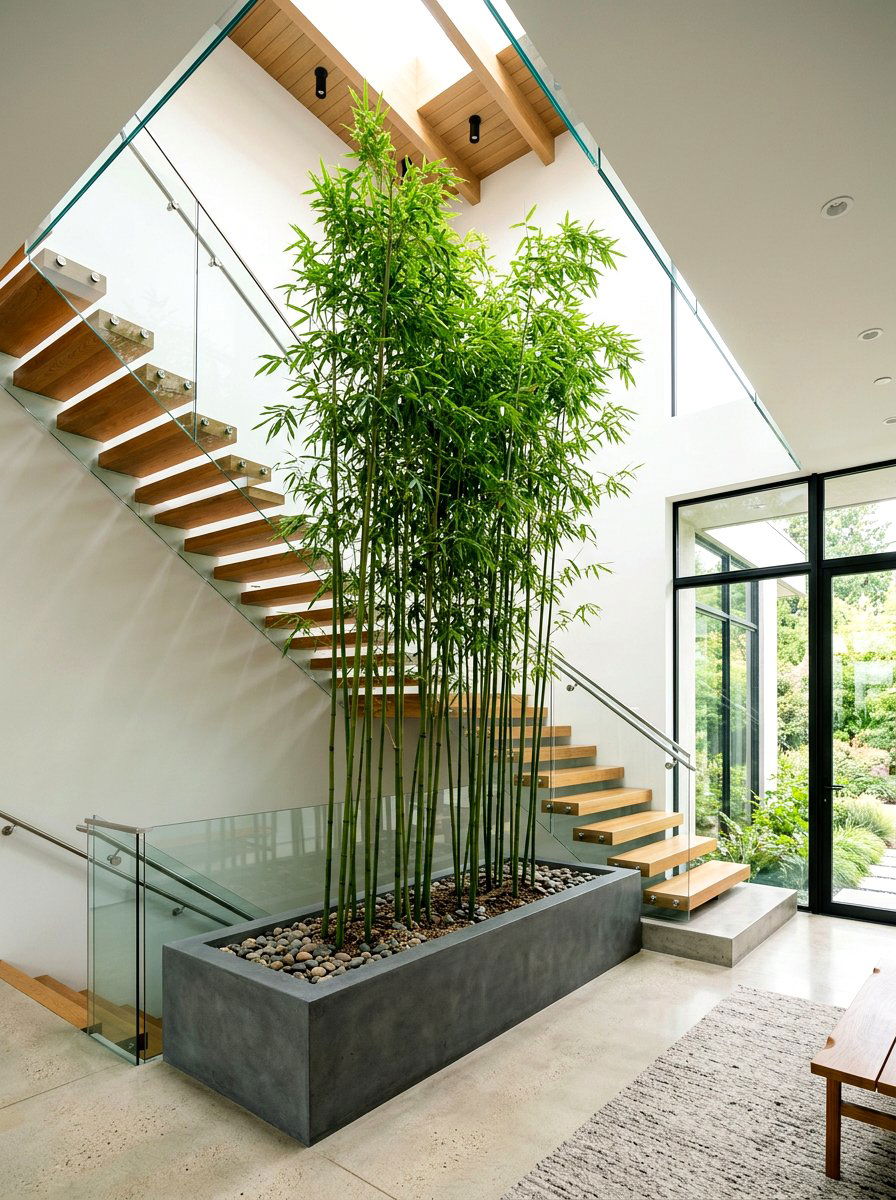
Creating a small indoor bamboo forest in a tall staircase nook provides a sense of zen and vertical rhythm that is hard to beat. Bamboo is known for its fast-growing, slender stalks and delicate, fluttering leaves that add a light and airy feel to the space. You can plant several stalks in a long, narrow trough or a large circular pot to create a screen-like effect. This is particularly useful for adding a bit of privacy or softening the view of a large, blank wall. Bamboo brings a touch of Eastern-inspired tranquility to your home, making the journey up the stairs feel like a peaceful walk.
22. Vertical Fern Wall
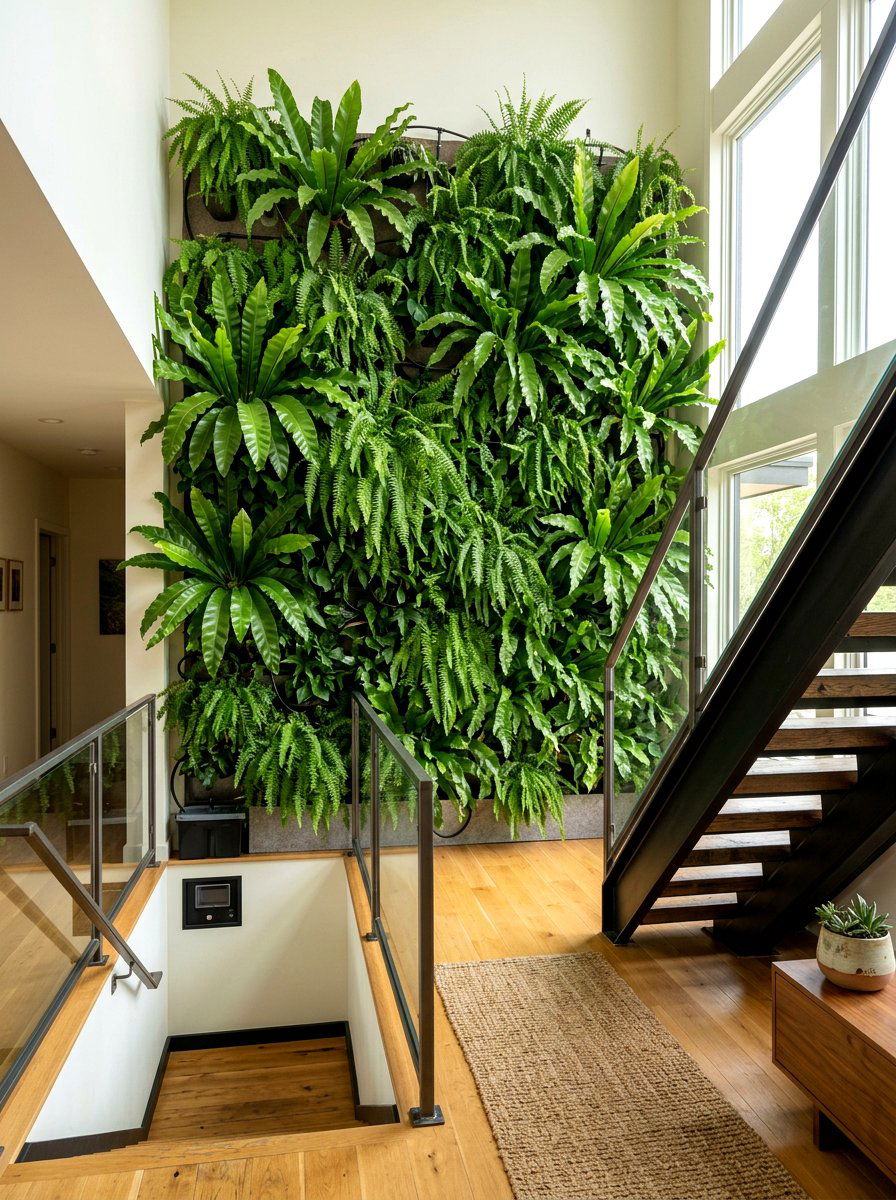
Installing a vertical wall system specifically for ferns can turn a staircase landing into a lush, green tapestry of texture and life. Ferns like the Boston fern or the bird's nest fern thrive in the humid, indirect light conditions often found in interior spaces. By mounting them vertically, you create a striking "living wall" that serves as both a botanical garden and a piece of high-end art. The soft, feathery fronds of the ferns create a dense layer of greenery that absorbs sound and improves air quality significantly. This high-impact design choice is perfect for creating a memorable and refreshing experience in a transitional area.
23. Concrete Floor Planter
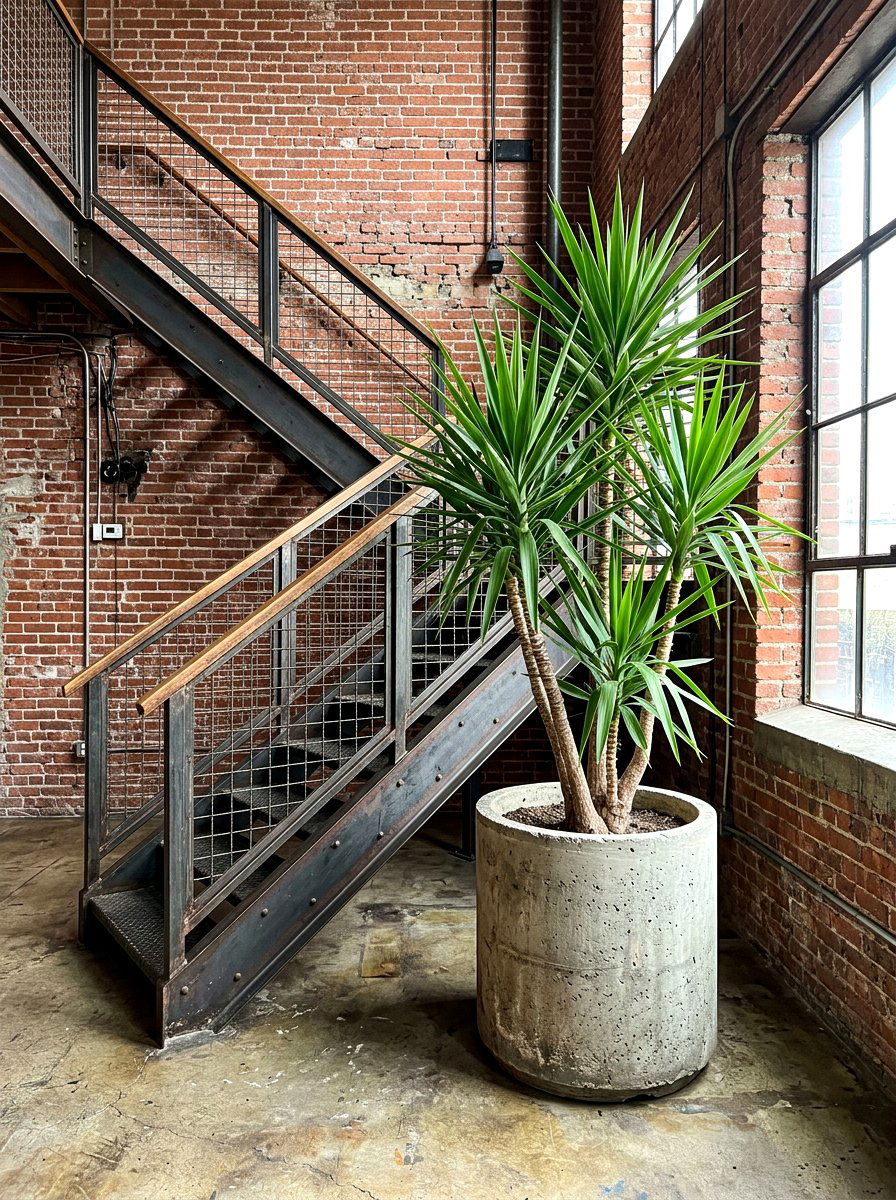
For those who love industrial or contemporary design, placing a large plant in a heavy concrete floor planter adds a sense of permanence and raw texture. The cool, grey tones of the concrete provide a neutral backdrop that makes the vibrant greens of the foliage pop. Plants with strong, architectural shapes like the rubber tree or a large yucca pair perfectly with the rugged aesthetic of concrete. This combination feels grounded and modern, anchoring the corner of a staircase with a substantial presence. The durability of the material also makes it a practical choice for high-traffic areas where pots might occasionally be bumped.
24. Small Landing Desk Plant
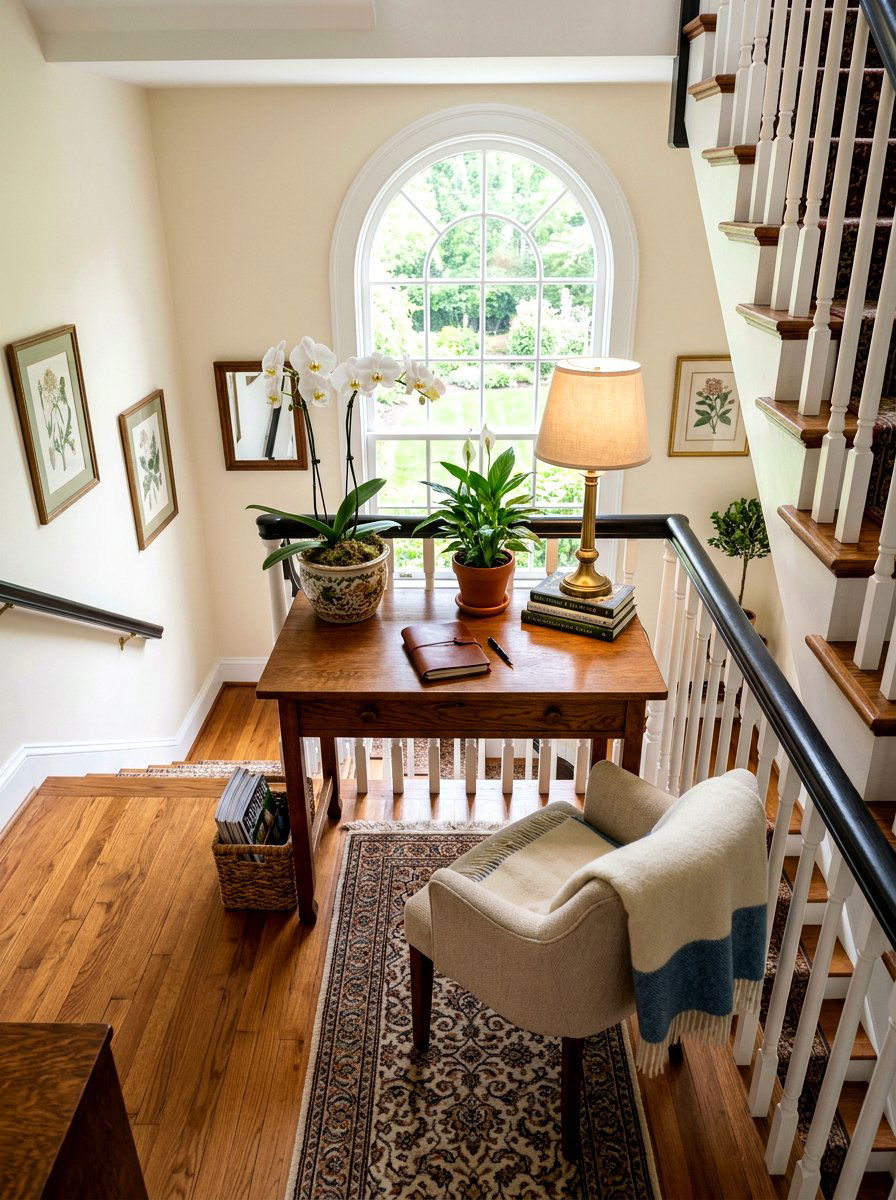
If your staircase landing is large enough to accommodate a small writing desk or a console table, adding a perfectly scaled plant is essential. A petite plant like a peace lily or a flowering orchid adds a touch of life and softness to the hard surface of the furniture. This setup creates a functional and beautiful "moment" in your home that encourages you to pause and appreciate the greenery. You can pair the plant with a small table lamp and a few decorative objects to create a fully styled vignette. This approach turns a simple walkway into a charming and purposeful part of your living space.
25. Glass Terrarium Display
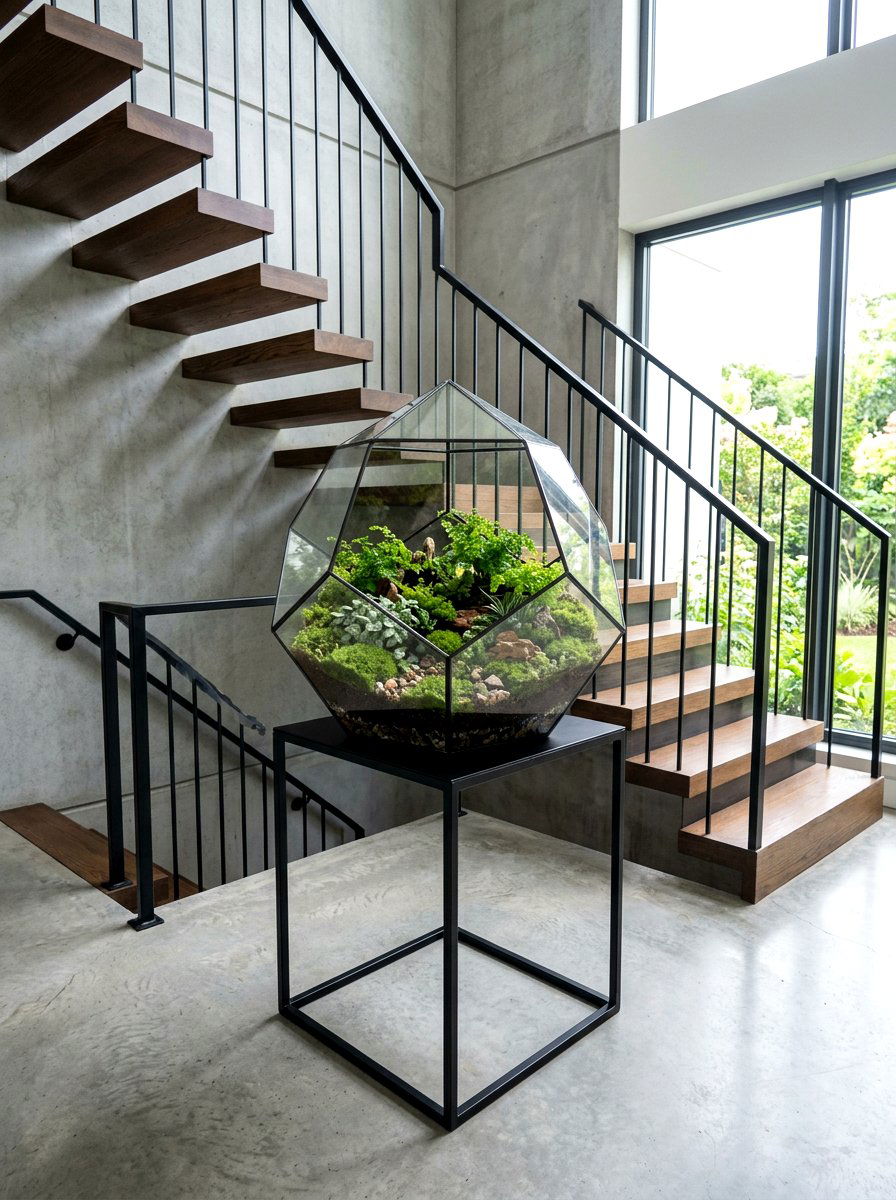
A glass terrarium placed on a staircase shelf or pedestal offers a fascinating, self-contained world of miniature plants and mosses. These "indoor gardens under glass" are perfect for adding intricate detail to a corner without requiring much maintenance. You can choose a large geometric glass case or a classic round fishbowl style to house your tiny botanical landscape. Terrariums are particularly effective in areas with lower humidity, as the glass helps trap moisture for the delicate plants inside. They serve as a beautiful piece of living decor that invites close inspection, adding a sense of wonder and curiosity to your staircase landing area.
26. Potted Olive Tree Corner
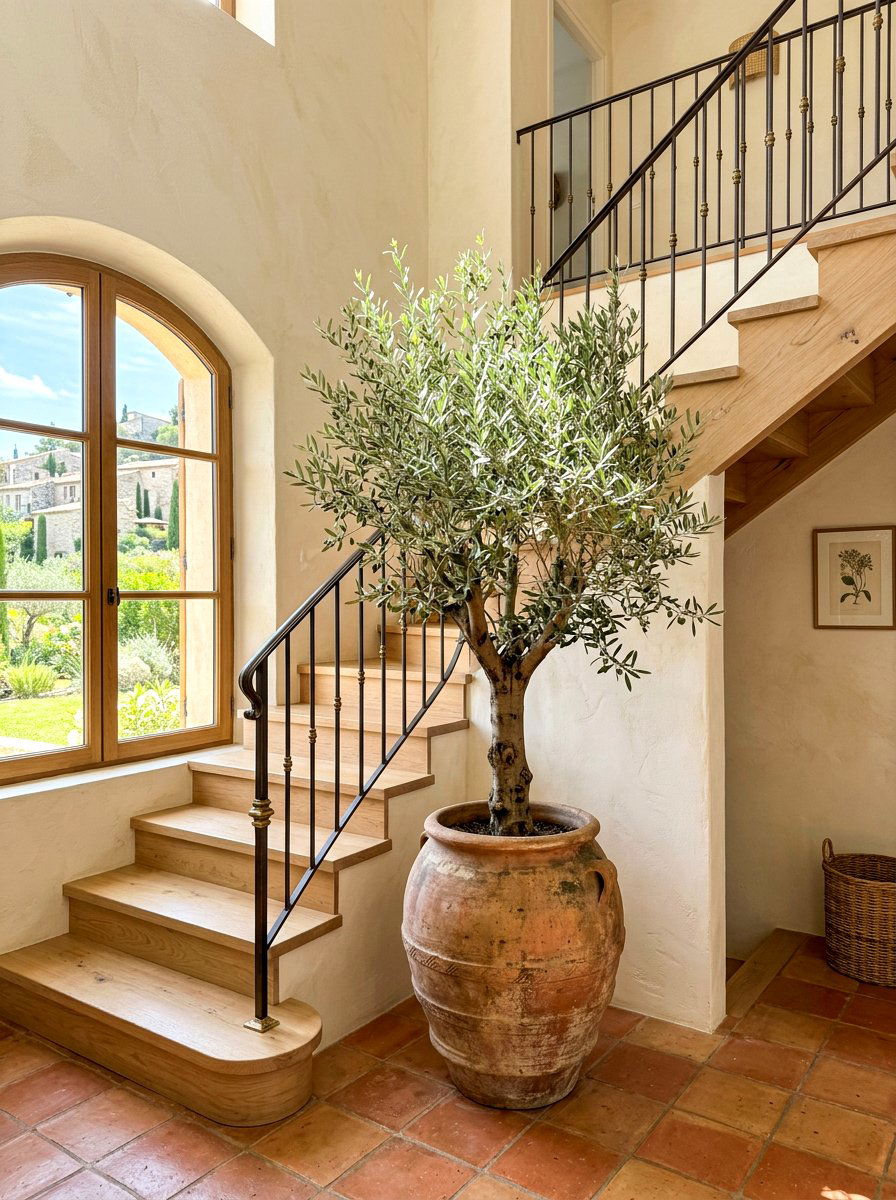
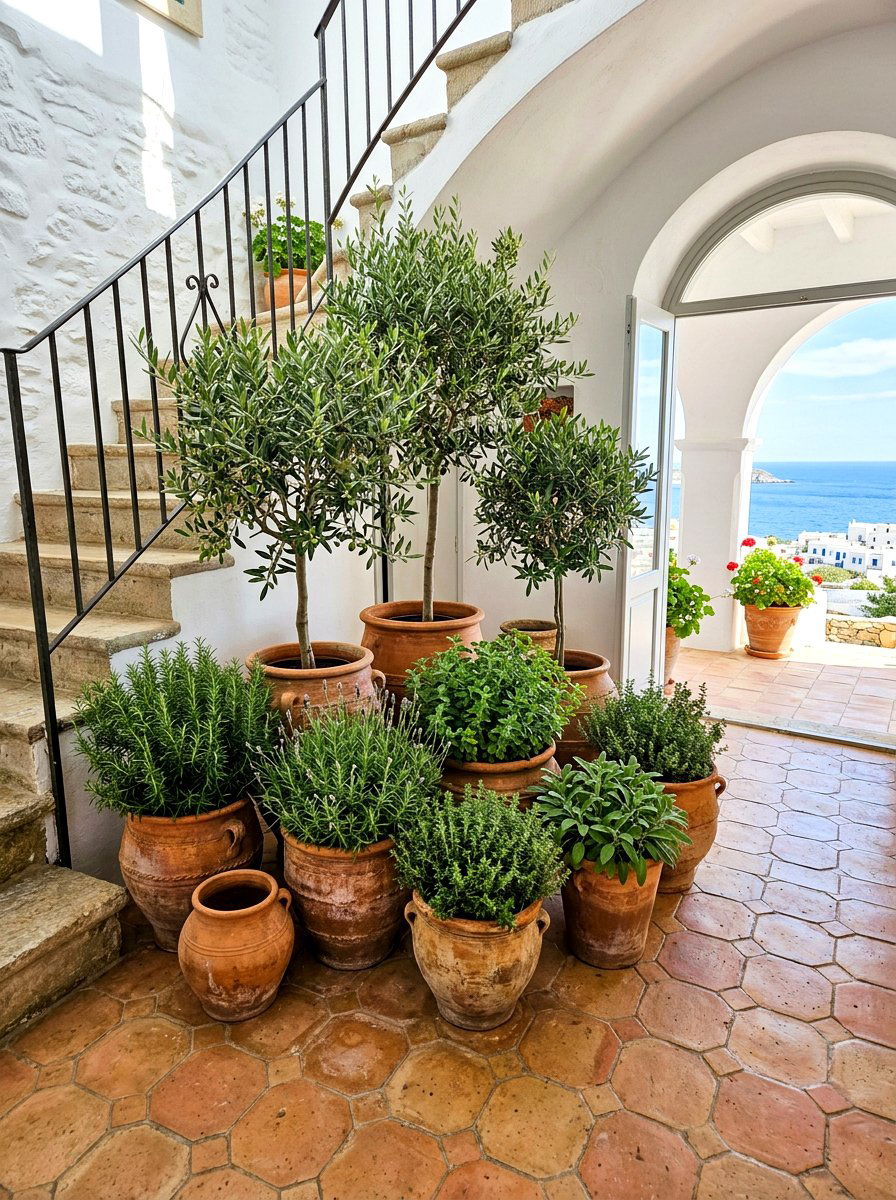
The silvery-green leaves and slender trunk of an olive tree bring a touch of Mediterranean charm and rustic elegance to a sunny staircase corner. These trees are incredibly trendy in interior design for their airy, sophisticated look that doesn't overwhelm a space with dense foliage. They work best in areas that receive plenty of natural light, which is often found near large stairwell windows. Placing an olive tree in a weathered terracotta pot or a simple stone-colored ceramic container enhances its natural, earthy appeal. This choice creates a timeless and serene atmosphere that makes your home feel connected to the beauty of the outdoors.
27. Dracaena Marginata Pot
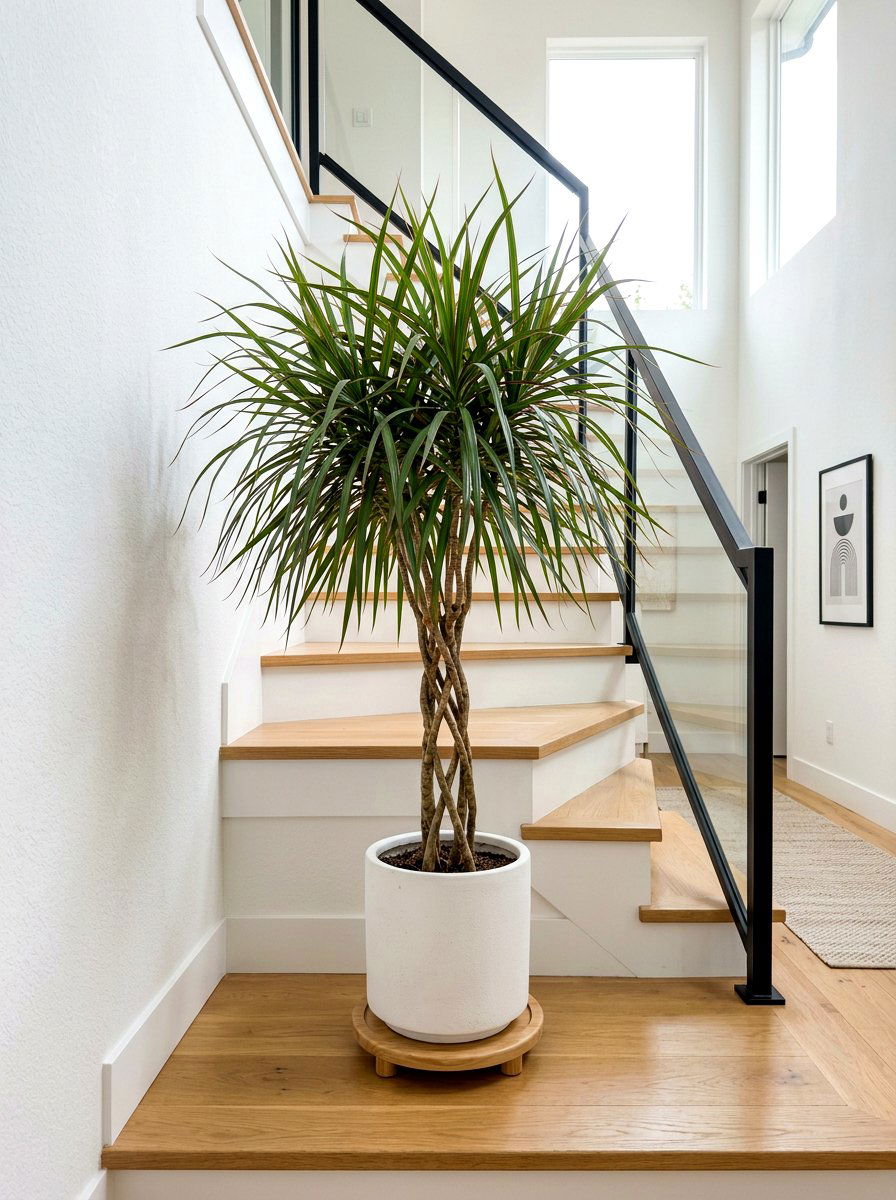
The Dracaena Marginata, also known as the dragon tree, features thin, red-edged leaves and a slender, often architectural trunk that makes it perfect for narrow staircase nooks. Its upright growth habit means it takes up very little floor space while still providing significant height and visual impact. You can find varieties with single trunks or multiple braided stems for extra character. These plants are exceptionally hardy and can tolerate lower light levels, making them a reliable choice for the tricky lighting conditions often found between floors. Their exotic appearance adds a touch of mystery and flair to an otherwise plain or functional transition zone.
28. Wood Pedestal Plant Stand
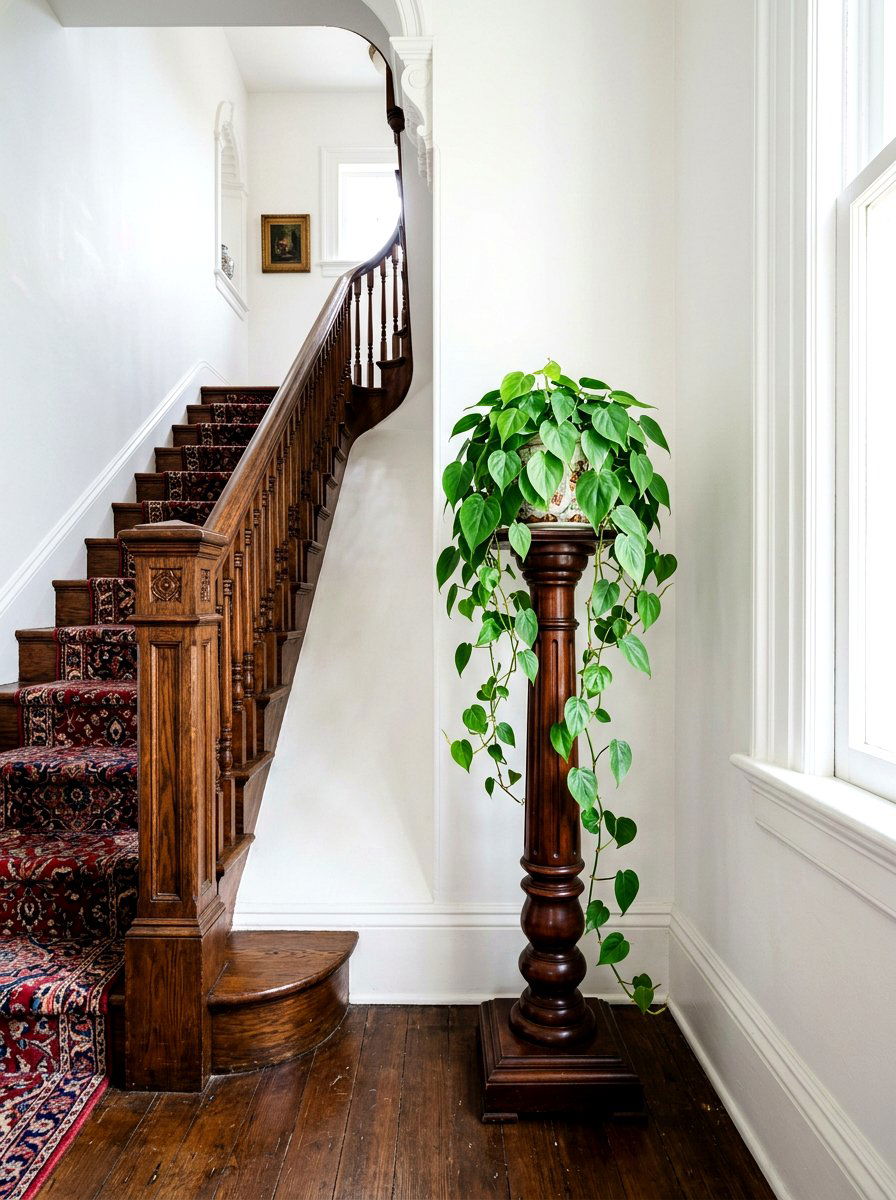
Using a tall wooden pedestal to elevate a plant in a staircase corner is a classic design trick that adds height and importance to your greenery. The pedestal itself acts as a piece of sculpture, while the elevated plant becomes a focal point that is easily seen from different levels of the stairs. This is an excellent way to showcase a trailing plant like a heartleaf philodendron or a bushy asparagus fern. Choosing a pedestal made of a wood that matches your flooring or stairs creates a harmonious and cohesive look. This arrangement adds a touch of traditional gallery-style elegance to your home’s interior.
29. Climbing Wall Vine
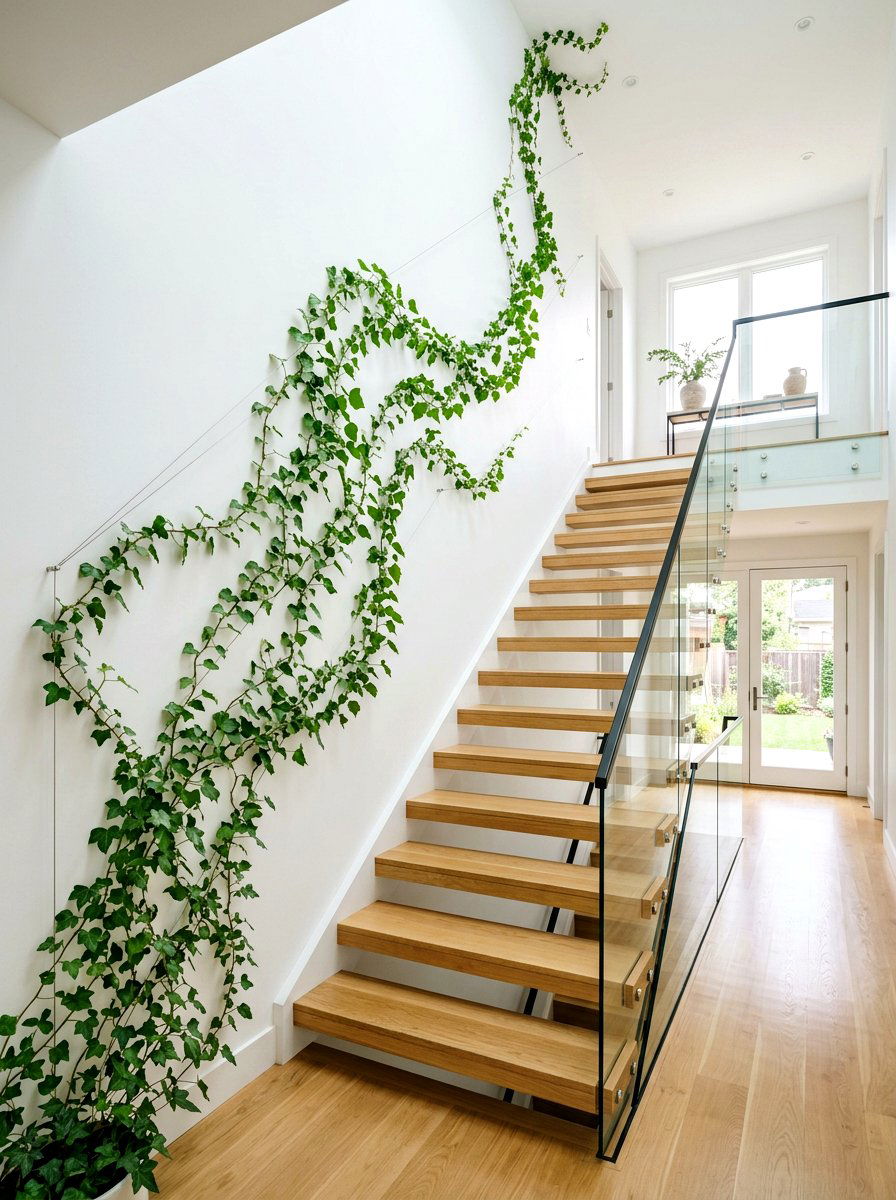
Encouraging a climbing vine to grow up the wall adjacent to your staircase creates a dynamic and ever-changing piece of living decor. You can install a discreet trellis or use small clear clips to guide plants like creeping fig or a hardy ivy along the wall's surface. As the vine grows, it will begin to frame the staircase, softening the architectural lines and bringing a sense of life to the vertical space. This approach is particularly effective for large, blank walls that feel cold or intimidating. The result is a stunning, green-draped walkway that feels like a secret passage through an enchanted garden.
30. Tropical Foliage Grouping
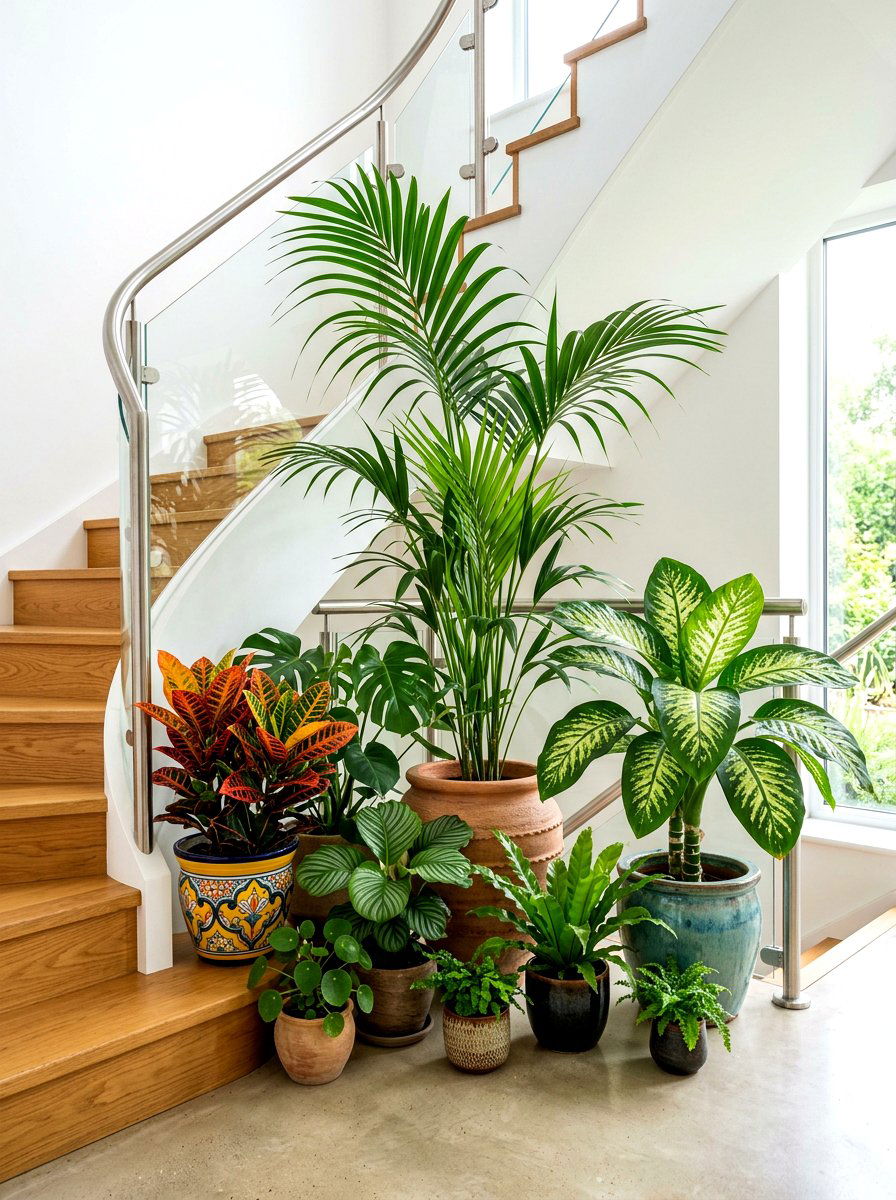
Creating a diverse grouping of different tropical foliage plants in a large staircase corner allows you to play with various leaf shapes, colors, and textures. You can combine a tall palm with a bushy dieffenbachia and a colorful croton to create a lush, multi-dimensional display. Using pots of different heights but in a similar color palette keeps the arrangement looking intentional and organized rather than cluttered. This dense collection of greenery acts as a natural air filter and a beautiful visual anchor for the bottom of the stairs. The variety of plants ensures there is always something interesting to look at as you pass by.
Conclusion:
Investing time and creativity into your staircase plant corner can dramatically transform the entire mood of your home. These often-neglected transitional spaces hold incredible potential to become vibrant, life-affirming zones that connect your living areas with nature. Whether you prefer the dramatic height of a single statement tree or the intricate detail of a tiered succulent display, there is a botanical solution for every style and lighting condition. By following these ideas, you can turn a simple climb up the stairs into a refreshing journey through your personal indoor sanctuary. Greenery not only beautifies your environment but also promotes a sense of peace and well-being for everyone.

Related posts: