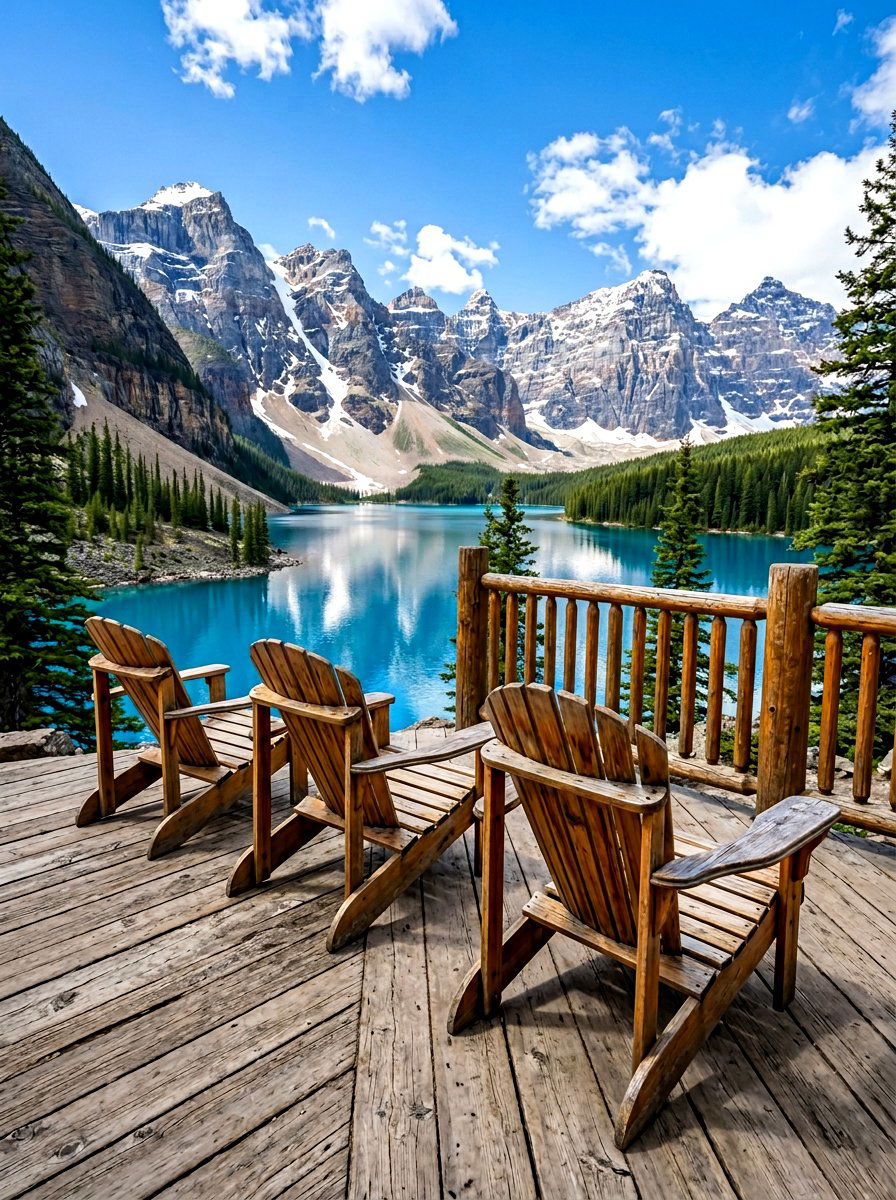
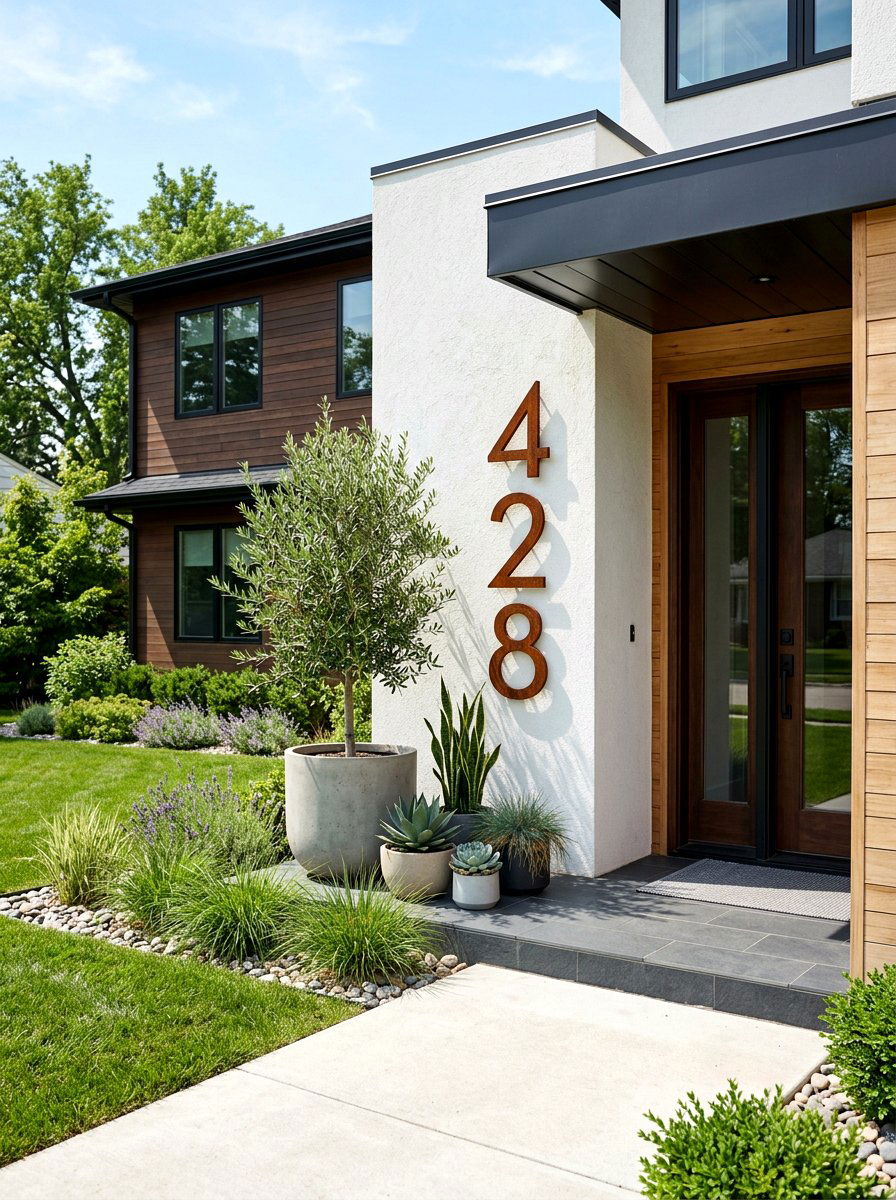
Bringing the rugged charm of high-altitude peaks into your home landscape creates a unique sanctuary that celebrates resilience and natural beauty. Alpine gardening focuses on hardy plants that thrive in rocky, well-drained environments, making it an ideal choice for low-maintenance yet high-impact design. These specialized gardens often use a combination of boulders, gravel, and miniature perennials to mimic the breathtaking vistas of the world's mountain ranges. By understanding the specific needs of these resilient species, such as sharp drainage and plenty of sunlight, you can build a sustainable outdoor space that remains vibrant throughout the seasons. This approach turns any yard into a textured, mountain-inspired retreat.
1. Alpine Rock Layout
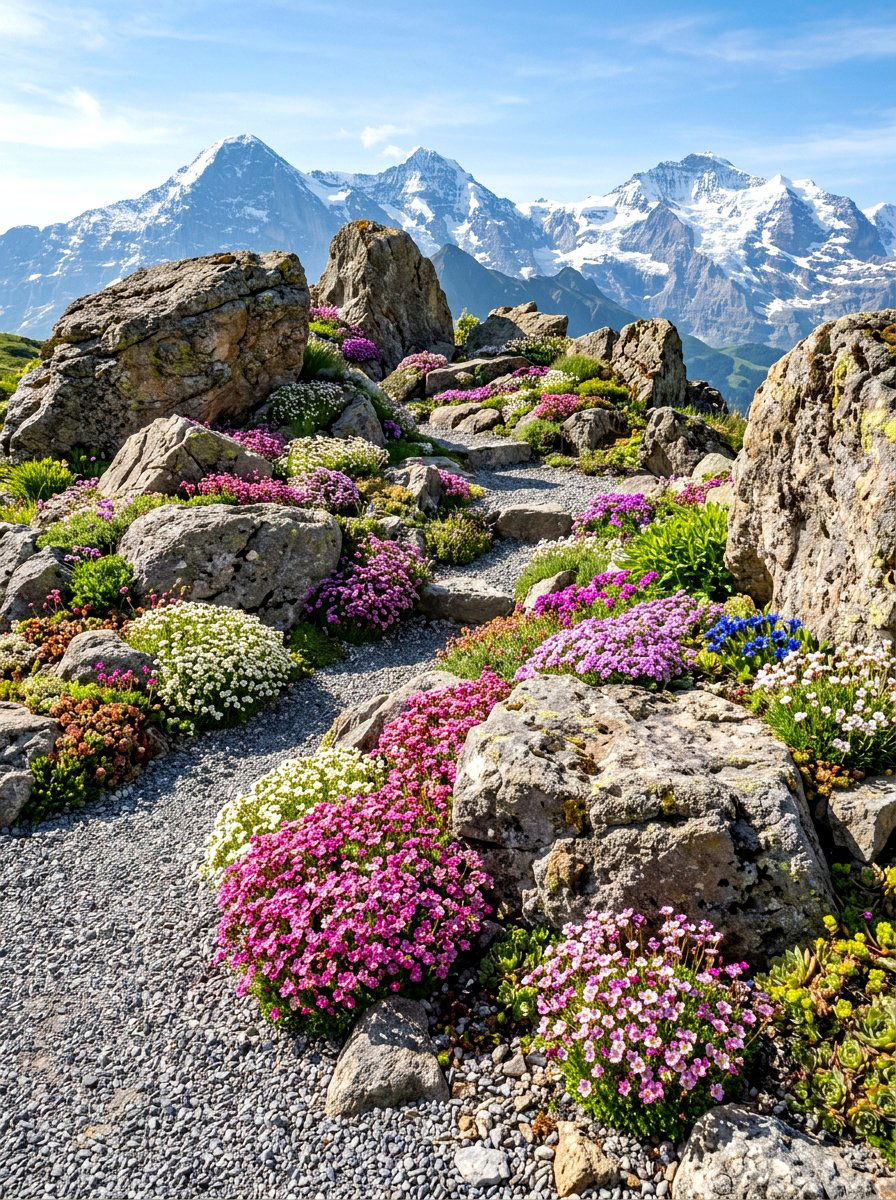
Creating a naturalistic rock layout is the foundational step for any successful mountain-inspired outdoor space. You should focus on selecting various sizes of stones, including a few large "keystone" boulders that act as the primary anchors for the entire scene. When placing these heavy elements, bury about one-third of each stone into the ground to give the appearance of an ancient, weathered outcrop rather than just a pile of rocks. This technique also provides essential stability and helps regulate the soil temperature for your delicate plants. Arrange the stones in odd-numbered groups to mimic the beautiful randomness found in nature, ensuring the veins of the rocks all run in the same direction.
2. Alpine Stone Trough
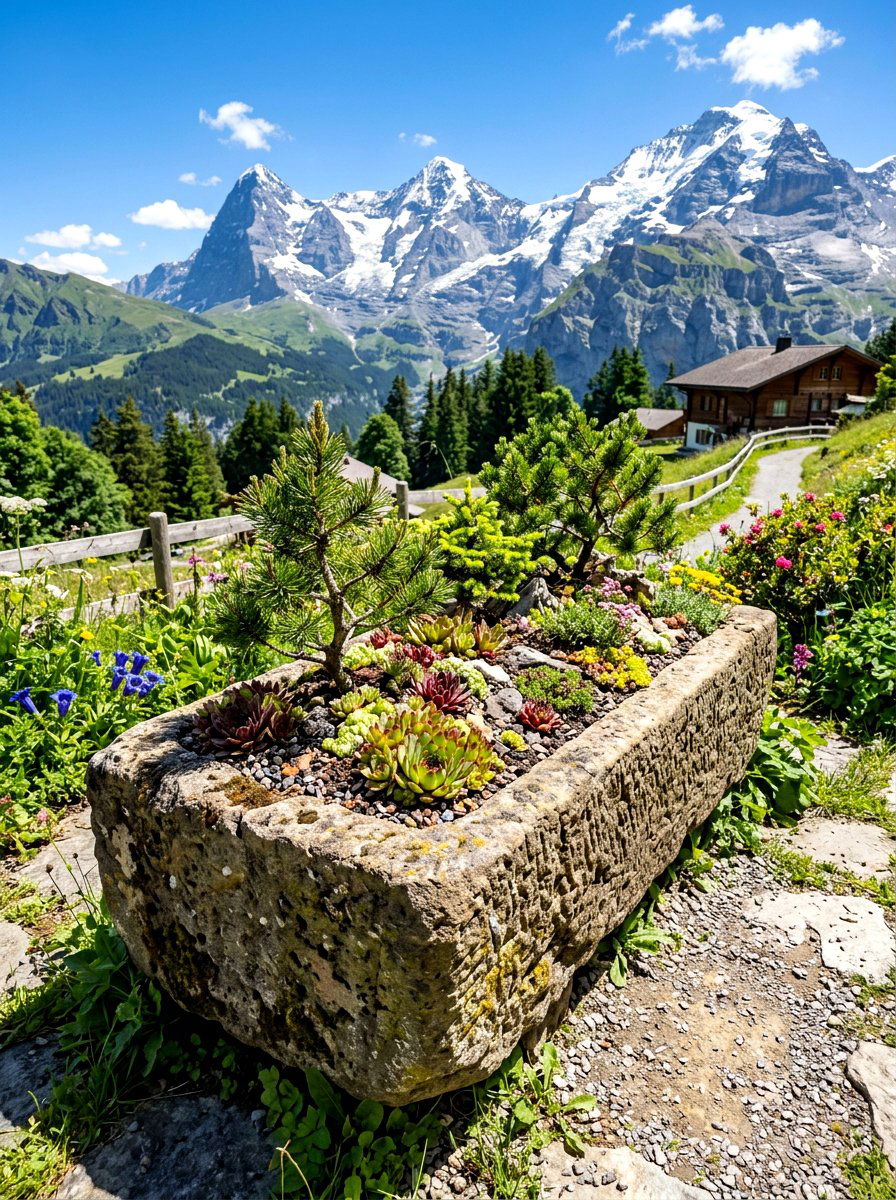
Using weathered stone troughs is a classic method for showcasing smaller plant species that might otherwise get lost in a large landscape. These elevated containers provide the perfect microclimate because they allow for exceptionally sharp drainage and keep delicate foliage away from garden pests. You can use authentic antique stone troughs or create your own realistic versions using a mixture of peat, cement, and perlite known as hypertufa. Fill the trough with a gritty soil mix and arrange a few jagged rocks to create miniature crevices for your plants to inhabit. This focused approach allows you to appreciate the tiny details of mountain flora at a more comfortable viewing height.
3. Alpine Crevice Garden
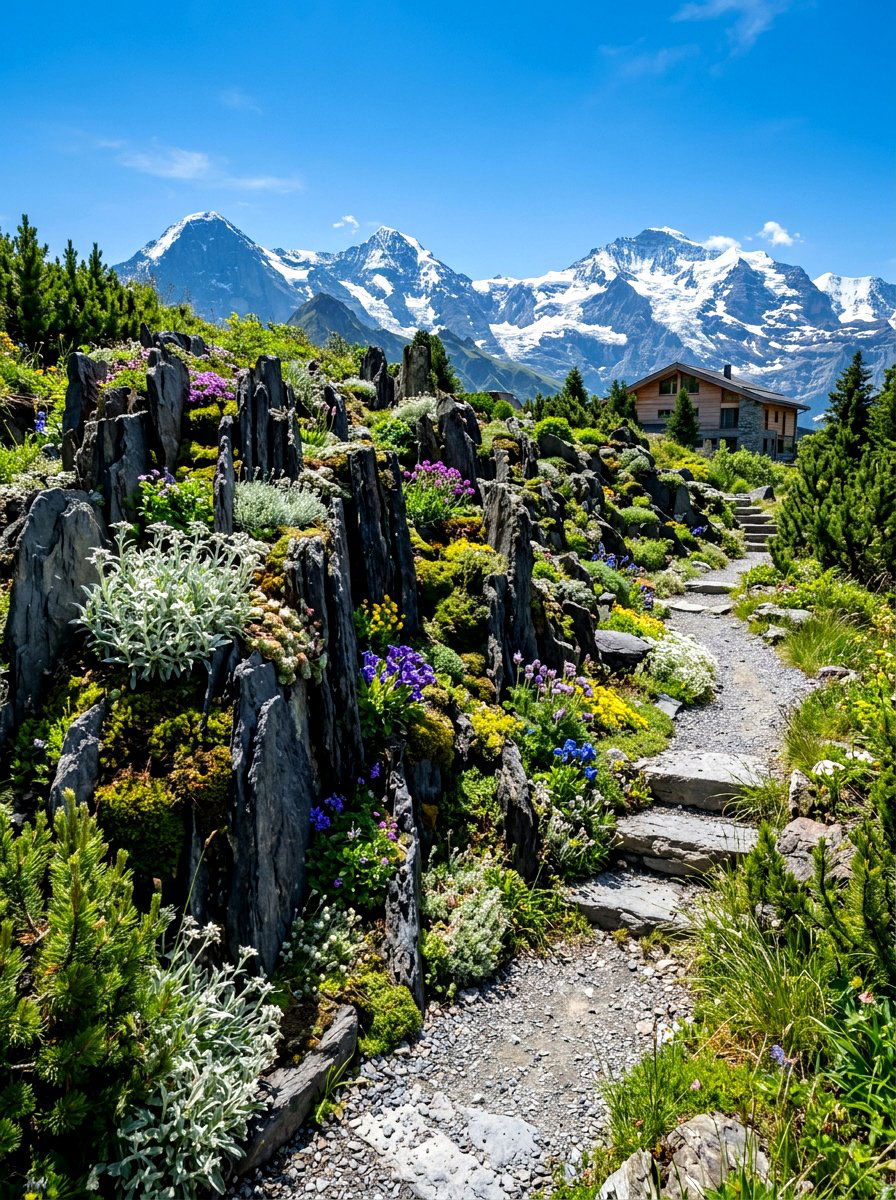
Designing a crevice garden involves placing thin slabs of stone vertically or at a slight angle to mimic natural rock fissures. This specific arrangement forces the roots of your plants to grow deep into the cool, moist gaps between the stones, protecting them from surface heat and drought. Slate or sandstone works exceptionally well for this style because these materials are easy to stack closely together. By filling the narrow spaces with a mixture of fine grit and compost, you create an ideal environment for specialized species like silver saxifrages. The resulting vertical aesthetic is both visually striking and functionally superior for plants that naturally cling to mountain cliffs.
4. Alpine Scree Bed
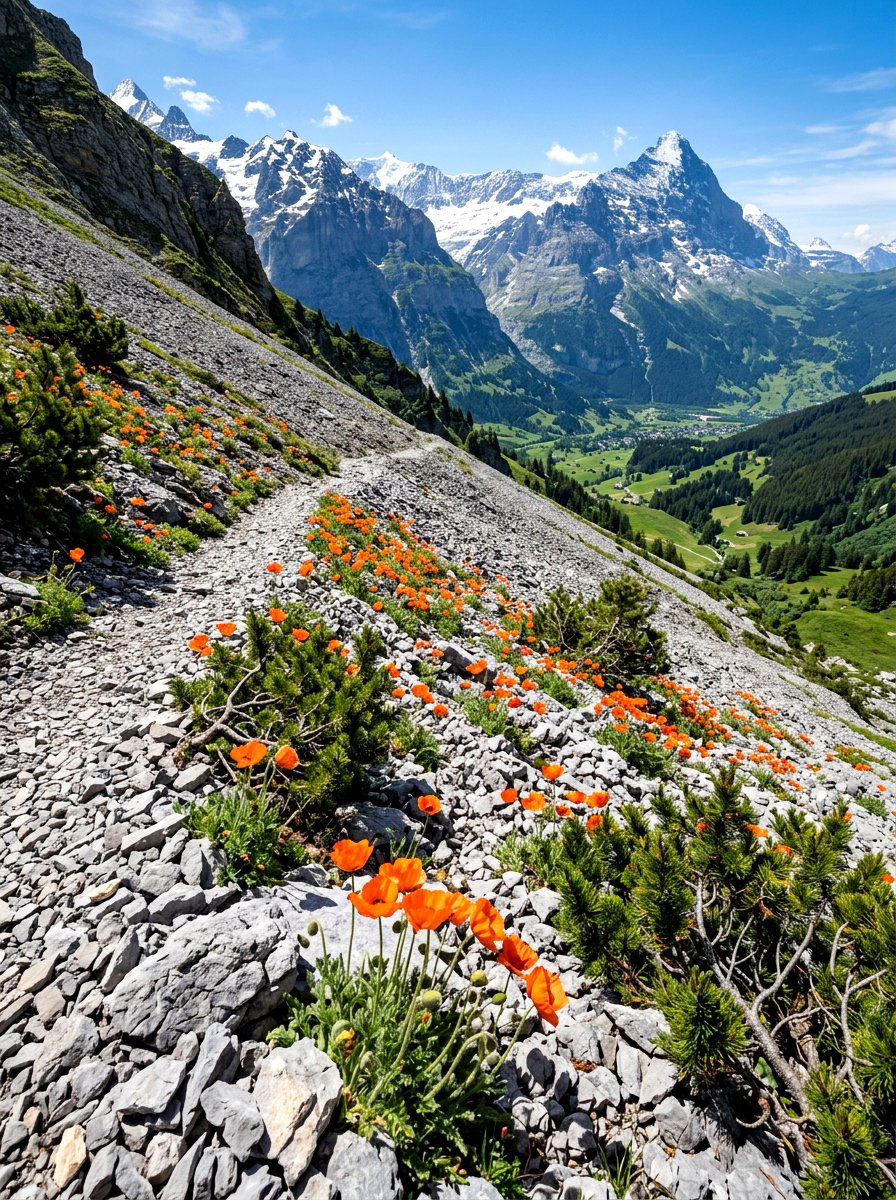
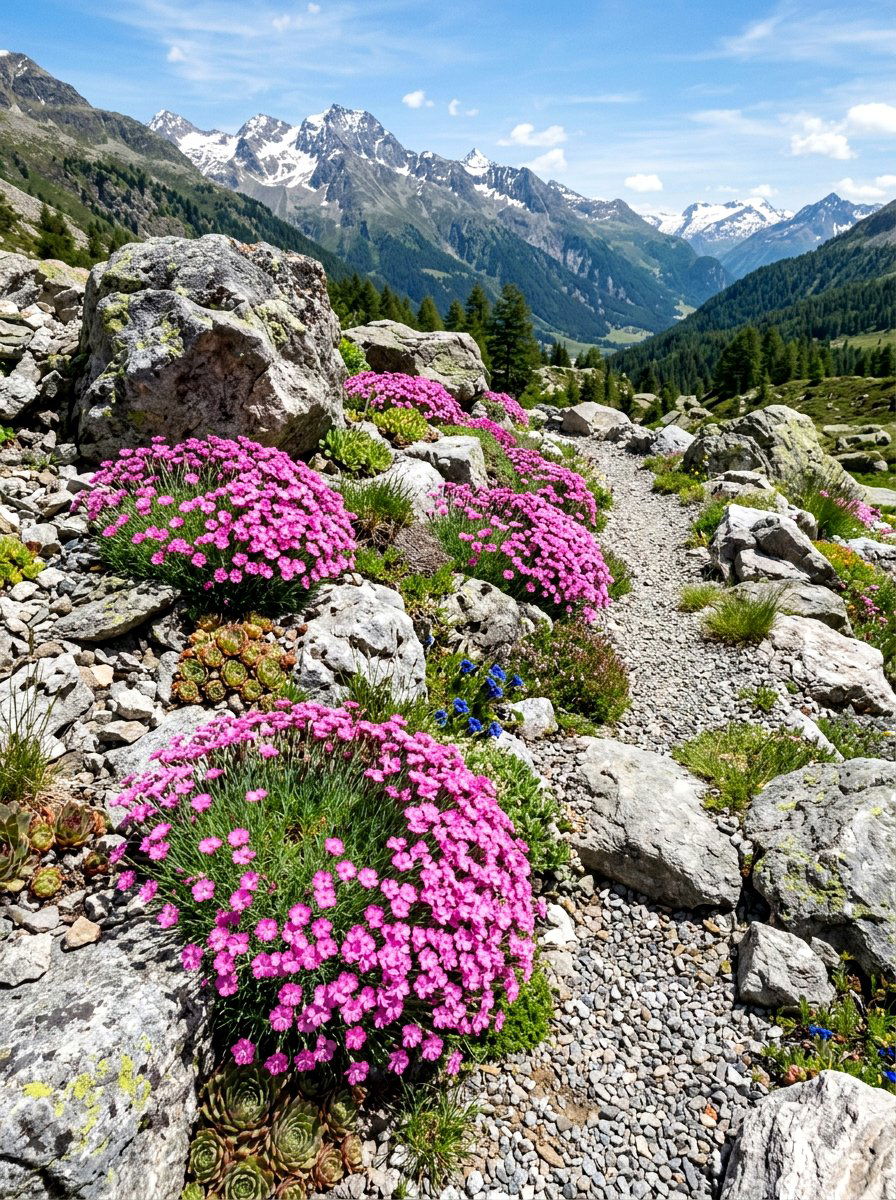
A scree bed replicates the loose, rocky slopes found at the base of mountain peaks where water drains away almost instantly. This design is perfect for gardeners who want to grow challenging species that are prone to rot in standard garden soil. To build a scree bed, you should remove the top layer of soil and replace it with a deep layer of coarse crushed stone mixed with a very small amount of organic matter. The surface should be finished with a thick mulch of matching gravel to keep the crowns of the plants dry. This environment encourages plants to develop deep root systems while providing a clean, textured backdrop.
5. Alpine Gravel Path
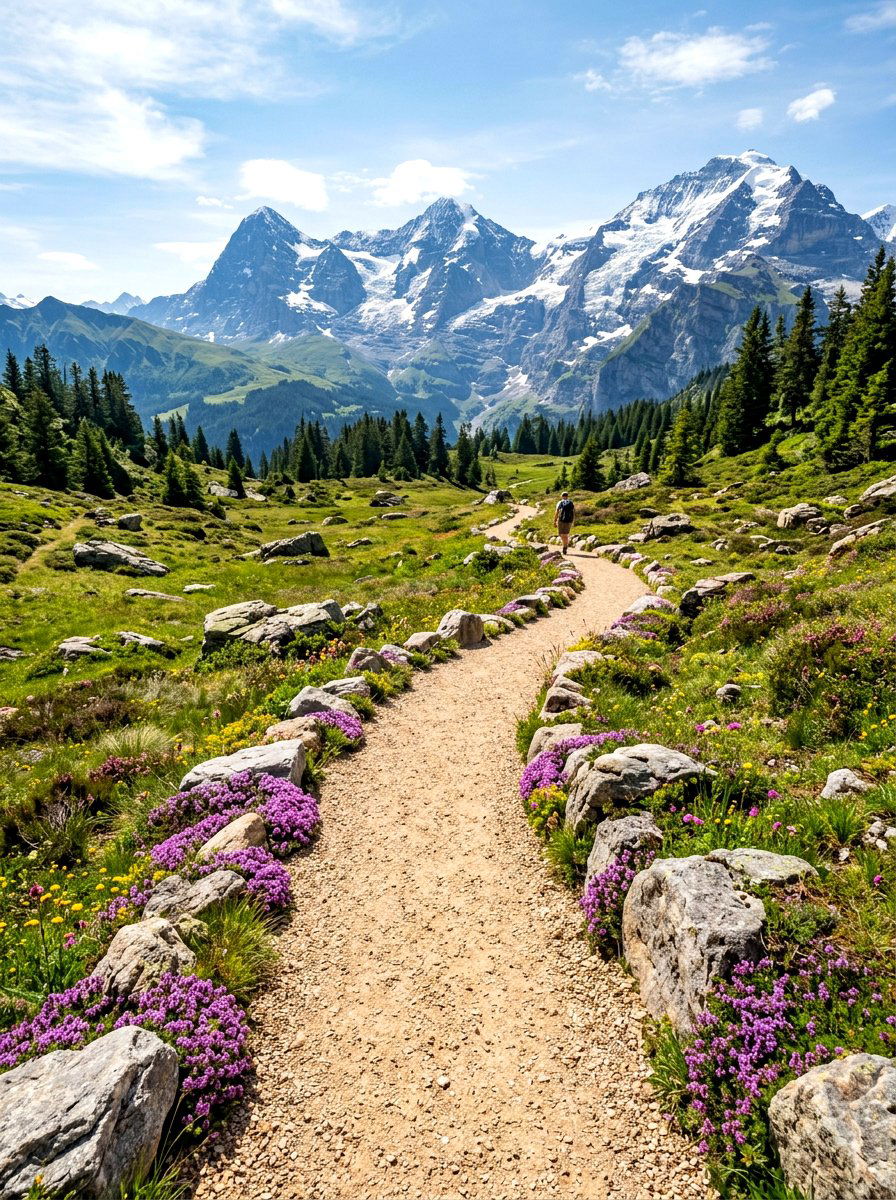
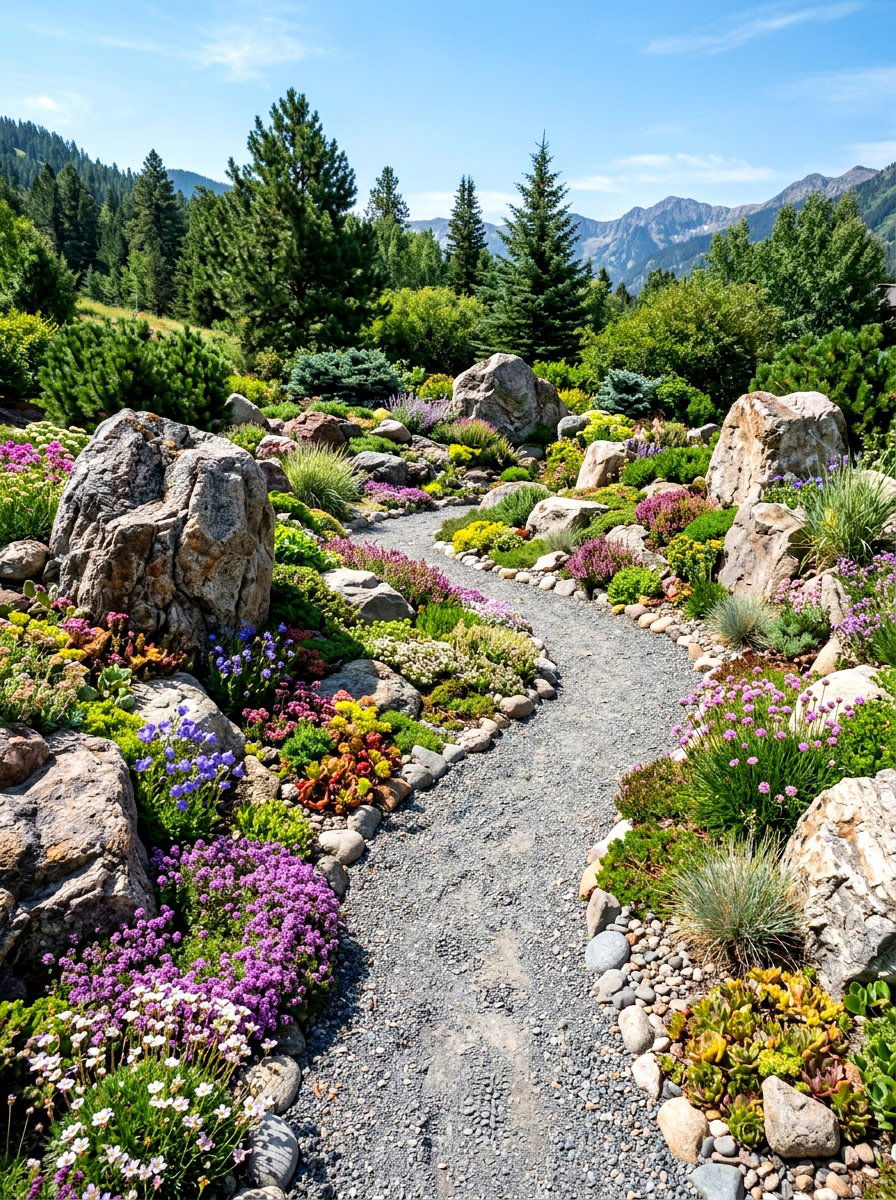
Incorporating a gravel path through your garden helps tie the different rocky elements together while providing a practical way to navigate the space. Choose a crushed stone that matches the color and texture of your main boulders to ensure a cohesive and natural appearance throughout the landscape. These paths provide the satisfying "crunch" associated with mountain trekking and help with overall site drainage during heavy rain. You can edge the path with smaller stones or allow low-growing creepers like thyme to spill over the sides, softening the hard lines. A winding, meandering path adds a sense of mystery and discovery, making a small garden feel much larger and more immersive.
6. Alpine Stone Wall
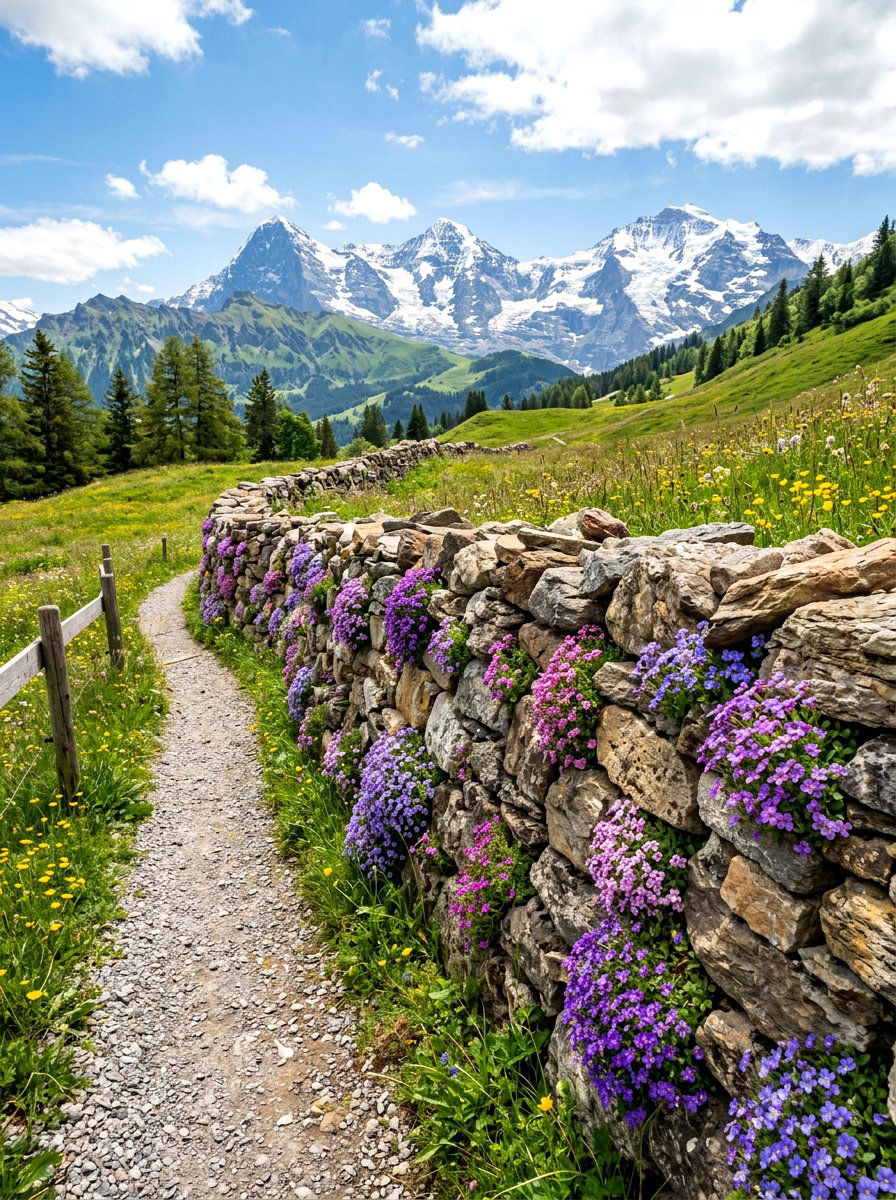
Building a dry stone wall offers a beautiful way to manage elevation changes while providing countless planting pockets for hardy perennials. Unlike mortared walls, a dry stone structure allows air and water to move freely through the gaps, creating a healthy environment for moss and small ferns. You can tuck tiny plants directly into the horizontal crevices as you build the wall, ensuring their roots have access to the soil behind the stones. This vertical gardening technique is excellent for small yards where floor space is limited but you still want a lush, mountain-influenced look. The weathered stone provides a timeless backdrop that improves with age.
7. Alpine Dwarf Conifer
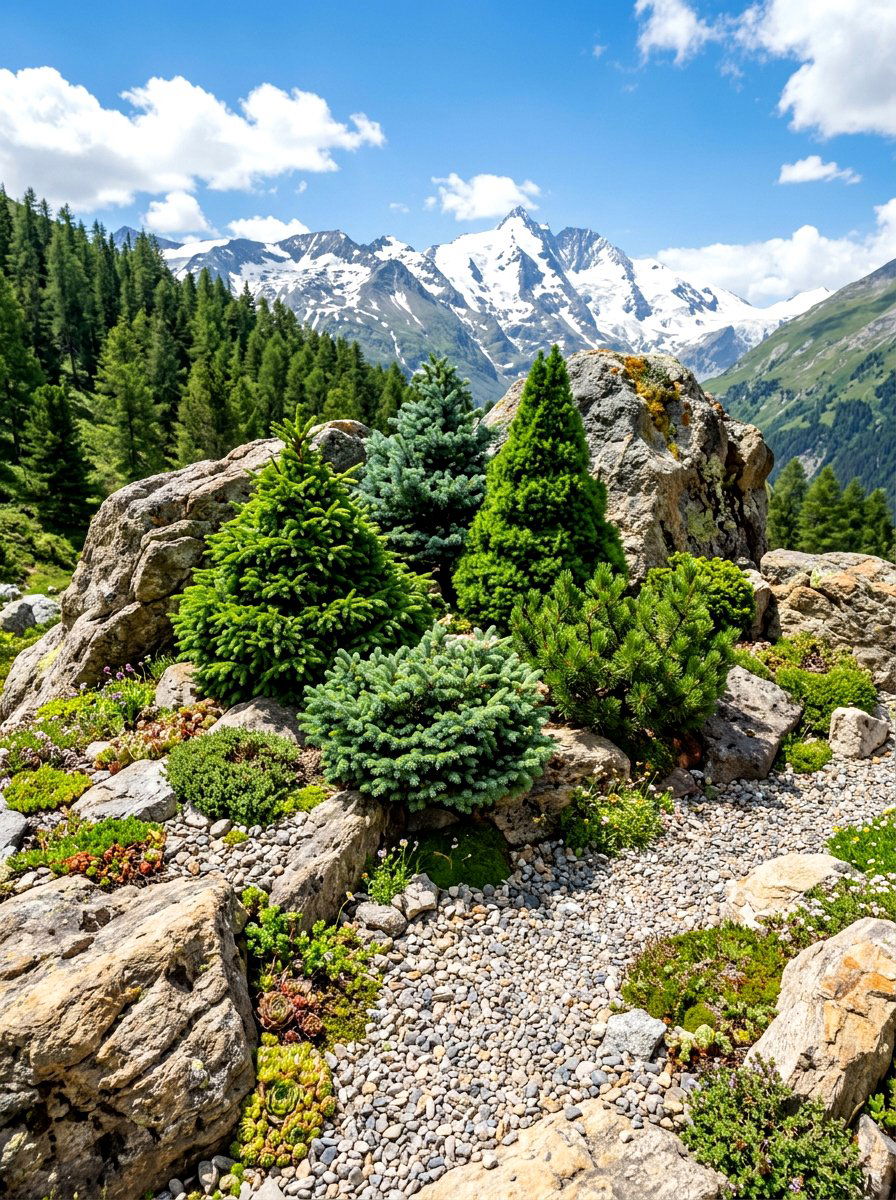
Integrating dwarf conifers into your rockery provides year-round structure and a sense of scale that mimics high-altitude forests. These slow-growing evergreens, such as miniature pines, junipers, and spruces, offer various textures and shades of green that remain beautiful even in the middle of winter. You should place them strategically behind larger rocks or at the highest points of your garden to create a sense of depth and perspective. Because they maintain their compact shape for many years, they won't overwhelm the smaller flowering plants nearby. Choosing varieties with interesting growth habits, like weeping or globe shapes, adds a professional and artistic touch to the overall garden composition.
8. Alpine Container Garden
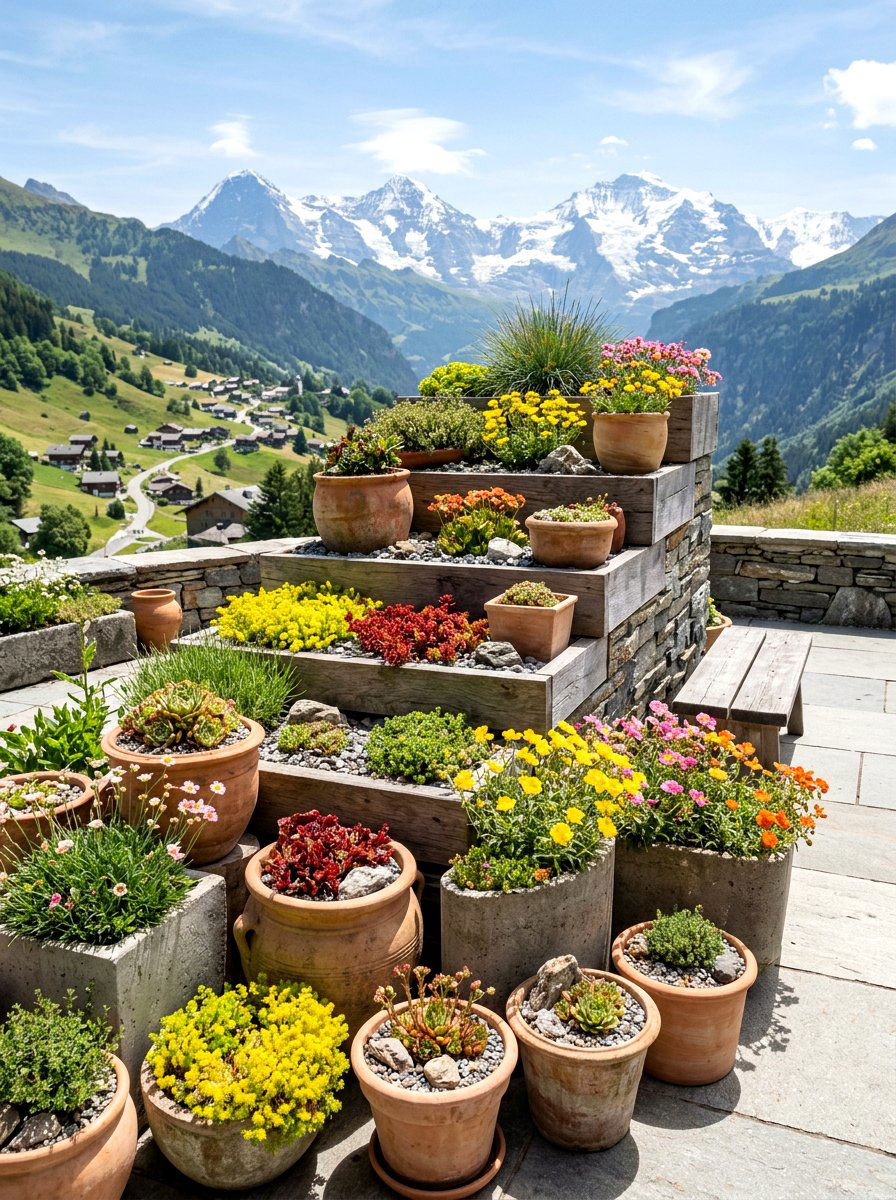
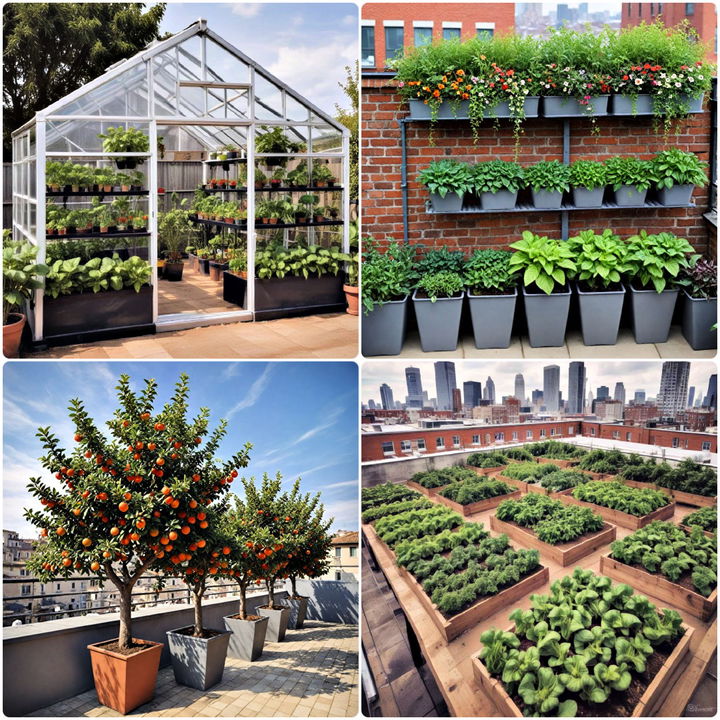
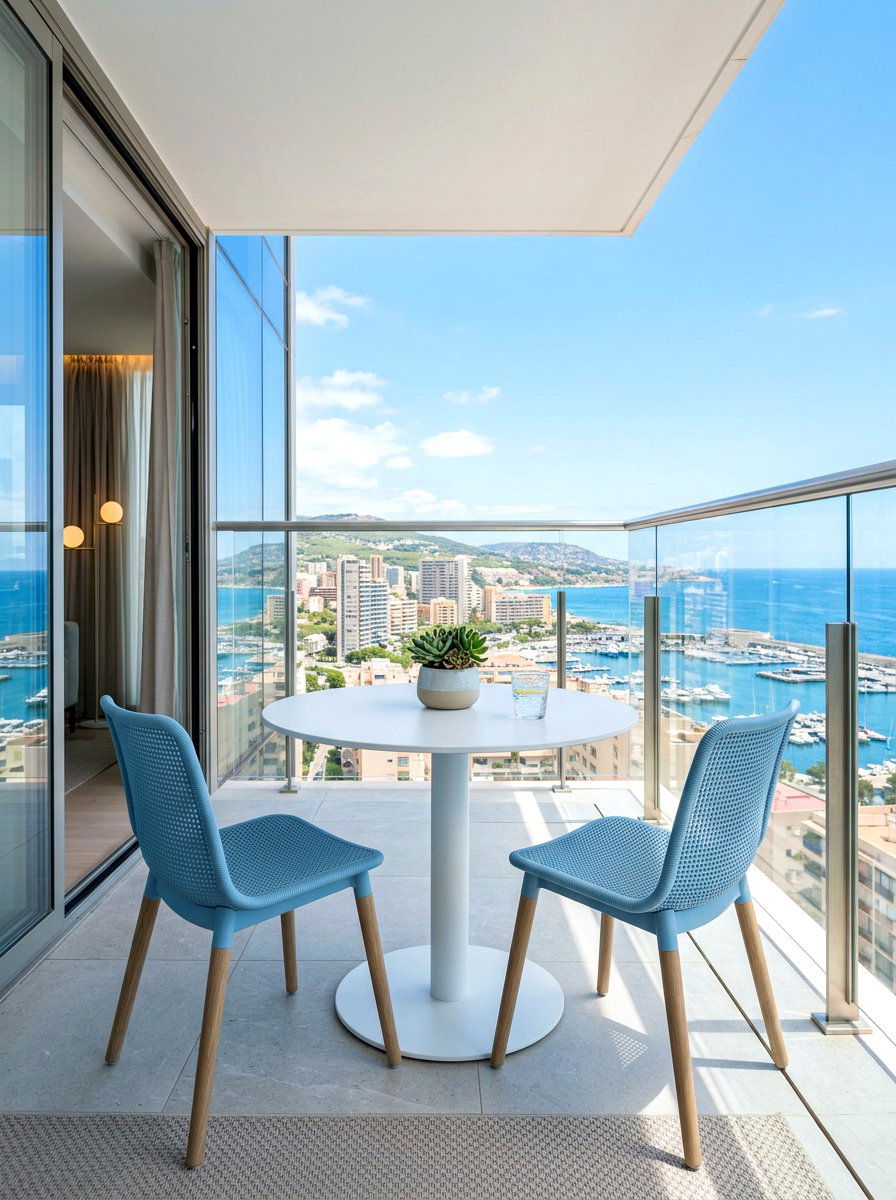
A container garden dedicated to mountain species is an excellent solution for urban dwellers or those with very limited outdoor space. You can use a variety of pots, from rustic terracotta to modern concrete, as long as they have large drainage holes to prevent waterlogged roots. By grouping several containers of different heights together, you can create a tiered effect that mimics a natural hillside. Use a consistent top-dressing of gravel across all pots to unify the collection and give it a polished, intentional look. This portable approach allows you to move your plants to follow the sun or protect them from extreme weather throughout the changing seasons.
9. Alpine Rock Waterfall
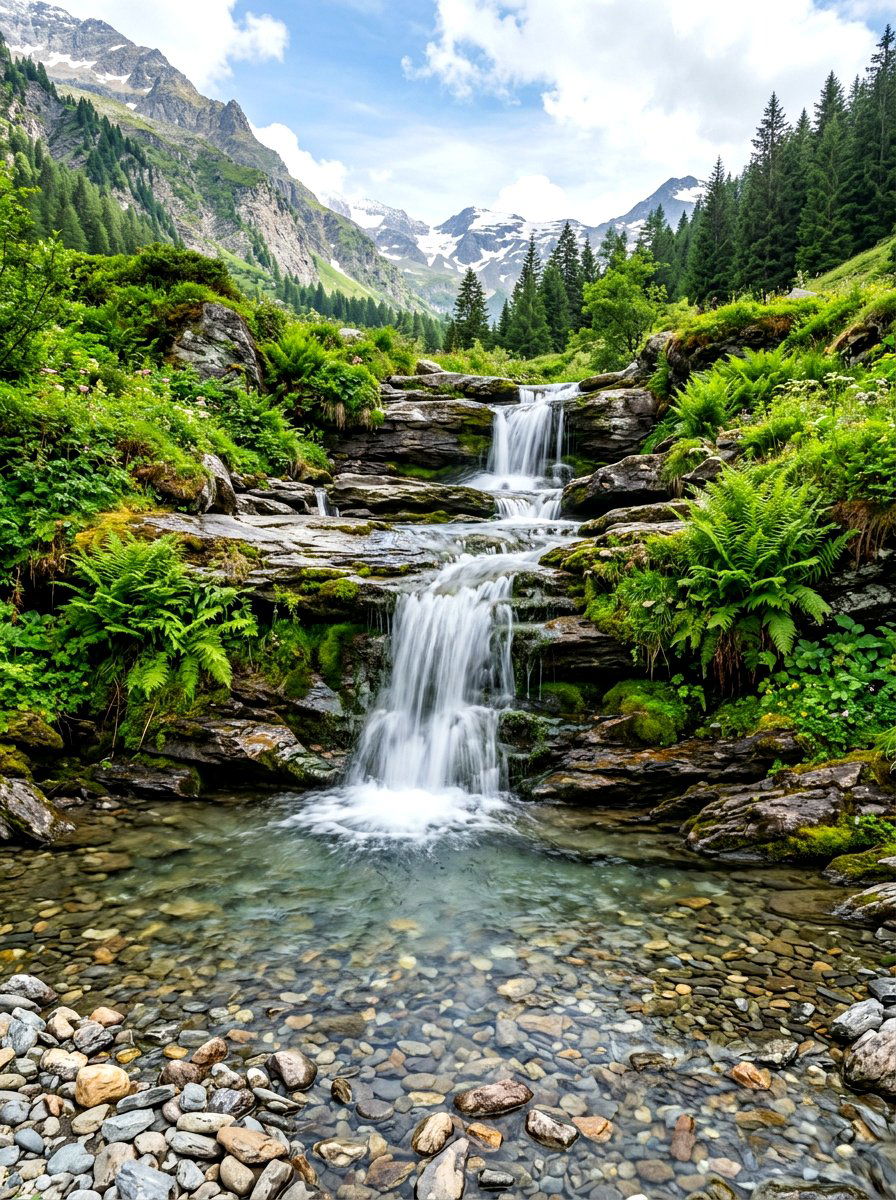
Adding a small rock waterfall brings the soothing sound of a mountain stream and a dynamic element to your landscape design. You can use flat, tiered stones to create a series of gentle cascades that spill into a hidden reservoir or a small pebble-lined pool. Surround the water feature with moisture-loving alpine plants like primulas or mosses that thrive in the humid microclimate created by the moving water. The contrast between the dark, wet stones and the bright green foliage creates a stunning visual focal point. Even a very small recirculating pump can turn a quiet corner of your yard into a refreshing and tranquil mountain retreat.
10. Alpine Succulent Garden
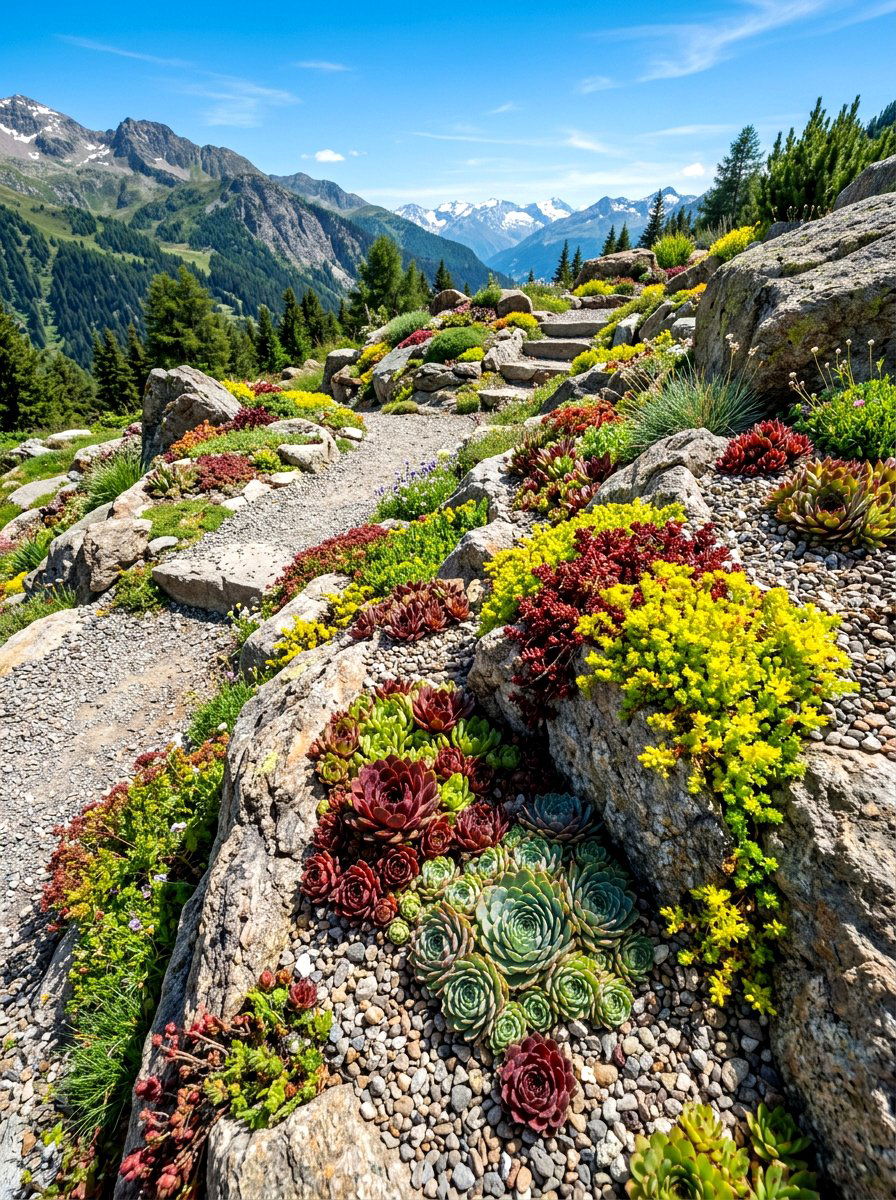
Focusing on hardy succulents within a rock garden is a brilliant way to achieve a high-texture look with almost zero maintenance. Plants like sempervivums, commonly known as hens and chicks, and various sedums are incredibly resilient and come in a vast array of colors and shapes. These plants naturally store water in their fleshy leaves, allowing them to thrive in the hottest and driest parts of your rockery. You can plant them in the tightest cracks between stones where other plants might struggle to survive. Their geometric patterns and spreading growth habits create a living mosaic that adds intricate detail and year-round interest to any rocky outcrop.
11. Alpine Stone Sink
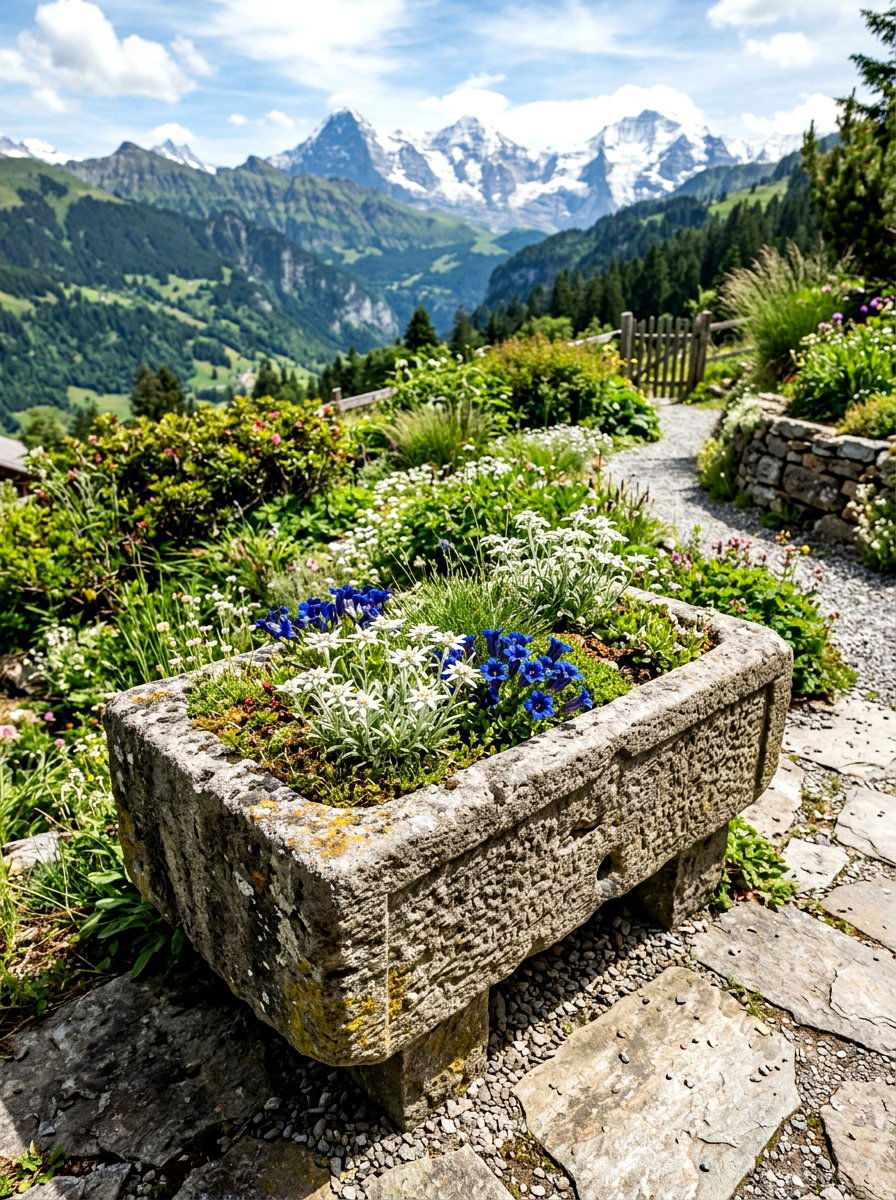
Repurposing an old stone sink into a miniature mountain garden is a charming way to add character and history to your outdoor space. These heavy, durable basins provide a contained environment where you can control the soil quality and drainage perfectly for delicate species. You should fill the sink with a very gritty potting mix and place a few vertical stone shards to create a miniature landscape within the basin. This type of feature looks wonderful placed on a pedestal, a stone wall, or near a patio where the tiny flowers can be appreciated up close. It acts as a conversation piece while providing a home for rare alpine treasures.
12. Alpine Flower Meadow
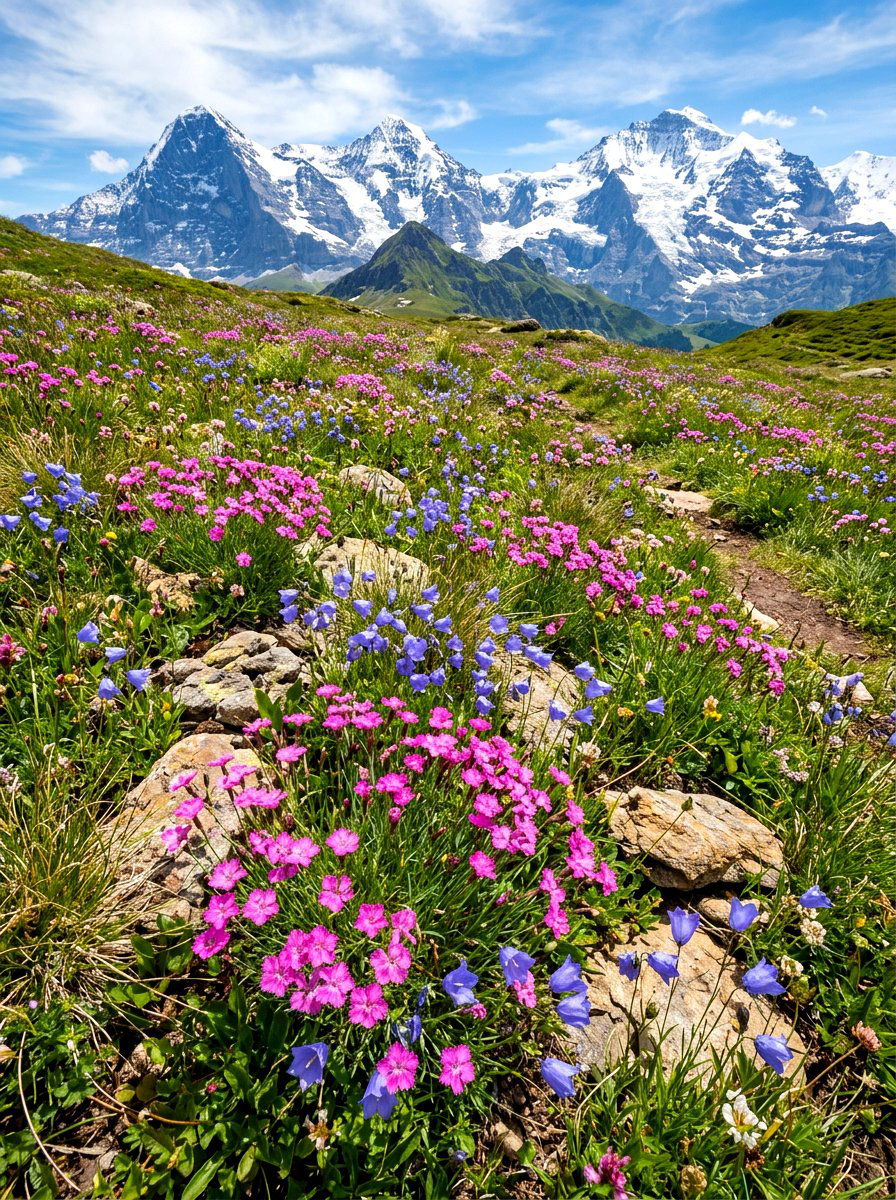
Creating a miniature flower meadow involves planting clusters of mountain-native blooms to replicate the vibrant carpets found in high valleys during spring. You can use a mix of alpine poppies, gentians, and bellflowers to bring splashes of intense blue, orange, and purple to your garden. Rather than planting in neat rows, scatter the plants in irregular drifts to achieve a more natural and wild appearance. This approach encourages local pollinators and provides a constantly changing display of color as different species come into bloom. The soft, swaying flowers provide a beautiful contrast to the hard, static surfaces of the surrounding boulders and gravel mulch.
13. Alpine Slate Garden
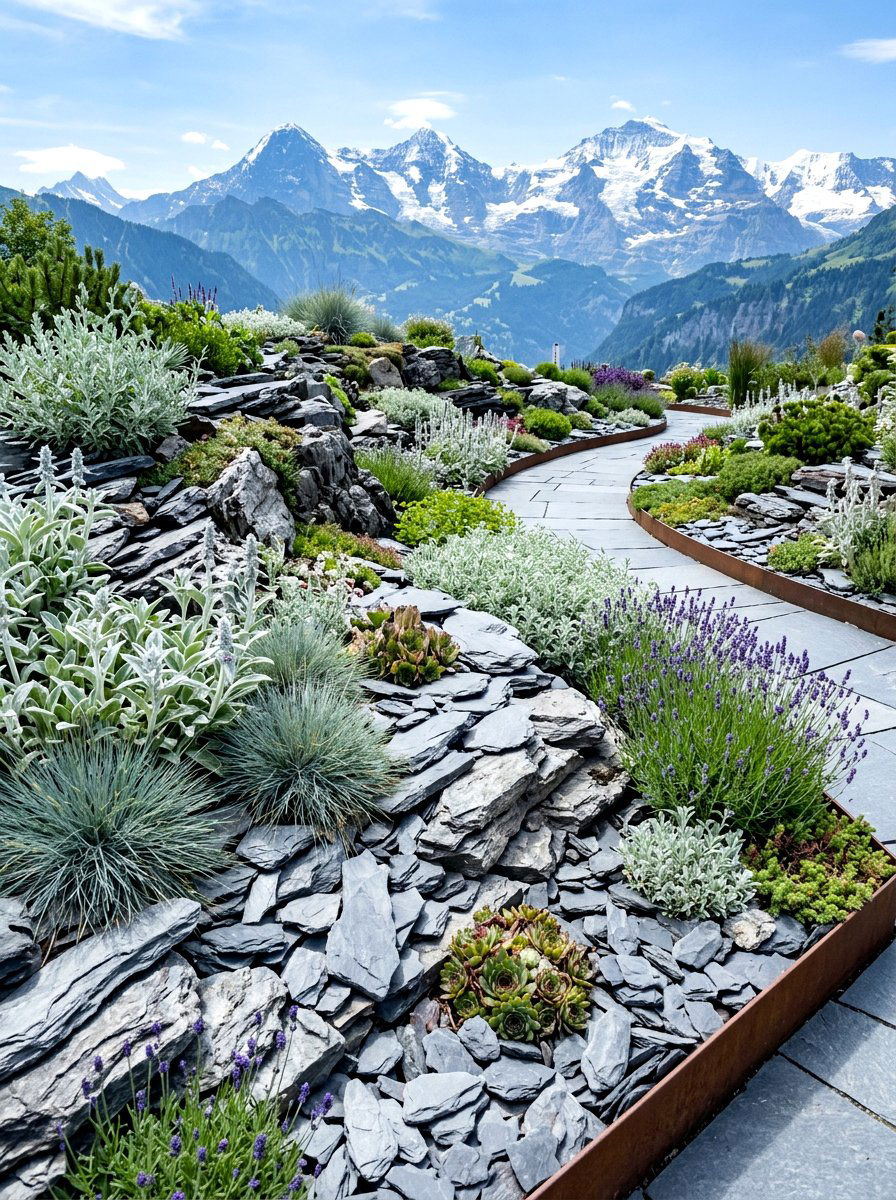
Using slate in your garden design offers a modern and sleek aesthetic that emphasizes sharp lines and dark, moody tones. You can stack slate tiles or shards vertically to create a unique crevice environment or use flat pieces to build elegant, layered terraces. The dark color of the slate absorbs heat during the day and radiates it back at night, which can be beneficial for certain sun-loving mountain species. When wet, the slate takes on a deep, rich luster that makes the bright green of moss and alpines pop with intensity. It is a versatile material that works well in both traditional rockeries and contemporary landscapes.
14. Alpine Limestone Rockery
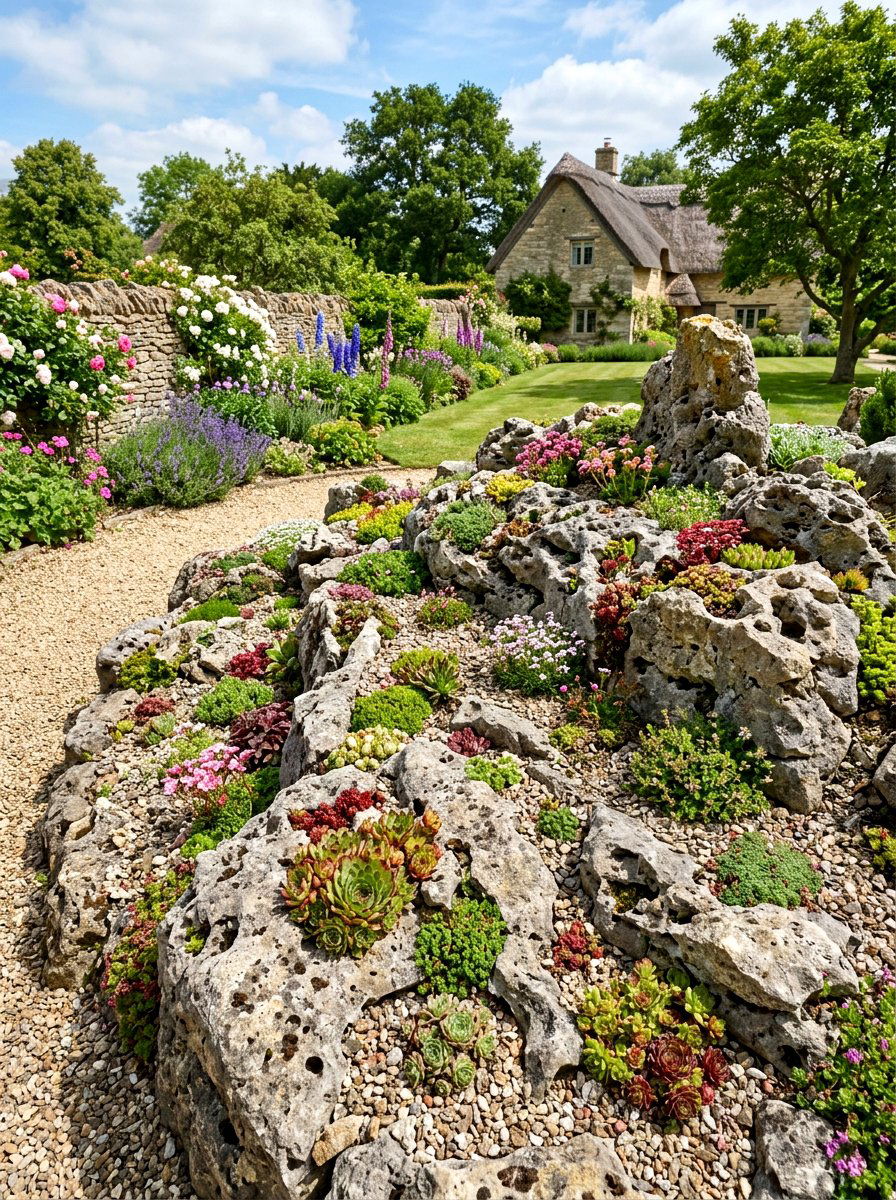
Limestone is a classic choice for rock gardening because of its interesting natural textures and its ability to weather beautifully over time. Many alpine plants are "calcicoles, " meaning they specifically thrive in the slightly alkaline conditions created by the slow breakdown of limestone. You can find limestone with natural "water-worn" holes and grooves that provide ready-made planting pockets for tiny succulents and ferns. The pale, creamy color of the stone provides a bright backdrop that reflects light onto the plants, helping them stay vibrant. Using locally sourced limestone ensures that your garden feels like an authentic extension of the surrounding natural environment and geological history.

15. Alpine Plant Border
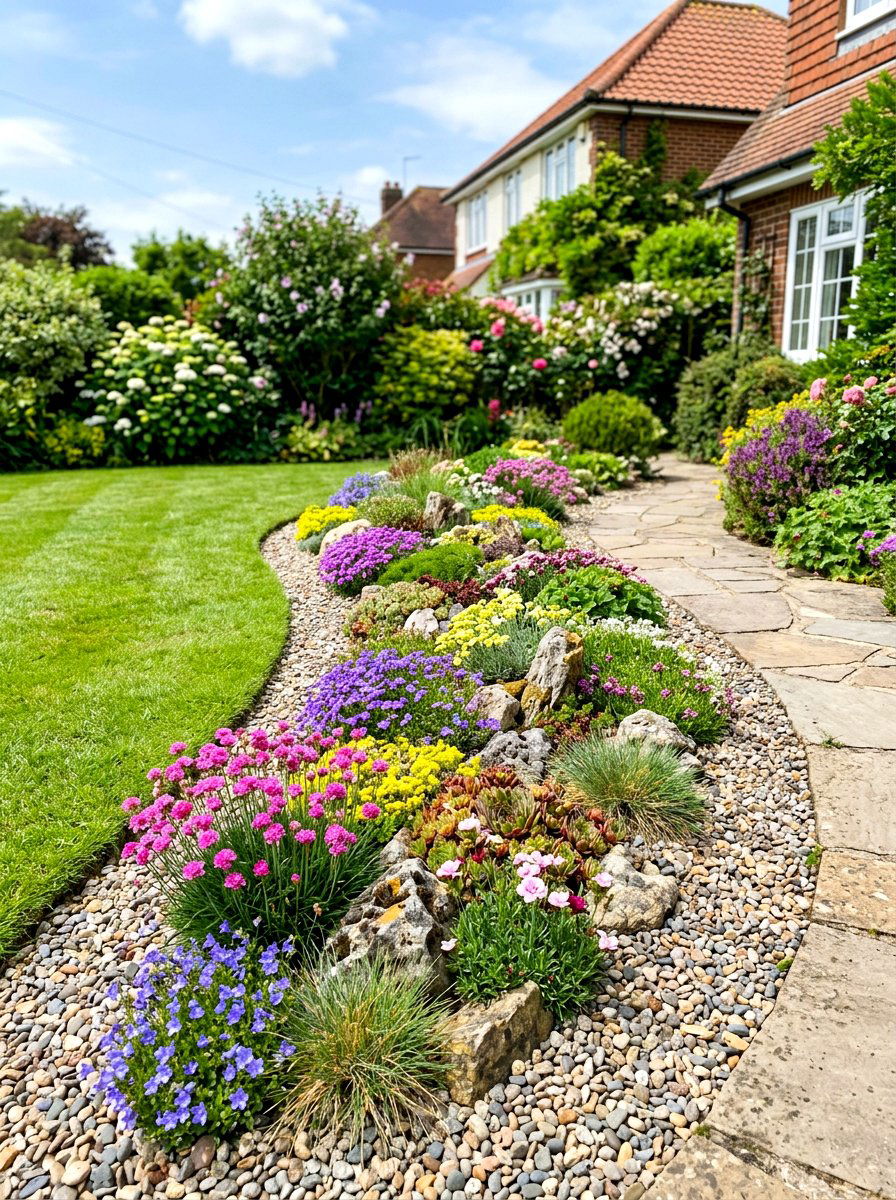
A dedicated border for mountain plants can transform a dull edge along a driveway or patio into a fascinating and textured display. Instead of using traditional garden soil, you should amend the border with plenty of grit and sand to ensure the fast drainage these plants require. Use smaller rocks and pebbles to create a varied topography within the border, allowing for different heights and planting depths. This style of gardening is particularly effective for people who want to transition from a traditional lawn to a more sustainable, water-wise landscape. The low-growing nature of the plants keeps the view open and creates a tidy, groomed appearance.
16. Alpine Natural Steps
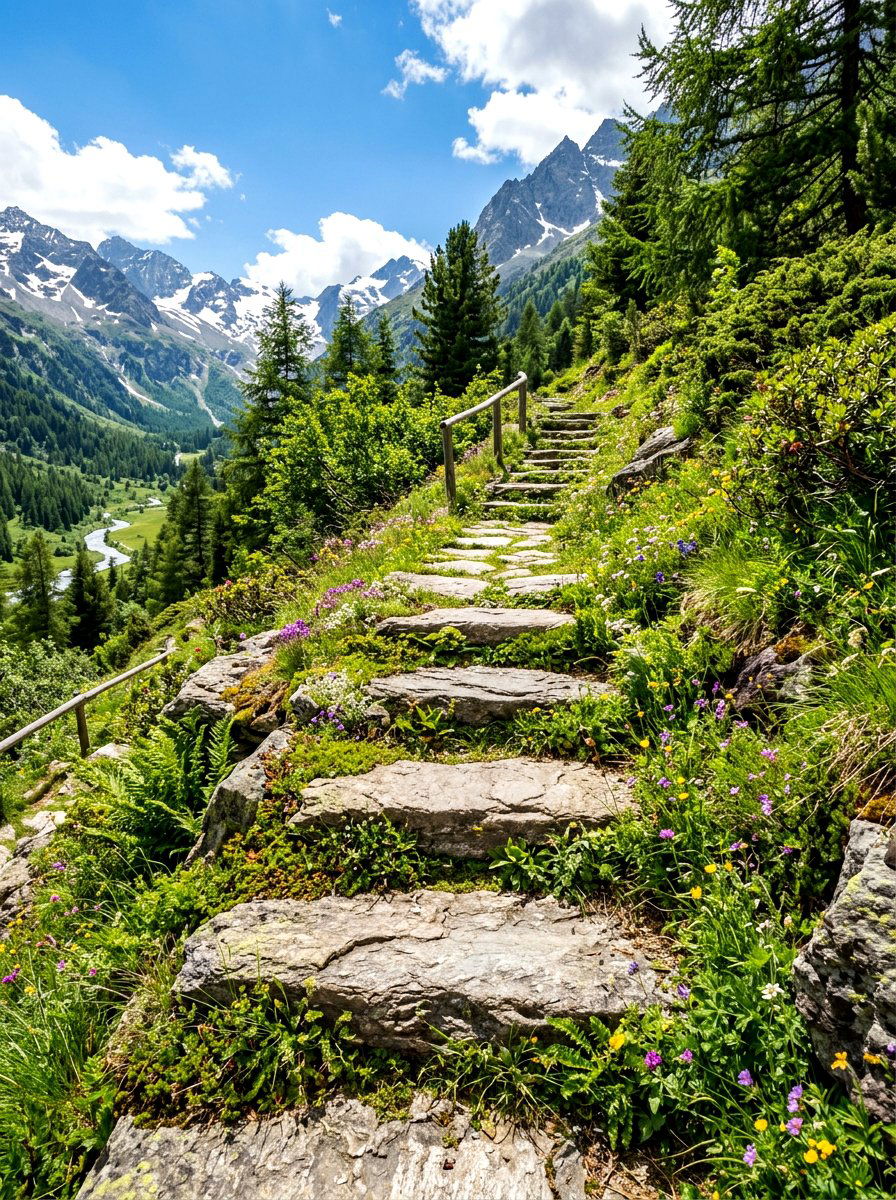
Incorporating natural stone steps into a sloping garden provides both structural function and a wonderful opportunity for creative planting. You should use large, flat-topped rocks that offer a secure footing, while leaving small gaps between the stones for resilient creepers to grow. Plants like creeping thyme or miniature daisies can be tucked into these spaces, where they will gradually soften the hard edges of the stairs. As you walk up or down the steps, the movement releases the gentle fragrance of the bruised foliage, creating a sensory experience. This design element successfully blends the built environment with the wild beauty of a mountain trail.
17. Alpine Raised Bed
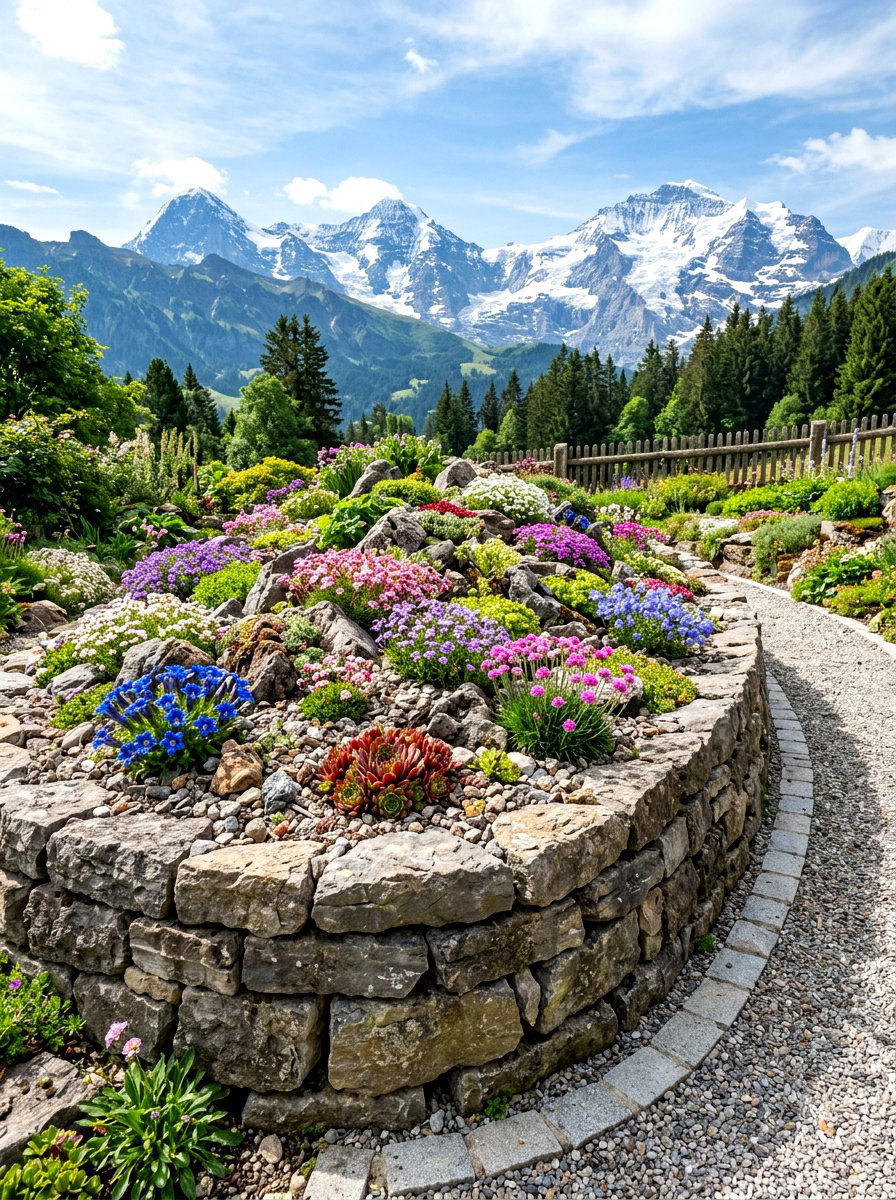
Building a raised bed specifically for alpines is a practical solution for gardens with heavy clay soil or poor natural drainage. You can construct the frame using timber, stone, or even modern metal panels to match the style of your home. Filling the bed with a specialized mix of grit, sand, and compost allows you to grow a much wider variety of demanding mountain species. The extra height also makes maintenance tasks like weeding and deadheading much easier on your back. A raised bed serves as a clean, architectural feature that showcases your favorite plants as if they were displayed in a gallery or museum.
18. Alpine Terrace Garden
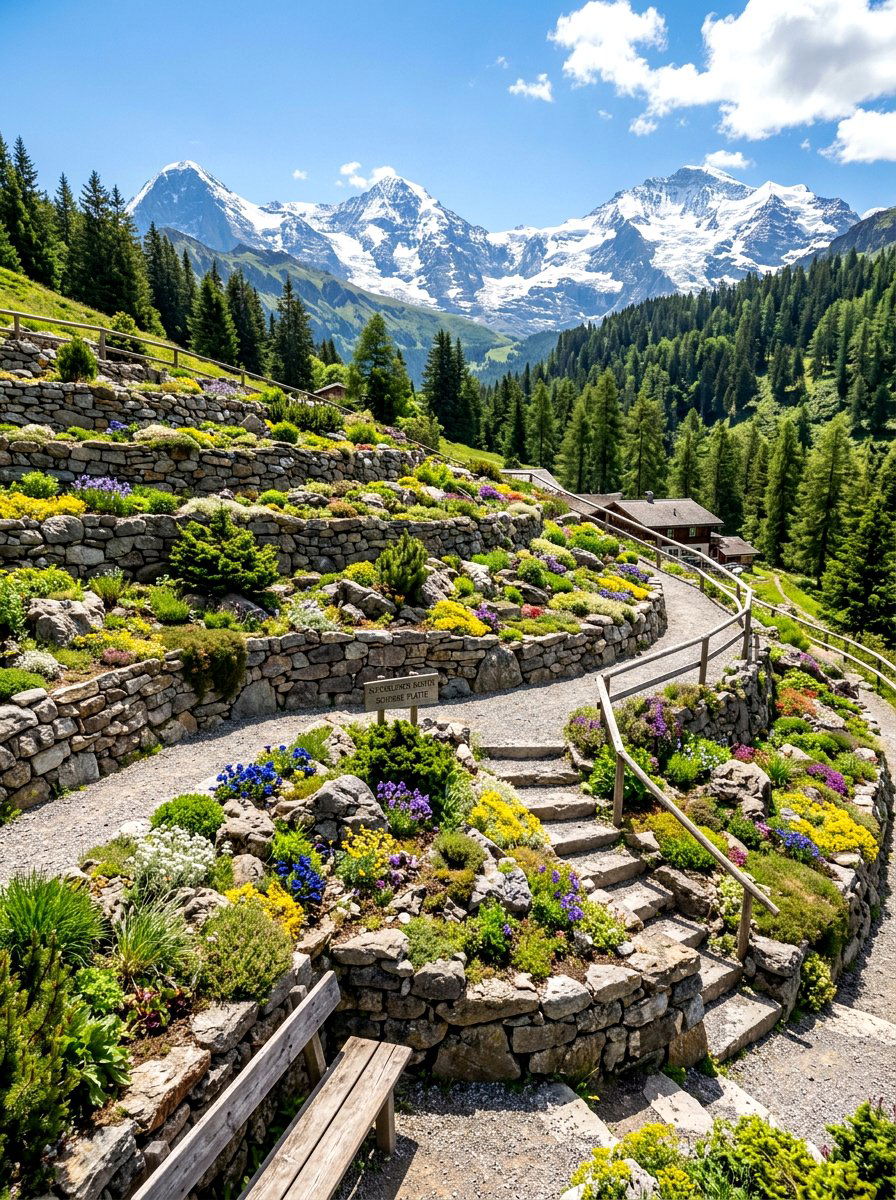
If your yard has a steep slope, a terrace garden can turn a challenging area into a series of beautiful, walkable levels. By using stone retaining walls to create flat planting areas, you can mimic the terraced hillsides found in many mountainous regions. Each level can have its own theme, such as a succulent terrace or a flowering meadow terrace, providing diverse visual interest. The terracing also helps to slow down rainwater, preventing erosion while giving the water time to soak into the root zones. This structured approach maximizes your usable gardening space and provides a stunning, multi-dimensional view from any perspective in the yard.
19. Alpine Sand Bed
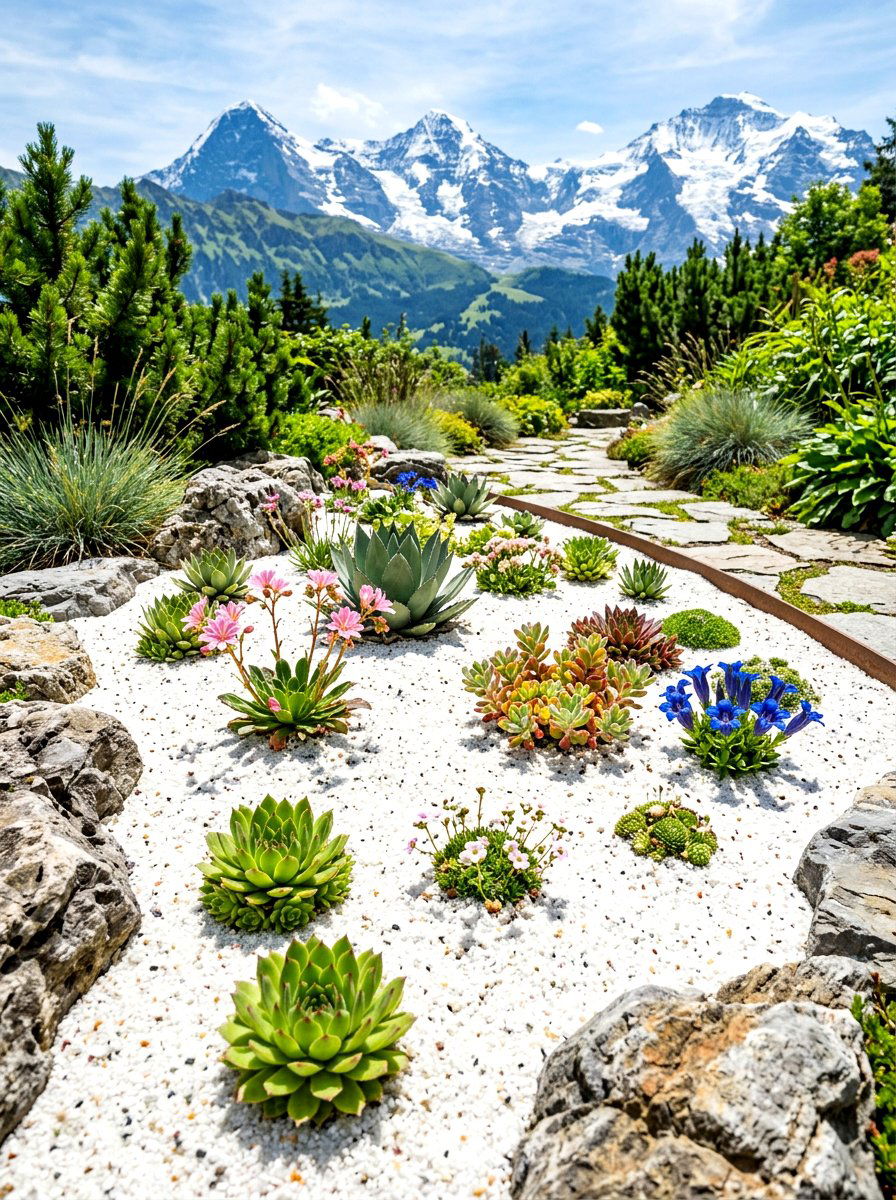
A sand bed is a specialized type of garden that uses a deep layer of sharp sand to provide the ultimate drainage for very sensitive plants. This technique is becoming increasingly popular for growing desert-alpine species that cannot tolerate any moisture around their crowns during the winter. You simply plant through a thick layer of sand into the soil below, or in some cases, grow the plants entirely within the sand itself. The clean, neutral surface of the sand makes the colors of the plants stand out and prevents common garden weeds from taking hold. It is a minimalist and highly effective way to manage a specialized plant collection.

20. Alpine Boulder Focus
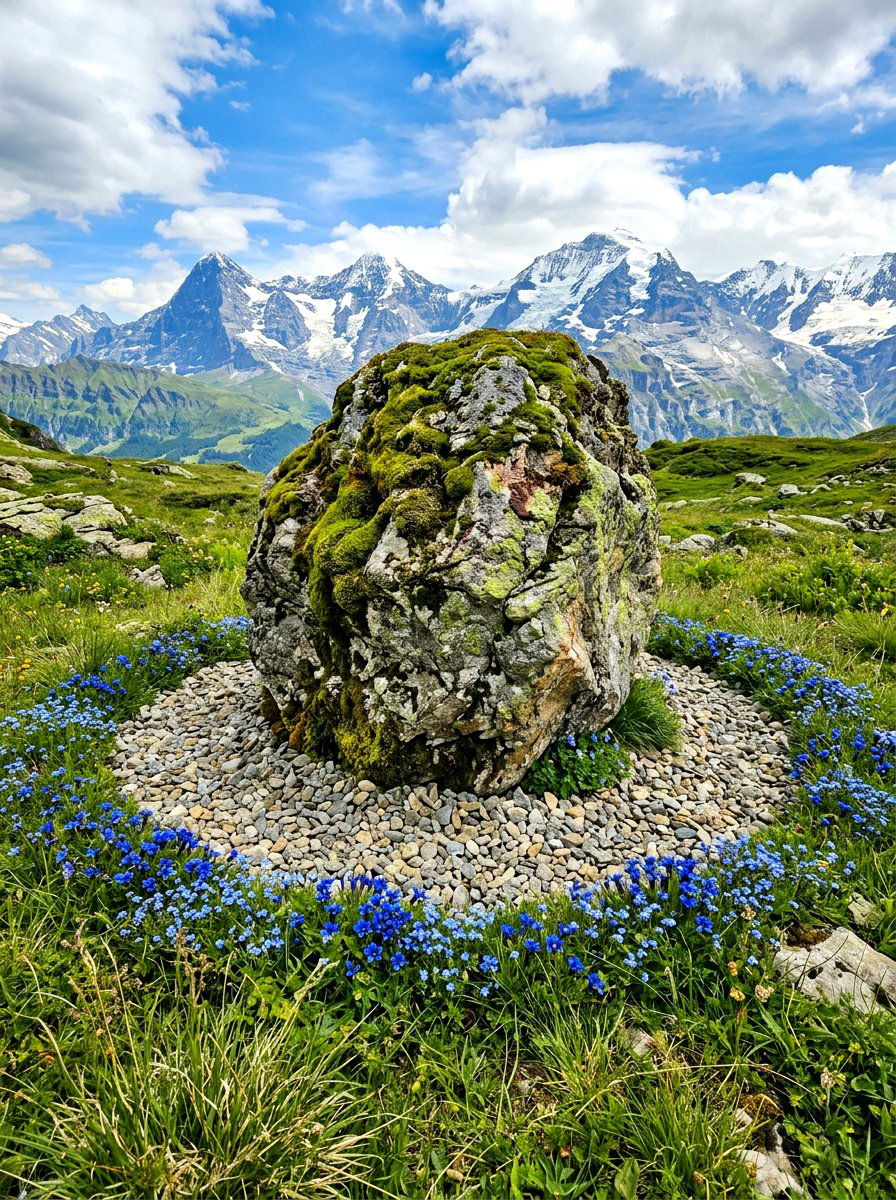
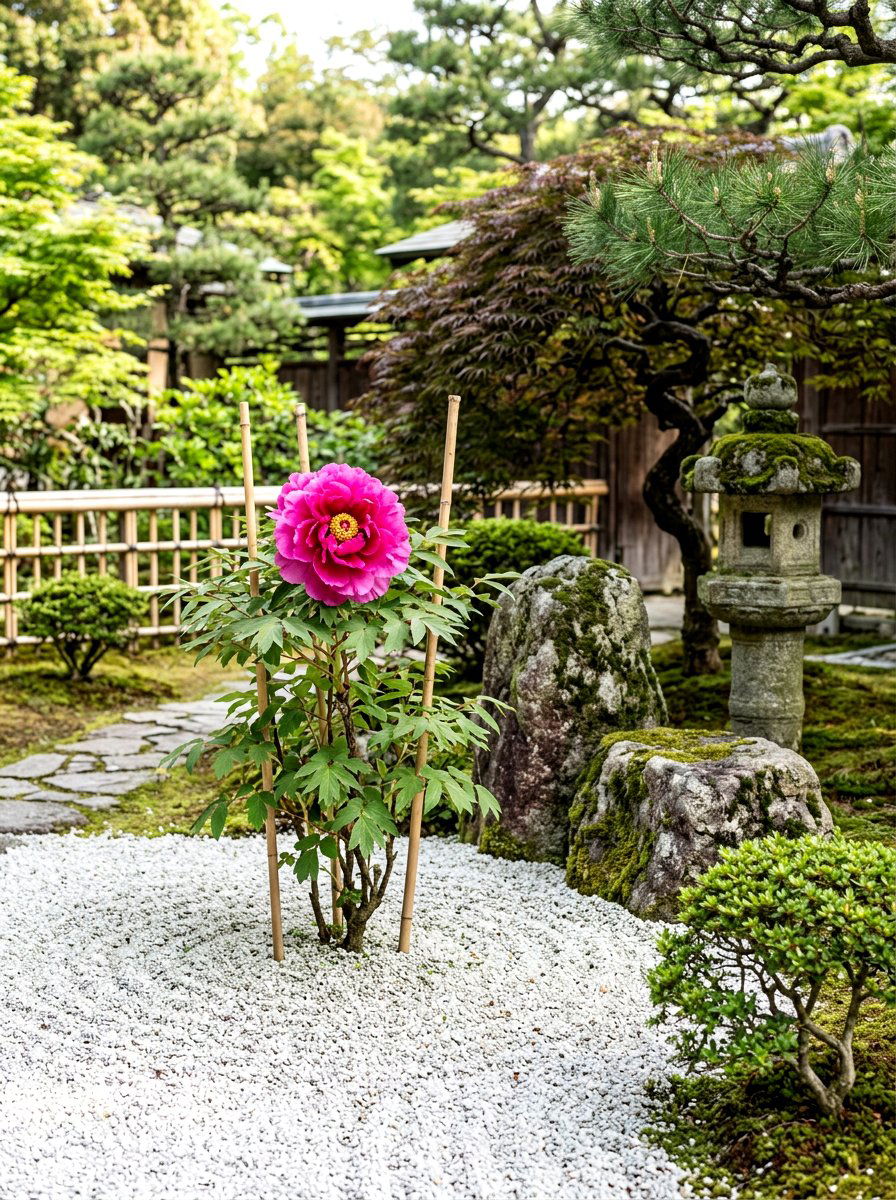
Using a single, massive boulder as a primary focal point can create a powerful and dramatic statement in a small garden space. You should choose a stone with exceptional character, such as deep fissures, interesting moss growth, or a unique shape that draws the eye. Surround the base of the boulder with smaller pebbles and a few select plants to ground it within the landscape and make it look natural. This minimalist approach focuses on the raw beauty of the stone and the simple elegance of the plants that grow alongside it. It is a perfect design choice for those who appreciate the quiet strength of mountain landscapes.
21. Alpine Tufa Rock
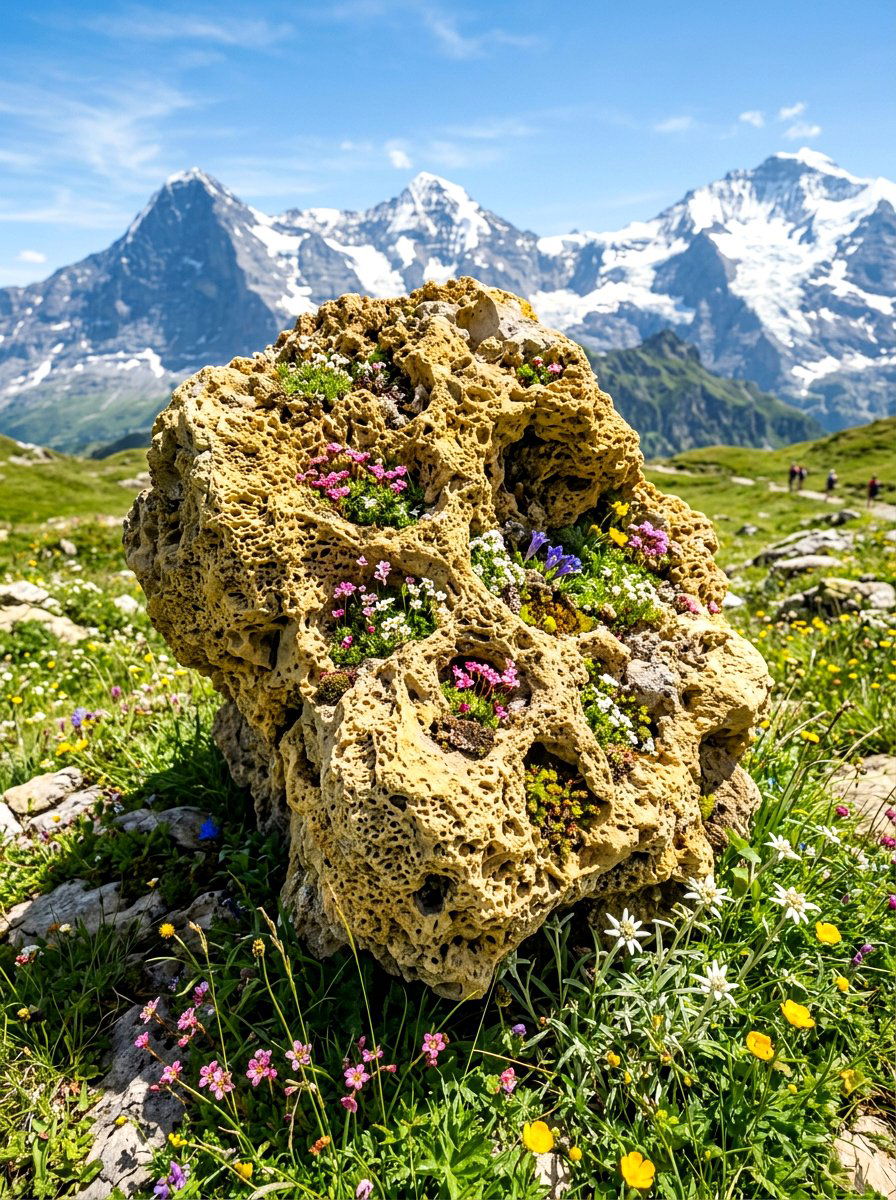
Tufa is a highly porous limestone rock that is prized by alpine enthusiasts because it is light enough to be drilled with holes for planting. Because it is so sponge-like, tufa can hold onto moisture while still providing excellent aeration for the roots of delicate mountain species. You can create a stunning "living rock" by tucking tiny seedlings into these holes, where they will eventually grow to cover much of the stone's surface. This mimics the way plants naturally colonize cliff faces in the wild, creating a truly authentic and fascinating display. Tufa gardens are often small-scale but packed with intricate detail and rare, thriving plant life.
22. Alpine Vertical Wall
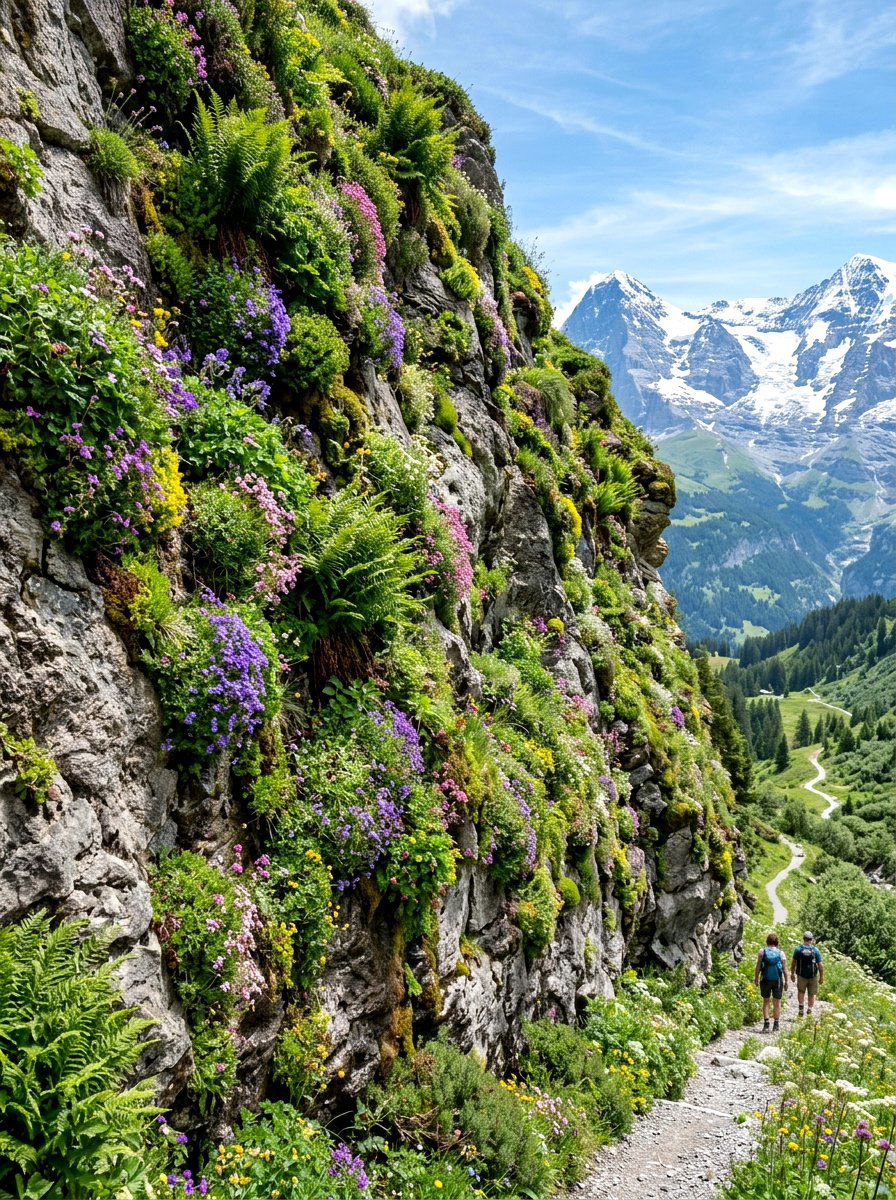
A vertical alpine wall is a clever way to use garden boundaries or the side of a building to create a lush, green tapestry. You can use specialized wall planting systems or build a custom frame filled with a gritty growing medium held in place by mesh or stones. This setup is ideal for trailing species that naturally hang down from mountain ledges, creating a beautiful "waterfall" of foliage and flowers. Vertical gardens are excellent for keeping plants away from ground-dwelling pests and providing them with plenty of air circulation. It is a modern and space-saving technique that brings a fresh, mountain-inspired perspective to urban gardening.
23. Alpine Mossy Rockery
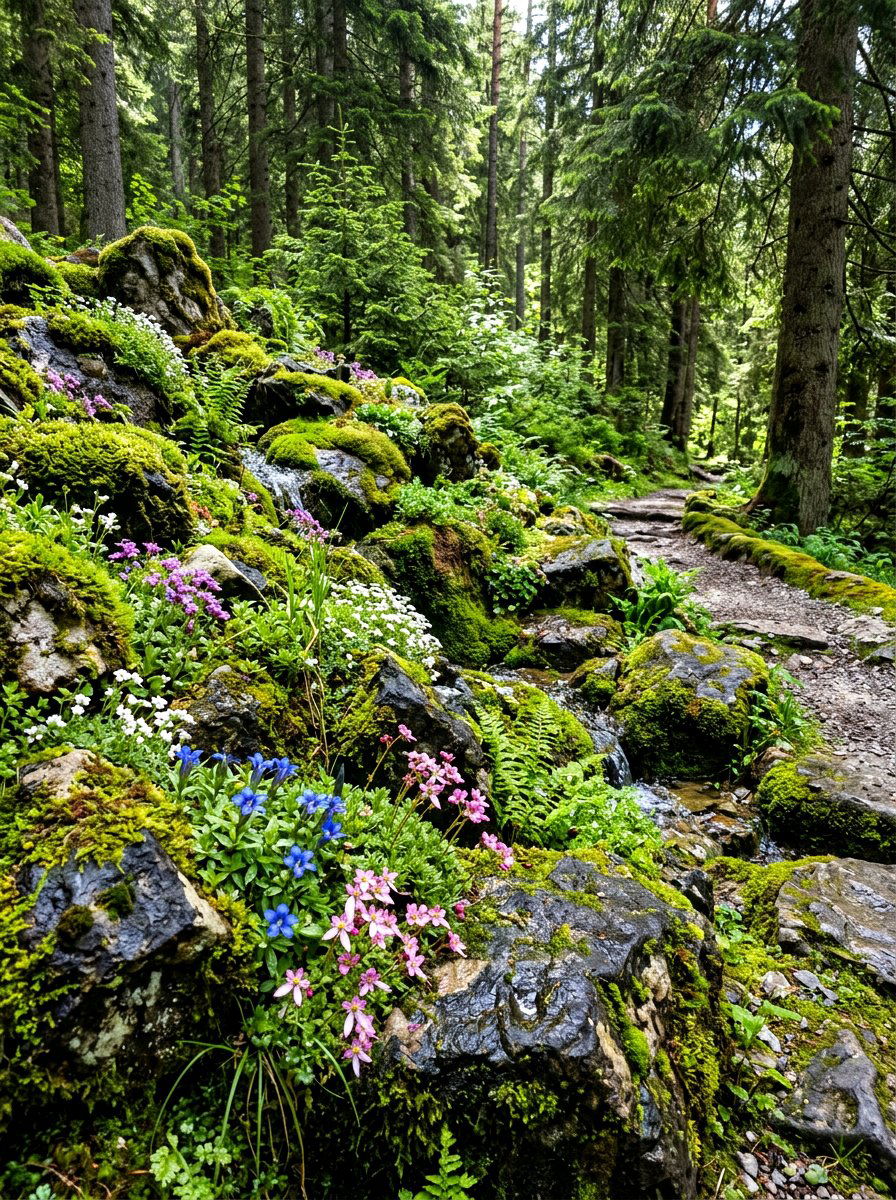
In shaded or North-facing areas where sun-loving alpines might struggle, you can create a tranquil mossy rockery that celebrates lush, cool textures. Focus on using weathered, porous stones that naturally encourage moss and lichen growth, and supplement with shade-tolerant mountain plants like ferns and saxifrages. Keeping the area slightly more humid will help the moss thrive, creating a soft, velvet-like carpet over the stones that feels ancient and peaceful. This type of garden offers a different kind of beauty, focusing on subtle variations of green and the delicate patterns of foliage. It provides a cool, refreshing escape from the bright heat of the rest of the garden.
24. Alpine Herb Garden
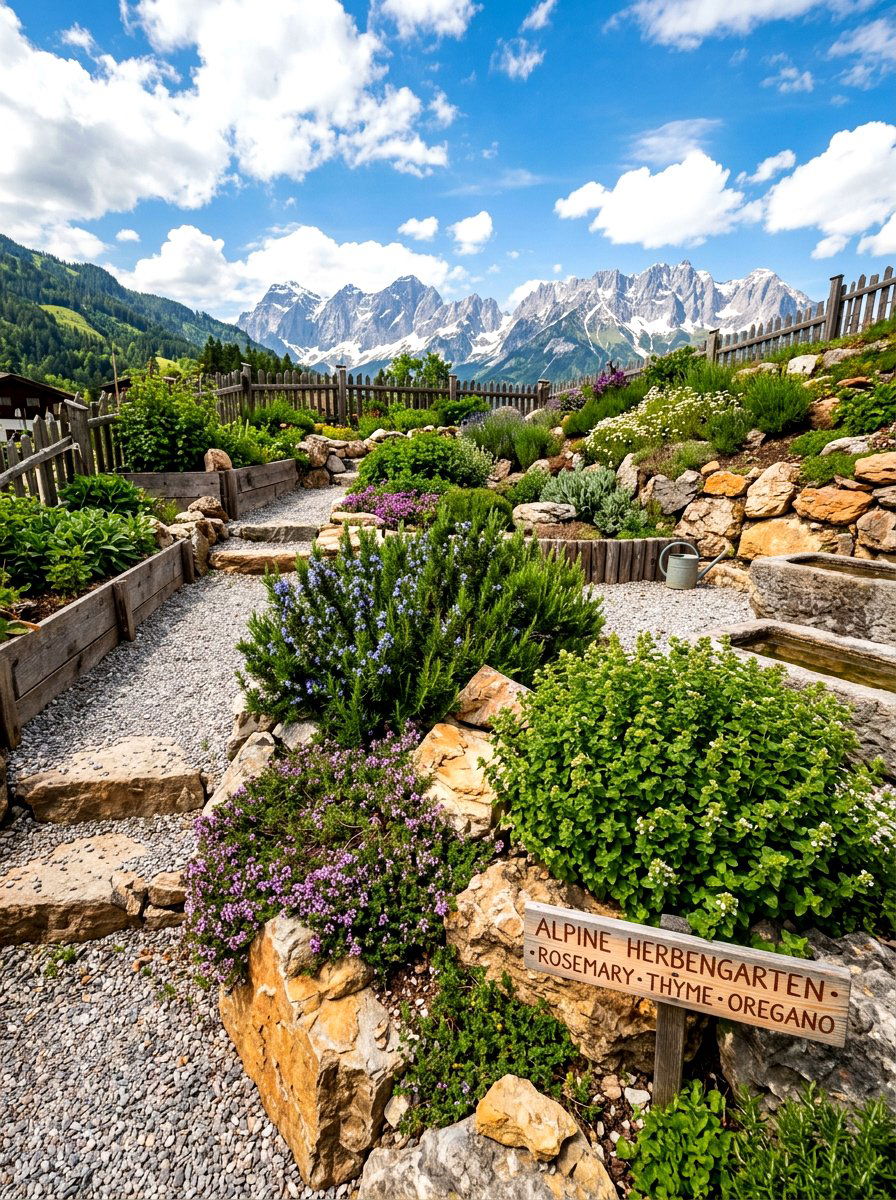
Many popular culinary herbs, such as thyme, oregano, and winter savory, are actually mountain plants that thrive in the same conditions as ornamental alpines. You can create a functional and beautiful herb garden by planting these species among rocks and gravel in a sunny spot near your kitchen. These herbs naturally stay compact and produce fragrant foliage that is even more intense when grown in lean, rocky soil. The heat reflected from the stones helps to ripen the essential oils in the leaves, making them more flavorful for cooking. This design combines the practicality of an edible garden with the rugged aesthetic of a high-altitude landscape.
25. Alpine Stream Feature
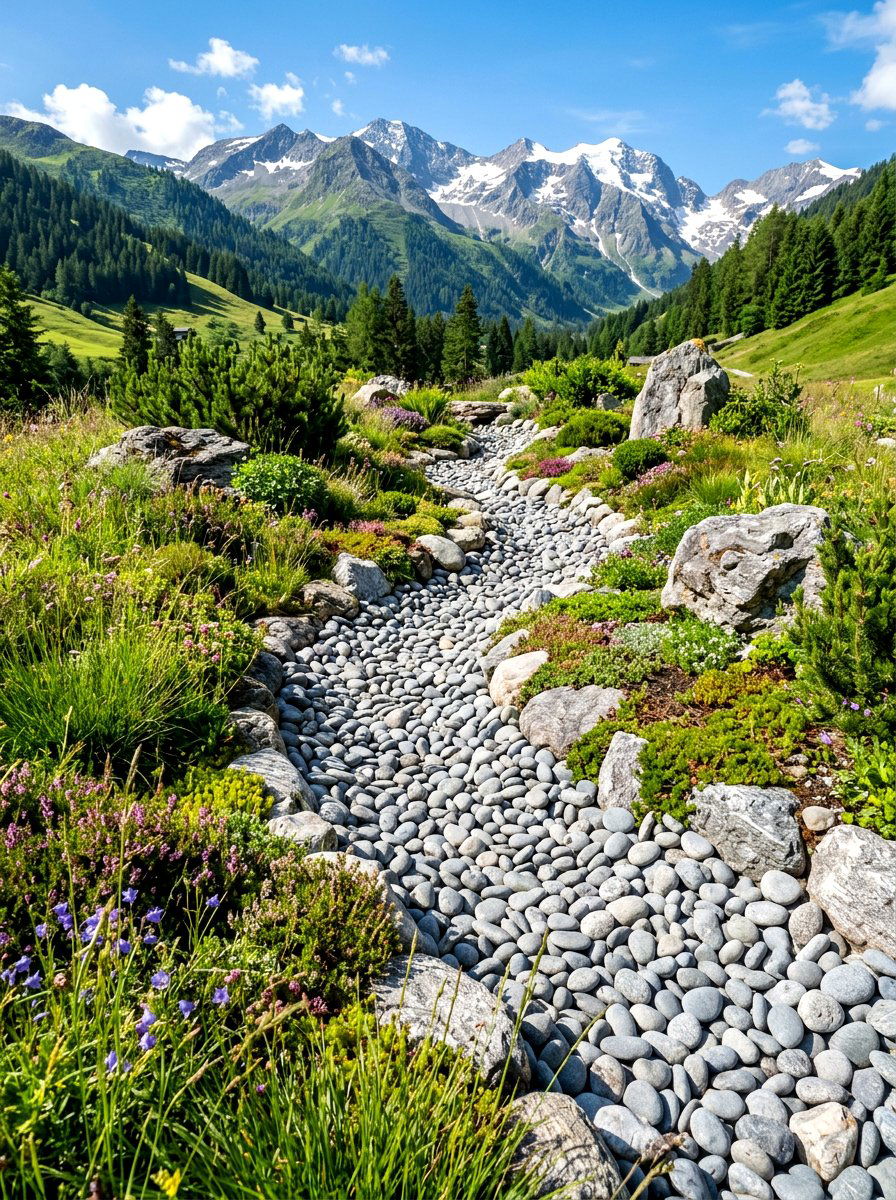
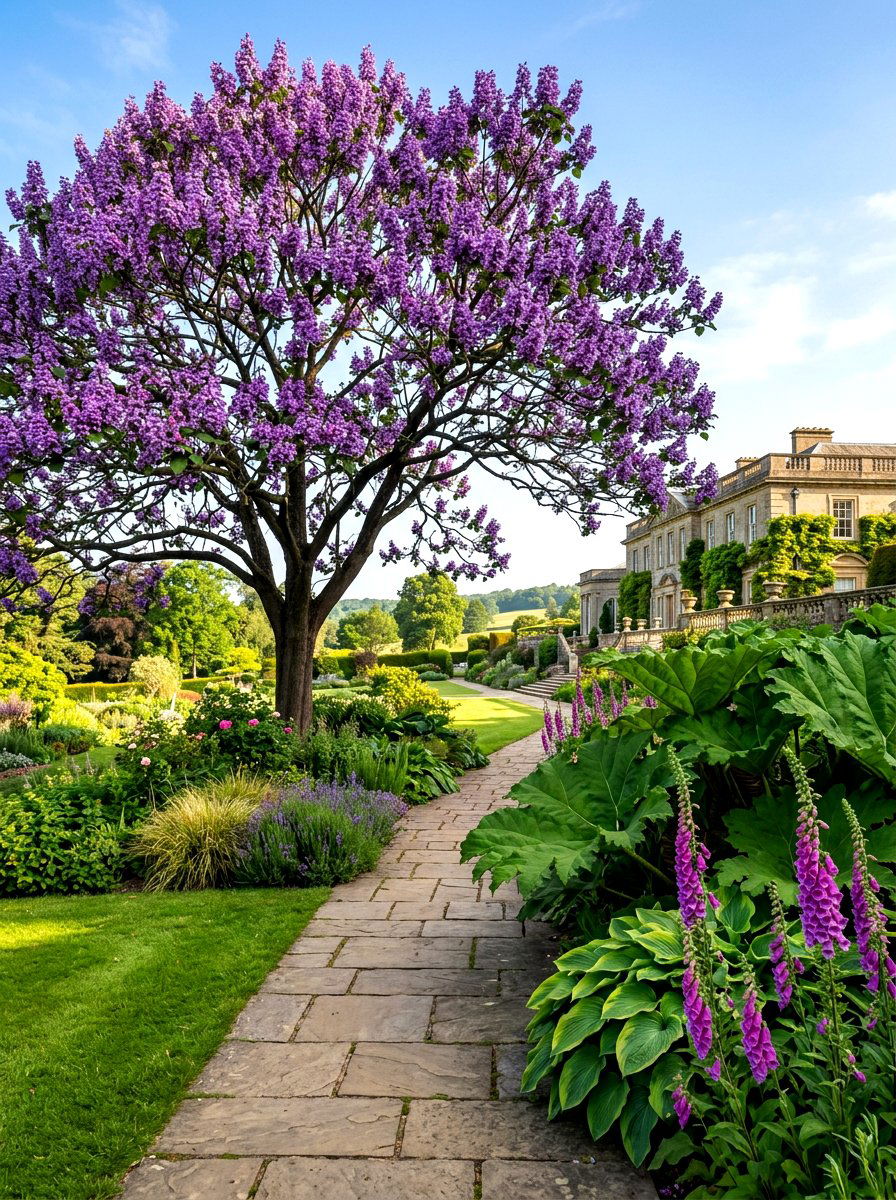
A dry or recirculating stream feature can add a sense of movement and direction to your garden, leading the eye through the landscape. You should use a variety of smooth river stones and jagged rocks to line the "banks" of the stream, creating a realistic mountain watercourse. Surround the edges with moisture-loving plants that enjoy the slightly cooler soil found near the water's edge. Even if you choose not to use real water, a "dry stream" made of blue-grey slate or pebbles can effectively mimic the appearance of a mountain brook. This feature provides a strong structural element that anchors the entire rock garden design together beautifully.
26. Alpine Stepping Stones
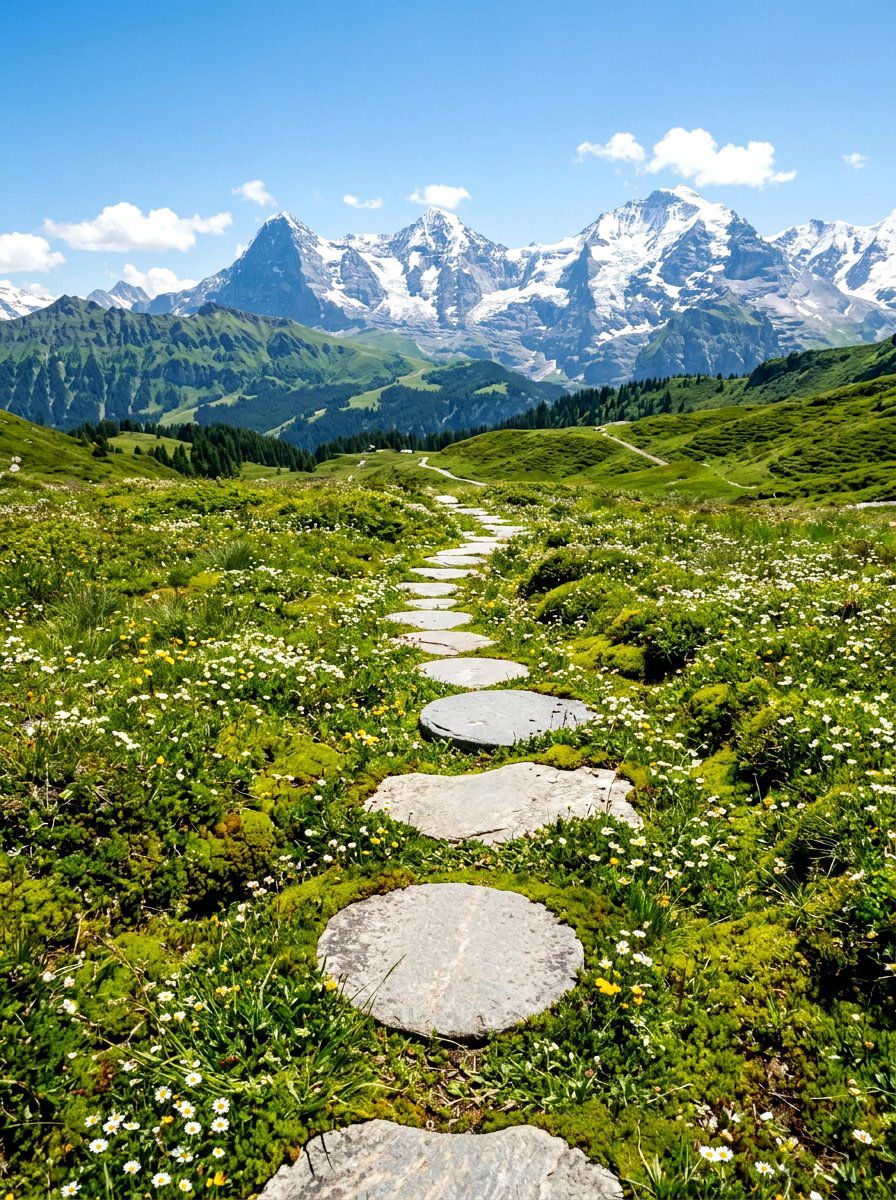
Stepping stones are a simple yet effective way to invite people into your rock garden without disturbing the delicate plants or the drainage layers. You should choose large, flat stones that are buried firmly so they do not wobble when stepped on, ensuring a safe and pleasant path. Arrange them with irregular spacing and allow low-growing mat plants to fill the gaps between the stones for a settled, natural look. This encourages visitors to slow down and look closely at the tiny flowers and interesting rock textures as they move through the space. Stepping stones provide a low-impact way to navigate and maintain your mountain-inspired retreat.
27. Alpine Sunken Garden
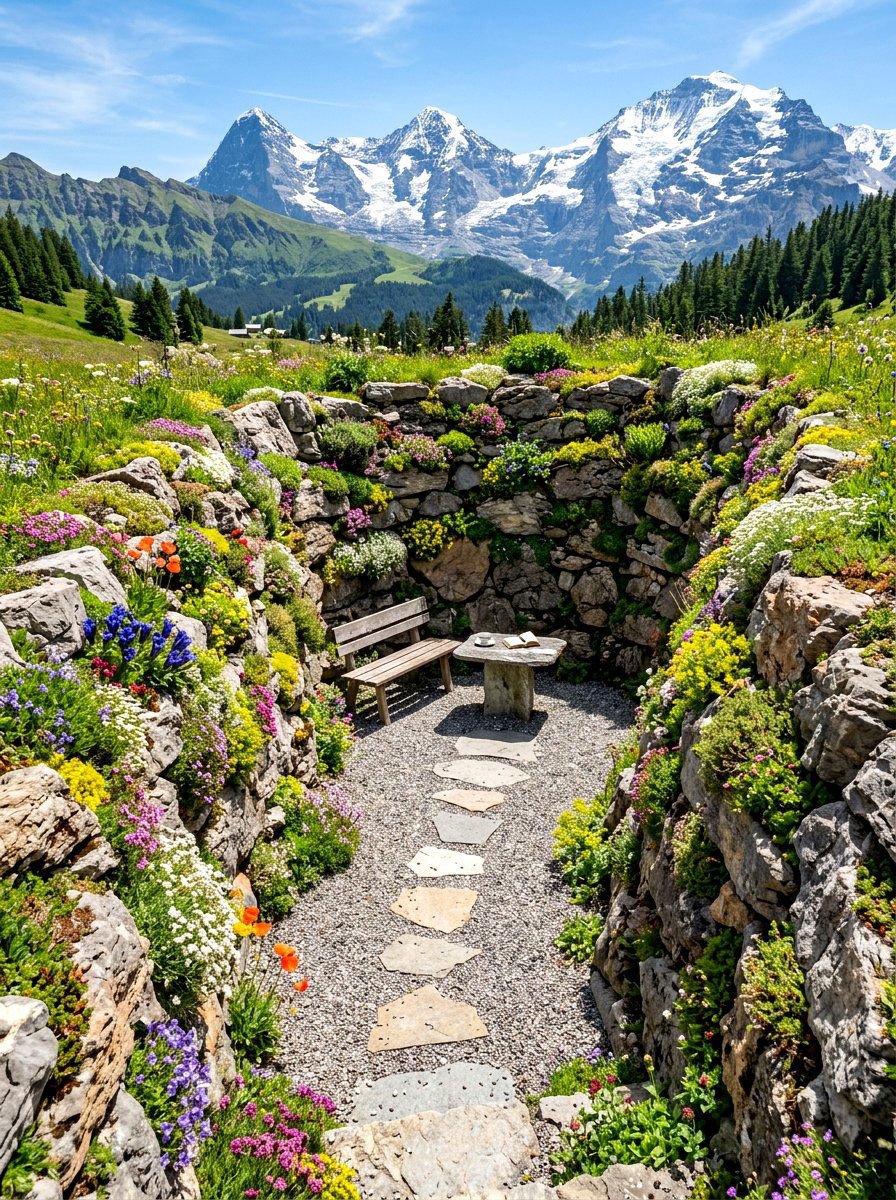
A sunken garden creates a unique microclimate that is protected from harsh winds, making it an ideal spot for some of the more delicate mountain species. By excavating a small area and lining the sides with stone walls, you can create a cozy, intimate space that feels like a hidden mountain hollow. The walls provide extra planting opportunities, while the floor can be covered in fine gravel or sand for a clean look. This design offers a different perspective on your plants, as you can look down onto the flowering cushions from above. It is a brilliant way to add architectural depth and a sense of sanctuary to your yard.
28. Alpine Rock Mound
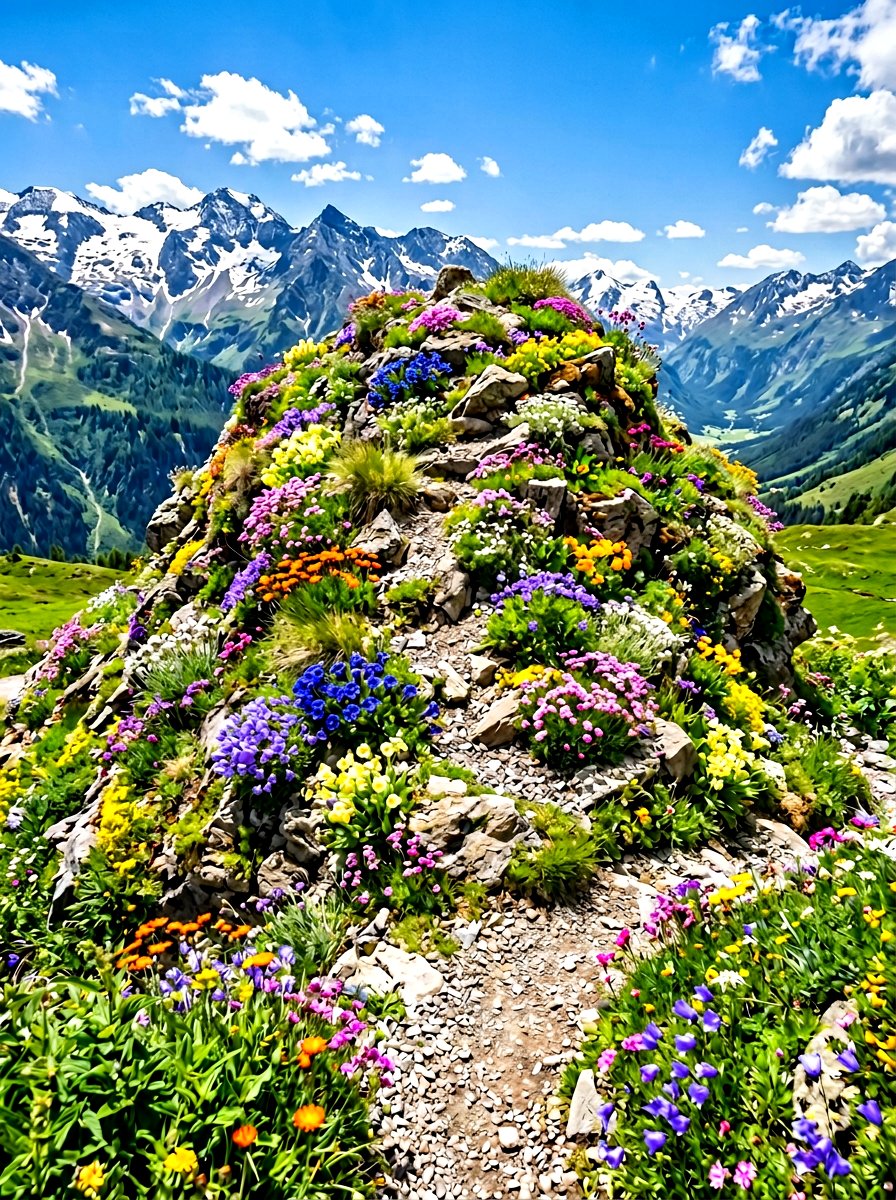
Building a rock mound is a great way to add immediate height and drama to a flat garden area without needing extensive excavation. You can create a core of rubble or drainage material and cover it with a high-quality, gritty soil mix before placing your boulders and smaller rocks. This creates a 360-degree planting area that can be viewed from all sides, making it a perfect center-piece for a lawn or patio. By varying the aspect of the slopes, you can create different microclimates, with sun-loving plants on the South side and shade-lovers on the North. It is a versatile and effective landscaping technique.
29. Alpine Small Rockery
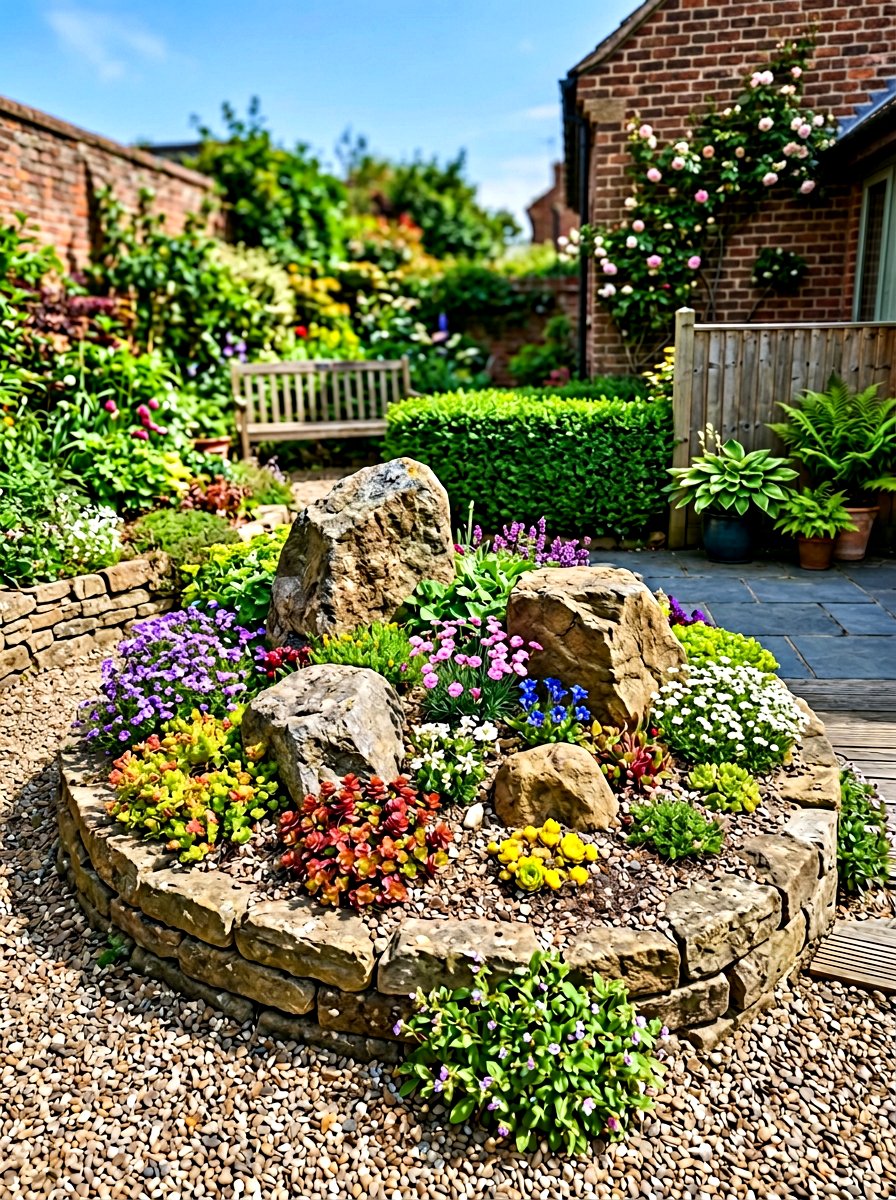
Even if you only have a tiny corner of a patio or a small flower bed, you can create a miniature rockery that captures the essence of the mountains. Focus on using just three to five interesting rocks and a small selection of choice plants like miniature campanulas and sedums. Using a consistent mulch of fine grit will help the small space look organized and intentional rather than cluttered. This scaled-down version of an alpine garden proves that you don't need a massive property to enjoy the unique textures and colors of high-altitude flora. It is a manageable and rewarding project for any level of gardening experience.
30. Alpine Modern Garden
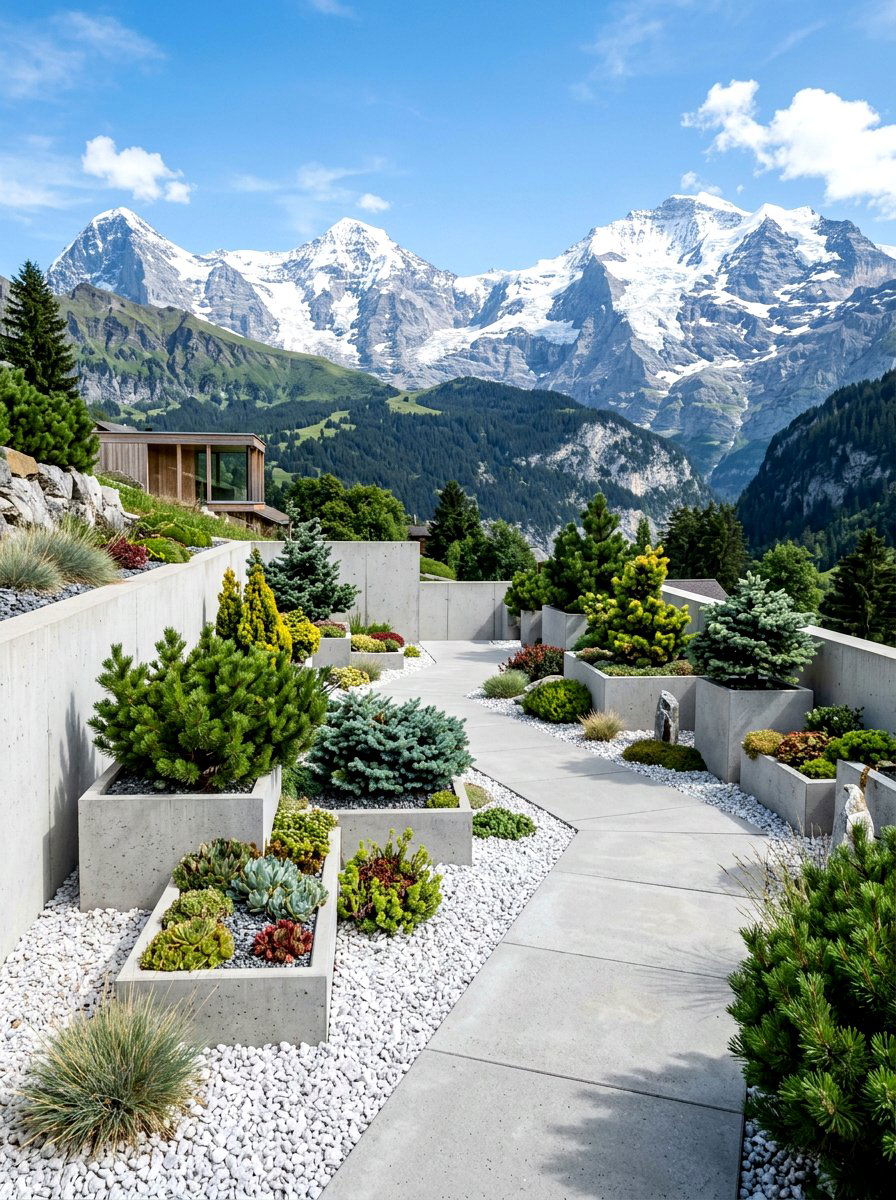
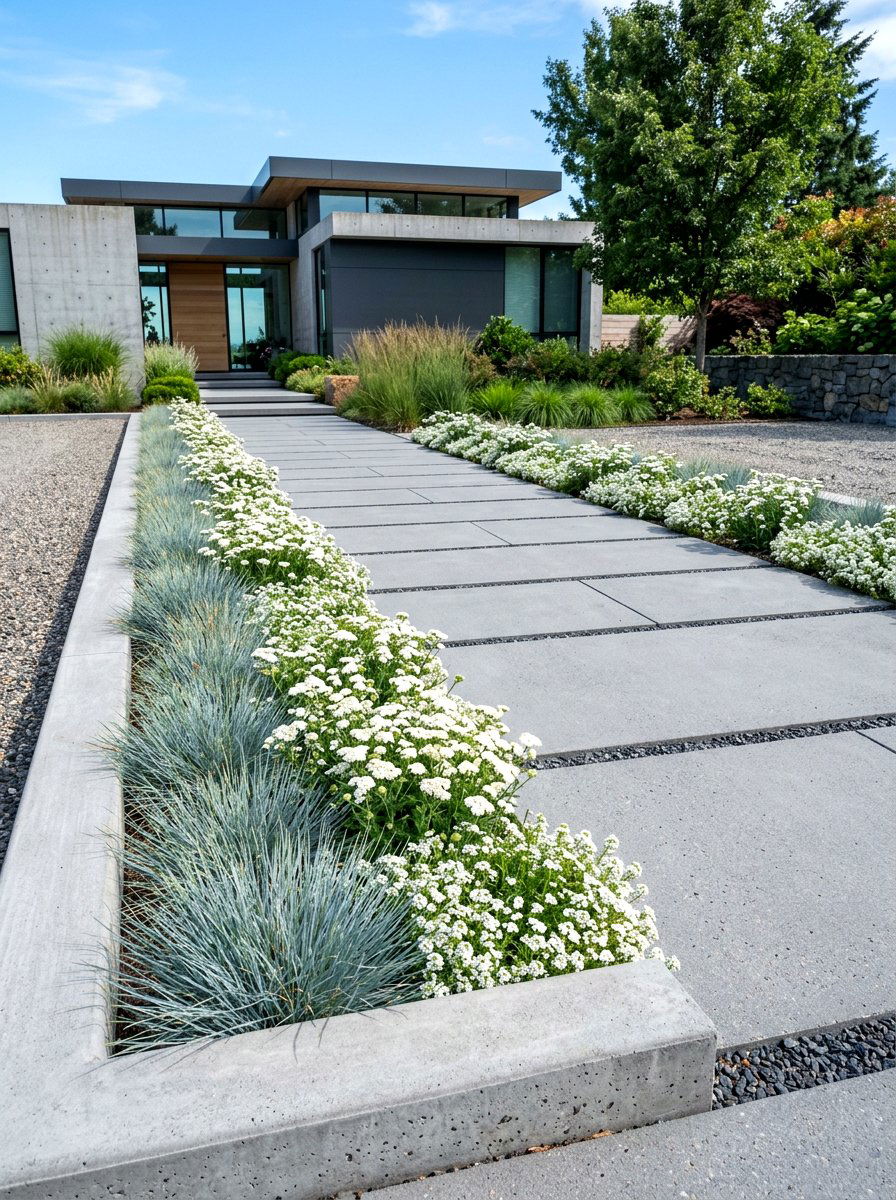
A modern approach to alpine gardening uses clean lines, geometric shapes, and a limited color palette to create a sophisticated and contemporary outdoor space. You can use rectangular stone blocks or smooth concrete slabs instead of traditional boulders to define the planting areas and paths. Selecting plants with strong architectural shapes, such as upright conifers and tight cushions of saxifrage, reinforces the minimalist aesthetic. This style of garden looks particularly effective when paired with modern architecture and can be used to create a low-maintenance, high-style front yard or entryway. It successfully blends the wildness of mountain plants with the precision of modern landscape design.
Conclusion:
Building an alpine garden is an incredibly rewarding journey that allows you to connect with the resilient beauty of high-mountain environments from the comfort of your own home. By focusing on essential elements like sharp drainage, strategic stone placement, and the selection of hardy, compact plants, you can create a landscape that is both sustainable and visually stunning. Whether you choose a classic rockery, a modern crevice garden, or a simple stone trough, these mountain-inspired designs offer year-round interest and a peaceful retreat for reflection. The unique textures and vibrant colors of alpine species bring a sense of adventure and natural wonder to any outdoor space.

Related posts: