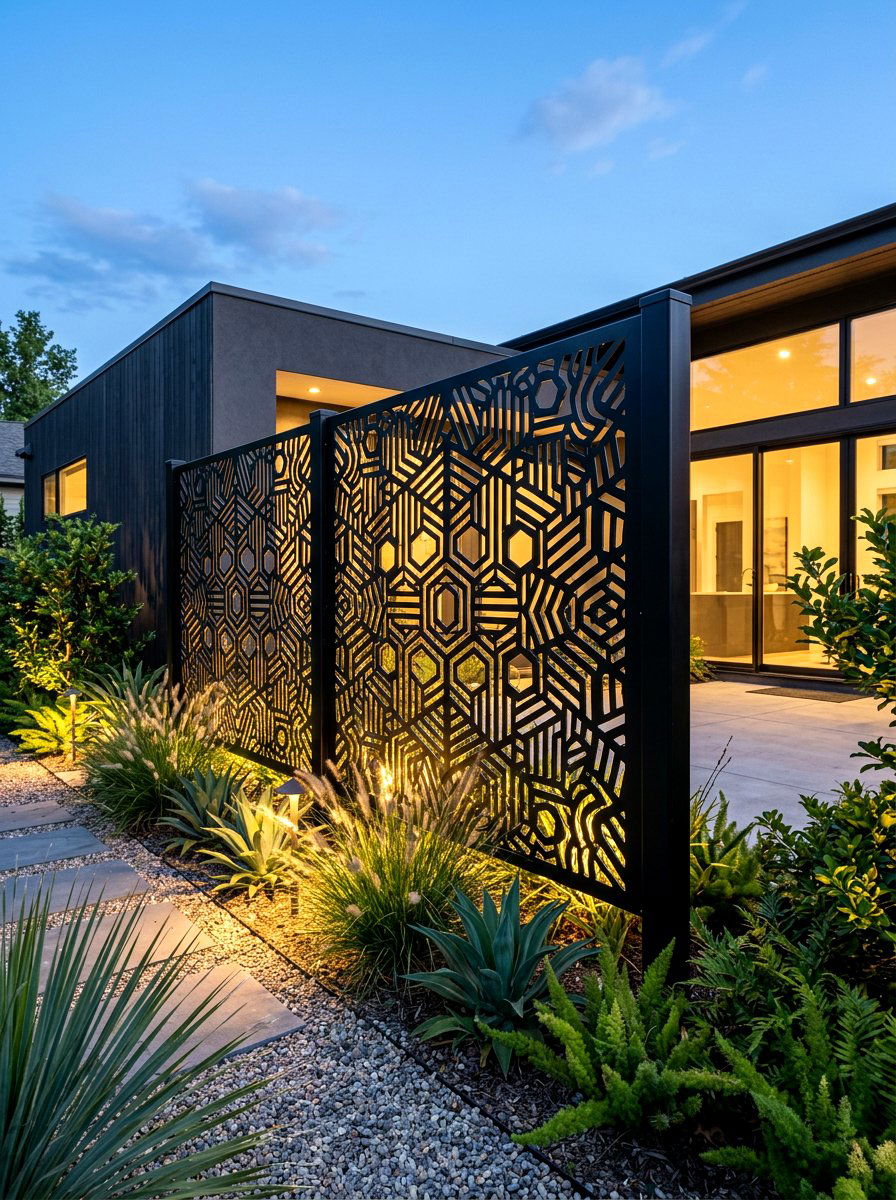
Finding the right balance between a natural look and complete seclusion can be a challenge for many homeowners. Arborvitae trees offer one of the most effective and aesthetically pleasing ways to create a private sanctuary in your own backyard. These versatile evergreens come in many shapes and sizes, making them perfect for large estates or tiny urban patios alike. Whether you want a towering windbreak or a decorative container plant, there is an arborvitae variety that fits your specific needs perfectly. By choosing these hardy plants, you invest in a year-round green backdrop that enhances your home’s value and provides a peaceful environment for your family.
1. Green Giant Arborvitae Screen
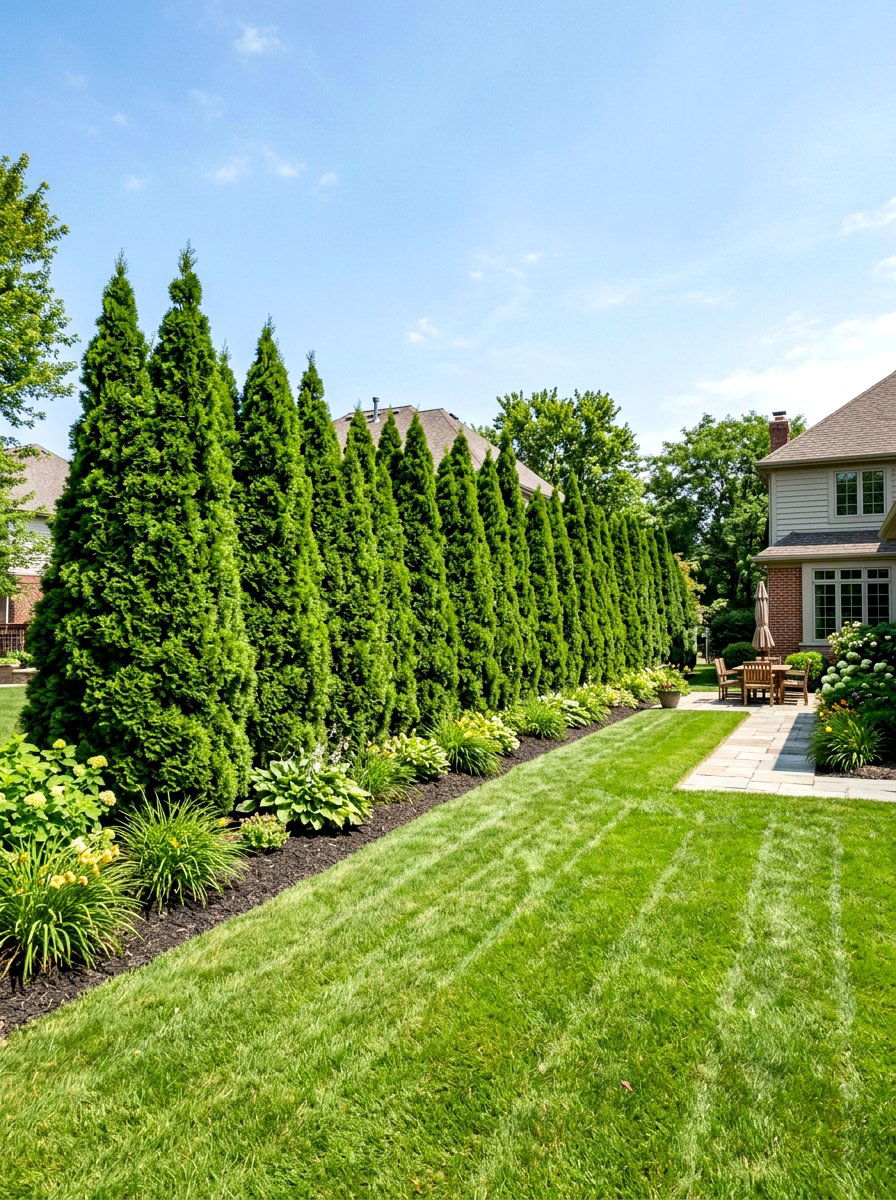
Does a massive, fast-growing evergreen sound like the perfect solution for your exposed backyard? Green Giant arborvitae trees are famous for their rapid growth and impressive height, often reaching up to forty feet or more. These giants create a living wall that blocks out noisy neighbors and unsightly views within just a few seasons. Because they grow so tall and wide, they are best suited for large properties where you need a substantial buffer. You should space them about five to six feet apart to allow for airflow while still creating a dense, impenetrable screen. This variety is also very deer resistant, making it a reliable choice for rural landscapes.
2. Emerald Green Arborvitae Hedge
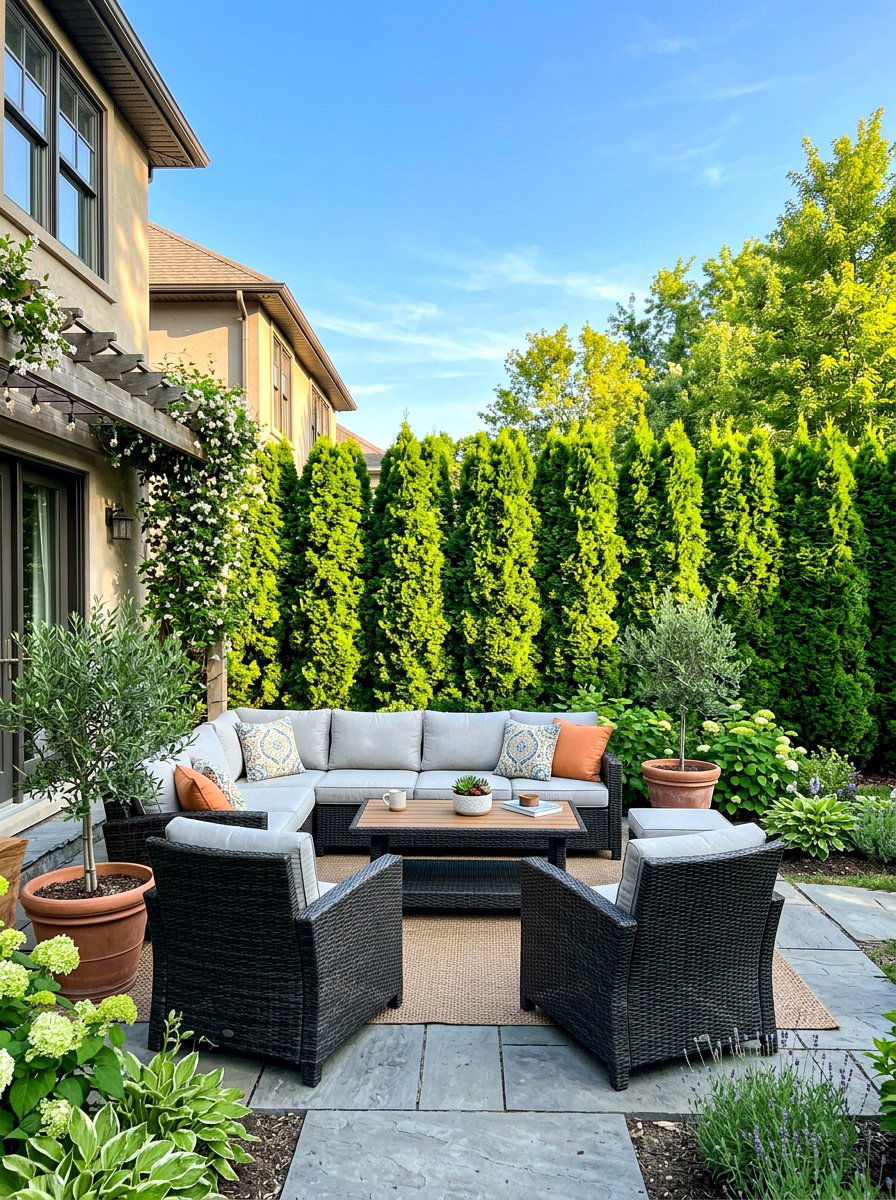
Have you ever seen those perfectly manicured, bright green walls in high-end suburban neighborhoods? Those are likely Emerald Green arborvitaes, which are prized for their narrow, pyramidal shape and vibrant year-round color. Unlike larger varieties, these trees only reach about twelve to fifteen feet in height, making them ideal for standard residential lots. They grow at a moderate pace and maintain a very neat appearance without excessive pruning. When planted in a tight row, they form a solid green fence that feels sophisticated and timeless. They thrive in full sun and well-drained soil, providing a lush backdrop for your favorite garden flowers and outdoor seating.
3. American Pillar Arborvitae Row
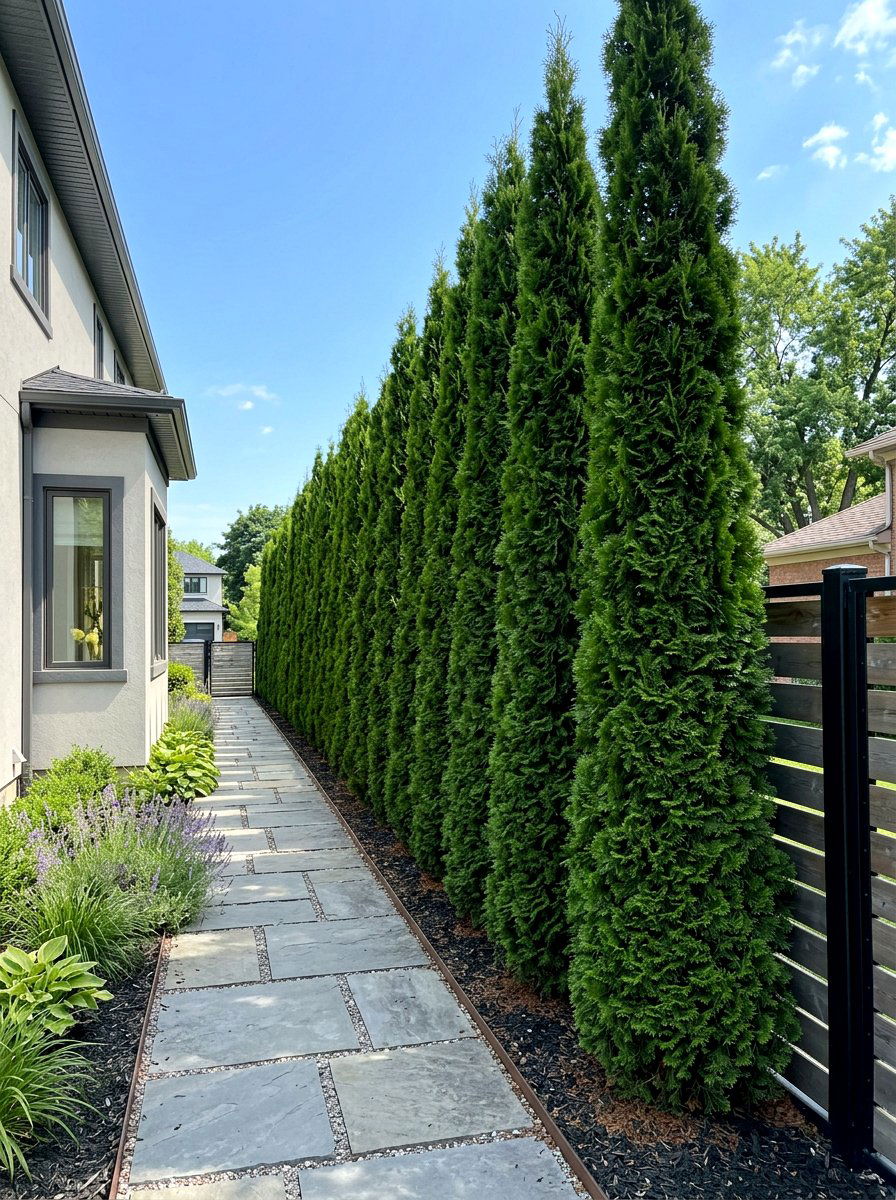
Imagine a sleek, ultra-narrow evergreen that gives you maximum height without taking up your entire lawn. The American Pillar variety is a game-changer for modern landscaping because it stays incredibly thin while reaching heights of up to thirty feet. This makes it the perfect candidate for creating a vertical screen in tight side yards or along narrow property boundaries. You can plant these trees very close together to form a seamless, tall wall that looks like a structural element. Because they have such a small footprint, they allow you to keep more of your open yard space for activities, play, or other decorative gardening features.
4. Potted Arborvitae Privacy
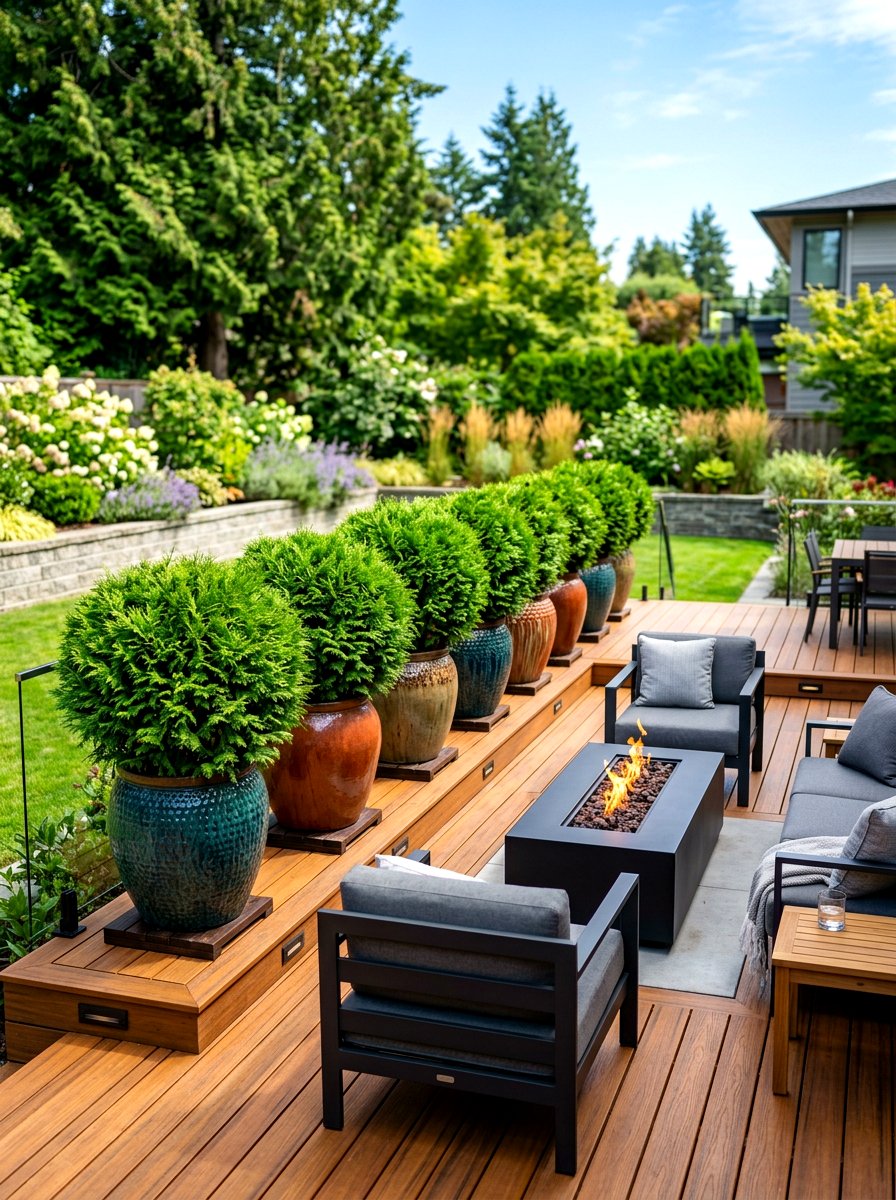
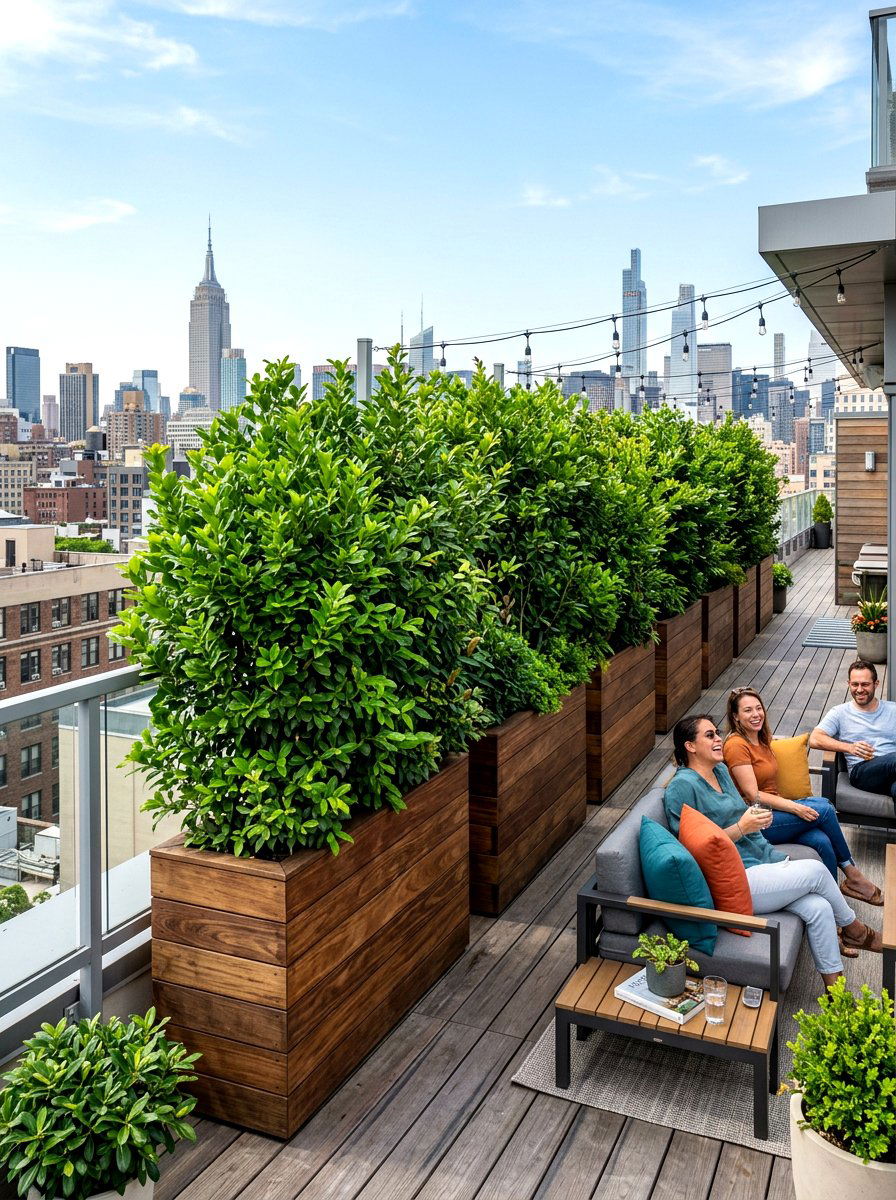
Can you use evergreens for privacy even if you only have a paved patio or a small balcony? Potted arborvitae arrangements are a brilliant way to add mobile screening to any hardscape area. Choosing dwarf varieties like the Globe or Tater Tot allows you to enjoy lush greenery without the plants outgrowing their containers too quickly. Place a series of these large planters in a row to define the edge of your deck or to hide a neighbor's window. Using decorative pots adds a layer of style and color that complements your outdoor furniture. This approach is perfect for renters who want to take their privacy with them.
5. Mixed Arborvitae Border
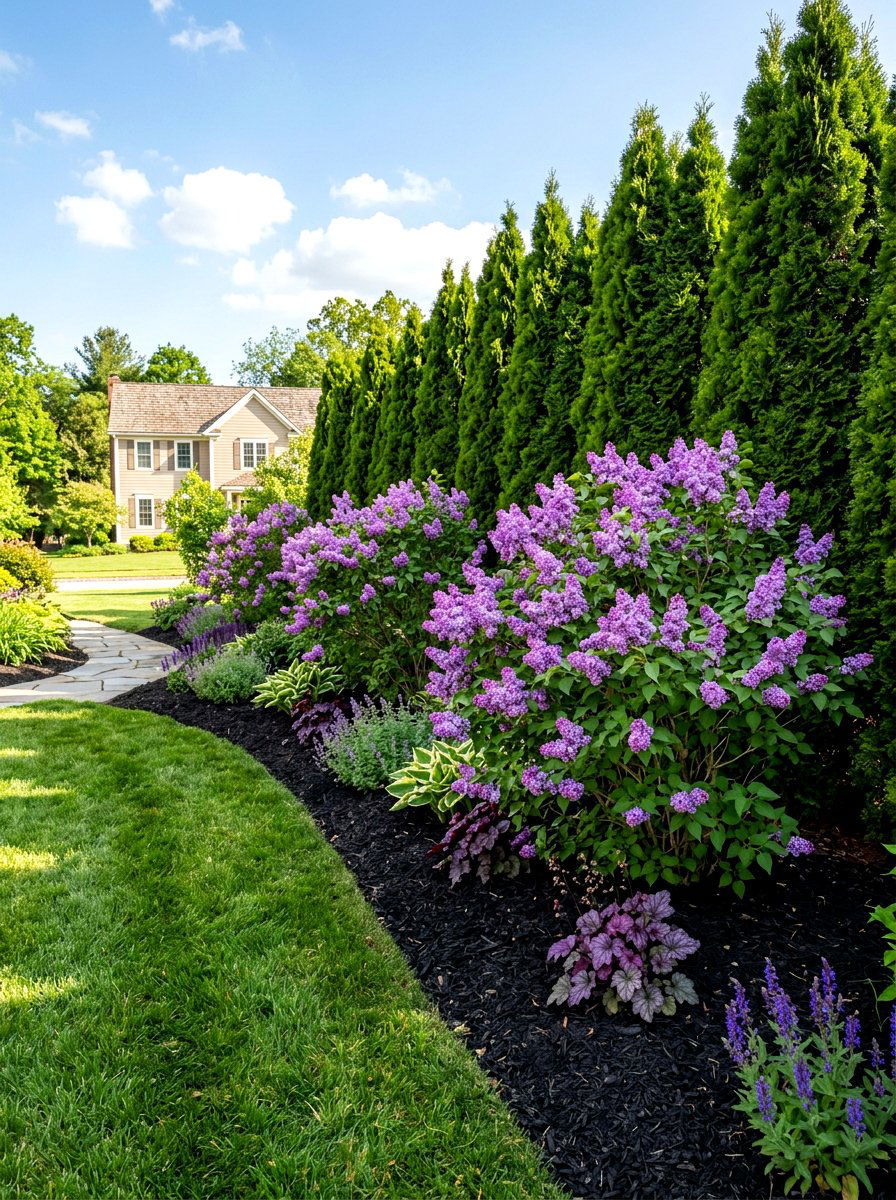
What happens when you combine the reliability of evergreens with the soft textures of different plant species? A mixed arborvitae border creates a more natural and diverse landscape compared to a single-species hedge. You can anchor the back of the garden bed with tall arborvitae and then layer in flowering shrubs like lilacs or viburnums in front. This design provides year-round privacy while offering changing colors and scents throughout the seasons. It also helps support local biodiversity by providing different types of shelter for birds and pollinators. Mixing plants reduces the risk of losing an entire hedge to a single disease or pest infestation in the yard.
6. Tiered Arborvitae Garden
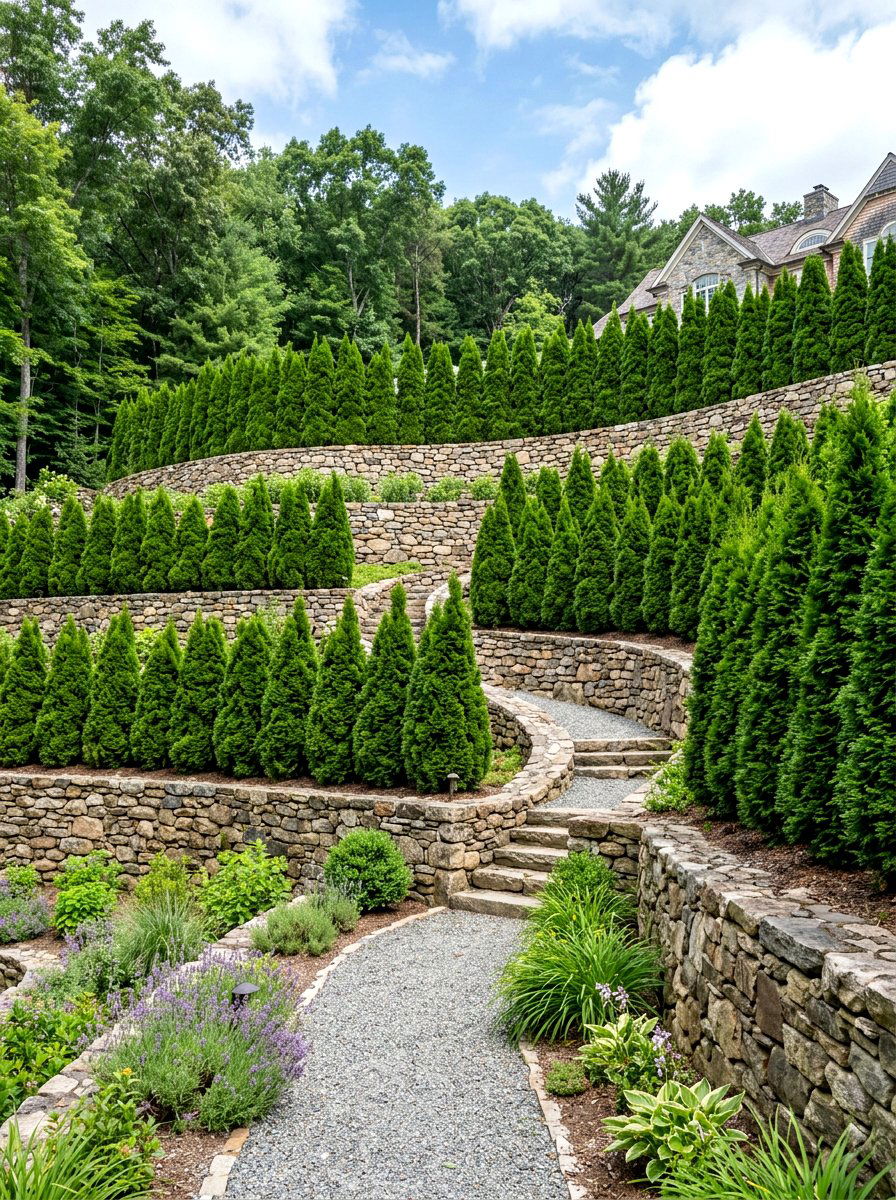
Why settle for a flat landscape when you can create a stunning tiered garden using arborvitae as the structural backbone? By utilizing retaining walls or natural slopes, you can plant rows of arborvitae at different elevations to create a sense of depth and grandeur. This technique is especially effective for hiding tall structures or multi-story houses that overlook your property. The different levels allow you to showcase various heights and colors, such as blending golden-tipped varieties with deep green ones. A tiered layout also helps with soil erosion on hillsides while providing a much more interesting visual perspective than a standard flat row of trees.
7. Arborvitae Fence Line
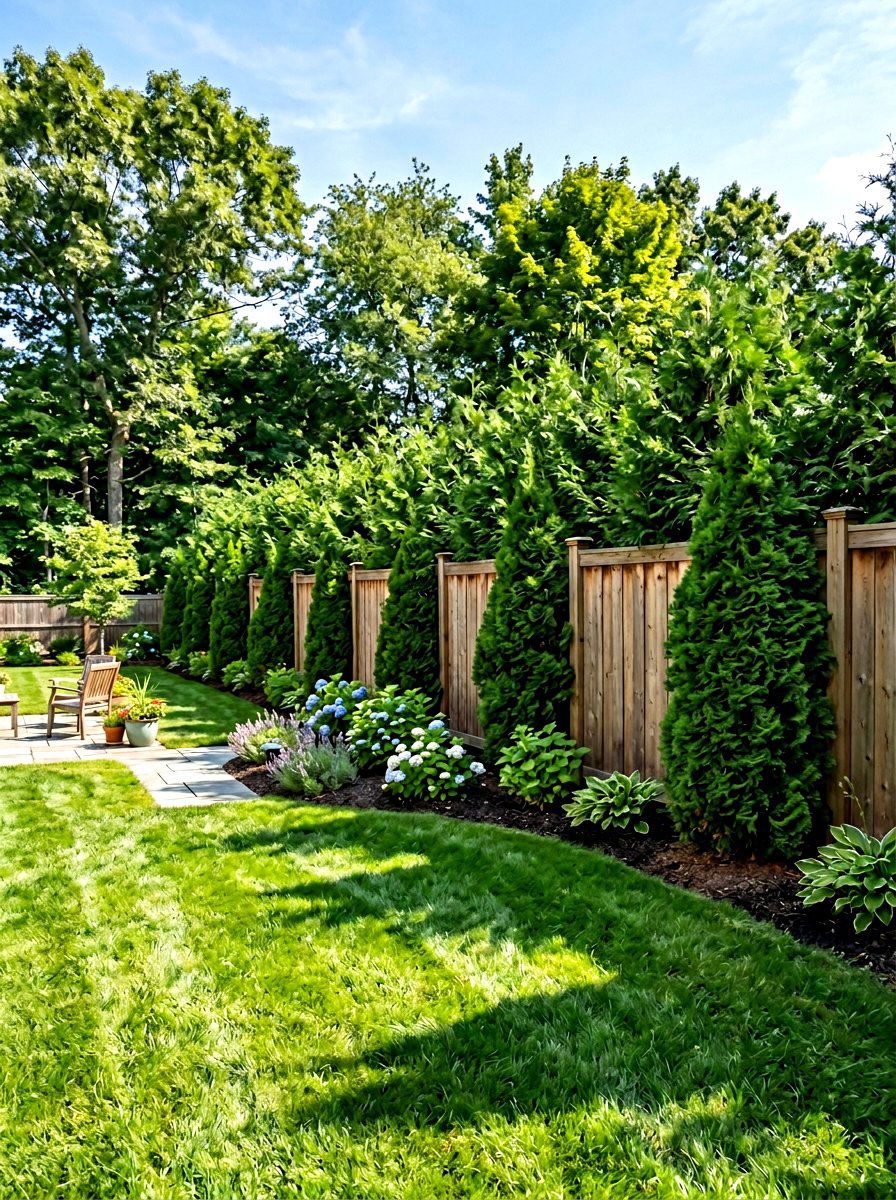
Linking your evergreen planting directly with a traditional fence can provide the best of both worlds in terms of security and beauty. Many homeowners choose to plant a row of arborvitae right along a chain-link or wooden fence to soften the look of the hard structure. Over time, the trees will grow through and over the fence, creating a "living fence" that looks much more inviting and natural. This combination provides immediate privacy from the physical fence while the trees mature and fill in the gaps. It is a smart strategy for anyone who needs to keep pets or children safely contained while wanting a lush green view.
8. Backyard Corner Arborvitae
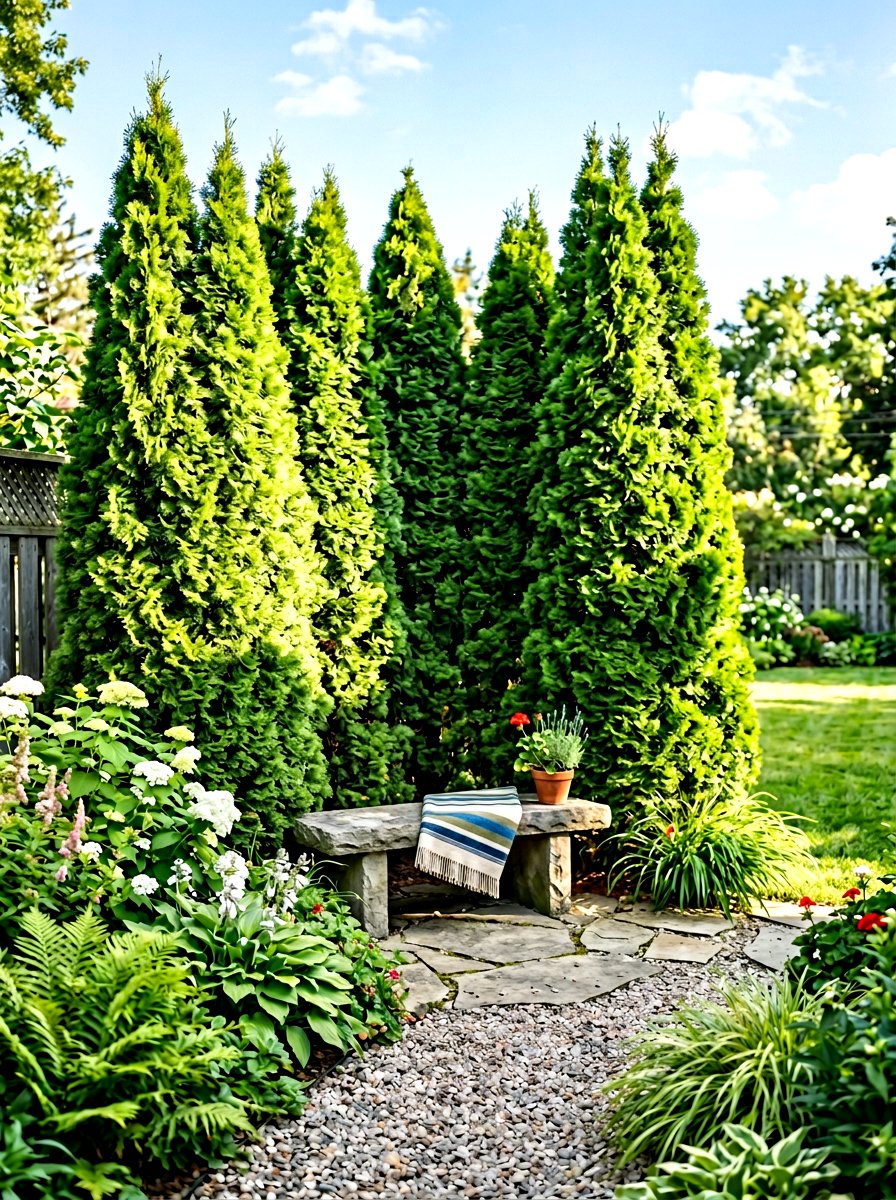
Tucking plants into the corners of your property is a clever way to define your boundaries without feeling boxed in. A grouping of three to five arborvitae of varying heights can turn a boring corner into a lush, private focal point. This arrangement creates a cozy "alcove" effect that is perfect for placing a garden bench or a small fire pit. By using a cluster instead of a long row, you create a more organic look that feels like a natural part of the landscape. Choose varieties with different foliage textures to add visual interest to these tucked-away spaces while still maintaining excellent screening from neighboring yards.
9. Driveway Arborvitae Border
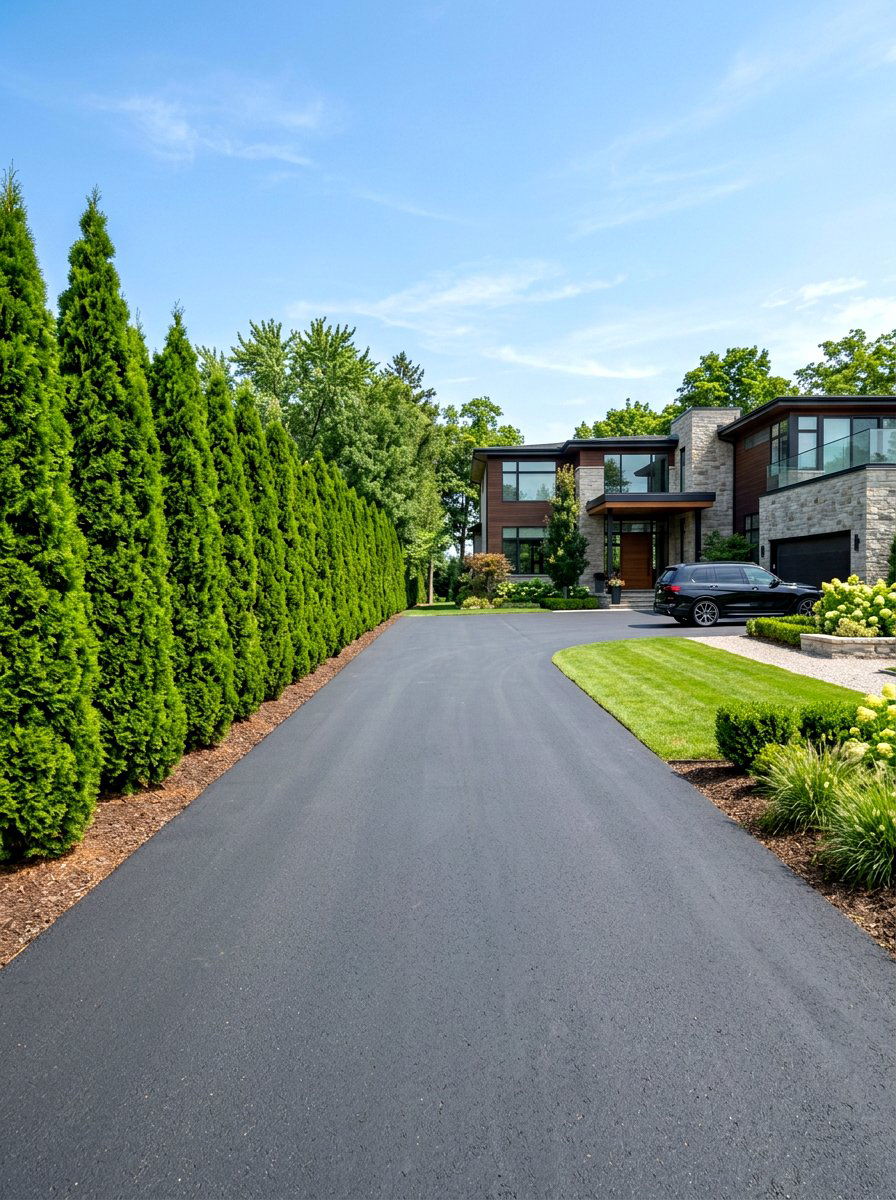
Managing your curb appeal while gaining privacy from the street is easy with a well-planned driveway border. Planting a long, uniform row of arborvitae along your entrance creates a grand, estate-like feel while shielding your cars and home from passersby. This design also acts as a natural dust and noise buffer for properties located on busy roads. You should choose a variety that is salt-tolerant if you live in a cold climate where de-icing is common. A clean, green line alongside your pavement provides a clear boundary and makes the entrance to your home feel much more exclusive and peaceful every time you pull in.
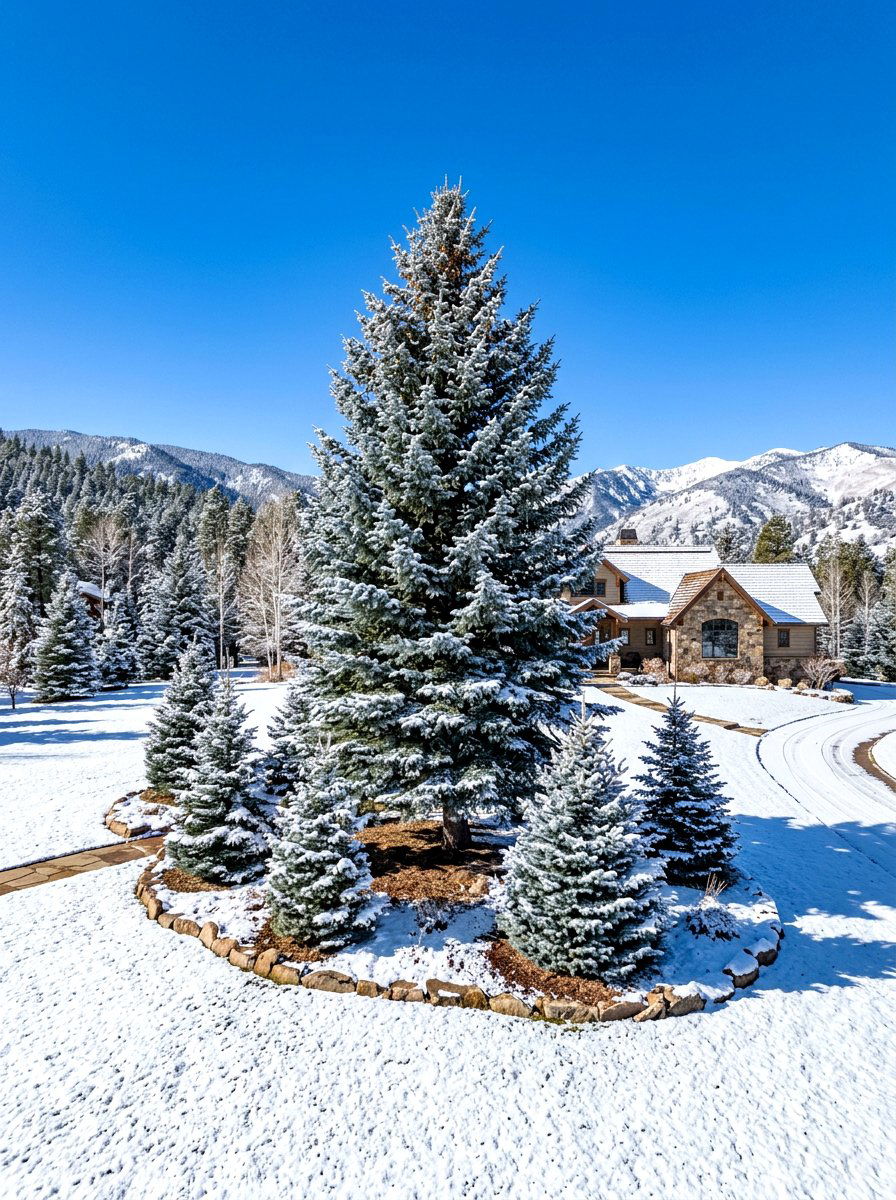
10. Poolside Arborvitae Wall
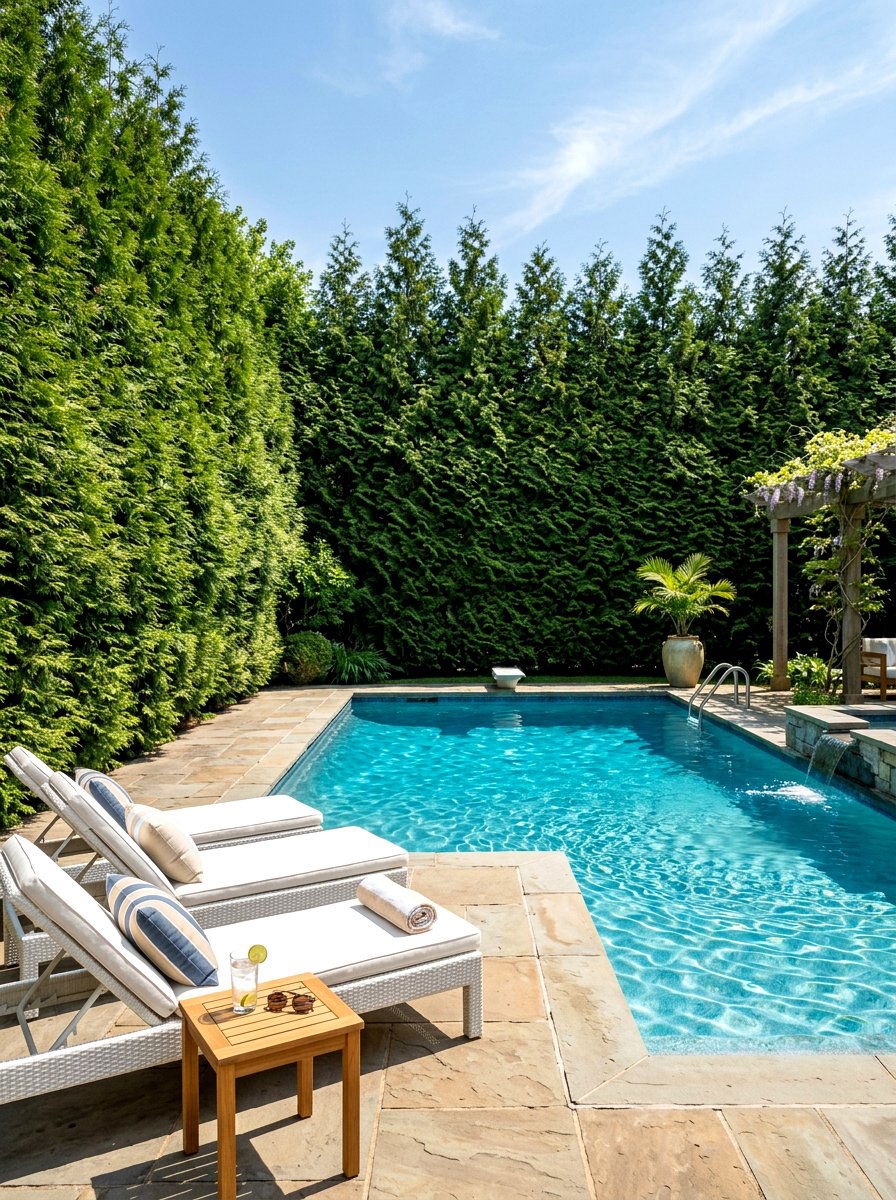
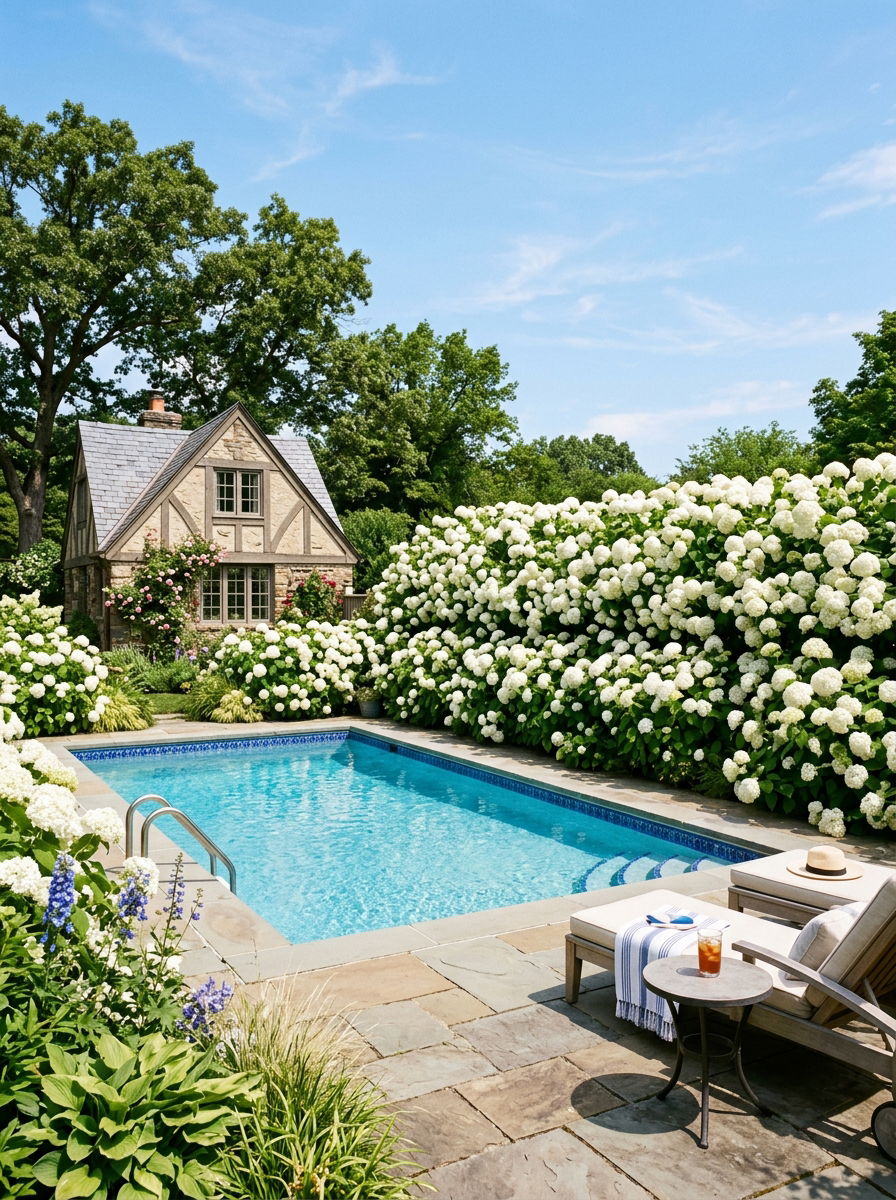
Creating a sanctuary around your swimming area is essential for total relaxation and comfort during the summer months. A poolside arborvitae wall offers a soft, green alternative to harsh stone or plastic privacy screens. These trees are excellent for pool areas because they do not drop messy leaves or flowers into the water, keeping your maintenance levels low. They provide a beautiful, spa-like atmosphere that makes you feel like you are at a high-end resort. When planted strategically, they can also block prevailing winds, keeping the pool area warmer and more enjoyable for swimmers. The dense foliage ensures that your private swim stays truly private.
11. Narrow Space Arborvitae
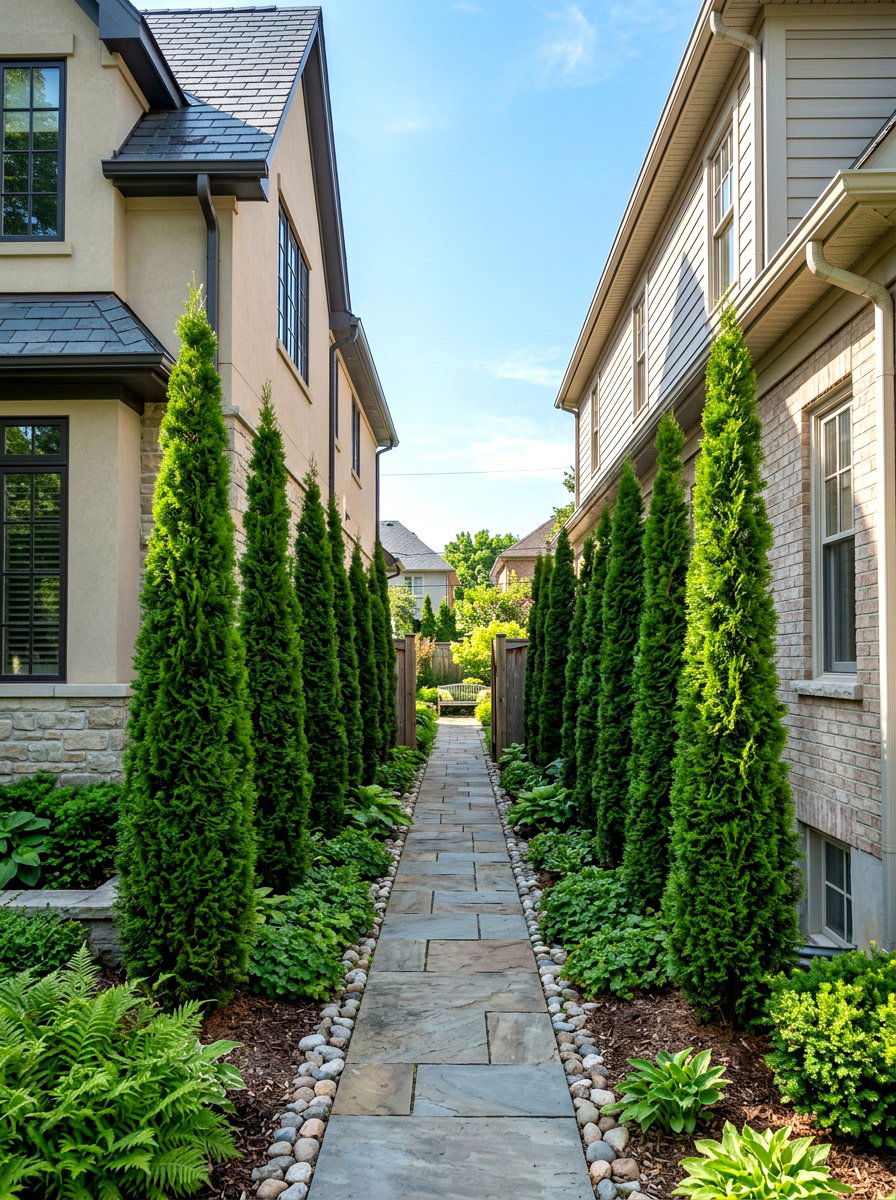
Dealing with a tiny urban lot or a squeezed side passage requires a specialized approach to privacy landscaping. Narrow space arborvitae varieties, such as North Pole or Degroot's Spire, are specifically bred to grow tall while remaining remarkably thin. These plants can fit into spaces as small as two feet wide, making them a life-saver for modern city dwellers. You can line a narrow walkway with these elegant spires to create a "secret garden" feel without making the path feel claustrophobic. Their verticality draws the eye upward, which can actually make a small yard feel much larger and more structured than it really is for residents.
12. Front Yard Arborvitae
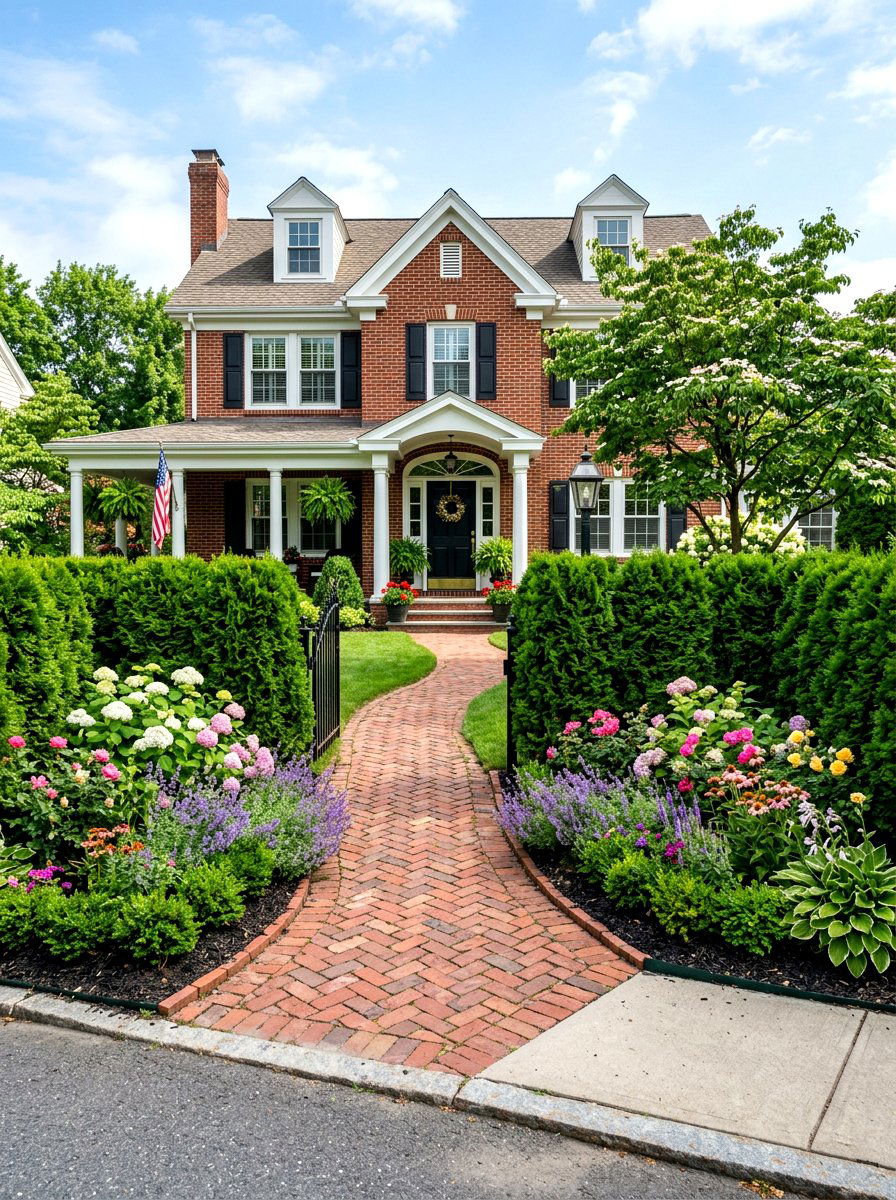
Designing your front yard for privacy requires a delicate touch so you don 't completely hide your home' s beautiful architecture. Low-growing or mid-sized arborvitae can be used to create a "semi-private" courtyard in front of your porch or large windows. Instead of a tall wall, consider a shorter hedge that blocks the view from the street but still lets you see out. This adds a layer of security and intimacy to your home's entrance without appearing uninviting to guests. Using golden or variegated arborvitae in the front yard can also add a pop of color that enhances your home’s overall aesthetic and curb appeal throughout the entire year.
13. Arborvitae And Hydrangea
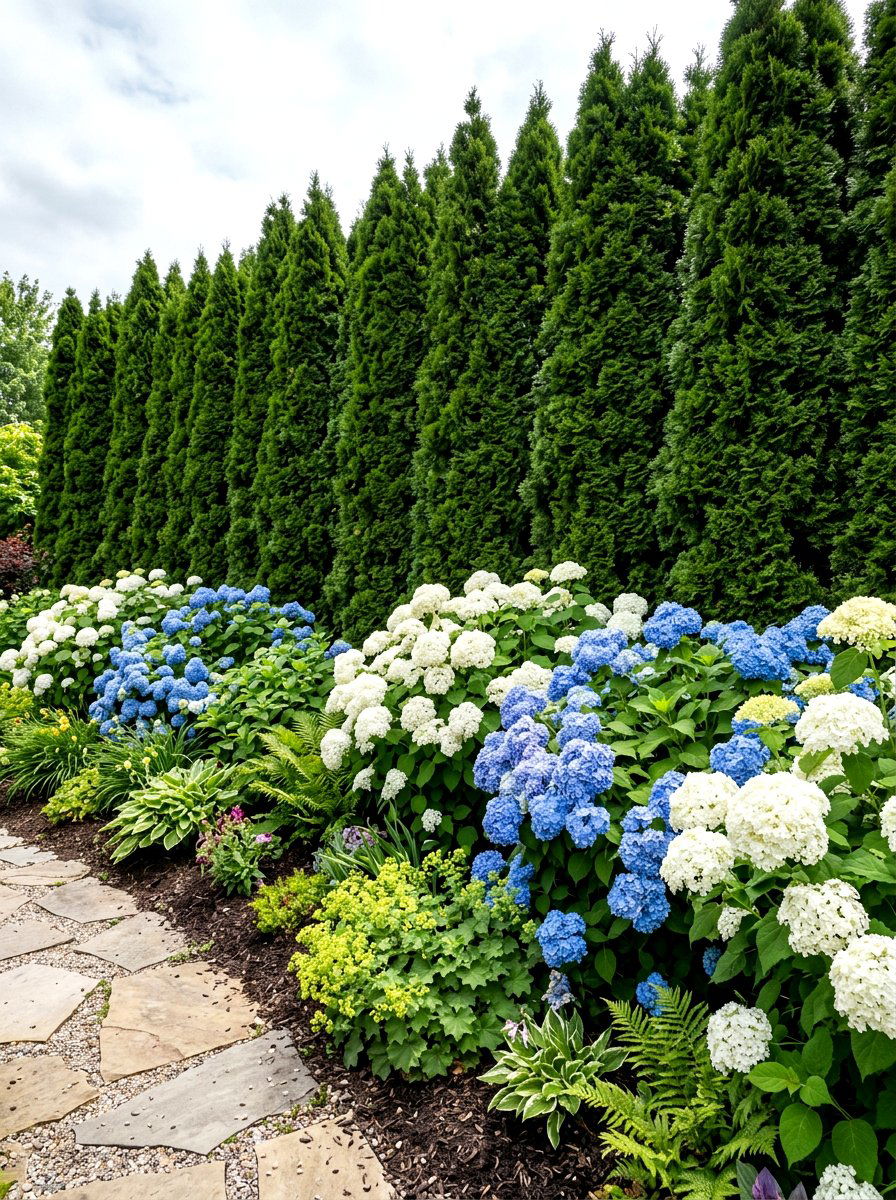
Combining the structural green of arborvitae with the showy blooms of hydrangeas creates a quintessential cottage garden look that never goes out of style. The tall, dark green evergreens act as a perfect living canvas, making the large blue, white, or pink hydrangea clusters really pop. This duo provides privacy at the top while the hydrangeas fill in the lower levels with lush leaves and stunning flowers. This combination is particularly effective for garden beds that receive morning sun and afternoon shade. The contrast in textures between the soft evergreen needles and the broad, deciduous hydrangea leaves adds a sophisticated and professional touch to any backyard landscape design.
14. Tall Arborvitae Windbreak
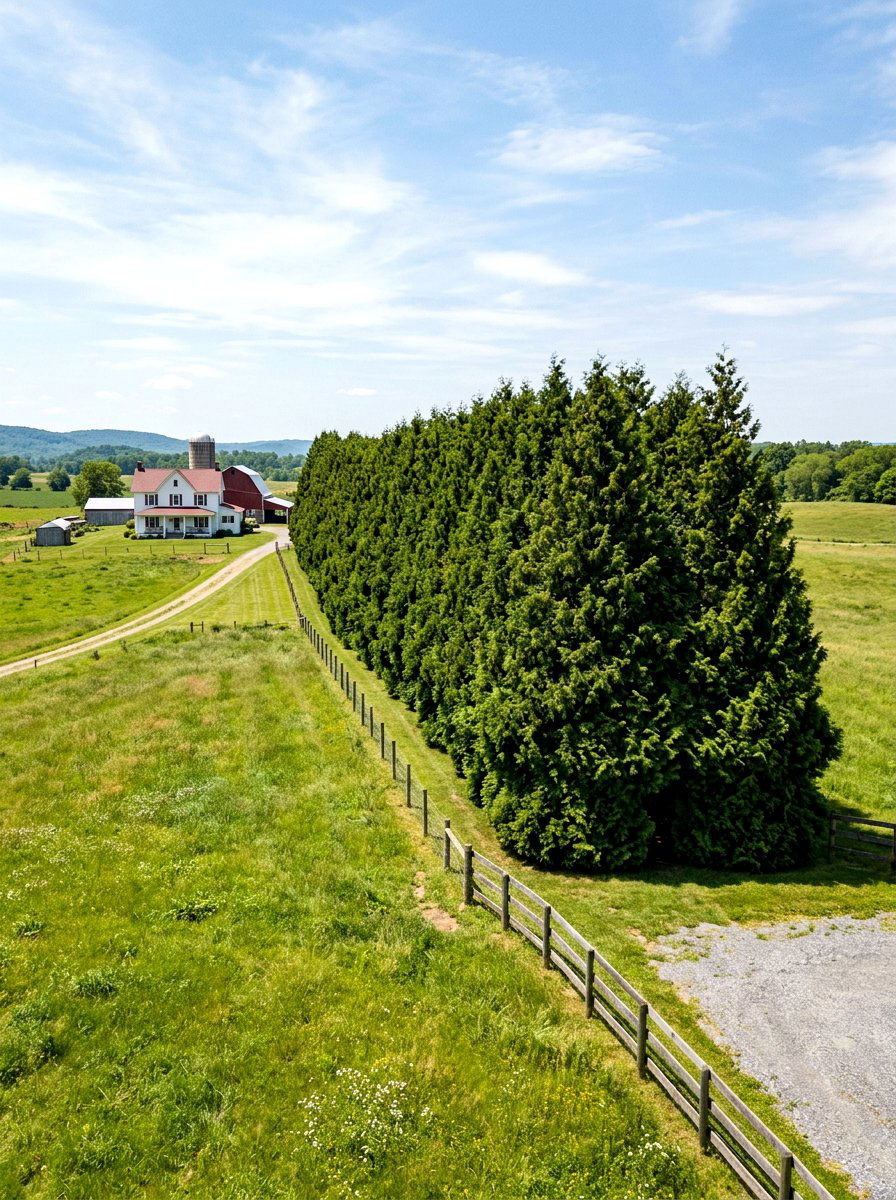
Living in an area with flat land or frequent storms often means dealing with harsh, chilly winds that can ruin your outdoor time. A tall arborvitae windbreak is a functional and beautiful solution that protects your home and delicate garden plants from the elements. By planting a double row of Green Giant or Techny arborvitae, you create a dense barrier that significantly reduces wind speed. This can even help lower your heating bills in the winter by providing an extra layer of insulation for your house. The sturdy trunks and flexible branches are designed to withstand heavy snow and strong gusts, making them a reliable long-term investment for windy properties.
15. Spiral Topiary Arborvitae
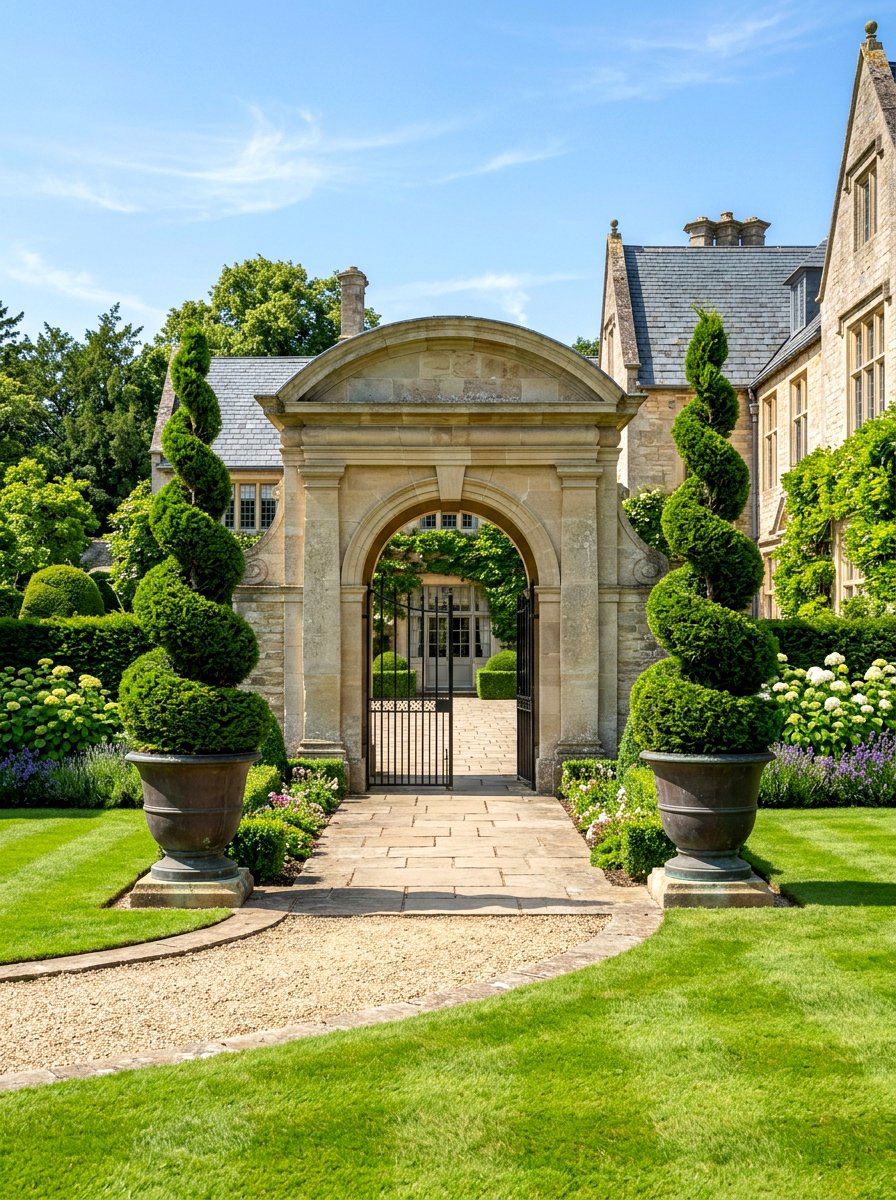
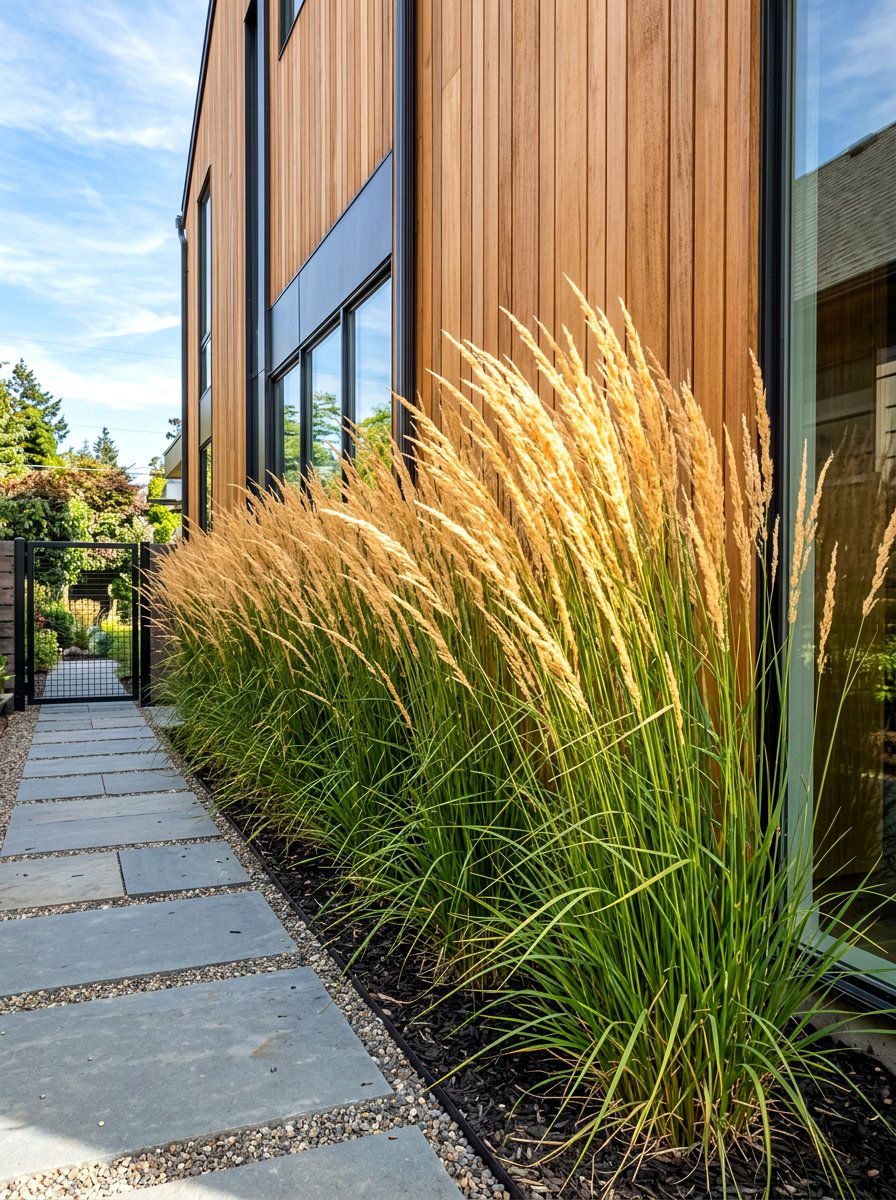
Are you looking for a way to add a touch of formal elegance and artistic flair to your private garden? Spiral topiary arborvitae are specially pruned to create a striking, twisted shape that serves as a living sculpture. While they might not provide a solid wall of privacy on their own, they are perfect for flanking an entryway or acting as accents within a larger hedge. These topiaries add a sense of luxury and high-end design to your outdoor space. They are best used in pairs or as focal points in a formal garden layout. Regular light trimming is required to keep their distinctive spiral shape looking sharp and professional throughout the year.
16. Arborvitae With Picket Fence
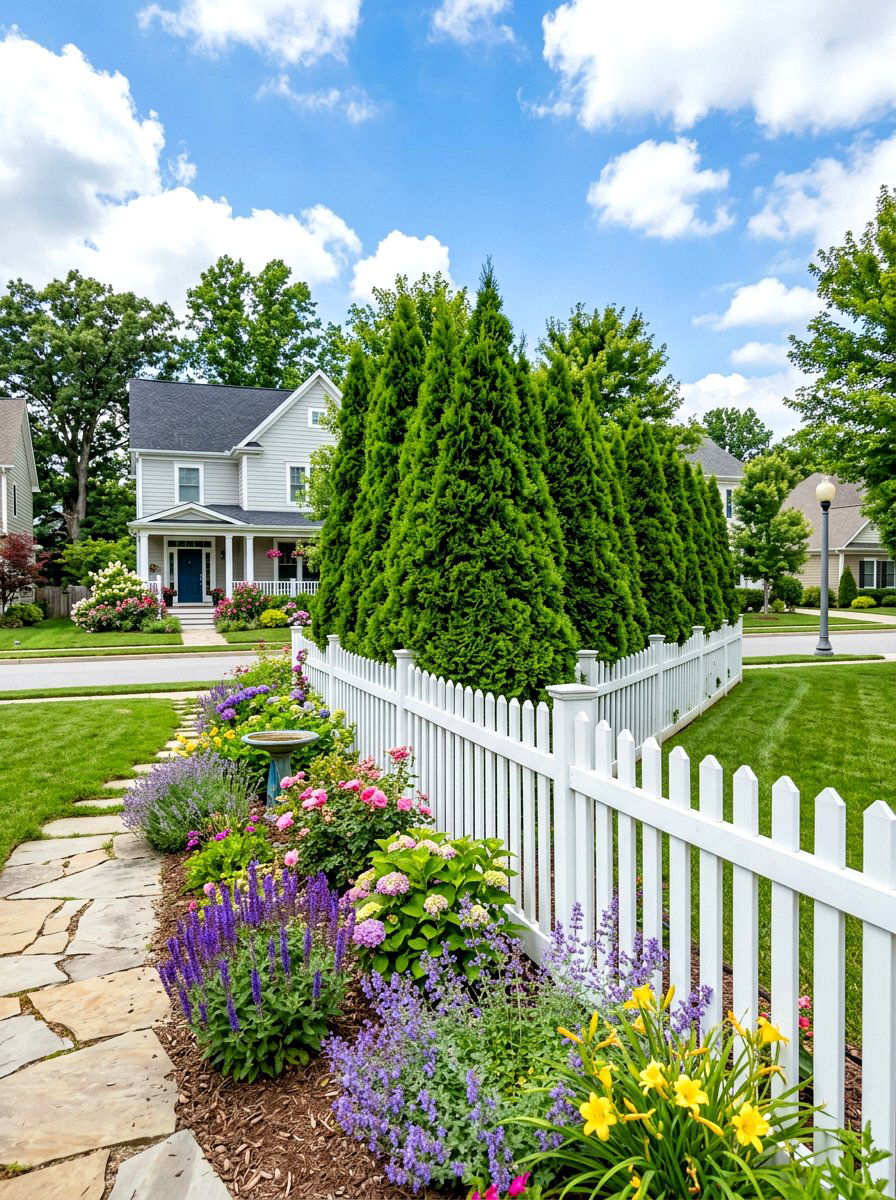
Pairing a classic white picket fence with the soft green texture of arborvitae creates a charming and welcoming aesthetic. You can plant the trees just behind the fence to provide the height needed for privacy while letting the fence define the street-side boundary. This look is perfect for farmhouse or traditional style homes where a solid seven-foot wall might feel too aggressive. The green foliage peeking over the top of the fence adds a layered look that feels established and well-tended. It is an excellent way to gain vertical screening while keeping the friendly, open vibe of a neighborhood-friendly picket fence in your front or side yard.
17. Layered Evergreen Hedge
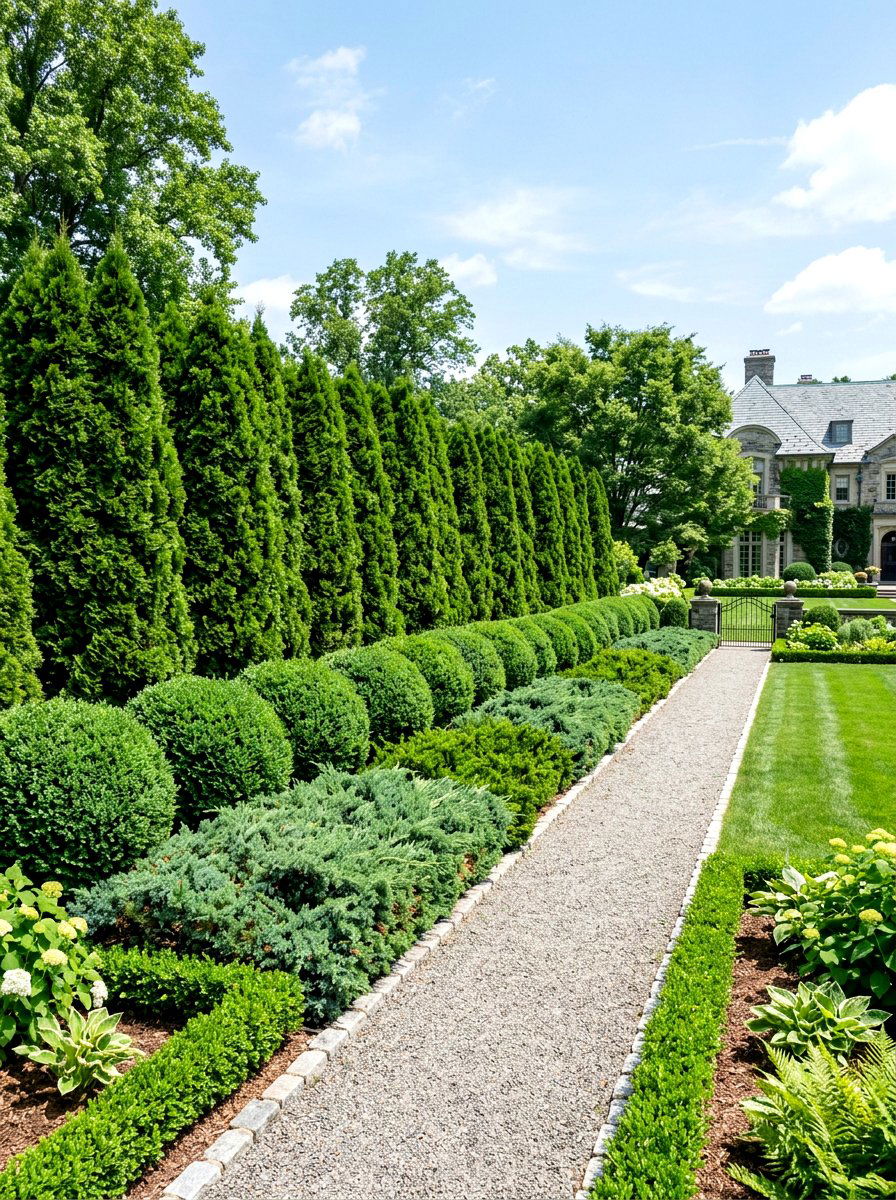
Creating a layered evergreen hedge involves using different types of conifers to build a thick, multi-dimensional wall of privacy. You might start with a row of tall arborvitae in the back and place shorter, rounded evergreens like globe arborvitae or boxwoods in the front. This staggered approach ensures that even if one plant grows more slowly, there are no "holes" in your privacy screen. The variety of shapes — cones, spheres, and columns — adds a rich architectural quality to the garden. This method also works exceptionally well for noise reduction, as the different densities and leaf shapes help to scatter and absorb sound waves more effectively.
18. Deck Side Arborvitae
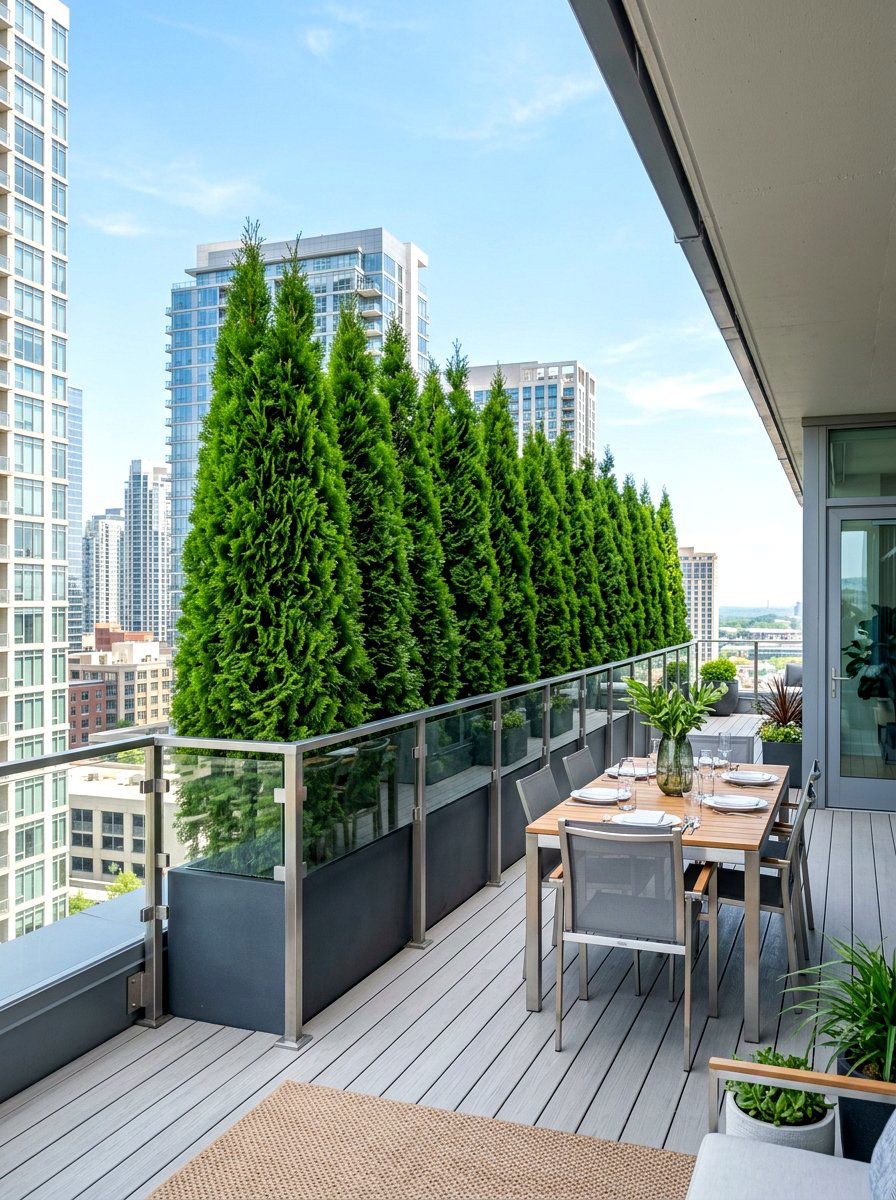
Building a private oasis on your elevated deck can be tricky, but arborvitae are up to the task when used in built-in planters. By placing tall, narrow trees directly against the railing, you can create a green curtain that blocks the view from neighboring houses. This is especially helpful for urban townhomes where decks are often built very close to one another. The presence of living greenery so close to your seating area creates a more relaxing and cooling environment during the hot summer months. Ensure your planters have proper drainage and a watering system to keep these trees thriving in their restricted but highly functional space.
19. Small Yard Arborvitae
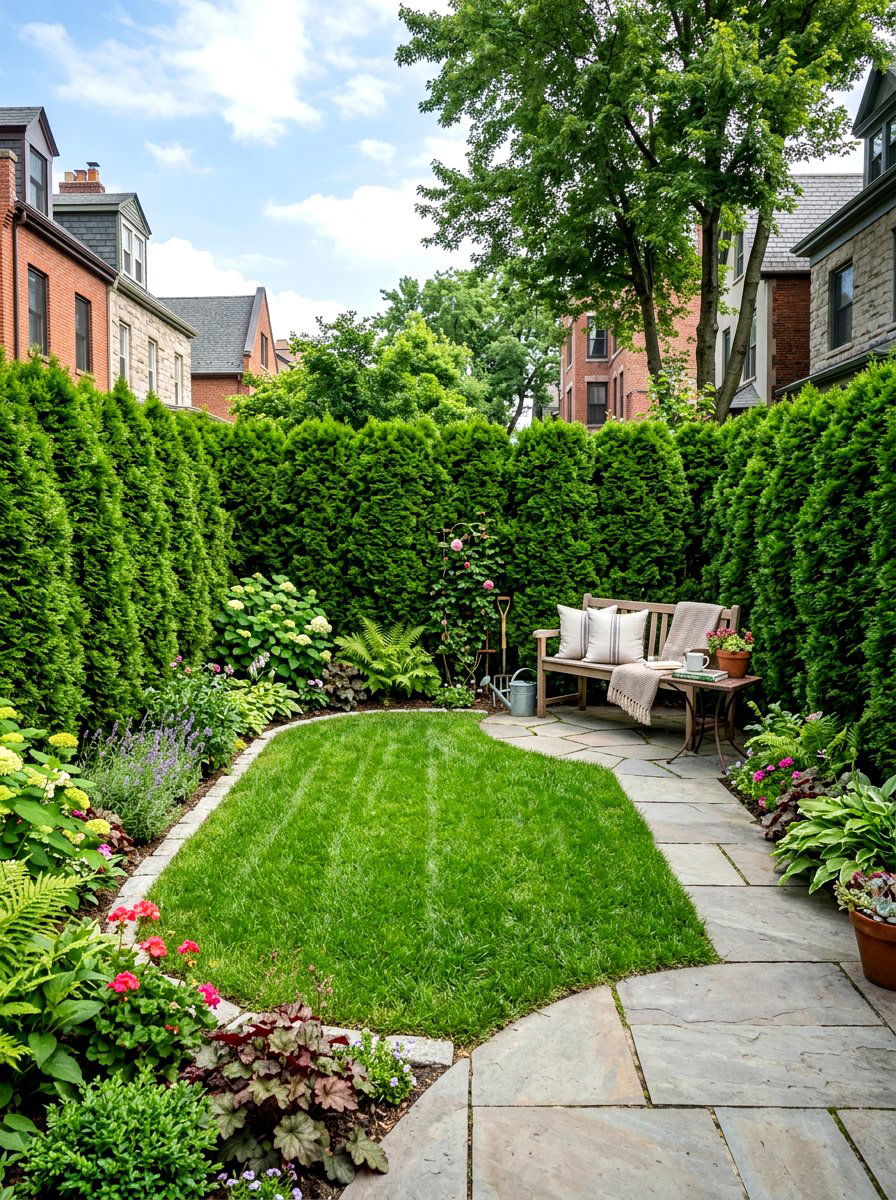
Navigating a small backyard means every inch of space is valuable, so choosing the right arborvitae variety is crucial for success. You should avoid the massive Green Giants and instead opt for compact varieties like Emerald Green or even dwarf globe types. A small yard can be completely transformed by a neat row of these trees, turning a cramped lot into a cozy outdoor room. By keeping the hedge well-trimmed and thin, you provide the necessary privacy without casting too much shade on your lawn or patio. This careful selection allows you to have a beautiful garden even when your square footage is quite limited and tight.
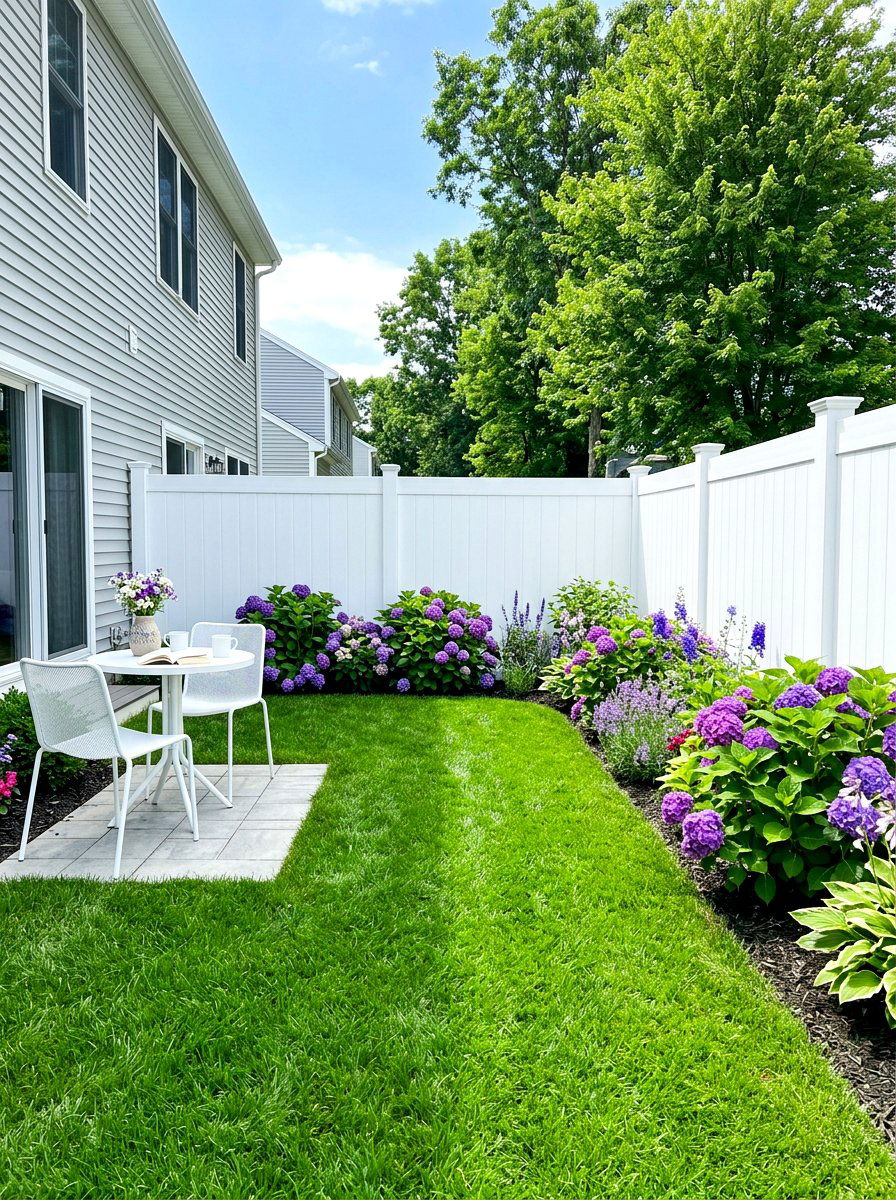
20. Arborvitae With Ornamental Grass
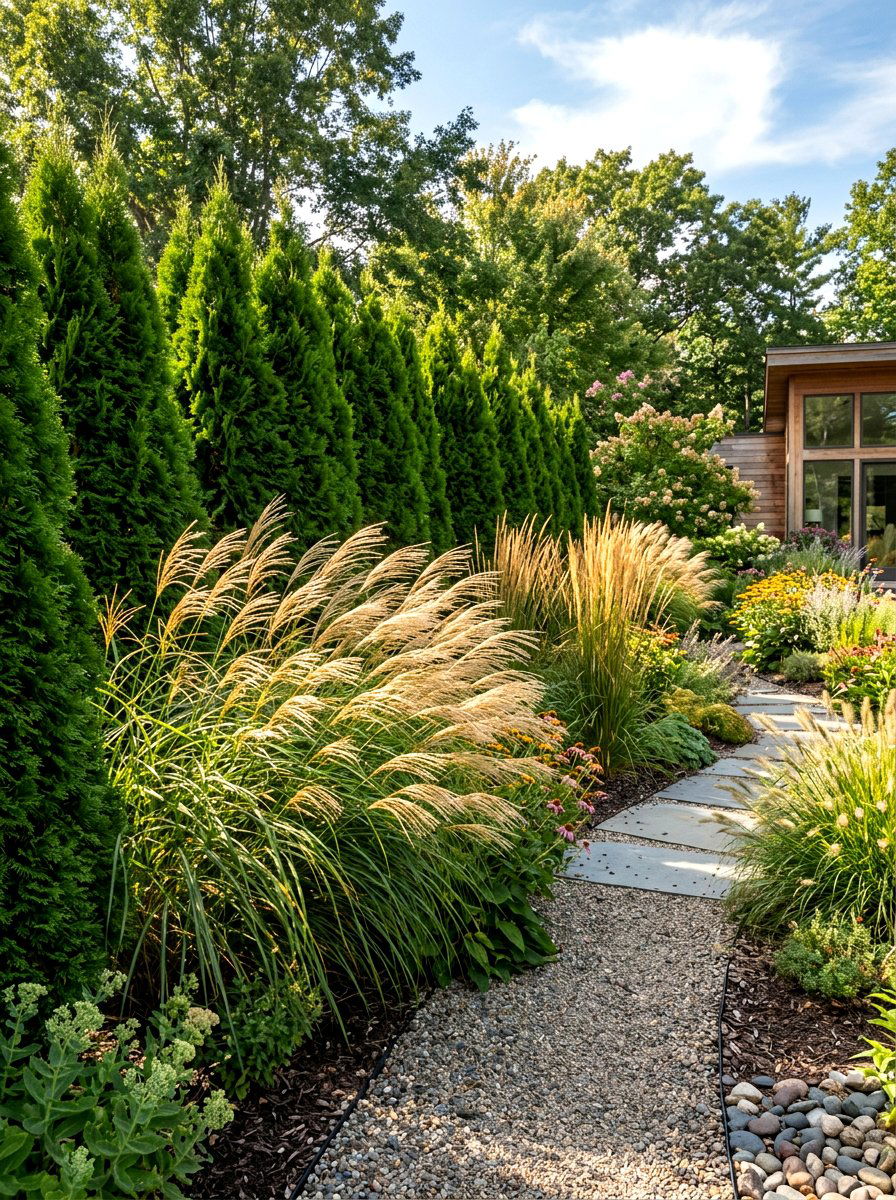
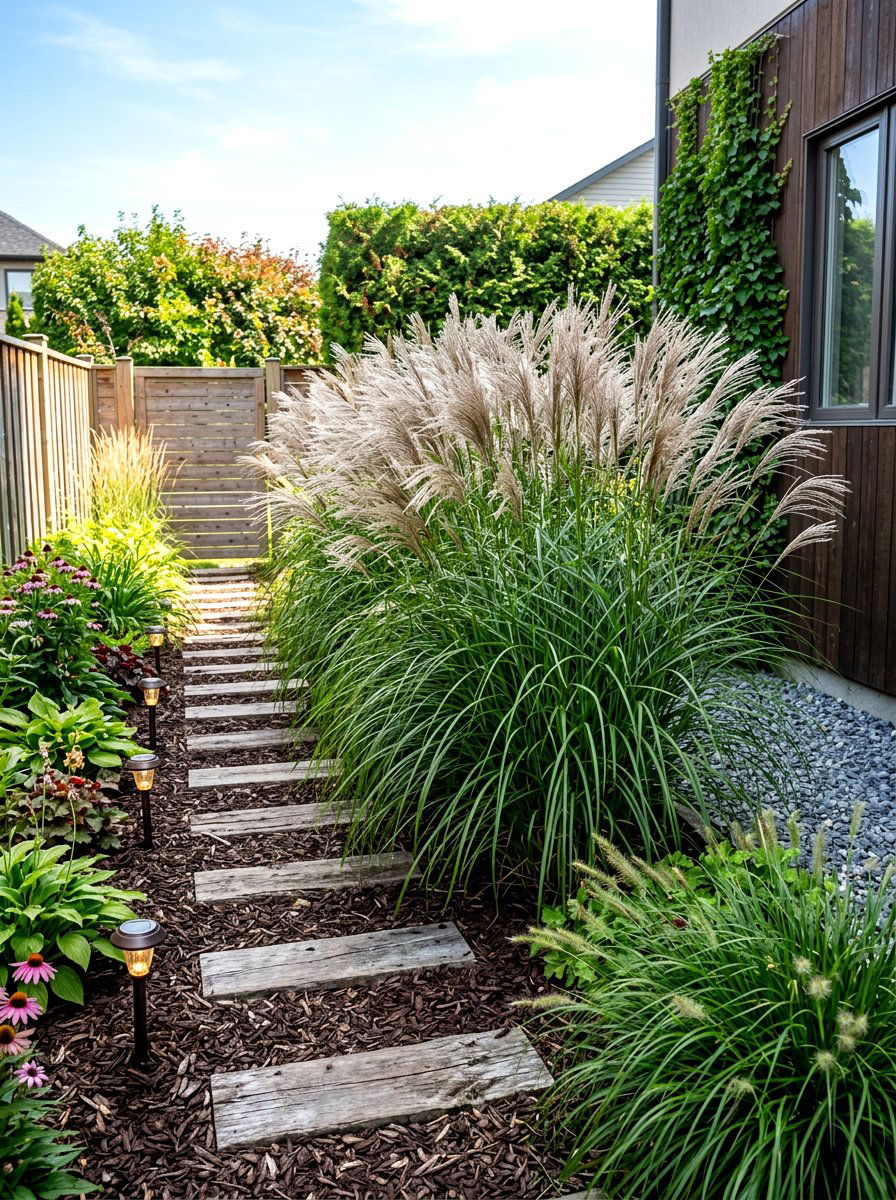
Do you love a modern, breezy look that incorporates movement into your landscape design? Mixing arborvitae with tall ornamental grasses like Miscanthus or Feather Reed Grass creates a dynamic and contemporary privacy screen. The steady, static green of the evergreens provides a year-round structure, while the grasses add texture, golden color, and a soothing rustling sound in the wind. This combination is perfect for creating a "naturalized" look that doesn't feel too rigid or formal. The grasses fill in the gaps between the tree trunks during the summer and fall, adding a soft, hazy layer of screening that feels light and airy rather than heavy.
21. Formal Clipped Arborvitae
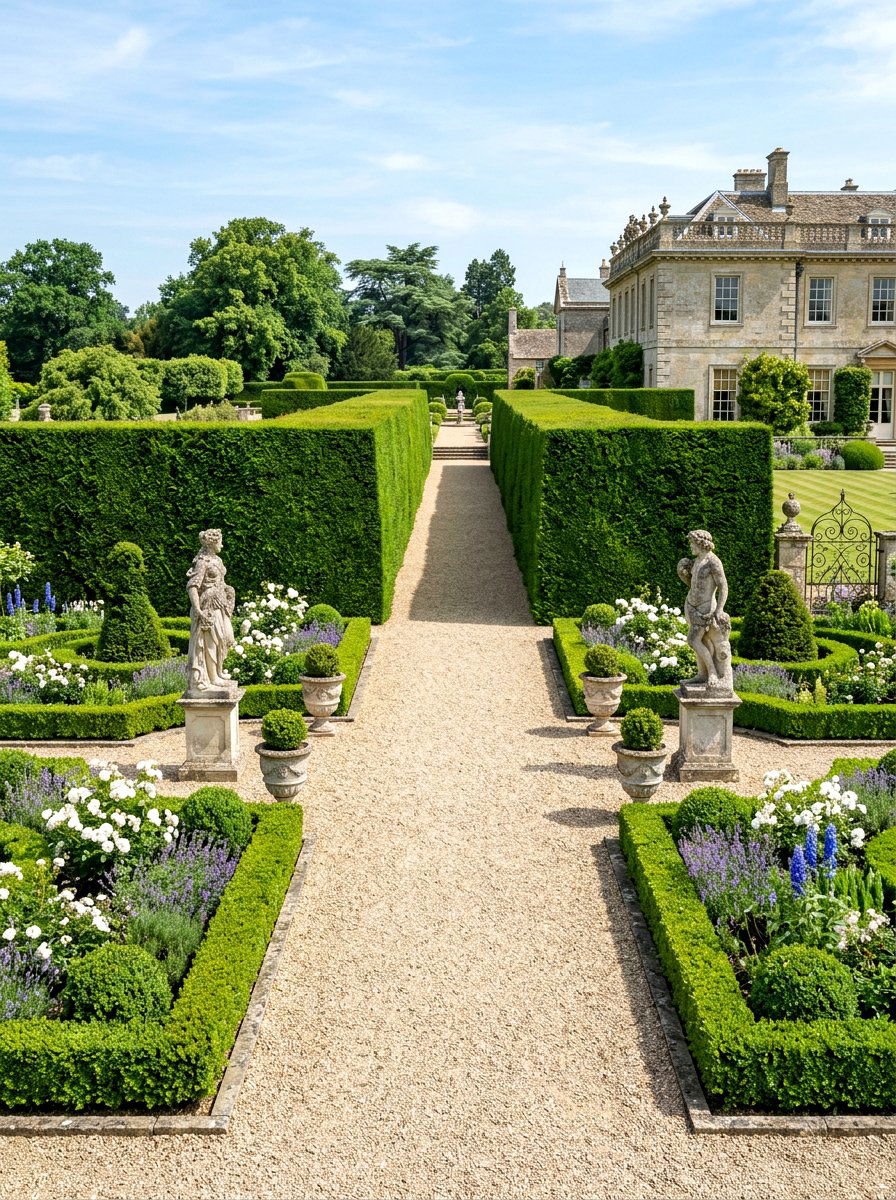
Embracing a formal garden aesthetic means keeping your arborvitae hedge perfectly straight and tightly sheared. This look is achieved through regular pruning, turning the naturally pyramidal trees into a smooth, green block or wall. A formal clipped hedge serves as a sophisticated architectural element that can define garden rooms or line a formal walkway with precision. It requires a bit more maintenance than a natural-growing hedge, but the results are incredibly polished and upscale. This style works best with varieties like Techny or Emerald Green, which have dense foliage that handles frequent shearing exceptionally well without showing bare spots or brown internal wood.
22. Natural Arborvitae Line
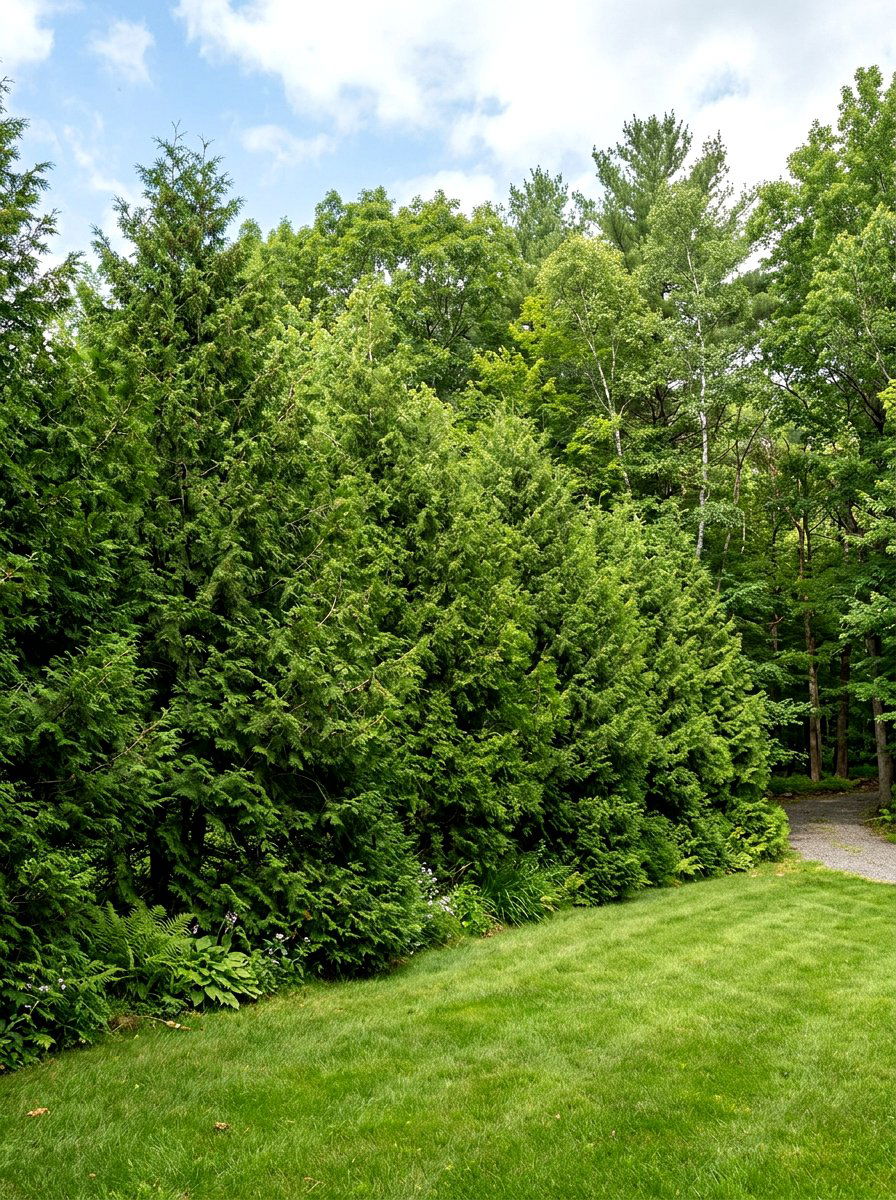
Choosing a natural arborvitae line means allowing the trees to grow into their organic, fluffy shapes without any heavy pruning or shaping. This approach is ideal for large, informal properties or woodland-style gardens where a "wilder" look is desired. The soft, overlapping branches create a dense but textured screen that blends seamlessly into the surrounding environment. You can stagger the planting in a zigzag pattern rather than a straight line to create an even more natural forest-like appearance. This low-maintenance method is great for those who want privacy without the weekly chore of hedge trimming, as the trees will naturally fill their allotted space over time.
23. Arborvitae Noise Screen
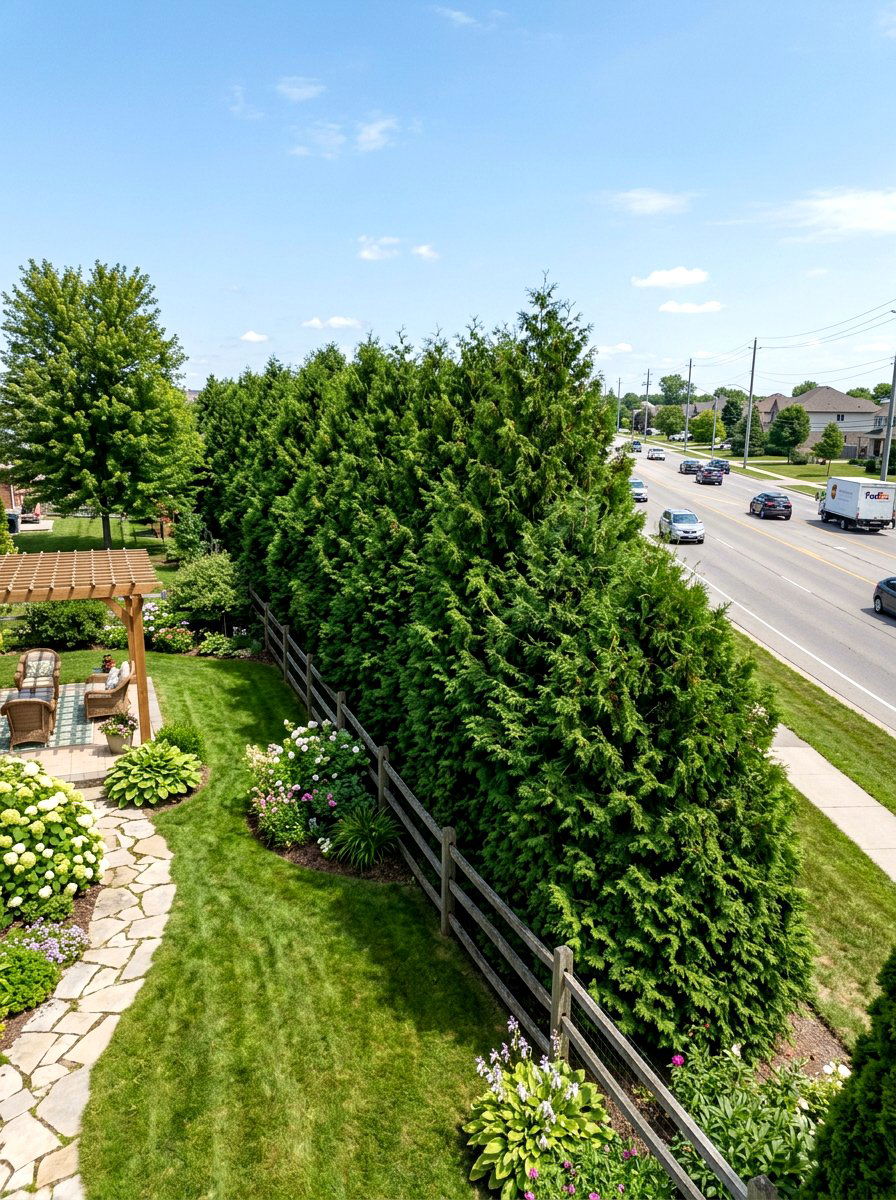
Did you know that a thick wall of evergreens can actually help make your backyard quieter by absorbing and deflecting sound? An arborvitae noise screen is a practical solution for homes located near busy highways, schools, or playgrounds. For the most effective sound dampening, you should plant a double, staggered row of trees to create the densest possible foliage barrier. The thousands of tiny, scale-like needles on the arborvitae branches work together to muffle the roar of traffic and neighborly chatter. Adding a small water feature near your seating area alongside this green wall will further enhance the peace and quiet of your private outdoor sanctuary.
24. Curved Arborvitae Path
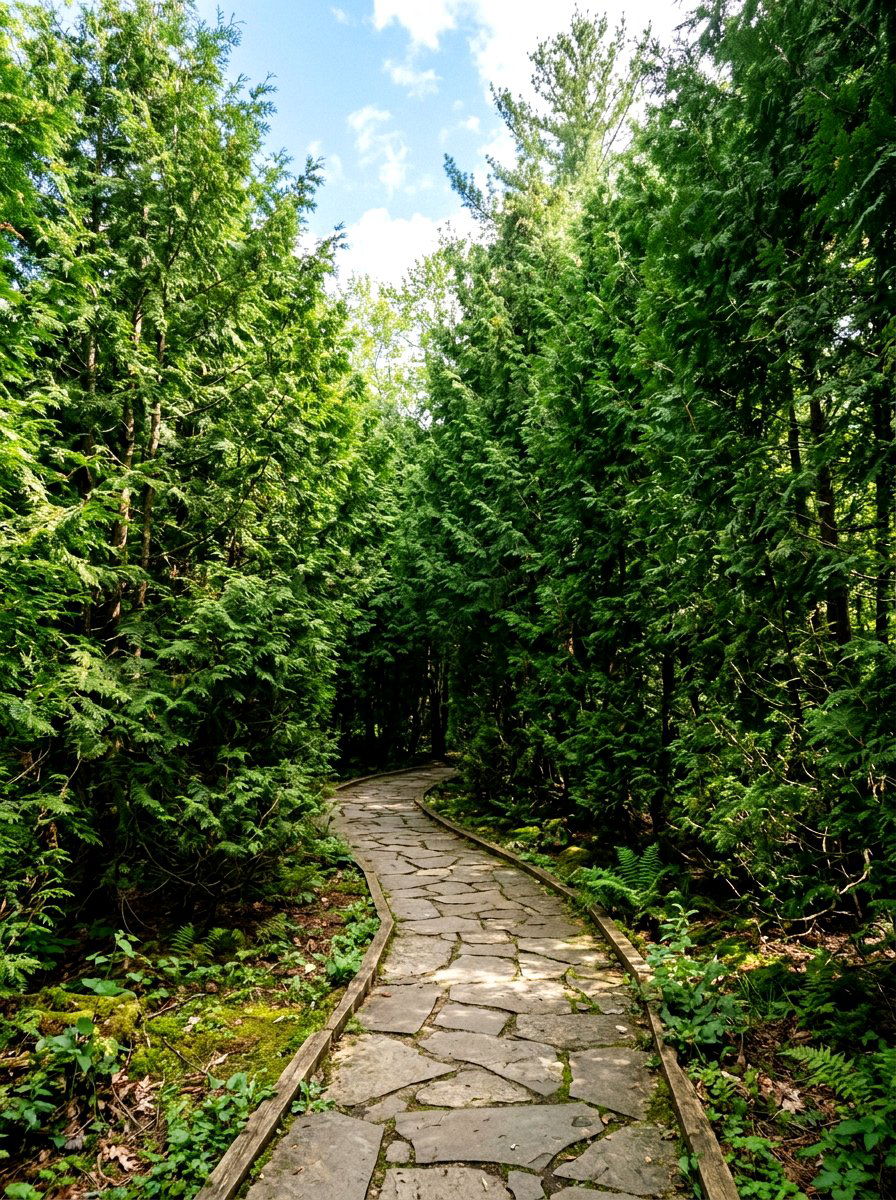
Designing a curved arborvitae path is a wonderful way to add mystery and a sense of discovery to your garden layout. Instead of a straight line, plant your arborvitae in a gentle "S" curve that follows a stone or mulch walkway. This layout hides the end of the path from view, encouraging guests to explore what lies around the corner. The tall walls of greenery create an intimate, enclosed feeling that makes the walk feel like a journey through a private forest. This is an excellent technique for large yards where you want to create separate "zones" or hidden seating areas that are not immediately visible from the house.
25. Arborvitae Stone Wall
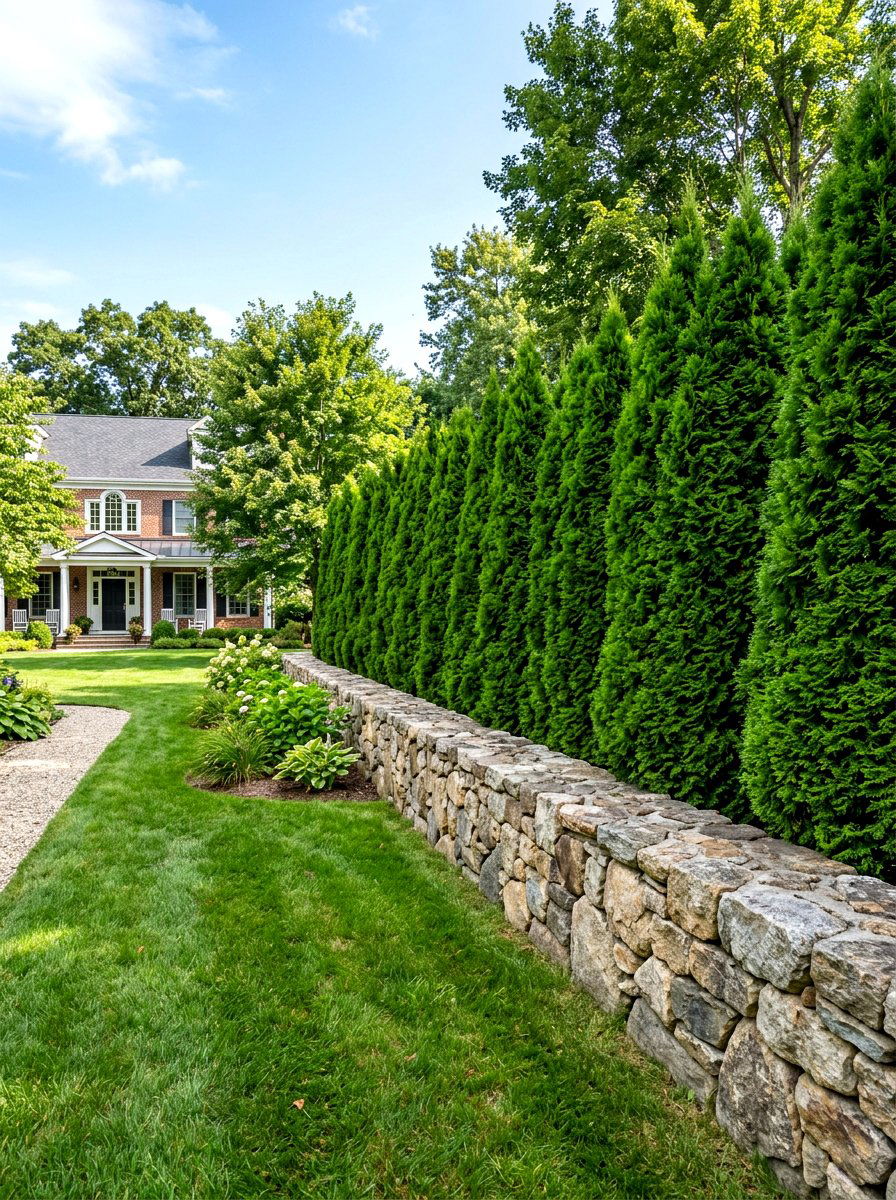
Integrating a stone wall with your arborvitae planting creates a look that is both rugged and refined at the same time. You can plant a row of evergreens directly behind a low stone wall, using the masonry to define the ground level and the trees to provide the vertical height. This combination is fantastic for properties with changes in elevation or for creating a clear boundary along the front of a home. The contrast between the cold, hard grey of the stone and the soft, warm green of the needles is visually stunning. This design also provides an extra layer of physical security and durability for your property line.
26. Low Maintenance Arborvitae
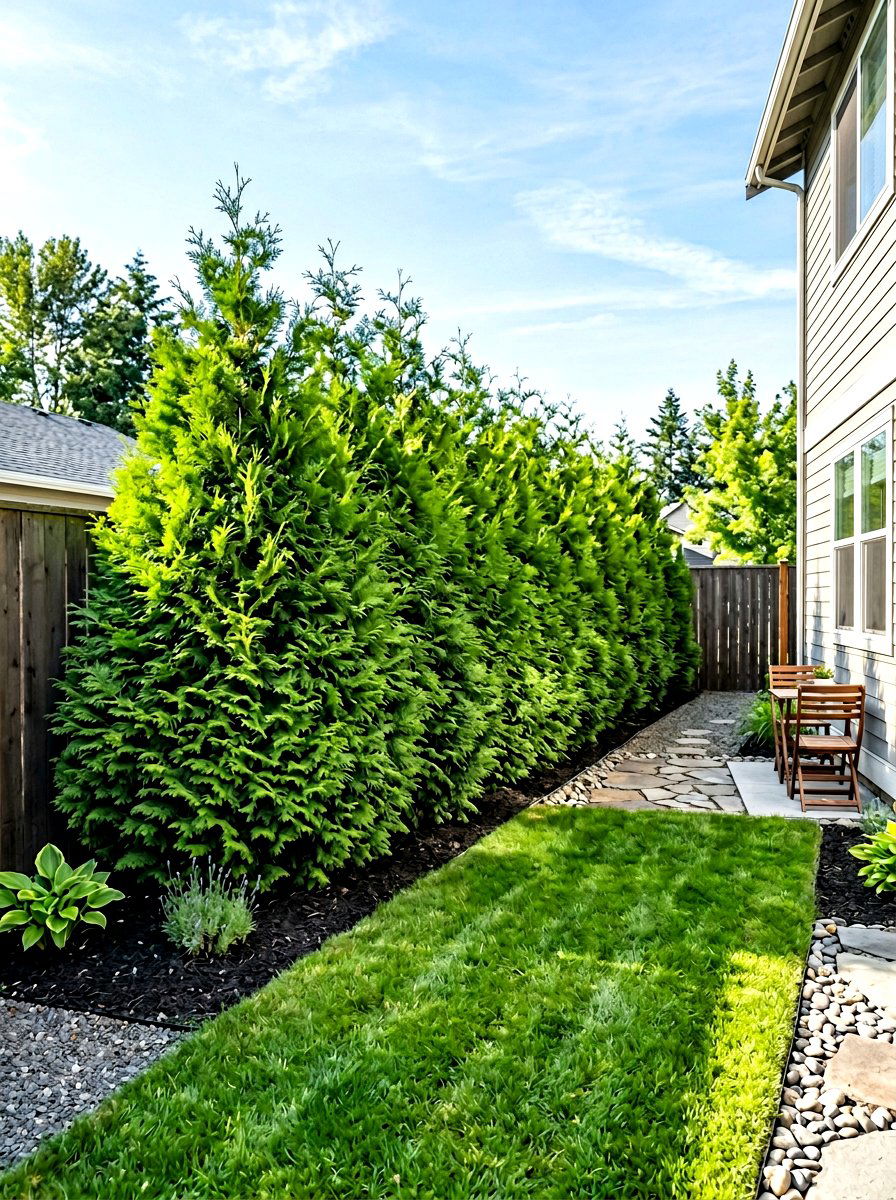
If you are a busy homeowner who wants a beautiful yard without spending every weekend gardening, low maintenance arborvitae are for you. Most varieties are incredibly hardy once they are established and require very little intervention beyond occasional watering during extreme droughts. Unlike some privacy hedges that need constant spraying for pests or complex pruning schedules, arborvitae are generally "plant and forget" trees. Choosing the right size for your space from the start is the key to minimizing work, as you won't need to top or trim them to keep them in bounds. They provide a high-reward, low-effort solution for year-round green privacy and beauty.
27. Fast Growing Arborvitae
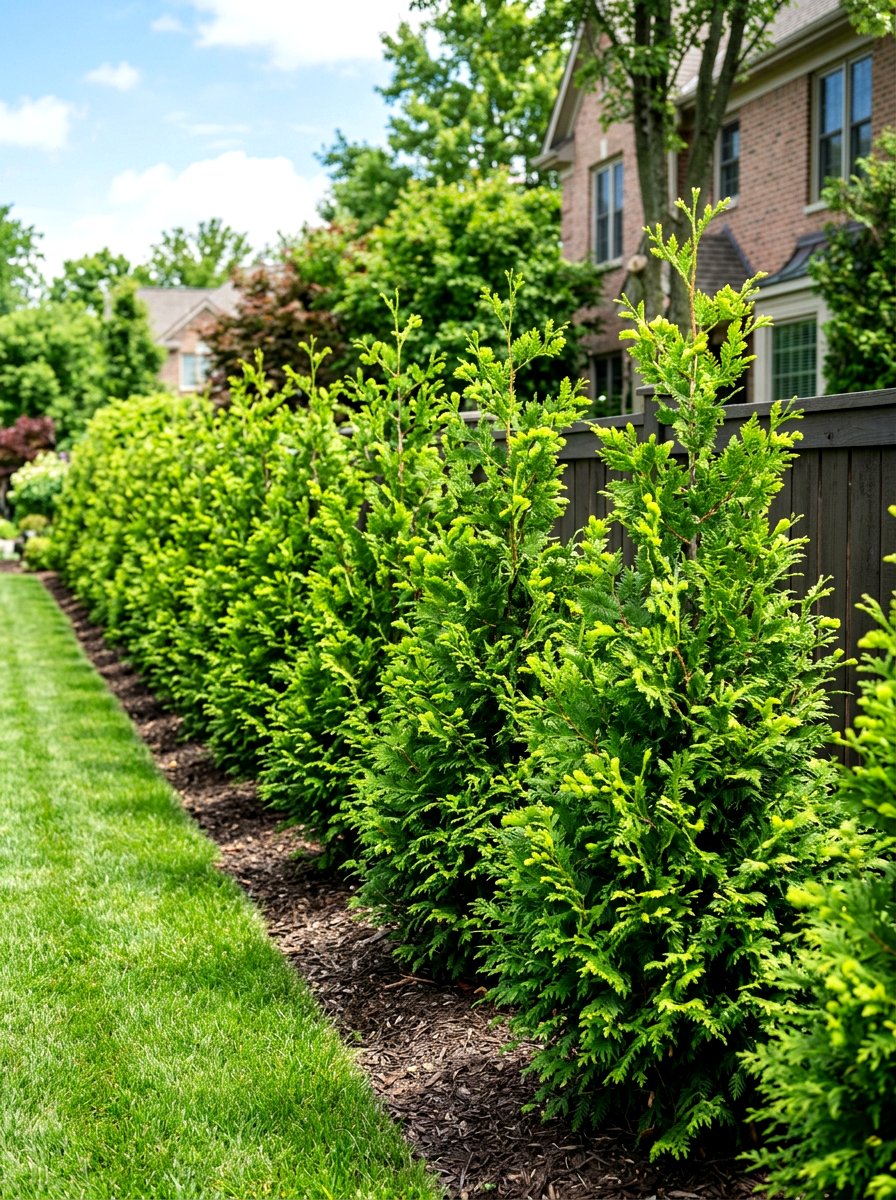
Waiting years for a privacy hedge to grow can be frustrating when you need screening right now. Fast growing arborvitae varieties, like the Green Giant or Steeplechase, can put on as much as three feet of new height every single year. This rapid growth rate allows you to go from a bare lot to a fully screened backyard in just a few seasons. To encourage the fastest growth, ensure you provide consistent water and a balanced fertilizer in the early spring. While these trees require more space to accommodate their eventual size, they are the undisputed champions for anyone looking for the quickest possible natural solution to a privacy problem.
28. Pyramid Arborvitae Row
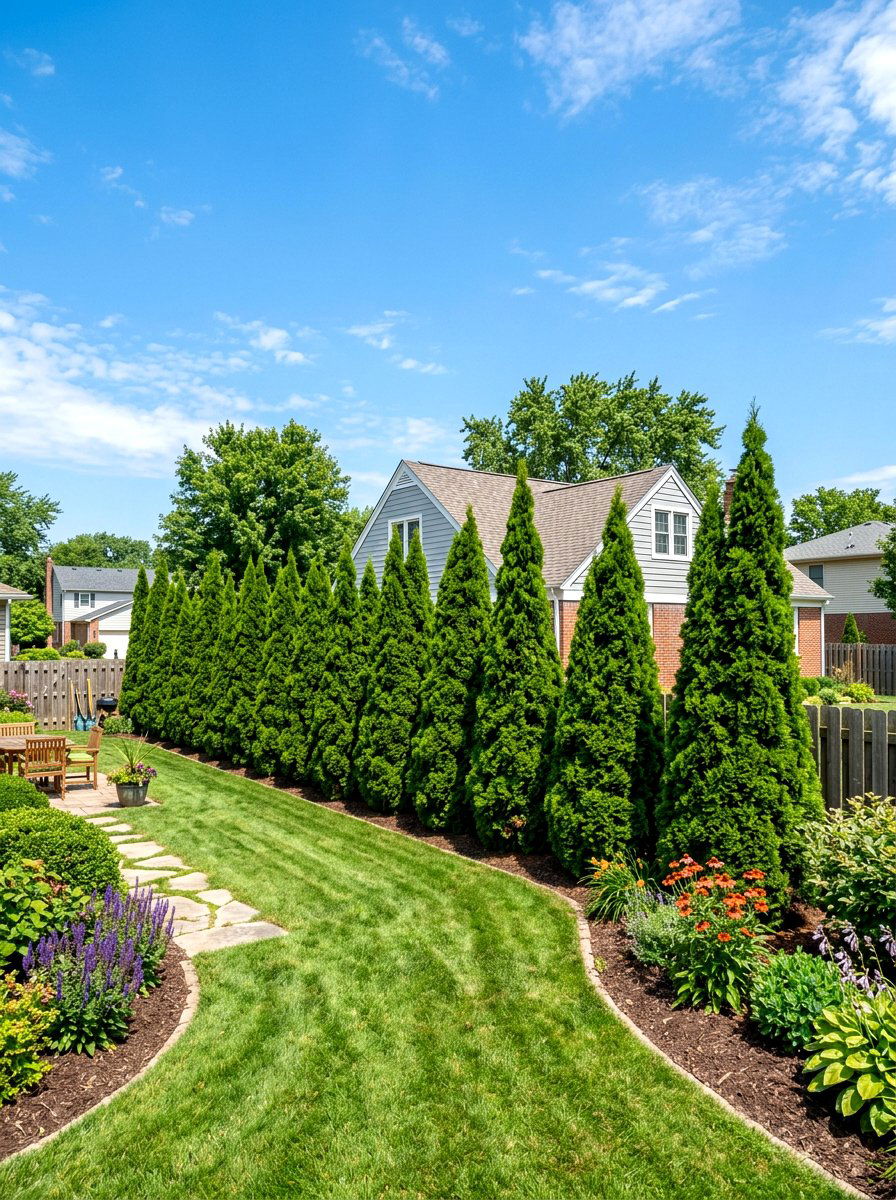
The classic pyramid arborvitae row is a staple of suburban landscaping because it provides a rhythmic and balanced look to any property. Each tree maintains its distinct conical shape, creating a series of peaks and valleys along the top of the hedge. This is often more visually interesting than a flat-topped wall because it mimics the look of natural evergreen forests. This layout works particularly well for framing a large backyard or highlighting a specific architectural feature of your home. The pointed tops also shed snow more effectively than flat hedges, which can prevent branch breakage during heavy winter storms in colder, snowy northern climates.
29. Patio Privacy Arborvitae
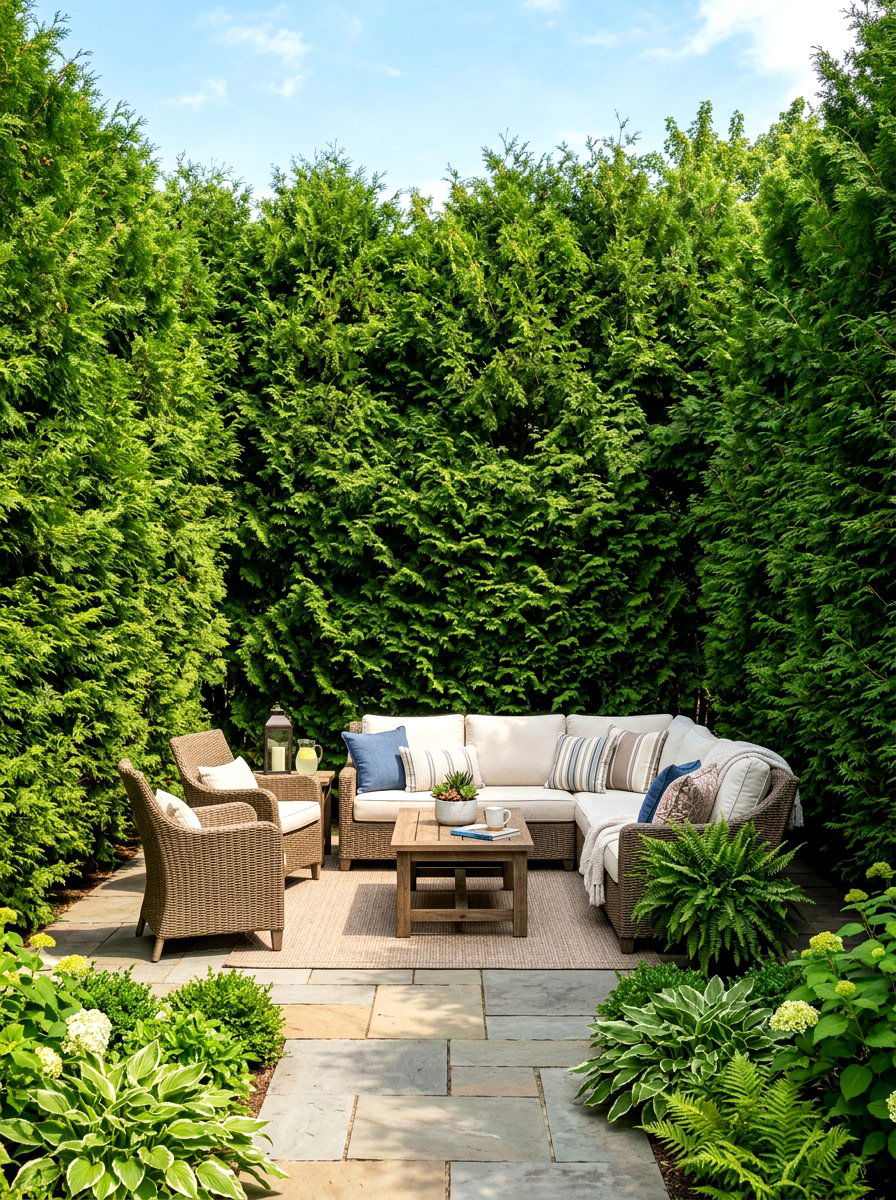
Surrounding your patio with arborvitae creates a cozy "outdoor living room" that feels completely separate from the rest of the world. By planting mid-sized trees in a "U" shape around your seating area, you block prying eyes from all sides while leaving the view of your garden open. This setup is perfect for intimate dinner parties, morning coffee, or simply relaxing with a book. The dense green walls act as a windbreak, keeping your patio candles from blowing out and making the space feel warmer on cool evenings. It turns a standard concrete slab into a high-end, private retreat that you will want to use every single day.
30. Multi Level Arborvitae
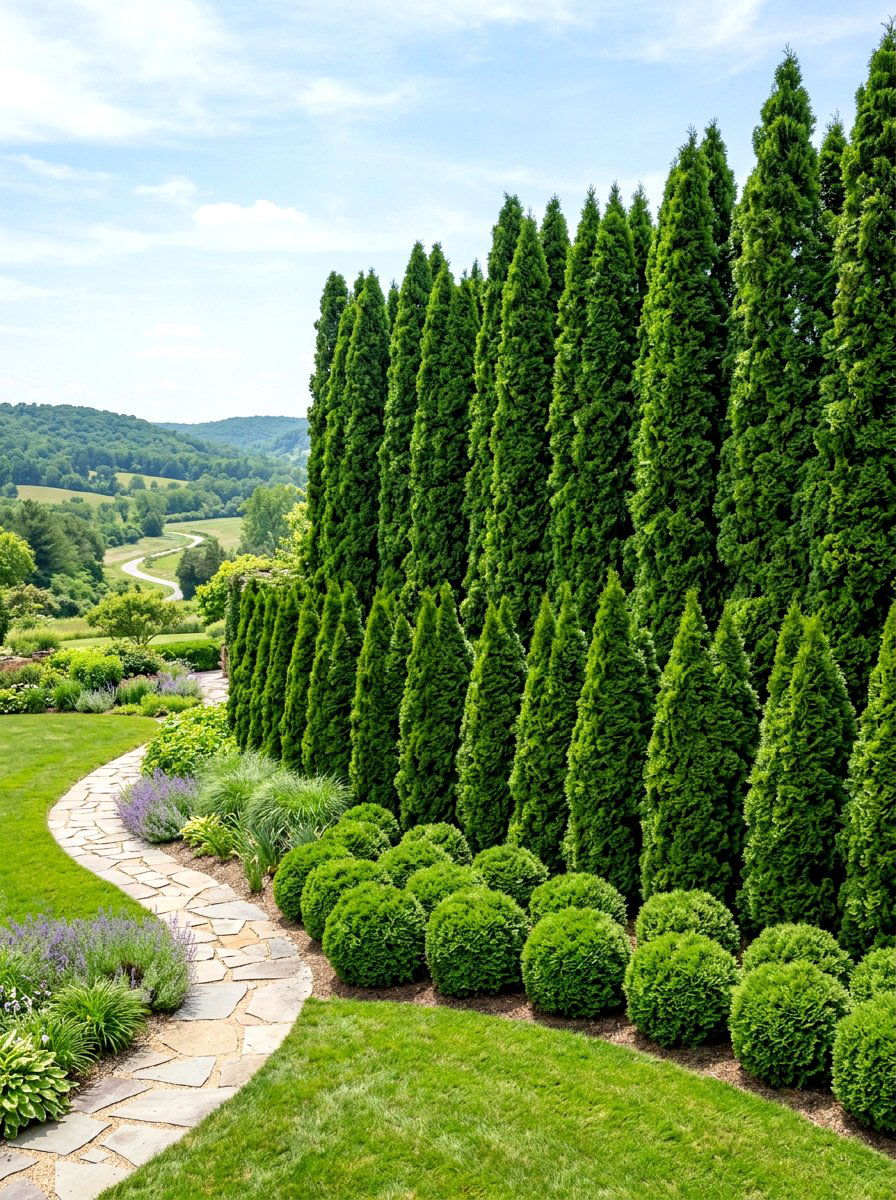
Designing with multi level arborvitae involves mixing different varieties of varying heights to create a textured and complex green landscape. You can use the towering Green Giants for the outermost boundary and then step down to Emerald Greens for middle-ground screening, finishing with dwarf Globe varieties near the house. This hierarchy of height creates a lush, amphitheater-like effect that makes your yard feel incredibly deep and well-designed. It also allows you to solve privacy issues at different scales — from blocking a neighbor’s second-story window to hiding your own trash cans or AC unit. This comprehensive approach ensures that every inch of your yard feels private and beautiful.
Conclusion:
Investing in arborvitae for your property is one of the smartest landscaping decisions you can make for long-term privacy and beauty. These resilient evergreens provide a thick, year-round barrier that traditional fences simply cannot match in terms of aesthetic appeal and environmental benefits. Whether you are dealing with a small urban patio or a sprawling rural estate, there is a perfect arborvitae solution to meet your specific needs. By carefully selecting the right variety and layout, you can transform your outdoor space into a peaceful sanctuary that increases your home 's value and your family' s enjoyment. Start your green privacy journey today for a more secluded tomorrow.

Related posts: