Stepping into a cottagecore garden feels like walking through the pages of a beloved childhood storybook filled with magic and peace. This whimsical aesthetic focuses on the beauty of nature, simplicity, and a touch of nostalgic charm that many modern landscapes lack. Whether you have a sprawling backyard or a tiny balcony, you can easily incorporate these elements to create your own private sanctuary. The core of this style lies in its intentional imperfection, where wildflowers bloom freely and rustic textures tell a story of time passing slowly. By focusing on organic shapes and vintage accents, your outdoor space will become a lush, inviting haven for both wildlife and humans alike.
1. English cottage garden wildflowers
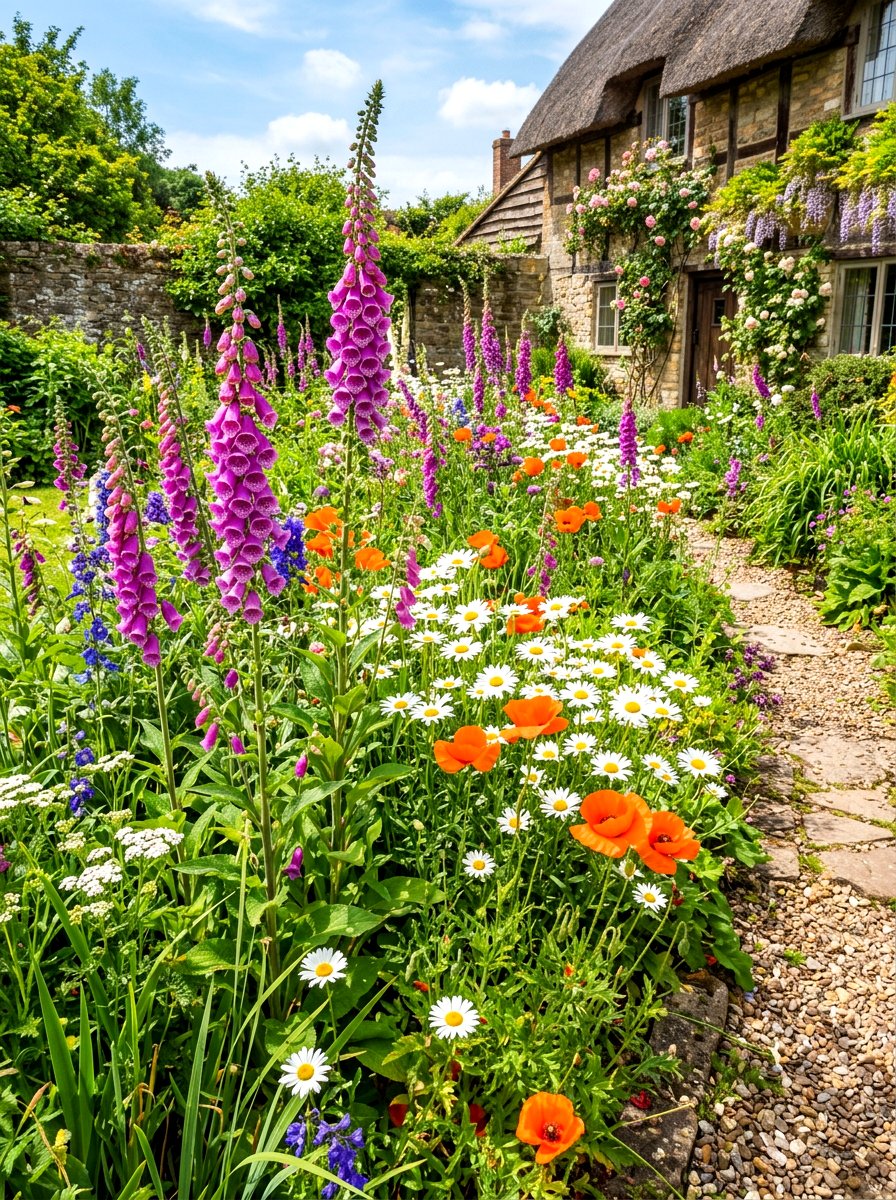
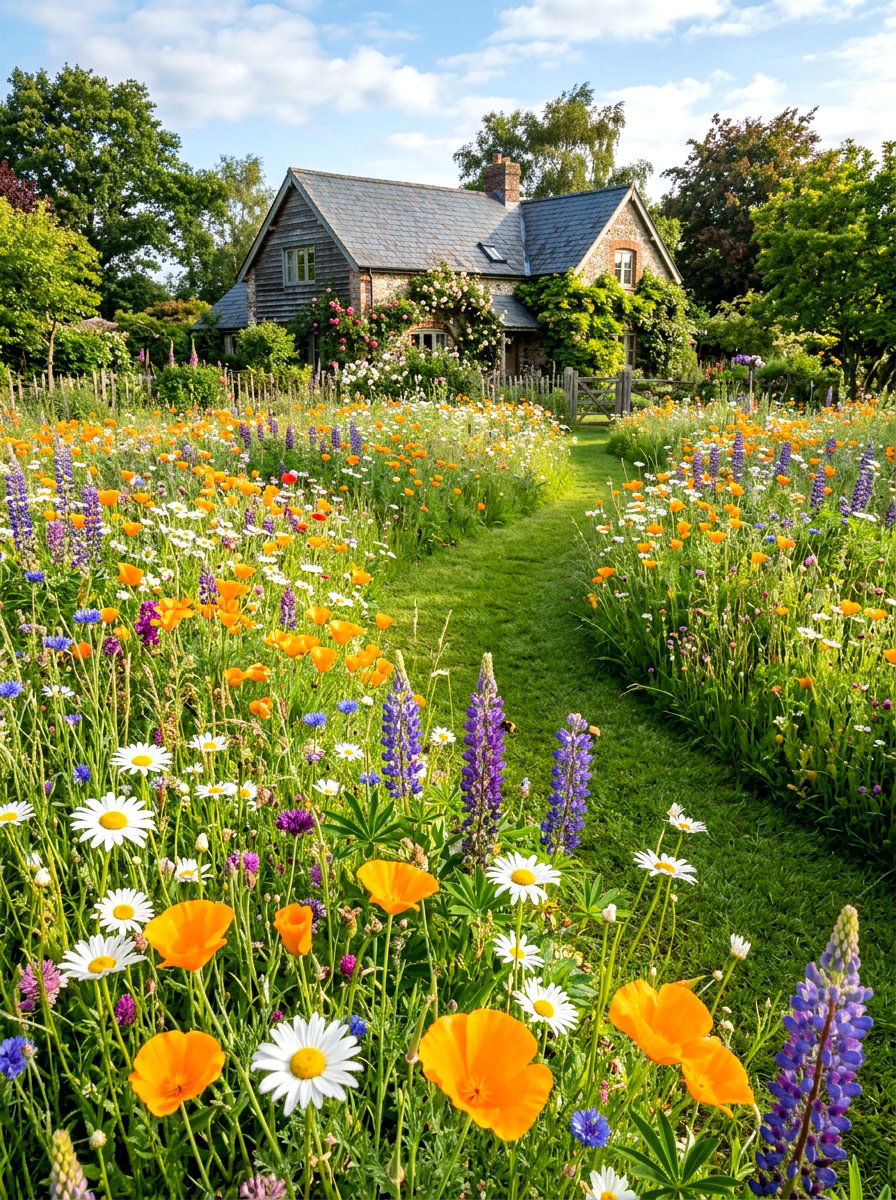
Imagine a vibrant explosion of color where tall foxgloves and delicate daisies dance together in the warm summer breeze. Planting a variety of wildflowers is the most essential step in achieving a true cottagecore look for your outdoor space. You should aim for a mix of heights and textures to create a natural, unscripted appearance that mimics the wild beauty of the countryside. These hardy plants not only look stunning but also provide vital nectar for bees and butterflies throughout the season. By choosing native species, you ensure that your garden remains low-maintenance while still looking incredibly lush and full of life every single year.
2. White picket fence landscaping
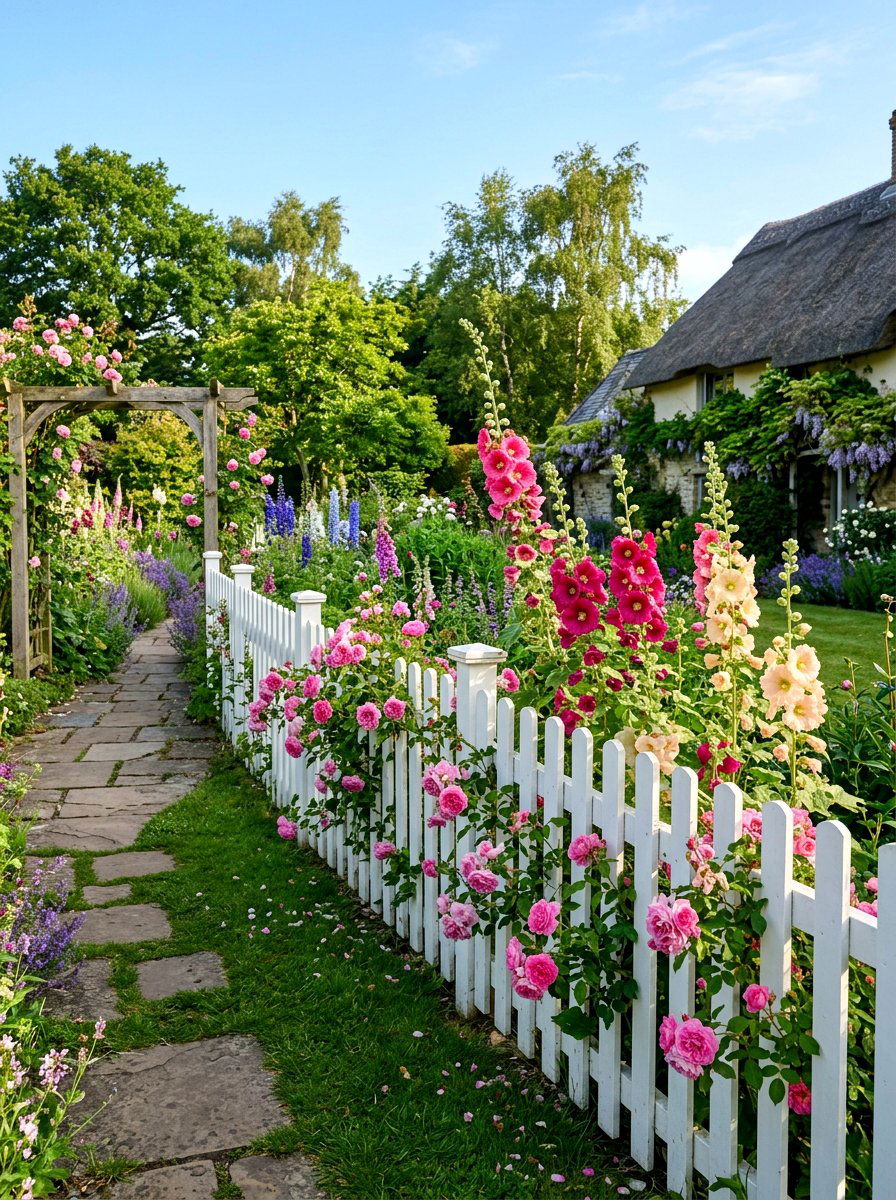
Nothing says traditional charm quite like a classic white picket fence lining the perimeter of a blooming flower bed. This iconic design element serves as a perfect backdrop for tall hollyhocks and climbing vines that lean over the wooden slats. It provides a sense of structure and boundary without feeling too closed off or formal for a relaxed backyard setting. You can let your plants grow through the gaps to create a soft, romantic look that feels established and timeless. Painting the fence a crisp white helps the vibrant greens and floral pastels pop, making the entire garden area look bright and well-defined.
3. Climbing rose trellis wall
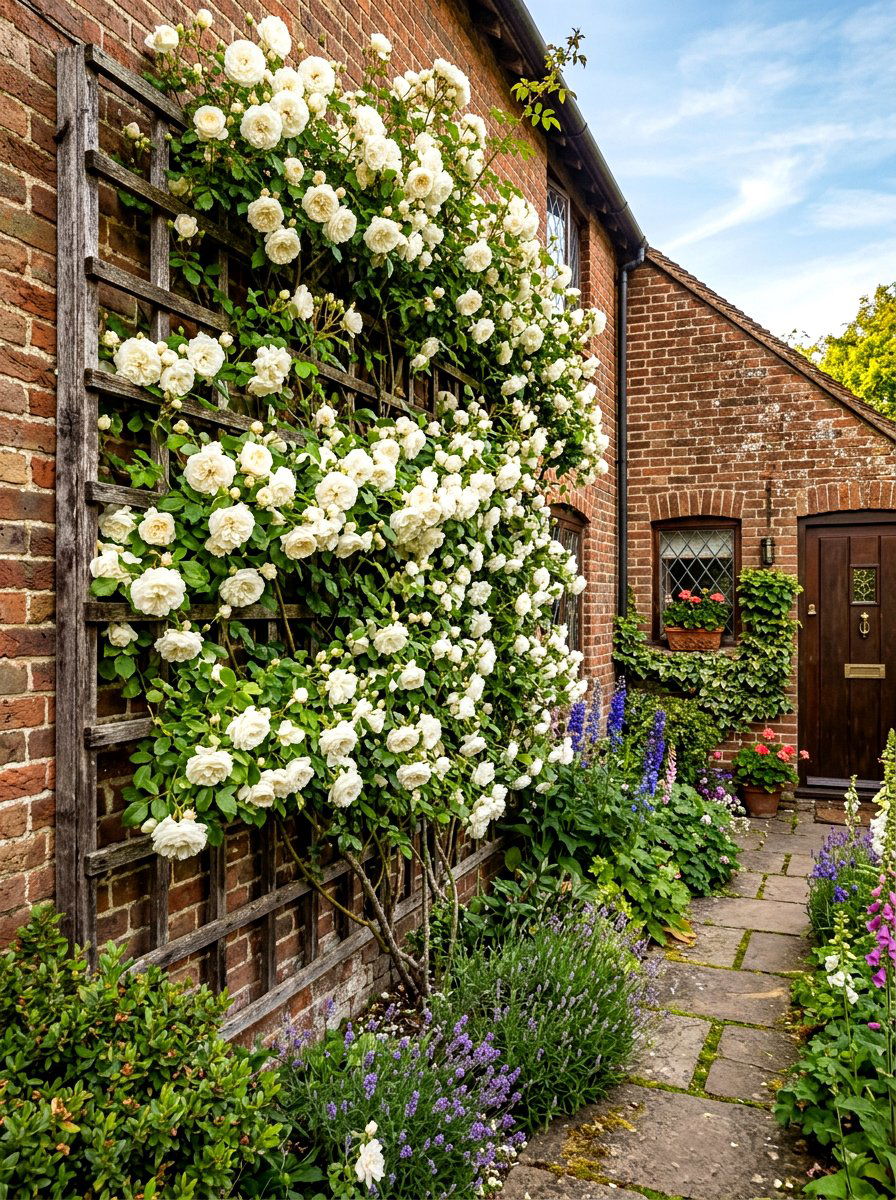
Adding a vertical dimension to your garden with a climbing rose trellis transforms a plain wall into a romantic masterpiece. Roses are the ultimate symbol of cottage style, offering both intoxicating fragrance and lush, layered blooms that peak in the summer. As the vines wrap around a wooden or metal trellis, they create a living tapestry that softens hard architectural lines. You can choose soft pink, creamy white, or deep red varieties to match your desired color palette. This vertical growth is also excellent for smaller gardens where ground space is limited but you still want a high-impact, floral focal point for your visitors.
4. Natural stone garden path
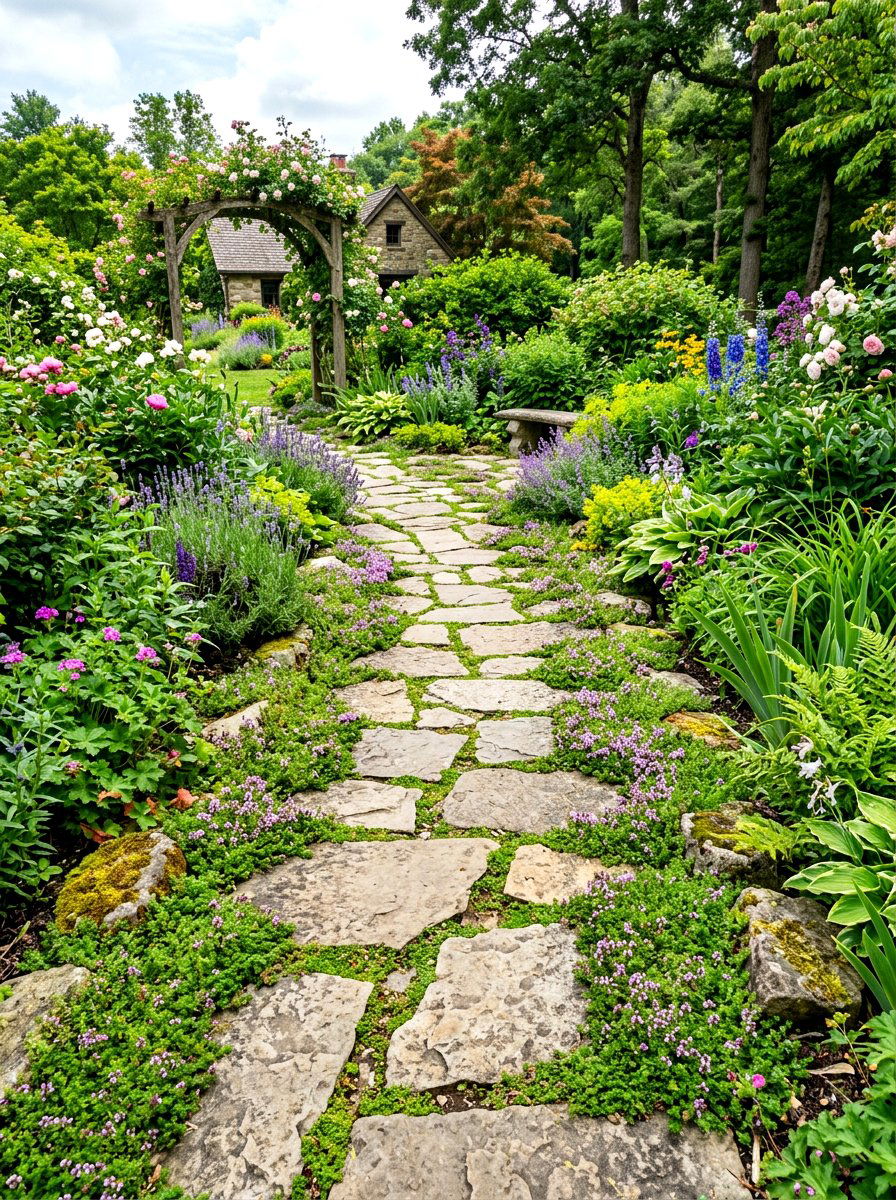
Winding paths made of natural stone invite guests to slow down and explore every hidden corner of your beautiful landscape. Using irregular flagstone or weathered cobblestones creates an organic feel that perfectly complements the unstructured nature of cottage planting. Instead of straight lines, design your walkway with gentle curves that lead the eye toward different garden features or seating areas. You can plant low-growing moss or creeping thyme between the stones to fill the gaps with greenery and pleasant scents. This approach makes the path feel like it has been part of the earth for decades, adding an air of mystery.
5. Vintage iron garden bench
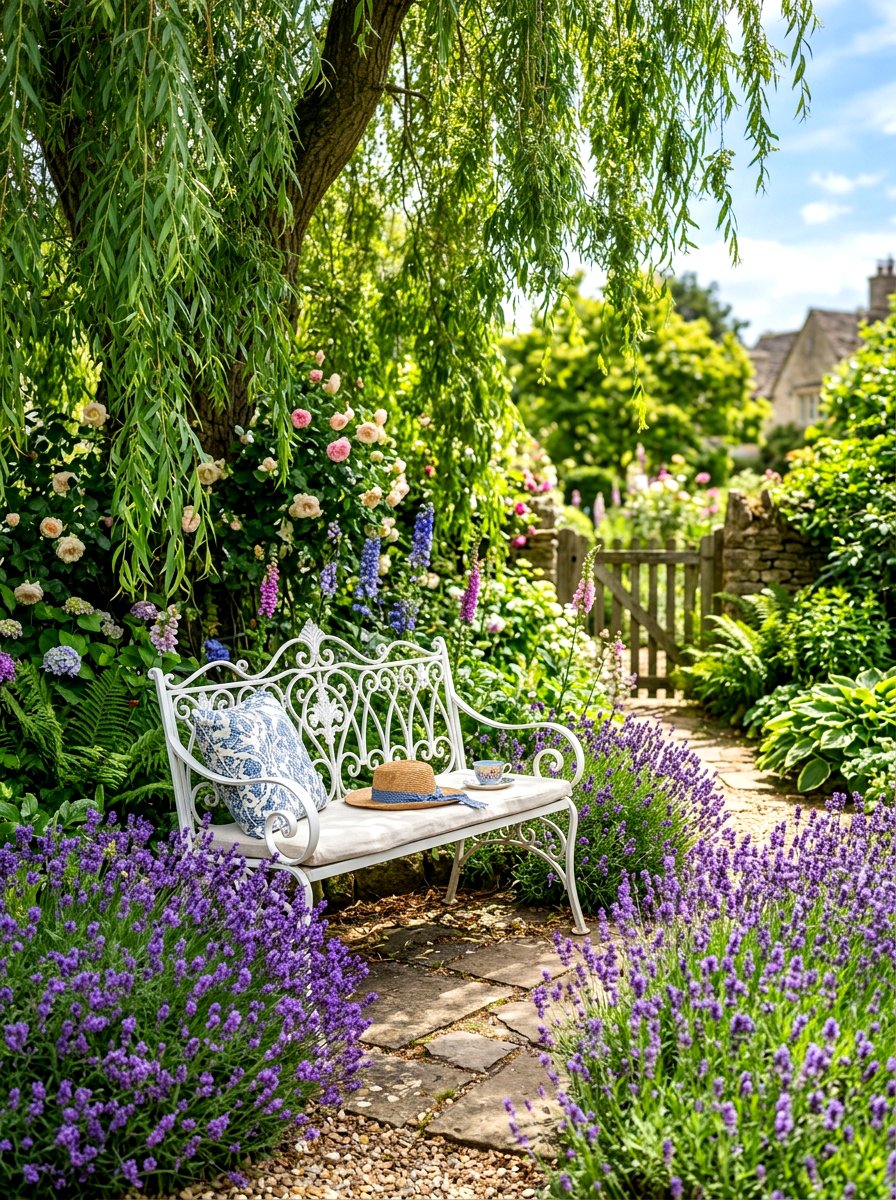
A weathered iron bench tucked under a shady tree offers the perfect spot to sit and enjoy a quiet afternoon. Choosing furniture with intricate scrollwork or a chipped patina adds an authentic vintage feel that aligns with the cottagecore aesthetic perfectly. You can soften the hard metal with floral-patterned outdoor cushions or a simple knit throw for those cooler evenings outside. Placing the bench at the end of a stone path creates a lovely destination within your garden layout. It serves as both a functional seating area and a beautiful decorative anchor that grounds the surrounding flower beds and tall shrubbery.
6. Rustic wooden garden shed
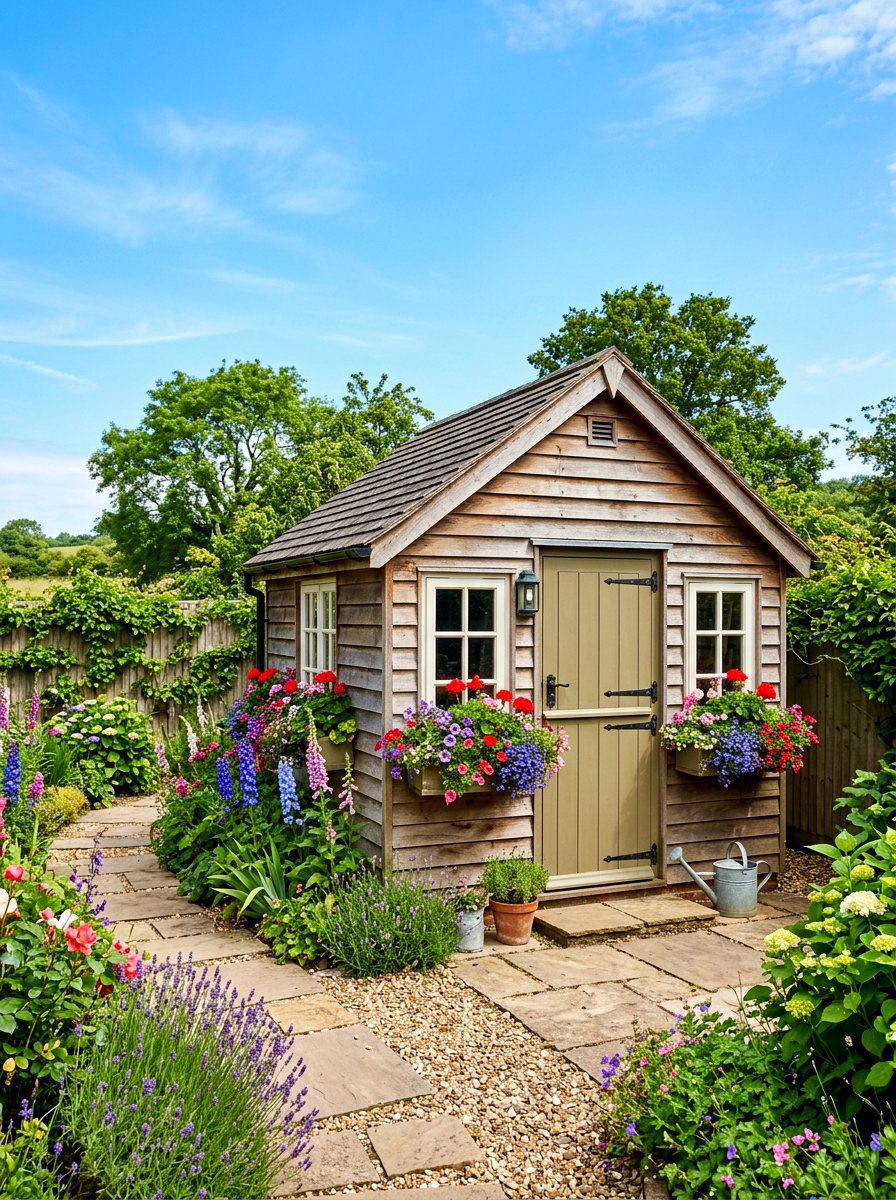
A small wooden shed with a shingle roof can become the charming heartbeat of your functional outdoor workspace and storage. Instead of a modern metal structure, opt for natural cedar or reclaimed wood that will age beautifully over the years. You can add window boxes filled with trailing petunias and a small porch area to make it feel like a tiny cottage. This structure provides a dedicated place for your tools while doubling as a scenic backdrop for photos and garden gatherings. Adding a coat of sage green or dusty blue paint can help the shed blend seamlessly into the surrounding lush greenery.
7. Wildflower meadow backyard
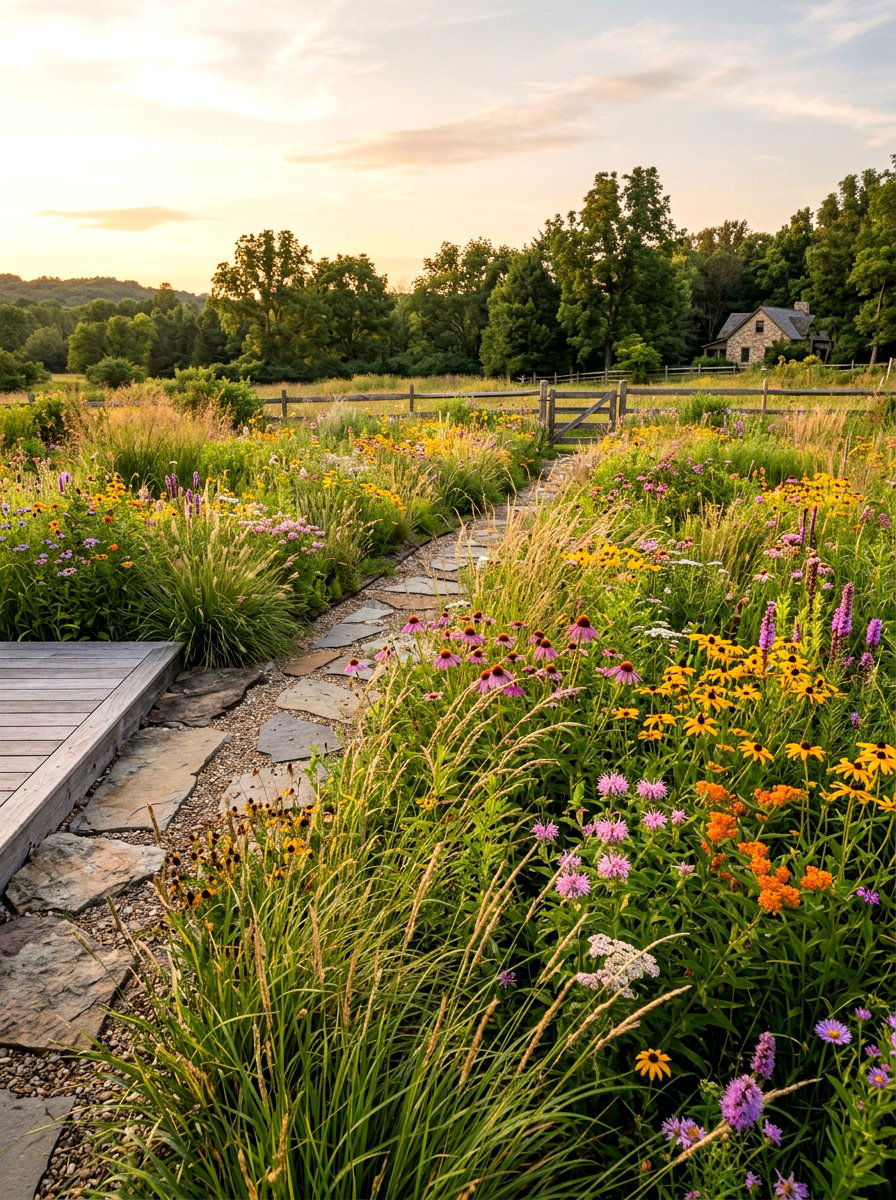
Transforming a portion of your lawn into a miniature wildflower meadow is a wonderful way to embrace the rewilding trend. Instead of perfectly manicured grass, allow native grasses and local blooms to grow tall and sway in the natural wind. This low-maintenance approach creates a haven for local pollinators and brings a sense of vast, open countryside to your home. You can mow a simple path through the center to allow for easy walking while keeping the edges untamed and whimsical. This design choice reduces water usage and eliminates the need for harsh chemicals, making your garden more eco-friendly and sustainable.
8. Wrought iron garden gate
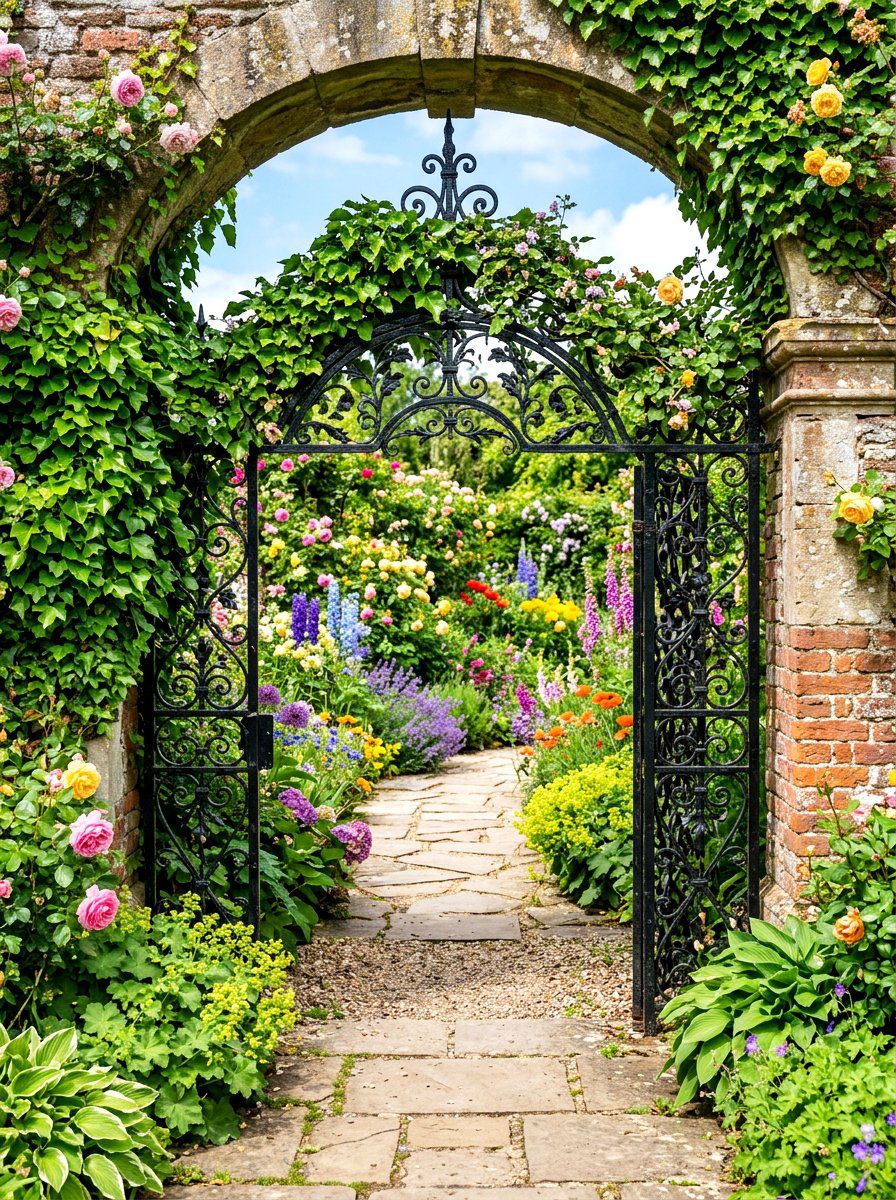
An ornate wrought iron gate serves as a magical entrance that marks the transition from the busy world into your sanctuary. The delicate metalwork allows glimpses of the garden inside, building anticipation as guests approach your front or side yard entrance. You can encourage climbing ivy or clematis to weave through the bars, further integrating the structure into the natural landscape. A gate with a slightly rusted finish or a vintage latch adds a sense of history and character to your property. It provides a sturdy and secure boundary while maintaining the light, airy feel that is so essential for cottagecore.
9. Herb garden in terracotta pots
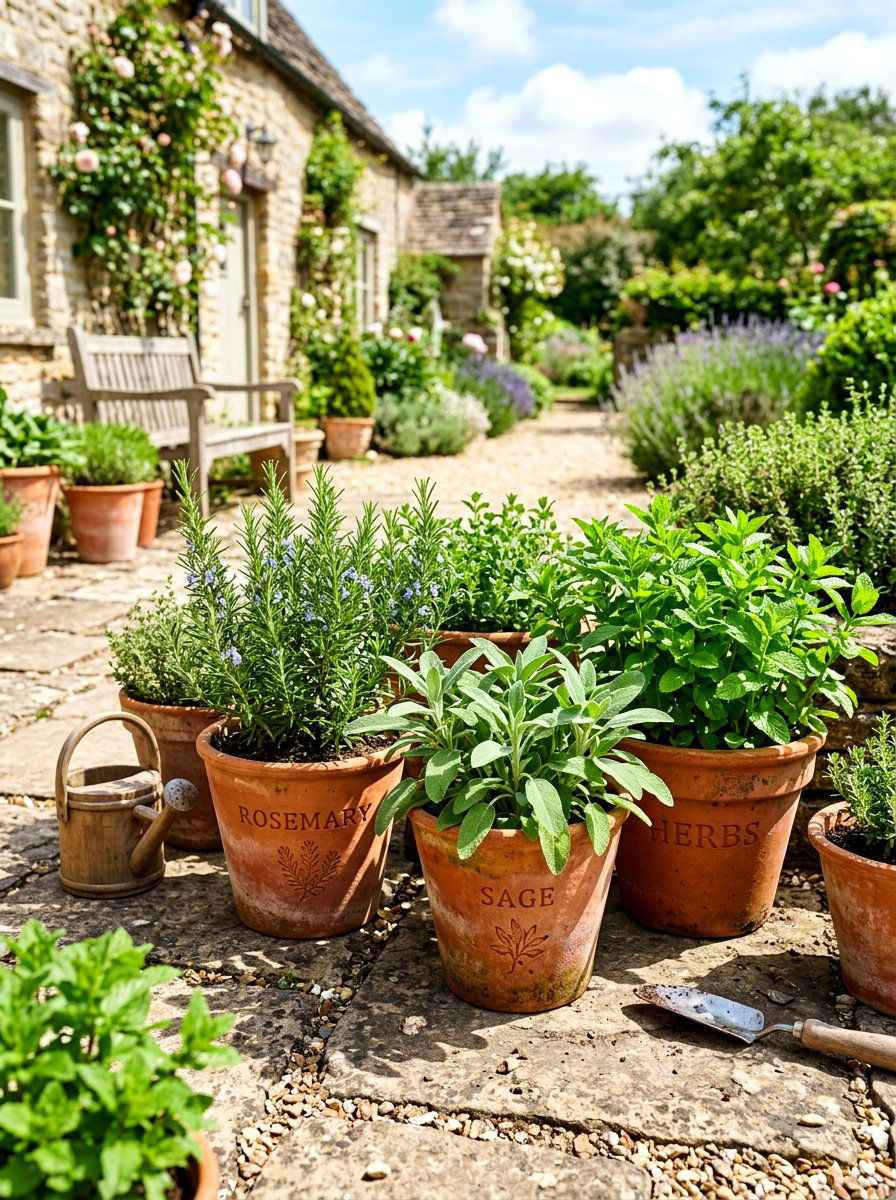
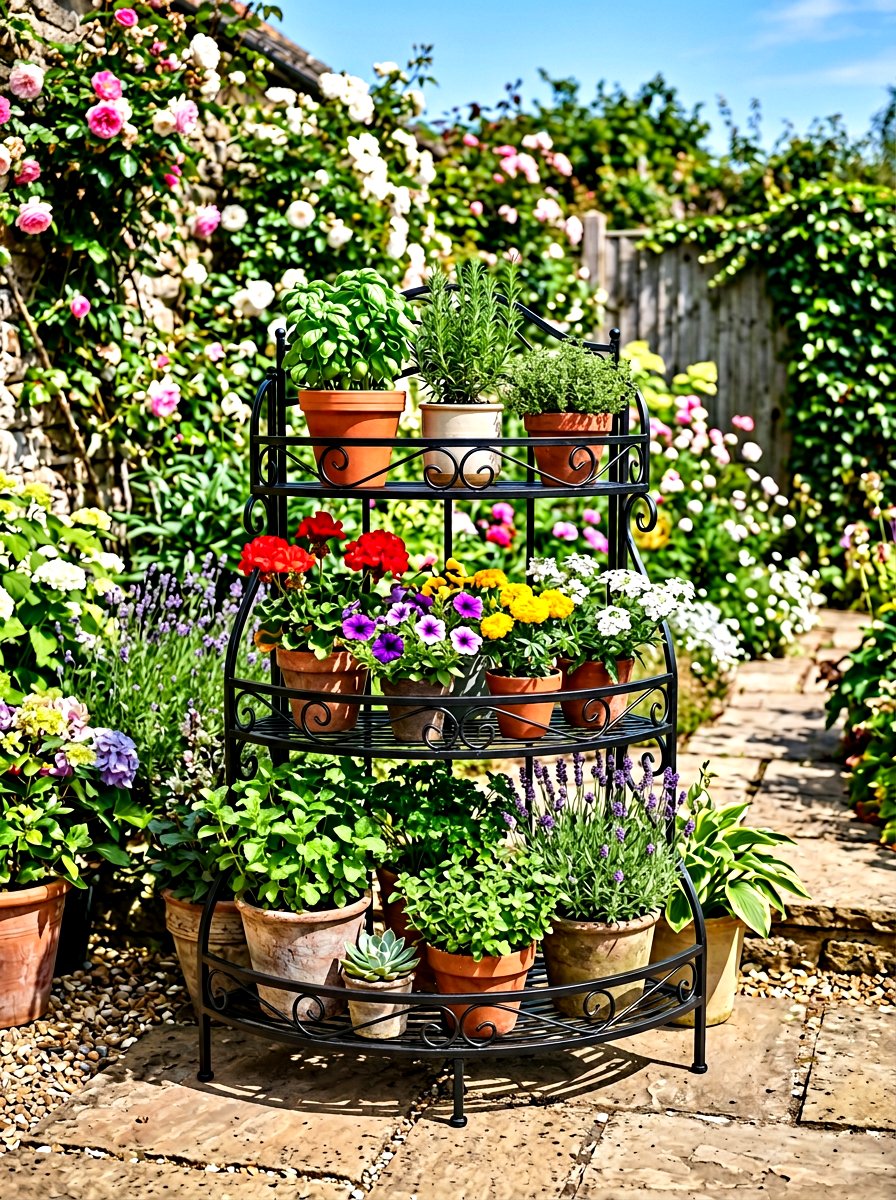
Growing a variety of fresh herbs in weathered terracotta pots is a practical and aesthetically pleasing way to decorate your patio. Grouping different sizes of clay containers together creates a tiered look that adds visual interest to small corners or steps. Herbs like rosemary, lavender, and sage not only look beautiful but also fill the air with amazing, earthy fragrances. These pots develop a lovely white mineral crust over time, which enhances the rustic and lived-in feel of your outdoor space. Having these edible plants close to your kitchen door makes harvesting fresh ingredients for cooking convenient and very enjoyable.

10. Stone bird bath for birds
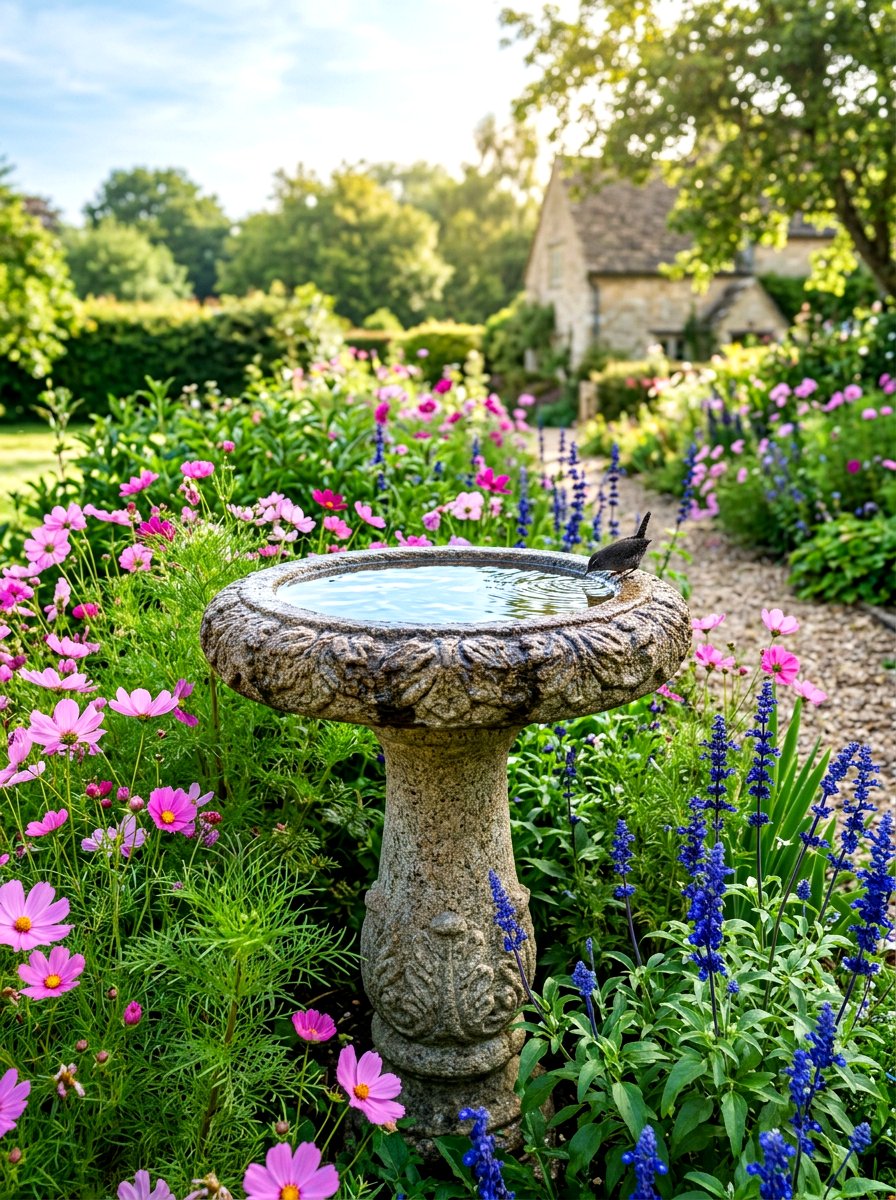
A classic stone bird bath acts as a peaceful focal point that attracts local wildlife and adds a sense of serenity. Placing it in a quiet spot surrounded by low-growing perennials allows birds to feel safe while they drink and splash. The solid, heavy texture of the stone contrasts beautifully with the delicate petals of nearby flowers like cosmos or poppies. Choosing a design with a slightly aged or mossy appearance helps it blend into the natural surroundings more effectively. Keeping the water fresh ensures that your garden remains a lively hub for robins, finches, and other colorful feathered friends.
11. Raised bed vegetable garden
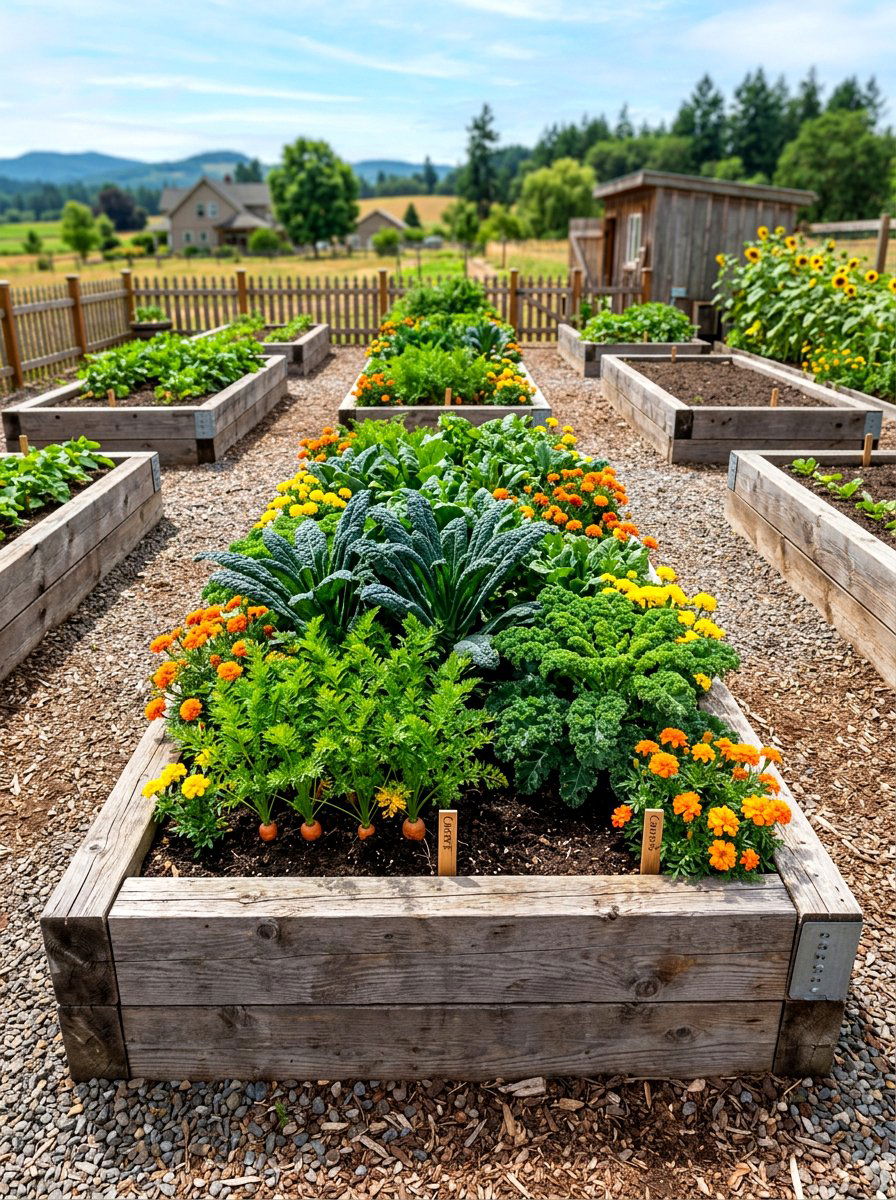
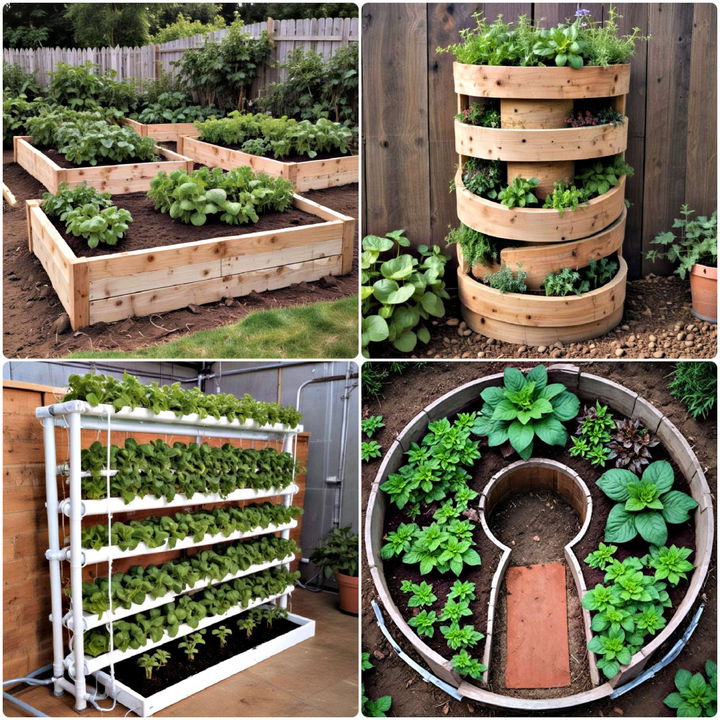
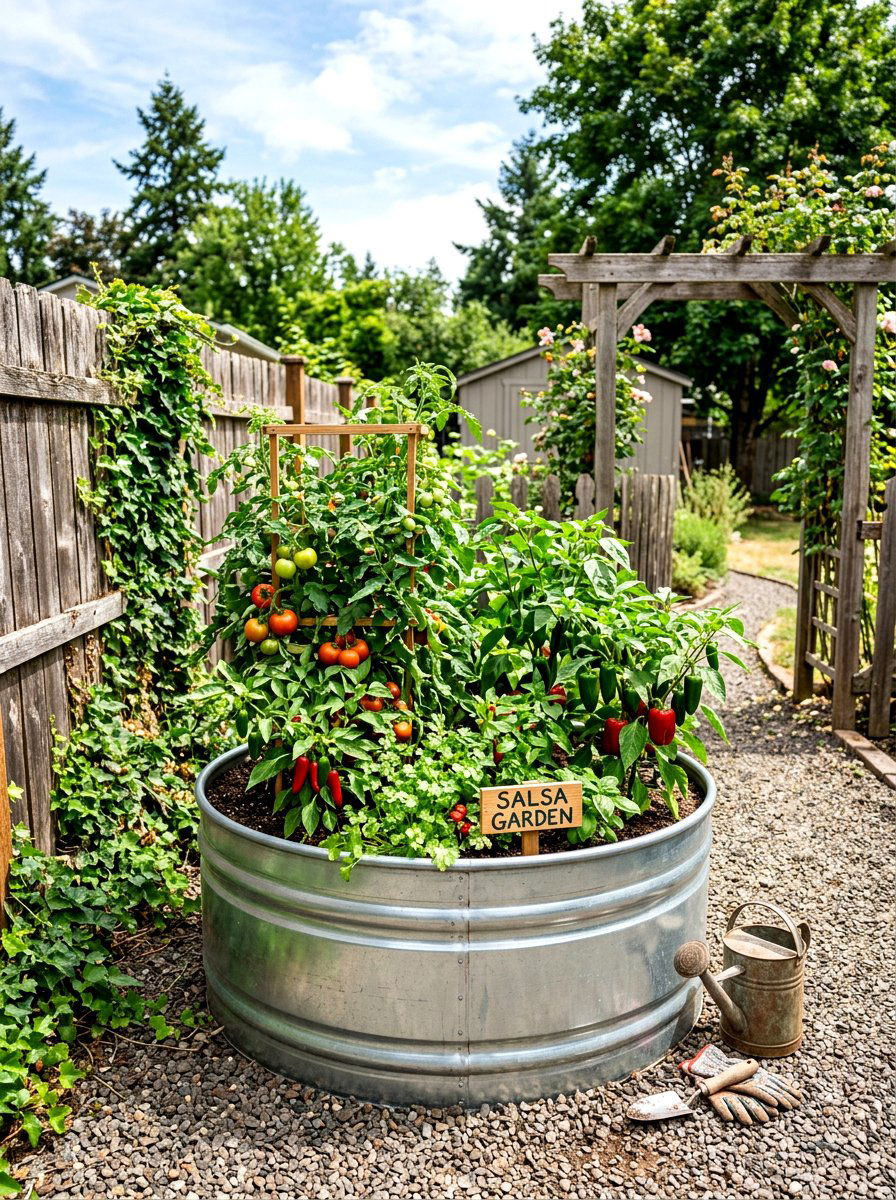
Building raised wooden beds allows you to grow your own produce while maintaining the organized yet rustic charm of a cottage. Using natural timber or stone for the borders keeps the soil contained and makes the garden easier to manage and harvest. You can mix vegetables like kale and chard with edible flowers such as nasturtiums to create a visually stunning display. This integration of beauty and function is a hallmark of the cottagecore lifestyle, emphasizing self-sufficiency and a connection to the land. Adding small slate markers to label your crops adds a thoughtful, handmade touch to the entire gardening experience.
12. Arched garden arbor with vines
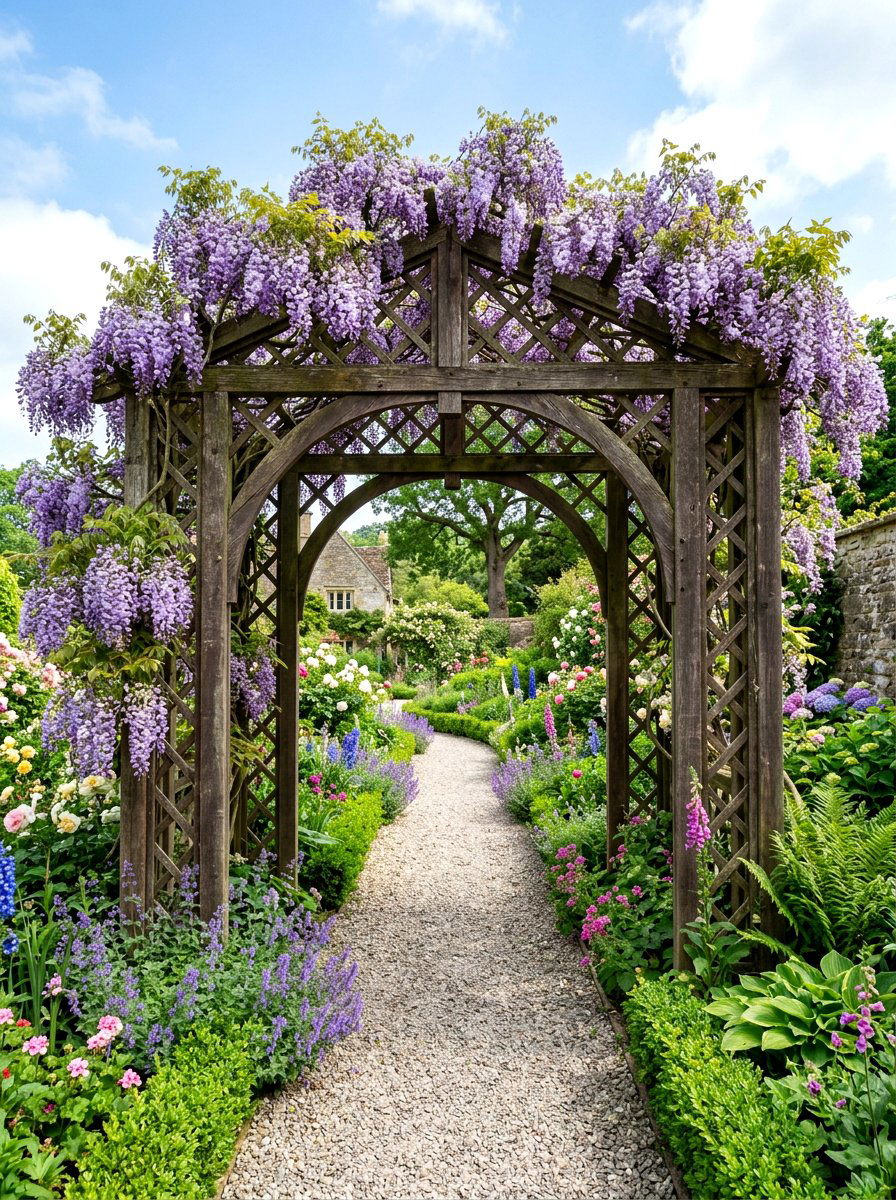
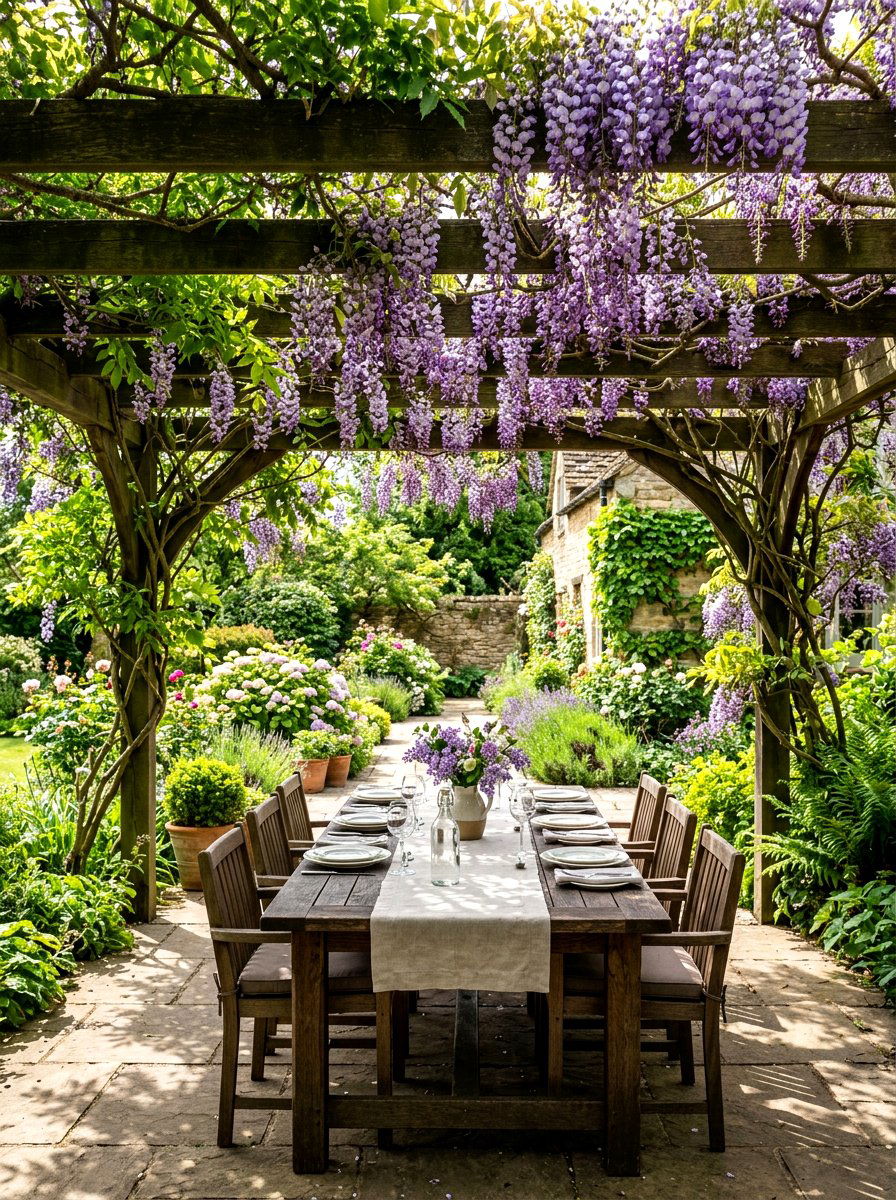
An arched arbor creates a stunning architectural transition that defines different zones within your backyard while adding much-needed vertical interest. You can place an arbor over a gate or a path to act as a romantic doorway into a new area. Growing fragrant jasmine or heavy-headed wisteria over the frame provides shade and a breathtaking canopy of flowers during the spring months. The structure itself can be made of simple wood or dark metal to suit your personal style and garden theme. Walking under a lush, flowering archway feels truly enchanting and heightens the overall sensory experience of your landscape.
13. Old wheelbarrow planter
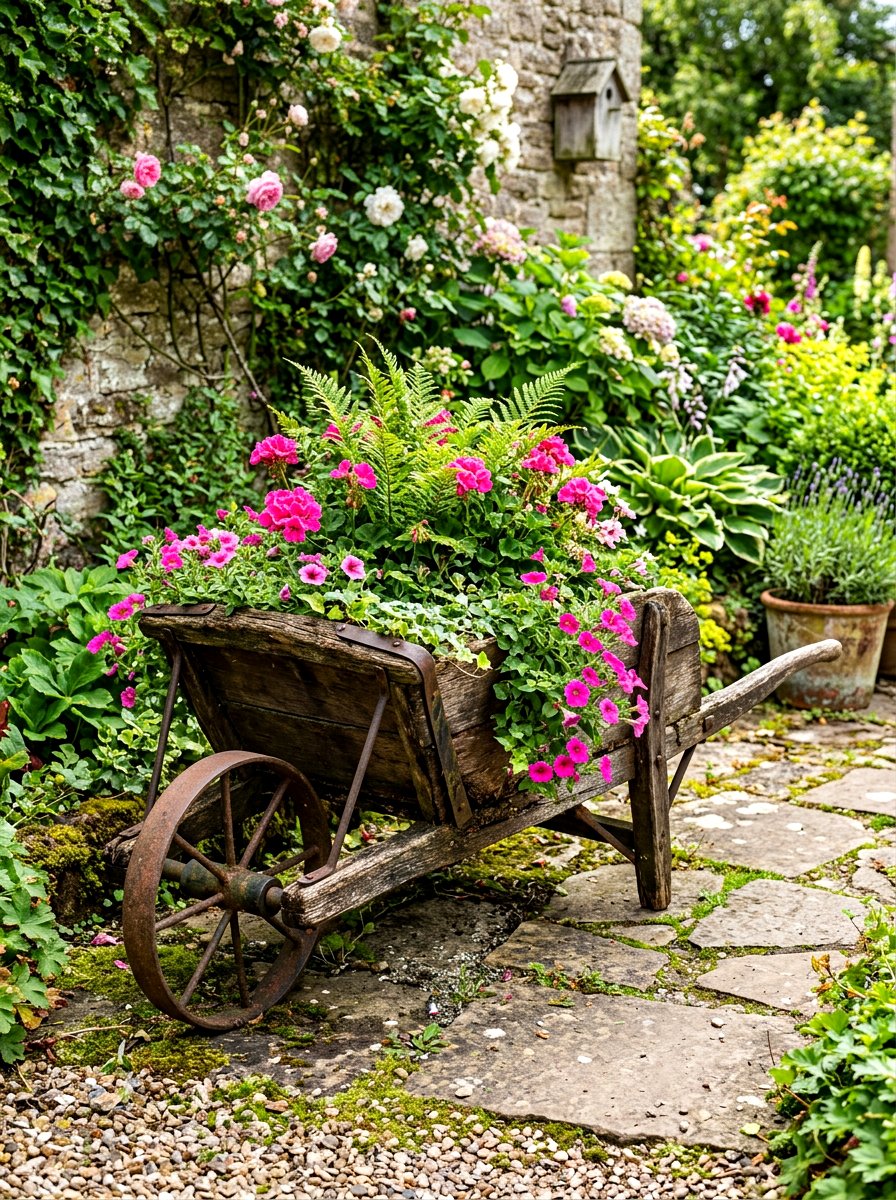
Repurposing a vintage wooden or metal wheelbarrow into a mobile planter is a creative way to add a unique focal point. You can fill the basin with a mix of trailing vines, bright geraniums, and soft moss for a lush look. This decorative piece tells a story of hard work and history, making your garden feel more authentic and less manufactured. Because it is raised off the ground, it protects your plants from some pests while adding height to your floral displays. It is an excellent way to recycle old farm equipment and give it a beautiful new life in your yard.
14. Gravel walkway with lavender
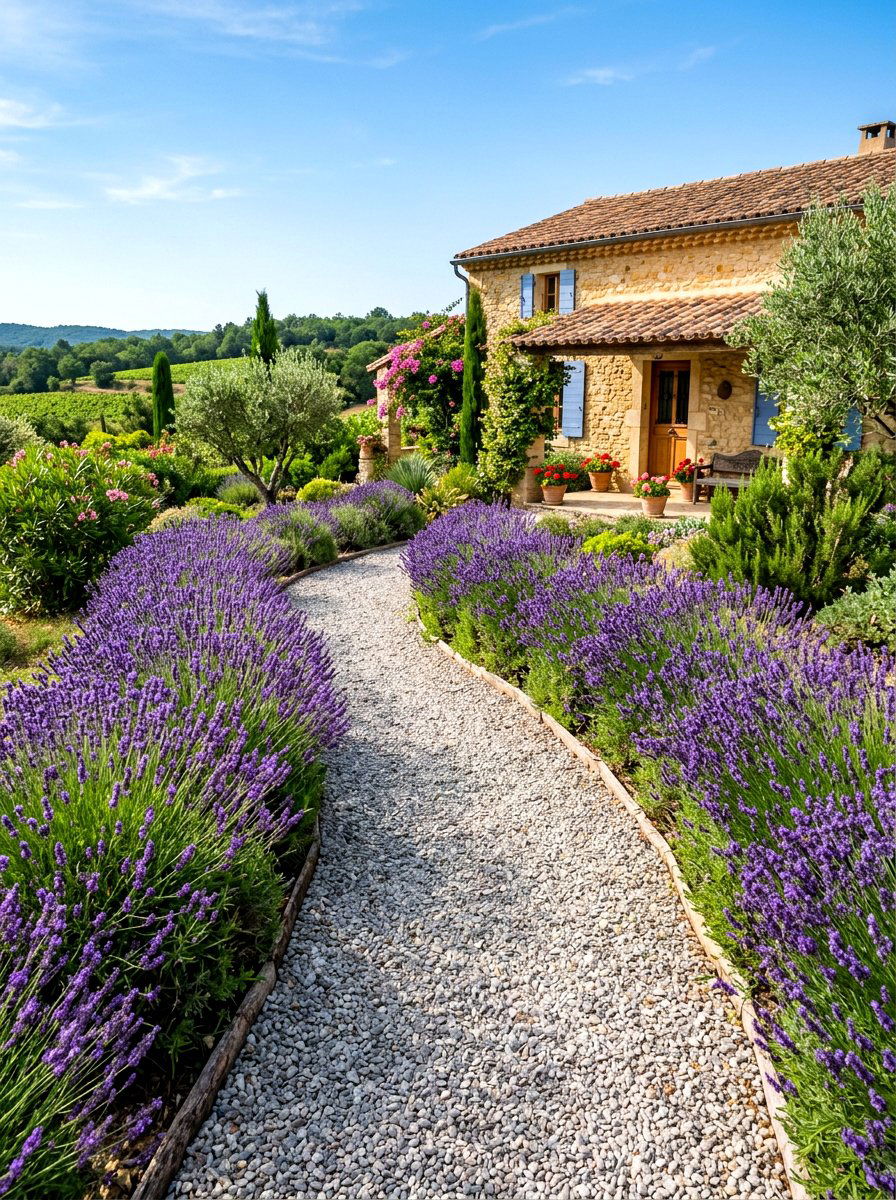
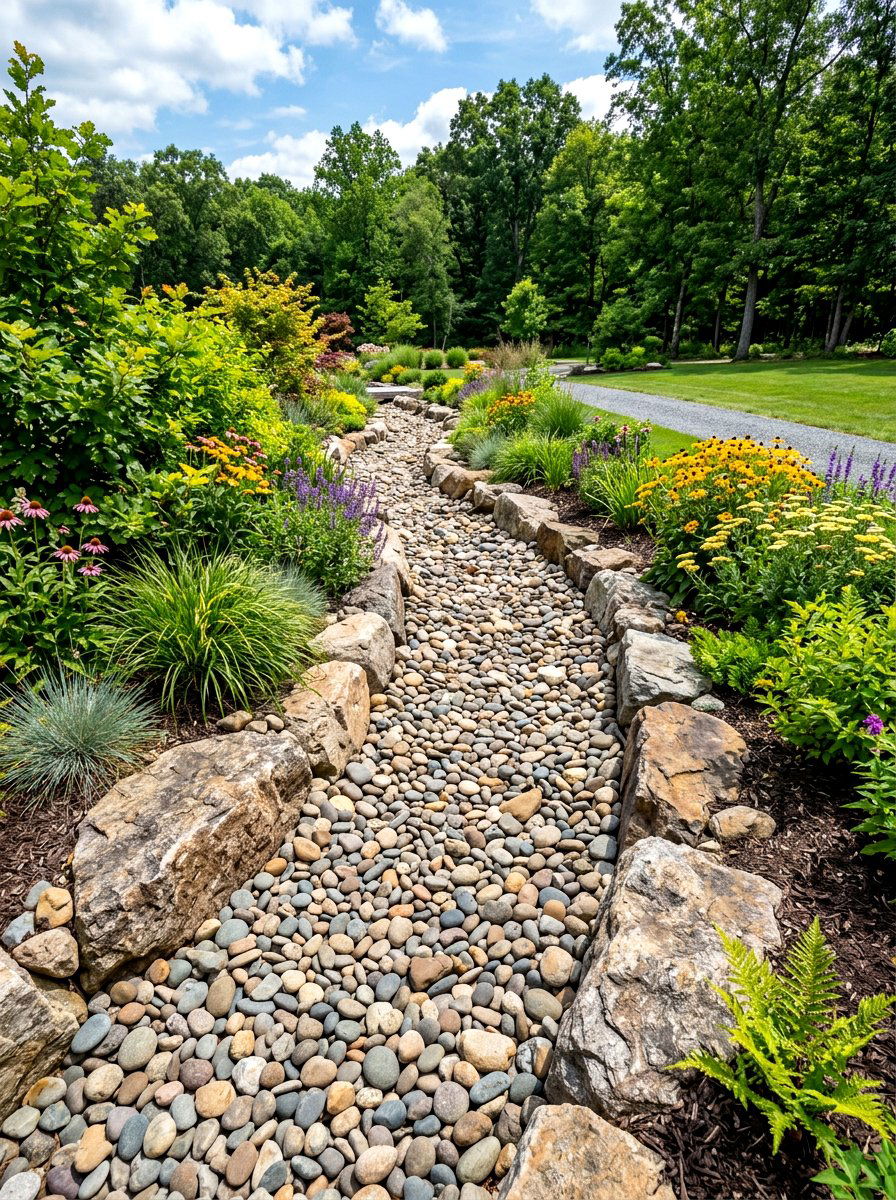
A crunchy gravel walkway lined with aromatic lavender plants creates a multi-sensory experience that is synonymous with French and English cottages. The sound of footsteps on the small stones is incredibly relaxing and provides a contrast to the soft foliage nearby. Lavender is a hardy perennial that offers silvery leaves and purple spikes that attract bees and smell absolutely heavenly in the sun. As you walk by, your clothes may brush against the plants, releasing their calming scent into the air around you. This type of path is also excellent for drainage and works well in sunny, dry areas of the garden.
15. Perennial flower border layout
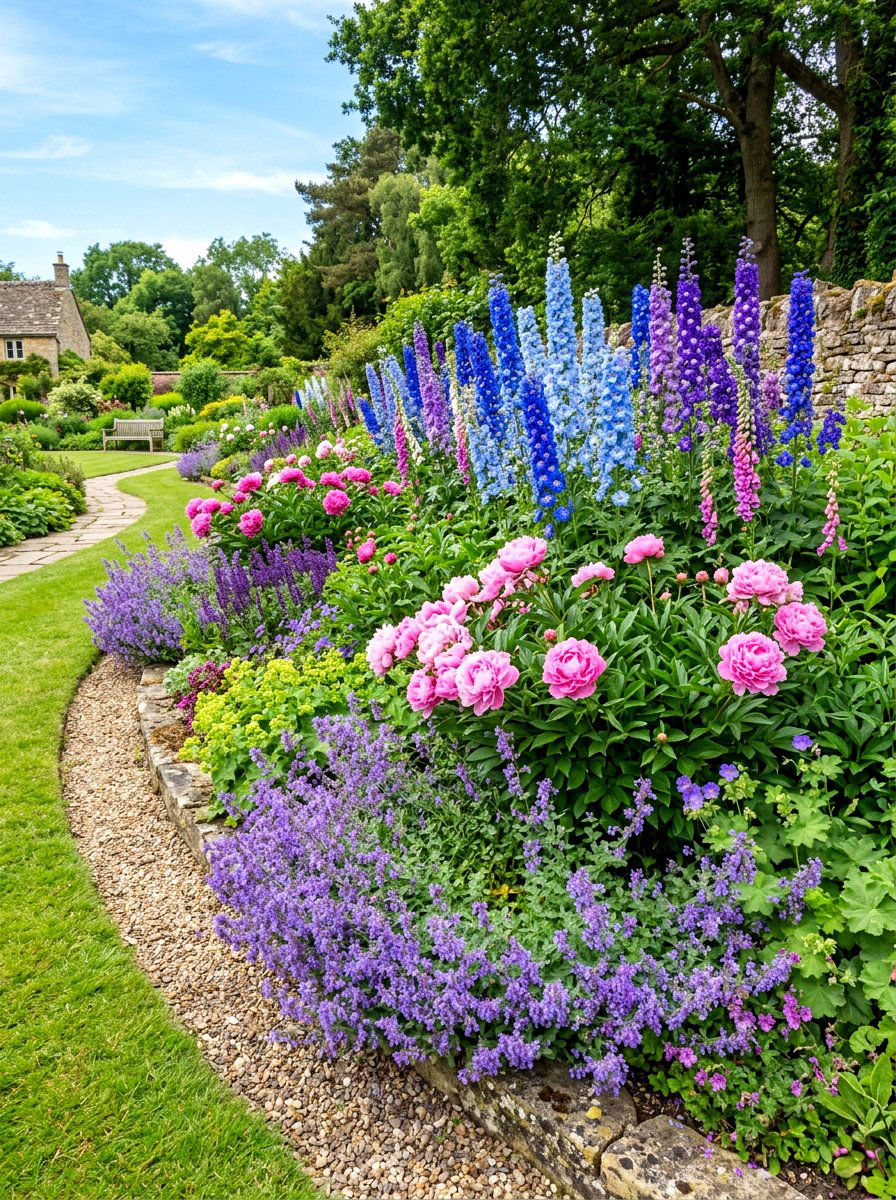
Designing a deep perennial border ensures that your garden has layers of interest that return with more vigor every single year. You should place taller plants like delphiniums and hollyhocks at the back, with medium-height peonies and phlox in the middle section. Finish the front edge with low-growing plants like catmint or hardy geraniums that spill over the border onto your path. This staggered planting technique creates a sense of abundance and fullness that is characteristic of the cottage aesthetic. Choosing a variety of bloom times ensures that your borders remain colorful from early spring through the late autumn months.
16. Shady woodland garden nook
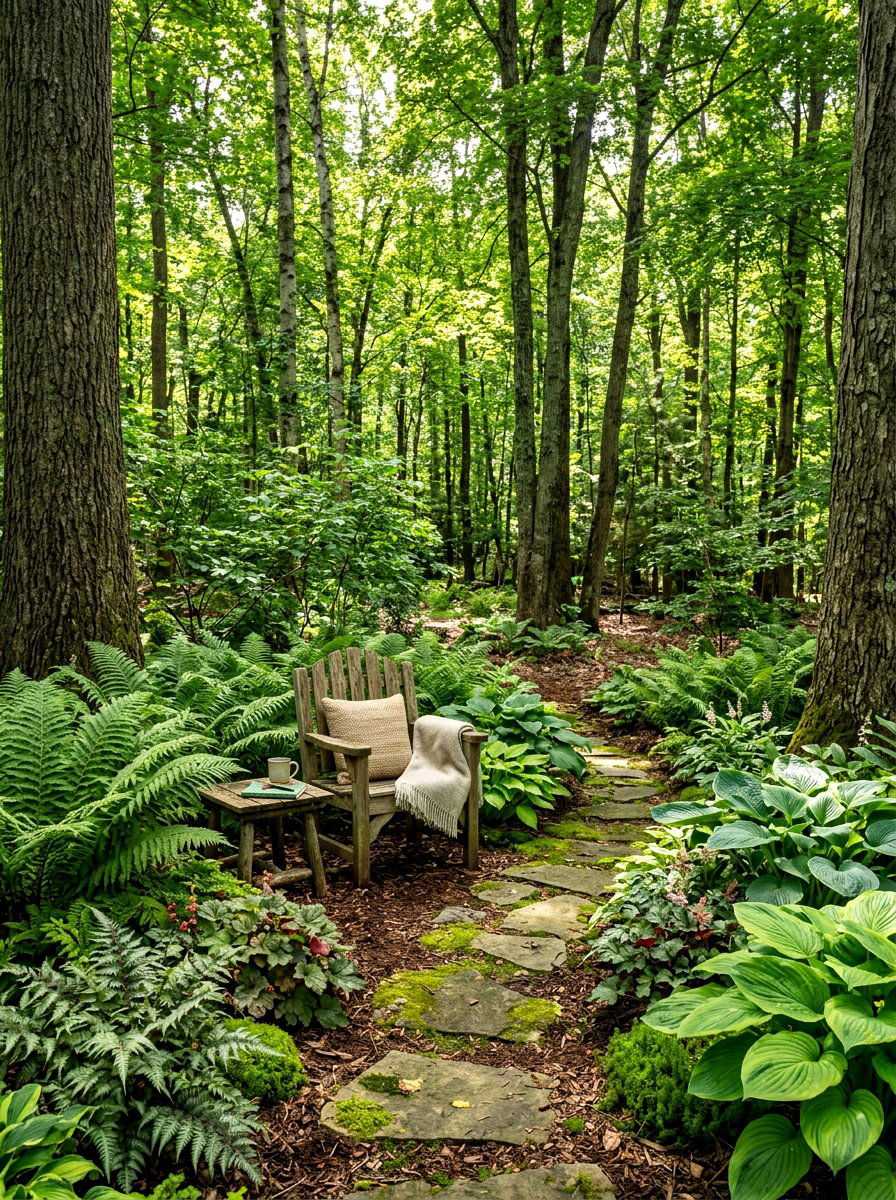
If you have a corner with large trees, creating a shady woodland nook provides a cool retreat during the hot summer days. You can plant shade-loving species like ferns, hostas, and bleeding hearts to create a lush, green tapestry under the canopy. Adding a simple wooden chair or a small stone bench makes it a perfect place for reading or quiet contemplation. Using wood chips or pine needles for the ground cover keeps the area looking natural and helps retain moisture for the plants. This hidden spot adds a layer of depth and mystery to your garden, making it feel much larger.
17. Antique metal watering can decor
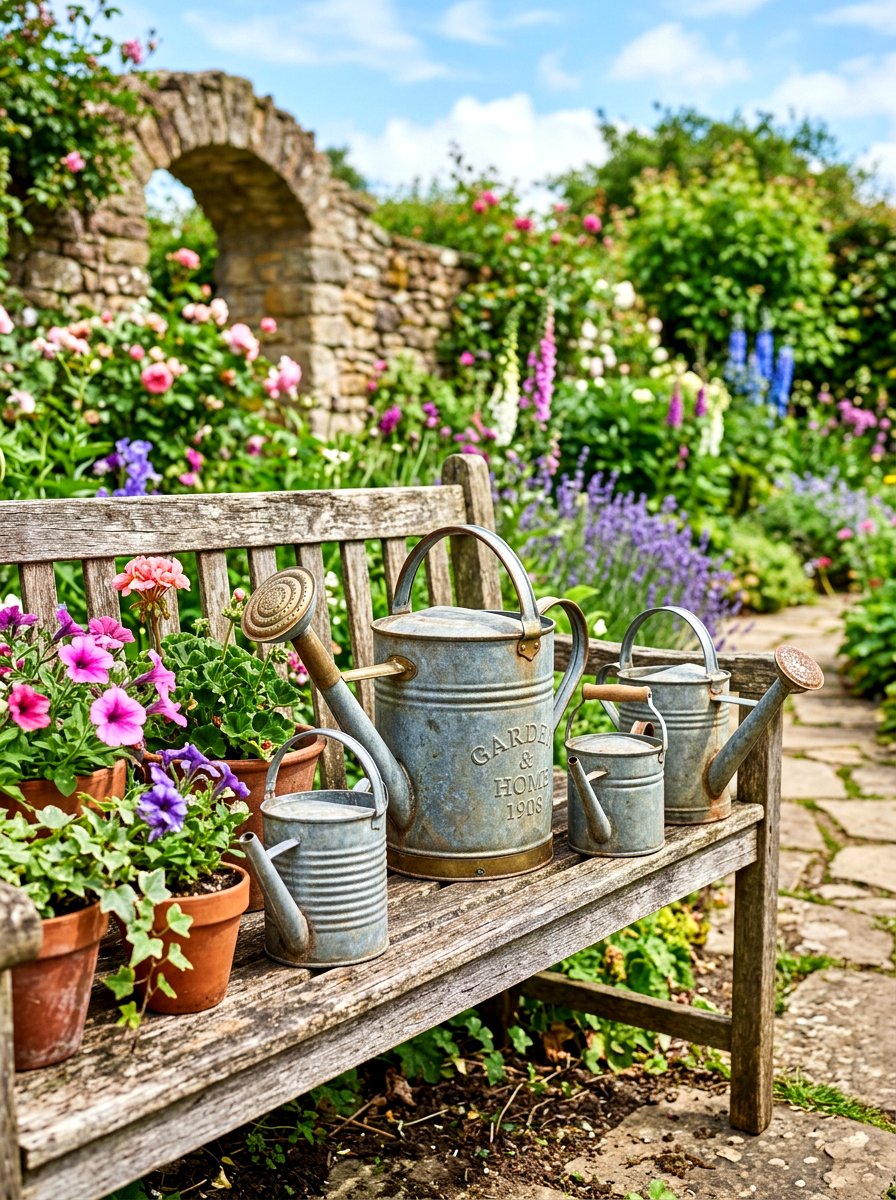
Using antique metal watering cans as decorative accents adds a touch of functional history to your porch or garden beds. You can leave them out as sculptural pieces or use them as unique containers for seasonal flowers like tulips or pansies. The galvanized metal or aged copper finishes provide a rustic texture that pairs beautifully with the soft greens of garden foliage. Placing a few different sizes together on a potting bench or near a garden gate creates a charming and curated look. These small details are what truly bring the cottagecore theme to life, showing a love for the gardening craft.
18. Potting bench for outdoor plants
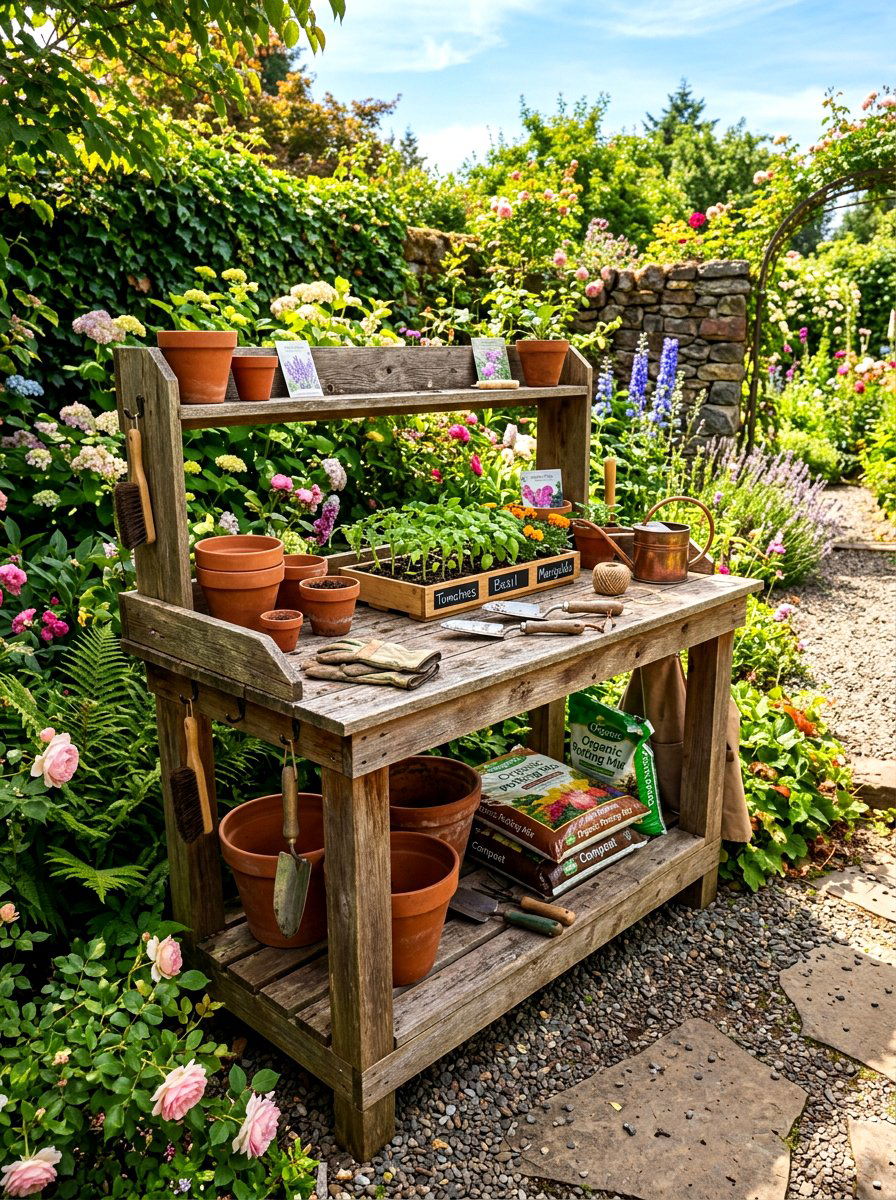
A rustic potting bench made of weathered wood serves as both a practical workspace and a beautiful display for your pots. You can use the top surface for repotting flowers while the lower shelves hold terracotta containers, bags of soil, and hand tools. Adding a few hooks for your gardening apron and hats makes the space feel lived-in and fully functional for daily chores. Placing the bench against a fence or shed wall creates a dedicated zone for your hobby and keeps your supplies organized. It becomes a focal point that highlights the messy, beautiful reality of tending to a living, growing garden.
19. Fruit tree mini orchard
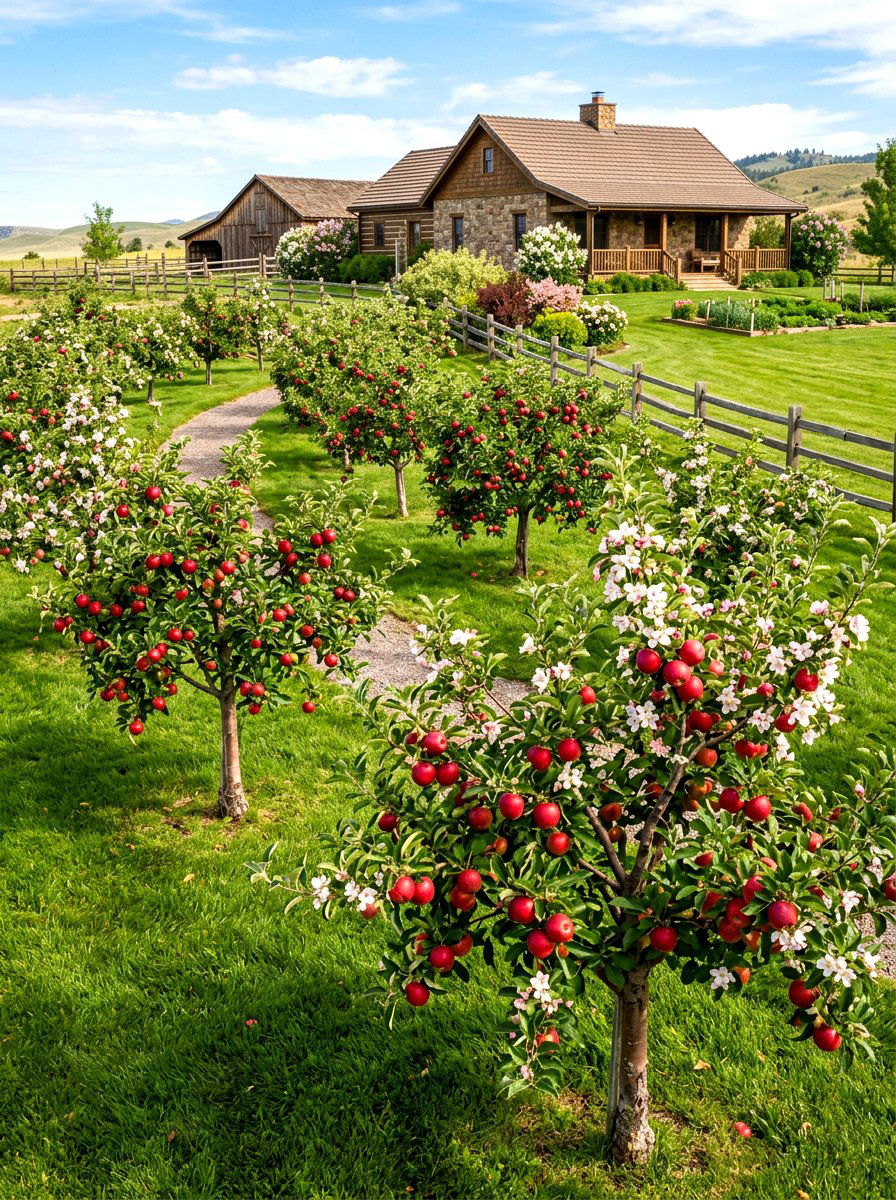
Planting a few dwarf fruit trees like apple, pear, or cherry allows you to harvest your own fresh produce even in smaller yards. These trees provide beautiful blossoms in the spring and delicious fruit in the late summer or autumn for your family. They add a sense of permanence and maturity to the landscape, making the garden feel like an established homestead or farm. You can underplant the trees with spring bulbs or wildflowers to maximize the use of space and increase overall biodiversity. Watching the fruit ripen over the season connects you deeply to the natural cycles of growth and the changing seasons.
20. Bee and butterfly garden plants
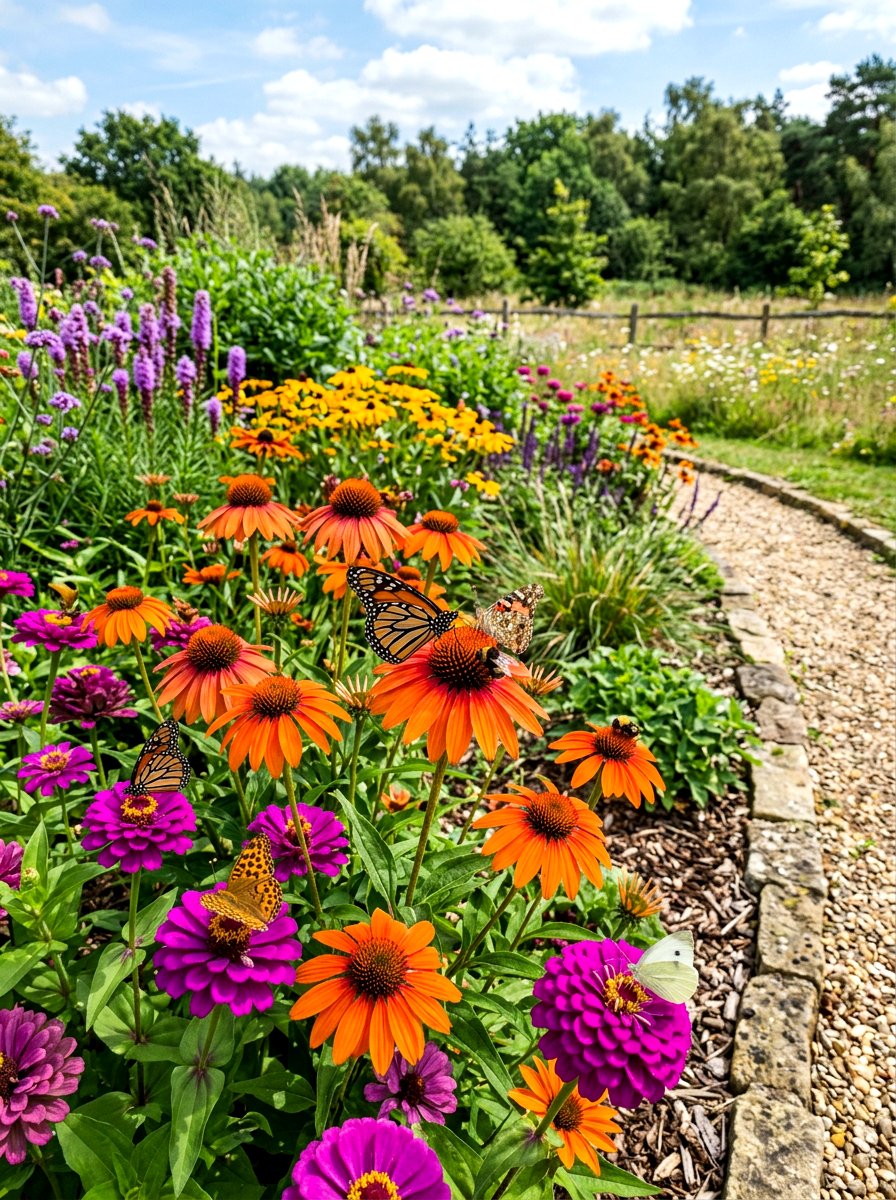
Creating a dedicated space for pollinators is a vital part of a sustainable and thriving cottagecore garden design in any climate. By planting nectar-rich flowers like echinacea, zinnias, and buddleia, you invite a variety of colorful butterflies and helpful honeybees to visit. These insects are essential for the health of your garden and the local ecosystem, ensuring your plants stay productive and healthy. A garden that hums with life feels more vibrant and connected to the wild world outside your fence or property. It provides endless entertainment as you watch different species interact with the blooms you have carefully selected for their survival.
21. Rustic log garden edging
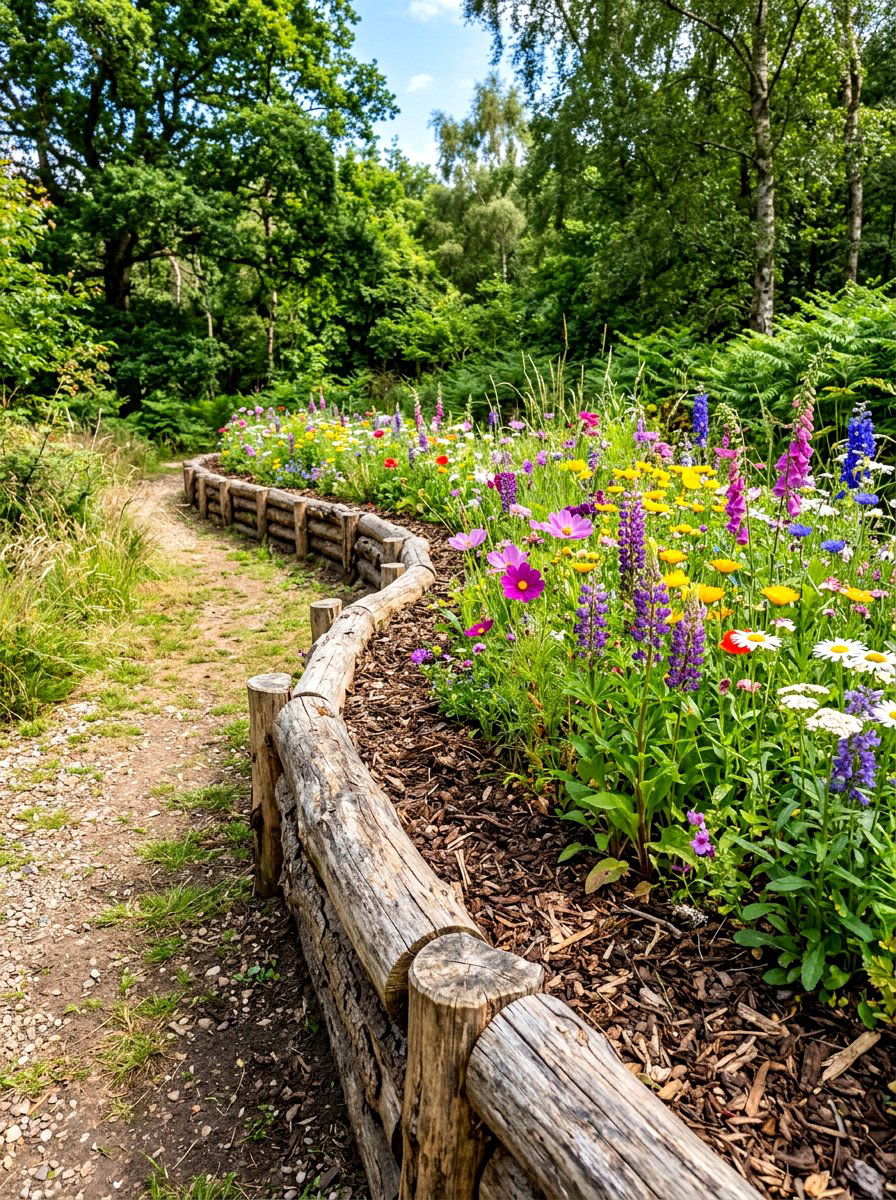
Using natural logs or thick branches to edge your garden beds provides a rustic and affordable alternative to plastic or metal borders. This organic look blends perfectly with the soil and plants, making the transition from path to bed feel soft and very natural. As the wood slowly ages and decays, it provides a habitat for beneficial insects and returns nutrients to the surrounding earth. You can stack the logs at different heights to create a more dynamic and interesting border for your larger flower beds. This choice emphasizes a commitment to using natural materials and embracing the inevitable cycles of the natural world.
22. Hanging flower baskets on porch
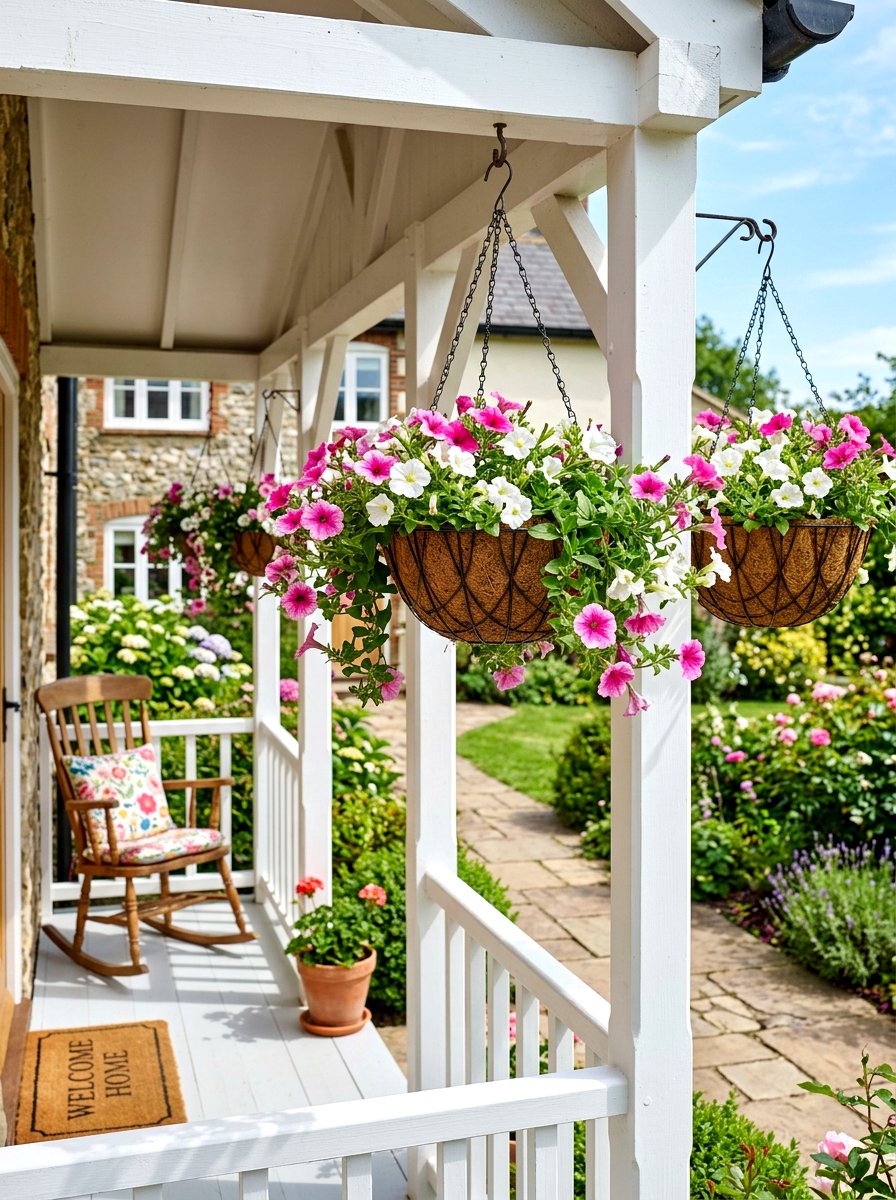
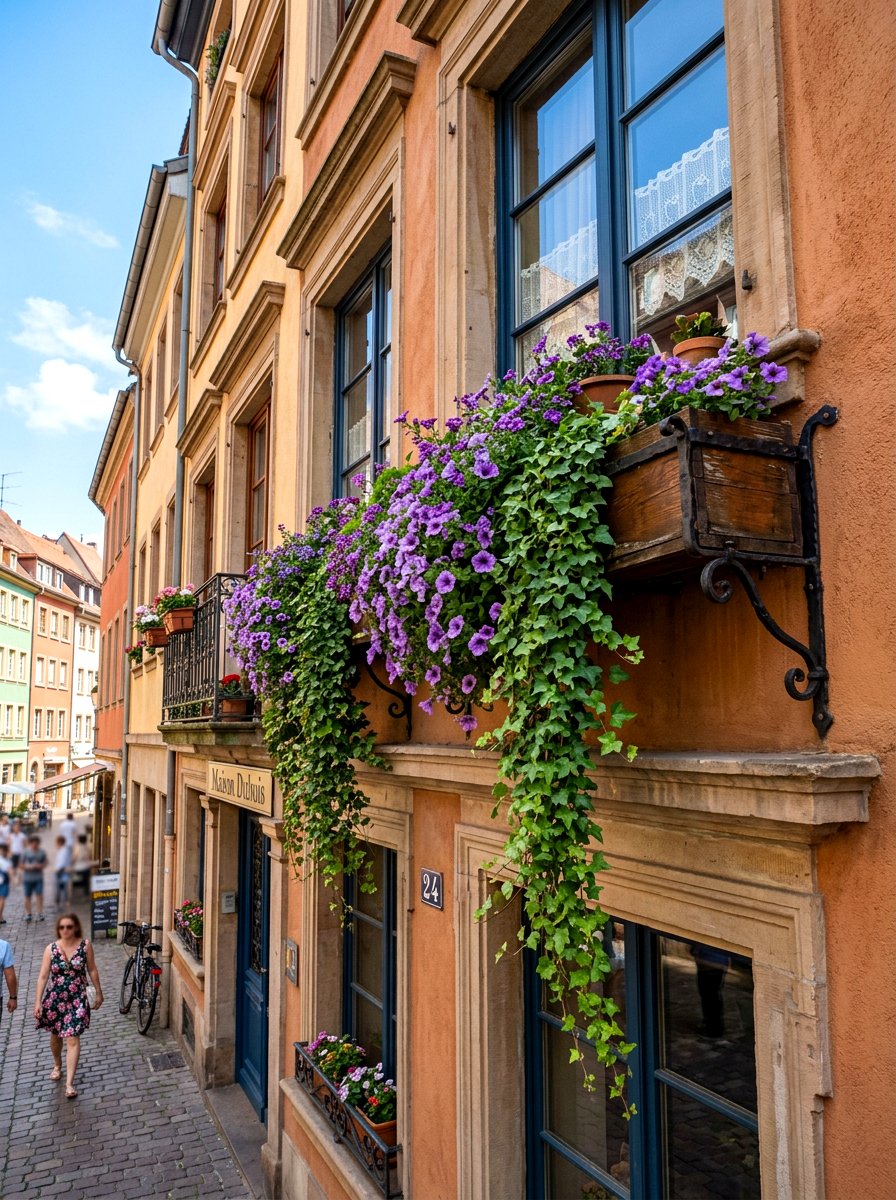
Suspending overflowing flower baskets from your porch or garden structures adds a splash of color at eye level for everyone to see. You can use traditional wire baskets lined with coco liners for an authentic look that feels both classic and very feminine. Planting trailing species like fuchsias, lobelia, or petunias ensures that the flowers spill over the edges in a lush, colorful waterfall. These baskets are perfect for adding charm to smaller spaces like balconies or entryways where ground room is limited. They catch the breeze and move gently, adding a sense of life and animation to your home’s exterior facade.
23. Fairy garden moss details
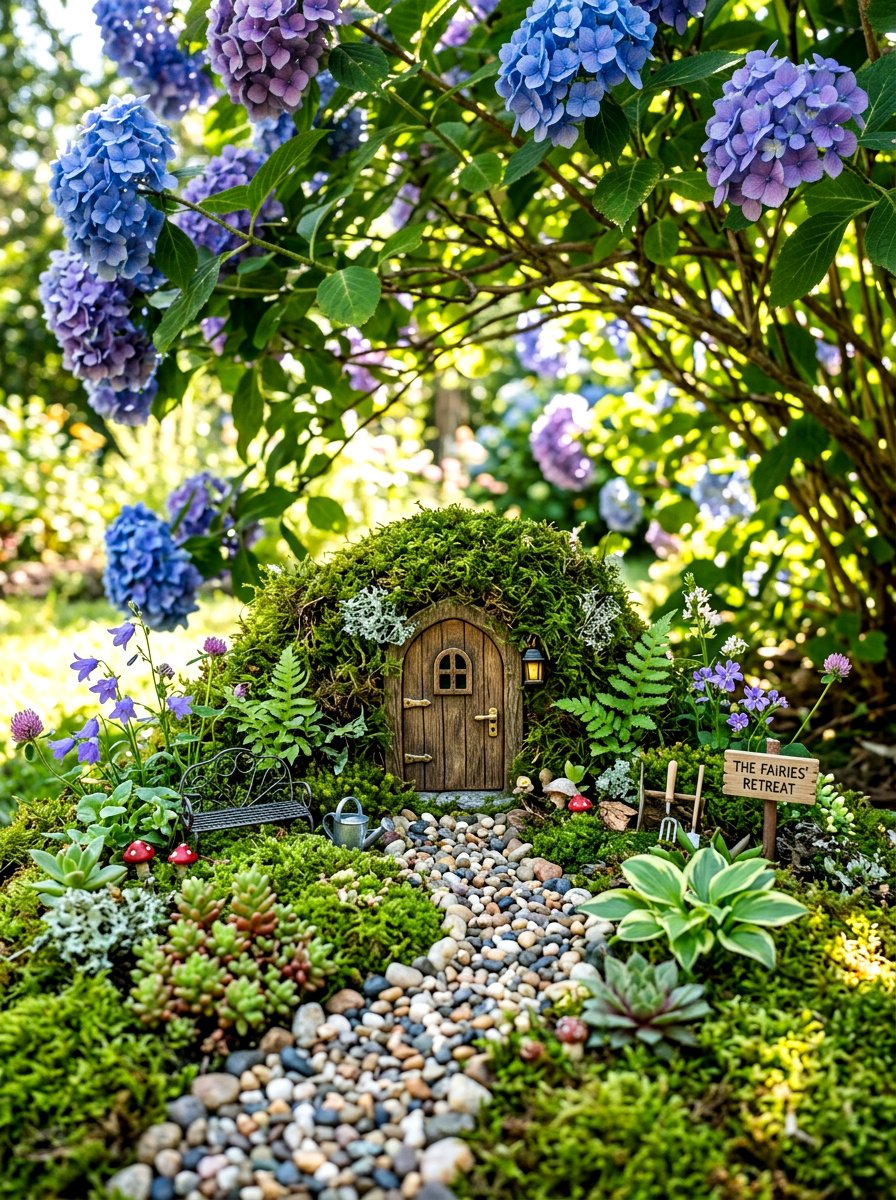
Incorporating tiny fairy garden elements like moss-covered stones or miniature wooden doors adds a playful and whimsical touch to your landscape. These small details encourage a sense of wonder and are especially delightful for children or guests who take the time to look closely. You can find a shaded spot under a shrub to create a miniature scene with tiny furniture and pebble paths for imaginative play. Using real moss ensures the area looks green and magical year-round, even when the larger flowers have faded for the winter. It is a subtle way to lean into the more fantastical and storybook side of cottagecore.
24. Vintage ladder plant stand
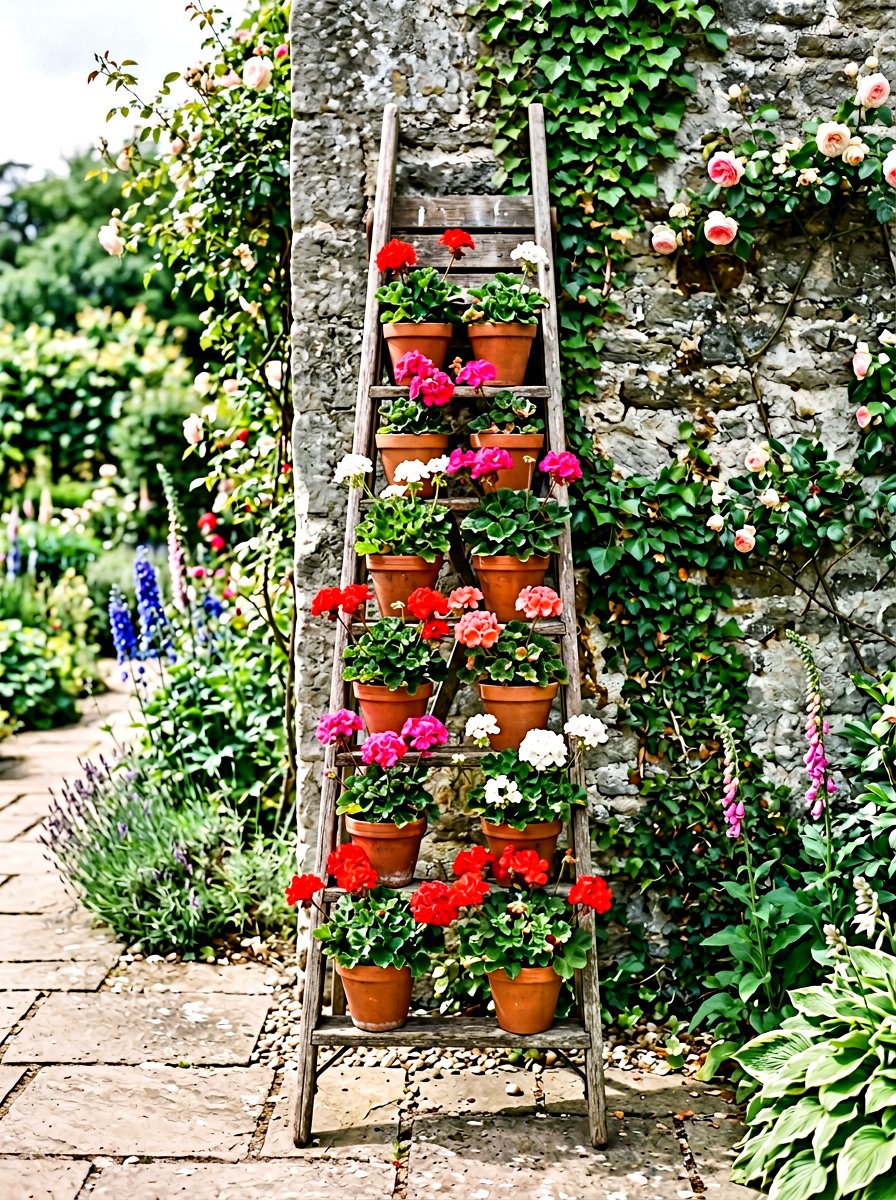
An old wooden ladder can be repurposed as a tiered plant stand to display your favorite potted herbs or seasonal annual flowers. This vertical arrangement is a clever way to add height to a flat patio or to fill an empty wall space. You can paint the ladder a soft pastel color or leave it with its original weathered finish for a more rustic look. Placing different sized pots on each rung creates a lush, cascading effect that looks very organized yet remains perfectly charming. It is a wonderful example of how everyday objects can be transformed into beautiful garden features with a little creativity.
25. Copper rain chain for gutters
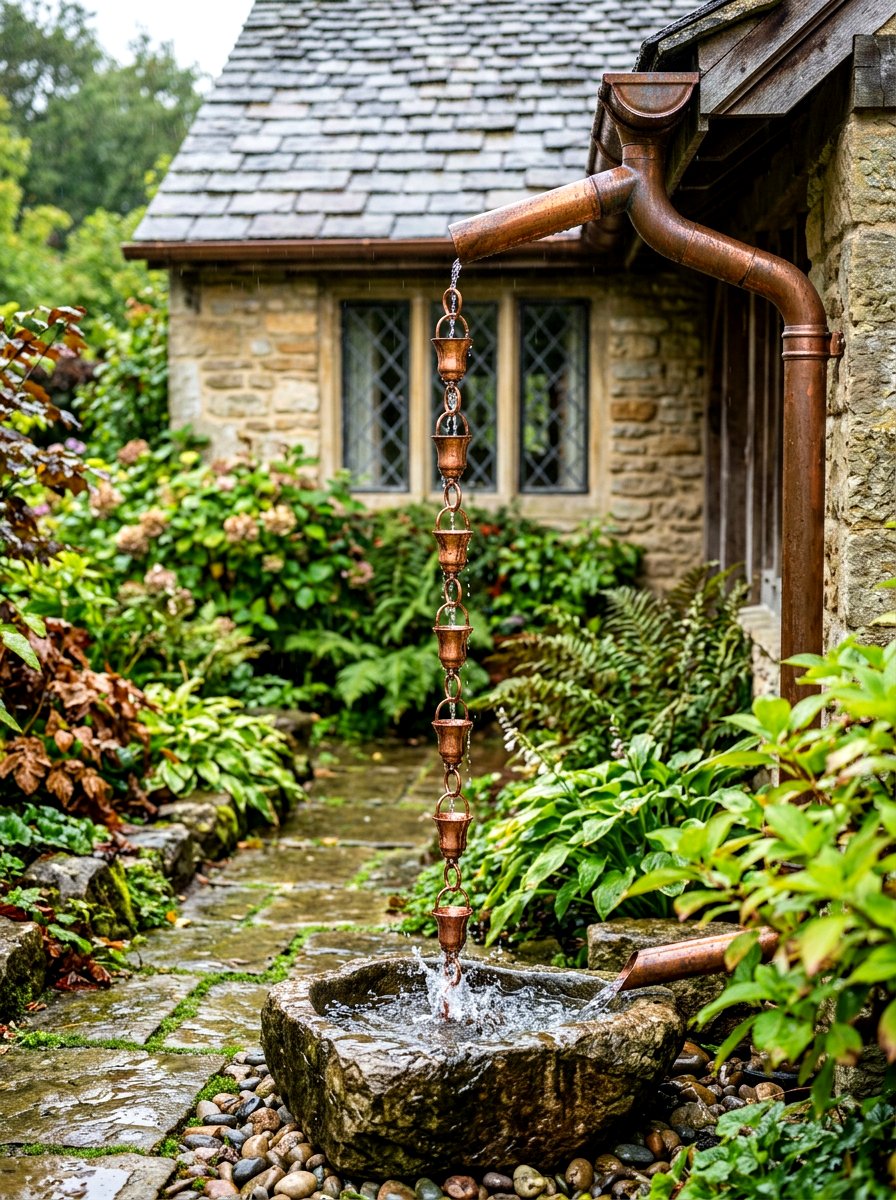
Replacing standard plastic downspouts with a decorative copper rain chain adds a beautiful visual and auditory element to your garden during storms. As rainwater flows down the linked cups or chains, it creates a soothing sound that mimics a gentle mountain stream or waterfall. Over time, the copper will develop a stunning green patina that looks incredibly elegant against a wooden shed or cottage wall. The water can be directed into a stone basin or a rain barrel to be reused for watering your plants later. This functional piece of art enhances the sensory experience of your outdoor space during every type of weather.
26. Willow wattle garden fencing
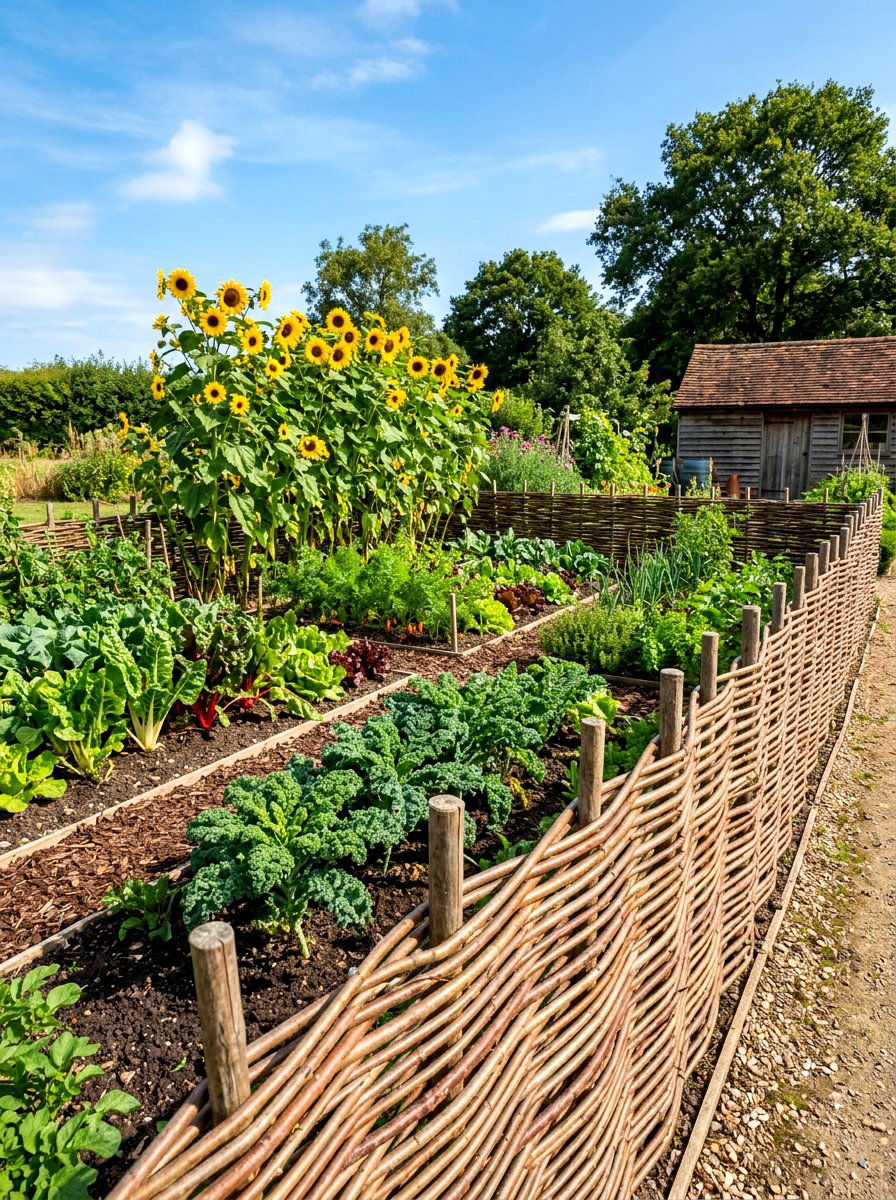
A traditional willow wattle fence offers a rustic and textured boundary that feels much softer than standard modern privacy panels or boards. This ancient fencing technique involves weaving flexible willow branches between upright stakes to create a sturdy and natural-looking screen for your yard. It provides excellent privacy while still allowing some light and air to pass through the small gaps in the weave. This type of fencing looks particularly beautiful when paired with wild, overflowing flower beds and natural stone paths in a rural setting. It is a sustainable and biodegradable option that honors traditional craftsmanship and the use of local natural materials.
27. Outdoor tea party table setting
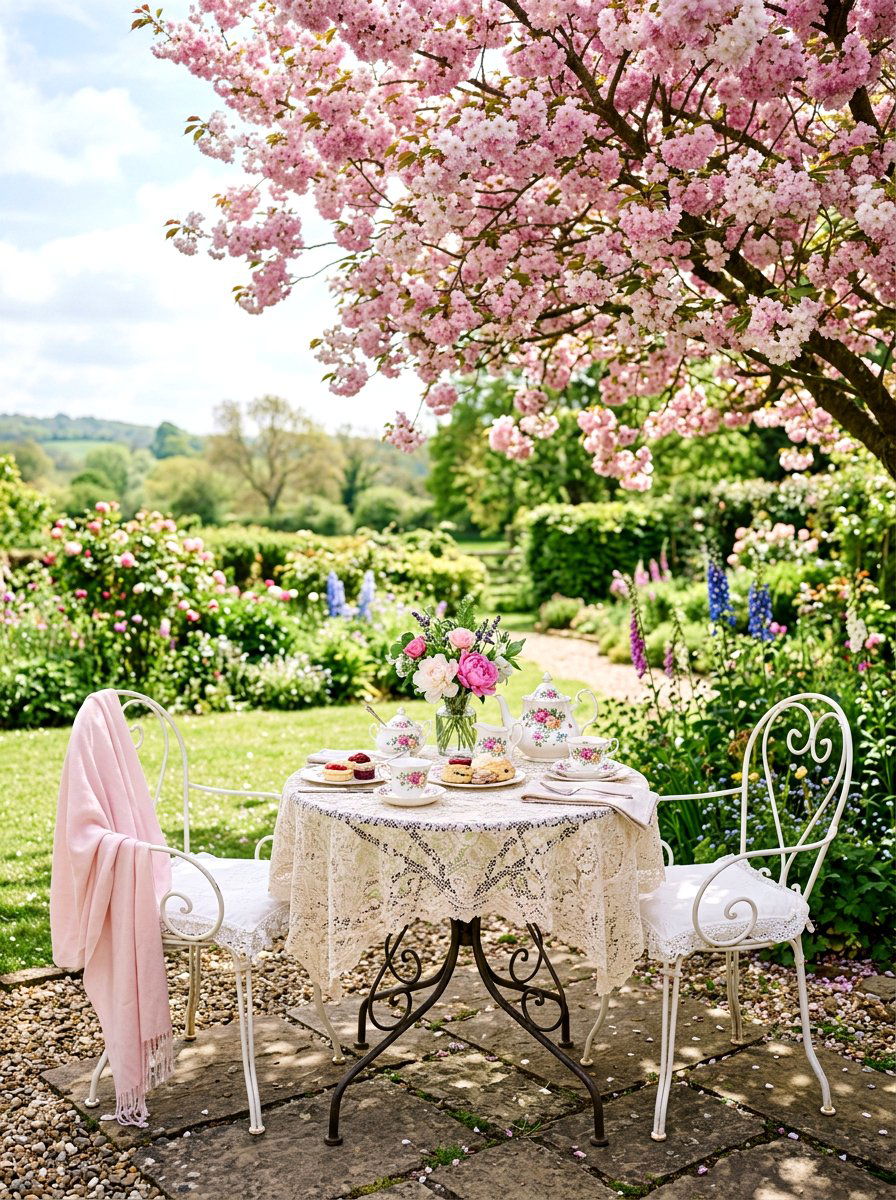
Setting up a permanent or seasonal tea area with a small table and chairs invites you to slow down and enjoy the outdoors. You can use a vintage lace tablecloth and mismatched floral china to create a romantic and nostalgic atmosphere for your guests. Placing the table under a flowering tree or near a fragrant rose bush makes the experience feel truly immersive and relaxing. This setup encourages you to spend more time in your garden, whether you are having breakfast or a quiet afternoon cup of tea. It embodies the cottagecore ideal of finding joy in simple, slow, and beautiful daily rituals.
28. Sunken stone fire pit area
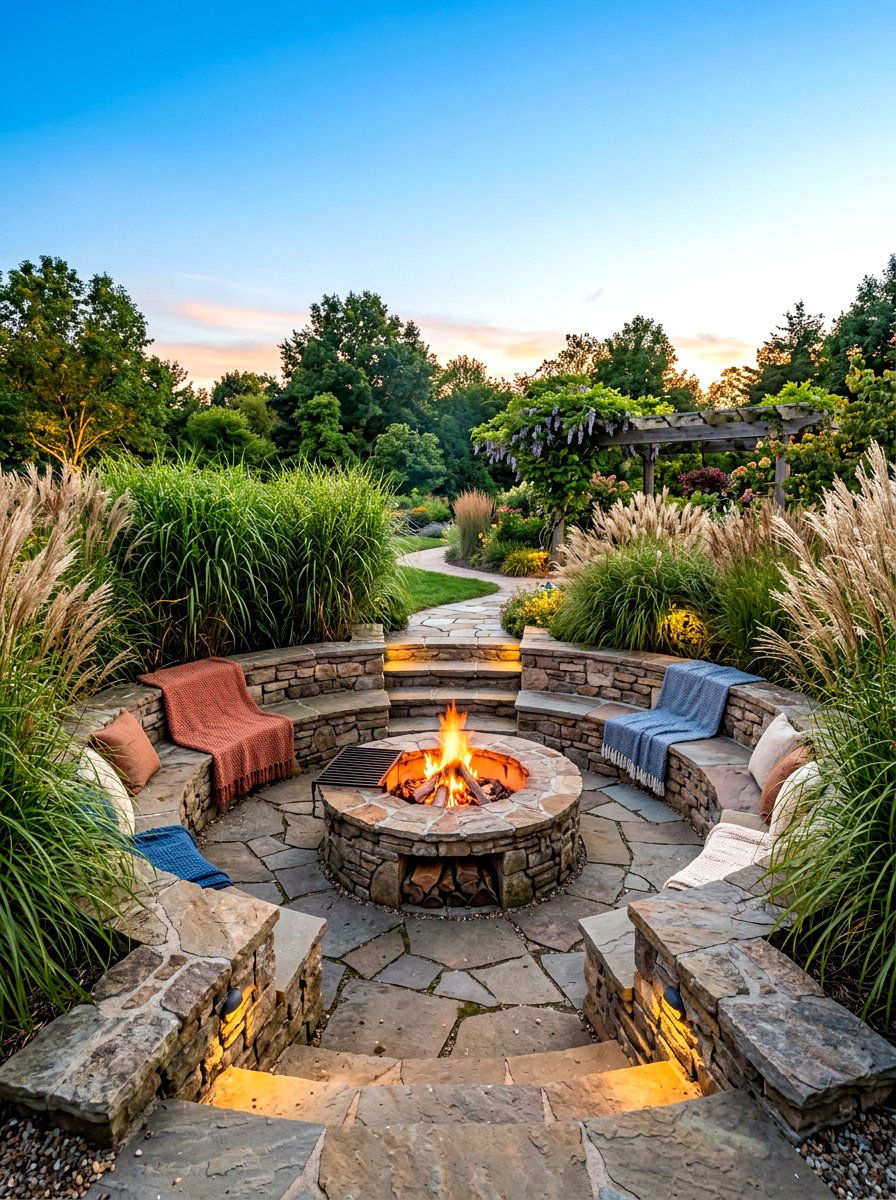
A sunken stone fire pit provides a cozy and intimate gathering spot for cool evenings spent under the bright stars with friends. By using natural fieldstone for the pit and the surrounding seating, you create a feature that feels integrated into the earth itself. You can surround the area with tall grasses or shrubs to provide a sense of enclosure and protection from the wind. This space becomes a magical destination within your garden where stories are shared and memories are made around the warm glow of the fire. It adds a layer of comfort and functionality that extends your garden use into the night.
29. Wild strawberry ground cover
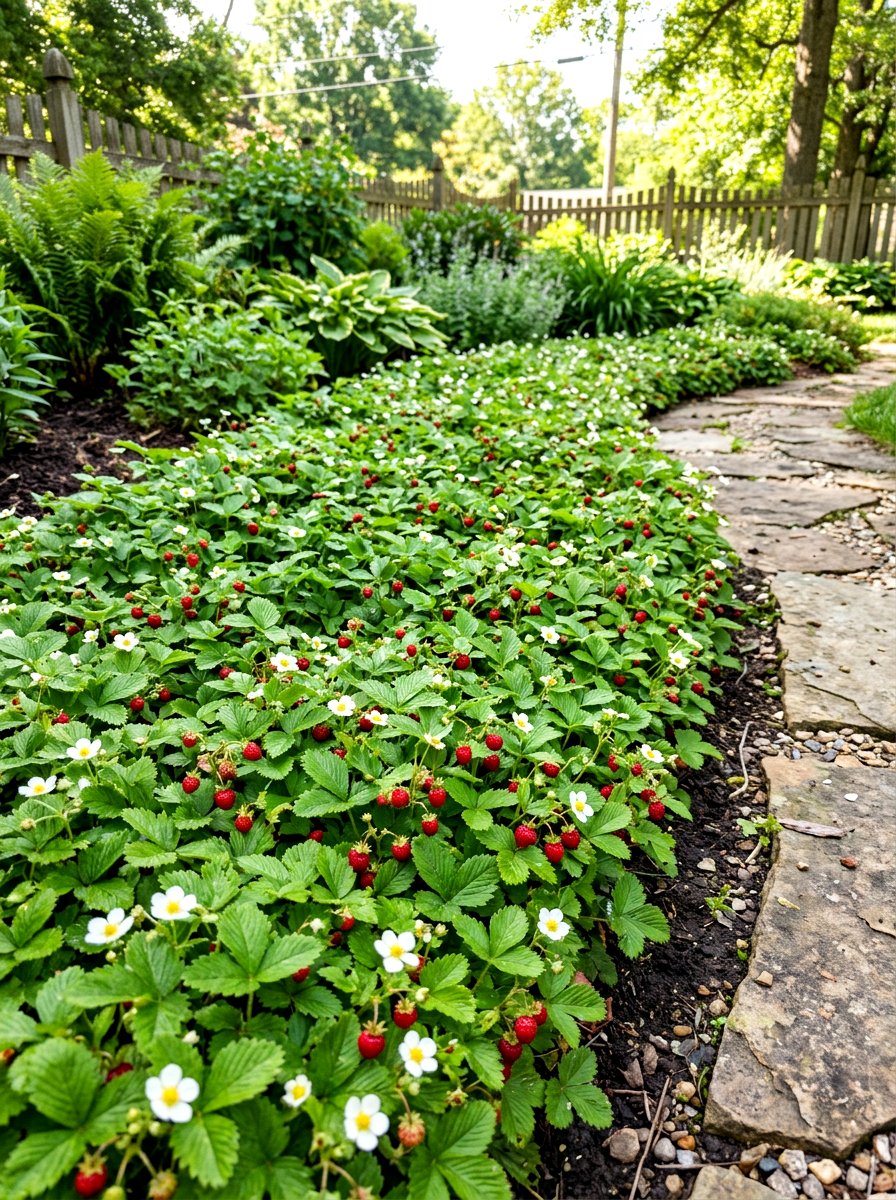
Planting wild strawberries as a ground cover is a delightful way to fill gaps in your garden beds with edible and attractive greenery. These low-growing plants spread quickly, producing delicate white flowers followed by tiny, sweet fruits that are much more flavorful than store-bought varieties. They thrive in sun or partial shade and help to suppress weeds while keeping the soil cool and moist for other plants. Walking past a patch of wild strawberries adds a sense of discovery and bounty to your daily garden strolls. This is a perfect example of a plant that is both beautiful to look at and productive.
30. Repurposed window frame garden art
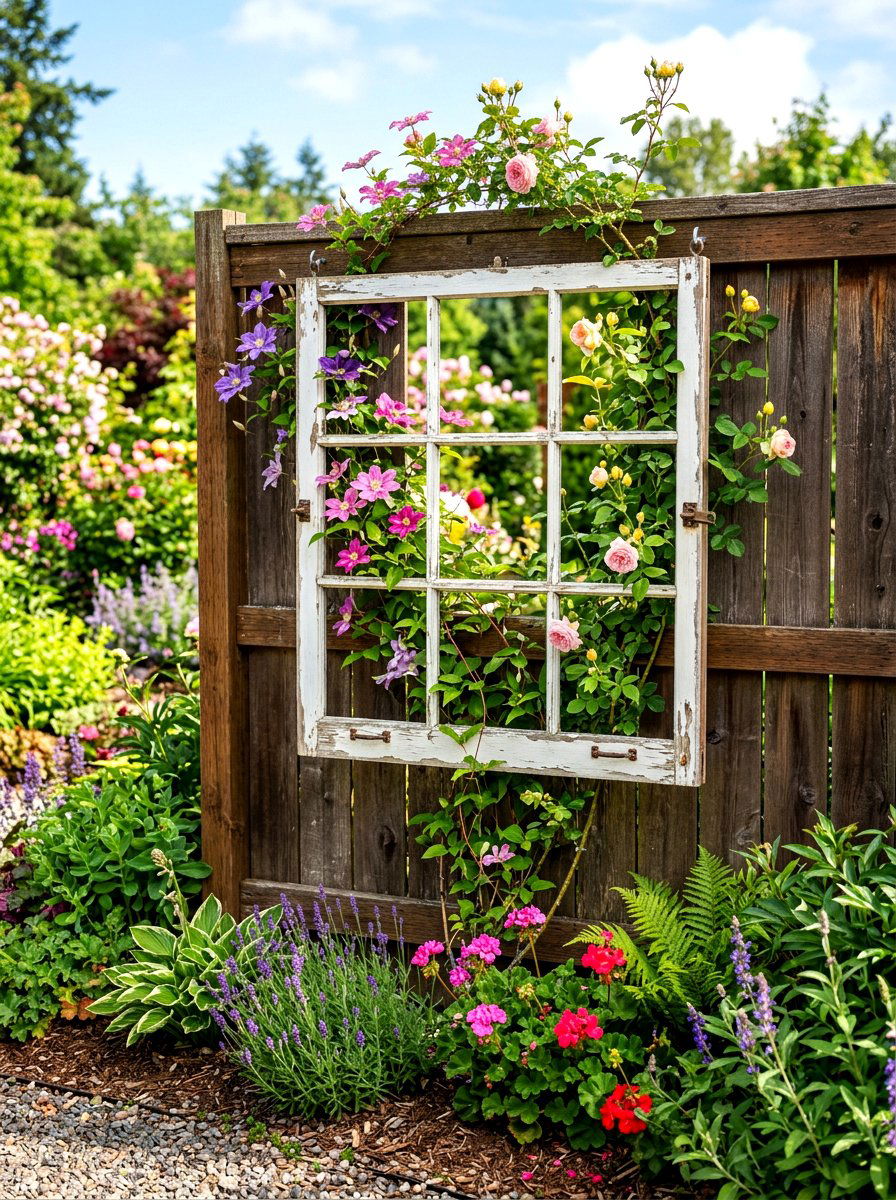
Hanging an old wooden window frame on a fence or garden wall creates the illusion of a hidden room or a portal to another world. You can leave the glass out and use the frame to support climbing vines like clematis or morning glories for a soft look. This simple piece of garden art adds architectural interest and a touch of farmhouse nostalgia to your outdoor living area. Painting the frame in a distressed finish enhances its vintage appeal and helps it stand out against a dark wooden or brick backdrop. It is a creative way to use salvaged materials to add personality and depth.
Conclusion:
Creating a cottagecore garden is a rewarding journey that allows you to reconnect with the natural world through color, scent, and texture. By embracing imperfection and choosing plants that thrive in your local environment, you build a space that feels both timeless and deeply personal. Whether you start with a single bird bath or transform your entire backyard into a wildflower meadow, every small change brings you closer to a more peaceful lifestyle. These gardens are not just about aesthetics; they are about fostering biodiversity and finding joy in the simple act of tending to the earth. Your sanctuary will provide endless inspiration for years to come.

Related posts: