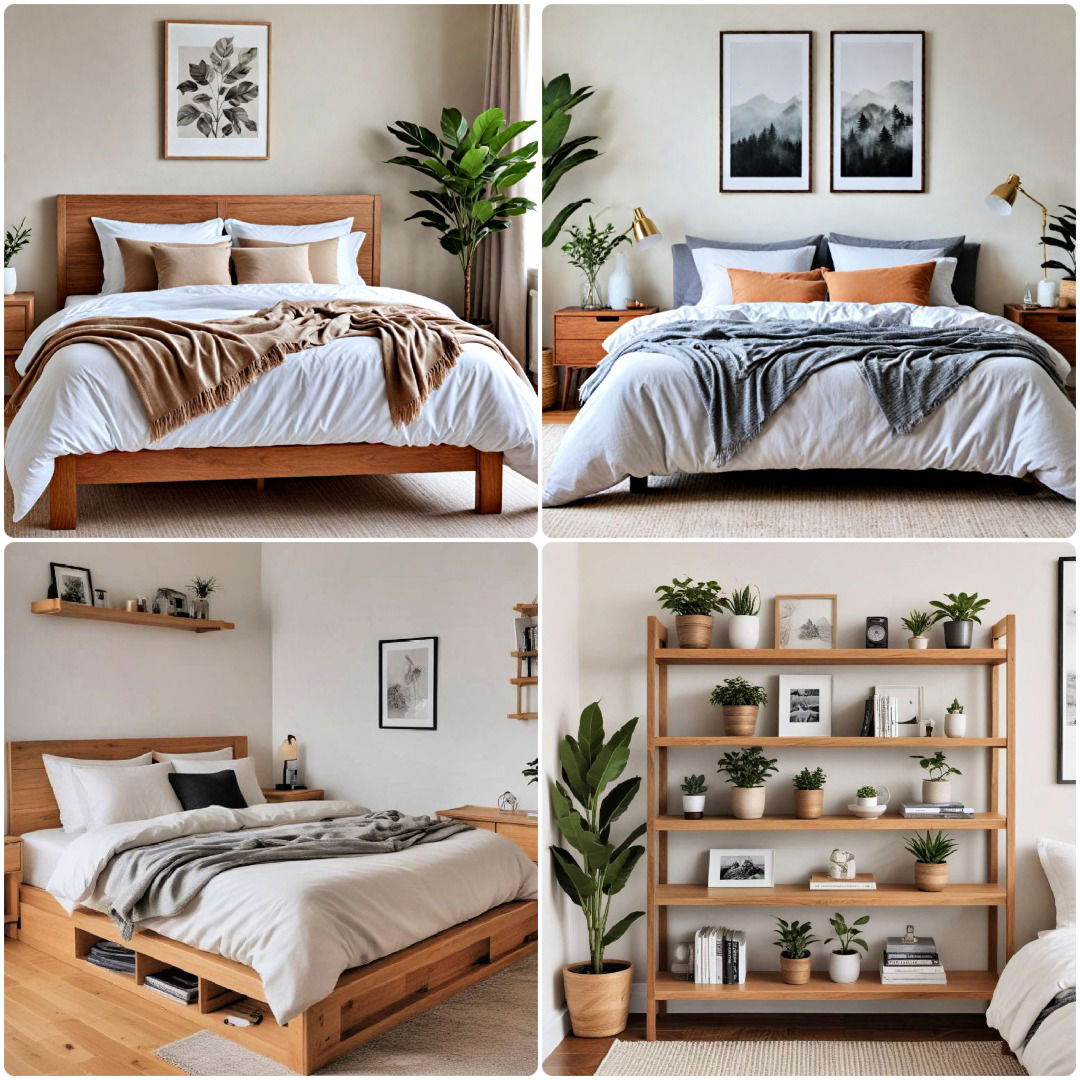
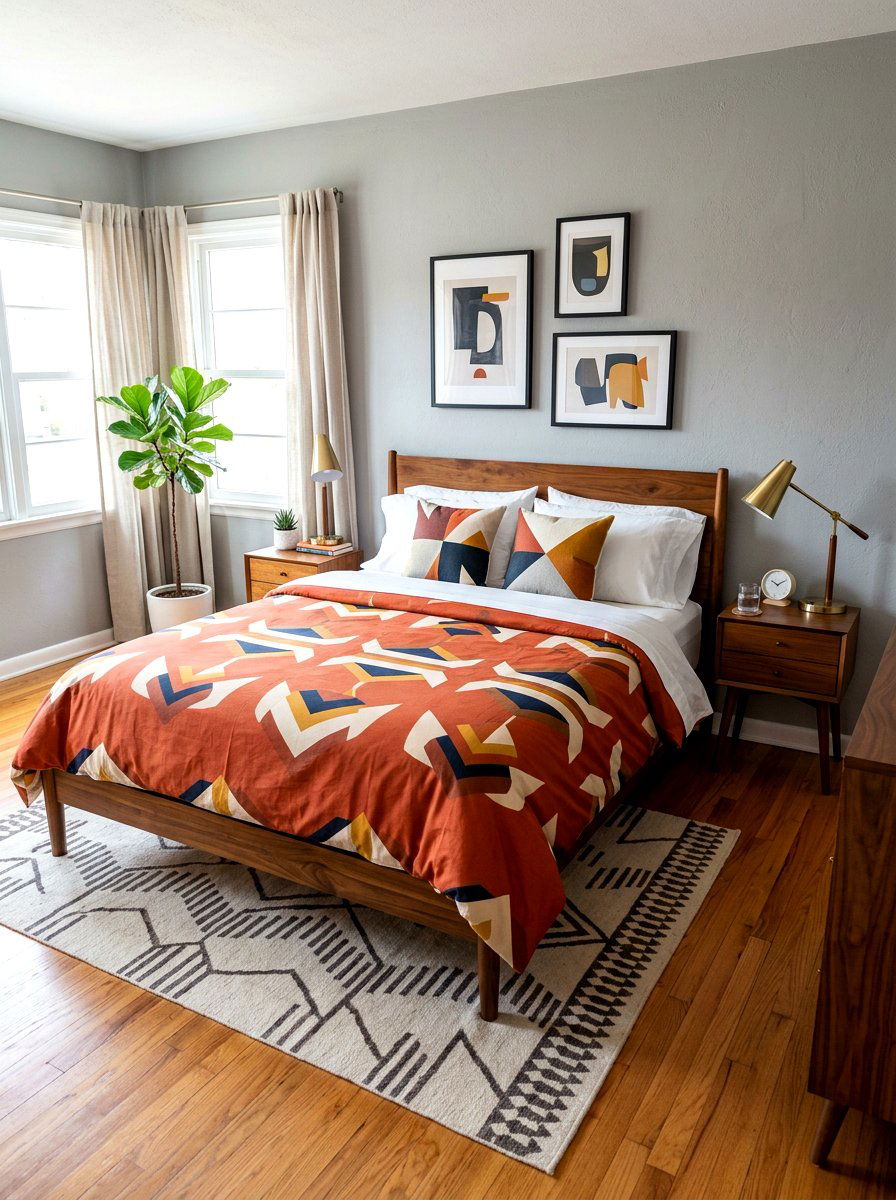
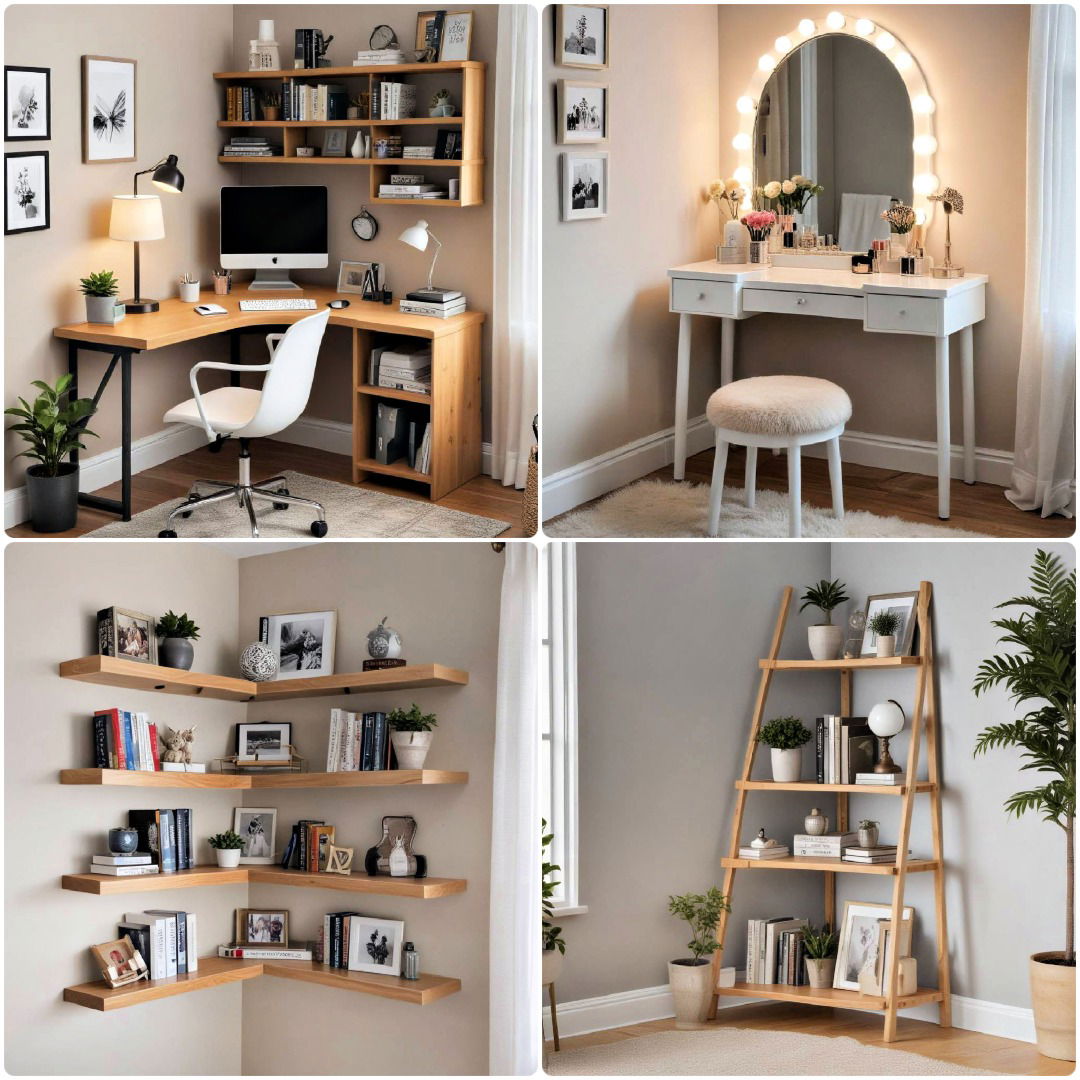
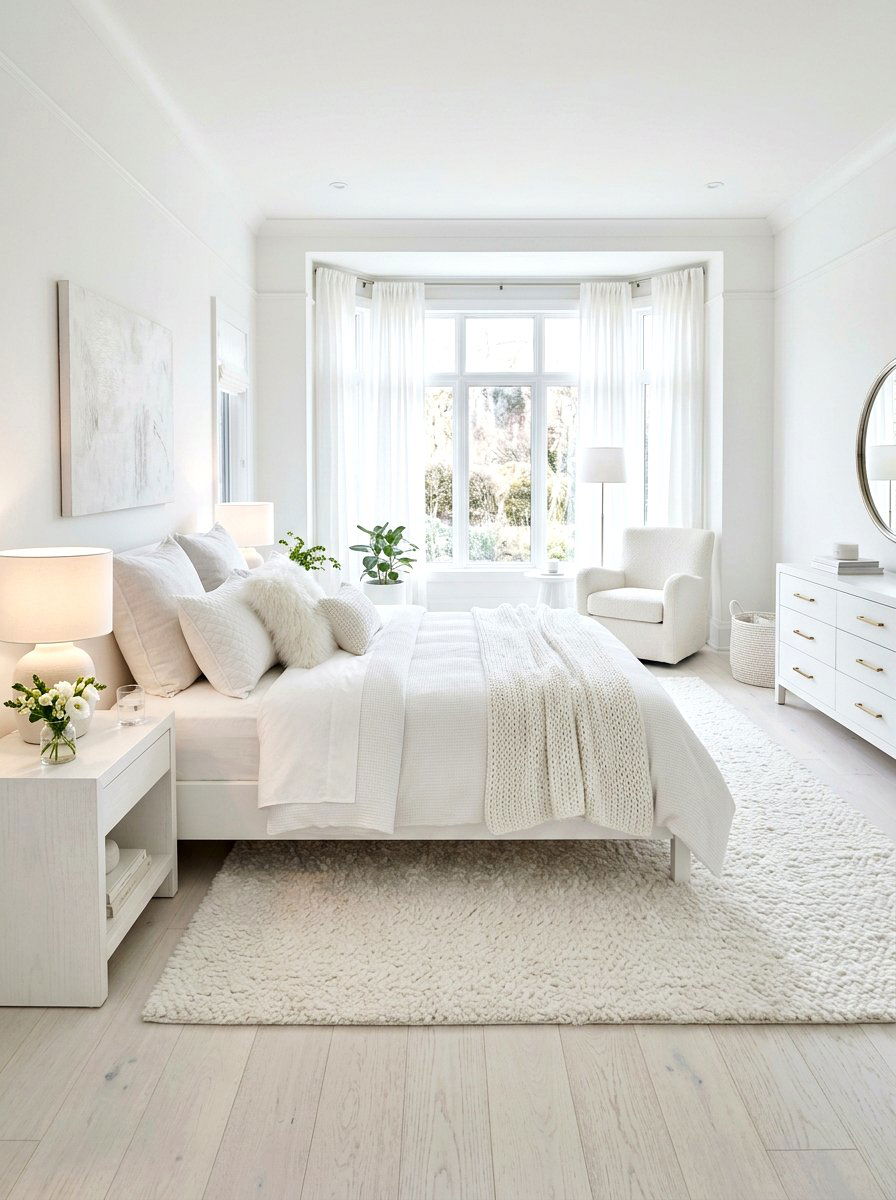
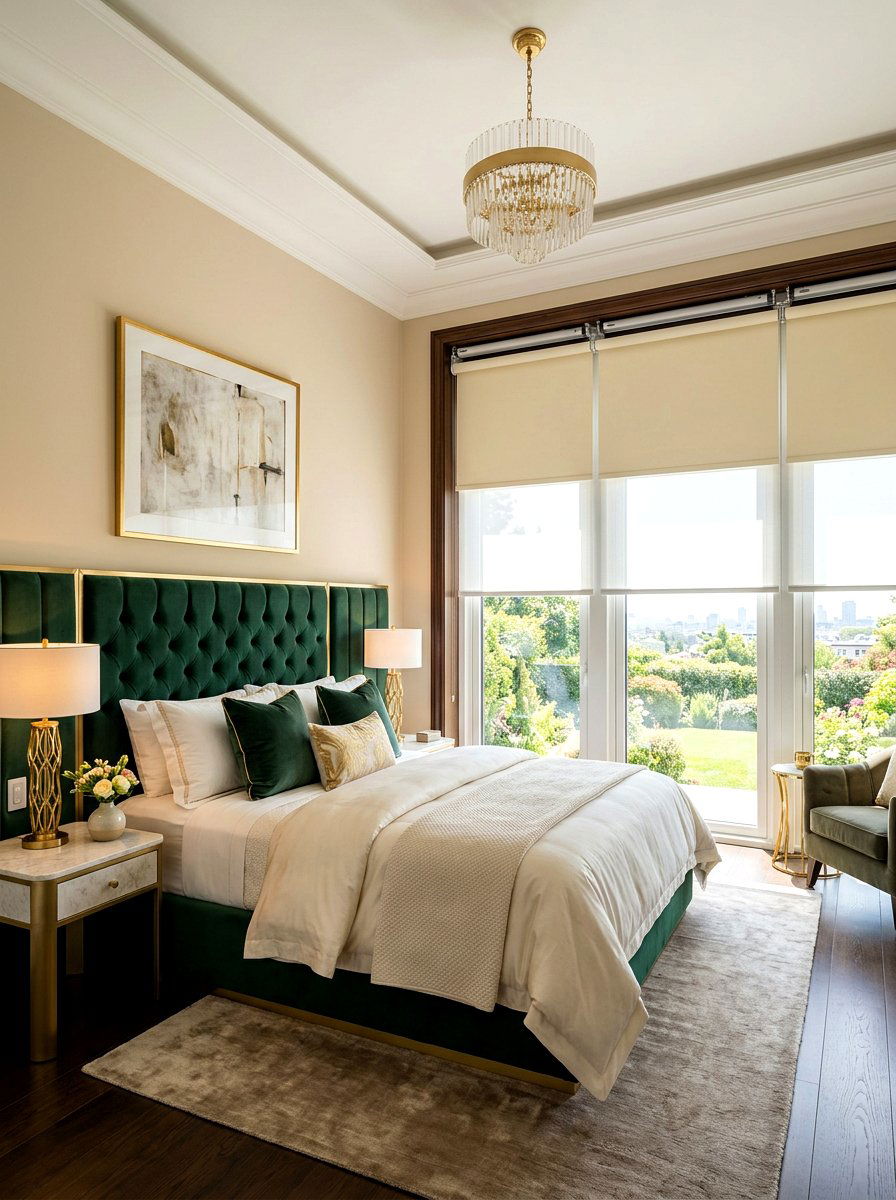
Japandi style has taken the interior design world by storm, offering a perfect marriage between Japanese minimalism and Scandinavian warmth. This aesthetic focuses on creating a serene sanctuary that feels both functional and deeply intentional. By combining the sleek lines of Japanese decor with the cozy, lived-in feel of Nordic homes, you can transform any bedroom into a peaceful retreat. People love this trend on Pinterest because it promotes a clutter-free lifestyle while maintaining a high level of comfort through natural textures and earthy tones. Whether you are looking for soft lighting or organic materials, these thirty concepts will help you master the look perfectly.

1. Low Platform Bed
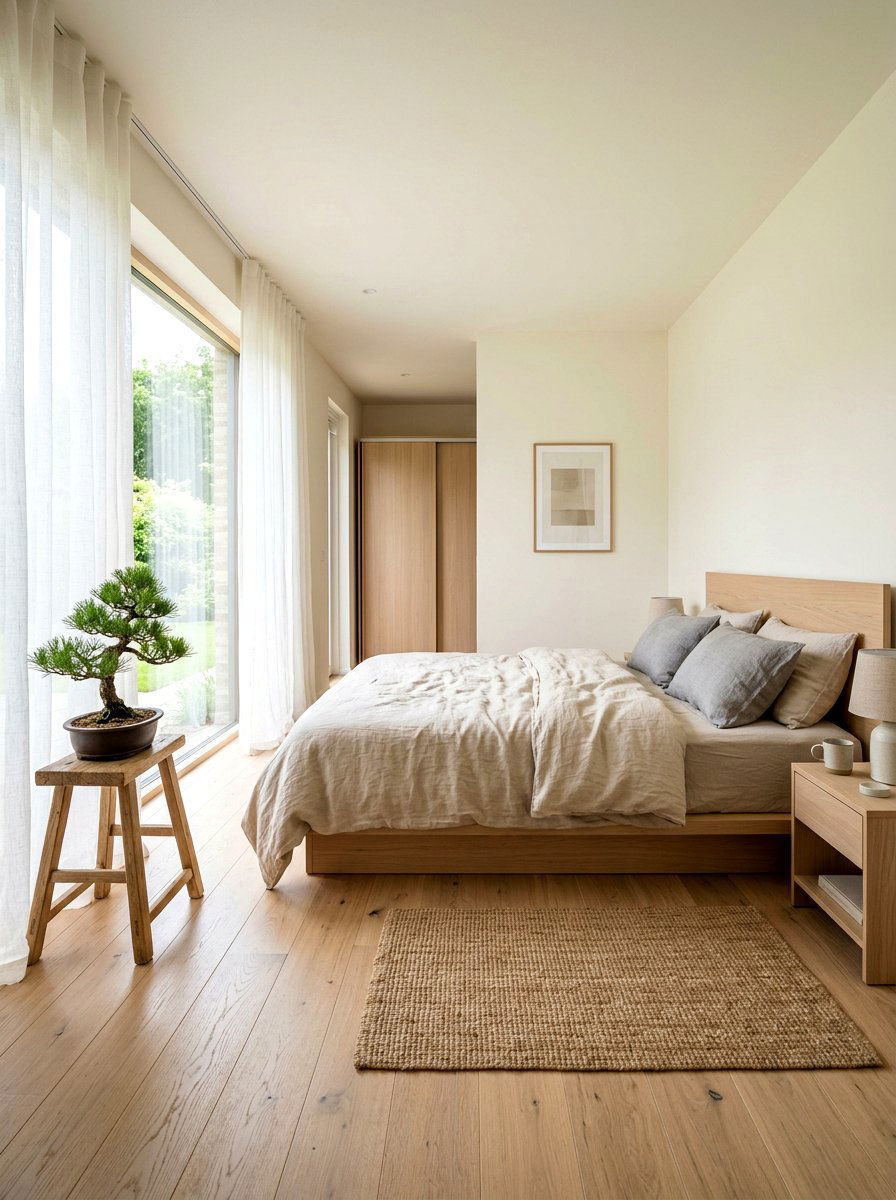
A low platform bed serves as the ultimate foundation for a traditional Japandi bedroom layout. This design choice brings the focal point closer to the floor, which immediately makes the ceiling feel higher and the entire space more expansive. You should pair this sleek wooden frame with high-quality linen sheets in a soft off-white or light sand color. Surrounding the bed with minimal decor allows the natural grain of the wood to shine through. The absence of a bulky headboard keeps the visual lines clean and uninterrupted. This setup promotes a grounded feeling that is essential for achieving true Zen-like tranquility in your personal sleeping area.
2. Oak Wood Furniture
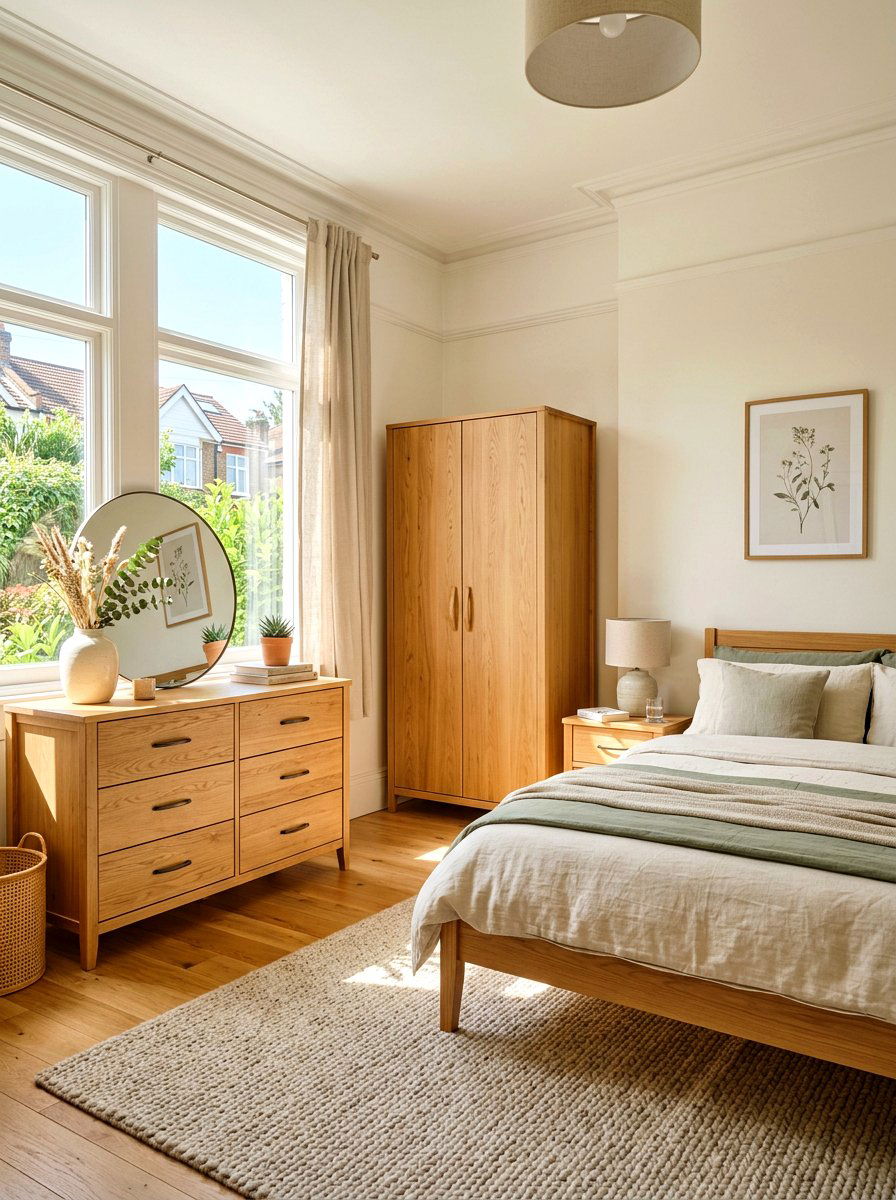
Integrating oak wood furniture is a classic way to introduce the warmth of Scandinavian design into your bedroom. You can choose a simple dresser or a sturdy wardrobe with a light, natural finish to maintain a bright and airy atmosphere. The pale tones of the oak contrast beautifully against white walls, creating a soft visual balance that does not overwhelm the senses. Avoid ornate handles or complex carvings; instead, look for pieces with recessed grips or very slim hardware. This approach ensures that every functional item in the room contributes to a cohesive and minimalist aesthetic while celebrating the timeless beauty of high-quality organic materials.
3. Linen Bedding Set
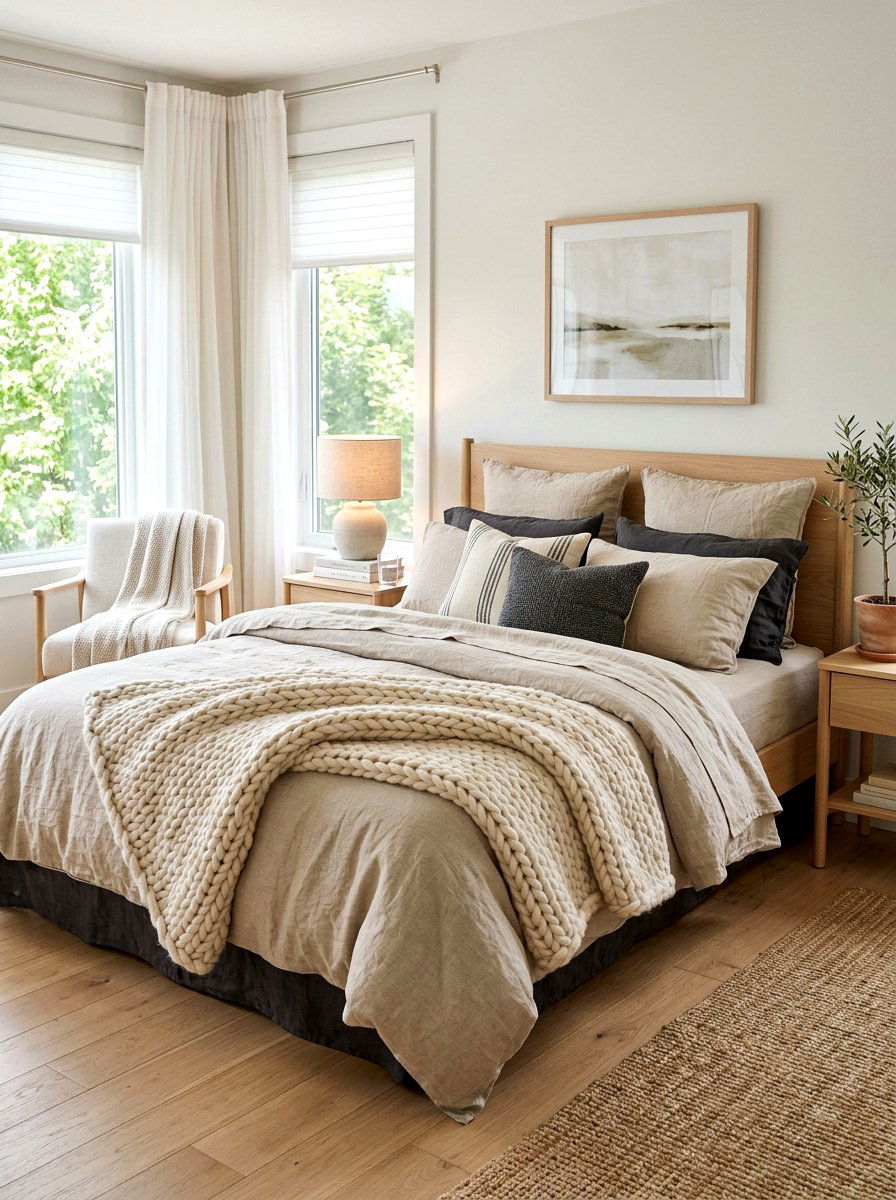
Choosing a linen bedding set is the easiest way to add tactile warmth and a sense of "hygge" to your space. Linen has a natural, slightly wrinkled texture that fits perfectly with the Japanese concept of wabi-sabi, which finds beauty in imperfection. You should layer different shades of beige, cream, and muted grey to create depth without using bold patterns. The breathable nature of the fabric ensures a comfortable sleep environment throughout the year. To complete the look, add a heavy knit throw blanket at the foot of the bed. This combination of soft textiles provides a cozy contrast to the sharp lines of wooden furniture.
4. Wood Slat Wall
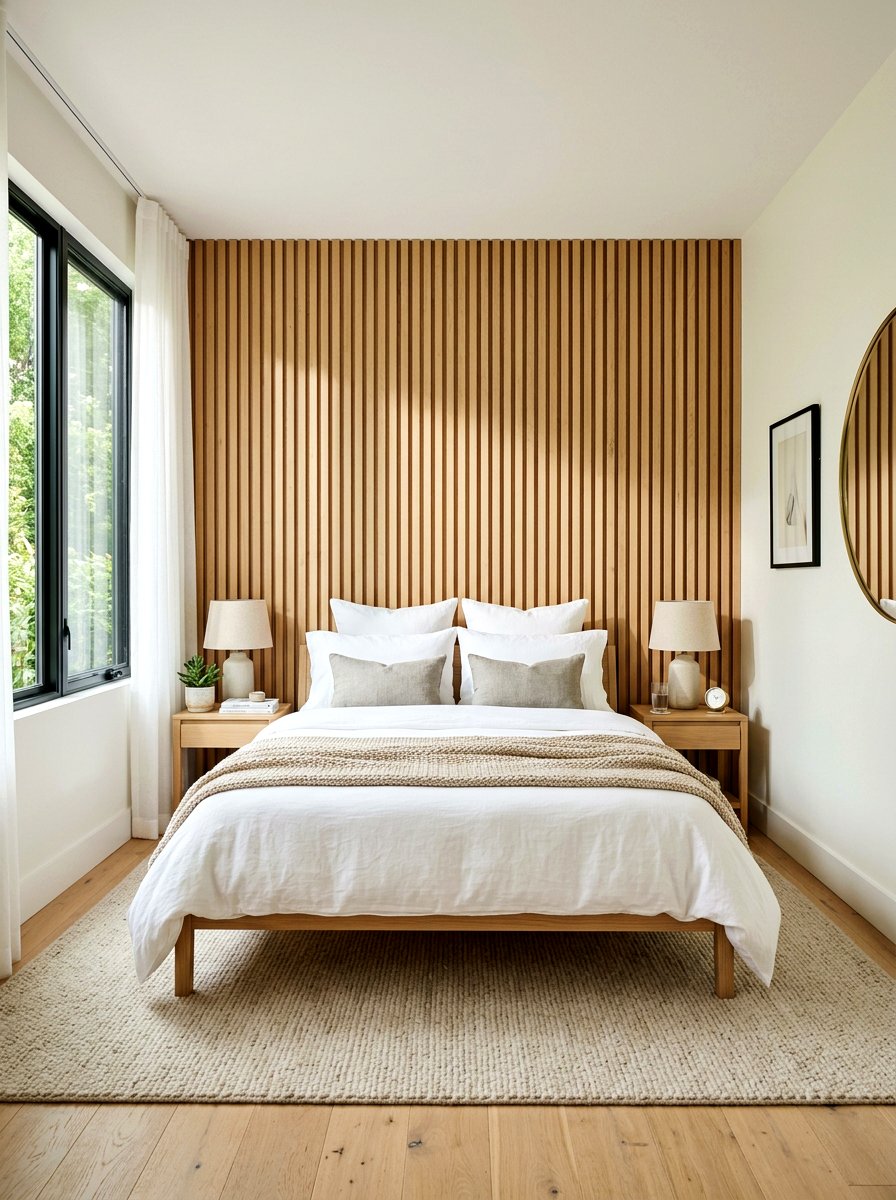
A wood slat wall creates a stunning architectural feature that adds rhythm and texture to a modern Japandi bedroom. You can install vertical timber slats behind the bed to act as a decorative backdrop that replaces a traditional headboard. The narrow gaps between the wood pieces create subtle shadows, adding a sense of three-dimensional depth to the room. Use light-colored woods like pine or ash to keep the space feeling modern and fresh. This design element successfully bridges the gap between structured Japanese architecture and the cozy wooden interiors found in Nordic homes. It is a powerful way to anchor the entire room's design scheme.
5. Neutral Color Palette
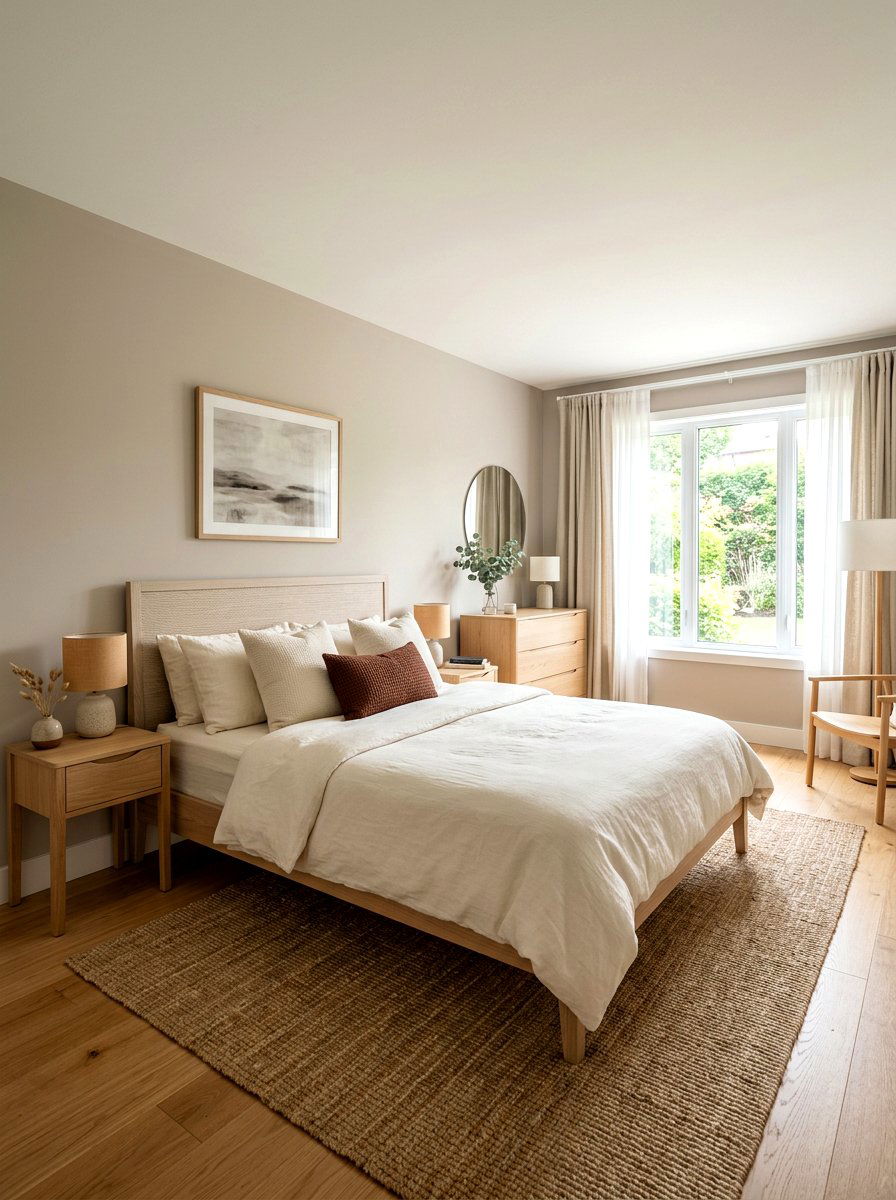
Establishing a neutral color palette is the most important step in creating a cohesive and calming environment. You should focus on a base of warm whites and soft taupes, then layer in darker earth tones like terracotta or charcoal for subtle contrast. This limited color scheme prevents the room from feeling busy or over-decorated. When the walls, flooring, and furniture all share similar undertones, the boundaries of the room seem to fade away, resulting in a more spacious feel. Using different textures rather than different colors allows you to create interest while keeping the overall mood very quiet, stable, and deeply restorative for the mind.
6. Minimalist Bedside Table
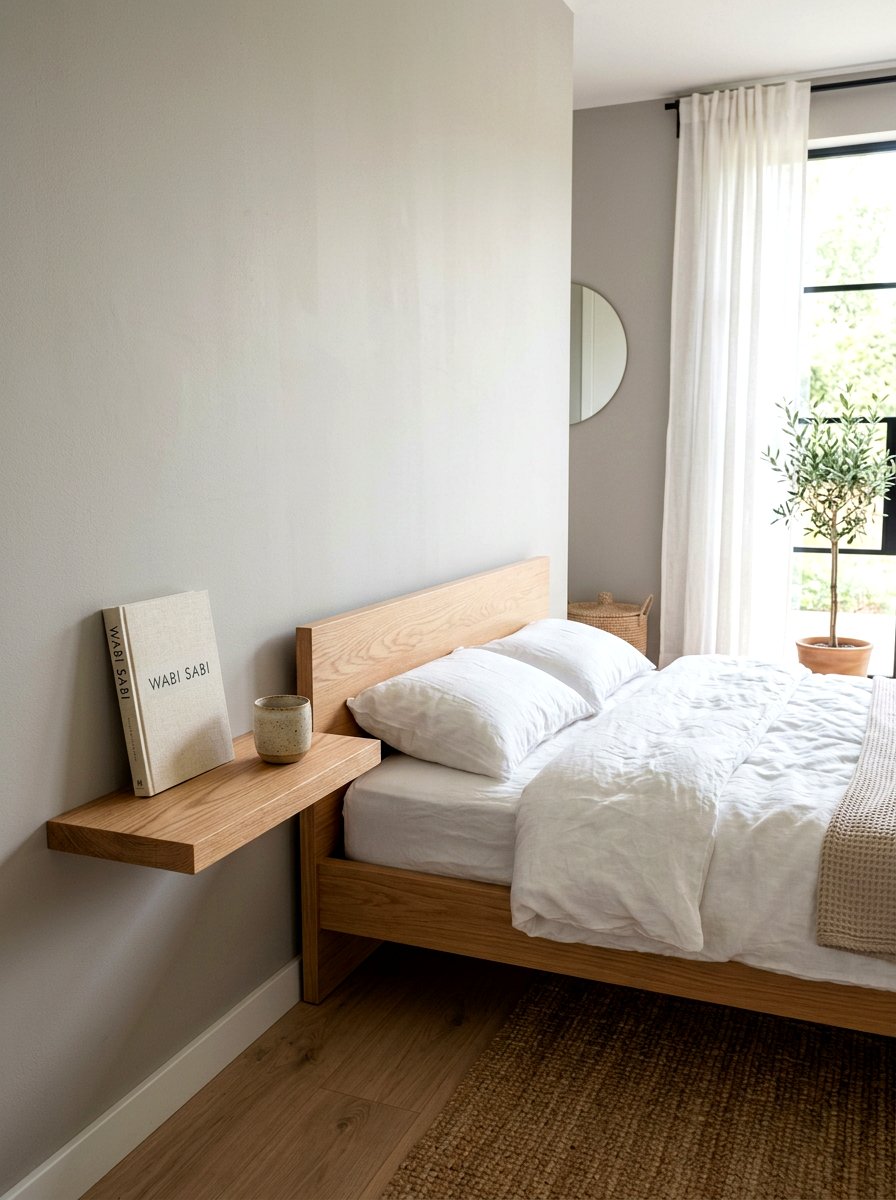
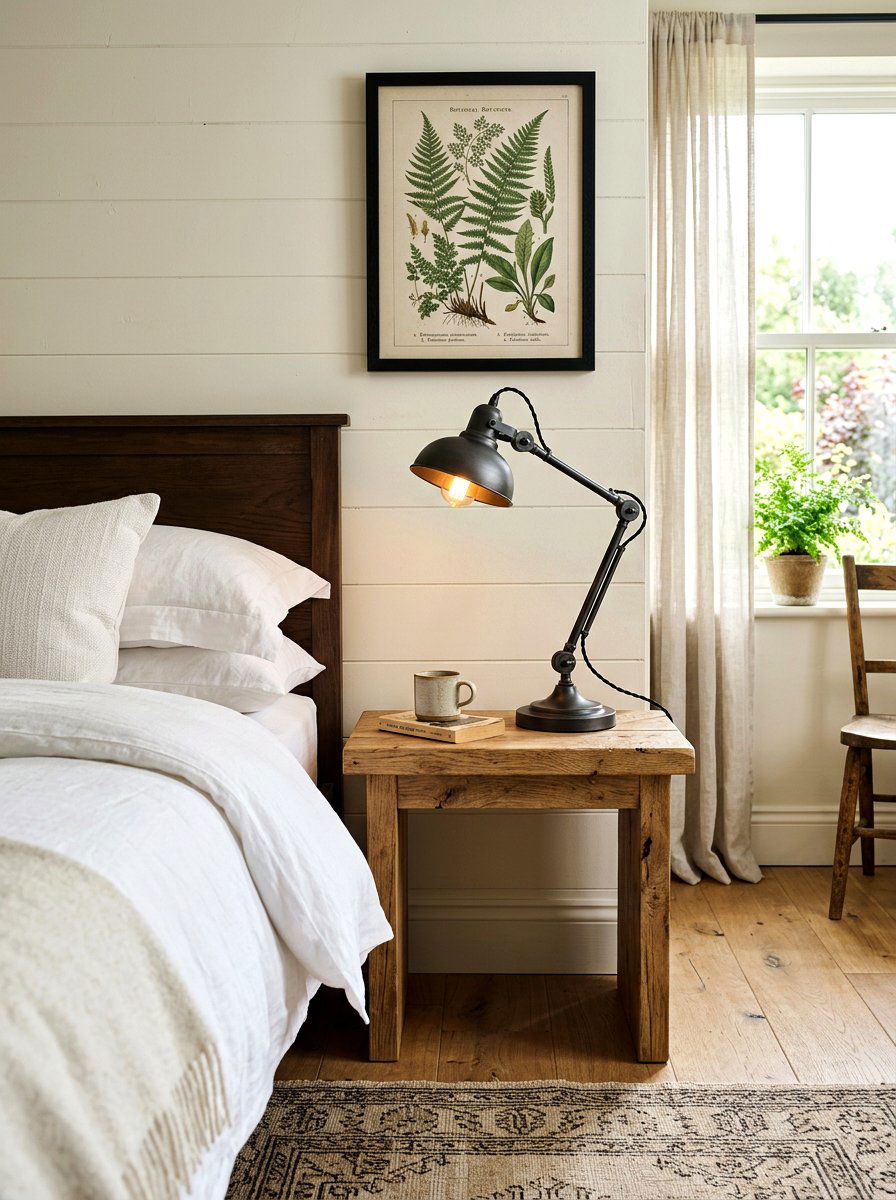
A minimalist bedside table helps maintain the clutter-free look that is essential for a peaceful Japandi bedroom. You can opt for a small wooden stool or a simple floating shelf to keep the floor area clear and open. This design choice encourages you to keep only the most necessary items, such as a single book or a glass of water, within reach. The lack of bulky drawers or heavy legs makes the sleeping area feel much lighter and more airy. By selecting a piece with clean edges and a matte finish, you reinforce the room's commitment to functional beauty and effortless, simple living.
7. Woven Rattan Accents
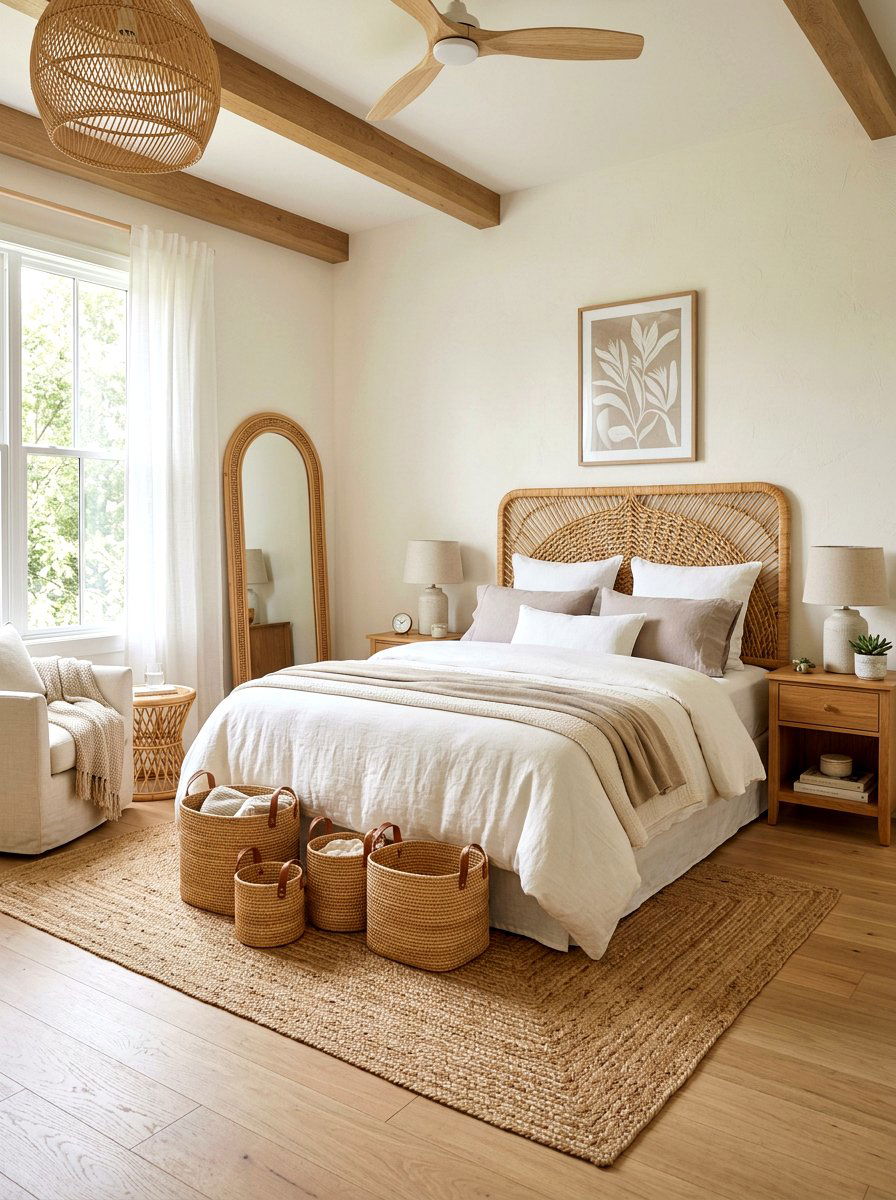
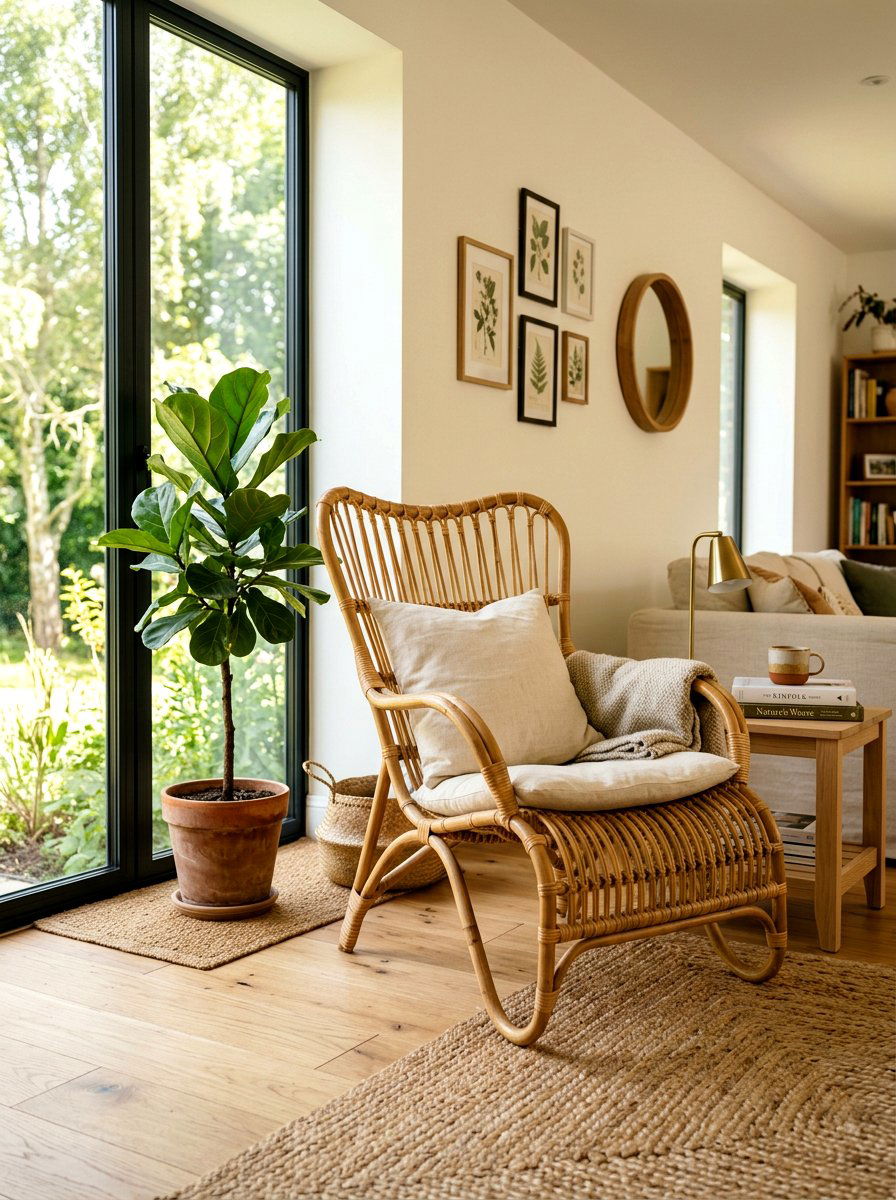
Incorporating woven rattan accents is a great way to bring organic textures and a touch of artisanal craft into your space. You can use a rattan headboard or a set of woven storage baskets to add warmth to a minimalist layout. The natural honey tones of the rattan complement light wood furniture perfectly while providing a different tactile experience. These elements introduce a rustic, handmade quality that softens the clean lines of modern furniture. Whether it is a small tray on the dresser or a larger chair in the corner, rattan helps ground the room in nature and enhances the overall organic aesthetic.
8. Paper Lantern Lamp
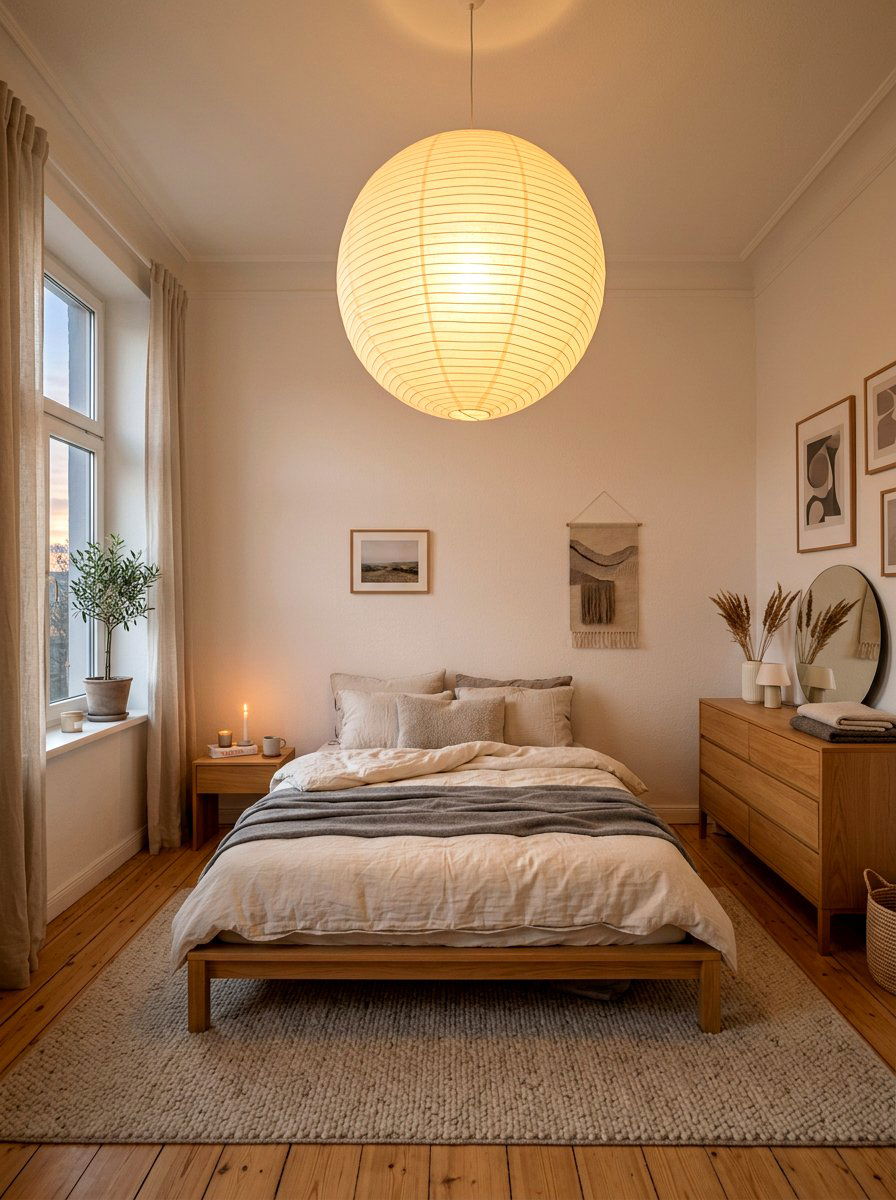
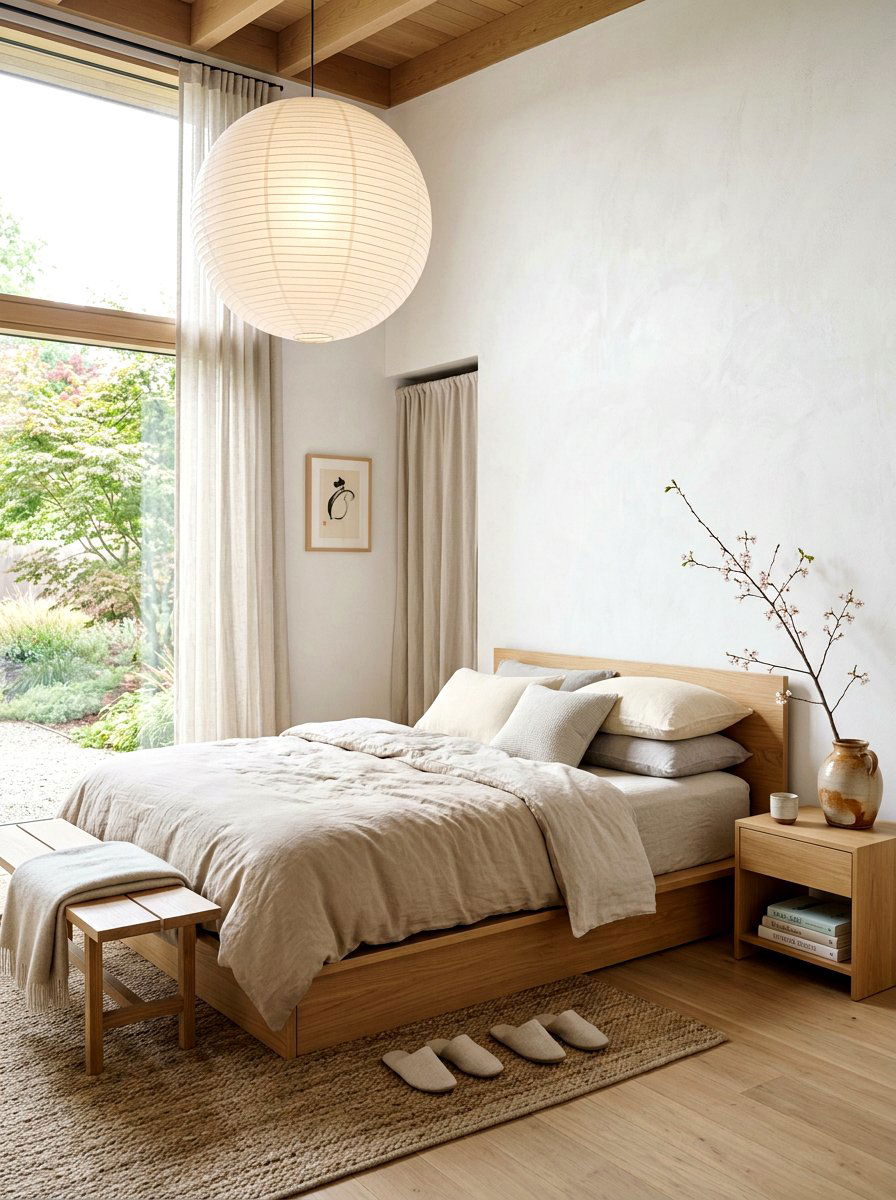
A paper lantern lamp provides the soft, diffused glow that is central to creating a relaxing Japandi atmosphere. These iconic light fixtures, often inspired by traditional Japanese designs, cast a warm light that mimics the quality of sunset. You can hang a large sculptural pendant from the ceiling to serve as a soft focal point in the room. The delicate rice paper material adds a fragile beauty that contrasts nicely with solid wood elements. This type of lighting avoids harsh shadows and creates a cozy, intimate mood. It is a perfect choice for winding down at the end of a long, busy day.
9. Indoor Bonsai Tree
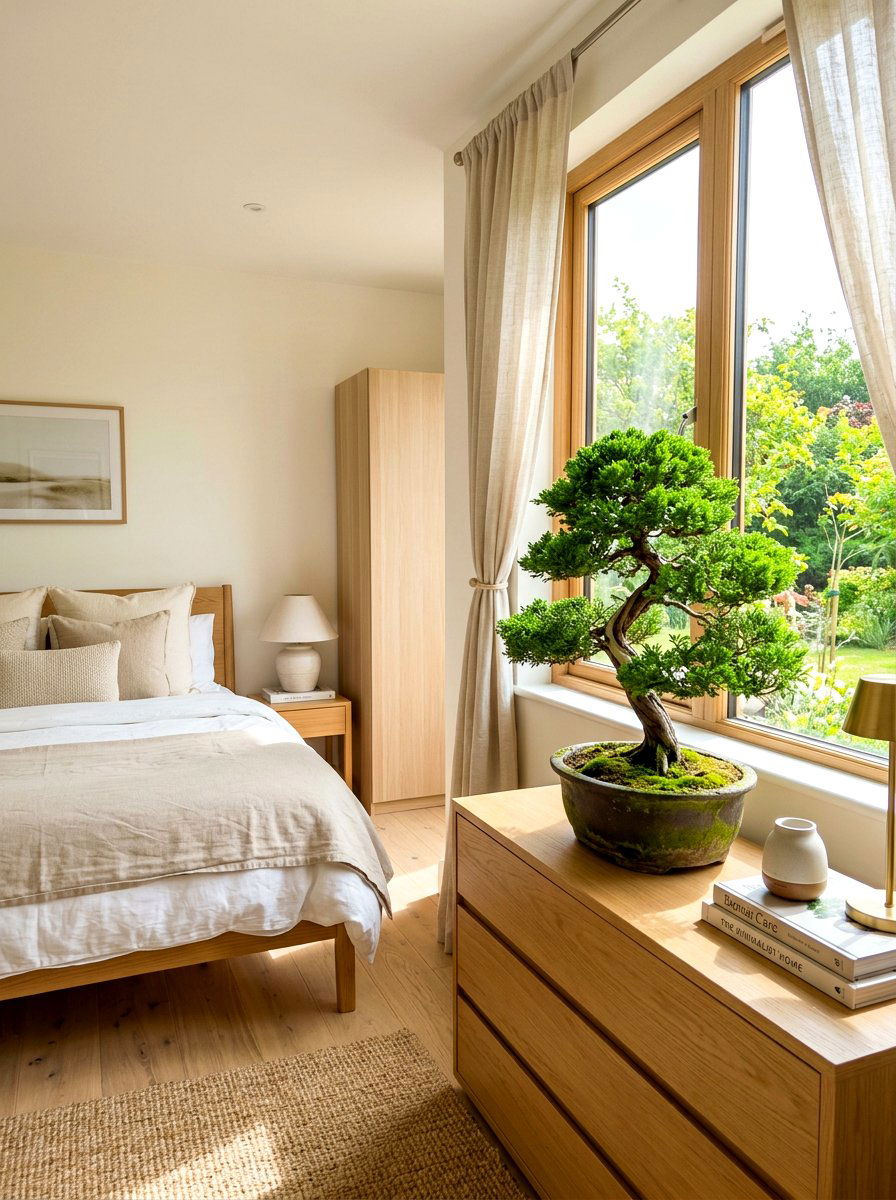
Adding an indoor bonsai tree introduces a living element that connects your bedroom to the natural world. This tiny, sculptural tree acts as a piece of living art that embodies the Japanese appreciation for patience and nature. Placing a bonsai on a low wooden dresser or a window sill creates a serene focal point that encourages mindfulness. The vibrant green leaves provide a refreshing pop of color against a neutral backdrop without being too loud or distracting. Caring for a plant also adds a sense of ritual and calm to your daily routine, which perfectly aligns with the slow-living philosophy of Japandi.
10. Textured Area Rug
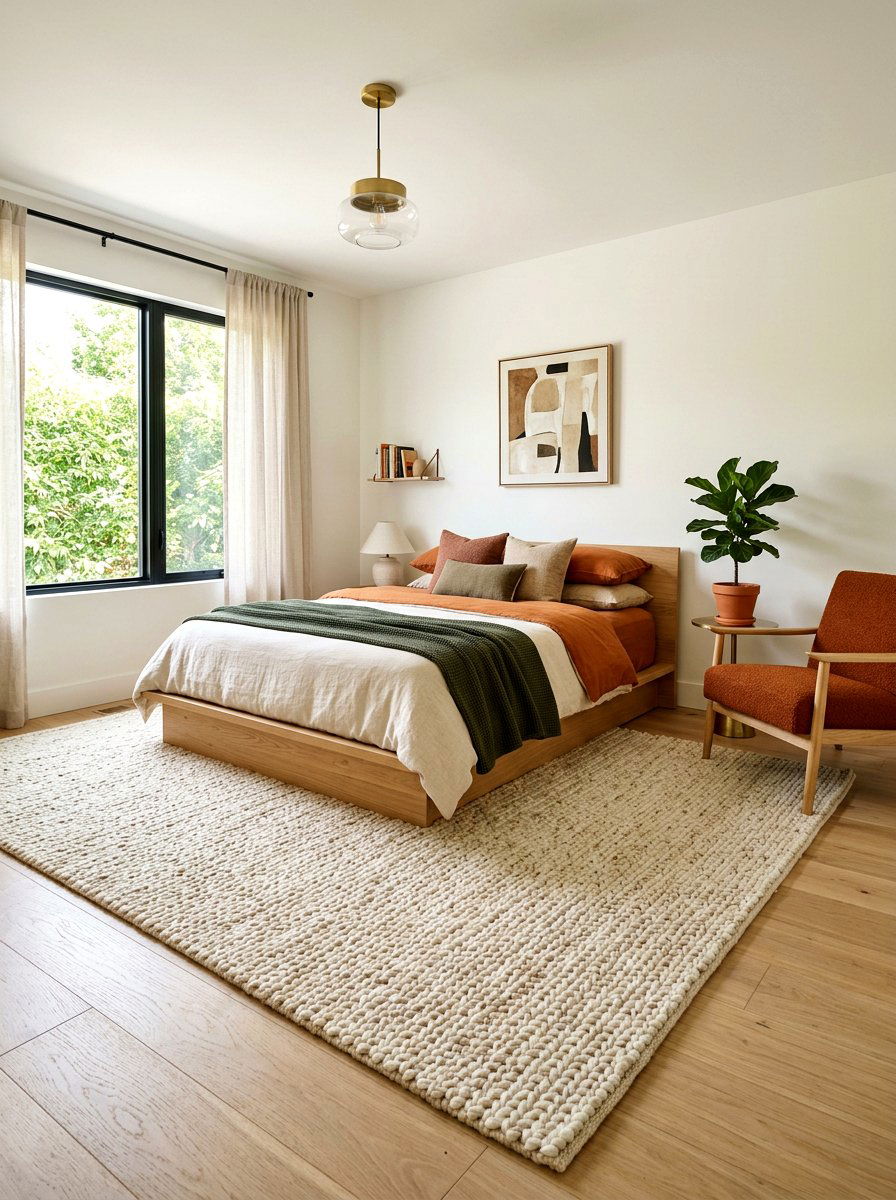
A textured area rug is essential for adding comfort and grounding the furniture in a large bedroom. You should look for rugs made from natural fibers like wool, jute, or sisal in a solid, neutral tone. A high-pile or shaggy texture can provide a soft place for your feet to land in the morning, enhancing the Scandinavian sense of coziness. The rug serves to define the sleeping zone while also absorbing sound, making the room feel quieter and more private. By choosing a rug with a subtle weave pattern, you add visual interest and warmth without the need for bright colors or busy designs.
11. Black Metal Frame
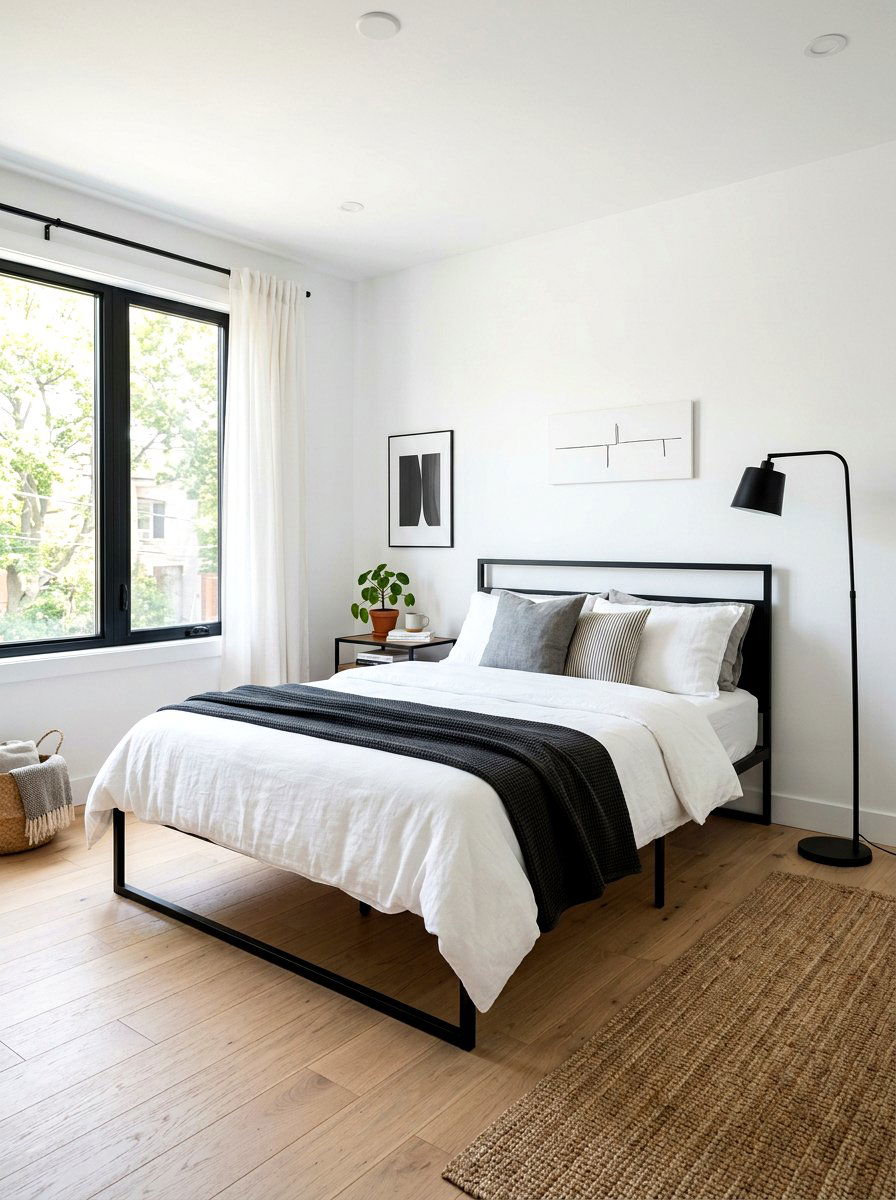
Using a black metal frame for mirrors or lighting fixtures adds a sophisticated touch of modern contrast to a Japandi room. While the majority of the room should remain light and neutral, thin black lines help define the space and provide a contemporary edge. You can choose a slim black metal bed frame or a minimalist floor lamp to anchor the lighter elements of the design. This use of dark accents prevents the room from looking too washed out or monochromatic. The sharp, clean lines of the metal reflect the precision of Japanese design while maintaining a sleek and functional Scandinavian aesthetic.
12. Shoji Room Divider
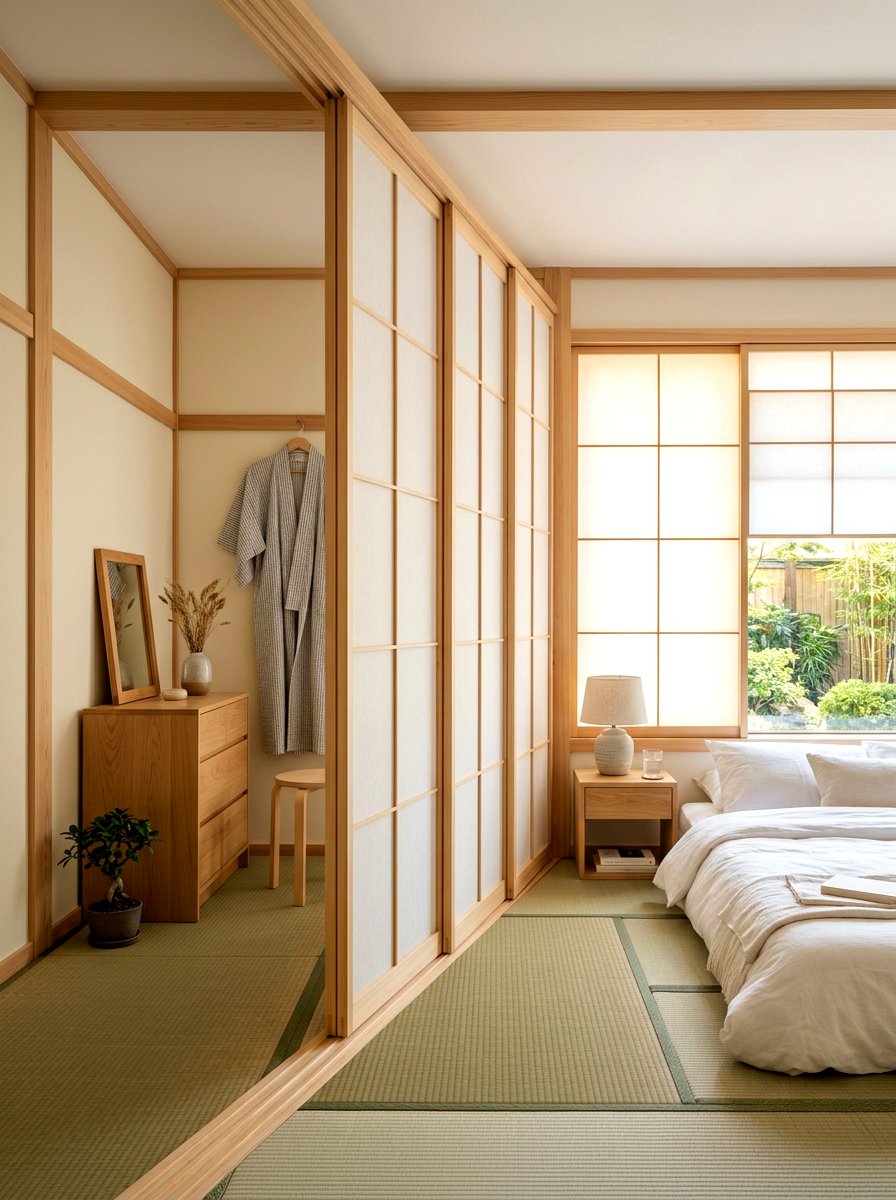
A shoji room divider is a traditional Japanese element that works beautifully in a modern Japandi bedroom layout. These folding screens are made of translucent paper and light wood frames, allowing light to pass through while still providing privacy. You can use a screen to hide a dressing area or to separate a home office space from the sleeping zone. The geometric pattern of the wooden grid adds a subtle architectural interest that feels very balanced and orderly. Because the screens are lightweight and portable, they offer a flexible way to change the room's layout without any permanent or heavy structural changes.
13. Wabi Sabi Decor
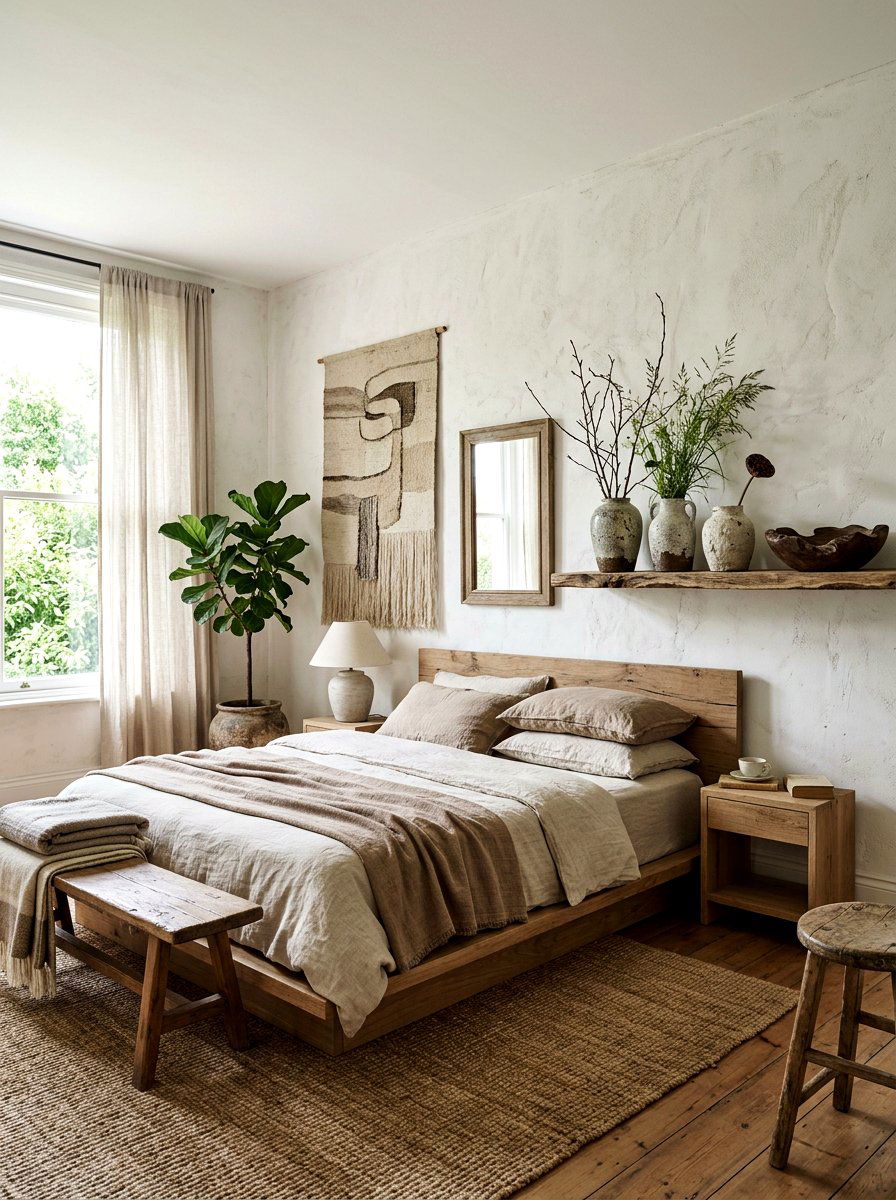
Embracing wabi sabi decor means choosing pieces that celebrate natural aging and handmade imperfections. You can display a few pieces of rough-textured pottery or a wooden bowl with a visible grain on your shelving. These items remind us that not everything needs to be perfectly polished or mass-produced to be beautiful. This approach to decorating creates a room that feels authentic and lived-in rather than like a cold showroom. By focusing on a few high-quality, meaningful objects, you maintain a minimalist environment that is full of character. This philosophy brings a deep sense of peace and acceptance to your personal sanctuary.
14. Floating Wood Shelf
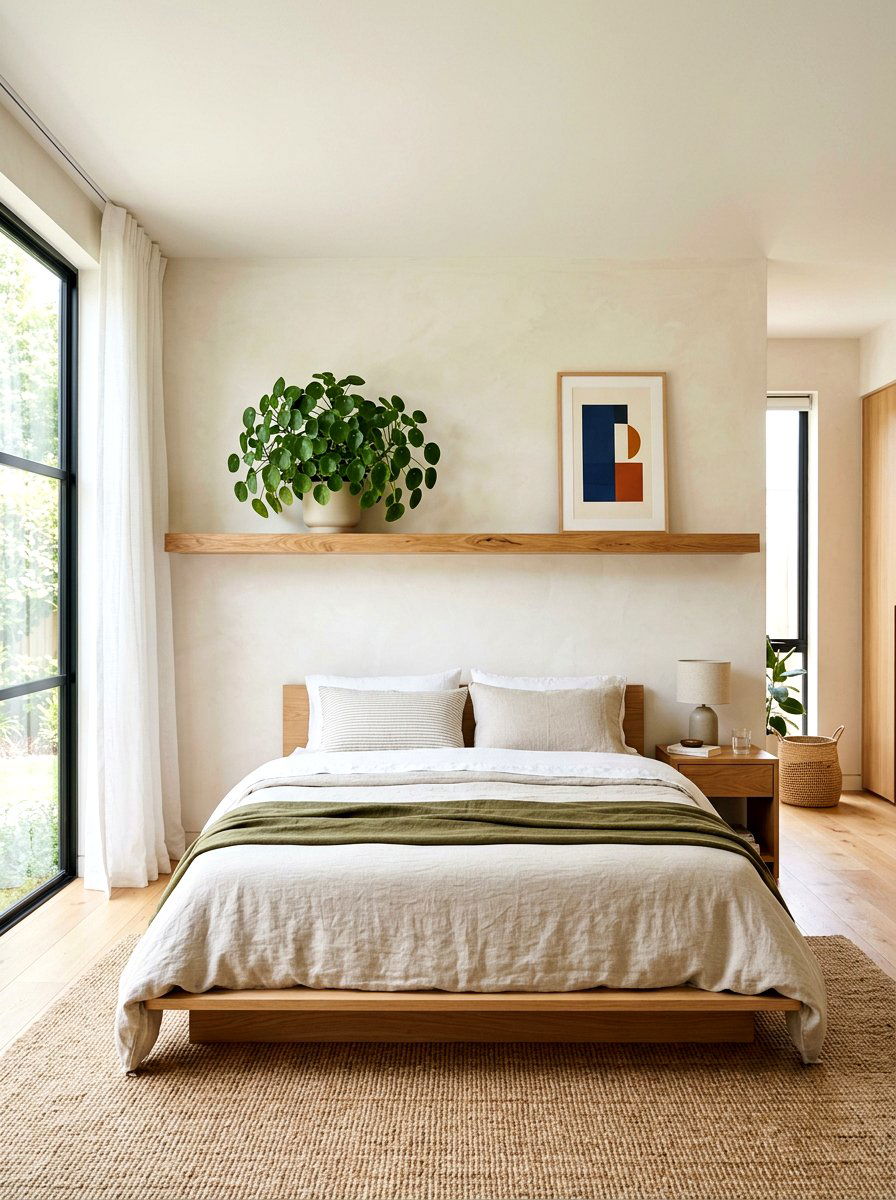
A floating wood shelf is a practical and stylish way to display a few curated items without taking up valuable floor space. You can install a long oak shelf above the bed or on a bare wall to hold a single plant or a small piece of art. This minimalist storage solution keeps the room feeling open and light. The clean, horizontal line of the shelf echoes the low-profile furniture often found in Japandi designs. By keeping the styling very simple, you ensure that the shelf remains a subtle accent rather than a source of visual clutter in your calm sleeping environment.
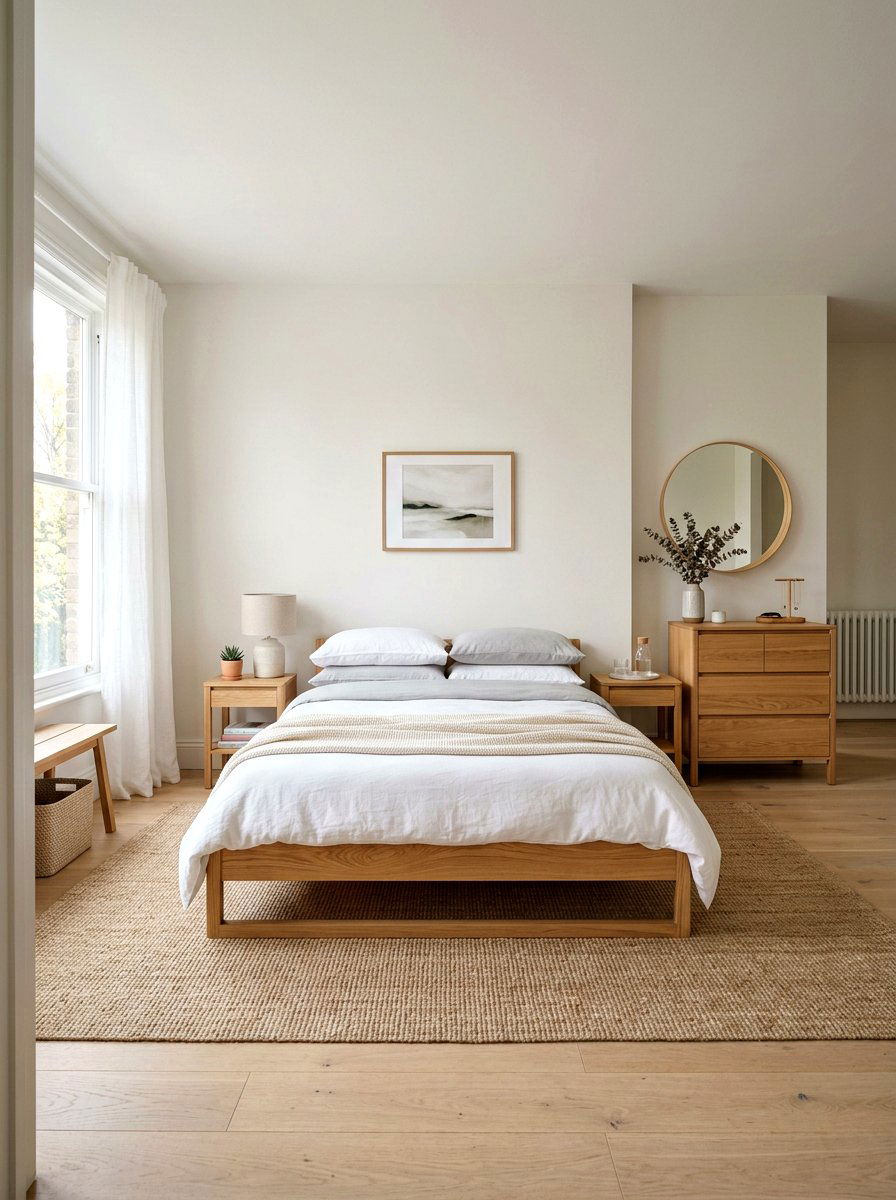

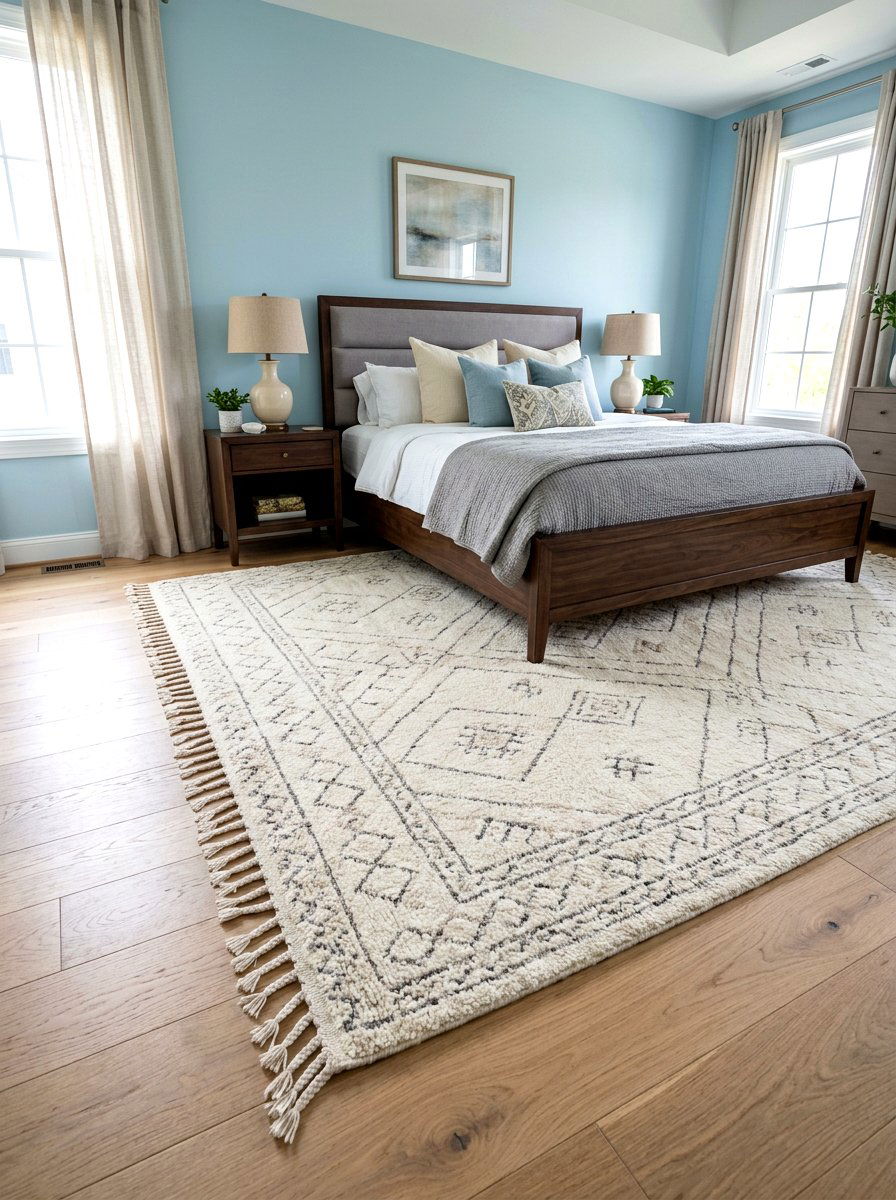
15. Bamboo Window Blind
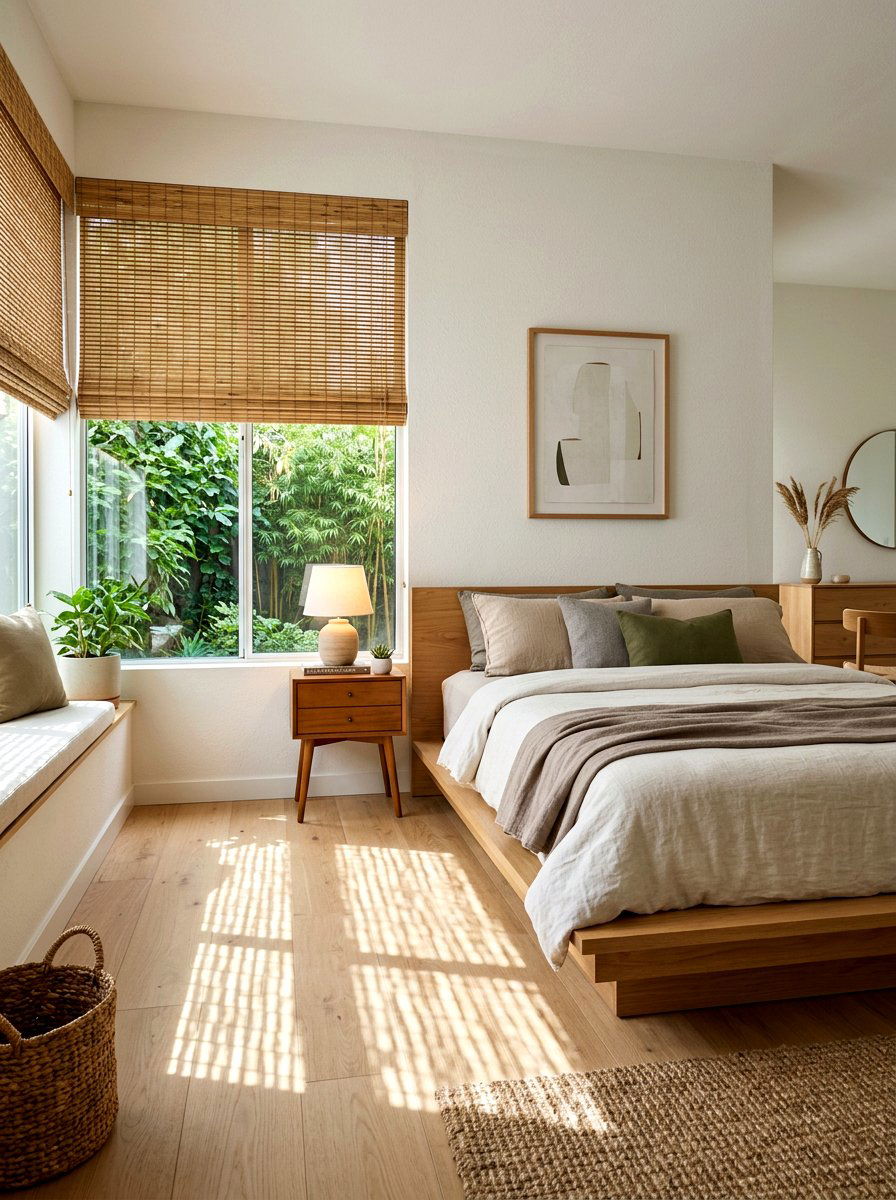
Choosing a bamboo window blind adds a layer of natural texture and warmth to your bedroom windows. These blinds provide excellent light control, allowing you to filter sunlight for a soft, dappled effect throughout the day. The organic material and earthy color of the bamboo tie in perfectly with other wooden elements in the room. When the blinds are lowered, they create a cozy and private atmosphere that feels very shielded from the outside world. This window treatment is a much more minimalist and structured alternative to heavy fabric curtains, which helps maintain the clean lines and airy feel of a Japandi-inspired space.
16. Light Wood Floor
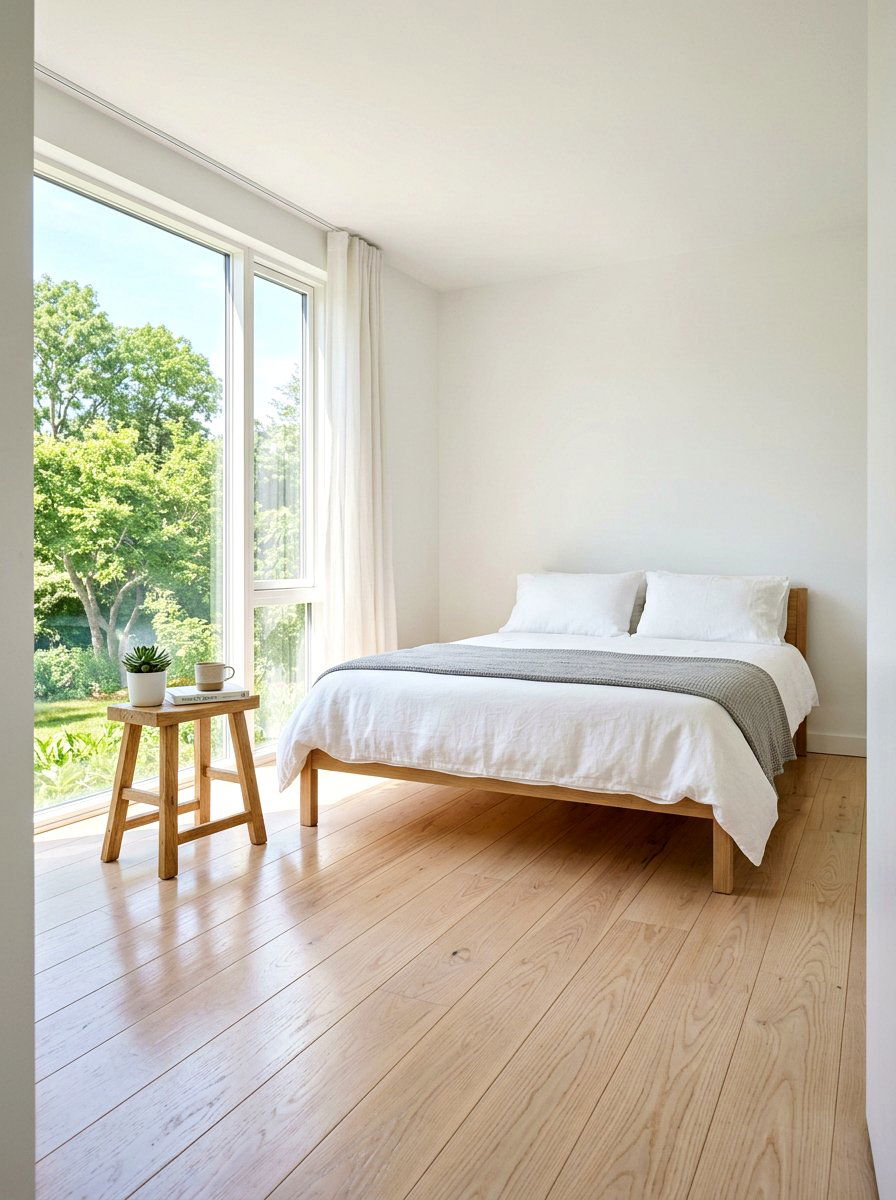
Installing a light wood floor is the foundation for any successful Japandi bedroom transformation. Pale ash, birch, or oak flooring reflects natural light, making the entire room appear brighter and much larger than it actually is. The smooth, matte finish of the wood provides a clean and modern look that is very easy to maintain. Walking on natural wood also offers a pleasant tactile experience that connects you to the earth. You can leave large sections of the floor bare to emphasize the minimalist aesthetic. This simple and honest use of materials is a hallmark of both Japanese and Scandinavian interior design traditions.
17. Muted Green Wall
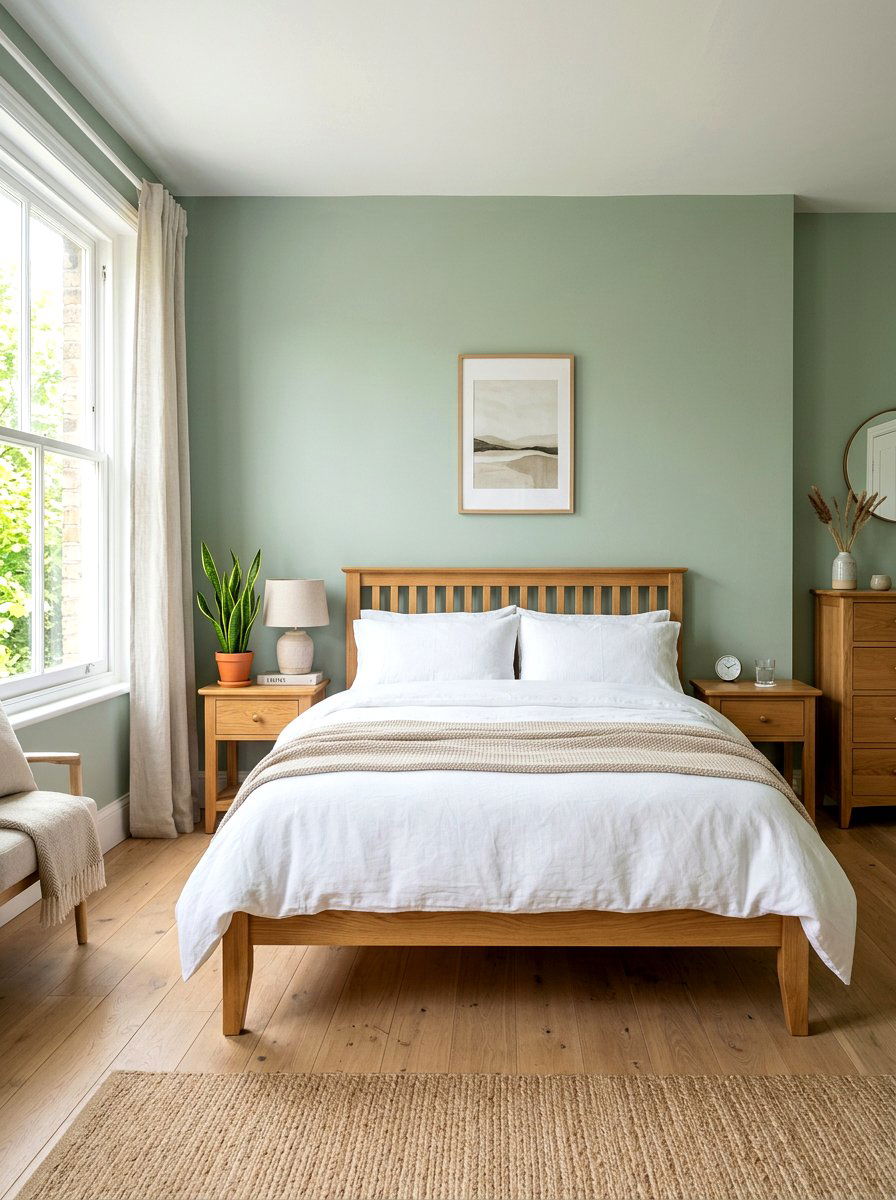
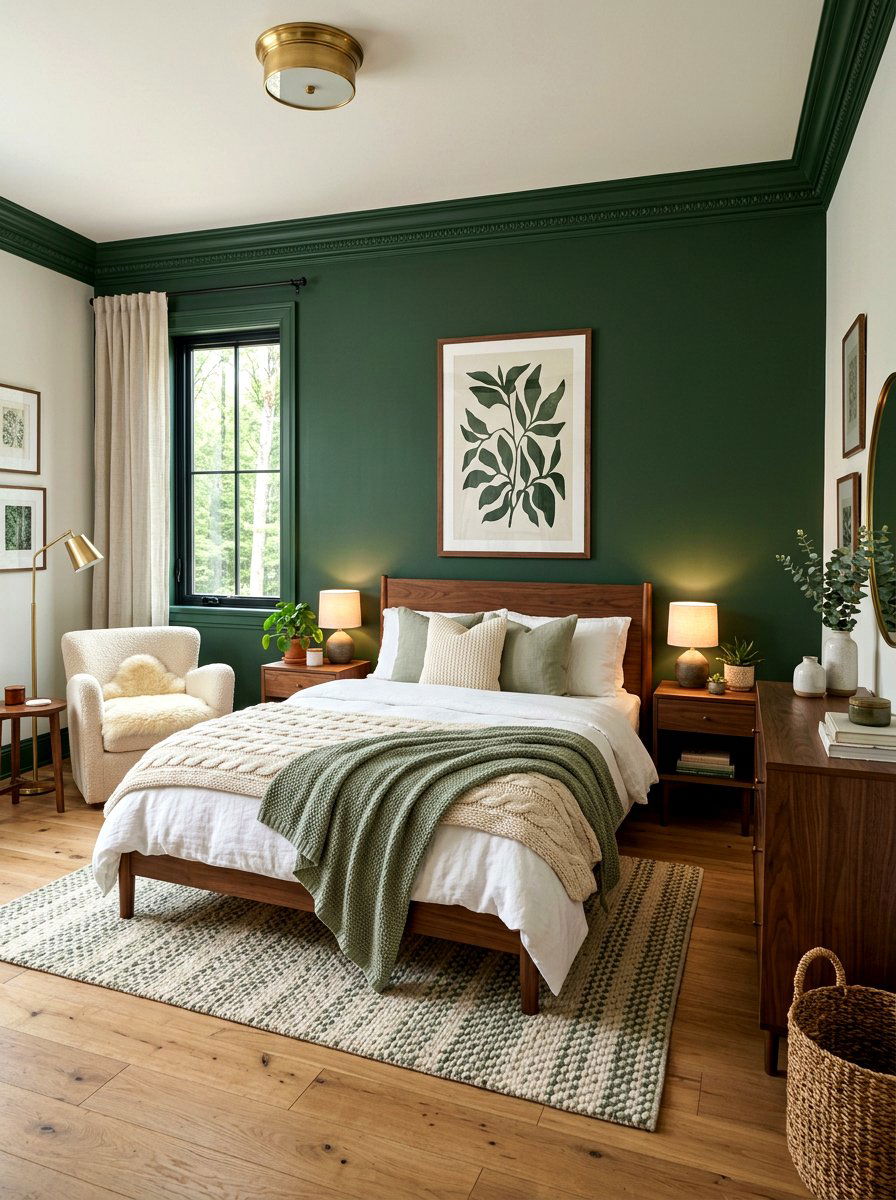
A muted green wall can introduce a soft, biophilic element into your bedroom without breaking the neutral color scheme. You should choose a very pale sage or a dusty olive tone that feels like it belongs in a natural forest setting. This color has a naturally calming effect on the nervous system, making it an ideal choice for a room dedicated to sleep. Painting just one wall or using a soft lime wash can add depth and character to the space. When paired with light wood furniture and cream textiles, the green color provides a subtle and sophisticated connection to the great outdoors.
18. Round Sun Mirror
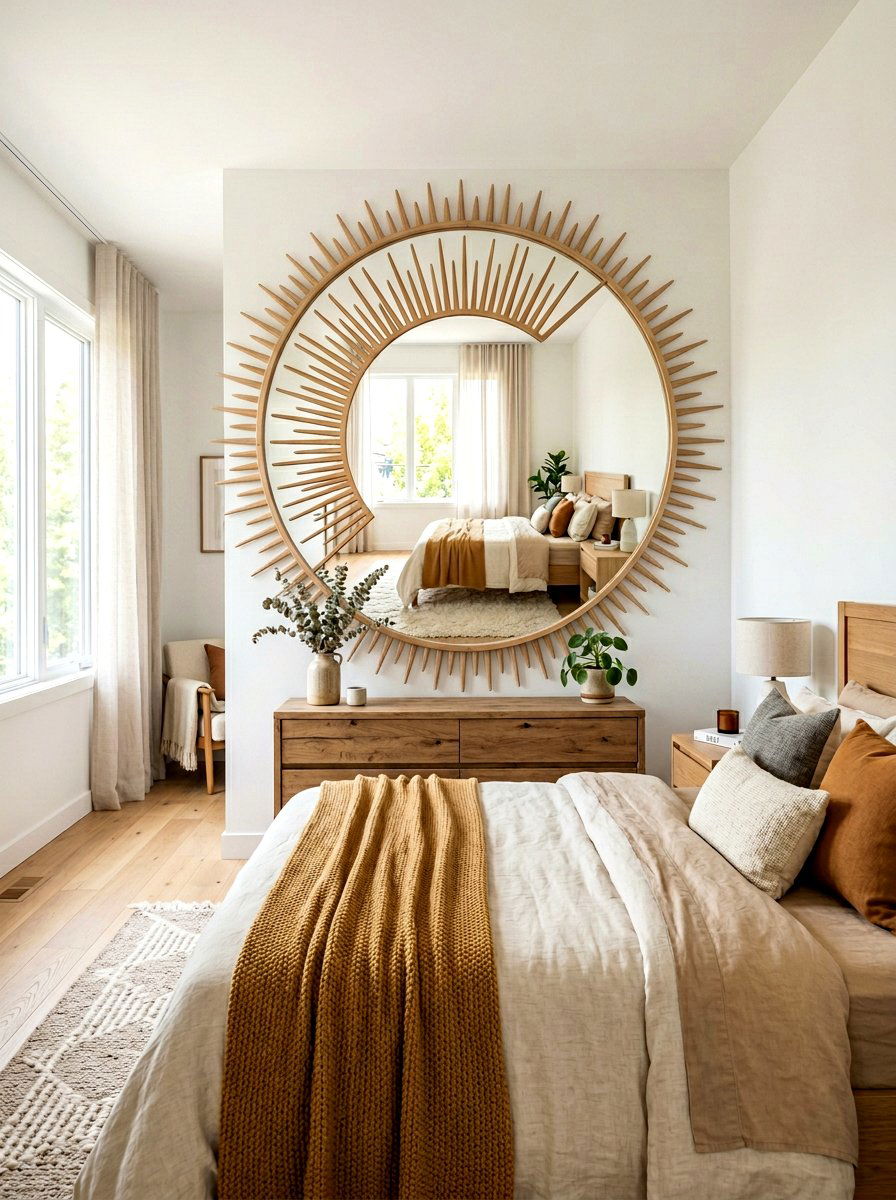
A round sun mirror is a popular decorative piece that adds a soft, organic shape to a room filled with straight lines. The circular form creates a gentle visual break and can help reflect light into darker corners of the bedroom. You should look for a mirror with a simple wooden frame or a very thin metal edge to keep the look minimalist. Hanging a large mirror on one wall can also make a small Japandi bedroom feel much more spacious and open. This functional piece of art serves as a focal point that brings a sense of harmony and balance to the entire design.
19. Soft Grey Textile
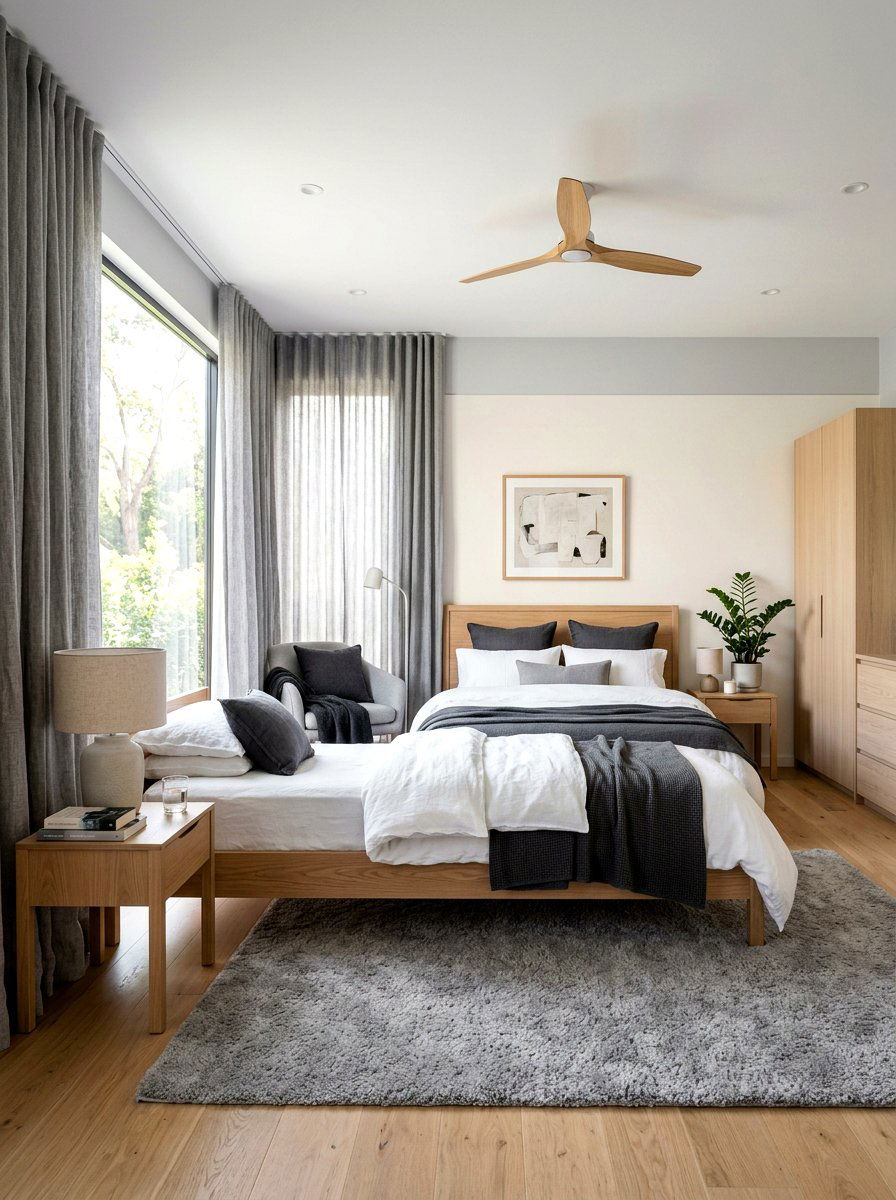
Incorporating soft grey textiles is a smart way to add a cool, modern layer to a warm, wood-filled room. You can use grey linen drapes or a plush wool rug to create a sophisticated and balanced look. This color works as a perfect bridge between white walls and darker wooden accents. Grey feels very stable and quiet, which helps reinforce the peaceful mood of the bedroom. By mixing different shades of grey in varying textures, you can create a rich, layered look that remains minimal. These textiles add a touch of Scandinavian "cool" that prevents the room from feeling overly traditional or rustic.
20. Tall Pampas Grass
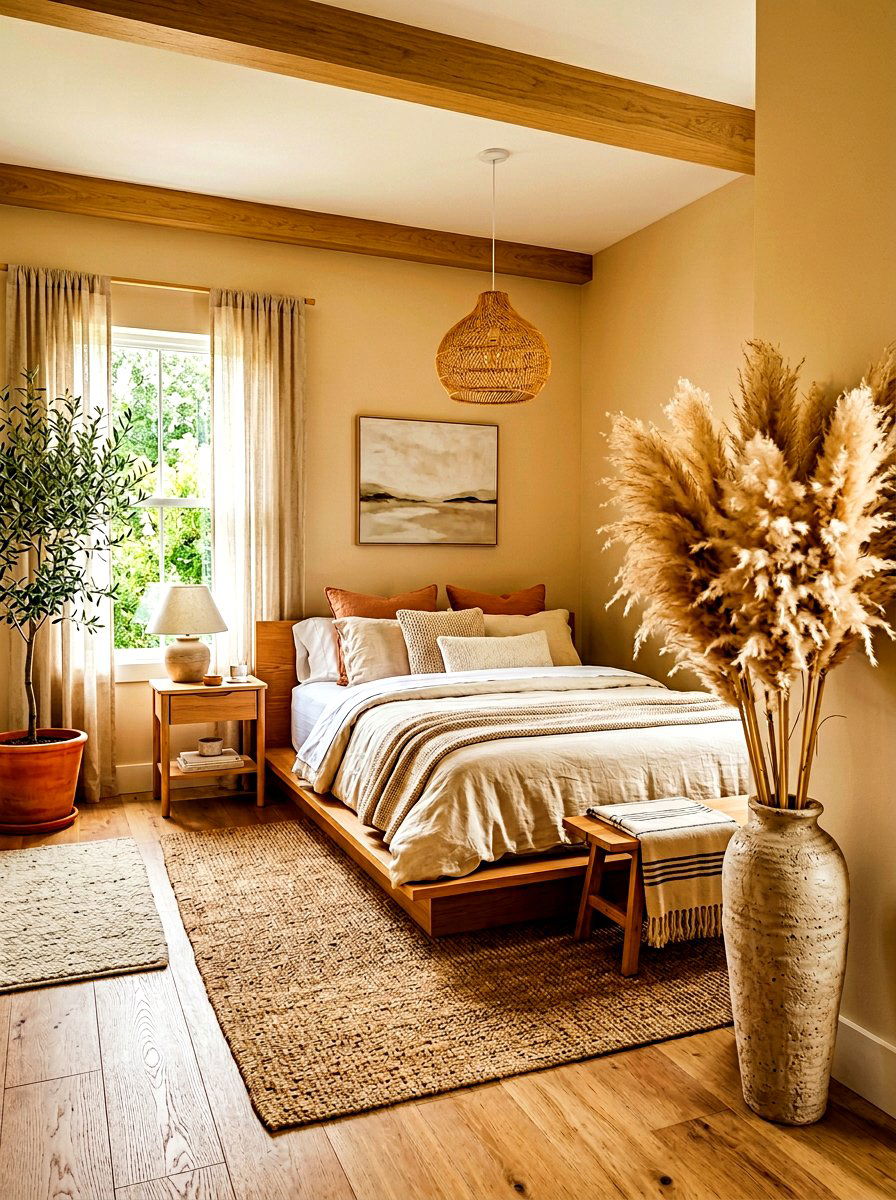
Decorating with tall pampas grass is a viral Pinterest trend that fits the Japandi aesthetic perfectly. You can place a few large, feathery stems in a tall ceramic vase to add height and movement to a corner of the room. The soft, neutral color of the dried grass blends seamlessly with beige walls and light wood furniture. This natural element provides a delicate, ethereal quality that feels very relaxing. Because it is a dried material, it requires no maintenance, making it a perfect choice for those who want to bring nature indoors without the work. It adds a wonderful touch of whimsical, organic beauty.
21. Built In Wardrobe
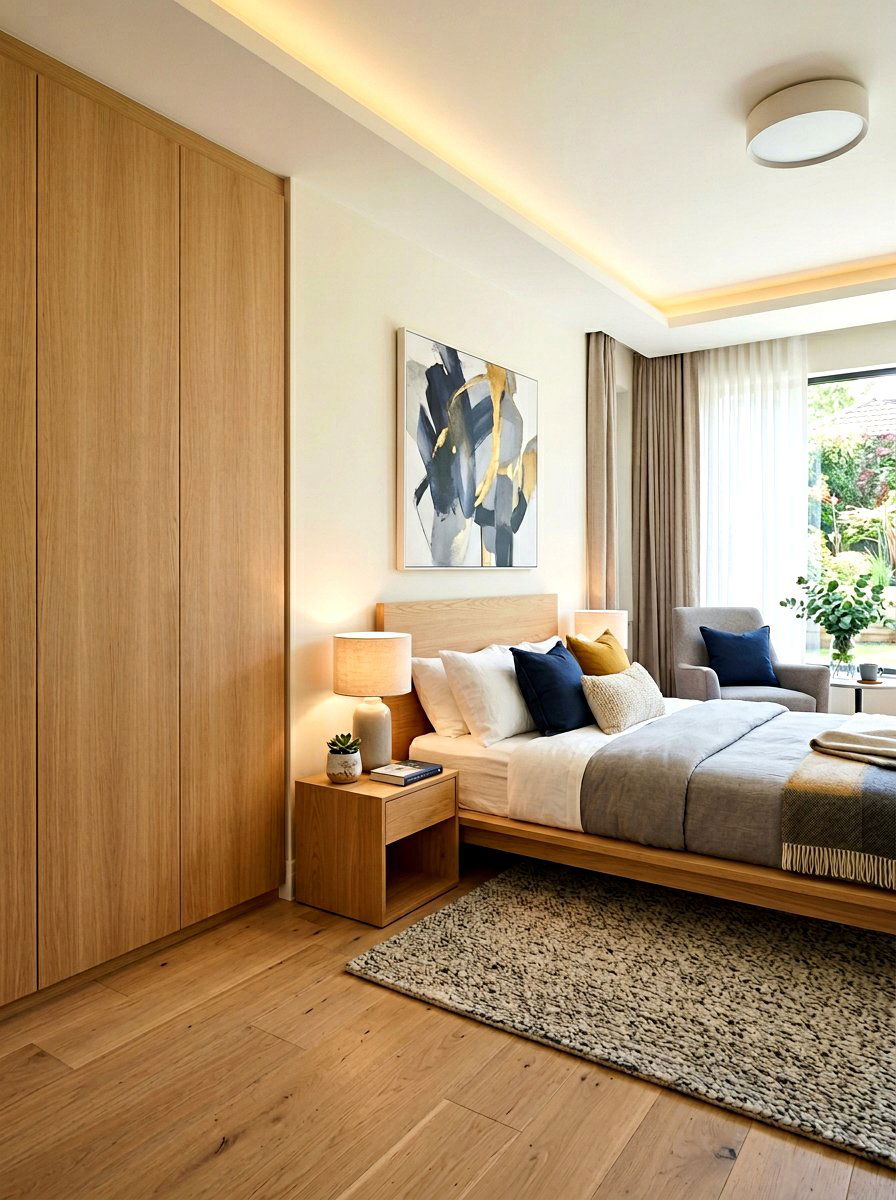
A built-in wardrobe with flat-front doors is the best way to hide clutter and maintain a seamless look in your bedroom. You should choose doors with a natural wood finish or a matte white paint that matches the walls exactly. This design eliminates the need for bulky, freestanding furniture that can make a room feel cramped. By keeping all your clothes and personal items hidden behind clean panels, you create a calm and orderly environment. This focus on functional storage is a key principle of Scandinavian design, ensuring that the space remains beautiful while serving its practical purpose every single day.
22. Dimmable Ambient Light
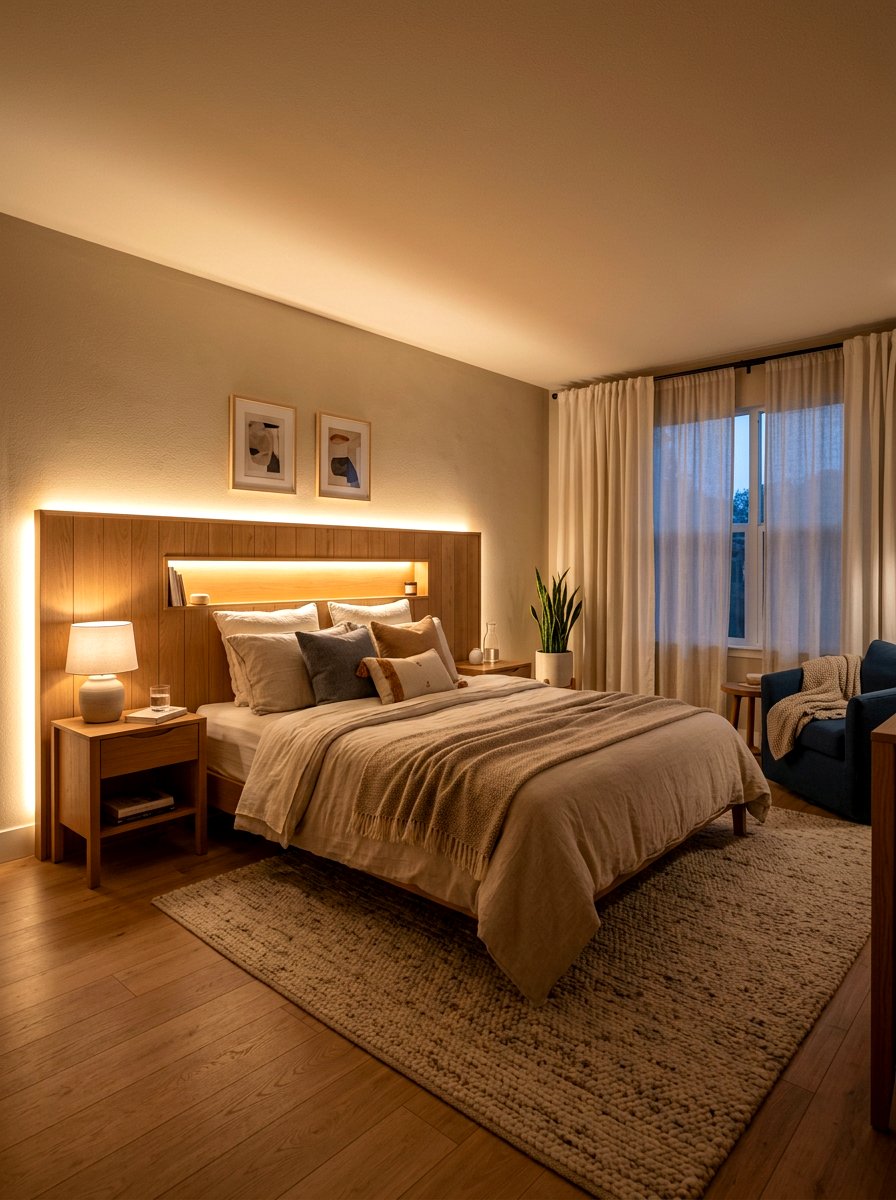
Installing dimmable ambient light allows you to transition your bedroom from a bright, functional space to a cozy evening retreat. You can use hidden LED strips along the ceiling or behind a headboard to create a soft, indirect glow. This type of lighting eliminates harsh overhead glares and highlights the beautiful textures of your wood walls or linen bedding. Having control over the brightness levels helps regulate your circadian rhythm and prepares your body for a restful night. This thoughtful approach to lighting is essential for creating a space that feels truly high-end and luxurious while remaining very simple and focused on your comfort.
23. Concrete Texture Wall
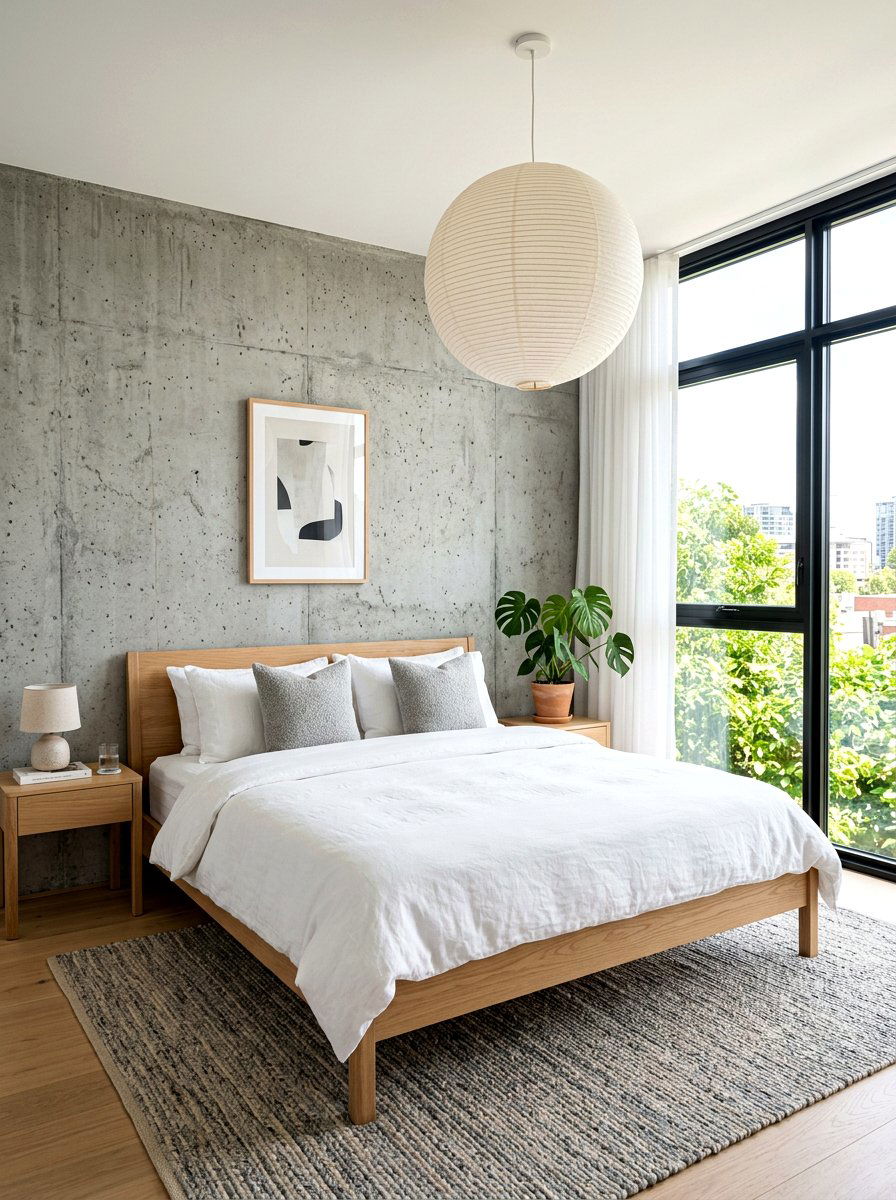
A concrete texture wall provides a cool, industrial contrast to the warm wood and soft fabrics found in a Japandi bedroom. You can use a specialized plaster or a subtle wallpaper to mimic the look of raw concrete. This grey, stony surface adds a modern architectural feel that is very popular in contemporary Japanese homes. The matte, slightly mottled appearance of the concrete serves as a sophisticated backdrop for minimalist furniture. When paired with warm lighting and plush textiles, the concrete wall feels grounded rather than cold. This mix of hard and soft materials creates a dynamic and interesting space that still feels very peaceful.
24. Handmade Ceramic Vase
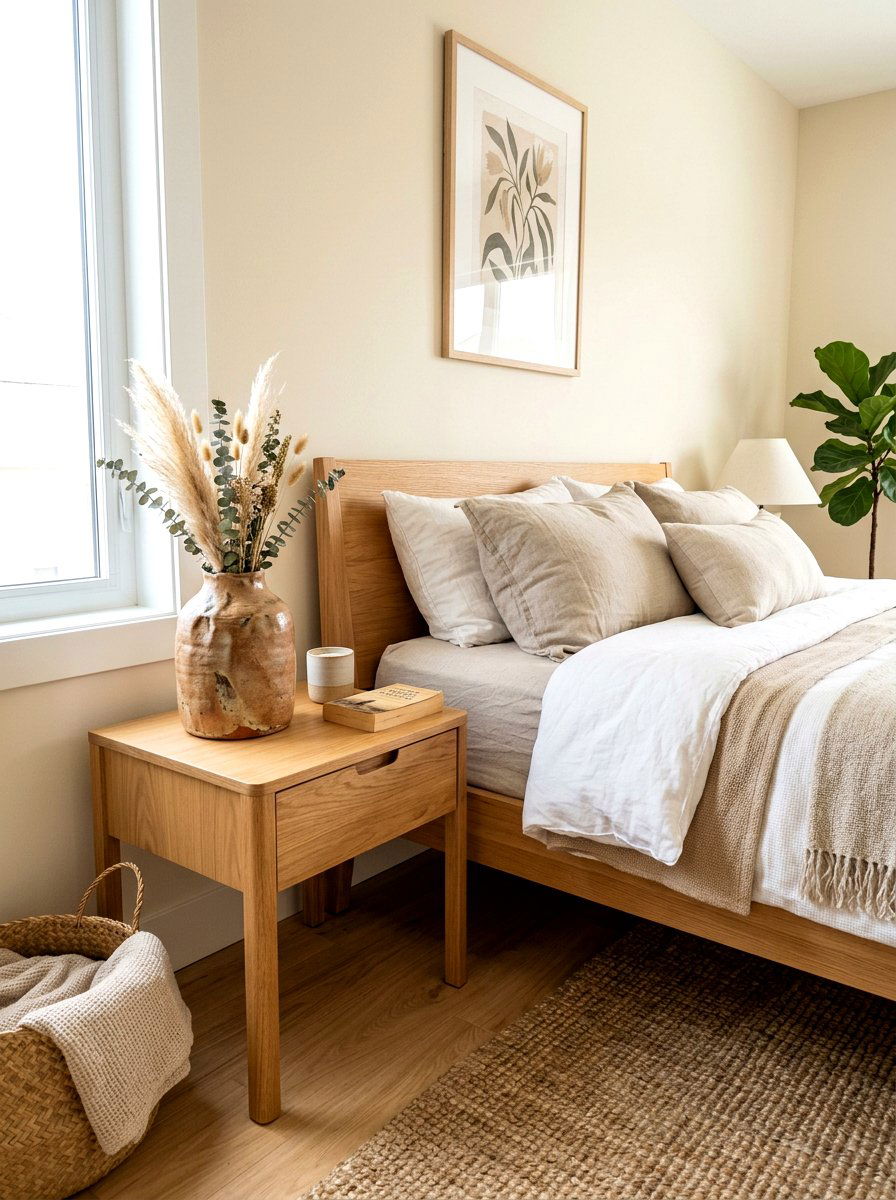
Displaying a handmade ceramic vase is a beautiful way to show off artisan craftsmanship and unique textures. You should look for vases with irregular shapes, matte glazes, or exposed clay surfaces that celebrate the natural materials. A single vase placed on a nightstand or a floating shelf can act as a powerful sculptural element. This decorative choice follows the minimalist rule of "quality over quantity, " where one beautiful item is preferred over many small trinkets. The organic feel of the ceramic ties together the different elements of the room, adding a touch of soul and personality to your modern, quiet Japandi sanctuary.
25. Scandinavian Accent Chair
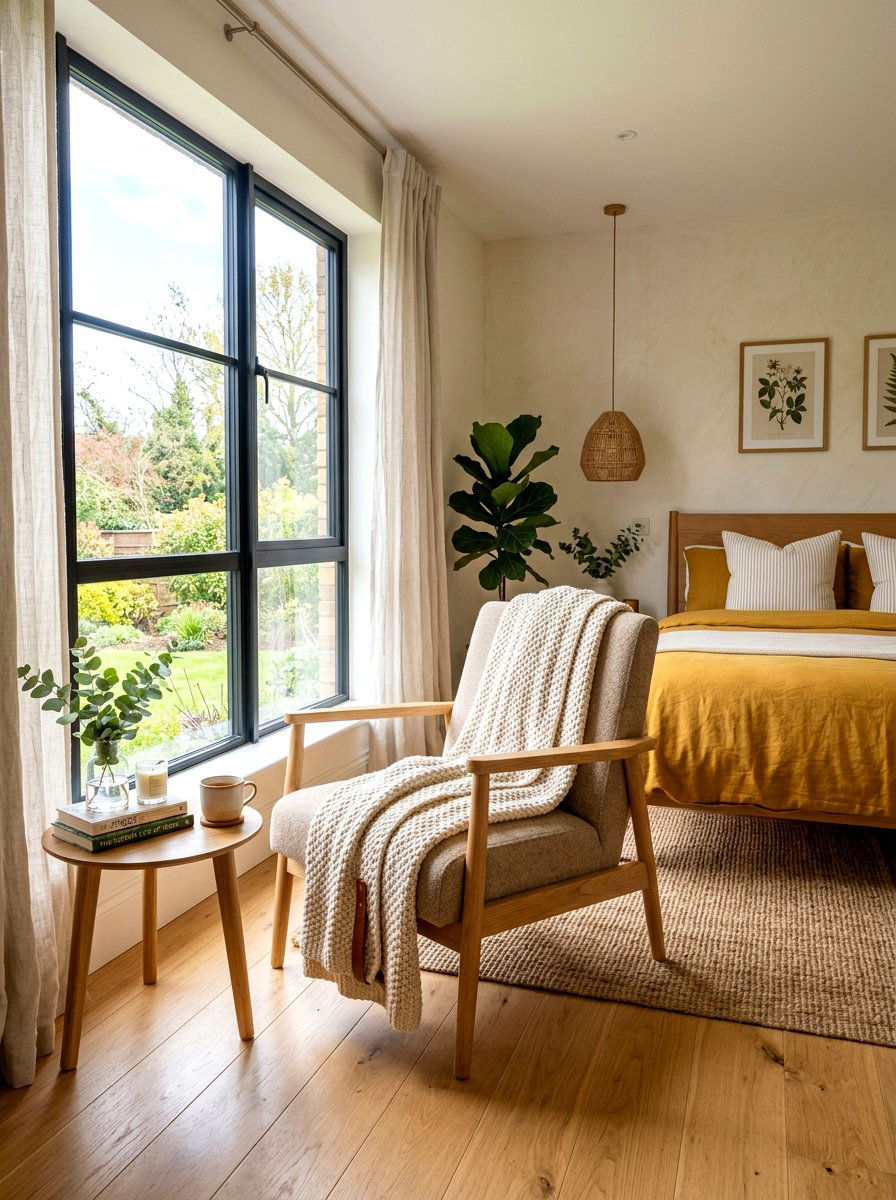
Adding a Scandinavian accent chair creates a dedicated spot for reading or reflection within your bedroom. You should choose a chair with a slim wooden frame and a comfortable upholstered seat in a neutral fabric like wool or boucle. The clean lines and functional design of the chair provide a stylish look without taking up too much visual weight. Placing the chair near a window allows you to enjoy natural light while adding a layer of coziness to the room. This piece of furniture enhances the "hygge" factor, making the bedroom feel like a complete living space where you can truly relax and unwind.
26. Open Wood Rack
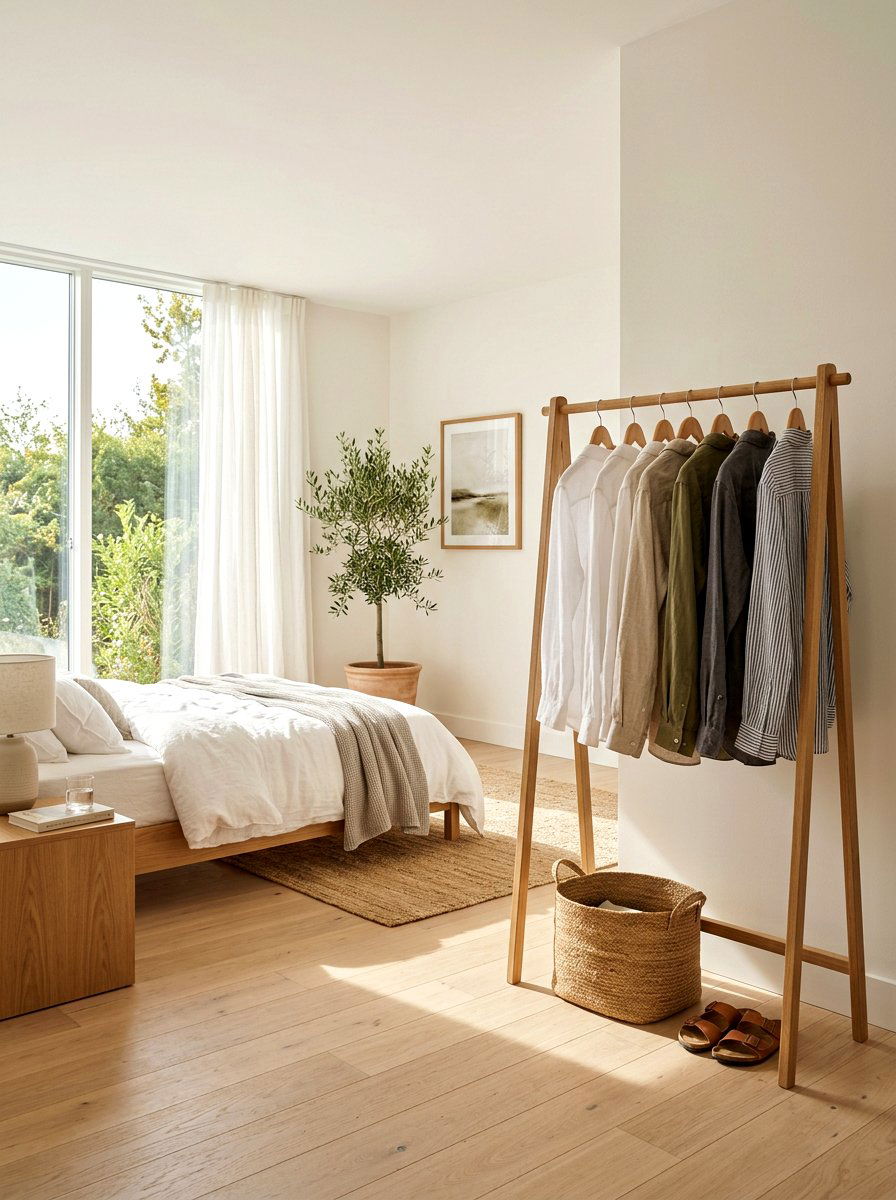
An open wood rack can serve as a stylish and functional way to display your favorite clothing items or accessories. This minimalist alternative to a bulky closet keeps your most-used pieces within easy reach while adding to the room's decor. You can use a simple standing rack made of light oak to hang a few high-quality linen garments. This approach encourages a curated wardrobe and reduces the tendency to hide clutter away in drawers. The visual openness of the rack helps keep the room feeling spacious and airy. It is a perfect choice for anyone who appreciates the beauty of functional, everyday objects.
27. Low Height Nightstand
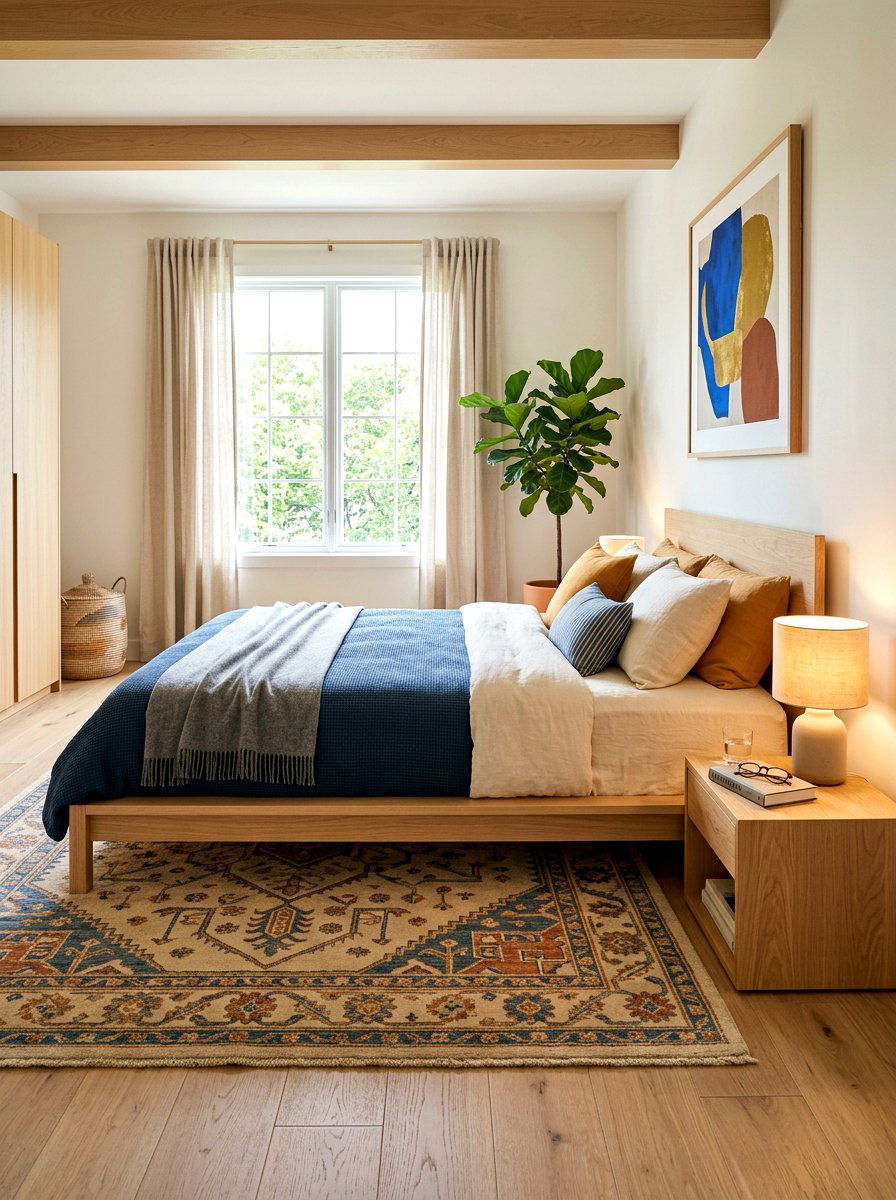
A low height nightstand is designed to sit perfectly alongside a platform bed, maintaining a consistent horizontal line throughout the room. You should select a nightstand with a simple box design and no visible hardware for the cleanest look. This piece provides just enough space for a small lamp and your phone, keeping the surface clear of unnecessary items. The low profile keeps the area around your head open and uncluttered, which can help promote a better night's sleep. By choosing a nightstand in the same wood as your bed frame, you create a harmonious and unified look that feels very intentional.
28. Floor To Ceiling Window
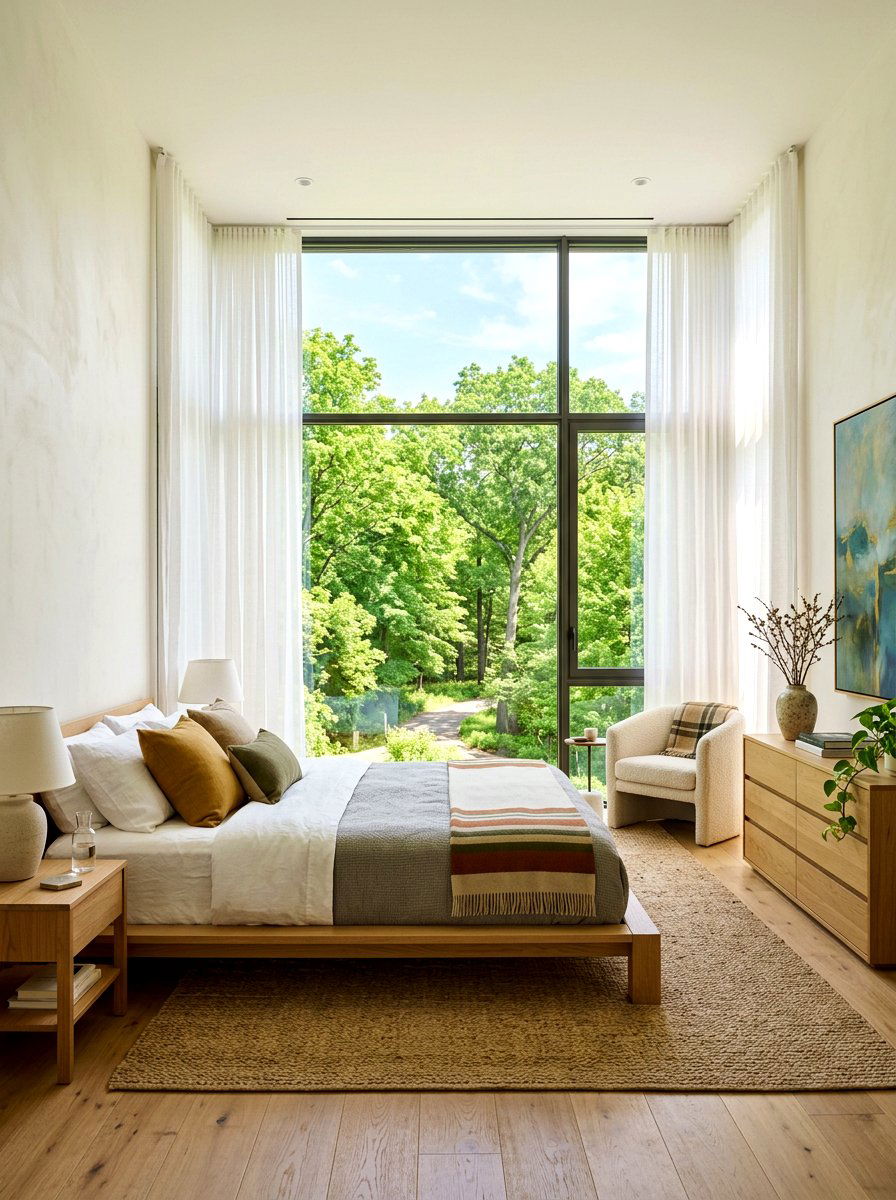
A floor to ceiling window is the ultimate luxury in a Japandi bedroom, as it maximizes natural light and provides a view of the outdoors. Large glass panels blur the boundary between the interior and the exterior, making you feel more connected to the surrounding environment. You should use sheer linen drapes to soften the incoming light and provide privacy without blocking the view completely. This design feature makes the room feel incredibly bright and energetic during the day. Waking up to a view of trees or the sky is a wonderful way to start your morning in a calm and refreshed state.
29. Natural Stone Accent
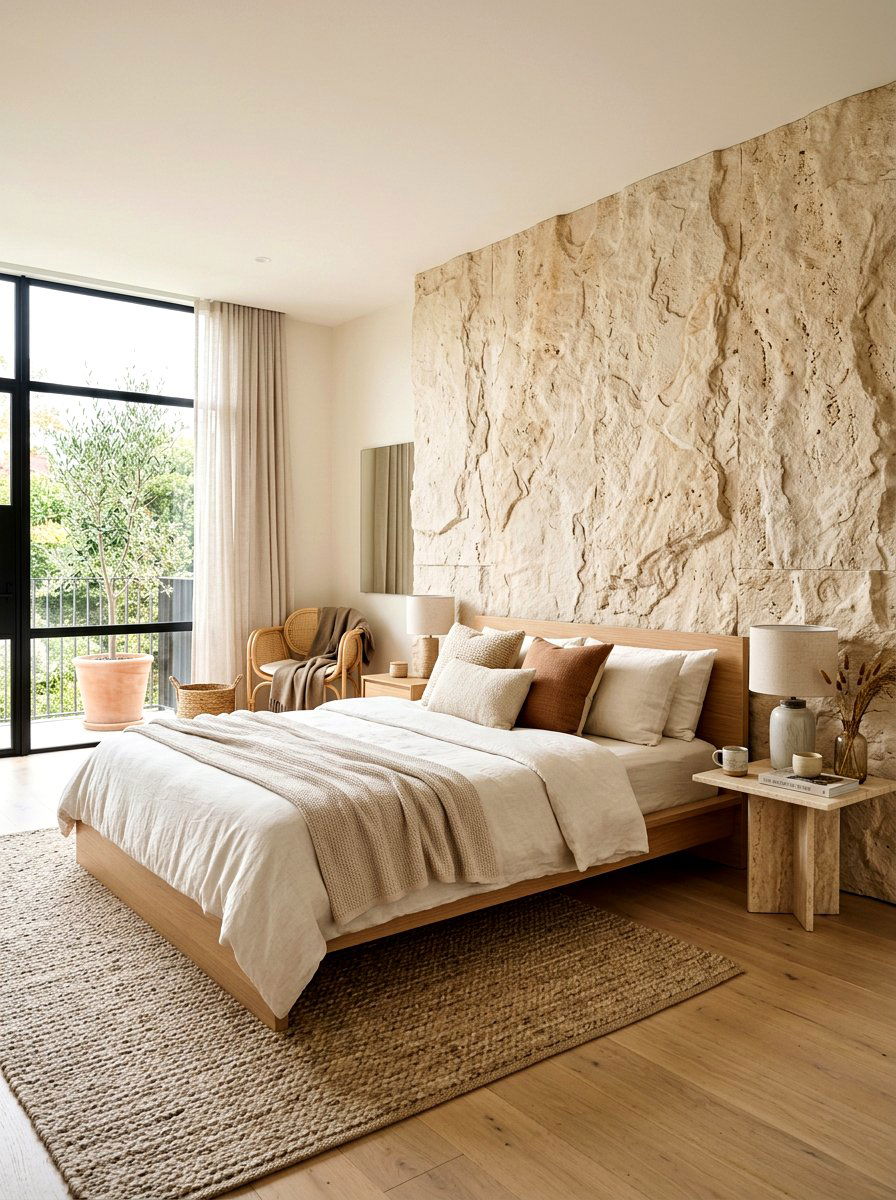
Incorporating a natural stone accent, such as a travertine side table or a marble lamp base, adds a sense of permanence and luxury to the room. Stone has a unique, organic pattern that provides a subtle visual interest without being too busy. The cool, smooth surface of the stone contrasts beautifully with the warm grain of wood and the softness of textiles. Using stone in small amounts ensures that the room remains cozy while adding a touch of sophisticated, earth-bound elegance. This material choice reinforces the Japandi commitment to using honest, raw materials that come directly from the beauty of the natural world.
30. Walnut Wood Detail
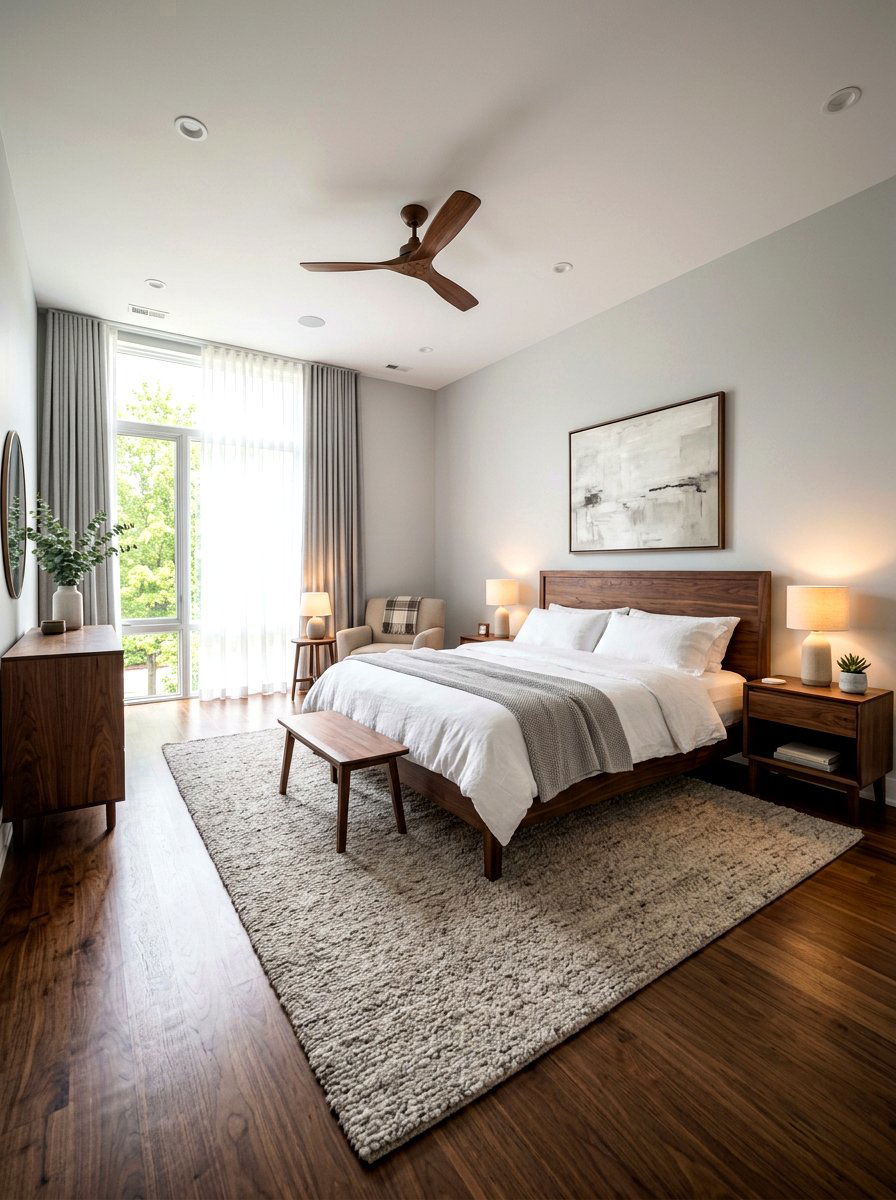
Using walnut wood detail can introduce a rich, dark contrast to a mostly light and airy Japandi bedroom. You might choose a walnut bed frame or a set of floating shelves to add depth and a sense of luxury to the space. The deep brown tones of the walnut look stunning against warm white walls and light grey bedding. This darker wood provides a more formal and grounded feel compared to lighter oaks or pines. By mixing different wood tones in a single room, you create a more nuanced and interesting design that feels curated over time. It adds a beautiful layer of warmth.
Conclusion:
Creating a Japandi bedroom is all about finding the perfect balance between order and comfort. By focusing on natural materials, a neutral color palette, and high-quality functional furniture, you can build a space that truly nurtures your well-being. This style is not just about aesthetics; it is a way to simplify your life and surround yourself with things that bring you a sense of calm. As you have seen through these thirty ideas, small details like soft lighting, textured rugs, and organic plants can make a massive difference in how a room feels. Start your transformation today and enjoy the peaceful sanctuary you deserve.

Related posts: