Creating a shared space for siblings is a beautiful way to foster deep bonds and lifelong memories. It requires a thoughtful balance between individual personality and a cohesive aesthetic. When you design a room for two or more children, you must consider the unique needs of each age group involved. Functional storage and smart layouts are the backbone of a successful shared environment. You want to provide enough room for play, sleep, and study while ensuring the space feels organized. This guide explores creative ways to maximize every square inch without sacrificing style. From clever bunk bed configurations to shared nurseries, these layouts prioritize comfort and harmony.
1. Neutral Shared Bedroom
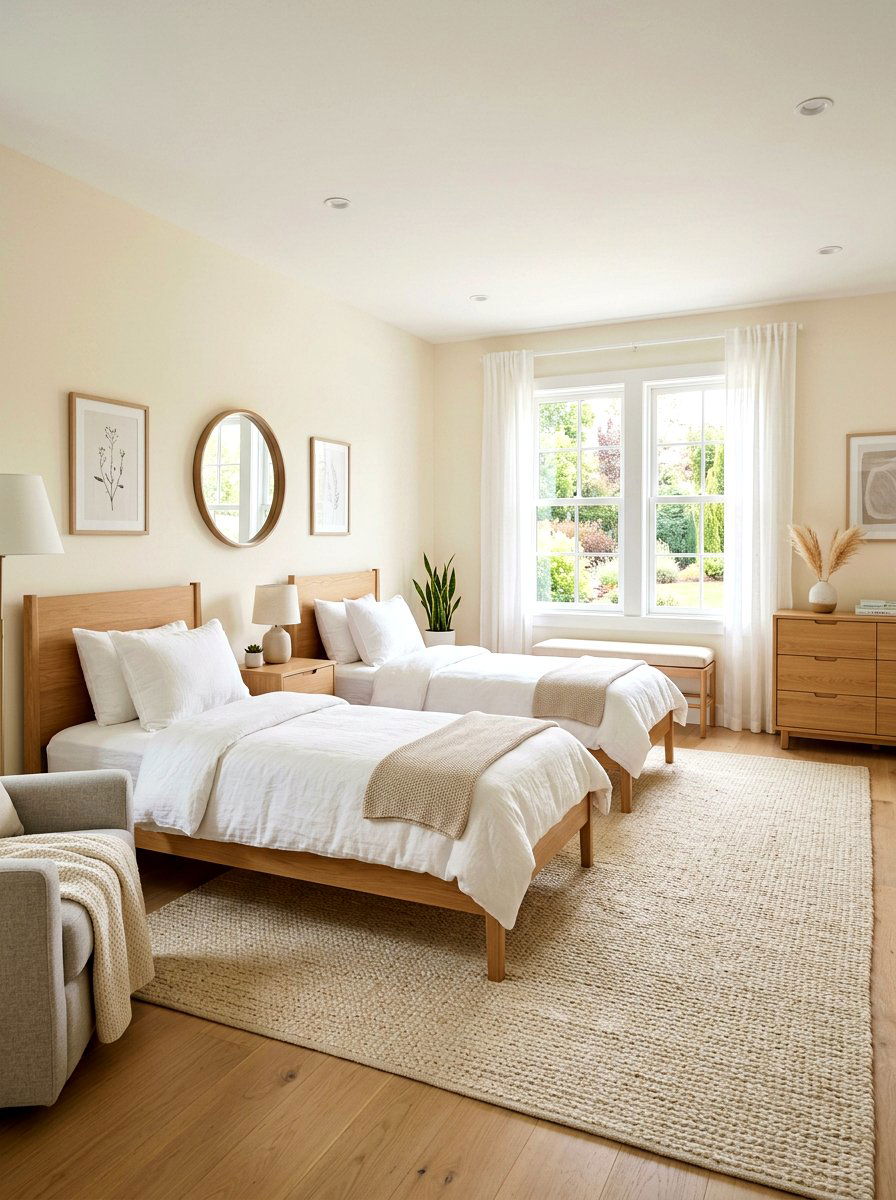
A neutral shared bedroom offers a timeless and calming environment that grows alongside your children. Using a palette of soft creams, warm woods, and gentle greys creates a sophisticated backdrop. This approach works exceptionally well when siblings have different tastes or are at different developmental stages. You can anchor the room with two identical wooden bed frames paired with crisp white linens. Large windows allow natural light to flood the space, making it feel more expansive. Incorporate woven baskets for toy storage to maintain an organic look. This design style is very versatile. It allows you to swap out small accessories like pillows or art without needing a full renovation.
2. Shared Nursery And Toddler Room
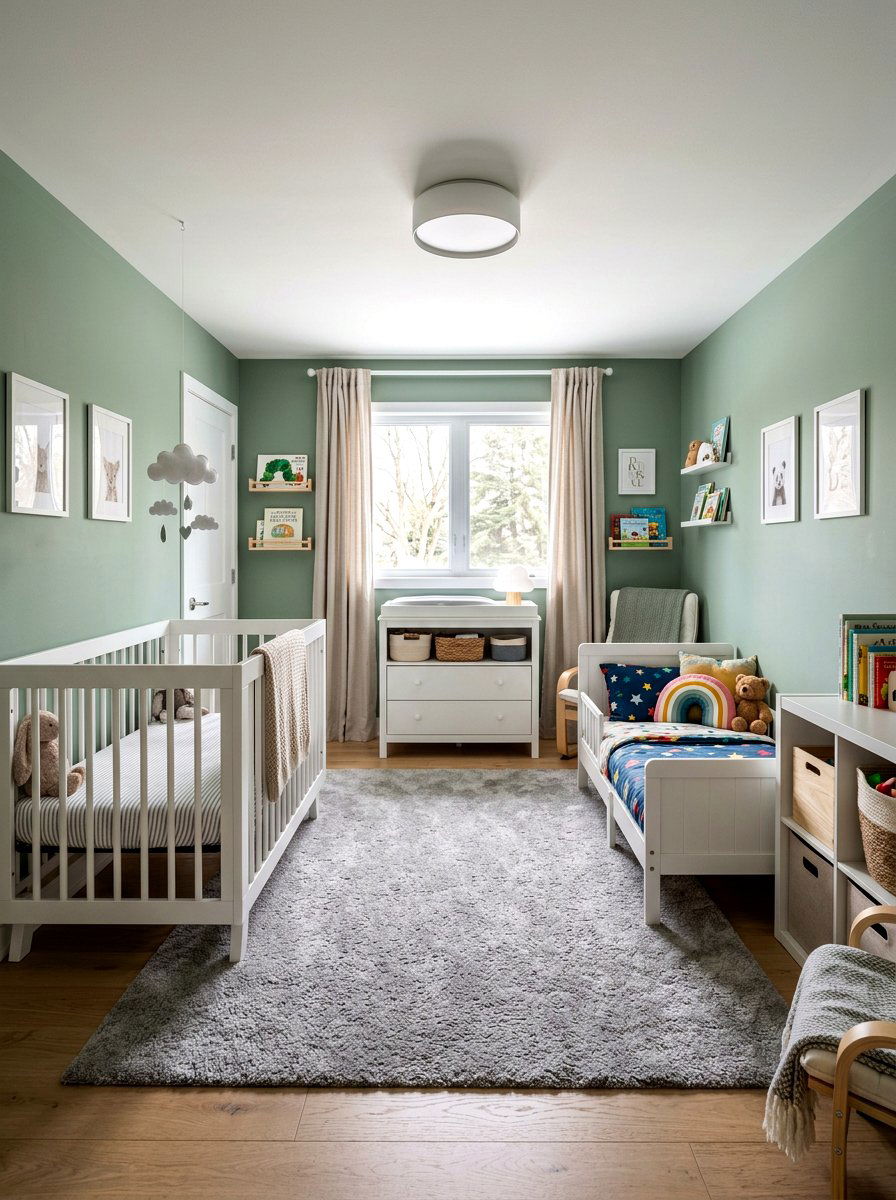
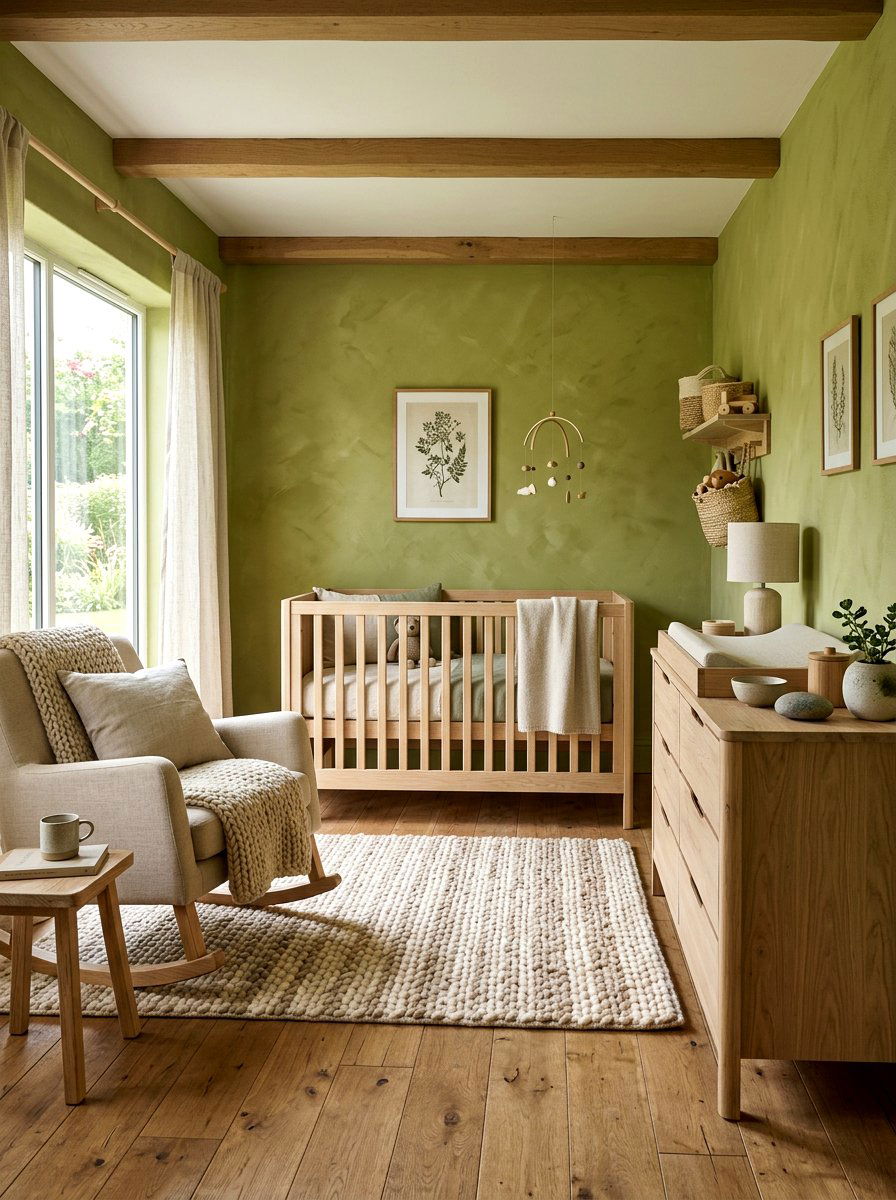
Combining a nursery with a toddler area requires careful planning to ensure both children feel comfortable. You should place the crib in a quieter corner to allow the baby to nap undisturbed. The toddler bed can be positioned on the opposite side to provide a sense of independence. Use a cohesive color scheme like sage green or soft blue to tie the different furniture pieces together. A large, plush area rug in the center serves as a safe zone for both siblings to interact. Consider installing dimmable lighting to manage different bedtimes effectively. This layout prioritizes functionality while fostering a sweet early bond between the siblings.
3. L Shaped Bunk Beds
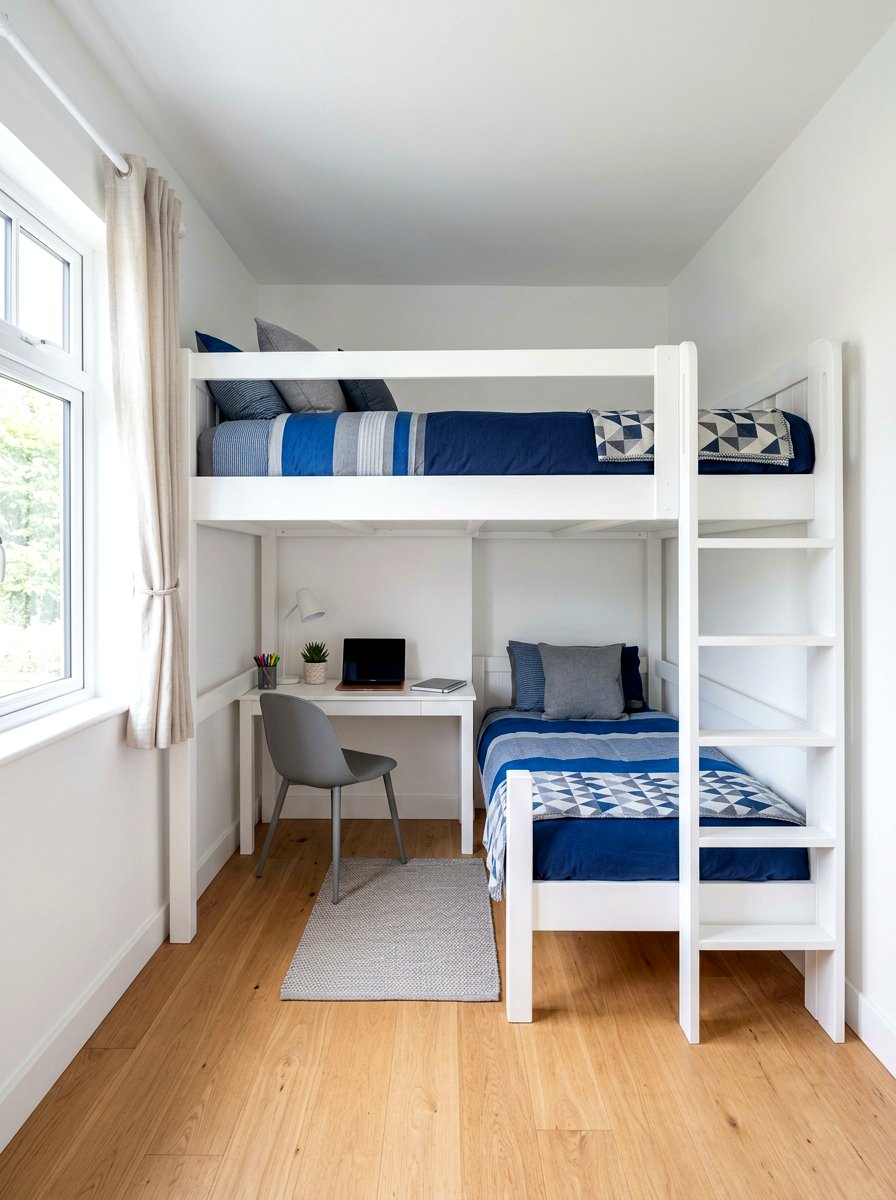
L shaped bunk beds are a fantastic solution for maximizing floor space in a shared room. This configuration fits perfectly into a corner, leaving the center of the room open for play. Unlike traditional vertical bunks, the perpendicular arrangement feels more open and less imposing. It also provides extra room underneath the top bunk for a small desk or a cozy reading nook. Use light-colored wood or white frames to keep the room feeling airy. Adding individual wall sconces for each bed allows one sibling to read while the other sleeps. This layout is ideal for square rooms where wall space is at a premium.
4. Gender Neutral Kids Room
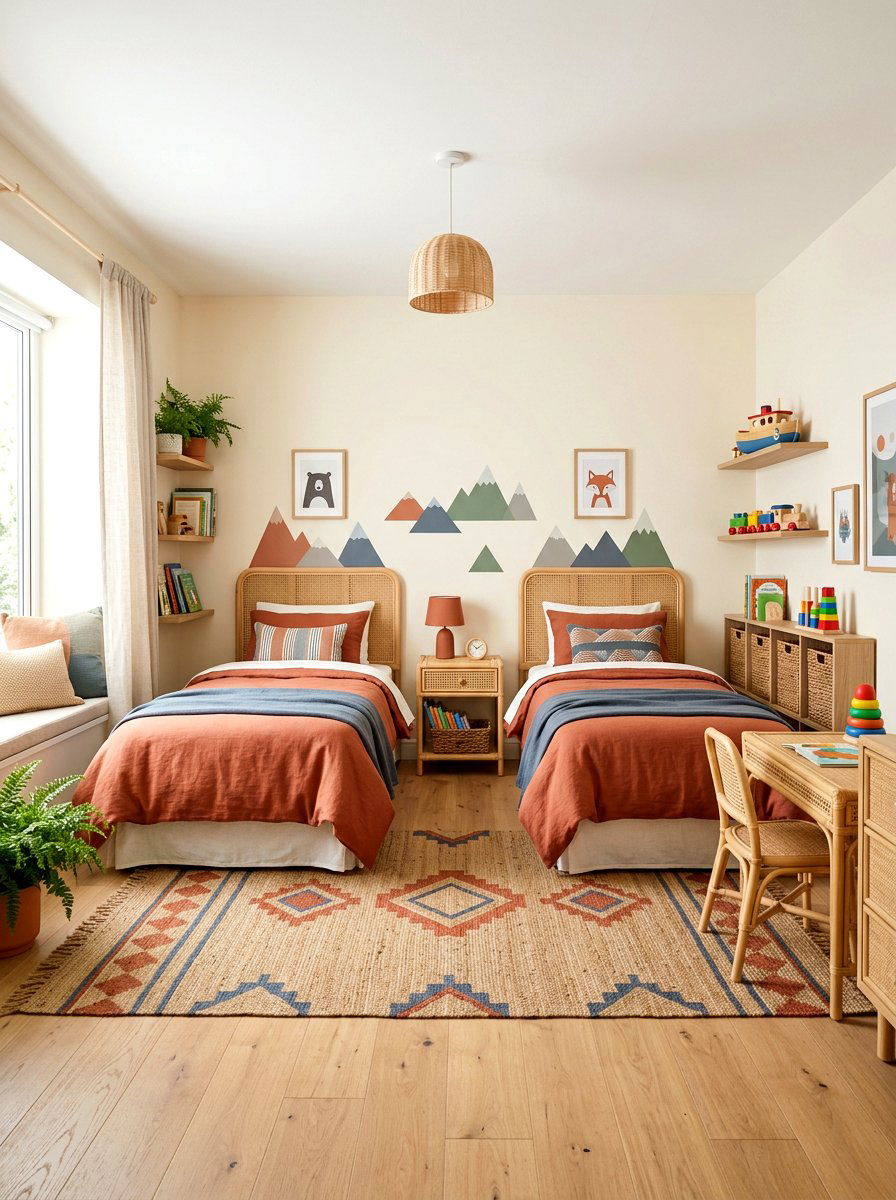
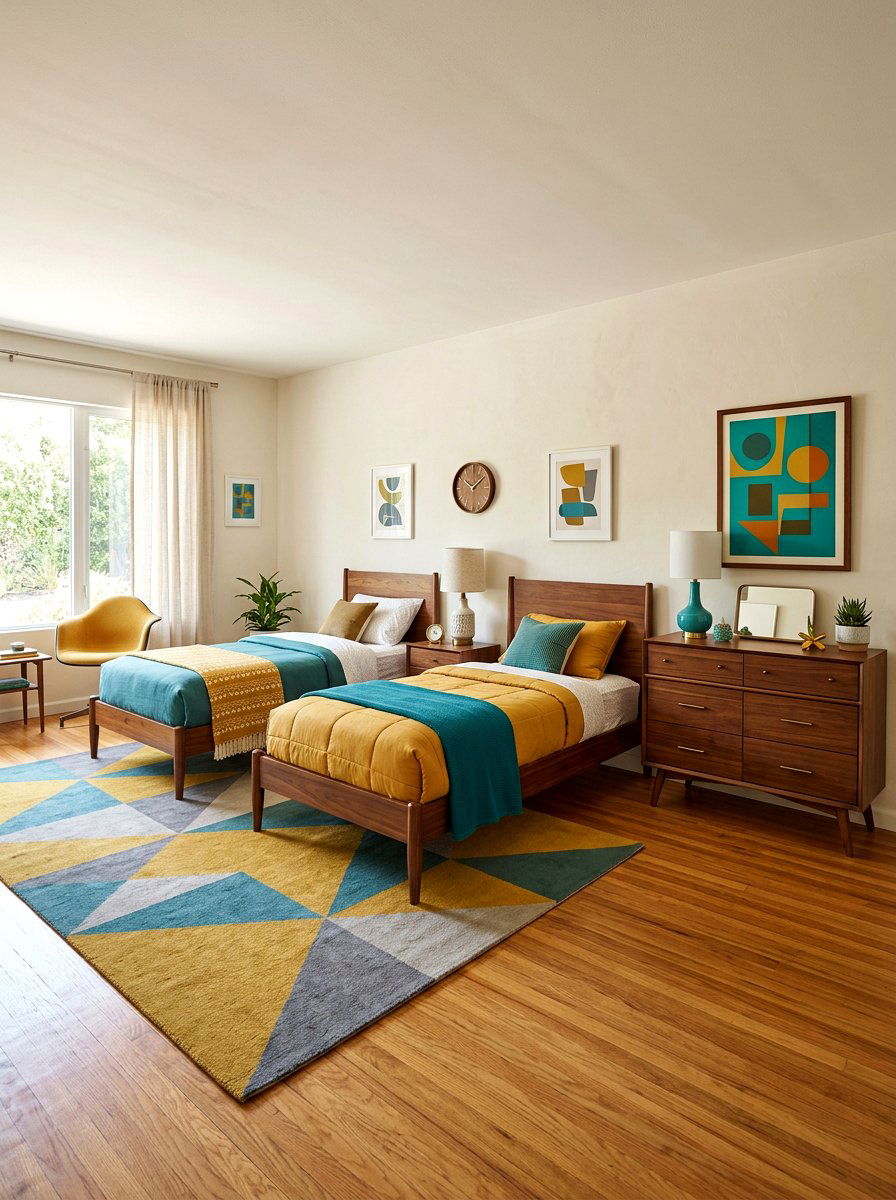
Designing a gender neutral kids room focuses on using colors and themes that appeal to everyone. Think beyond basic yellows and greens by incorporating earthy tones like terracotta, mustard, and slate. Symmetrical layouts with identical furniture provide a balanced and fair environment for siblings. You can use textured fabrics and natural materials like rattan to add visual interest without leaning toward one gender. Wall decals featuring mountains or forest scenes create an adventurous atmosphere. This style is practical for families who plan to pass the room down to younger siblings later. It emphasizes a modern, inclusive aesthetic that feels both fresh and very inviting.
5. Small Shared Bedroom
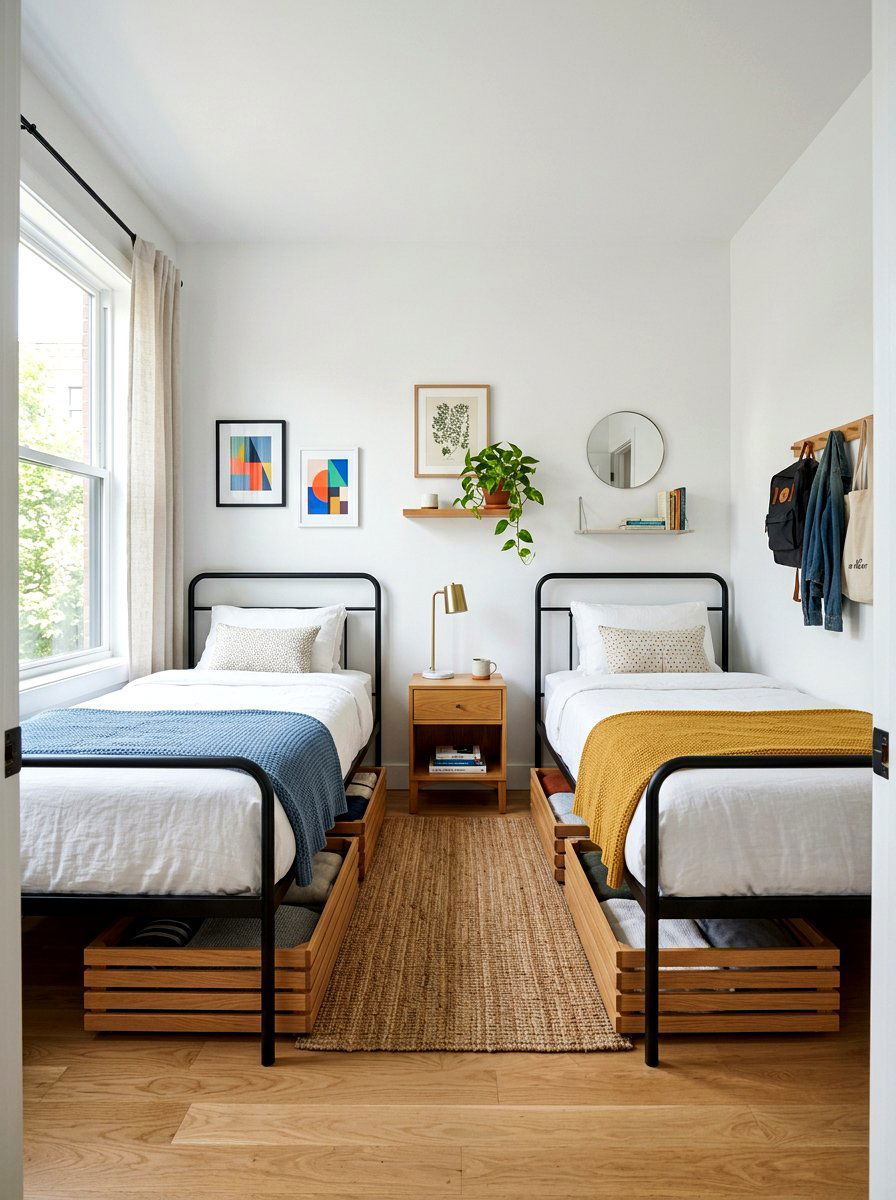
Maximizing a small shared bedroom involves using vertical space and multi-functional furniture. Opt for slim-profile bed frames to prevent the room from feeling cramped. Utilizing under-bed storage drawers is essential for keeping clothes and toys tucked away. Choose a light color palette for the walls to reflect light and create the illusion of a larger area. Wall-mounted shelves are better than bulky bookcases for displaying favorite items. Mirroring the layout on both sides of the room can help create a sense of order. By keeping clutter to a minimum, even the smallest room can become a functional and happy retreat for two siblings.
6. Shared Room With Divider
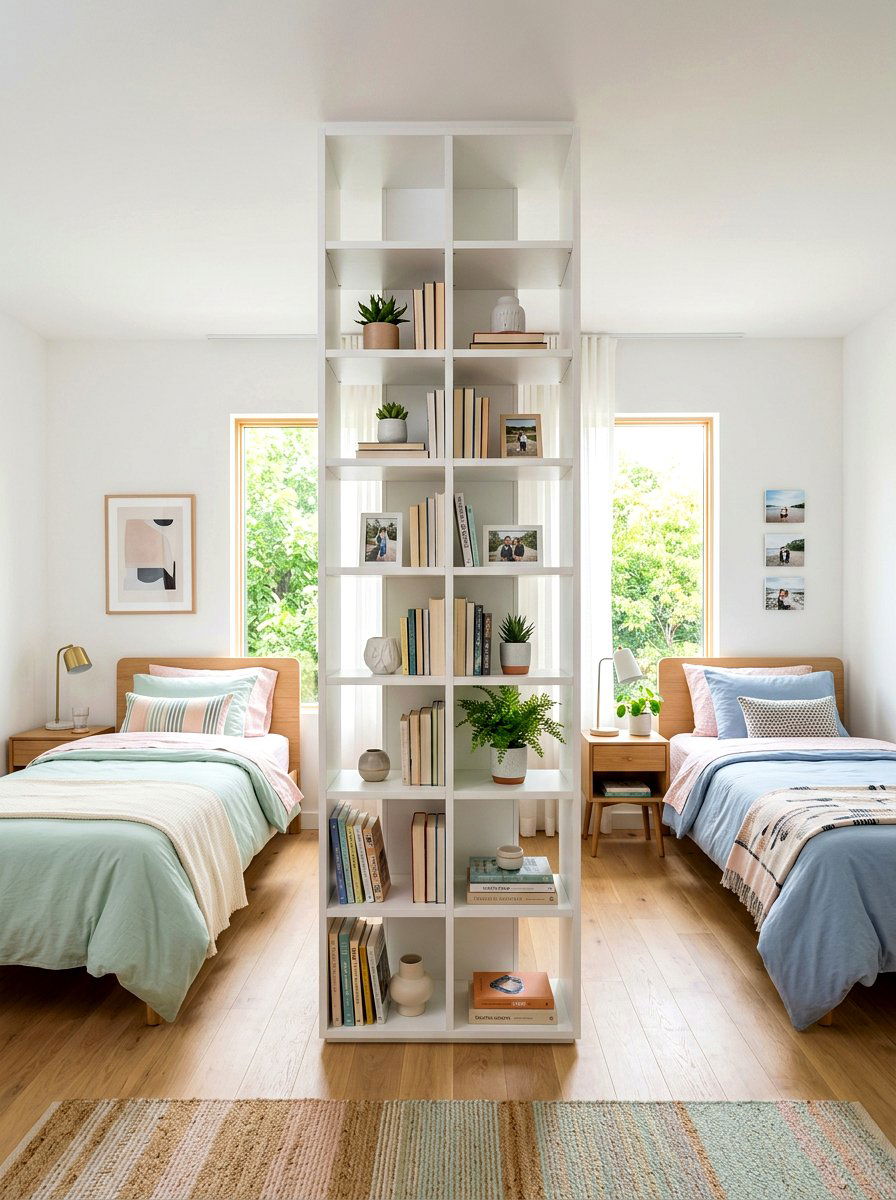
A shared room with divider is the perfect way to give siblings a sense of privacy. You can use a tall, open bookshelf to separate the sleeping areas without blocking natural light. Another option is a ceiling-mounted curtain track that can be pulled closed when someone needs quiet time. This physical boundary helps define personal space and reduces bedtime squabbles. Each side of the divider can be decorated to reflect the individual personality of the child. It is a flexible solution that can be easily changed as the children grow. This setup effectively turns one room into two distinct and private mini-bedrooms.
7. Boys Shared Bedroom
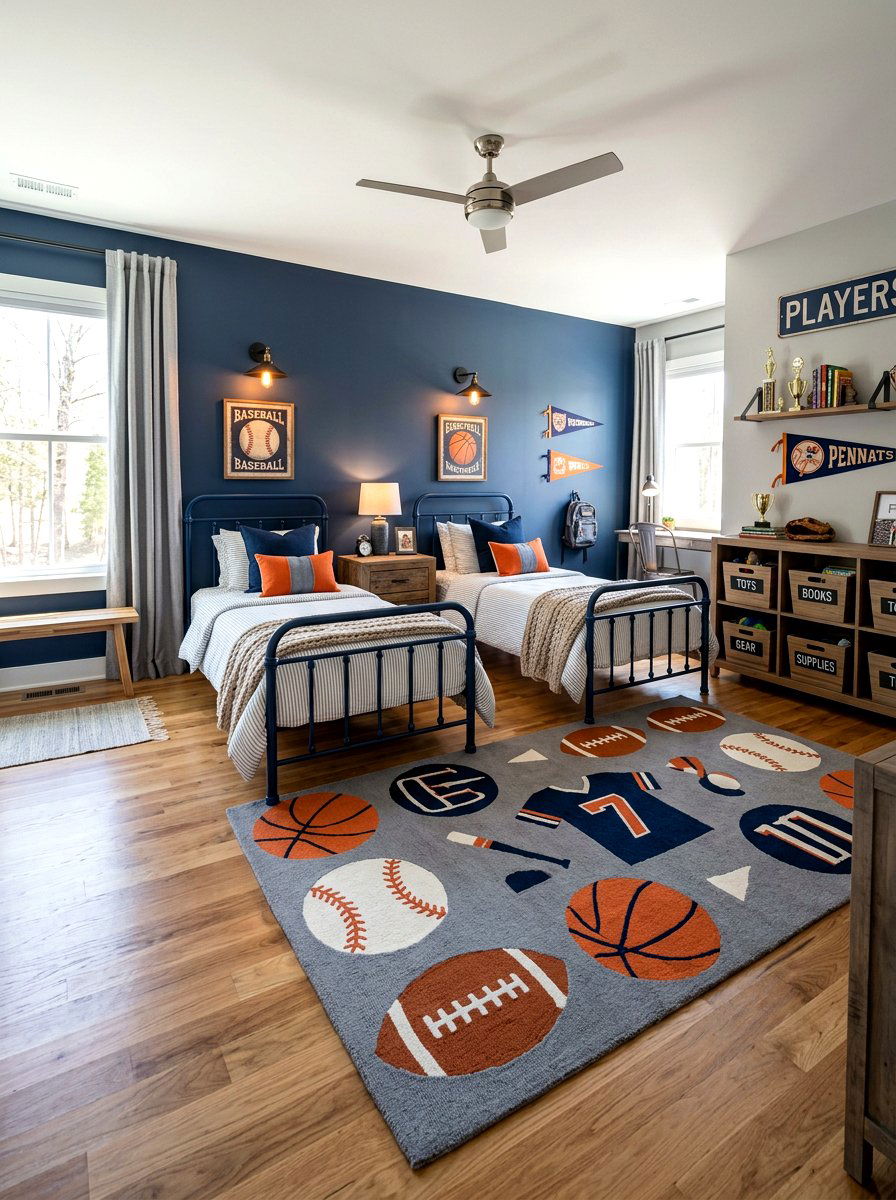
Creating a boys shared bedroom often involves incorporating durable materials and energetic themes. You might choose a classic navy and white color scheme or a rugged industrial look with metal bed frames. Large storage bins are necessary for organizing sports gear and building blocks. A dedicated wall for displaying artwork or posters allows each boy to express his unique interests. Consider a bunk bed with a built-in ladder to save space for a large central rug. This open area is perfect for active play and floor games. Using sturdy textiles ensures the room can handle the wear and tear of daily childhood adventures.
8. Girls Shared Bedroom
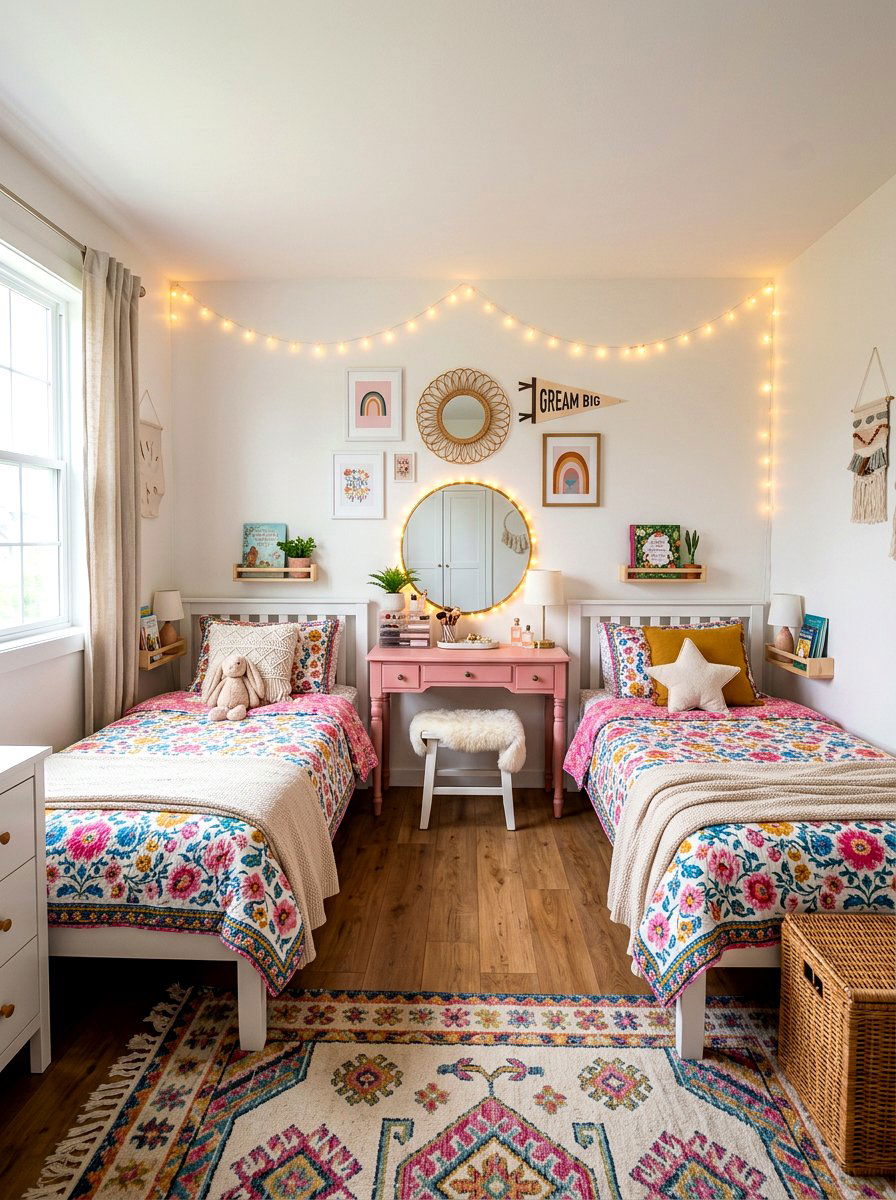
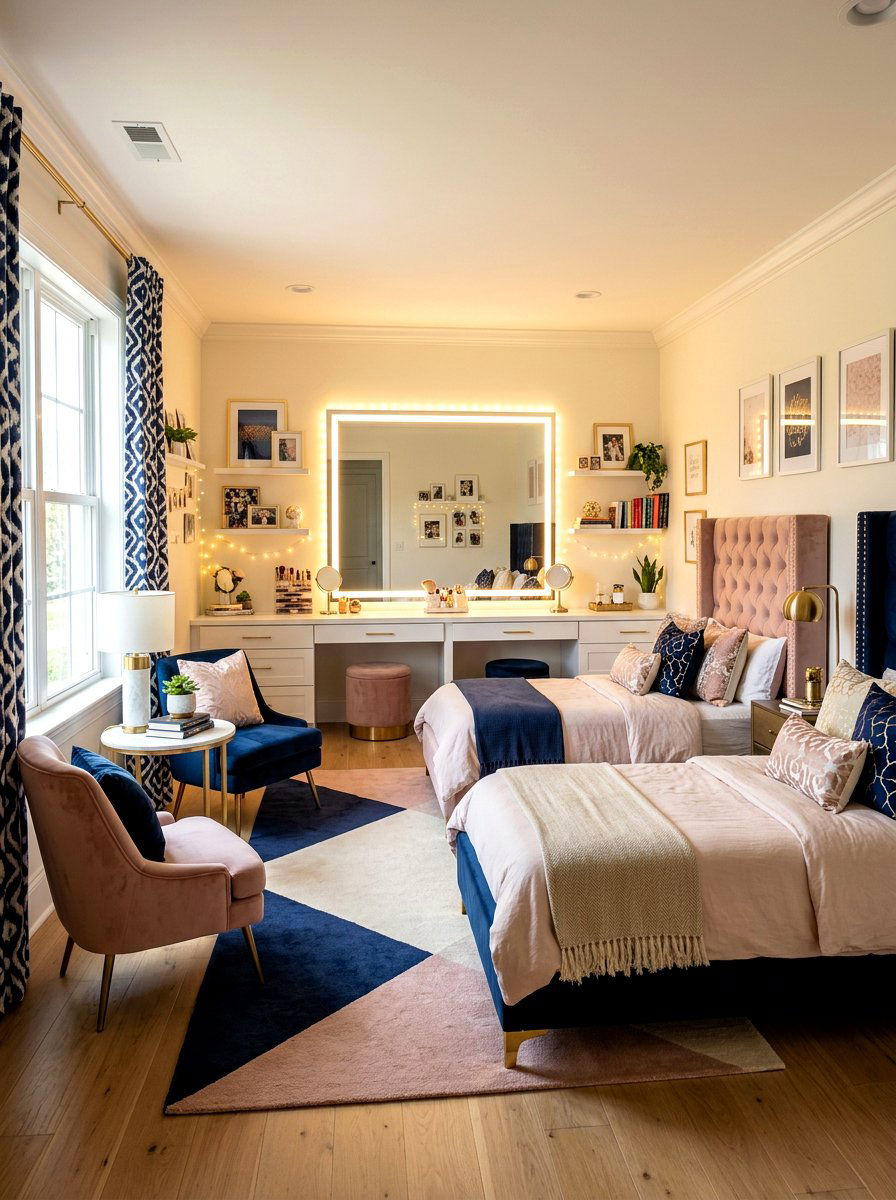
A girls shared bedroom can be a whimsical and creative space for imagination to flourish. Soft pastels combined with floral patterns or boho-inspired textures create a charming atmosphere. Identical twin beds with elegant headboards provide a classic and sophisticated look. You can add a shared vanity or a craft table in the center to encourage collaborative play. String lights draped over the beds add a magical touch during the evening hours. Using decorative baskets for storage helps keep the space organized while adding to the overall aesthetic. This design focuses on creating a cozy and pretty environment where siblings can bond and dream.
9. Triple Bunk Beds
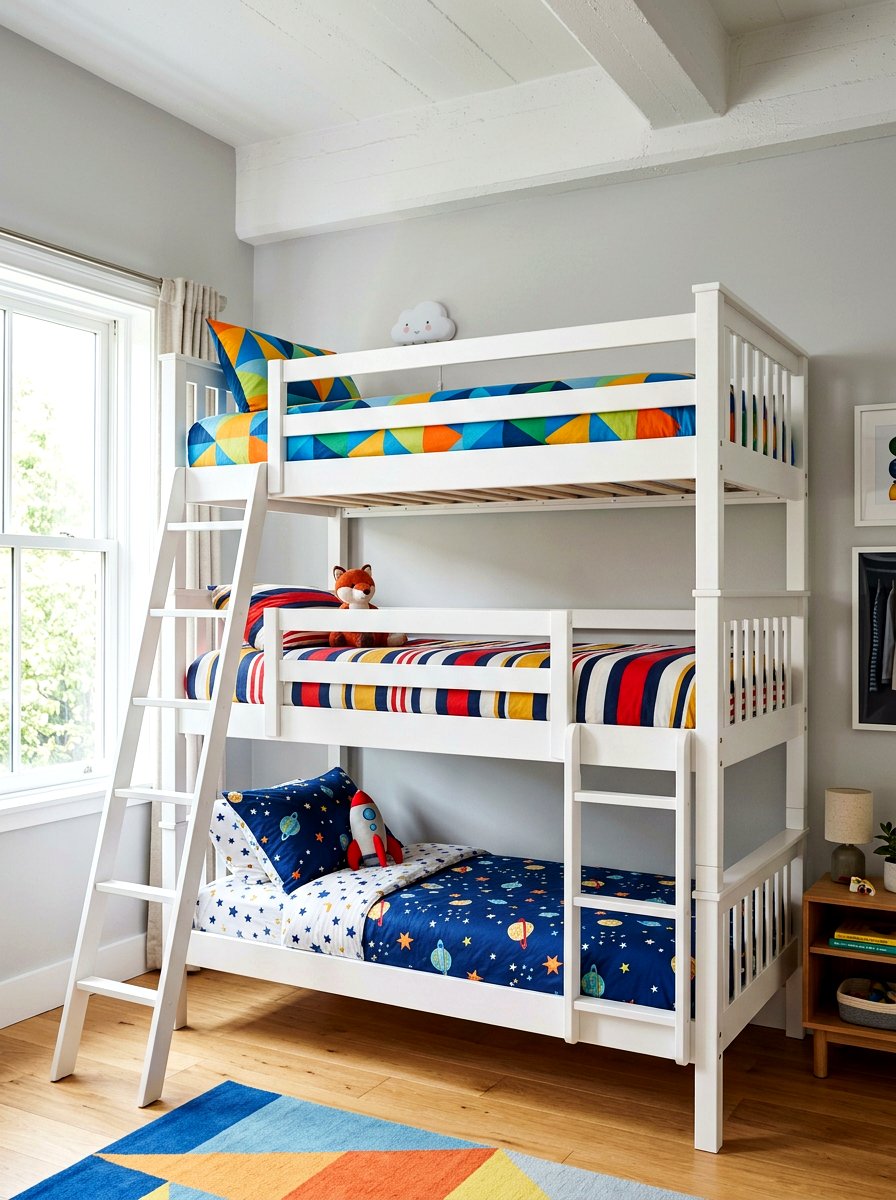
Triple bunk beds are a game-changer for large families sharing a single bedroom. This vertical arrangement utilizes the full height of the room, leaving more floor space for other furniture. Many modern designs offer staggered heights or L-shaped configurations to prevent a "stacked" feeling. It is important to ensure there is enough ceiling clearance for the top sleeper. Each level can be personalized with its own bedding and small clip-on light. This setup is incredibly efficient for narrow rooms with high ceilings. It creates a fun, camp-like atmosphere that many children enjoy. Safety railings and sturdy ladders are essential components for this multi-sleeper layout.
10. Twin Beds Side By Side
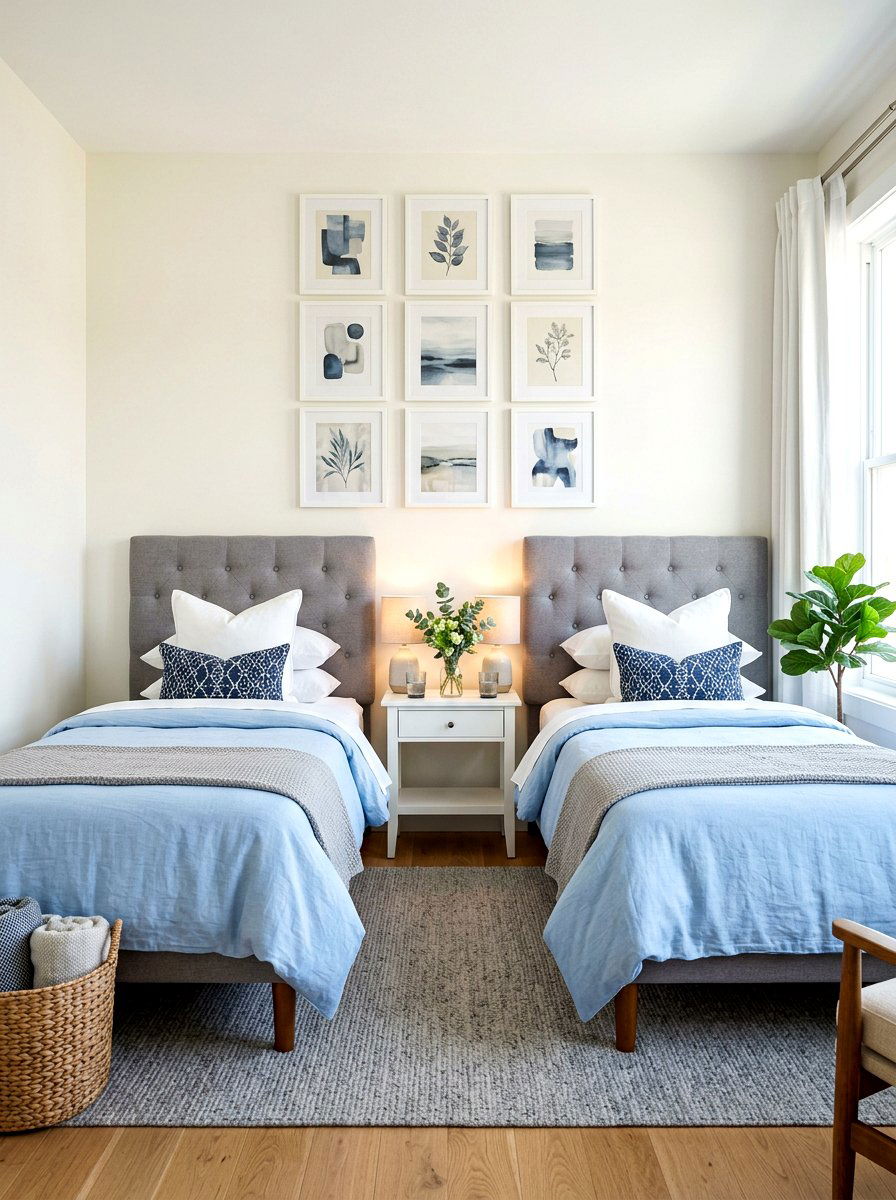
Arranging twin beds side by side is a traditional layout that promotes a sense of equality. This symmetrical design works best in wider rooms where there is enough space for a nightstand in between. Using matching bedding creates a cohesive look, while different colored pillows can signal individuality. A large piece of art or a gallery wall above the headboards anchors the entire space. This configuration makes it easy for siblings to talk to each other before falling asleep. It also simplifies the process of making beds and changing linens. This classic approach provides a balanced and peaceful environment for two children.
11. Shared Bedroom For Boy And Girl
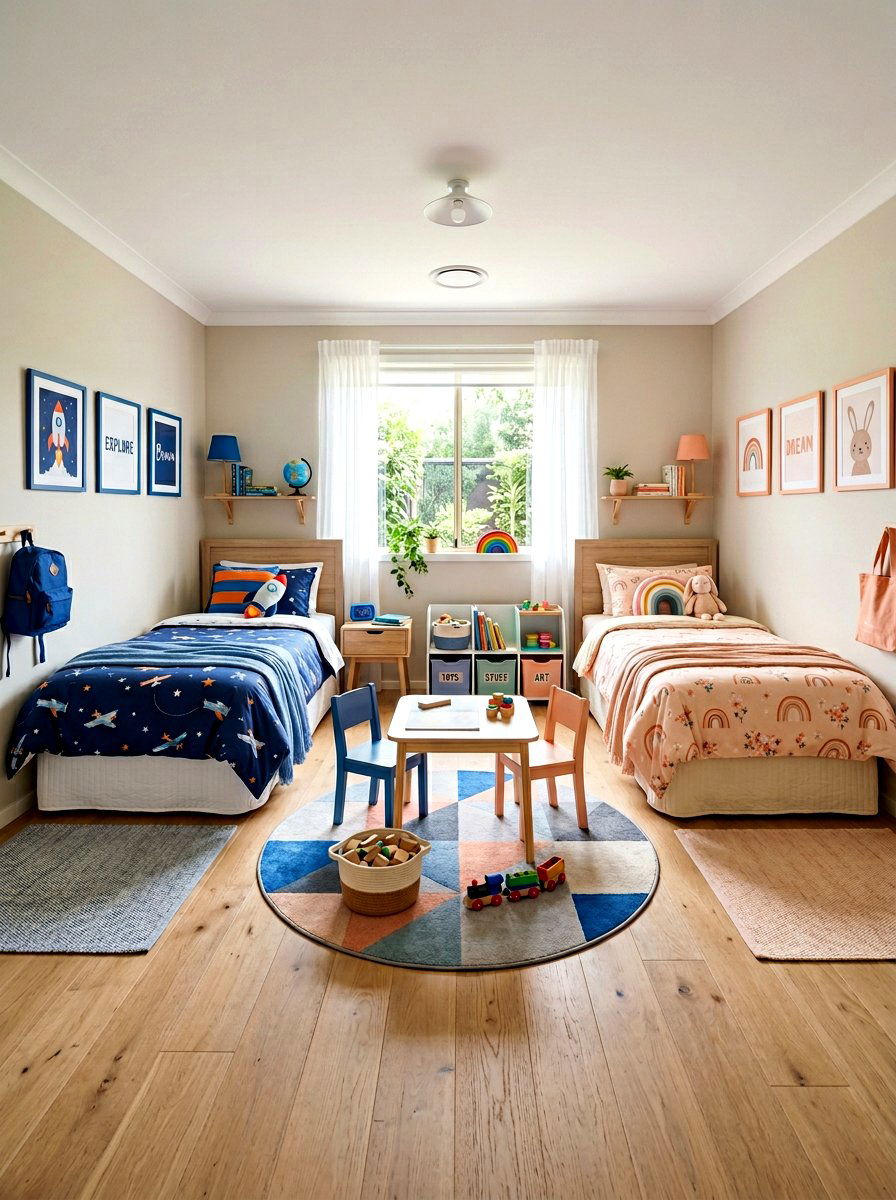
Designing a shared bedroom for boy and girl requires finding a middle ground that satisfies both. A neutral base color like soft grey or beige allows you to add personalized accents for each child. You can use different colored quilts or themed pillows on each bed to define their territory. A shared central area for play or study helps bring the two sides of the room together. Wall art that features a mix of interests can create a harmonious bridge between their styles. This approach ensures that neither child feels their personality is being overshadowed. It celebrates their unique identities within a single, unified space.
12. Bunk Beds With Desk
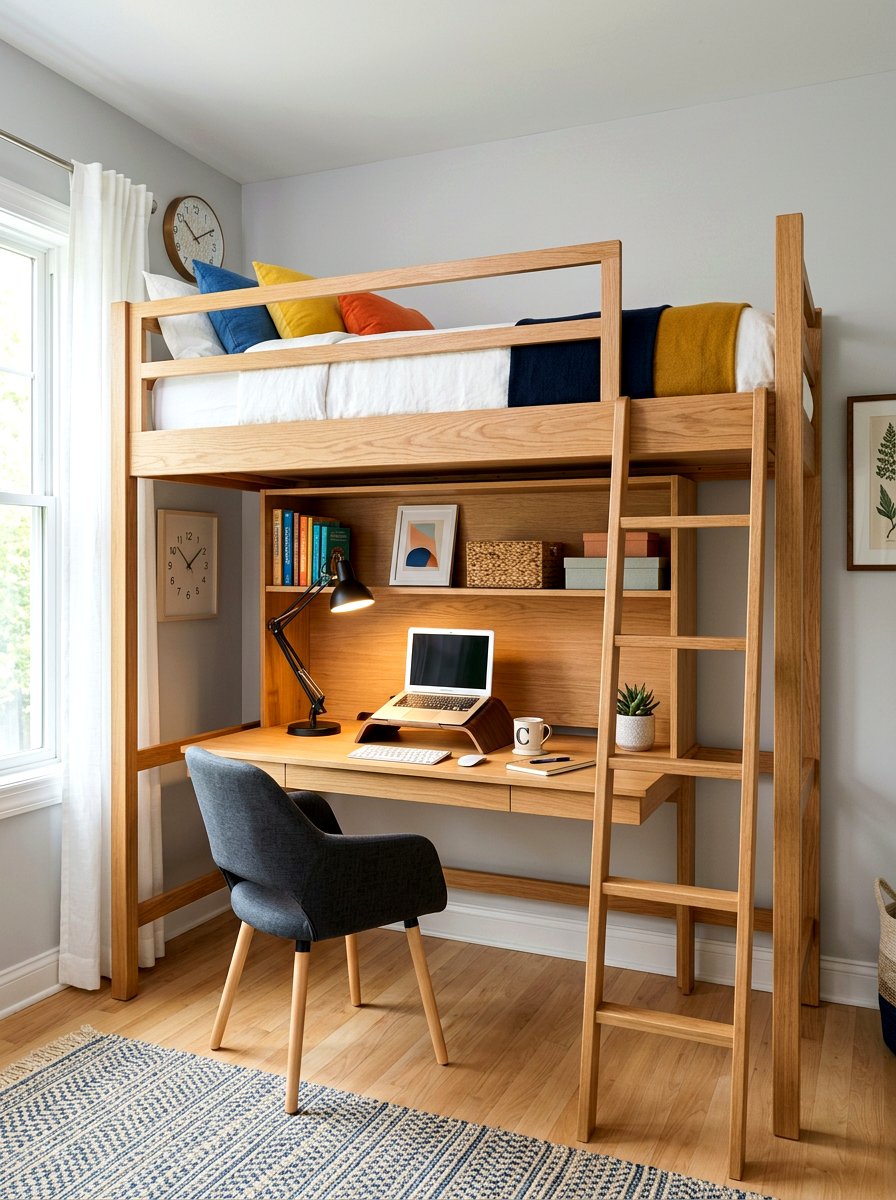
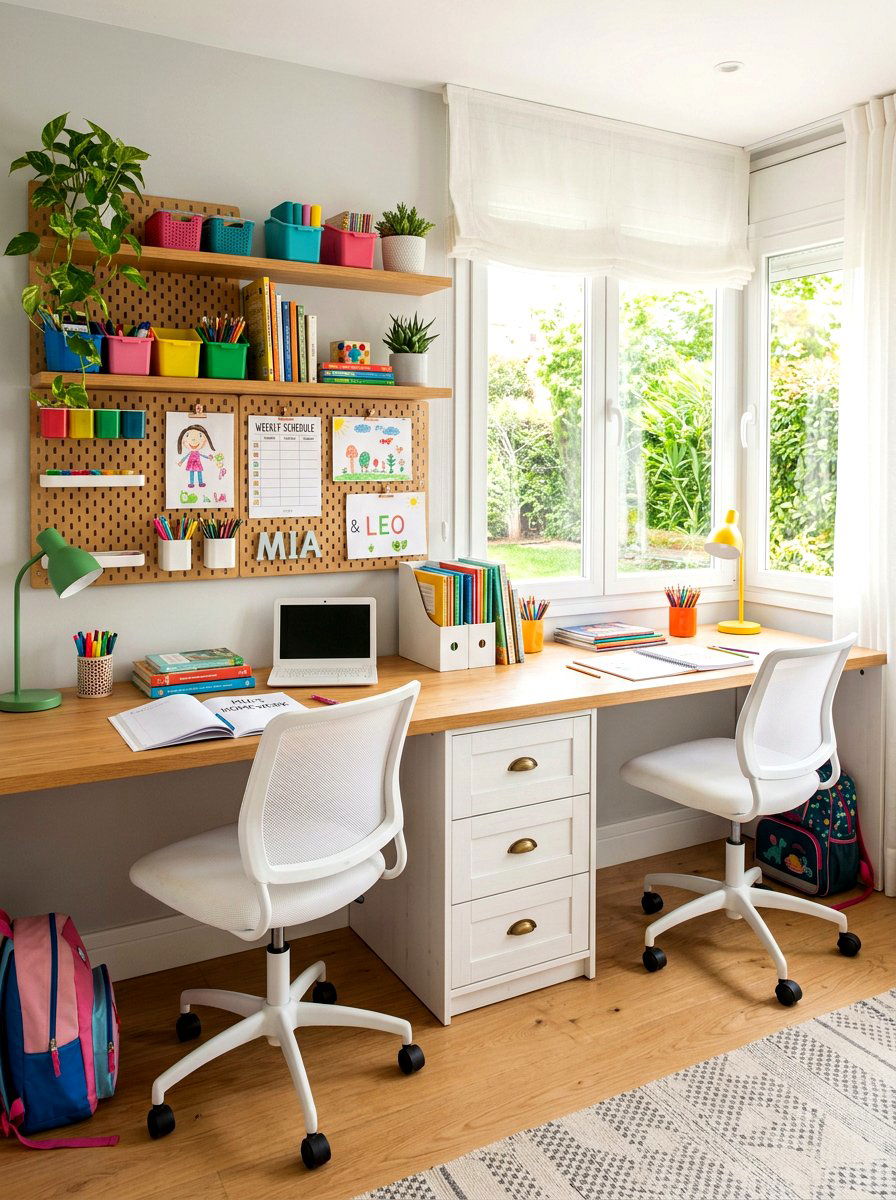
Choosing bunk beds with desk is a smart way to incorporate a study zone into a shared room. Many lofted designs place the sleeping area on top, leaving ample room for a full-sized workstation below. This is especially helpful for older children who need a quiet place for homework. It keeps the desk tucked away from the main play area, reducing distractions. You can add integrated shelving to the desk unit for storing school supplies and books. This vertical solution is perfect for compact rooms where a separate desk wouldn't fit. It effectively combines two essential functions into one single piece of furniture.
13. Shared Montessori Bedroom
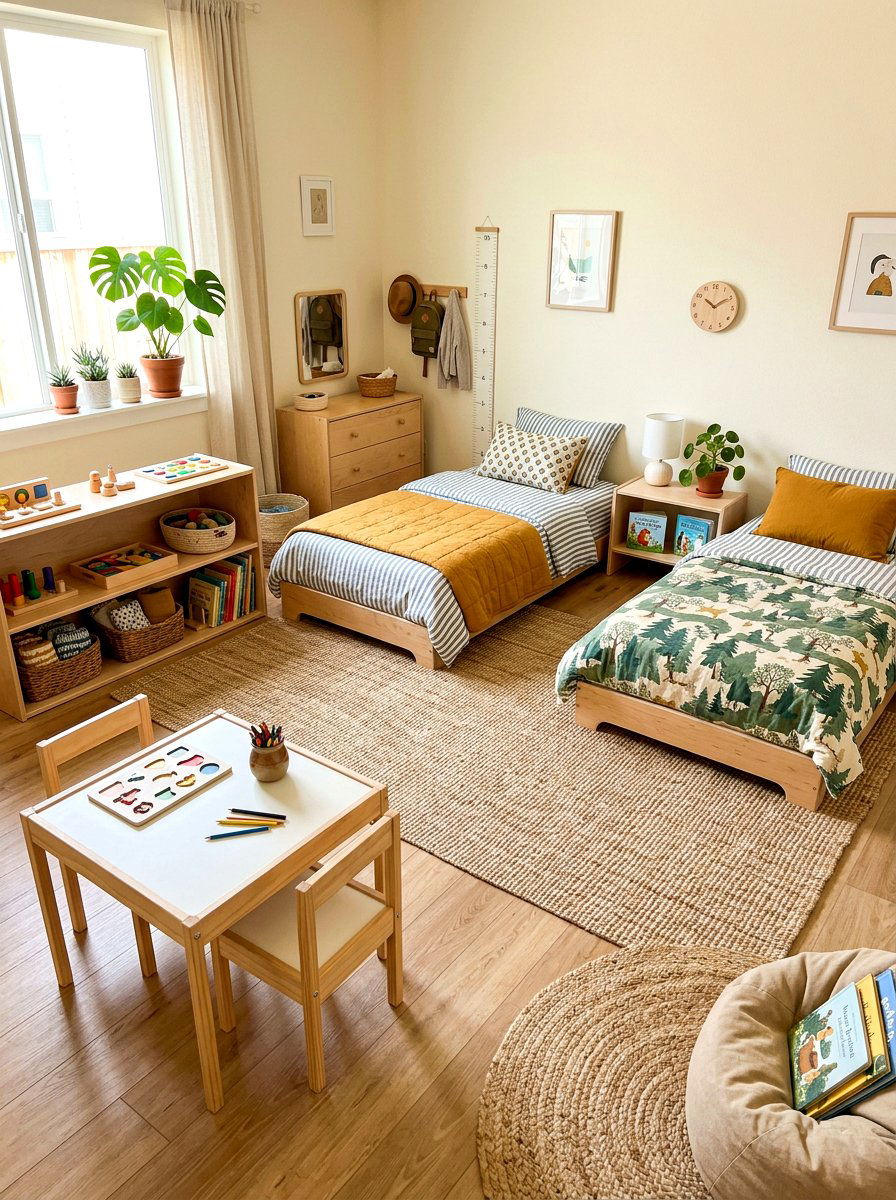
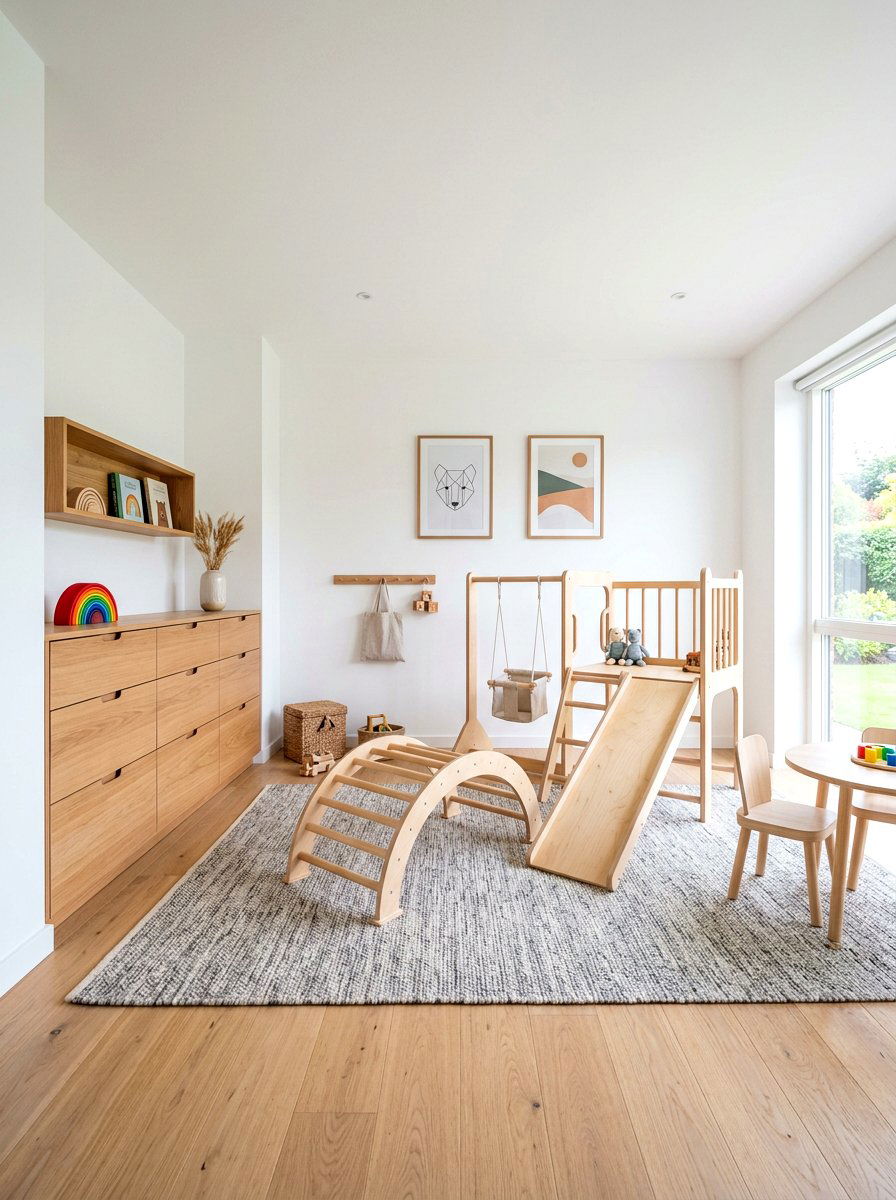
A shared Montessori bedroom focuses on independence and accessibility for children of all ages. Using low floor beds allows even the youngest sibling to get in and out safely. Furniture should be at a child’s height to encourage them to tidy up their own belongings. A minimal and clutter-free environment helps promote a sense of calm and focus. Use natural materials like wood and cotton to create a tactile and inviting space. Rotating toys and books on low shelves keeps the room fresh and engaging. This design philosophy empowers siblings to take ownership of their space while living together in harmony.
14. Loft Beds For Two
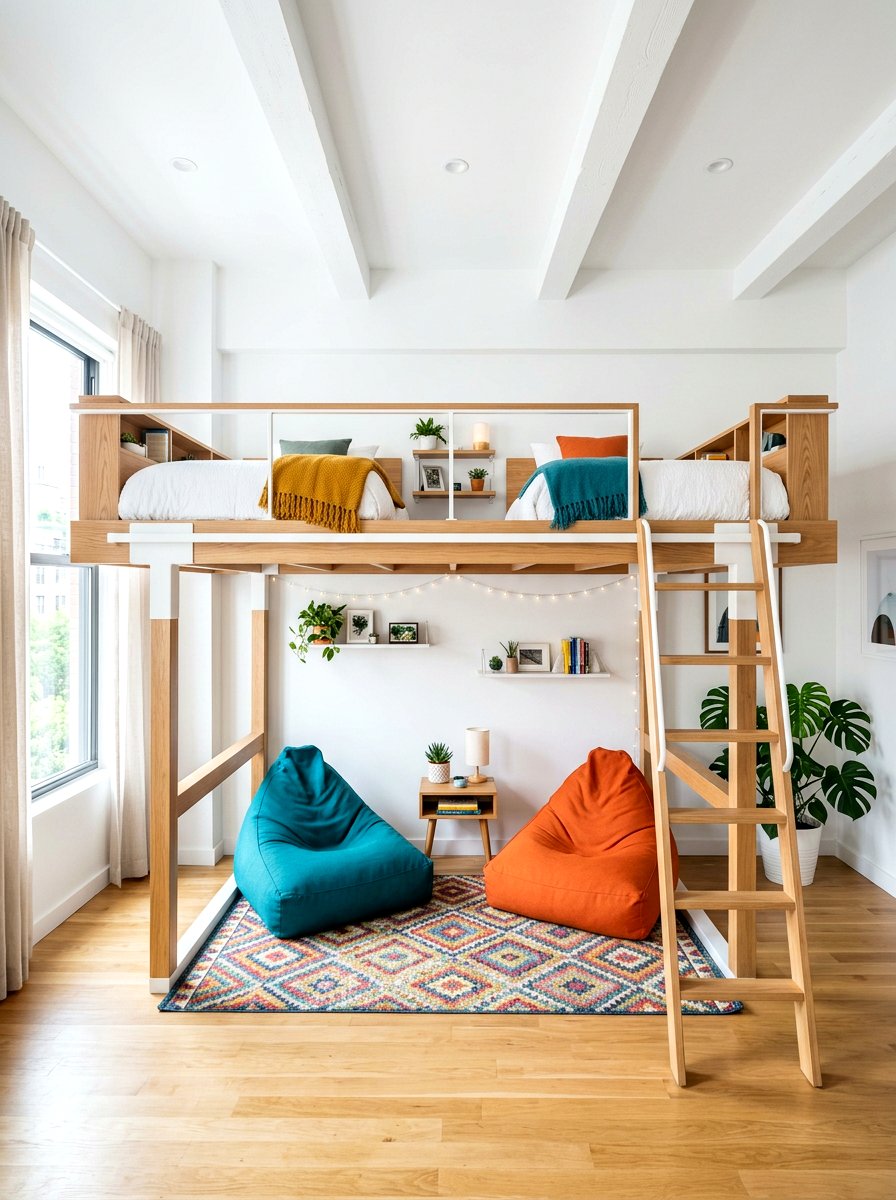
Installing loft beds for two is an excellent way to create extra living space underneath the sleeping areas. You can use the space below for a shared lounge, a library, or even a walk-in closet. This layout effectively doubles the usable square footage of the room. It gives each sibling a high-up retreat that feels like a private fort. The area underneath can be personalized with bean bags, rugs, and soft lighting for relaxation. This design is particularly popular with older children and teenagers who value having a place to hang out. It turns a standard bedroom into a multi-functional suite.

15. Shared Kids Room With Bookshelf
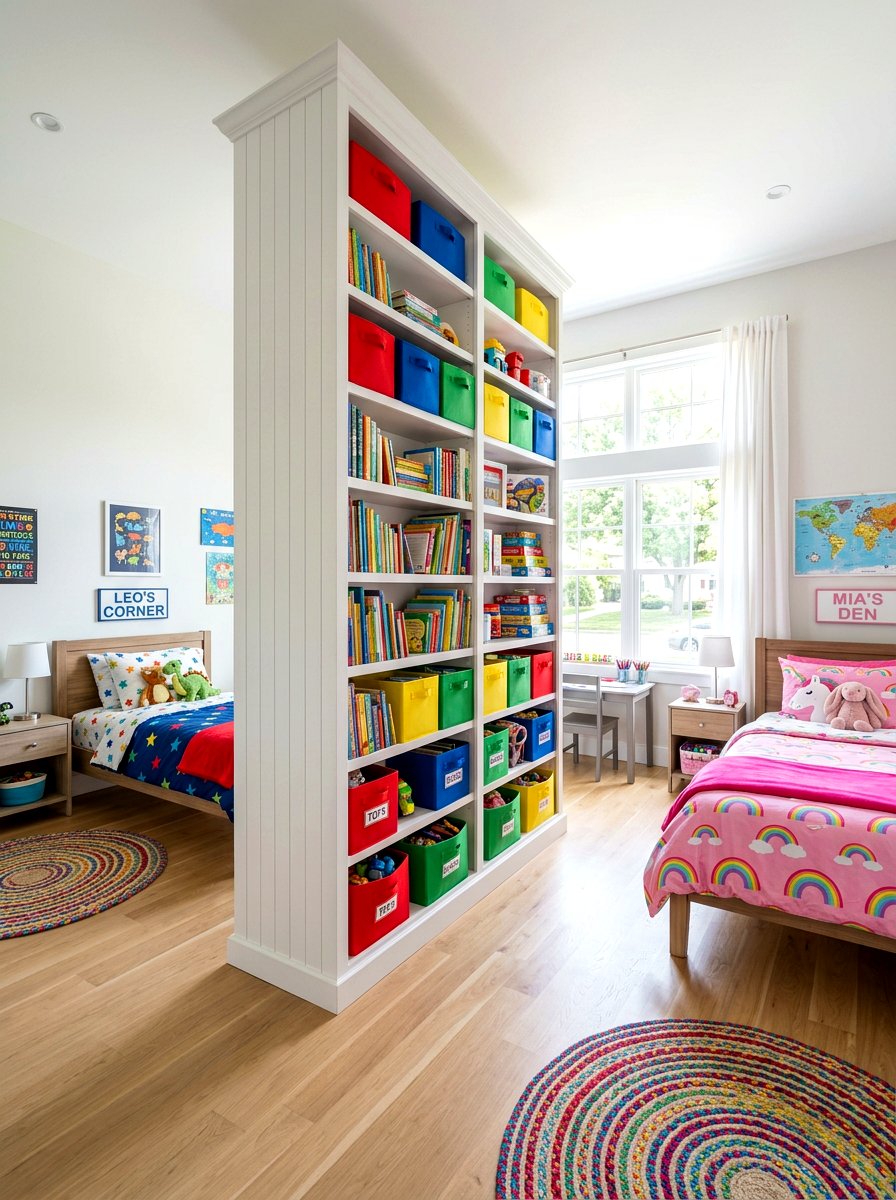
Using a shared kids room with bookshelf offers both organization and a subtle room divider. A double-sided shelving unit placed between two beds provides each child with their own storage for books and treasures. It creates a physical barrier that defines individual zones without making the room feel closed off. This setup is perfect for encouraging a love of reading in a shared environment. You can use colorful bins on the lower shelves for easy access to toys. The height of the bookshelf can be adjusted based on the age of the children and the size of the room. It is a practical and stylish furniture choice.
16. Modern Shared Bedroom
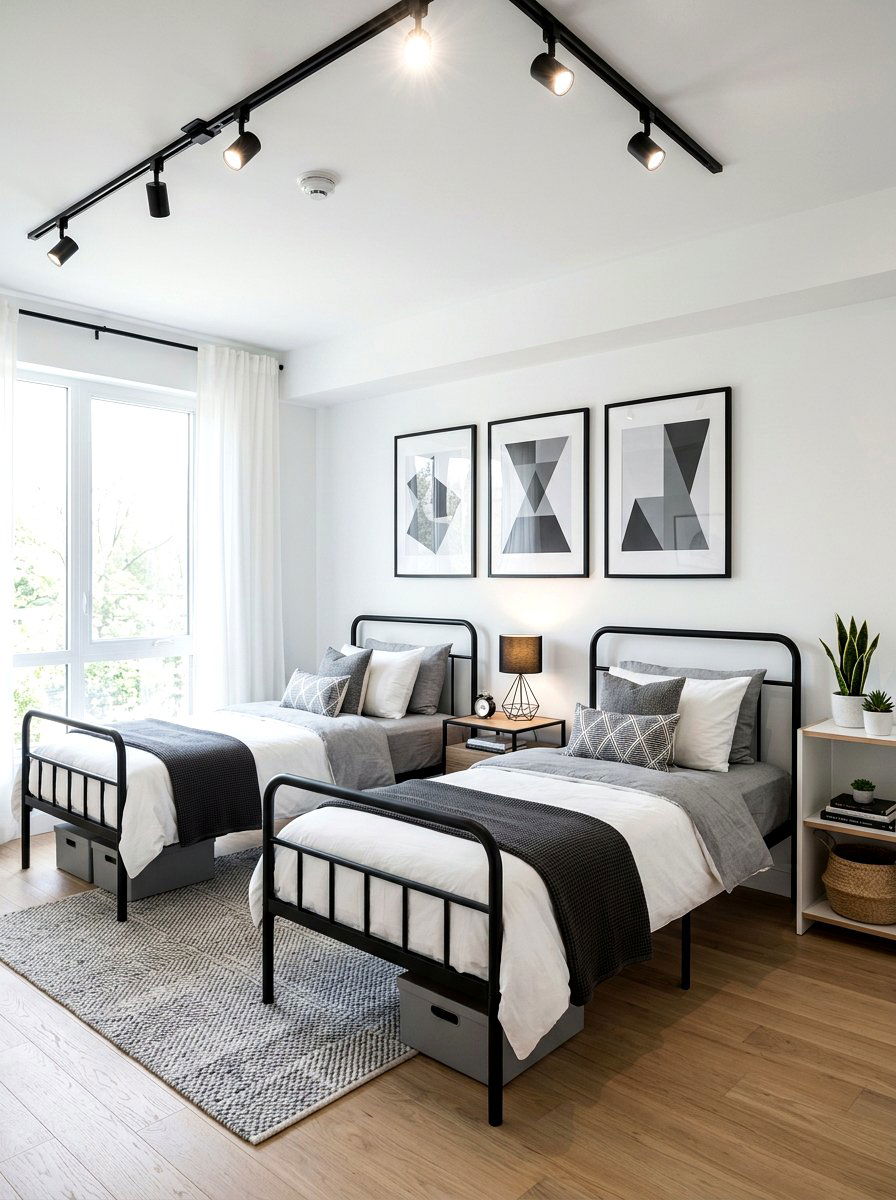
A modern shared bedroom features clean lines, a restricted color palette, and high-quality finishes. Think about using sleek metal bed frames or minimalist wooden platforms for a contemporary look. Abstract wall art and geometric patterns add a touch of sophistication to the space. Integrated storage solutions help keep surfaces clear and the room looking tidy. This style prioritizes function and simplicity, making it easy to maintain. Using a monochromatic theme with pops of a single bold color can create a very striking visual impact. This design is perfect for families who appreciate a polished and uncluttered home environment.
17. Boho Shared Bedroom
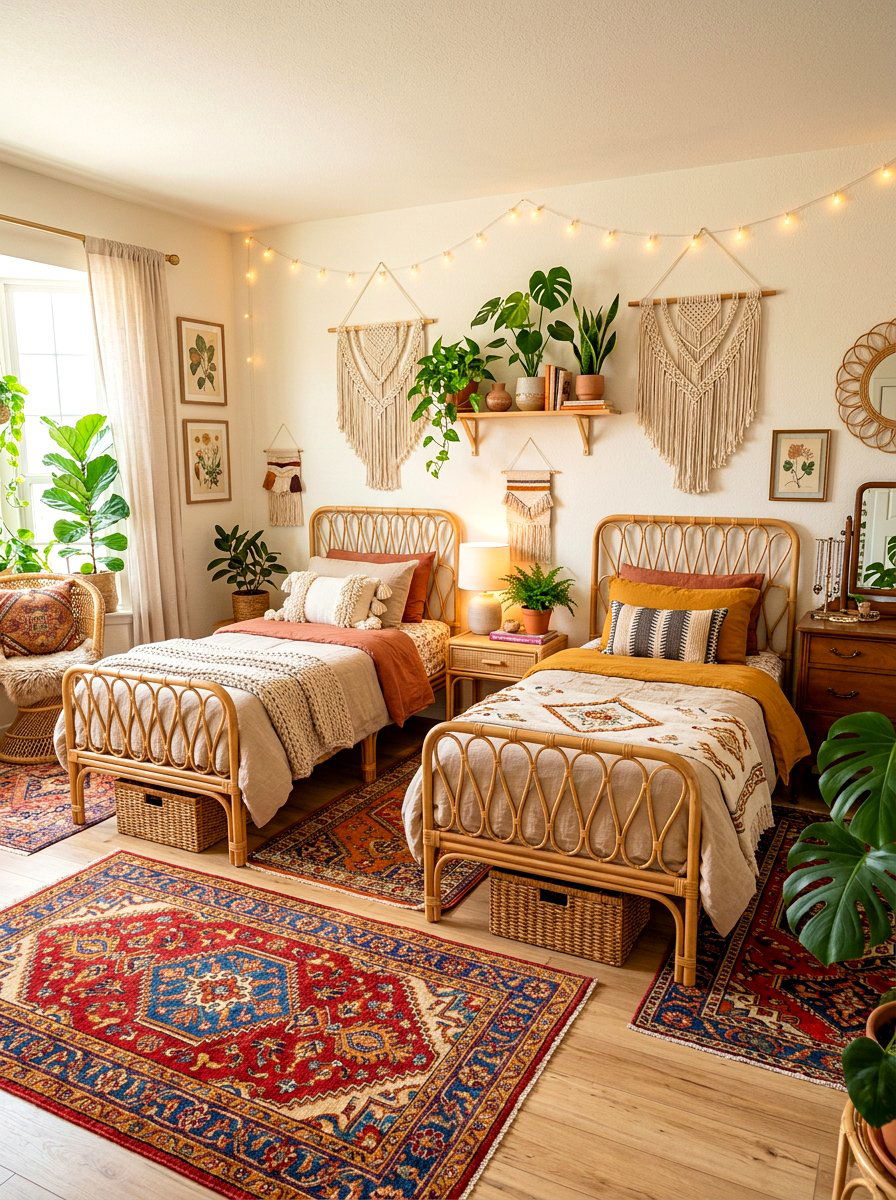
A boho shared bedroom is all about warmth, texture, and a relaxed atmosphere. Incorporating elements like macramé wall hangings, rattan furniture, and layered rugs creates a cozy vibe. You can mix and match different patterns and colors to reflect each child's personality. Plants add a fresh, natural element that enhances the bohemian aesthetic. Using soft, ambient lighting like fairy lights or globe pendants makes the room feel magical at night. This style is very forgiving and allows for a more eclectic collection of furniture and decor. It creates a comfortable sanctuary where siblings can relax and let their creativity flow freely.
18. Shared Playroom Bedroom
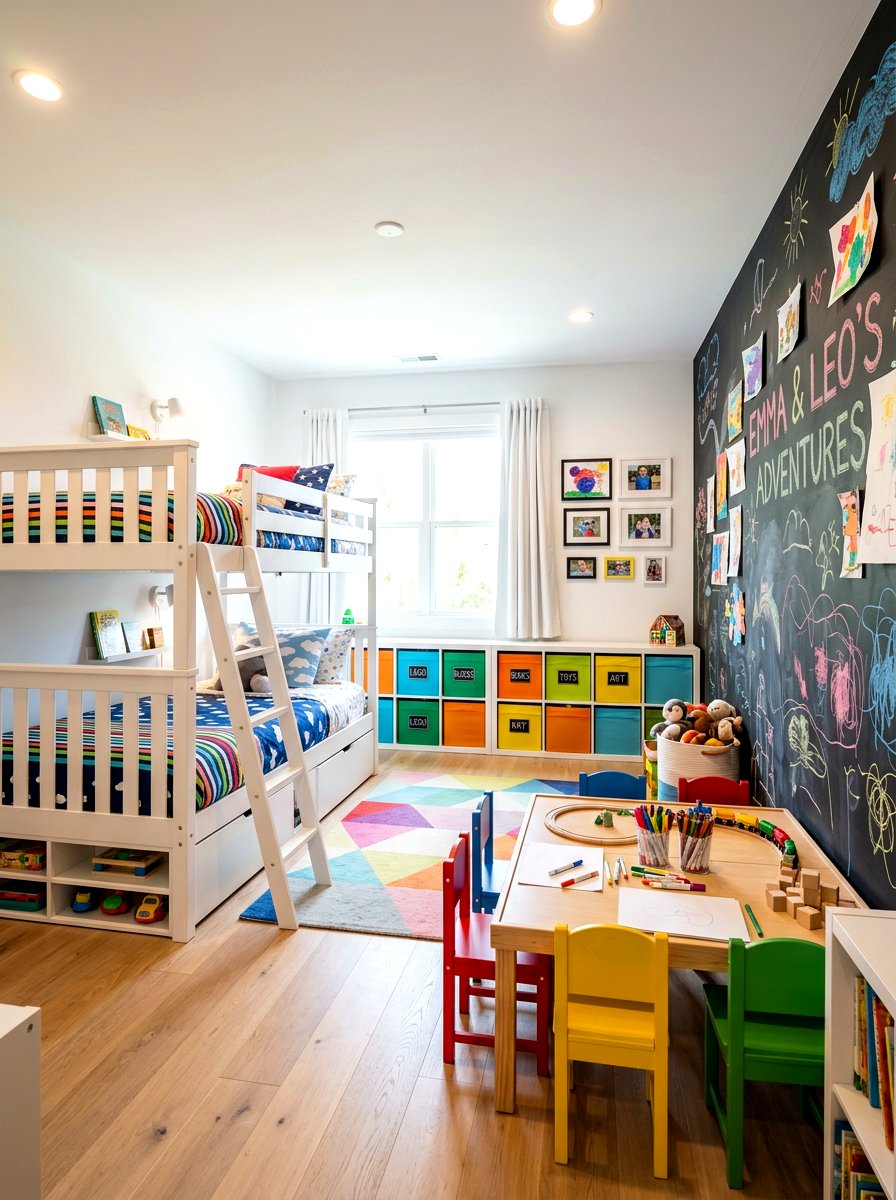
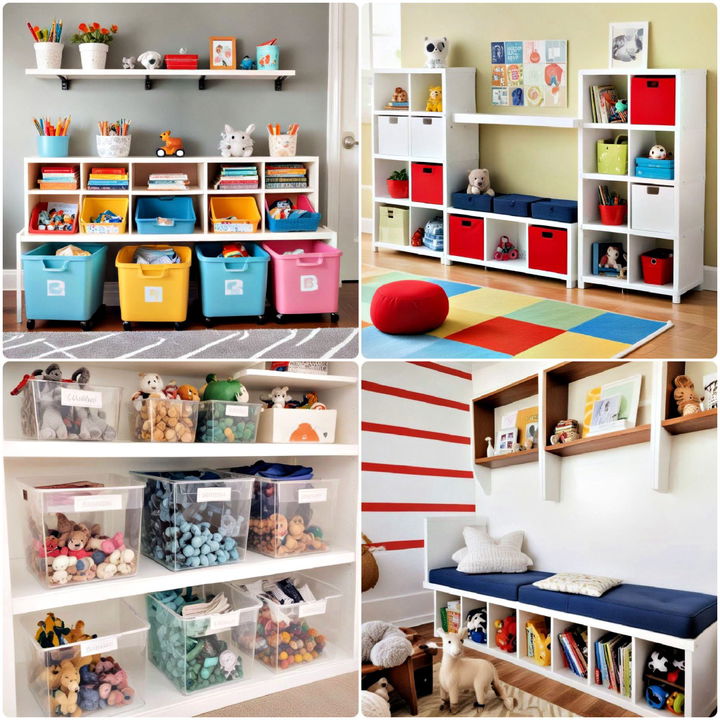
Combining a bedroom and playroom into one space requires a layout that balances rest and activity. You can dedicate one side of the room to sleeping with bunk beds or twin beds. The other side can be an open play zone with a large rug, toy storage, and a creative station. Using clear bins and labeled drawers helps children know where everything belongs after playtime is over. A chalkboard wall or a wall-mounted paper roll provides an endless canvas for artistic expression. This multi-purpose room ensures that children have plenty of space for both high-energy games and quiet, restorative sleep.
19. Minimalist Shared Bedroom
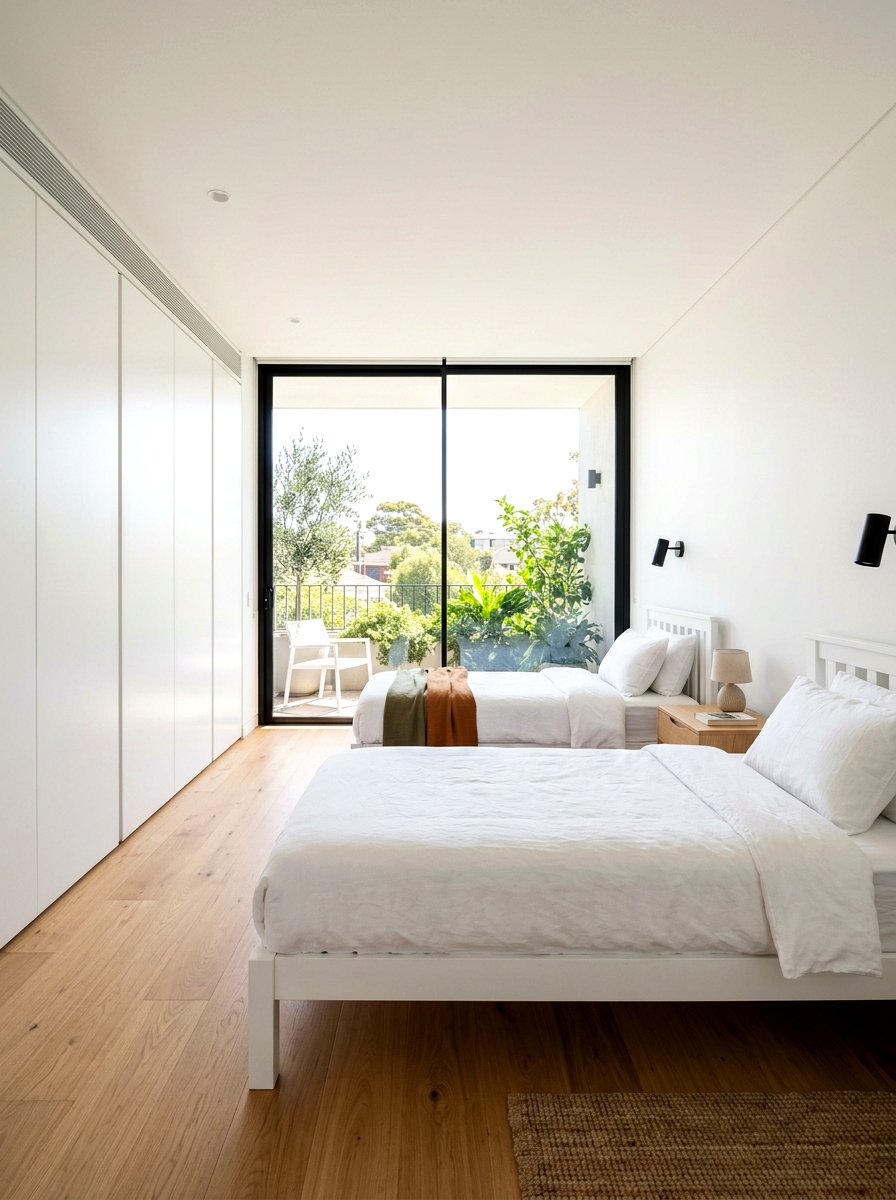
A minimalist shared bedroom focuses on the essentials to create a calm and peaceful environment. By reducing the amount of furniture and decor, the room feels much larger and more open. Choose high-quality, simple pieces that serve a clear purpose. A neutral color scheme with white walls and light wood floors enhances the sense of tranquility. Built-in closets or hidden storage solutions are used to keep all belongings out of sight. This approach is ideal for children who may feel overwhelmed by too much visual clutter. It encourages a simpler way of living and makes the daily cleaning routine much faster.
20. Shared Bedroom For Three Kids
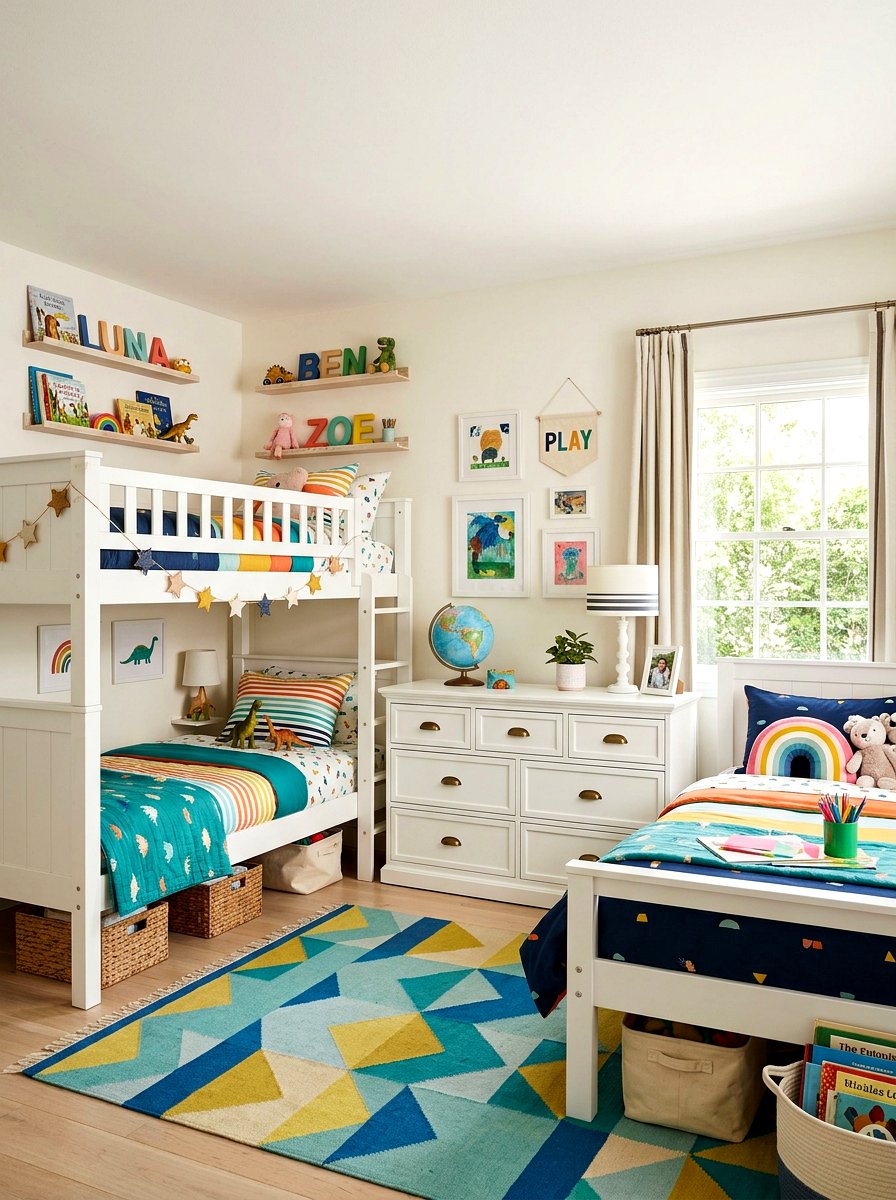
Designing a shared bedroom for three kids often involves creative bed arrangements to fit everyone comfortably. You can use a combination of a bunk bed and a separate twin bed, or even a triple-tier bunk. It is important to provide each child with their own small pocket of privacy, such as a personal shelf or a clip-on light. Using a large, central dresser can help save wall space while providing ample storage for everyone 's clothes. Clearly defined zones for each child help prevent arguments over personal space. This layout maximizes the room' s capacity while ensuring that every sibling feels included and valued.
21. Shared Bedroom With Privacy Curtains
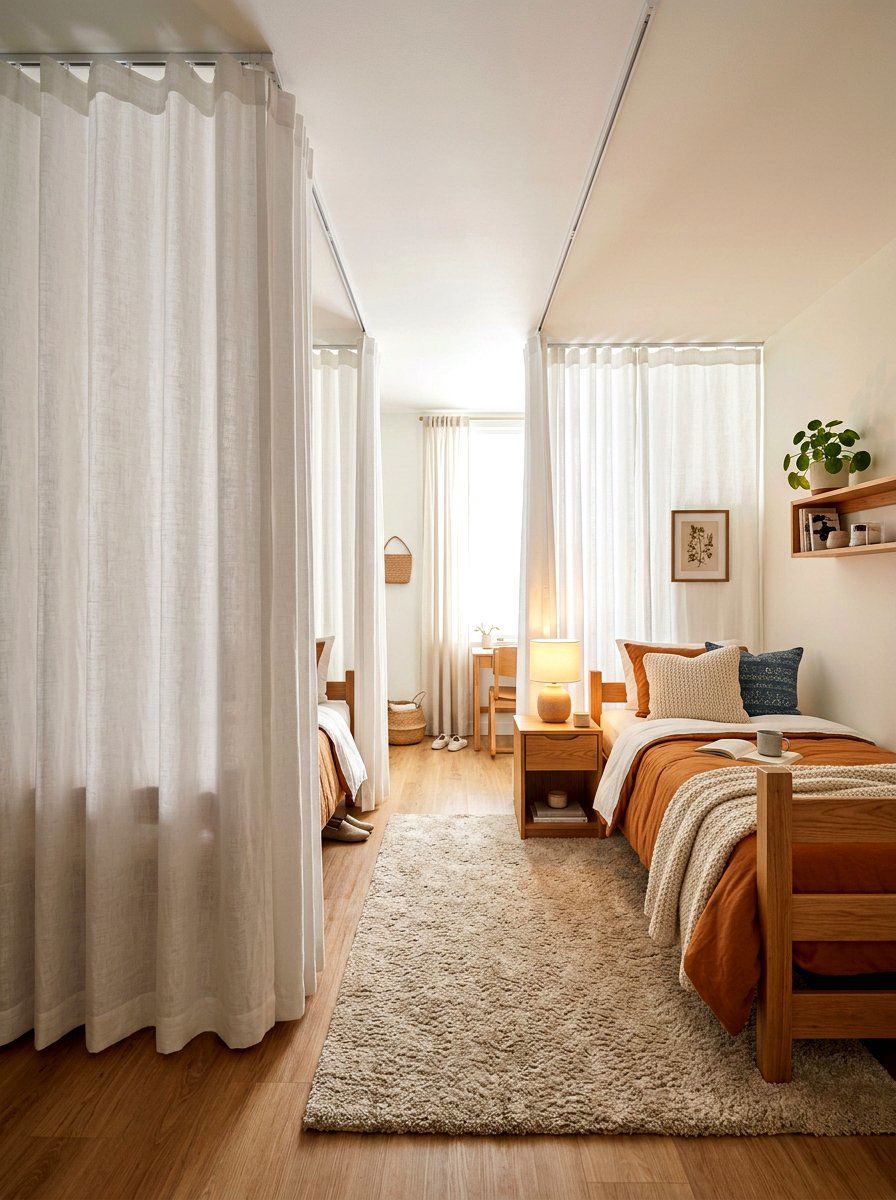
A shared bedroom with privacy curtains is an affordable and effective way to give siblings their own space. You can install curtains around bunk beds or between twin beds to create individual "rooms" within the room. This allows one child to sleep while the other stays up with a small light to read. Choosing heavy, light-blocking fabric can also help regulate sleep patterns. When the curtains are open, the room feels social and connected. This flexible solution is great for siblings with different schedules or those who simply value a little solitude. It adds a cozy, draped aesthetic to the bedroom decor.
22. Colorful Shared Bedroom
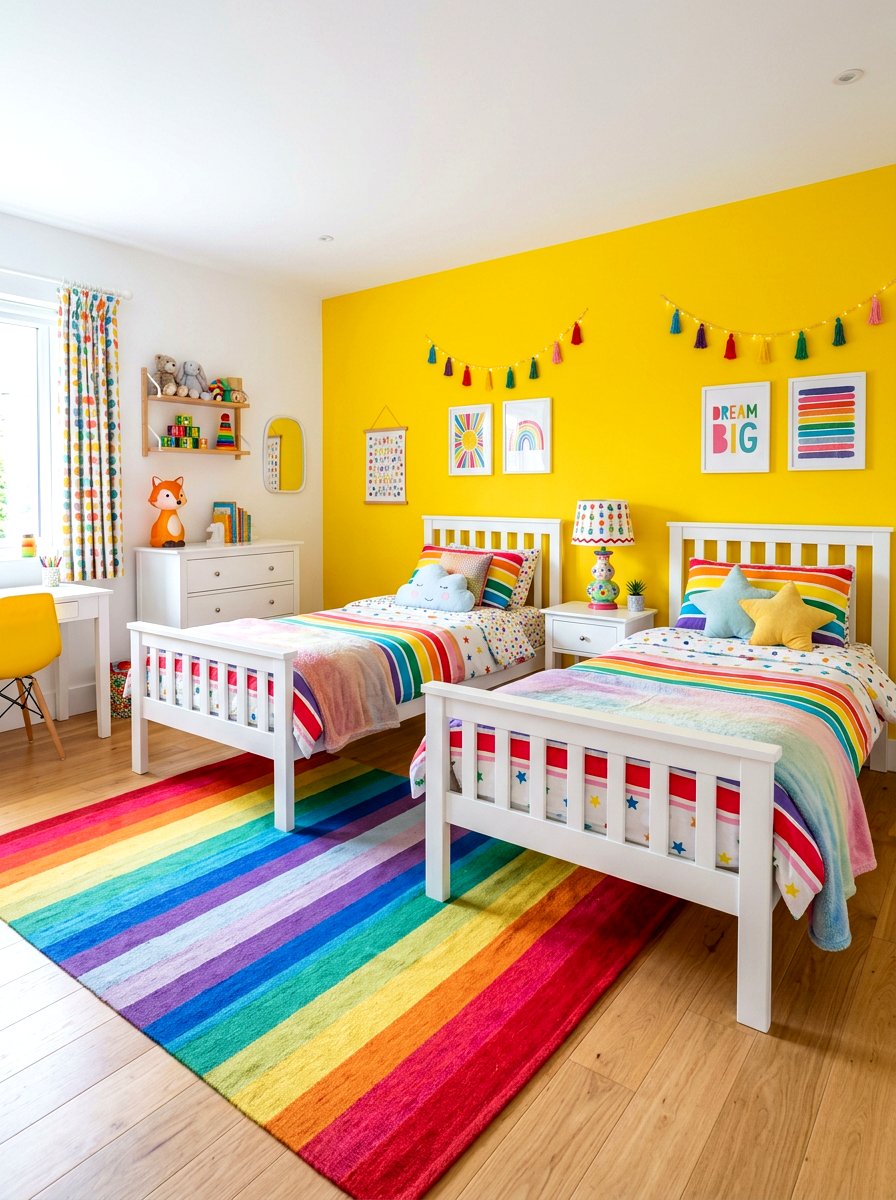
A colorful shared bedroom brings energy and joy to the home through bold hues and playful patterns. You can use a bright accent wall to anchor the room and tie together the different colors used in the bedding. Mixing primary colors like red, blue, and yellow creates a classic and vibrant kids' room look. Playful accessories like multi-colored rugs and whimsical lamps add layers of fun to the space. This design encourages a positive and creative mood for the siblings. It is a great way to let children’s personalities shine through their surroundings. The key is to balance the bright colors with neutral furniture.
23. Built In Bunk Beds
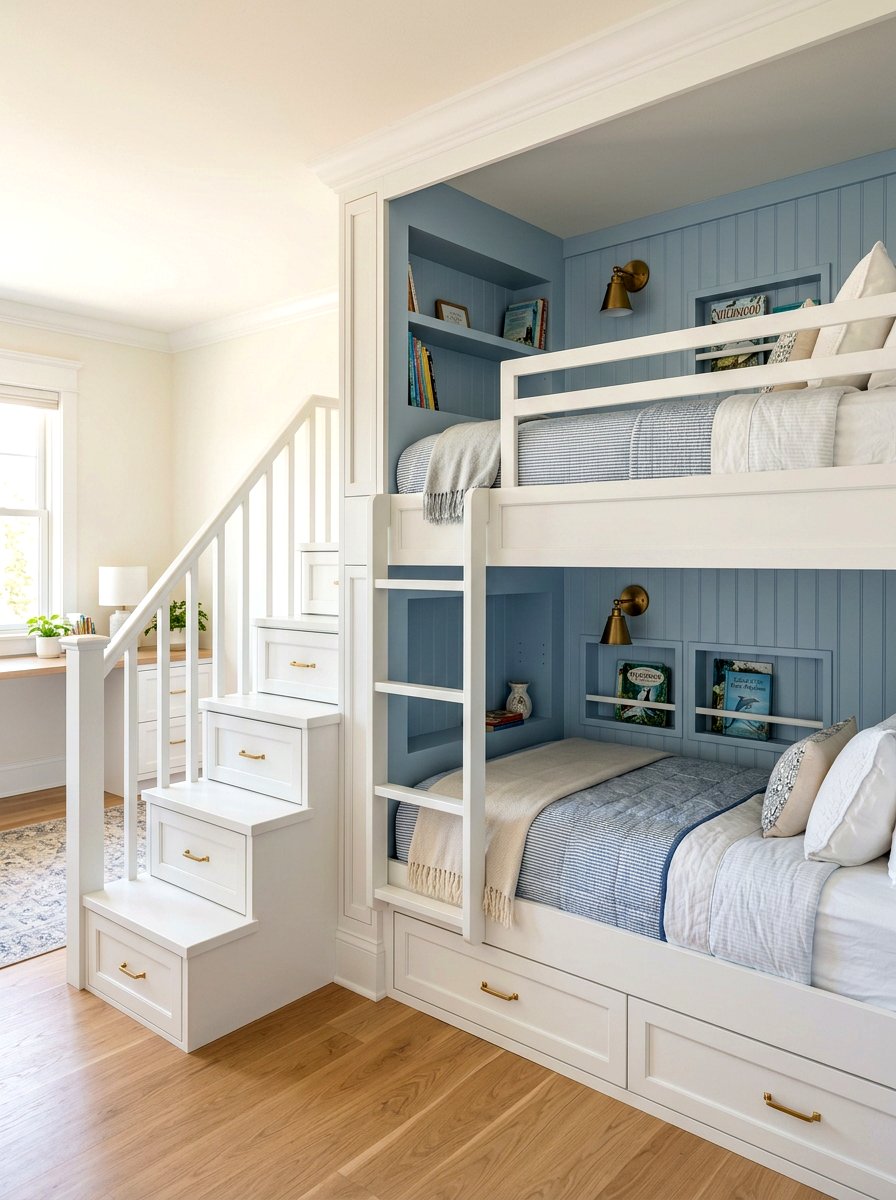
Custom built in bunk beds offer a seamless and high-end look that maximizes every inch of available space. Because they are constructed as part of the room, they can include integrated features like stairs, drawers, and shelving. This design eliminates the need for extra bulky furniture, leaving more room for play. You can paint the bunks the same color as the walls to make them blend in perfectly. Adding individual niches with charging ports and reading lights makes each bed feel like a luxury suite. This is a permanent solution that adds value to the home and provides a very organized environment.
24. Shared Bedroom For Teen Siblings
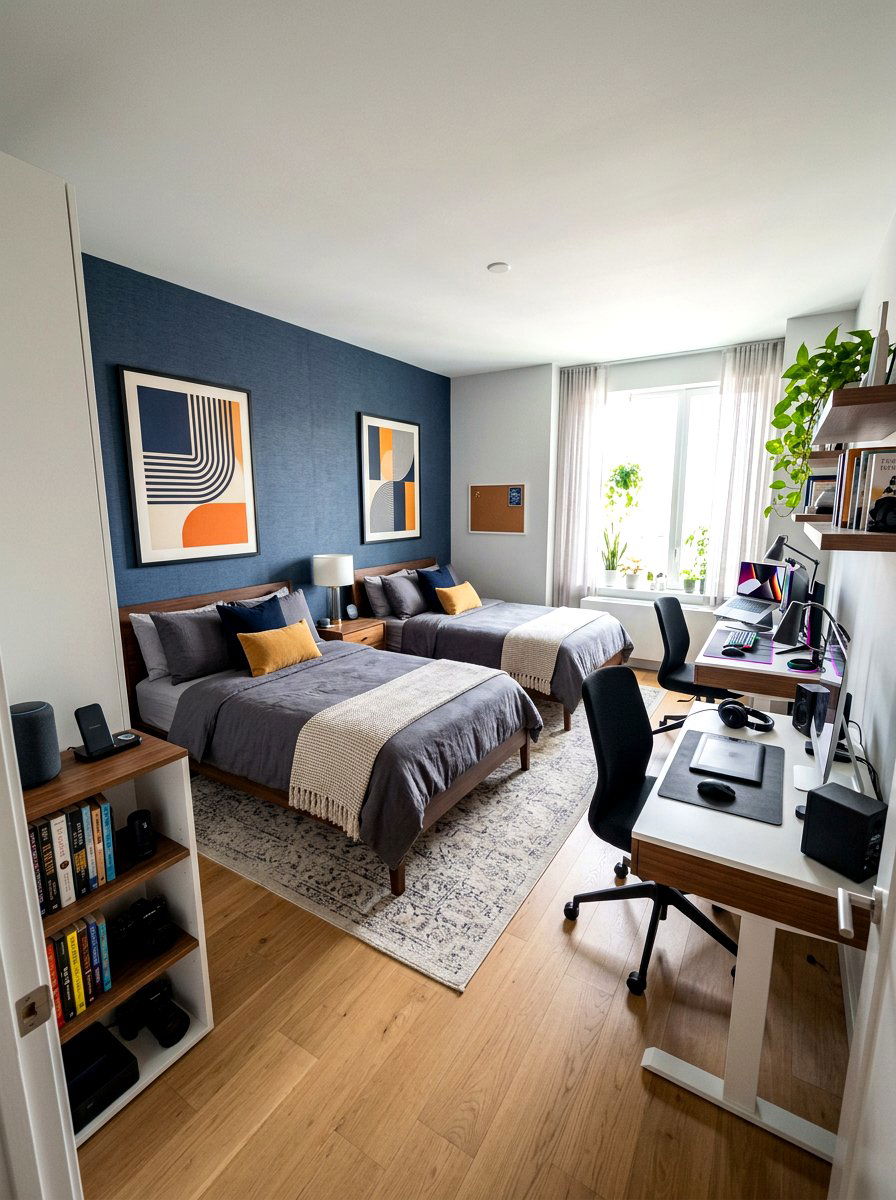
Designing a shared bedroom for teen siblings requires a more mature approach to decor and layout. Swap out playful themes for sophisticated colors like charcoal, navy, or deep forest green. Providing each teen with a dedicated workspace is essential for high school studies. You may want to use a taller room divider to offer more substantial privacy. Opt for larger bed sizes if the room allows, or high-quality loft beds to create "living" space below. High-speed charging stations and plenty of outlets for electronics are must-have features. This design focuses on creating a cool, adult-like retreat that respects their growing need for independence.
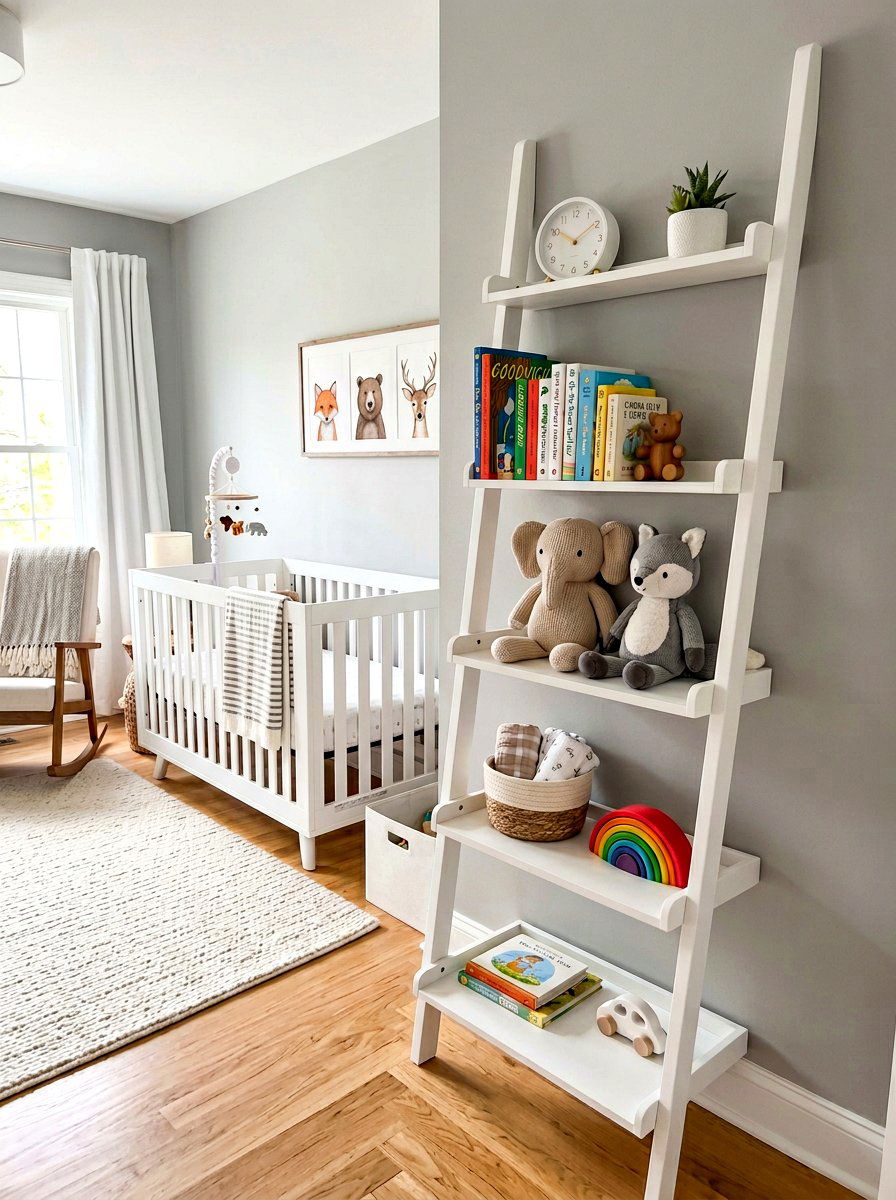
25. Scandi Shared Bedroom
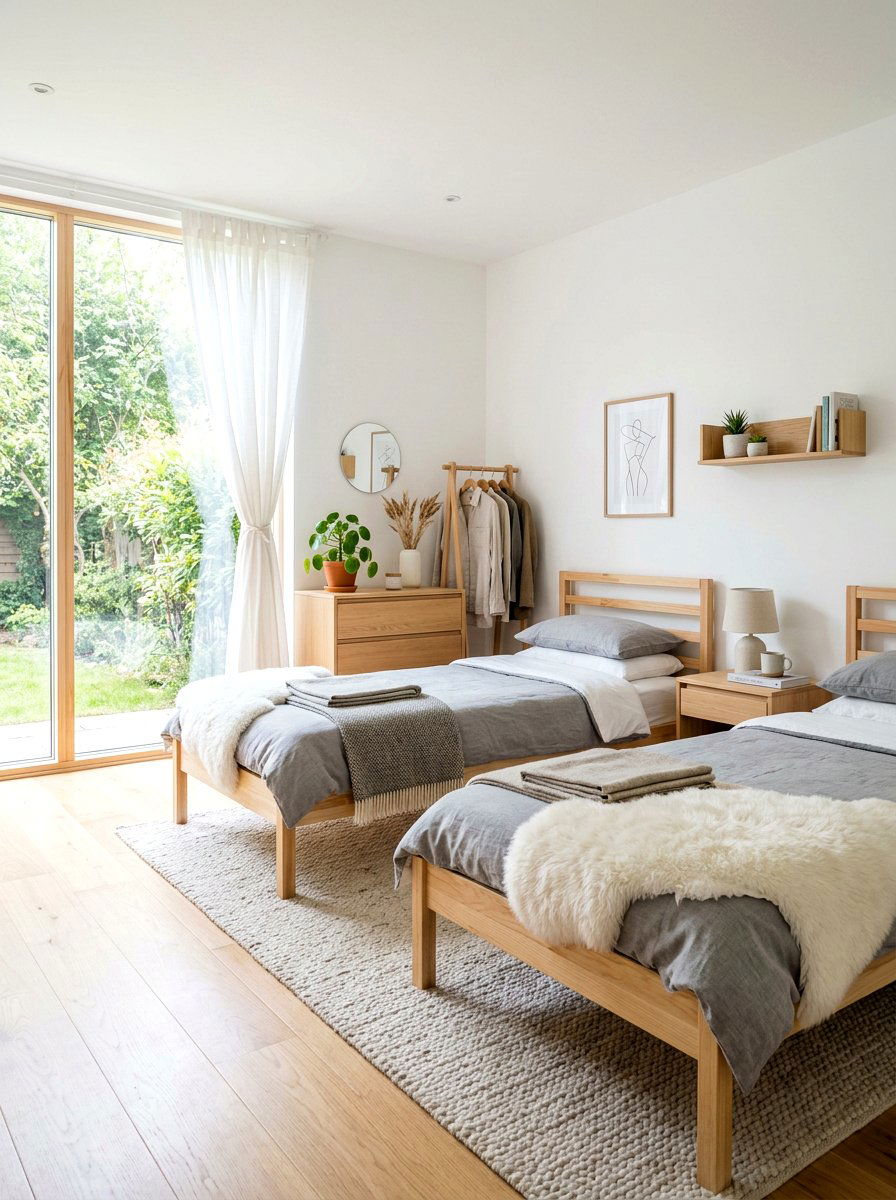
A Scandi shared bedroom is characterized by its light, airy feel and functional design. Use plenty of white, light grey, and natural blonde wood to achieve this classic Nordic look. Simple, streamlined furniture helps keep the room looking tidy and organized. Incorporate cozy elements like sheepskin rugs and knitted throws to add warmth and comfort. Large windows without heavy curtains allow as much natural light as possible into the space. This style emphasizes a "less is more" philosophy, which is perfect for maintaining peace in a shared room. It creates a timeless aesthetic that stays stylish as the children grow older.
26. Shared Bedroom Under Stairs
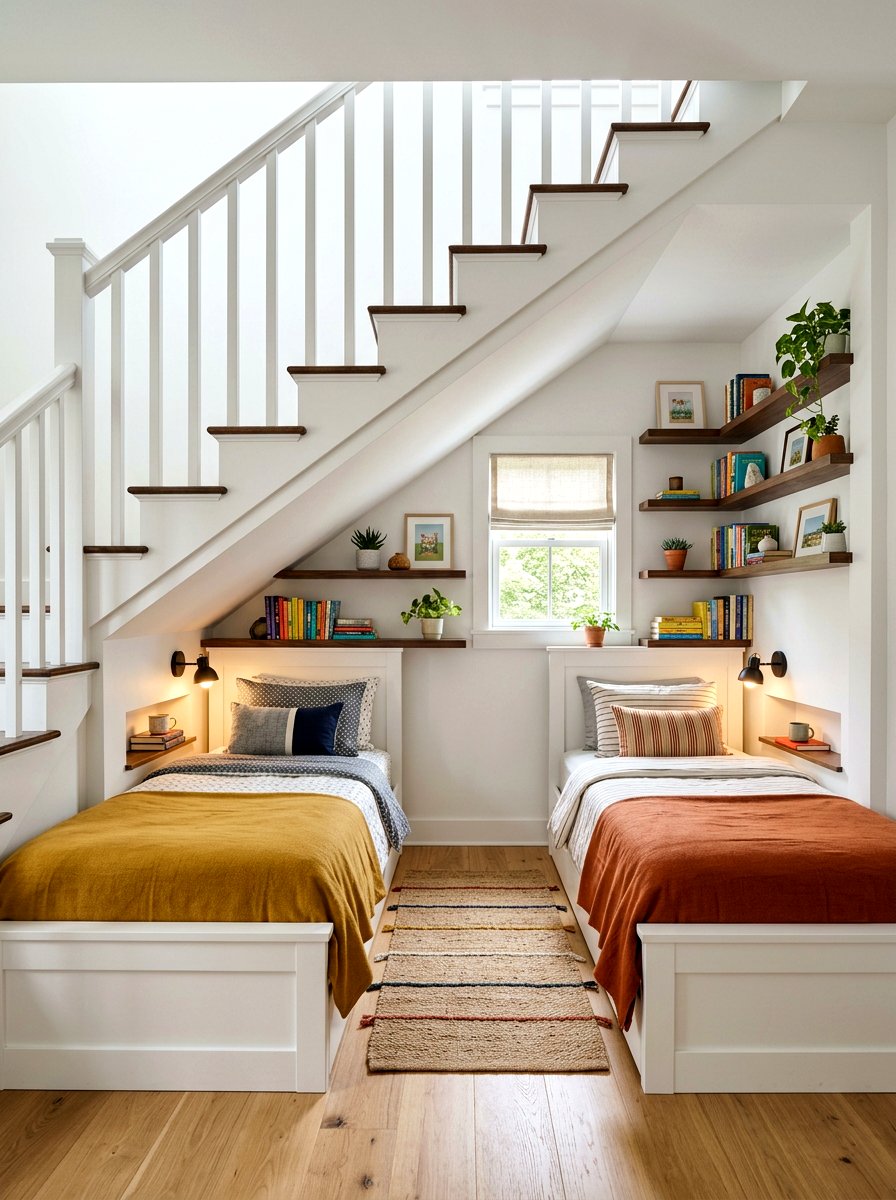
A shared bedroom under stairs is a unique and cozy way to utilize an unconventional space. You can tuck a custom bed or a small bunk unit into the nook created by the staircase. This creates a "hidden" feel that children often find very exciting and magical. Use the vertical space along the taller wall for storage or a small desk. Bright white paint and good lighting are essential to keep the area from feeling dark or cramped. This clever use of square footage is perfect for small homes or as a fun guest room for siblings. It turns an overlooked area into a functional retreat.
27. Attic Shared Bedroom
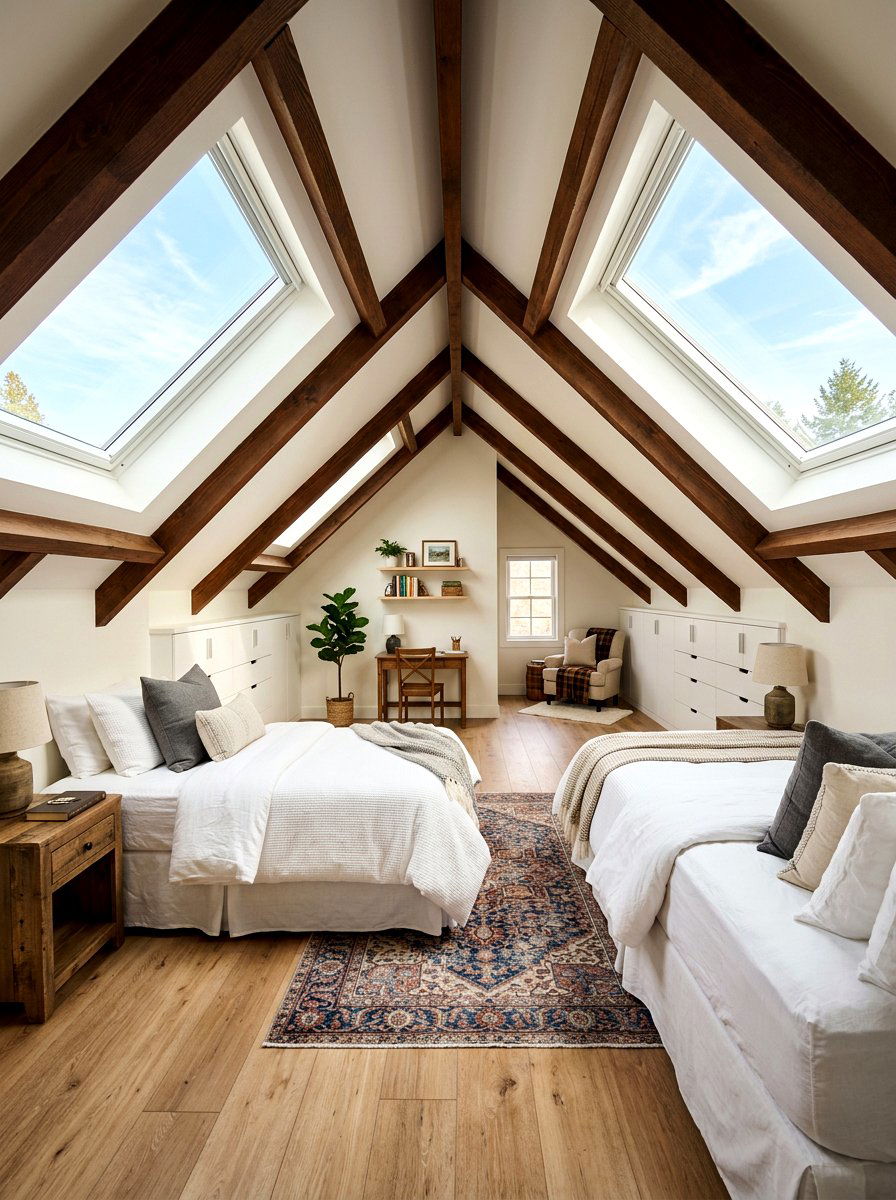
An attic shared bedroom takes advantage of sloped ceilings and unique architectural features. You can place beds under the eaves to create cozy, tucked-in sleeping nooks. Skylights are a great addition, providing plenty of natural light and a view of the stars at night. Use the low walls for custom built-in drawers or bookshelves to maximize storage. A central area with a higher ceiling is the perfect spot for a shared play or study zone. The unique layout of an attic room naturally provides a sense of character and charm. It feels like a private hideaway separated from the rest of the house.
28. Shared Bedroom With Window Seat
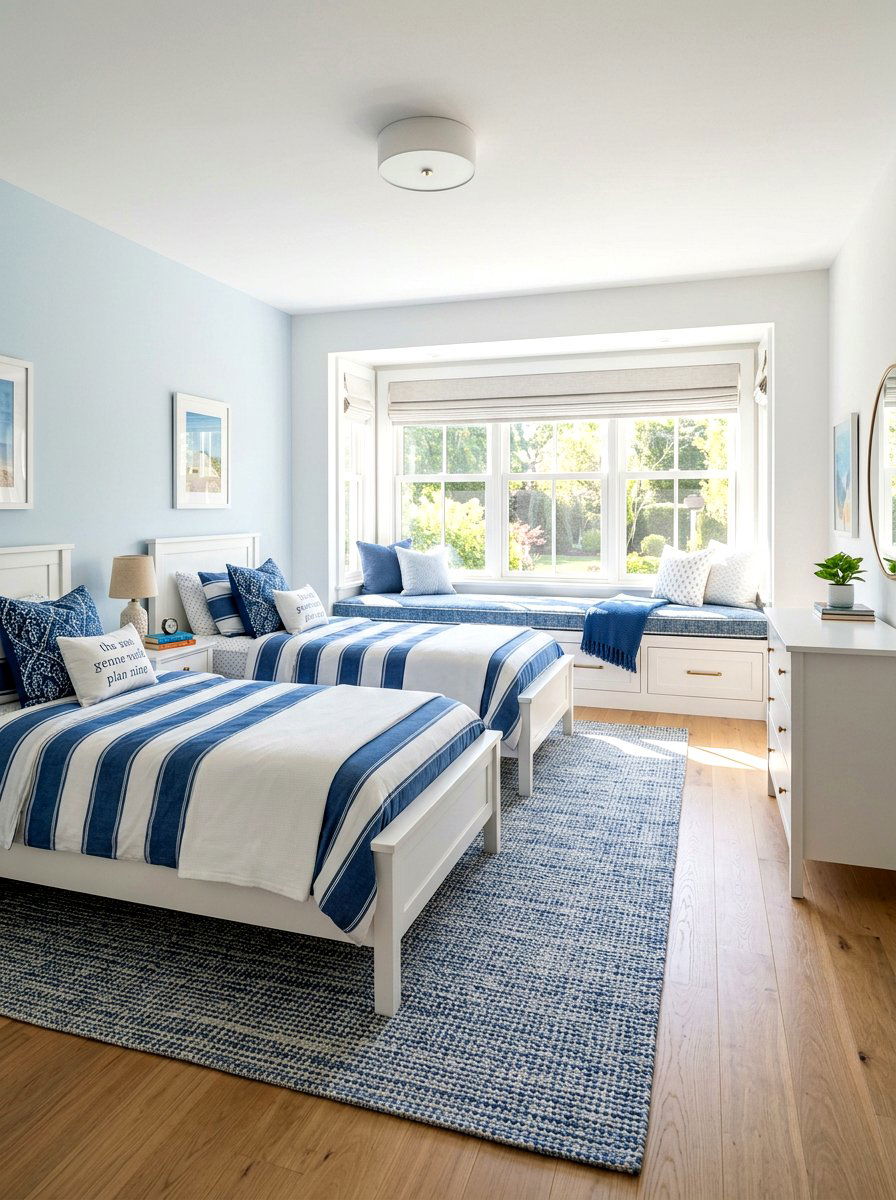
Incorporating a shared bedroom with window seat provides a lovely spot for siblings to read and relax together. A large built-in bench under the window can also include drawers for extra storage. This focal point adds architectural interest to the room and utilizes space that is often left empty. You can add soft cushions and throw pillows that match the room’s color scheme for extra comfort. It is a great place for children to enjoy the view or spend quiet time during the day. This feature anchors the design and creates a cozy, communal area within the shared bedroom environment.
29. Industrial Shared Bedroom
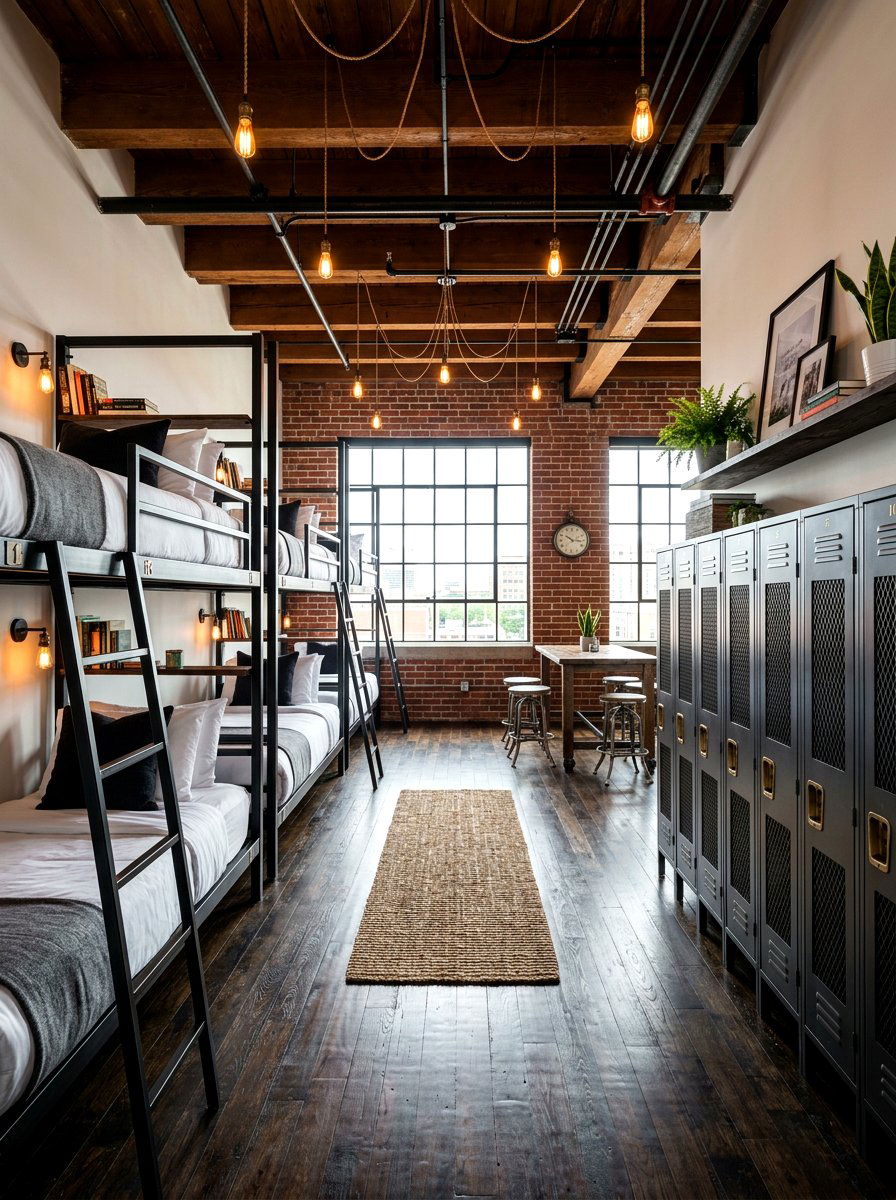
An industrial shared bedroom uses raw materials like metal, brick, and reclaimed wood for a rugged look. Iron bed frames and vintage-style lighting fixtures add a touch of character to the space. You can use a dark color palette with pops of orange or red to enhance the urban vibe. Large metal lockers are a fun and practical way to provide each sibling with their own storage. This style is very durable and can easily withstand the active lifestyle of children. It creates a cool and edgy atmosphere that appeals to many ages. Using textured fabrics helps soften the harder edges of the design.
30. Shared Bedroom With Trundle Bed
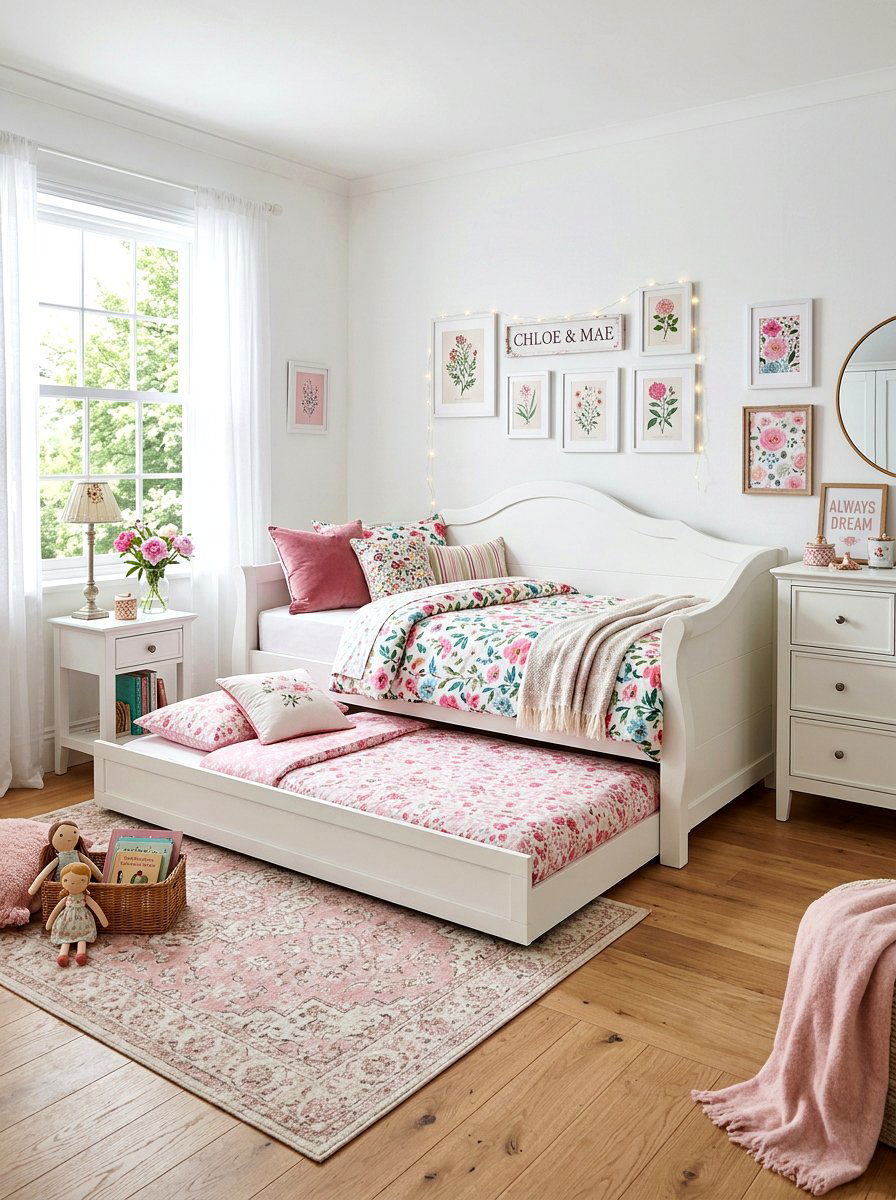
A shared bedroom with trundle bed is the ultimate space-saving solution for siblings or frequent sleepovers. The secondary bed slides neatly under the main frame when not in use, freeing up floor space for play. This is ideal for smaller rooms where two permanent beds might feel too crowded. You can use the trundle for a younger sibling or keep it ready for guests. Choose a bed frame with a high-quality mattress to ensure both sleepers are comfortable. This layout is very flexible and easy to manage on a daily basis. It provides a clean and organized look while offering extra sleeping capacity.
Conclusion:
Planning a shared sibling room is a rewarding design challenge that brings the family closer together. By focusing on smart layouts and functional furniture, you can create a space that feels both spacious and personal. Whether you choose the vertical efficiency of bunk beds or the classic symmetry of twin beds, the key is balance. Always involve the children in the process to ensure their unique personalities are represented in the final design. A well-organized room reduces daily stress and promotes a harmonious environment for growth. We hope these thirty diverse ideas inspire you to create a beautiful, shared sanctuary for your little ones.

Related posts: